
Your pet can feel safe and calm when their space feels right. Small changes, done bit by bit, can make a big difference for daily life.
1. Pick a Cozy Rest Spot
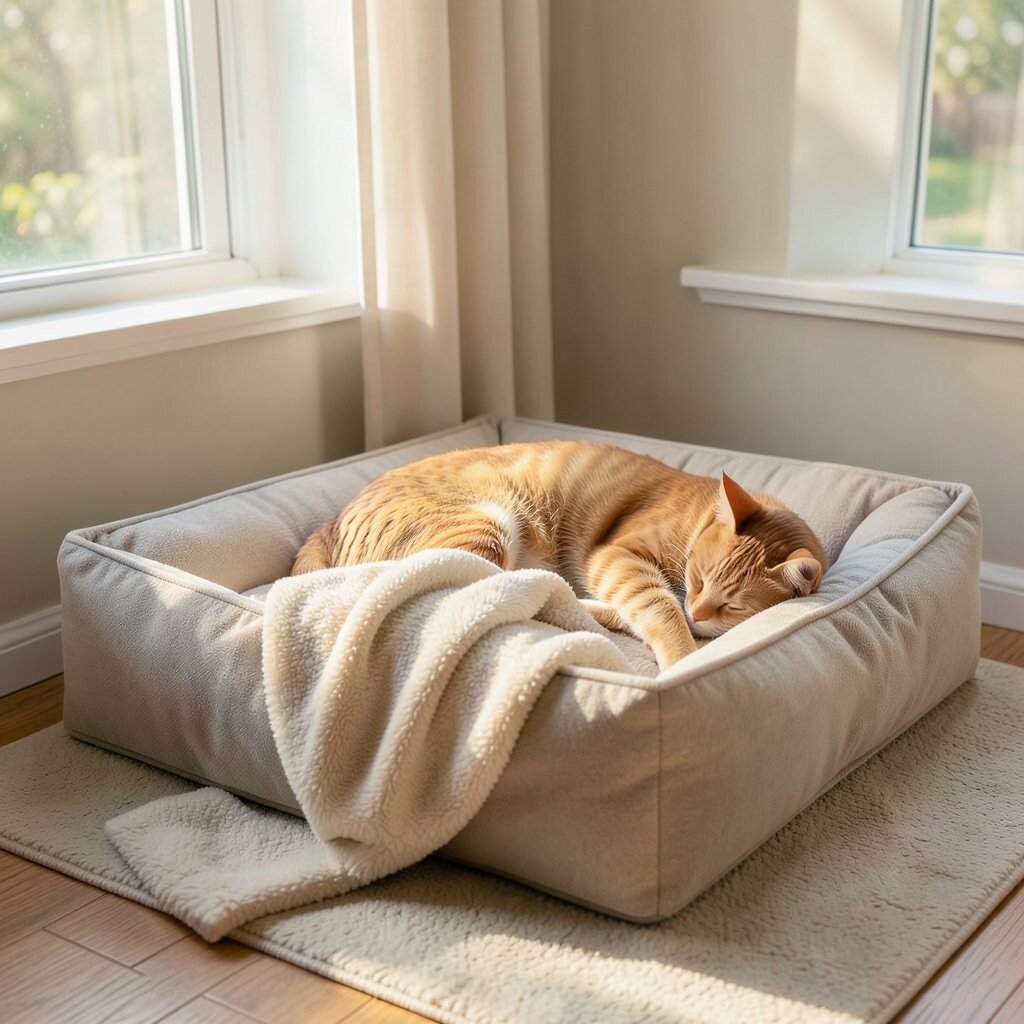
Choose one spot where your pet can rest with no loud noise. Use a soft bed, a thick blanket, or even a pet mat that is easy to wash. Put it in a quiet area so your pet can fall asleep faster.
For cats, try a box bed near a window for warm light. For dogs, set the bed away from doors and busy halls. This helps your pet feel steady and less stressed.
To keep costs low, use what you already have first, like a spare blanket. If you want something new, check for simple covers you can remove. A popular trend right now is washable beds with cool-touch fabric for warm rooms.
2. Add a Simple Feeding Station
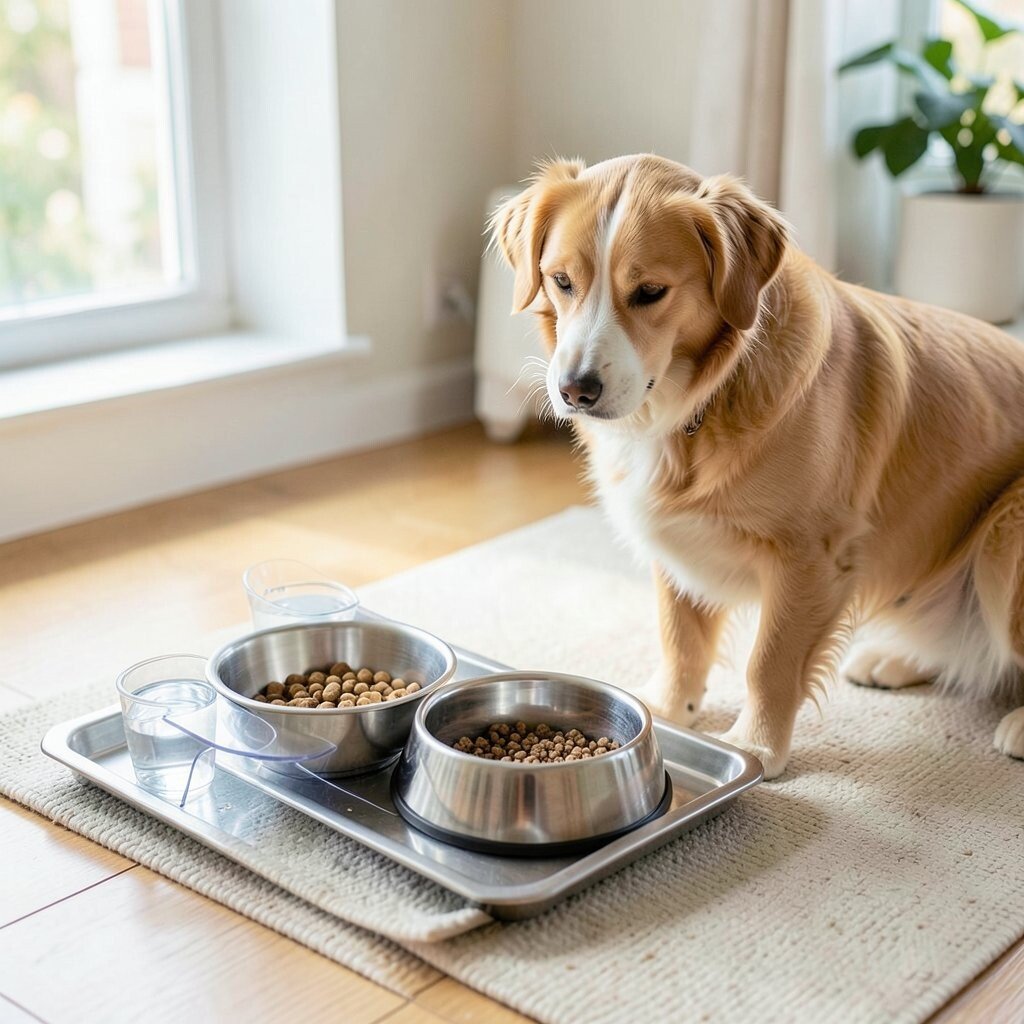
Set up food and water in one clear place. Use a tray or a small stand so bowls do not slide around. This makes meals feel calm and easy for your pet to find.
For pets that eat fast, use a slow-feeder bowl or a gentle maze bowl. For pets with sensitive stomachs, keep water close so they can drink without moving far. You can also use a mat under the bowls to catch spills.
Personalize it by using a height that fits your pet. Many people now choose stainless steel bowls because they are easy to clean. Cost can vary, so start with basic bowls and upgrade later if you want.
3. Make Play Time Easy to Start
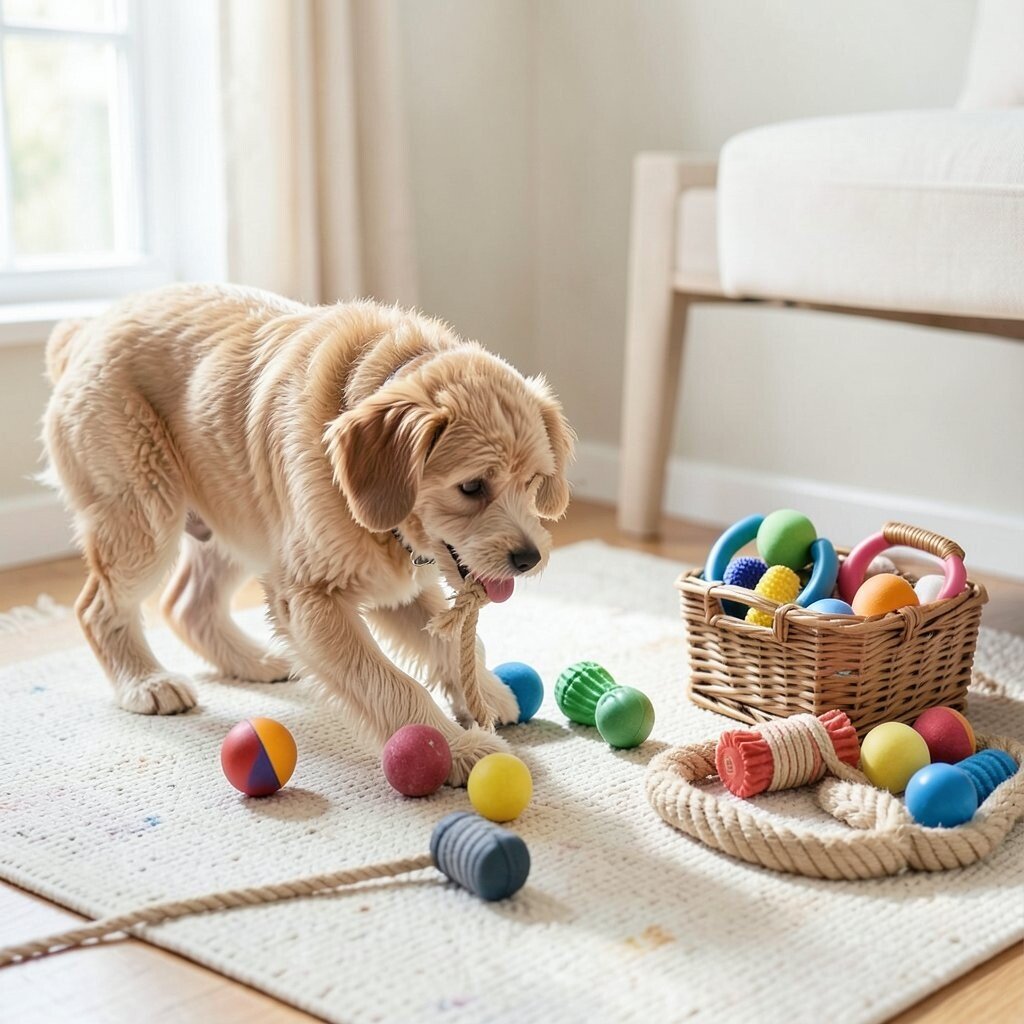
Keep a few safe toys in a box or basket near the play area. This helps your pet see toys and get moving sooner. Simple toys like balls, crinkle toys, and rope chew toys work well.
Rotate toys every few days so interest stays high. If your pet likes chase, use a toy that bounces or rolls. If your pet likes to carry things, pick toys with handles or a sturdy tug rope.
Try short play sessions two or three times a day, even if it is only for a few minutes. This can help reduce bored behavior like chewing furniture. A current trend is using toy sets picked for size and age.
4. Set Up a Safe Chew Zone
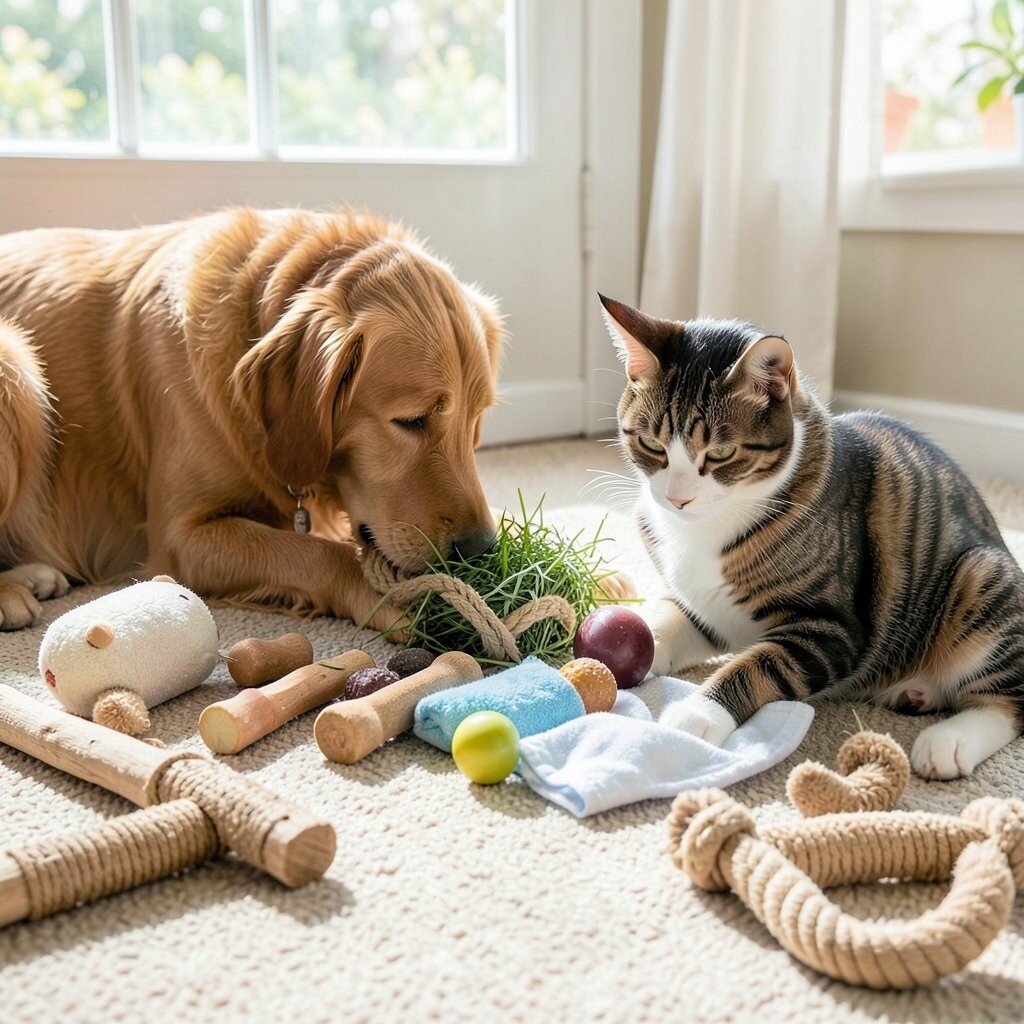
Many pets chew when they feel bored, nervous, or in need of fun. Create a chew zone with safe chew toys and treats made for your pet’s age. Pick items that are sized right, so they are not too small or too big.
For dogs, give chew sticks, rubber chews, or rope toys made for chewing. For cats, try cat grass, scratch guards, or textured chew toys made for claws. Keep the zone in a place your pet already likes.
To keep costs down, buy one good chew item and swap it out. You can also use DIY ideas like frozen washcloth toys for gentle gnawing. Just check for safe materials and watch your pet while they chew.
5. Use Scratching Tools That Fit Your Home
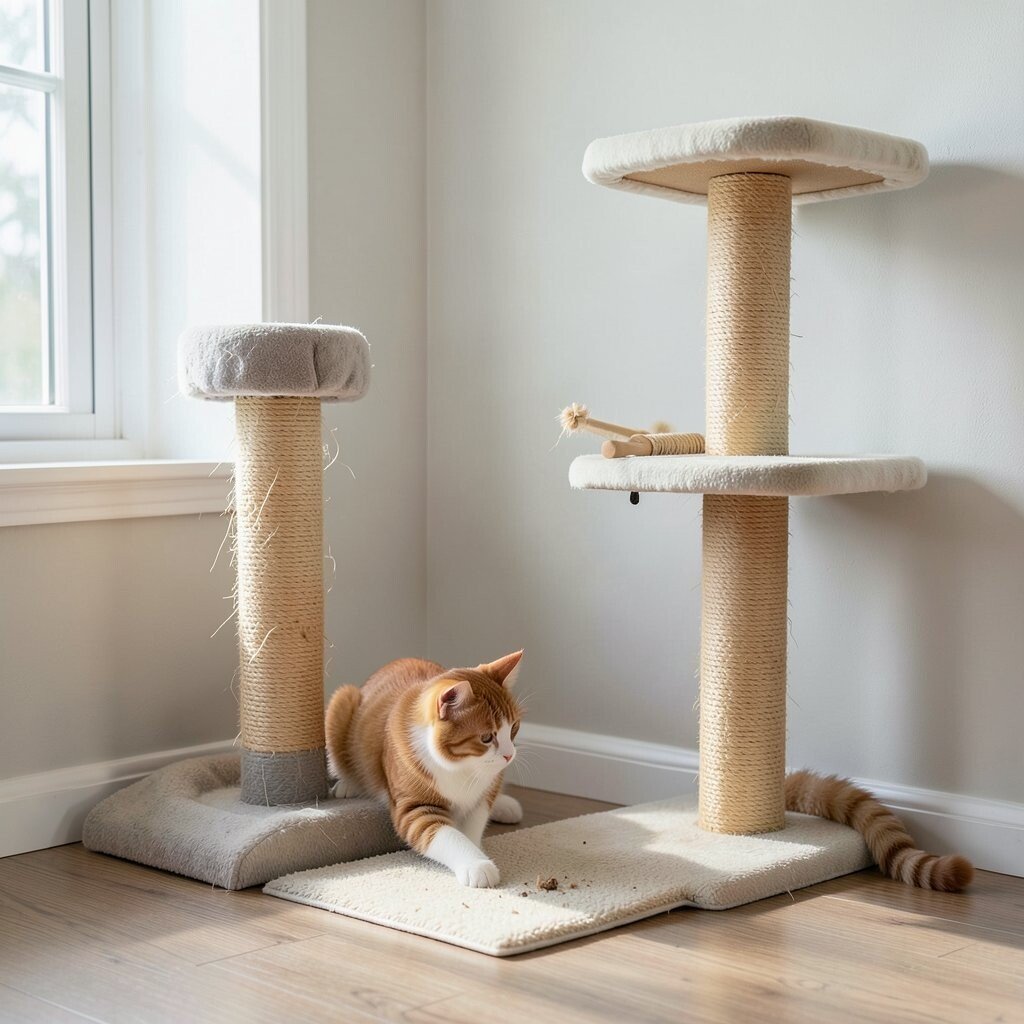
Scratching is normal, so try to guide it toward the right place. Put a scratching post, wall scratcher, or scratch pad near your pet’s favorite hangout spot. Cats often scratch right after waking up, so place it near their rest area.
Choose the right type based on how your cat scratches. If your cat likes to stretch tall, use a tall post. If your cat likes to scratch on the floor, use a flat pad that is easy to move.
Personalize with a post covered in sisal rope or a cat tree with multiple levels. Many pet owners like cat trees again, but smaller ones fit apartments better. Cost can range, so look for a sturdy option that can handle daily use.
6. Build a Small Indoor Climbing Area
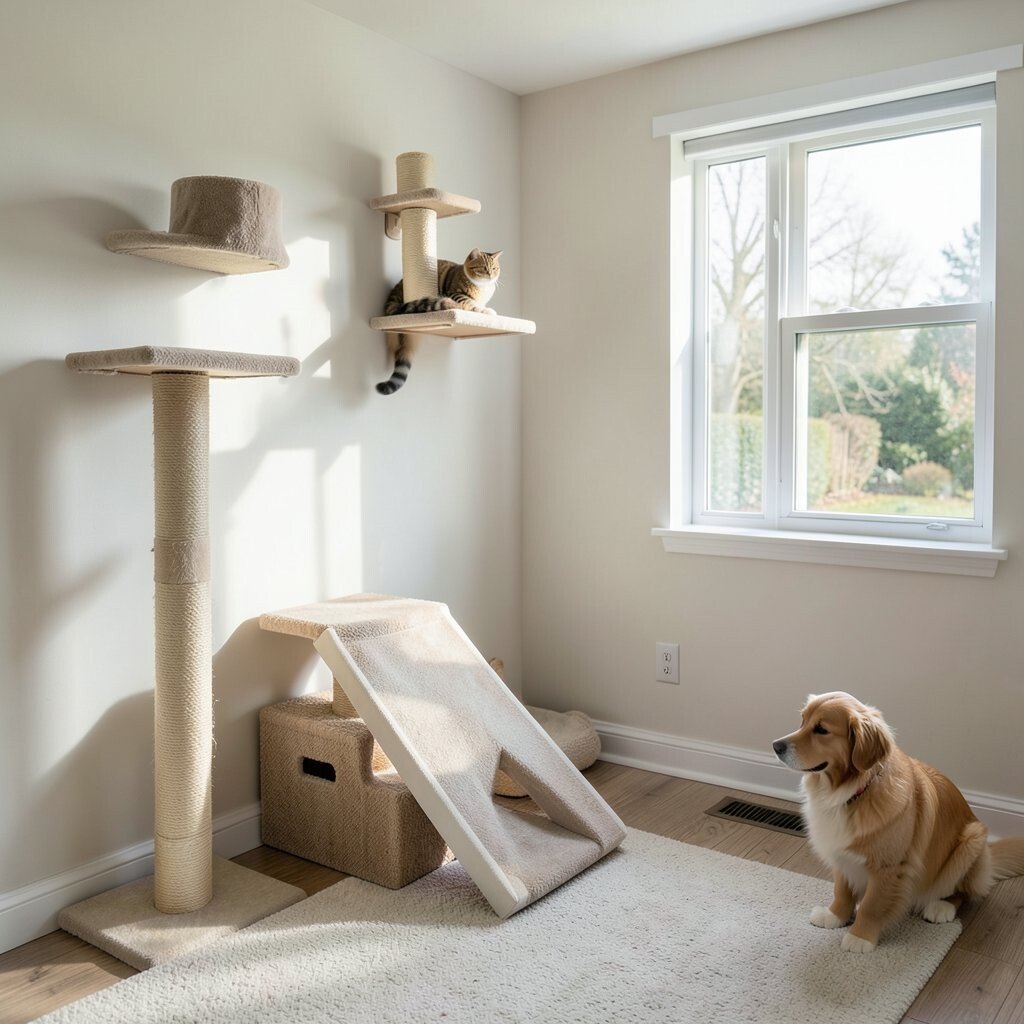
When pets have a place to climb, they often feel more at home. Add a cat tree, wall shelves, or a window perch where your cat can watch outside. For dogs, use a safe ramp or a low step if stairs are hard.
Climbing spots can also help your pet get exercise. Cats that jump and stretch use less energy on the couch. You can also add a perch near a calm room so your pet watches without feeling chased.
Try to place climbing items where you can see them easily. This makes play and check-ins easier, and it helps you spot wear. A growing trend is wall-mounted perches that save floor space in small homes.
7. Add a Litter or Potty Setup That Works
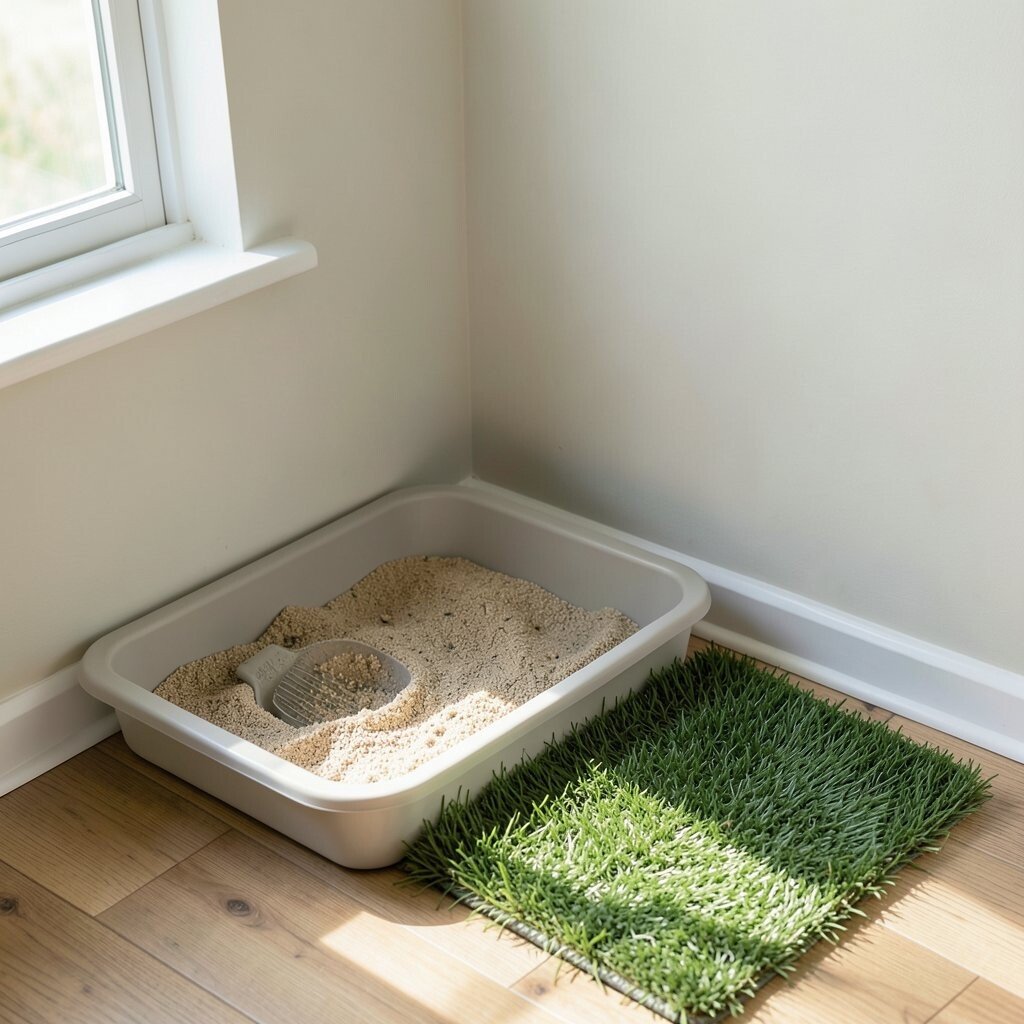
Set up a litter box or potty area that is easy for your pet to use. Keep it in a quiet corner with low foot traffic. Use a litter type your pet seems to like and that controls smell for you.
If you have a dog, use a potty pad area with a tray or a grass-like indoor mat. Keep it clean and check it often. When the area stays neat, pets tend to use it more.
To save time, use a box with a scoop and choose litter with clumping. Many owners now choose low-tracking litter to keep floors cleaner. Cost depends on brand, but buying the right size container can last longer.
8. Choose Safer Flooring and Mats
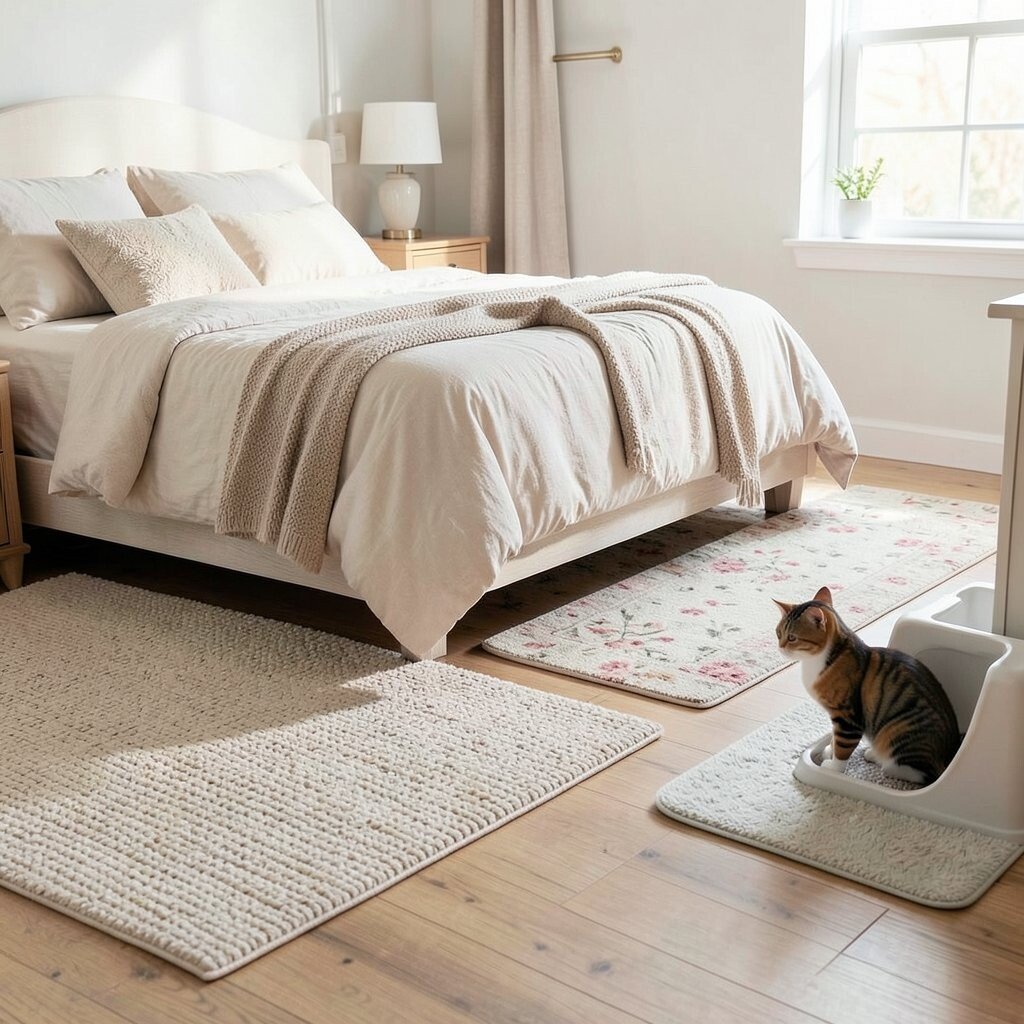
Floors can be hard on paws and joints, especially for older pets. Use a non-slip mat in key spots like near the bed and food. Pick mats that are easy to shake out or wash.
For dogs, consider a runner for hallways where they walk a lot. For cats, add a soft mat near the litter box so it feels less cold. This can help your pet stay comfortable and steady.
If you rent, look for mats that do not leave marks. Many people now pick textured rugs made for pet homes. Costs are usually lower than full flooring changes, and you can swap mats as needed.
9. Create a Calm Corner for Nervous Days
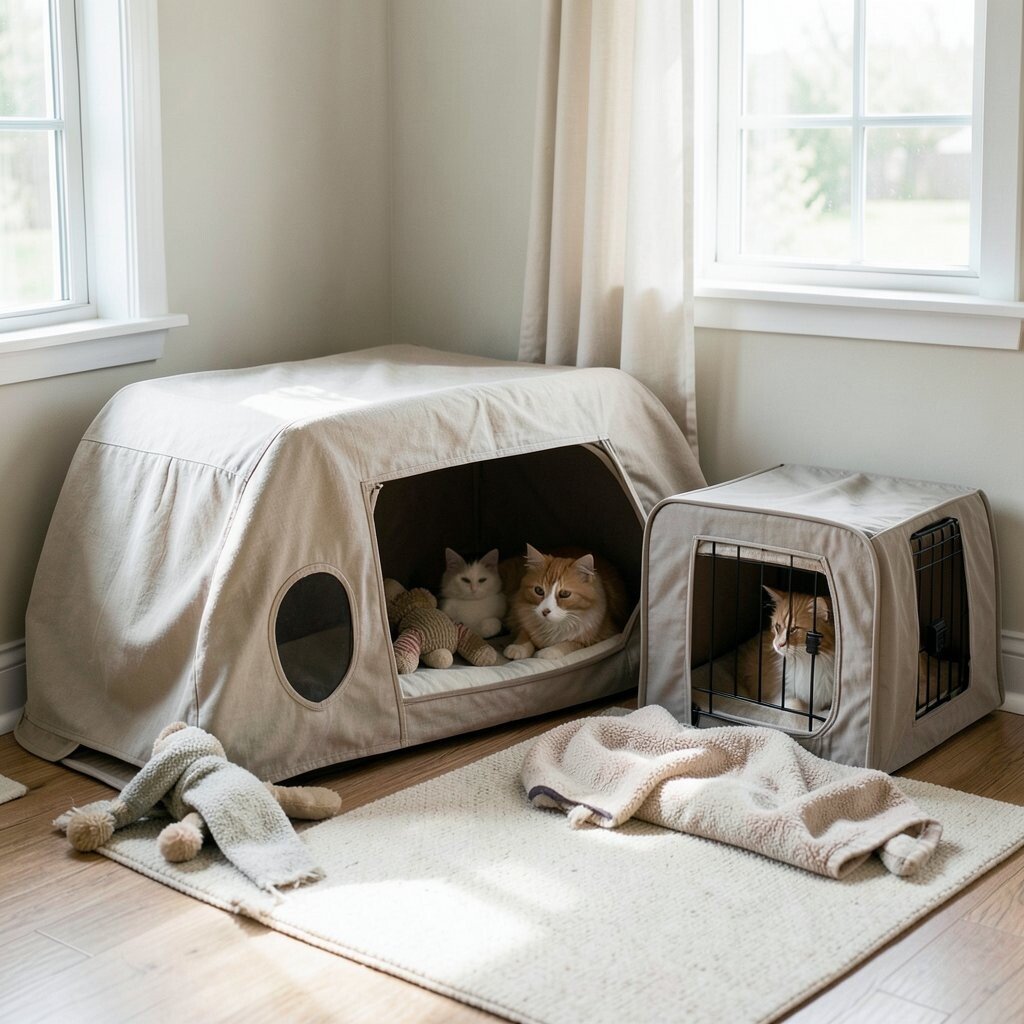
Some pets get anxious from loud sounds or new visitors. Make a calm corner with a covered bed, a small den-like crate, or a quiet blanket. Put it away from doors and loud TVs.
When your pet goes there on their own, let them stay. This teaches your pet that the space is safe. If your pet hides, do not force them out.
Personalize the corner with your pet’s favorite toy and a familiar blanket. You can also use a crate cover that breathes and keeps light down. A trend is using “den” style spaces because they help many pets settle.
10. Use Simple Rules for Leads and Gates
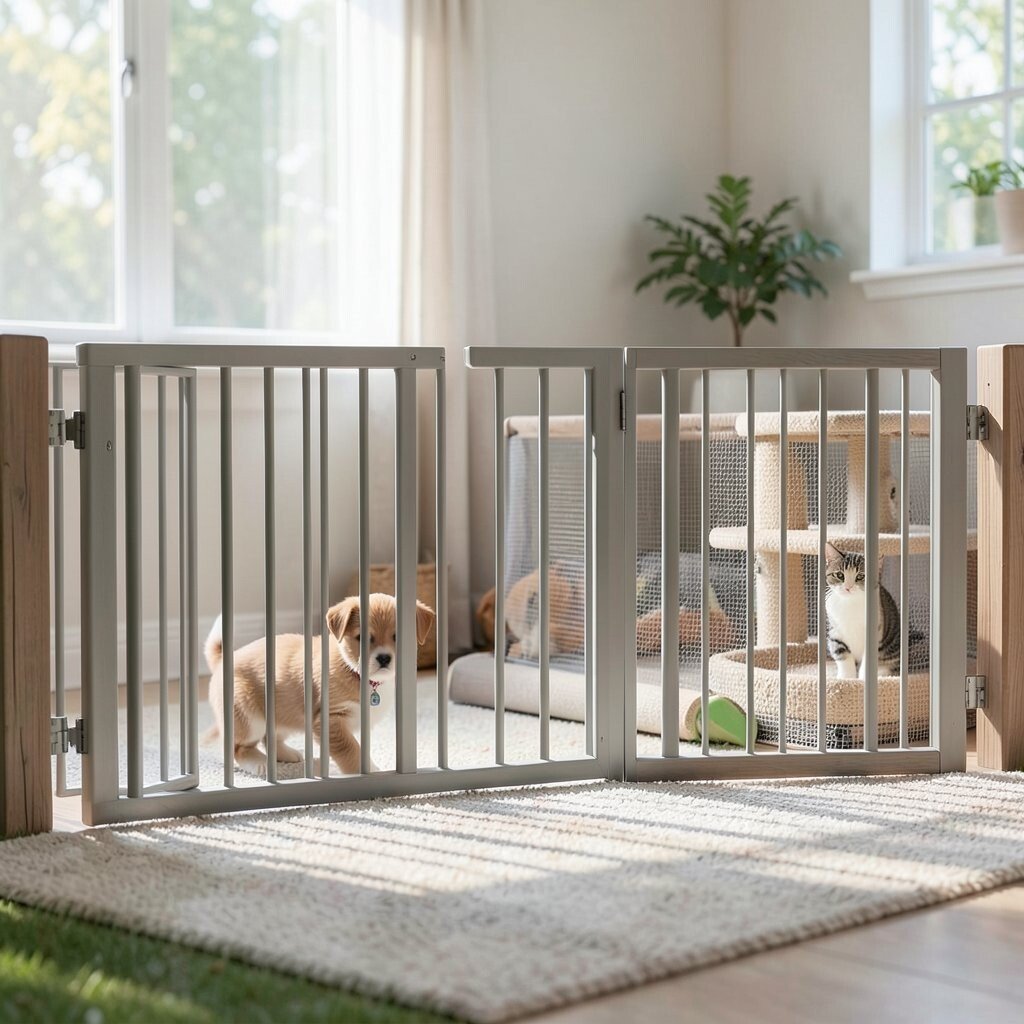
Gates and baby-proof fences help pets move safely in your home. Use them to block off busy areas like stairs or the kitchen. This can stop accidents and keep your pet out of trouble.
For puppies and new pets, a small play pen can be helpful too. It gives them room to move while you watch. For cats, a safe room setup can help them feel less lost during changes.
Pick gates that are easy to open and close with one hand. Cost can be low if you choose a basic model that fits your space. Many people now use modular gates because they can change the layout over time.
11. Add Pet-Safe Plants or Go Without
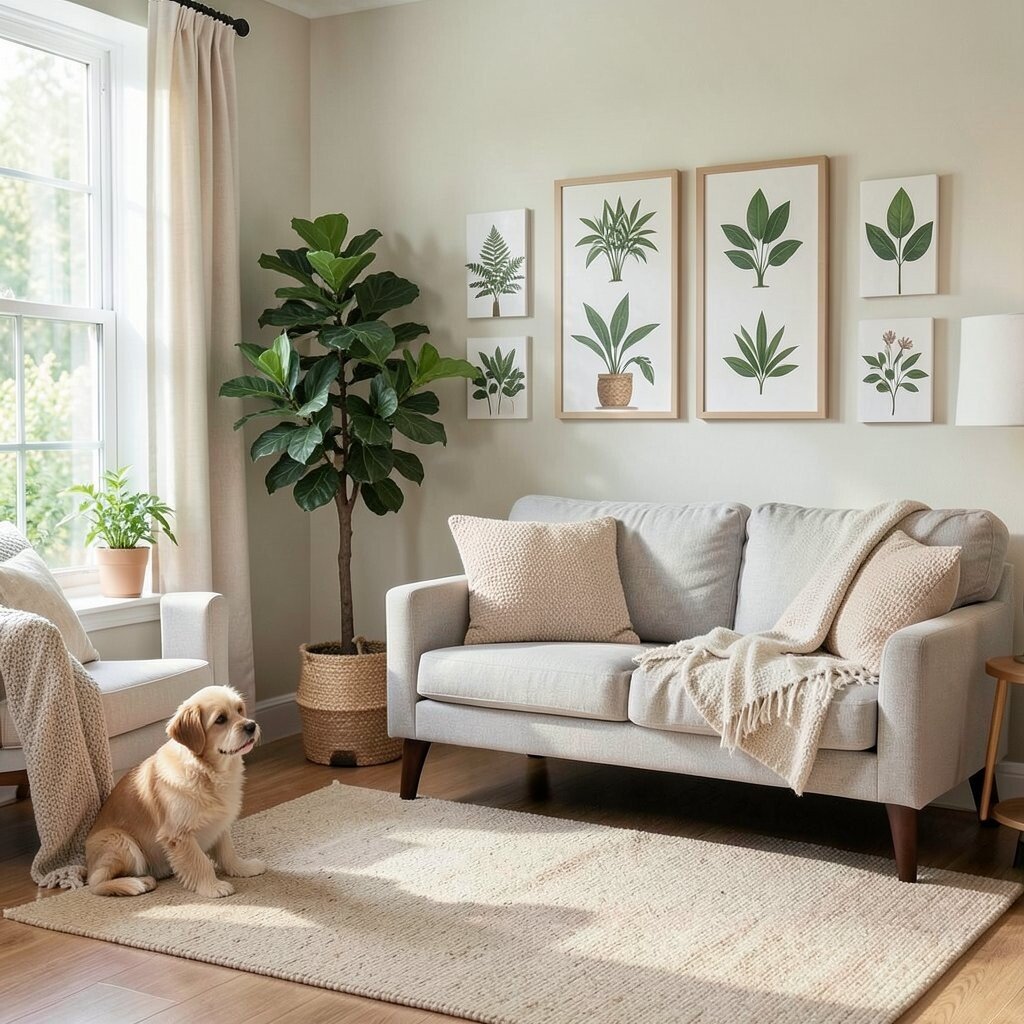
Some people like plants, and some pets like chewing on them. If you want plants, choose ones that are safe for pets and keep them out of reach. If you are not sure, it is okay to skip plants and use pet-friendly decor only.
For safer looks, use fake plants that are made for homes with pets. Or use plant-style wall art that cannot be chewed. This helps keep your space clean and still gives a cozy feel.
Personalize by picking colors that match your home. Cost varies, but simple decor is often cheaper than risky plant swaps. A trend is choosing pet-safe home decor sets so people can enjoy both style and safety.
12. Set Up Enrichment With Feeding Games
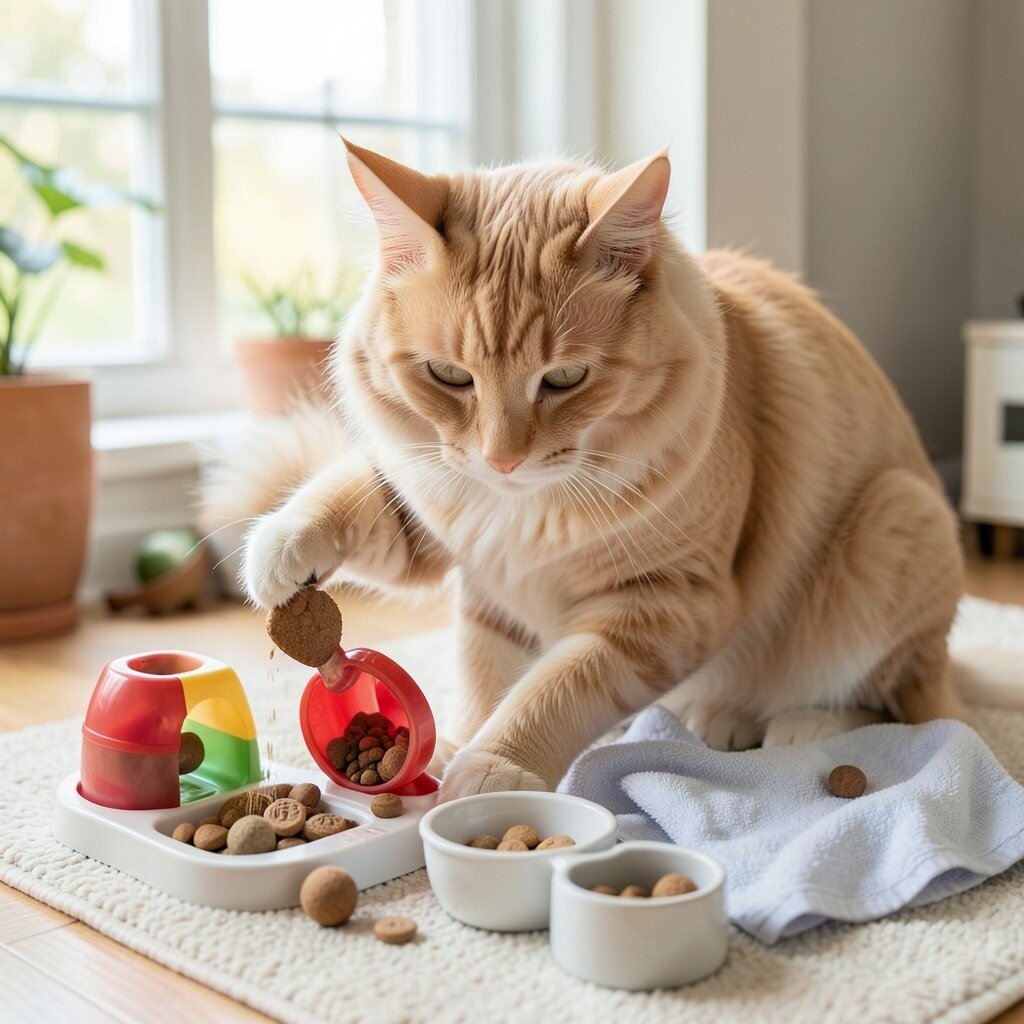
Food games can turn mealtime into fun time. Use puzzle feeders, treat balls, or slow trickle bowls. Your pet gets to work a bit, which can help with boredom.
Start slow so your pet does not get upset. Use small treats and try one game at a time. Many pets do best when you do enrichment for a short time and then return to normal rest.
To fit your budget, make simple versions at home. For example, hide a few treats in safe paper or a towel that your pet can smell. Just do not use anything unsafe or hard to clean.
13. Personalize With Pet-Only Scents and Items
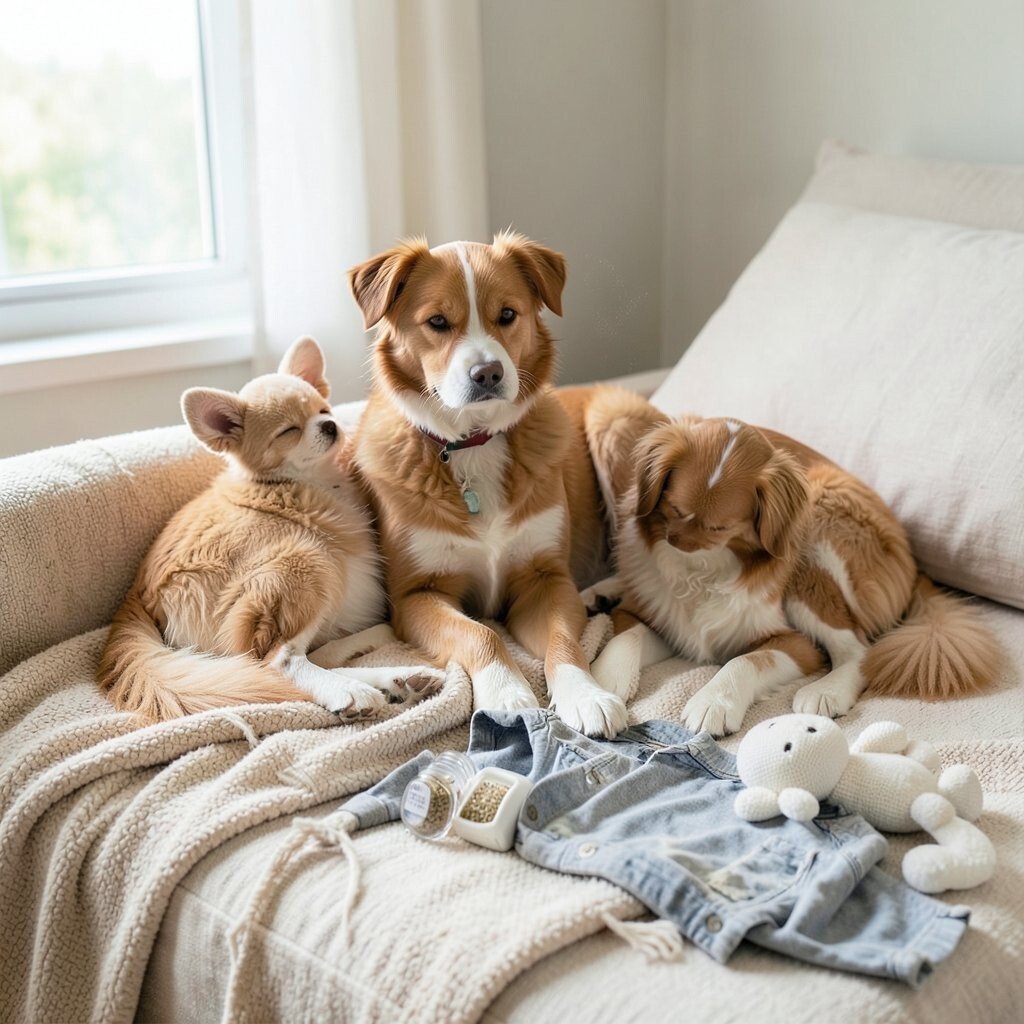
Pets like familiar smells, so use their own items to help them feel calm. Keep a blanket from home, a favorite toy, or a worn shirt you have used. The smell can help your pet settle faster in a new space.
You can also add scent-safe items like washable fabric and plain cotton toys. Do not use strong sprays or scented candles near pets. Clean air matters for comfort and health.
For personalization, pick a “home corner” that stays the same day after day. Cost is usually low since you use items you already own. A trend is more people using unscented cleaning products so their pets have less irritation.