Furry friends can make your day feel calmer and warmer. Small habits with them can help you move through your day with less stress.
1. Make a Cozy Spot by the Window
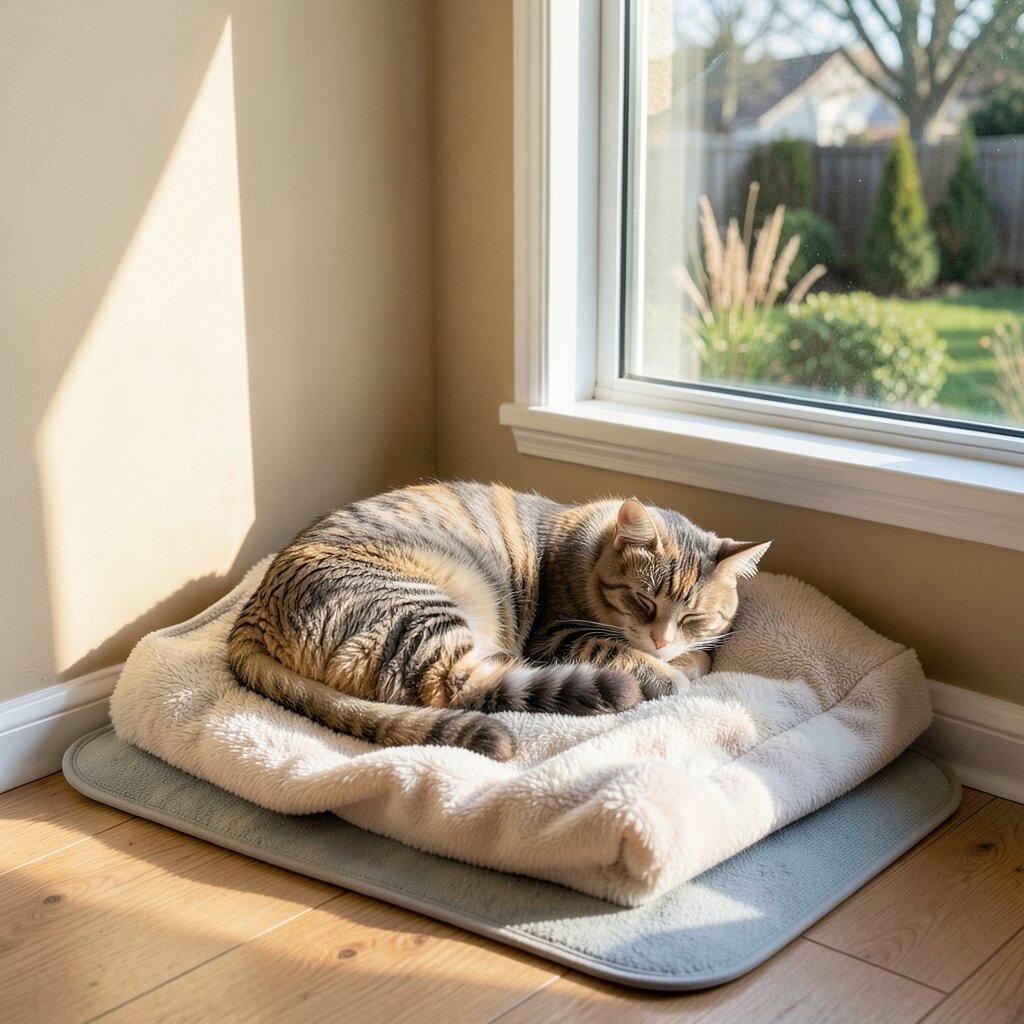
Pick a spot near a window where your pet can watch outside. Add a soft blanket and place it where the light feels nice. If it is a cat, keep the spot close to a warm wall or sunny patch.
You can see your pet settle in and relax. This can cut down on pacing and restlessness. It also gives you a quiet moment when you check on them.
For tips, choose a blanket that washes easy and use a non-slip mat under it. Costs can be low if you already have a blanket. A current trend is making “pet napping corners” with simple floor mats and cute, washable covers.
2. Do a Short Brush Session With a Timer
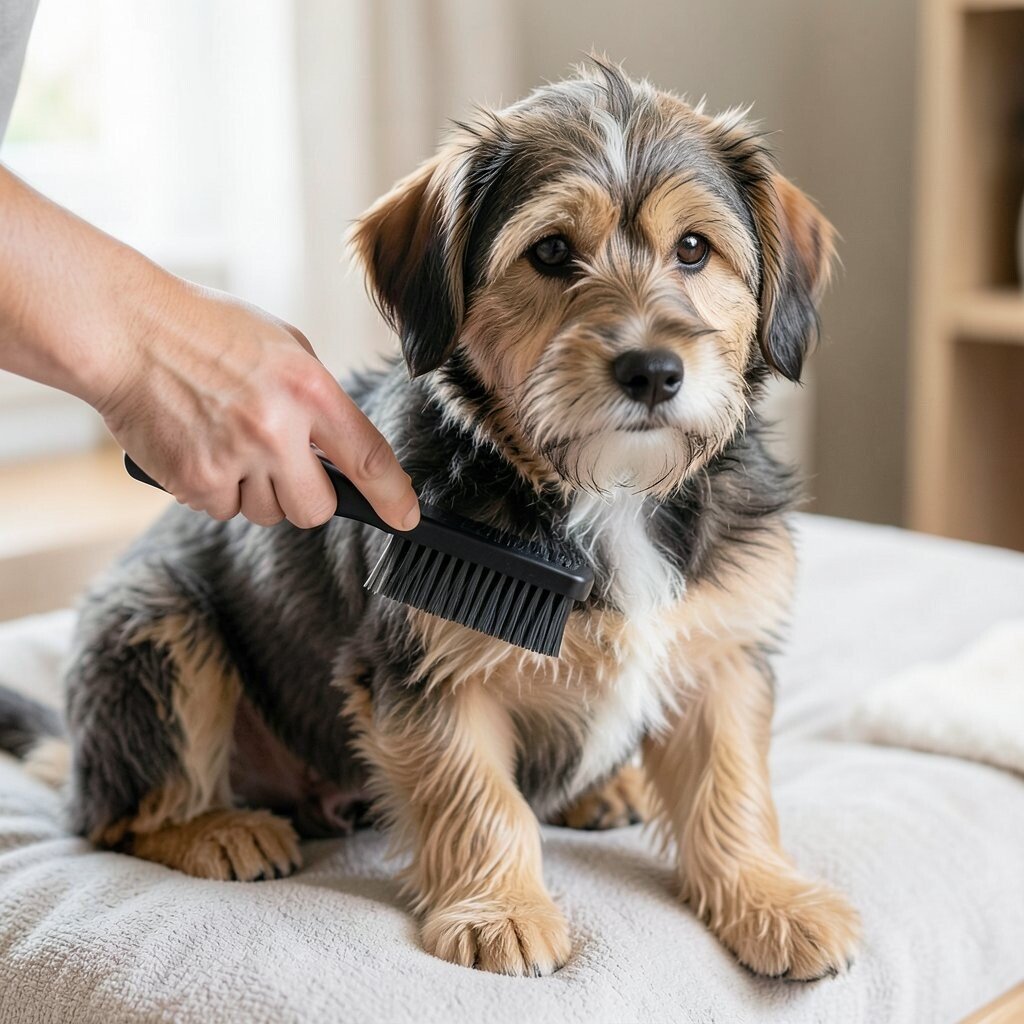
Take a brush and sit for a few minutes. Set a small timer so it stays short and not tiring for either of you. Use slow strokes and watch your pet’s face and body.
Good grooming helps keep fur neat and can lower shedding around your home. It can also help your pet feel cared for. Many people feel calmer too after a quick routine.
To personalize, use a brush that matches your pet’s coat, like a slicker for longer fur or a rubber brush for short fur. Costs vary, but you can often find a basic brush for a fair price. Some pet owners are now posting “micro grooming” videos, which show short daily sessions instead of long ones.
3. Set Up a Treat Box for Easy Rewards
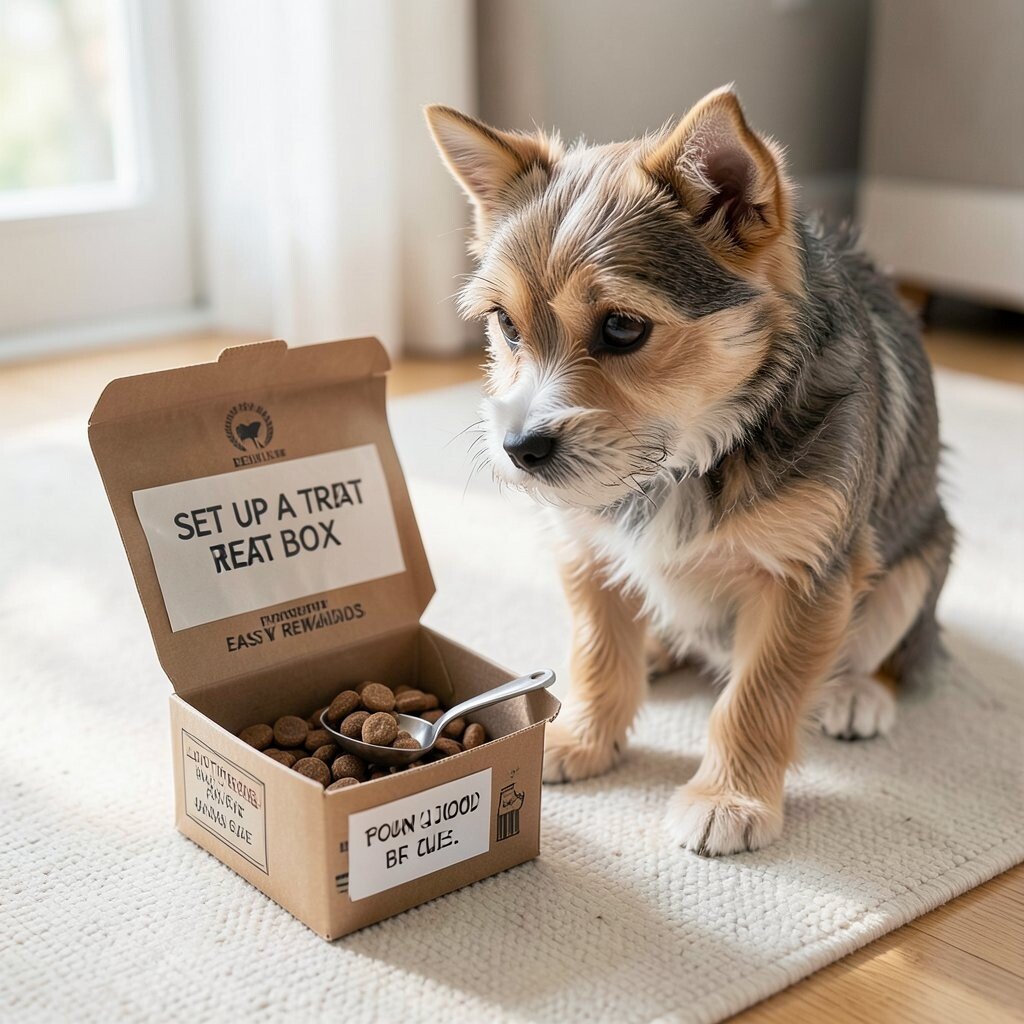
Choose a small container and keep it near where your pet waits for you. Add a few safe treats and a scoop or small spoon if you use dry snacks. Always use treats in a simple, measured way.
This habit can help training and also makes your pet feel seen. You may notice your pet looks less unsure when you start a routine. Rewards can also help your pet learn fast cues.
For tips, write the treat name and date on the container lid. You can lower cost by buying a larger bag when it is on sale, but still use the right serving size. A fun trend is using labeled treat boxes and keeping them tidy for quick “good job” moments.
4. Play a Slow Game of Fetch or “Find It”
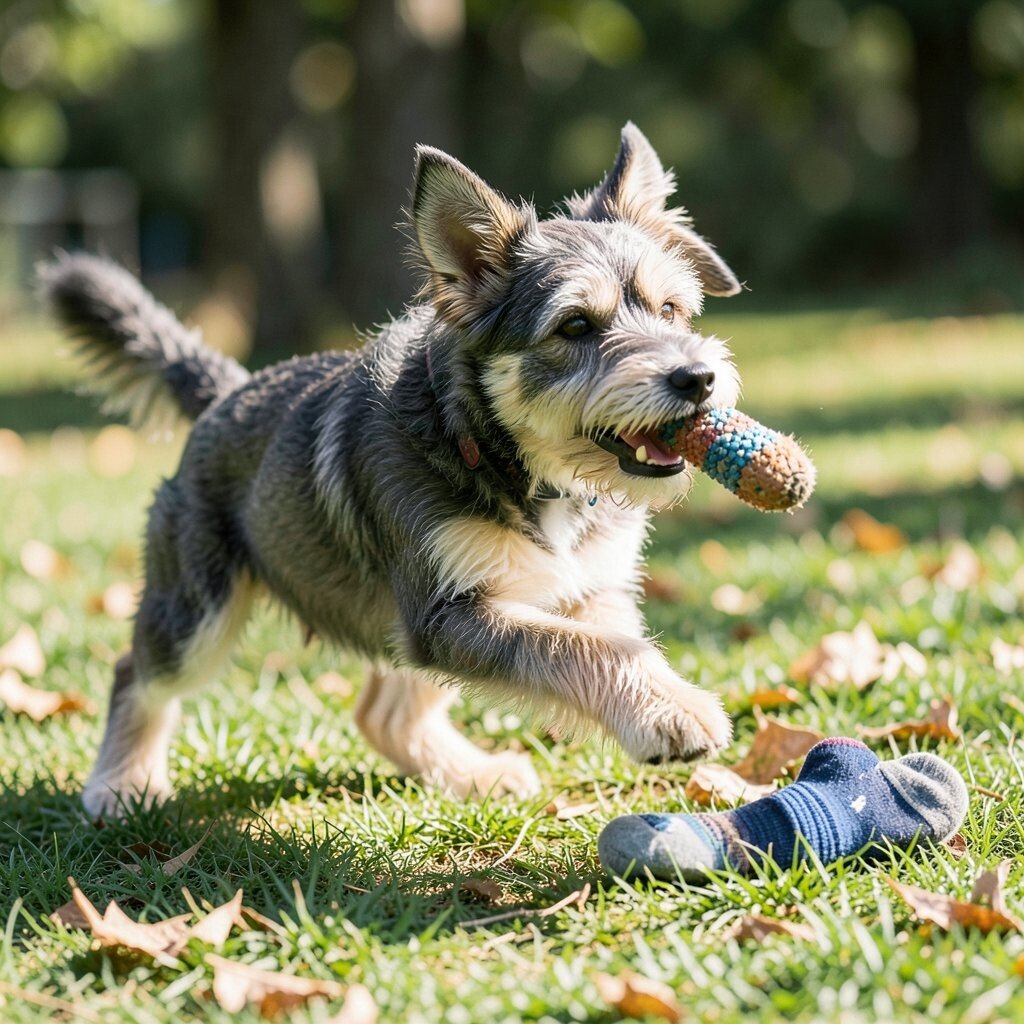
Pick a toy that fits your pet’s mouth and size. For fetch, toss gently and aim for a soft stop so your pet can pick it up safely. For “find it,” hide the toy in one easy place first.
Playing helps your pet move and use energy in a safe way. It can also make later rest easier. You may feel happier after you see them run and wag or purr.
To personalize, match the game to your pet’s mood. Some pets like chasing, while others prefer sniffing. Costs can be low if you use old clean socks or balls made for pets. Many current pet pages show short “sniff games” that use slow searching instead of hard sprinting.
5. Try a New Walk Route or Balcony Routine
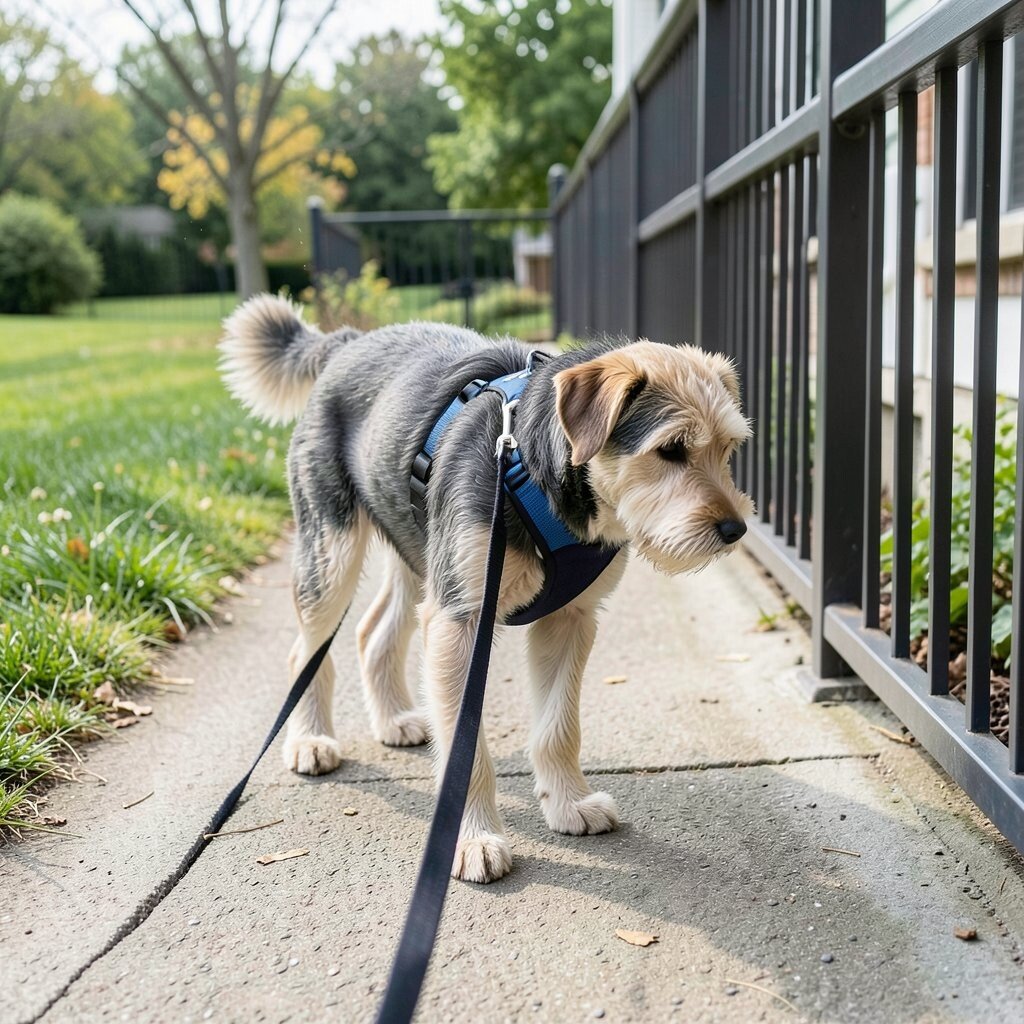
If you walk your dog, pick one new path near your home. If you do not have a yard, you can still make a balcony routine with a safe harness and supervision. Let your pet take in smells at a normal pace.
New places can spark your pet’s curiosity. This can help them feel less bored and more ready to relax at home. You may also enjoy a calm change in your own day.
Tips: bring water, use proper gear, and check the ground for hot spots. Costs stay low since you use the same leash and harness. A trend right now is “neighborhood enrichment,” where people rotate routes and add short breaks for sniffing.
6. Make a Simple Feeding Plan With a Calm Rule

Pick set times for meals and try to keep them steady. Use the same bowl and place it in the same spot each day. Before food, keep noise low and wait in a calm way.
When meals feel steady, it can lower stress. Your pet may beg less or act less jumpy at odd times. You can also plan your day better when food times stay clear.
To personalize, adjust the plan to your pet’s age and needs with your vet’s advice. Costs can match what you already spend on food. A new trend is adding “calm prep” steps, like quiet minutes before eating, to help pets settle.
7. Create a “Pet Mail” Moment With One Kind Word
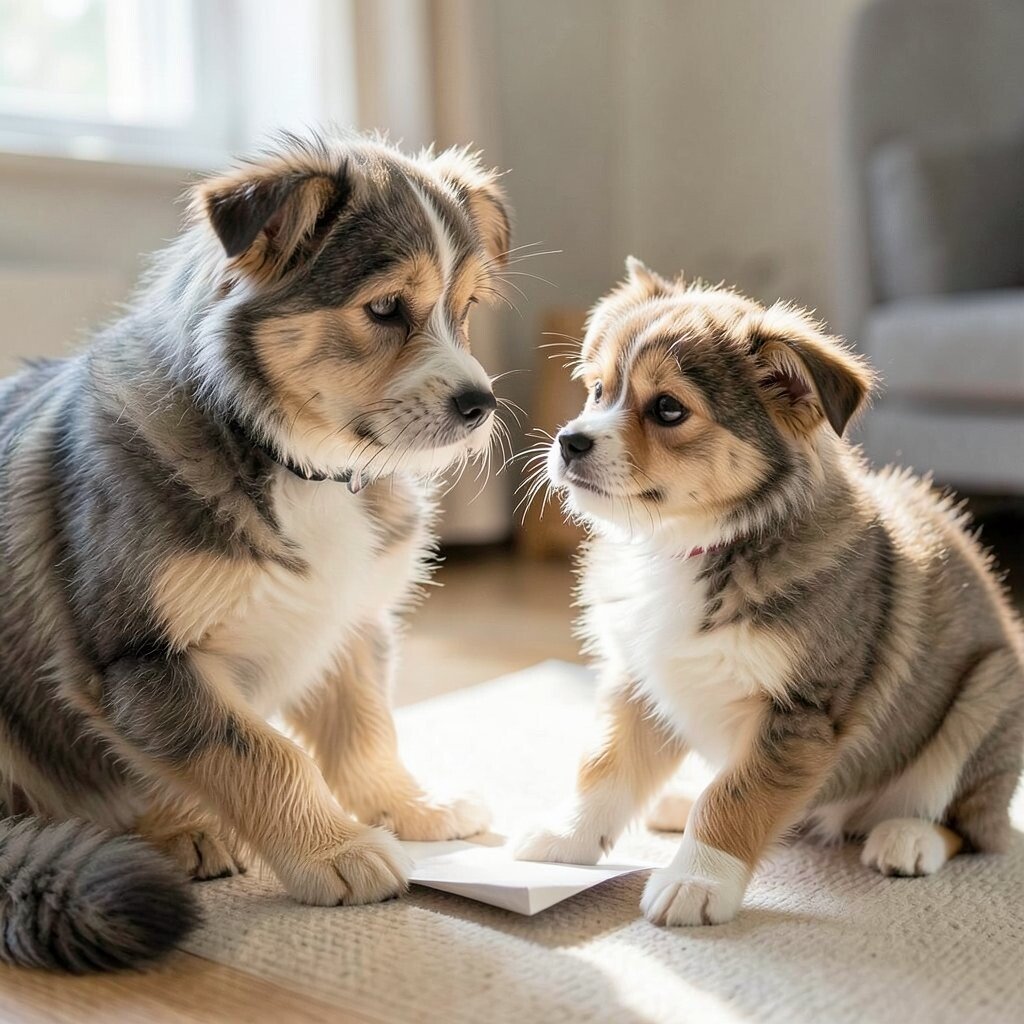
Hold a small daily routine where you talk to your pet in a simple way. You can say their name, then tell them what you will do next. This can feel like mail time, but for your bond.
Hearing your voice can help your pet feel safe. It can also help you slow down and focus on the moment. Some pets respond with tail wags, soft eyes, or a gentle head tilt.
For tips, keep the words short and consistent. You can make it match your life, like “good morning” or “walk time.” Costs are basically none. A trend is “one-minute check-ins,” where people record a calm greeting and use it to stay mindful.
8. Add a Toy Rotation So Things Feel New
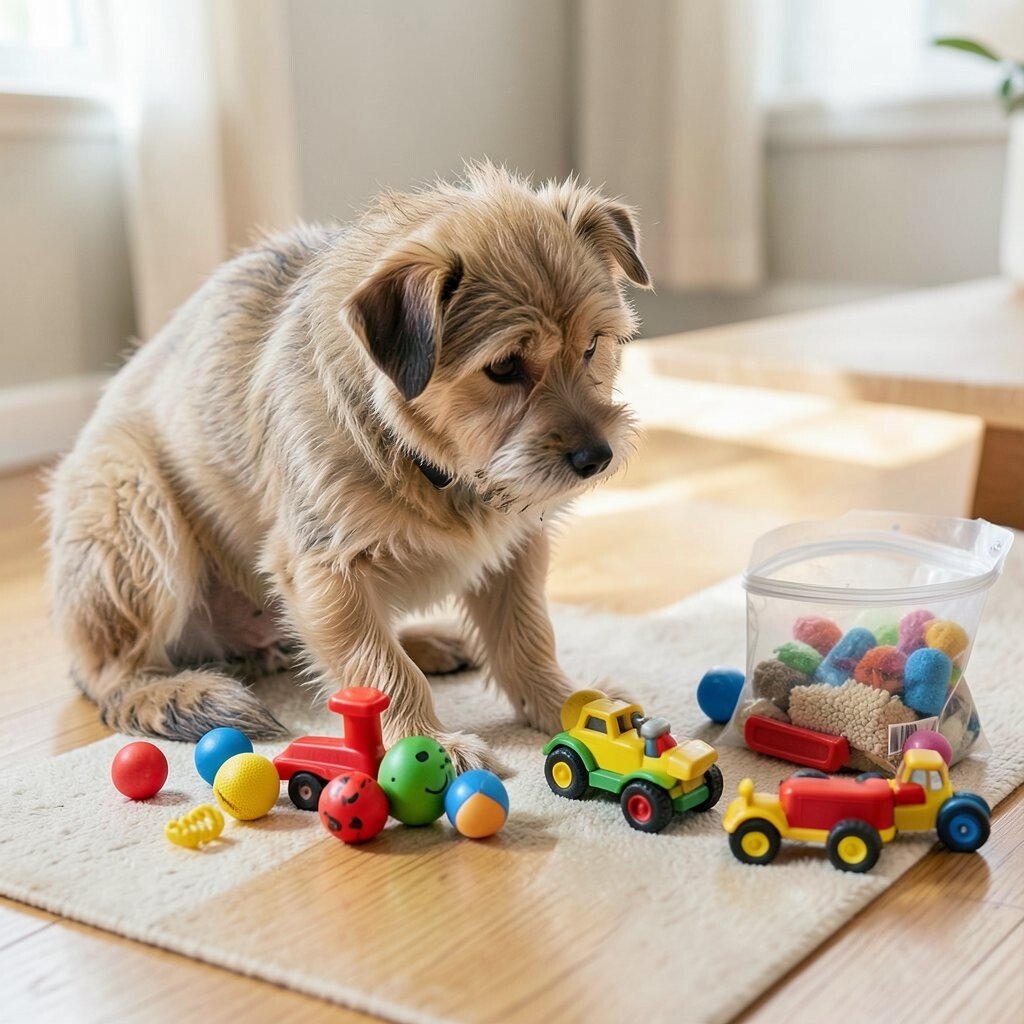
Choose a small set of toys and rotate them. Put half away for a week, then swap them so your pet meets “new” toys again. Do not buy a lot at once if you want to keep cost down.
When toys feel new, many pets stay more curious and play more. This can reduce chewing on wrong items. It can also help your pet focus during busy parts of the day.
Tips: label storage bags so you remember what is away. Personalize by noting which toys get the most attention. Costs can stay low by using what you already own. A current trend is “toy boxes” with small scheduled swaps to keep mental fun going without extra spending.
9. Make a DIY Chew or Enrichment Snack Game
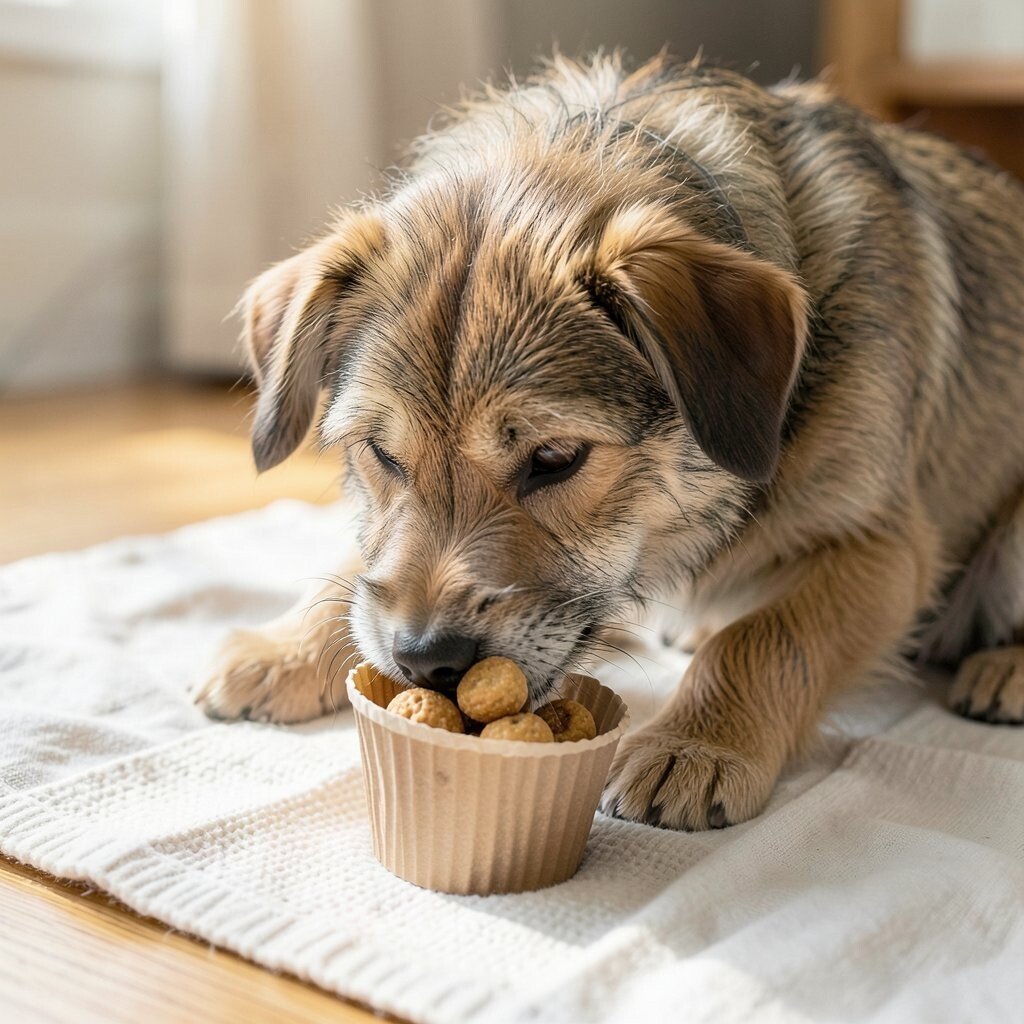
Use safe snack ideas your pet already can eat. You can place small treats in a paper cup and fold it so your pet must sniff and nudge it. For some pets, you can use a snuffle mat or hide snacks under light cloth.
This can help your pet use their nose and slow down. It can also help with boredom on days when you can’t do long play. You may see more focus and less restless pacing.
To personalize, keep the game easy at first and raise the task only if your pet handles it well. Costs can be very low if you use items you already have, like clean paper and safe cloth. A trend is “no-cost enrichment,” where small DIY ideas replace expensive gear.
10. Learn One Health Check You Can Do at Home
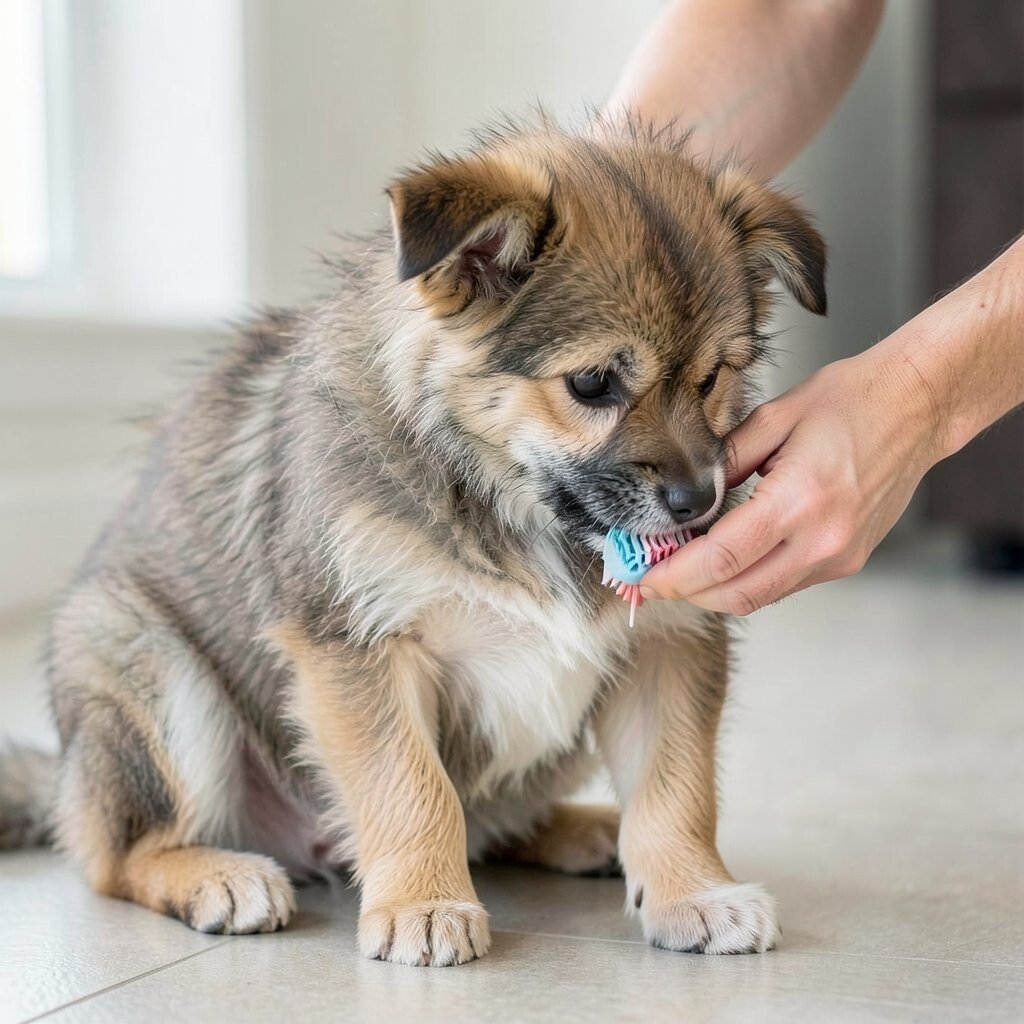
Pick a small health routine you can do without stress. Check ears, brush teeth if you can, and look at fur for bald spots. You can also check paws for cuts or rough spots after walks.
This can help you catch issues early. Early steps can make it easier to fix problems with less worry. It also helps you feel more in control of your pet’s comfort.
Tips: use gentle touch and stop if your pet seems upset. Personalize the check to your pet’s needs and comfort level. Costs are low if you use a soft brush and basic pet-safe items. A trend is “at-home pet care videos” that show simple checks in calm steps.
11. Make a Friendship Routine With Another Friendly Pet (Safely)
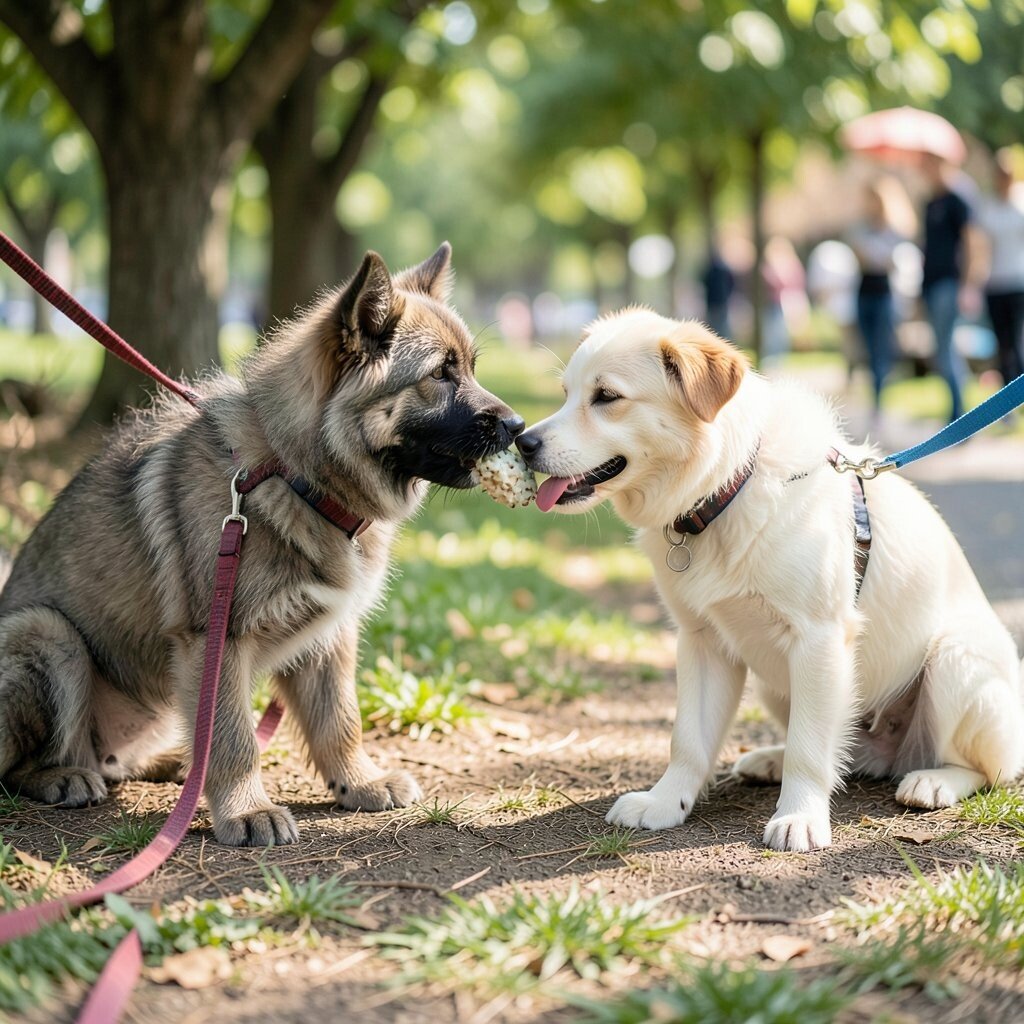
If you have a friend with a pet, plan a short meeting in a safe space. Use a leash or barrier if needed and keep the time brief. Watch body language closely and end the meet if anyone gets too tense.
Safe social time can help some pets act less scared. It can also give you a fun break from daily stress. Many pets enjoy friendly sniffing and calm play when it is well managed.
Tips: choose pets with similar energy levels and always follow local rules and vet advice. Costs are low since the key is time and safe setup. A trend is “controlled social days,” where people focus on short, planned meetings instead of long free play.
12. Keep a Small “Happy Photo” File for Your Own Joy
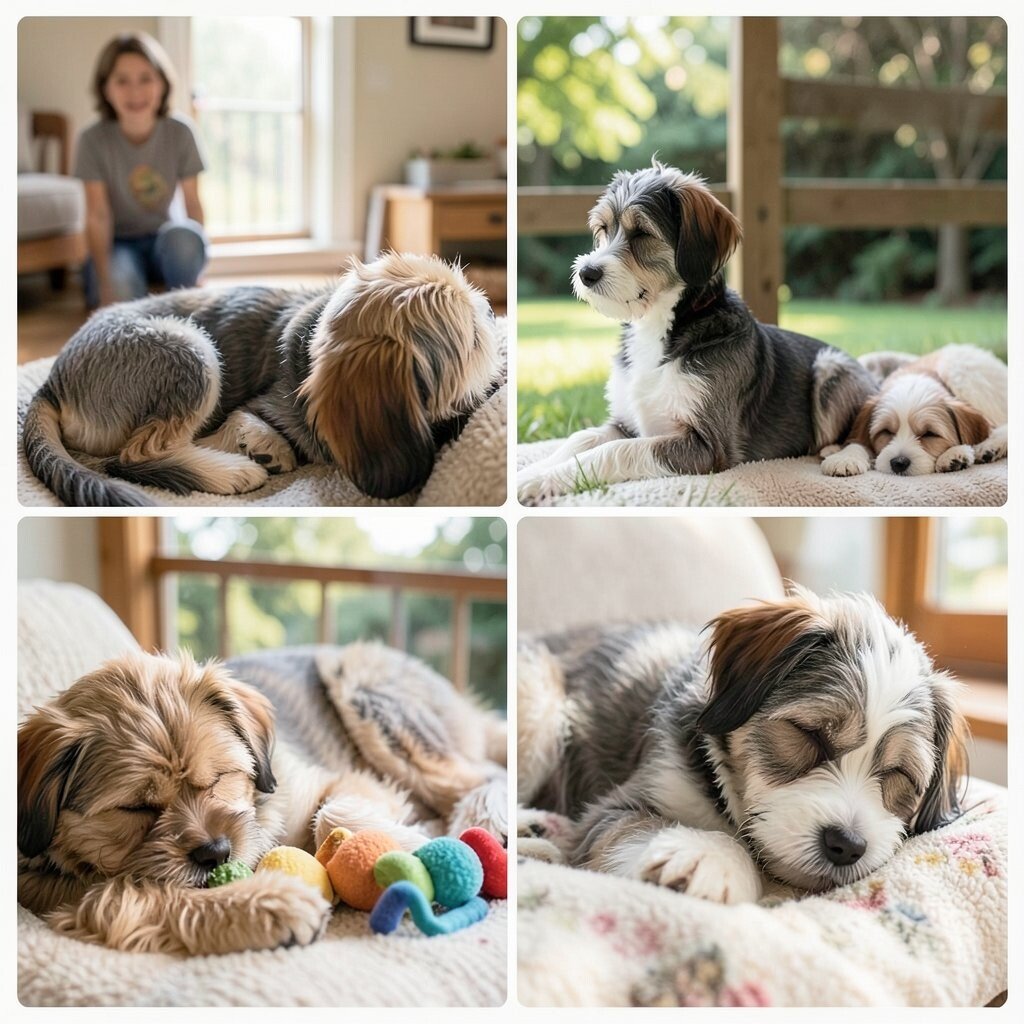
Take a few photos each week of your pet doing normal things. Capture them sleeping, playing, eating, or watching outside. Make a simple folder on your phone so you can find it fast.
This can help you remember good moments on hard days. Looking at happy photos can also lift your mood when you feel low. You may notice that you spend more time noticing small wins.
To personalize, pick one theme like “cozy naps” or “fun toys” and stick with it for a while. Costs are none if you use your phone. A current trend is using photo apps to make short pet slides and share calm updates with family.