
Small acts can make a big difference for pets and people. When you share kind moments, you help hearts feel lighter and homes feel calmer.
1. Fresh Water Check for Every Pet
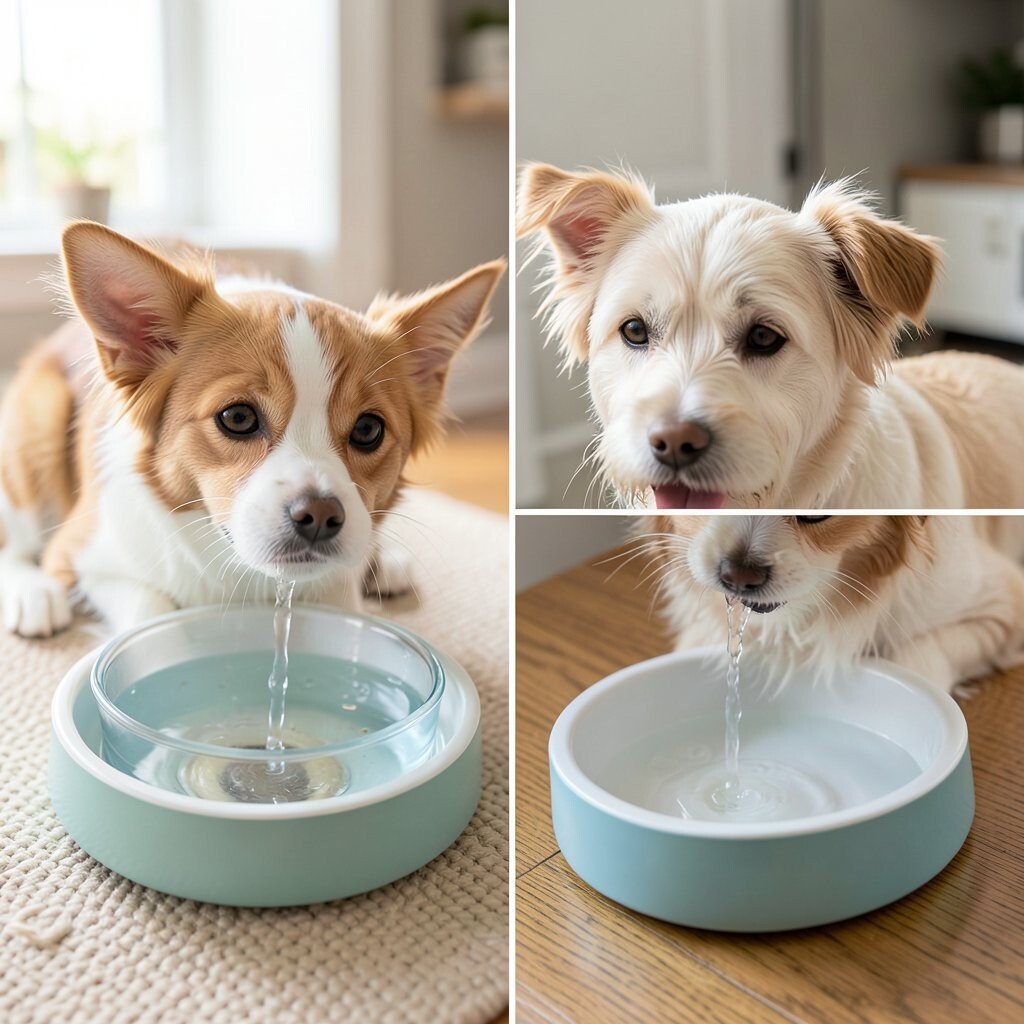
Set a simple routine to check water in bowls. In the morning, look at the bowl and make sure it is clean and full. If it looks low or dirty, rinse it and refill it.
This can help pets drink enough each day. It also shows your pet that you care in a steady way. A clean bowl can also help cut down on bad smell in the kitchen or yard.
You can personalize it by using matching bowls for each pet. If you have a cat and a dog, place their bowls in different spots so they do not mix. For cost, it can be as low as a new bowl and a little dish soap.
2. A Ten-Minute Walk With a Listening Ear
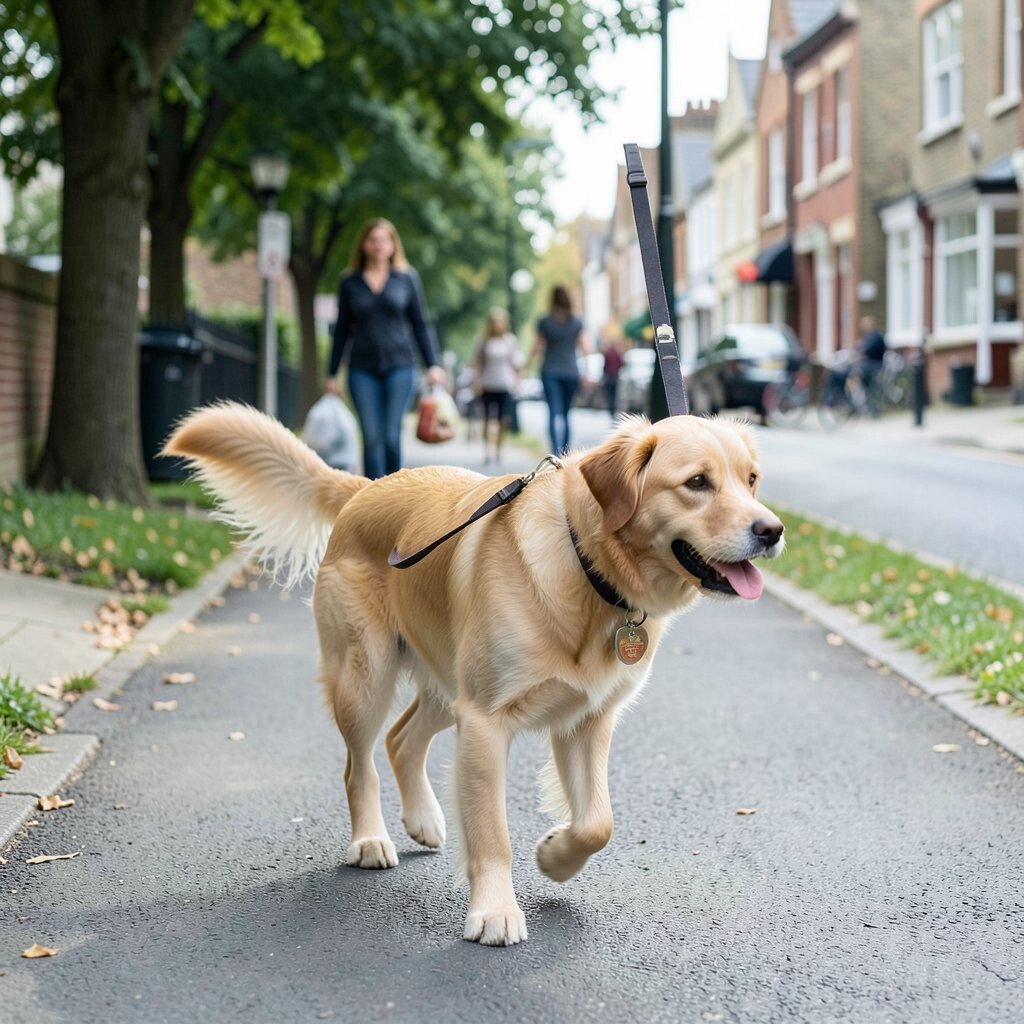
Pick a short time for a walk and go at a calm pace. Watch your dog’s body language, like tail position and step speed. If your dog seems tired, take a slower route back.
This helps both pets and owners feel less tense. Walking also gives pets new smells, which can help them act calmer at home. It is a simple way to add structure to daily life.
To make it unique, try a new street each week and note what your pet likes. You can bring a small bag for treats and a few waste bags. This is usually low cost since you only need a leash and safe shoes.
3. Homemade Treat Time With Safe Ingredients
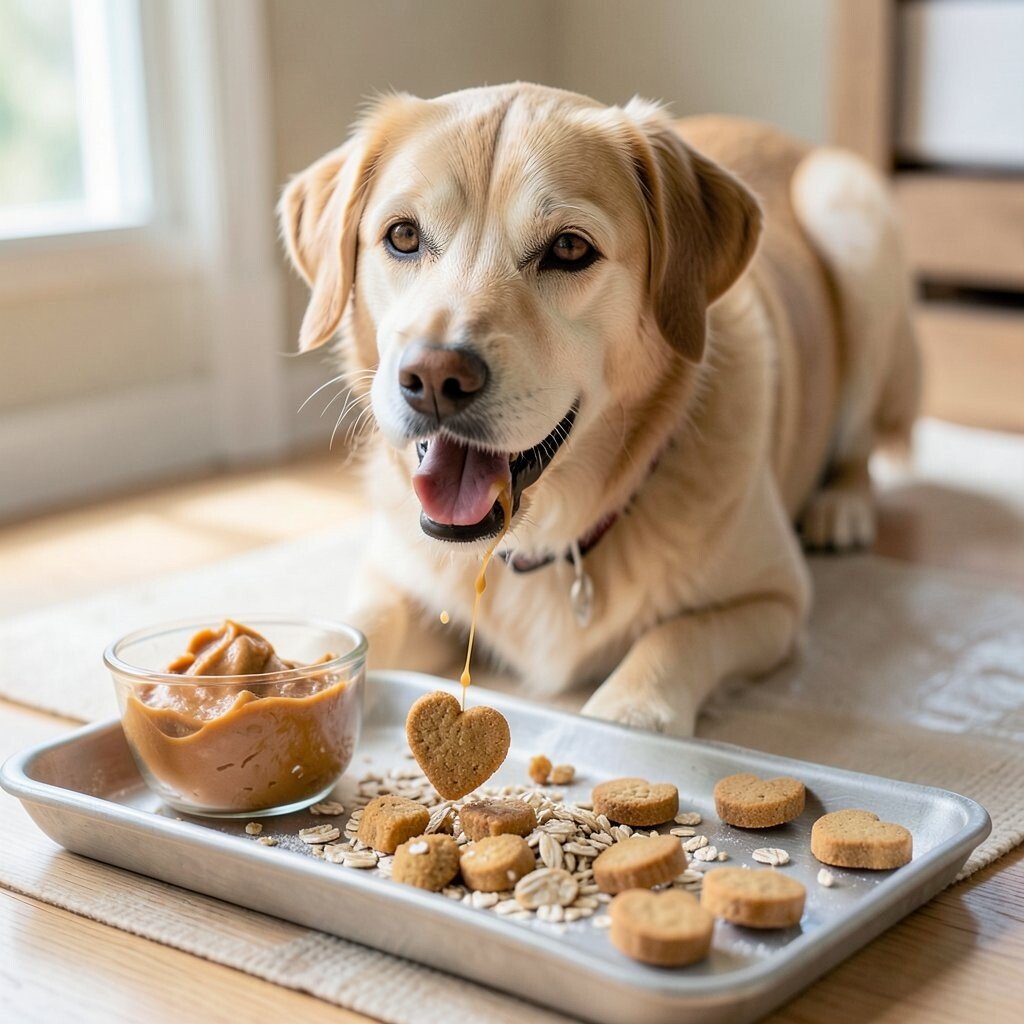
Choose a small treat and make it at home with safe, pet-friendly foods. You can use items like plain pumpkin, oats, or peanut butter without sugar. Start with tiny bites and see how your pet reacts.
Making treats can feel fun and it can help you control what goes in the mix. Your pet may enjoy the new taste, and you can keep portions small. This also supports picky eaters by trying new flavors gently.
Personalize it by shaping treats into small hearts or circles. Try to match the treat to the pet’s needs, like using softer textures for older dogs. Watch portion sizes and always use vet-safe ingredients.
4. Care Notes for a Senior Pet or New Pet
Write quick notes about how a pet acts each day. For example, note sleep time, appetite, and energy level. If you use a phone note app, it is easy to update.
This helps you notice changes early. It can also help a sitter or family member care for the pet in the same way you do. Many pets do better when care stays steady.
Uniqueness comes from tracking your pet’s own patterns. You can add simple photo reminders like “favorite toy” or “morning routine.” Cost is very low since you only need paper or a phone.
5. Toy Rotation With a Weekly Surprise
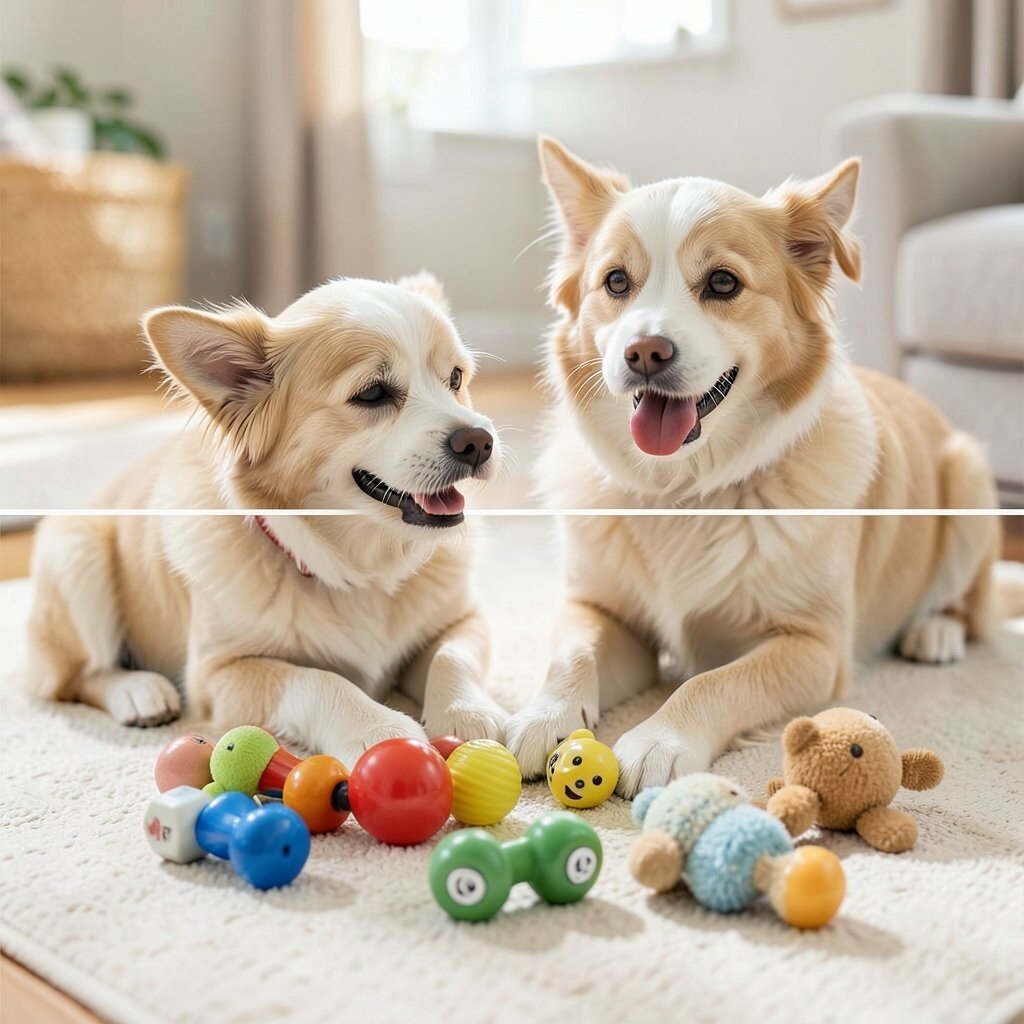
Pick a small set of toys and rotate them each week. Store some toys away for a few days, then bring one back like a new item. Your pet often acts more excited when a toy feels fresh again.
This can help reduce boredom and support better play. It can also help toys last longer since they are not used all at once. Many pets focus better when play time feels new.
To personalize, label toys by type, like “fetch” or “chew.” You can also keep a soft toy for calm times and a bouncy toy for active times. Cost can stay low because you may not need many new toys.
6. Brush and Calm Time With Short Sessions
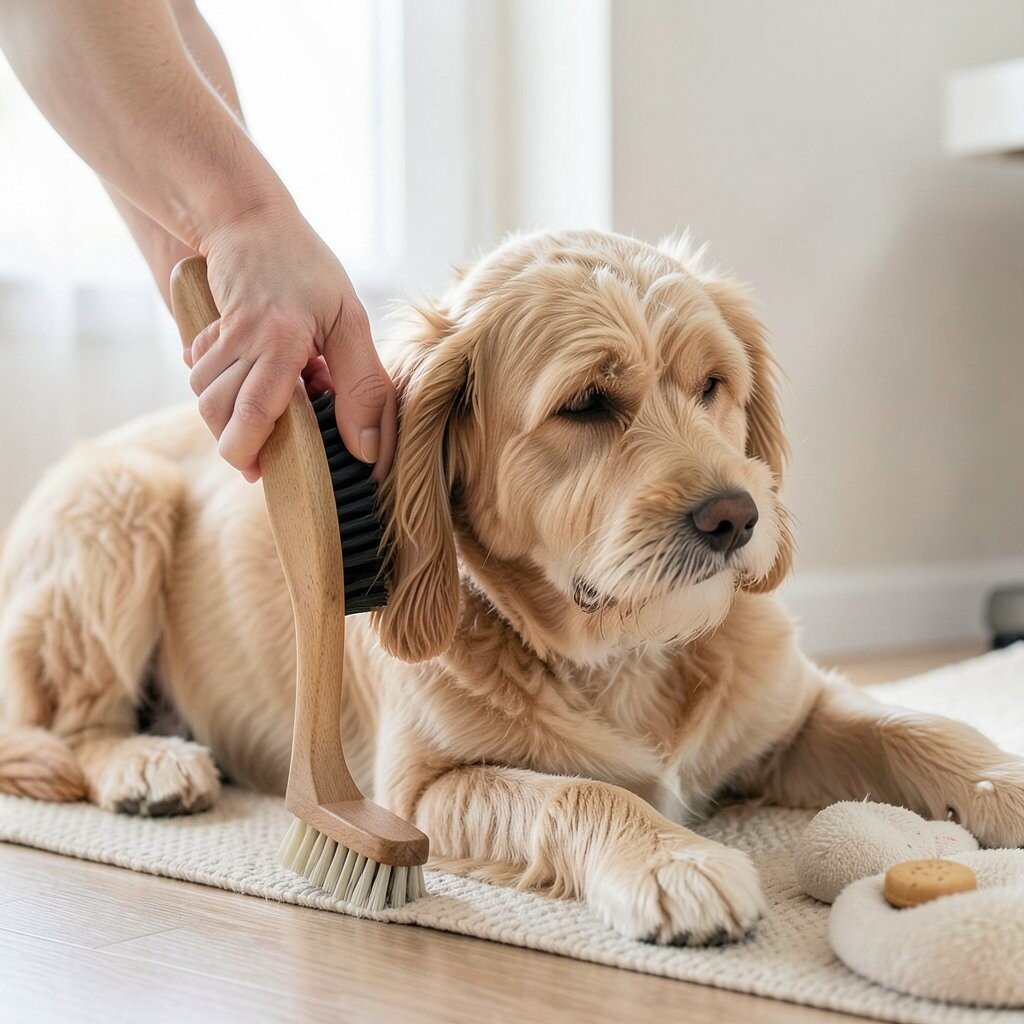
Set aside a short time to brush your pet gently. Use a brush that fits their coat type, like a soft brush for short hair or a comb for thicker fur. Keep the pace slow so your pet feels safe.
Brushing helps remove loose fur and can make pets feel more comfy. It can also help you spot small bumps, ticks, or skin issues early. Many pets relax when they feel consistent handling.
Make it unique by adding a calm routine, like brushing right before a nap. Reward good behavior with a small treat after each short session. This is usually low cost since brushes last a long time.
7. Kind Greeting Cards for Pet Friends
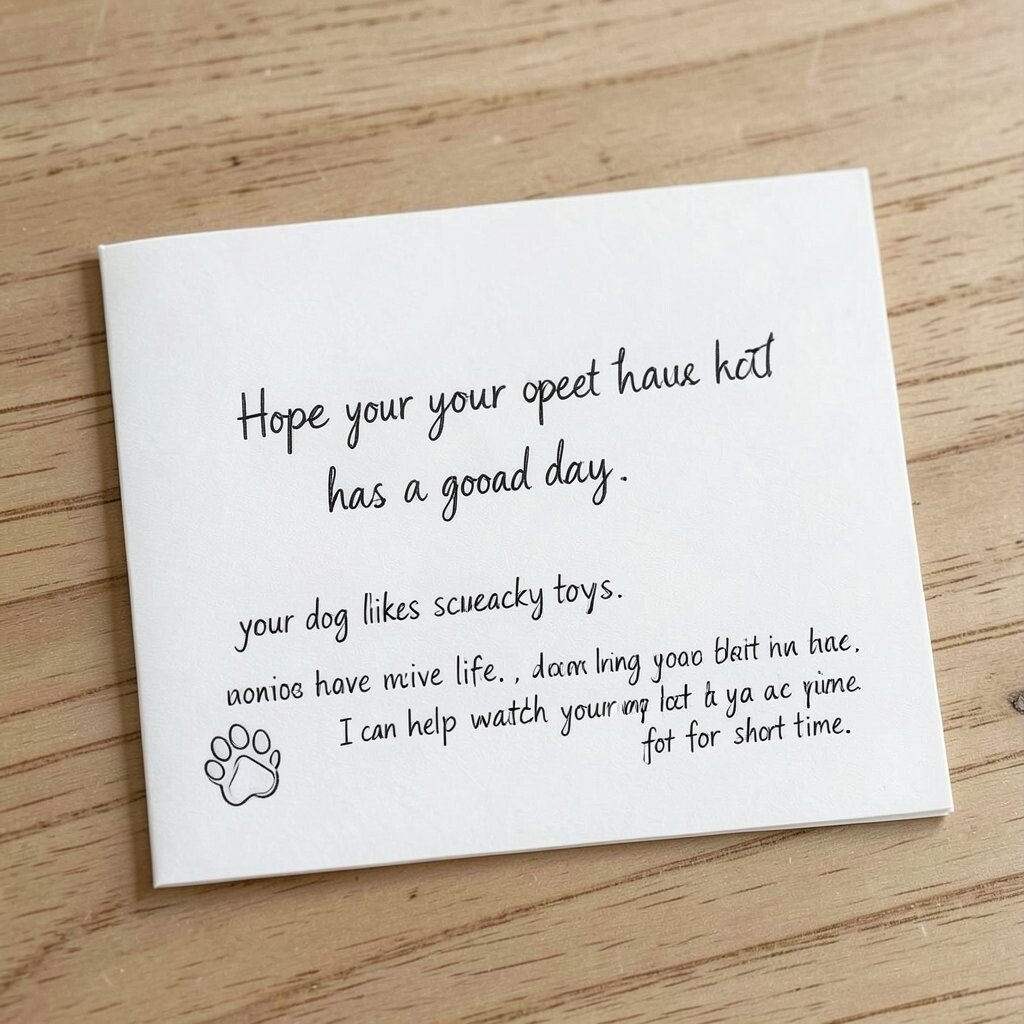
Create a small note card for a neighbor with a pet or for a friend who cares for animals. You can write something simple like “Hope your pet has a good day.” If you have nice handwriting, add a small doodle of a paw.
This can spread joy in a quiet way. People often feel seen when you notice their pet life. It also helps you build gentle community ties.
To personalize, mention a detail you know, like “your dog likes squeaky toys.” You can also include a small offer, like “I can help watch your pet for a short time.” Cost is low, since plain cards and stamps are usually not expensive.
8. Quiet Play for Cats With Simple Boxes
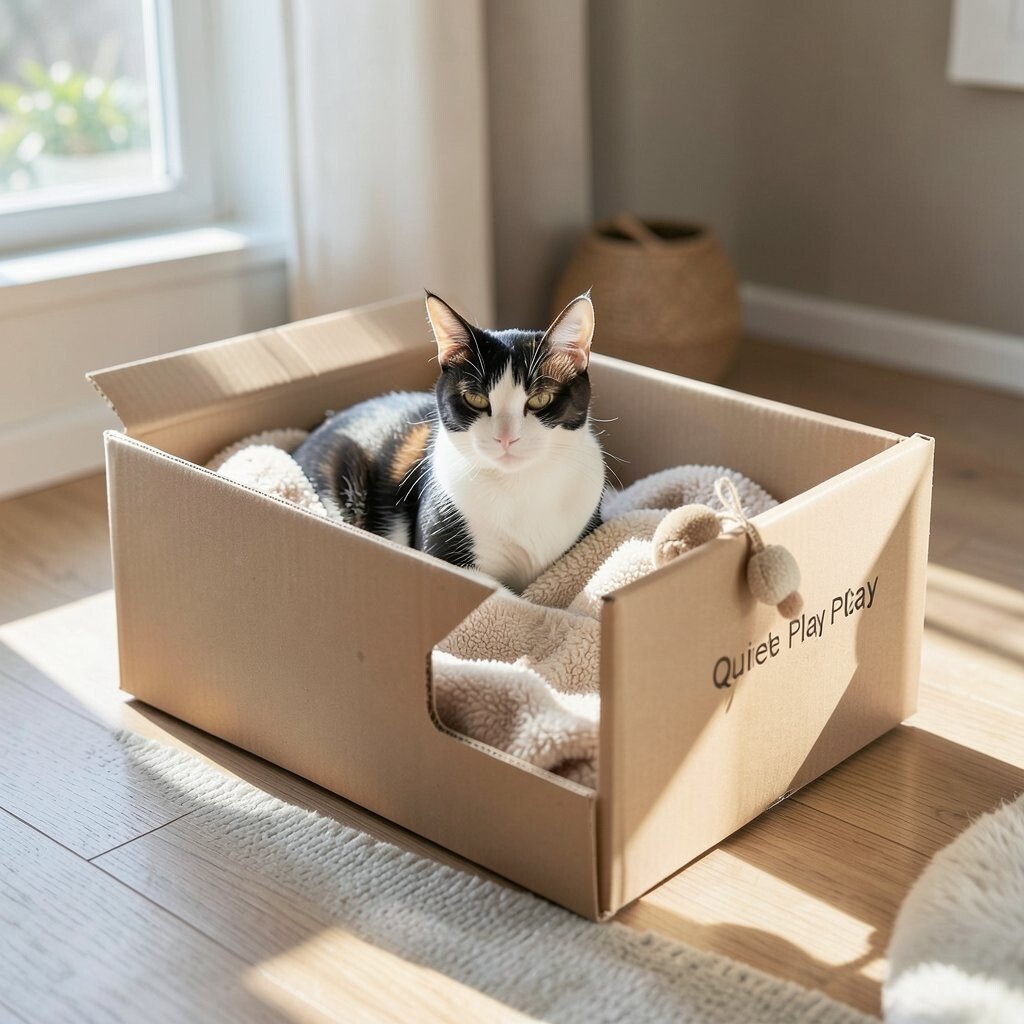
Use a cardboard box for a calm cat play setup. Cut a small opening, add a soft blanket inside, and place the box in a safe spot. Cats often like hiding spots and small spaces.
This can help cats feel secure and curious. Box play can also give them a place to scratch or nap without using your furniture. It is a simple choice that works for many home layouts.
Personalize it by adding a small toy tied with string or by turning the box so it gets sun. If you want to make it safer, remove tape edges and keep the box sturdy. Cost is very low since you can reuse shipping boxes.
9. Community Leash-Up Hours at a Local Park
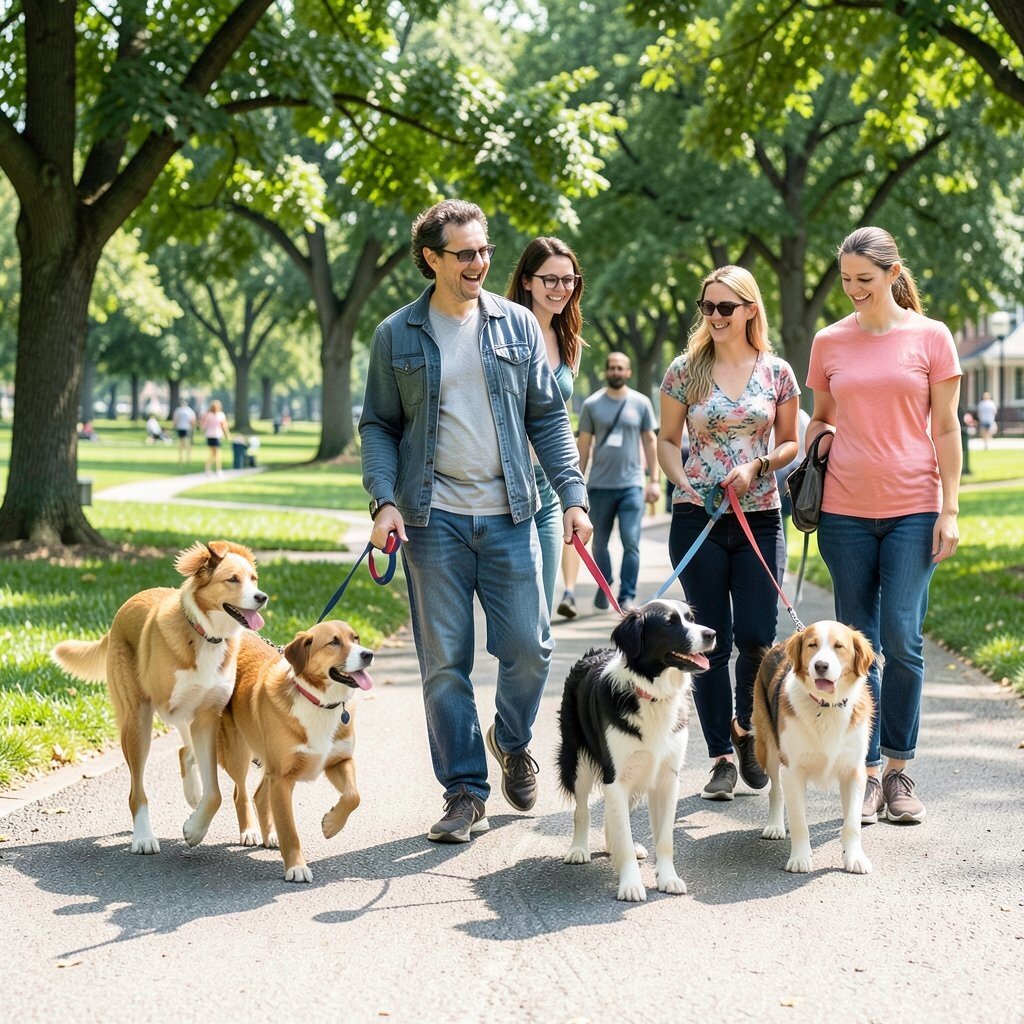
Pick a set time to meet other pet owners and walk around together. Choose a park area that feels safe and not too crowded. Keep your pet on a leash and let people share quick tips.
This helps pets get social time in a calm setting. It also helps owners meet friendly people. Many people feel less stressed after chatting with others who understand pet care.
To keep it unique, you can do a theme, like “calm walks” or “new routes.” You can also plan a small water stop for everyone. Cost can be near zero if you already have a leash and waste bags.
10. Photo Share Wall for Pets Who Need Encouragement
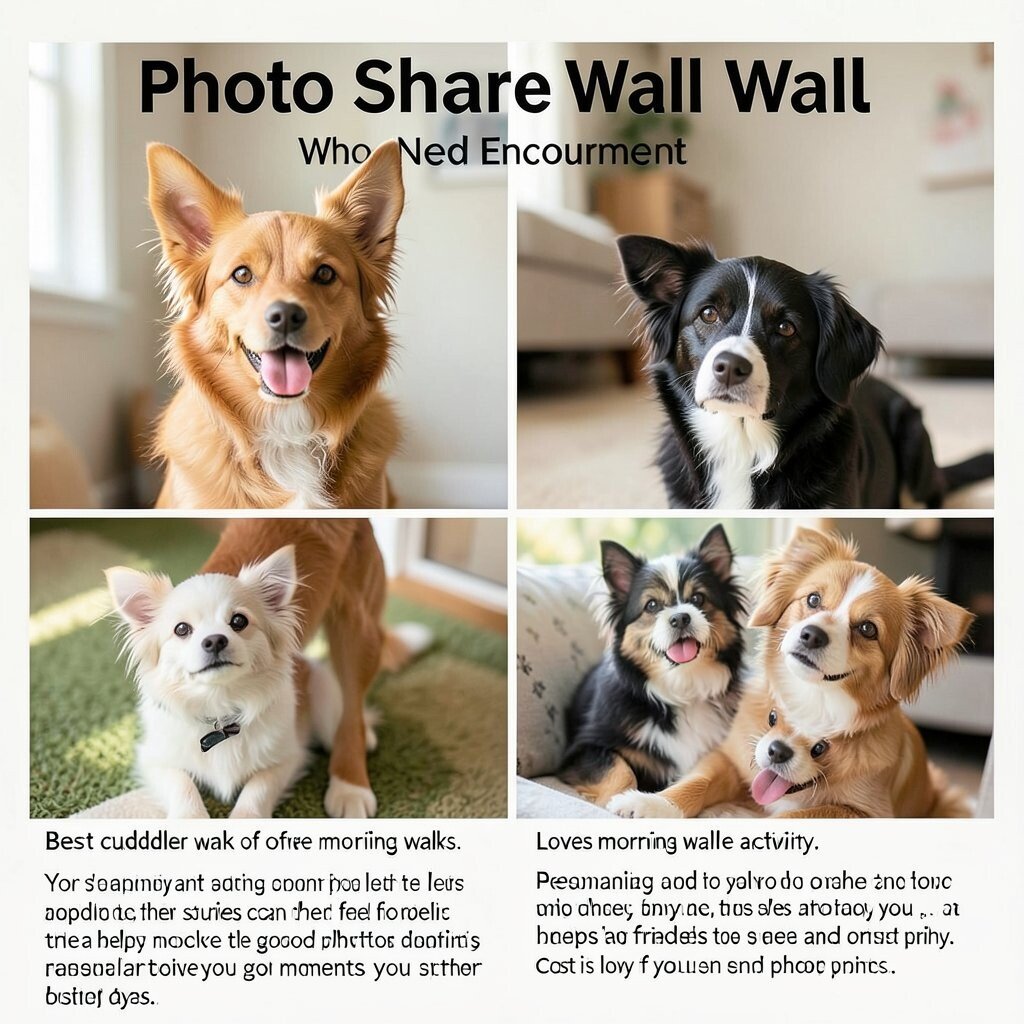
Make a simple photo page of pets you care about or pets you see on social media. Use a phone album or a printed board at home. Add short captions like “Best cuddler” or “Loves morning walks.”
This can offer comfort and help people feel hopeful. When pets are loved, their stories can feel like support for others. It also helps you notice the good moments you might miss during busy days.
Personalize it by adding a note about a pet’s favorite activity. You can also ask friends to send one photo and one short memory. Cost is low if you use phone storage and simple prints.
11. First Aid Kit for Safe Small Fixes
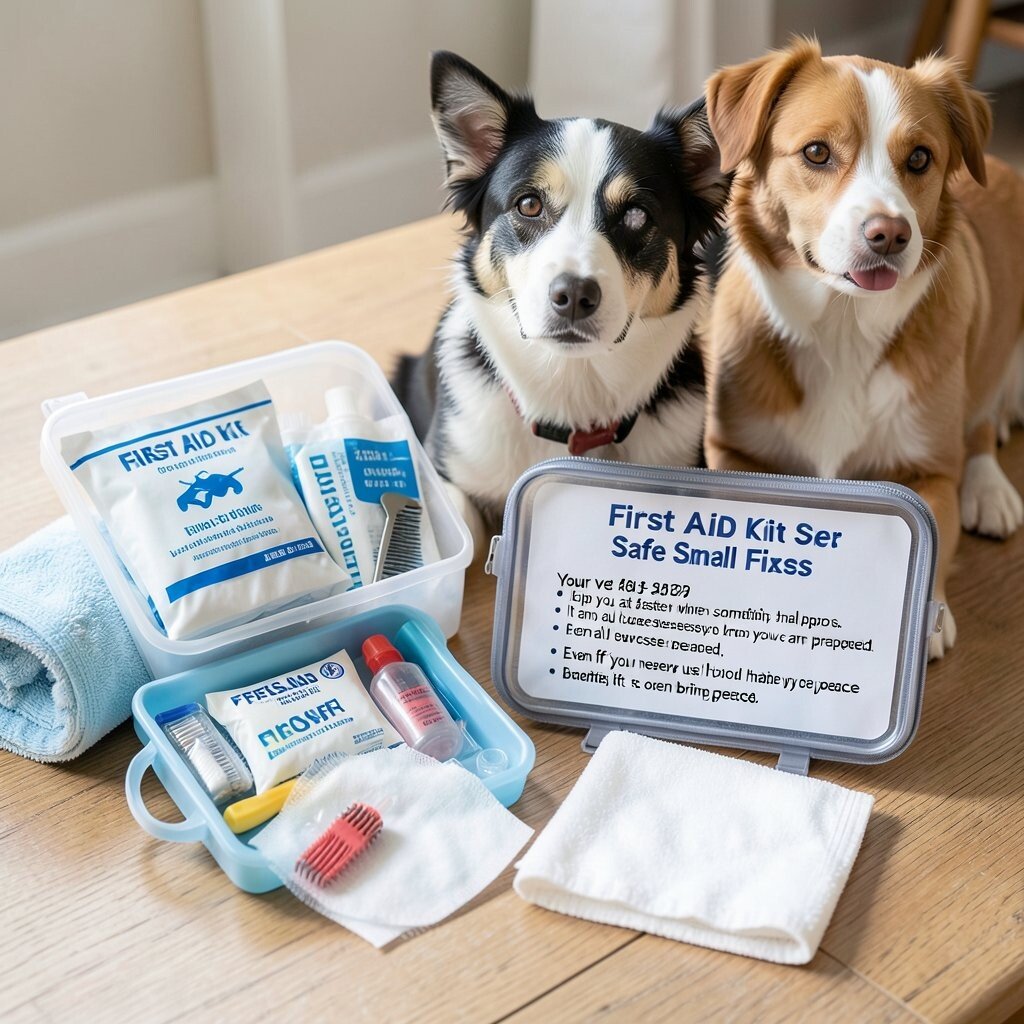
Build a basic pet first aid kit for quick, safe actions. Include items like pet-safe wipes, gauze, and a small towel. Add a list with your vet number and a nearby emergency clinic number.
This helps you act faster when something small happens. It can also lower stress because you know you are prepared. Even if you never use it, having it can bring peace.
To personalize, add items that match your pet, like tick tools if that fits your area. Keep the kit in one spot so it is easy to find. Cost can vary, but a basic kit is often affordable.
12. Food and Water Schedule Cards for Busy Days
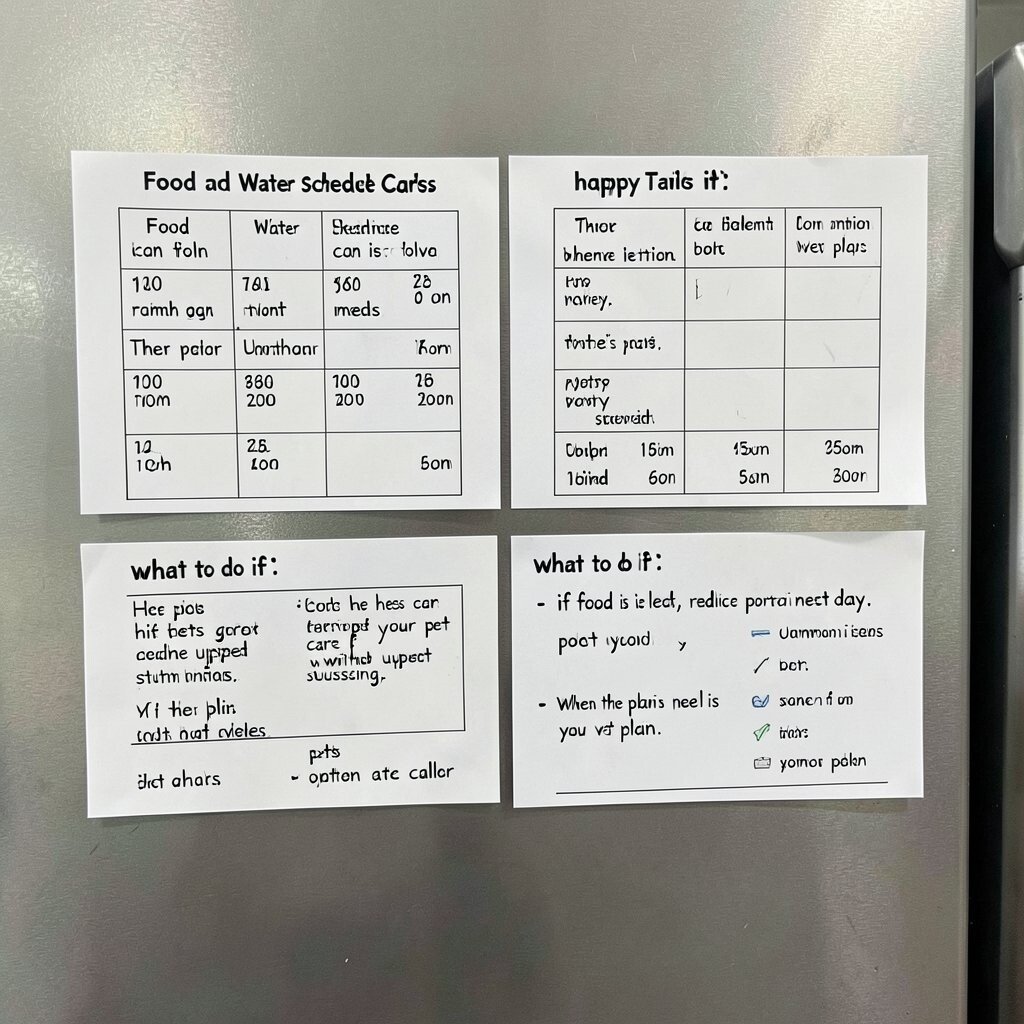
Make simple schedule cards for feeding and watering. Write down times and the right amount, using plain words your family can follow. Put the cards where people can see them, like on the fridge.
This helps pets get steady meals, which can reduce upset stomach issues. It also helps other people care for your pet without guessing. When the plan is clear, pets often act calmer.
Uniqueness can come from adding “what to do if…” notes for common issues. For example, write “if food is left, reduce portion next day” based on your vet plan. Cost is low because you only need paper or a board.
13. Support a Local Shelter With Small, Useful Gifts
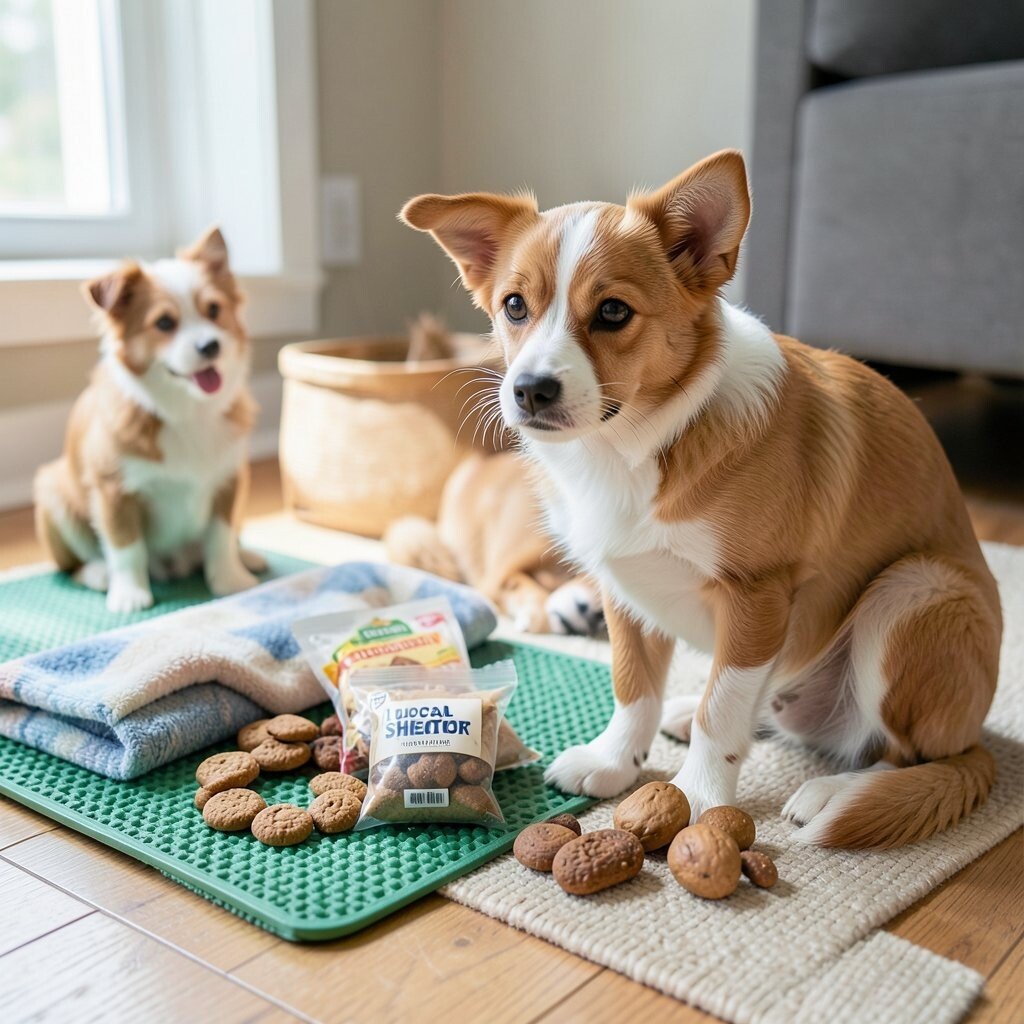
Choose small items that shelters can use right away. Think about items like non-slip mats, soft blankets, or unused treats that are safe for animals. Call or check the shelter list so your gift fits their needs.
This helps pets in care get comfy and safe while they wait for homes. It also supports workers by giving useful supplies. Even small gifts can help when many people are pitching in.
Personalize your support by writing a short note about why you chose the items. You can also volunteer for a small shift if you have time. Cost depends on what you pick, but you can often donate on a budget.