Walking with a leash should feel calm and safe for both of you. With a few small changes, you can help your dog feel more at ease and still enjoy the walk.
1. Pick the right leash length
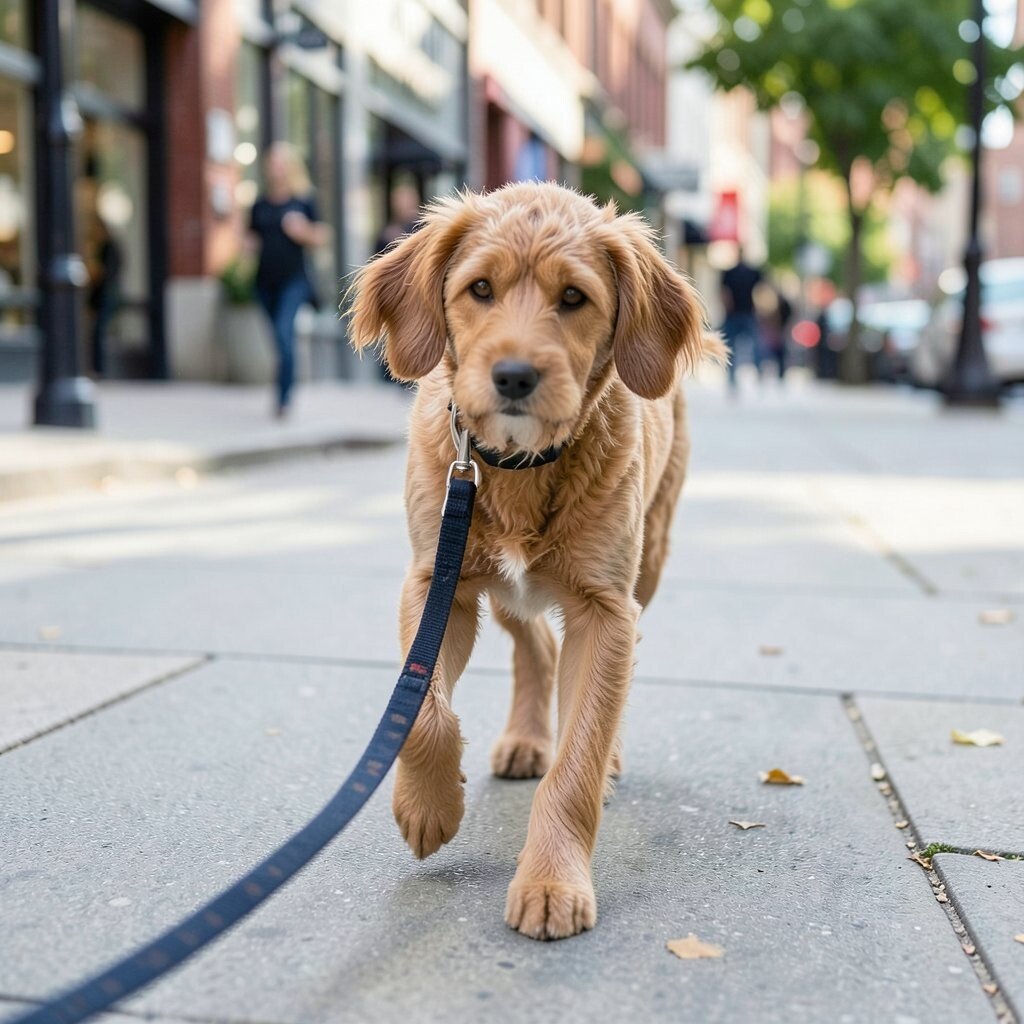
A leash that is too short can make your dog feel stuck. A leash that is too long can lead to tangles and pulling. Try a length that lets your dog walk near you without getting far away.
For some dogs, a standard six foot leash is a good start. For others, a shorter leash helps with tight spaces like sidewalks and stores. You can also try different lengths and see what feels steady for your dog.
2. Choose a comfortable collar or harness
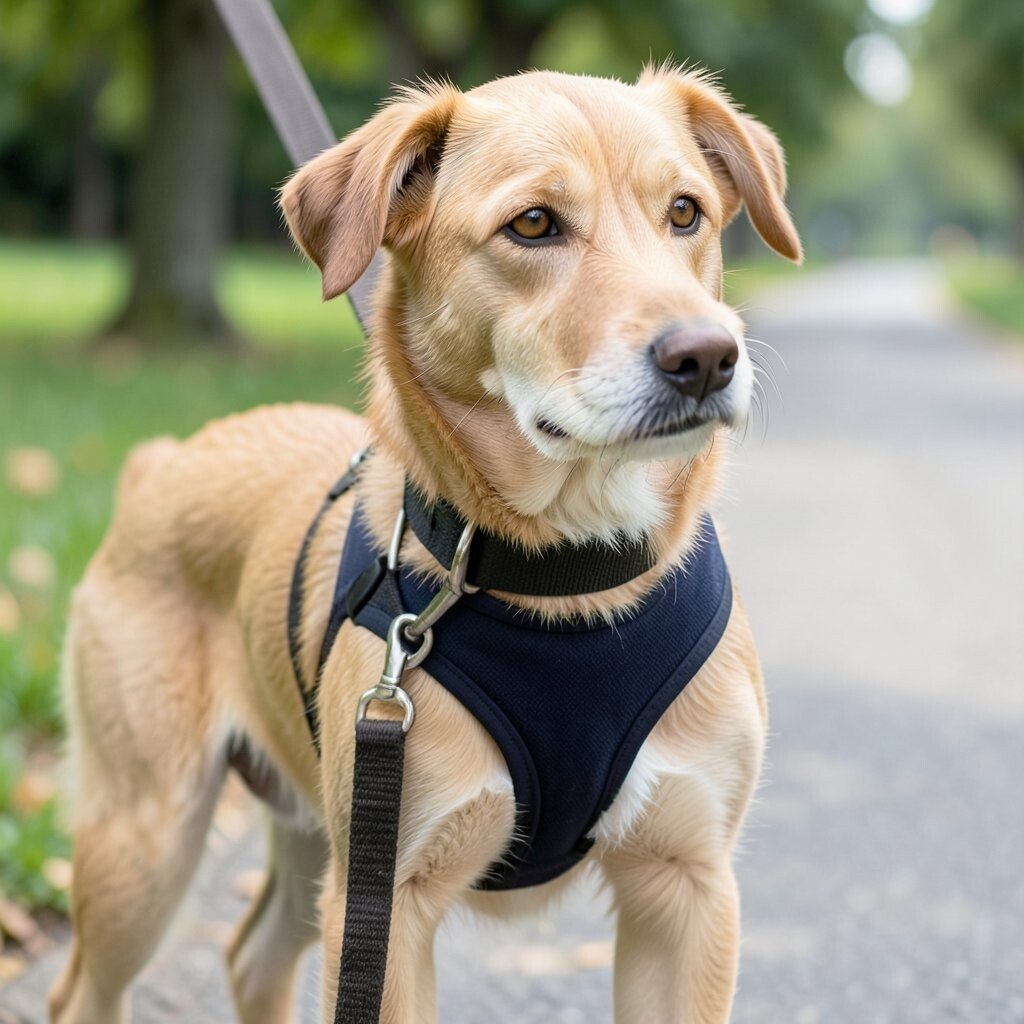
The right gear can change the whole feel of a walk. A soft collar can work for some dogs, but a harness can be better for others. Look for a fit that feels snug but not tight.
If your dog pulls, a front-clip harness can help reduce strong lunges. If your dog is sensitive, use padding and check that straps do not rub. When you see no red marks after a walk, that is a good sign.
3. Do a quick fit check before you leave
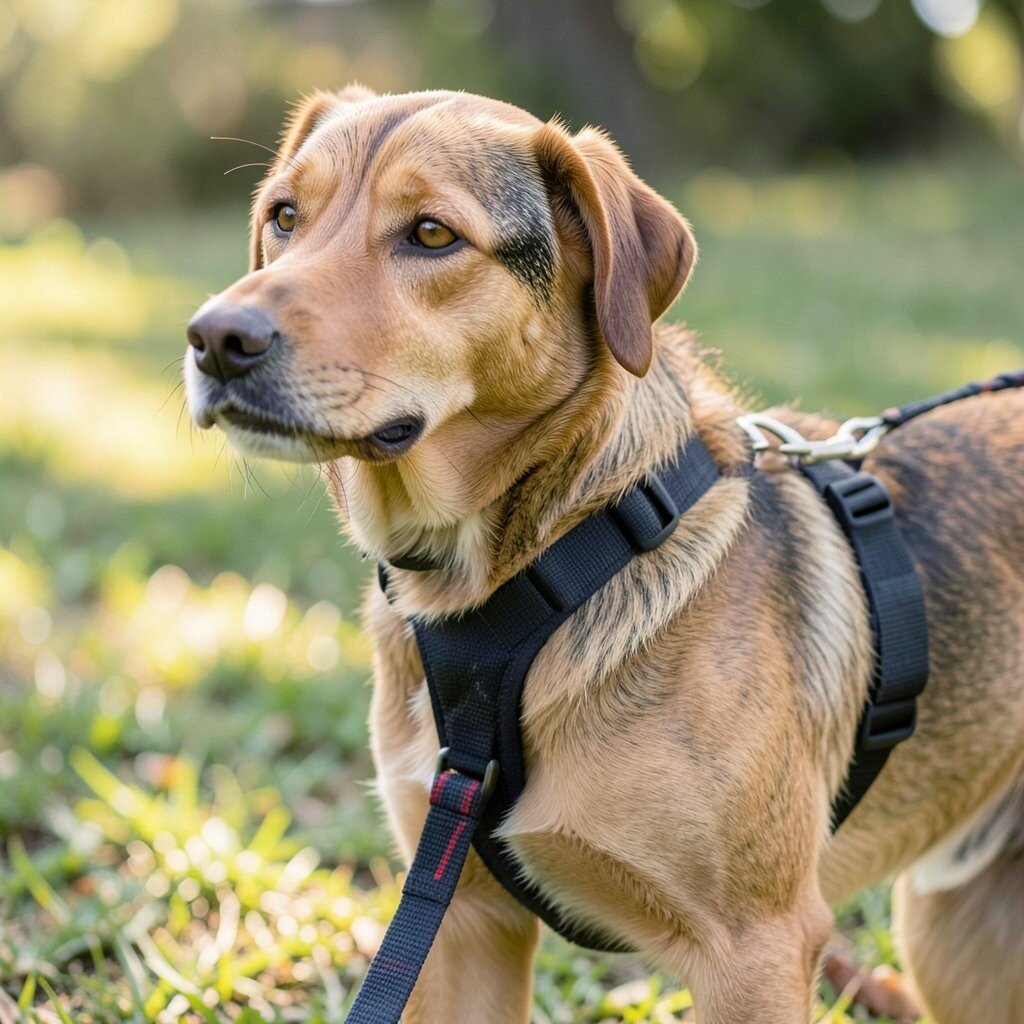
Before you step out, take a few seconds to check the fit. Make sure the leash clips sit flat and do not twist. Also check that the collar or harness sits in the right place on your dog’s body.
You should be able to slide two fingers under the collar or straps. If you cannot, loosen the gear a little. This small step helps prevent discomfort and sudden jerks.
4. Use a light grip and relax your arm
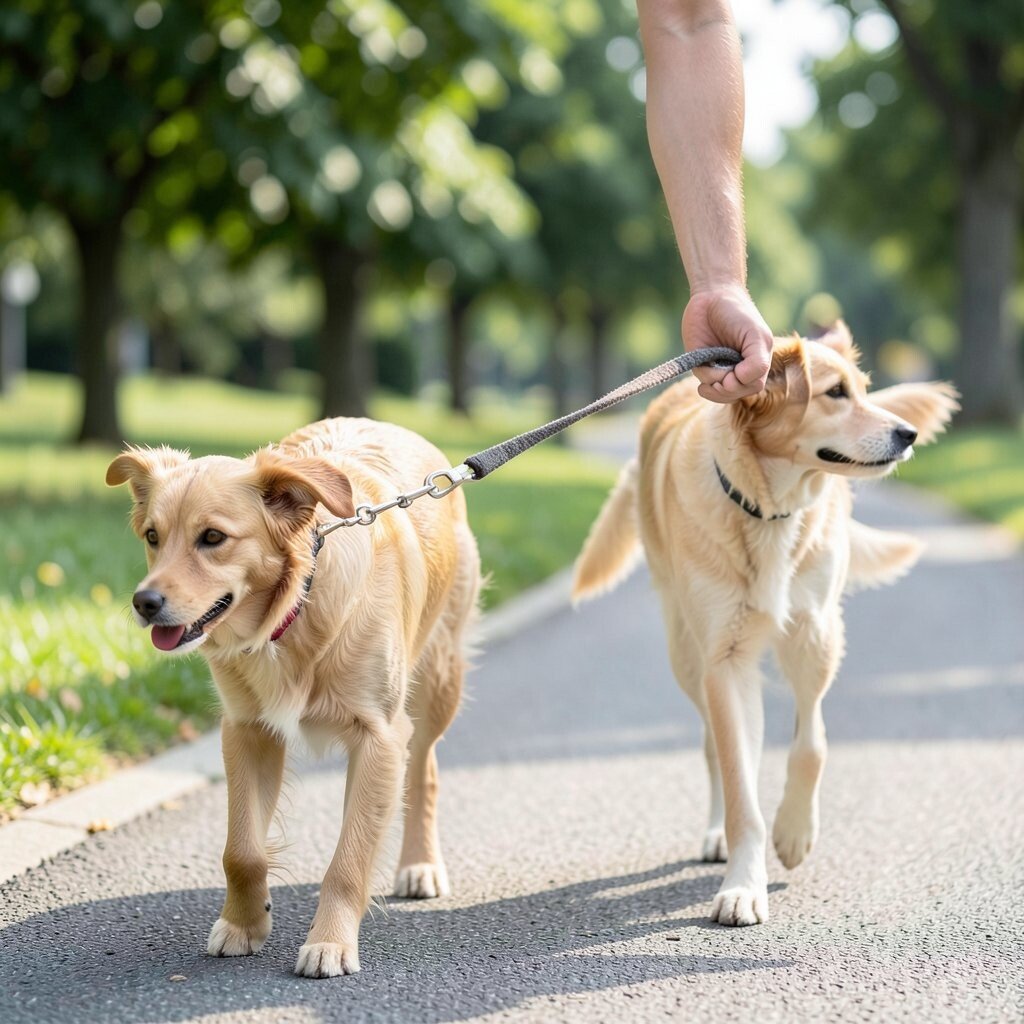
Dogs often copy your body mood during a walk. If you hold the leash with a firm fist, your dog may feel tense too. Keep your hand relaxed and let your arm move in a smooth way.
Try to keep the leash slack when your dog walks well. If your dog pulls, do not yank back hard. Instead, slow down a bit and give your dog time to reset.
This helps your dog learn that calm steps lead to more fun. It also helps you avoid sore wrists and tight shoulders over time.
5. Start with a slow “sniff and settle” routine
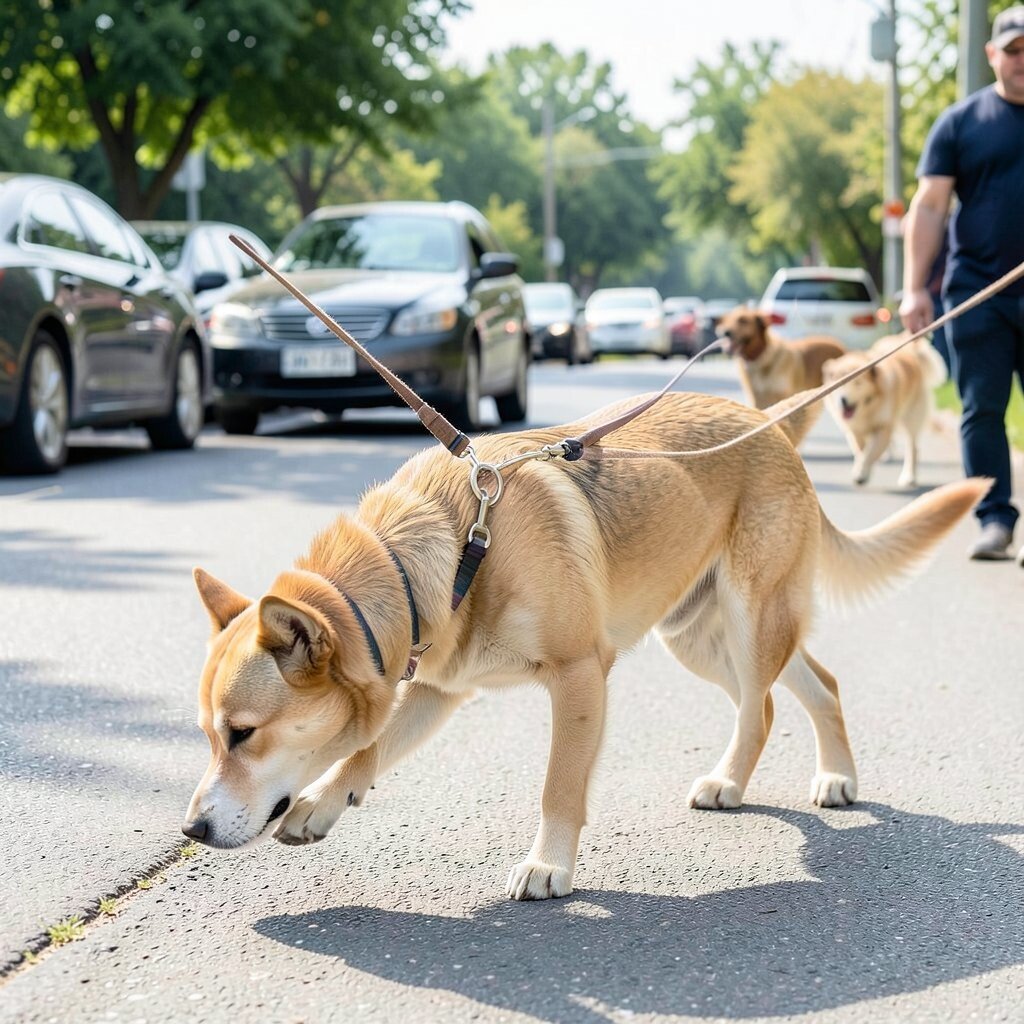
Many dogs need a minute to check the world around them. Give your dog a short time to sniff before you ask for steady walking. This can prevent the next part from feeling rushed.
Pick a quiet spot for the first few minutes. Then watch how your dog reacts to cars, other dogs, and people. If your dog gets jumpy, slow down even more and wait for calm body signs.
6. Teach a simple leash cue with short practice
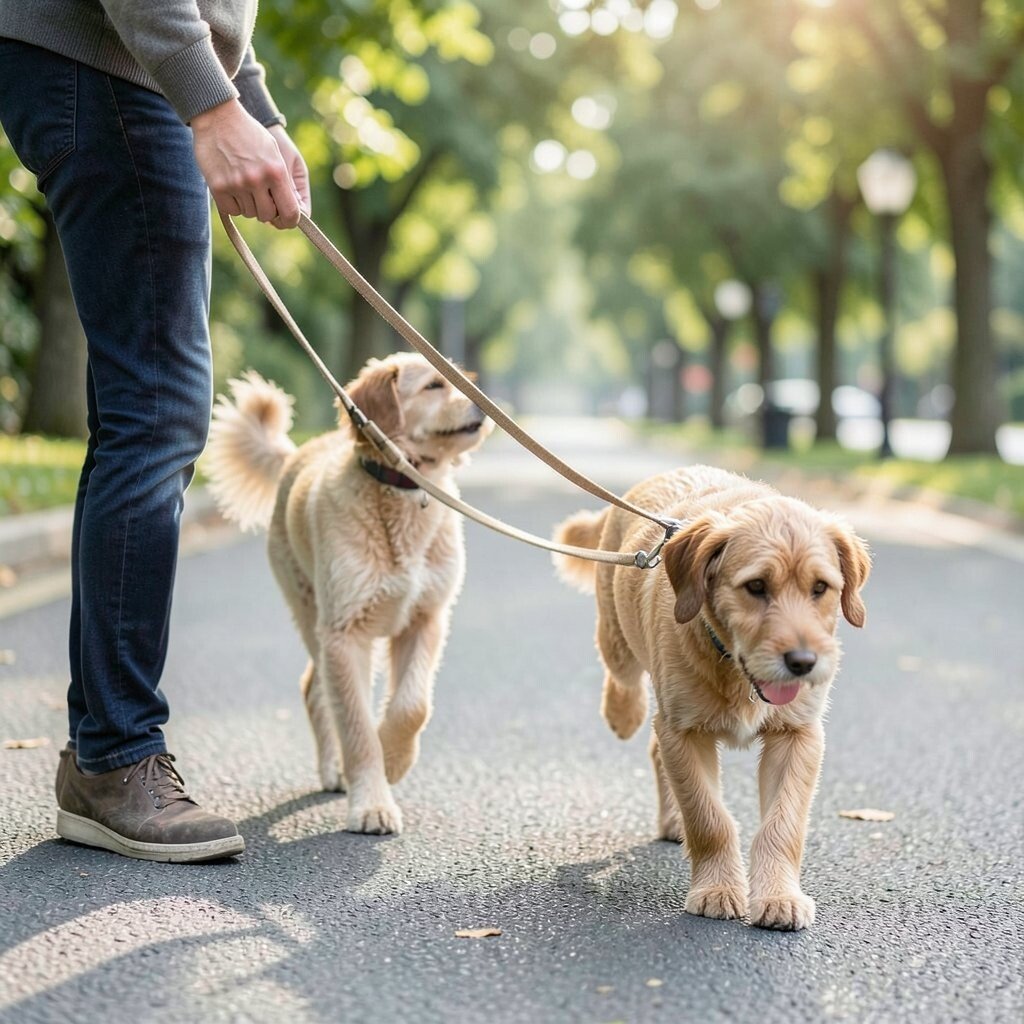
You can teach a calm walk using a simple cue. Pick one word like “with me” or “easy.” Use the cue when your dog is already walking near you, not when your dog is pulling.
During practice, reward small wins like one calm step or a loose leash moment. Keep sessions short so your dog does not get tired or bored. With steady practice, your dog can learn what you want on a daily walk.
7. Reward the moments you want to repeat
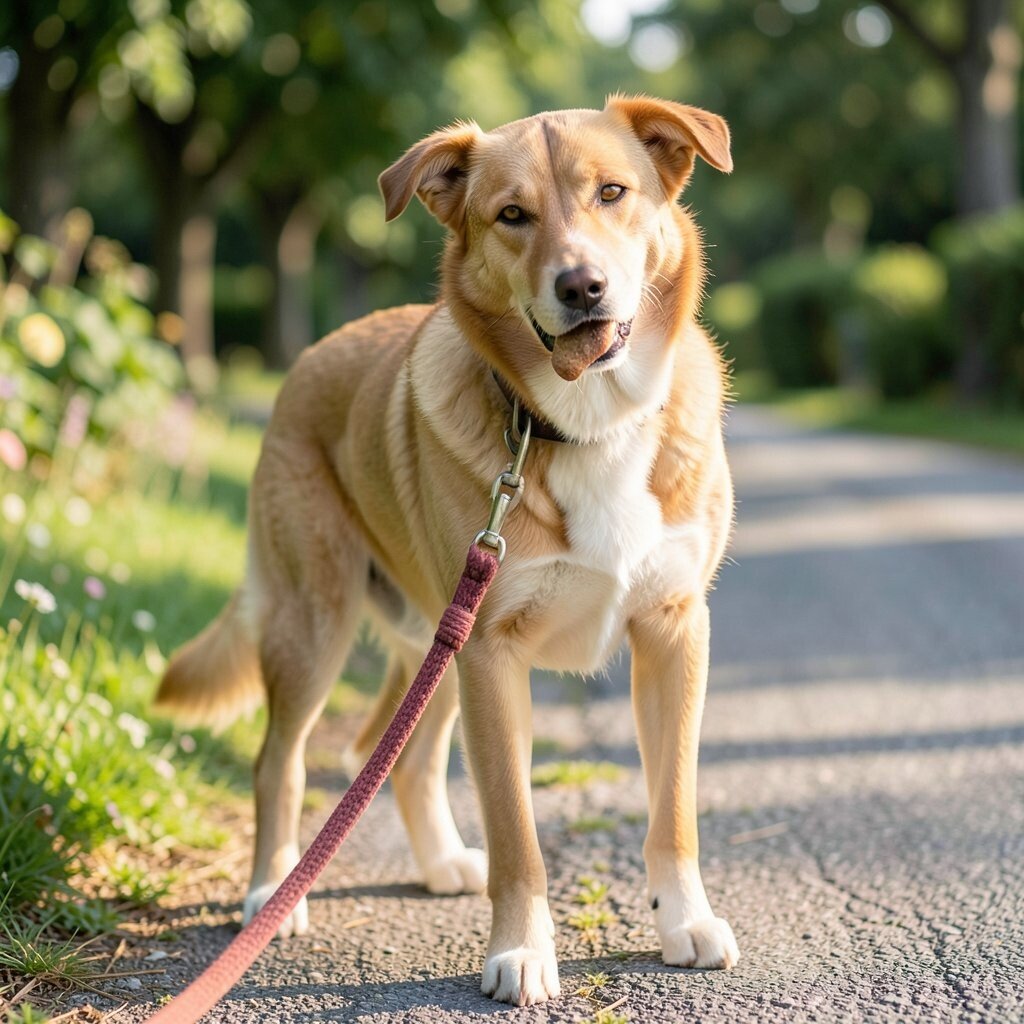
Timing matters more than many people think. When your dog keeps a loose leash, mark the moment and offer a treat right away. This makes the goal clear and helps your dog connect it with good behavior.
Use small treats so you can reward often. You can also use praise and gentle petting if your dog likes that. Over time, you may need fewer treats, but keep some rewards for steady work.
8. Make a “watch me” path for busy areas
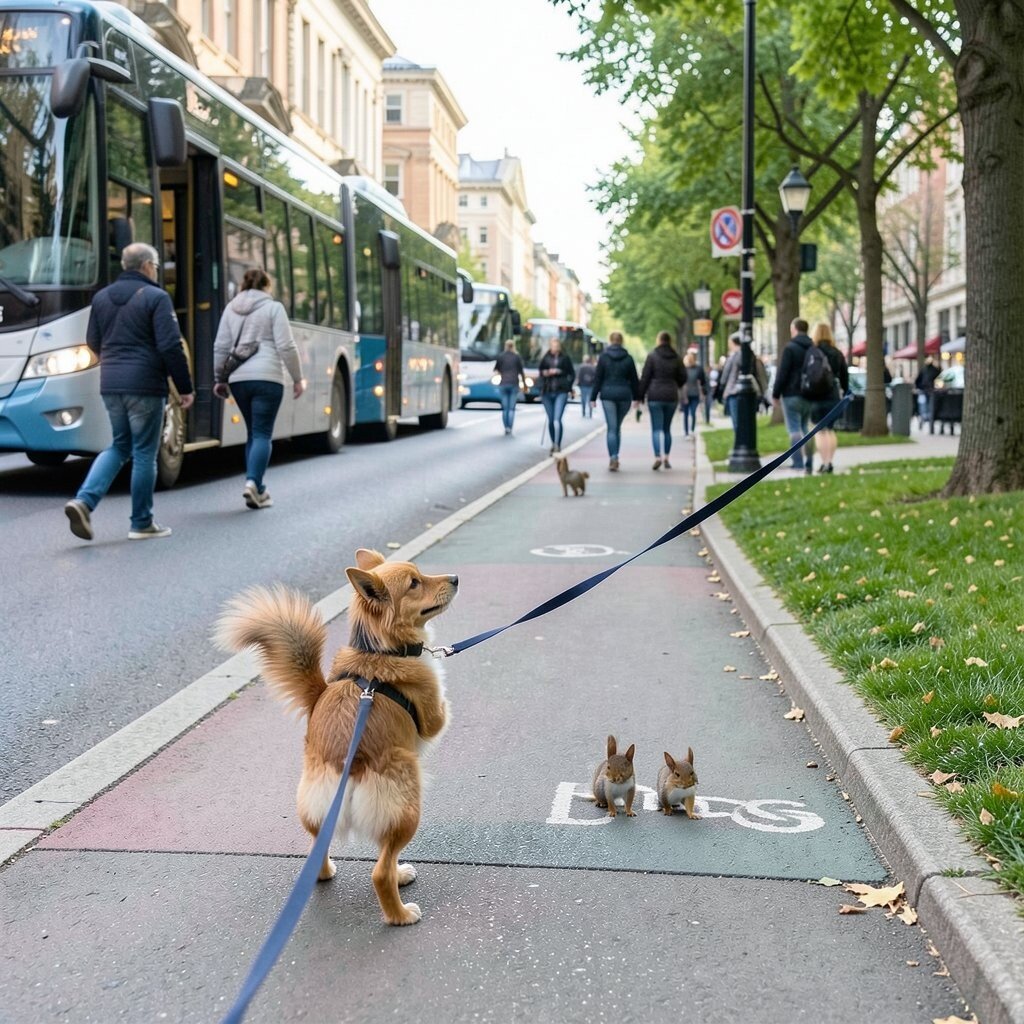
Some streets feel full of sights and sounds. When your dog sees a bus, a squirrel, or another dog, it may forget your leash rules. A “watch me” plan can help you guide your dog during busy moments.
Choose a short route with calmer parts, like a side street or a park edge. Practice there first, then slowly add harder spots. If your dog looks at you and stays calm, reward that moment right away.
9. Use the right treats for your dog’s mood
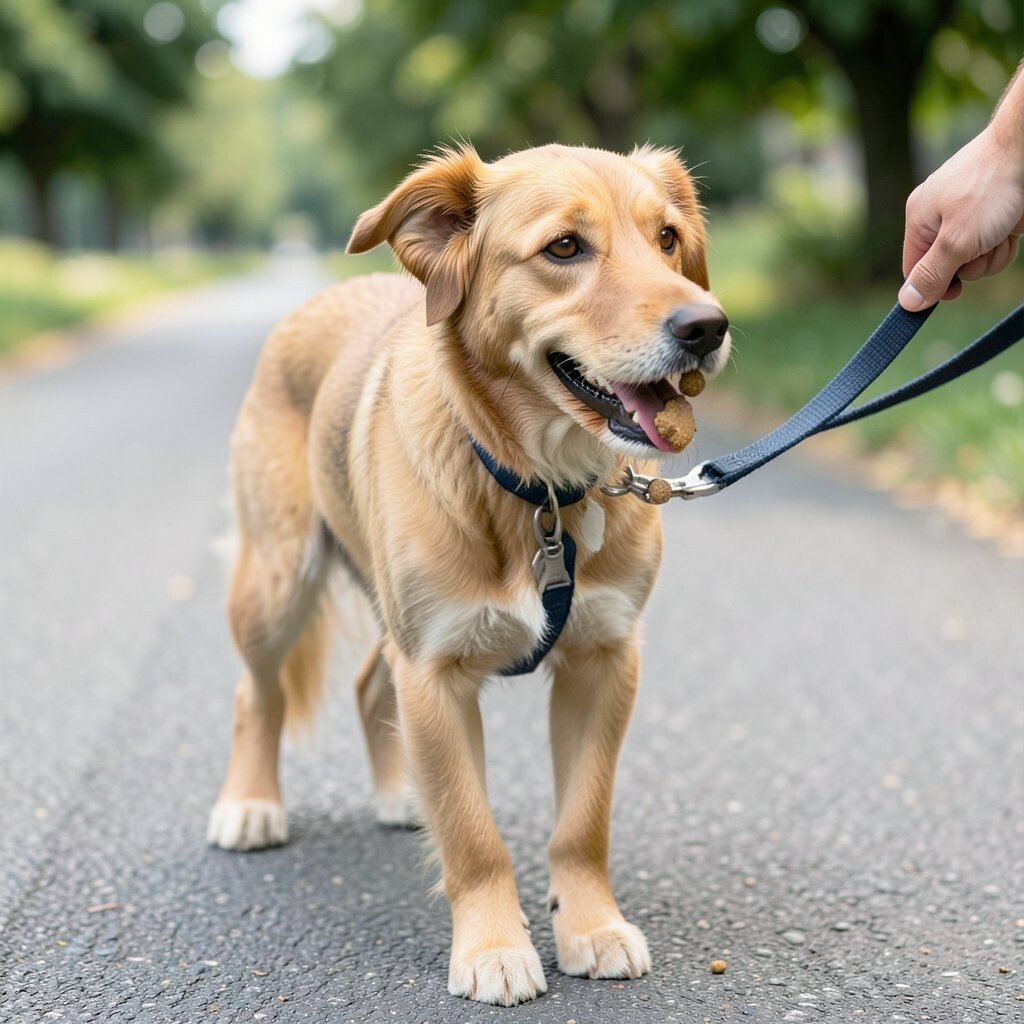
Not every treat works at every time. On a busy day, your dog may need a stronger reward to notice you. Pick treats that are easy to chew and easy to carry.
Try a mix of small soft treats and crunchy bits. Some dogs like one type more than the other. Watch what your dog goes for during the walk, and adjust what you bring.
You can also use meal-time kibble if your dog stays focused. This can lower cost and help you use food you already have.
10. Add pause breaks to calm strong energy
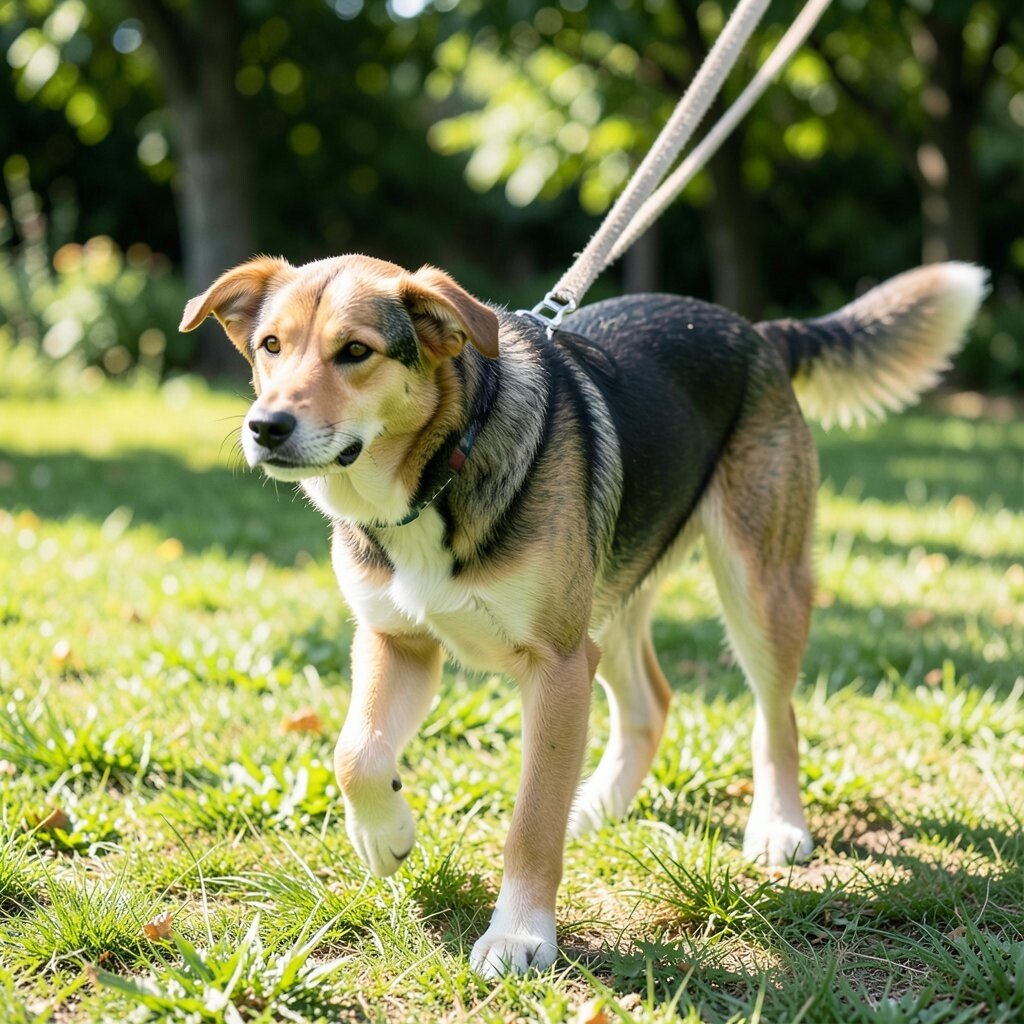
If your dog pulls or jumps, a short pause can help. Stand still for a few seconds and wait for the leash to loosen. Many dogs calm down once they feel you are not moving forward fast.
Then start again when your dog can walk without leaning hard. This is a simple way to teach patience. Your dog learns that calm walking helps you move, while pulling slows you down.
11. Practice with distance before you add stress
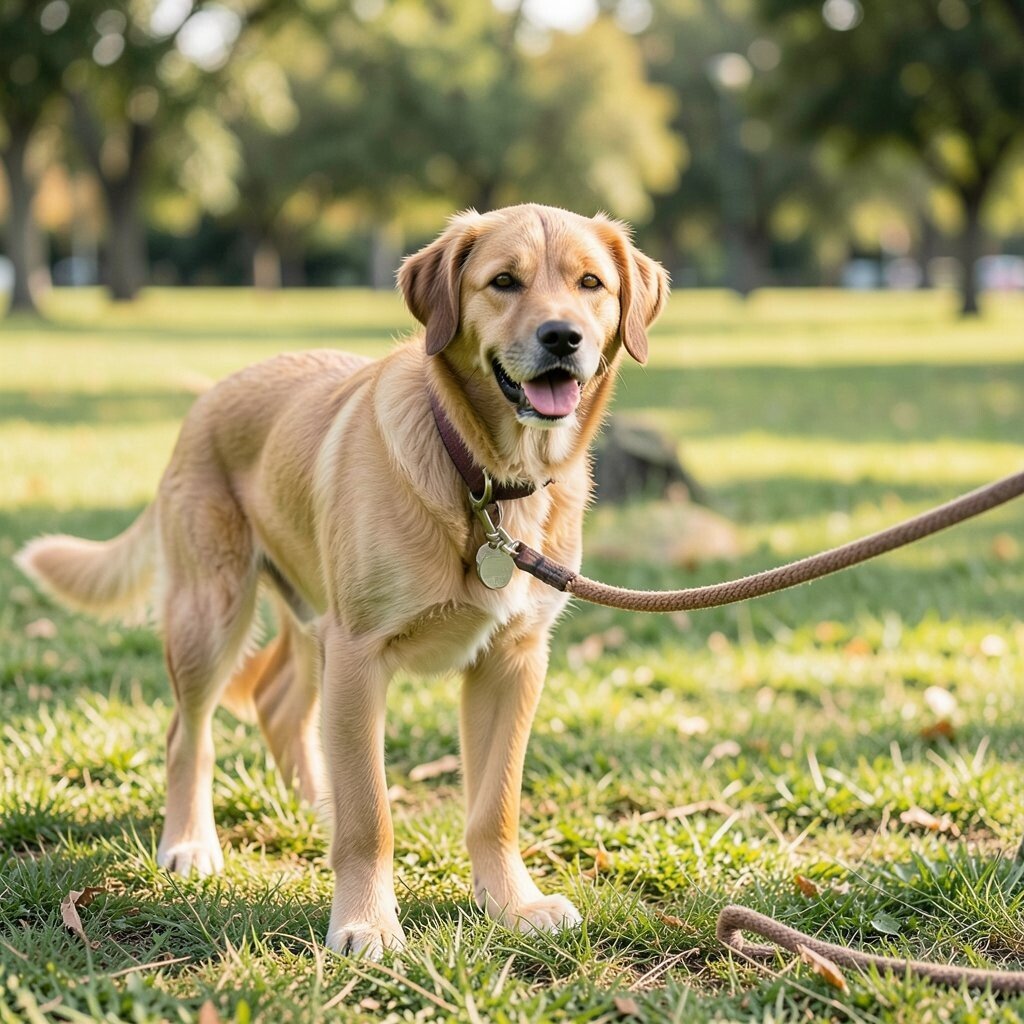
You do not need to face the hardest triggers right away. If your dog reacts to other dogs, start at a distance where your dog can still think. Then reward quiet looks and calm breathing.
Step by step, move a little closer when your dog stays steady. If your dog crosses the line and gets too excited, back up and try again later. This keeps learning safe for both of you.
12. Try different walk tools, like a chest clip
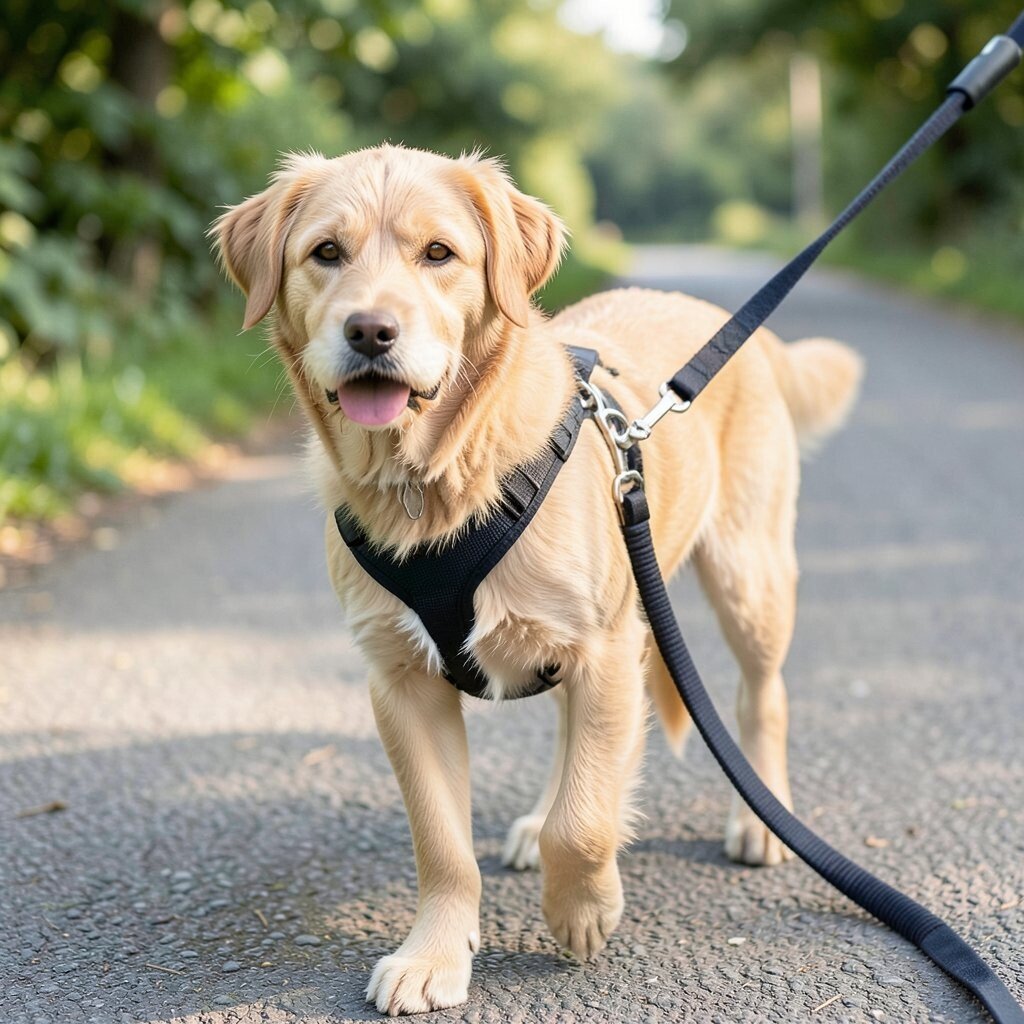
Tools can help, but they still need good use. A front-clip harness can guide your dog’s body when it tries to pull. A back-clip harness can work for calmer walkers who do not lunge.
You can also try a leash with a handle and a long strap for your comfort. Some people like bungee-style leads for small tugging. It is important to test tools in a safe place before you use them on hard routes.
Pick one option and use it well for a while, then decide if you like it. That makes it easier to see what helps your dog most.
13. Add fun “jobs” during the walk
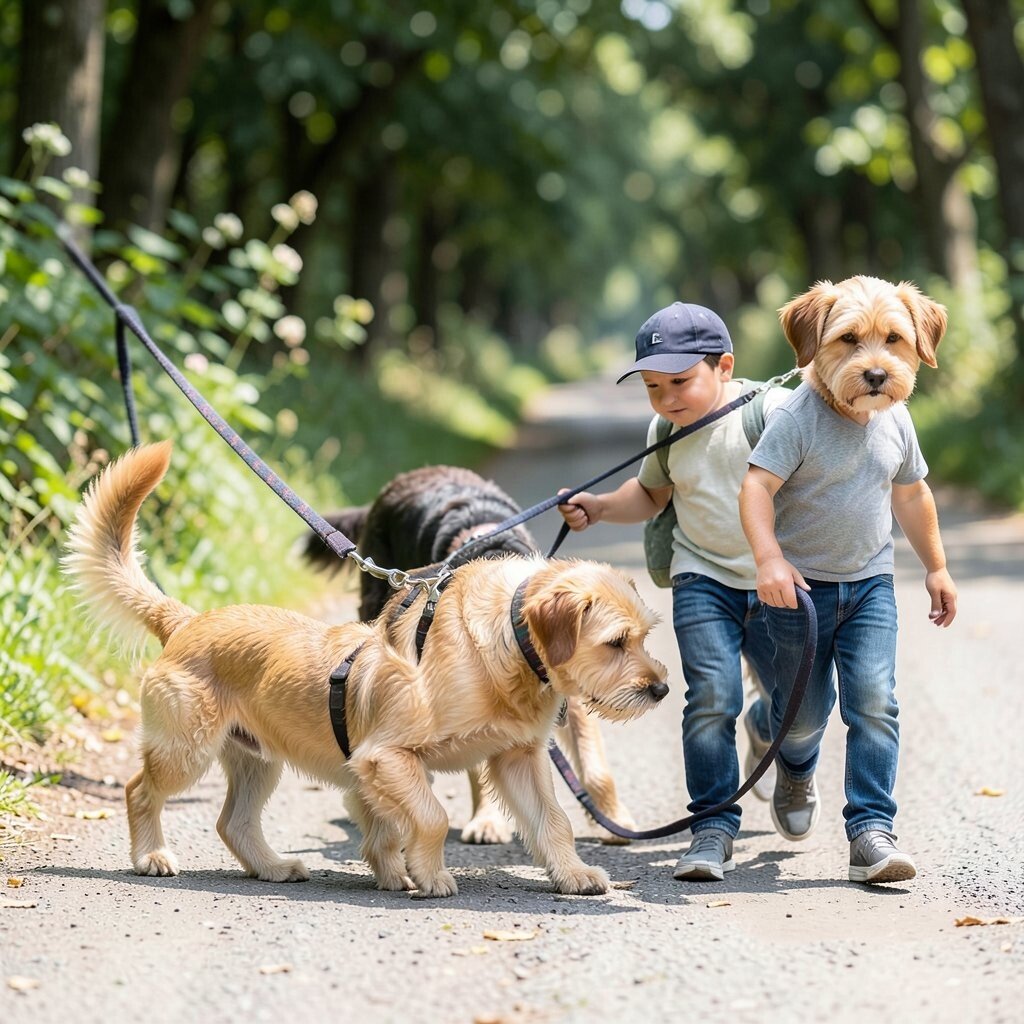
When walks feel like only rules, some dogs get bored. You can add small jobs that help your dog use its brain. For example, ask your dog to find a spot to sniff for a few seconds.
You can also use a short “slow check” game. Stop, let your dog sniff, then call your dog back to you with a calm cue. This turns the walk into teamwork, not only control.
14. Match your schedule to your dog’s energy
Time of day can change how your dog walks. Some dogs act wild when they are too hungry or too tired. Try a walk when your dog has had some time to settle at home.
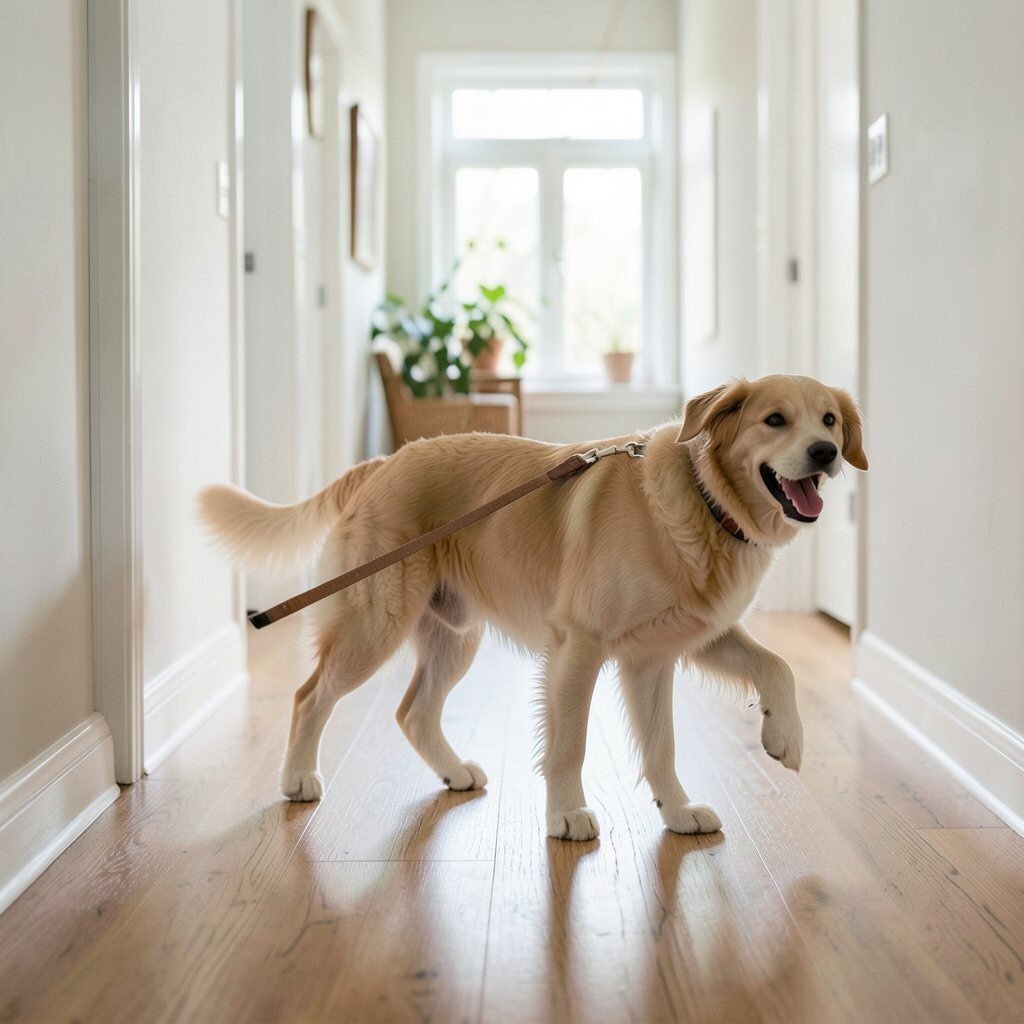
If your dog gets too excited, try a shorter walk more often. On days with bad weather, use indoor training like leash walking by a hallway. This keeps your dog moving without big stress outside.
15. Keep an eye on body signals and stop early
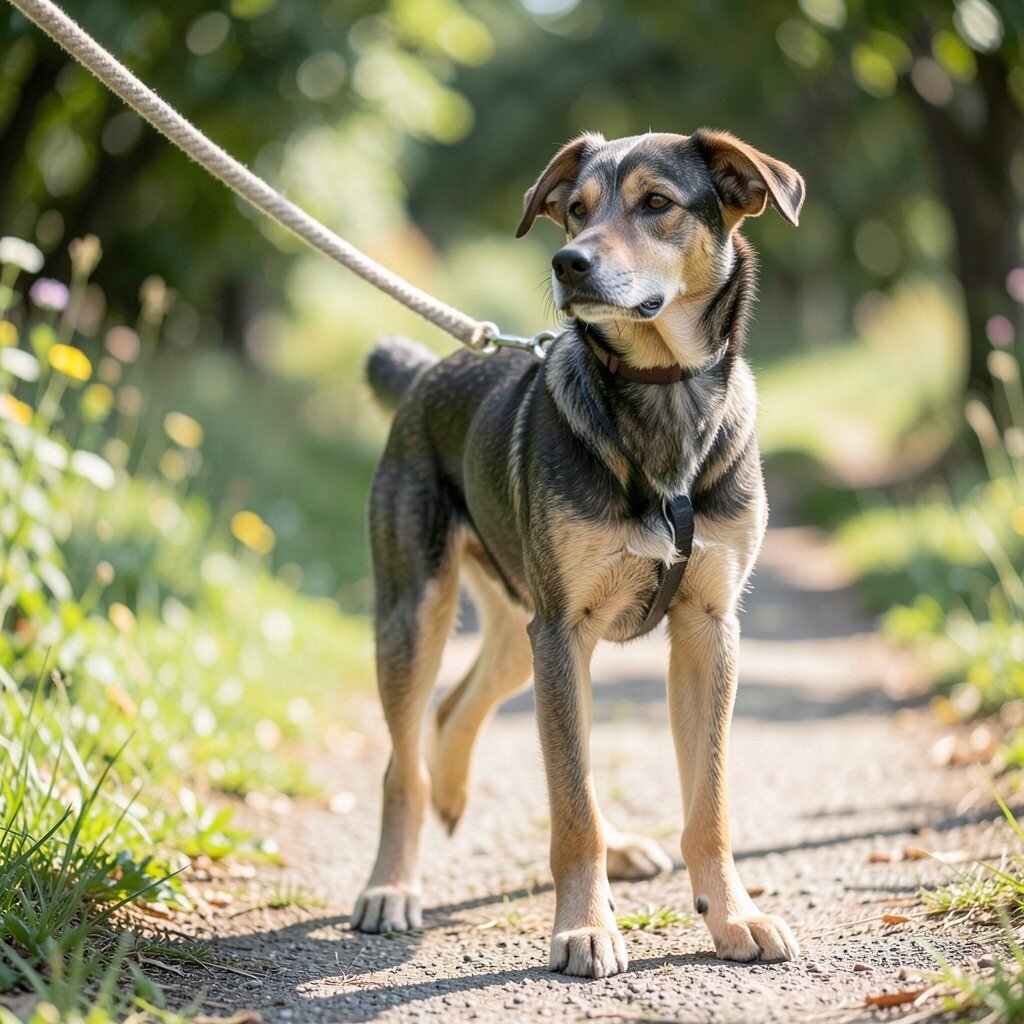
Your dog will show signs before pulling gets out of control. Watch for stiff legs, fixed staring, growling, or quick head jerks. If you see these signs, you can change direction or create distance.
Stopping early often saves you from a big battle. Take a breath, loosen your grip, and guide your dog toward a calmer path. When you respond fast, your dog learns that you can help in tricky moments.
16. Personalize your plan with a simple walk log
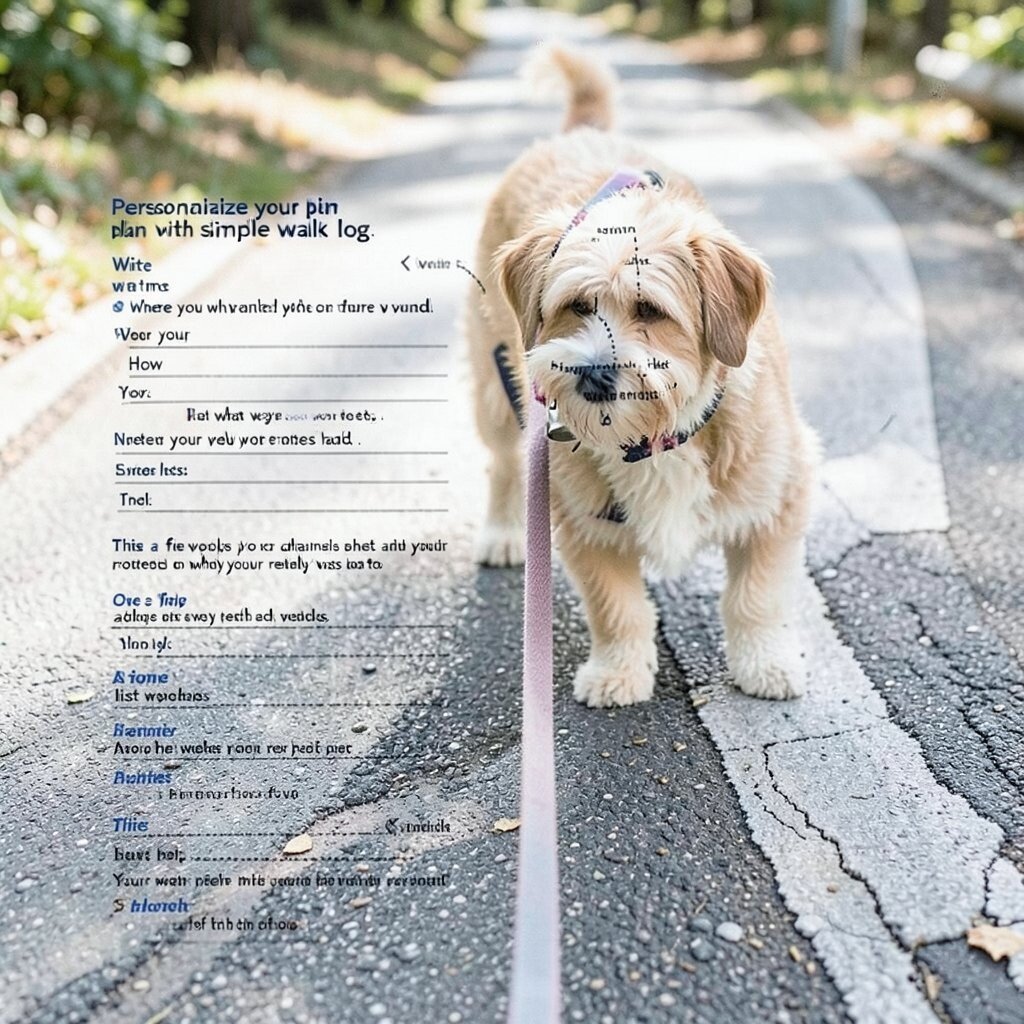
A walk log can help you spot patterns without guessing. Write down what time you walked, where you went, and how your dog acted. Note what was easy and what was hard.
For cost, you can use a basic notebook or a phone note app. Trend-style tracking apps are popular, but a simple list works too. Over a few weeks, you can adjust leash length, treats, and routes based on what your dog really responds to.
This also helps you plan for changes, like new sidewalks or a new neighbor dog. Your leash plan becomes more personal, and your walks can feel smoother for both of you.