Birds need food, water, and safe spots to land. If you set out the right seed, you can help many kinds of birds show up more often.
1. Use a Wild Bird Seed Mix for Easy Variety
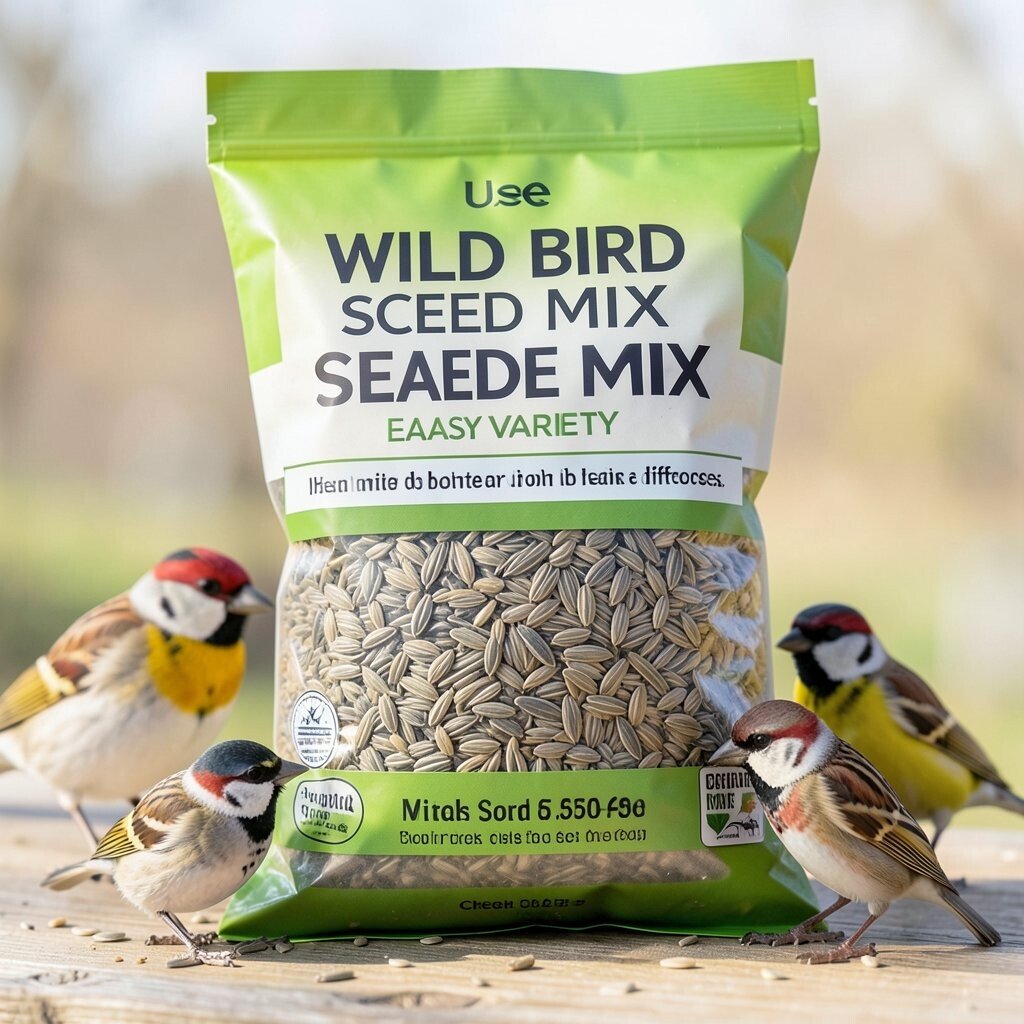
A seed mix is a simple choice because it has more than one food type. You might see finches, sparrows, and other small birds feed from the same spot. A good mix also helps when birds prefer different seeds.
Try to use a fresh bag and check the date on it. Store the seed in a cool, dry place so it does not get damp. Many birds do better when the seed is clean and not old.
If you want to personalize, watch which birds visit and adjust the mix. You can switch to more sunflower or more millet based on what you see. This is a low cost way to start because you get many seed types in one bag.
2. Add Black Oil Sunflower Seeds for Strong Interest
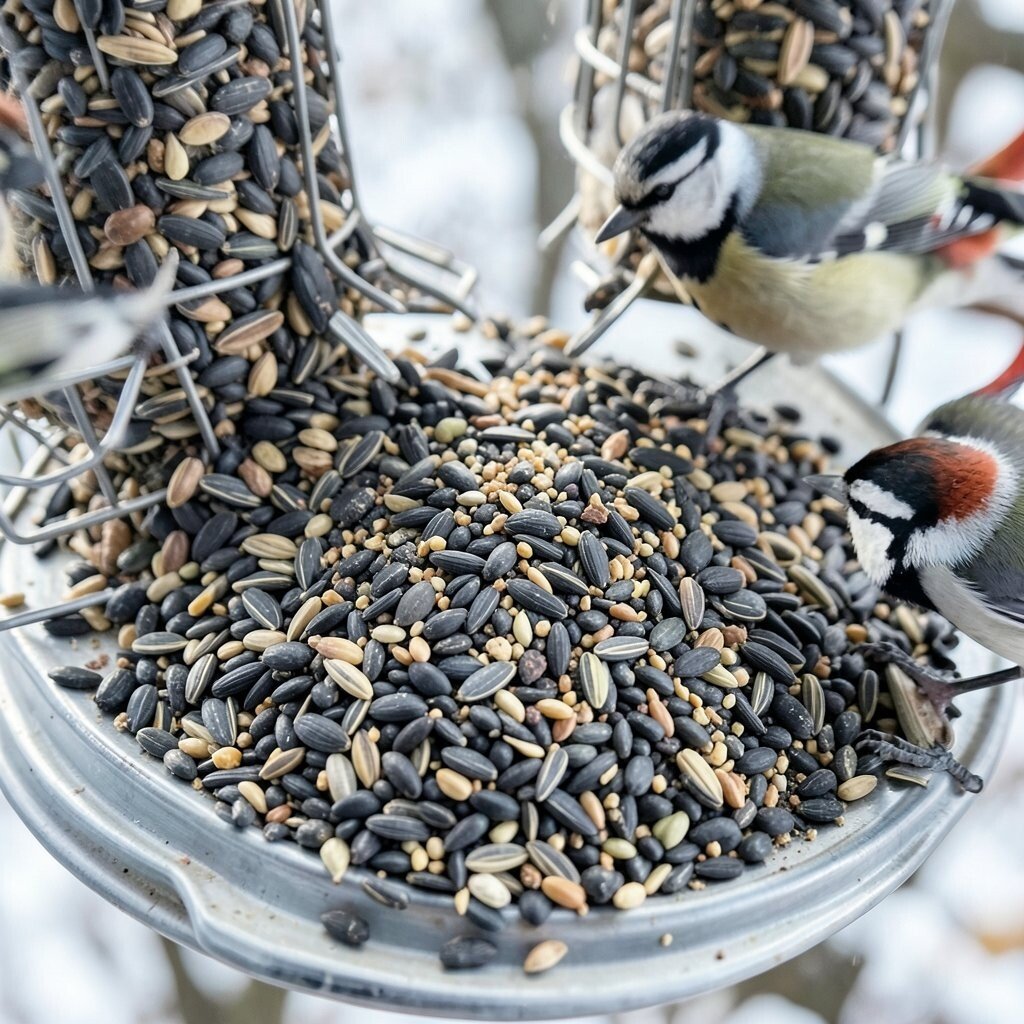
Black oil sunflower seeds are small and easy for many birds to eat. They are a top choice for birds like chickadees, nuthatches, and cardinals. When you pour them in a feeder, birds often come in faster than with plain mixes.
These seeds also tend to attract birds that need high energy food. You may notice more activity around the feeder, even on colder days. The shells are thin, so birds spend less time cracking them.
For a budget plan, use sunflower seeds as the main seed and add a little mix on top. This can lower cost while still pulling in many birds. In winter, it often works well to keep the feeder full.
3. Offer Nyjer or Thistle Seed for Finches
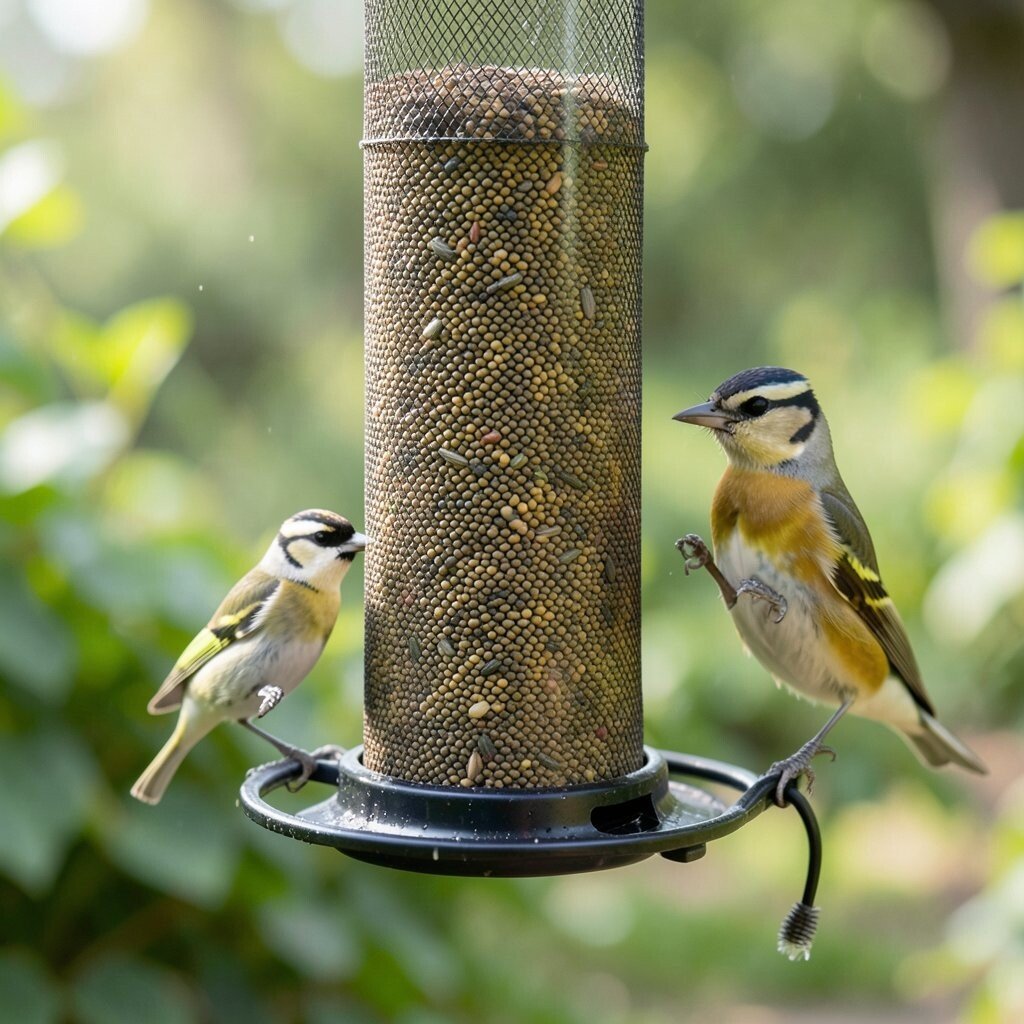
Nyjer, also called thistle seed, is a favorite for goldfinches and other small finches. Birds can be picky, and this seed is made for them. If your area has finches, this choice can bring quick results.
Nyjer is best in a fine mesh feeder or a tube feeder made for small seed. The feeder helps reduce mess on the ground. A good feeder also keeps rain from soaking the seed.
You can personalize by watching which finches show up and keeping the feeder stocked. If you see birds only at certain times, fill the feeder before then. This can feel worth the cost because the right seed matches the right birds.
4. Try Hulled Sunflower Seeds for a Cleaner Yard
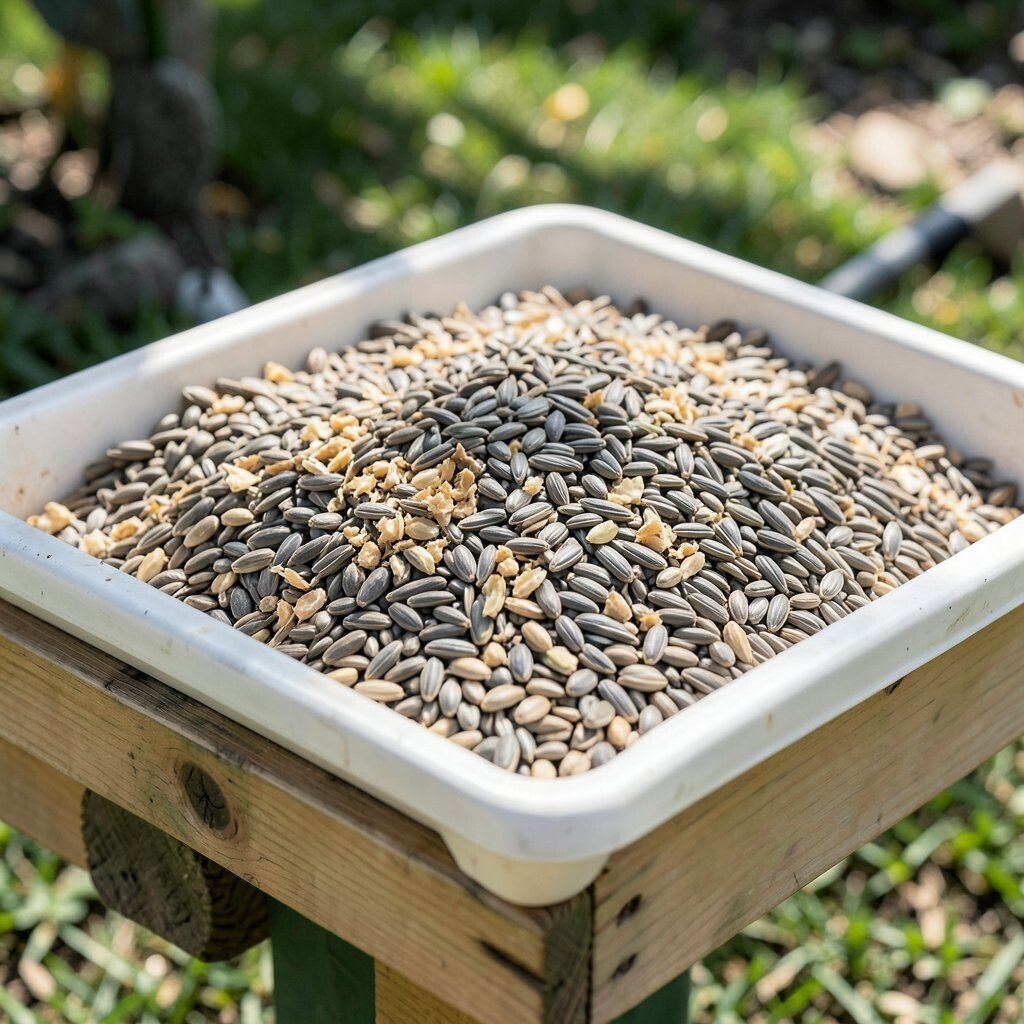
Hulled sunflower seeds have the shell removed, so birds can eat them right away. This can cut down on shell waste under your feeder. It also helps birds that struggle with tougher shells.
You may notice less mess and less seed on the ground when using hulled seeds. Many people like this when they have grass, patios, or garden beds. Birds still get the energy they need.
Use a tray or feeder that can hold the seed without spilling. To manage cost, use hulled seed as a top layer or for one feeder only. This can help you keep a neat space while still feeding birds.
5. Use Safflower Seed as a Bird-Friendly Option
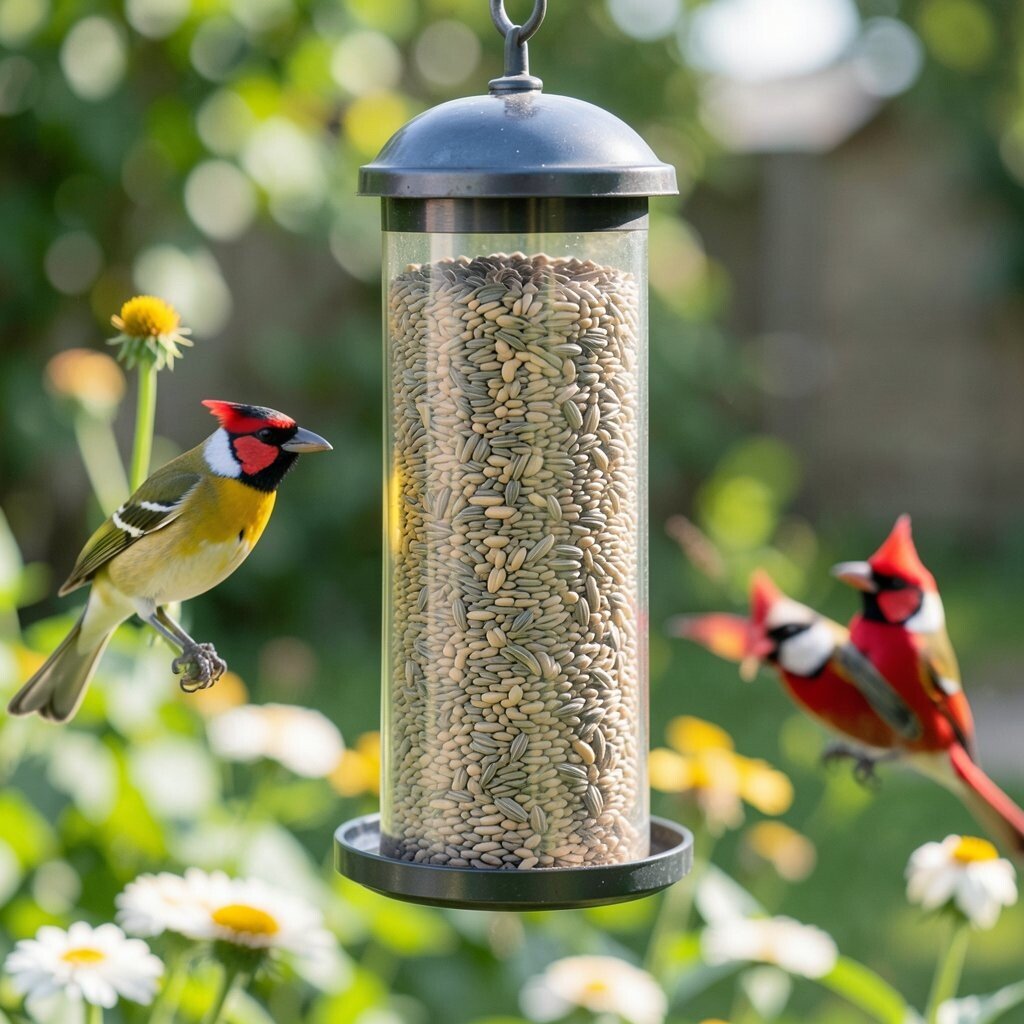
Safflower is a good seed for many birds and it can help with unwanted visitors. In some yards, safflower brings birds like cardinals and sparrows. It can also help you avoid too many seed eaters that prefer cheaper mixes.
Many birds take well to safflower because it is nutritious and easy to eat. You can try it if you want a different look at your feeder. It may bring a calm, steady set of visitors.
To personalize, start with safflower in one small feeder and keep your other feeder normal. Compare bird types over a week or two. This is a simple way to test without wasting a lot of money.
6. Set Up a Feeder with the Right Type of Perches
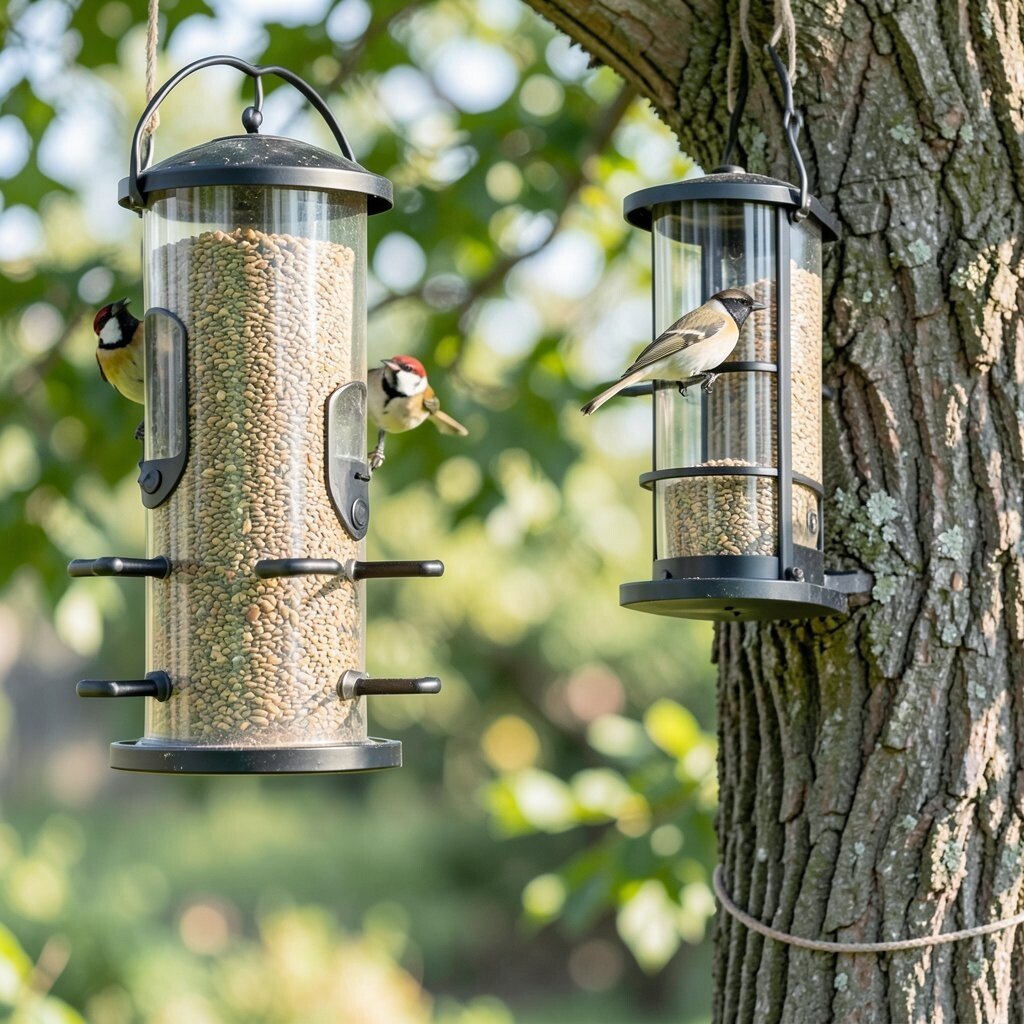
Bird seed helps, but the feeder shape also matters. Some birds like tube feeders, while others prefer hopper feeders. The right perch and opening can make birds feel safe and steady.
Look for a feeder that fits your birds. For example, small finches often need narrow access, while larger birds may do better with roomier openings. If you have trouble with seed getting stuck, the feeder design may be part of it.
Personalize by placing feeders at different heights. You can also add a feeder near a tree so birds can land fast. Costs vary, but even a basic feeder can work well.
7. Feed from a Platform Tray to Help Ground-Loving Birds
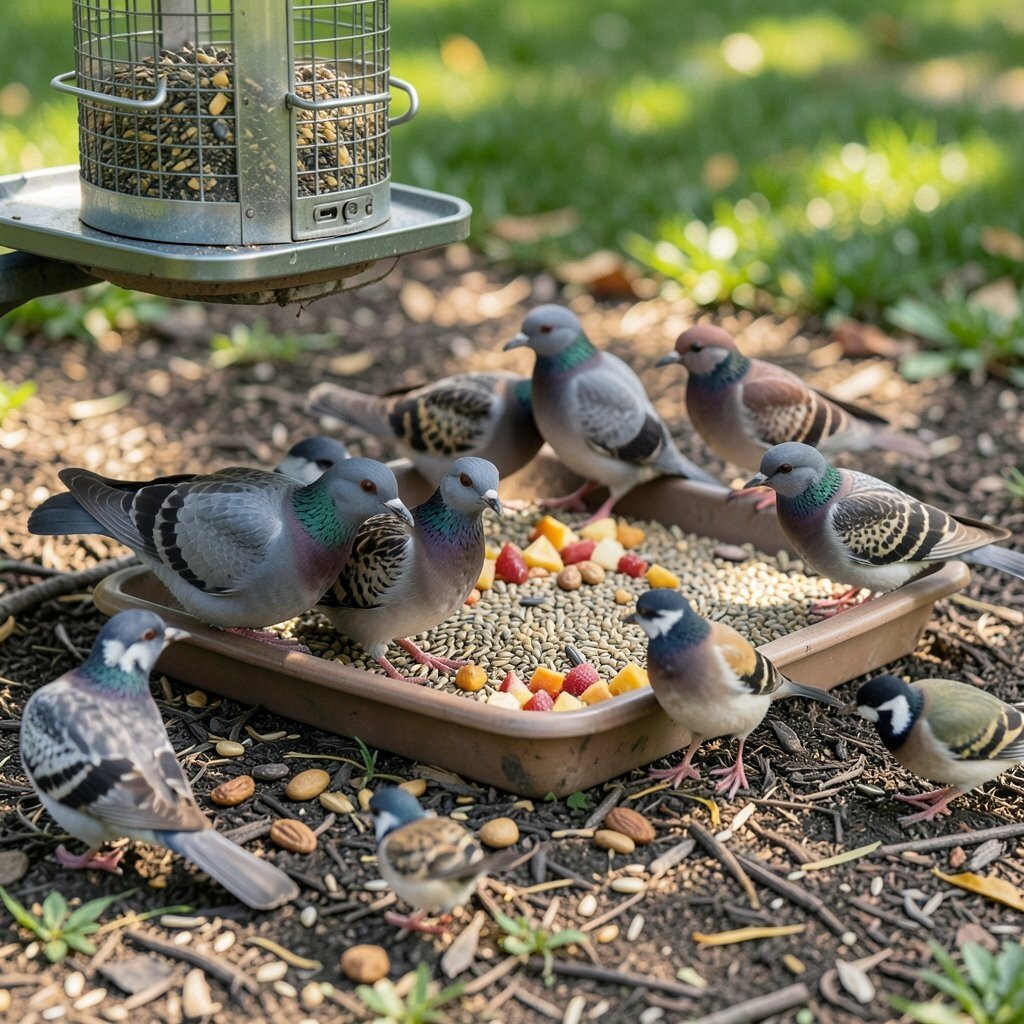
A platform tray lets birds eat from the open ground area. Birds like doves and juncos often use this style. You may see more ground activity near the tray than at a hanging feeder.
For safety, keep the tray where you can also see it. Ground feeders should have clear sight lines so birds can spot danger. Birds often return when they feel safe.
To reduce waste, use a tray with edges that help hold seed. You can add chopped fruit or nuts if your area likes them. This can feel unique because it creates a different feeding spot in your yard.
8. Try Corn-Based Seed for Chickens and Some Wild Birds
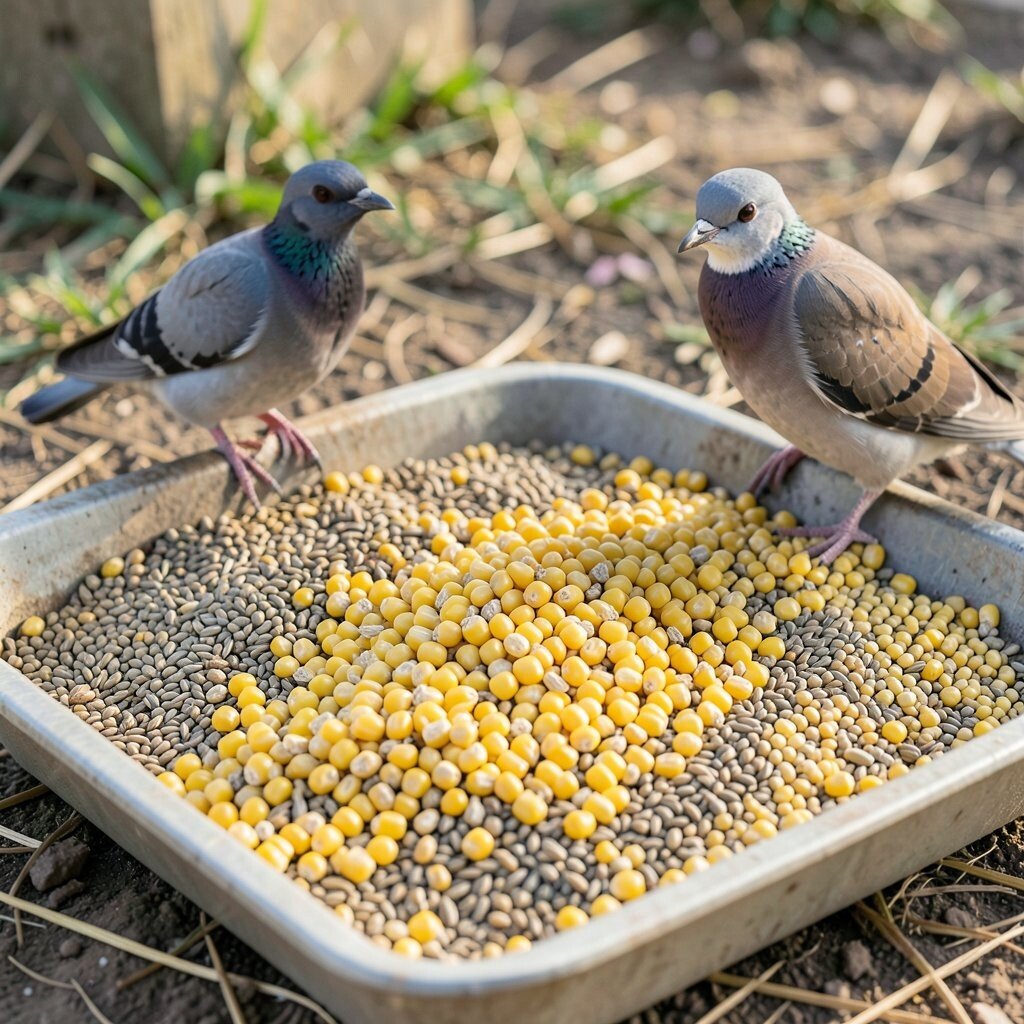
Corn can attract some birds, especially in places where birds are used to it. You may see doves, jays, or sparrows at corn if they like it. Some people use corn in ground trays to serve as a steady food.
Use the right type of corn, since some birds do better with smaller pieces. Feed in small amounts so seed does not spoil or grow mold. Too much can lead to pests, so keep it neat.
For cost control, mix corn with sunflower or millet in a tray. This lets birds choose and helps you use up seed you already have. You can also try corn only in dry weather when it will stay clean.
9. Use Millet to Attract Sparrows and Juncos
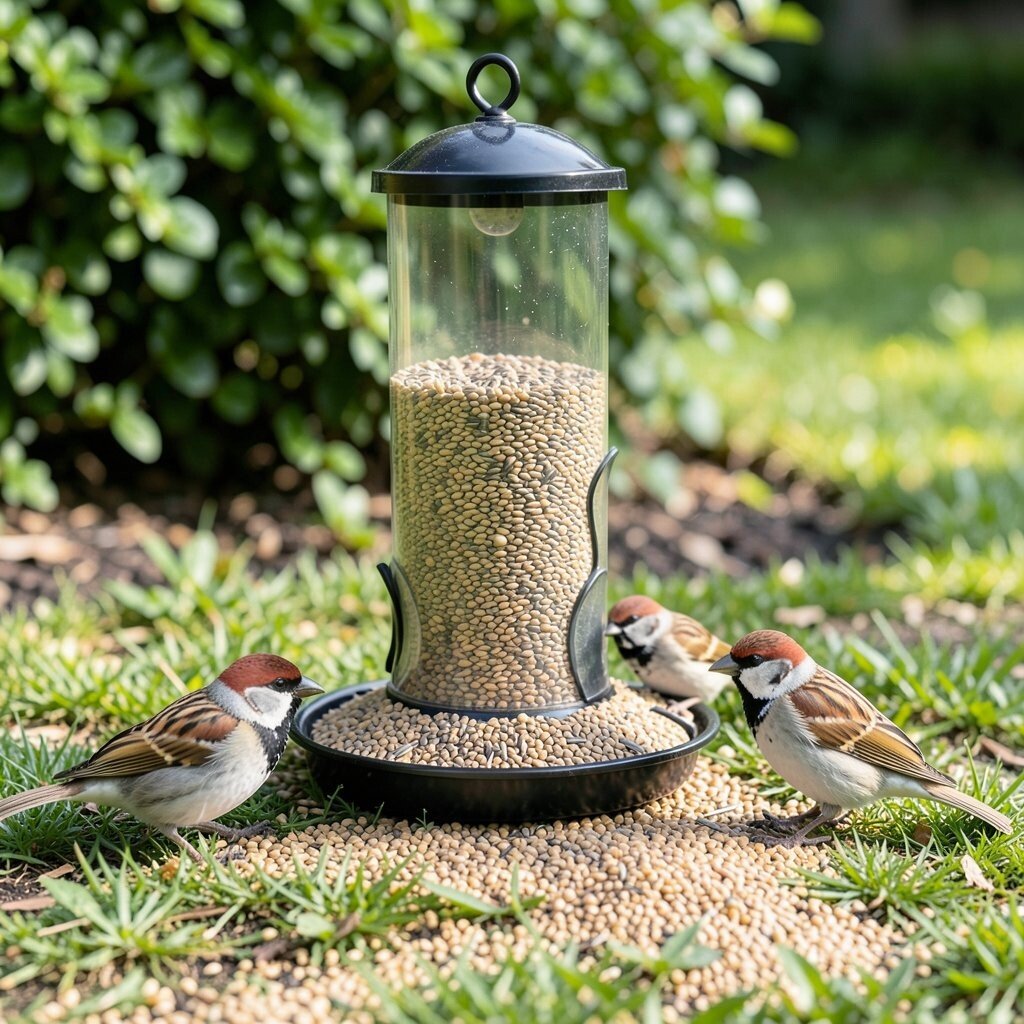
Millet is a small seed that is easy for many ground and low-feeding birds. Sparrows and juncos are often seen around millet. If your yard has bushes and open ground, millet can fit well there.
Millet works in hopper feeders and on trays, depending on how it is sold. Birds pick at it quickly, so you may see steady visits. This can help when you want many short visits each day.
To personalize, try millet in a separate feeder so it is easy to track. If birds ignore it, swap it out and test another seed. This is a low cost way to learn what birds in your area like.
10. Offer Suet with Seed Add-Ins for More Summer and Winter Visits
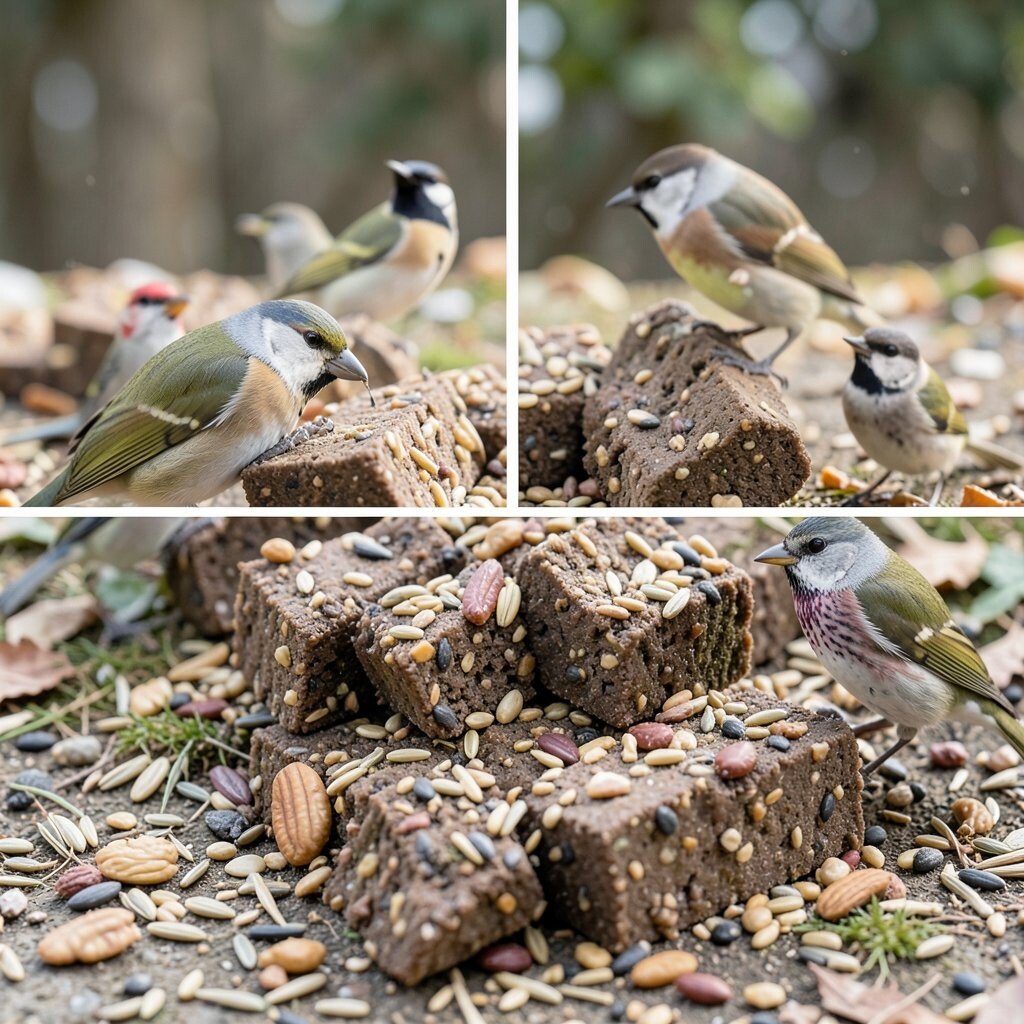
Suet is not seed, but it works well with seed feeding. Some birds eat suet right away, and it can bring more species to your yard. You may also see birds that do not visit seed feeders as often.
If you want to keep it simple, use suet blocks that include nuts or seed bits. Place the suet where birds can land and cling easily. Many birds like it on colder days, but it can also help in other seasons.
Personalize by using different suet styles to match bird types you want. Costs can be higher than plain seed, so use suet as a side option. This mix of foods can help you get a wider bird list.
11. Add Cracked Nuts and Nut Seed for Strong-Billed Birds
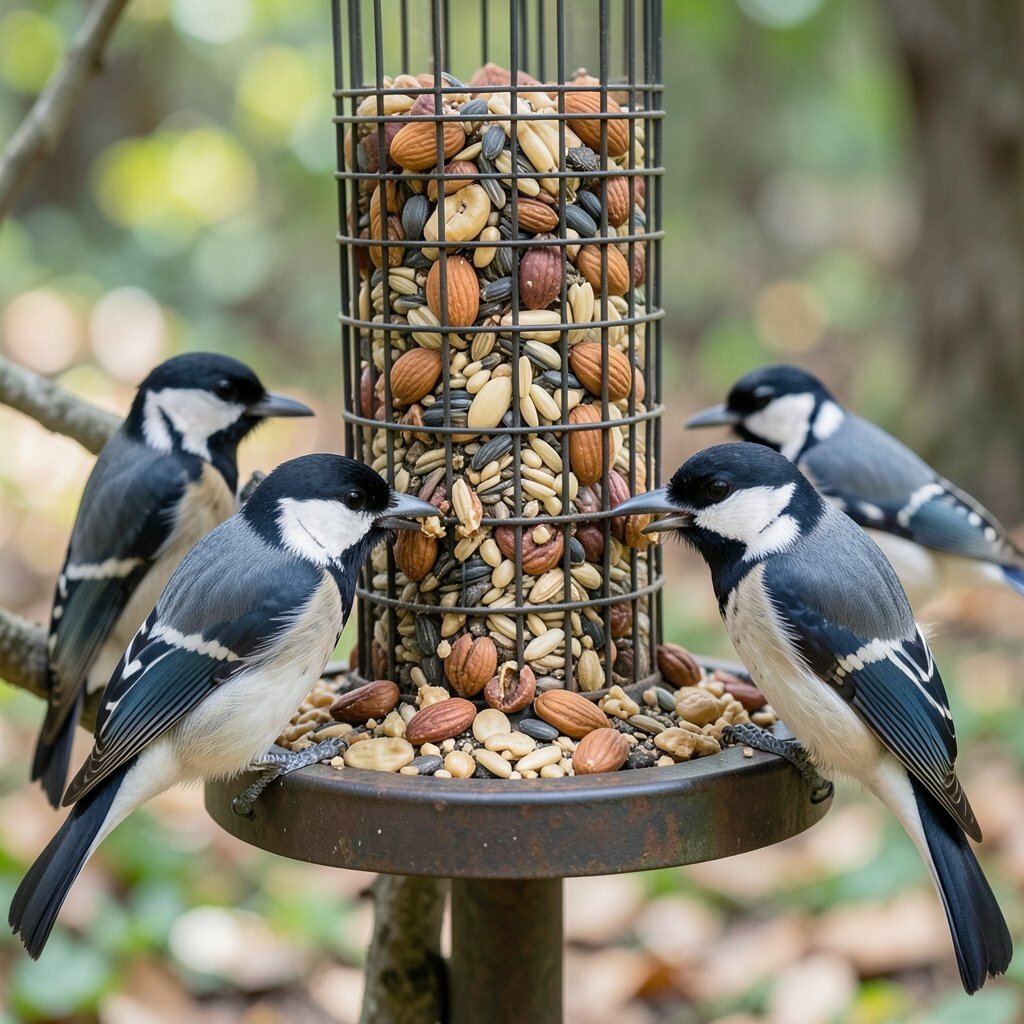
Cracked nuts and nut pieces can attract birds with stronger beaks. You may see woodpeckers, nuthatches, and jays at nut feeders. The birds often hold the food and work on it for a while.
Nuts also last longer when stored well, and they can give high energy. Use a feeder that keeps nuts dry so they do not spoil. A clean setup helps birds keep coming back.
To keep cost under control, start with a small nut feeder and fill it only when needed. You can mix nuts with seed so you do not rely on one item. This can make your feeding spot feel more active and special.
12. Keep Seed Dry by Using Weather-Proof Feeders
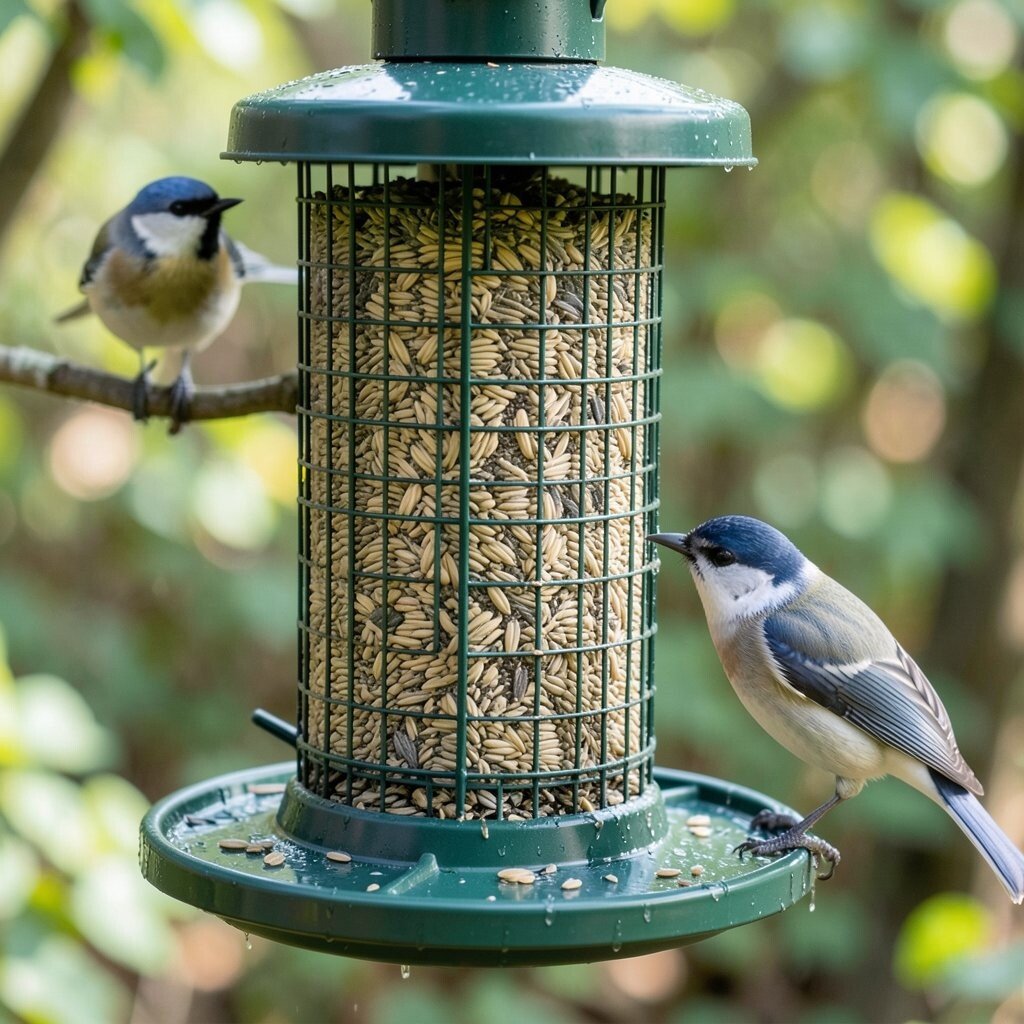
Birds like seed, but wet seed can cause problems. Damp seed can get moldy, and birds may avoid it. A weather-proof feeder can help keep seed dry and usable.
You may see fewer birds when seed gets soaked by rain. Dry feeders also reduce waste because birds can eat more of what you put out. When seed stays dry, it looks better too.
Personalize your setup by checking the feeder after storms. If you see wet seed, clean the feeder and refill. This simple habit can save money and keep birds safe.
13. Clean Feeders Often to Keep Birds Healthy
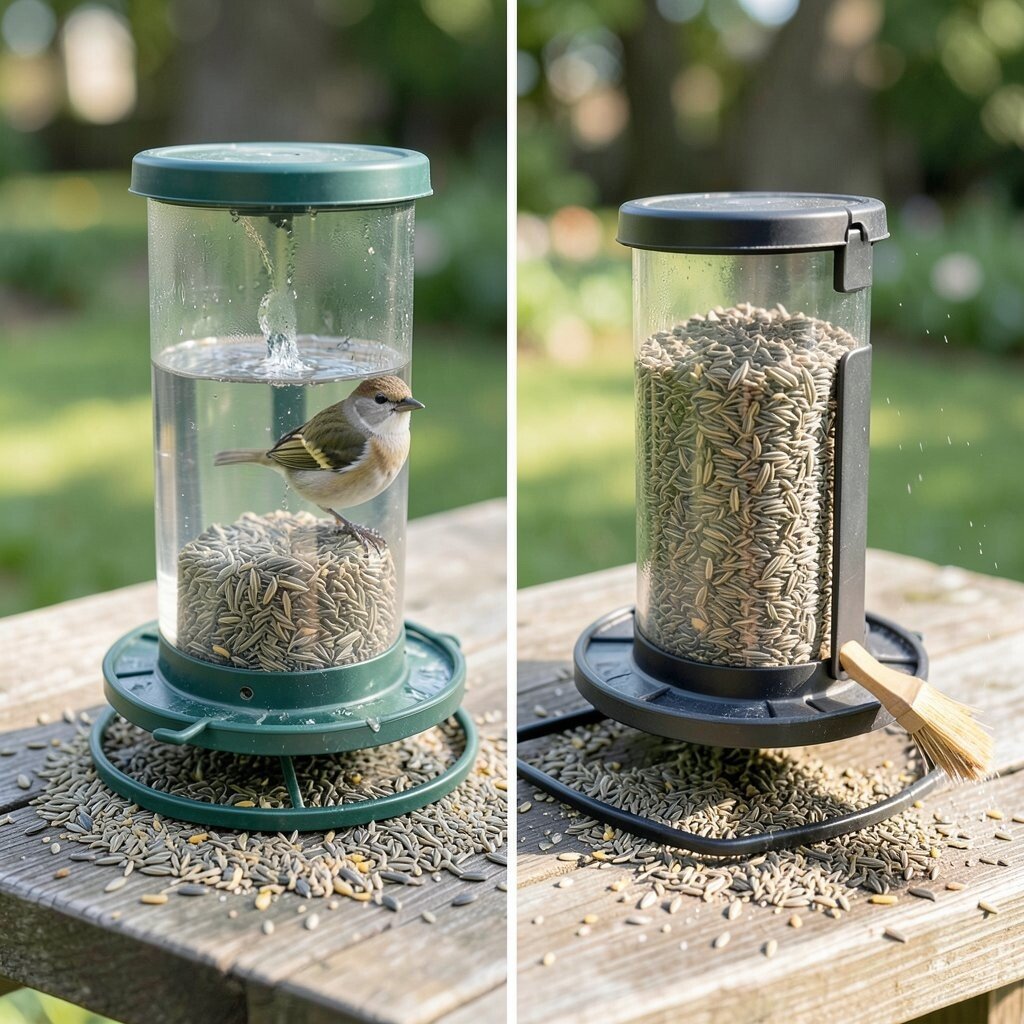
Cleaning feeders helps keep birds from getting sick. Seed that sits too long can grow fungus, and dirty feeders can carry germs. When birds see a clean feeder, they often keep coming back.
Use a simple scrub with warm water, and let parts dry fully. Do this on a regular schedule, especially in hot weather. You can also rinse any spilled seed around the feeder.
For personalization, set up a second feeder so you can switch quickly while one dries. This can reduce gaps in feeding. The cost is low, since you mainly need water and a basic brush.
14. Place Feeders Near Cover for Safety
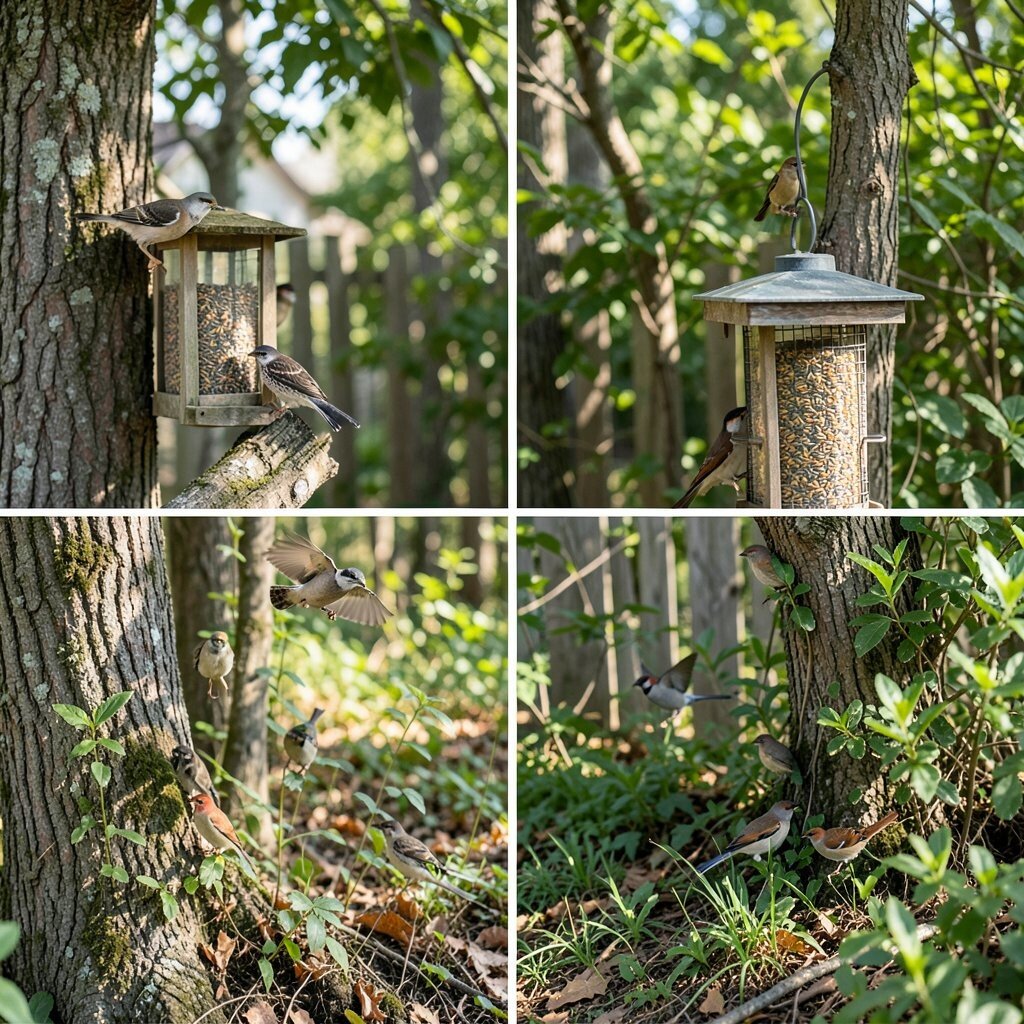
Birds feel safer when feeders are near trees, shrubs, or fences. If they spot a hawk, they need a quick place to hide. Many birds will keep using a feeder when cover is close.
Try placing feeders where birds can fly in and out fast. A good spot also helps you see birds clearly from your home. You can enjoy the view while birds feel more calm.
Personalize by testing a few locations. Move a feeder a short distance and see how the visits change. This approach is free, so it is a good way to find the best spot.
15. Use Multiple Small Feeders to Spread Out Bird Traffic
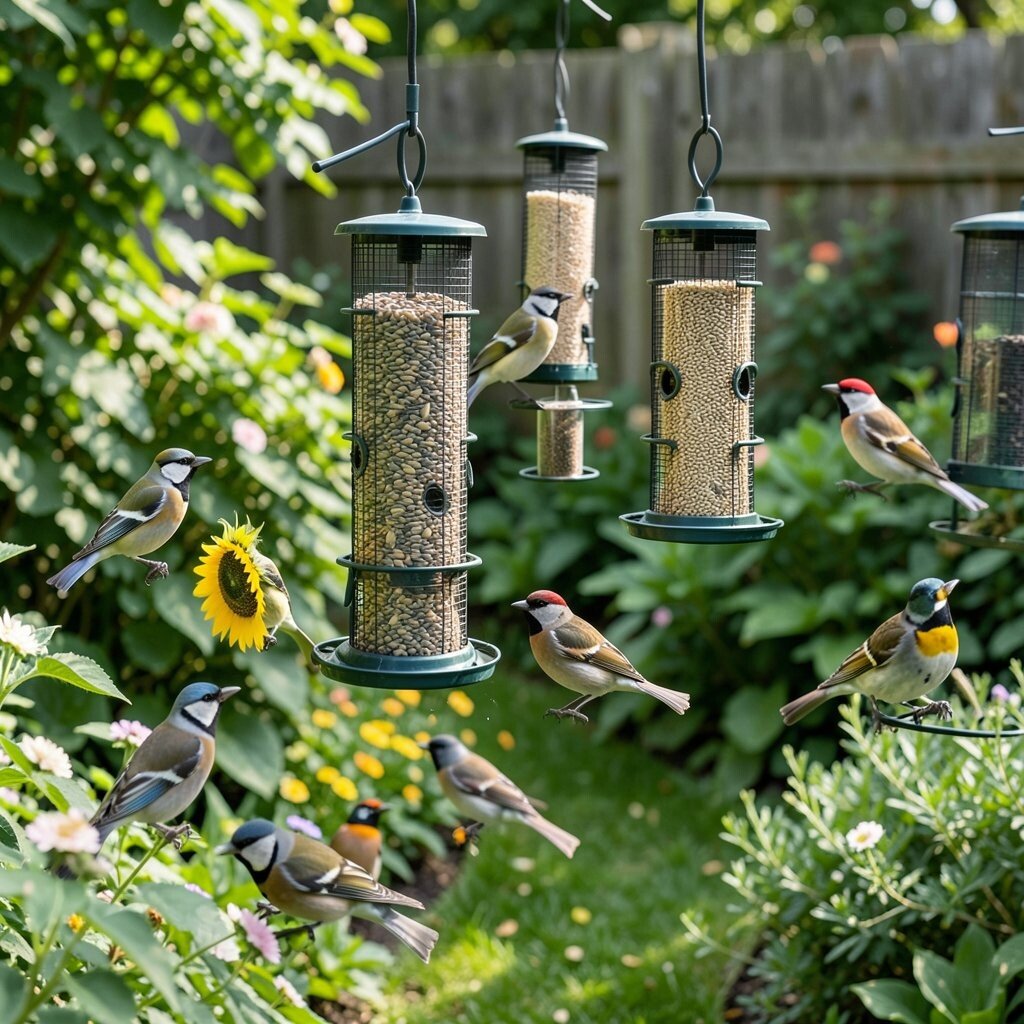
One feeder can get crowded, especially when many birds find the same spot. Using several small feeders can spread birds out. You might see more kinds of birds at the same time.
Small feeders also help you manage seed mix. You can put sunflower in one, millet in another, and nyjer in a small fine feeder. This makes it easier to fit each bird type.
For cost, choose small feeders that you can add over time. This is also a trend for bird lovers who want a neat look around the yard. It can make your garden feel lively without one big mess.
16. Adjust Seed Types by Season and Local Weather
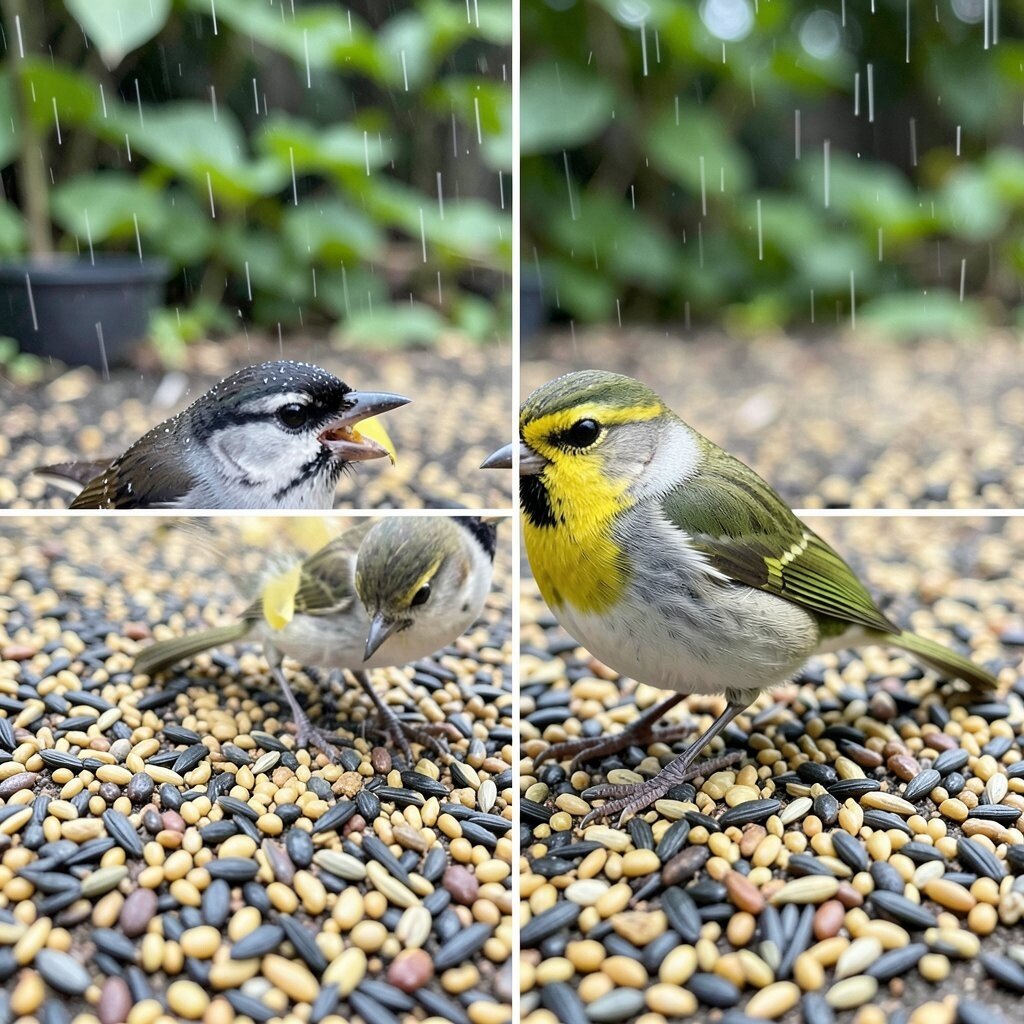
Bird needs change with the season, and so should your seed. In colder months, birds may want more energy seeds like sunflower. During warmer months, some birds may eat more small seeds and lighter foods.
Local weather also matters, like heavy rain or strong heat. Wet weather can ruin seed fast, while heat can make food go bad sooner. Watch how birds react after a weather shift.
To personalize, keep notes on what you use and what birds show up. If you see a change, swap in a seed type that fits better. This method helps you spend your money on foods that work for your yard.