GPS trackers can help you stay safe when you travel outside. They let others see where you are and help you plan a better day.
1. Clip-On Tracker for Day Hikes
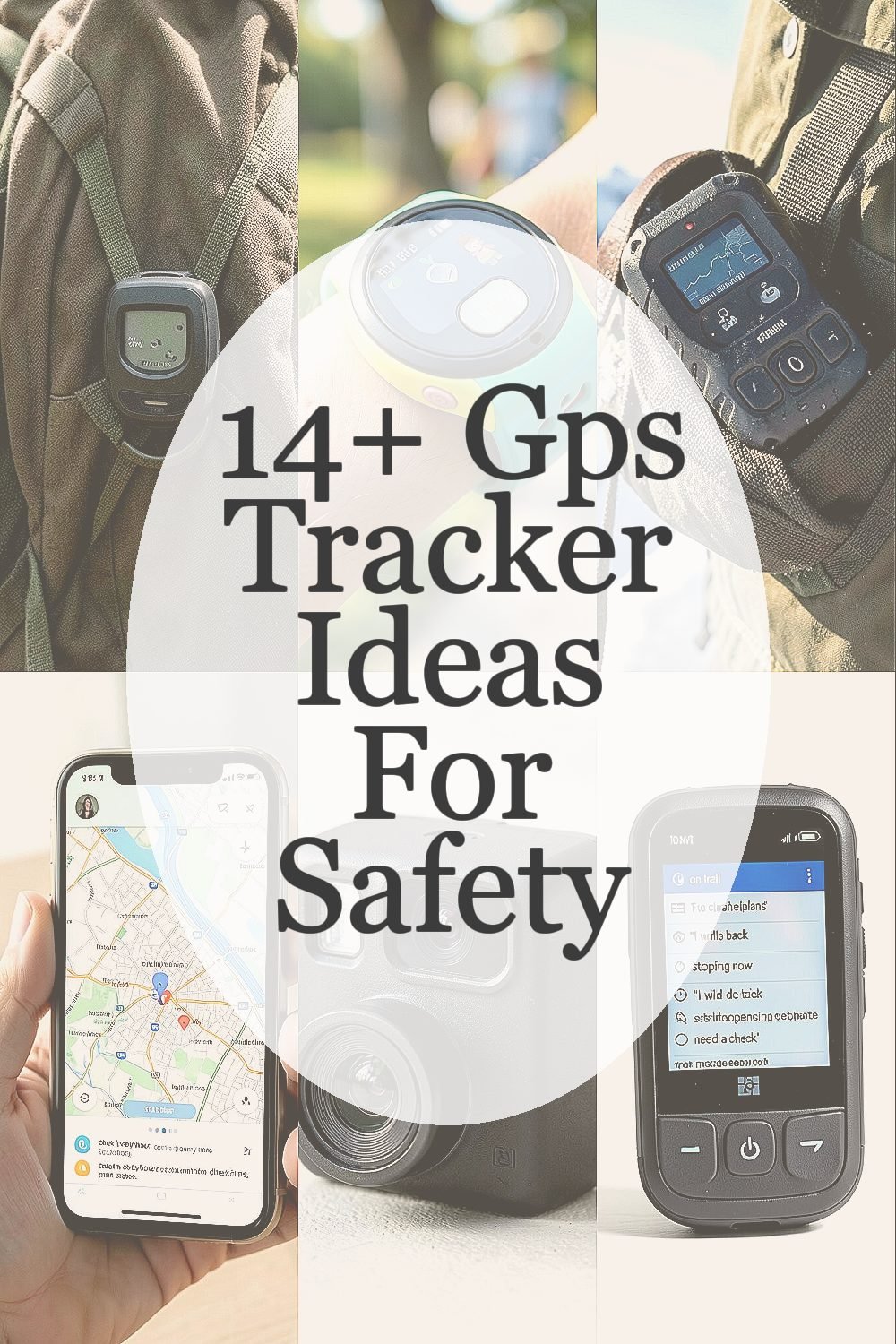
A small clip-on GPS tracker can attach to a backpack strap, jacket pocket, or belt loop. It usually looks like a flat box with a simple screen or just a light. You can use it on morning hikes when you are not that far from home.
The main benefit is quick check-ins. If you stop to rest or change paths, someone can still see your last location. For cost, many models are mid-range, and you may need a monthly plan. A good tip is to test it at home first, then check the app after you turn it on.
For personalization, add a short note in the app like “slow pace” or “taking photos.” A small trend is using lighter trackers that fit in more places, so they do not feel bulky.
2. Wrist GPS Tracker for Kids

A wrist GPS tracker is worn like a watch, so it is easy for kids to use. It often has a bright band and a clear button for help. You can use it for parks, camps, or after-school walks when an adult may not be nearby at every step.
This type can send location updates and can include a “help” button. That can reduce worry for parents and help find a child faster if they get turned around. Costs vary a lot, from basic to more advanced plans with video or extra alerts. A tip is to pick a size that fits well and check the battery every few days.
For uniqueness, choose a fun color and set up “safe zones” like school, home, and the playground. A trend is more kid-friendly designs with simple menus and stronger bands.
3. Tracker Built for Mountaineering
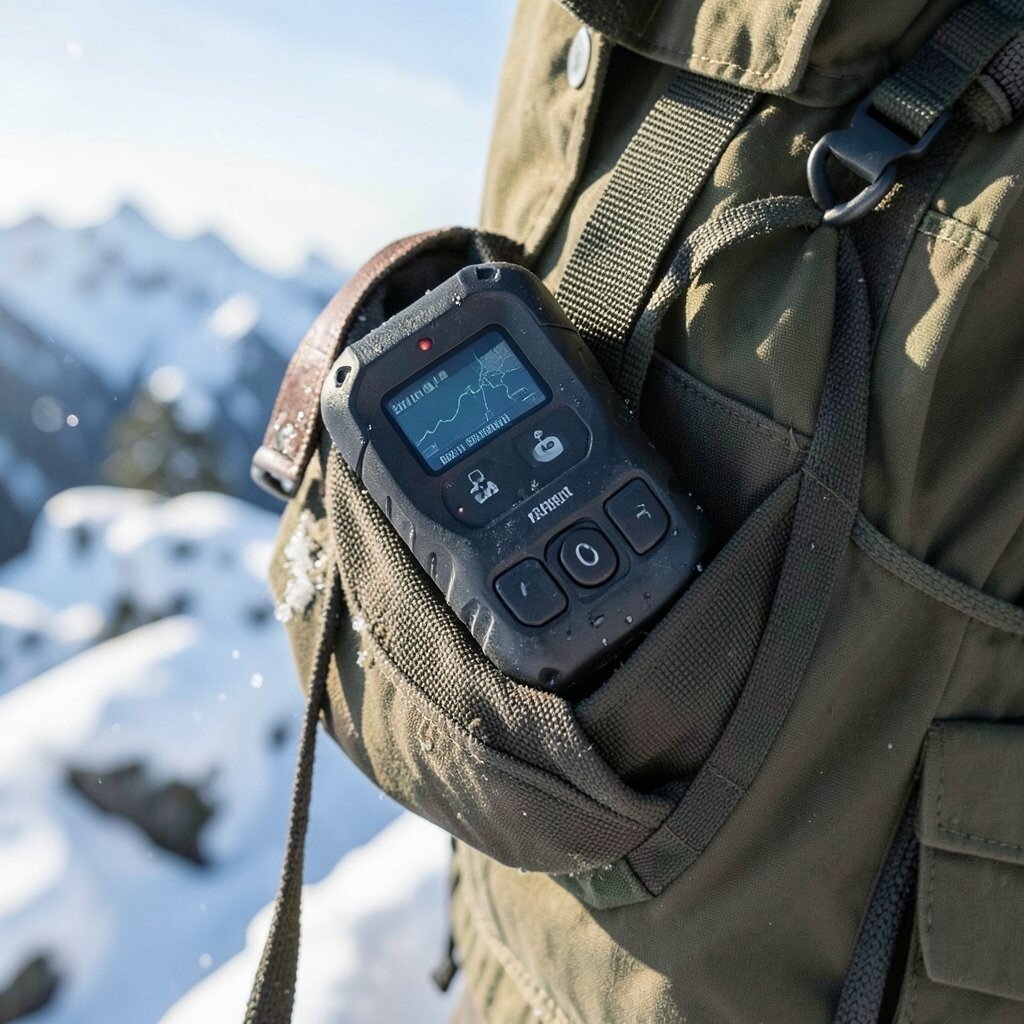
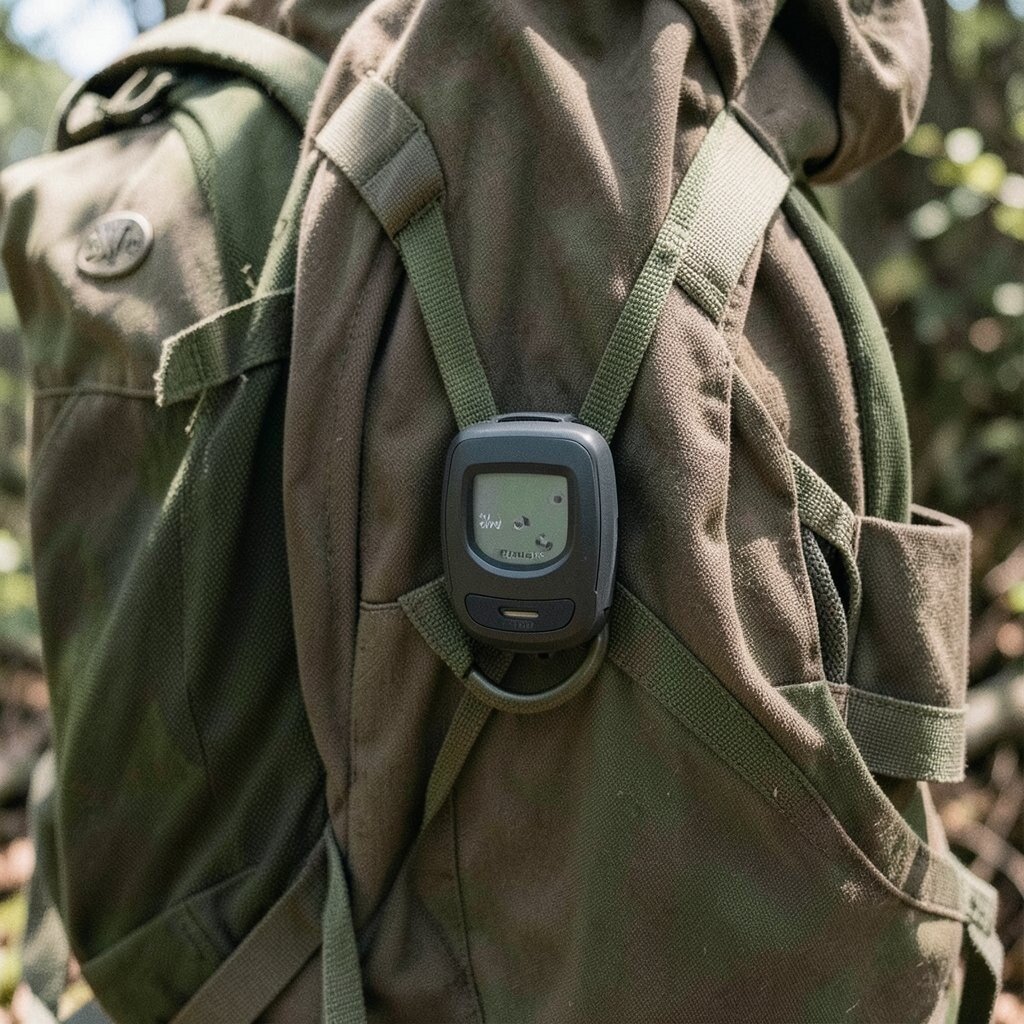
For colder trips, a rugged GPS tracker can handle dust, snow, and rough use. It may look like a tough pebble or a thick unit that fits in a pack pocket. Many people use this on higher ground where weather can change fast.
The benefit is solid performance when you need it most. You can also set it to send updates less often to save battery in long trips. These rugged models can cost more, but they often last longer. A tip is to store it where it stays warm and avoid leaving it loose in a wet pocket.
To personalize, choose a strap style that matches your gear, like a glove-friendly switch or easy mounting. A current trend is better cold-weather battery life and improved satellite connection.
4. Smartphone-Based GPS Check-In
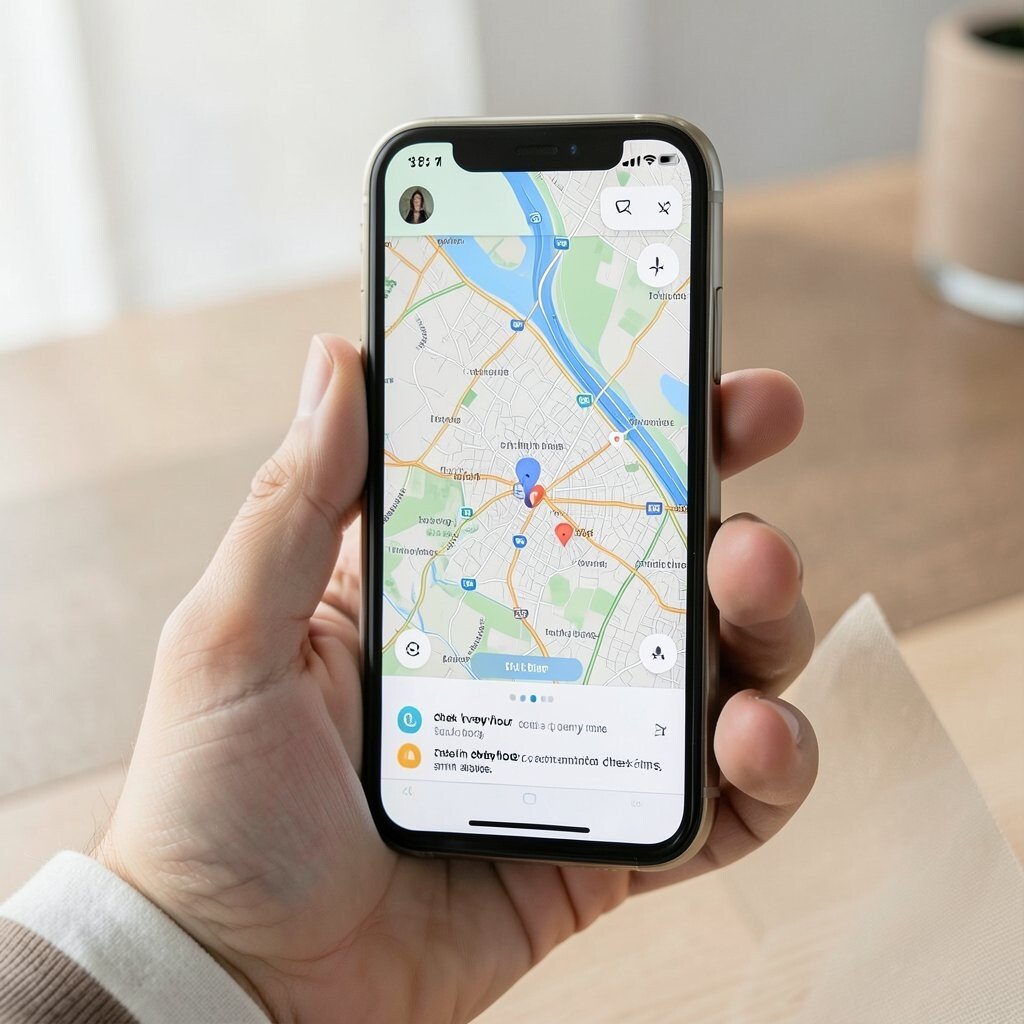
If you already carry a phone, you can use a GPS check-in app with shared location. The setup is simple: you share location with one or two trusted people. It can look like a map screen in your app.
The benefit is that you do not buy extra hardware. You can also add messages like “at the bridge” or “taking the long route.” Costs can be low, but you may use mobile data, which can add up. A tip is to turn on location services and set a clear check-in time.
For personalization, make a rule like “check in every hour” or “send a quick note at each stop.” A trend is more apps that offer automatic check-ins and smart alerts.
5. Camera and GPS Combined Tracker
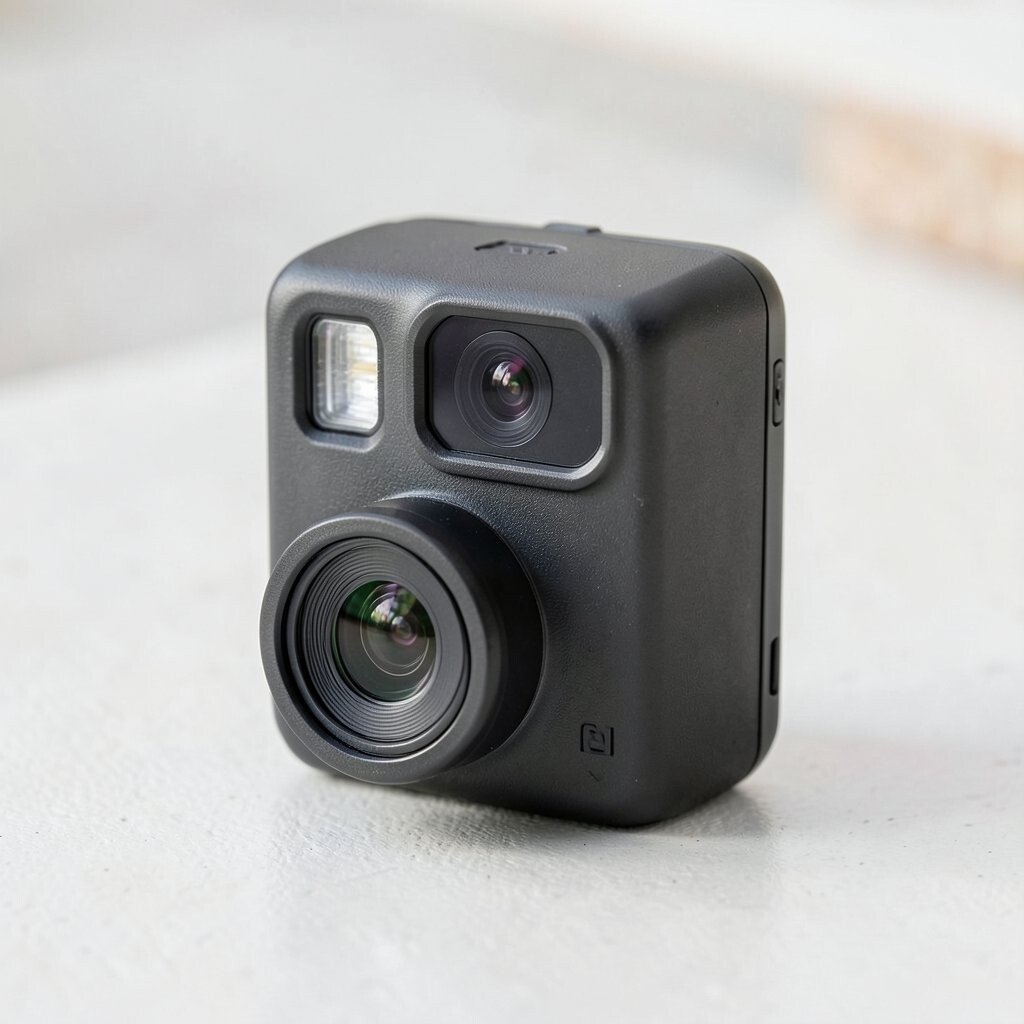
Some devices pair GPS with a small camera or video features. The look can be like a clip camera or a small body with a lens and lights. This works well for travel days where you want proof of where you went.
The big benefit is that you can tie your pictures to a place. That can help you share routes with friends or find your way back if you took a wrong turn. Costs can be higher because of the camera part. A tip is to set the camera angle before you start, so you do not waste battery or miss key moments.
For personalization, choose which modes you need, like photos only or short clips. A trend is more small, light units that make it easier to record without extra gear.
6. Two-Way Messaging GPS Tracker
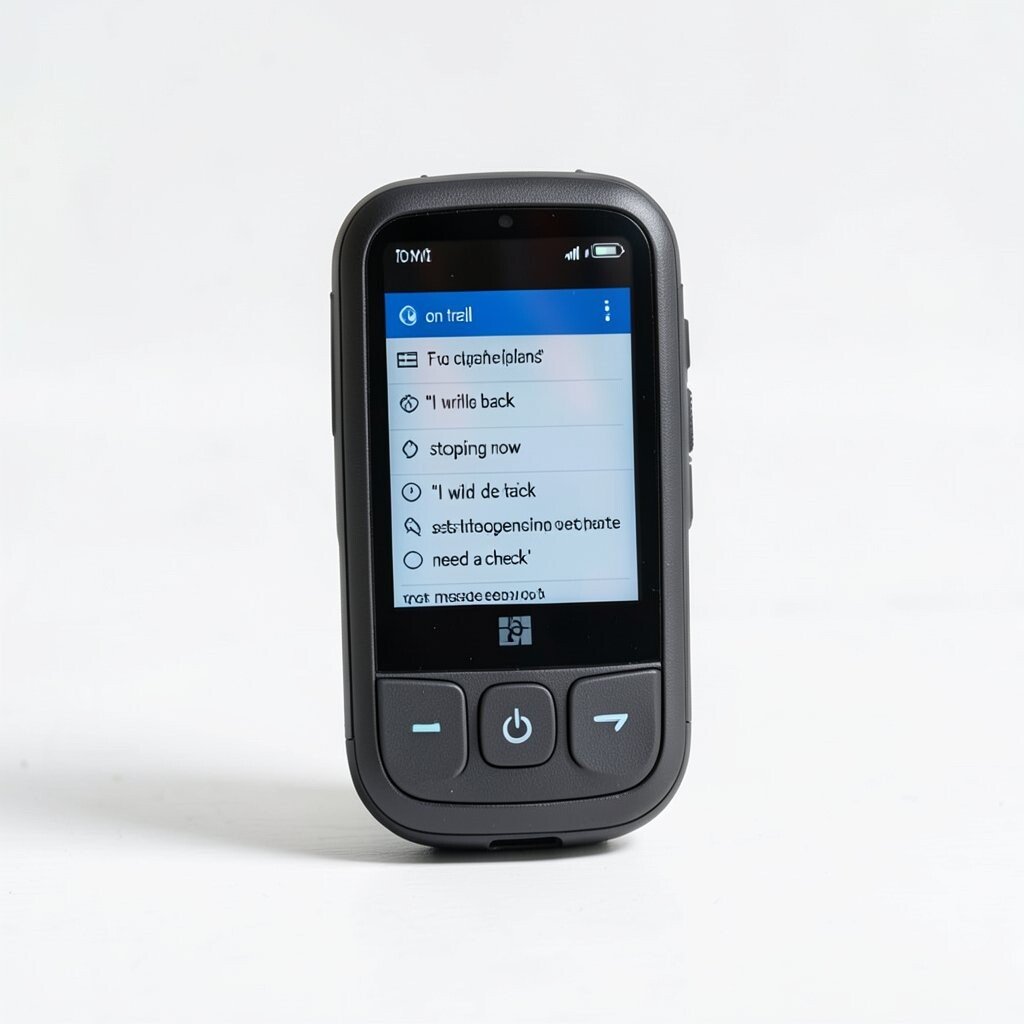
A two-way messaging tracker lets you send a short text to someone else using the device. It may have a small screen and simple buttons for quick replies. People like this when voice calls may not work well.
The benefit is fast updates without needing phone access. If you change plans, you can still tell someone “I turned back” or “I will be late.” Costs depend on the device and the service plan. A tip is to set message templates like “on trail,” “stopping now,” and “need a check.”
For personalization, add your contact list and set alert words your group agrees on. A trend is more devices that focus on short, clear messages instead of long menus.
7. Vehicle GPS Tracker for Road Trips
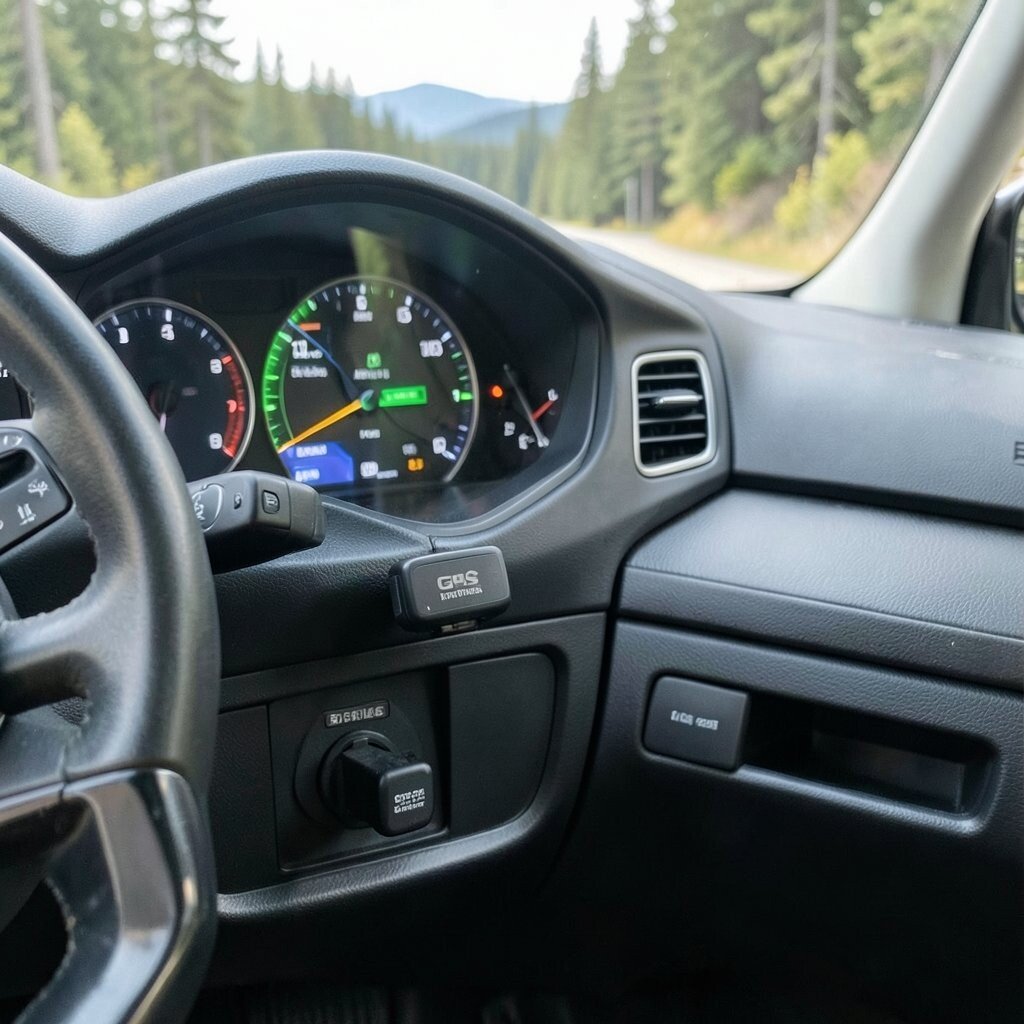
If you drive to a trailhead or cabin, a vehicle GPS tracker can help track your car. It often looks like a small box that plugs in near the fuse panel or a port under the dashboard. This is useful when you park in busy areas or travel on long road days.
The benefit is peace of mind when you leave the car for a few hours. You can see where the vehicle is if it gets moved or if you return late. Costs can be low for basic trackers but can rise for plans with extra alerts. A tip is to ask a trusted person to watch your trip too, so you do not handle everything alone.
To personalize, set geofence alerts for “arrival” and “car moved.” A trend is more easy install options that do not require special tools.
8. GPS Beacon for Emergency Use
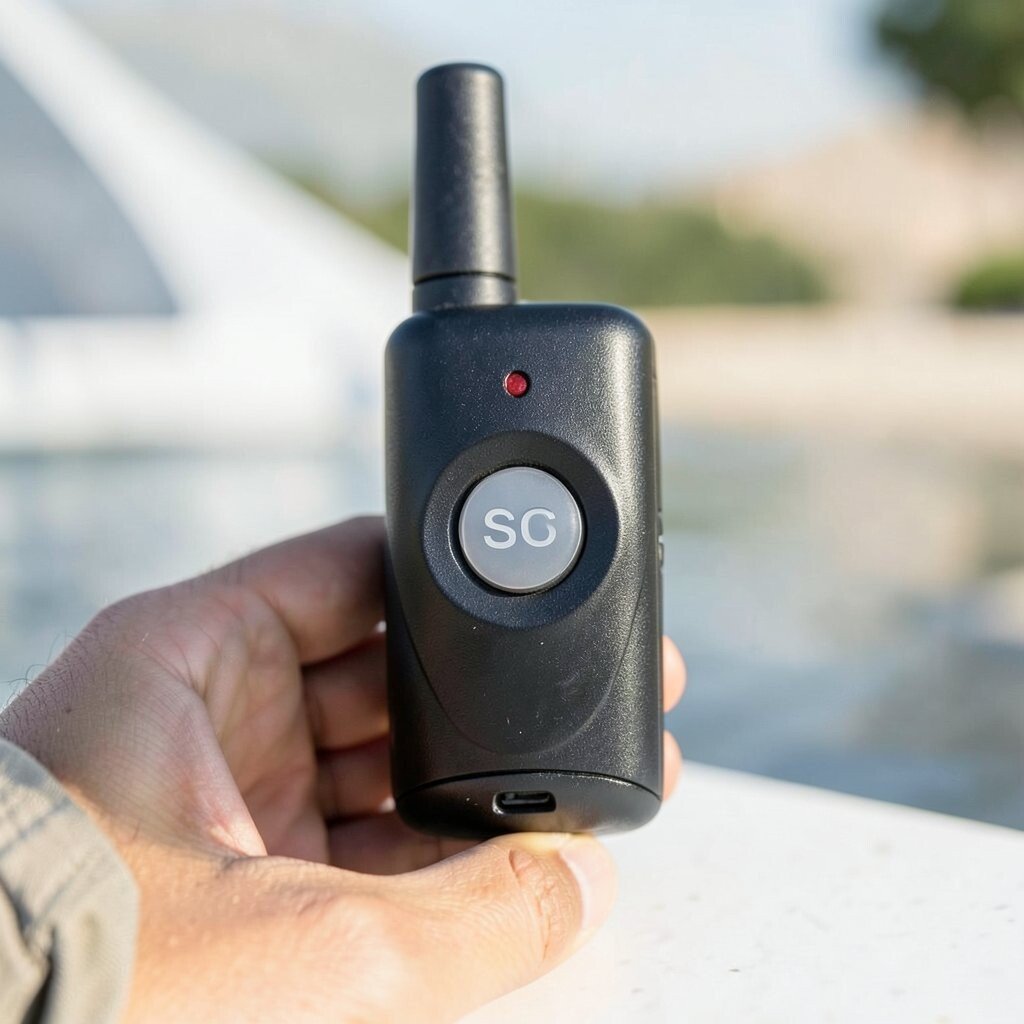
A GPS beacon is made for alerts when you cannot reach anyone. It often looks like a small handheld unit with a clear SOS button. People use it for remote camping, boating, or times when cell service may be weak.
The benefit is an emergency signal that can help search teams find your area. This is not a daily tracker, but it can add a strong safety layer. Costs vary, and some plans can be needed, but prices still fit many budgets depending on service. A tip is to practice using the SOS button at home so you know it works.
For personalization, set your emergency contacts and test your check-in link before you leave. A trend is more beacons that work better with different networks and faster help requests.
9. Geofence Alerts for Camping Areas
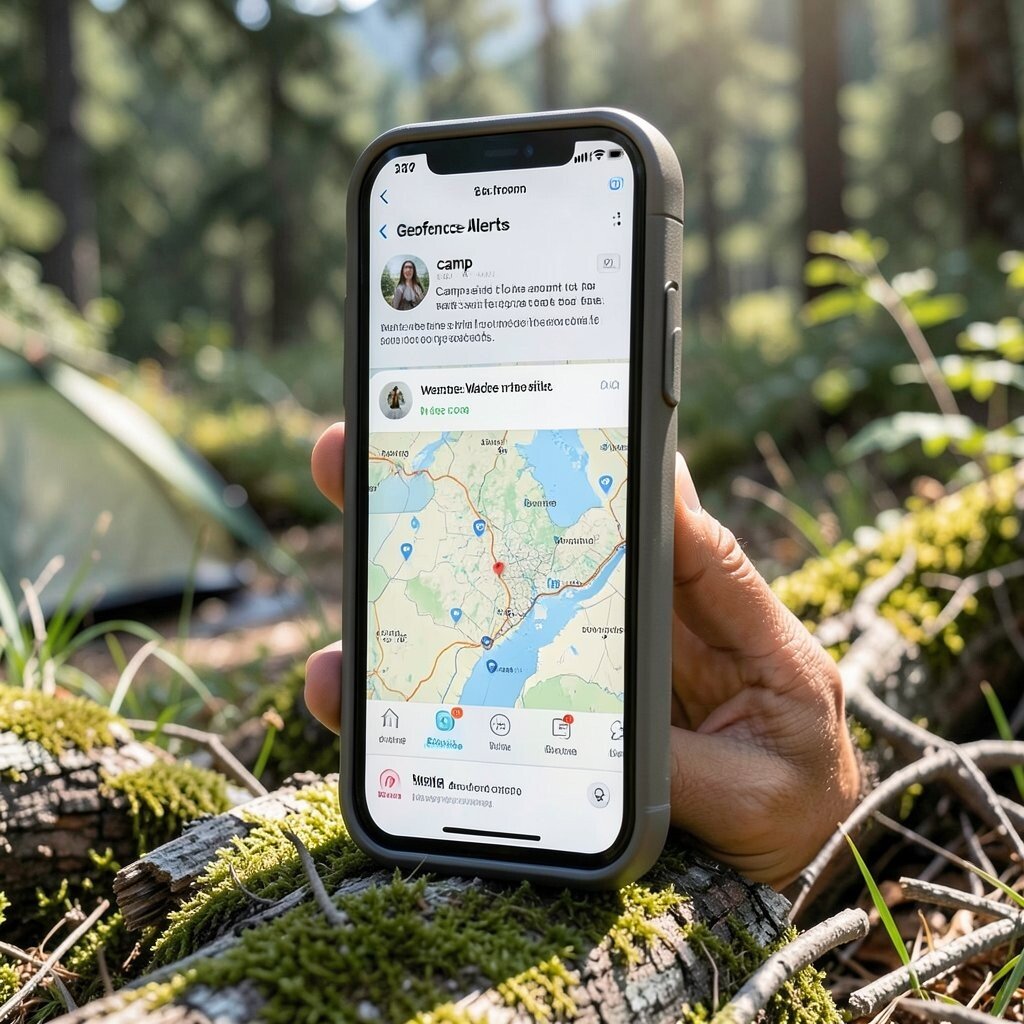
Geofence alerts work when your tracker can notice when you enter or leave a set area. It can look like a normal GPS tracker, but the key part is in the app settings. Campers use it for loops around camp, trail starts, and areas with safe paths.
The benefit is clear warnings if someone walks too far. It can also reduce stress because you get an alert without needing constant phone checks. Costs depend on the tracker, but many apps include geofence features. A tip is to set the fence with some extra room, so a normal detour does not trigger alerts.
For personalization, set two or three zones like “camp,” “water source,” and “back trail.” A trend is more map tools that let you set these zones with easy drag lines.
10. Tracker for Water Sports and Swims
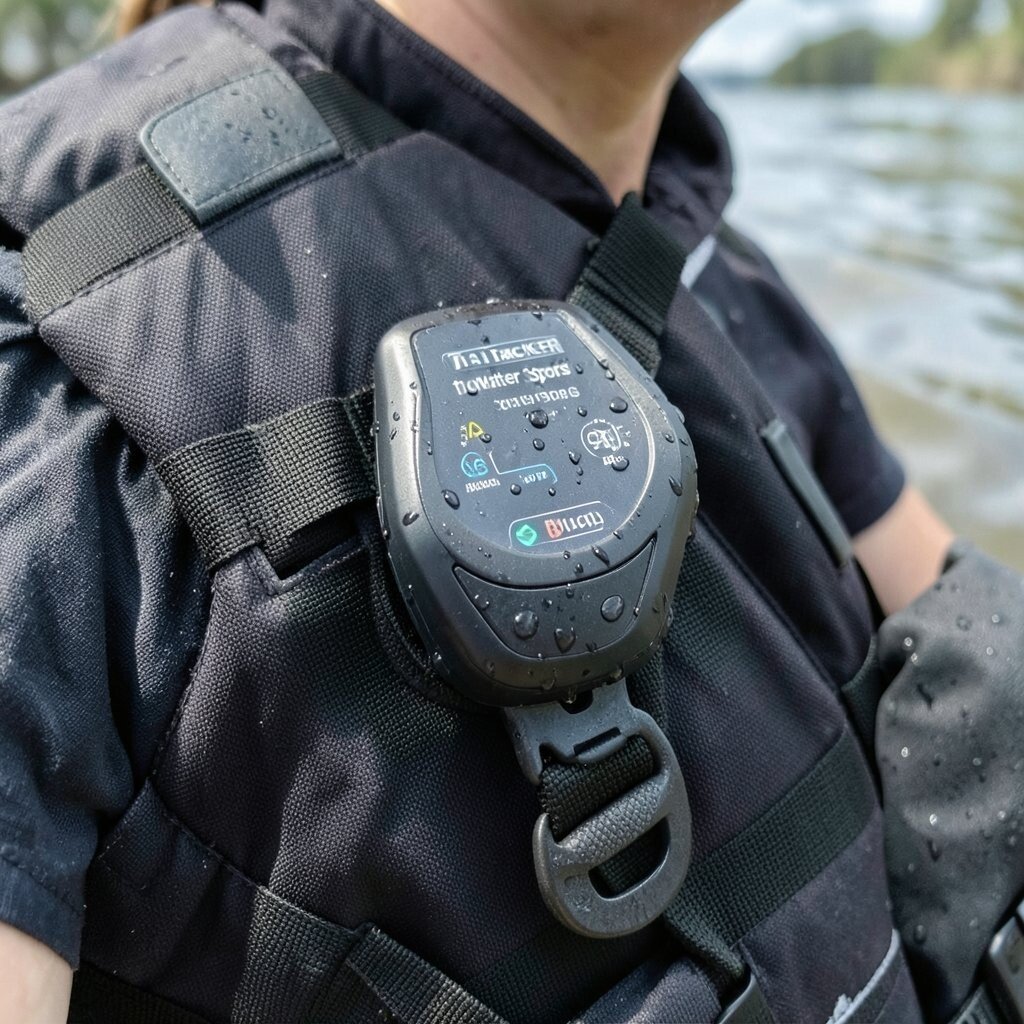
For kayaking, canoe trips, or near-shore boating, use a tracker made for water. It often looks like a sealed device with a strap and a clip. This can help if you get separated from your group or your gear floats away.
The benefit is better location tracking on the water, which can be hard for many phones. Some models also include sound or light alerts. Costs can be higher because the case needs real sealing, but the added protection can be worth it. A tip is to keep it tied to your body or your main gear so it does not drift off.
For personalization, choose strap length that stays tight with a life vest. A trend is more waterproof ratings and better battery life for cool water days.
11. Key Finder + GPS Tracker for Lost Gear
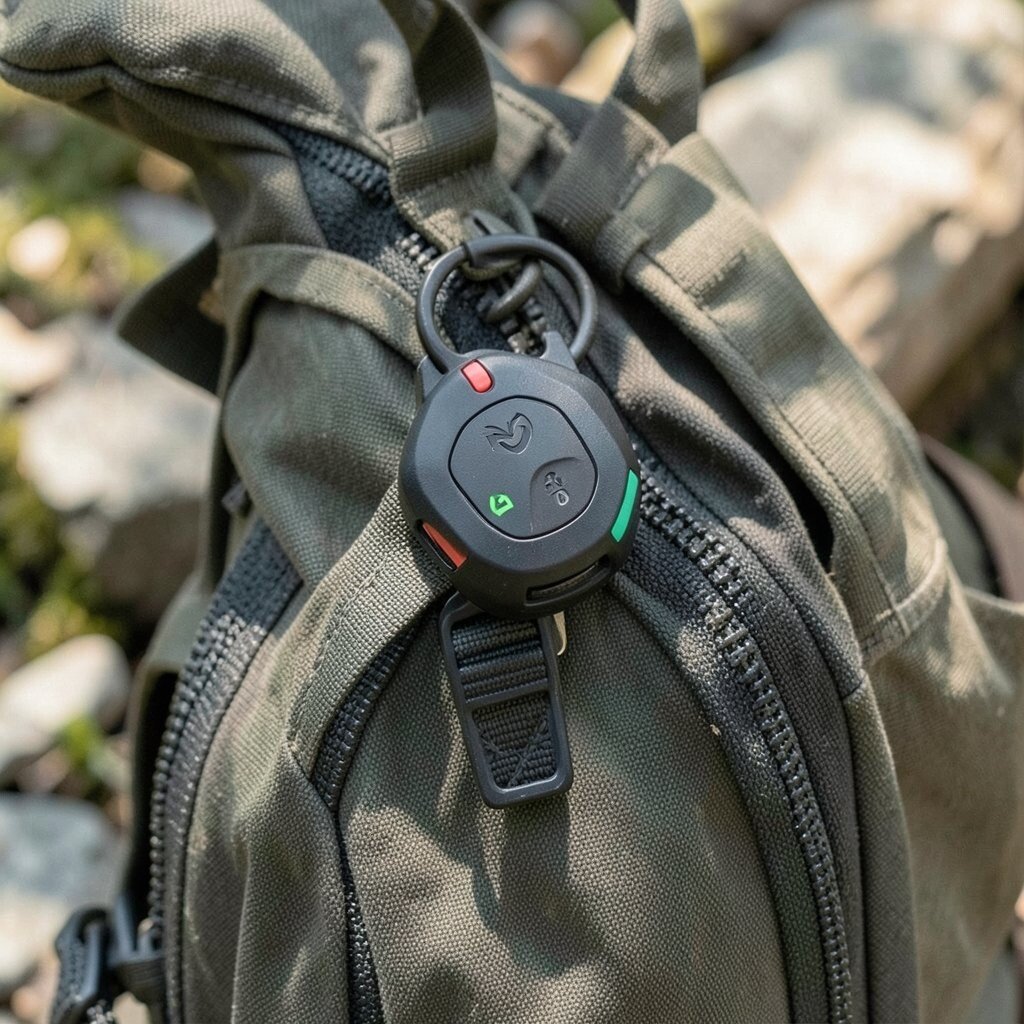
A key finder style tracker can also add GPS tracking for bigger trips. It may look like a small tag you attach to a set of keys or a pack zipper pull. People use it at trailheads, hotels, and camp sites where items get mixed up.
The benefit is not just for “find now,” but also for “how did we get here.” It can help you track your own gear without having to guess. Costs are often lower than rugged trackers, which makes it a good add-on. A tip is to attach it to something you touch often, like the same bag strap every time.
For personalization, set a color code for your tags so your team can spot them fast. A trend is more phone apps that combine tag finding with map history.
12. Health and GPS Tracker for Long Walks
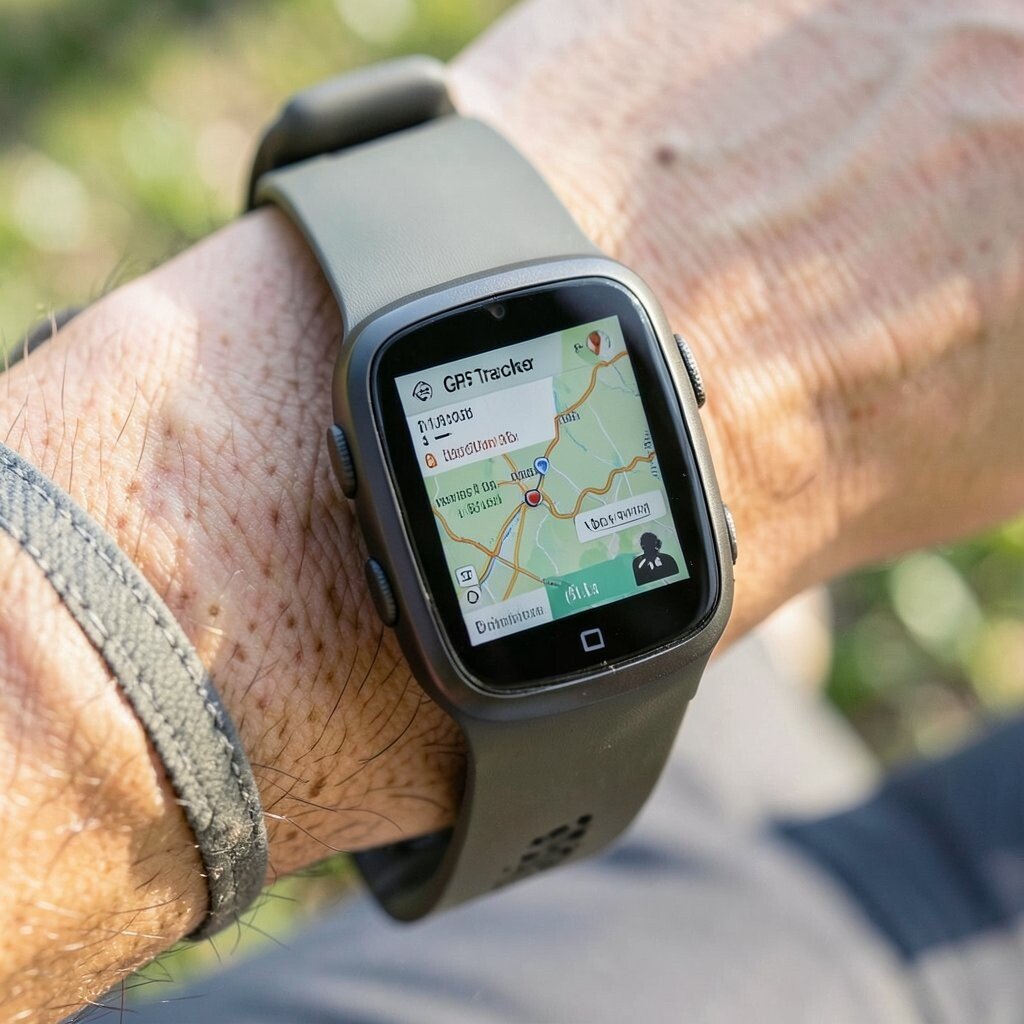
Some devices mix GPS with heart rate or activity tracking. They can look like a watch or a fitness band with a strap and a clean screen. Many people use them for long hikes, walking goals, or training days.
The benefit is that you can track your route and also see time and effort. This can help you plan breaks and avoid going too hard. Costs are often similar to sports watches, so you might already know the price range. A tip is to check how it handles battery during long days, then set update rates to save power.
For personalization, set goals like pace or route length and share that data with a friend. A trend is clearer maps and better health summaries that help people pace safely.
13. Motorcycle or Bike GPS Tracker for Routes
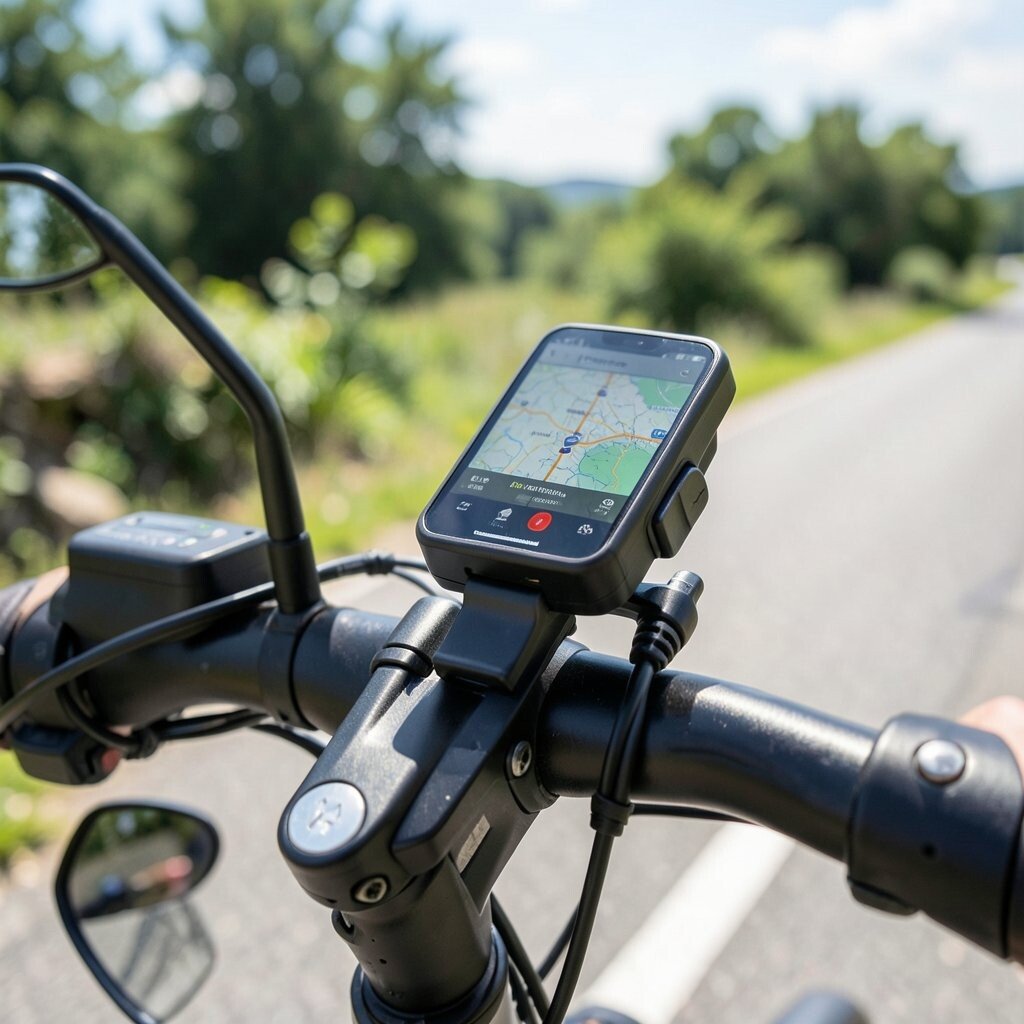
For riders, a GPS tracker can be mounted on a bike or motorcycle for route safety. It might look like a small box with a mount and a cable. Riders use it on day loops, group rides, and travel to new areas.
The benefit is you can track where you went if you get split from the group. Some trackers also share “last seen” points, which can help find the right road. Costs can be moderate, but it depends on the mounting system and service. A tip is to mount it where it stays stable and where the signal stays clear.
For personalization, set speed or stop alerts so you know if the bike is moving or parked. A trend is better road map views in the app for routes and turn points.
14. GPS Tracker for Group Tours and Rentals
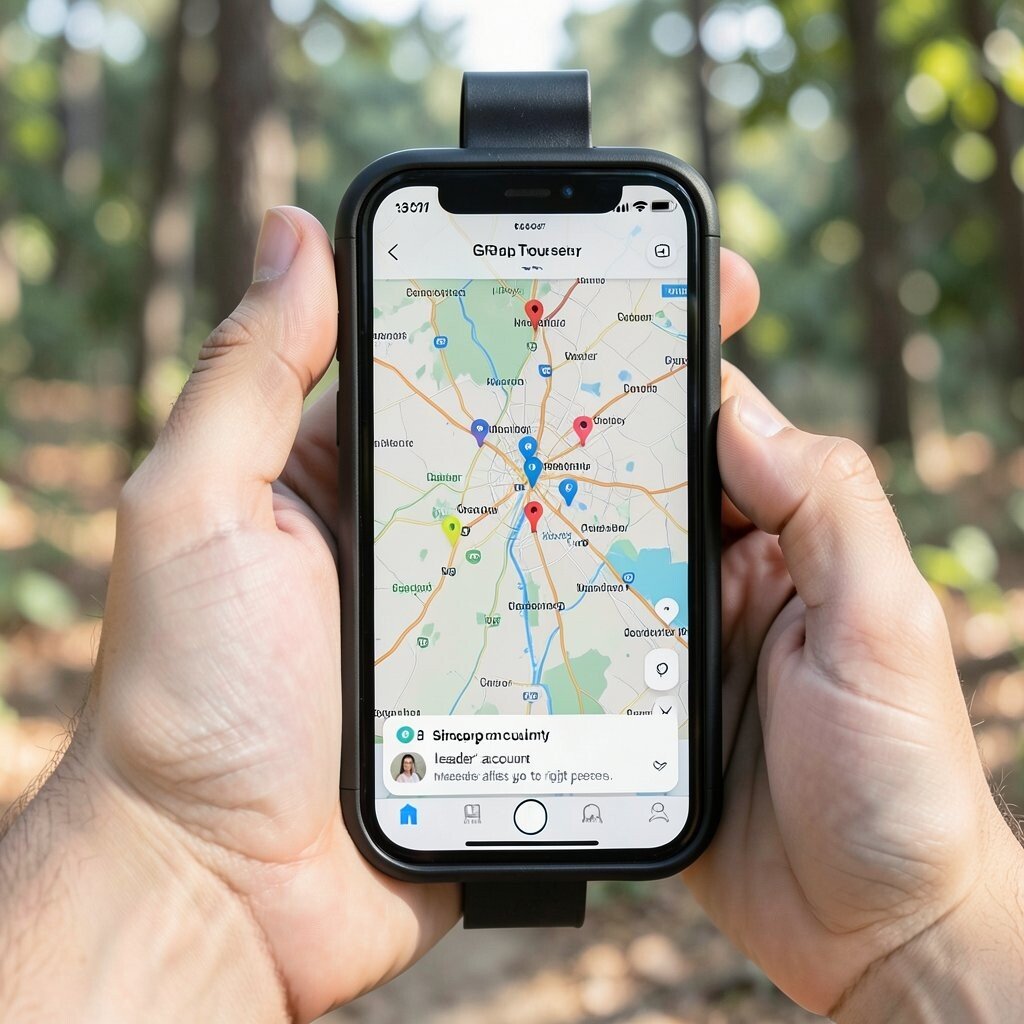
When you lead a group or use a rental, a shared GPS system can help keep everyone in view. Trackers can be clip-on tags for each person, and the app shows all spots at once. This looks like a live map with dots for each rider or hiker.
The benefit is simple group safety. You can see who is near, who is late, and who may need help. Costs can add up because you may need more than one device, but some groups use a set with shared charges. A tip is to set one “leader” account so messages and alerts go to the right person.
For personalization, set names or colors for each person, so it is easy to spot them on the map. A trend is more group-focused apps that work with many devices in one place.
15. Minimalist Tracker for Bare Essentials
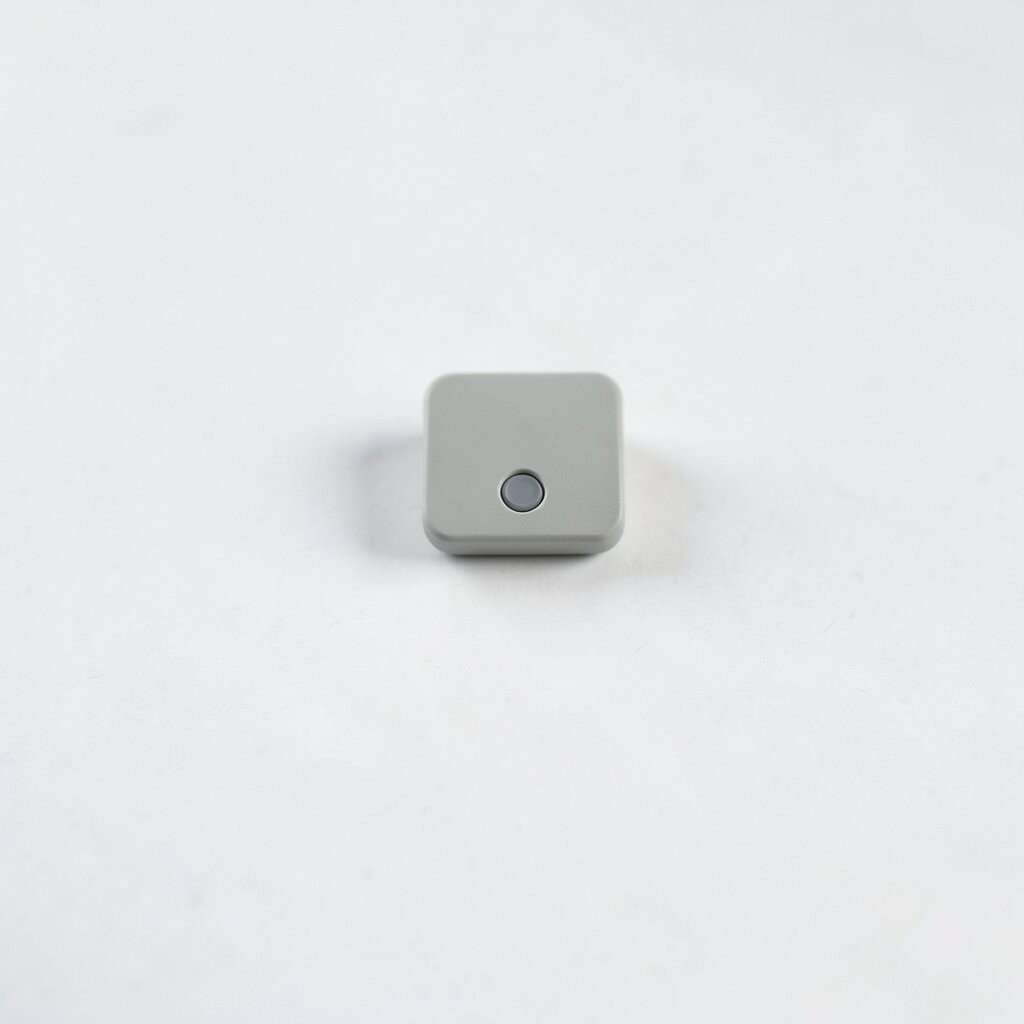
A minimalist GPS tracker is small, basic, and made to last through short trips. It often looks like a tiny tile or a slim device with one button and a light. People use it when they want less gear but still want safety help.
The benefit is fewer things to carry. You still get location updates and can share your route with a trusted person. Costs are often lower than larger models, especially if you choose a basic plan. A tip is to pick one that has a battery life that fits your trip length, then do a full charge before you leave.
For personalization, set the update time to match your pace, like more often for busy areas and less often for quiet trails. A trend is more small trackers that focus on simple alerts instead of heavy features.