Flying can feel less hard when you plan a little bit ahead. These tips help you move through the trip with less stress and more comfort.
1. Pack with a simple checklist
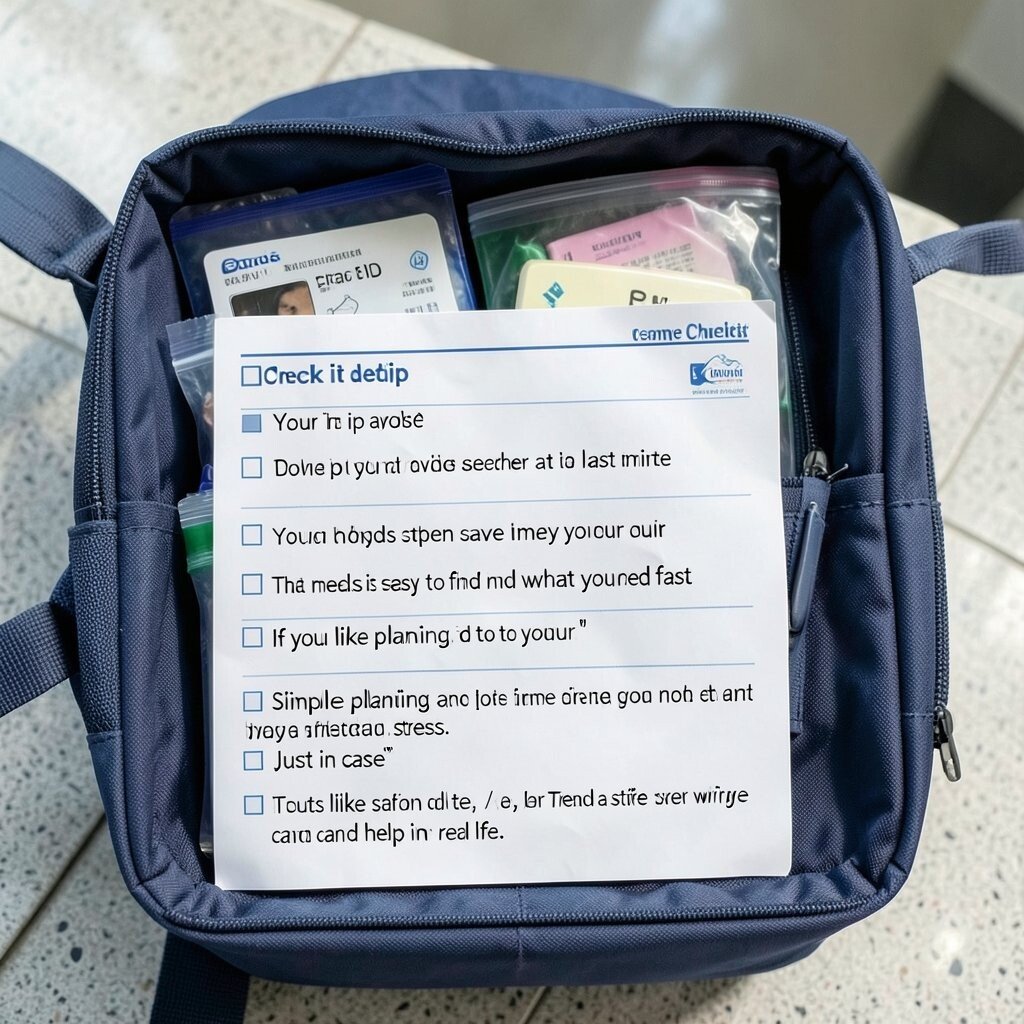
Make a short list for your trip and check it each day. Visualize your bag like a map: items go in clear spots, so you do not search at the last minute. This helps you avoid forgetting key things like your ID, charger, and basic meds.
You can also use small packing cubes or bags for each group. That makes it easy to find what you need fast, even in a busy airport. A simple setup can save time and reduce stress.
If you like planning, add a “just in case” line to your list. For example, bring a small roll of tape, a pen, and a travel size stain wipe. It costs little and can help in real life.
2. Use a carry-on only goal
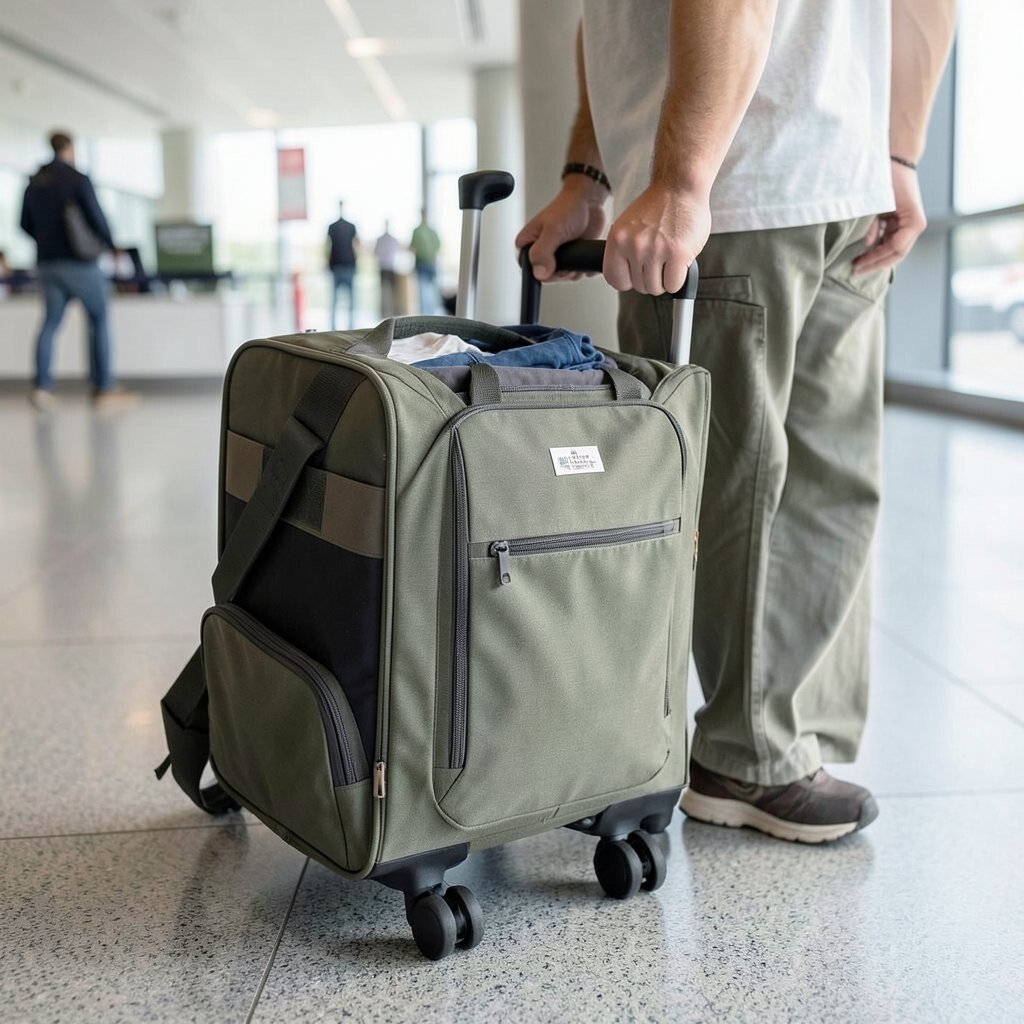
Try to plan so you can use one carry-on when possible. When your bag stays with you, you lose less time waiting for luggage. You also avoid the worry that your checked bag might arrive late.
Many flyers choose this style because it fits busy schedules. Trends show more people want quick trips and less airport time. You can still pack smart and keep your clothes neat by folding with care.
If you need more space, choose a light extra bag instead of heavy bins. Think about the weight and how you will lift it. This kind of choice can lower cost too, since some trips charge for checked bags.
3. Pick your seats early for comfort
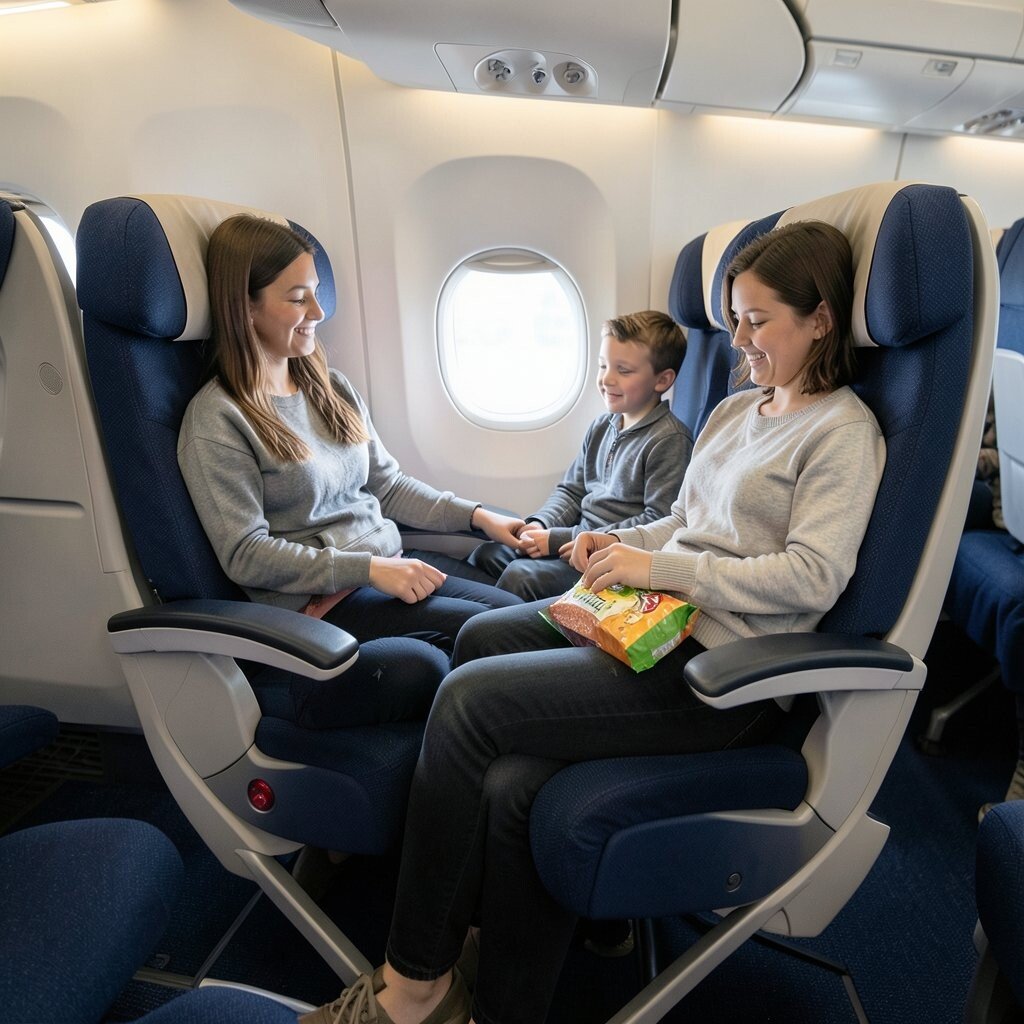
Seat choice can change your whole ride. A window seat helps you rest, while an aisle seat helps if you get up often. Look at the plane layout before you book.
If you travel with kids, choose seats that fit your plan. Some families like to sit together for less moving around. This makes it easier to handle snacks, bags, and bathroom breaks.
Try not to chase the “best” seat only by hype. Choose what fits your needs, like more leg room or a spot near the front. This kind of personal choice helps you feel more in control.
4. Dress in layers for changing air
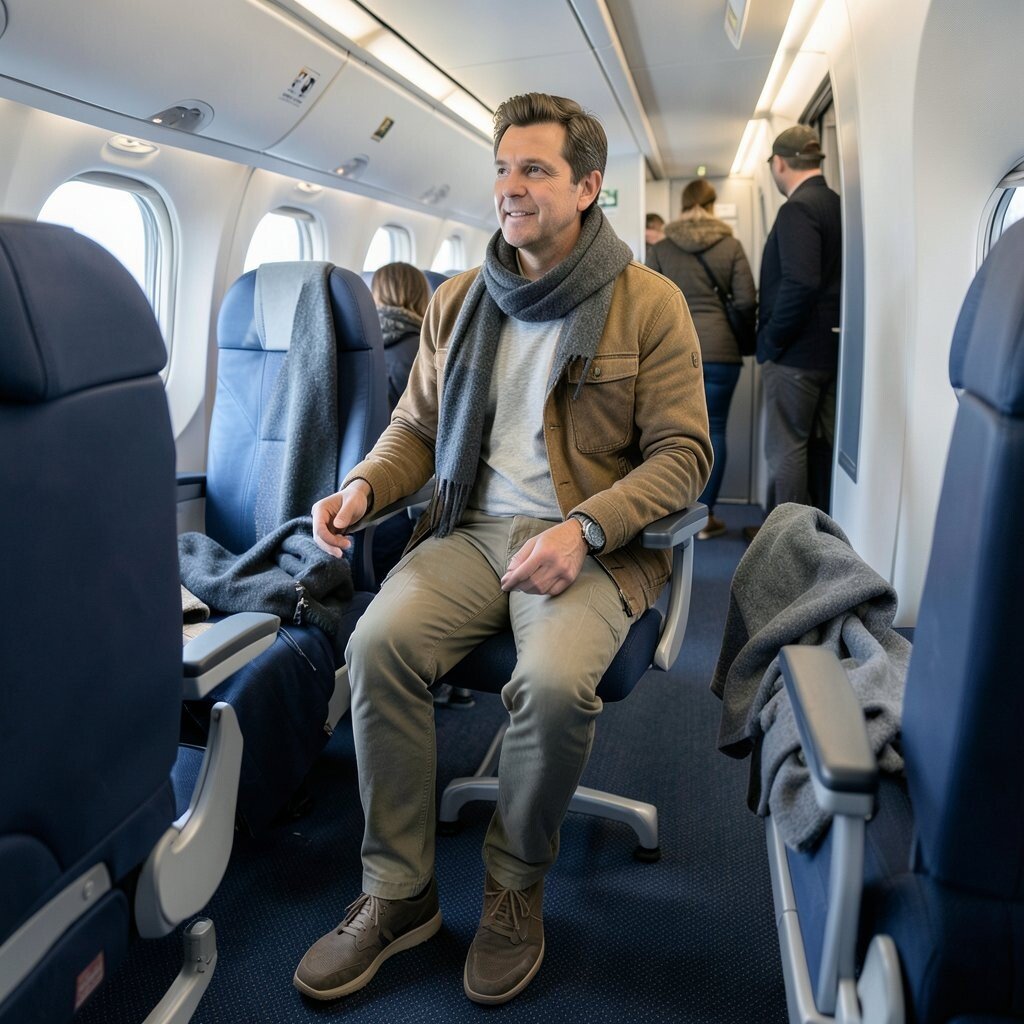
Air on a plane can feel cold, even when it is warm outside. Wear a light base layer and add a warm top you can remove. Layers help you stay comfy without packing bulky items.
Think about your feet too. Comfortable shoes make walking easier through long halls and moving lines. This is a small cost choice that pays off fast.
You can also bring a thin scarf or small blanket. Many travelers use them for warmth and for a soft seat feel. This adds comfort without taking much space.
5. Bring the right travel snacks
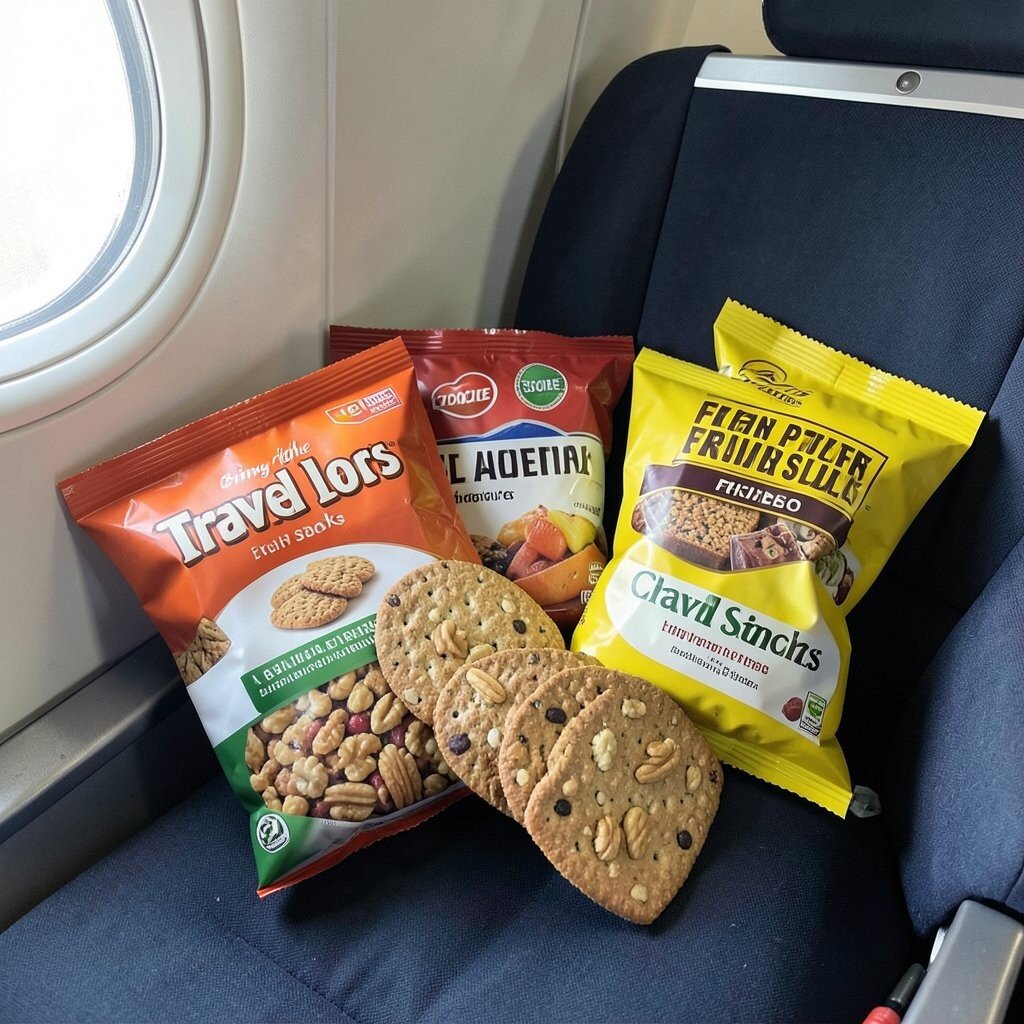
Pack a few snacks you know you like. This helps when flights run late or meals do not match your taste. Choose foods that are easy to eat and do not make a mess.
Good options include nuts, crackers, fruit snacks, or a protein bar. If you have a diet need, bring foods that fit it. This gives you control and avoids last-minute stress.
For cost, store-brand snacks often work well. You can also check trends like “high protein” or “low sugar” snack boxes. Just pick what matches your needs and stomach.
6. Carry a power plan for your devices
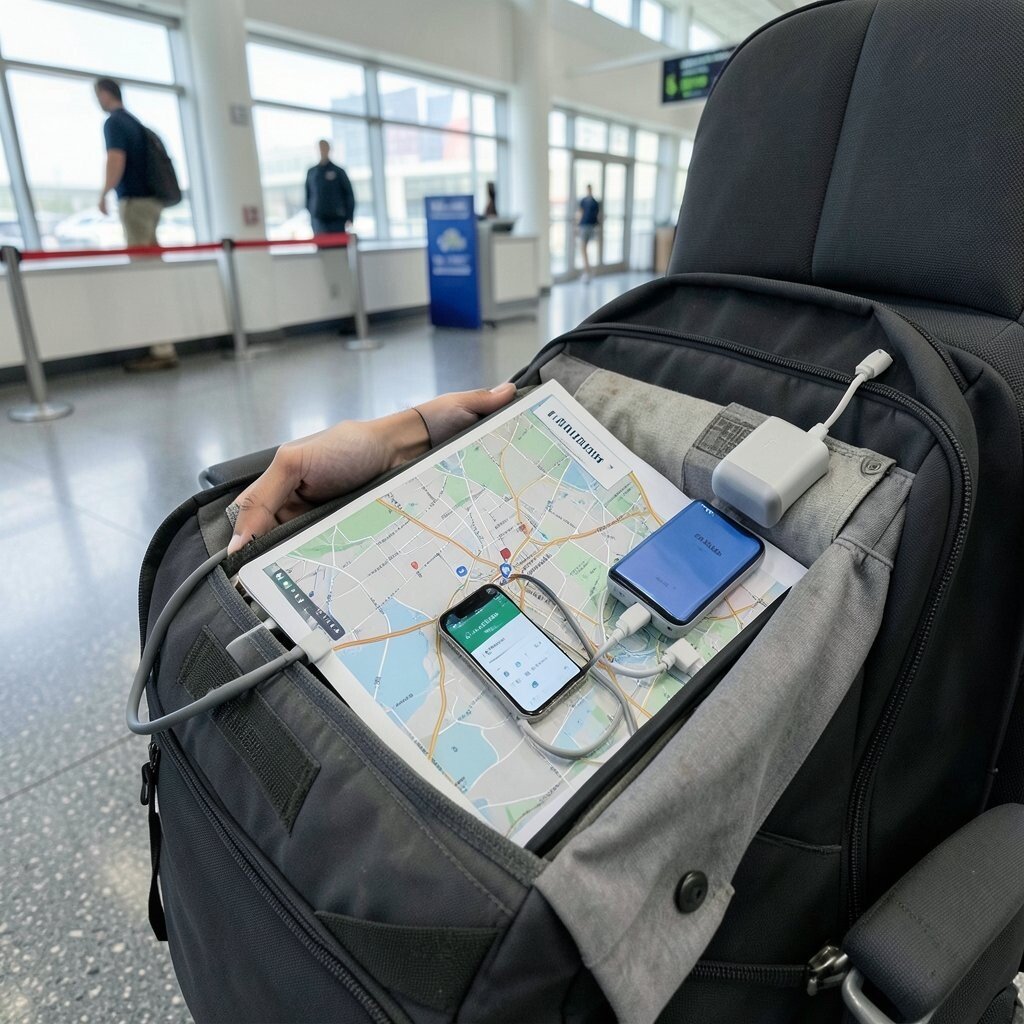
Charging is a big part of modern travel. Bring a phone charger and a small power bank if you use your phone a lot. This keeps you ready for check-in, maps, and even offline fun.
Visualize your plan: charge your devices before you head out, then top them up at the airport. That way you do not rely on luck. It also helps if a seat has no outlet or if it is not easy to reach.
If you use a tablet or laptop, pack the right cord too. Many people forget a small cable and then spend extra at the gate. A little prep can save money.
7. Keep your travel documents in one place
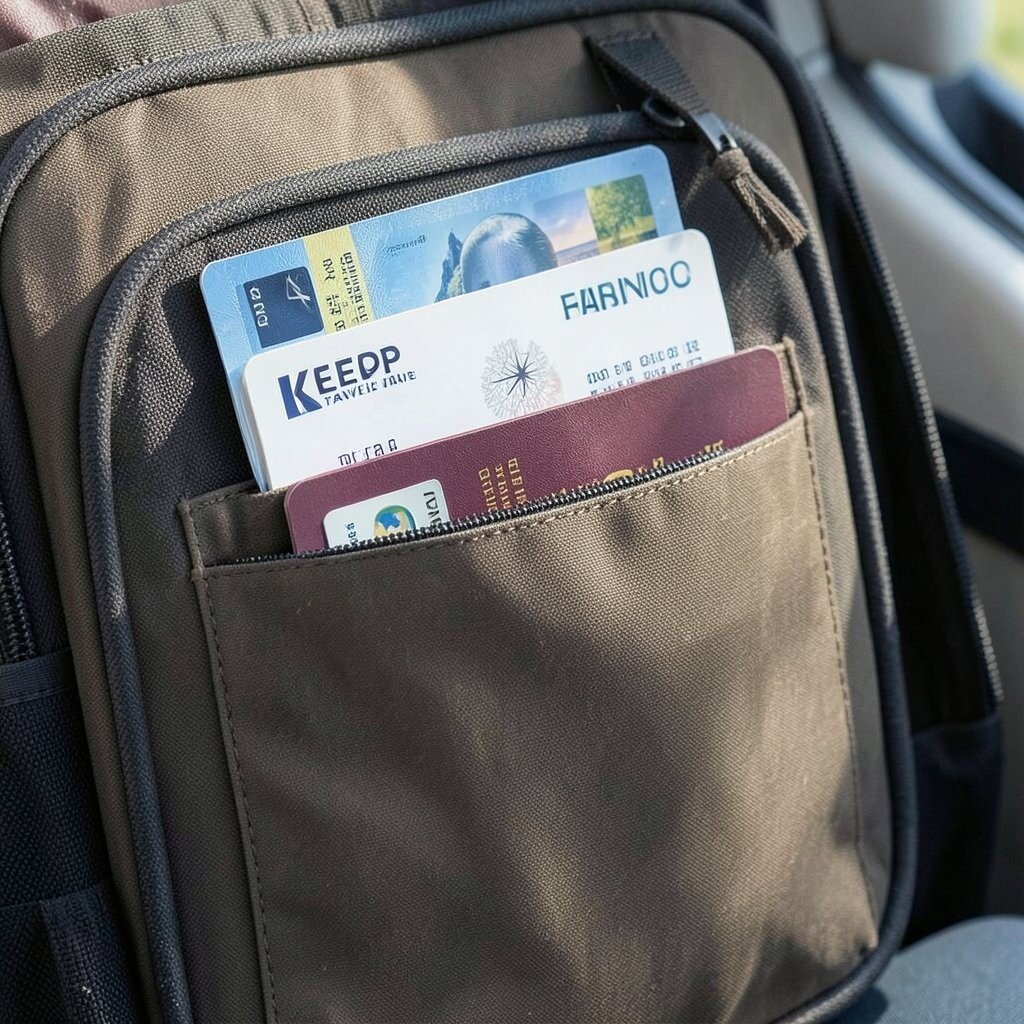
Store your ID, passport, and ticket papers in one easy pouch. Put it where you can reach it fast, like a zip pocket on your carry-on. When you can grab it quickly, lines feel less slow.
If you use an app for boarding passes, save offline copies too. A weak signal can happen in terminals. This helps you keep moving instead of waiting.
For personalization, add a small folder for important papers. Some people like to include hotel info, a medical card, and key phone numbers. It costs little and can help if plans change.
8. Learn your airport flow before you go
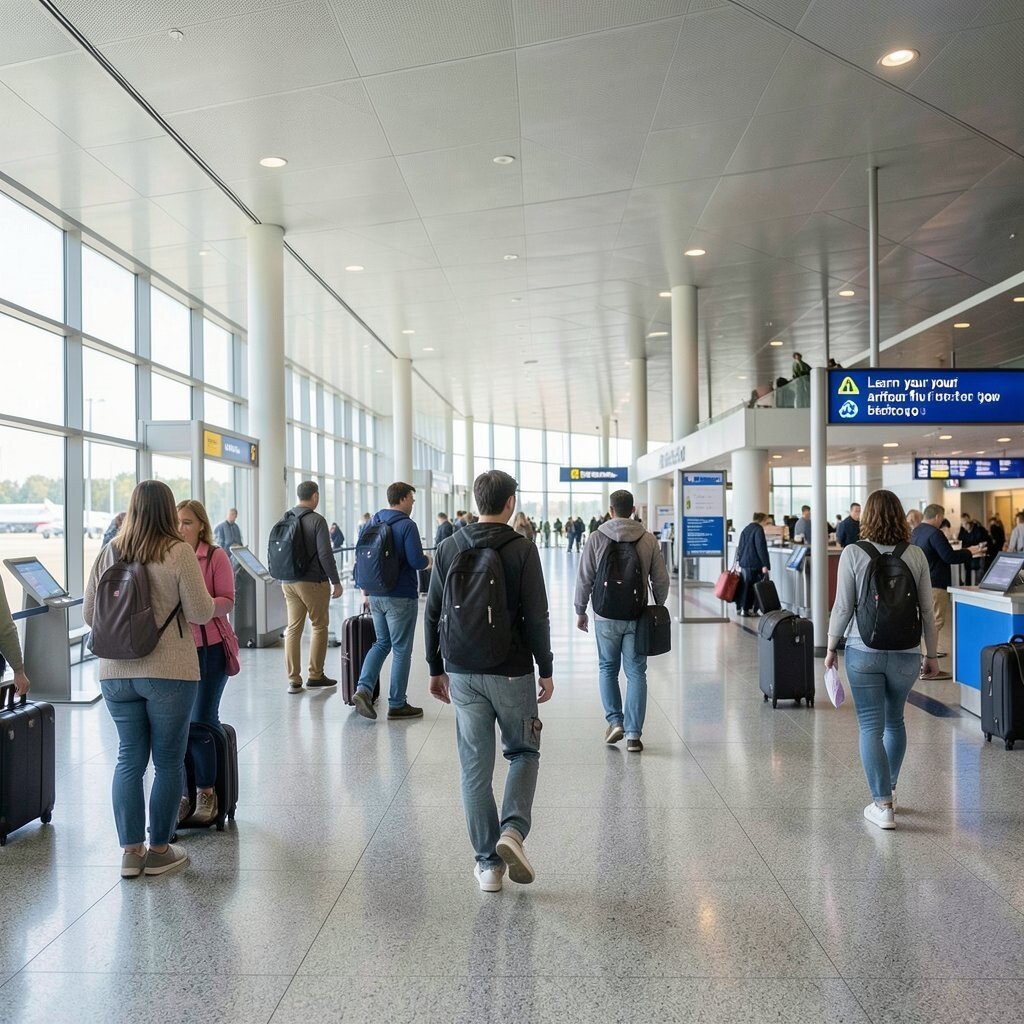
Airports can feel like big mazes. Before your day of travel, look up the steps from check-in to your gate. Knowing the order helps you walk with less stress.
Watch for signs like security, baggage drop, and boarding. If you can, check the terminal map on your phone. This helps you plan a calm route instead of rushing.
Many travelers use a “time buffer” idea. Give yourself extra minutes so lines and delays do not hit you as hard. It may cost nothing, but the calm feeling is worth it.
9. Use smart habits for airport security
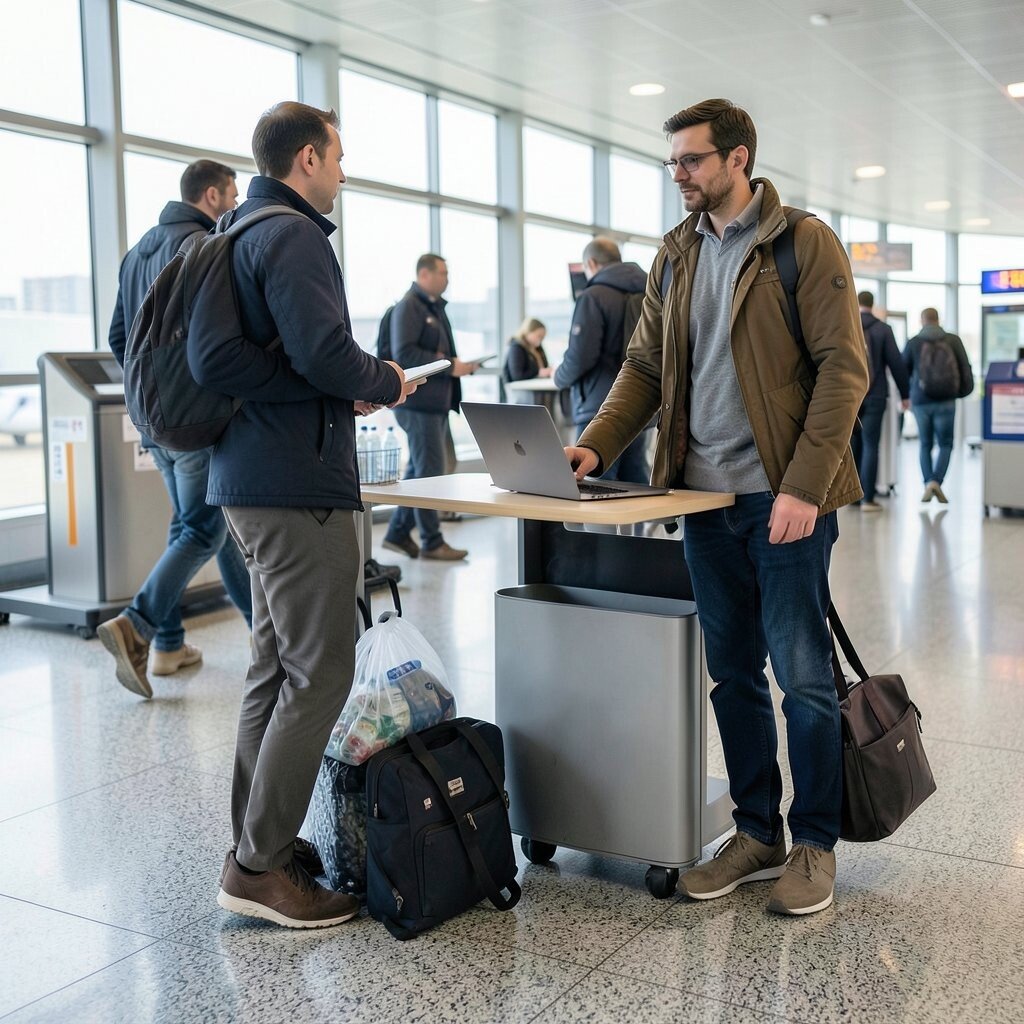
Security lines move faster when you stay ready. Keep your liquids in a clear bag and follow the size rules. Wear shoes that are easy to take off and put back on.
Place your laptop and bag items in a simple setup. Some airports ask you to put electronics in a bin, so be ready. This reduces the chance of forgetting something in the tray.
If you wear belts or heavy coats, handle them early. Do not wait until the last second when you feel rushed. These small habits lower cost too, since delays can lead to extra purchases.
10. Bring comfort items that fit your style
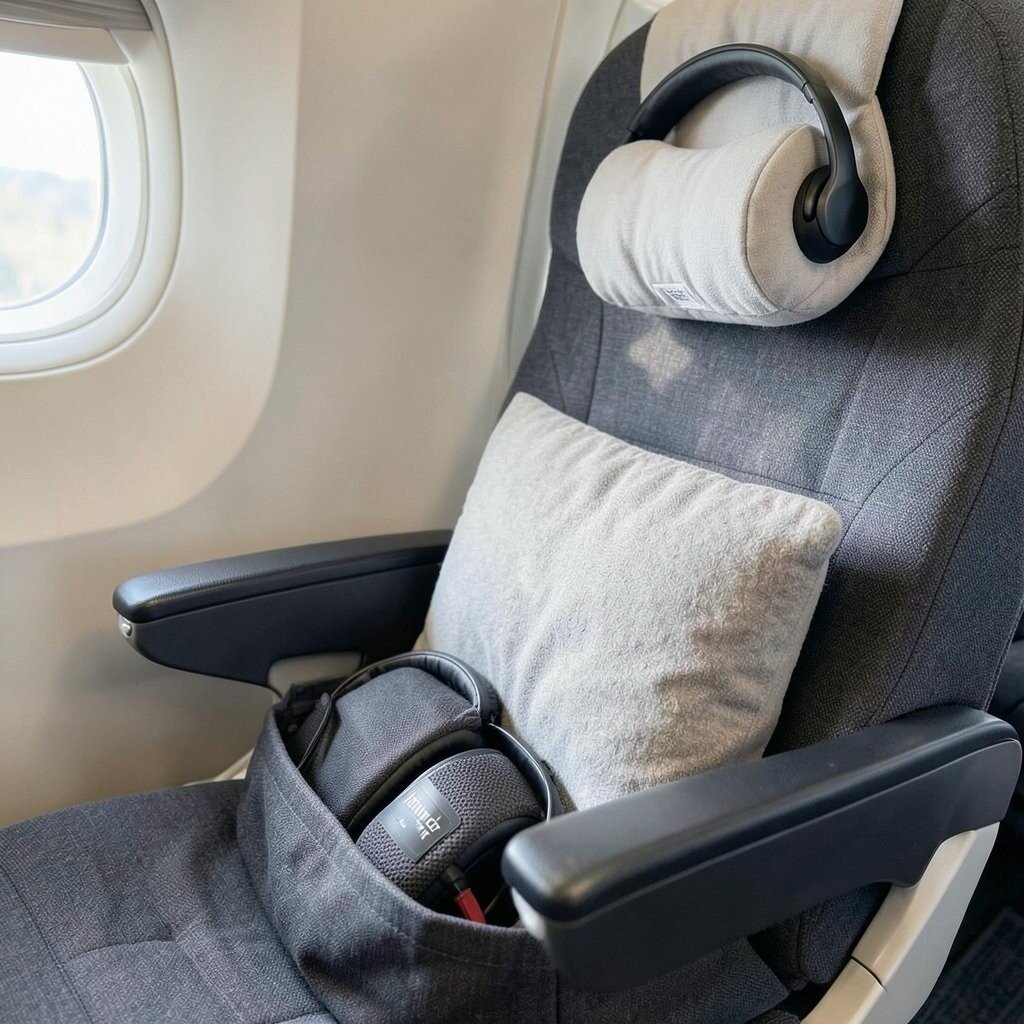
Think about what helps you feel normal while flying. Some people like noise-canceling headphones, while others like earplugs. A small neck pillow can also help on longer rides.
For a visual feel, picture your seat: you want a calm space around you. Put your comfort items in a pocket you can reach without digging. That makes it easy to settle in fast.
You can pick comfort based on your budget. Basic items like a scarf or a small blanket work for many people. Higher cost items can help too, but start with what you will use.
11. Stay hydrated with a simple plan

Cabin air can dry you out, so drink water before and during the flight. Keep a refill bottle if your airport rules allow it. Sip often, not only when you feel thirsty.
Try to limit too much alcohol, since it can make you feel tired. If you drink coffee, add water too. This helps you keep your energy steady.
For personalization, pick a water plan that matches your body. Some people like electrolytes, while others prefer plain water. You can test what works for you on trips that are shorter first.
12. Manage motion and ear pressure

During takeoff and landing, ears can feel full. You can help by chewing gum, sipping water, or using a gentle breathing trick. These steps are simple and can reduce discomfort.
If you get motion sick, plan ahead. Sit near the front if you can, and keep your eyes on the horizon when possible. Many travelers also use ginger or motion bands.
For safety, talk with a doctor if you have a long-term issue. If you take meds, keep them in your carry-on. This can save time and help you feel more ready.
13. Plan your arrival time and next steps

Arrival is part of travel, not just the flight. Check your landing time, then plan how you will reach your next stop. If you can, set up rides or transit plans in advance.
Think about your bags, too. If you have carry-on only, you can move out fast. If you checked bags, plan for extra time and do not rush your schedule.
For cost control, compare travel options ahead of time. Some people use rides, while others pick trains or shared shuttles. Trends show more travelers choose phone booking apps for speed, but still check the total price.
14. Use a calm in-flight routine
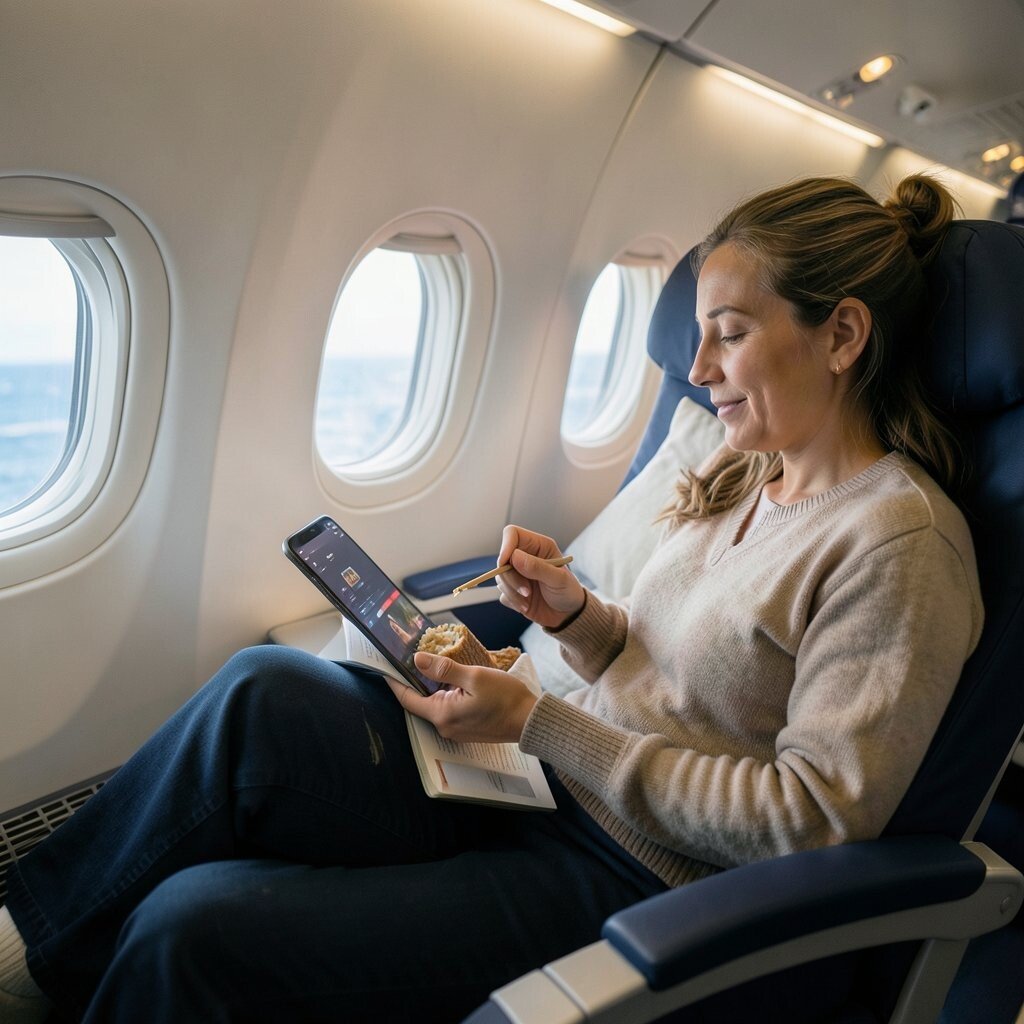
A routine can help your mind feel steady during the flight. Try small steps like a quick walk to use the restroom, then settle in with a book or playlist. You can also eat your snacks in a steady way instead of all at once.
Pay attention to timing for sleep if you cross time zones. Keep lights low on your device and try to rest when it feels right for your body. A simple plan can reduce jet lag stress.
For personalization, pick activities you enjoy and use them the same way each trip. Some people watch one show, others journal, and others just rest. This helps you feel ready for your next day.