
Guide dogs help people live with more freedom and calm days. You can also help others by using kind, clear actions and good habits around working teams.
1. Learn What a Working Guide Dog Needs
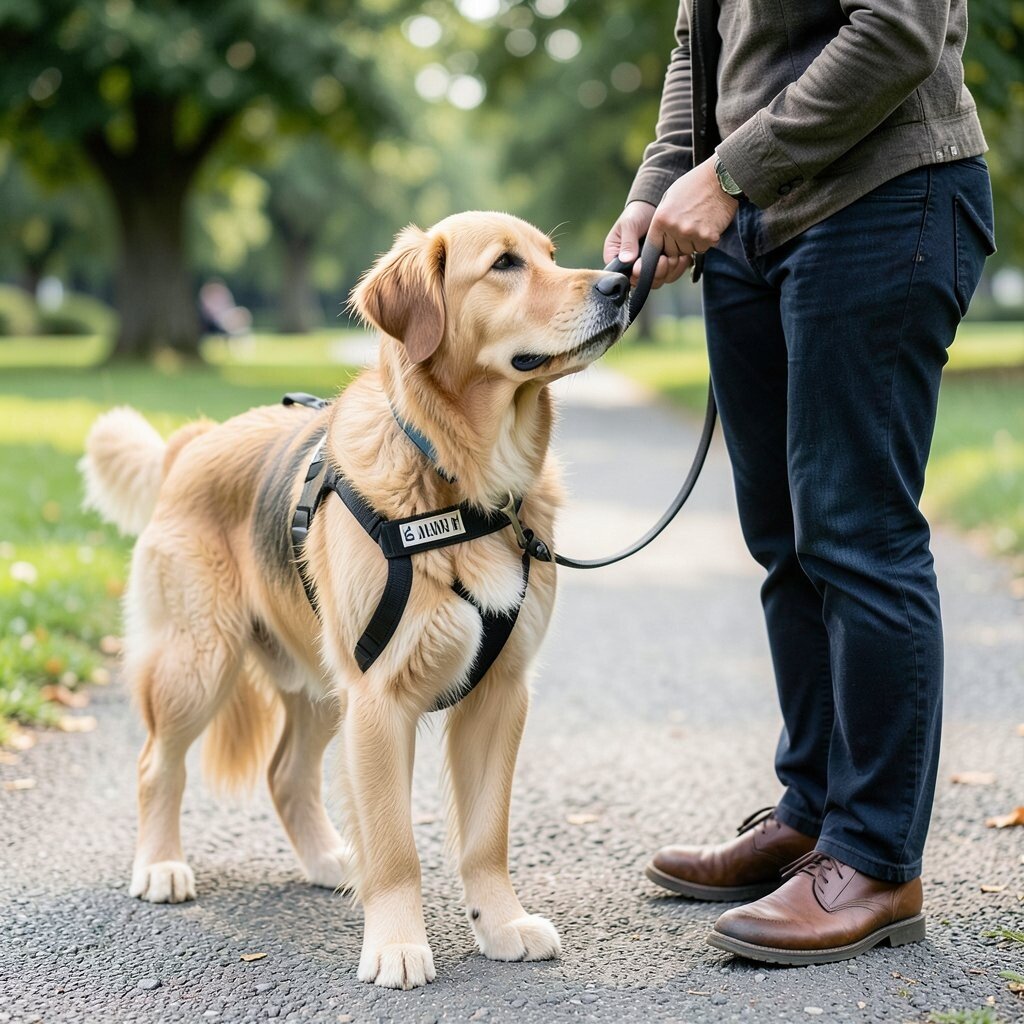
A guide dog is not a pet while it is working. You may see a harness and a sign that shows the dog is on duty. In that moment, the dog needs your respect and quiet focus.
Visual cues help a lot. Look at the dog’s steady stance, the leash control, and how the handler keeps a close hold. When the dog looks alert and moves with care, treat it like a job, not like play.
This helps the team stay safe. It also makes daily life easier for the person and dog. A simple respect can prevent distractions.
2. Ask Permission Before You Talk or Touch

If you want to help, start with a kind question. You can ask, “Do you want help?” or “Is it okay if I speak to you?” Many people will say yes, but some will say no.
Touching the harness or leash is often a bad idea. Even a small touch can pull the dog off pace. If the person needs help, they can guide you on what to do.
Asking first shows good manners. It also protects the dog’s work. It makes the whole moment feel safe for everyone.
3. Keep Your Voice and Movements Calm
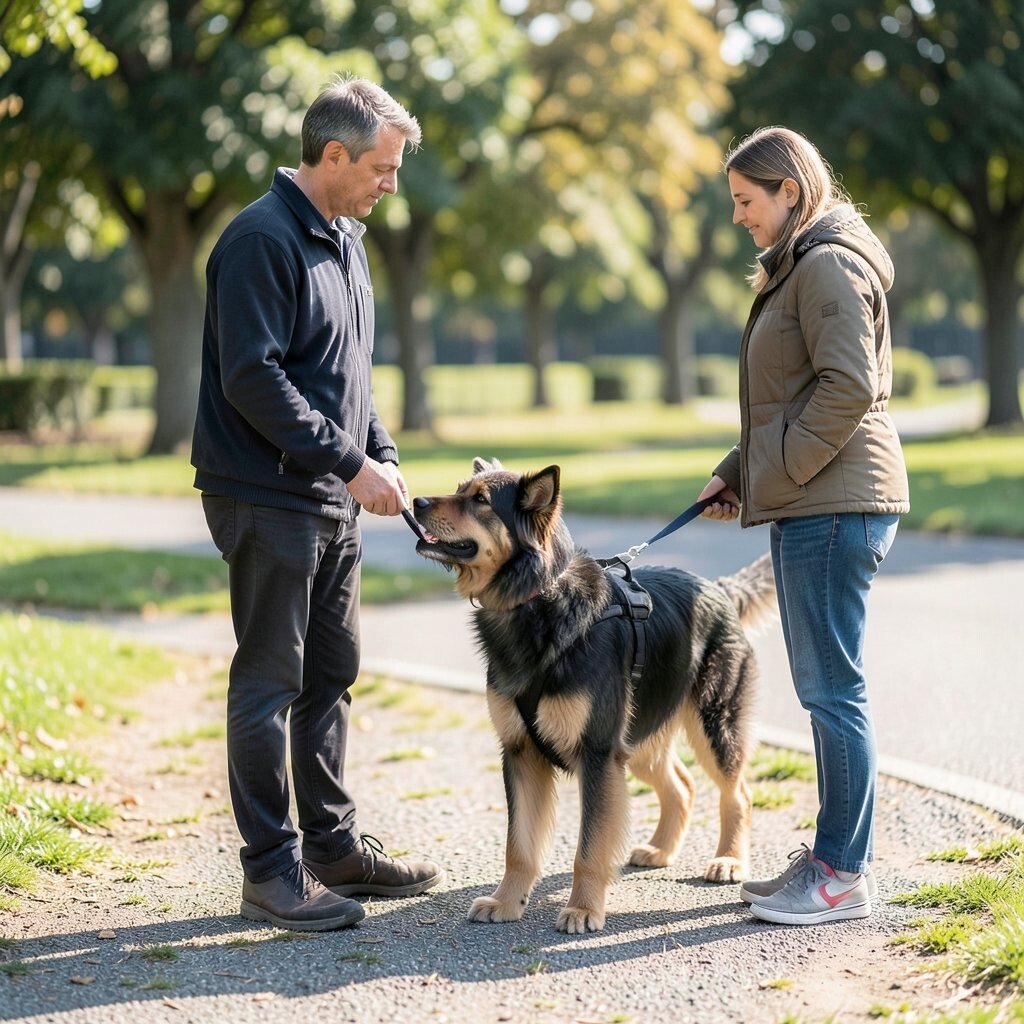
Guide dog teams do best with low stress. When you speak, keep your voice steady and not too loud. Sudden sounds can make the dog check the area.
Move in a slow, clear way. Stand still if you are waiting, and do not step too close. You can also turn your body to face the person so they can read your space.
This calm style supports better focus. It can also help the dog avoid stops and starts. Small changes like this can matter a lot.
4. Give the Team Space on Sidewalks and Store Aisles
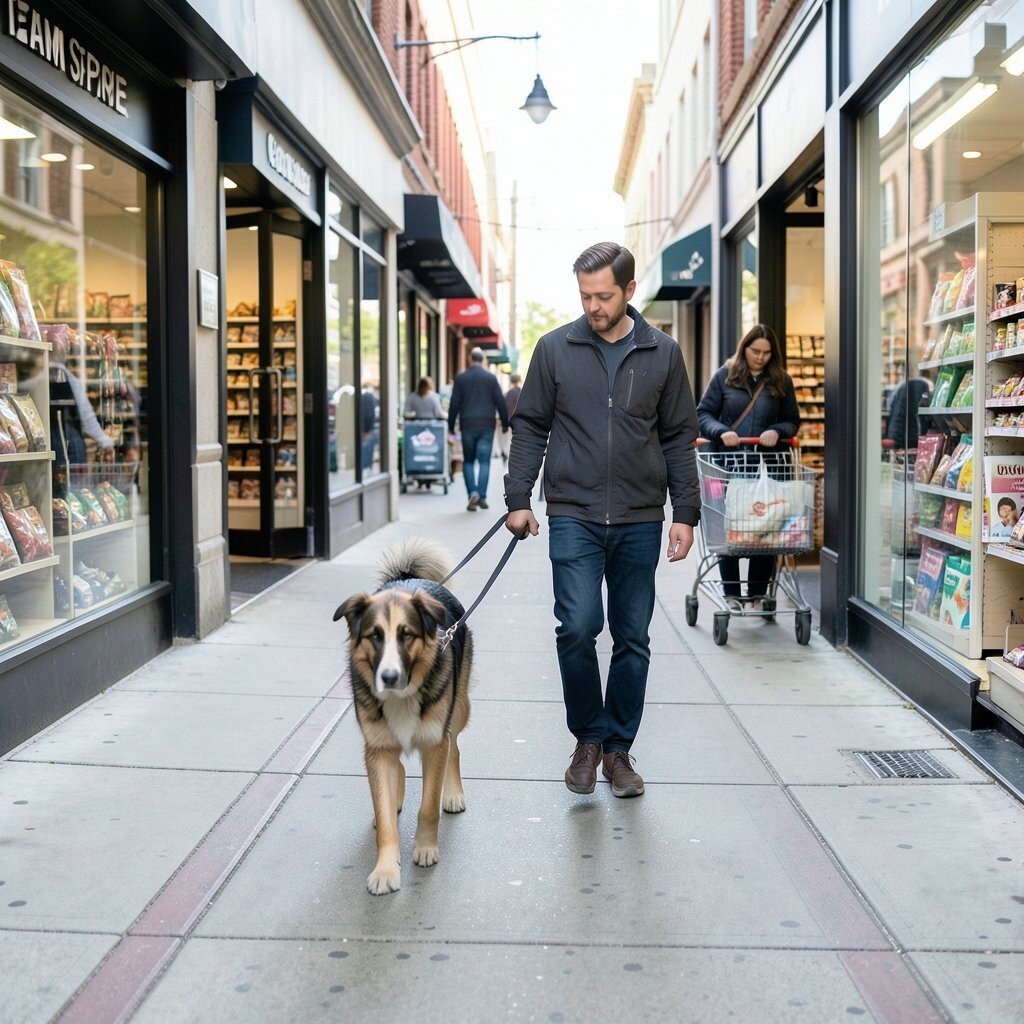
Space helps a working dog move in a straight line. When you pass, give room near the person and dog. Try not to block the path, especially at doors and tight corners.
In a store, stay to the side of the route. If you are shopping, keep the cart or bags out of the narrow walkway. A clear path helps the team avoid trips and sudden turns.
This benefit shows up fast in real life. It can also reduce stress for the handler. Many people feel more relaxed when others keep a clean route.
5. Do Not Pet or Call the Dog While It Works

Even friendly petting can cause problems. A guide dog is trained to ignore distractions, but a sudden reach can still break focus. Calling the dog by name can also pull attention away from the job.
Think about the dog’s view. The handler may rely on the dog’s steady steps and signals. When you interrupt, the team may need extra time to regain calm.
This rule is a key part of respect. It also keeps the dog safe from confusion. Your patience helps the team stay on track.
6. Offer Help in the Right Way for Crossing Streets
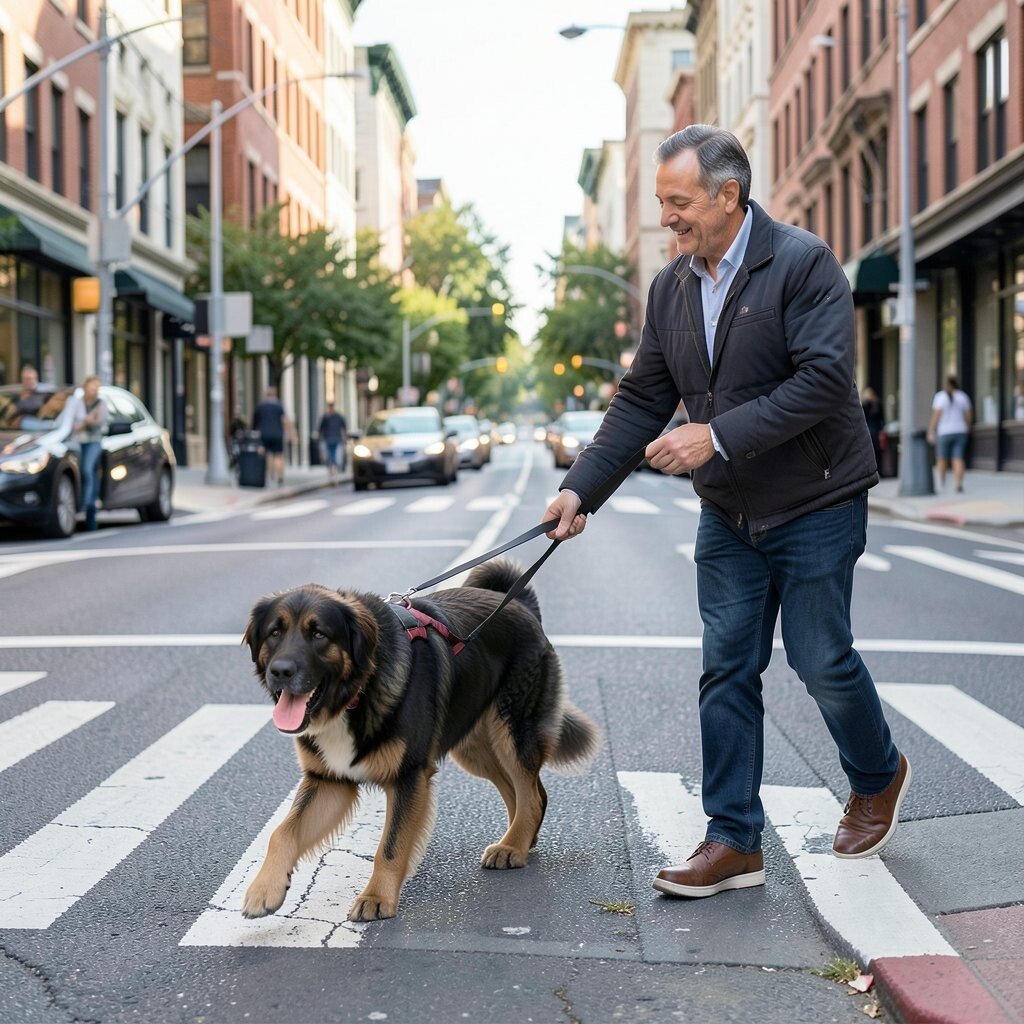
Crossing streets is a common and important moment. If you see the team at a curb, offer help by asking first. You can say, “Do you want me to guide your path across?”
If the person says yes, wait for their cues. Do not grab the dog or pull the handler forward. Instead, help by moving slowly and letting the person decide when to step.
Clear help can reduce risk. It can also help the handler feel more sure. A steady plan beats rushing.
7. Understand Traffic Signals and Avoid Traps

Traffic can be tricky even for trained teams. Look for moving bikes, scooters, and cars that come from side streets. When you notice a hazard, tell the handler in a calm way.
Visual description helps here. For example, you can point out “a bike is coming from your left” or “there is a vehicle that turns soon.” Keep your words simple and brief.
This tip supports safety and better planning. It can also help the handler keep the dog focused. Good awareness from the public is a real help.
8. Help With Doors, Steps, and Small Barriers
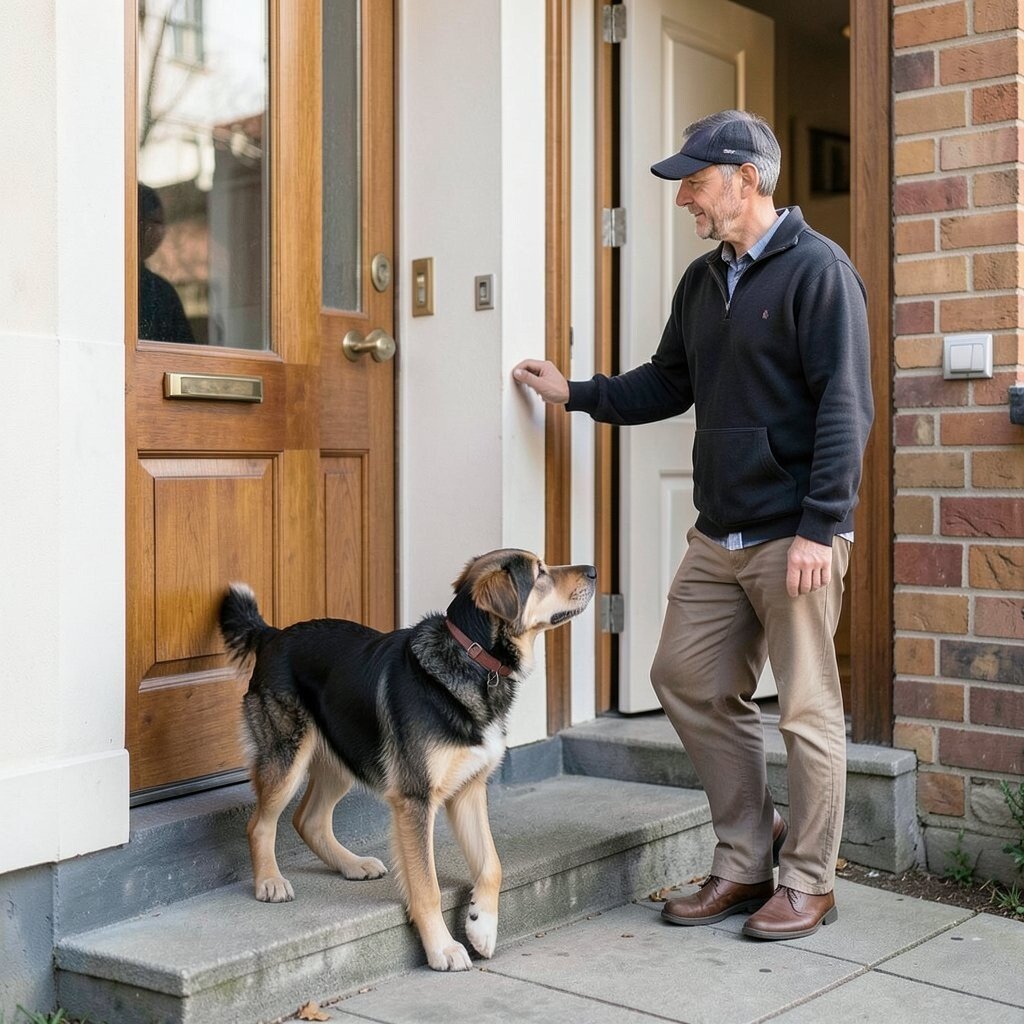
Many everyday places have tricky parts. Doors can be heavy, steps can be uneven, and ramps can be hard to find. If you see trouble, offer a clear option.
You can hold a door open if asked. You can also tell the handler where the step or ramp is, using simple words. If there is a barrier, do not move it without guidance from the person.
This kind of help can prevent slips and delays. It also gives the team more control. When you match their pace, it feels easier for them.
9. Use “Place” and “Over Here” Tips for Clear Directions
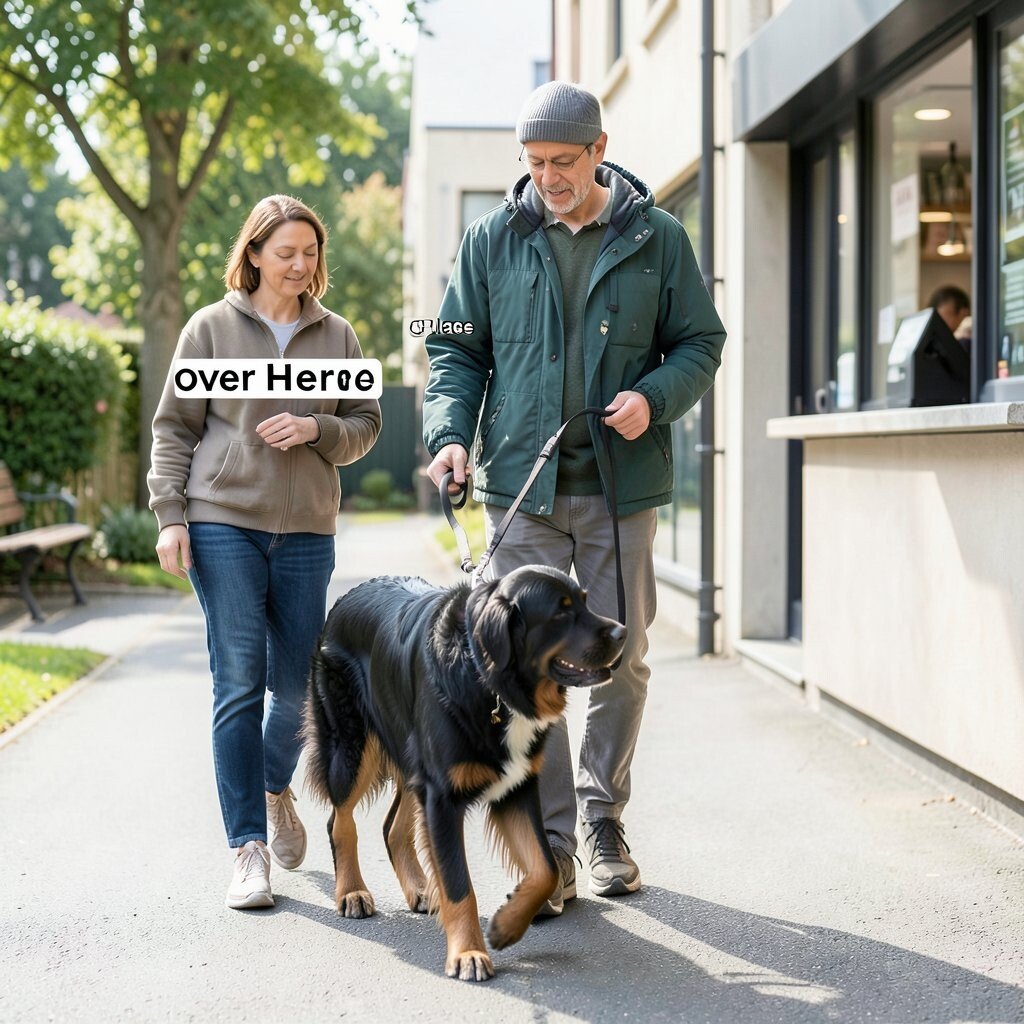
Some people use touch or sound cues, so clear location words help. If you guide someone, use phrases like “right here,” “over here,” or “straight ahead.” Avoid vague words like “that way” without a clear reference.
Try to describe landmarks in plain language. For example, “The bench is to your right,” or “The counter is near the window.” This gives the handler a simple map.
This style supports better choices. It also helps the dog and handler stay in sync. Clear directions reduce extra stopping.
10. Respect the Dog’s Break Time and Health Needs
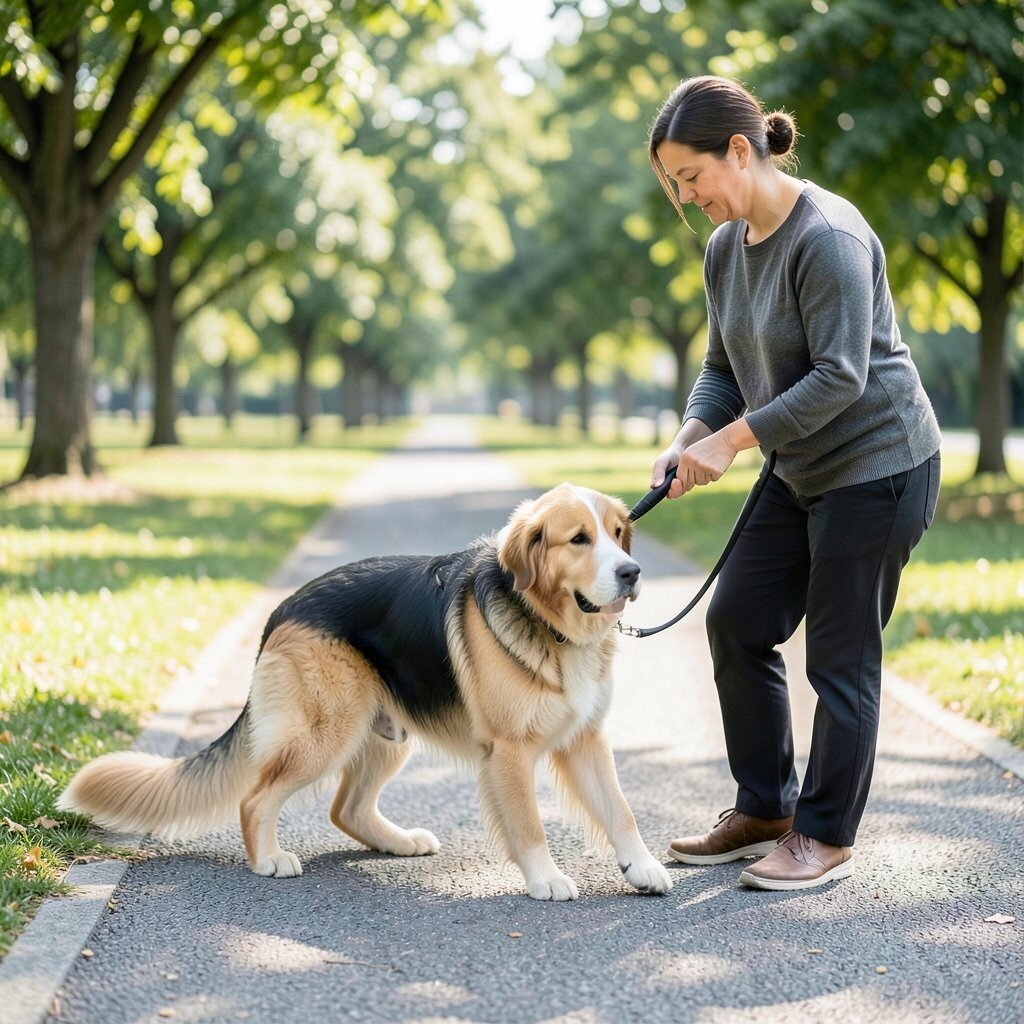
Some teams need short breaks during long days. If the handler is setting up for a rest, do not crowd them. Keep your distance and let them work at their pace.
You may see a time when the dog pauses or checks the area. This can be part of routine care, not a sign of trouble. If you notice a break, wait and let the handler handle it.
Respecting breaks supports better health. It can also help the dog keep good focus later. Your calm space makes the day easier.
11. Help Without Taking Over

It is kind to help, but it is also important not to take control. After you ask, follow the handler’s plan. If they tell you to stay back or move to the side, do that.
Watch for signals from the person. Some handlers use body position, voice cues, or a change in pace. If they slow down, do not rush ahead.
This balance helps the team stay safe. It also protects the dog’s work. Good help is steady and respectful, not controlling.
12. Know the Difference Between Service Dogs and Other Dogs
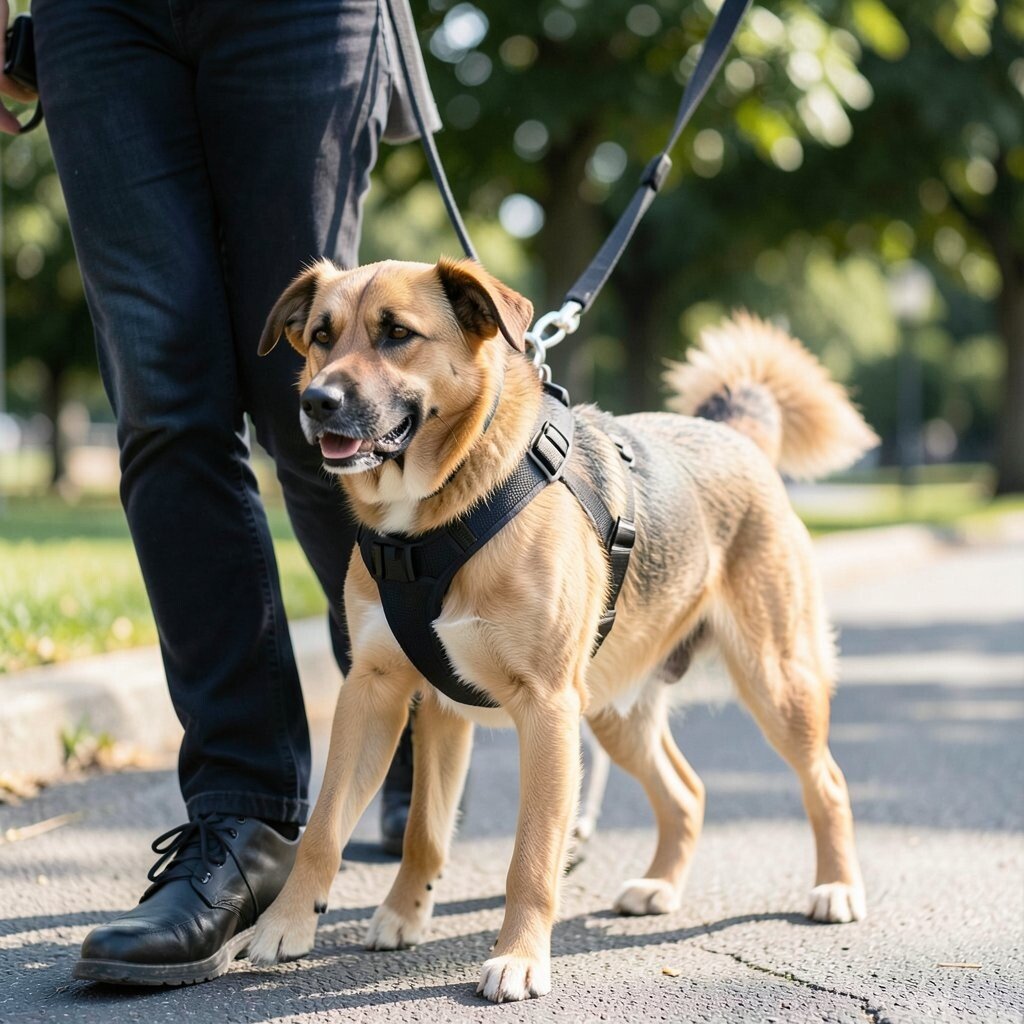
Some people may assume any dog is a pet. But guide dogs and other service dogs have special training. You may also see different vests or harness styles.
Use what you see to guide your actions. If there is a guide harness, the dog is likely working. If you are unsure, still treat the dog as working until the handler says otherwise.
This approach reduces mistakes. It also shows that you care about safety. When you keep the dog’s job in mind, you help the right way.
13. Consider Accessibility Trends and Better Public Access
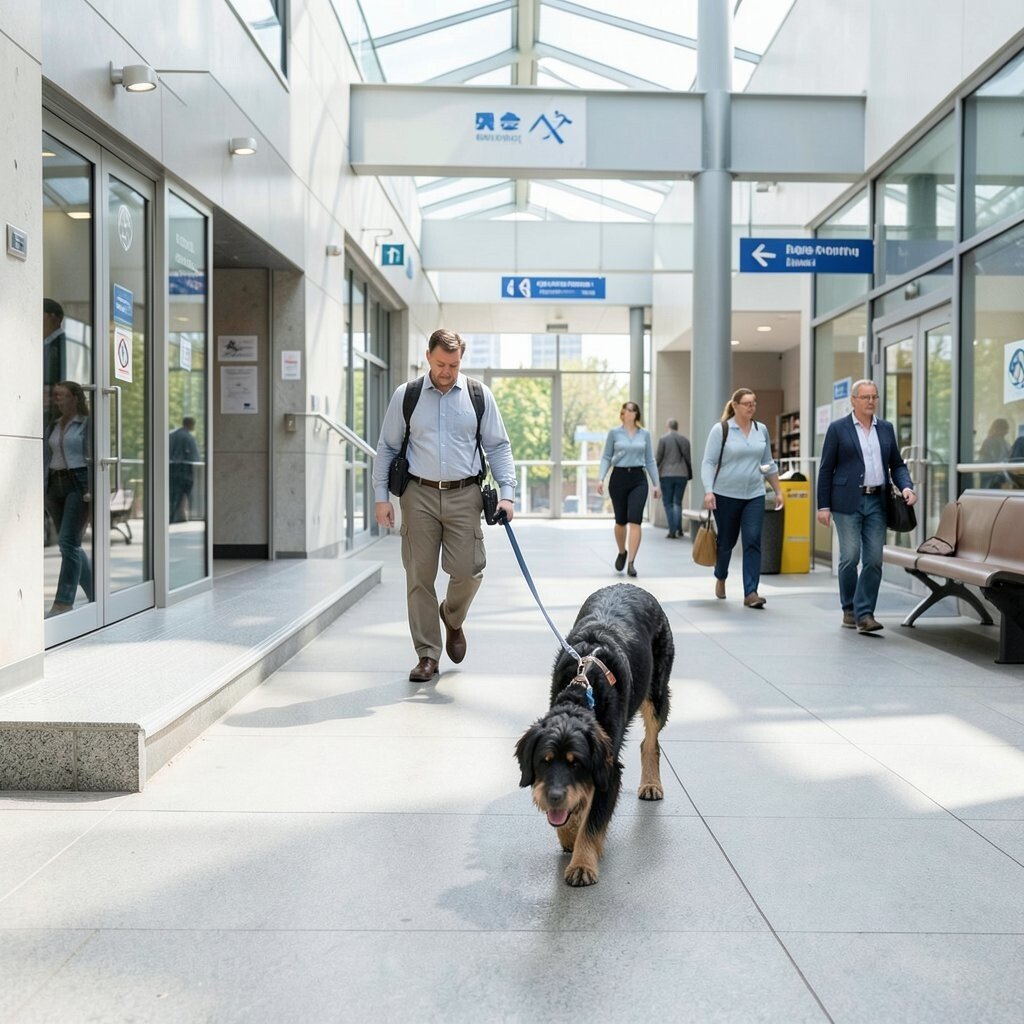
Public spaces are slowly getting better for accessibility. You may see more ramps, clearer signs, and quieter waiting areas. Many places also train staff on how to help working teams.
Some trends are in helpful tech too. For example, more people use mobile tools for route planning, and more buildings have better wayfinding signs. Staff may ask if someone needs extra time or help.
These changes can make a big difference. They also show how the public can learn. When you notice better access, share it with others so more places improve.
14. Understand Cost and Why Teams Use Trained Support
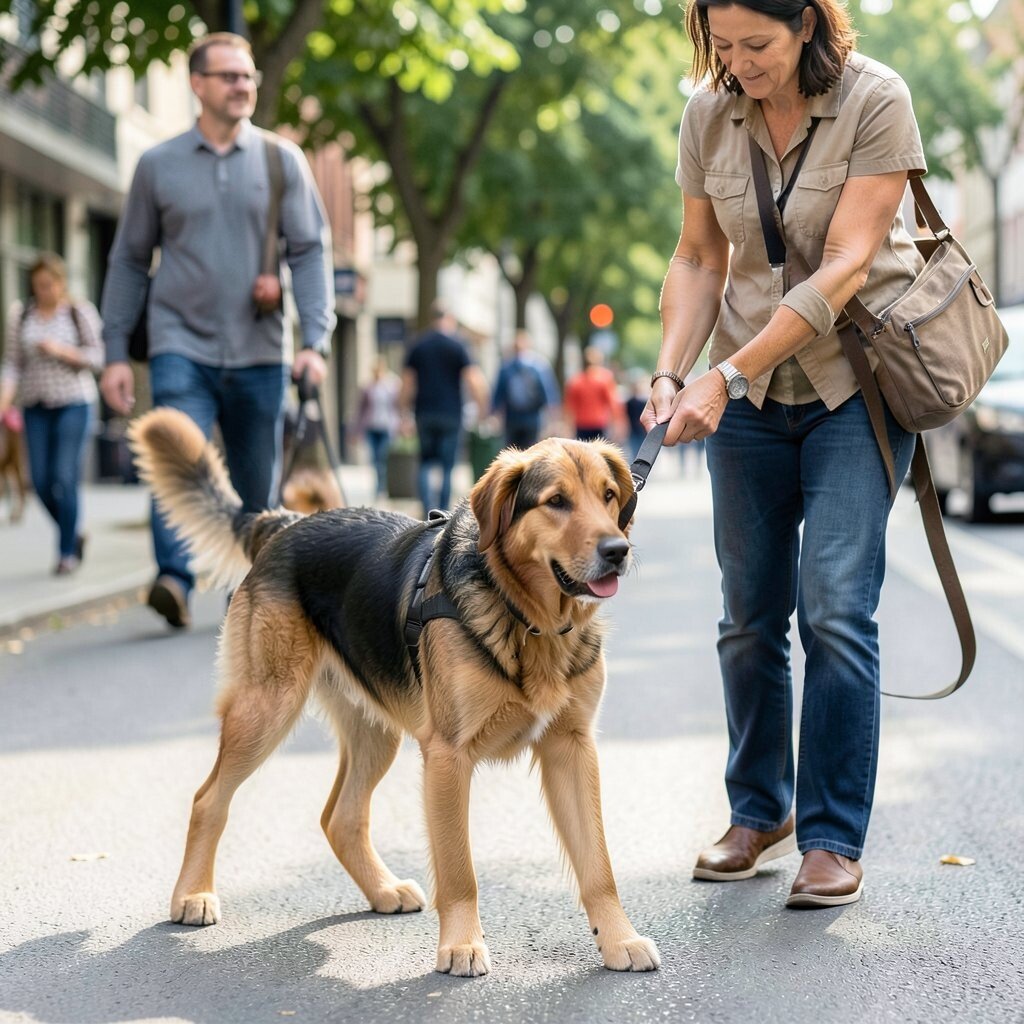
Guide dog support can involve training, vet care, and long-term planning. Some programs also offer follow-up support for the handler. These steps can add up, so the dog’s role is taken seriously.
You may hear about costs when people talk about guide dog programs or donor work. Some teams are part of training groups, and others may be funded by grants or donations. You do not need to know the full bill to show respect.
Your main job is to help in daily life. Respecting the dog’s work is free and useful. It also helps the person feel supported in public.
15. Personalize Your Help With the Person’s Comfort in Mind

Every person has different needs and comfort levels. Some handlers want lots of distance and quiet passing. Others may be okay with brief talk if it is respectful and short.
You can personalize by paying attention to cues. If the handler seems rushed, keep help simple and quick. If they seem calm, you can offer a clear offer like “I can point you to the door.”
This gives support that feels right. It also helps build trust in small ways. When you fit your help to their style, the whole day goes better.