A vet checkup helps you notice small changes early. It also helps your pet feel safe and cared for.
1. Start with a calm routine
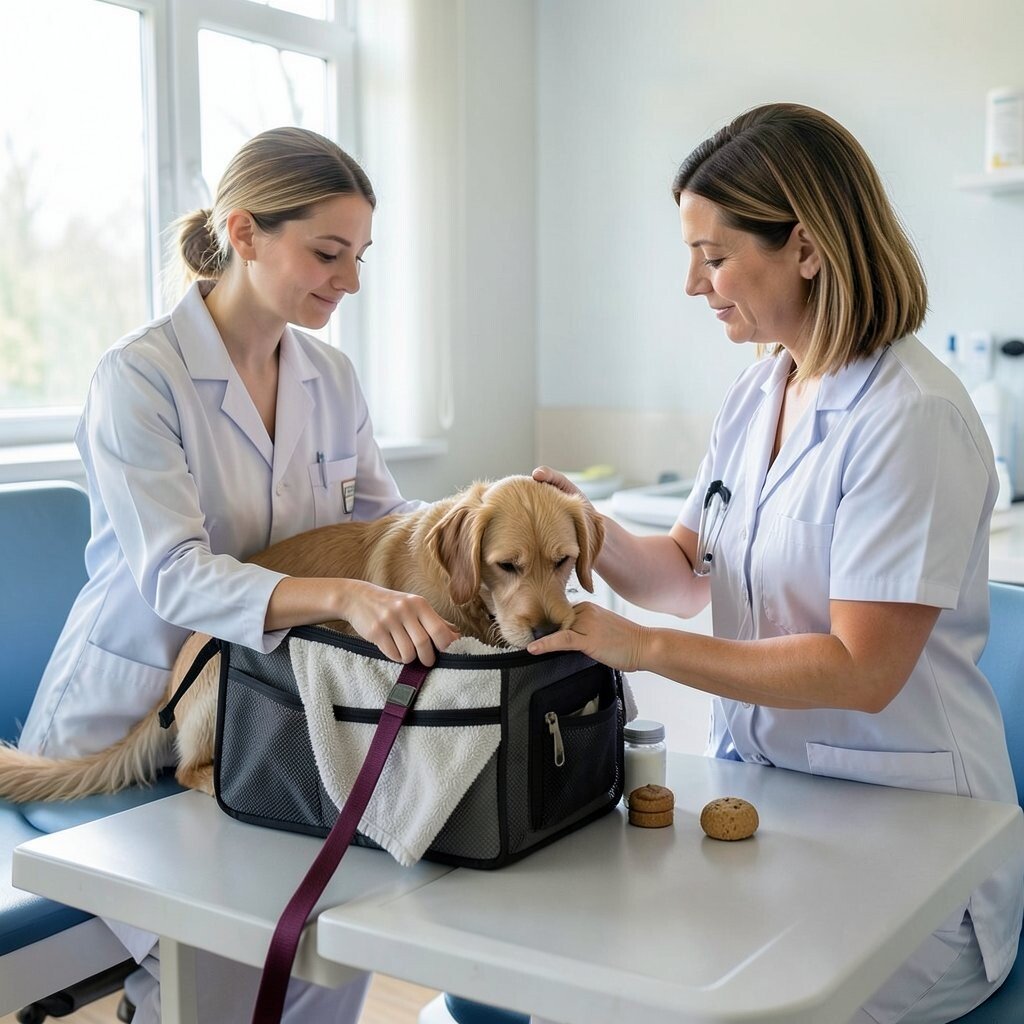
Try to keep the days before a checkup calm. Many pets do better when the trip feels the same each time. Use the same carrier, blanket, and leash so your pet can relax.
For visual comfort, place a familiar towel in the carrier. When your pet sees it, the space can look like a safe spot. This can lower stress during the visit and make handling easier for the vet team.
Personalize it for your pet. If your pet likes sniffing, let them sniff the carrier at home. If your pet likes food, offer a small treat near the carrier, then stop before they get too excited.
2. Bring a short pet history
Write down key details before you go. Include when symptoms started and how they look day to day. Note any new food, new toys, or new places your pet has visited.
Bring past records if you have them. This helps the vet compare today with past labs or exams. It can also save time, which may help with cost.
Keep it simple. Even a few lines in your phone can help. If your pet has allergies, list the signs you see, such as itching, ear smell, or skin bumps.
3. Do a quick home check right before
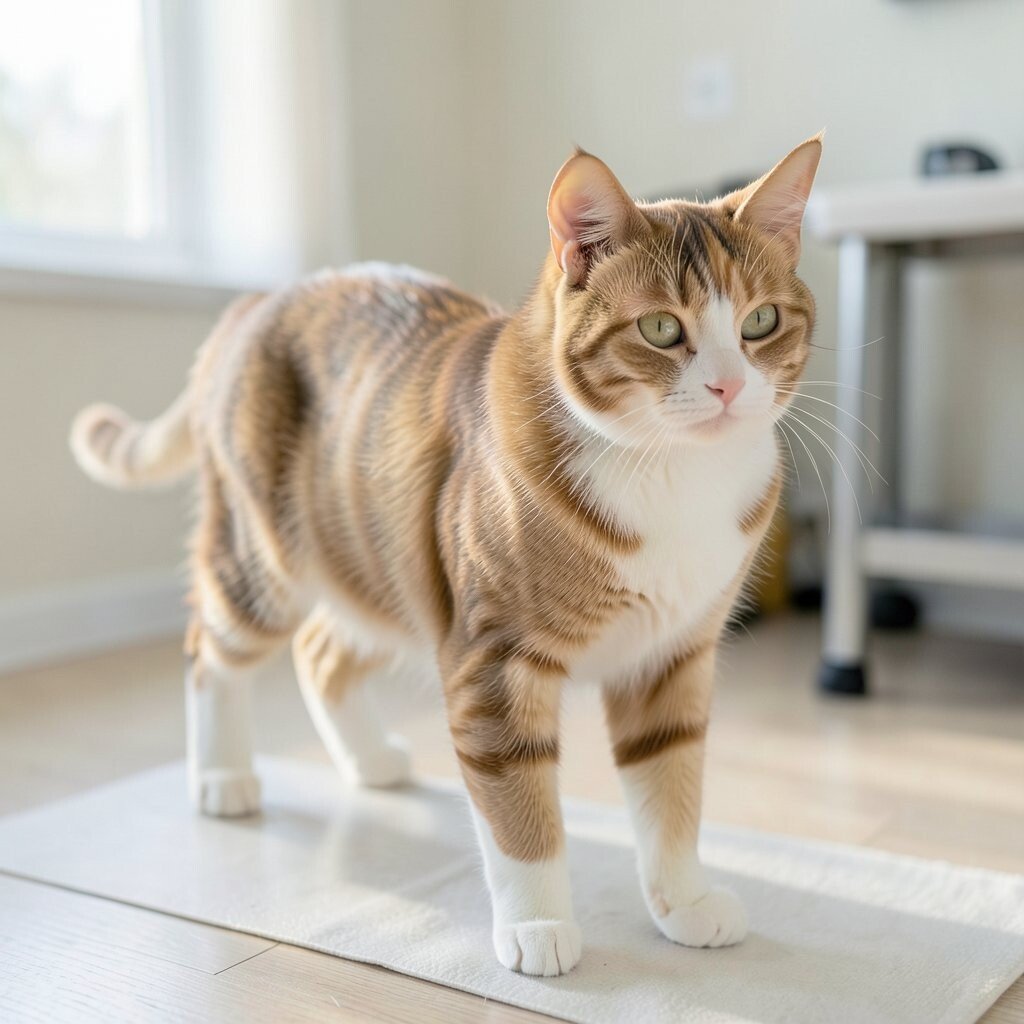
Before the appointment, look at your pet in good light. Check the eyes, ears, teeth, and coat. Watch how your pet walks and how they move when they stand.
Look for tiny visual signs. For example, check for redness, swelling, bad smell, or flaky skin. A vet can use these notes to guide tests and next steps.
Try to be gentle and brief. If your pet does not like touch in one area, do not force it. Instead, point out what you noticed during the visit.
4. Keep vaccination timing on track
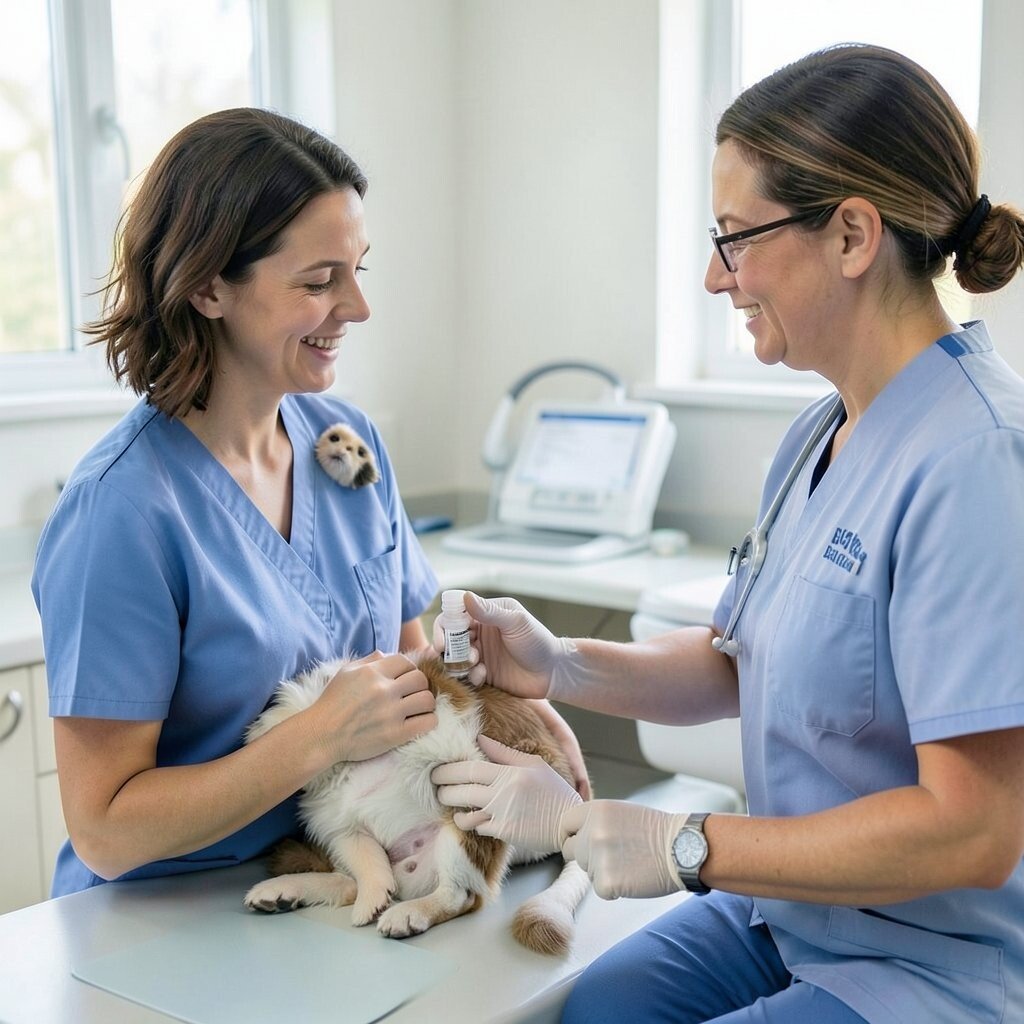
Vaccines are one part of a full checkup. Ask the vet what vaccines your pet needs and when. Some pets need updates at set times, while others need less often based on age and risk.
Bring the vaccine history if you have it. This helps the vet avoid repeats when possible. It also helps you plan cost better.
Personalize choices with your vet. Indoor pets may face different risks than outdoor pets. Ask about local trends in your area, like tick or heartworm concerns.
5. Ask for a full body exam, not just one area
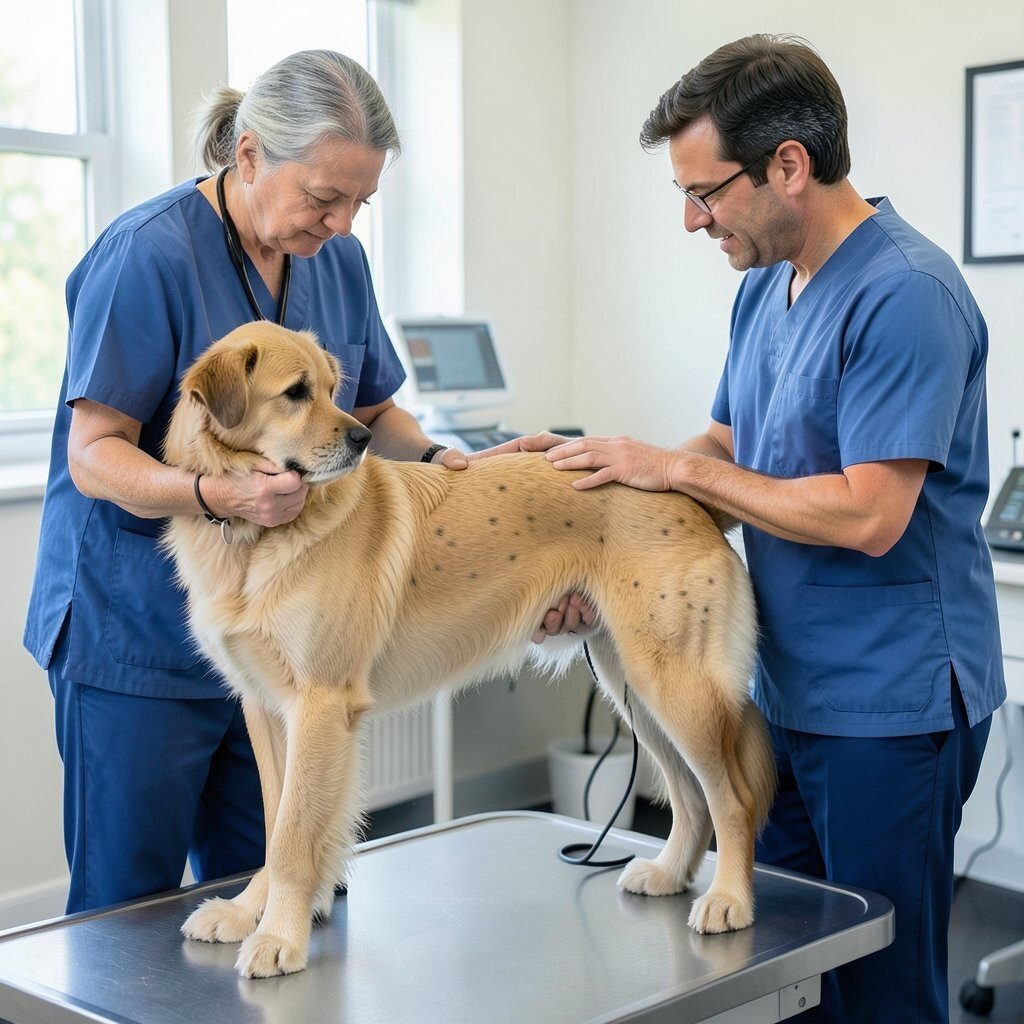
Make sure the vet checks the whole body. Some issues start small, like a spot on the skin or a slight change in the ear. A full exam helps catch problems before they grow.
When the vet feels the belly, listens to the chest, and checks joints, it gives a clear view. You may see your pet relax as the vet moves in a calm way. This step can also help find hidden pain.
Use this time to ask questions about your pet’s daily life. Mention stairs, jumping, or play style. The vet may connect those habits to what they feel during the exam.
6. Track weight and body score
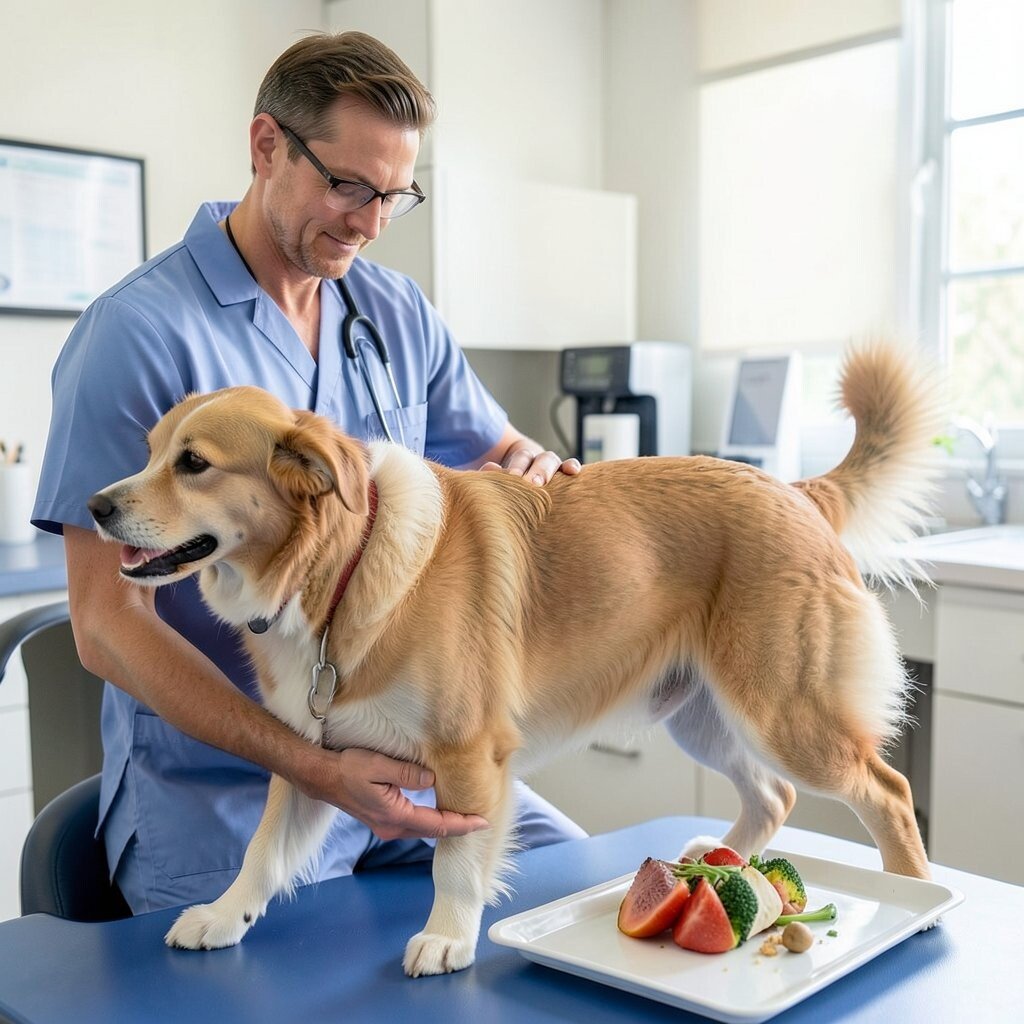
Weight can change health more than people think. Ask the vet to weigh your pet and check body score. This means the vet looks at how the ribs and waist feel, not just the number.
For a visual cue, watch how your pet moves after meals. If your pet seems slow or breathes hard during short play, that can matter. A body score plan can also help you see changes sooner.
Personalize meals with guidance. Ask for a safe goal and a food plan that fits your schedule. This can affect cost, since some pet foods are priced higher, but small steps can still work.
7. Make dental care a regular topic
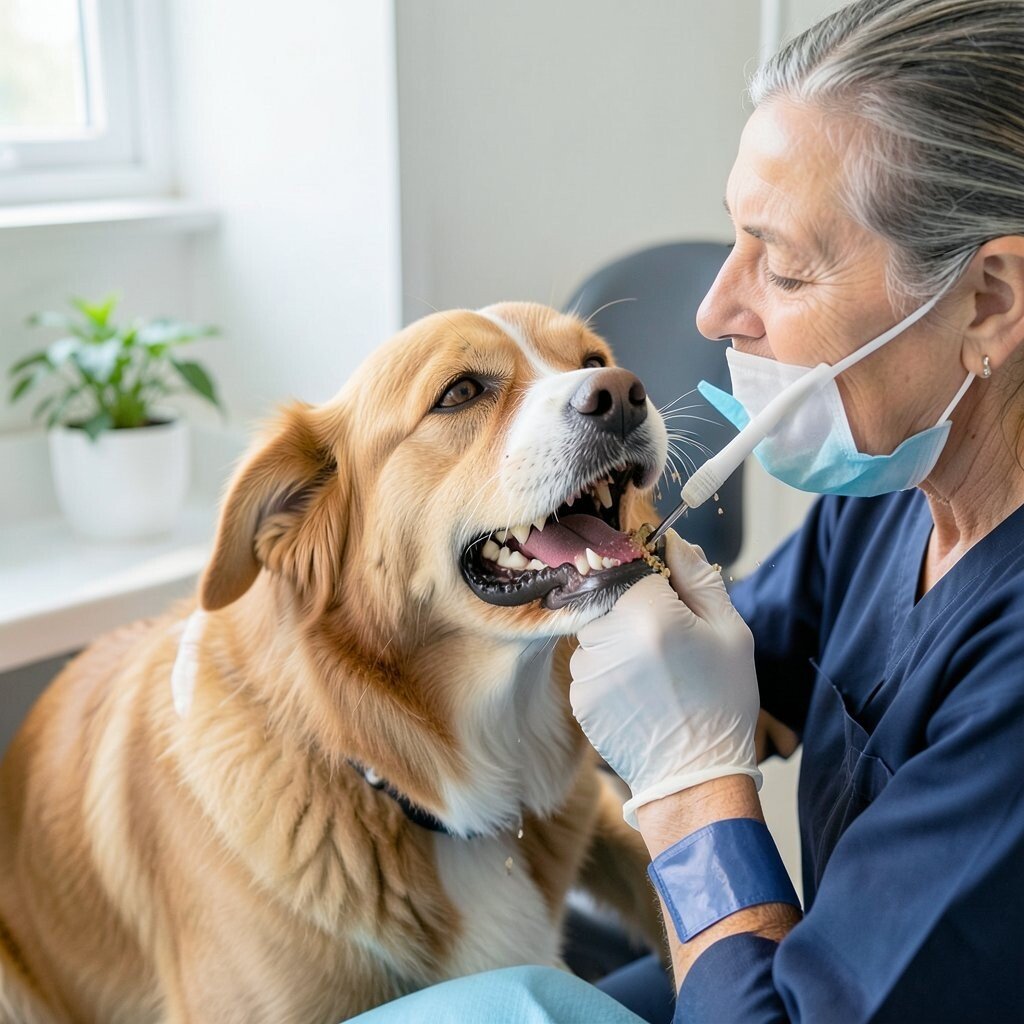
Teeth and gums often get missed until there is pain. Ask the vet to look at your pet’s mouth and check for tartar, redness, and bad breath. If your pet is older, dental checks matter even more.
Try to describe what you see at home. Note if food drops from the mouth, if your pet pawing at the face, or if chewing looks uneven. These details help the vet plan the right care.
Dental care can cost more if it is delayed. Ask about cleanings and possible home steps you can do now. Trends in pet dental products include easy rinses and chew options, but ask the vet what fits your pet’s needs.
8. Use lab work when it fits

Lab tests can show hidden changes in blood and organs. Not every pet needs the same tests every time, so ask what is best for your age and health. The vet can explain what each test checks.
Visual results from labs can feel confusing, so ask for a simple guide. For example, ask which results are normal and which need follow-up. This can help you make calm choices.
Plan for cost by asking for options. Some clinics offer basic panels, while others add extra tests. You can ask if waiting and rechecking is a good path for your pet.
9. Talk about skin and coat changes
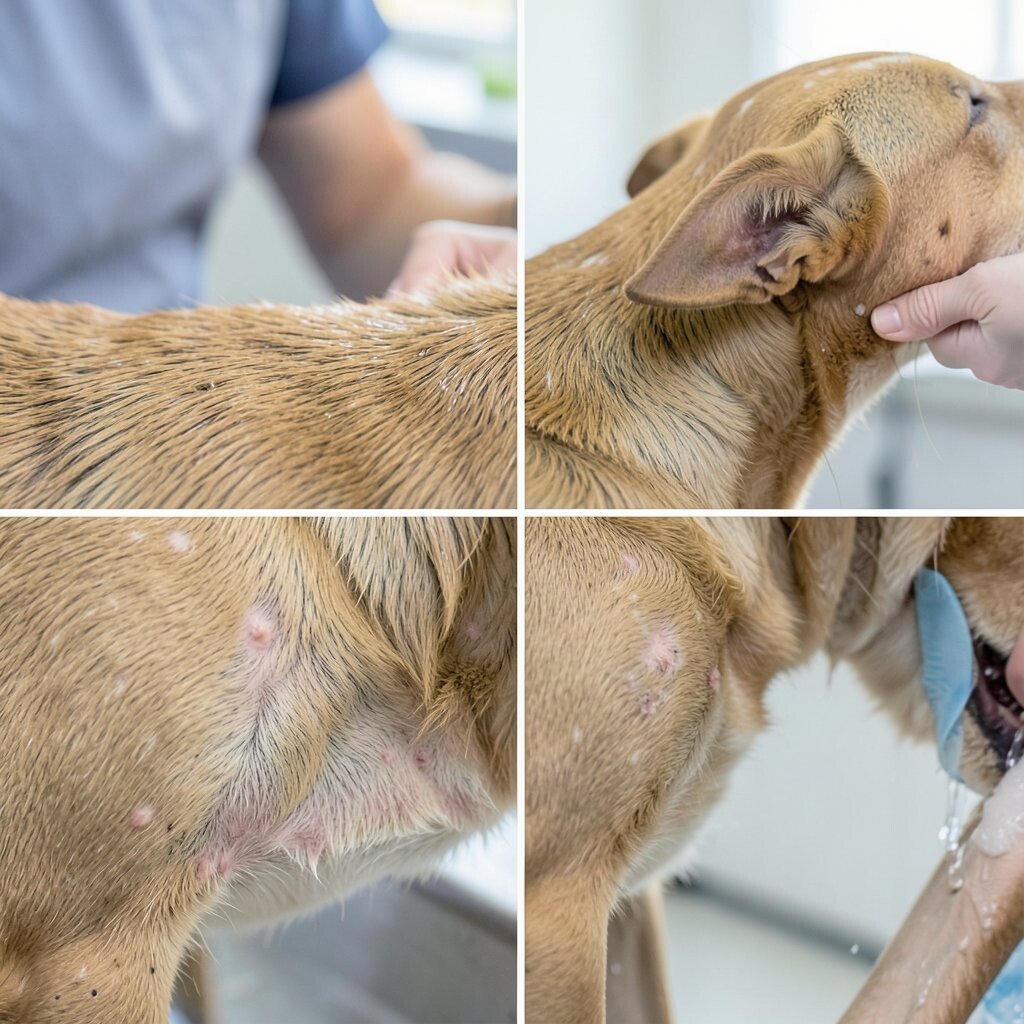
Skin is one of the first places health issues show. Tell the vet about itching, hair loss, flaky skin, or sores. Note if the problem comes and goes or stays all year.
For visual checks, watch for bumps, redness, or a wet smell in ears. These can point to allergies, parasites, or infections. A full look at the skin can also help the vet find triggers.
Personalize care by sharing your pet’s routine. Mention bath products, flea and tick meds, and new foods. Ask about trends like gentle shampoos or soothing wipes, but confirm what is safe for your pet.
10. Discuss ear health and head shaking
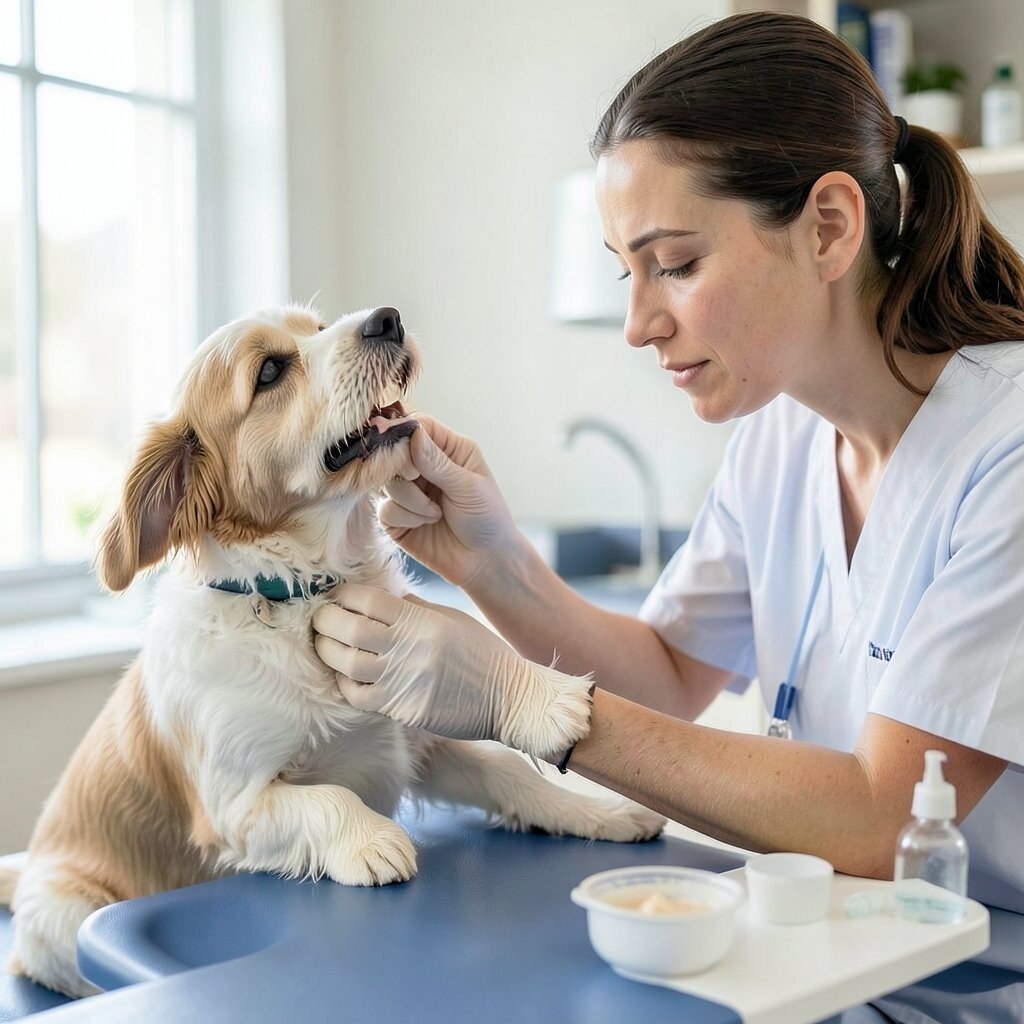
Many pets show ear problems with head shaking or pawing at the ears. Tell the vet if you notice smell, wax buildup, or redness. These are visual signs that can guide the next step.
Ask if the vet will check inside the ear canal. A proper look can show if it is an allergy, yeast, or another issue. This can help avoid using the wrong drops.
Make a home plan. Ask how often to use medicine and what to watch for. Good follow-up can reduce cost by lowering the chance of repeated visits.
11. Review poop, pee, and stool habits
Diet and health often show up in bathroom habits. Tell the vet if your pet has diarrhea, constipation, or straining. Also mention any changes in thirst or how often they pee.
For a clear report, note the color and shape of stool when you can. Also mention if there is blood or mucus. These details can help the vet choose tests or diet changes.
Personalize the plan for your home. Ask what foods are safe while you wait for results. If you have multiple pets, explain if the issue seems to match one pet only.
12. Check heart health and breathing
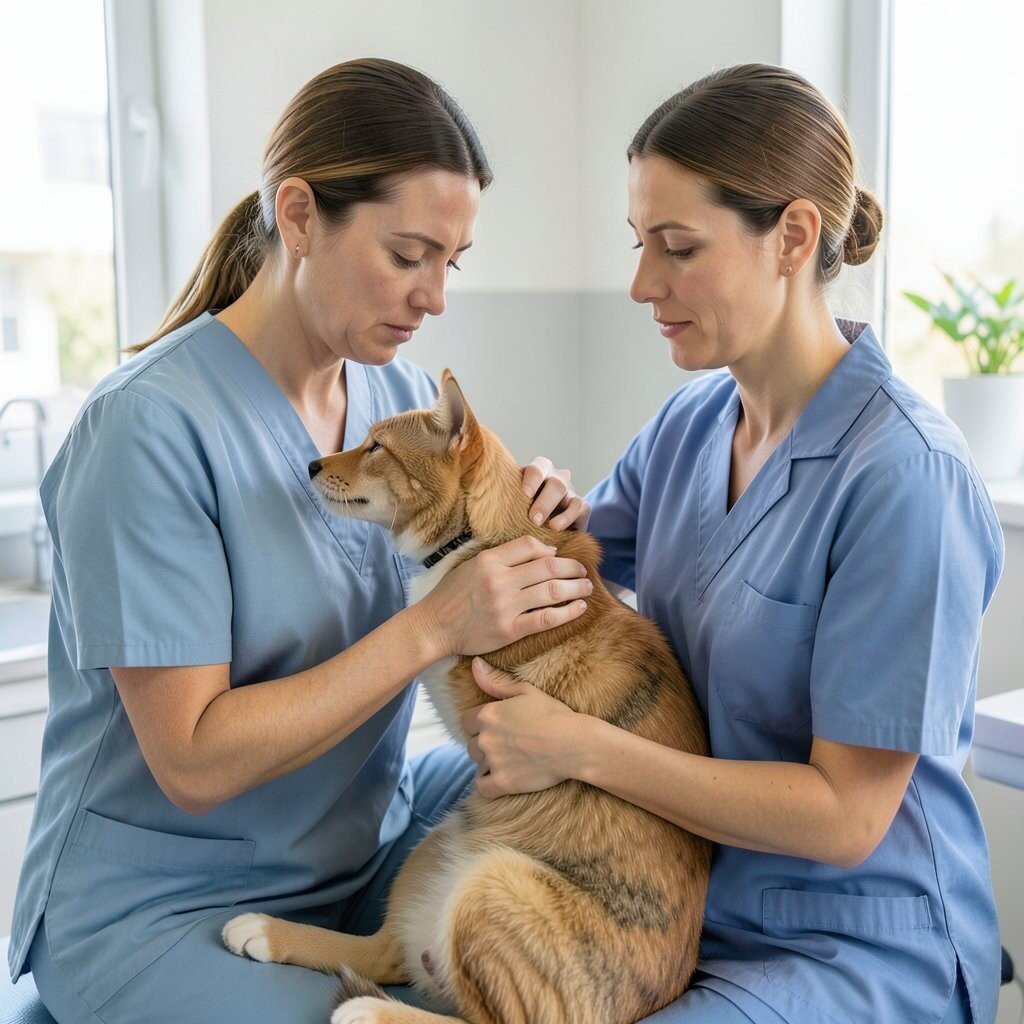
The vet will listen to your pet’s heart and lungs. Ask about signs you may miss, like coughing, slow tiring, or fainting. If your pet gets tired during walks, tell the vet clearly.
Visual signs can help. Watch for belly breathing, blue gums, or a new cough. If you notice these, note when they happen and what your pet was doing.
Discuss prevention steps that fit your pet. Ask about heartworm risk in your area and what prevention schedule is needed. This can help you manage cost by preventing serious illness.
13. Look at joints, movement, and pain
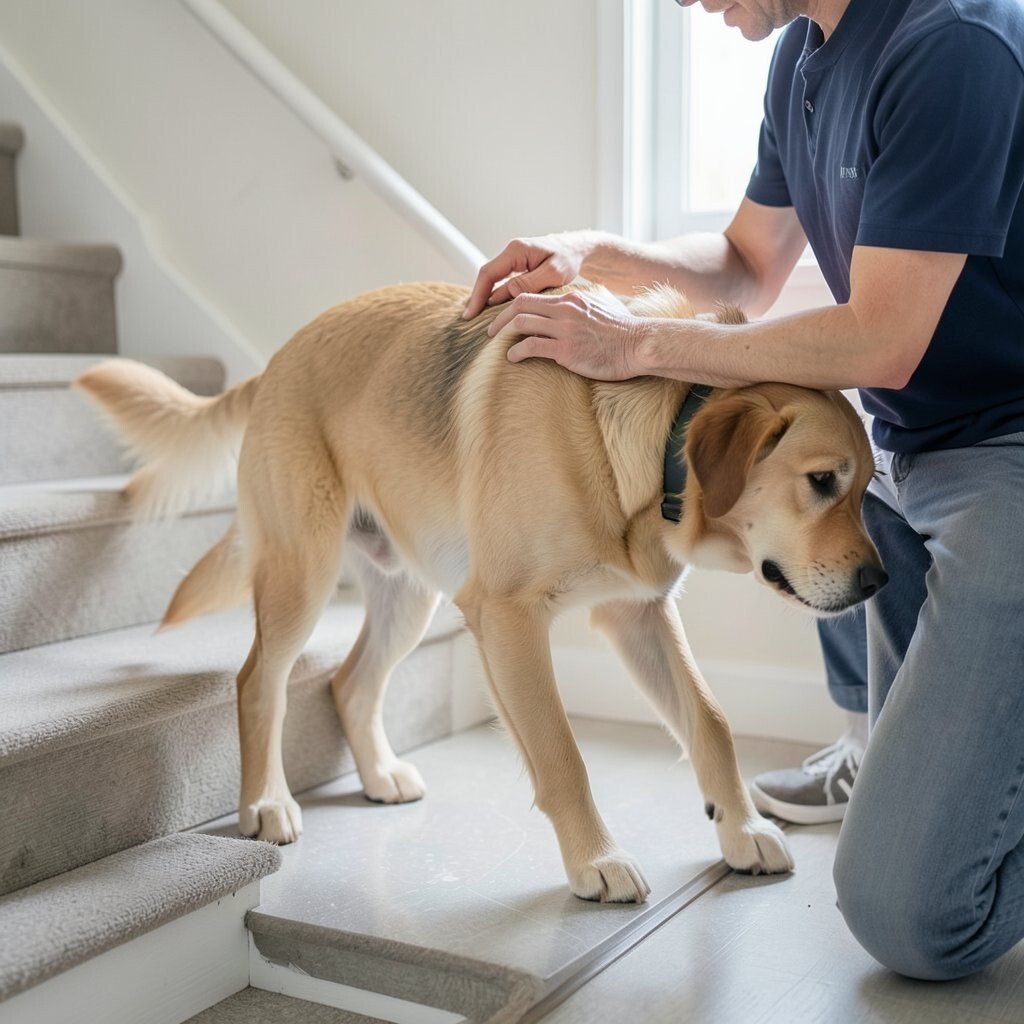
Older pets often show comfort changes through movement. Ask the vet to check hips, knees, and spine. Tell them if your pet slows down on stairs or struggles to stand.
For visual description, share how your pet moves on different floors. Some pets struggle on slick floors more than on carpet. If your pet holds a leg up or avoids certain jumps, that matters.
Personalize comfort steps with safe options. Ask about weight control, joint supplements, or physical therapy ideas. Trends in pet care include more rehab and home exercise, but always confirm what is safe for your pet’s body.
14. Plan for parasites and prevention

Fleas, ticks, and worms can hurt pets in small ways at first. Ask which prevention fits your area and your pet’s lifestyle. Also ask how the vet checks for problems during the visit.
Give the vet clear info about your pet’s time outdoors. Mention yards, parks, hikes, or time with other animals. This helps the vet pick the right prevention and the right schedule.
Cost can vary a lot by product and season. Ask what options work best for your budget. Then ask what signs mean you may need to switch or add steps.
15. Talk about nutrition and daily food choices
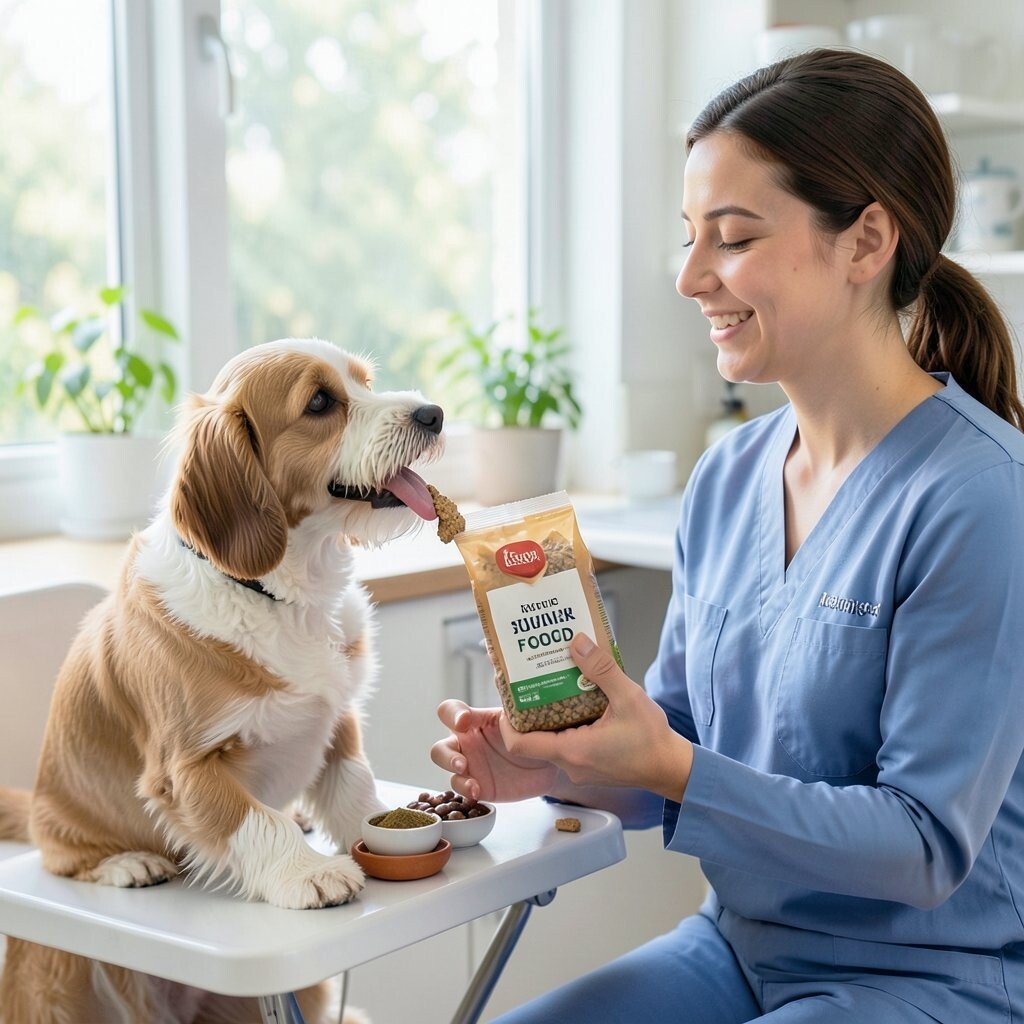
Food affects skin, stool, energy, and weight. Ask the vet if your pet’s diet fits their age and body score. Bring the food bag or a photo of the label if you can.
For personalization, tell the vet about how you feed. Mention treats, table food, and how often you add snacks. Even “small” extra foods can add calories and cause stomach issues.
Ask about safe ways to switch food. Some pets need a slow change to avoid stomach upset. A smart plan can prevent extra visits, which may help with cost.
16. Set follow-up goals and ask for a clear plan
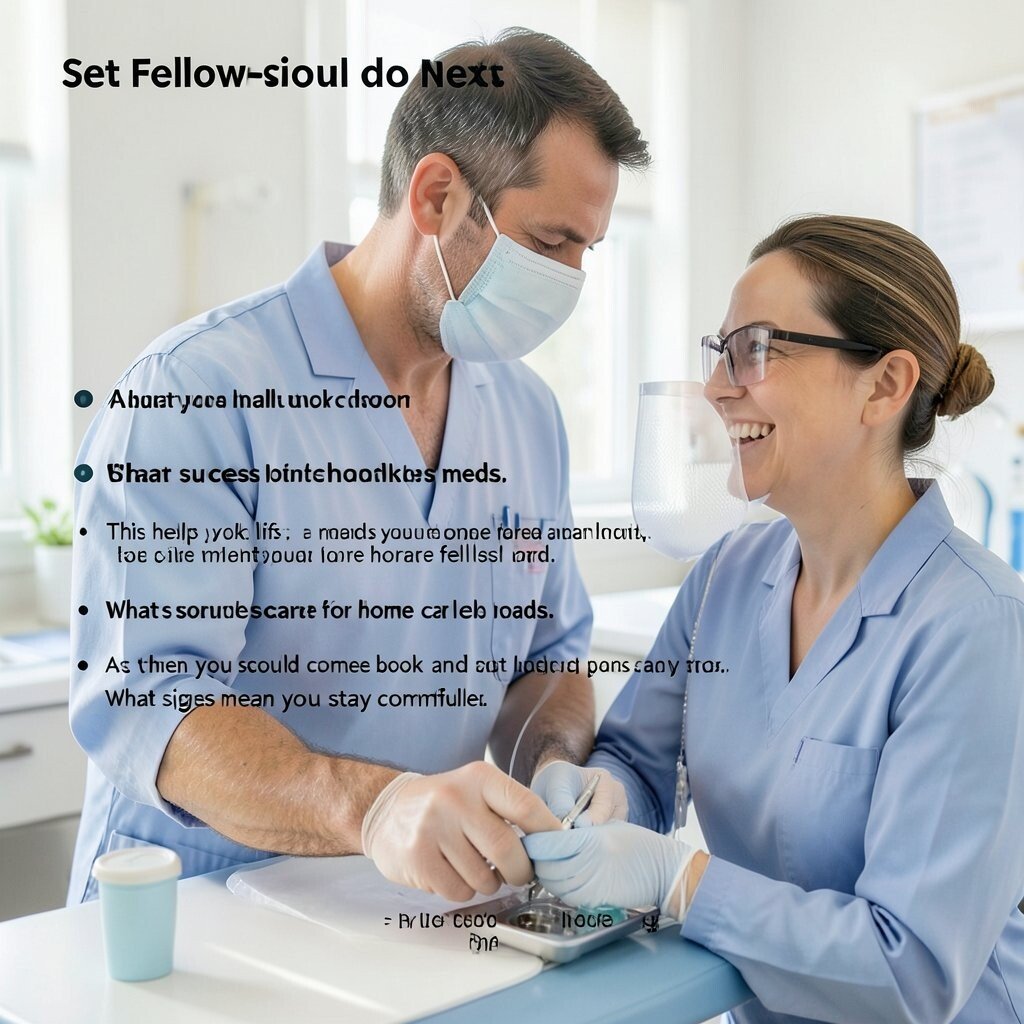
At the end of the checkup, ask what you should do next. The vet should share a step-by-step plan for home care and any meds. Ask when you should come back and what signs mean you should call sooner.
Write down the plan right away. For each item, list the goal, the schedule, and what success looks like. This helps you remember and makes home care feel less hard.
Make it personal to your life. If you cannot follow a complex plan, say so and ask for a simpler option. Clear follow-up can reduce repeat costs and helps your pet stay comfortable.