
Hamsters need ways to stay active each day. A hamster wheel can be more fun when you add safe ideas that match your hamster’s needs.
1. Quiet Night Wheel Check
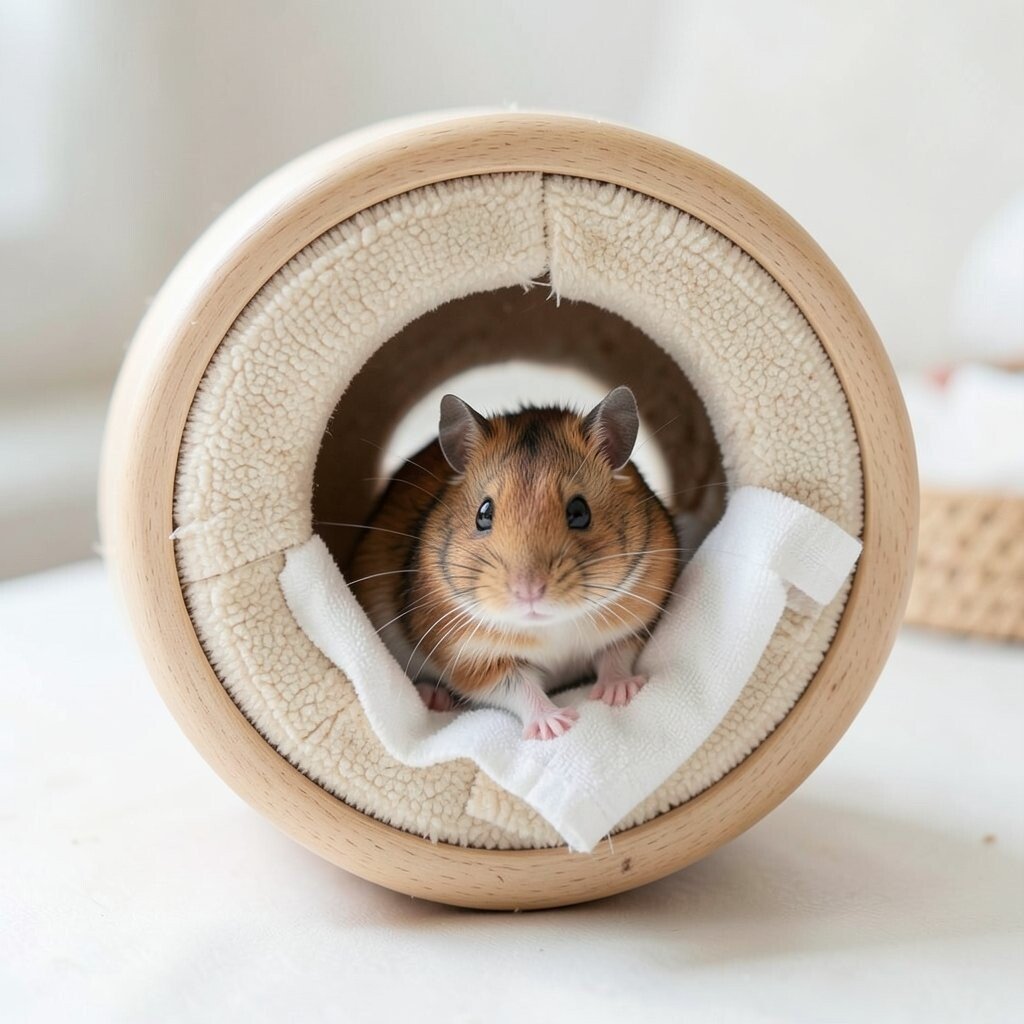
Some wheel noises can keep people awake. Try a simple check before bedtime so you can hear if it squeaks. You can also watch how your hamster runs, then decide if the wheel needs care.
This helps your hamster feel calm and steady. It also helps you keep a normal sleep routine. Use a soft cloth to wipe the wheel parts and dry them well.
If you want to add a bit of personalization, mark the spot where your hamster usually starts. Small care steps can lower stress for both you and your pet. Cost is low because you mostly use what you already have.
2. Different Surface Wheel Cover
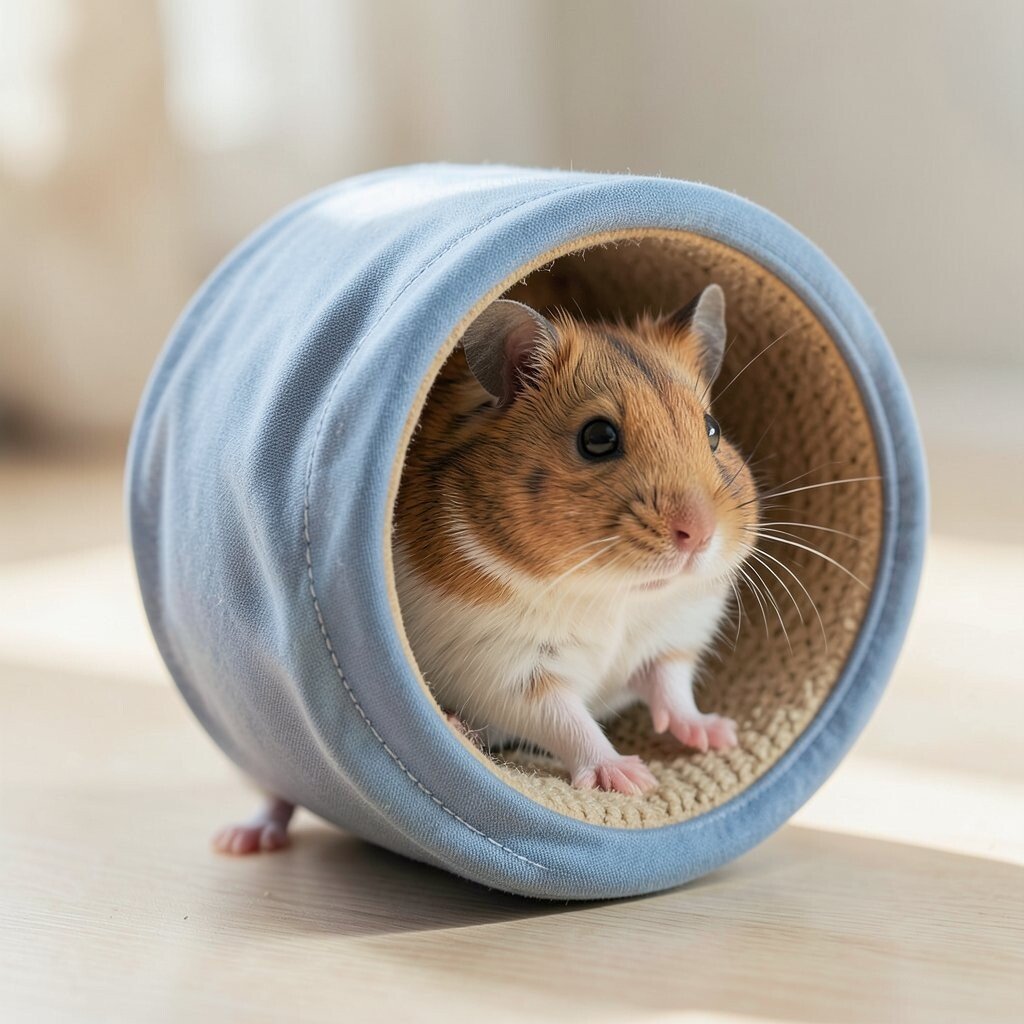
Your hamster may like a wheel with a new feel. You can try a thin, safe wheel cover made for small pets. Look for one that does not change the wheel grip in a bad way.
A better grip can help your hamster keep balance. It can also help the run feel smooth instead of slippery. Make sure the cover is fixed well and does not snag paws.
For tips, test it for a short time while you watch. Then check after a few runs to see if the cover stays in place. This idea is unique because it changes comfort without changing the whole wheel.
3. DIY Cardboard Maze Around the Wheel
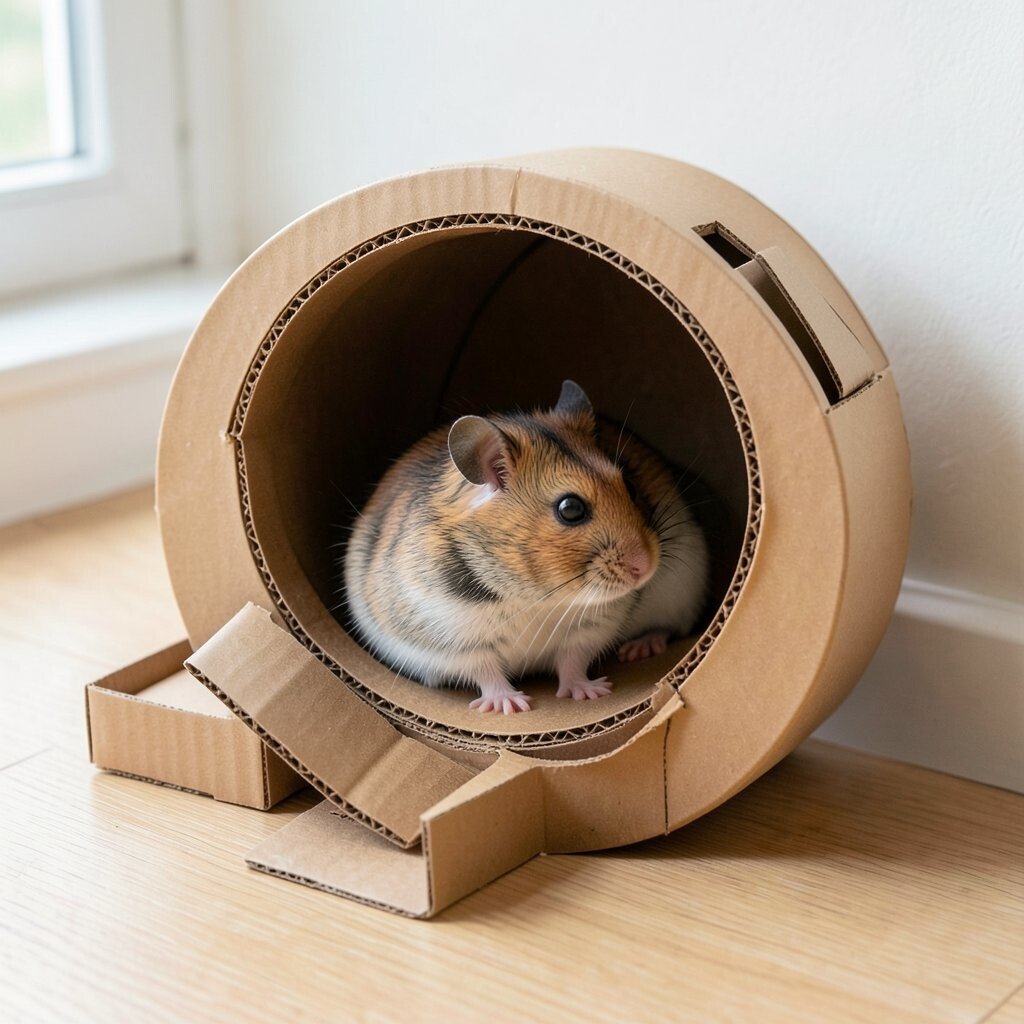
You can add a simple maze around the wheel using plain cardboard. Place small wall pieces a short distance from the wheel so your hamster can move through. Keep the path wide enough for quick turns.
This adds a new goal after running. It can boost play time and help your hamster use its brain. Cardboard also fits a low cost plan since you can reuse boxes.
Personalize the maze with shapes like a short tunnel or two small bends. Use plain paper for extra grip only if it stays dry and safe. Trends in small pet homes often show more “play zones,” and this is an easy way to try that.
4. Treat Track With Small Stops
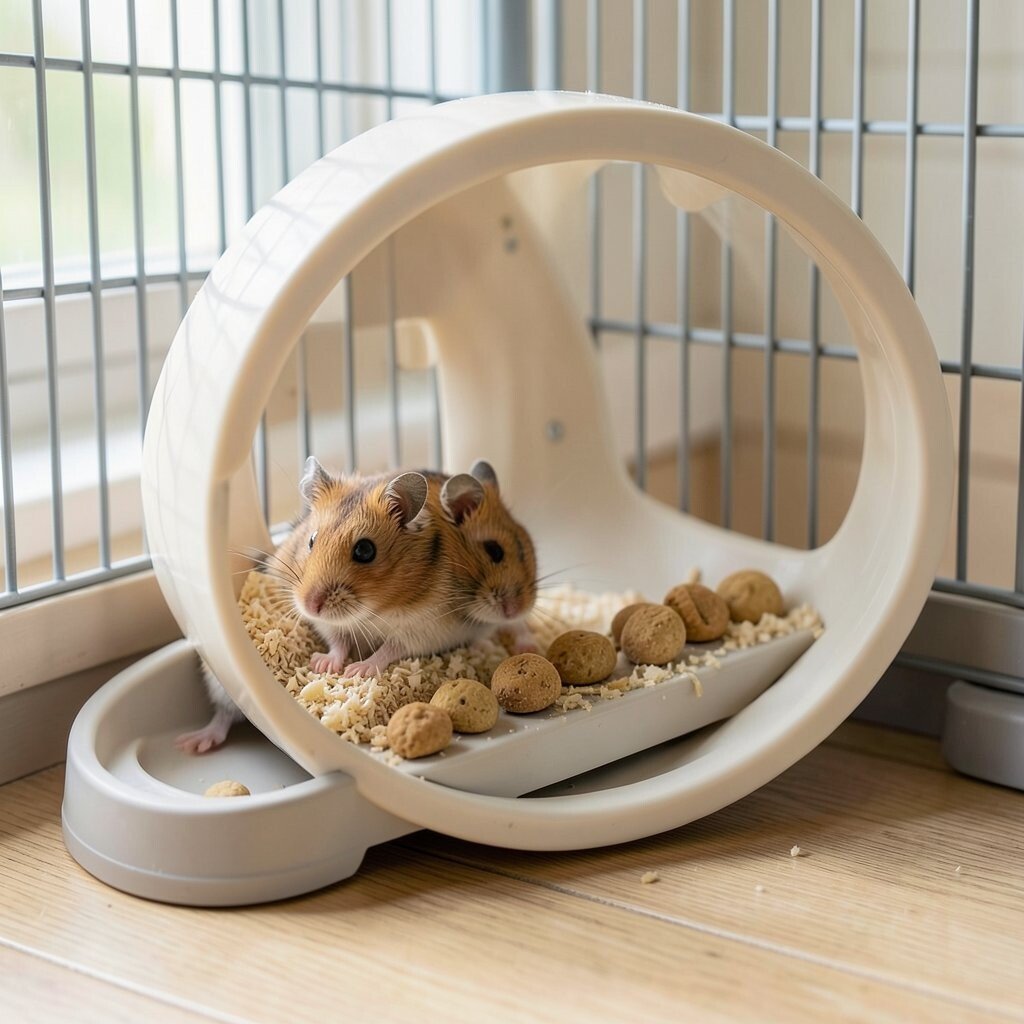
Try a treat track that starts near the wheel and ends a bit away. Use safe little treats placed on a flat path inside the cage. Space the stops so your hamster has to pause and sniff.
This can make wheel time feel like a game. It also helps your hamster slow down and think before it runs again. Benefits include more careful movement and more interest during play.
For cost, you can use regular hamster treats, not special ones. Personalize the track by using one treat type for training days and another type for calm days. Always remove any extra food that your hamster cannot finish.
5. Wheel “Station” With a Small Rest Spot
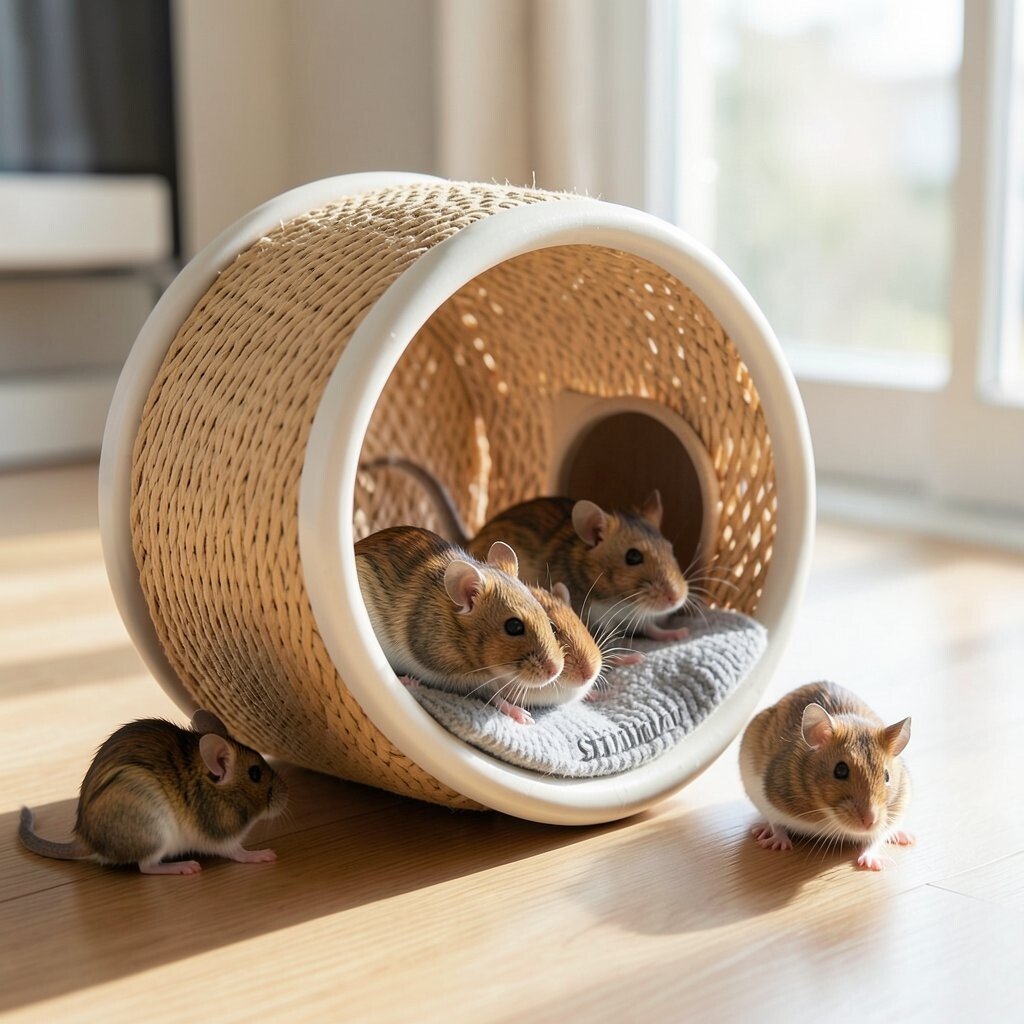
Many hamsters like to run, then rest soon after. You can set up a rest spot close to the wheel. A small hide box or a flat resting mat can work well.
This helps your hamster feel safe between runs. It can also reduce nervous pacing if your pet gets tired. Keep the rest spot away from the wheel belt so it does not get hit.
To personalize, choose a hide color that matches your room style. You can also keep the rest spot in a steady place so your hamster learns the routine. This idea is unique because it focuses on the “after running” part, not only the run.
6. Two-Way Choices With a Second Toy Nearby
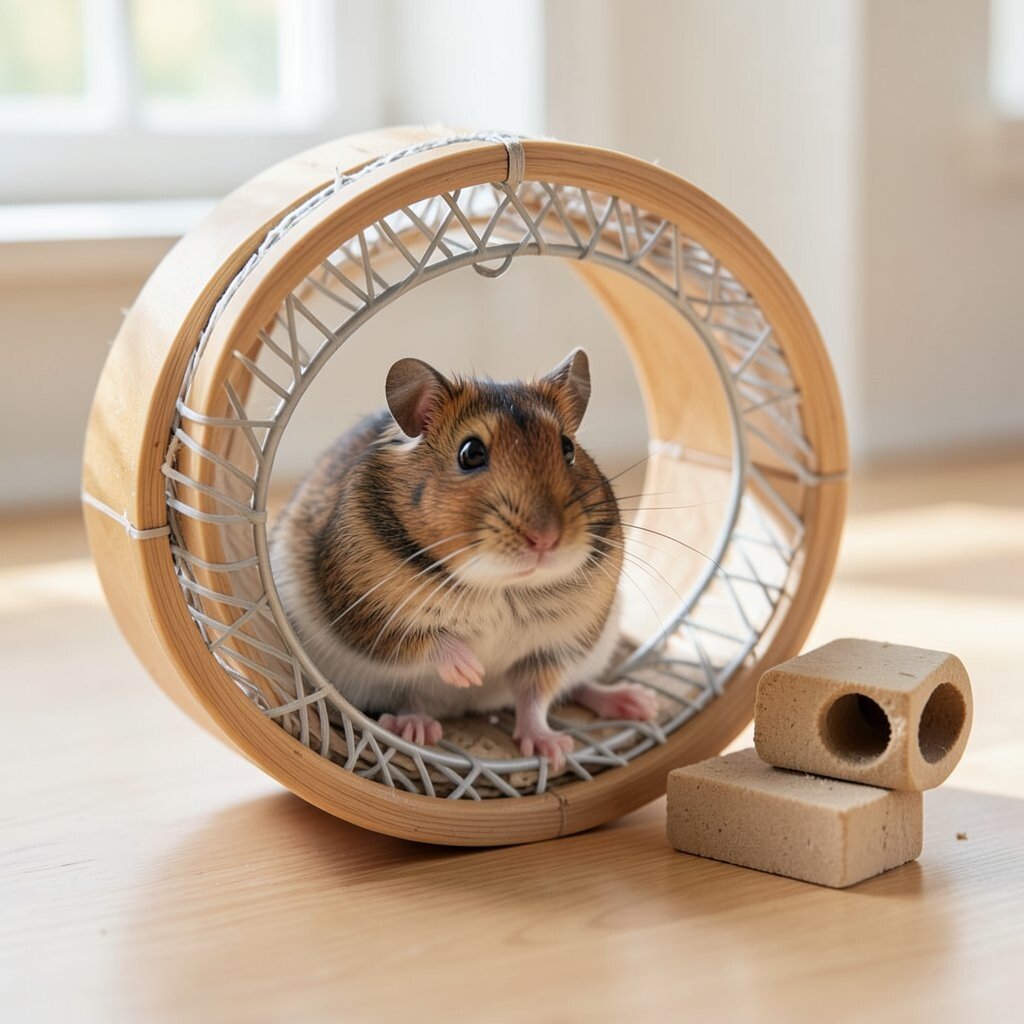
You can add a second toy near the wheel so your hamster has options. Pick one simple toy like a chew block or a small tunnel. Place it so the hamster can reach it without bumping the wheel.
Choices can help your hamster stay busy. It can also help you spot what your hamster likes most. This is a good way to add variety without changing the wheel itself.
For trends, many pet owners now mix calm toys with active toys in the same area. Cost is usually low since a small toy goes a long way. Personalize by rotating the second toy each week based on your hamster’s mood.
7. Springy Wheel Bounce Simulation With Safe Mats
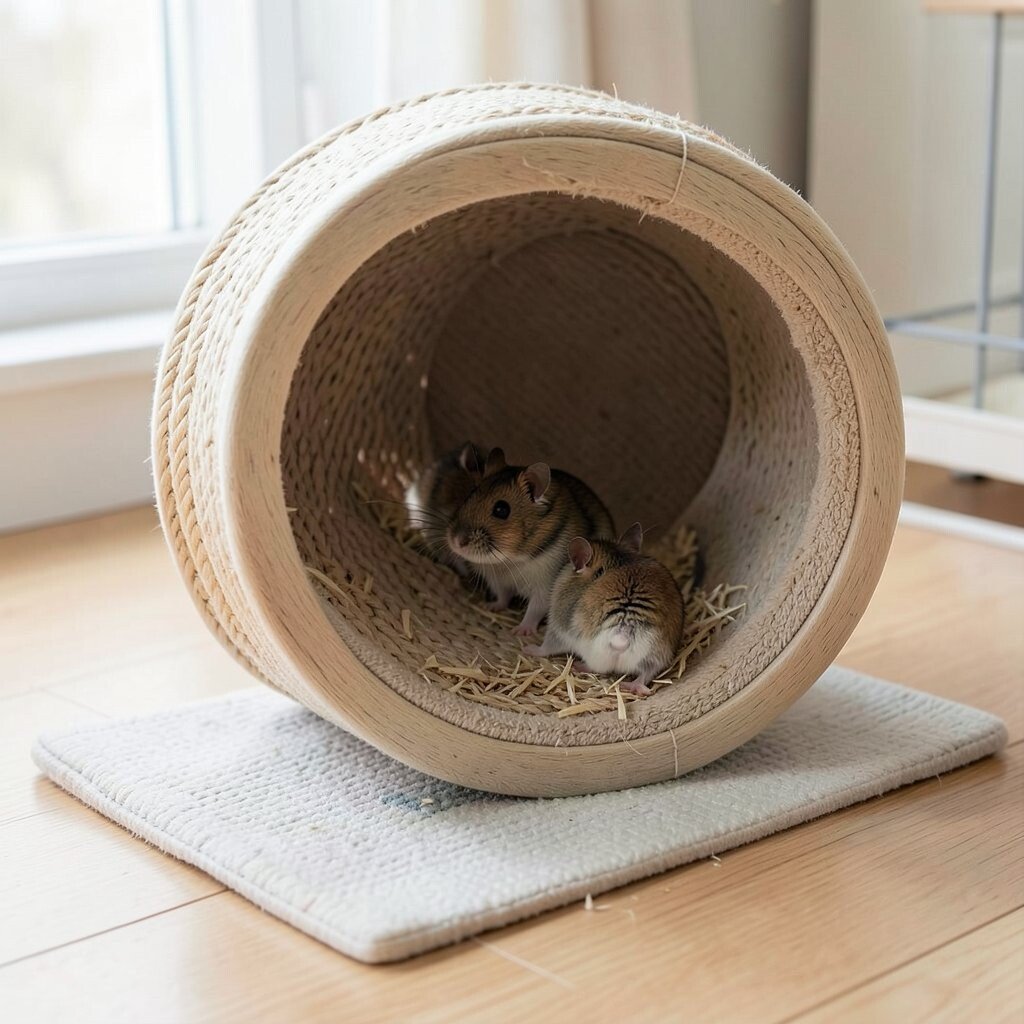
Some hamsters run best when the area feels soft and steady. You can place a safe mat under or near the wheel base. Choose one that does not shed fibers and stays clean.
This can help reduce slips when the floor feels hard. It may also lower the sound if the wheel hits the cage base. A quieter setup can make your hamster more willing to run during the day.
Use simple tips: keep the mat flat and check edges for loose parts. Wash it if the mat can be cleaned and fully dry it before use. This is unique because it improves the “feel” of the wheel area.
8. Wheel Time Schedule With Short Play Windows
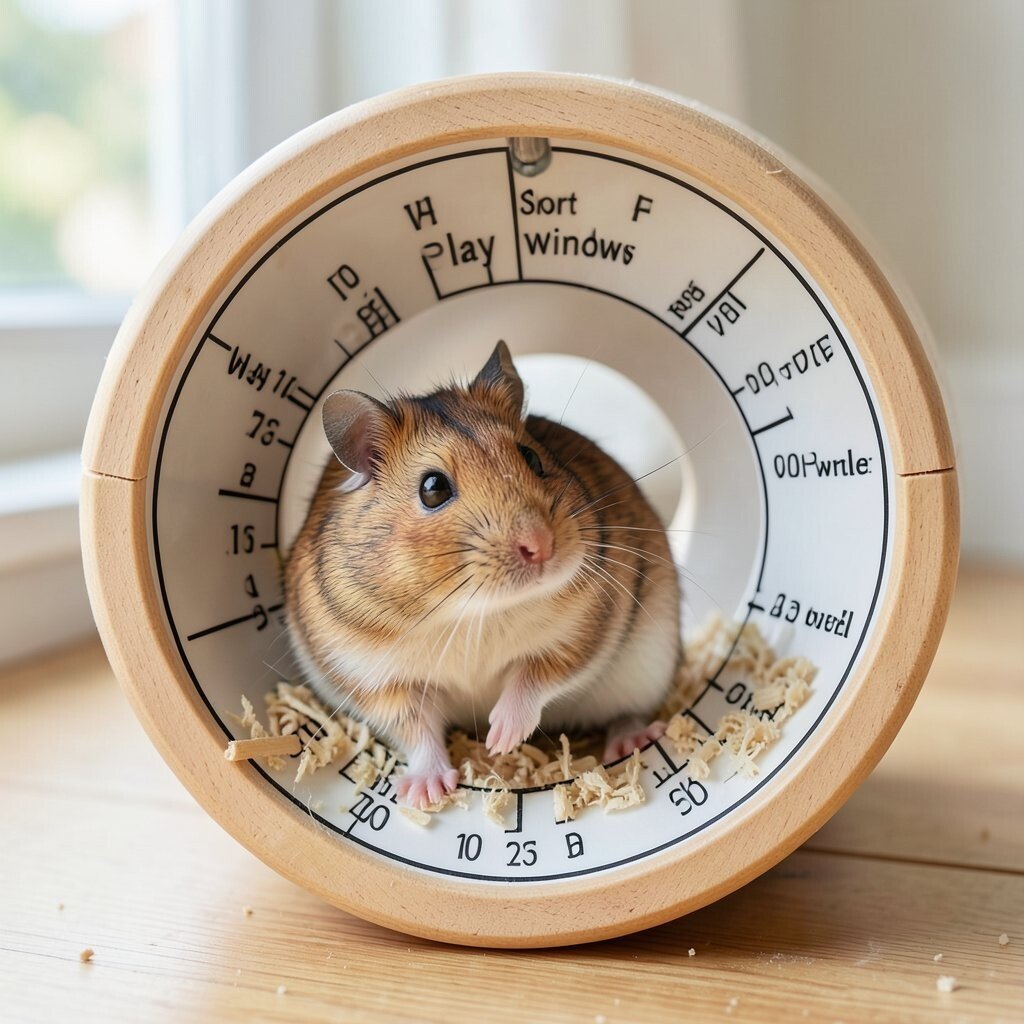
Instead of long wheel time, you can try short play windows. Offer wheel access when your hamster is active, then end after a while. Stay consistent so your hamster learns the timing.
This can help prevent over-tired running. It also helps you keep track of how often your pet wants the wheel. The benefit is a calmer routine and easier cage checks.
Personalize the schedule based on your hamster’s habits. If your hamster runs a lot at night, focus on that time. Cost is just time and attention, not extra items.
9. Safe Wheel Lubrication Routine for Smooth Turns
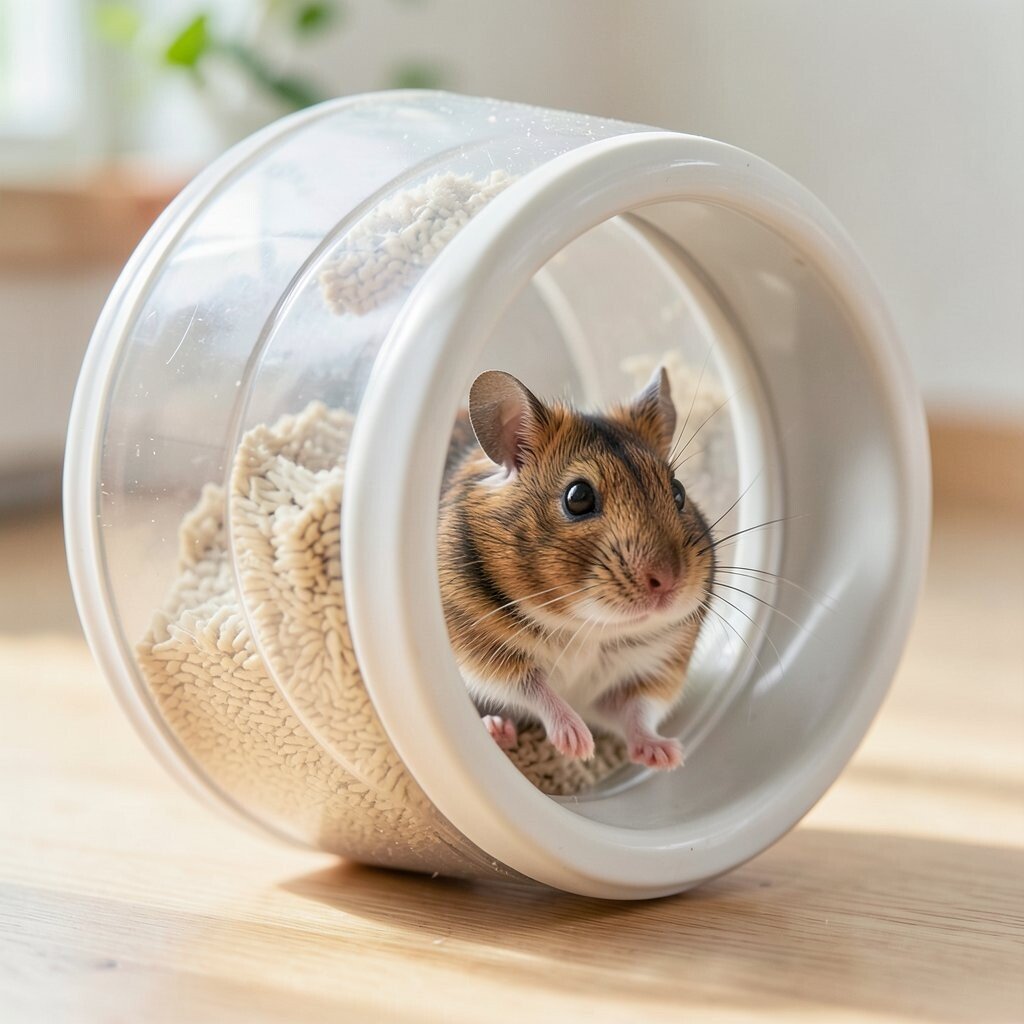
If your wheel feels rough, your hamster may not like it. Check if the wheel moves freely by turning it by hand. If it sticks, you can clean it and use safe care made for pet wheels.
Smoother turns can help your hamster run with less strain. It can also help reduce noise from friction. This idea has a clear benefit for comfort and for steady movement.
For tips, use only products meant for pet gear and follow label directions. Personalize by doing checks at the same time each week. Costs can be small, since one product lasts a long time.
10. Wheel Belt Guard With Clear Observation Space
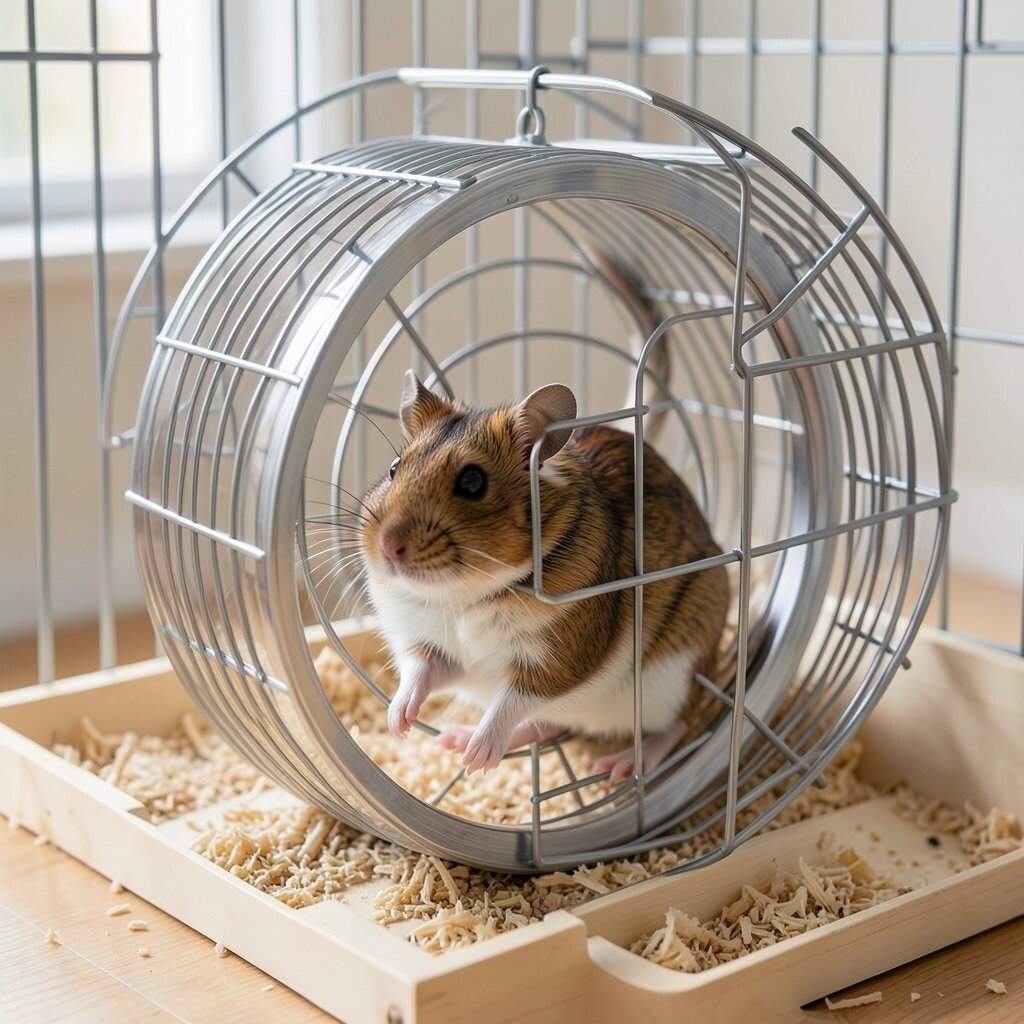
A guard can help you watch the wheel run without close risk. You can add a clear barrier setup if it matches your cage design. Keep it far enough so it does not hit the wheel and does not trap your hamster.
This helps you observe body posture and speed. It can also help you see if your hamster is using the wheel in a safe way. The uniqueness is that you focus on safe viewing and quick checks.
Personalize by placing a flashlight for a quick look during cleaning, not during active play. Cost depends on what you use, but you can start with what fits your cage. Always check for gaps where small feet might catch.
11. Wheel Training With Gentle Targeting
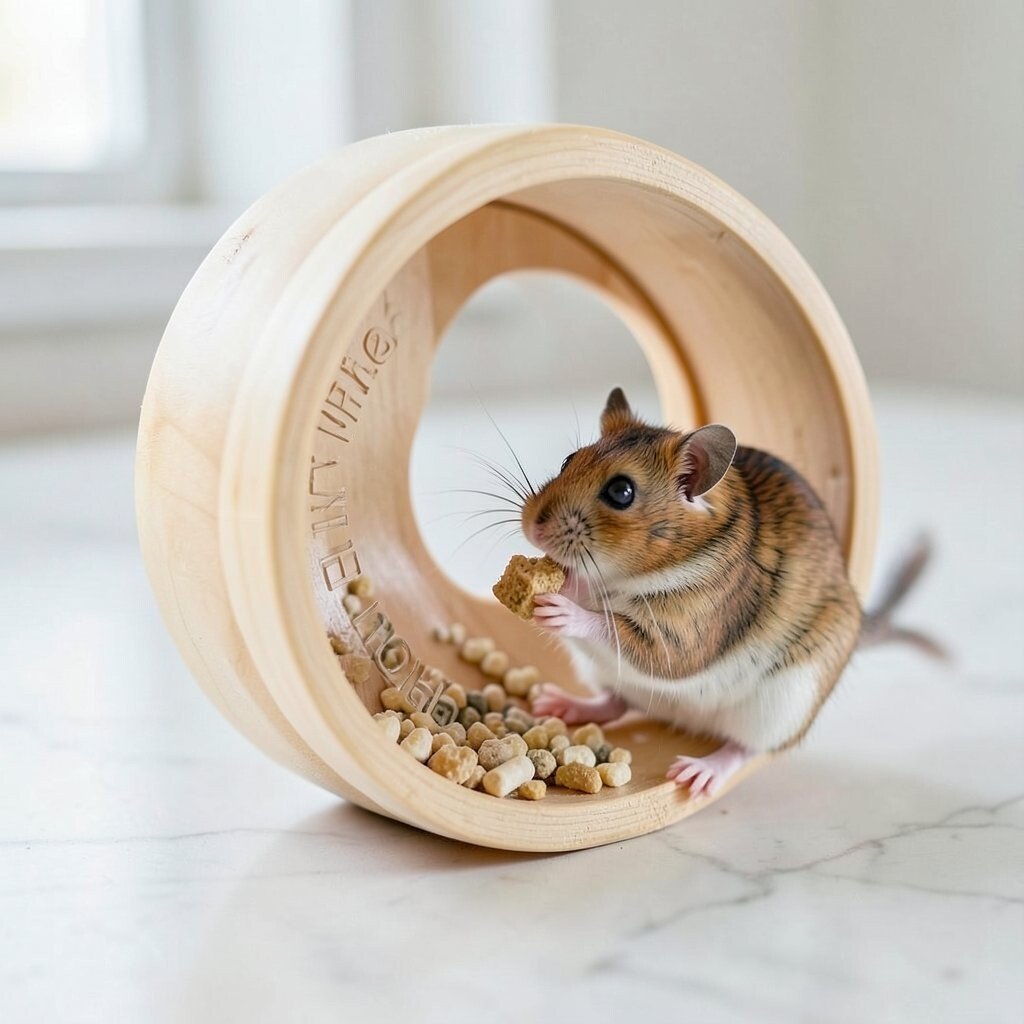
You can train your hamster to move near the wheel using simple targeting. Hold a small treat close to the wheel entrance and use the same cue each time. Then give the treat when your hamster steps in the right spot.
This can help your hamster feel less unsure about the wheel. It also turns a normal action into a calm routine. Benefits include trust and better interest in using the wheel.
Personalize the cue with a gentle sound you make each time. Keep training short so your hamster does not get stressed. Cost is low because you just use treats you already buy.
12. Wheel “Sound Match” With Soft Surroundings
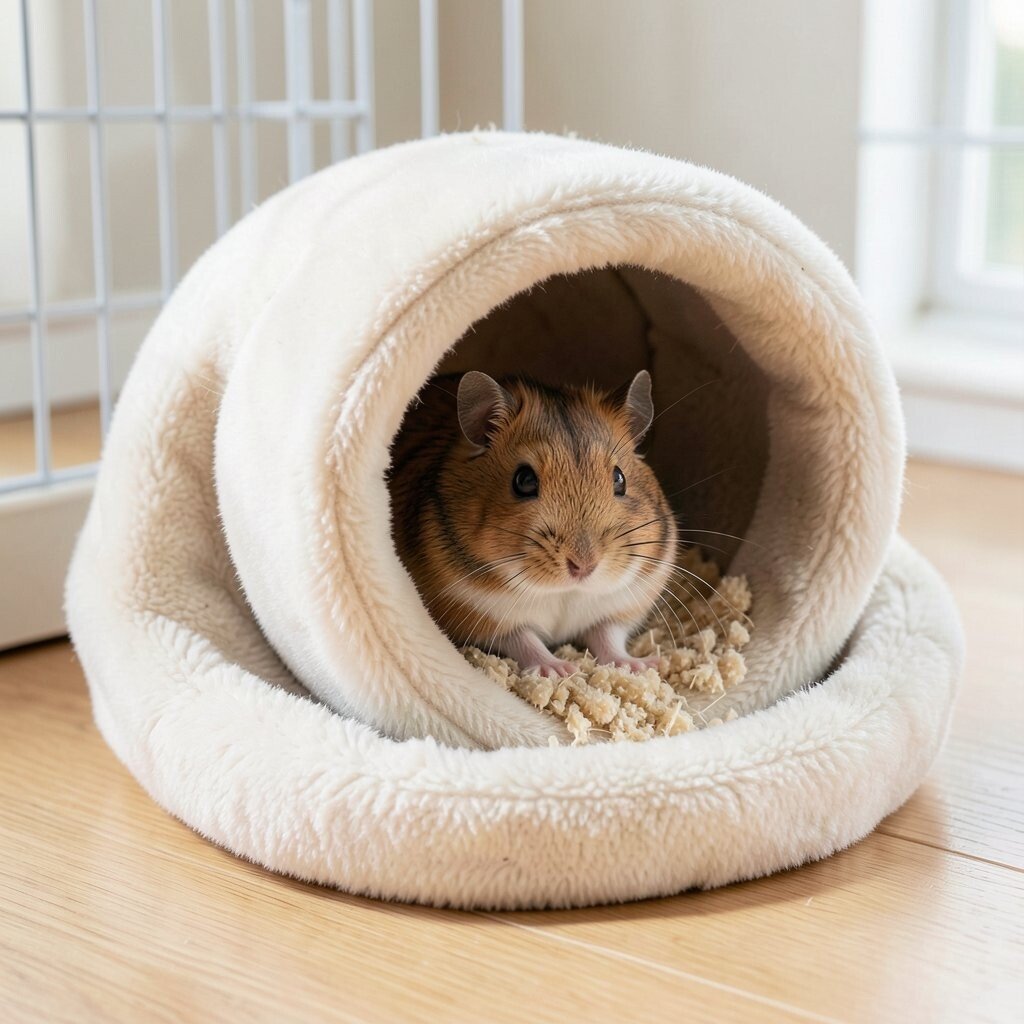
Some wheel types make louder sounds on hard cage floors. Try adding soft, safe bedding around the wheel base area. Do not block the wheel parts, and keep the bedding from getting into the wheel.
This can lower noise for you and may help your hamster stay relaxed. Your hamster may also run more if the space feels calmer. The benefit here is comfort in daily care.
For tips, test a small amount of bedding first and watch for any mess. Personalize by using your hamster’s usual bedding for easy care. This idea also fits current trends of using cozy cage zones instead of one flat setup.
13. Seasonal Wheel Decor With Safe Materials
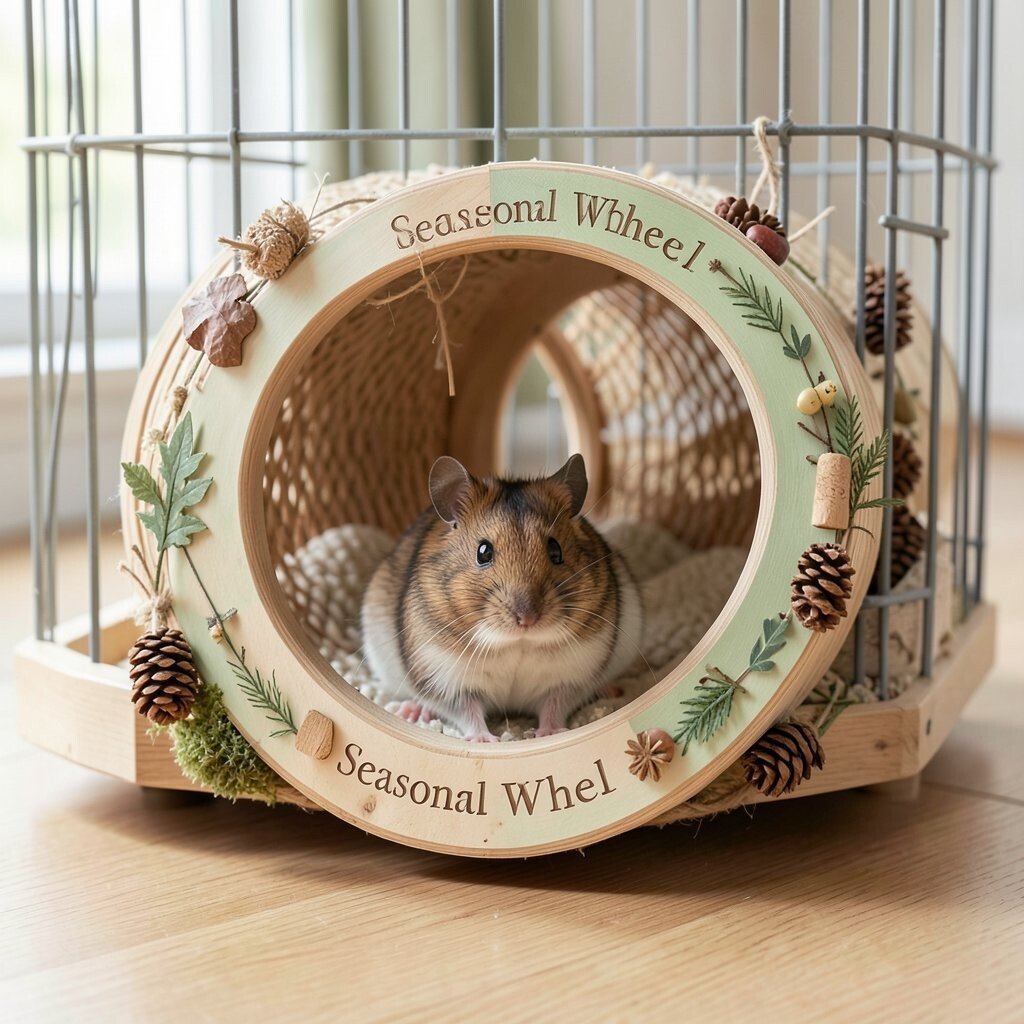
You can add simple seasonal decor near the wheel using safe materials. Use items that do not have loose strings or small bits that can tear off. Place decor on the side of the cage, not where it can touch the wheel.
This can make your hamster’s area feel fresh while staying safe. It can also make you more likely to check the cage often. The uniqueness is how you add fun visuals without changing the wheel itself.
Cost can stay low if you reuse items and buy only safe pet-friendly pieces. Personalize with colors that match your home, like soft greens or light browns. Always replace decor if it gets chewed, wet, or dirty.