
Make small changes that help your cat feel safe and calm at home. A cozy place is nice for you too, since your space stays tidy and easy to use.
1. Give a few cozy beds in smart spots
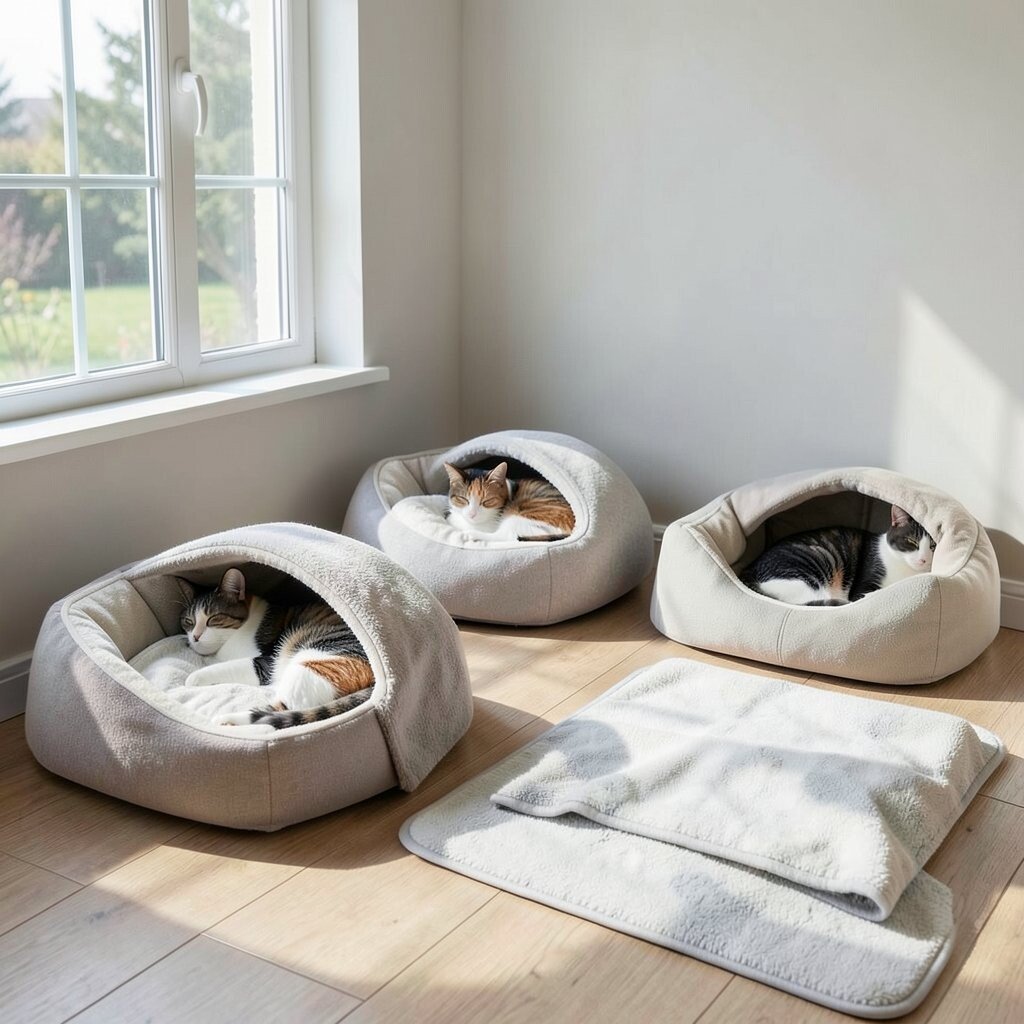
Place beds in places your cat already likes, such as near a sunny window or by a quiet wall. You might see your cat choose these spots again and again, so it helps to match their habits. Pick beds with soft covers that feel nice when you touch them.
Try different bed types, like a covered cave style bed or a flat mat with a washable cover. Cats like to feel hidden, so a small enclosed bed can help them relax. For a trend, look for simple, neutral covers that match home decor.
Keep cost low by using what you have, like a clean blanket and a small pet pad. You can personalize with a cat-safe cover color that fits your room. Wash covers often so the smell stays fresh, which can lower stress.
2. Use a warm window setup with safe perches
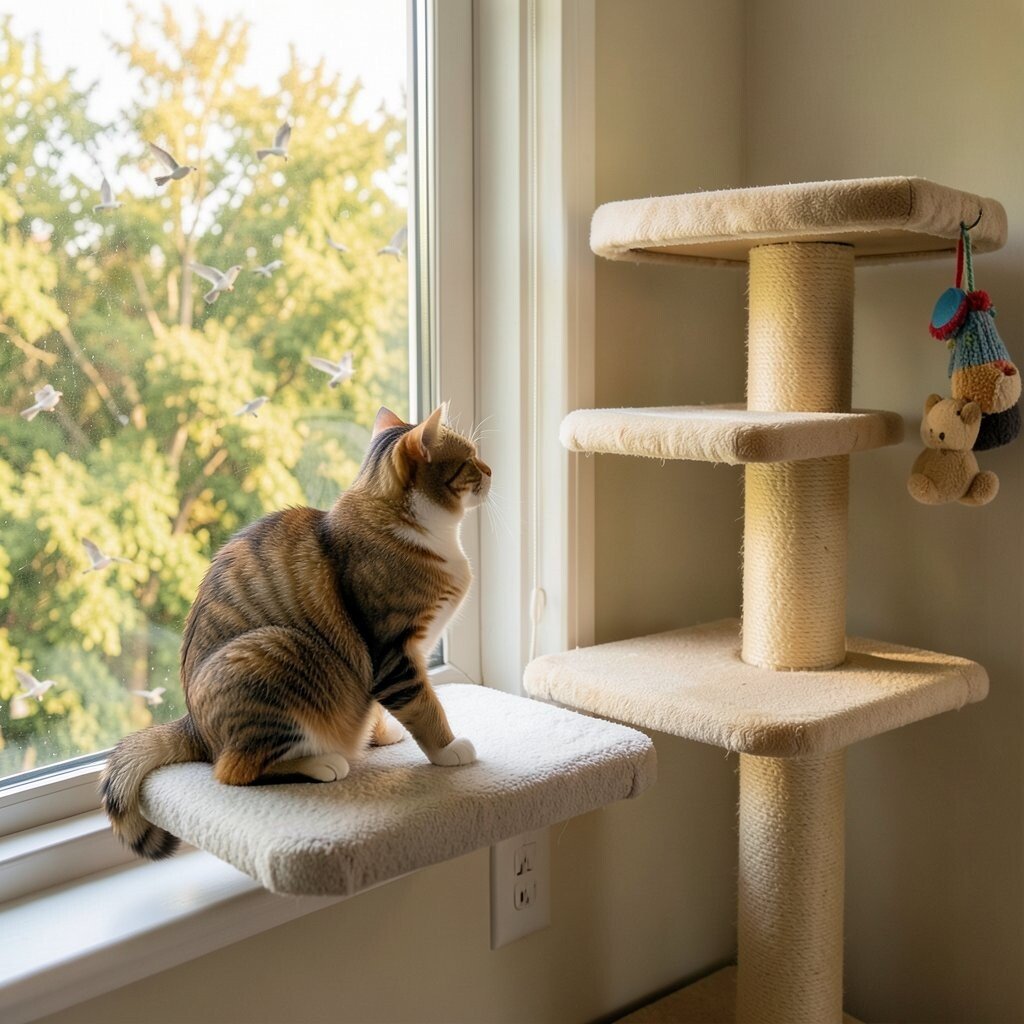
Set up a perch near a window so your cat can watch birds and trees. If your cat likes to stare out, this can become their favorite rest spot. Make sure the perch is stable and does not wobble.
Try a window ledge shelf made for pets, or add a sturdy cat tree arm near the glass. You can use soft padding on the perch so it feels warm and smooth. Pick a spot with good light but no hot sun for too long.
For cost control, start with a simple perch and add a small blanket. You can personalize by placing a small wall hook nearby for toys. This setup also helps with “busy mind” time, since watching outside can calm many cats.
3. Add a cat-safe scratching post in the right area
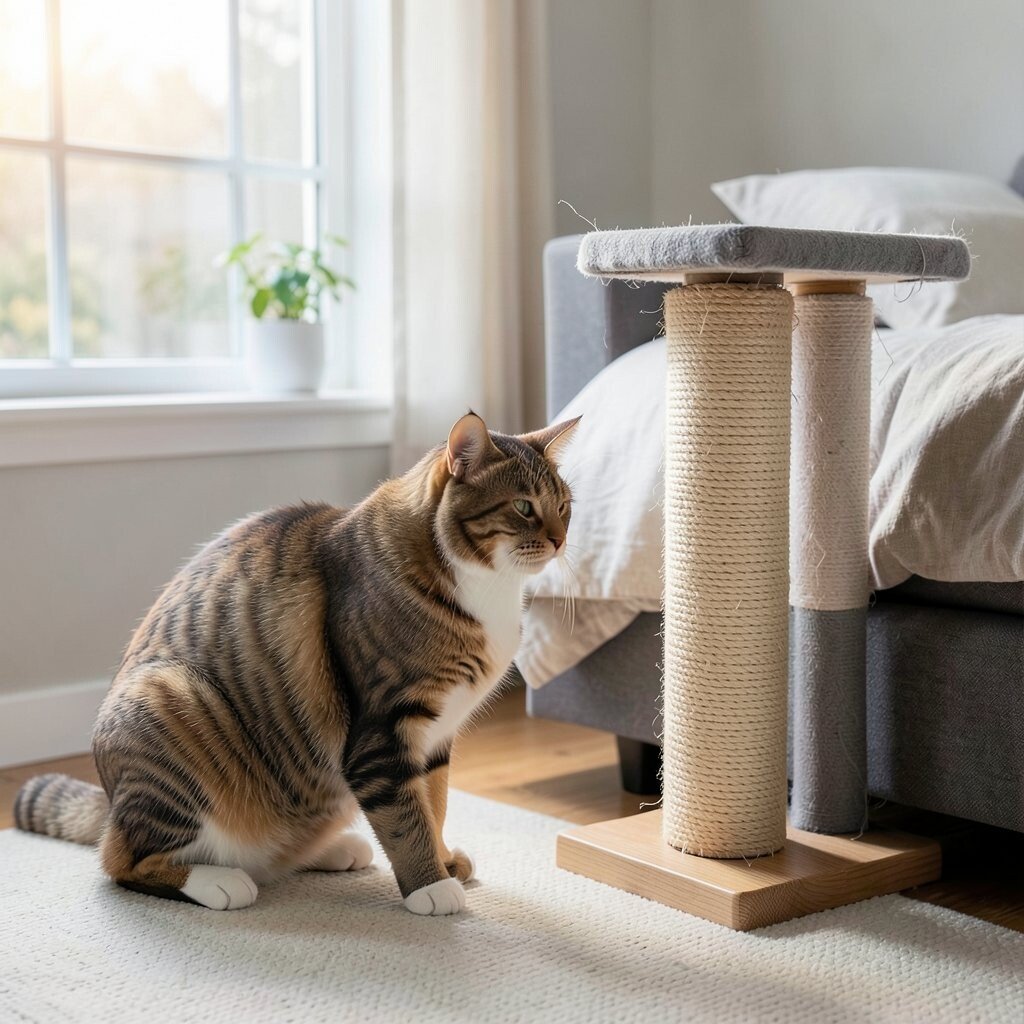
Scratching is normal for cats, so plan for it instead of fighting it. Put a scratching post close to where your cat walks, stretches, or scratches now. If it is in the wrong spot, your cat may still use the couch.
Choose posts with strong parts and a cover that does not shed fast. Sisal rope and thicker cardboard are common picks, and they tend to last. For a unique look, pick a post with a simple wood base that matches your furniture style.
You can make it cheaper by adding a spare replaceable wrap or by buying a smaller post first. Personalize by placing it near a window or next to the bed your cat likes. This can save your home and help your cat keep claws healthy.
4. Make a small “safe room” zone with hiding spots
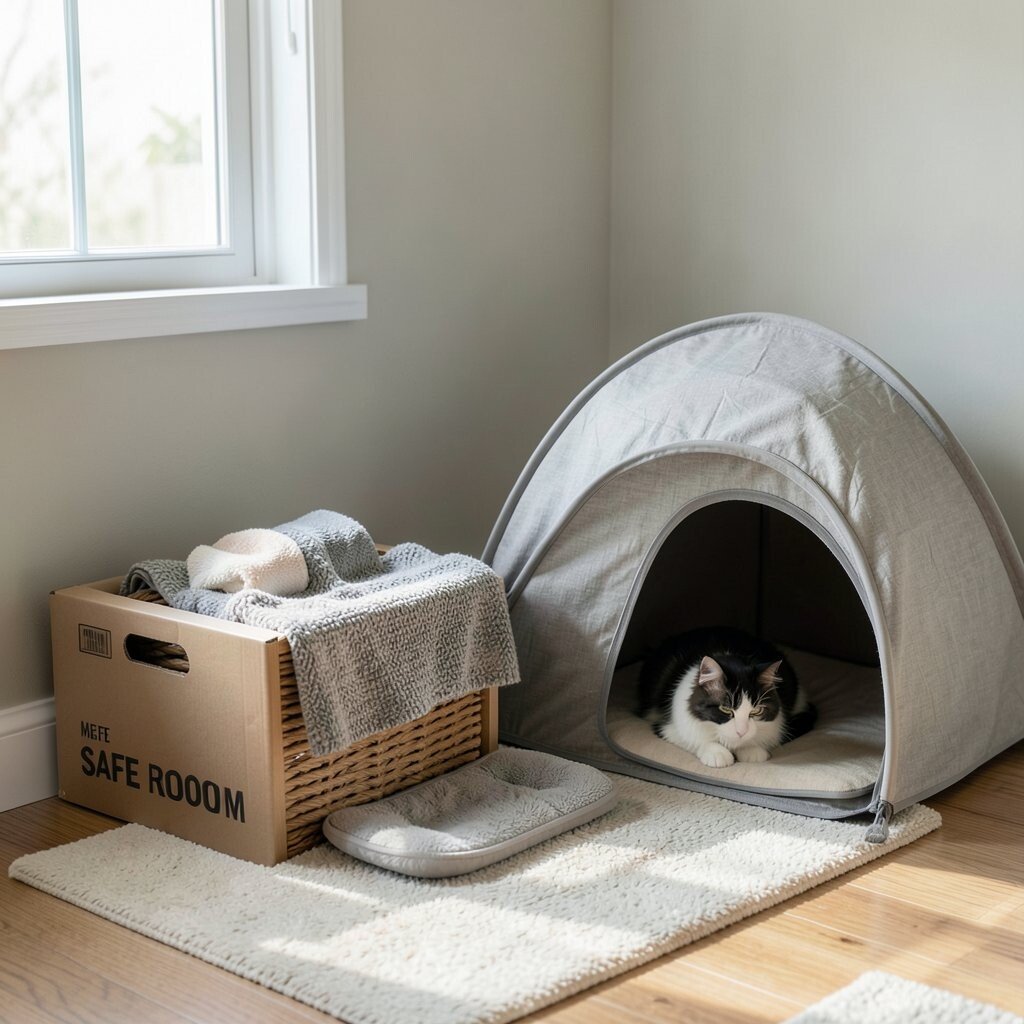
Set up one area where your cat can go when they feel unsure or tired. Use a low box, a covered laundry basket, or a small tent style hideout. Keep it in a calm room away from loud door sounds.
You can also use a cat tunnel so your cat can move through space without being too exposed. Cats often pick hide spots on their own, and that choice shows you what feels right. Choose colors that match your home so it looks neat, not messy.
For cost, start with one box and one soft pad. Add a familiar blanket or a towel that smells like your cat so it feels safe. This helps with stress and can make vet visits and new guests easier.
5. Switch to litter that fits your cat’s comfort
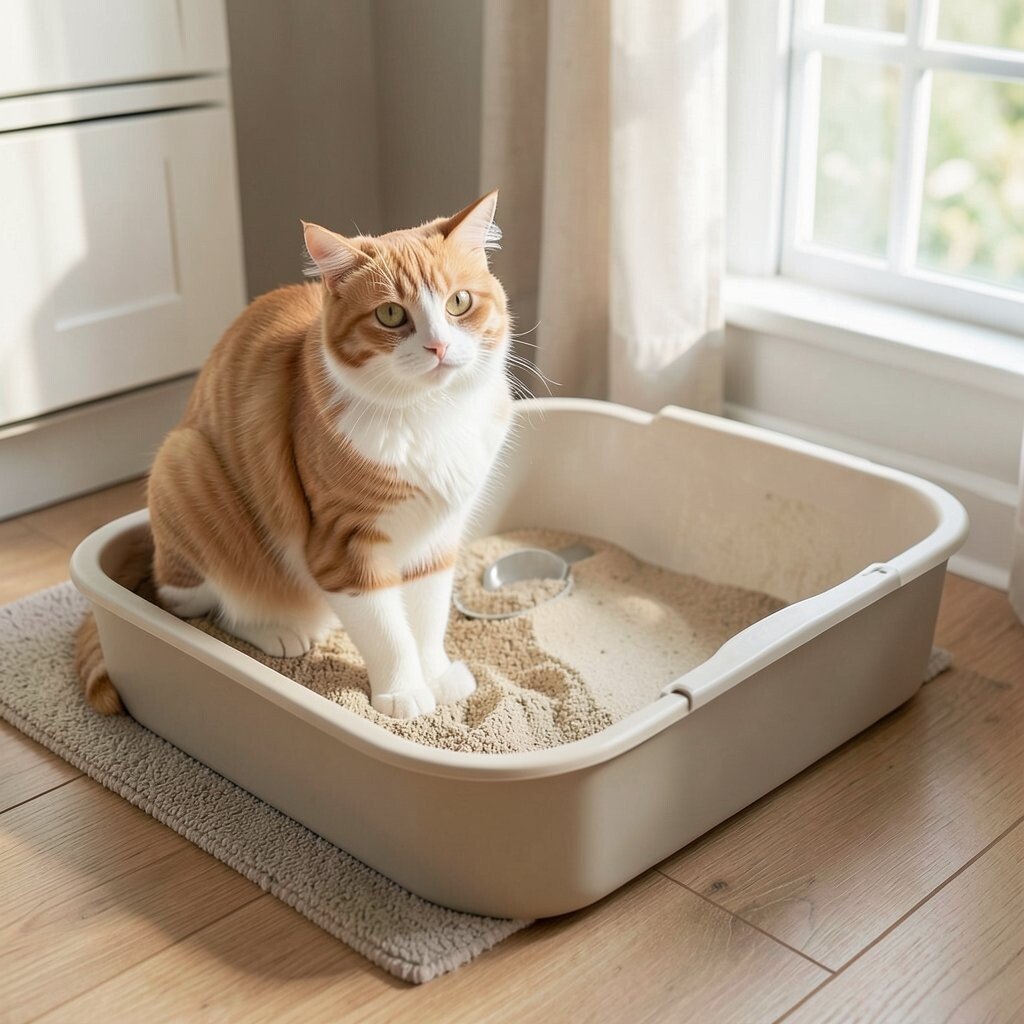
A good litter box setup matters for comfort and good habits. Pick litter your cat already seems to like, and avoid strong perfumes if your cat seems bothered by smell. A clean box is one of the biggest parts of a cozy home.
Choose a box style that matches your space, like a covered box for privacy or an open box for easy access. Some cats like open boxes, especially if they are older or feel slower. Add a mat under the box to catch extra litter and keep floors clean.
Cost can stay low by using plain litter and using a scoop schedule you can keep. Personalize by using a small caddy for bags and tools so it looks tidy. This change can lower stress for your cat and help you keep the home smelling fresh.
6. Add soft lighting and keep noise lower
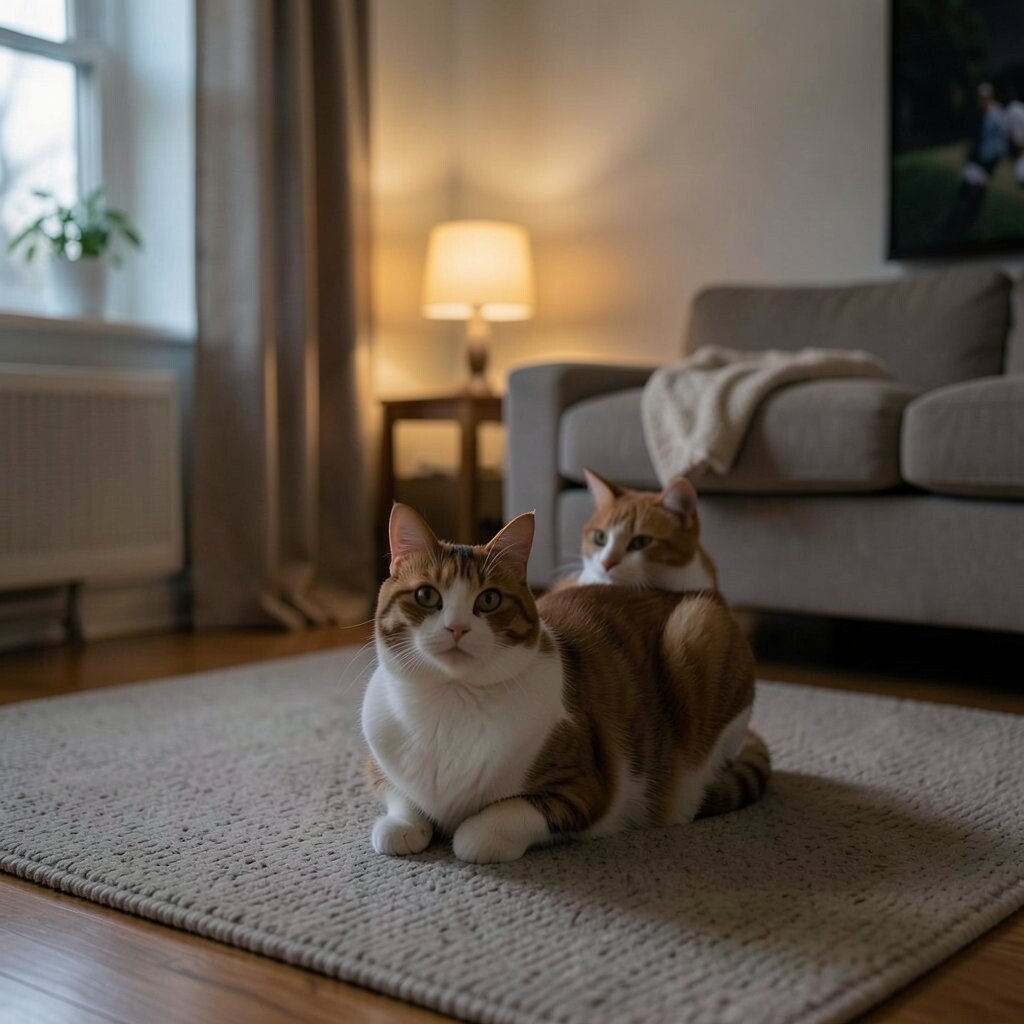
Use soft lamps or warm lights instead of bright overhead lights. Cats often feel better when the home feels calm, and they may move around more at ease. Try dim lights in the evening and keep TV volume lower.
In many homes, sound can travel fast, so you can add rugs or curtains to cut echo. A thick rug also helps if your cat likes to sit on the floor. This is a simple way to add comfort without big changes to your layout.
For cost, use what you already have, like a small lamp and a clean throw rug. Personalize by placing a night light near your safe zone. Lower noise and steady light can help your cat rest instead of jump at small sounds.
7. Create a tidy toy shelf and a daily play routine
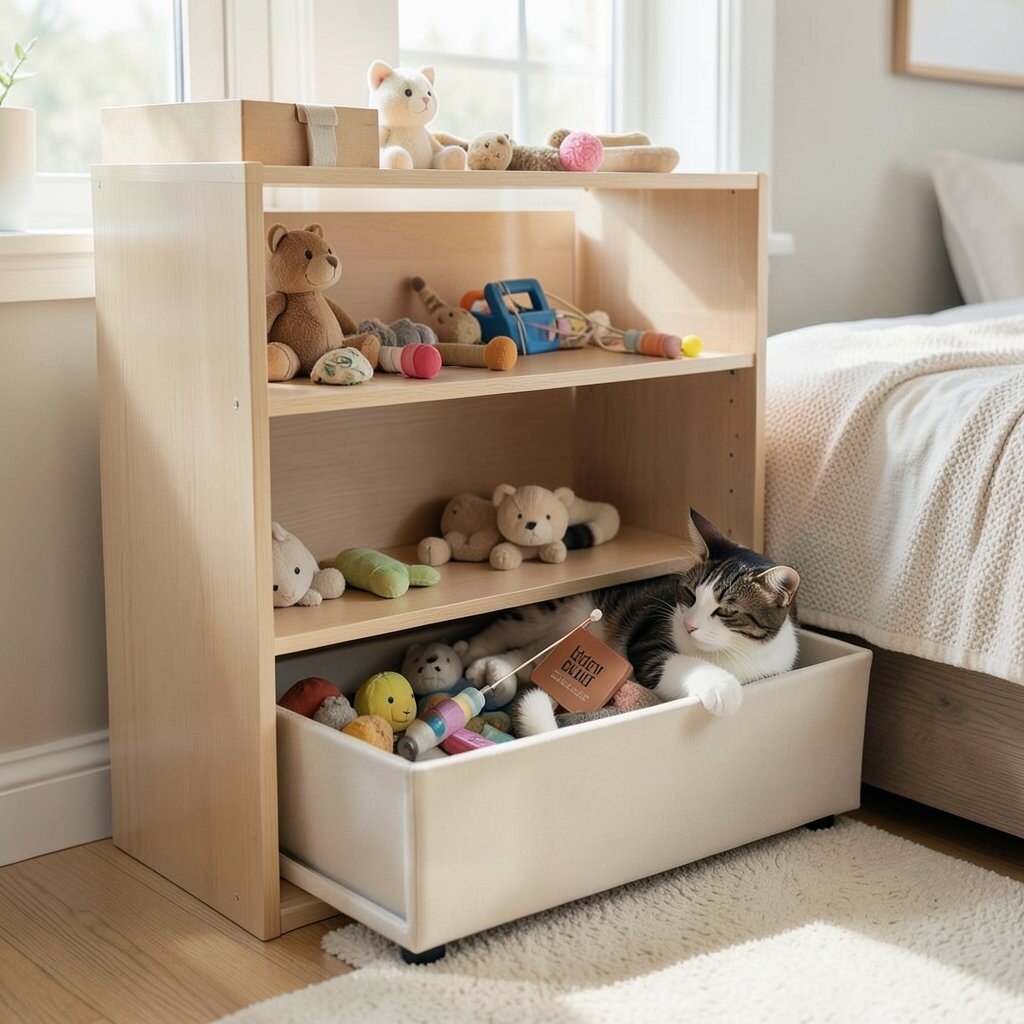
Set up a small shelf or bin so toys have one home. When toys are in the open, they can look messy, and your cat may still play with the same items. A simple bin keeps things neat and helps you find items fast.
Use a short play routine, like a few minutes of wand time and then a short rest. Cats often like a clear start and a clear end, so try to keep it steady each day. For trends, look for wand toys with safe fabric and simple designs.
Cost can be low if you use a small set of toys and rotate them. Personalize by keeping your cat’s top toy close to their favorite bed. Regular play helps with energy and can lower scratching and stress behavior.
8. Use cat-friendly plants or choose safe plant spots
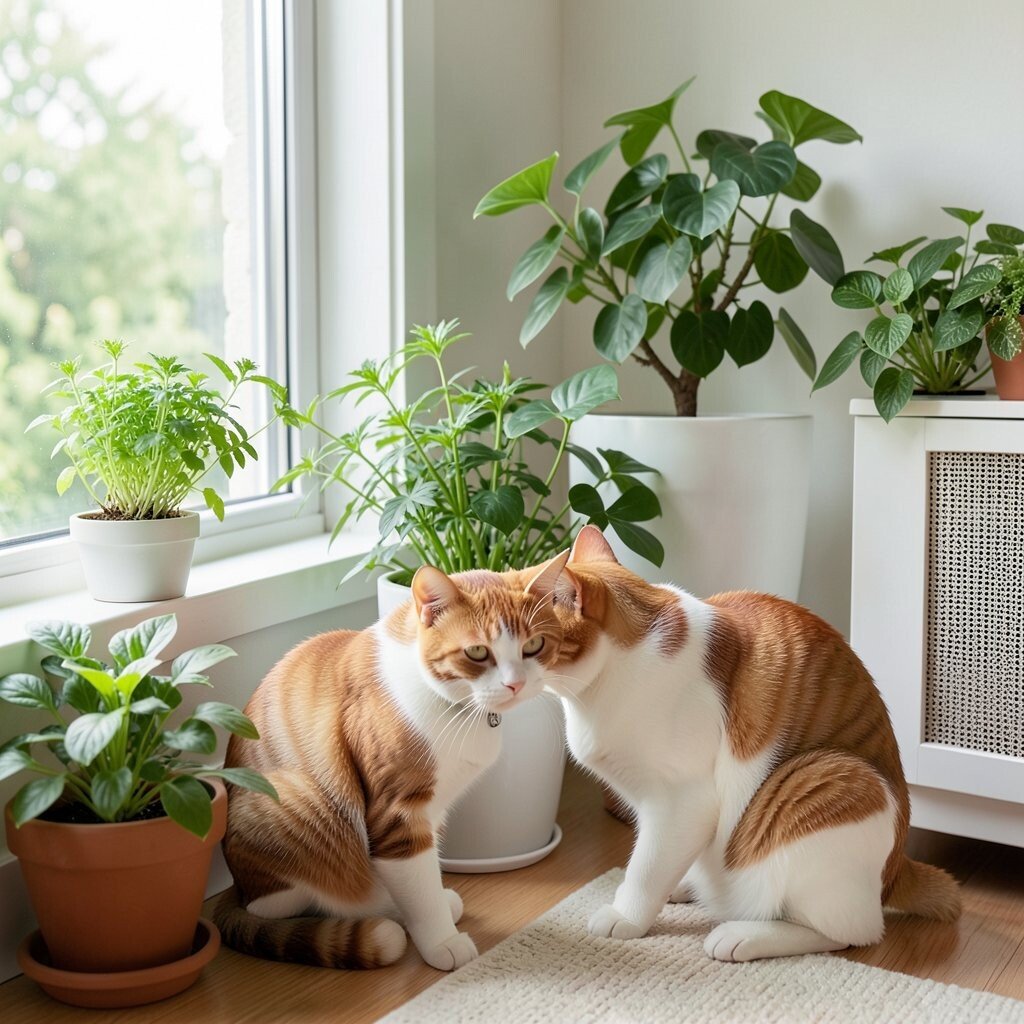
Some common house plants can be harmful to cats, so check before you place greenery. If you want a plant, pick cat-safe options such as herbs like cat grass or cat-safe greens. You can also keep plants on shelves that your cat cannot reach.
Create a plant corner near a window where you can watch your cat. Many cats like to sniff and sit near plants, but they should not have access to unsafe leaves. Use a simple screen or closed cabinet if your cat likes to chew.
For cost, start with one plant and move step by step based on your cat’s actions. Personalize by choosing pots and colors that match your room. Safe plant choices help your home feel fresh without worry.
9. Choose washable covers and keep fabrics cat-friendly
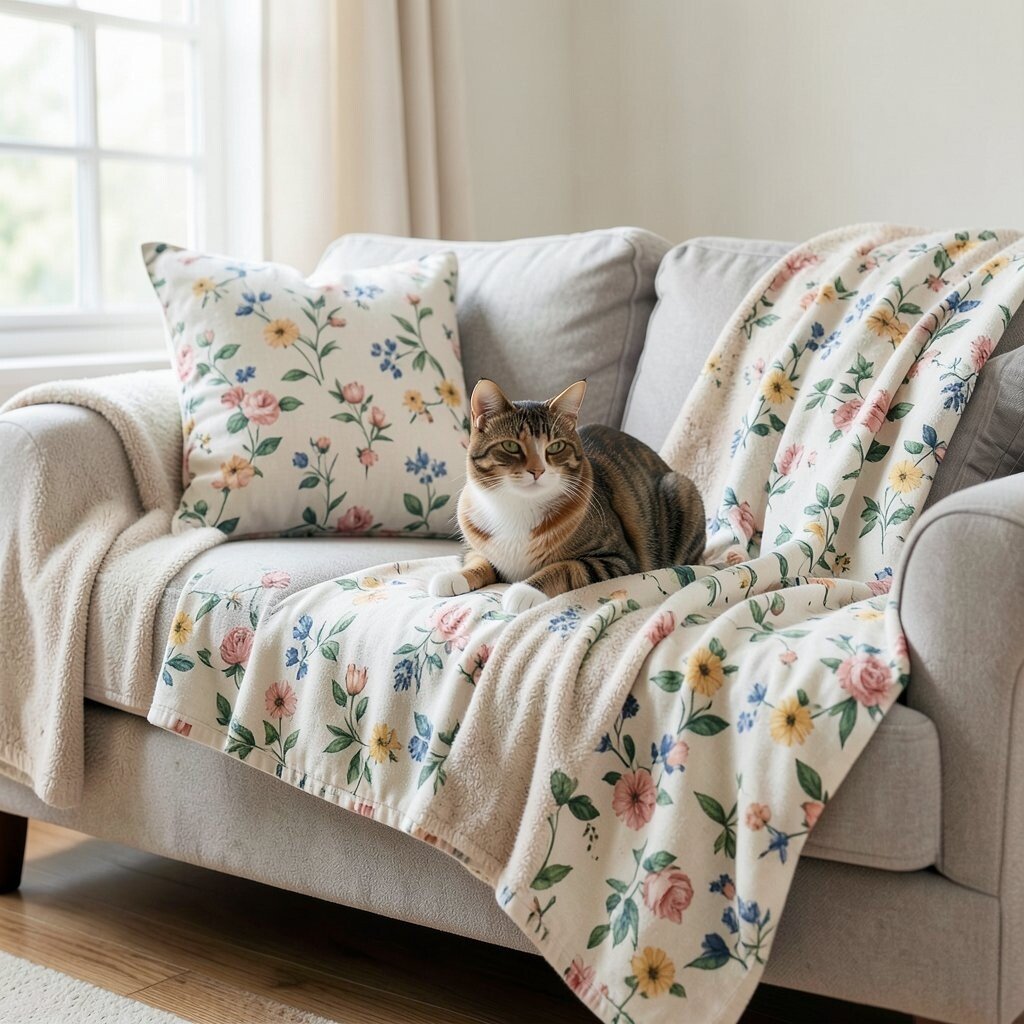
Pick cushion covers, chair throws, and bed blankets that you can wash. Cats shed and sometimes bring in dirt, so washable items help you keep a clean look. Soft fabrics can also feel cozy for your cat to rest on.
Try using slipcovers or throws that stay put, so your cat does not slide off the fabric. You can also add a small throw to the couch where your cat likes to sit. If you want a unique look, match the throw color to your window curtains.
Cost can be managed by focusing on one or two key spots, like the couch or bed area. Personalize by letting your cat choose between two blanket colors for a week. A clean, soft space can make your cat feel welcome and safe.
10. Add a cat ramp or step for higher spots
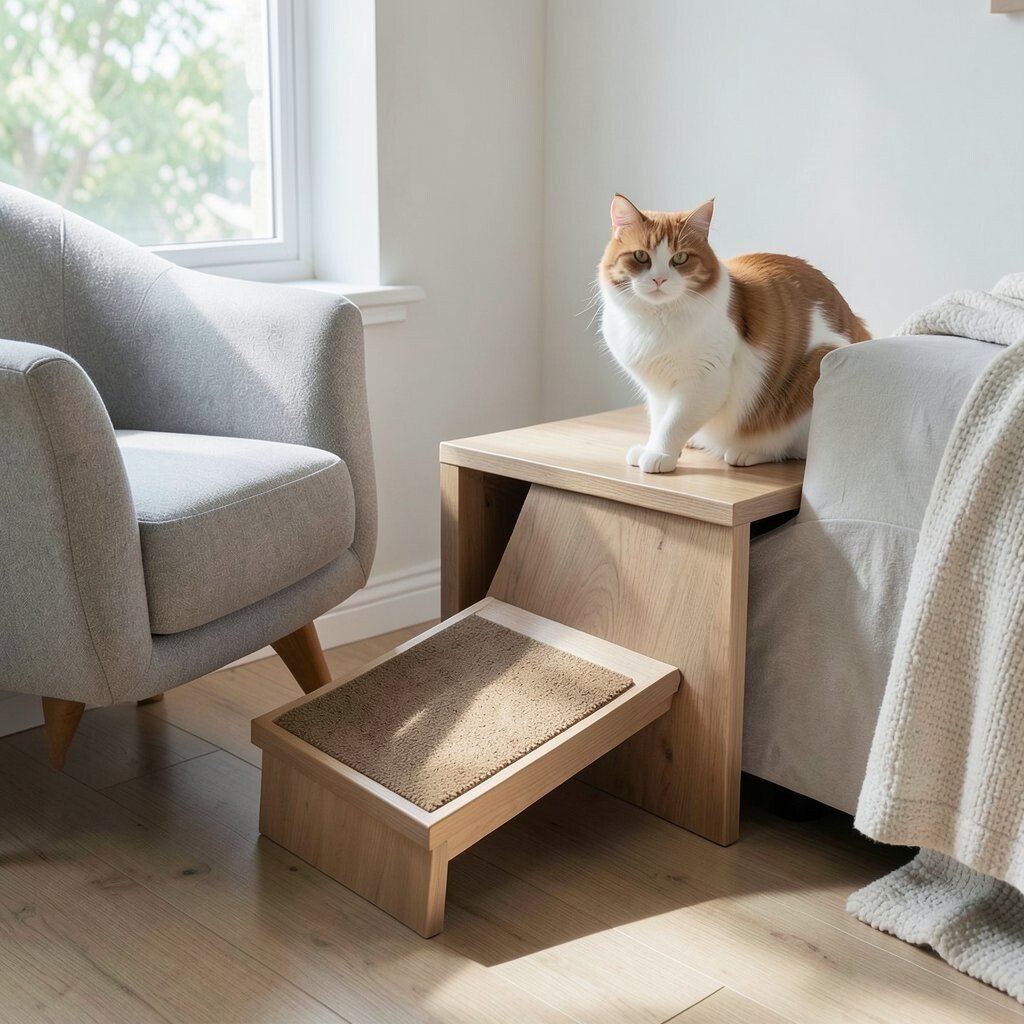
If your cat likes to sit up high, use steps or a small ramp so climbing feels easy. Some cats jump fine, but others need help, especially older cats. Safer access can prevent slip scares and lessen stress.
Place ramps near a chair, bed, or window, depending on where your cat goes most. Use non-slip surfaces so paws stay steady. For a trend, you can find ramps with clean wood tones that do not look like pet gear.
Cost can stay low by using a simple pet step or a sturdy shelf solution. Personalize the height by testing it with your cat when you are home. This helps your cat feel in control and can protect joints over time.
11. Make feeding time calm with the right bowl setup
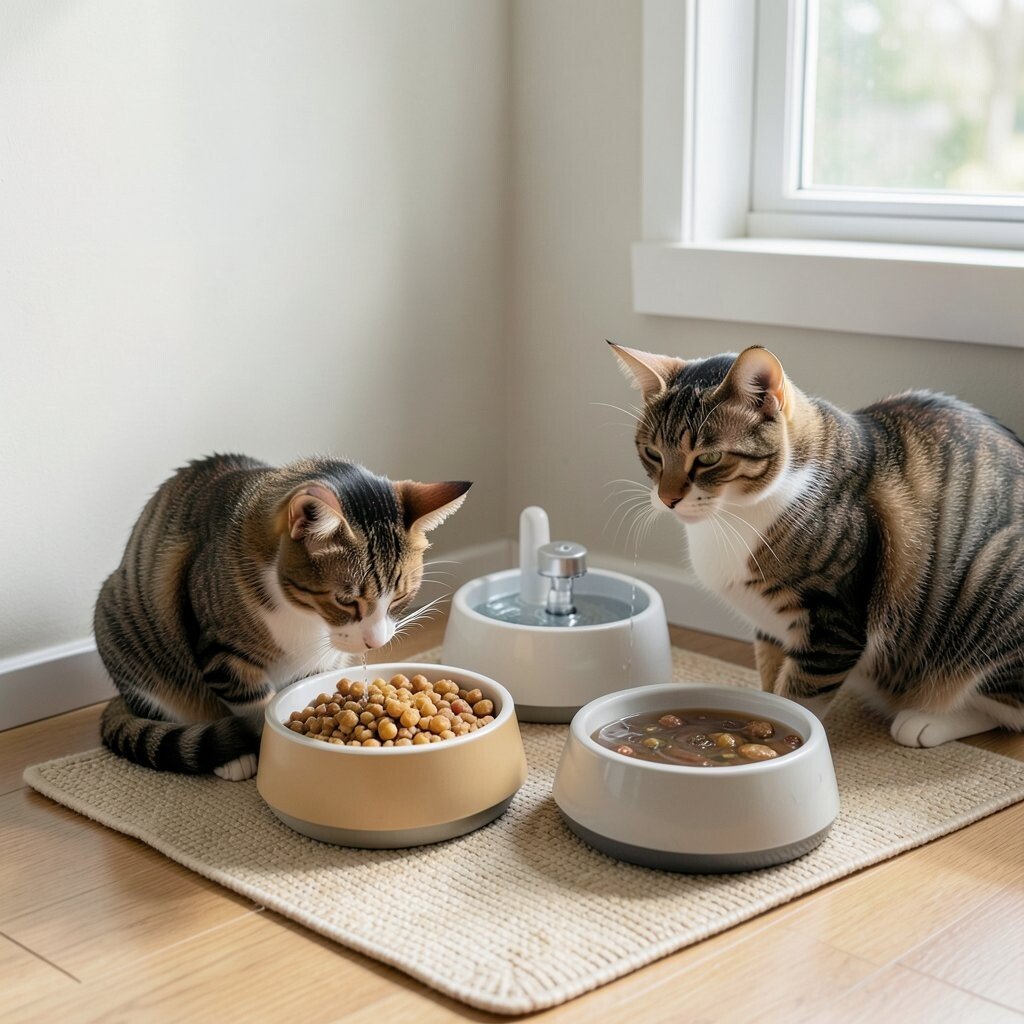
Set food and water in a quiet corner, away from busy door paths. Many cats like a calm routine, and it helps them eat without fear. Use bowls that are easy to wash and keep clean daily.
Try a shallow bowl for cats with sensitive whiskers, or use a simple water fountain if your cat likes moving water. A steady water spot also helps in hot months. For personalization, you can match bowl colors to your kitchen style.
Cost can be low if you start with basic bowls and a simple mat under them. If you use wet food, plan portion sizes so you can clean fast. Calm feeding can help digestion and keep your cat acting more relaxed.
12. Keep a cozy blanket for travel and guests
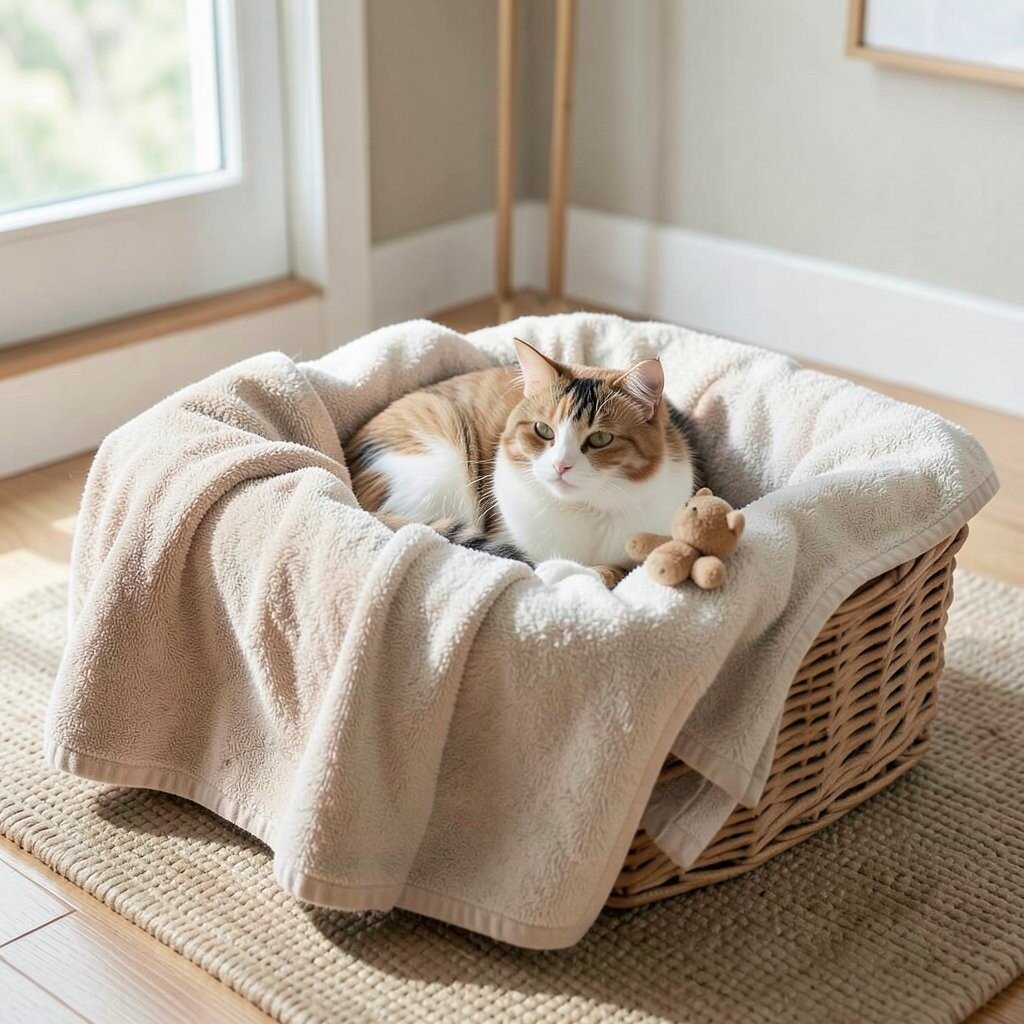
Have one blanket that smells like your cat at home. When you need to keep your cat calmer during guests or small trips, you can set this blanket in a safe area. Your cat may go to it quickly because it feels familiar.
You can also keep a soft towel for grooming days and wipe-down moments. This helps you stay ready without rushing around the house. A clean, folded blanket also looks neat in a basket, so it fits home style.
For cost, use a spare blanket you wash often. Personalize by adding a small cat toy near the blanket so your cat has a comfort item. Familiar smells can reduce stress and make your home feel steady for your cat.
13. Add a simple airflow and comfort plan for warm and cool days
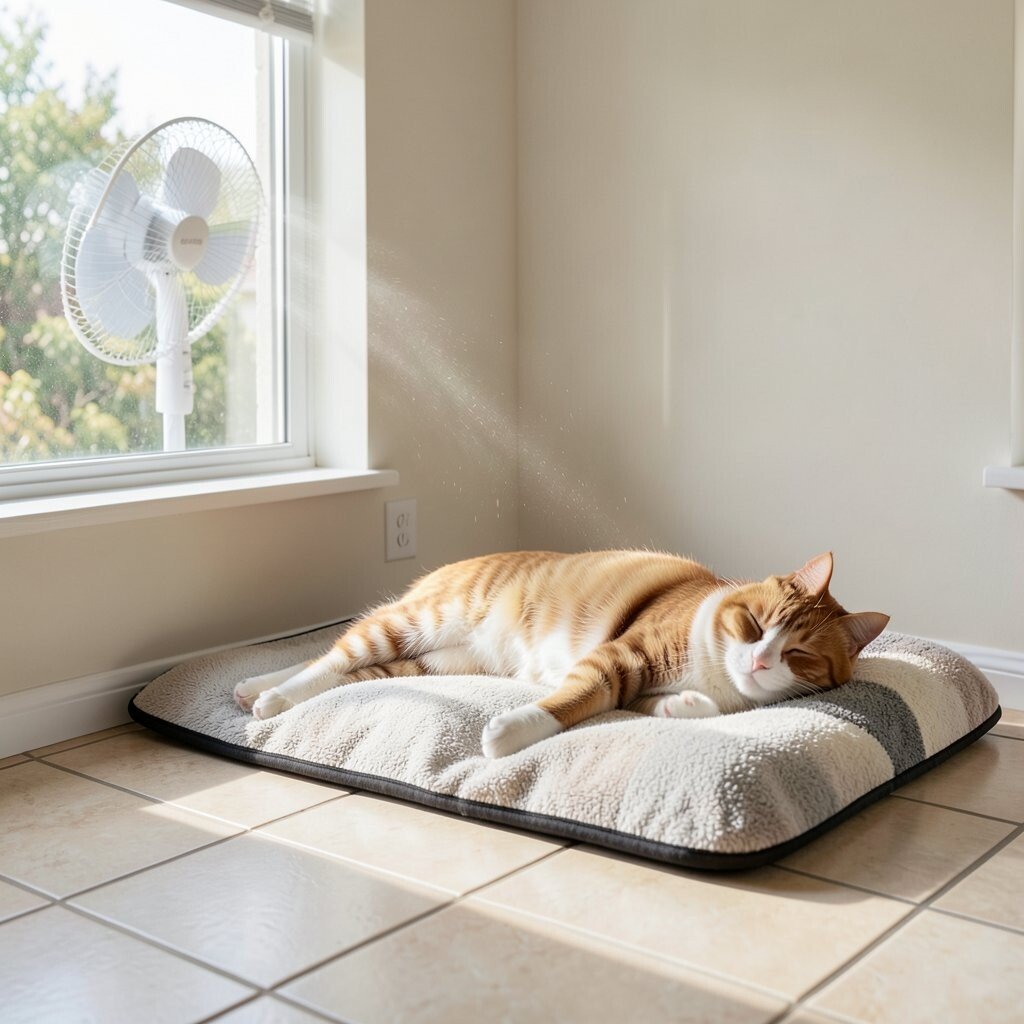
Pay attention to heat and air flow, since cats choose spots based on comfort. Use fans or open windows when it is safe, and watch where your cat spends time. If your home is too hot, your cat may act tired or hide.
Create a “cool spot” with a fan breeze or a tile area where the floor stays cooler. For cold days, add a heating pad made for pets or a warm bed near a safe heat source. Always follow safety rules and avoid unsafe heat items.
Cost can be low if you use your home air system and place beds in the best spots. Personalize by moving the bed location with the seasons. This helps your cat stay calm, and it makes your home feel more comfortable for both of you.
14. Use cat-safe organizing to keep “no” items out of reach
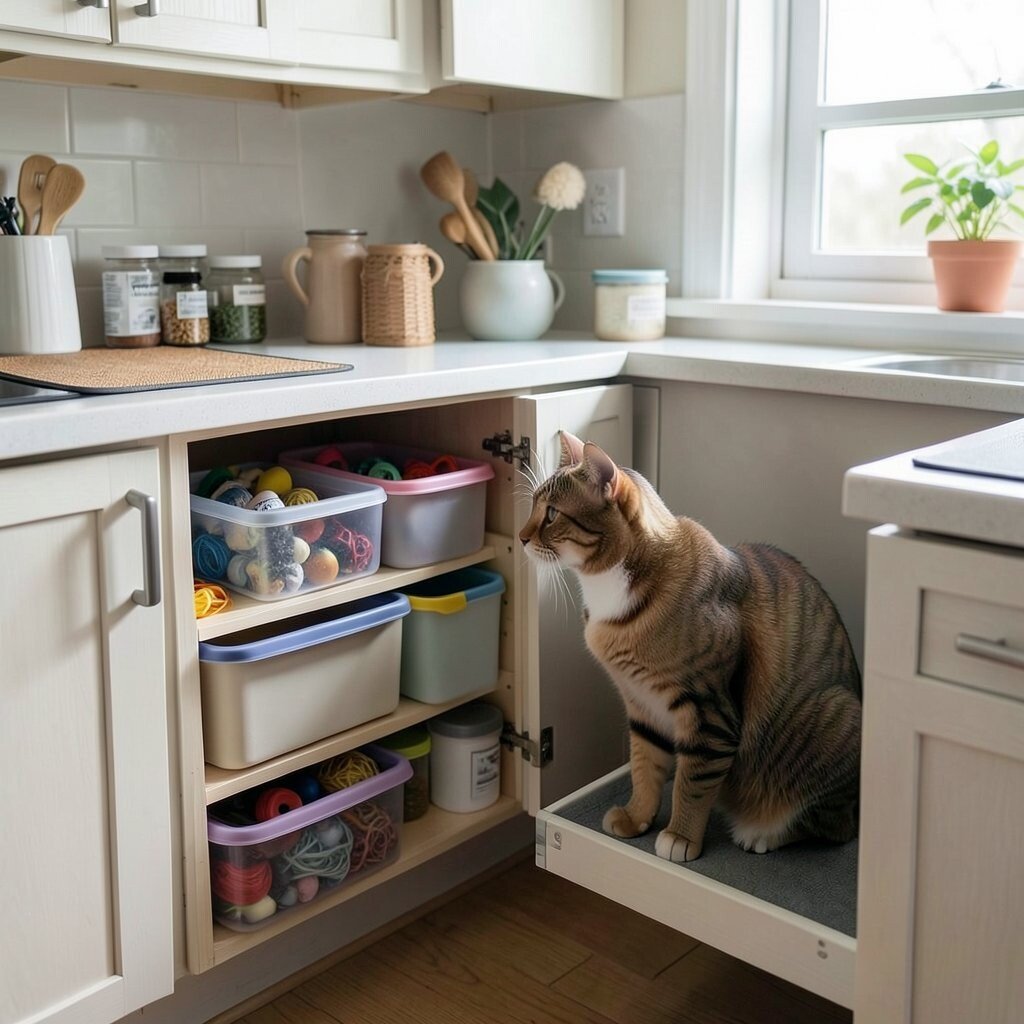
To make a cozy home, you need less worry about what your cat can get into. Store rubber bands, string, small toys, and medicine in closed cabinets. Use lidded bins for items that could roll under furniture.
If your cat likes counters, add a simple barrier like a tray or a safe mat on the counter edges. For cords, use cable covers or keep them behind furniture. This can cut down on chewing and help your cat feel safe and busy.
Cost can be small if you start with one or two problem areas, like the kitchen and desk. Personalize by choosing organizers that match your room colors. Less danger means fewer scary moments and a more relaxed home.
15. Make cozy look and feel with personal cat-safe decor
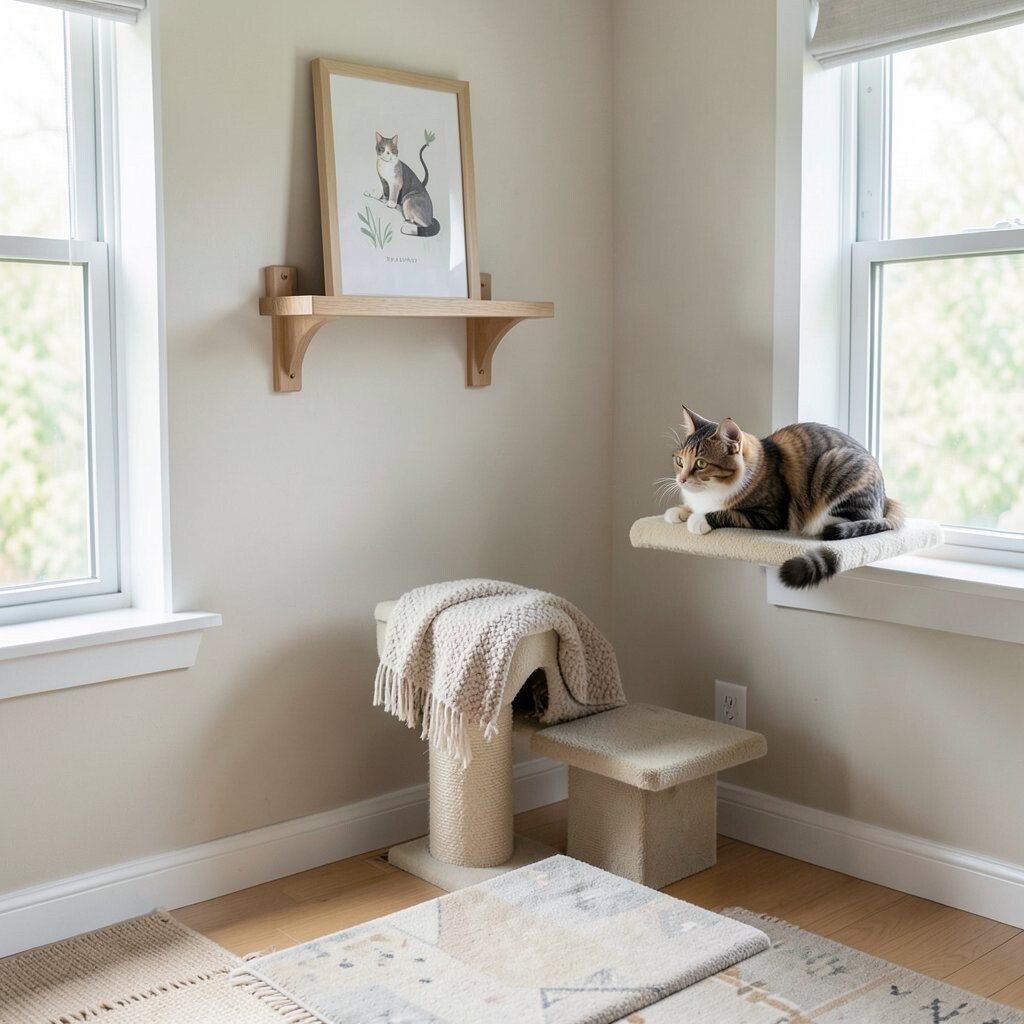
Add simple decor that supports cat life, like a framed wall shelf, a small art piece above a cat jump spot, or a cat-safe wall perch. Choose items that are stable and not easy to fall. Cats like to check new things, so safe decor can turn your home into a fun place.
Use cat-themed but simple items, like a neutral patterned throw or a small rug designed for pet homes. Keep busy decor away from places where your cat might knock it over. If you follow trends, look for clean lines and calm colors rather than bright clutter.
Cost can fit your budget because you can pick one decor piece at a time. Personalize by adding one item your cat reacts to, like a perch near a favorite window. When your home fits both your style and your cat’s needs, it feels cozy every day.