A happy horse needs steady care every day. Small steps add up and help your horse feel safe, stay sound, and act like itself.
1. Feed for Body and Work

Start with the right hay and a clear grain plan. Look at your horse’s body score and adjust slowly if needed. When the ration fits the horse, you often see better energy and a calmer mood.
Use a simple schedule and keep feed the same time each day. Add minerals based on a feed report or what your vet suggests. Many owners like to track weight with photos to spot changes early.
2. Keep Clean Water Easy to Reach
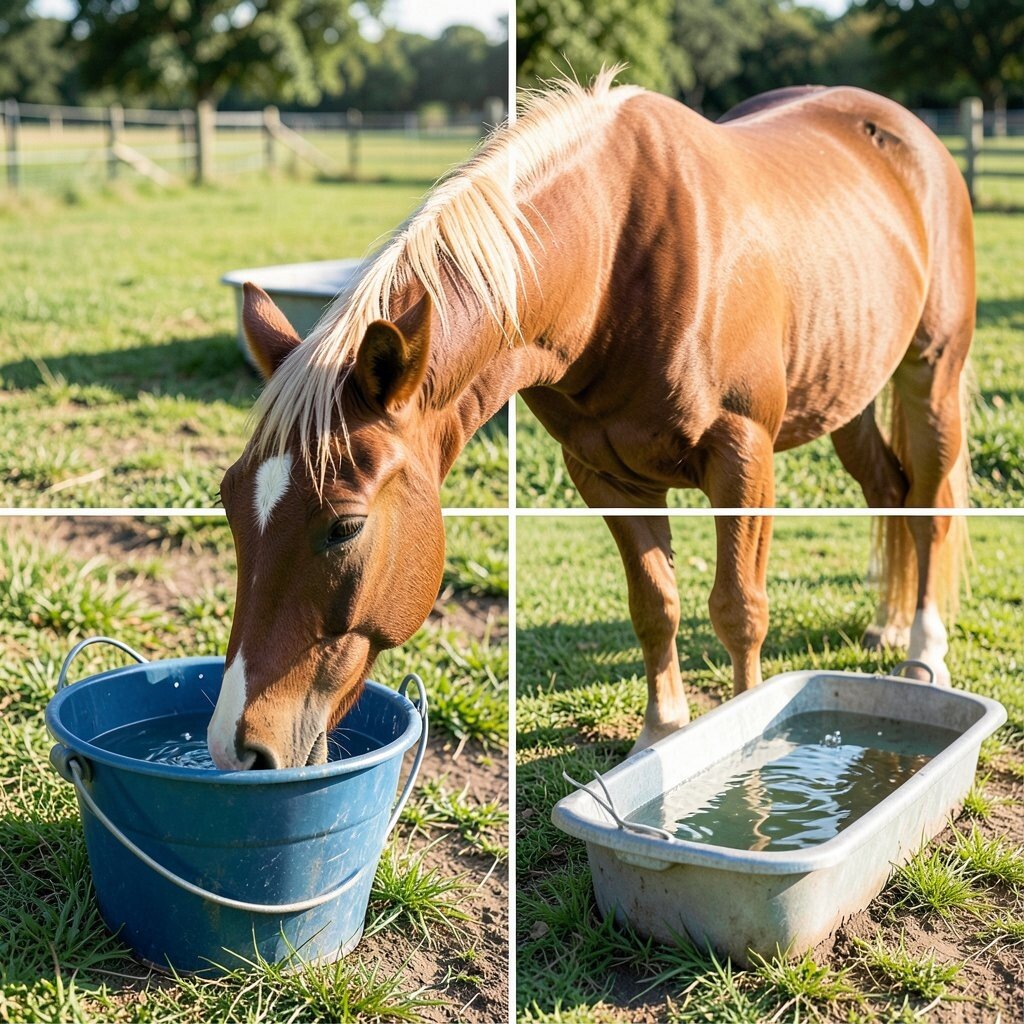
Fresh water should be ready all day. Check that buckets and troughs are not dirty and not frozen. When horses drink well, digestion works better and skin can stay healthier.
Try different trough setups if your horse acts picky. Some horses drink more when the water is moved or deeper. In hot weather, clean and refill more often so the water stays cool and smells fresh.
3. Make a Simple Health Check Routine

Pick your horse up for quick checks on a set plan. Look at eyes, ears, teeth, and skin during grooming. Watch for signs like dull coat, weight loss, limping, or not eating.
Feet need close looks too. Check hooves for cracks, heat, or swelling. Catching small issues early can lower vet cost and help avoid bigger problems.
4. Groom for Bond and Skin Support
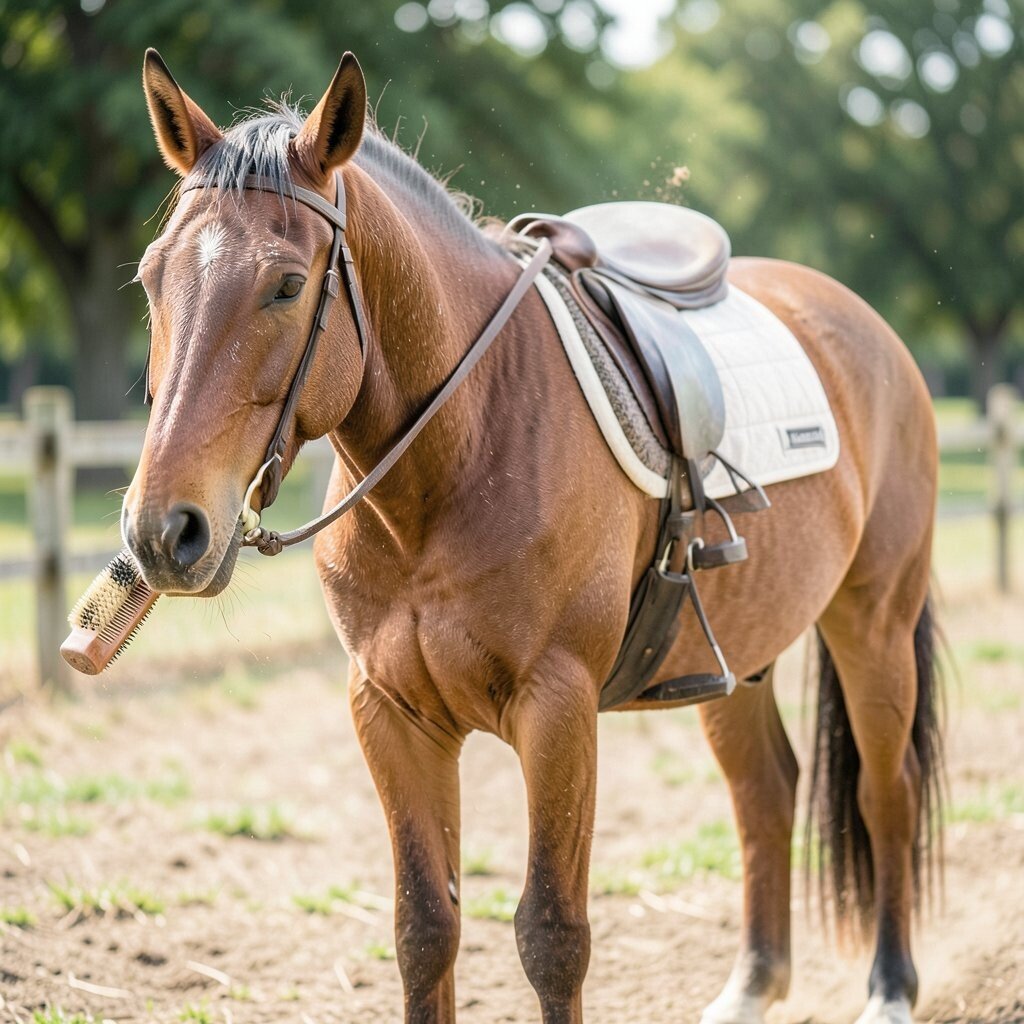
Grooming should feel steady and safe for your horse. Use a soft curry comb, a body brush, and a finishing brush. You can see dust and loose hair come off, and the coat looks smoother right away.
Pay attention to areas that hold sweat like the neck, under the saddle, and the belly. After grooming, many horses stand calmer because they feel good. This routine also helps you find ticks, cuts, or dry patches before they grow.
5. Pay Attention to Hoof Care

Hooves are the base for comfort and movement. Set a trimming schedule with your farrier and follow it closely. When shoes and trims match the horse’s feet, you may see more even steps and fewer sore spots.
Keep the hoof wall clean and pick out debris after rides. Use a hoof oil only when it helps your horse and does not trap water inside. Some owners like dry storage in stalls, while others use light packs that fit their ground and weather.
6. Plan Safe Exercise and Daily Movement
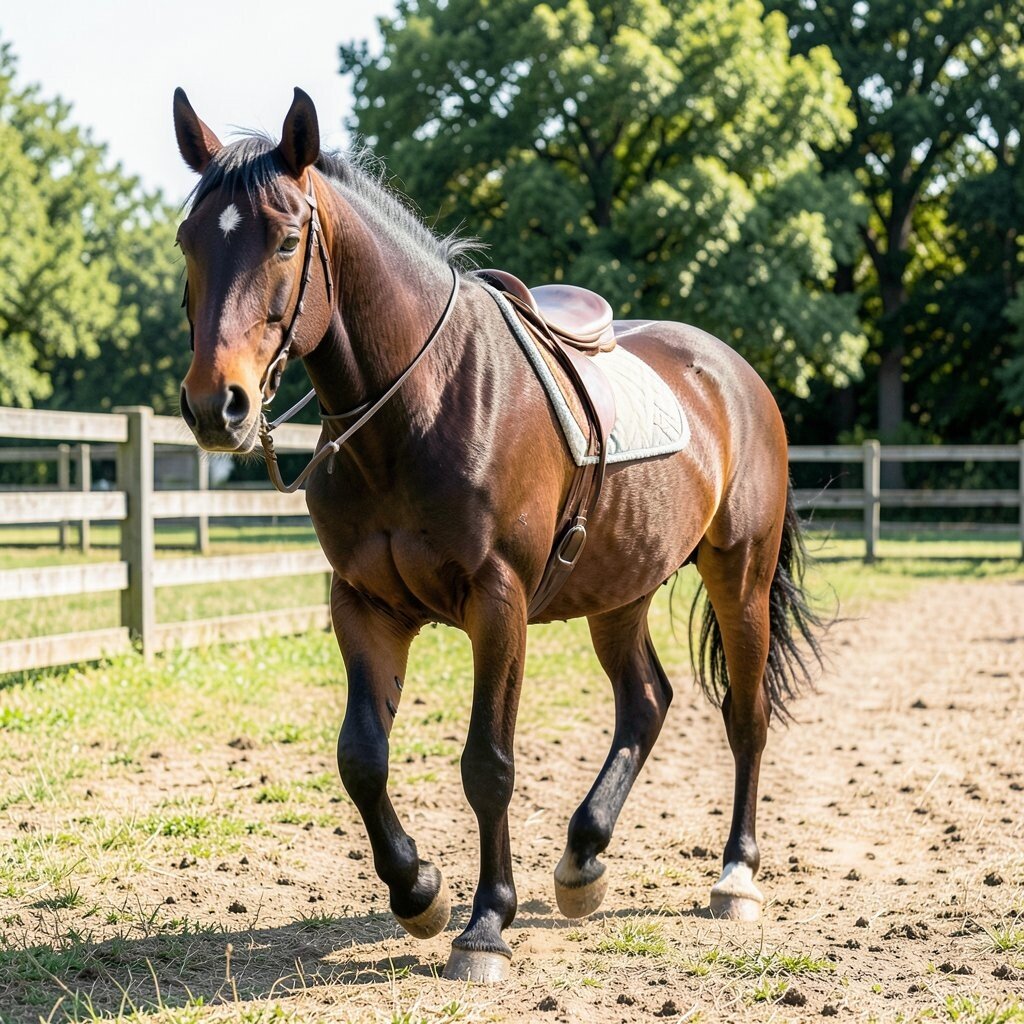
Exercise can be simple and steady. Walks, light riding, and arena time help joints and muscles. If your horse has a set routine, it often handles stress better and acts less restless.
Change the plan as seasons shift. In winter, short warmups and careful footing help. In summer, focus on shade and slow start times so the horse does not overheat.
7. Use Proper Tack and Fit

Tack fit matters for comfort and even use. Check saddle fit after you tack up and again after a ride. If you see rub spots, hair loss, or dry spots, stop and adjust.
Clean tack often so it stays strong and does not hurt the horse’s skin. Condition leather in a way that does not leave it too soft or oily. Many riders also measure girths and straps for the right length to keep pressure in the right place.
8. Keep Stalls and Pastures Calm and Clear
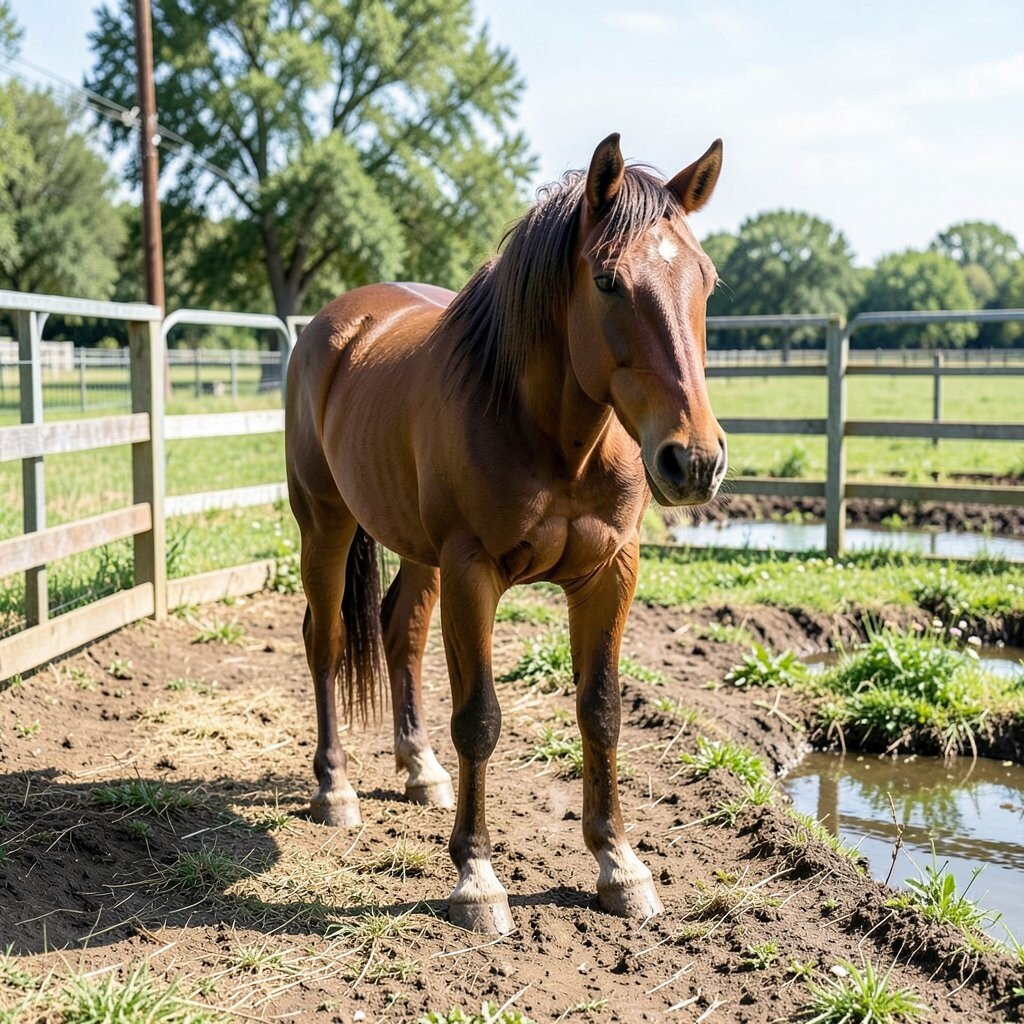
A clean space helps stop sickness and bad smells. Remove wet bedding daily and add fresh bedding as needed. When the stall stays dry, you often see fewer skin issues and less hooves going soft.
Pastures should have safe fencing and clean water areas. Watch for mud that covers hooves and can lead to soreness. If you notice weeds or thin spots, work with others to plan rotation and ground care.
9. Manage Parasites with a Smart Plan

Worm control should not be random. Talk with your vet about fecal checks and a schedule that fits your area. A good plan helps you use less medicine and still protect your horse.
Use manure removal in stalls and paddocks to cut down risk. Keep grooming tools clean and avoid sharing tack when a horse has an active skin issue. Some farms now use more targeted treatments, which can lower cost over time.
10. Protect Skin from Weather and Bugs

Use shade and shelter when heat is high. In cold weather, add layers based on wind and coat length, and check for sweat after. For rain, a light turnout sheet can help, but make sure it fits well and stays clean.
For bugs, try fly masks, fly sheets, and safe sprays. Many owners pick products by how the horse reacts and how long the spray lasts. When protection works, you can see fewer bite marks and less tail swishing.
11. Focus on Teeth and Regular Dental Care
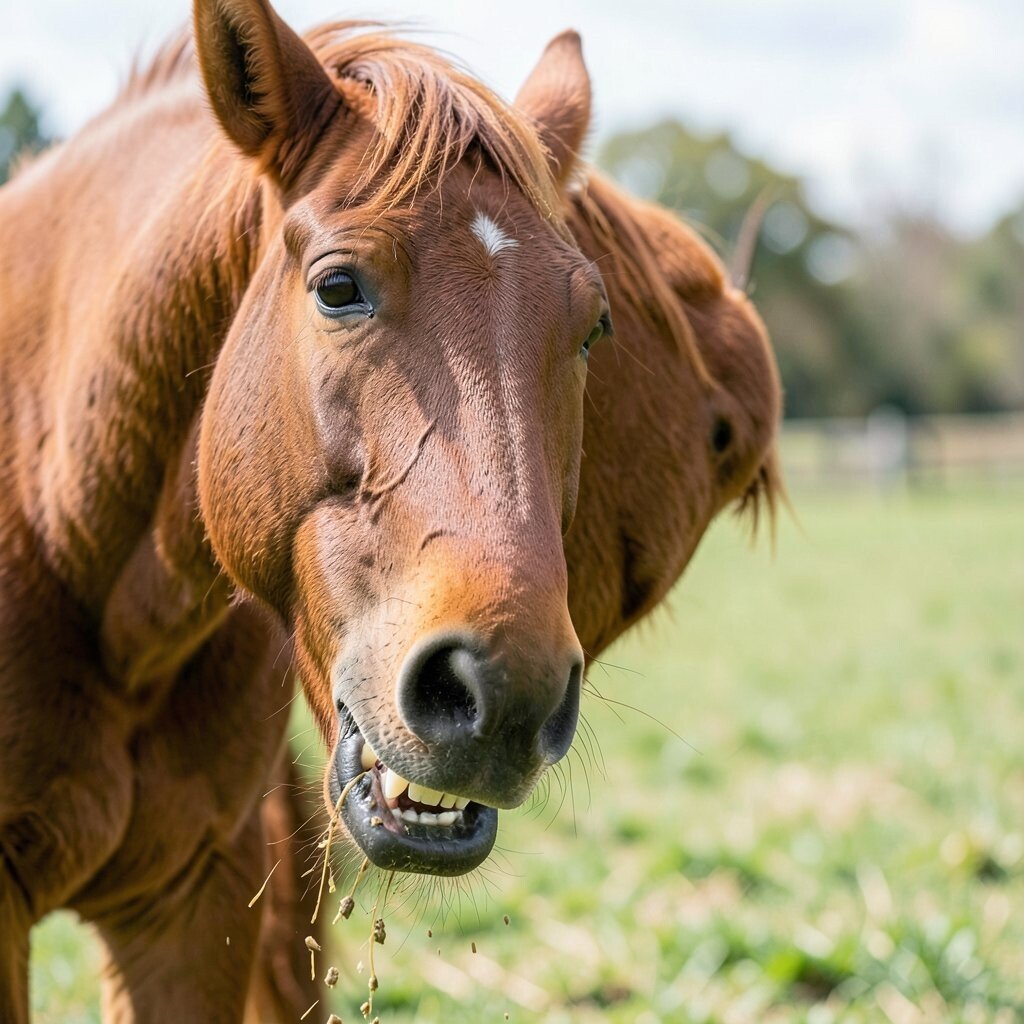
Dental care keeps eating easy. Have your horse checked by a professional on a set schedule. Bad edges can cause slow chewing, weight loss, or dropping feed.
After dental work, watch how your horse chews and responds to the bit. Some horses do better with softer feeds for a short time. A simple goal is comfort, so you can adjust feed texture and bit use with care.
12. Make Care Personal with Notes and Small Changes
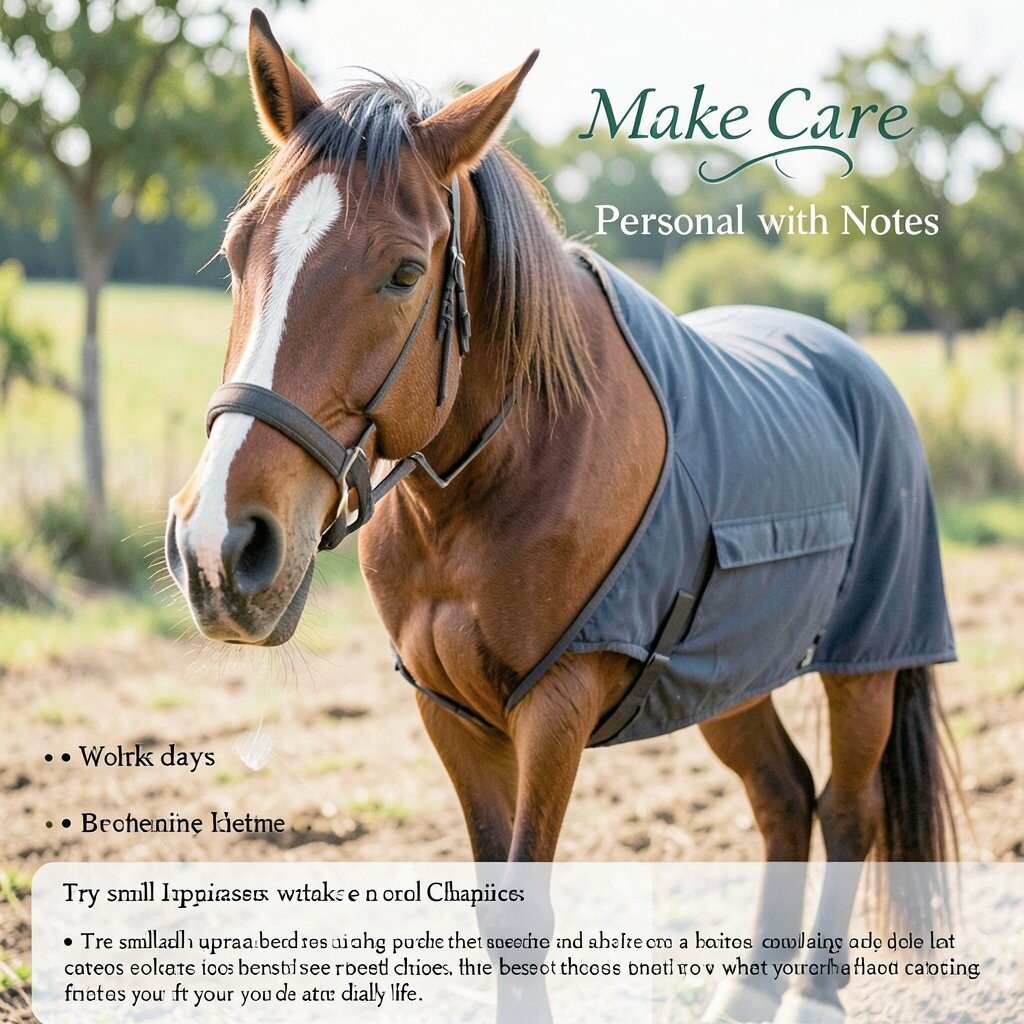
Write down what you do and how your horse reacts. Track feed changes, work days, grooming time, and any signs like coughing or swelling. This helps you see patterns and make one change at a time.
Try small upgrades that match your budget and goals. For example, a new brush, better bedding, or a cooler wrap after rides can help a lot. Owners also share trends like using calmer handling tools, but the best choice is what fits your horse and your daily life.