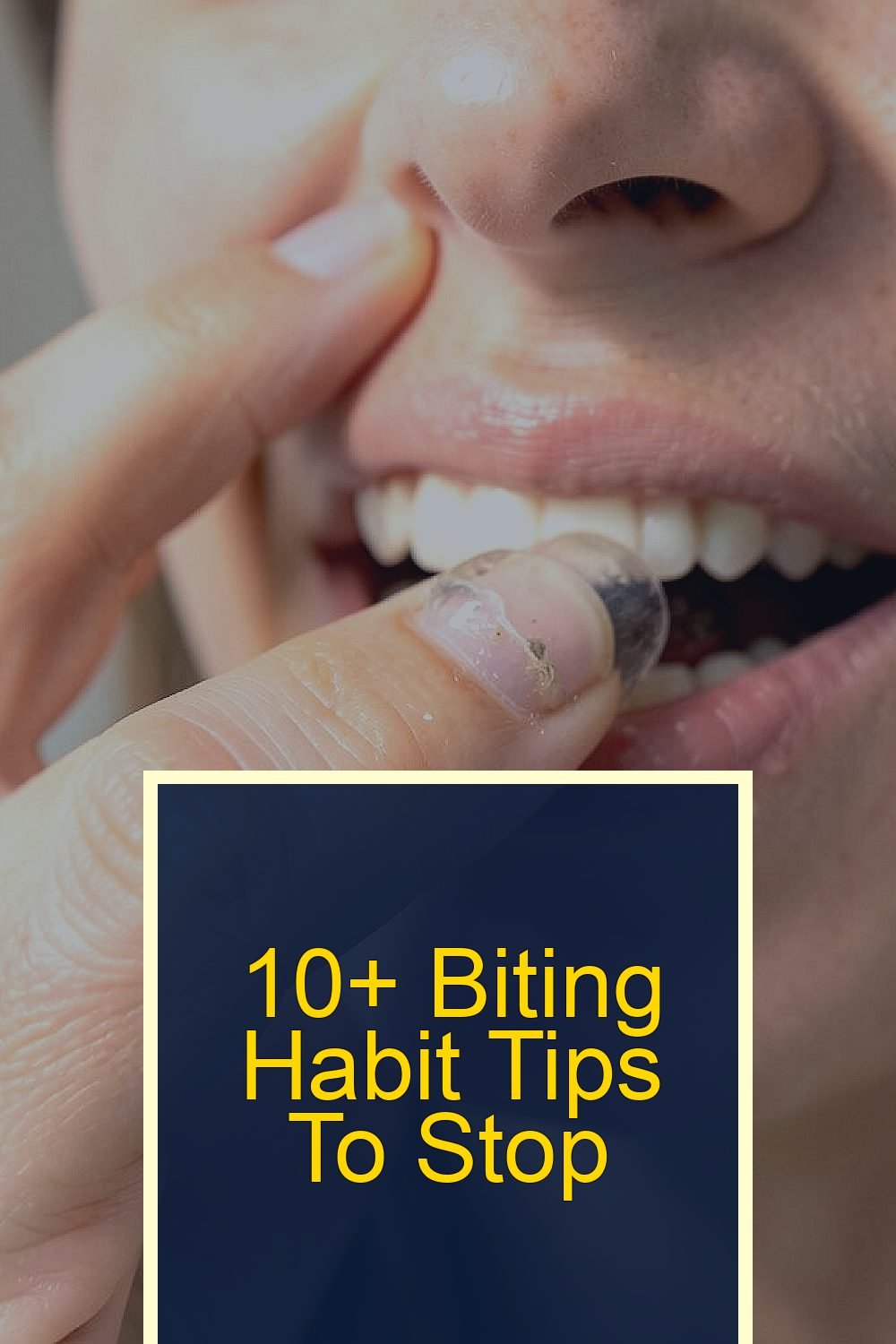
Many people bite their nails, chew on pens, or hold food in their mouth too long without noticing. Small changes can help you stop the habit and feel more at ease.
1. Notice What Starts It

Start by watching your day for the first sign of the habit. You might bite when you feel bored, stressed, or ready to laugh. Try to spot the moment right before your teeth start moving.
Write down what you feel and what is happening around you. Keep it simple, like “home, tired” or “work, waiting.” A clear note helps you see patterns and make a plan.
For a visual cue, look in a mirror when you think you are about to bite. You may see your jaw tense or your mouth close in a fast way. That small look can help you catch it earlier next time.
2. Swap the Biting Motion With a Small Habit

Pick a new action that uses the same hands or mouth, but does not hurt you. For example, roll a smooth stress ball, twist a ring, or fidget with a small cloth. The goal is to keep your body busy in a safe way.
You can also try a “chew without biting” plan. Use sugar-free gum when you feel the urge, and follow the rules on the pack. This can give your mouth something steady to do.
To personalize it, choose something that feels right to you. Some people like cool mint gum, while others like a soft fidget. Try a few options and keep what helps most.
3. Use a Taste Barrier or Bit-Friendly Option
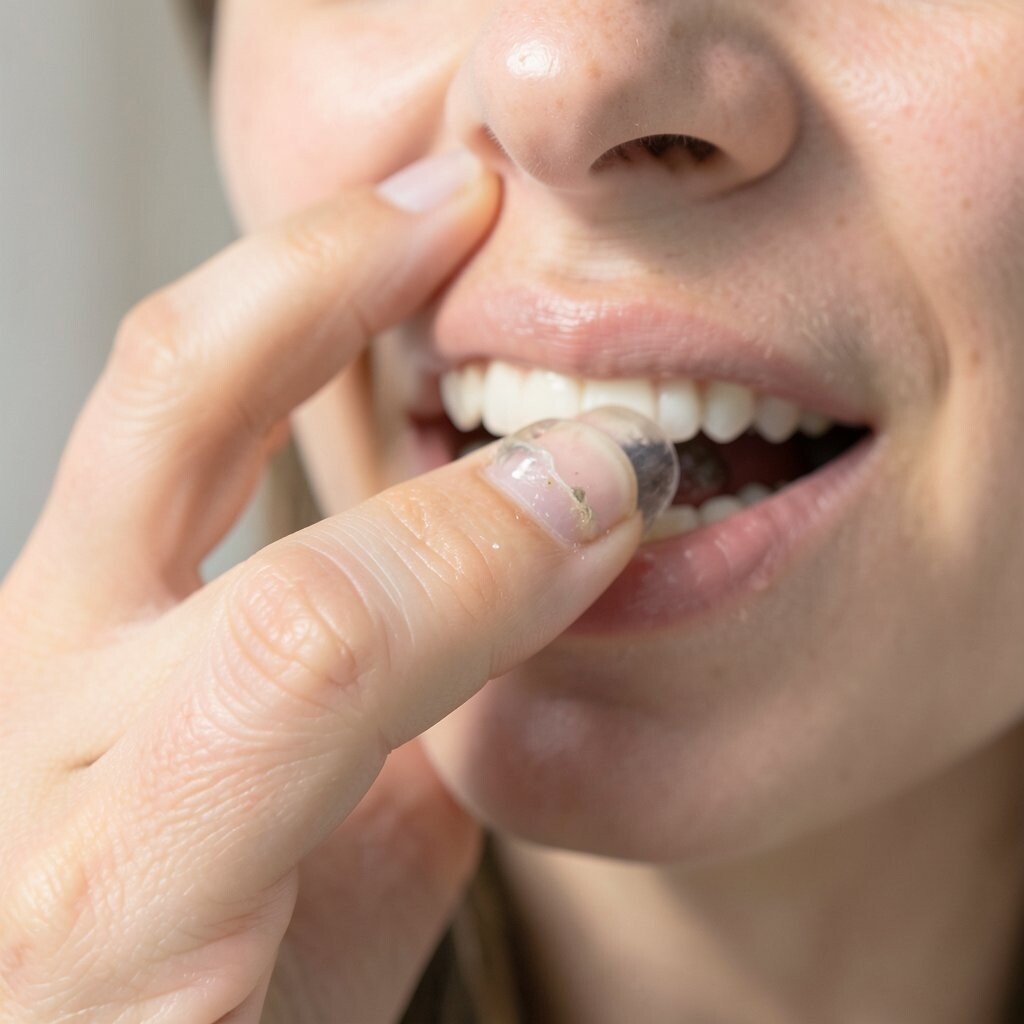
If your habit is tied to taste, a bitter product can help you change the link. Many people use a safe bitter nail or lip guard made for stopping biting. When the taste hits, your body learns to stop.
For a visual idea, think of your fingers with a clear coat and a strong smell that you notice right away. That quick “oh no” feeling can break the loop. Over time, the urge may feel weaker.
Cost can vary, so check small sizes first if you are not sure. If you spend a little, you can test what works without a big risk. This also follows current trends in self-care tools that focus on habit change.
4. Keep Your Mouth and Teeth Feeling Good

A lot of biting habits grow when your mouth feels dry or sore. Drink water often and use lip balm if your lips feel rough. When your mouth feels better, the urge may drop.
Also, take care of your teeth like you would for any daily plan. Brush well, use floss, and notice if you have jaw pain. If you have sore gums or broken teeth, ask a dentist for advice.
Personal benefits are easier to feel when your mouth is comfortable. Many people notice less jaw tightness and less worry about chipped teeth. That comfort can make the habit feel less needed.
5. Change Your Triggers With a Ready Plan

Make a short “if this happens, then I do this” rule. For example, if you feel stress at your desk, squeeze a stress ball for one minute. If you feel bored, chew gum or hold a pen with your fingers instead of your teeth.
Keep the tools near you so you do not have to think. Put gum in a bag, keep fidgets in a drawer, and store a small lip balm by your keys. Easy access makes it more likely you will use the plan.
Visualize the swap in your head before the moment hits. Picture yourself raising a fidget instead of biting. That quick picture can help your brain pick the new habit faster.
6. Wear a Guard If You Need Extra Help

Some people need a stronger barrier to stop biting right away. A dental guard, like a night guard, can help if you bite in your sleep. It also helps protect teeth from wear.
If you bite when you feel anxious, a custom mouth guard might be worth asking about. A dentist can help you find the right fit, and a good fit feels safer and more comfortable. Comfort matters, or you may stop using it.
Cost depends on the type and the provider, so ask about options early. Even one visit can set you on the right path. This is a practical option that many dental care plans include for habit protection.
7. Use Relaxing Moves for the Body

Your jaw and face react to stress before you notice. Try slow breathing when you feel the urge. Inhale for a short count, hold for a moment, then exhale slowly.
You can also stretch your jaw in a gentle way. Drop your shoulders, open your mouth a bit, then close it with care. Move slowly and stop if you feel pain.
Some people like a quick routine that fits their day. For example, take a short walk, shake out your hands, and then do the breathing. These moves can lower tension and make biting feel less “needed.”
8. Make “Pause Time” Part of Your Routine

When you feel the urge, do a short pause before you act. Count one breath or two steps, and then check how you feel. This break in timing helps you interrupt the habit.
During the pause, relax your jaw and place your tongue lightly. Keep your teeth apart if you can. Even small changes in tongue and jaw position can reduce biting.
To personalize, link the pause to something you already do. For example, pause when you check your phone, before you answer a message, or right after you sit down. That timing can help you build a steady pattern.
9. Keep Your Hands Busy in a Simple Way

Many biting habits start as a hand action that turns into a mouth action. If your fingers are busy, your teeth may not get the urge. Use a pen cap, a keychain fidget, or a small putty you can roll.
Pick items that are safe and easy to wash. If you use a fidget, choose one that feels smooth and does not break. This can help you keep using it without frustration.
There is also a lot of interest right now in fidgets and “busy hands” tools. You may see these in schools and offices, and they can fit real life. The cost is often low, especially for simple tools.
10. Watch for “Laugh Biting” and Fix It Early

Some people bite when they smile or laugh, even if it feels small. Your face might tense, and your teeth move without you thinking. Try to notice the exact moment your mouth tightens during fun moments.
One tip is to keep your lips relaxed while you smile. If you feel your teeth start to press, stop and reset for a second. You can also hold a gentle gum chew during social time if that helps you.
Personalize by testing what fits your style. Some people like gum, while others like a fidget in their pocket. Pick the option that lets you feel natural while still stopping the bite.
11. Track Progress in a Real, Low-Stress Way
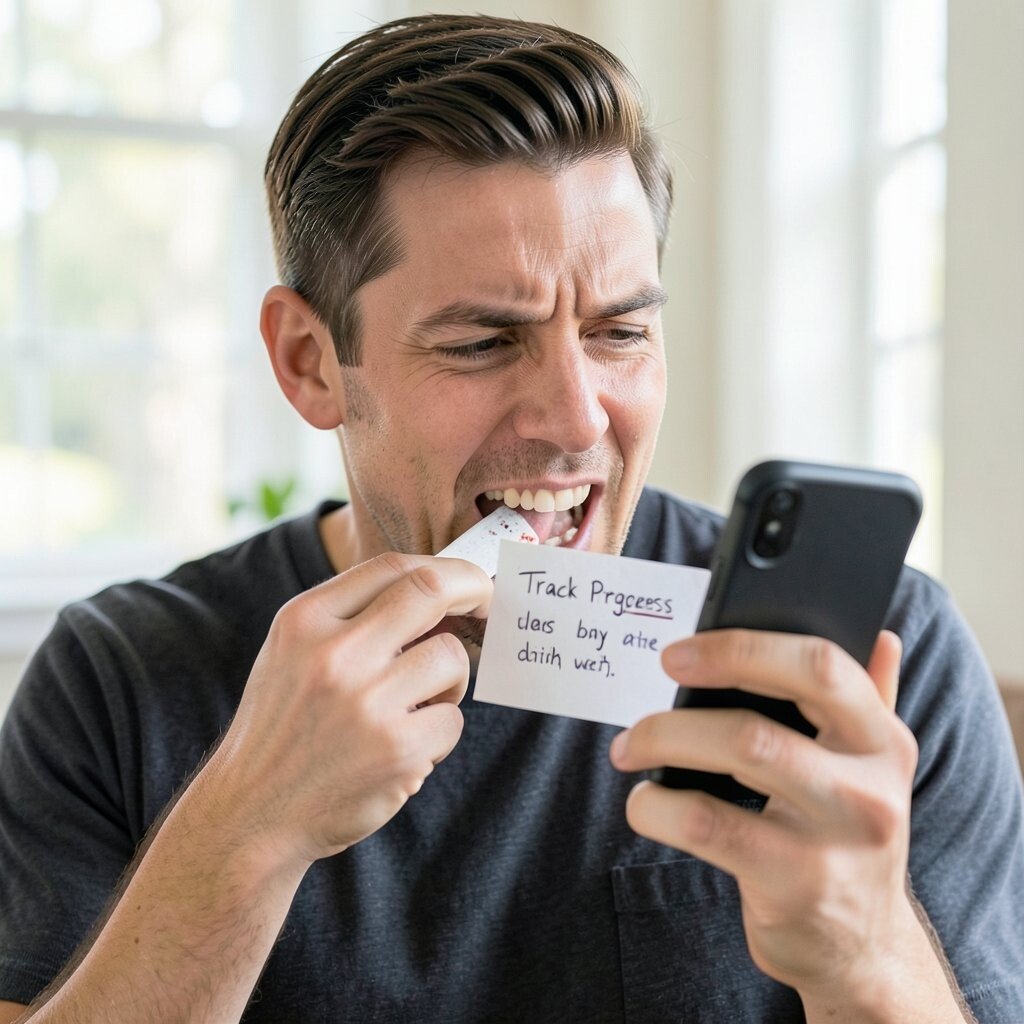
You do not need big charts or long logs. Use a simple note on your phone and mark when you catch the urge. Even small wins matter because habit change takes time.
Look for trends, like “less biting after I drink water” or “more biting in the car.” When you see it clearly, you can adjust your plan. This makes your effort feel smarter, not harder.
For benefits, you may notice fewer sore spots, less tooth worry, and less jaw tightness. Cost can stay low if you use what you already have at home. When you track in a calm way, you keep going and build confidence.