
Many people feel cooler when they have a simple heat plan for lizards. You can help your lizard stay active and safe without making things too hard.
1. Sun Spot With Shade Edges
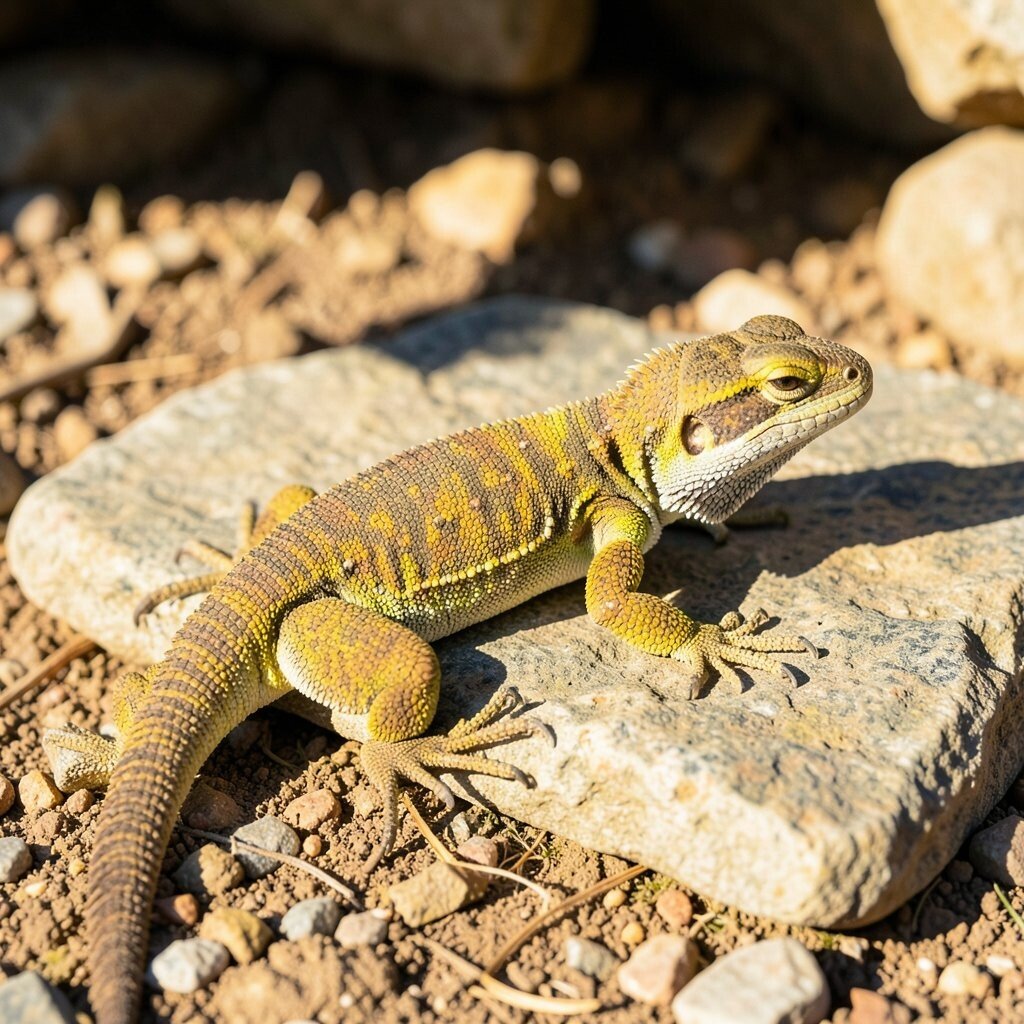
Pick a warm sun spot, but add shade edges nearby. You can use a flat rock near a small hide so your lizard can choose comfort. In the light, you may see a calm body pose and bright skin color.
This setup helps with digestion and daily energy. If the area gets too hot, move the heat source or shift the rock. A good tip is to watch your lizard for restlessness and fast breathing.
Cost is low if you use items you already have. For a personal touch, pick stones with a rough top so your lizard can grip better.
2. Ceramic Heat Emitter at the Right Spot
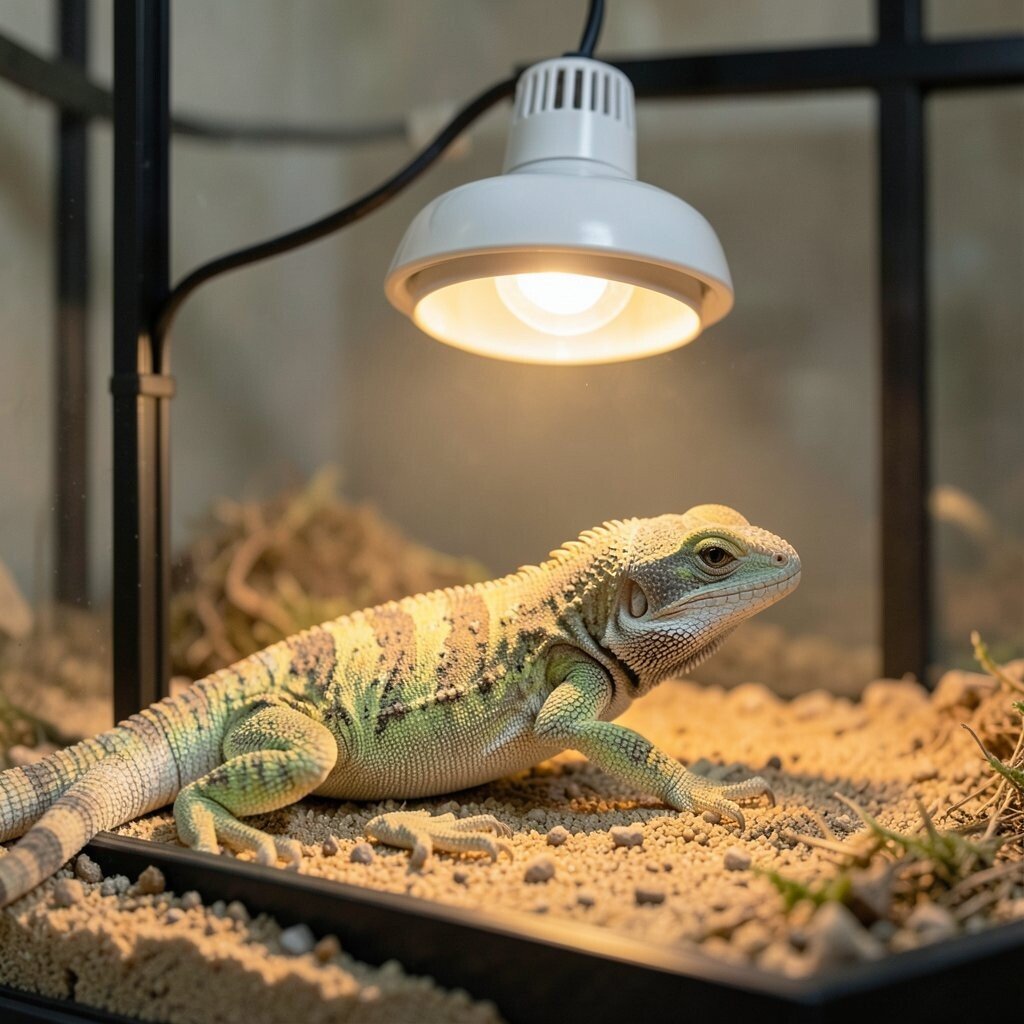
A ceramic heat emitter can give steady warmth without bright light. Place it above one side so your lizard can move in and out of the warm zone. Many owners like how it looks like a small home heating lamp.
This helps your lizard keep normal body heat during cooler hours. It also supports better daily movement and feeding. Use a dimmer only if your setup allows it, and always check the cage temps.
Trends in reptile care now focus more on steady heat with fewer light shocks. You can make it unique by setting up a neat cable route and a simple guard for safety.
3. Heat Pad Under One Side
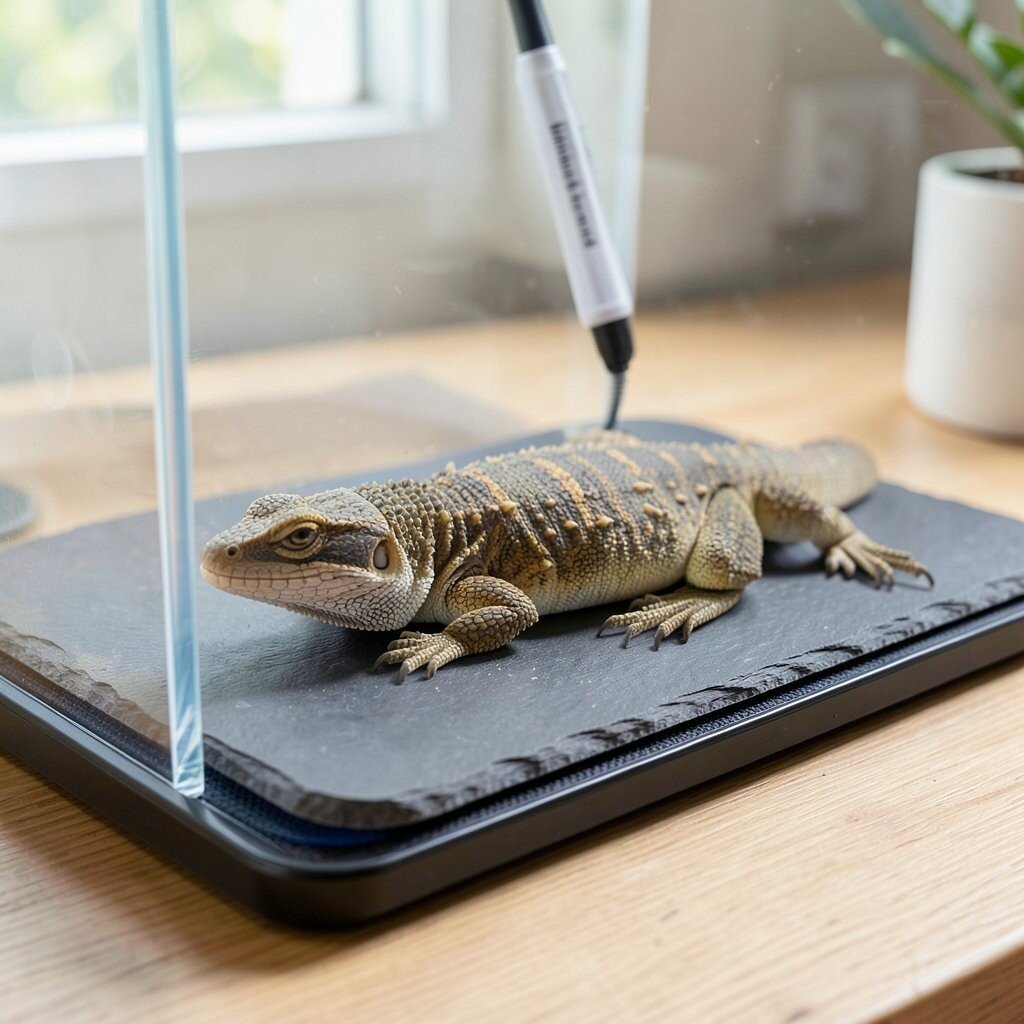
A heat pad under one side can warm the bottom area of the tank. Use it with a thermostat so the heat does not get too high. You may notice your lizard resting with its belly near the warm side.
This method can help with digestion, especially after cooler nights. It also supports steady comfort during day time. A tip is to test the surface with a thermometer before you let your lizard use it.
Cost is often fair because heat pads are common and easy to find. Personalize by adding a flat slate slab on top so your lizard has a smooth warm place.
4. Warm Hide Box With a Thermometer
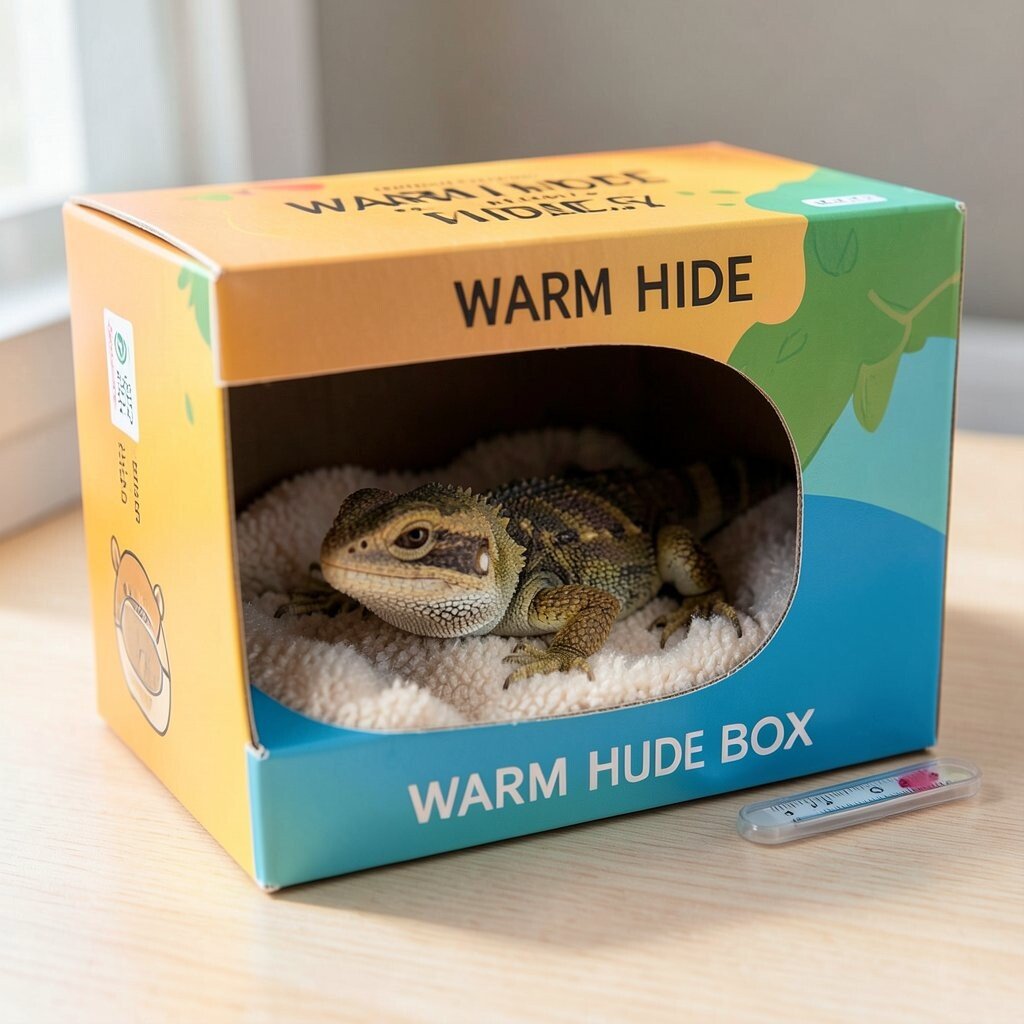
A warm hide box gives a safe place when the air feels cool. You can use a small container with a cut door and add soft bedding inside. In the hide, your lizard may sit still and relax.
This helps your lizard feel secure and can reduce stress. It also gives a warm option without bright light. Use a small thermometer near the hide so you know the real temp.
You can spend little by using a spare food container or a simple store hide. For uniqueness, paint the outside with safe, non-toxic color so it looks clean and fun.
5. Flip-Style Basking Stone on a Timer
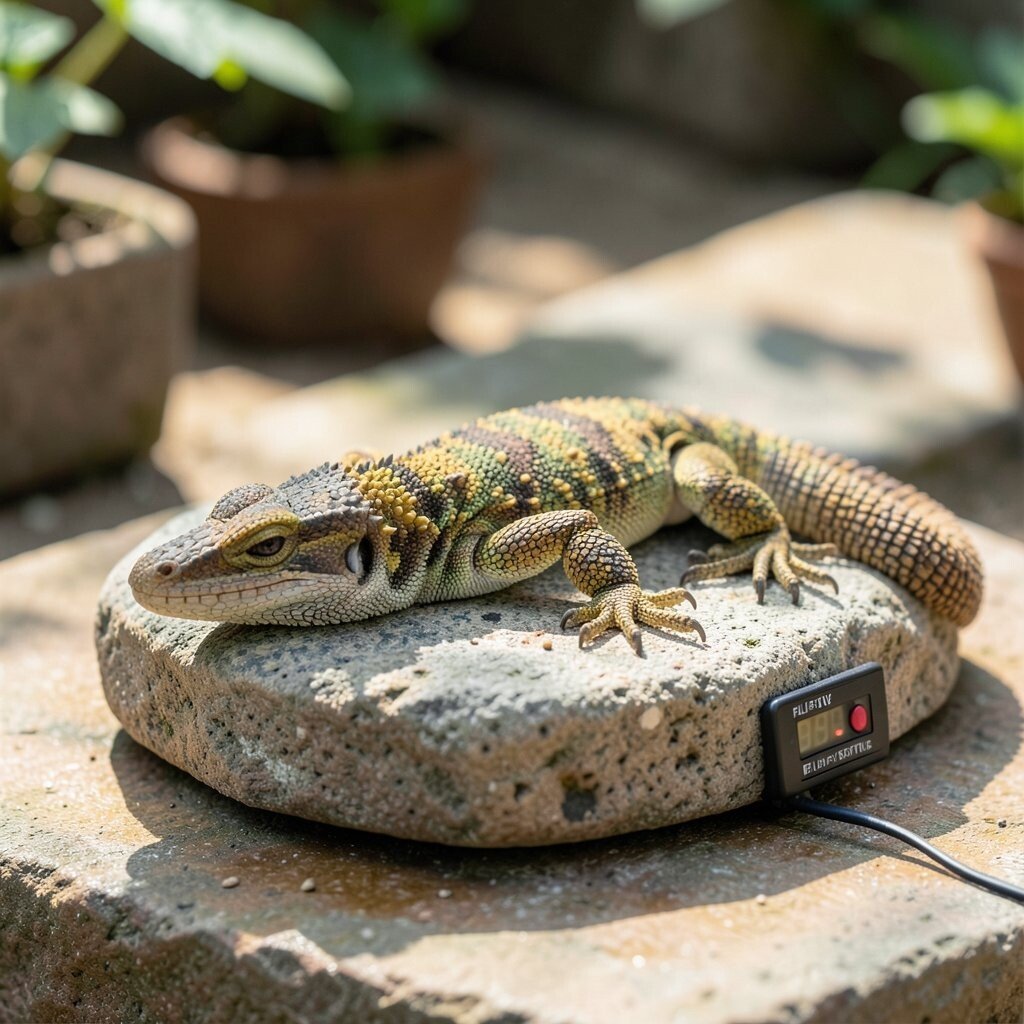
A basking stone that stays warm can be useful in cooler days. Choose a stone made for reptile tanks, then add a timer so heat runs at set times. You may see your lizard lie still with legs spread or tucked.
This helps with daily warm-up so your lizard can move and eat better. It can also help with regular body cycles. A tip is to start with shorter on times and then adjust based on how your lizard acts.
This idea fits current trends toward schedules and clear control. Cost can vary, but timers are often not too expensive.
6. Tile Ramp for Easy Warm Moves
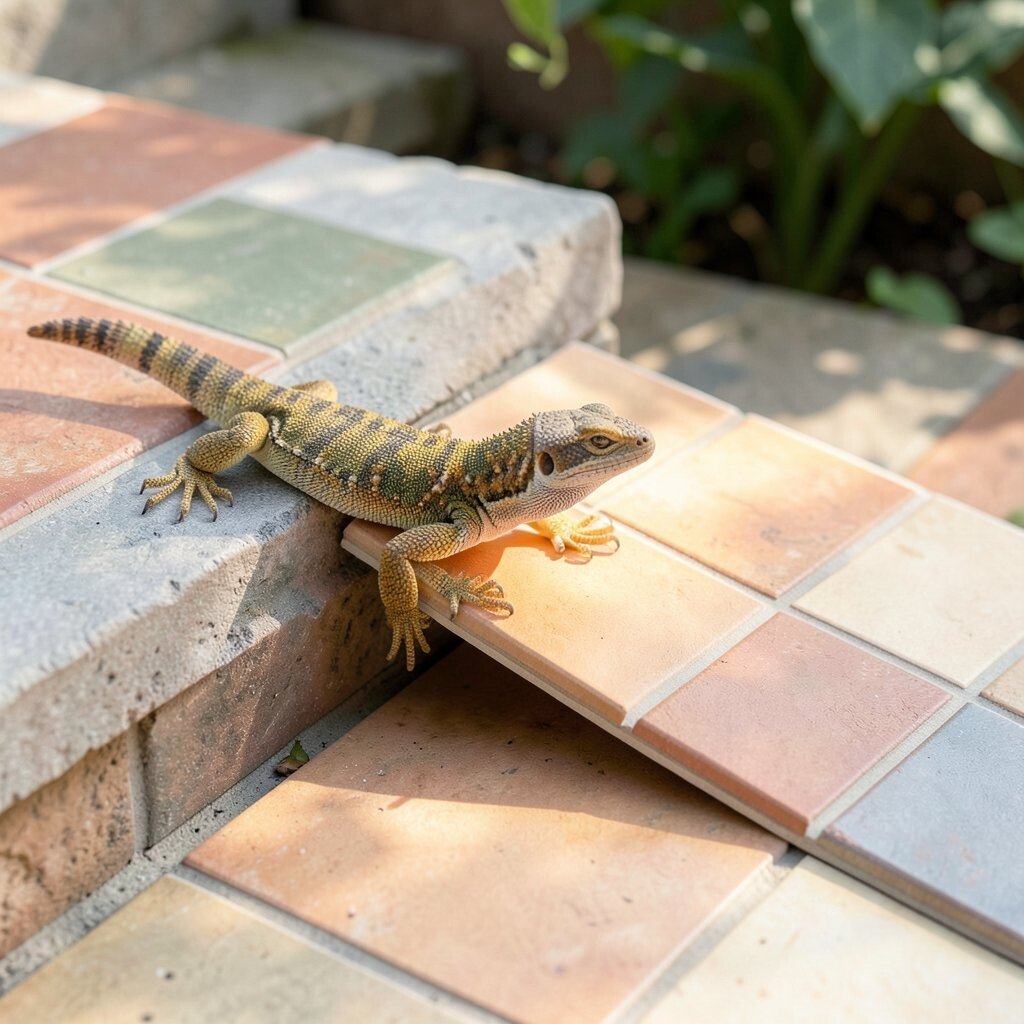
A tile ramp lets your lizard climb to a warm ledge without extra fuss. Put non-slip tiles and leave a path from cool to warm areas. You might see your lizard explore the ramp and pause near the heat.
This makes it easier for your lizard to pick its comfort level. It also helps support natural movement and better grip. A tip is to check that the ramp does not get sharp edges or wobble.
Personalization is simple: choose a color tile that matches your setup. This can be a low-cost build if you use leftover tiles.
7. Warm Water Bath for Short Soaks
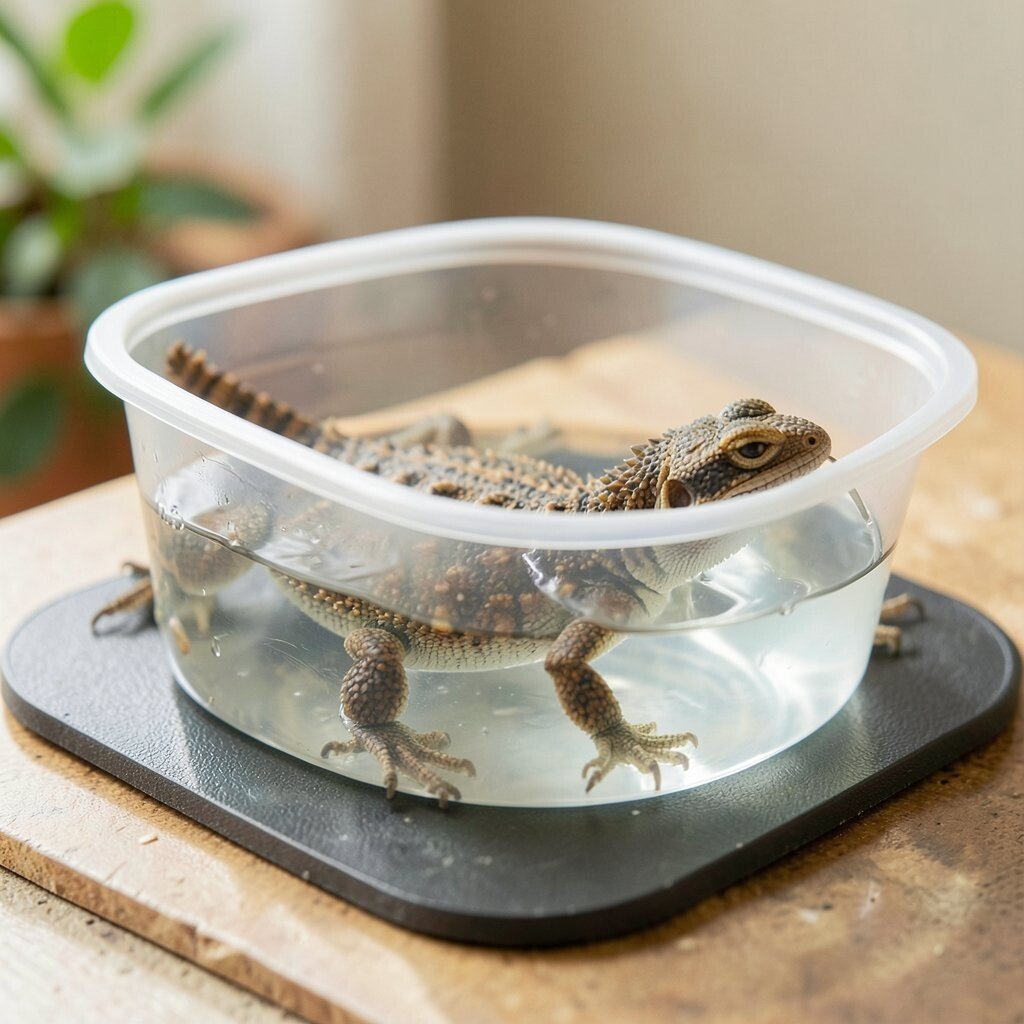
A short warm water bath can help if your lizard seems dry or stiff. Use warm, not hot, water and only soak for a short time. You may see your lizard relax its body and drink a little.
This can help with skin comfort and shedding. It can also help your lizard cool down if it gets too hot in the basking spot. Always watch closely and stop if your lizard seems upset.
Cost is low since you just need a safe container. For personalization, keep the container on a non-slip mat so it feels steady.
8. Mist and Humidity Control for Comfort
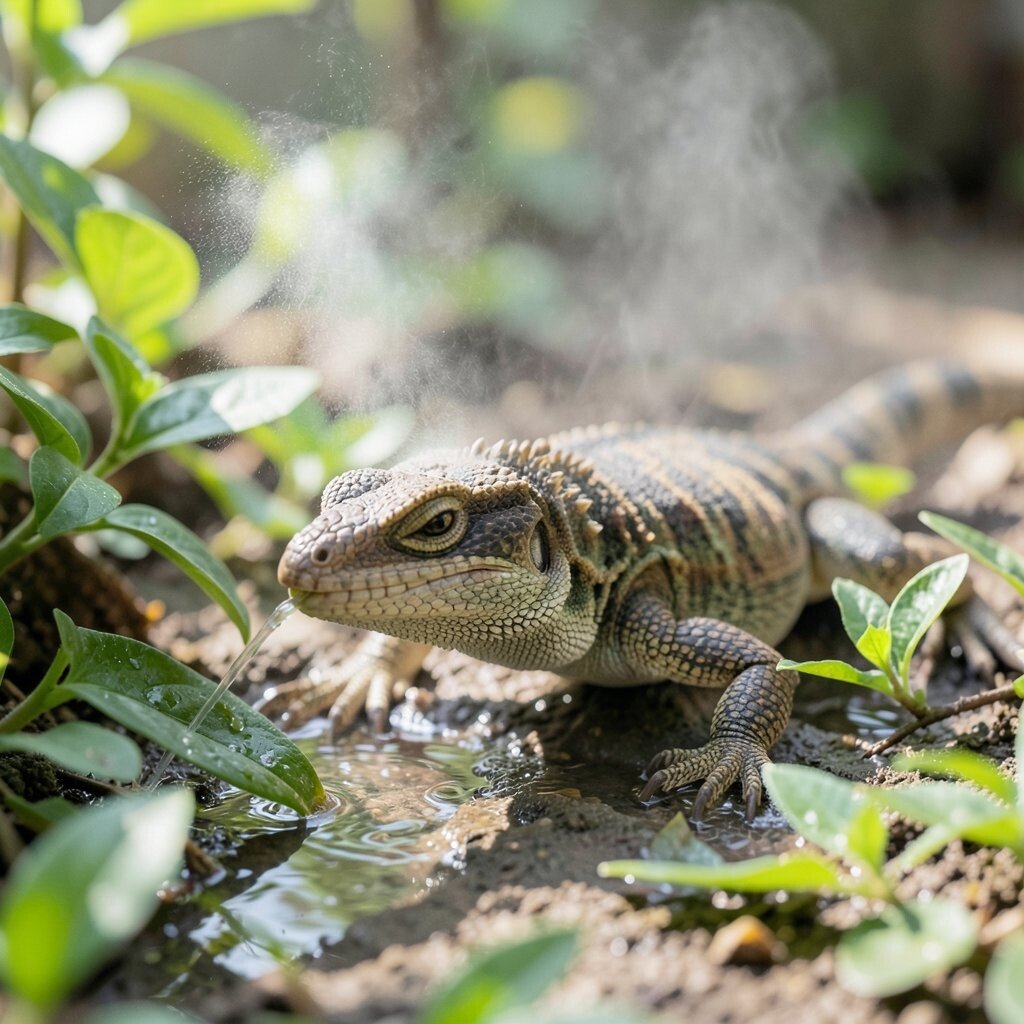
Humidity can matter on cooler days because the air may feel dry indoors. Use a mist bottle to lightly add moisture, not soak everything. You may see your lizard drink from leaves or stay near the damp area.
This helps with shedding and general skin comfort. It also supports healthy breathing if your lizard likes more moisture. A tip is to use a small humidity meter so you do not guess.
Trends show more people using simple meters instead of guesswork. Cost stays low, and you can fine-tune it for your room and season.
9. Safe Window Sun With a Distance Check
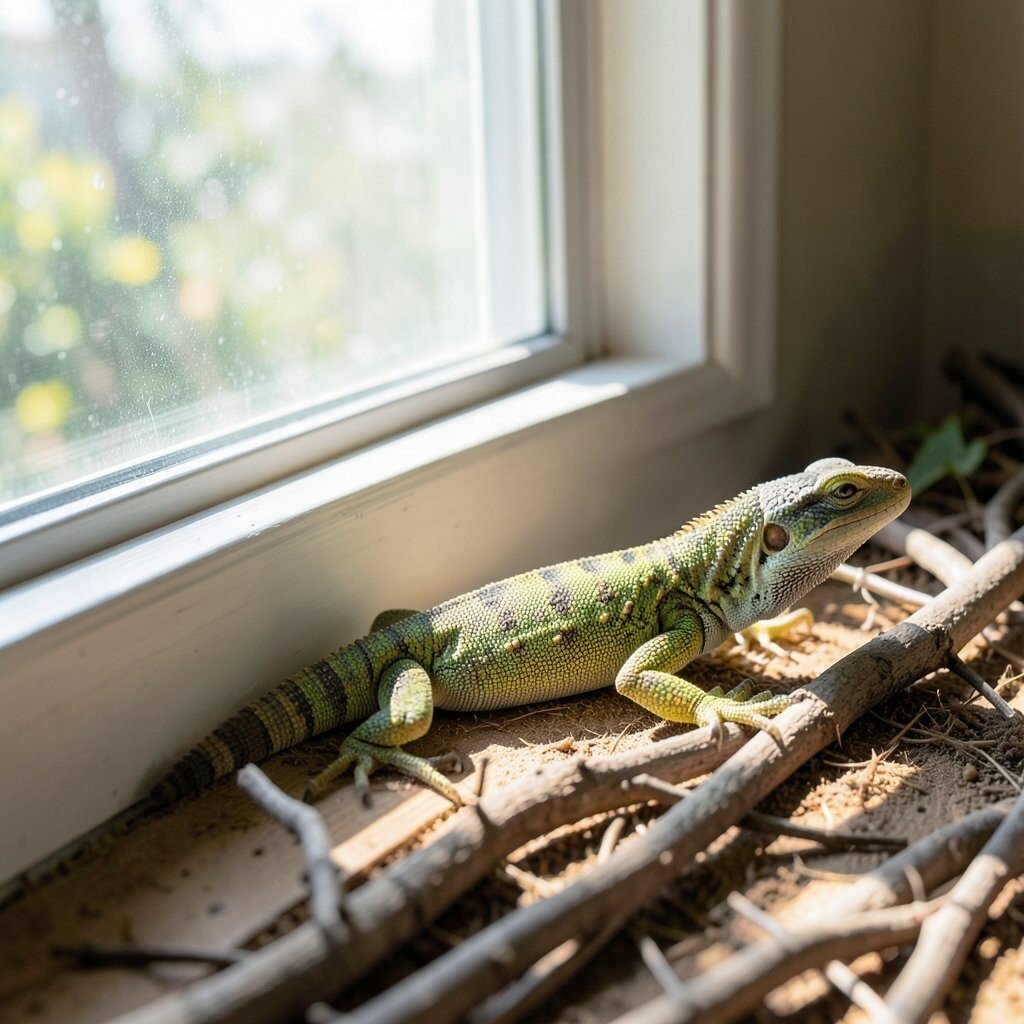
Natural sun through a window can help when the room feels cool. Place a basking spot near the window, but keep safe distance so it does not get too hot fast. You may see your lizard soak up light and change position as the sun shifts.
This can support normal daily warmth and help your lizard feel calm. Still, window light can get very hot, even on mild days. A tip is to use a thermometer and check often during the day.
This is a budget-friendly option that many hobbyists use in summer-like weather. For uniqueness, make a tidy path with branches so your lizard can move toward the window.
10. Add Reflective Foil Around the Heat Zone
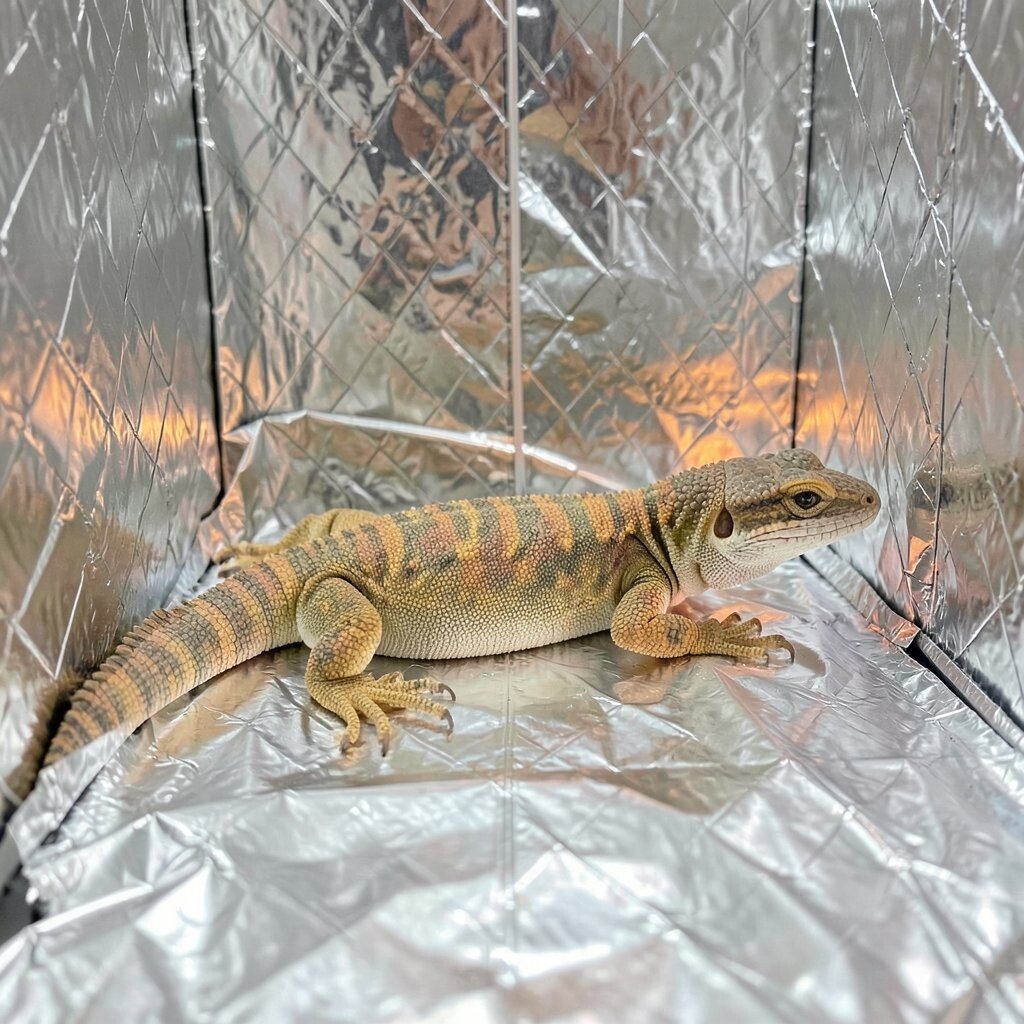
Reflective foil can help send warmth into the cage area. Place it around the heat zone walls, but keep it away from direct contact with the heat source. You may notice the warm side feels more steady.
This can make heating more efficient, which helps in cooler rooms. It also helps you keep temps stable with less effort. A tip is to cover any sharp foil edges with tape so your lizard cannot scrape itself.
Cost is low because foil is easy to find. For personalization, you can line the tank back in a clean pattern that looks neat.
11. Swap Light Bulb to Match the Season
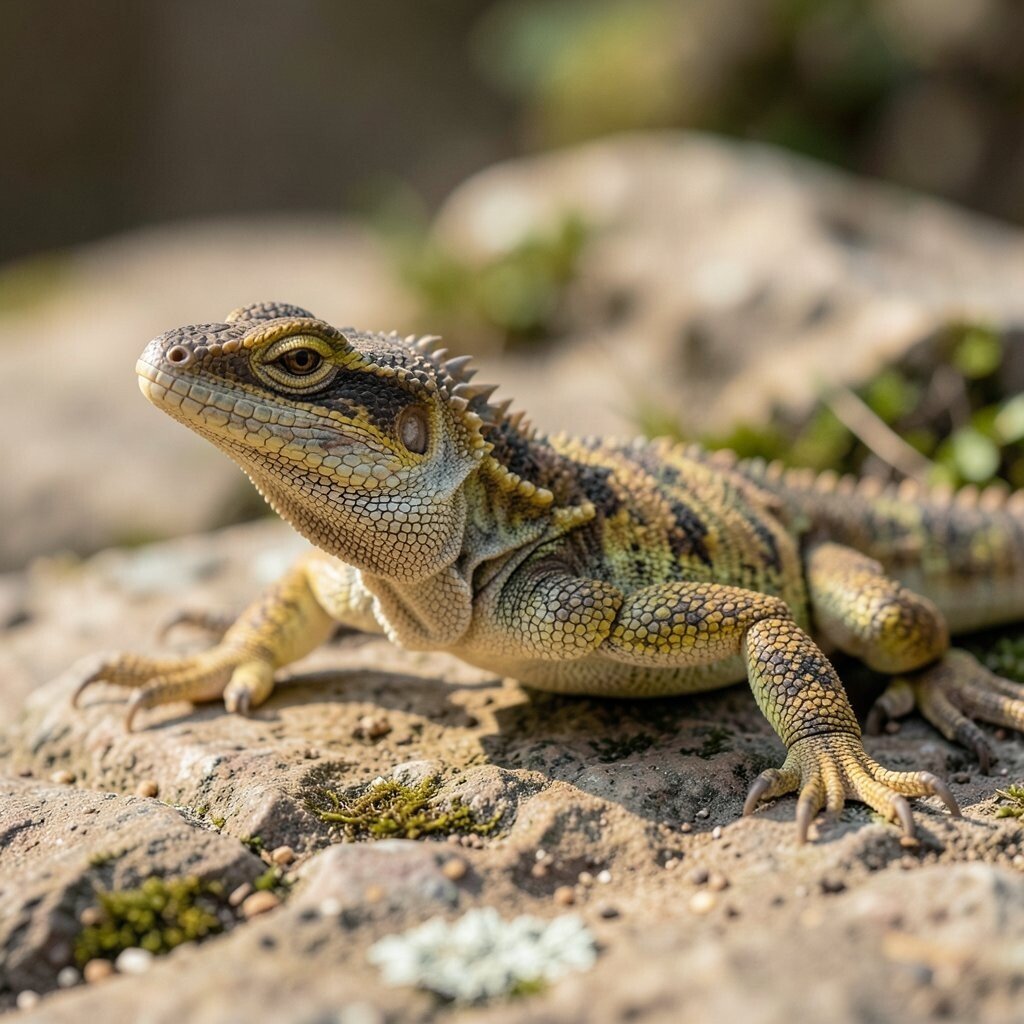
If your lizard uses a heat or basking bulb, check if it fits the season. Cooler days may need a different bulb type or a new watt level. You may see your lizard spending more time under the bulb as it warms up.
This helps your lizard get the right warmth at the right time. It can also support healthier eating and more active hours. A tip is to change one thing at a time so you can tell what helped.
Trends in reptile keeping now stress steady temps over guess light choices. Cost depends on the bulb, but it is often a simple swap.
12. Build a Branch Perch Over the Warm Area
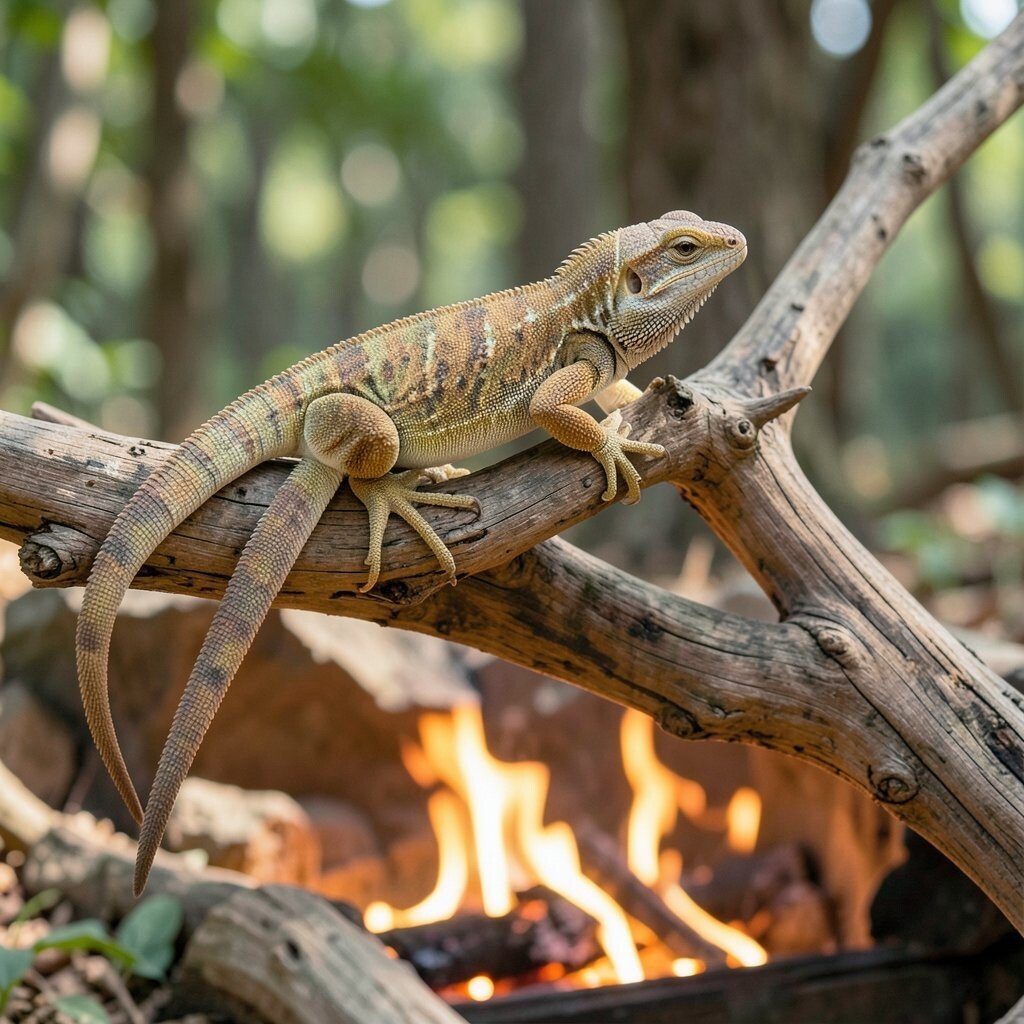
A branch perch over the warm side gives a high basking option. Make sure the branch is steady and does not block airflow. Your lizard may climb up and bask with its head toward the heat.
This adds a height option that some lizards enjoy. It can also help your lizard warm up faster because heat rises a bit. A tip is to place the perch so your lizard cannot touch the heat source directly.
Personalize with a safe branch shape and a natural look. Cost can be low if you use a dry piece of wood that you clean and prepare well.
13. Use a Second Thermometer for Better Checks
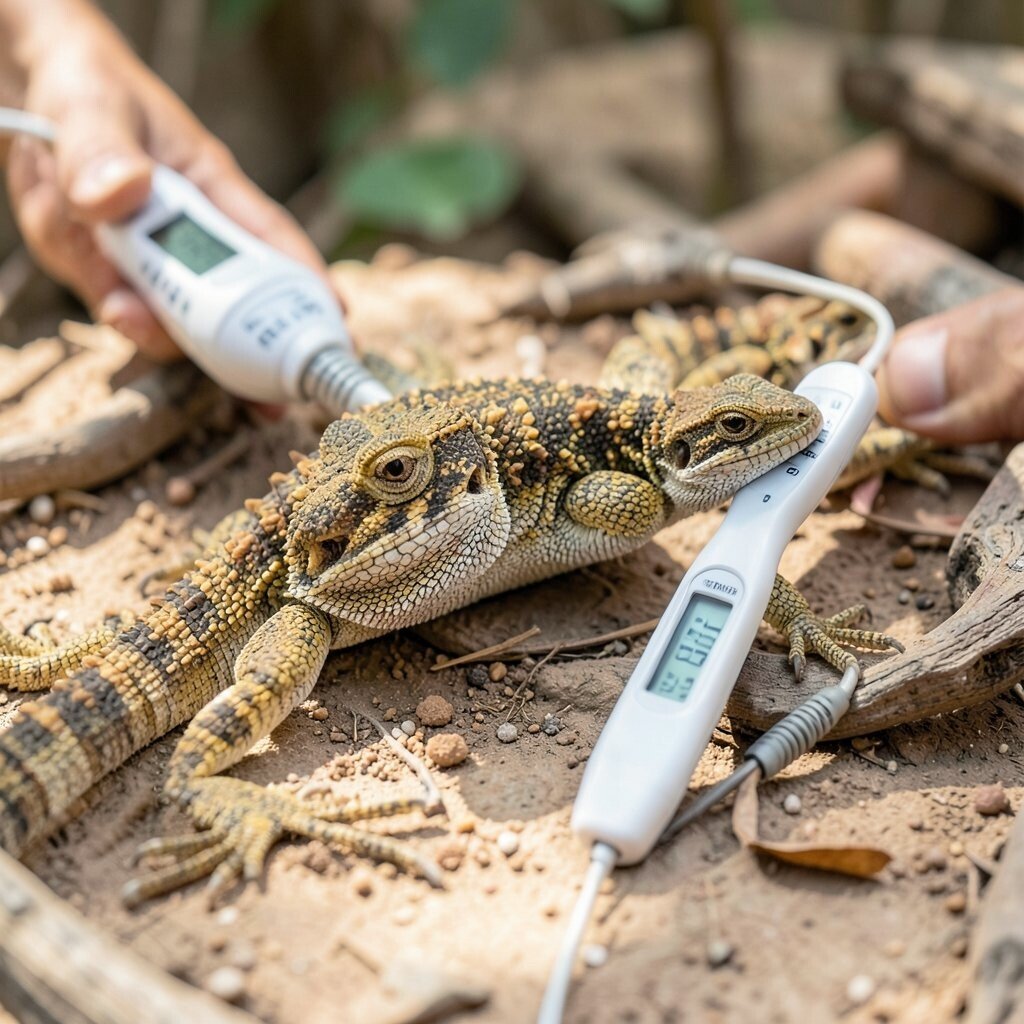
Use more than one thermometer so you know what the cage really feels like. One can track the warm area, and one can track the cool side. You may spot a mismatch right away if one spot runs too hot.
This helps you avoid mistakes that can harm your lizard. It also makes it easier to keep a stable heat plan on cooler days. A tip is to check both readings after you change heat timers or bulbs.
This idea is popular because many owners want clear data, not just a guess. Cost is usually fair because extra meters are often easy to buy and set up.