
Your pet learns you in small, daily moments. When you repeat these habits, your bond grows in a steady way.
1. Daily Quiet Sit
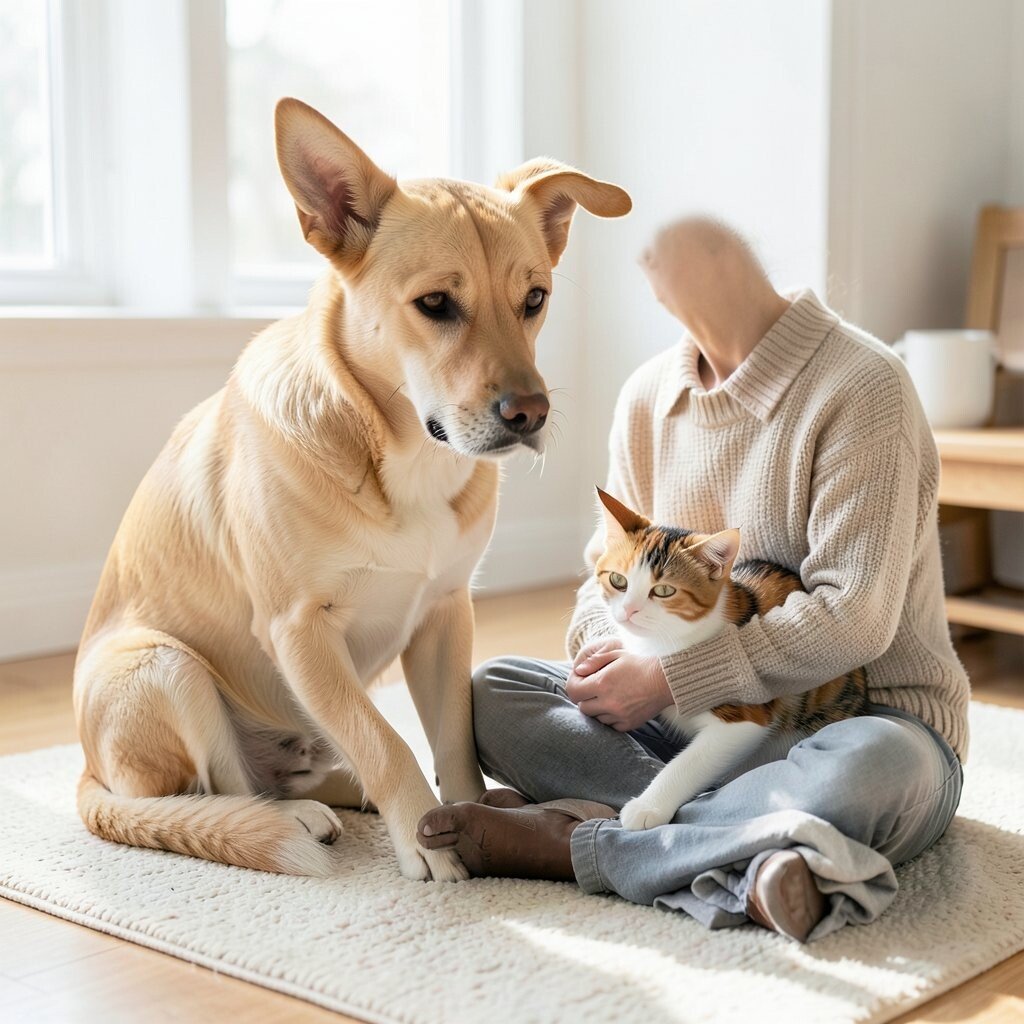
Pick a calm time each day and sit near your animal. You can read a book, fold laundry, or just breathe slowly. Try to keep your voice low and your body relaxed.
Many animals feel safe when they see you stay still. This can help with stress and fear, especially for shy cats or nervous dogs. You may also notice your pet comes closer on its own.
For a simple tip, start with a short time and then add a little more each week. If your pet walks away, that is fine. You can try again later without pushing.
2. Gentle Hand Feeding
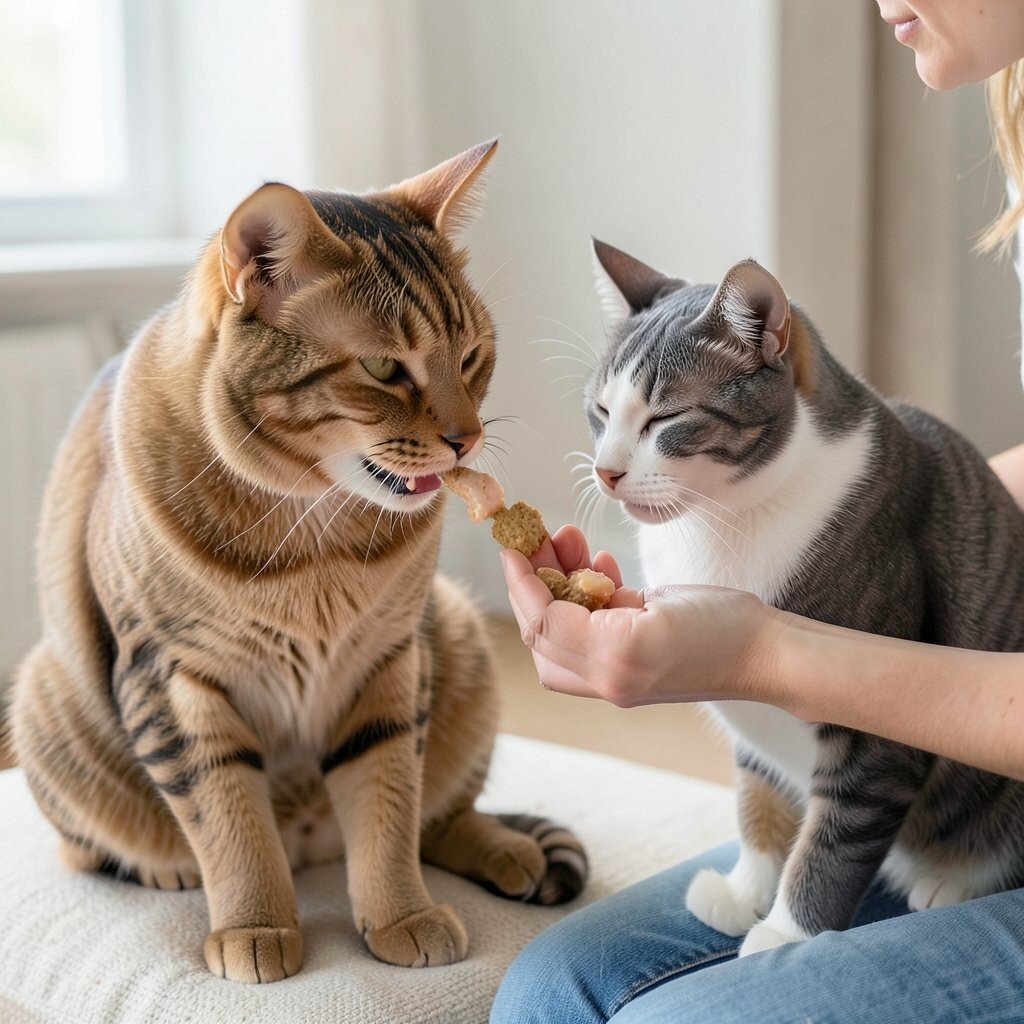
Set aside small treats and feed them by hand. Use soft, easy bites so your pet does not rush. Sit down and place the treat near your hand, then wait for your pet to choose it.
Hand feeding can build trust because your pet links you with good things. It also helps with manners, since your pet learns to pause and look at you. For cats, try a slow blink and offer food without sudden moves.
Keep it low cost by using your pet’s normal food as a treat. You can also use safe, plain foods like small pieces of cooked chicken. As a trend, many people are now using small training rewards instead of big bag treats.
3. Short Training Sessions
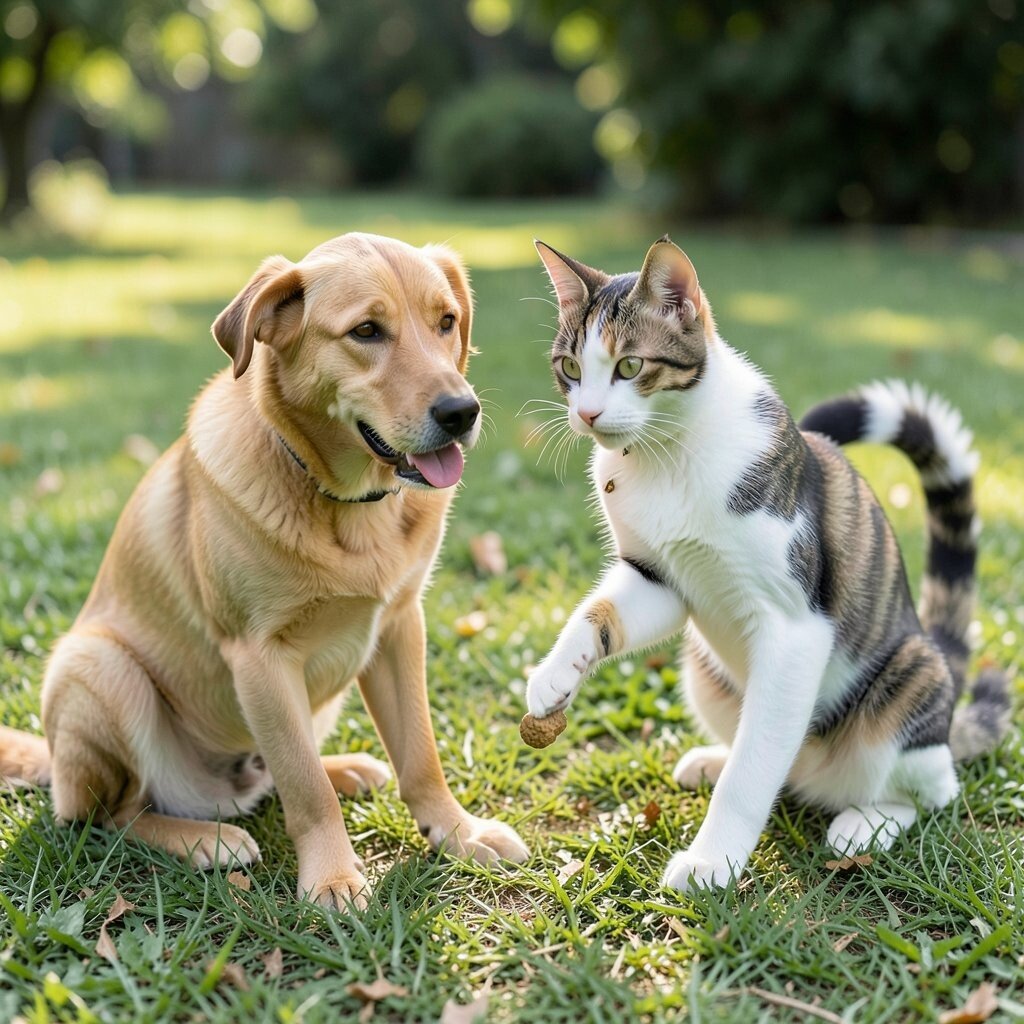
Do training in tiny blocks, like five minutes or less. Pick one skill, such as sit, come, or touch. Use treats and kind praise, and end while it is still going well.
Training is not only for “teaching.” It is also a way to talk with your animal using clear signals. Your pet learns what to do, and you learn what they understand. That shared rhythm can make your connection feel stronger.
Personalize the plan for your pet’s mood. If your dog is tired, use easy steps. If your cat likes to move, practice a simple target touch. Keep the cost low by using small treats you already have.
4. New Smell Walks and Routes
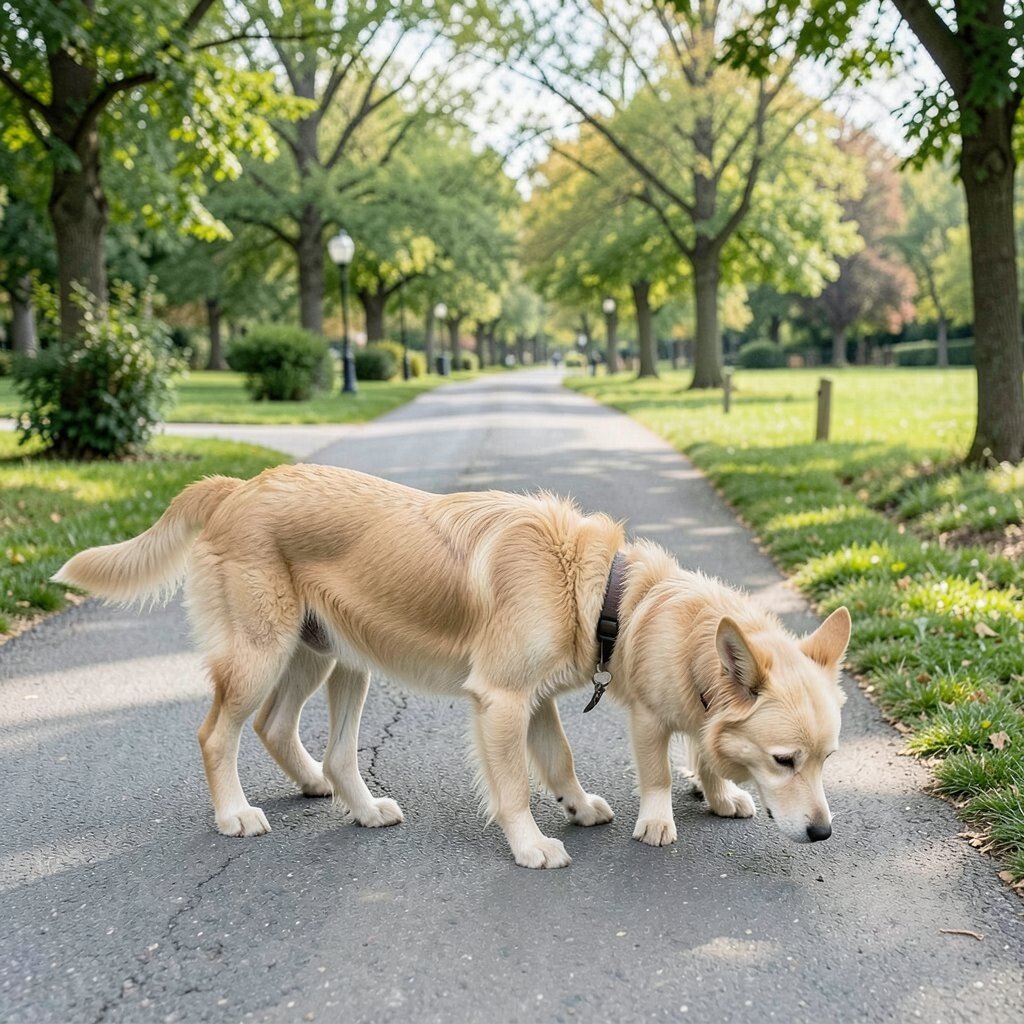
When you go outside, do not only rush to the same spot. Let your pet stop and sniff. Choose a new street, park path, or yard route now and then.
Sniffing helps your pet feel calm and informed. It also gives your animal a job, so the walk feels more fun. You may notice better focus and less pulling when you add time for smells.
Try a low effort version by adding just one new turn. For personalization, match the route to your pet’s comfort, like quieter areas for shy pets. A current trend is “sniff walks,” where owners slow down to support natural animal behavior.
5. Cozy Grooming Sessions
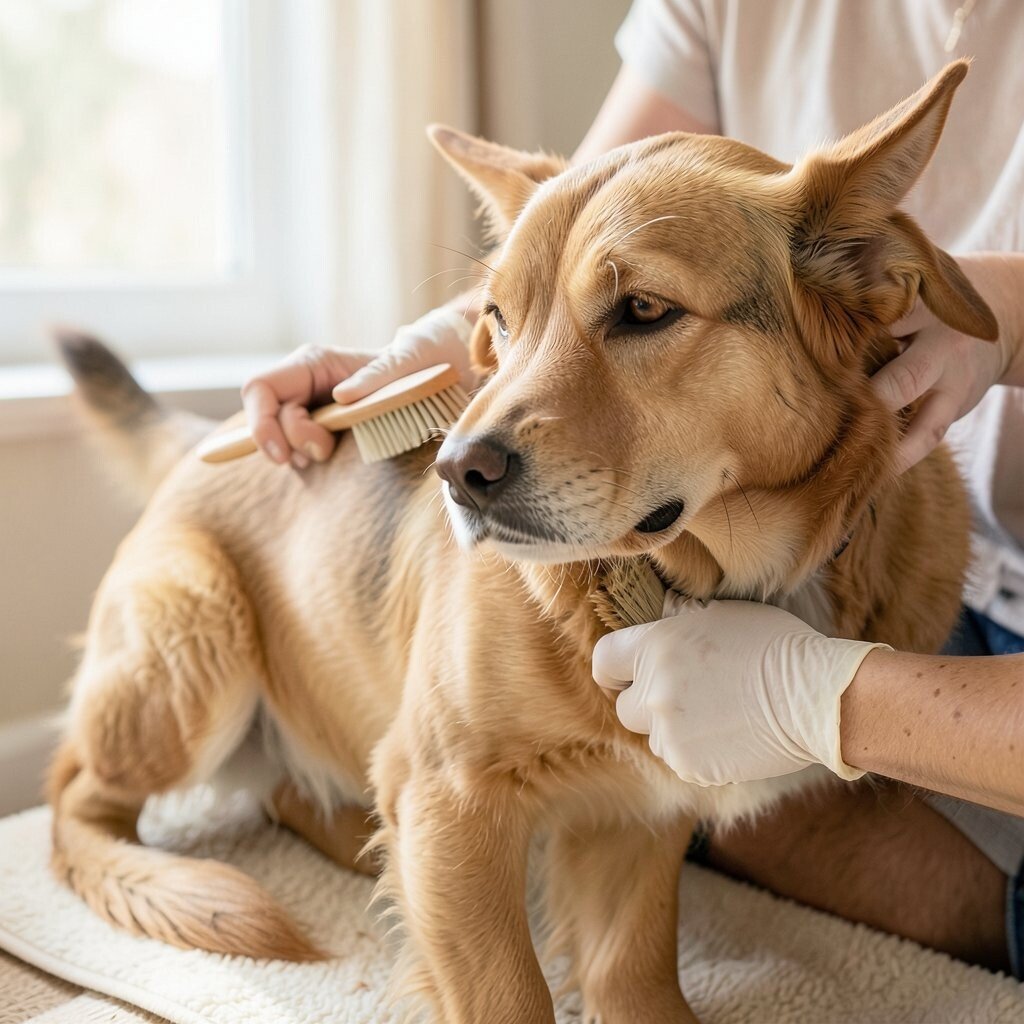
Brush your pet with care and go slowly. Watch for signs like calm body posture or relaxed eyes. Use a brush that fits your pet’s fur type.
Grooming helps remove loose hair and can prevent small mat build up. It also feels good for many animals because it includes touch and time together. Some pets even start to relax right away when they see the brush.
Make it easy by doing short grooming, then stopping before your pet gets annoyed. For cats, you can use a soft glove or a gentle brush. Keep costs down by using simple tools from pet stores, but avoid harsh brushes.
6. Play With One Favorite Toy
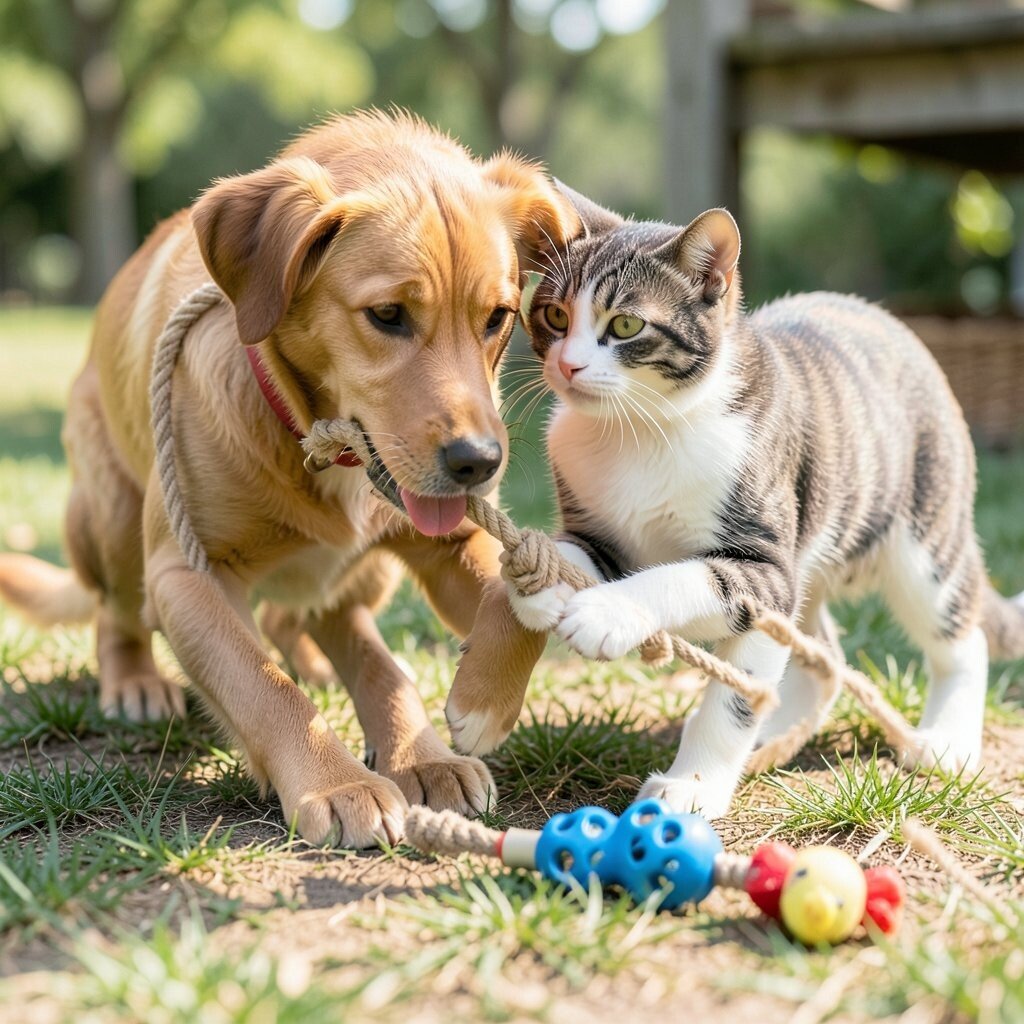
Pick one toy your pet truly likes and use it often. It can be a rope, ball, wand toy, or crinkle mouse. When you play, move in a steady way and keep it fun and safe.
Play helps your pet use energy in a good way. It also shows your pet that you make good things happen. Many owners notice that their pet looks for them more when play is part of daily life.
Personalize play time to your pet’s style. Dogs may like fetch, while cats often enjoy slow stalking games. A budget tip is to rotate one toy and replace only when it breaks. Some trends include “wand play” and puzzle feeders to mix movement with brain work.
7. Meal Time Routines
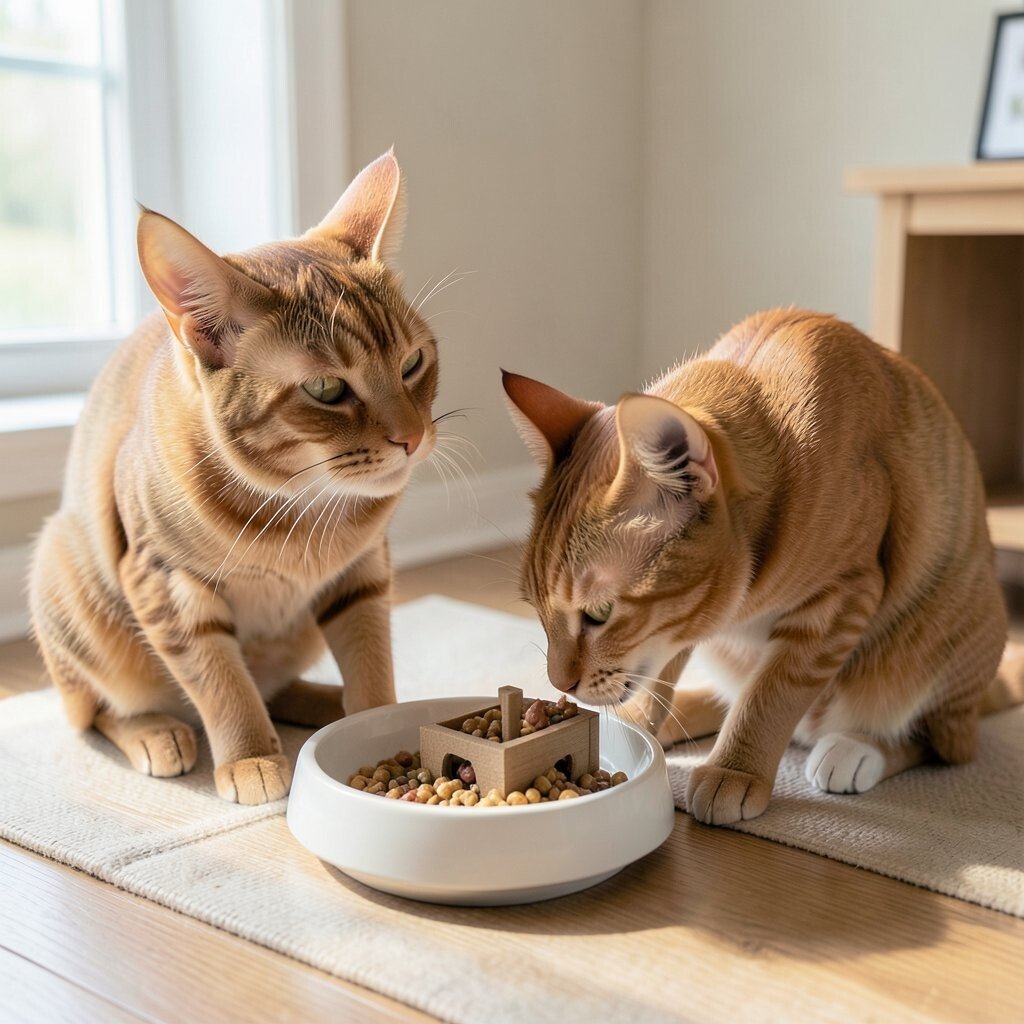
Feed your pet at the same times when you can. Keep the setup simple and quiet. Use the same bowl place and use the same calm tone.
Routines can lower stress for both pets and people. Your animal starts to trust that food will come and that you will act the same way. This can also help with house habits and better digestion.
To personalize, watch how your pet eats. Some animals like slow eating, so a puzzle feeder may help. For cost, you can make slow eating with a safe insert or use a homemade cardboard maze idea with caution. Many new owners now use time-based feeding schedules on top of training.
8. Train With Positive Clicks or Cues
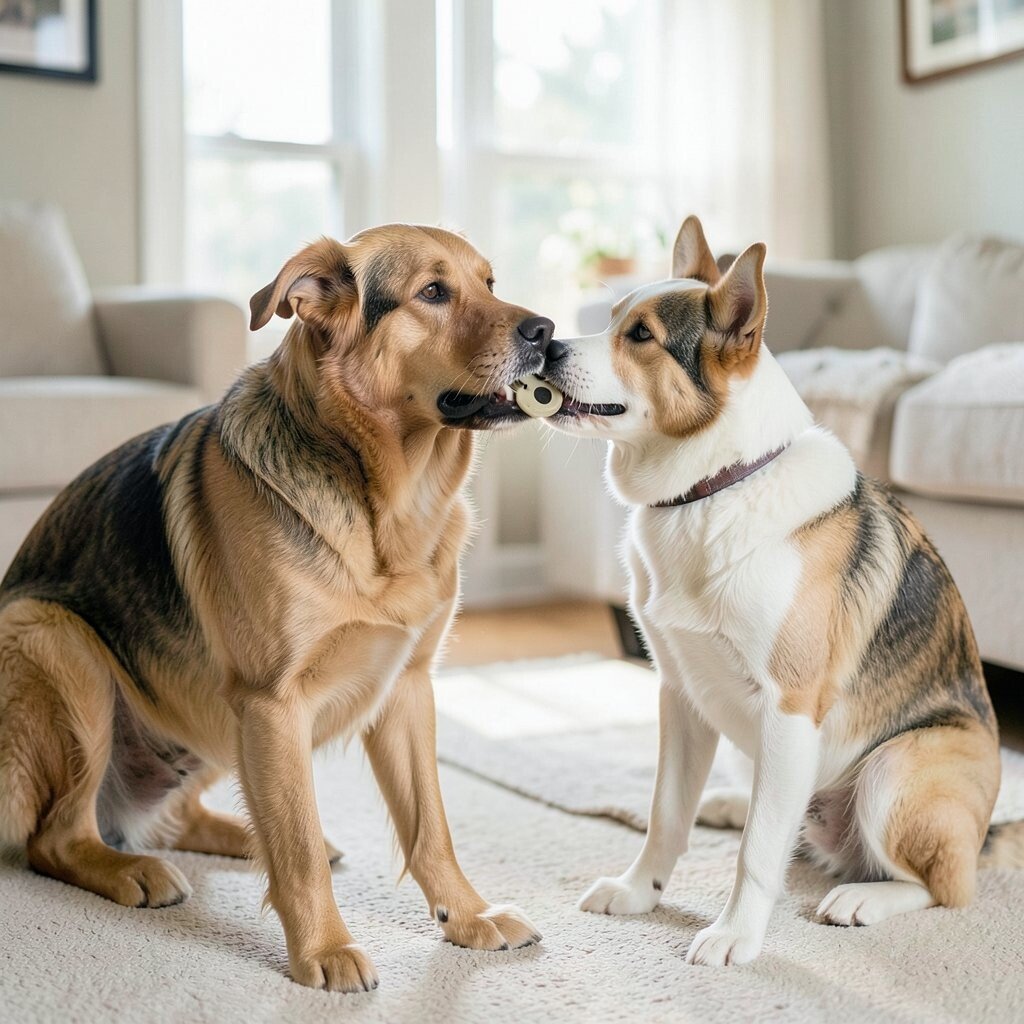
If you use a clicker, keep it simple. Make the click mean “good,” then follow it with a treat. If you do not use a clicker, use a short cue like a calm word.
This method helps your pet learn faster because the signal is clear. It also lets you reward the exact moment your pet does the right thing. Over time, your pet may check in with you more often.
Cost can stay low because a clicker is cheap and a cue word is free. Personalize by using cues that match your home life, like “touch” for a hand target. A trend is using quick marker signals in home training instead of long lectures.
9. Watch Their Body Language
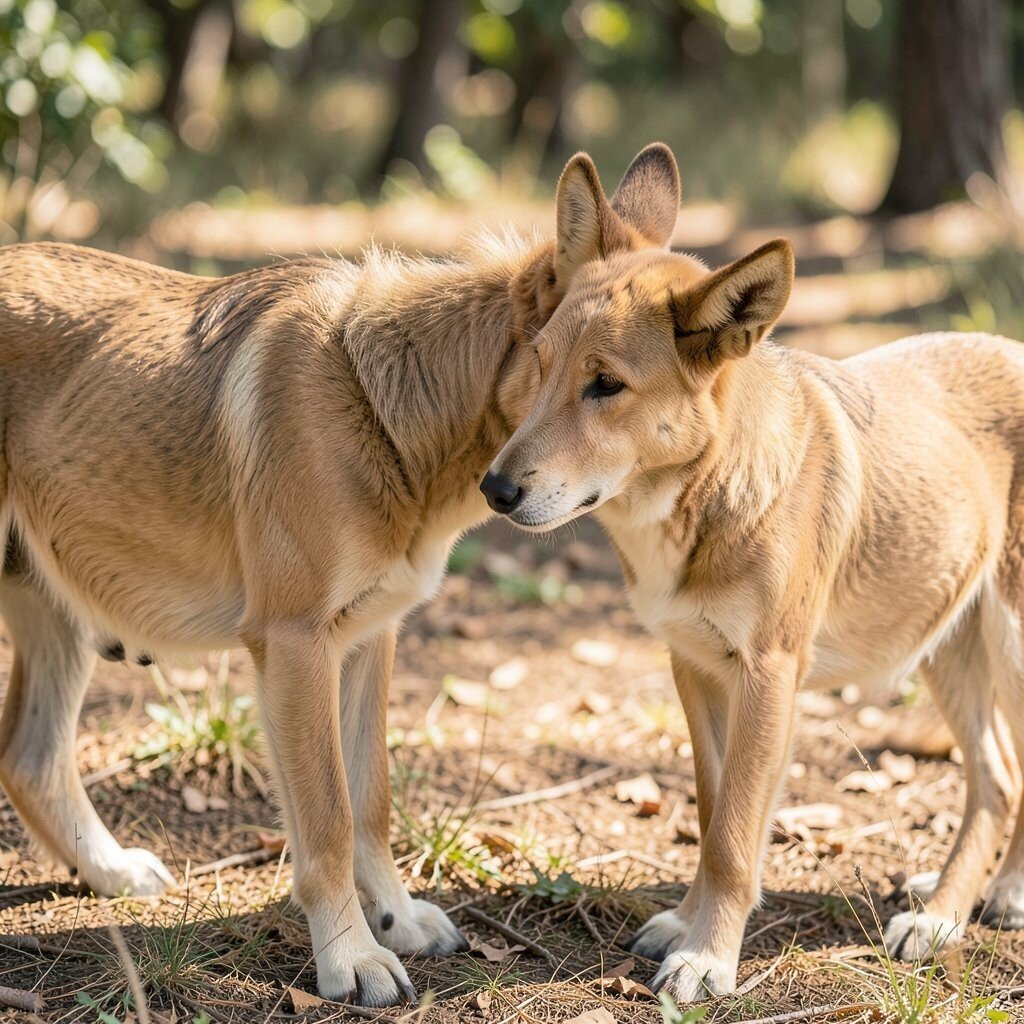
Take a minute to learn your pet’s signs. Notice tail position, ear angle, breathing, and how close they stand. Your goal is to see comfort and fear early.
When you respond to body language, you avoid pushing too hard. That can stop fear from growing and help your pet feel safe with you. This also makes you a better teammate, not just a handler.
Personalize your care by changing your plan when your pet shows stress. If a cat hides, give space and try later. If a dog pulls back, shorten the time and offer treats at a safer distance. This kind of slow, thoughtful reading is a growing trend in pet care.
10. Create a Shared Space
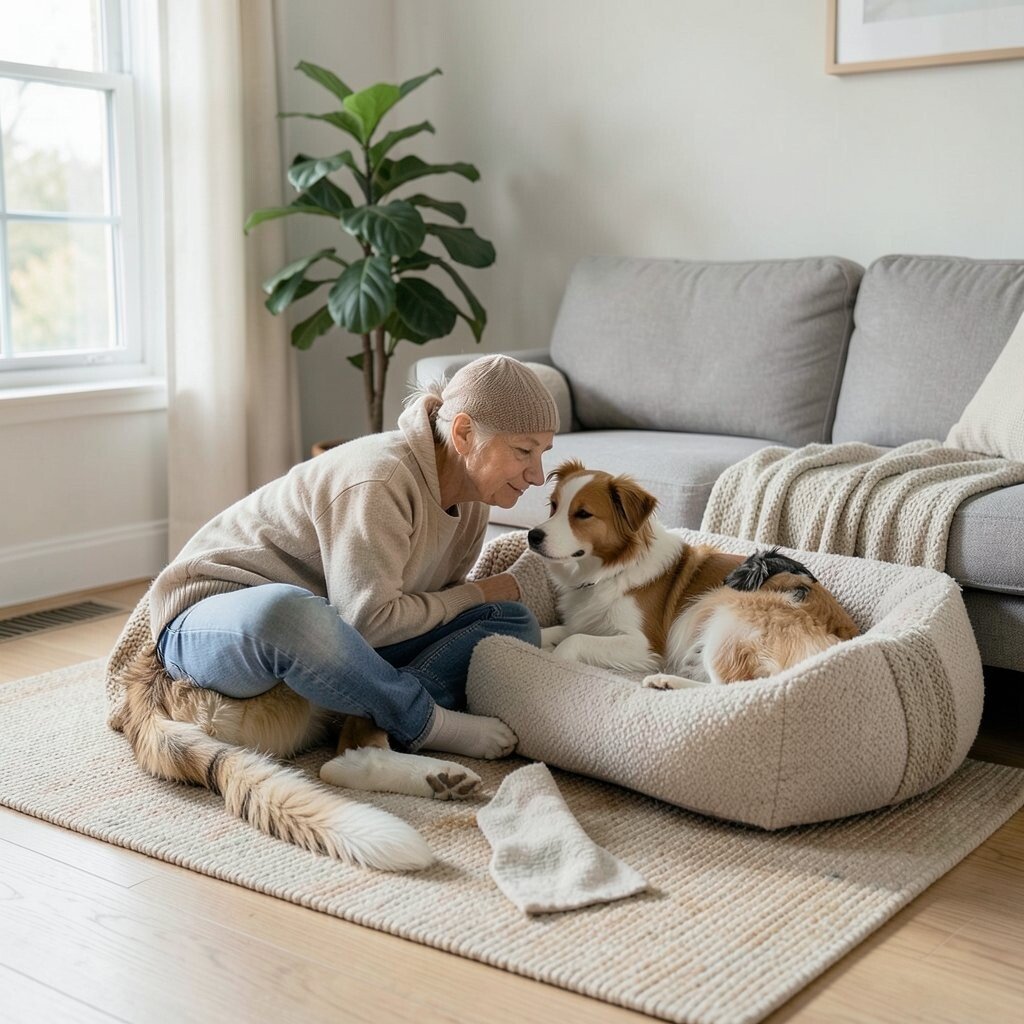
Set up one area where you and your pet can rest near each other. Use a mat, blanket, or pet bed in a quiet room. Keep it close enough that your pet can choose to be near you.
This shared space helps your pet feel grounded in your home. It also gives you a place to sit and chat with your pet during calm times. Many animals relax faster when they know where you will be.
Keep cost low by using items you already own, like a spare blanket. Personalize by placing it where your pet likes to nap. As a trend, many owners now set up “pet zones” to reduce stress and give animals comfort spots.
11. Fun “Find It” Games
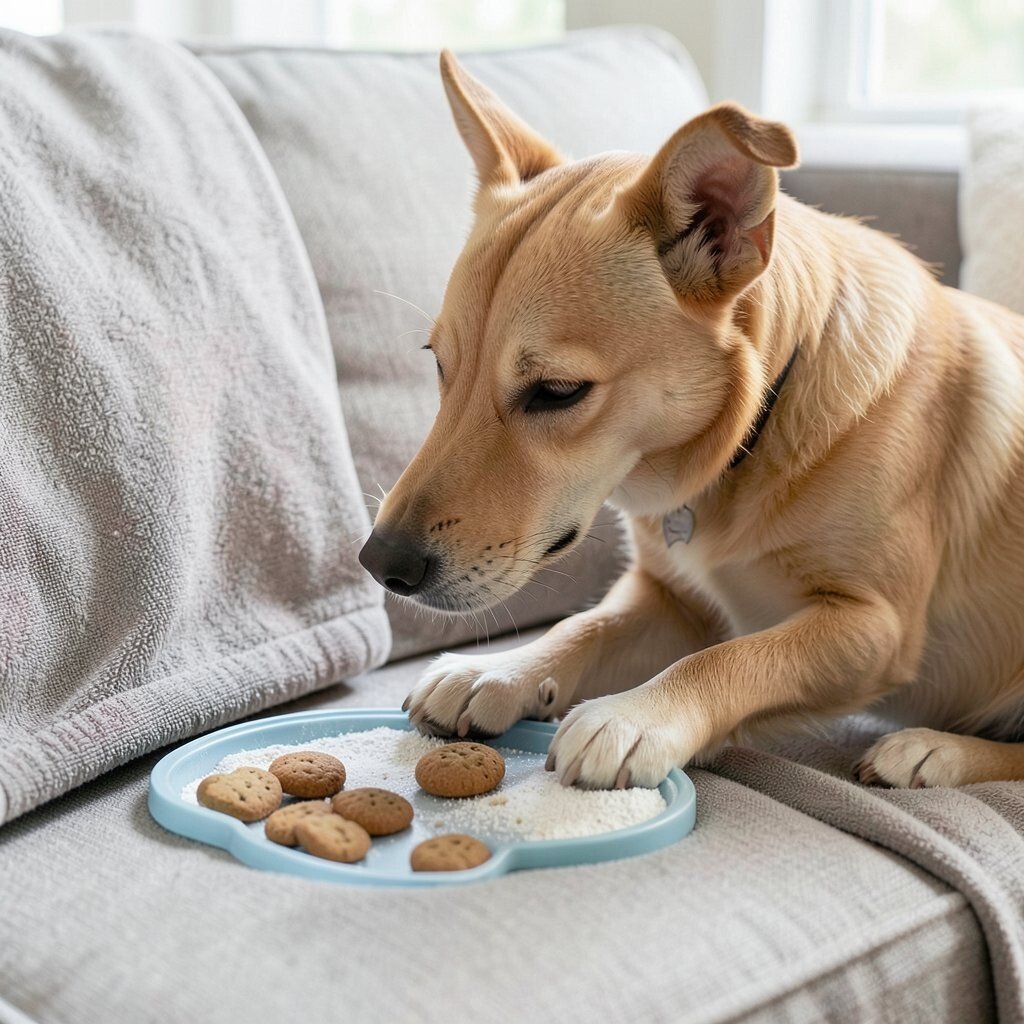
Hide a few treats where your pet can find them. Start with easy spots, like near the couch or under a towel. Use your pet’s nose and keep the game short.
These games help your pet use their brain and nose in a happy way. They can also help with bored behavior like chewing or pacing. Your pet may stay calmer because they have a task.
Personalize by adjusting the difficulty. If your pet is new to games, use fewer treats and easy hiding spots. For cats, try hiding near their favorite perch. Cost stays low since you use normal treats, and the “nose work” style game is a popular trend now.
12. Practice Calm Greeting at Home
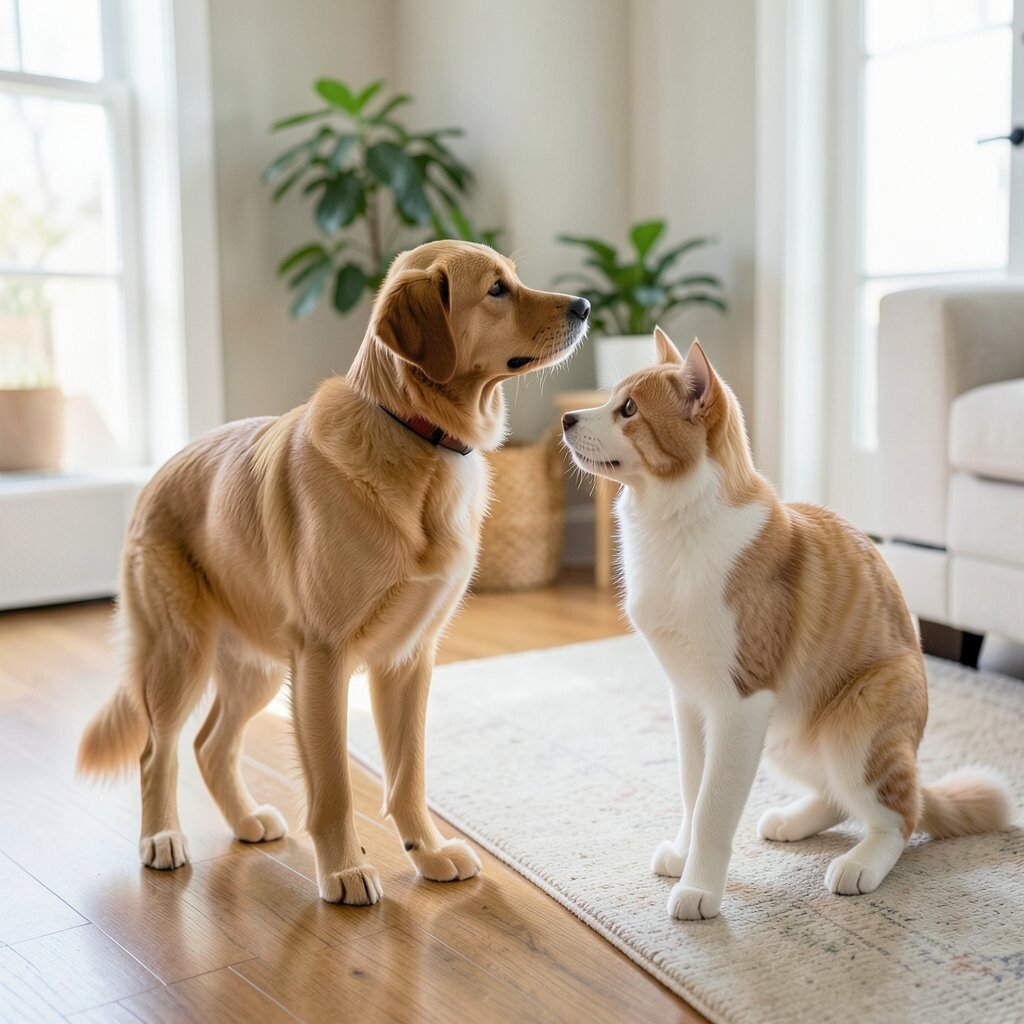
When you arrive home, greet your pet in a calm way. Stand still for a moment before you touch or talk. If your dog jumps, turn away briefly and try again when paws stay on the floor.
Calm greetings teach your pet that you are steady and predictable. This can reduce excited barking or rough behavior. Your pet may also learn to wait for attention instead of grabbing it.
Personalize by using your pet’s comfort level. Some cats like slow eye contact, while others want space at first. Keep it low cost by using no special gear. A trend in many homes is teaching “quiet hello” as part of daily manners.
13. Care Visits With a Friendly Touch
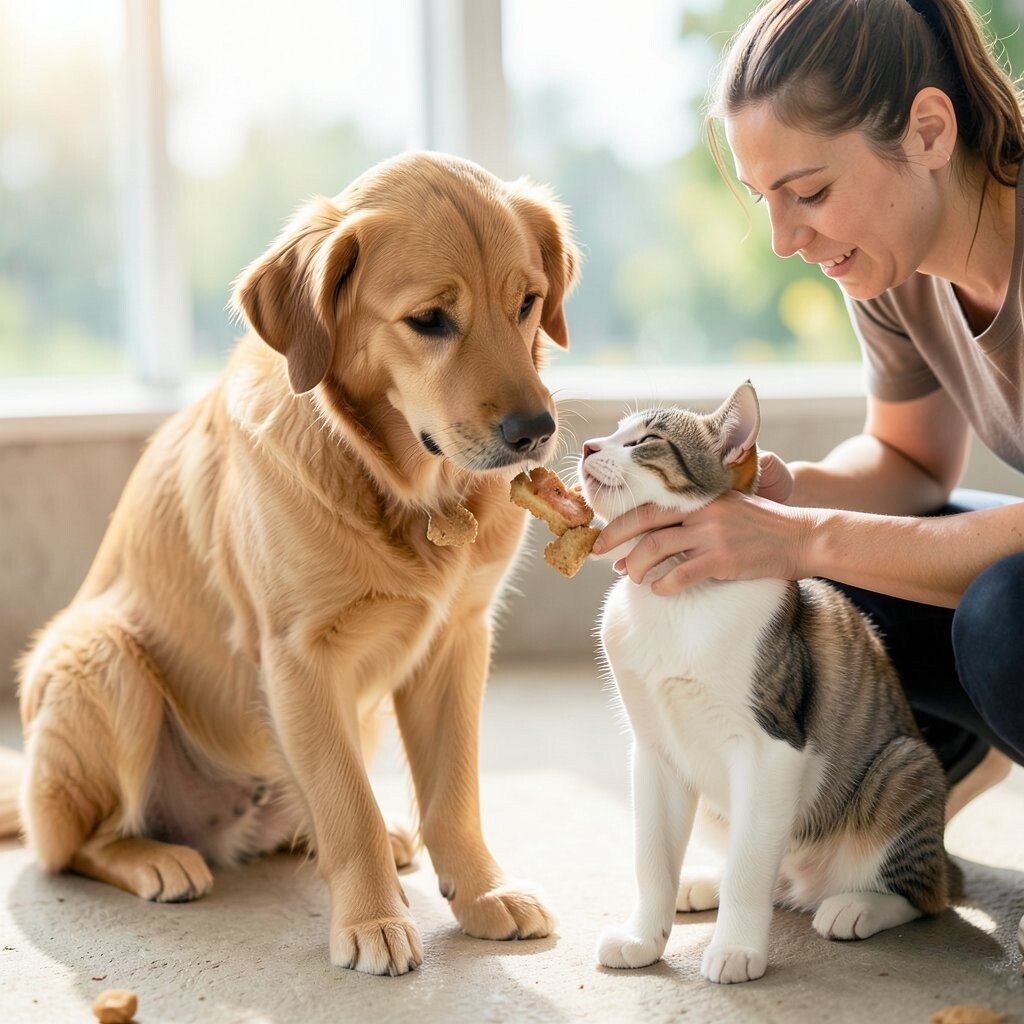
Make a habit of checking your pet’s body in a gentle way. For dogs, touch paws and ears. For cats, touch near their cheeks and back while they sit calmly.
Regular care checks can make grooming and vet visits less scary later. Your pet also gets used to touch that does not mean pain. This can help you spot lumps, sore spots, or skin issues early.
Personalize the pace so your pet can stop if they want to. Use treats during the check so it feels safe. Keep cost low because it is just your time and simple treats. Many owners now use “care training” as a trend to reduce fear during home health checks.
14. Keep Track of What They Like
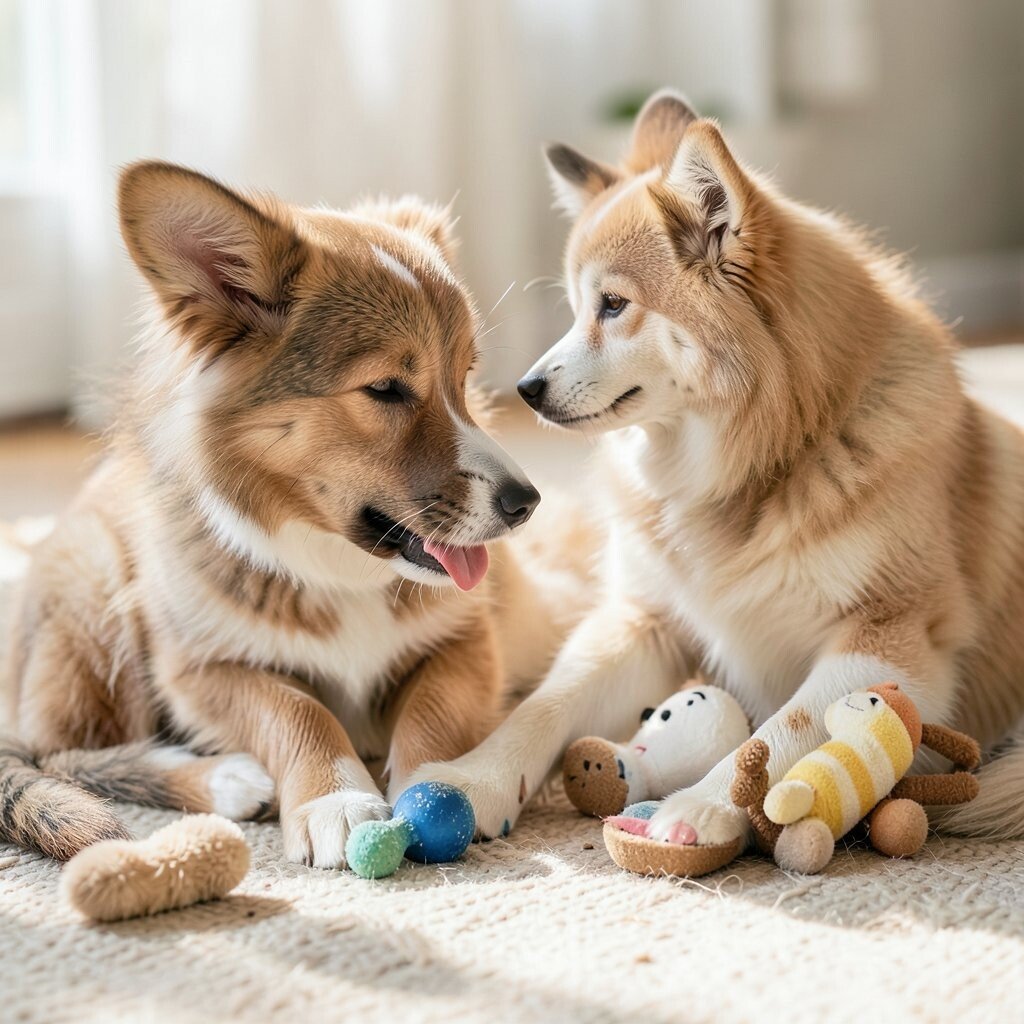
Write down small things your pet likes, like favorite toys, safe spots, and best treat flavors. You can keep it on your phone or in a simple notebook. Then use the list when you plan play or training.
This is a real way to personalize your bond. When you use what your pet likes, they respond faster and with more trust. You may also learn patterns, like when your pet likes calm touch or more movement.
Cost can stay low because it is not about buying things. It is about paying attention. As a trend, many people share “pet preference lists” and routine logs to help with training and daily care.