
Your day can feel better when you have a loyal companion nearby. Even small moments of care and play can make you feel calm and steady.
1. Feed-First Morning Buddy
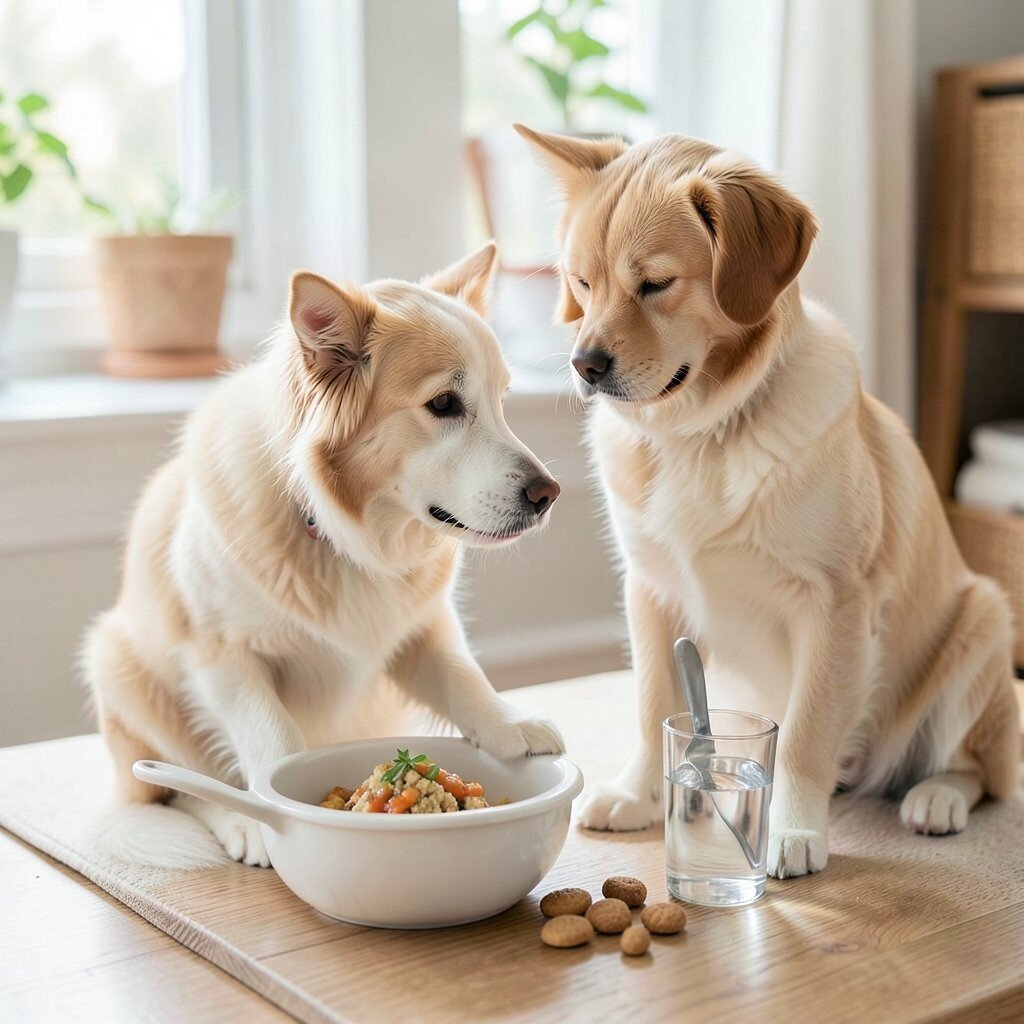
Start the day with one simple habit. Pick a pet or animal friend and feed them first, then you can take a slow breath. The sight of you doing the same thing every day helps them feel safe. It also sets a calm mood for you.
Use a clear routine that you can keep. Pick a set time and use the same bowl, scoop, and water cup. For dogs, you can add a small treat after a good sit, if your vet says it is ok. For cats, try a quiet spot and fresh water to keep them comfortable.
This idea is easy to do and does not cost much. You may spend a little on safe food, but you were going to buy food anyway. A fun twist is to add a new flavor now and then, like a small wet food topping. This can help you learn what your companion likes most.
2. Cozy Blanket Pal
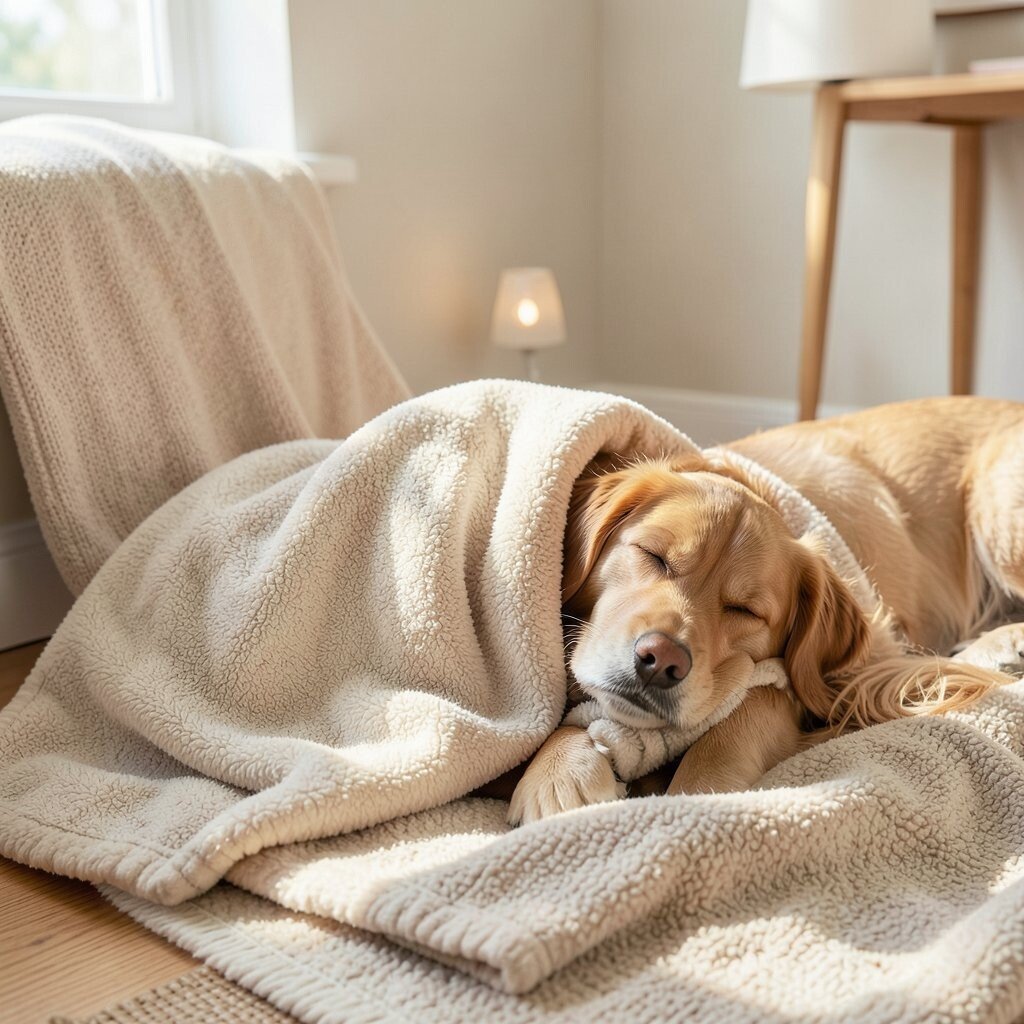
Give your companion a special place to rest. Choose a soft blanket that matches your room and store it in the same spot. When they lie down, you can notice their relaxed face and slow breathing. It makes the whole room feel calmer.
Pick the right size for the animal you have. For a cat, a small blanket on a sunny chair can work well. For a dog, a thicker blanket near their bed can help with comfort. Wash it often so it stays fresh and safe.
This can be low cost if you already have blankets at home. It is also a nice personalization idea because you can choose colors that you like. A small trend right now is having a “rest corner” with matching items like a mat and a small light nearby. That look can be simple and homey without spending a lot.
3. Daily Walk With One Same Route
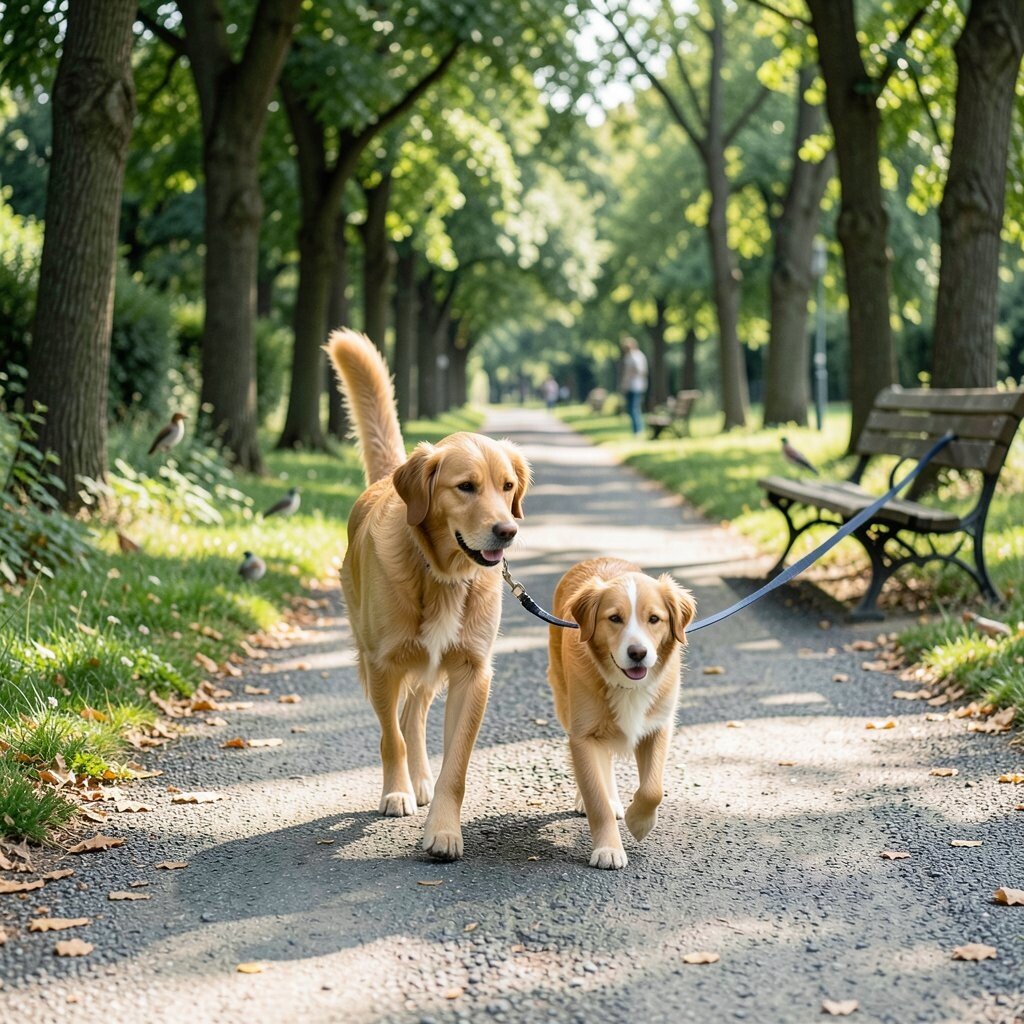
If you have a dog, pick one route you can repeat. Walk at an easy pace and pay attention to small things like birds and trees. Your companion will often start to recognize the turns and smell the same spots. That familiarity can help them feel sure and less stressed.
Use a leash and a calm voice, even if they want to pull. Keep the trip short at first if you are starting again. Reward good behavior with gentle praise or a small treat. This helps your dog learn that staying close is a good thing.
The cost is mainly time and maybe a treat. If you already own a leash, you can keep it simple. You can also personalize the route with one “special stop,” like a park bench for a snack. Many people like this routine style because it feels steady and not rushed.
4. Quiet Playtime With a Texture Toy
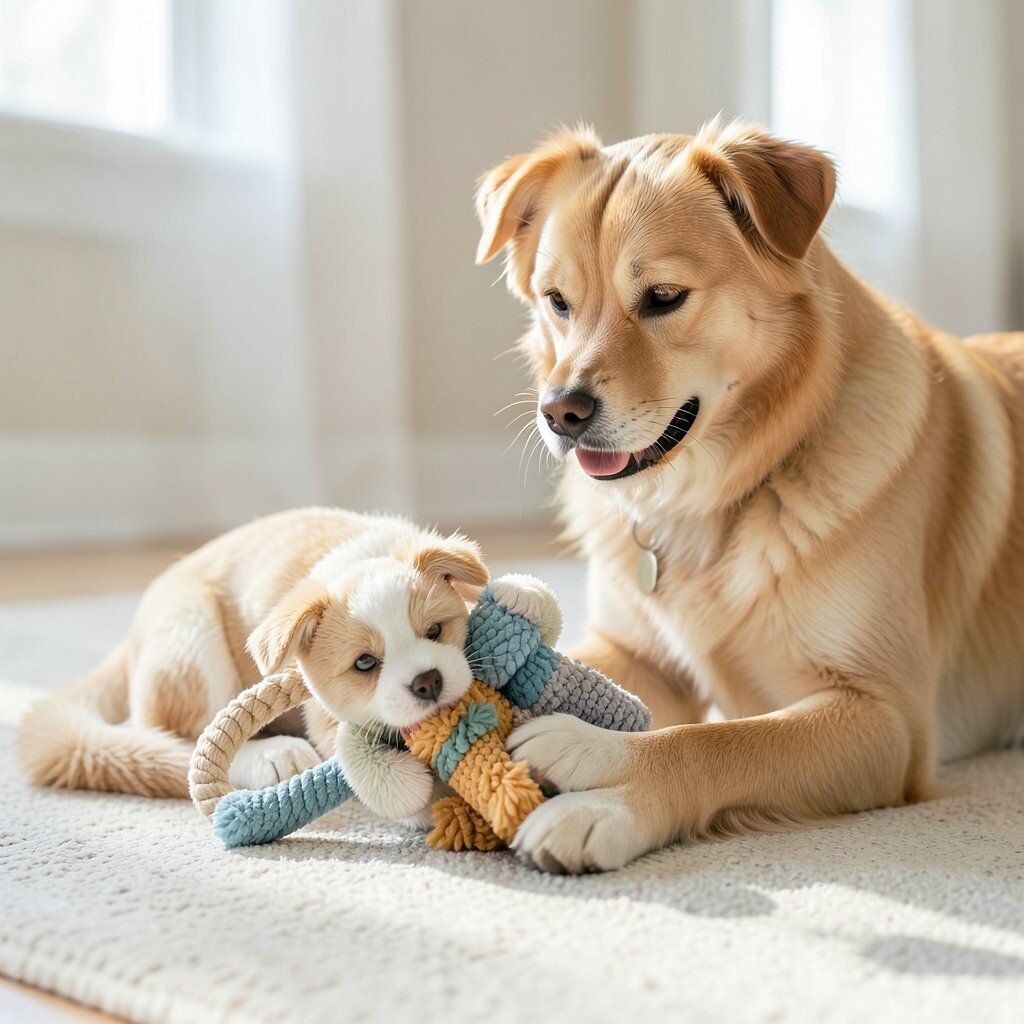
Some days you may not feel like doing much. That is when a small play idea can help. Pick a toy with a clear texture, like a rope, plush, or crinkle fabric. When you watch your companion grab it, you can feel the mood lift.
Try short play sessions instead of long ones. Stop while your companion is still excited, not when they seem tired and cranky. For many pets, tossing a toy a few times and letting them bring it back works well. Add a treat after they calm down so they learn when play is done.
This idea does not have to cost a lot. A single toy can last a while if you choose a strong one. Personalize it by picking colors your companion seems to like. A small trend is using toys that make a gentle sound, since many pets enjoy crinkle or soft taps.
5. Water Cup Check and Small Refill Ritual
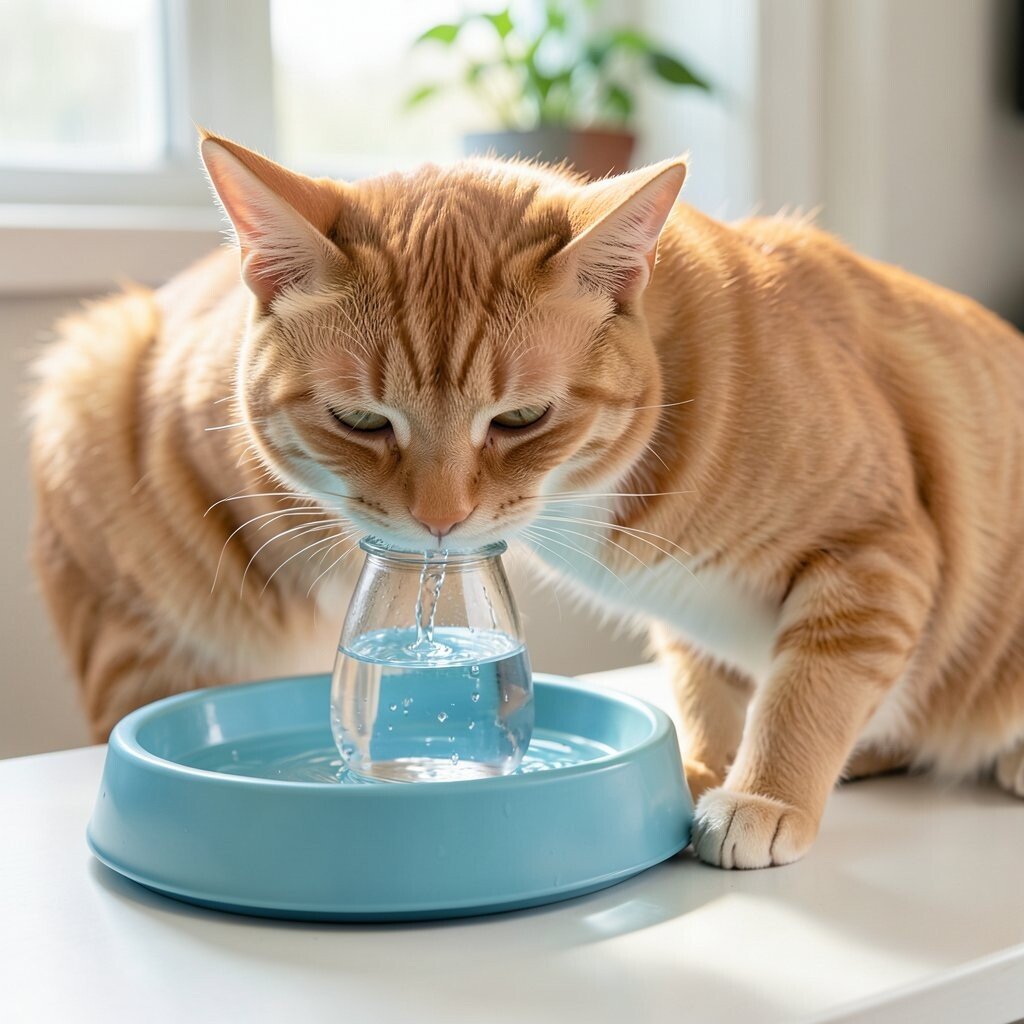
Water matters, and a simple check can make your day feel better too. Each day, look at the water cup and refill it when it is low. Watch how your companion comes over for a sip. That small moment can feel like trust.
Use fresh water and keep the bowl in a clean spot. If your pet likes moving water, you can try a basic water fountain, but it is not required. For cats, some like a wider bowl that feels stable. For dogs, a sturdy bowl helps them drink without spilling.
This idea is very low cost and easy to keep. It also helps you notice any health signs, like a sudden change in thirst. Personalize it by choosing a bowl with a color you enjoy. A trend many people share is “care checks” like water, food, and quick grooming, done in a set order.
6. Hand Grooming for a Soft Coat Feeling
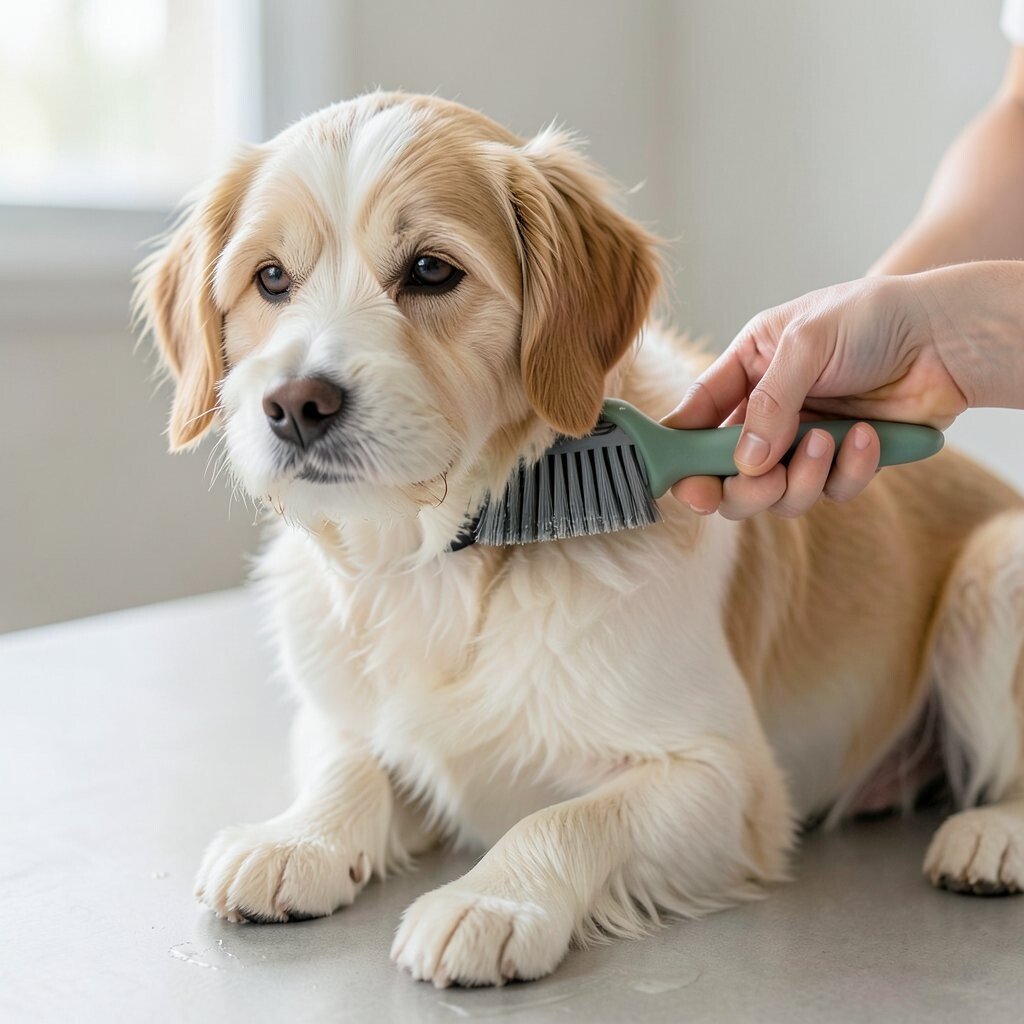
Grooming can be a calm way to bond. Use a brush that fits your companion’s coat type, then do a slow, gentle session. You can see their fur fluff up and settle back in place. Many pets start to relax once they know what to expect.
Keep it short at first, especially if your pet does not like it. Stop if they pull away too much, and try again later. Brush in the direction of hair growth and avoid fast, hard strokes. After grooming, wipe paws or use a damp cloth for a fresh feel.
This can cost very little if you already have a brush. If you need one, choose a basic model that is safe for your pet. Personalize it by picking a brush color or a handle that feels good in your hand. A trend is using grooming tools that also help with shedding, like gentle rubber brushes for short coats.
7. One Daily “Look at Me” Training Minute

Training does not need to be long. Spend one quiet minute with your companion and teach a simple cue. Try “look at me” or “sit,” and keep the tone steady. When they respond, you both get a quick win.
Use small treats and keep the steps easy. If your pet does not get it right away, pause and try again later. Always end on a good note, even if it is just one small success. This helps your companion stay ready to learn.
The cost is low if you already buy treats, and it is worth it for the bond. Personalize the cue by using words that you like, like “good” or “come.” A trend right now is short training clips shared online, which can give you ideas for simple cues. You can also copy the way others reward calm behavior.
8. Food Puzzle for a Calm Brain Moment
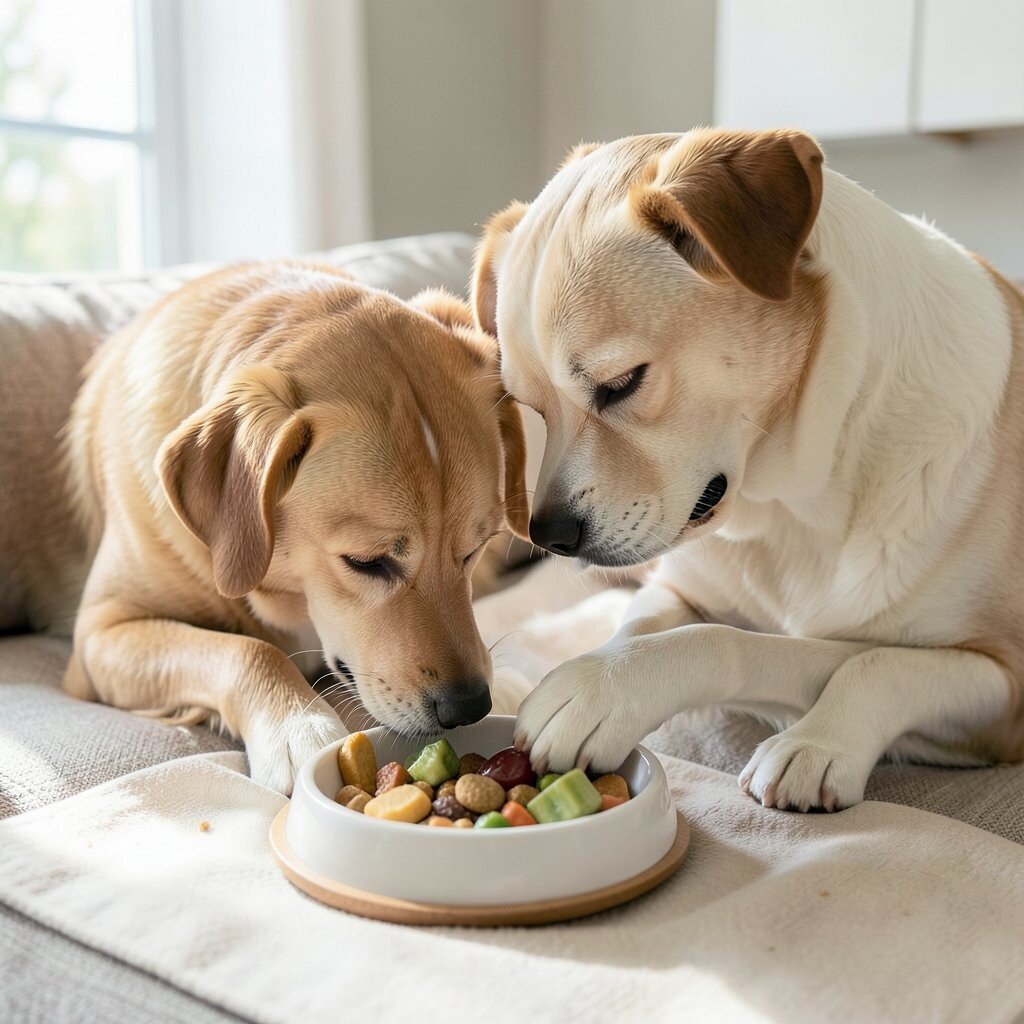
Some companions get bored, and boredom can show up as stress or extra barking. A food puzzle can help them think and work for treats. You can see them sniff, push, and solve the small task. That focus can make the whole room feel quieter.
Choose a puzzle that matches your pet’s skill level. Start with easier puzzles if your companion is new to it. Use smaller treats so they can finish it without getting too tired. Always clean the puzzle after use.
This idea can cost more than basic toys, but you can still find budget options. Personalize the puzzle by adding a favorite food type, like a small wet food drop. A trend is using puzzles that are shaped for certain pets, like ones made for cats or dogs. Many people also pair puzzles with slow feeding bowls for a longer meal time.
9. Backyard or Window Bird Watching Buddy
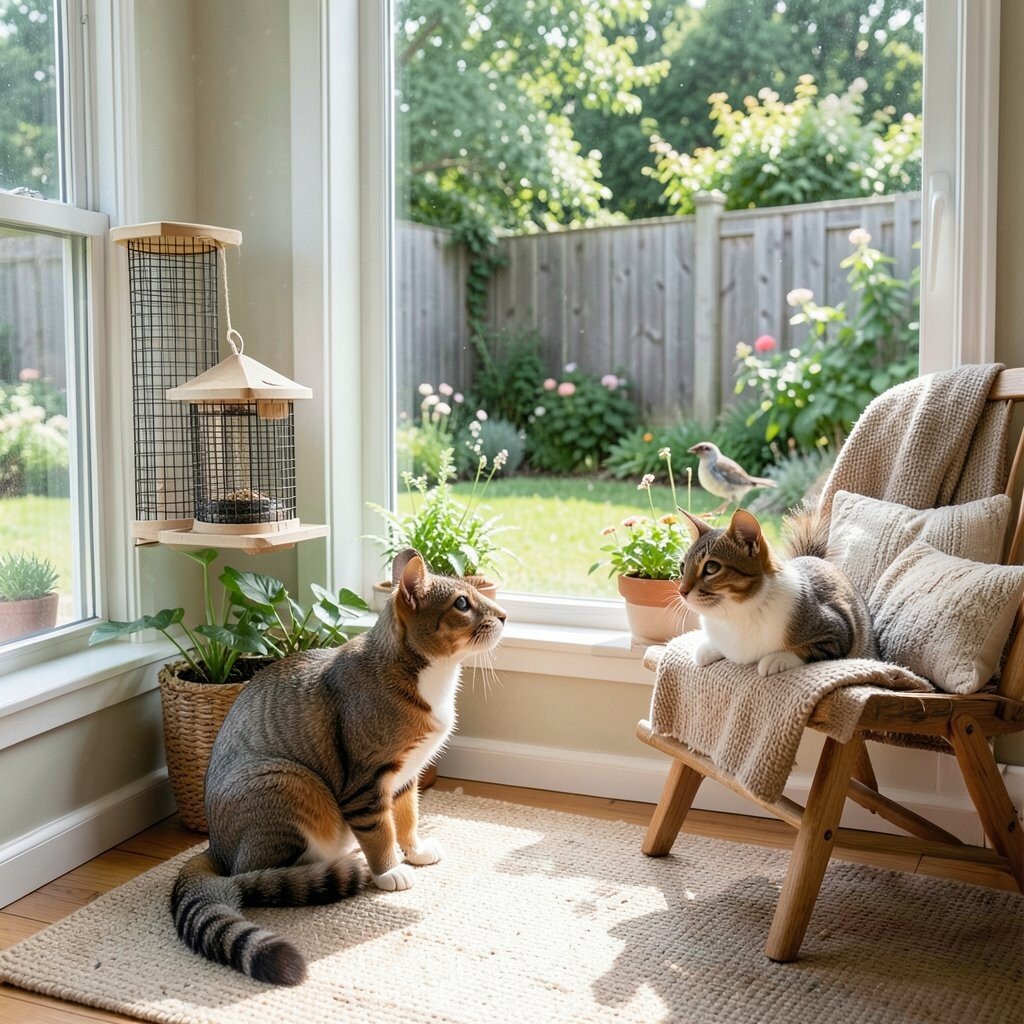
If you like animals but do not want a pet that needs big care, you can still make a companion feel. Set up a window spot or outdoor chair and watch birds or squirrels. Your loyal “buddy” can be the same wild animals that visit often. This can bring joy in a simple and quiet way.
Use a safe spot and do not feed wild animals in a way that can cause harm. If you do feed birds, use a safe feeder and clean it often. Keep the area calm so the animals feel safe. You may notice that your companion, like a cat or dog, watches with calm curiosity too.
This can be low to medium cost depending on what you already have. Personalize it by placing a small rug or cushion where you like to sit. A trend is “nature corners” at home, where people set up a chair, plants, and a simple feeder. It can feel good even if you live in a small space.
10. Weekly New Snack Taste Test
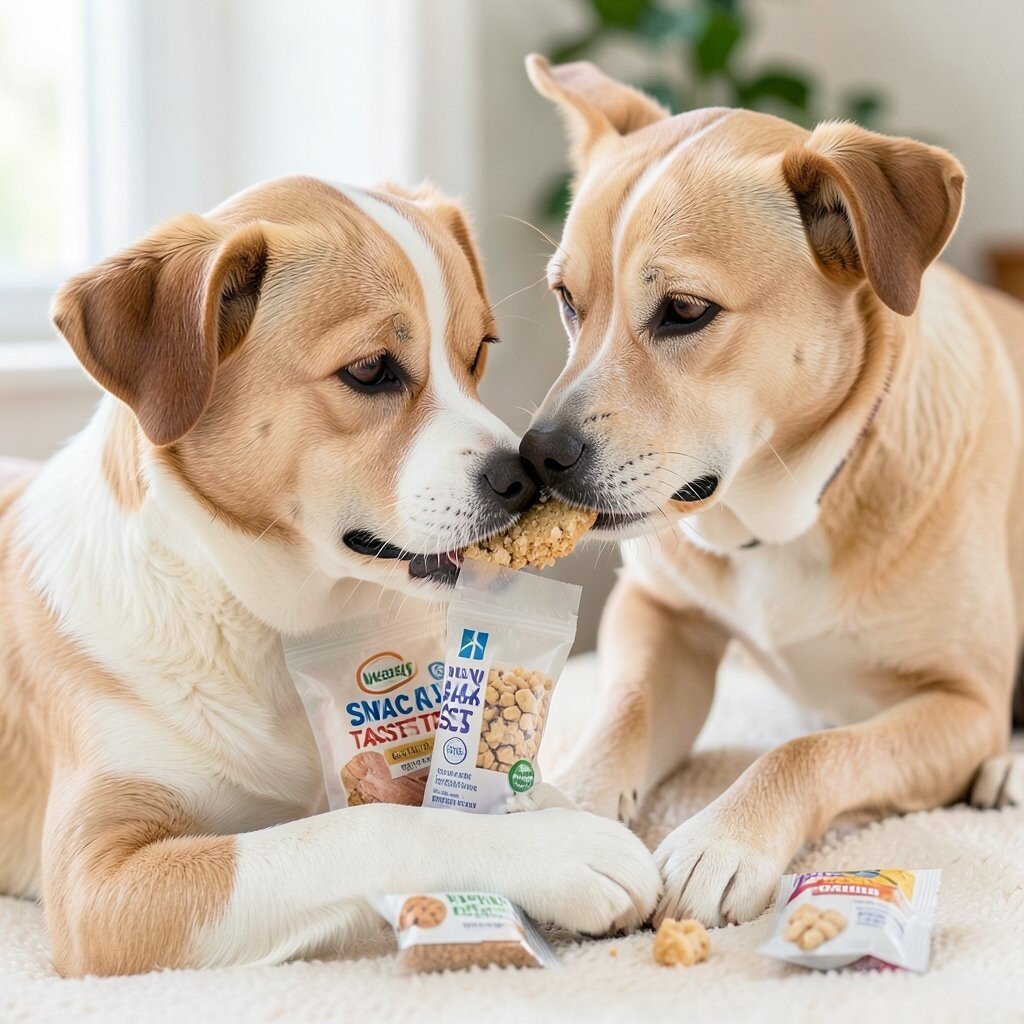
Trying one new snack each week can make the bond feel fresh. Pick a safe option and offer a tiny amount first. Watch how your companion reacts, like sniffing then taking it gently. That simple curiosity can brighten your day too.
Follow your pet’s needs and your vet advice. Do not give foods that are unsafe, even if other people do. For dogs and cats, stick to pet-safe treats and check the ingredients. Keep portions small and note any stomach issues.
This idea can cost a little, since new treats add up. Personalize it by choosing flavors your companion seems to like, like chicken, fish, or plain options. A trend is more pet-friendly snacks made with simple ingredients, and many people like the “clean list” style. You can still keep it budget by buying small single packs.
11. “Good Job” Voice and Calm Touch Practice

Sometimes the best comfort is gentle. Use a soft voice and calm touch when your companion is near you. When they look at you or come over, say “good job” in a simple tone. This teaches them that your presence is safe.
Touch should be gentle and short at first. Many pets like a light pet on the chest, chin, or along the side of the body. If your companion moves away, respect that and try again later. The goal is a quiet connection, not forcing attention.
This can cost nothing and still feel like a big change. Personalize it by choosing a phrase you repeat every time, like “you’re doing great.” A trend in many homes is “quiet bonding,” where people limit loud play and focus on calm closeness. That style can help pets who get easily stressed.
12. Rainy Day Indoor Scent Game
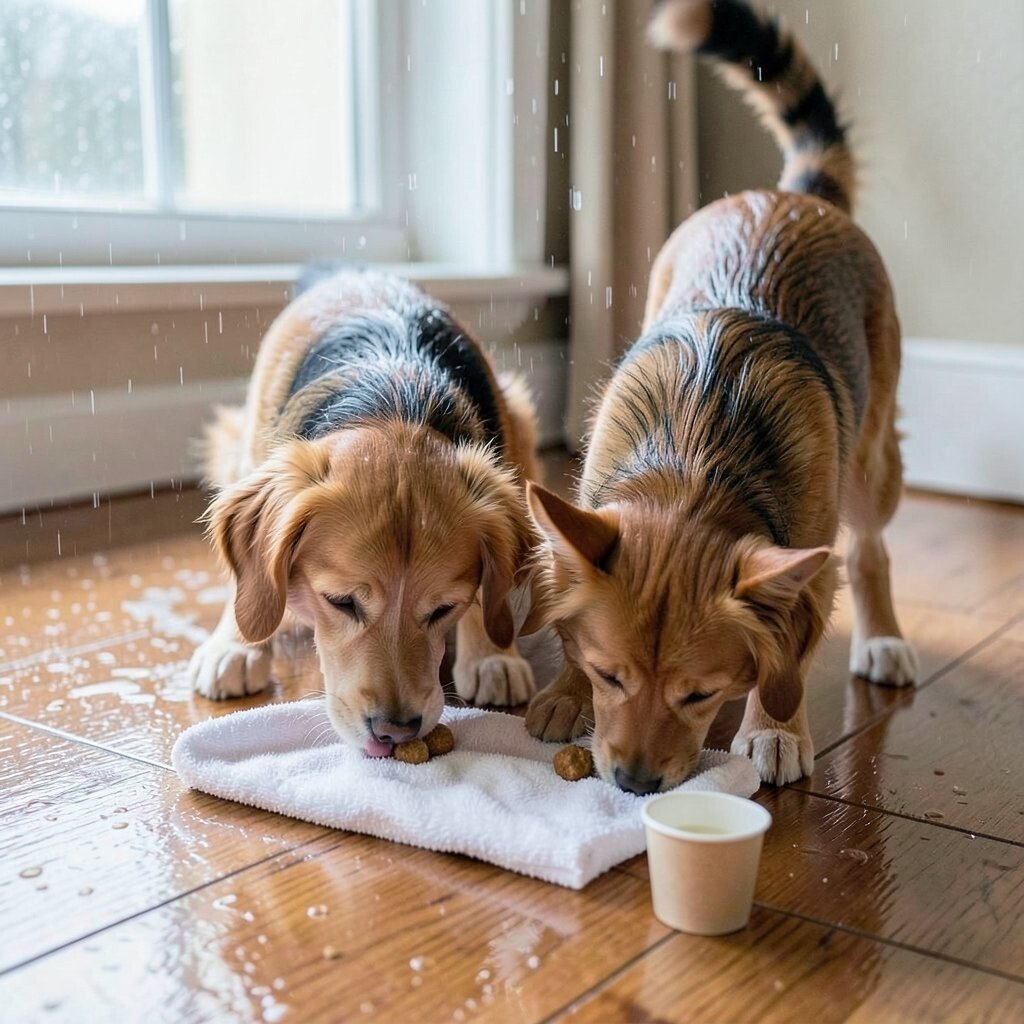
On rainy or hot days, you can still help your companion feel active. Use scent play with simple items like a safe treat hidden in a towel or paper cup. Let them sniff and search on the floor. You can watch their head move and their tail, if they have one, show interest.
Start with one easy hiding spot so they can find it fast. Then you can add a second spot if they get it. Keep the game small so it does not turn into a big mess. Clean the area after and store your items safely.
This idea is often very low cost because it uses items you already have. Personalize it by using your companion’s favorite scent, like a treat they know well. A trend is “sniff games” that use smell, since many pets focus well through nose work. People share these games because they work even in small homes.
13. Photo Wall of Favorite Moments
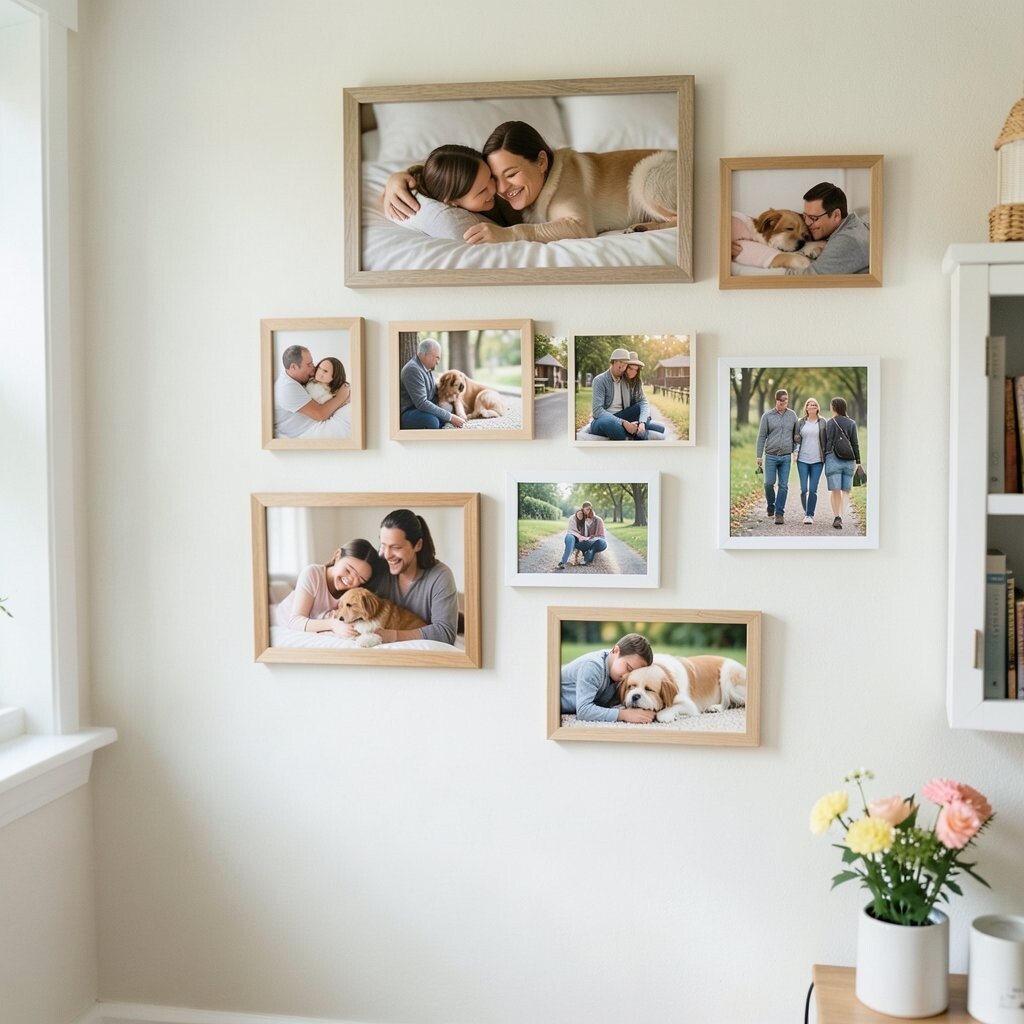
Make a small space to remember good days. Print a few photos of your companion doing simple things, like lying on a bed or sitting by you. Put them in frames or on a board near where you spend time. Each time you see them, you can feel a calm smile.
Pick photos that show real moments, not just perfect poses. A photo of your pet after grooming or during a quiet nap can feel warm. Update it every few months so it stays fresh. This can help you notice progress and happy change.
This idea can cost from low to medium. You can print basic photos or use digital frames. Personalize it by choosing a theme, like “cozy days” or “our walks.” A trend is making a “pet timeline” wall, where people add one photo at a time across the year. It can make your home feel more personal and lived-in.
14. Favorite Blanket Swap With You Nearby
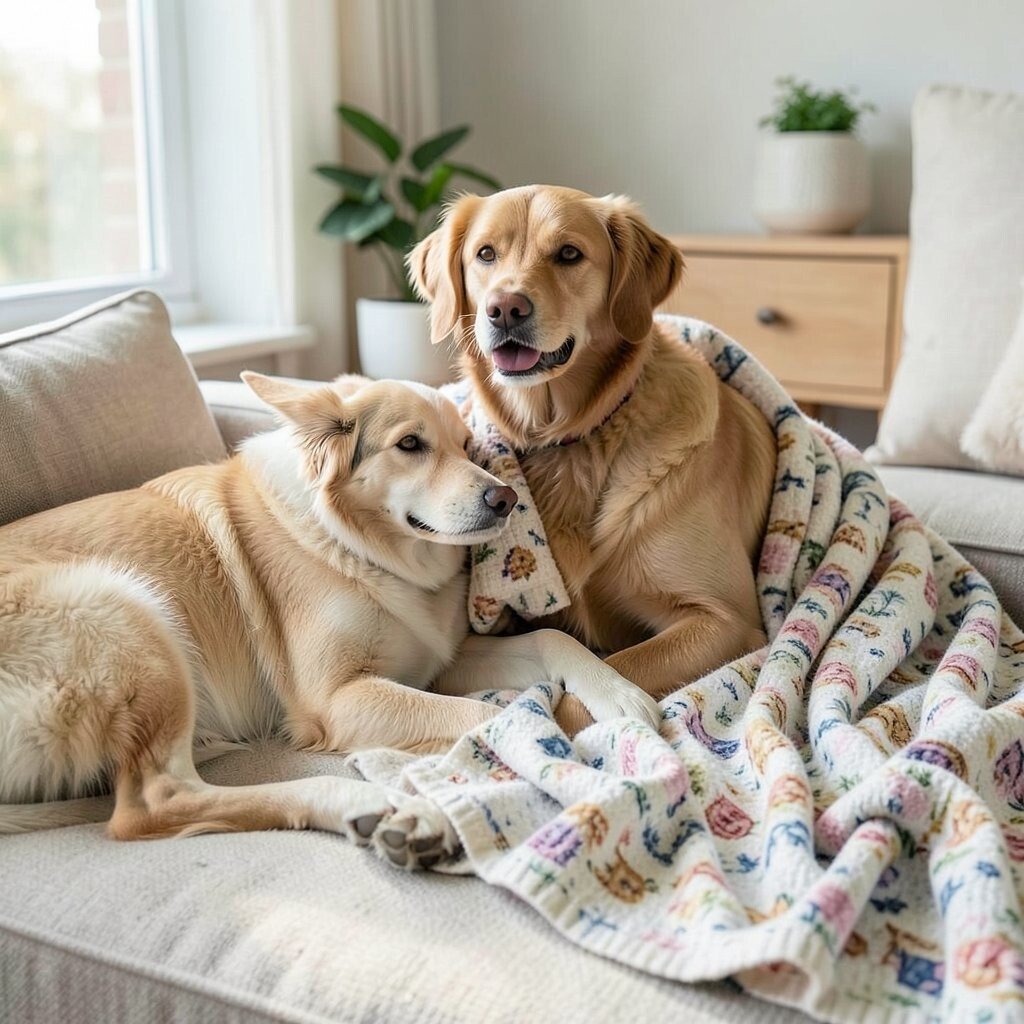
Many pets like familiar smells. If your companion has a favorite blanket, swap it with one that has your scent. Put your blanket near them for a while, then place their blanket back. They may rest faster, and you may feel close to them even when you are busy.
Keep it safe by using clean, washed cloth. Avoid strong scents like heavy cleaners or perfumes. If you have pets that chew, choose a fabric they cannot easily break apart. Watch how they act and stop if they seem upset.
This idea is usually low cost and easy. Personalize it by using a blanket that matches your room and makes you feel relaxed too. A trend is “comfort swaps,” where people share ways to keep pets calm during changes, like moving or travel. You can try it during a busy week to help your companion settle.
15. Volunteer-Style Care: Kind Notes and Checks
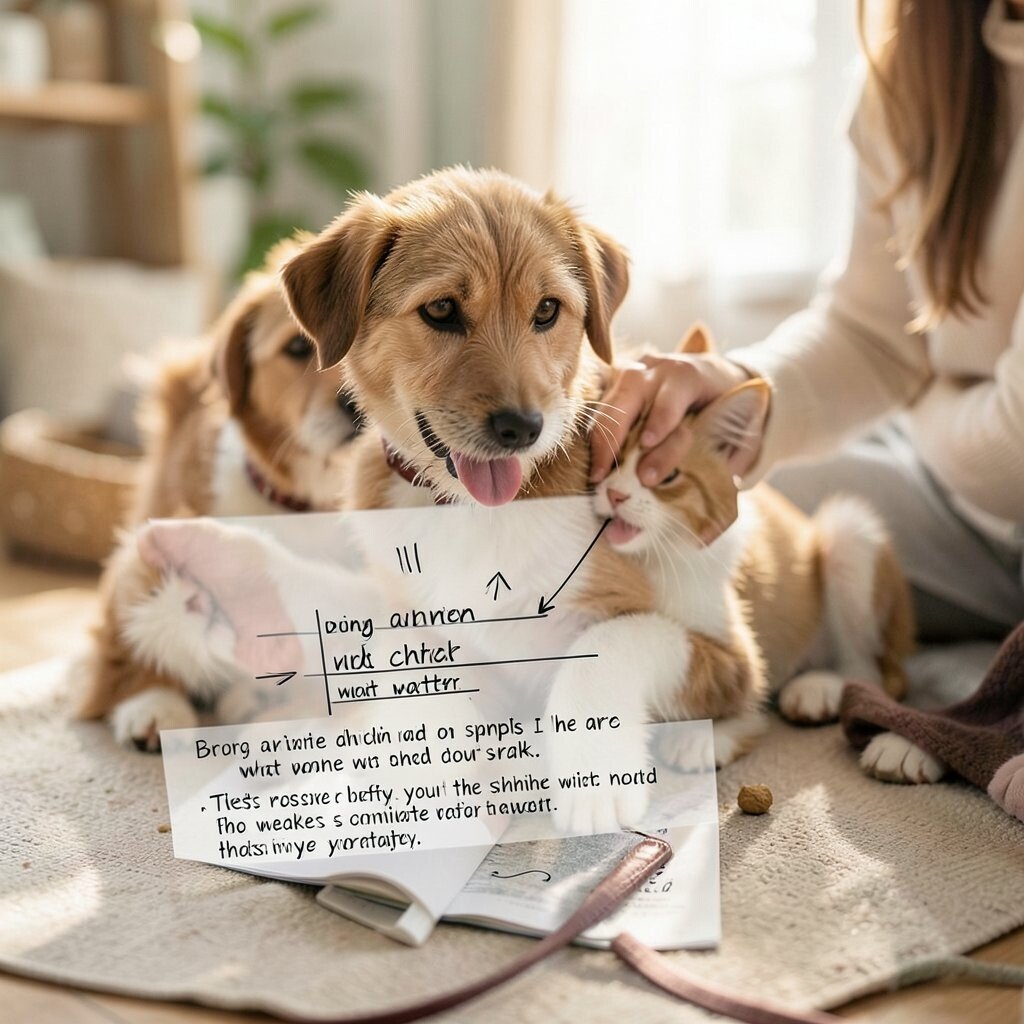
If you do not have a pet right now, you can still use the loyalty idea in another way. Spend time caring for a neighbor’s pet or helping at a local animal place. Bring a kind check note or offer a simple help, like a short walk. Your companion can be the animal you care for, and your effort can brighten both days.
Ask the owner about food rules and toy rules before you start. Keep notes on what you did and what went well, like “took water” or “liked the short walk.” This makes you reliable. Animals do well with people who are consistent and calm.
Costs are usually low, but you may spend on supplies like small treats, waste bags, or a basic leash. Personalize it by picking a routine you can keep, like the same time each week. A trend is more community pet help groups, where people share care tasks. It can make the whole area feel kinder.
16. A Simple “Meet and Greet” After Busy Hours
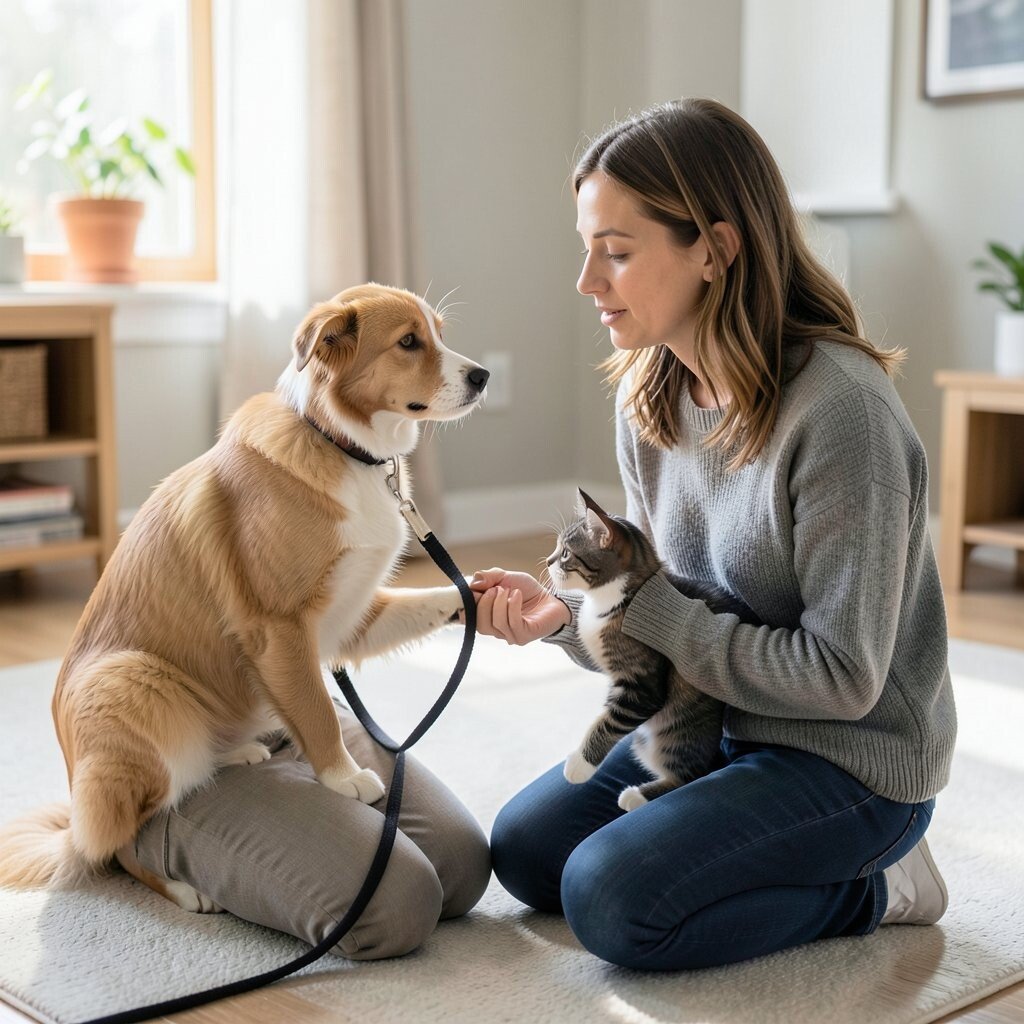
When you come home, do not rush into your next task right away. Take a few slow minutes for a meet and greet with your companion. Kneel or sit near them, speak in a calm voice, and let them come to you. You may see relaxed eyes and a softer body.
This can help reduce stress for both of you. For dogs, you can do a simple greeting like a short leash on and a gentle “hello.” For cats, let them approach and sniff your hand first. Avoid fast movements that can scare them, especially if they are timid.
This idea costs nothing and fits any budget. Personalize it by setting a small timer so you always give the same time. A trend is “slow re-entry” routines, where people reset after work before they handle screens and chores. This small pause can make your day feel steadier and kinder.