Planning a pet trip can feel stressful at first. With a few pet passport tips, you can move faster and keep things calmer.
1. Start With The Right Pet Passport Paperwork
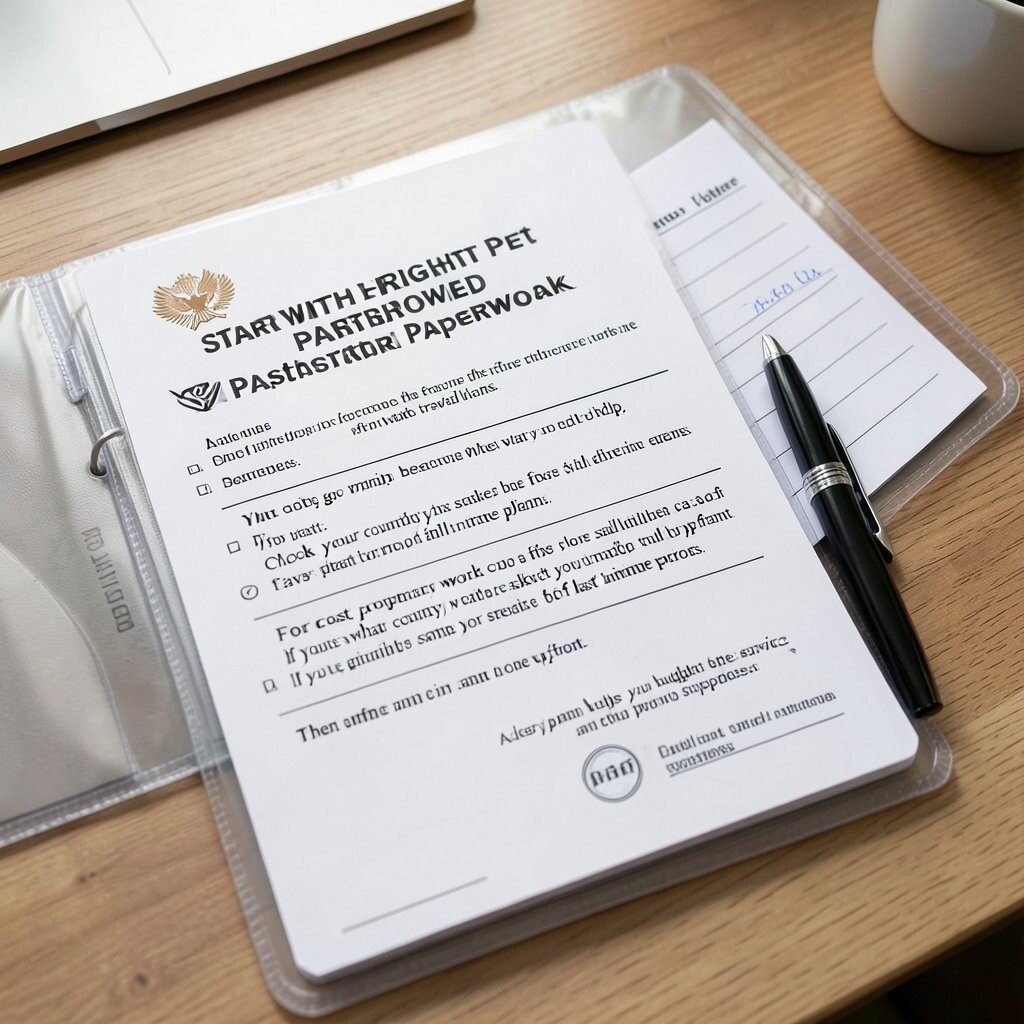
Many trips go wrong because the forms are not ready. Check what your country wants before you make travel plans. Then gather the same items in one place, like a folder or a clear plastic sleeve.
Visualize your desk with one folder, a checklist, and a pen. You can see what is done and what still needs help. This saves time later and lowers the chance of last minute errors.
For cost, paperwork work can be free, but fees for documents can add up. If you use a clinic or service, ask for the full price up front. A clear plan helps you budget better and avoid surprises.
2. Book A Vet Visit Early
Your pet needs health steps done in the right order. Book a vet visit soon so the time lines fit. Waiting too long can mean extra visits or delays.
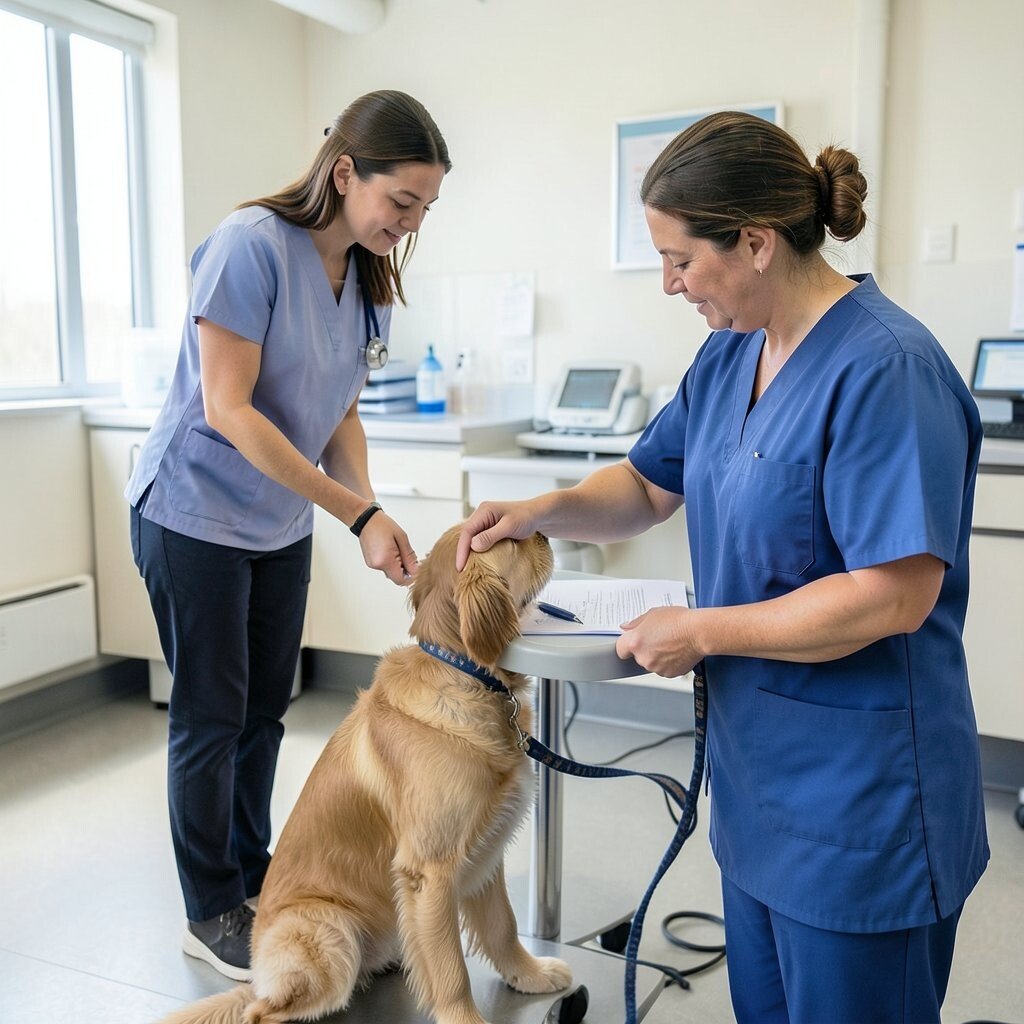
Picture your pet on the leash at the clinic, with a calm, steady handler. The vet checks your pet, reviews forms, and notes what is needed. This helps your paperwork match your pet’s real records.
Early booking also helps with personalization. If your pet is shy, you can ask for a quiet time slot. That small change can make the visit easier and less stressful.
3. Follow Microchip Rules Carefully
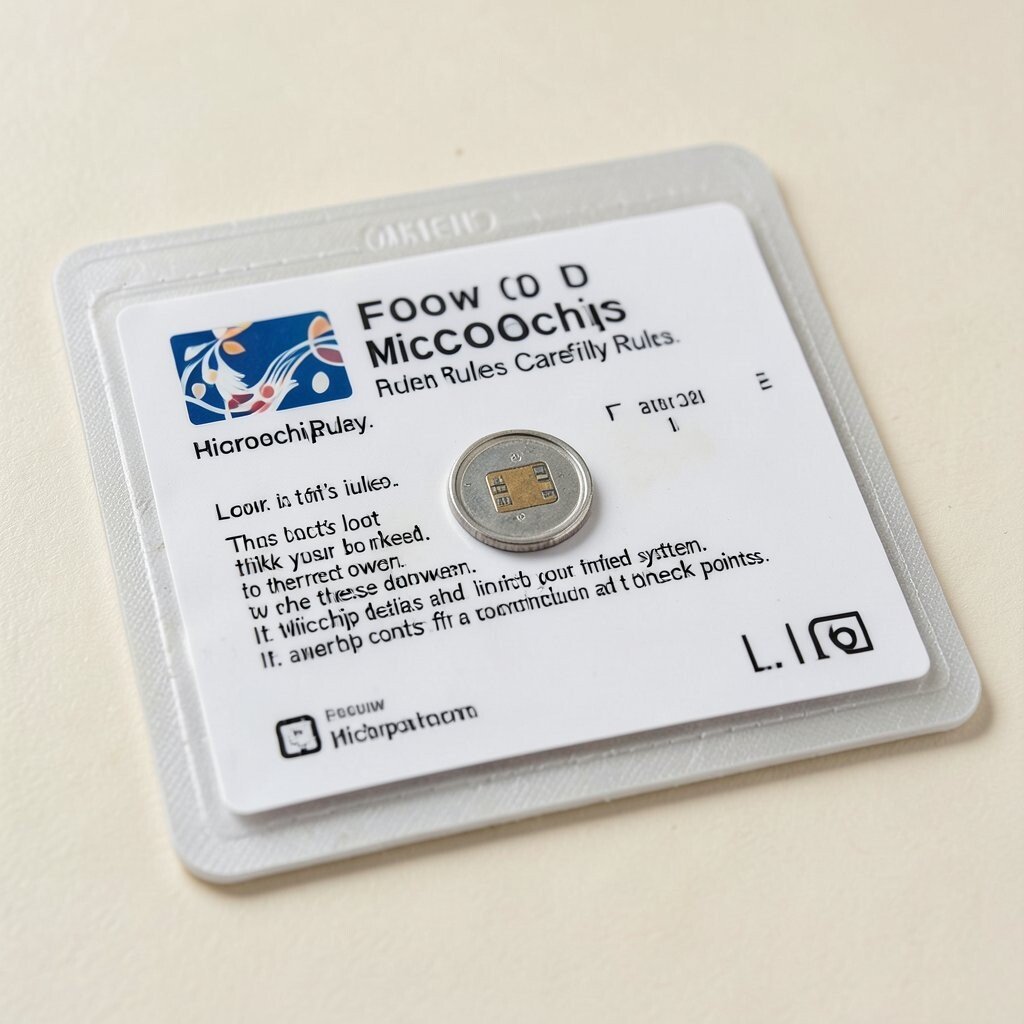
A microchip is often a key part of a pet passport. Make sure the chip is registered the right way and that the ID details match your documents. If the chip is not in the right system, officials may not accept it.
Look at your pet’s chip info and think of it like a lock key. The number must be clear and linked to the correct owner. When these details match, you avoid confusion at check points.
Microchip costs can vary by clinic and location. Some places bundle it with other steps, like shots or a health exam. It is worth asking for a package price so you can plan your costs.
4. Keep Vaccines On Schedule
Travel rules usually require certain vaccines, and they often need to be timed. Check the exact vaccines needed for your route and home country. Then track the dates so you do not run past the allowed window.
Think of your calendar like a guide rail. When you mark vaccine dates, you can plan the next vet visit without guessing. This helps your pet stay protected and helps your papers stay valid.
Costs can be higher if you miss a date and must restart steps. If your pet has a history with certain vaccines, bring that proof to the vet. This can speed up the check and reduce repeat tests.
5. Add Rabies Test Or Waiting Period Steps When Needed
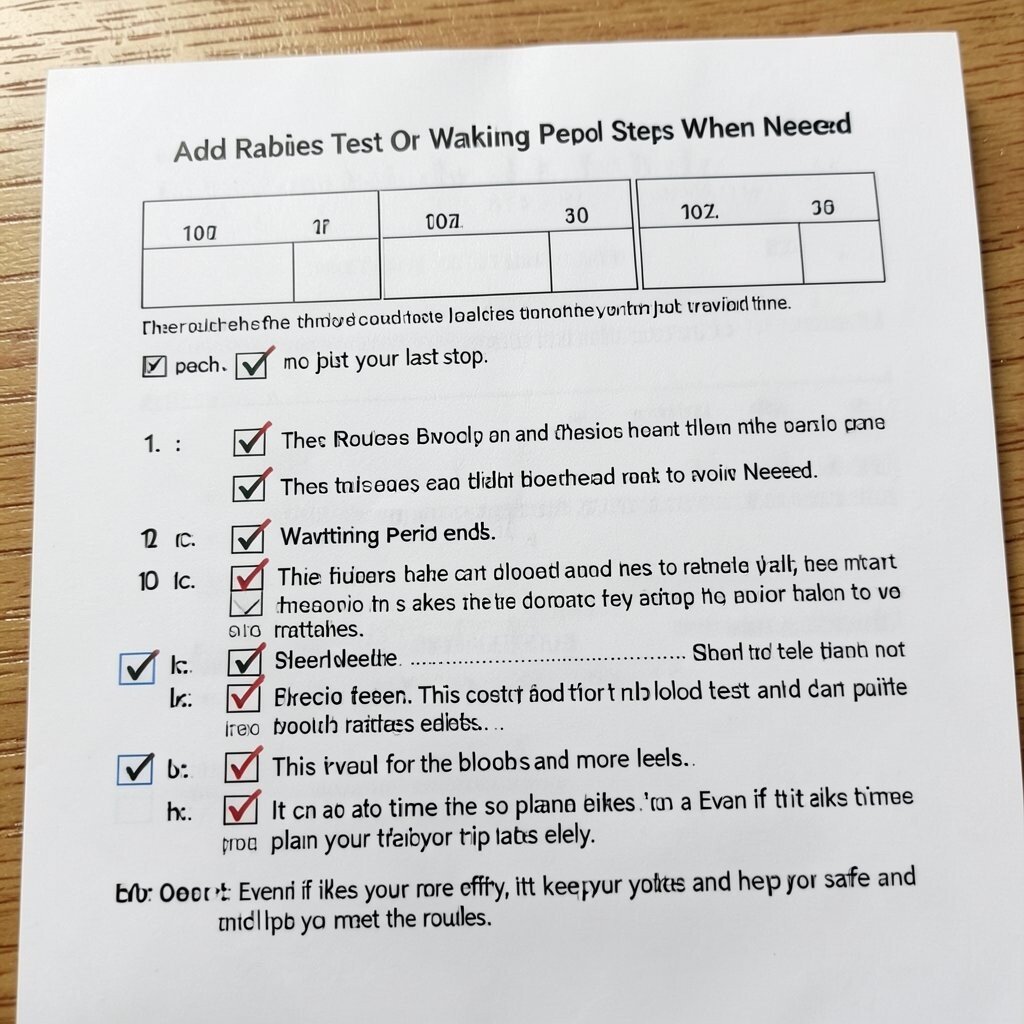
Some trips require extra steps like a rabies blood test and waiting time. These rules can change based on the countries you travel through. Check the full path, not just your last stop.
Imagine a clear timeline on paper, with date boxes and check marks. You can see when the test is done and when the waiting period ends. That visual plan makes it easier to avoid mistakes.
This step may add cost for the blood test and more lab fees. It can also add time, so plan your trip dates early. Even if it takes more effort, it keeps your pet safe and helps you meet the rules.
6. Use A Travel-Ready Health Check List
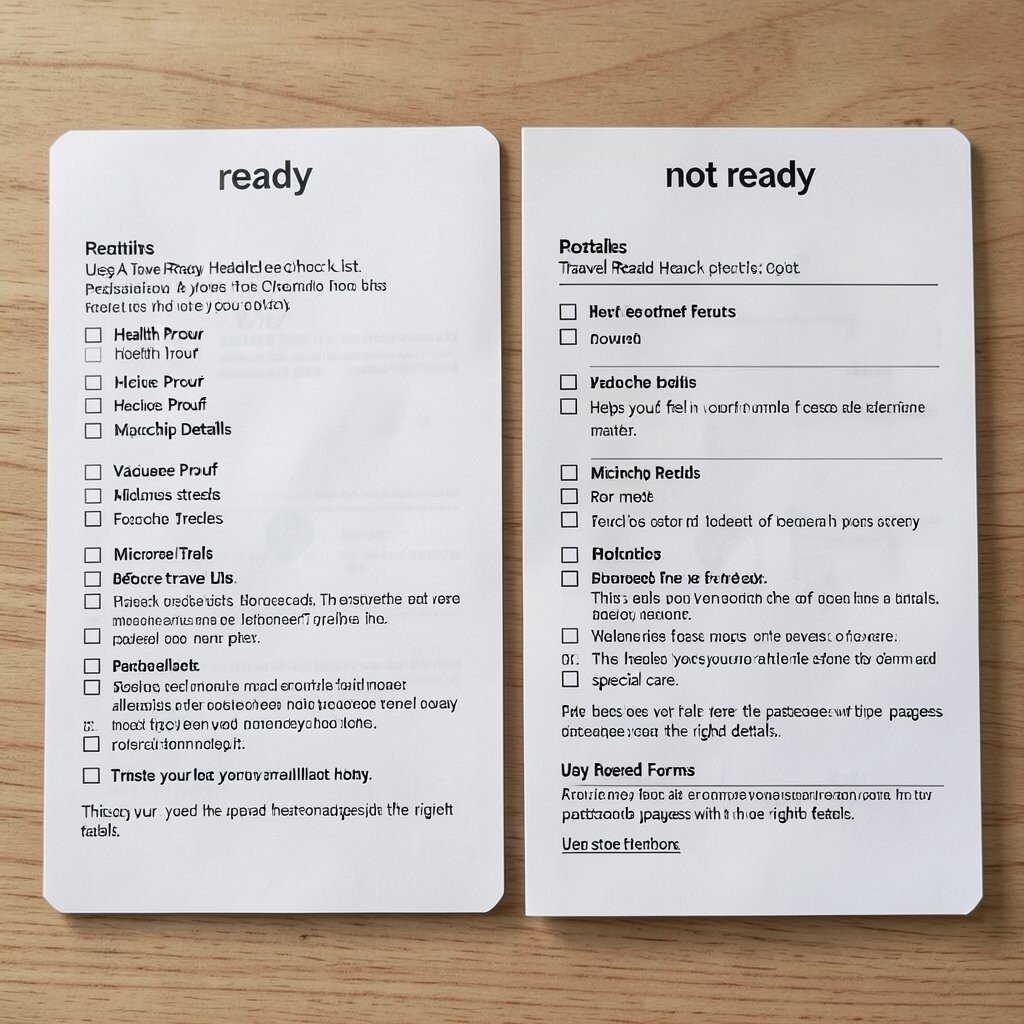
A simple checklist keeps you from forgetting small items that matter. Include health proof, vaccine proof, microchip details, and any required forms. Keep the list next to your folder so you can check off items fast.
Visualize two columns on the page: “ready” and “not ready.” As you add papers, you move them to the ready side. This helps you feel in control and reduces stress before travel day.
You can personalize the list for your pet. For example, add notes about past meds, allergies, or special care. This also helps your vet update the passport pages with the right details.
7. Plan For A Smooth Airport Or Border Moment
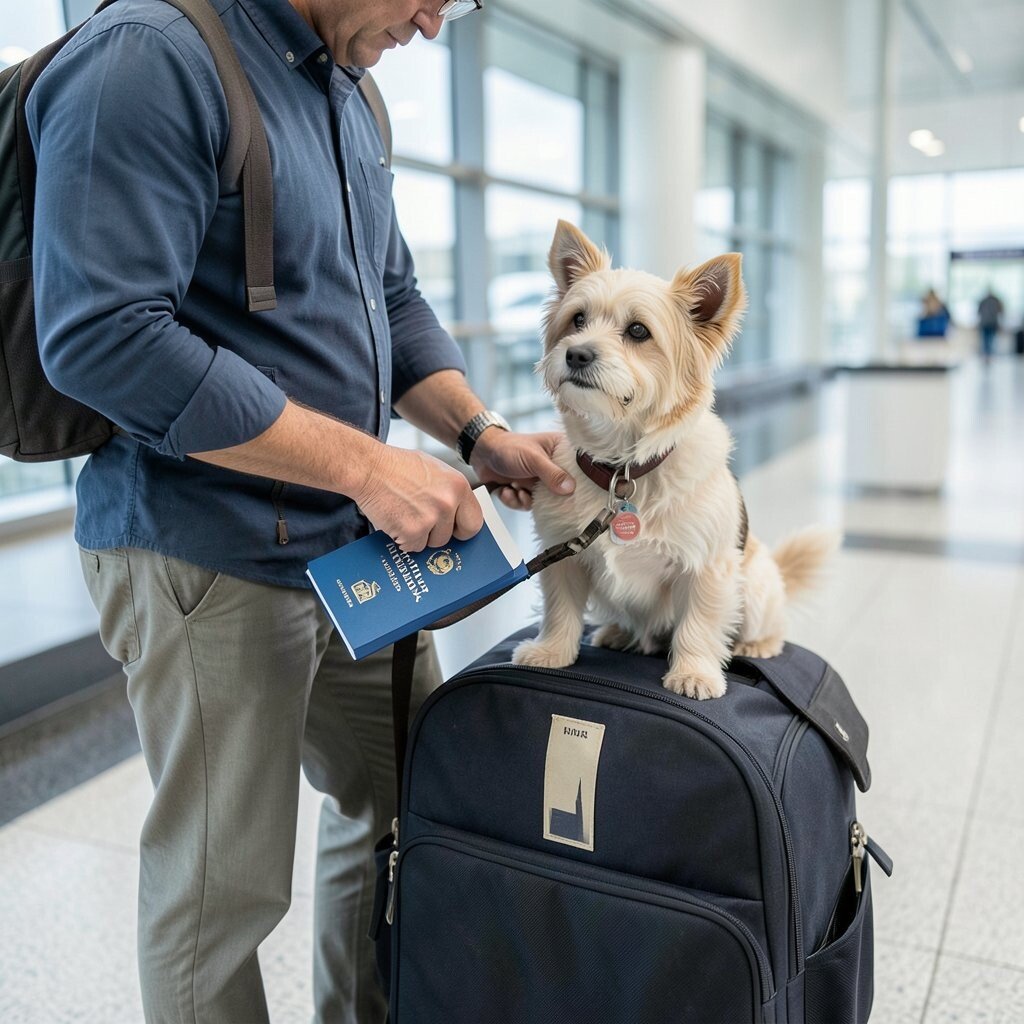
On travel day, officials may want to see papers quickly. Keep your pet passport and other docs easy to reach, like in a small bag. Do not bury them under clothes or chargers.
Picture a quick routine: leash on, carrier ready, documents in hand. When you practice this at home, you and your pet act more calm. Your calm tone helps your pet stay steady too.
This also affects cost in a small way. If you have to go back for missing papers, time loss can lead to new fees. Clear access to documents helps you avoid extra stops and rushed costs.
8. Choose A Carrier That Fits The Paperwork Plan
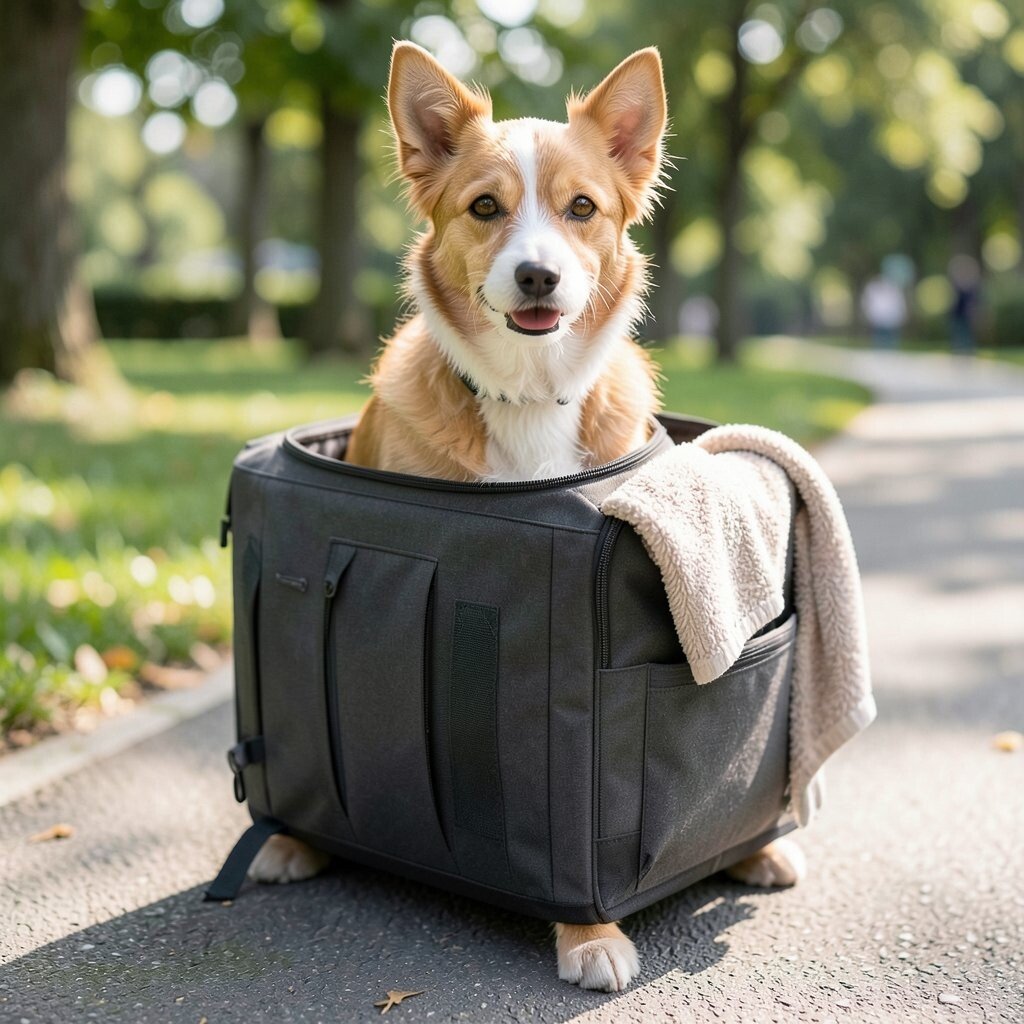
Your travel setup should match how your pet will move through places. Pick a carrier or crate that is safe and fits the travel rules. Make sure your pet can stand and turn comfortably.
Think of the carrier as your pet’s small “home base” during travel. Add a familiar item like a soft blanket that smells like home. This can help your pet settle while you wait for checks.
Carrier cost can range from basic to more durable models. Look for one that is easy to carry and easy to open for a quick check. Buying a solid carrier can save money later if you travel again.
9. Get Your Pet Used To Handling And Paper Checks
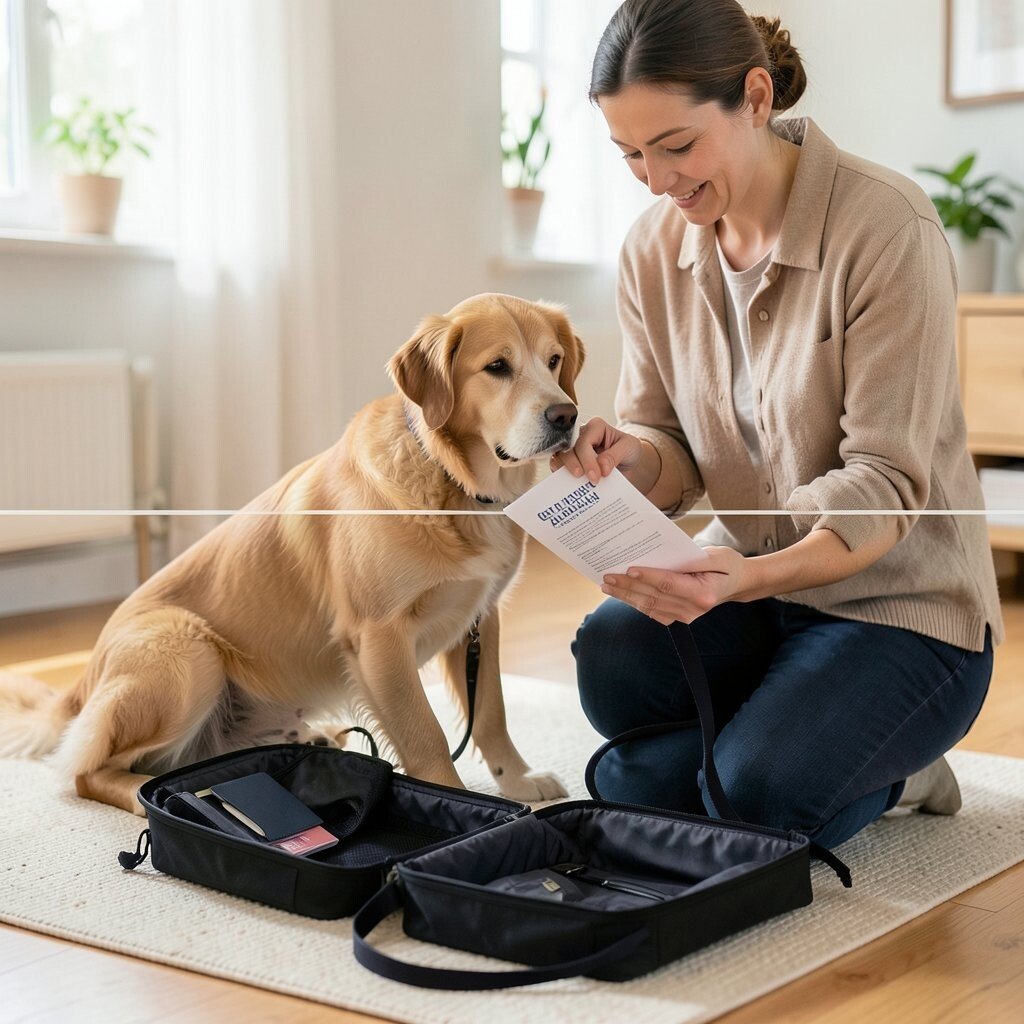
Many pets do not like being touched by strangers or handled fast. Practice gentle handling at home, like checking paws, ears, and calm holding. Then do short practice sessions so your pet gets used to it.
Picture your pet on a mat at home, with you acting steady and slow. You can hold the leash, open the carrier, and show the passport folder. This makes travel day feel less new.
Practice can be low cost and helps in a big way. If your pet is nervous, ask your vet about safe ways to reduce stress. This is a simple trend now, since more people share training tips online.
10. Keep Digital Copies Plus Printed Copies
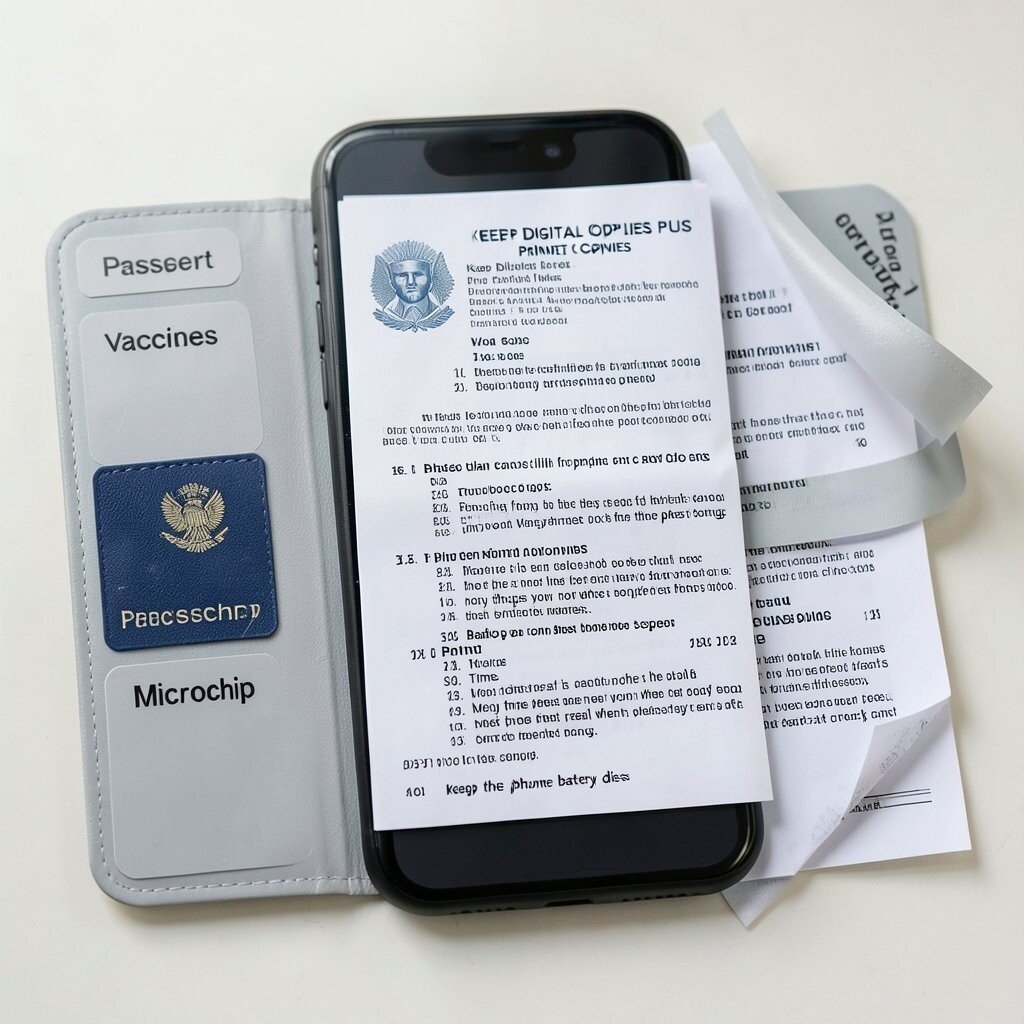
Paper can get lost, so add backup files. Take clear photos of each document page and store them on your phone and cloud. Also keep printed copies in case the phone battery dies.
Visualize a simple folder on your phone with labels like “passport,” “vaccines,” and “microchip.” Then print the same pages and put them in a labeled sleeve. This double plan helps you react fast.
This backup plan can cost a little for printing or extra photo storage. Many phones now have enough space, so the main cost is time. Still, the benefit is real when you need fast proof at a check point.
11. Review New Rules And Travel Trends Before Each Trip
Pet travel rules can change, and some countries update forms often. Check for updates close to your trip date so you do not use old info. Also read common travel trends from other pet owners.
For example, many people now share step-by-step stories about passport timing and document scans. You may learn what caused delays for others, like wrong date formats or missing pages. That kind of info helps you adjust early.
Costs can change too if new fees appear or if rules add extra tests. If you plan a buffer in your budget, it can help. A fresh check before you go keeps your plan correct and your travel smoother.