
Adopting a pet can make your home feel warmer and less quiet. You can pick a pet that fits your day, your space, and your budget.
1. Visit a Local Shelter on a Calm Day
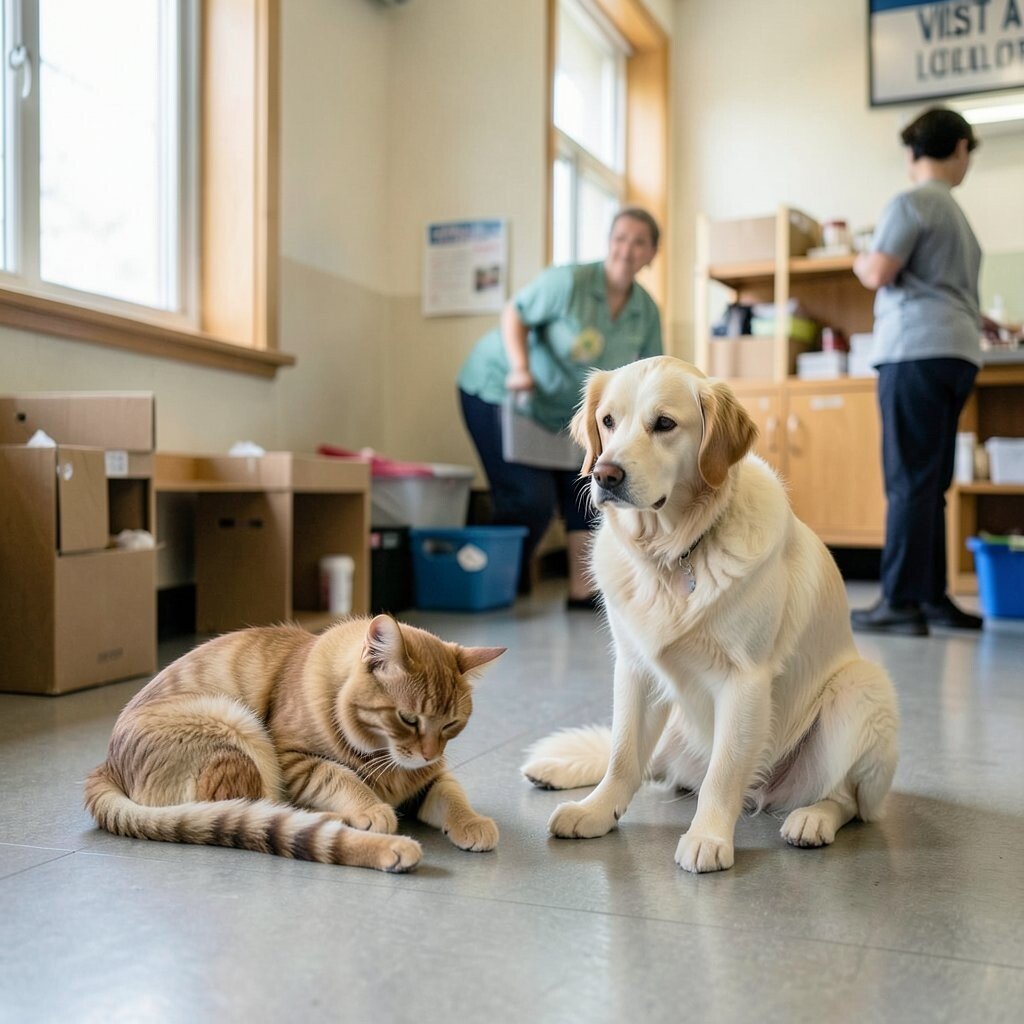
Go to the shelter when it is not too busy. Look for signs of stress in the pets, like hiding, loud barking, or fast pacing. If you feel calm too, it helps you watch how each pet acts.
Walk slowly and sit on the floor for a few minutes. You may see a cat with soft fur that leans in, or a dog that keeps its body relaxed. This kind of time gives you a clear view of personality.
Ask staff questions about energy and past care. Find out what the pet likes, what foods upset it, and how it acts with people. This lowers the chance of a bad match and helps you plan for the first weeks.
2. Bring a Friend to Help You Read Body Language

Choose a friend who stays patient and does not push. When you watch a pet together, it is easier to notice small signs. For example, a dog that wags slow tails and leans toward you may be more ready for home life.
Your friend can also take notes about what you see. Write down things like play style, eye contact, and how the pet handles gentle touch. This makes the choice feel less rushed and more real.
Try to keep the visit calm and steady. Too many voices or quick moves can scare a shy animal. When the mood is calm, you will likely see true behavior.
3. Pick a Pet Size and Energy Level That Fits Your Space

Match the pet’s needs to your home size. A small apartment can work well for a calm cat or a small dog that takes steady walks. A high-energy pet may need more time outside and more play inside.
Look for clear cues in the kennel. Some dogs walk in circles while others rest with a soft body. Some cats sit near the door while others keep to the back, and that can tell you how they handle new places.
Plan for daily care before you decide. If you work long hours, pick a pet that tolerates alone time. If you have more free time, you can choose a pet that likes games and training.
4. Choose Based on Your Typical Week, Not Just Your Mood

Think about your real schedule. On busy workdays, you may only have short time for a walk or a toy session. A pet that needs long hours of play may feel hard to manage.
Write down a simple plan for each day. Add time for meals, fresh water, and quick check-ins. Then pick a pet whose needs fit that plan.
It is okay to pick a pet that is not the most active. Many “medium” pets can still bring joy and companionship. A steady routine can also help a pet feel safe faster.
5. Try “Meet and Greet” Sessions for Cats or Dogs
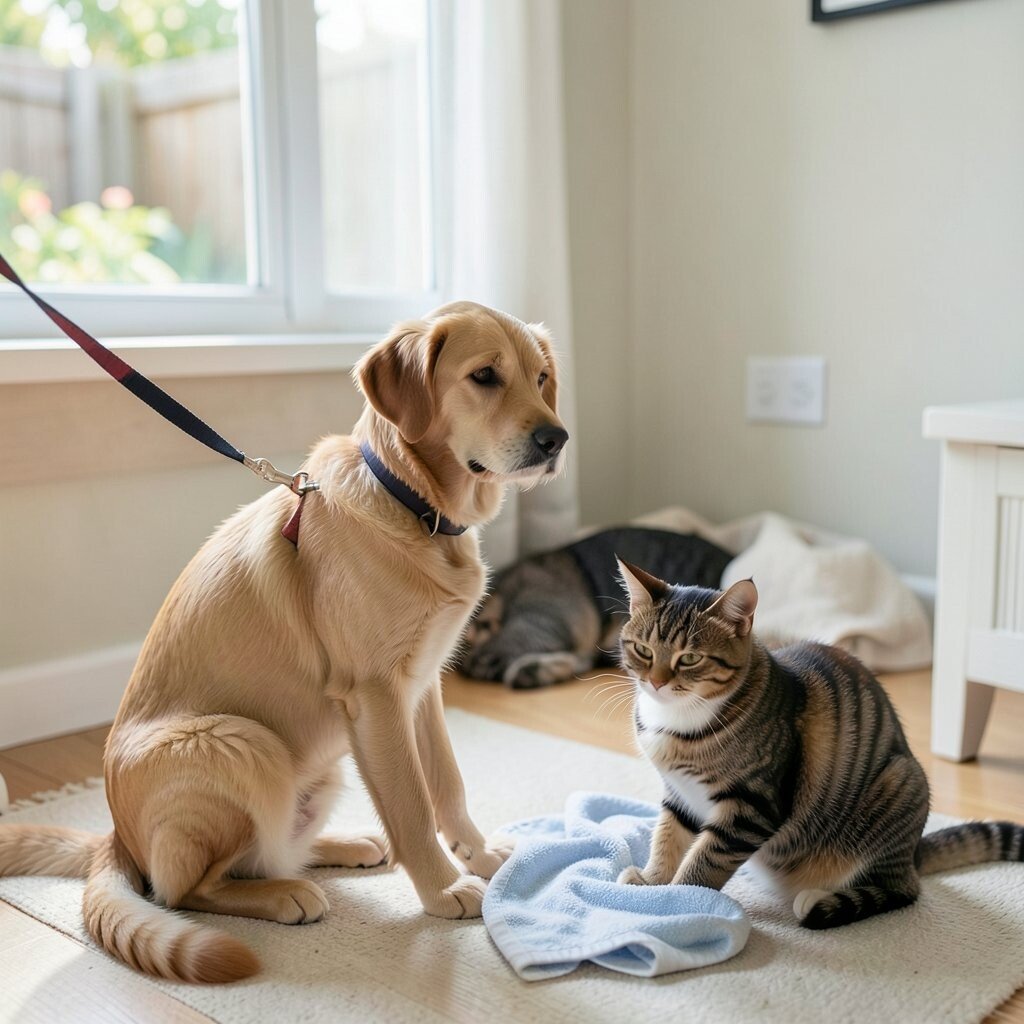
Ask if the shelter offers meet and greet sessions. This can be in a quiet room or a safe yard area. You get to see how the pet acts when it has a bit of space.
Bring the right basics for the first test. Use a leash for a dog and bring a soft towel or blanket for a cat. If you already have pets at home, ask about slow introductions in a safe way.
Watch for signs of comfort and stress. Comfortable pets may follow you at a distance or sit near you. Stressed pets may hide hard, growl, or seem frozen. Pick the pet that can handle the situation with less fear.
6. Ask for Medical and Temperament Info Before You Say Yes

Do not skip the care details. Staff can share health notes like vaccinations, spay or neuter status, and any ongoing issues. You can also learn about temperament, such as how a dog acts with treats or how a cat reacts to gentle play.
Request any records the shelter has, even if they are short. This helps you estimate future vet visits and medications. It also helps you plan the first steps for food and daily routines.
If a pet has special needs, ask what support is normal. Some pets need simple meds, while others need more training. Clear info helps you choose with real facts, not guesswork.
7. Consider Older Pets for Calm Company
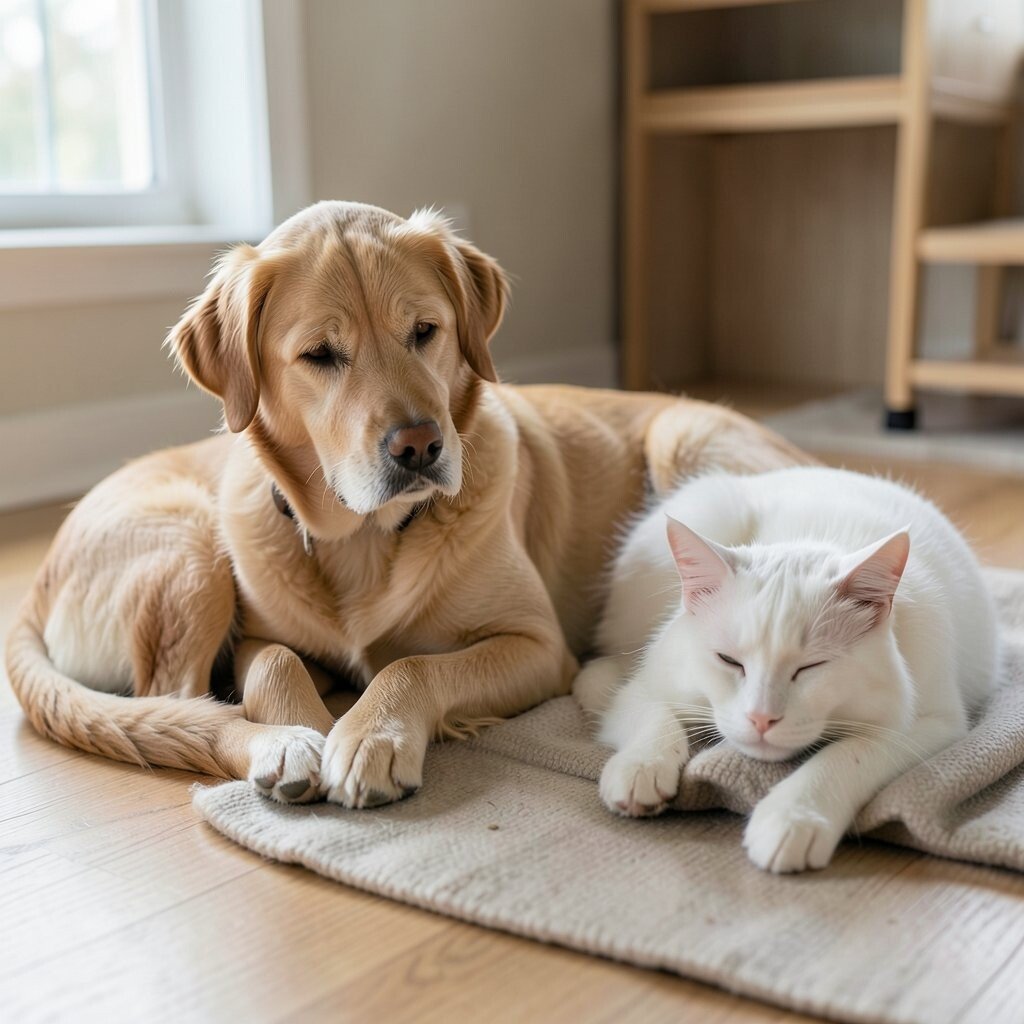
Older pets often bring a calm feel to a home. Many enjoy soft naps and short walks. Their needs can be easier to plan, especially if you want less chaos.
In a shelter, you might see a senior dog that watches quietly or a senior cat that rests with slow blinks. These small actions can feel gentle and steady. You may also find that older pets bond in a simple way.
Ask about comfort and mobility. Find out if the pet has arthritis, dental pain, or hearing changes. With the right care, older pets can still enjoy good days and simple routines.
8. Look for Bonded Pairs If You Want Built-In Companionship
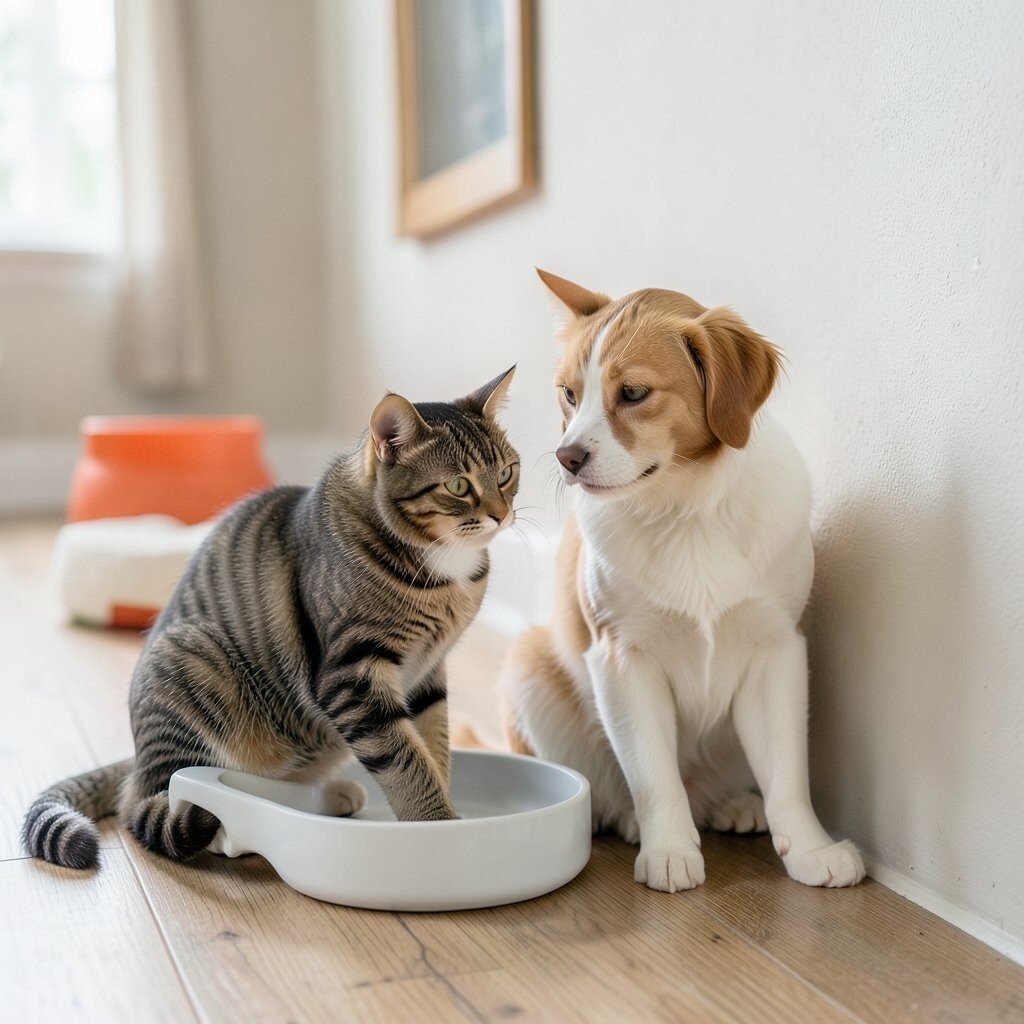
Some shelters have bonded pairs that must be adopted together. This can be two cats or two dogs who are used to each other. If you like the idea of instant companionship, this can be a good fit.
Watch how they act when they are near each other. You may see cats grooming close by or dogs leaning against the same wall. This bond can help them settle faster in a new home.
Think about space and shared care. You will still need two sets of bowls, toys, and bedding. Your monthly budget will also be higher, so plan ahead.
9. Choose a Pet With a Coat or Look You Truly Like

Your daily life includes looking at your pet many times. If you enjoy the way the pet looks, you will likely enjoy the daily care more. A fluffy coat, short hair, or big ears can feel fun to watch every day.
Keep an eye on grooming needs. A long-haired cat may need brushing more often, and a dog with thicker fur may shed more. This affects time and cost, so it is smart to match your style of care.
Ask staff how much grooming a pet needs now. Some pets already know the brush and enjoy it. Others may need slow training, so plan for that from day one.
10. Use Simple Training From Day One With Treats and Praise

Training can help a new pet learn fast. Start with simple rules like where to go for potty breaks or how to sit for a treat. Keep sessions short so the pet does not get tired.
Use small treats and easy praise. Many pets respond well to a calm voice and steady routine. If you notice fear, slow down and use softer steps.
Training also helps you spot needs. If a dog acts restless, you may need more walk time. If a cat avoids a room, it may feel unsure. Small training wins can guide your next plan.
11. Budget for Adoption Fees, Supplies, and Ongoing Costs

Adoption fees are only one part of the cost. You also need a basic kit like food, bowls, a leash or carrier, litter, and waste bags. You may also want toys and a comfy bed.
Plan for monthly needs like food and litter. Think about vet costs too, such as checkups, shots, and flea or tick items. If your pet needs special care, the budget should be ready for that.
Ask the shelter what is included in the adoption. Some places include spay or neuter and a first check. This can help you estimate costs more clearly.
12. Follow Pet Care Trends That Fit Your Lifestyle

Some pet care trends are useful, like puzzle toys and slow feeder bowls. Puzzle toys can give a busy pet something to do with less boredom. Slow bowls can help pets eat at a calmer pace.
Use trends as ideas, not rules. Pick tools that fit your home and your time. If you are new to pet care, choose simple tools you can manage each day.
You can also try newer ways to shop for supplies. Many people buy quality food or grooming items online and set up repeat orders. Just check labels and be sure the item fits your pet’s needs.
13. Personalize Your Home Setup Before the Pet Arrives
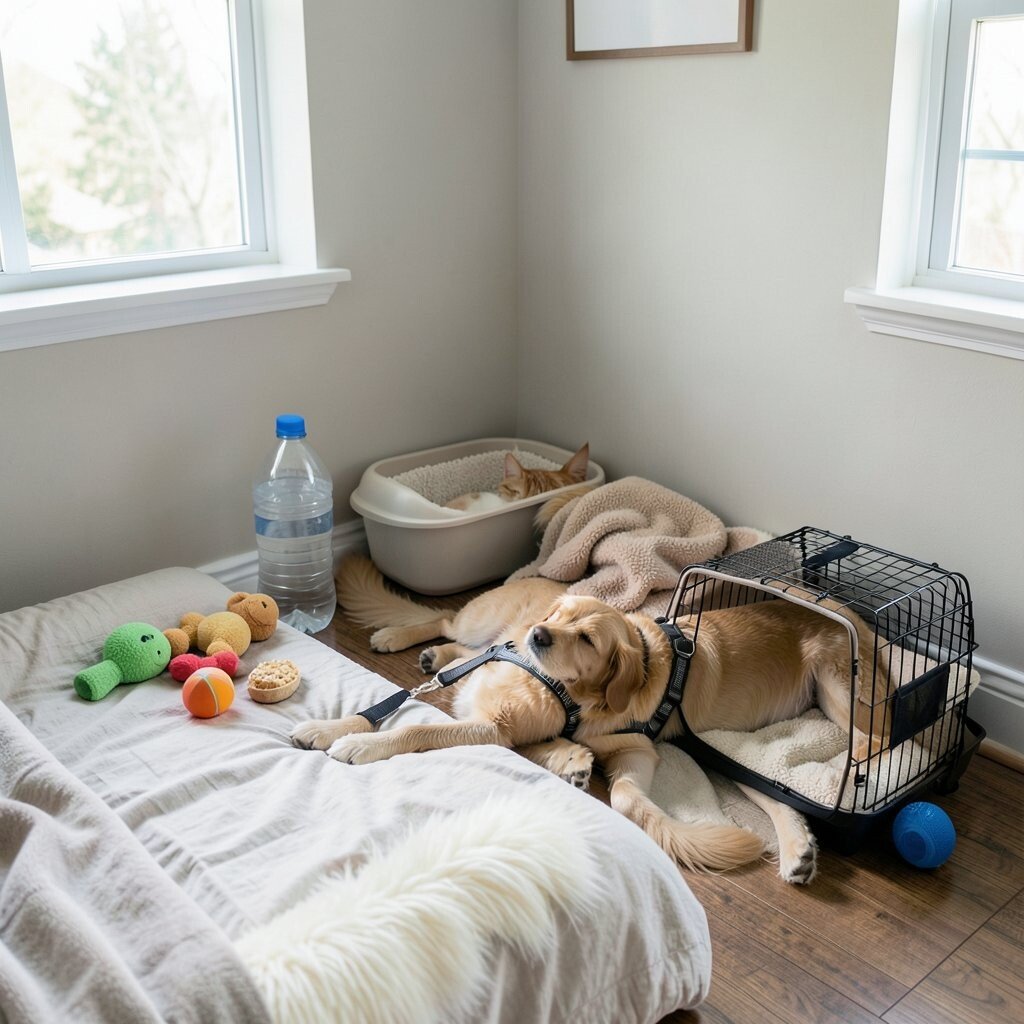
Set up a safe corner before you bring your pet home. A quiet space with a bed, water, and a few toys can help the pet feel secure. For a cat, add a litter box in a calm spot, away from loud rooms.
Get the right items for the pet you picked. A dog may need a leash, a harness, and a sturdy crate or safe place. A cat may need a carrier, scratching options, and a warm blanket.
Make a short first-day plan and keep it simple. Offer food, give fresh water, and let the pet rest. When you keep the setup steady, your pet can settle faster and you can learn its habits.