Many pets can share one home, but they need the right setup and daily care. With small changes, you can help each pet feel safe, seen, and calm.
1. Start With a Slow Meet
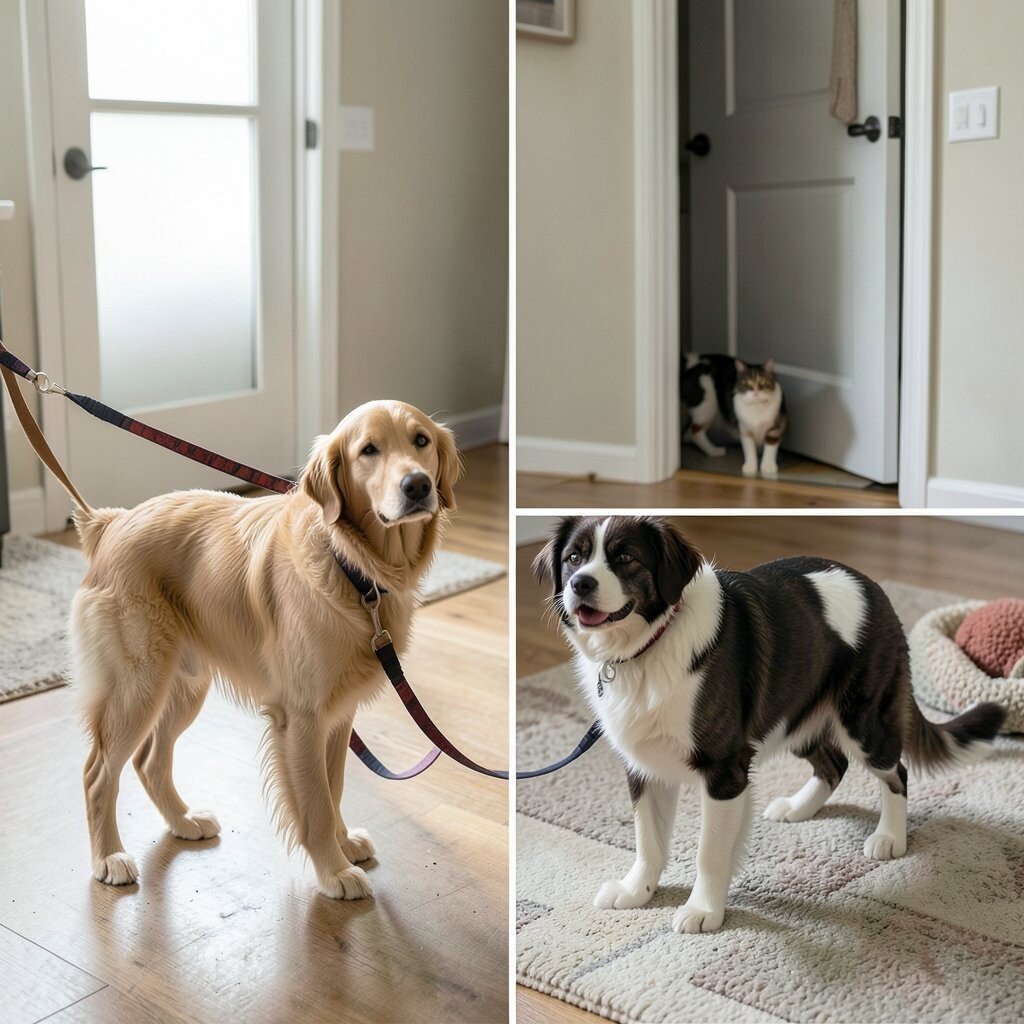
When you bring pets together, do it in a slow way. Use a leash for dogs at first, and let cats stay in a separate room with a door that can be closed. Keep visits short at first, so nobody gets too upset.
Watch body signs like stiff legs, hard staring, growling, hissing, or sudden hiding. If you see these signs, stop the meeting and try again later. This helps pets learn that new faces are not a threat.
For unique homes, try room-by-room swaps. Move a blanket or toy from one space to the other, so each pet gets used to the other pet’s smell. This can lower stress without big costs.
2. Feed Pets in Different Spots
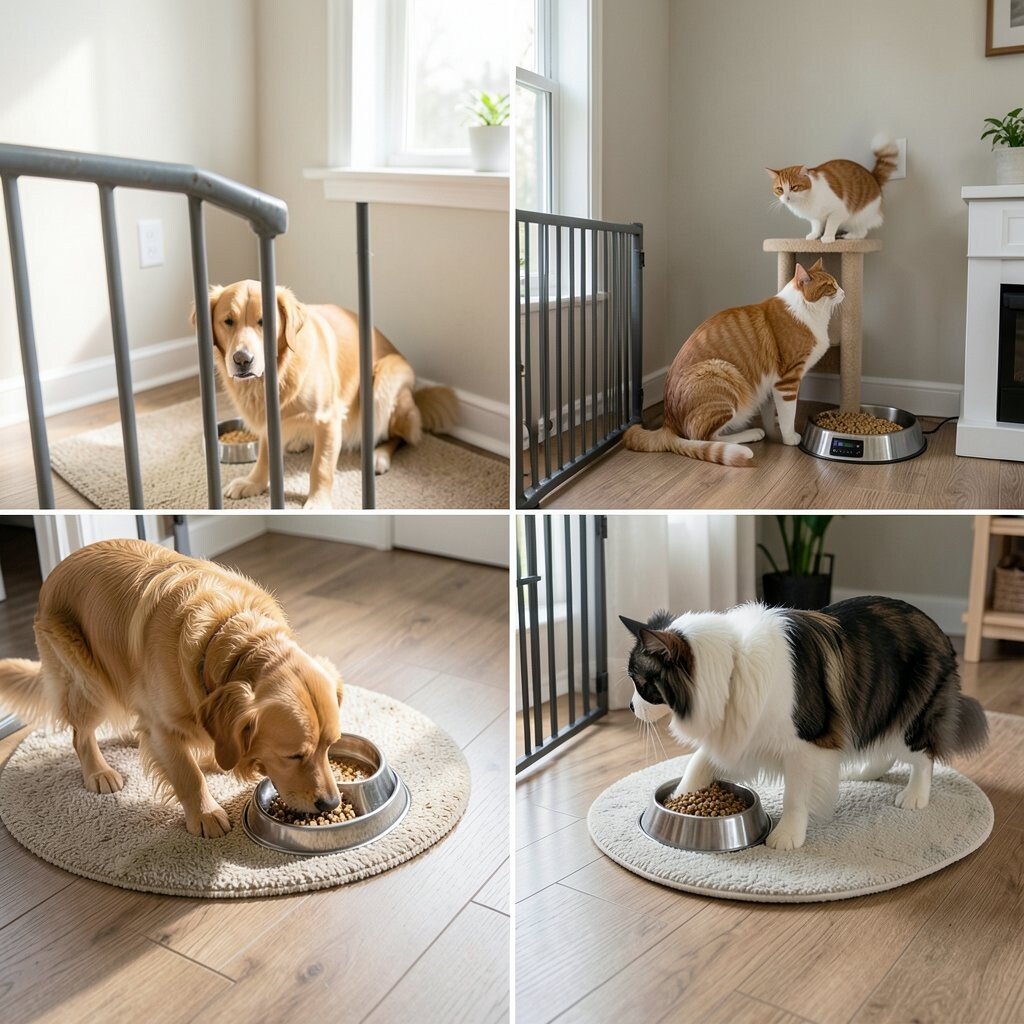
Food times can be a common problem, especially in busy homes. Set each pet up with its own feeding spot, bowl, or mat. Put the spots far enough apart so pets do not have to pass close to each other.
If you have more than one dog, use gates or separate rooms for feeding. For cat and dog mixes, feed cats on higher spots or in a quiet room. This helps each pet eat without fear of being pushed away.
You can also add a simple timer schedule. Try the same times each day, so pets know what to expect. This routine often lowers stress and fights.
3. Use More Litter Boxes and More Water
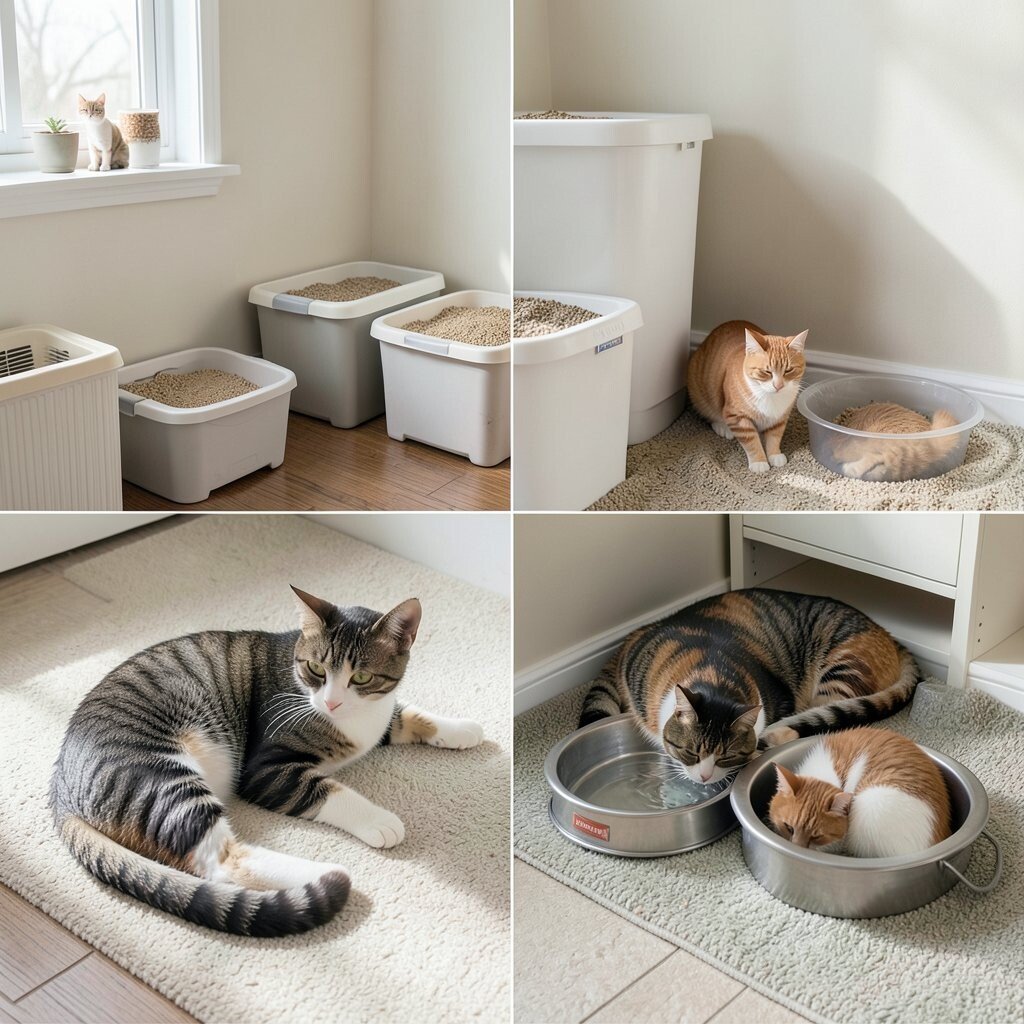
In multi pet homes, cats need choices. Add more litter boxes than you think you need, and place them in quiet areas. Keep at least one box on a different floor level if your home has more than one level.
For water, set bowls in more than one spot. Some cats like to drink away from their litter, and some dogs may drink too fast. Using a spare water station can help keep every pet comfortable.
For cost control, start with basic boxes and then adjust after you watch what cats choose. Look for the box they use most and make that option easy to reach. This is a simple way to personalize your plan.
4. Give Each Pet Their Own Safe Spot
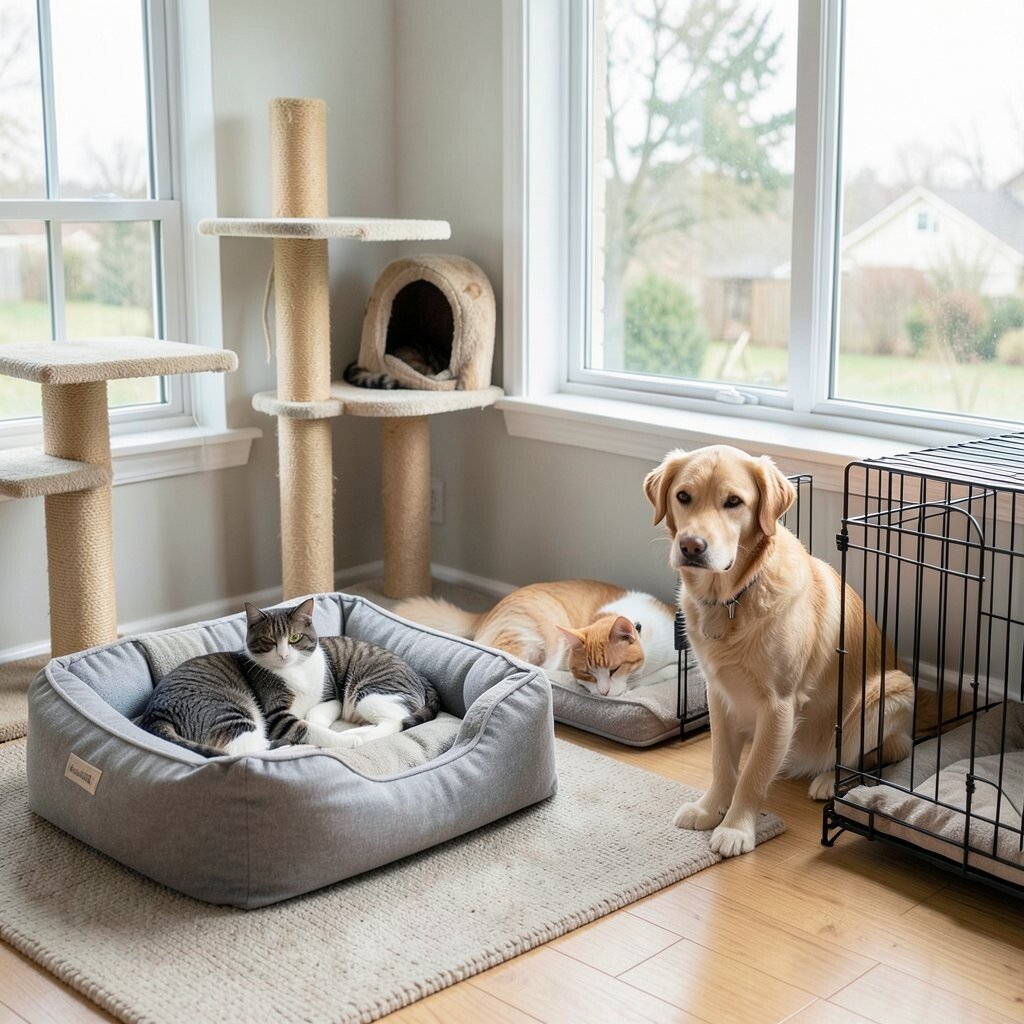
Pets need a place to rest where they feel safe. Use a pet bed, a crate, or a small covered nook for each pet. Put these spots where pets can see you but also have space to calm down.
For cats, use tall perches or cat shelves near a window. Many cats like to watch without getting close to other animals. For dogs, a crate can work well if it is used for comfort, not punishment.
Make sure safe spots are not right next to each other. If pets share one spot, they may guard it. Personal safe areas help reduce fights and stress.
5. Keep Toys Separated and Rotated
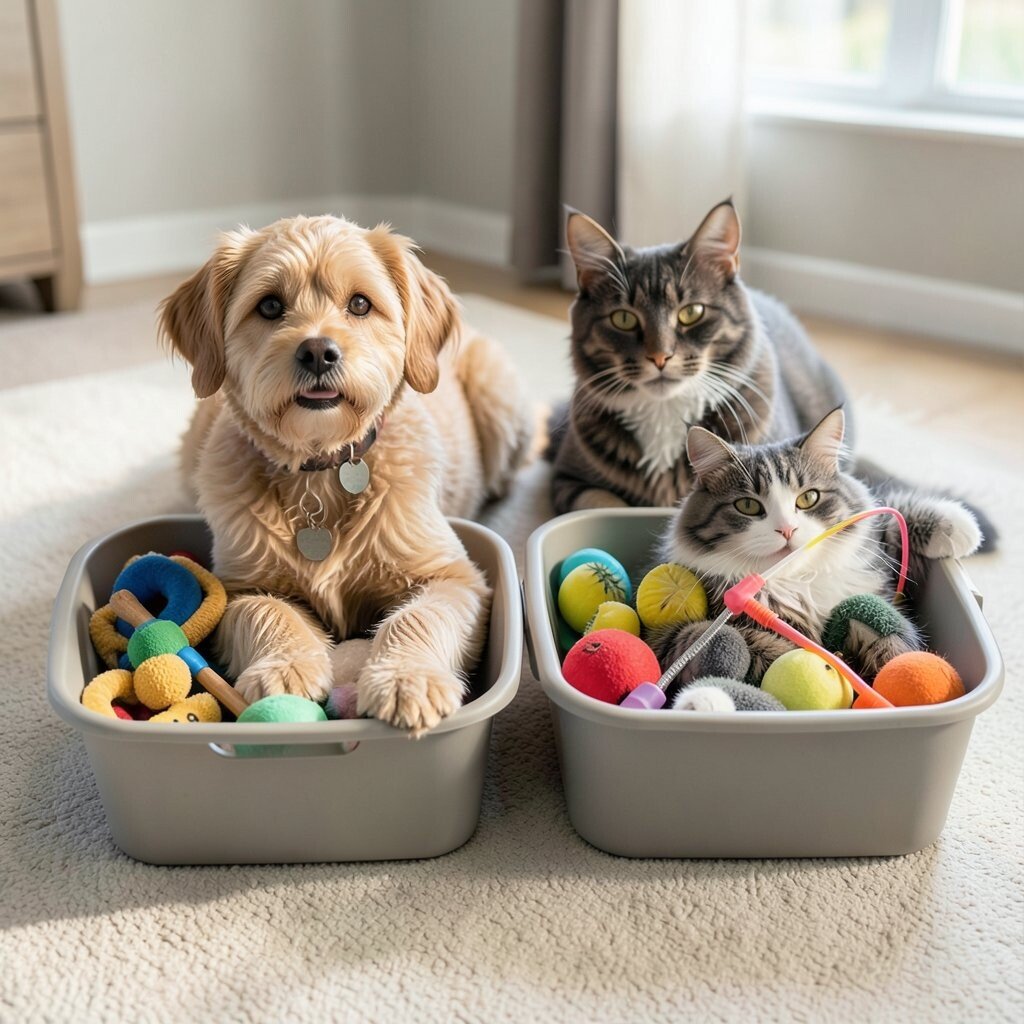
Toys can cause competition, even when pets seem friendly. Give each pet some own toys, and store them in separate bins. If you have several pets, do not keep all toys in one large pile.
Rotate toys every so often, so interest stays fresh. You can keep a few toys out for each pet and swap the rest. This is a trend in many homes because it helps with newness without buying many items.
Try different toy types based on each pet. A dog may like chew toys, while a cat may like wand toys or small toss toys. Matching toys to each pet helps avoid boredom and rough play.
6. Use Gates and Baby Doors for Calm Space
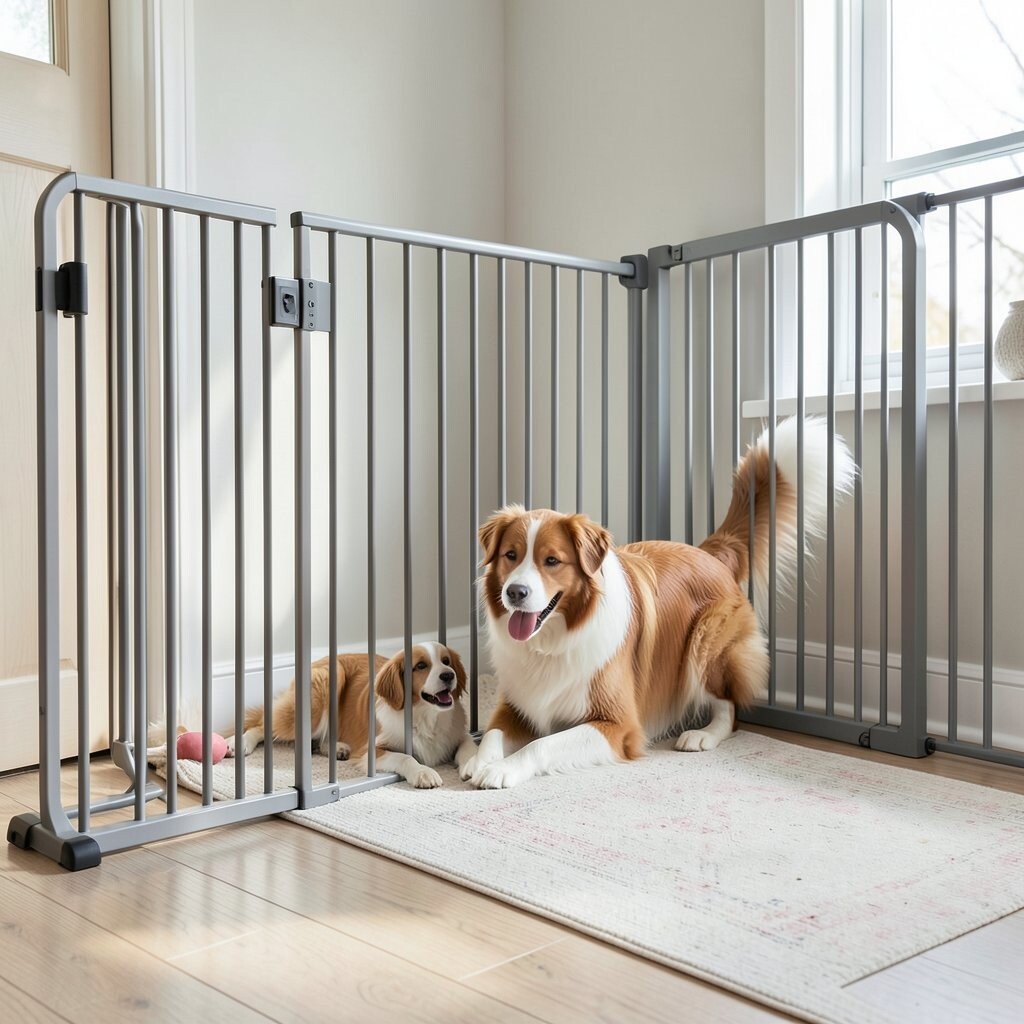
Pet gates can make daily life easier. Use them to create a calm area when you need to separate pets for rest or feeding. A baby gate can also help you manage movement in hallways and doorways.
When one pet is too excited, a gate can give others space. This helps pets learn not to chase each other. It also keeps new pets from feeling trapped.
For unique home layouts, try placing gates in a way that blocks access to the same hot spots. You can test one area at a time, so you do not need to change your whole home. This keeps cost low and plans clear.
7. Build a Simple Daily Routine
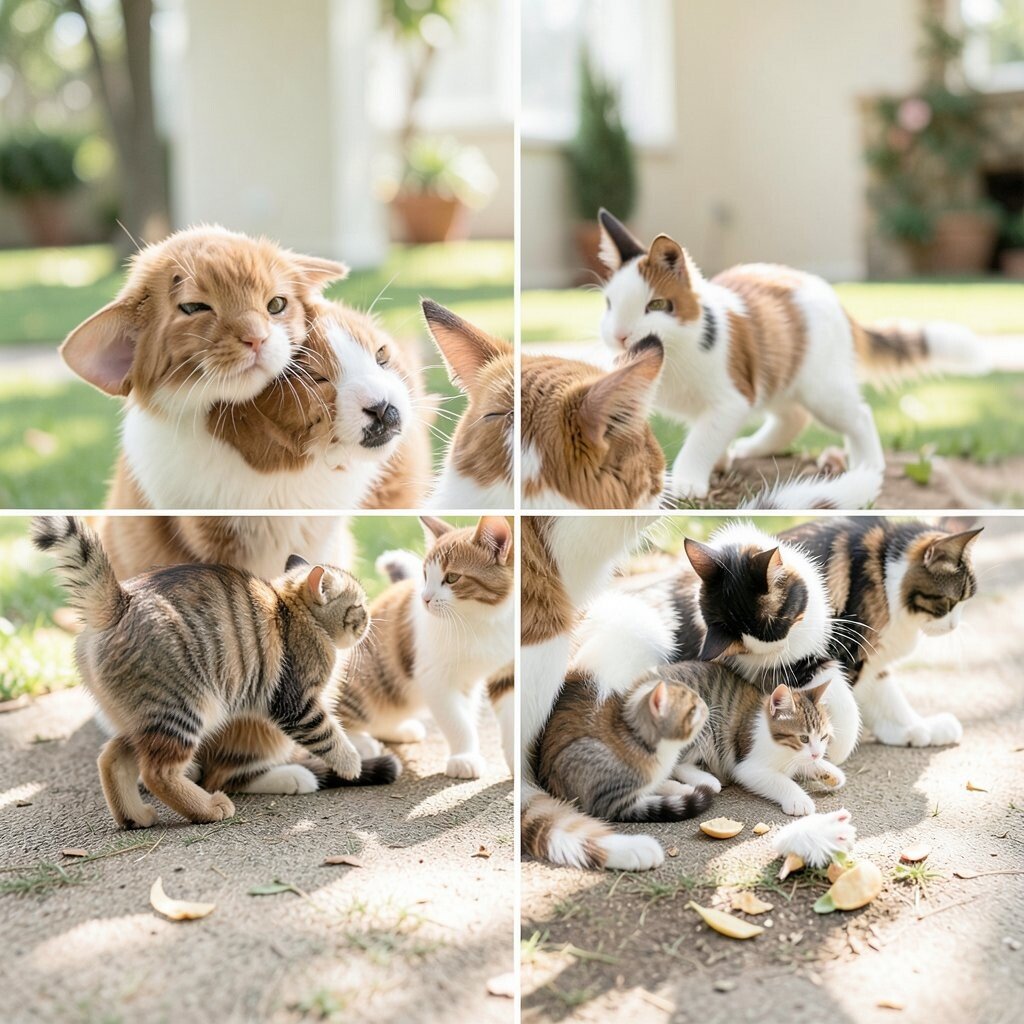
Many pets do better with steady days. Set times for meals, walks, play, and quiet time. If your schedule changes, give a heads up so pets can adjust.
Routine helps pets predict what comes next. When pets know the plan, they act less jumpy. This can also help with training and reduce stress between pets.
Try to keep one daily play session for each pet. You can do this in short bursts, like a few minutes of play per pet. Even small time blocks can add up for each animal’s mood.
8. Give Equal Attention, Not Just One Favorite
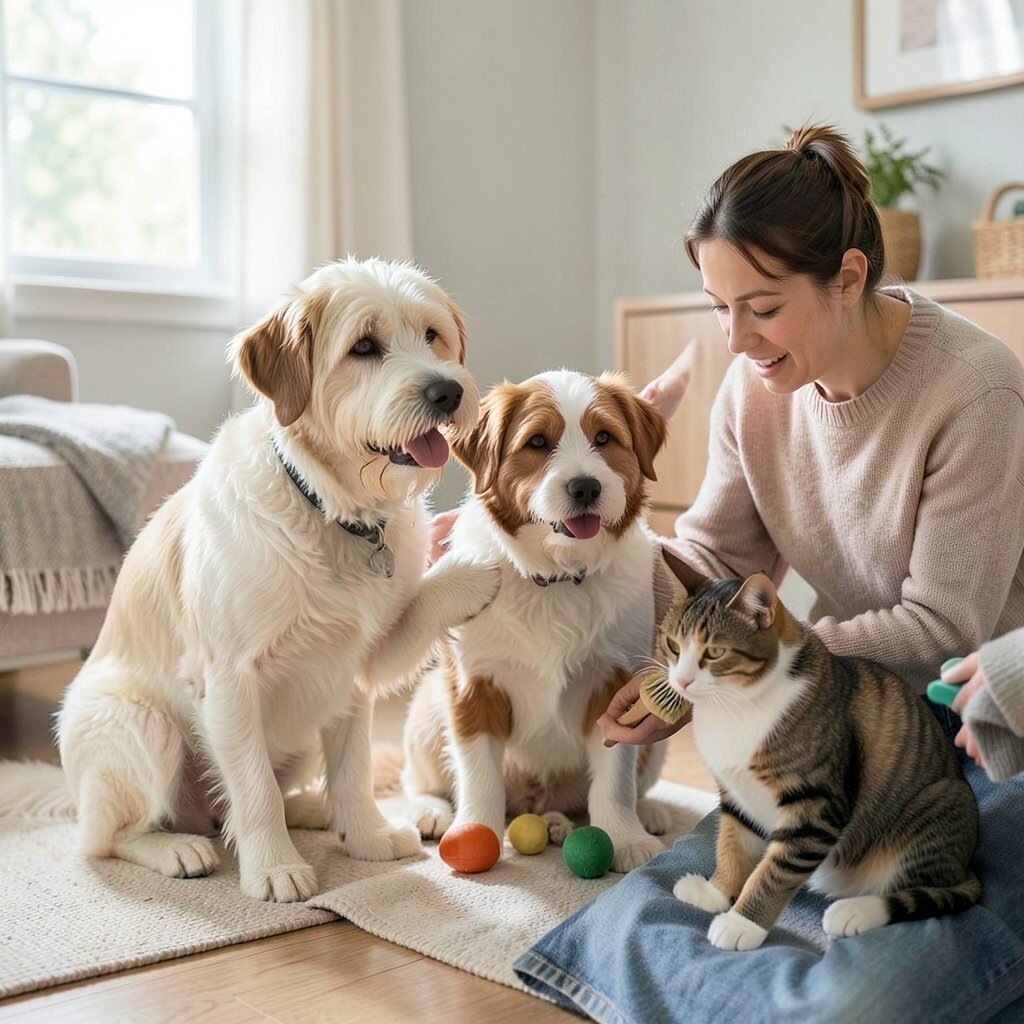
When one pet gets more focus, others may feel left out. Set time with each pet so everyone gets a fair share. This can be petting, talking, brushing, or a calm sit near you.
If you only give attention to one pet during grooming, the others may act out. Make a plan so you handle one pet at a time. Give a toy or treat to the other pet during that time.
For personalization, follow each pet’s style. Some dogs like close contact, while some cats prefer short check-ins. Matching attention to each pet’s comfort can keep peace in the home.
9. Train With Positive Rewards for Everyone
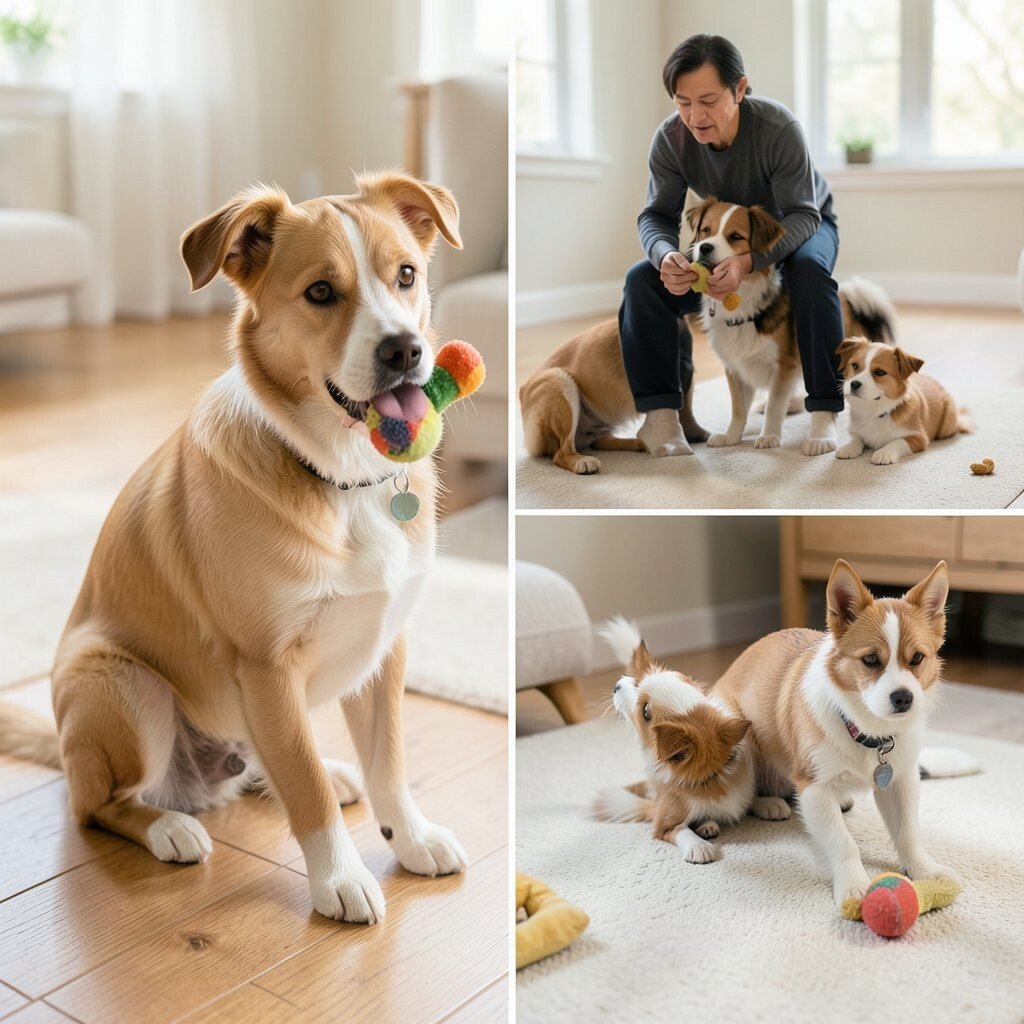
Good training helps pets share space. Use simple commands like sit, stay, and leave it. Reward calm behavior with small treats, praise, or a favorite toy.
Train one pet at a time at first, so the lessons do not get messy. After each pet can do the task, practice with other pets nearby at a safe distance. This helps pets learn self control.
Make training short and regular. Many homes use a trend of quick, daily practice because it fits busy schedules. It also builds trust without expensive classes if you start with basic steps.
10. Plan for Walks and Energy Levels
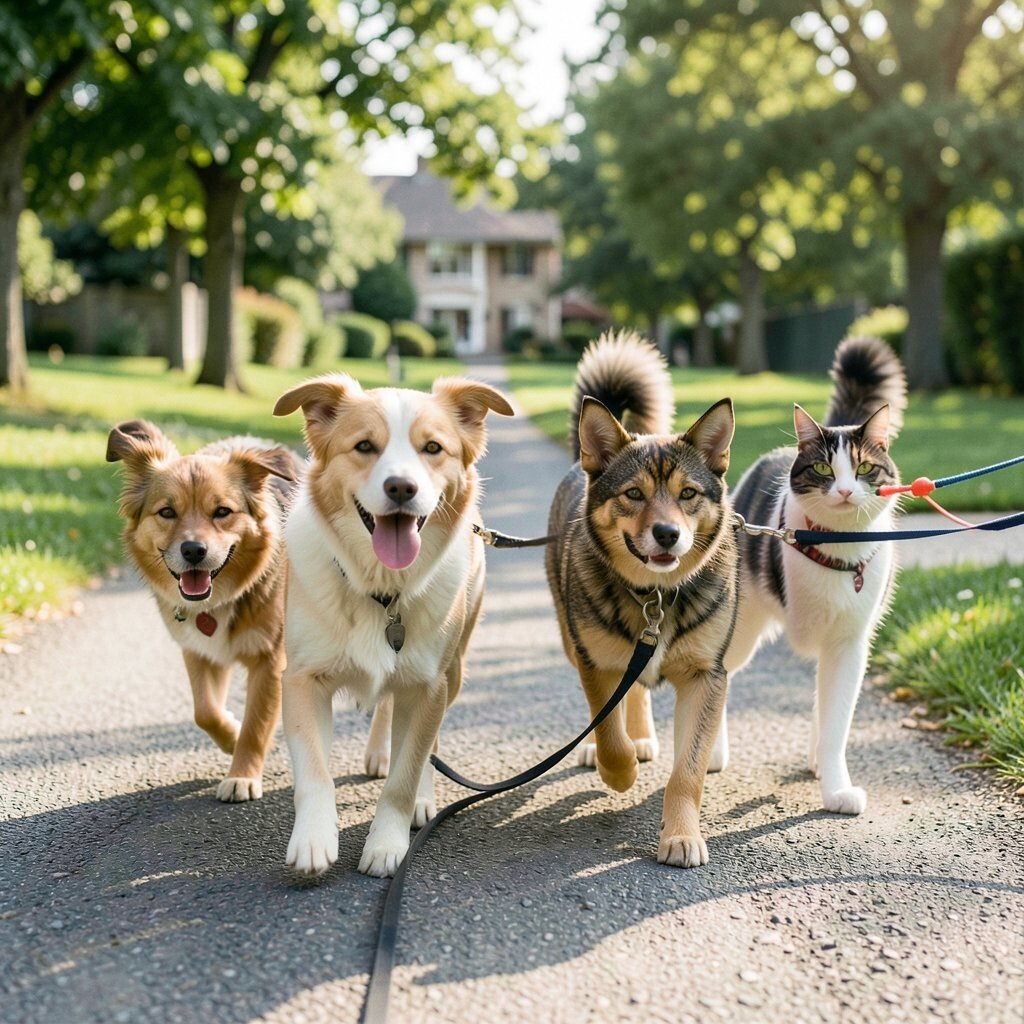
Dogs need time to move, but multi pet homes can be hard to manage. If you have two dogs, walk them in a way that does not turn into chasing. Use leashes of the right length so both dogs can stay close and calm.
If one dog is very high energy, add more play before you bring them near the other pet. For two dog households, stagger walks at first, then try together only when both seem steady. This can prevent rough greetings.
For homes with cats and dogs, add a cat play routine too. Use a wand toy and let your cat chase in short rounds. A tired pet often causes fewer problems at home.
11. Watch Body Language During House Time
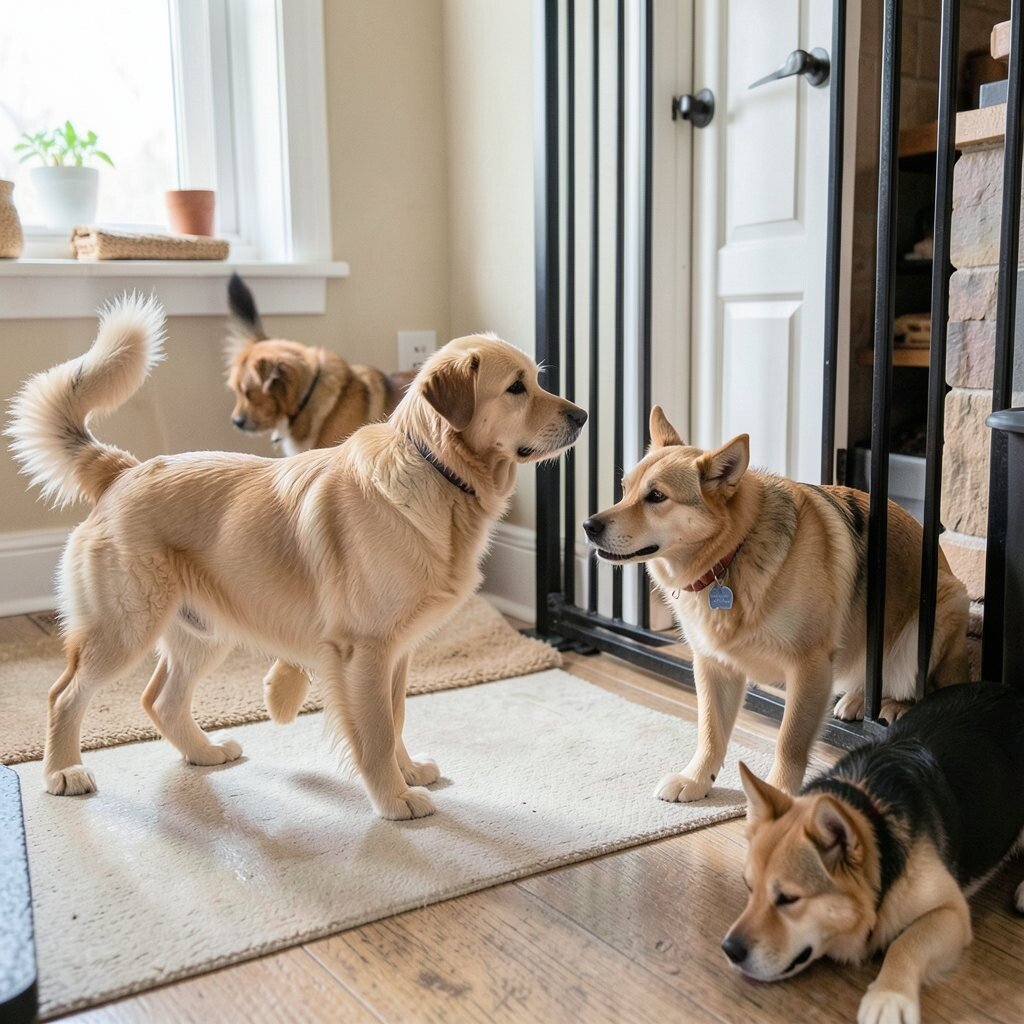
You can avoid many fights by watching signs early. Look for stiff posture, tail puffing, pinned ears, growling, sudden lunging, or blocking another pet’s path. These signs are often warning calls before a real problem happens.
When you see warning signs, separate pets fast but calmly. Do not shout or chase. Instead, guide pets to their own safe spots using a gate or door.
Keep a small note about what triggers each pet. Write down the time of day, where it happened, and what pets were near. Over time, you can personalize your setup to match real patterns in your home.
12. Groom and Brush Each Pet Separately
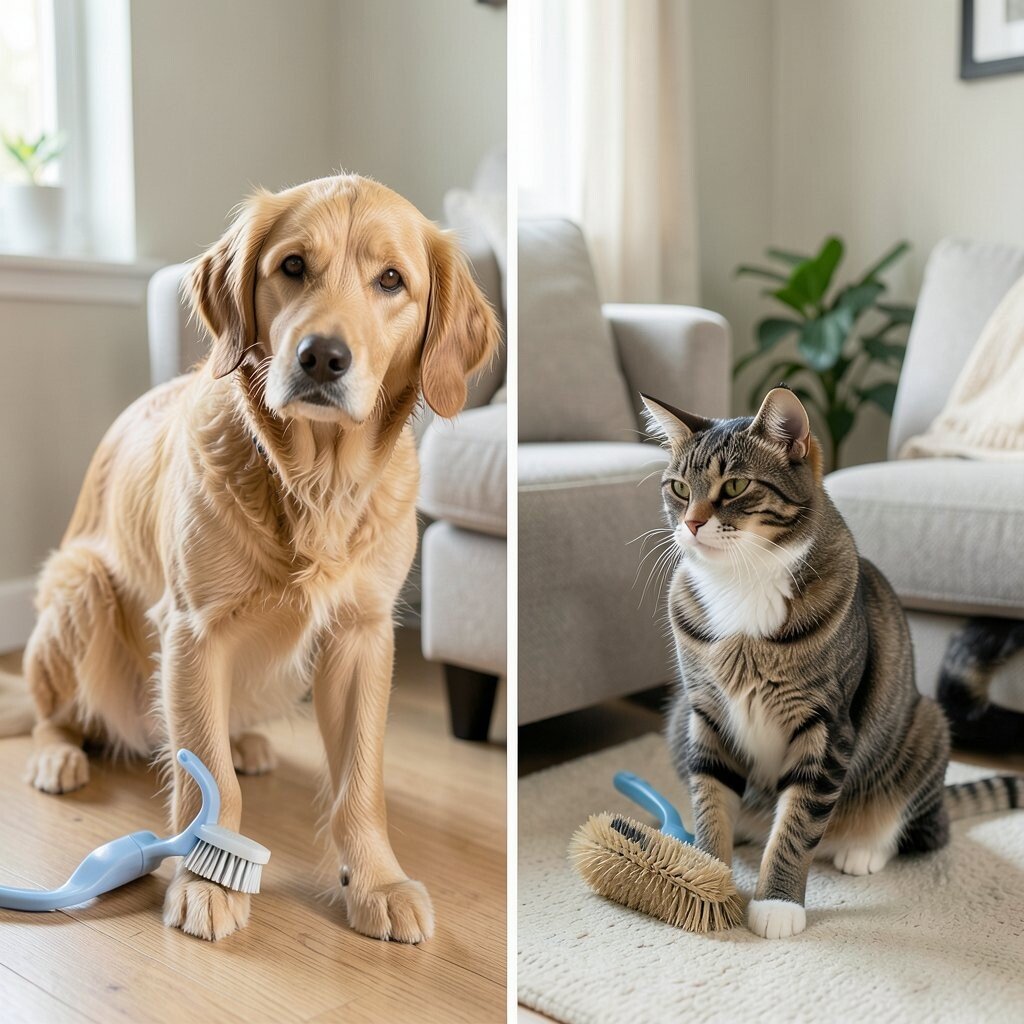
Grooming can turn into a clash if pets are worked on too close. Brush dogs in one area and cats in another. Use a quiet room or a corner where each pet feels like grooming is normal.
If you have one pet that gets jealous, start with that pet first, then move to the other. You can also give a treat while you brush for better calm. This helps pets link grooming with good things.
Cost can stay low if you buy basic tools and do routine care at home. Regular brushing can also reduce shedding on furniture. Many pet owners find this helps with cleanliness and comfort.
13. Set Up a Training and Feeding Schedule for Senior Pets
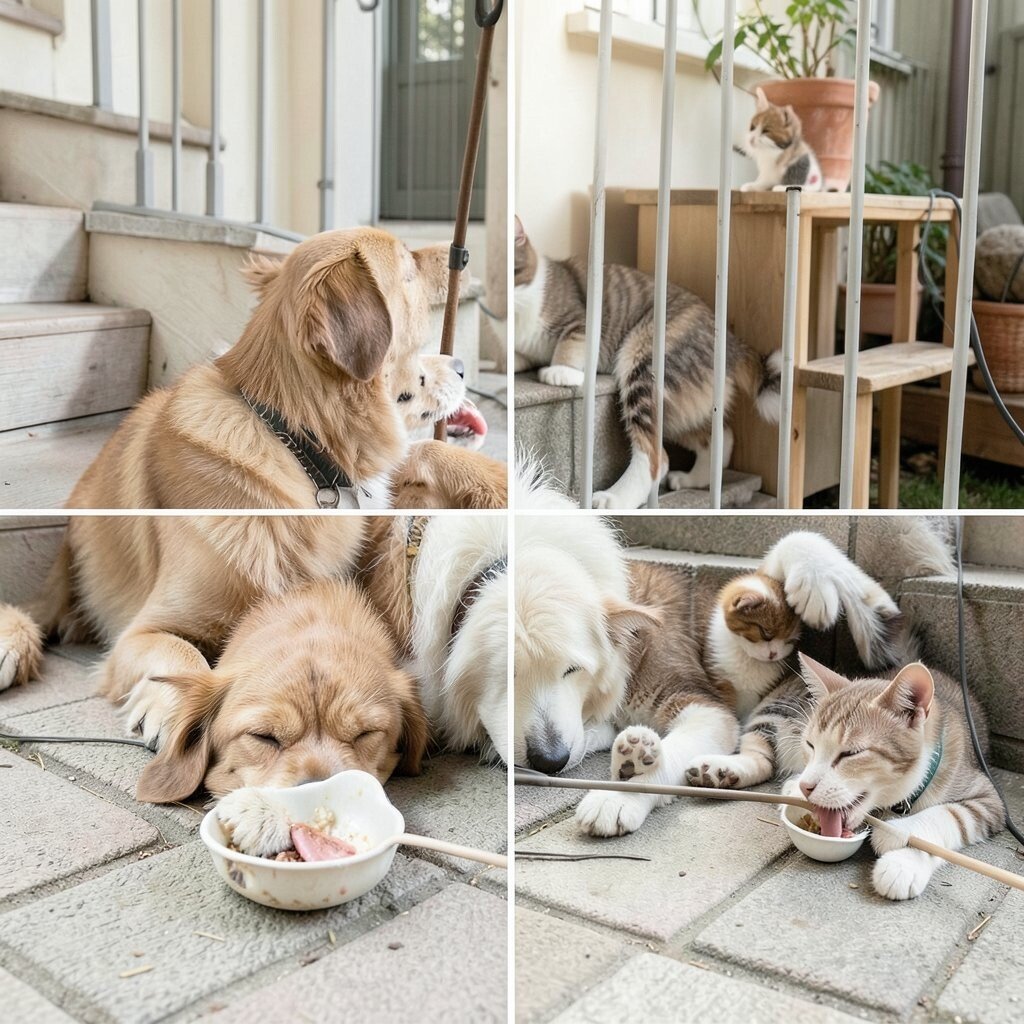
Senior pets may have slower movements and less patience. Give them extra time to eat, drink, and get to their resting spots. Make sure stairs or high ledges are easy for them to use safely.
During busy times, keep younger pets from crowding senior pets. Use gates to give seniors their own zone when needed. This protects comfort and reduces stress for everyone.
For personalization, adjust how long play sessions last. Older dogs may like short walks, while older cats may prefer gentle wand play. Keep the day easy and steady, and you will often see less conflict.
14. Prepare for Vet Visits and Health Needs

Health issues can change how pets act around each other. Pain can make a pet guard space or snap when handled. If you notice a big behavior change, check with a vet as a first step.
In multi pet homes, keep records for each pet. Store shot dates, meds, and feeding notes in one easy folder. This helps you stay ready for emergencies and normal checkups.
For cost, plan ahead for routine care. Many people use separate carriers or booster seats so each pet travels safely. This can prevent last minute stress and keep appointments less rough.
15. Make Your Home Layout Pet Proof
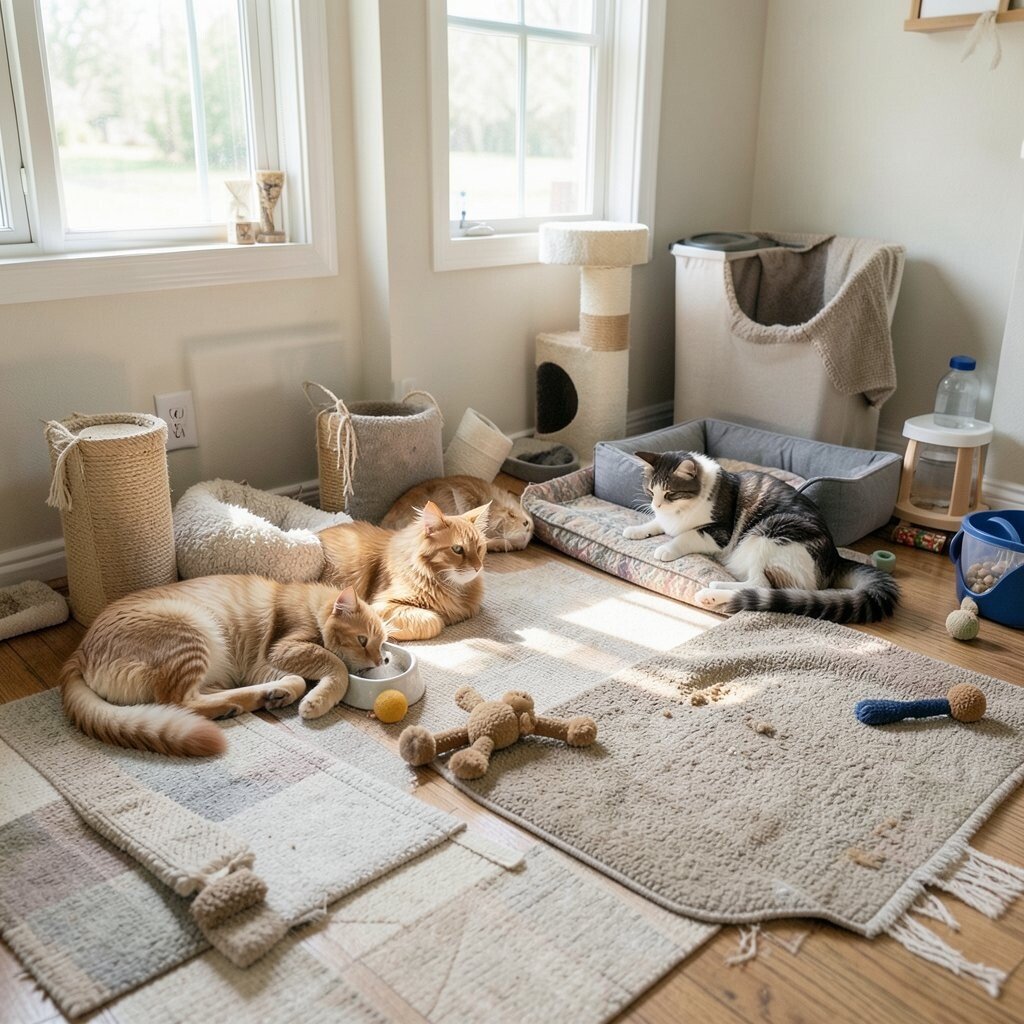
Small messes can lead to big fights when pets share space. Clean up food bowls right after eating, pick up toys that cause guarding, and block off areas that invite rough play. Keep trash cans closed and store pet treats in lidded bins.
Look for space that one pet can claim without trying to steal from others. Add beds in open areas, place scratching posts near popular paths, and use simple mats near doorways. This gives pets a clear path and helps reduce crowding.
For trends, many homes are using more “stations” like a pet corner for each animal. Stations can include a bed, water, and a toy in one spot. This setup is easy to adjust as you learn what each pet likes.