Brushing your pet helps keep their coat clean and it can help with skin comfort. With the right brush and simple habits, you can make grooming feel calm for both of you.
1. Pick the Right Brush for Your Pet’s Coat
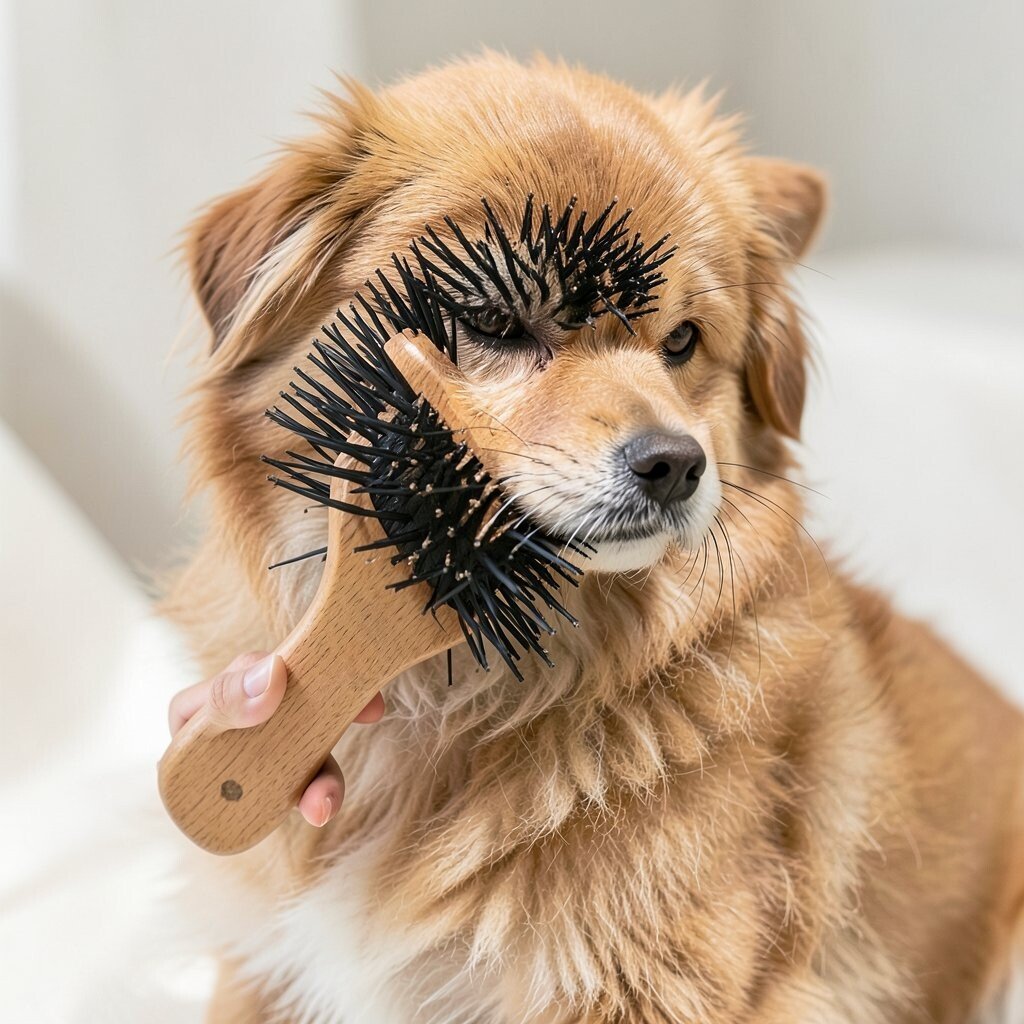
Start by looking at your pet’s fur. Thick coats often need a firmer brush, while fine coats may do better with softer bristles. Matching the brush to the coat helps you avoid pulling and it can leave fur looking neat.
You can also look at how the fur feels when you run your hand over it. If it feels tangly, a detangling comb can help. If it sheds a lot, a deshedding tool may work better.
2. Use a Gentle Brush Grip
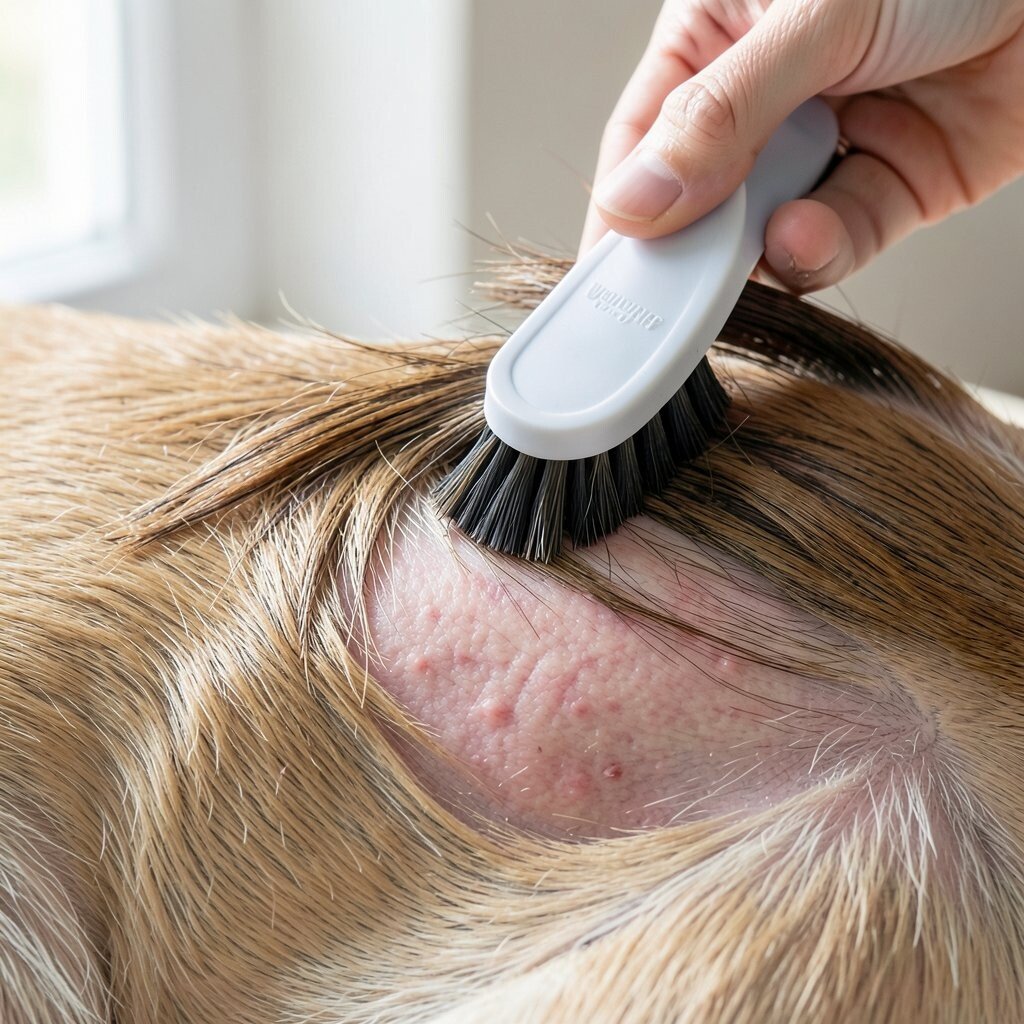
Hold the brush like you are brushing your own hair, not like you are scrubbing a dish. Use light to medium pressure. Your goal is to guide the fur, not to press hard into the skin.
If your pet moves away or seems uncomfortable, slow down. Try shorter strokes and check the skin for any redness. A gentle grip helps your pet feel safe, and it can help reduce stress during grooming.
3. Brush in the Same Direction Often
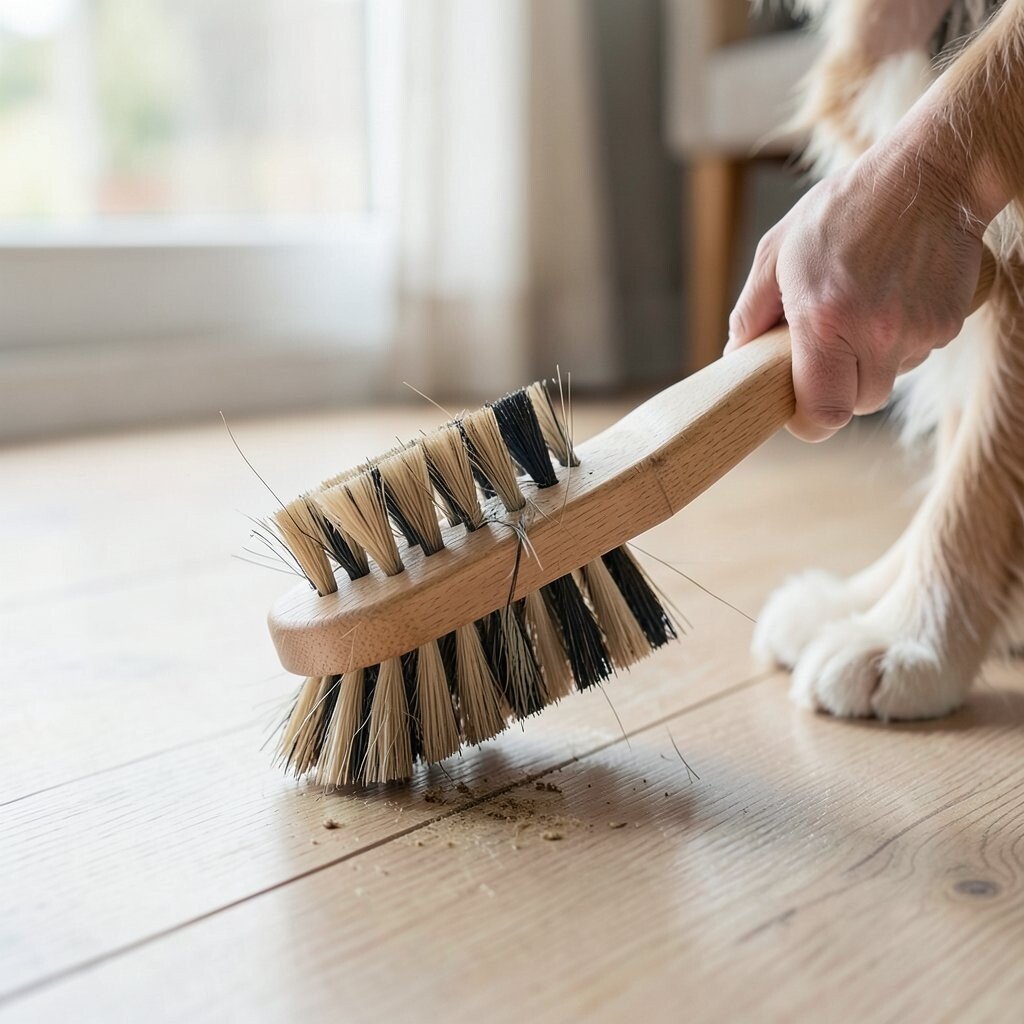
Many pets do best when you brush in the direction the fur grows. This can help the coat lay flatter and it can reduce tangles. You may also notice less shedding on the floor when you brush the right way.
When you feel a knot, stop and work on that spot first. Do not yank the fur. Gentle work is usually slower, but it is kinder and can save time later.
4. Break the Grooming into Short Sessions
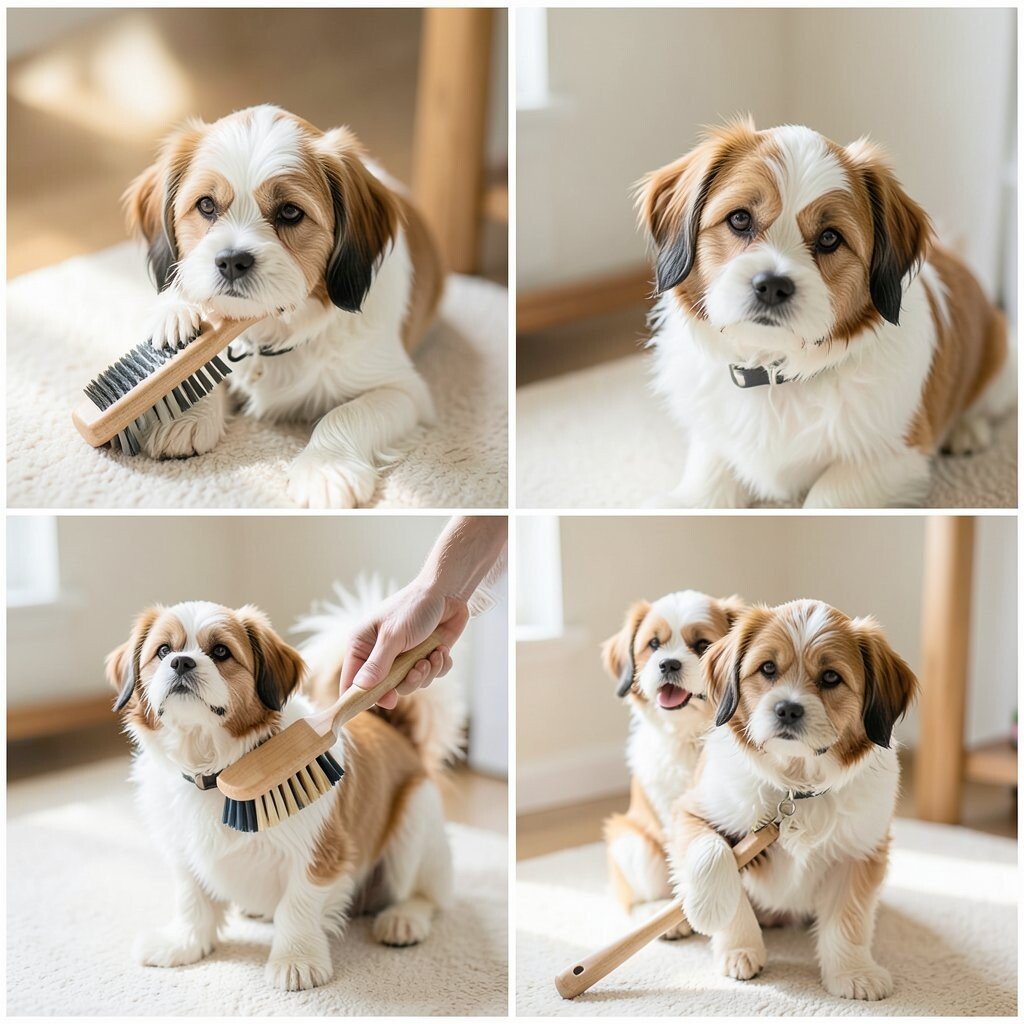
Instead of one long brush time, try small sessions. For many pets, a few minutes at a time feels easier. This is also helpful if your pet is not used to brushing yet.
Small breaks can make brushing feel like normal care. You can end a session while your pet still seems calm. That way, your next brush day may be easier.
5. Start with Calm Spots and Build Trust
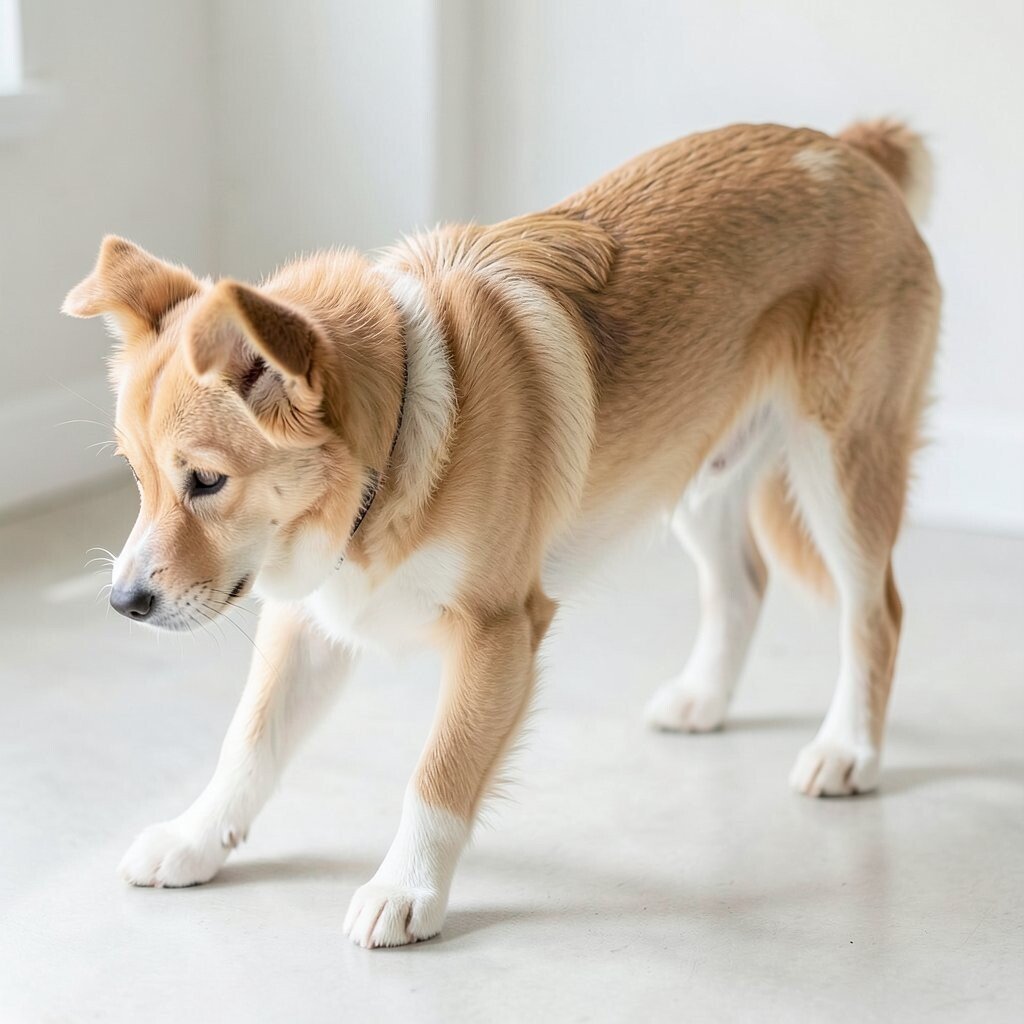
Begin on areas your pet likes, such as the back or the side. These spots often feel less tense for many pets. After your pet seems relaxed, you can move to other areas more slowly.
Watch body language. If your pet pulls away, ears go back, or the tail changes, give them a pause. Trust grows faster when you keep the first tries easy.
6. Brush Around the Ears, Legs, and Belly with Care
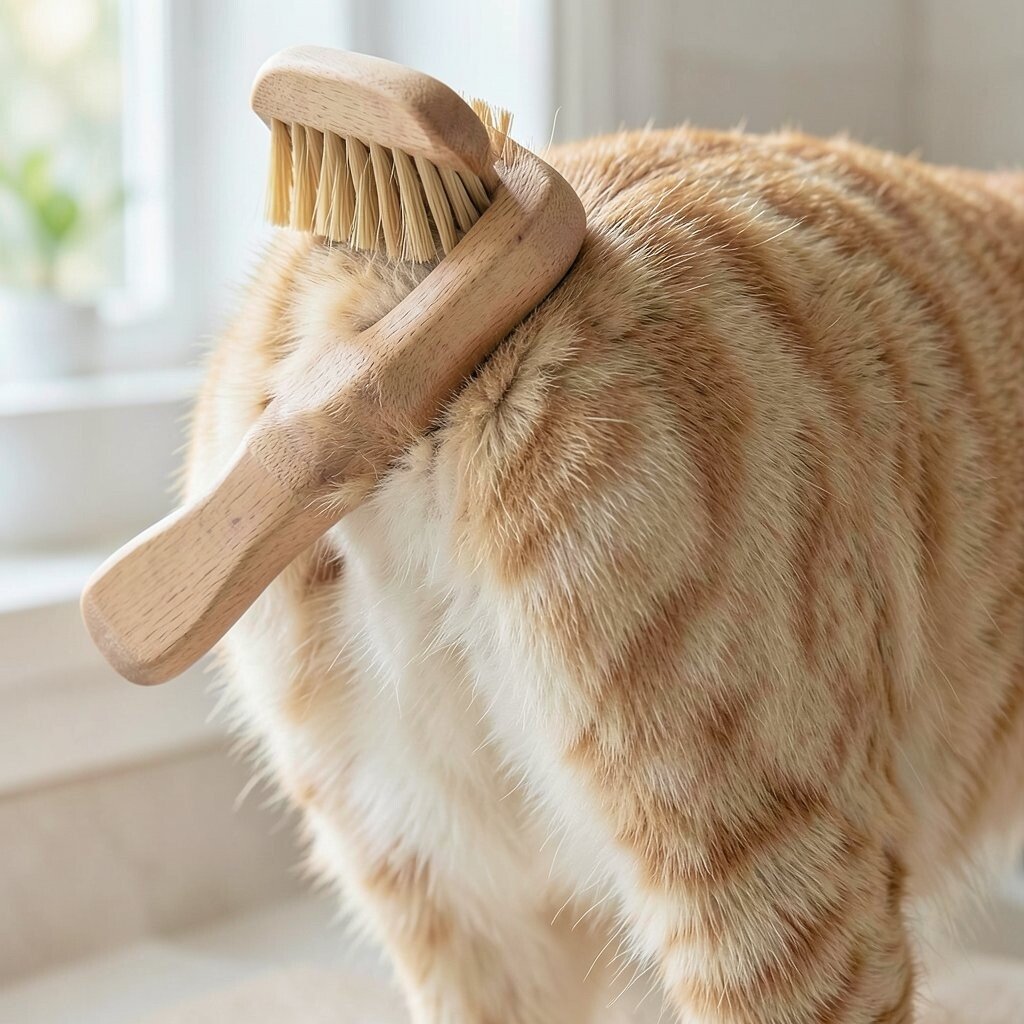
Some areas are sensitive, like the belly, inner legs, and around the ears. Use a lighter touch there. Small careful strokes can help you avoid discomfort.
It helps to take your time and use a brush that fits the area. A small slicker or soft comb can work well in tight spots. This care can help prevent mats and it can keep the coat neat.
7. Use a Deshedding Tool the Right Way
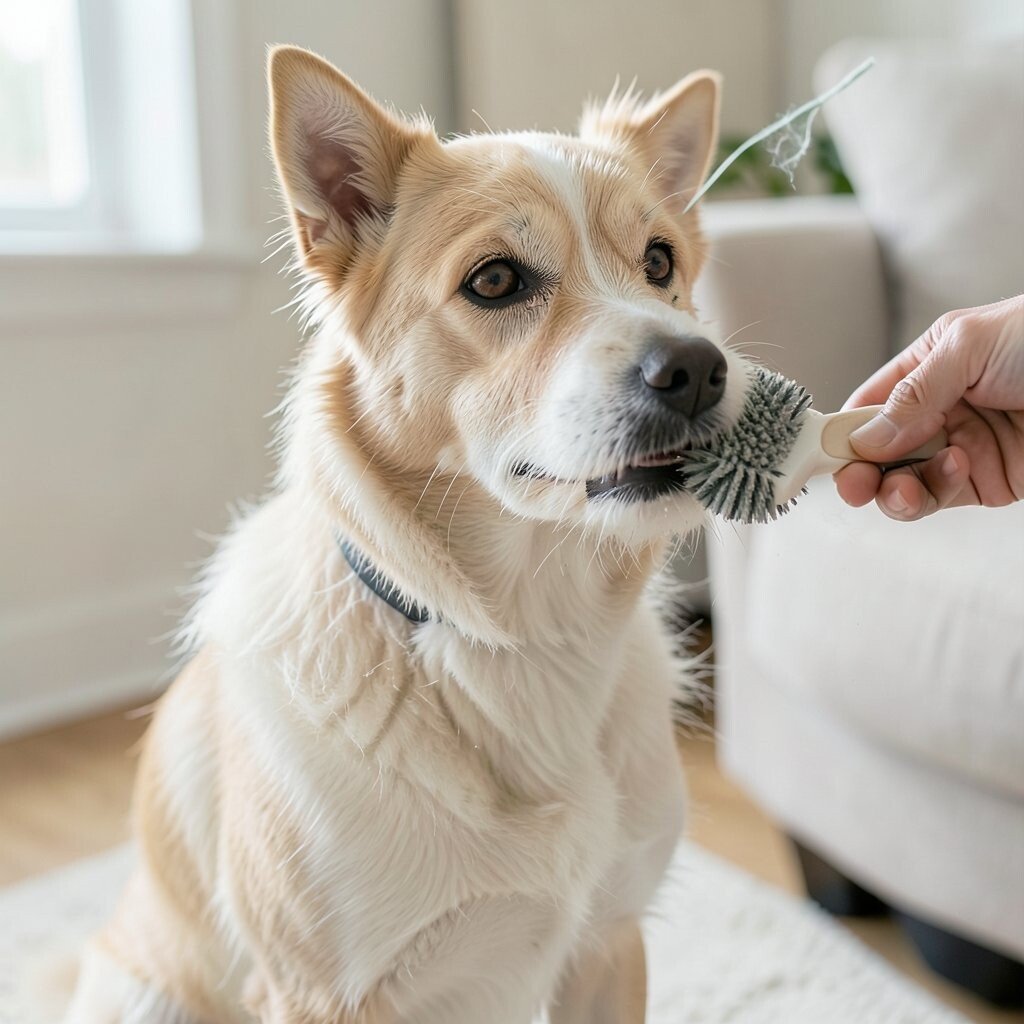
If your pet sheds a lot, a deshedding tool can be useful. But it should not be used like a harsh brush. Use short, gentle passes and watch your pet’s reaction.
Many owners notice that the coat looks fuller and less messy after the right amount of deshedding. It can also cut down on loose hair on furniture. Still, do not overdo it because too much brushing can irritate skin.
8. Keep a Comb Handy for Tangles and Mats
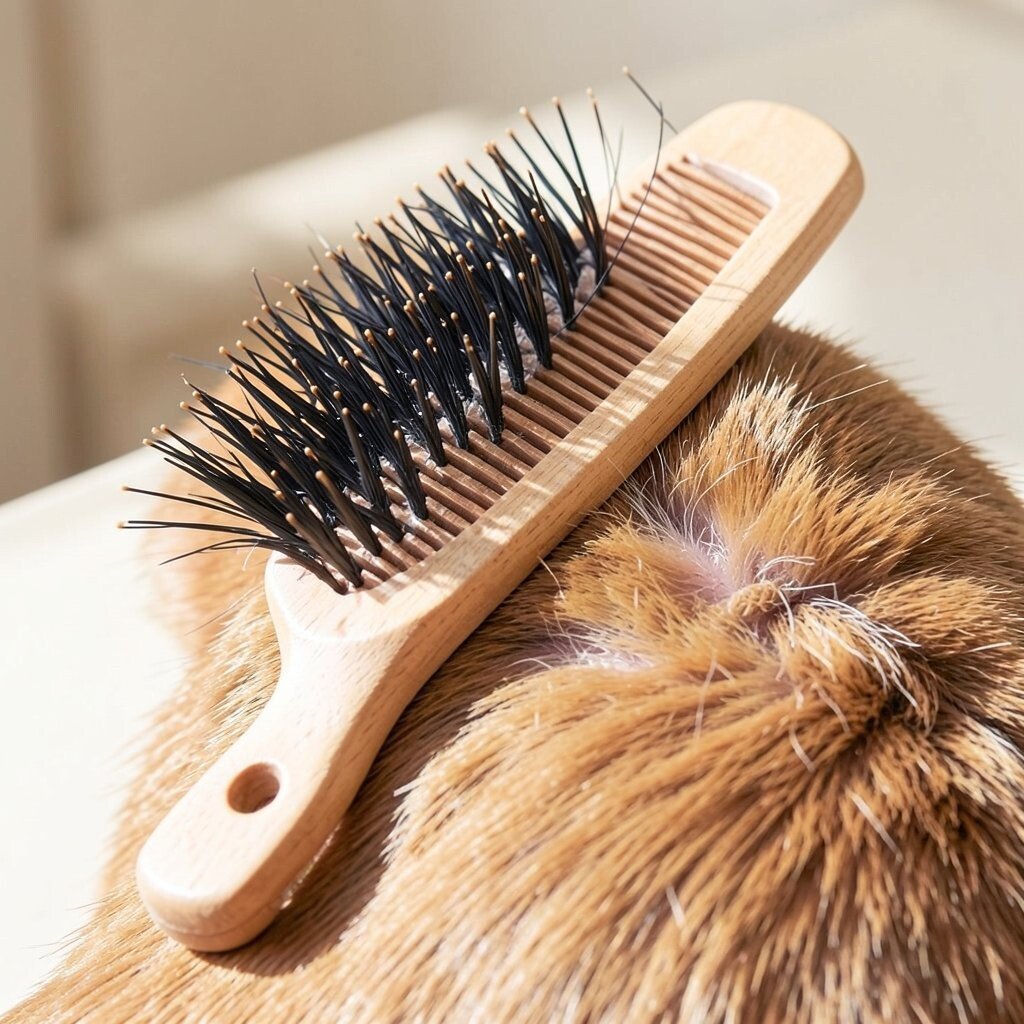
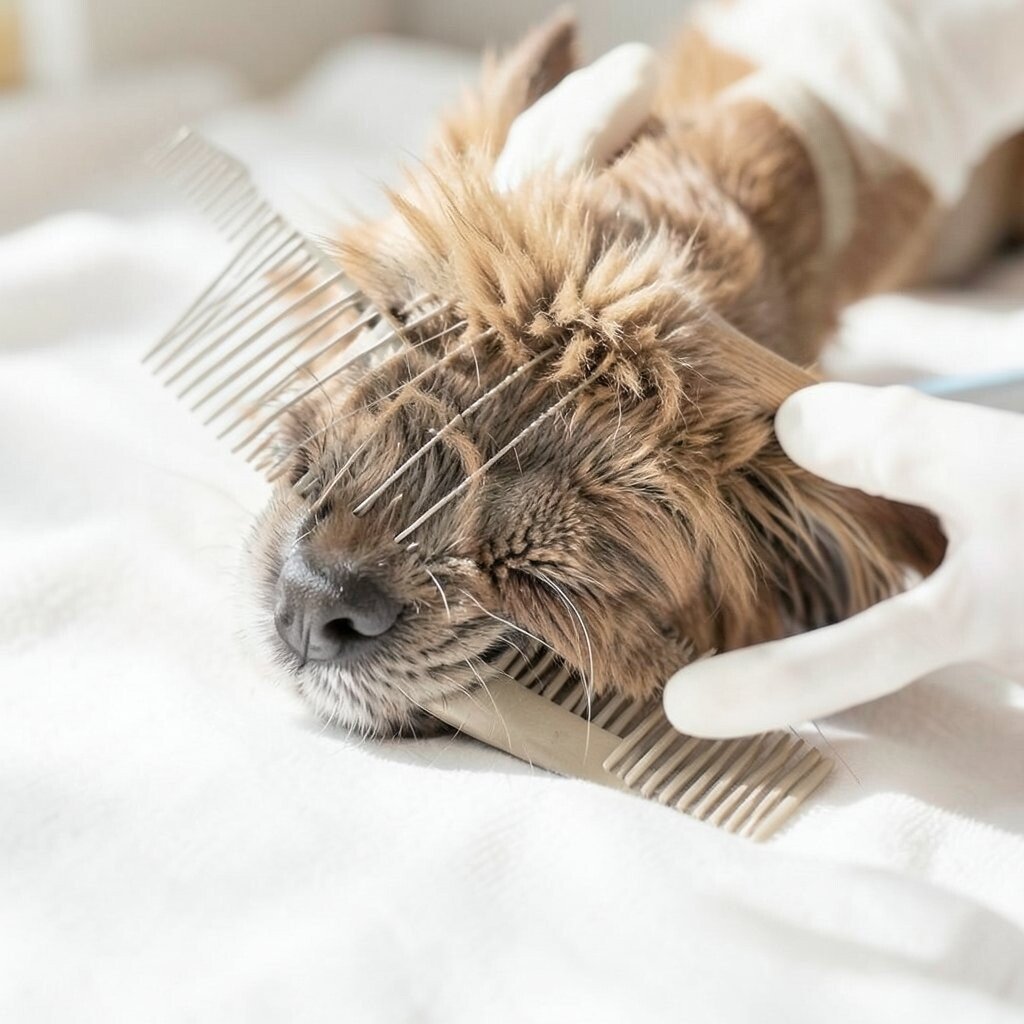
A comb is a simple tool that can help you spot tangles before they grow. Look for knots under the fur, especially near the collar line and behind the ears. When you find one early, it is often easier to fix.
If a mat forms, try to loosen it with gentle combing. You can hold the fur near the skin to reduce tugging. If a mat is very thick, a vet or groomer may help with safe removal.
9. Clean Your Brush After Every Few Sessions
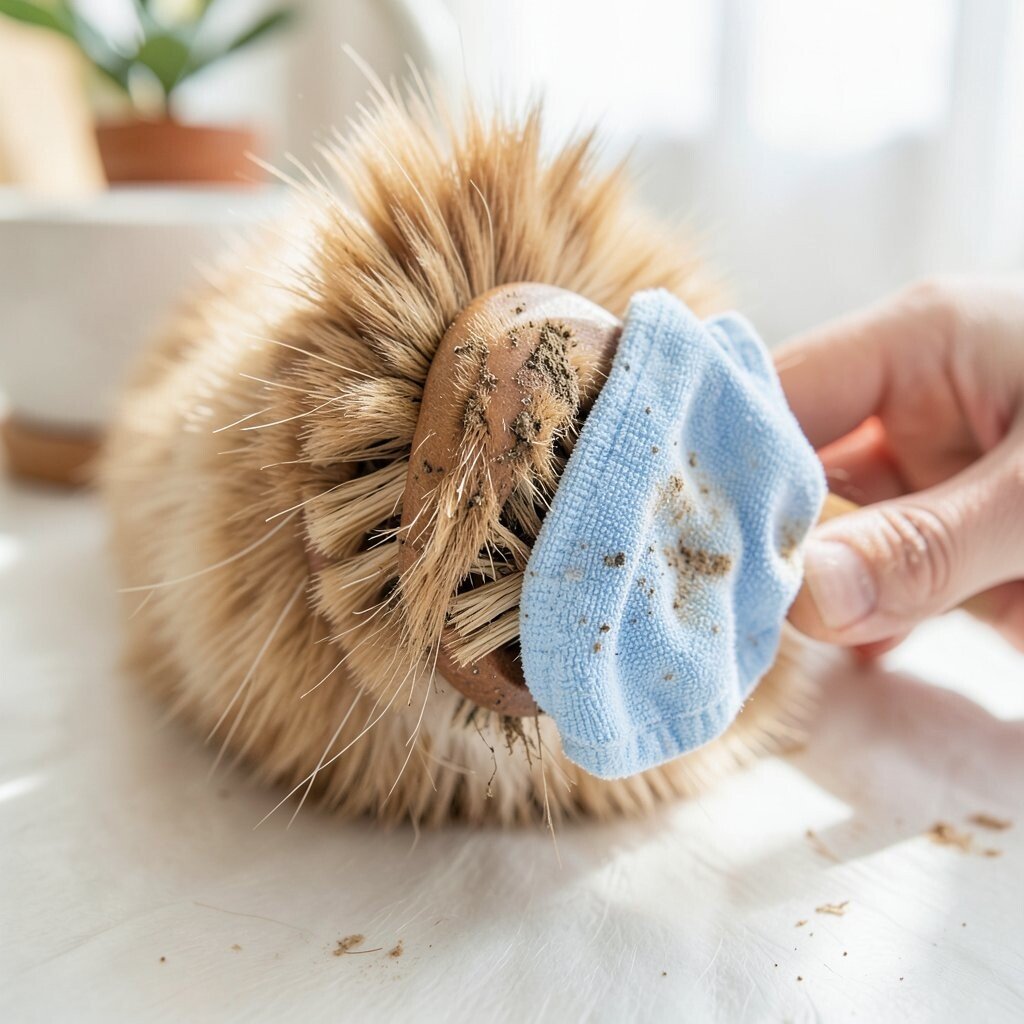
Hair and dirt can build up on brushes. If you keep using a dirty brush, you may spread dust or more loose fur back onto your pet. Cleaning your tools is a small task that helps the next brushing feel better.
Use a comb or your fingers to pull out hair, then wipe the brush with a dry cloth. For some brushes, you can use a mild wipe or gentle soap, but let it fully dry. Clean tools help the coat look better and they can help skin stay comfortable.
10. Add a Soft Grooming Routine by Using Treats and Praise
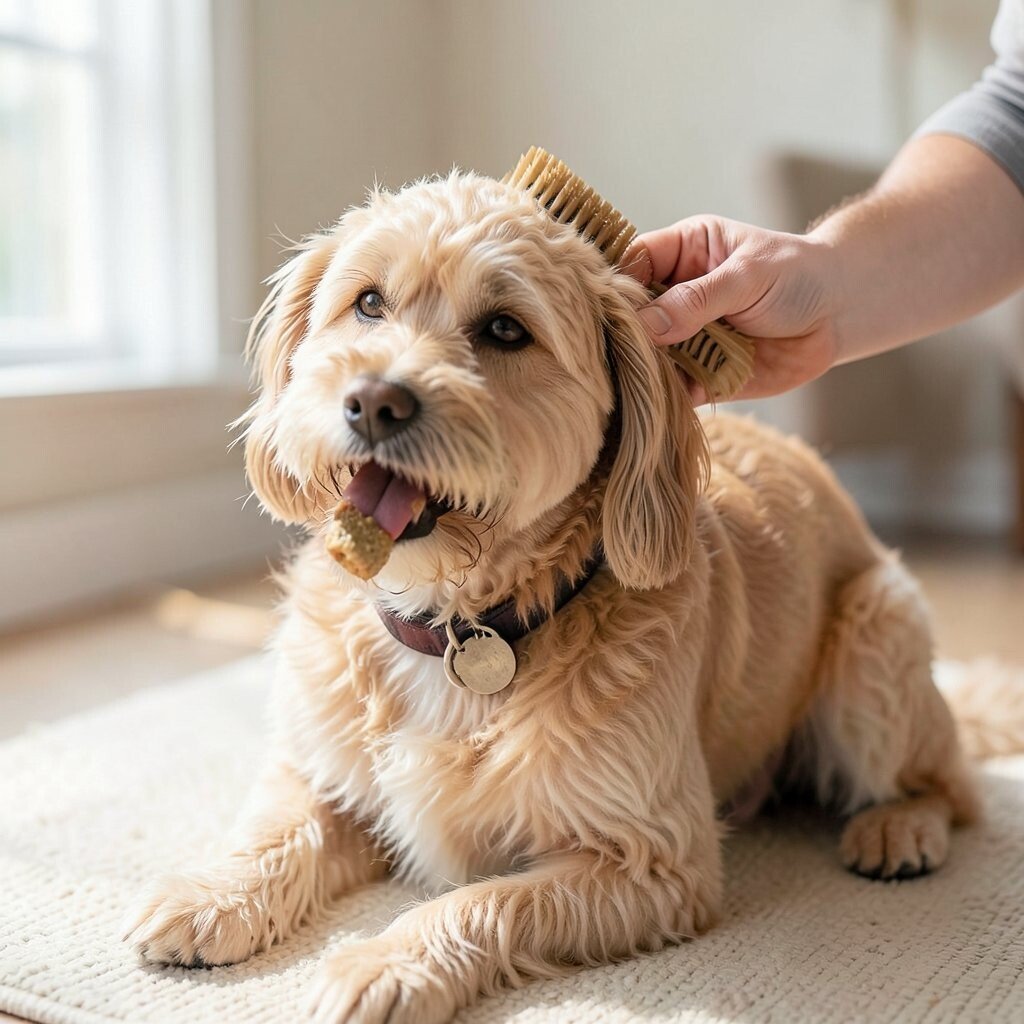
Positive pairing can make brushing easier for your pet. Give small treats during and after brushing if your pet stays calm. Calm acts help your pet learn that brushing is part of normal care.
You can also use a calm voice and light petting right after brushing. This makes the whole routine feel safe. Over time, many pets look forward to the brush day more than they used to.
11. Personalize Your Brushing Schedule to Your Pet’s Needs
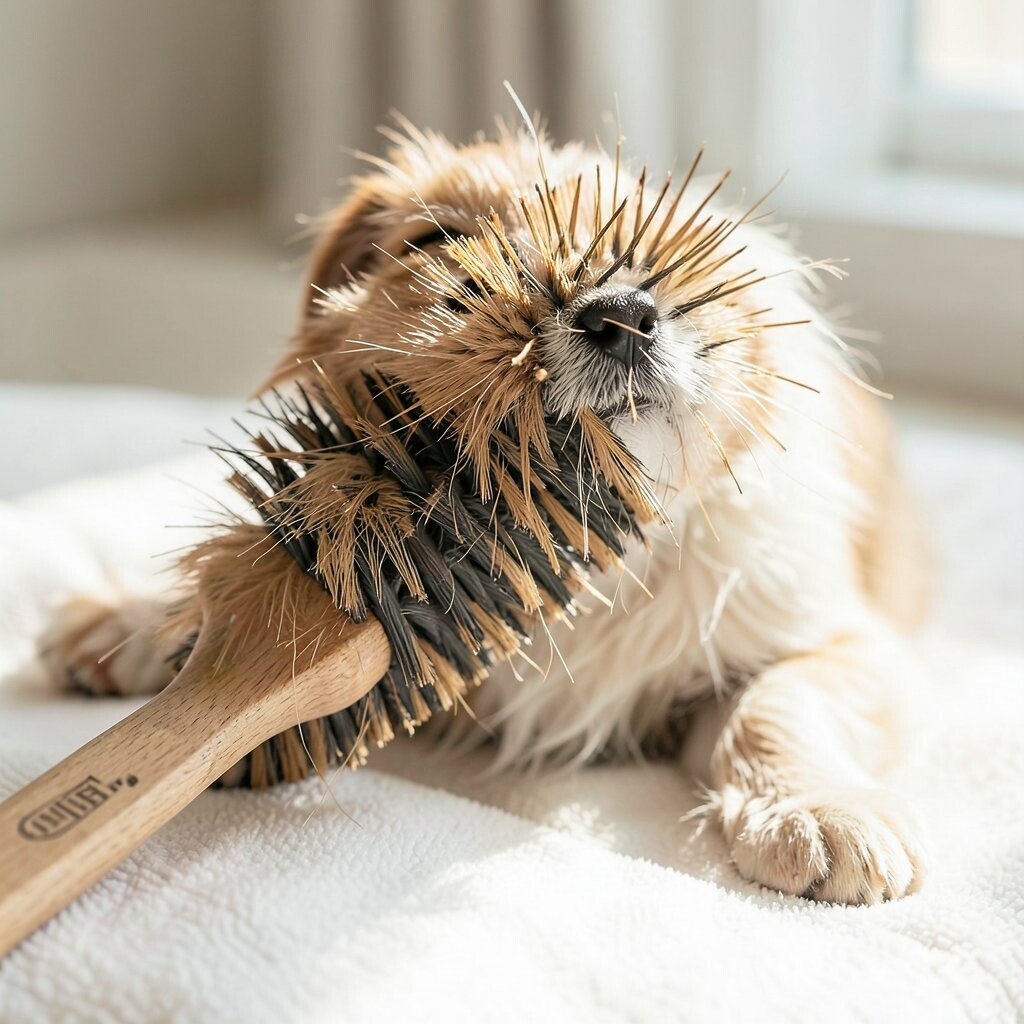
Some pets need more brushing because they shed often, while others need less. Your pet’s coat length, age, and skin health all matter. If you keep an eye on mats and loose fur, you can adjust the schedule.
During seasonal changes, shedding may rise. You might brush more during those weeks. For pets with dry skin, you may brush less often and focus on gentle strokes.
12. Plan the Grooming Around Bath Days and Everyday Dirt
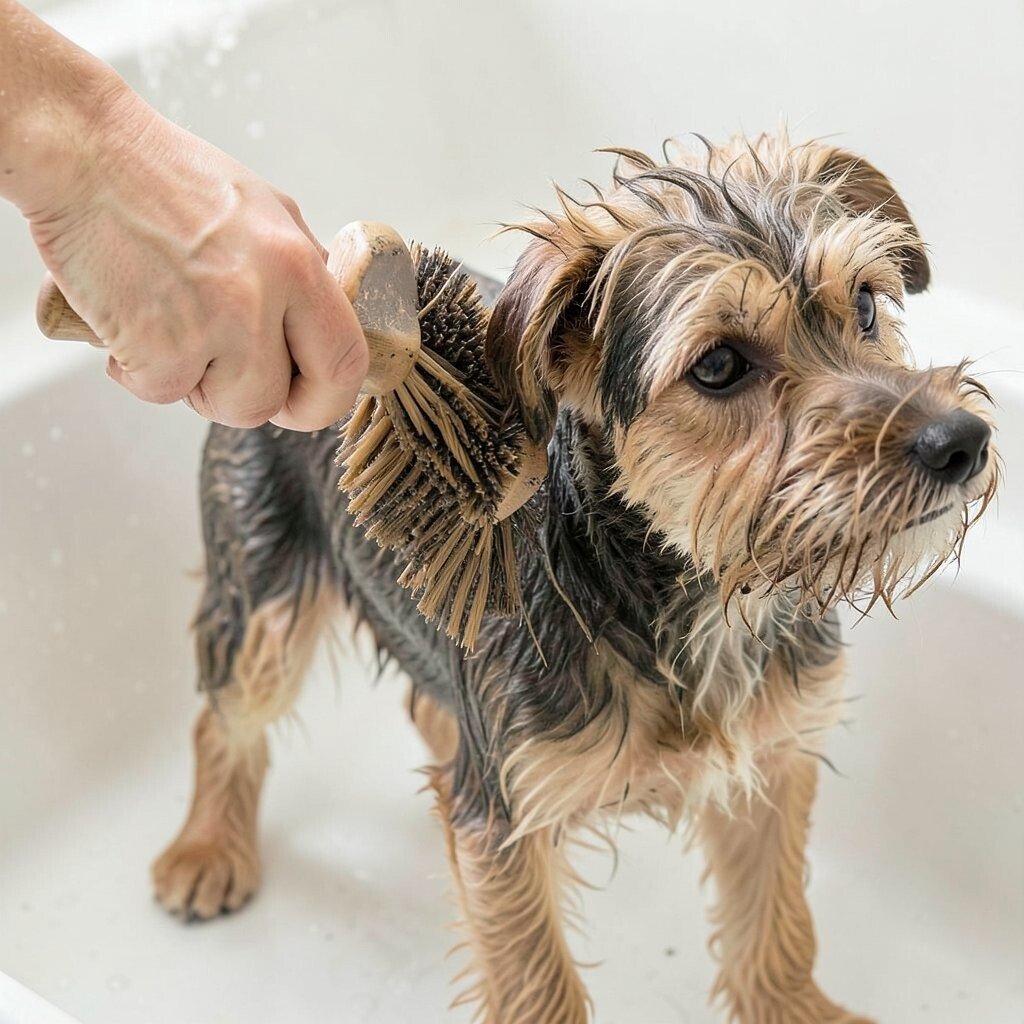
Brushing before a bath can help remove loose fur and help prevent knots. A coat with fewer tangles can feel smoother after washing. If your pet gets muddy or plays outside, quick brushing can also help lift dry dirt.
After a bath, make sure the fur is dry and not left damp in mats. Damp fur can tangle faster. A steady routine helps your pet look tidy and feel more comfy.
13. Compare Costs and Choose Tools That Fit Your Budget
Grooming costs can vary a lot based on the brush type and brand. A basic slicker brush or simple comb can be enough for many pets. You can start with one good tool and add more later if you need it.
Trends like gentle grooming gloves and specialty deshedding tools are popular, but they are not required. Pick what works for your pet’s coat and your comfort. When you choose a tool you will use often, the cost can feel more worth it.