
A well groomed pony feels better and looks neat. When you use calm steps every time, grooming also helps you spot issues early.
1. Pick a Safe Place
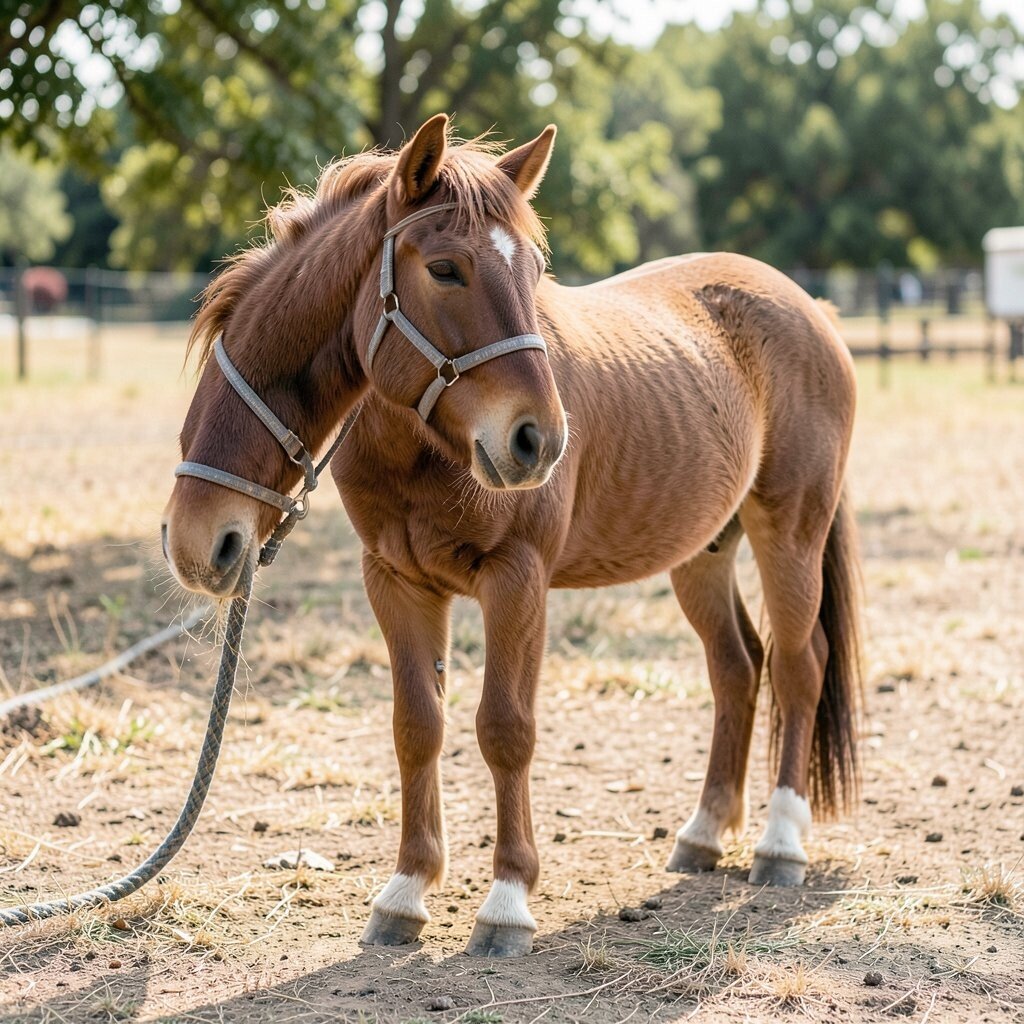
Choose a spot with dry ground and good footing. Keep the area free from loud noises and busy people. A calm space helps both you and your pony stay relaxed.
Use a tied area only if it is secure and safe. Check that your pony has enough room to stand without stepping on your feet. This cuts down on stress and makes grooming go smoother.
2. Start With a Slow Check
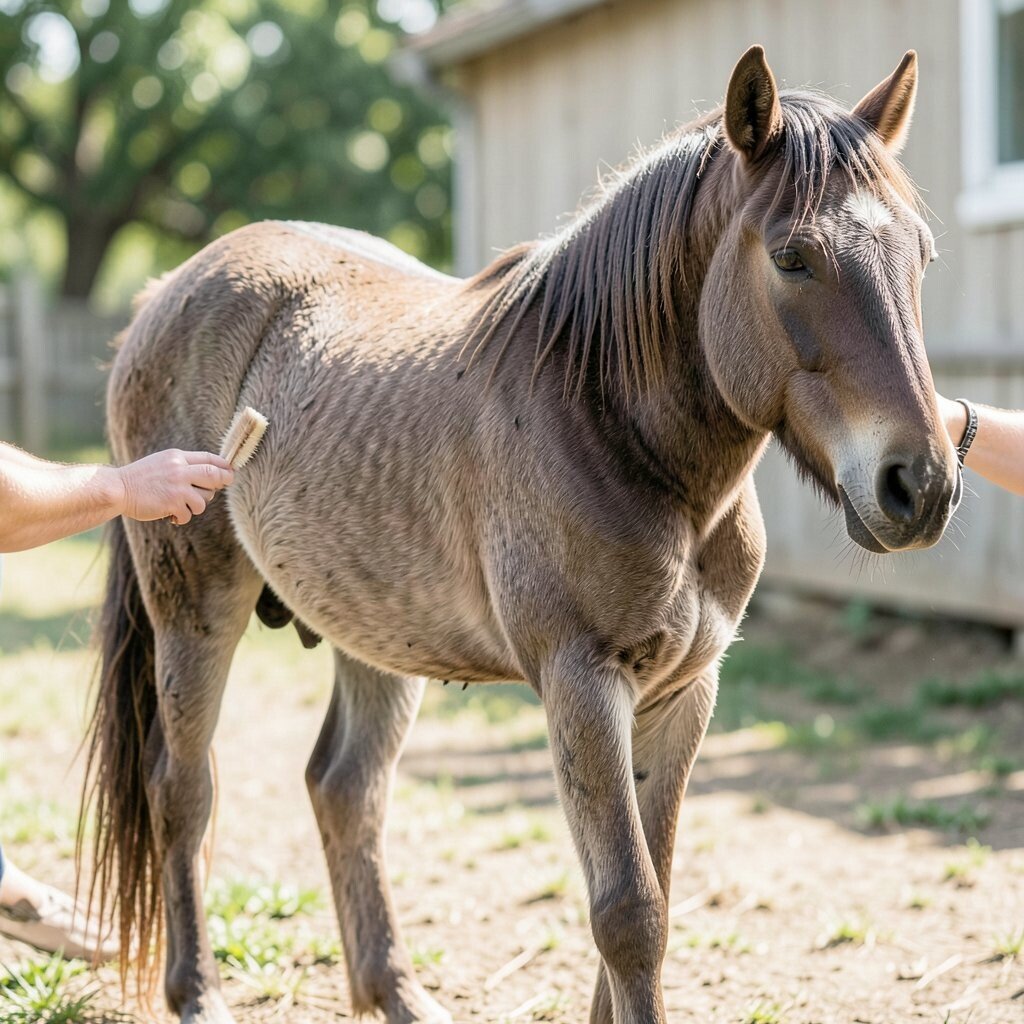
Before you brush, take a quick look all over your pony. Check the coat, skin, mane, tail, and legs. Watch for bumps, dry patches, or any sore spots.
Then touch gently with your hand and feel for heat or pain. If your pony pulls away, slow down and try again later. This early check helps you pick the right tools and moves.
3. Use the Right Brush for the Job
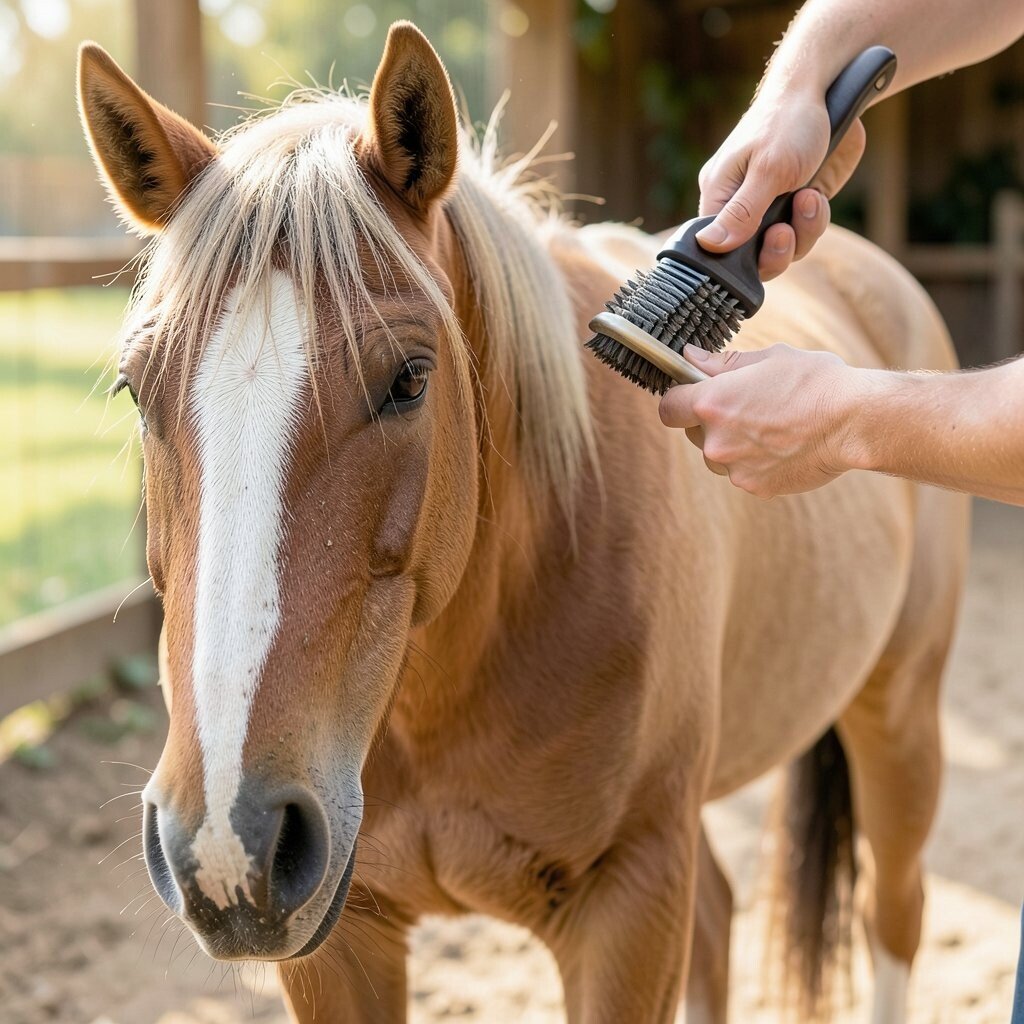
Use a curry comb for loose dirt, then switch to a body brush to smooth the coat. A mane and tail brush should be made for hair, not metal. Keep the brushes clean so you do not spread dust.
Try a soft brush for sensitive areas like the belly and face. Some ponies have thin coats and may need gentler tools. When you match the brush to the area, your grooming looks better and feels better.
4. Learn Your Pony’s Coat Type
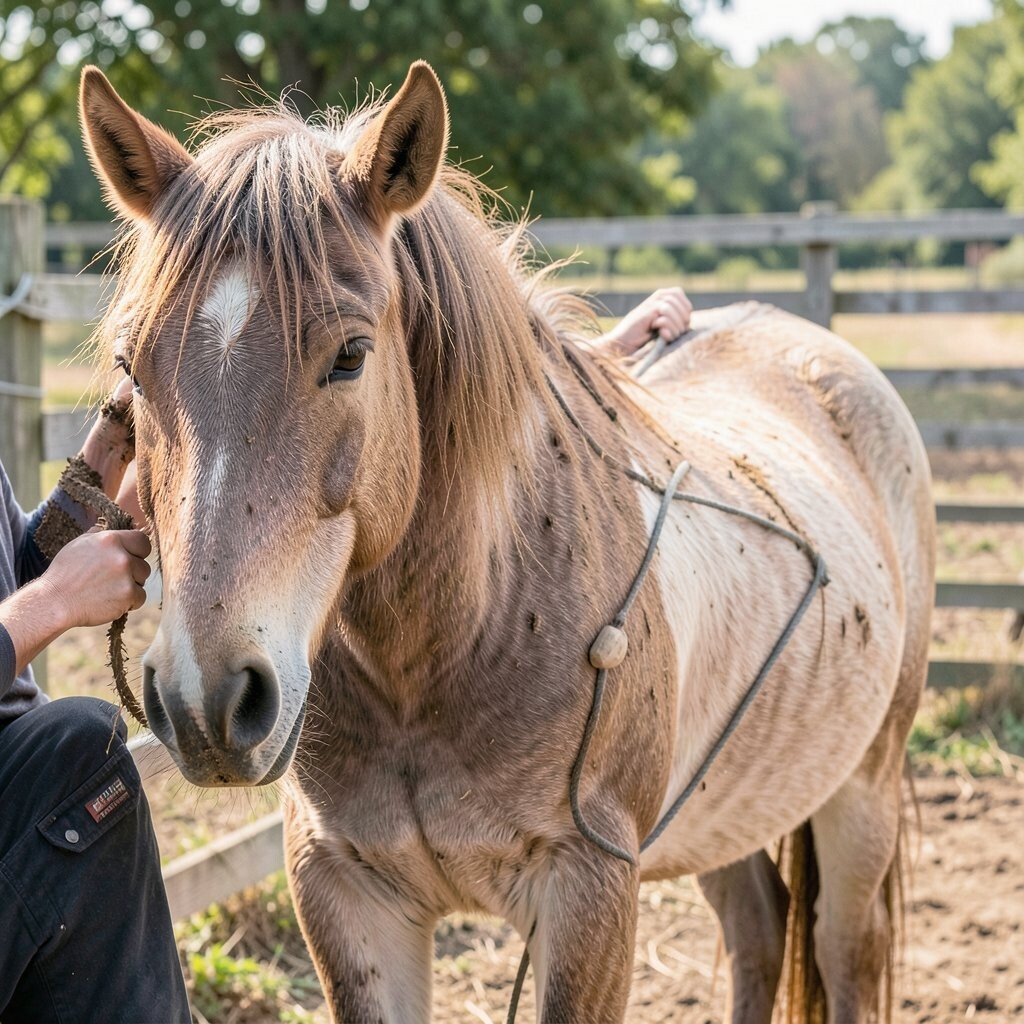
Some ponies have thick hair and hold dirt more. Others have a finer coat that can get dull fast. Look at how the hair lies and how it sheds during coat change.
During warm months, you may need more sweat control and better airflow. In colder months, you may need extra care for a thicker coat. When you personalize the routine, grooming fits your pony instead of forcing a set plan.
5. Clean the Hooves Every Time
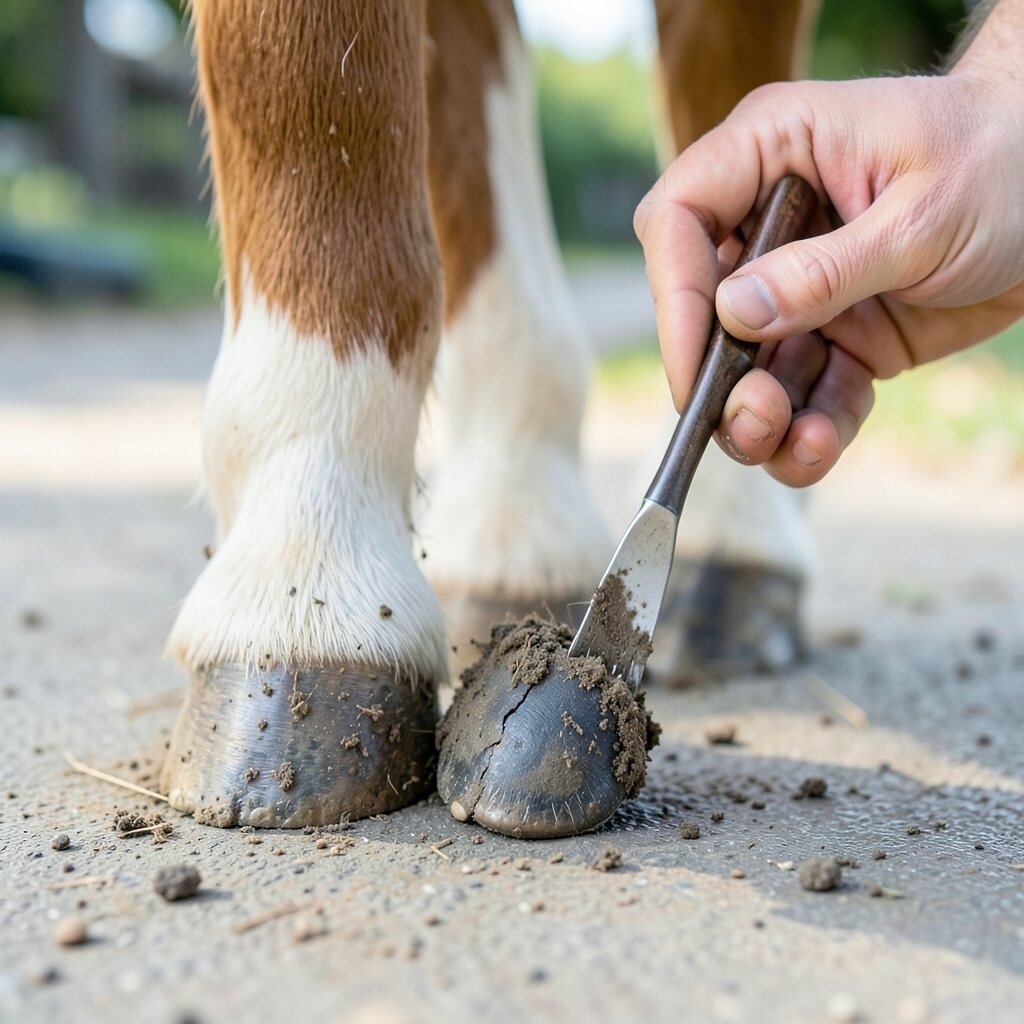
Pick out each hoof and remove stuck mud. Use a hoof pick and work with steady, gentle moves. If you find a stone, remove it right away.
Check the frog and sole for cracks or bad smell. If something looks off, note it and ask a vet or farrier. Clean hooves can help your pony walk more comfy and may prevent sores.
6. Wash Only When It Fits
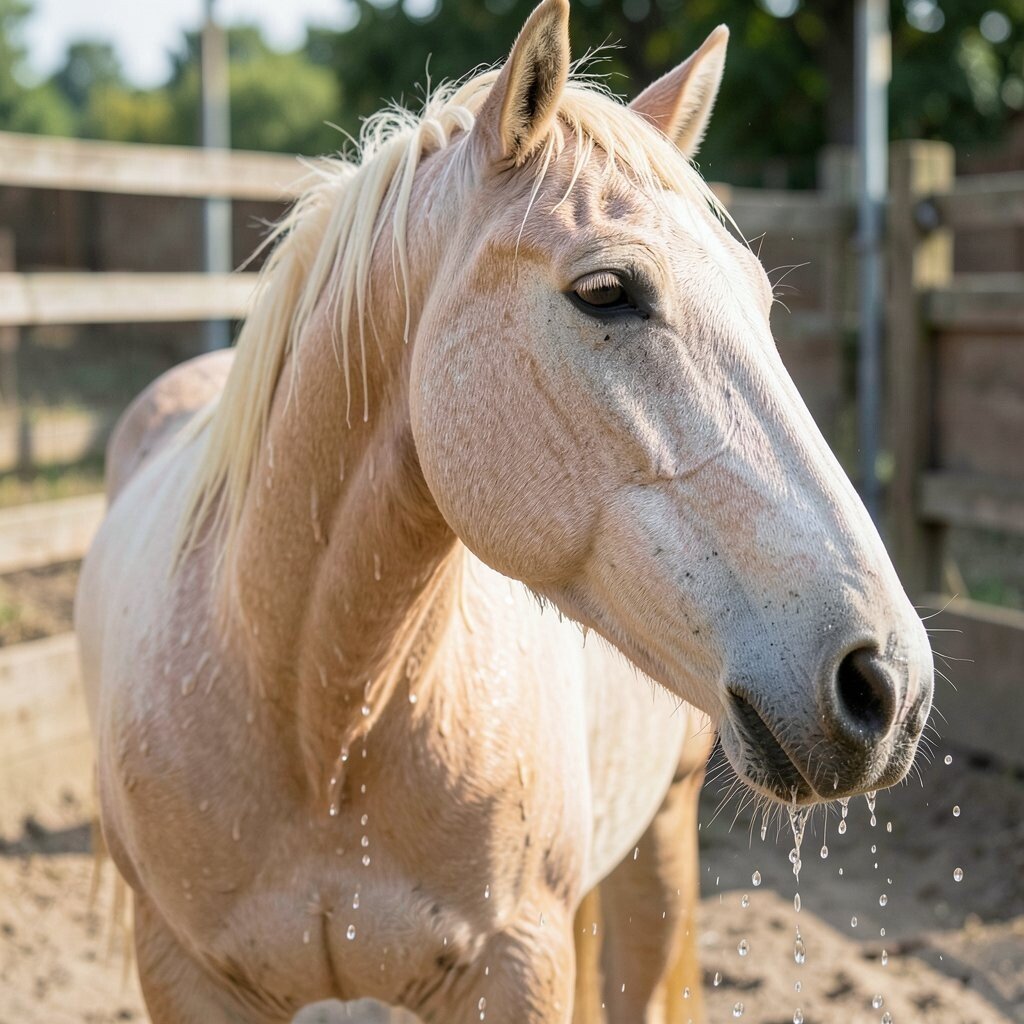
You do not need to wash often. Many ponies stay clean with brushing and a light wipe down. If your pony rolls or gets muddy, spot cleaning may be enough.
When you do wash, use clean water and a mild shampoo made for horses. Dry the coat well so it does not stay damp. This helps prevent itch and keeps the skin healthy.
7. Detangle the Mane the Gentle Way
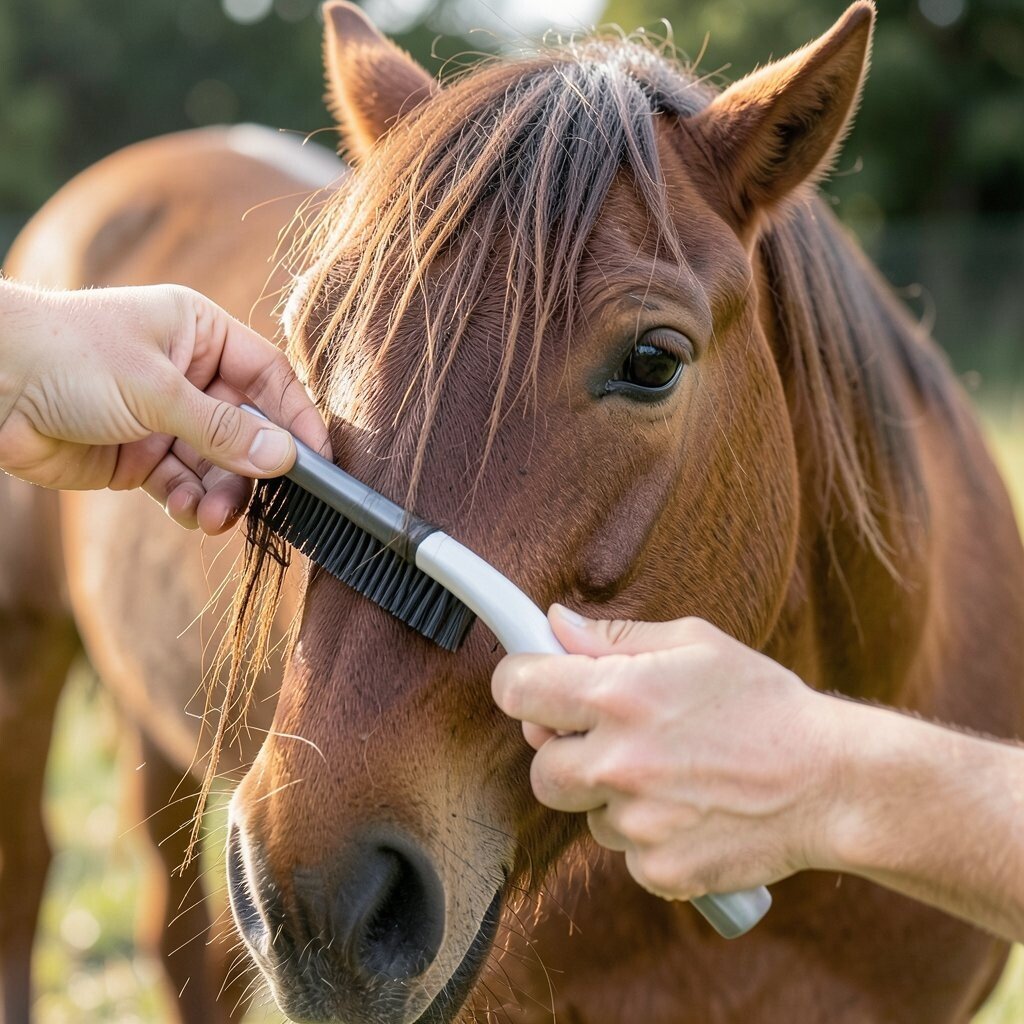
Pick out tangles slowly, starting at the bottom of the hair. Use your fingers first if knots are tight. Then use a brush made for manes.
If knots do not come out, add a little detangling spray made for horses. Use small sections instead of pulling hard in one go. A neat mane looks nice and helps your pony avoid soreness.
8. Care for the Tail for Comfort
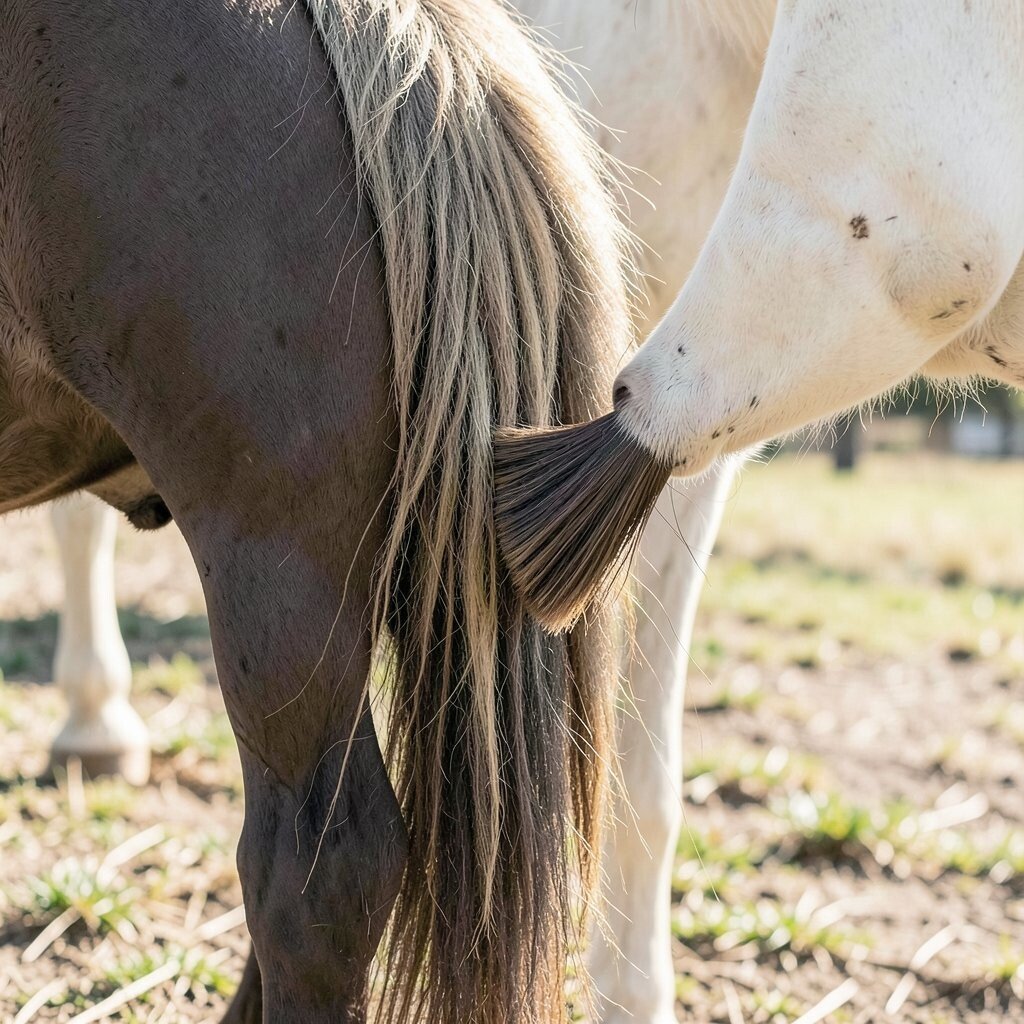
Brush the tail with care and avoid yanking. Start near the bottom and work up toward the tail set. Use time and patience, especially when the hair is thick.
If the tail is very tangled, split it into sections and work slowly. Some ponies get tail rub spots from flies or blankets. Keeping the tail tidy can help it move easier and look full.
9. Clean Around the Eyes and Face
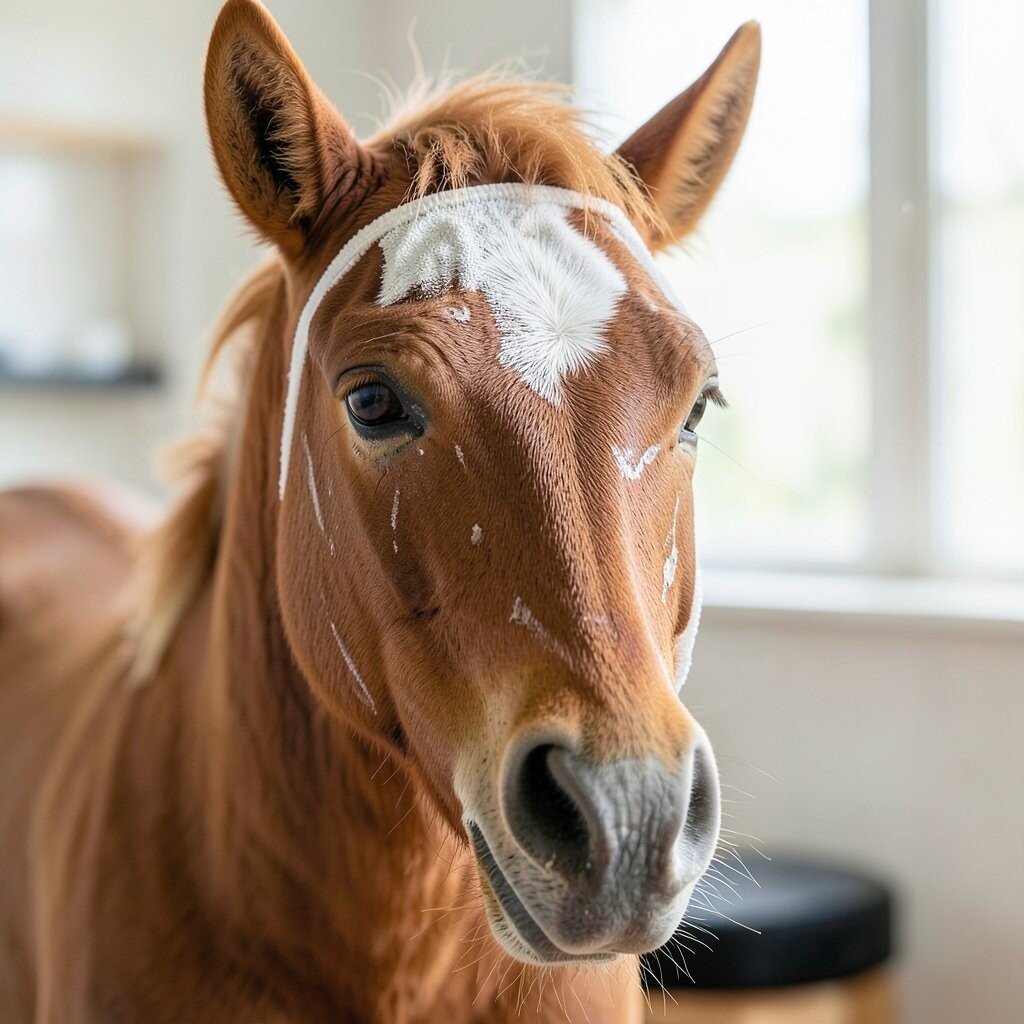
Use a soft cloth for the face and be careful near the eyes. Wipe away dirt without rubbing too hard. This helps your pony look clean and stay calm.
Check for tear marks or crusty spots. If you see a lot of discharge, ask for help from a vet. Gentle face care can also help you build trust fast.
10. Spot Signs of Skin Problems
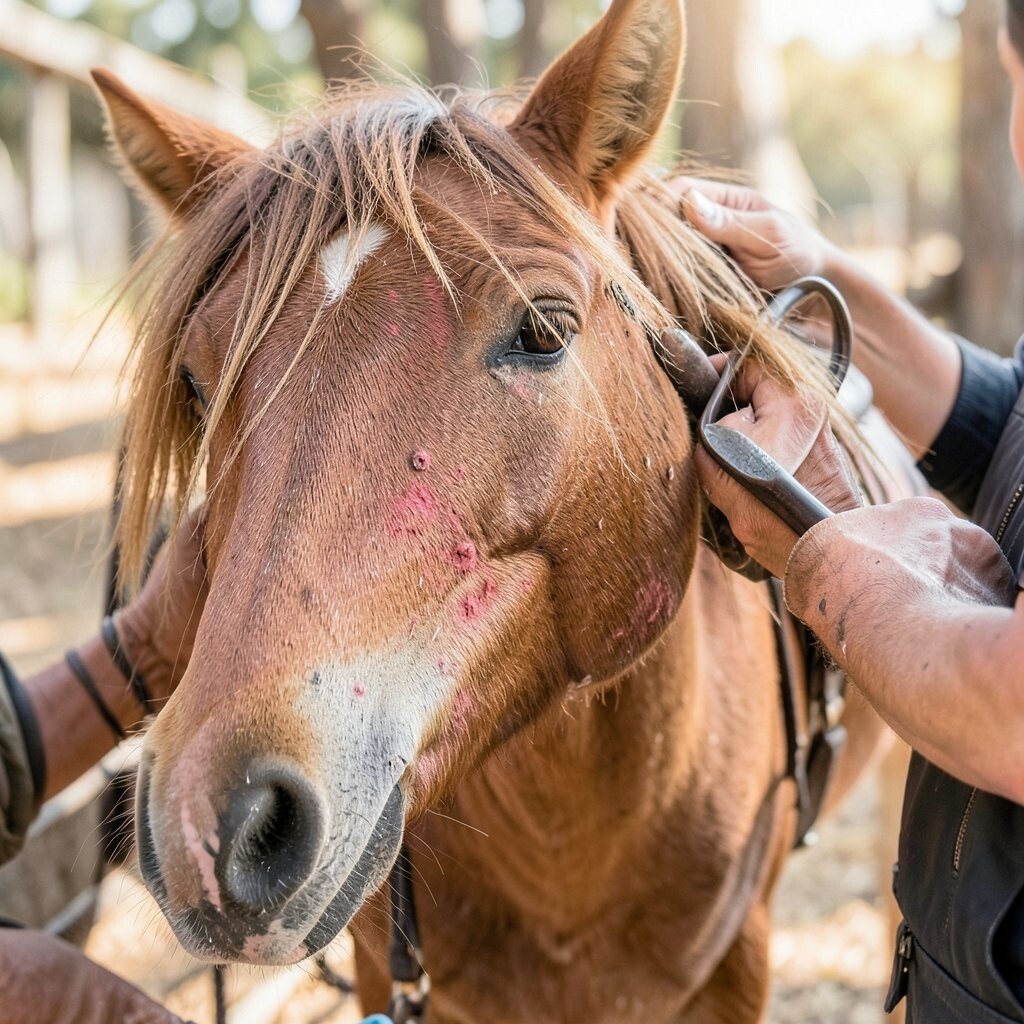
While you groom, watch for red areas, bumps, or scabs. Look for flakes, bald spots, or hair that looks broken. These are clues that something may be bothering your pony.
Also check where saddles and tack rub. If you find irritation, adjust tack fit and ask about treatments. Early notice can save you money later and helps your pony heal faster.
11. Manage Sweat With Light Wipe Downs
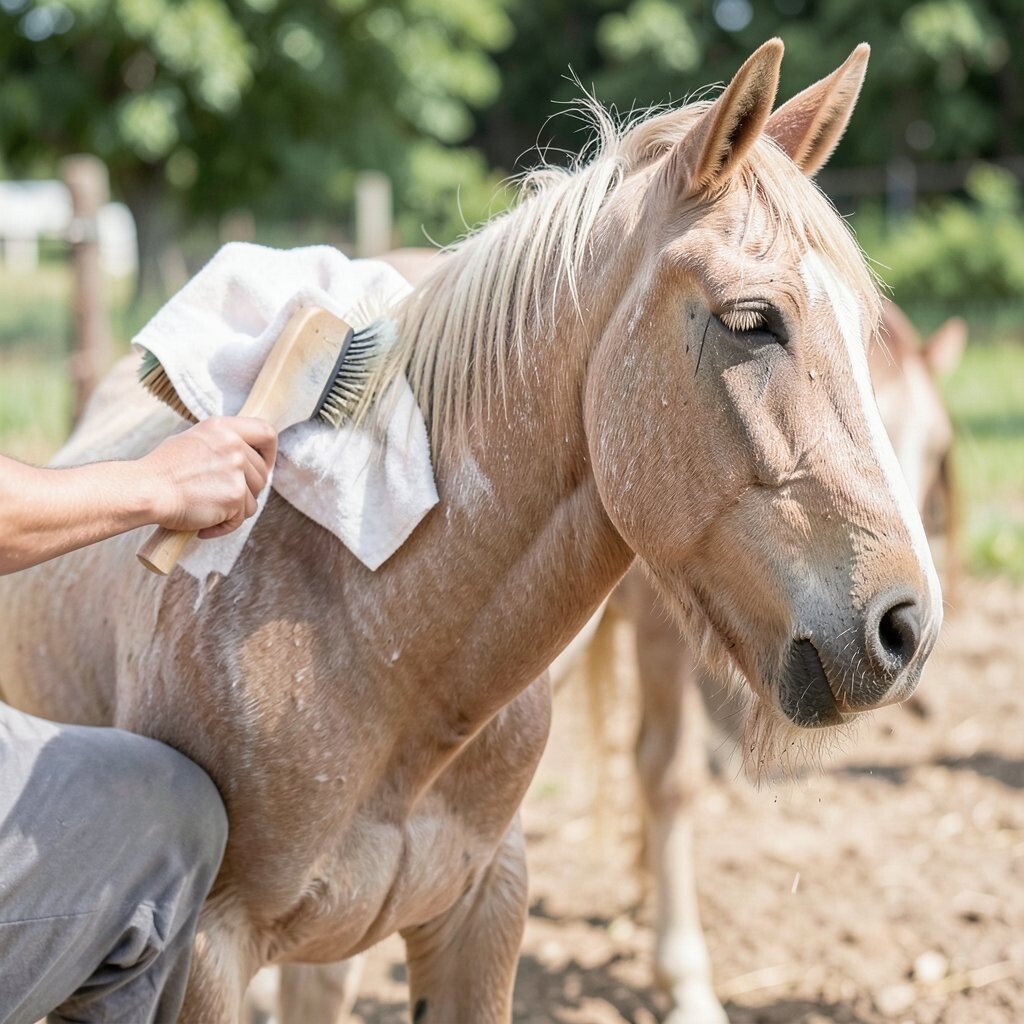
After riding, do not brush a soaked coat right away. Use a clean cloth to wipe sweat and use a brush only when the coat is not dripping. Let your pony rest and cool down.
If your pony gets hot easily, plan grooming after the body cools. This keeps you from making your pony shiver and helps prevent skin issues from trapped moisture. You get a tidy coat without extra stress.
12. Use Grooming to Build Trust
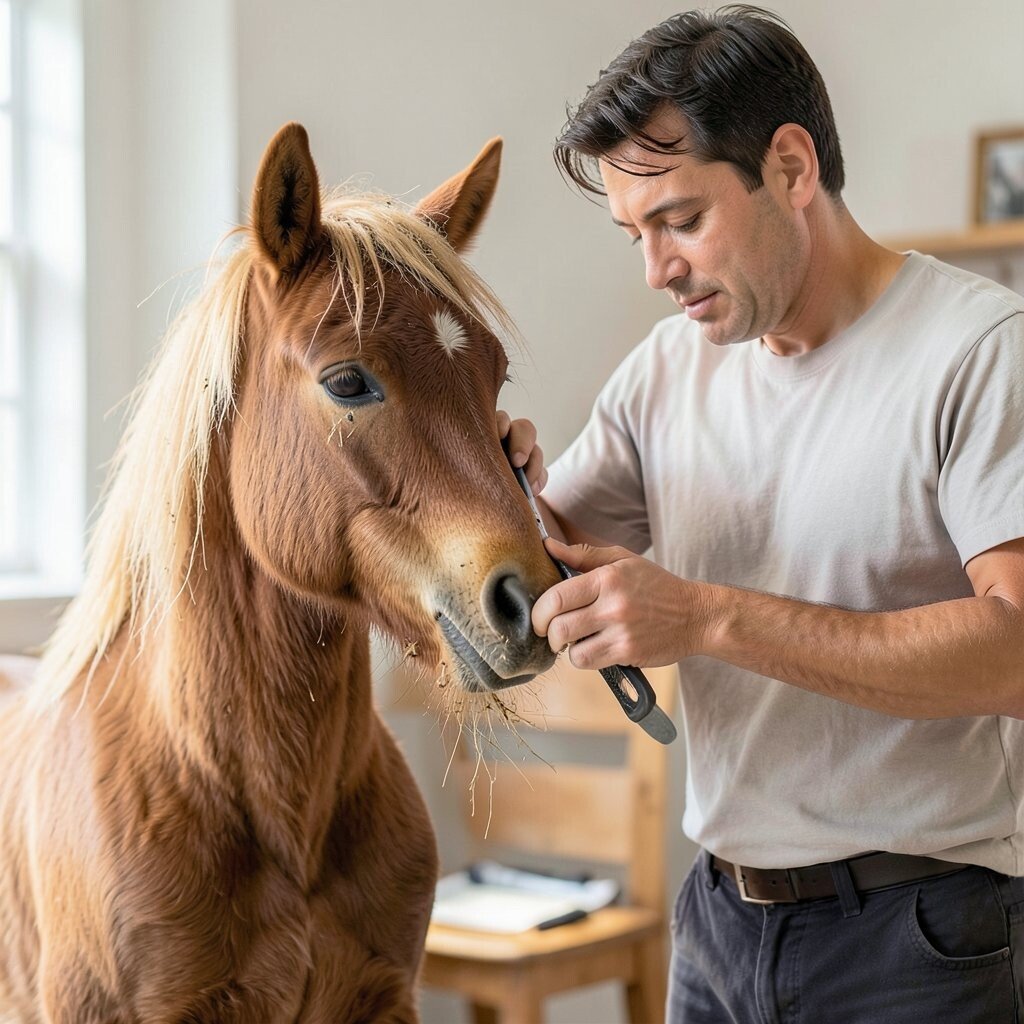
Talk in a calm voice while you groom. Move in a slow rhythm and give your pony time to accept each step. If your pony leans in, that is a good sign.
Reward calm behavior with a pat or a kind word. You can also change the tools if your pony seems bothered. Over time, grooming becomes a shared routine, not a fight.
13. Personalize the Routine by Pony and Season
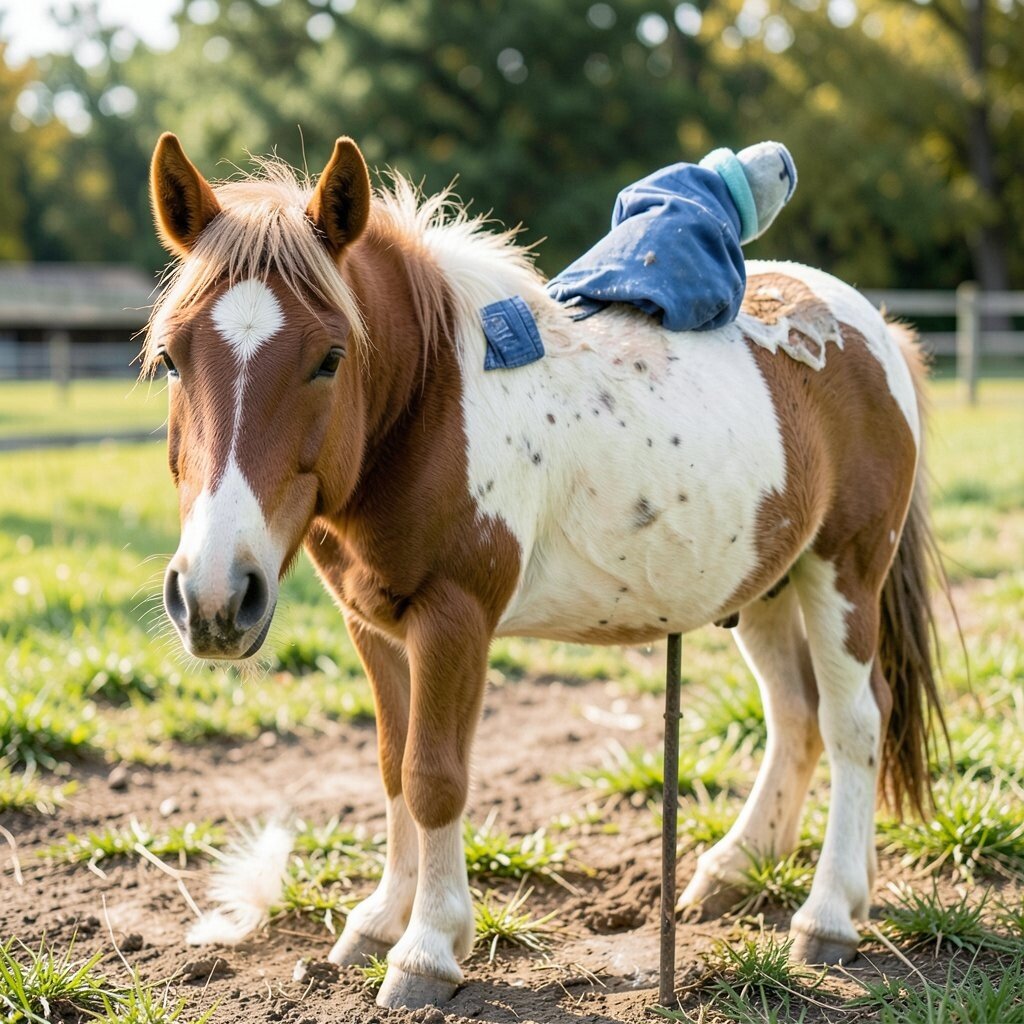
Set a plan that fits your pony’s daily life. A show pony may need more tidy work, while a pasture pony may need less. A pony that sweats a lot may need more wipe downs.
In spring and fall, watch for coat change. During fly season, you may need extra checks for bites and itchy spots. When you tailor grooming to the season, you help your pony stay comfy and look neat.
14. Keep Your Tools Clean and Ready
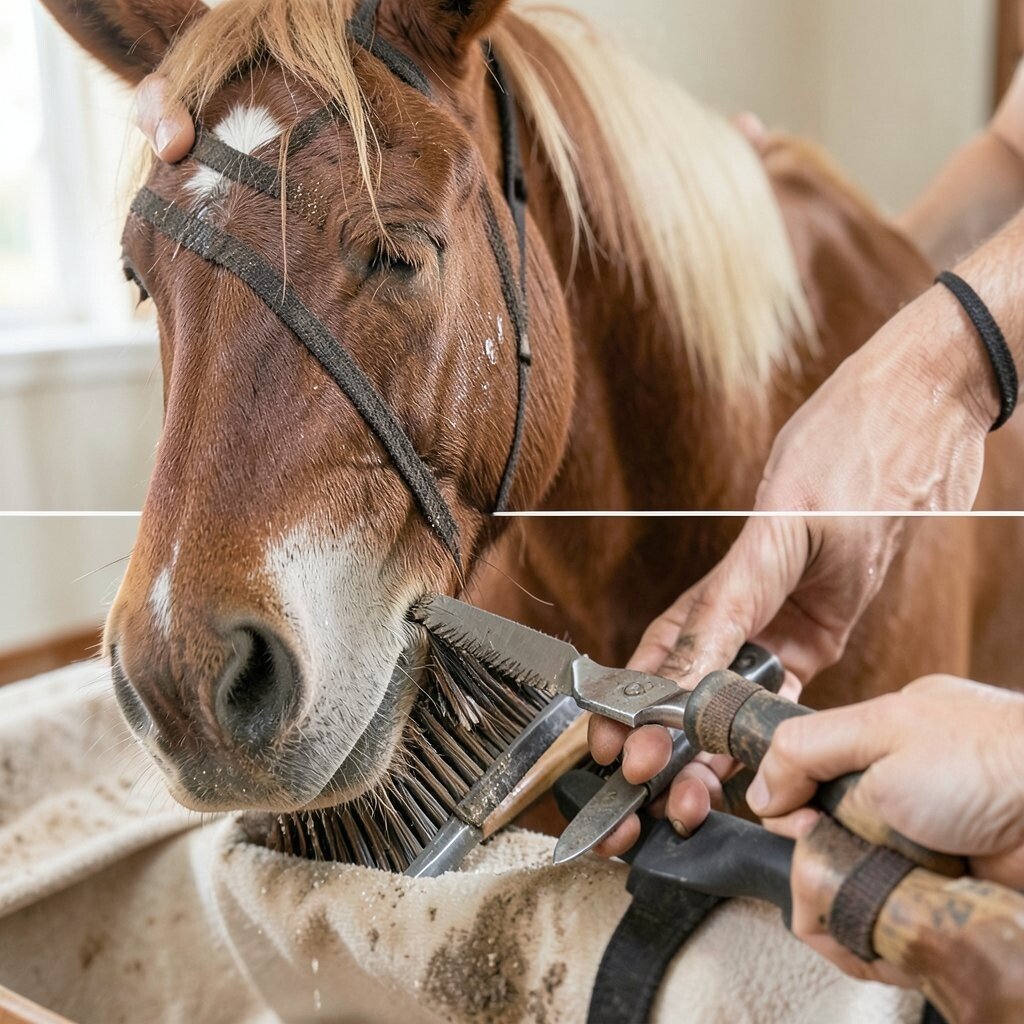
Rinse or brush out dirt from your curry comb and brushes. Let them dry so they do not hold moisture. Clean tools also help prevent spreading mites or skin flakes.
Check straps, rubber grip parts, and handles for wear. If a brush is broken or sharp, replace it. Tool care is not fancy, but it saves time and keeps grooming safe.
15. Follow Simple Trends Without Overdoing It
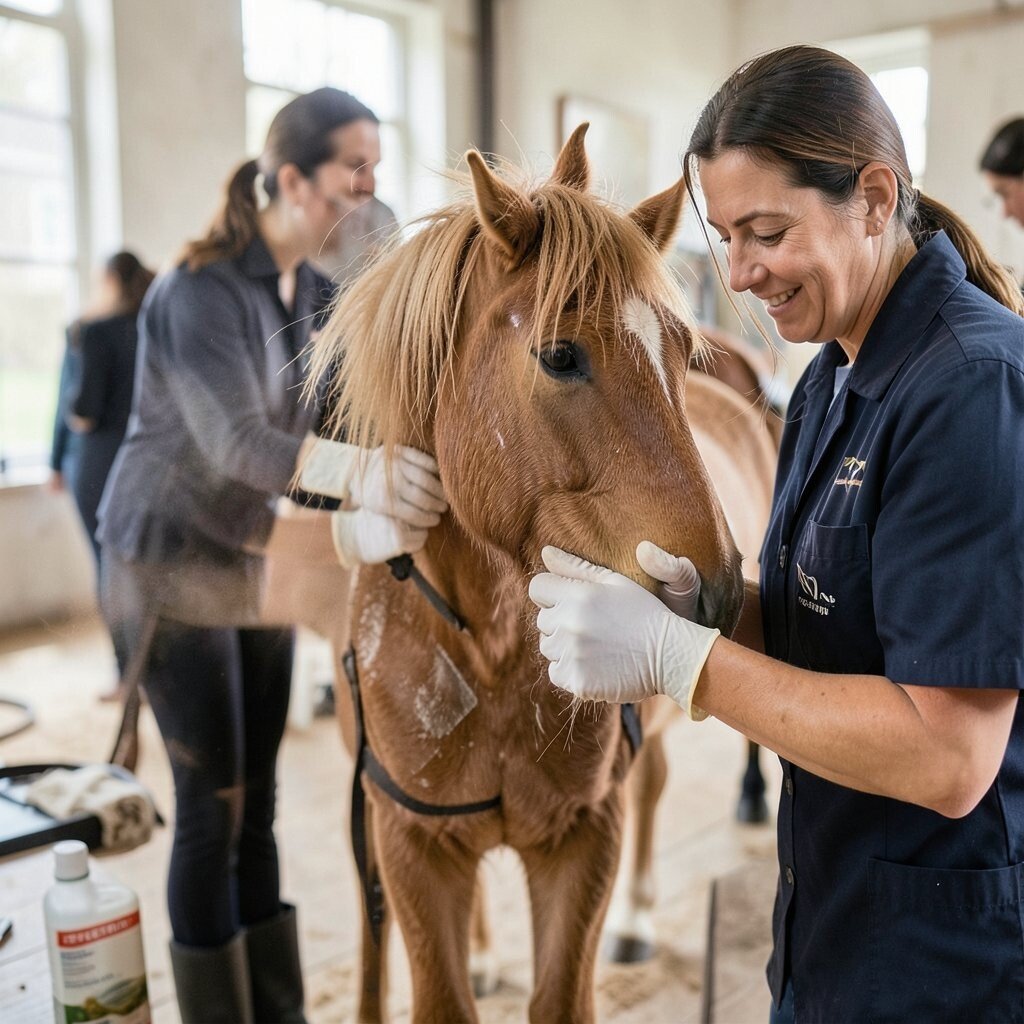
Many riders now use fly sprays, detangling products, and soft grooming gloves. Some use coat conditioners that help with shine and feel. If you try a new product, do it one small area at a time.
Keep cost in mind and avoid buying many items at once. Use what fits your pony and your budget, then stick to it if it works. This way, you keep modern habits while still grooming in a simple, safe way.