
Your pet’s coat can look better when you care for it every day. Small habits help the skin stay calm and the fur stay soft.
1. Check your pet’s skin first
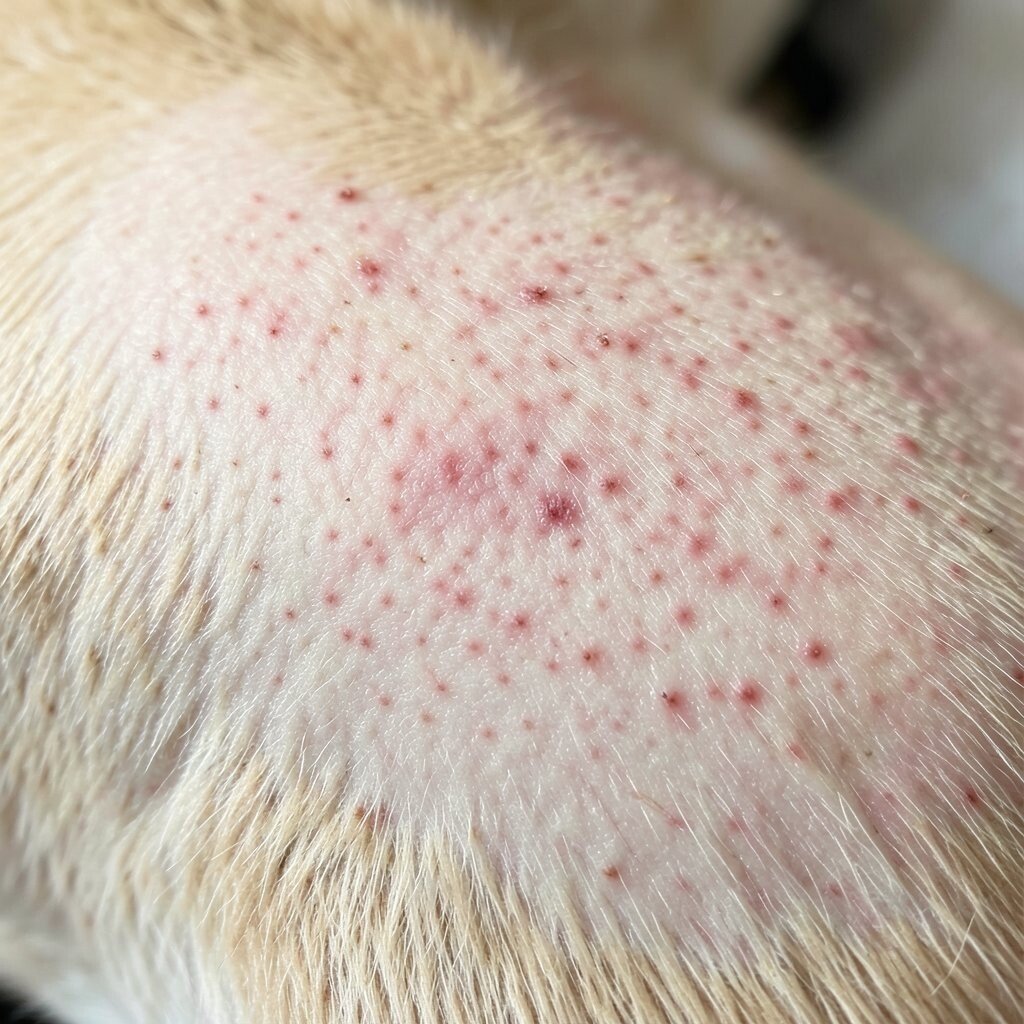
Look at the skin before you pick any product. Check for red spots, dry flakes, or bumps. These signs can mean irritation or itch.
If you see strong redness or lots of scratching, talk to your vet. A quick check can save you from using the wrong conditioner. When the skin is calm, the coat often looks healthier too.
2. Use a conditioner made for your pet
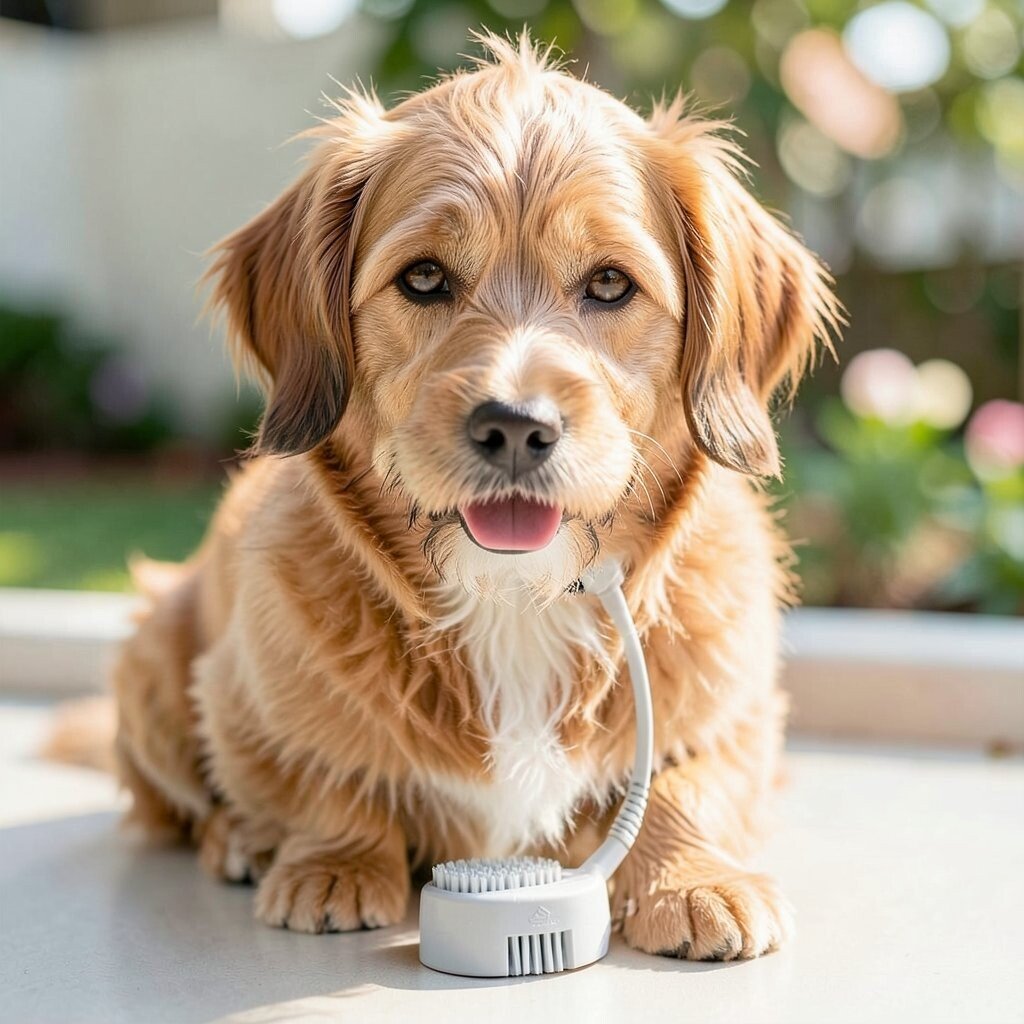
Pick a conditioner that is made for pets, not people. Human hair products can be too strong. Pet skin has a different pH, so the fit matters.
Choose one that matches your pet’s coat type. Some work well for short fur, and some work for long fur. This can help reduce tangles and make brushing easier.
3. Start with a small test
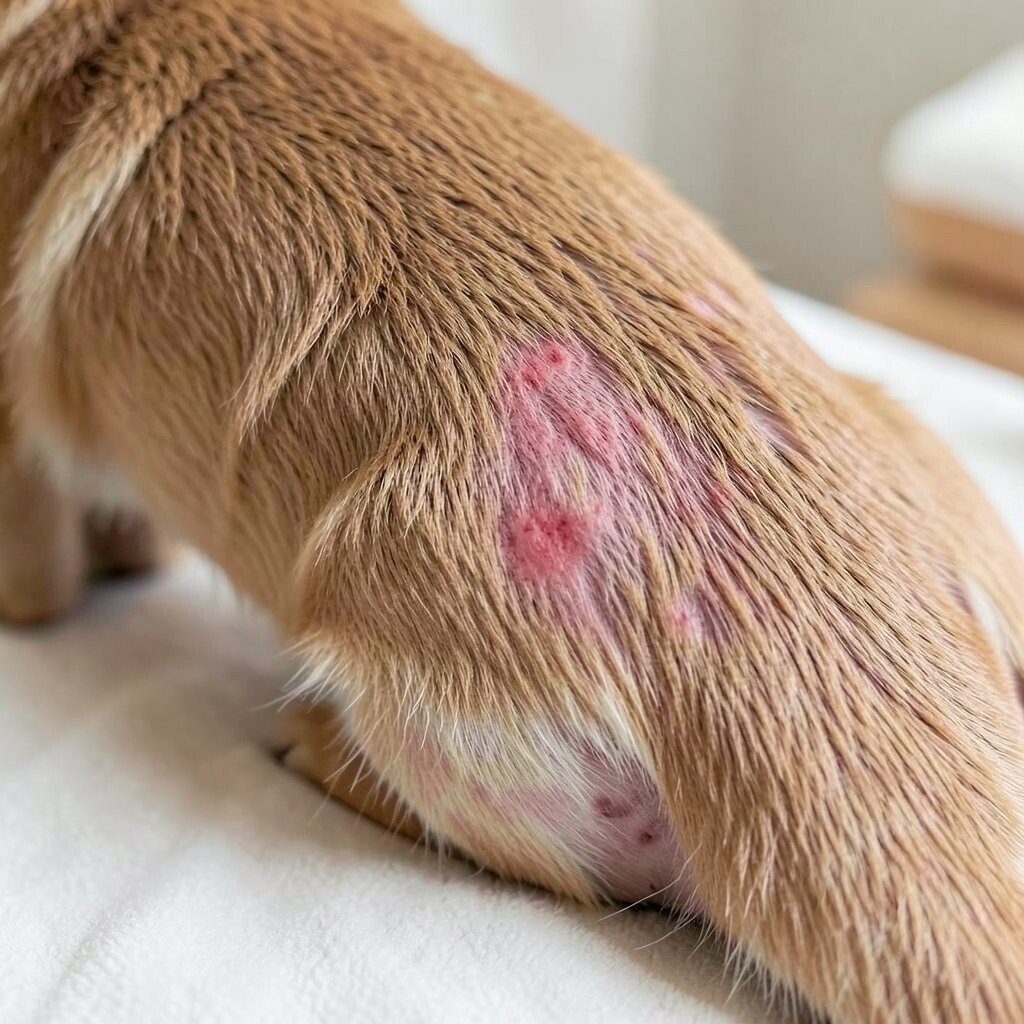
Try a little bit on a small area first. This can be on the back or a leg where it is easy to see. Watch how the skin looks after one or two baths.
If you notice more redness or extra itch, stop and try a new choice. Testing helps you avoid a bad reaction. It also helps you find what works for your pet.
4. Pick the right time to use conditioner
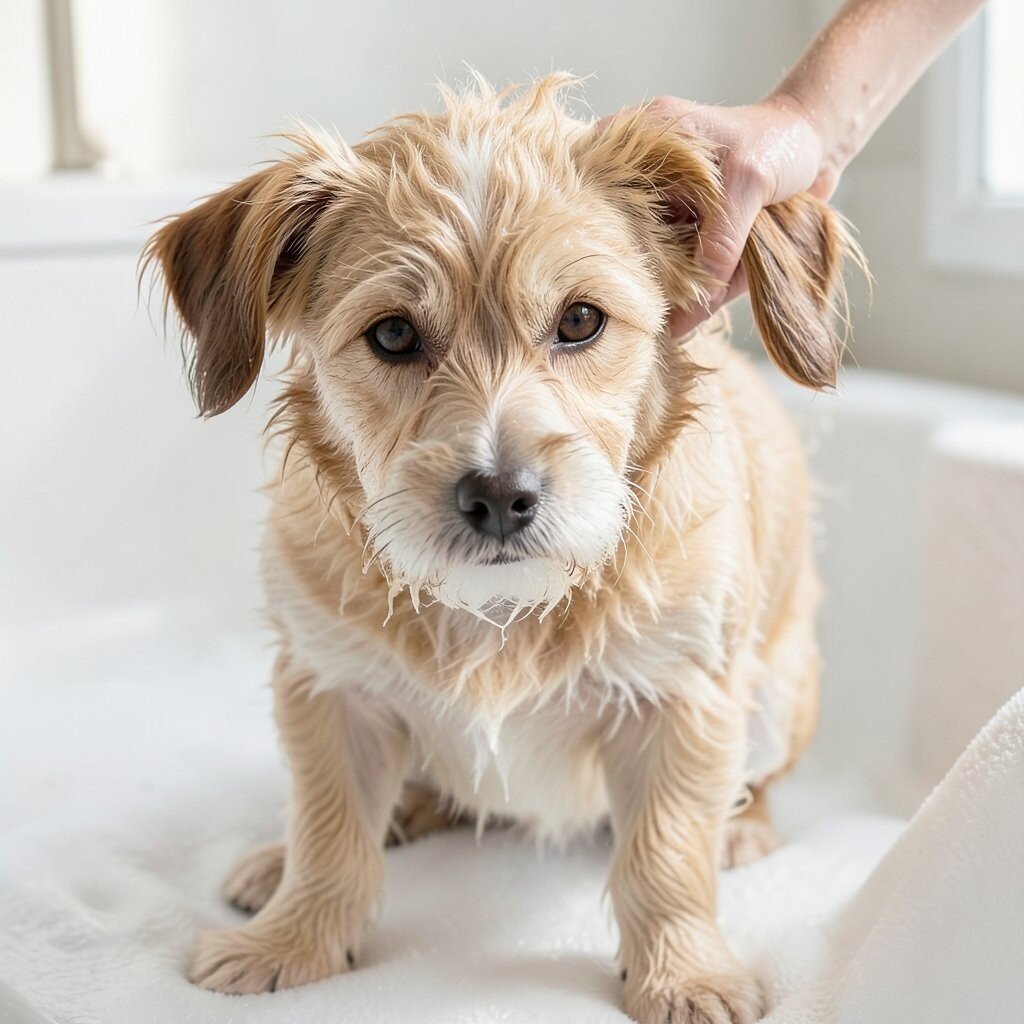
Conditioner is not a daily need for most pets. Many owners use it on bath days only. Too much can leave a film on the coat.
But if your pet has very dry fur, you may need it a bit more often. Look at the coat between baths. If it feels rough or looks dull, you can adjust slowly.
5. Shampoo gently and rinse well
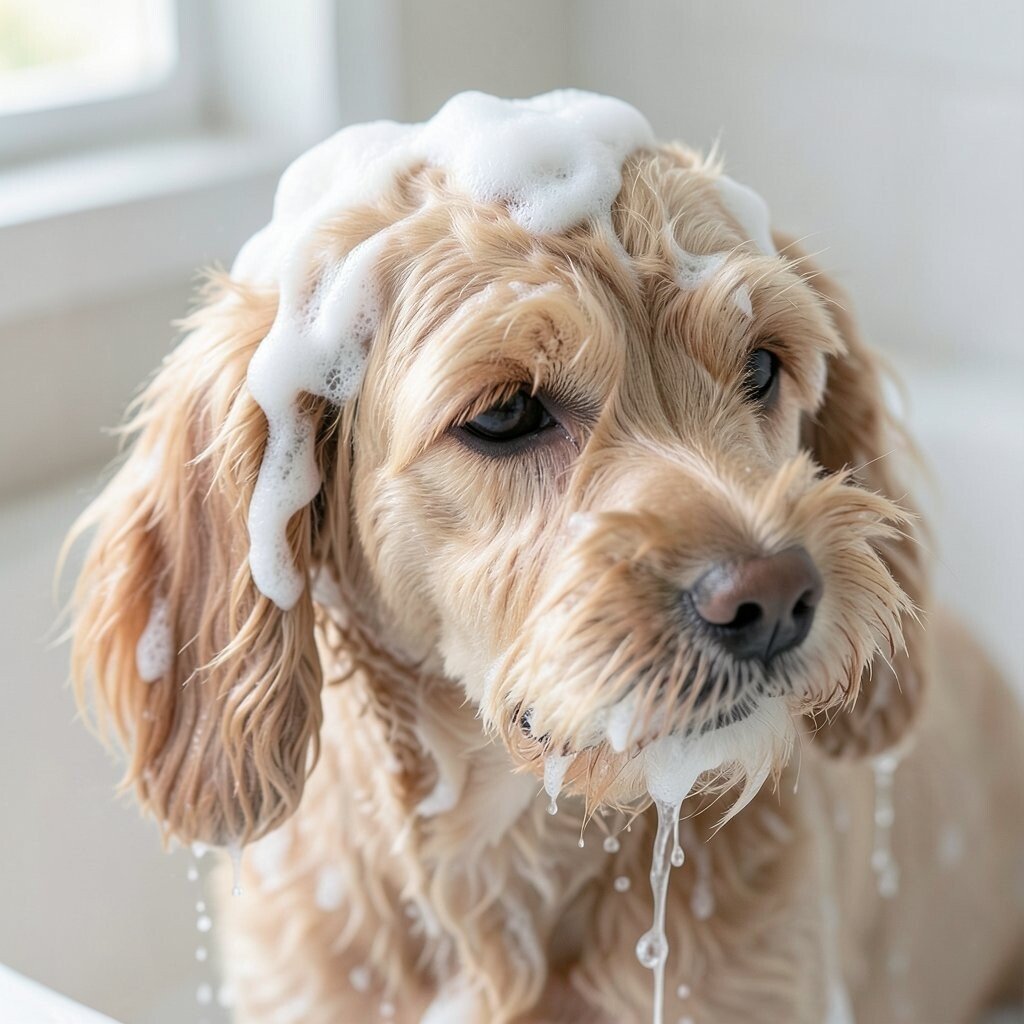
Use a gentle shampoo and keep the rub light. You want clean fur, but you do not want harsh scrubbing. Scrubbing can make skin feel sore.
Rinse until the water runs clear. Leftover shampoo can also make the coat feel dry. After a good rinse, conditioner can work better.
6. Apply conditioner from mid-length to ends
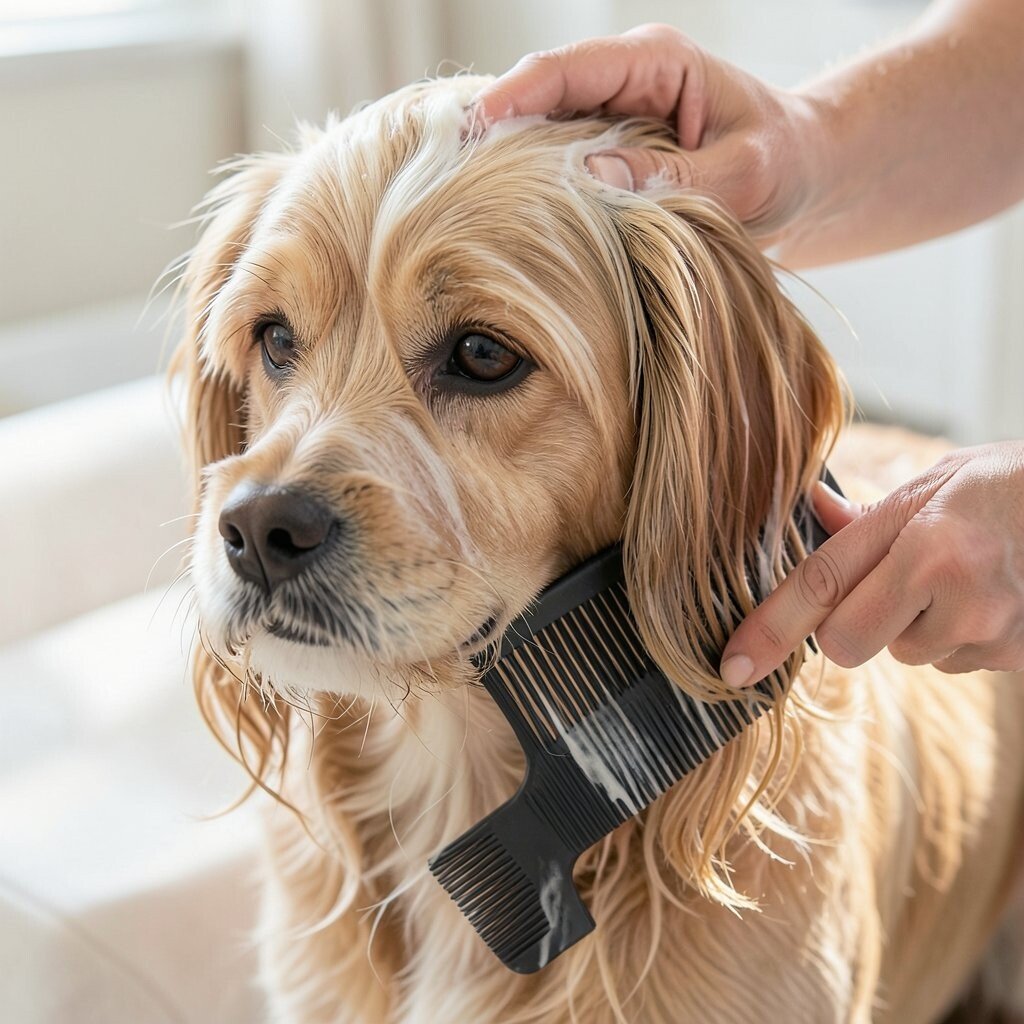
For most pets, the best place to add conditioner is the mid-length and ends of the fur. The skin does not need as much as the hair tips. This helps keep the coat soft without making the skin oily.
Use your hands to spread it in a smooth layer. Then use a wide comb or fingers to help it reach tangles. This can reduce knots before brushing.
7. Use the right amount for your pet’s size

Using too much can make the coat feel heavy. Too little may not give enough slip for brushing. Start with a moderate amount and see how it feels.
For small dogs, a small squeeze may be enough. For larger coats, you may need more, but still use care. Cost matters, so using the right amount helps you stretch the bottle.
8. Let it sit for a short time
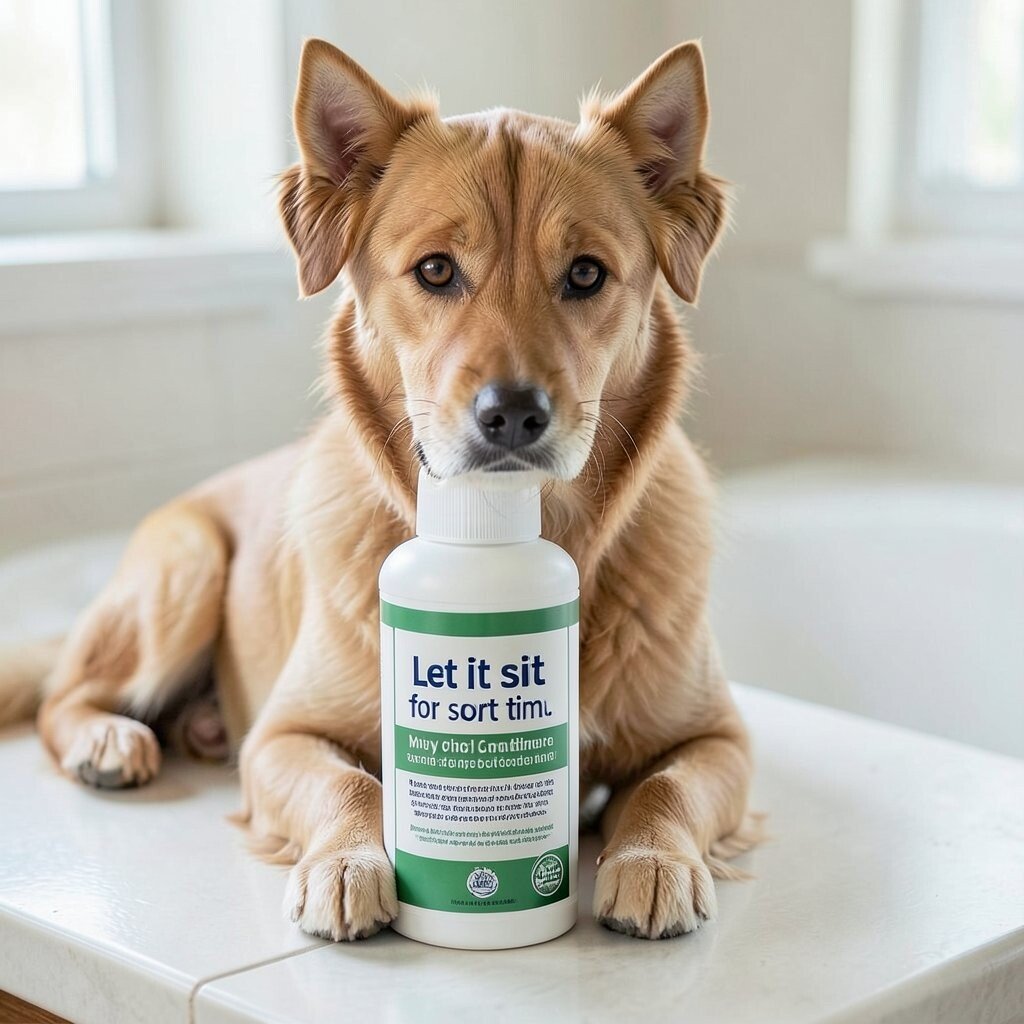
Follow the label for how long to wait. Many conditioners need a little time so the fur can absorb the oils and softeners. During this wait, keep your pet calm and still.
Use this time to talk in a steady voice. Some pets relax when they feel safe. If your pet hates baths, try shorter soak times that still meet the product guide.
9. Rinse until the coat feels light
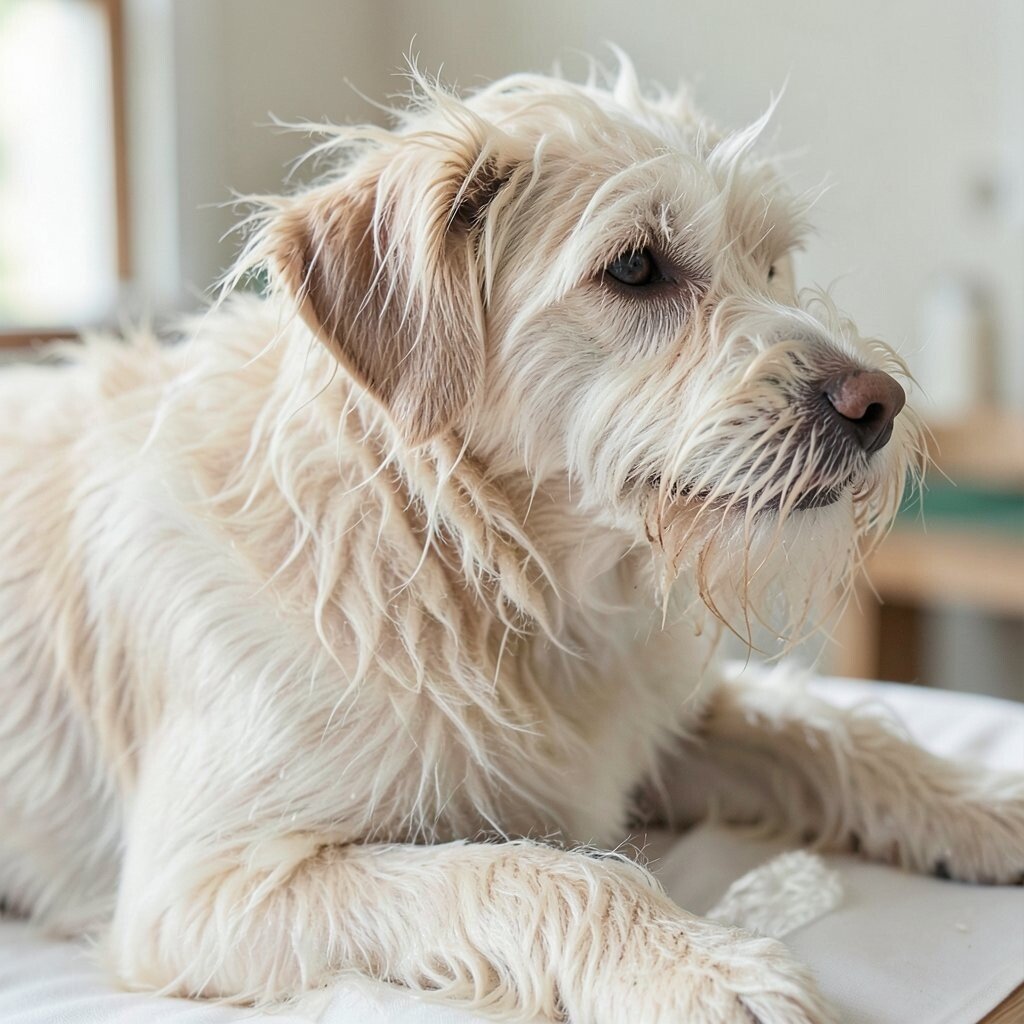
Do not rush the rinse. If conditioner stays in the fur, it can attract dirt and make the coat look flat. A clean rinse also helps keep skin fresh.
When you lift the fur, it should not feel greasy. You can check with your fingertips. If it feels slick, rinse a bit more.
10. Brush before and after baths to help tangles
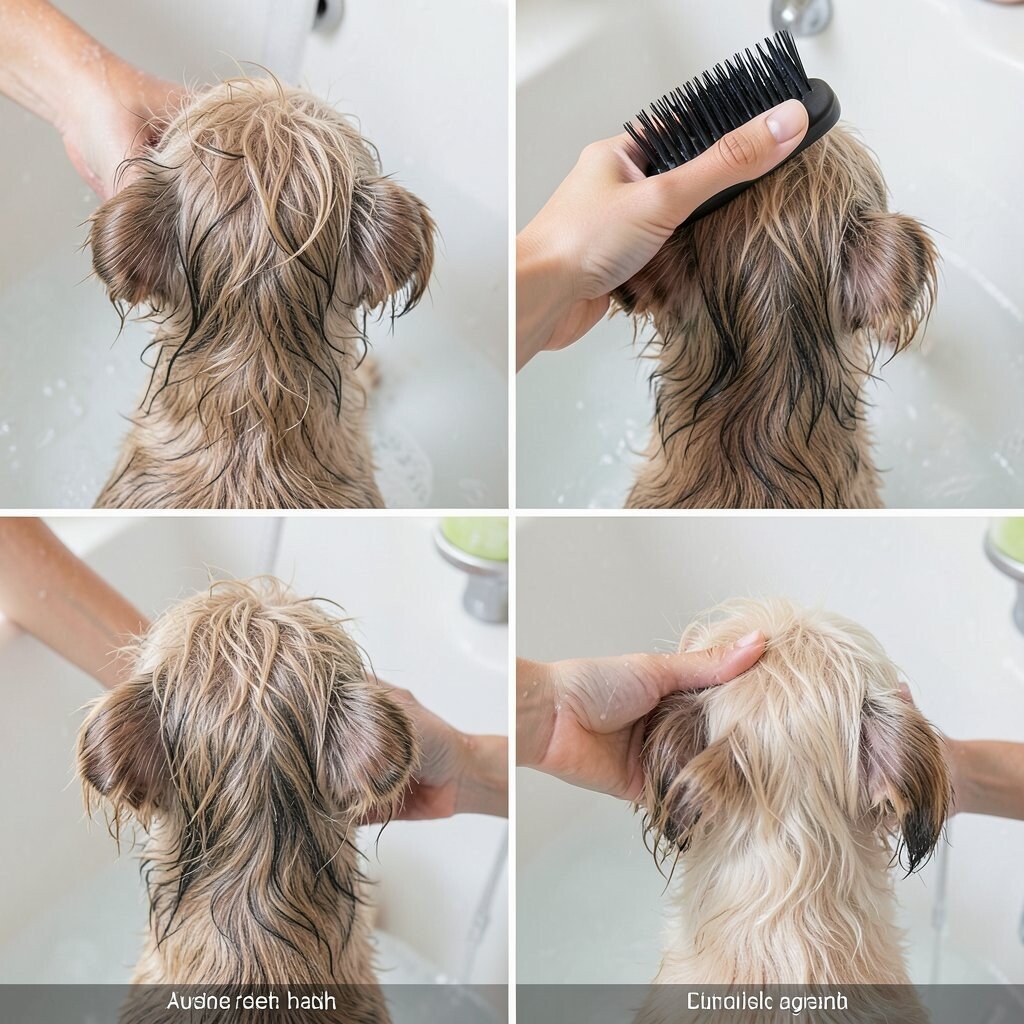
Before the bath, brush dry fur to loosen loose hair. This can help you avoid tugging when water makes knots worse. After the bath, brush again when conditioner has softened the coat.
Choose a brush that fits the coat type. A slicker brush can help short coats, while longer coats may need a pin brush. Regular brushing also shows you how the coat changes over time.
11. Match conditioner strength to the season
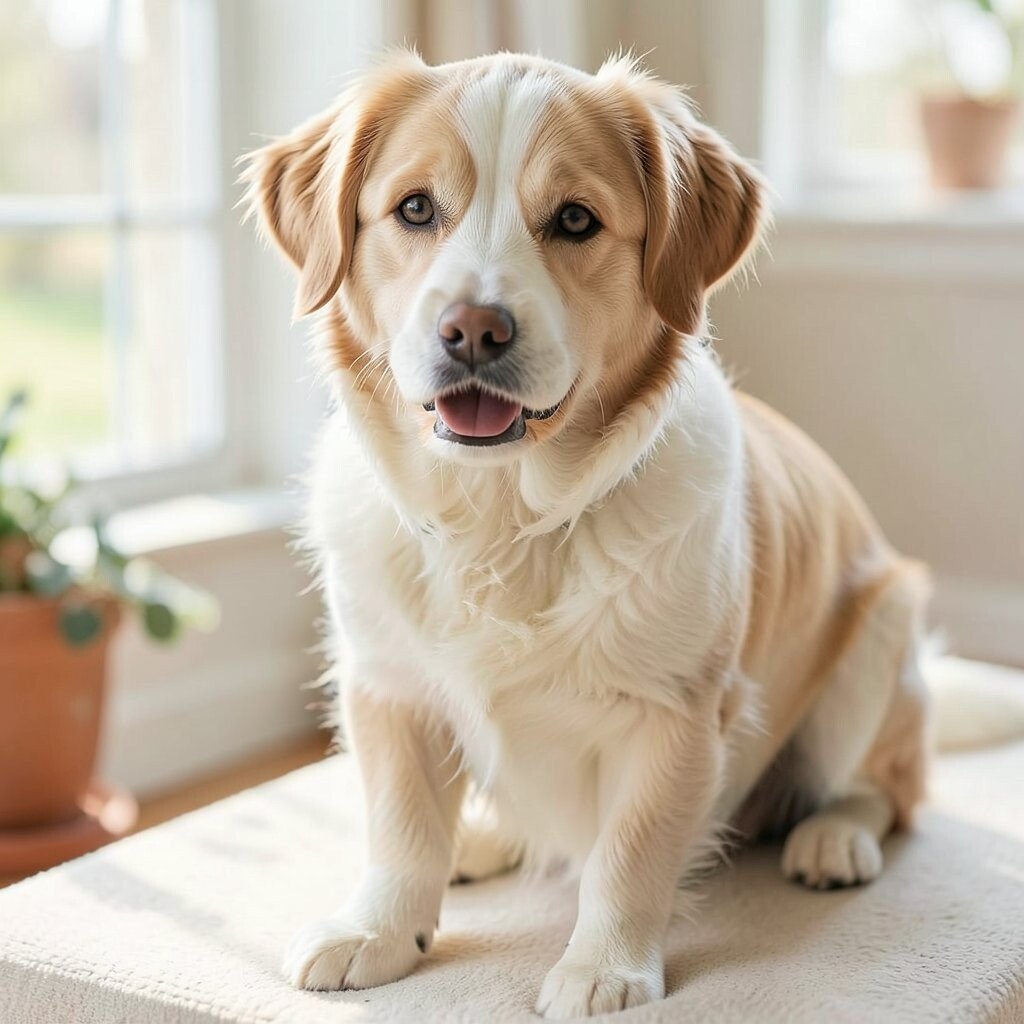
Season can change how your pet’s skin feels. In dry cold months, you may see more flake and roughness. In warm months, you may need a lighter touch.
If the coat feels stiff, use a more moisturizing conditioner. If the coat feels heavy, choose a lighter one. This small shift can help you stay on track without big changes.
12. Consider coat-specific needs like mats and frizz

If your pet gets mats, look for a conditioner that helps with slip. Slip makes it easier to work out knots with less pulling. Mats can form fast around the collar, armpits, and behind ears.
If your pet has frizz or flyaway fur, choose one that helps smooth the hair. Some coats look smoother with a softening conditioner. You can also brush in the same direction to keep the coat tidy.
13. Add a leave-in spray for long coats
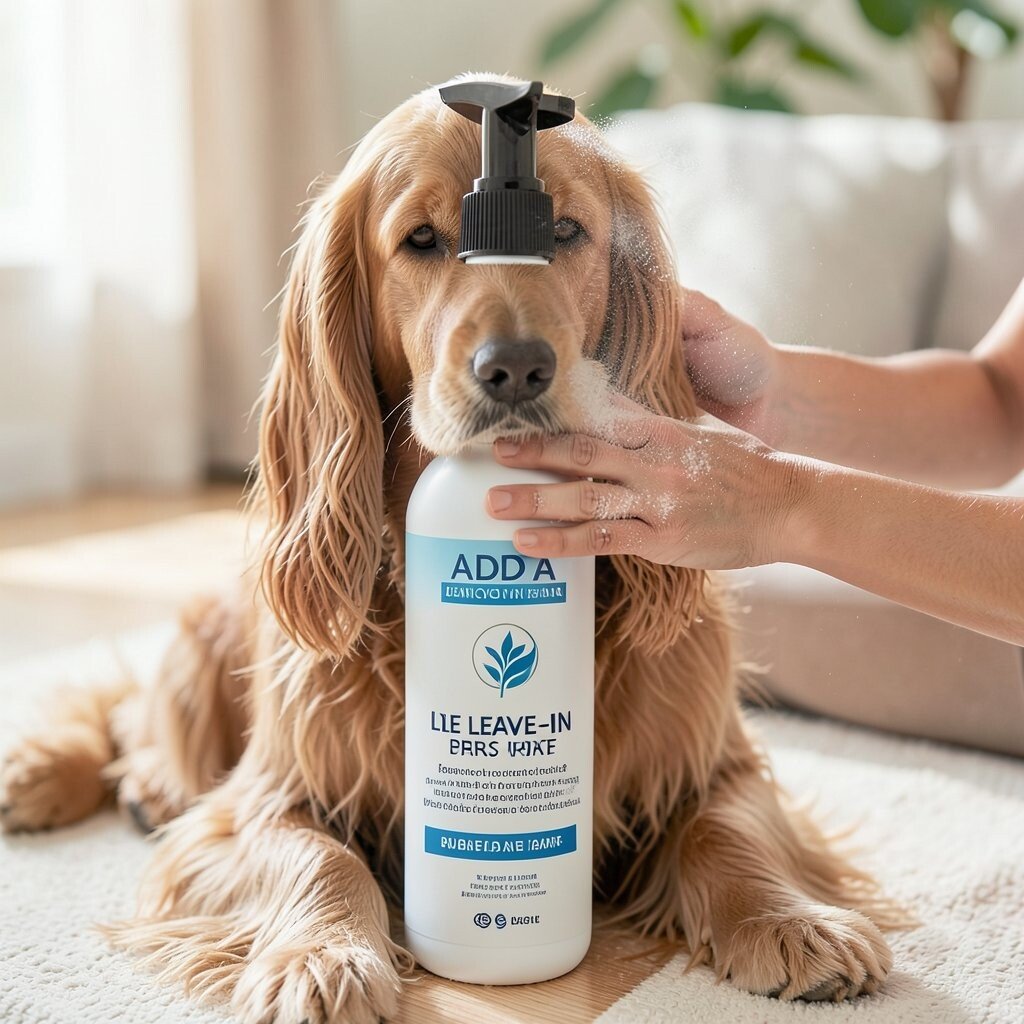
Leave-in sprays can help between baths, especially for long fur. A light mist can reduce tangles and add softness. Use a small amount and spread it with your hands.
This can be a good option when you want a small boost. It also helps on travel days when full baths are not needed. But do not use so much that the coat feels sticky.
14. Watch for sensitivities and scent issues

Some pets react to strong scents or certain ingredients. If your pet seems more itchy after using a product, stop and check the label. Look for simple formulas with fewer harsh smells.
Unscented or gentle options may help some pets. It can also be useful to change one thing at a time. This way you can tell what caused the change.
15. Keep cost in mind and buy what lasts
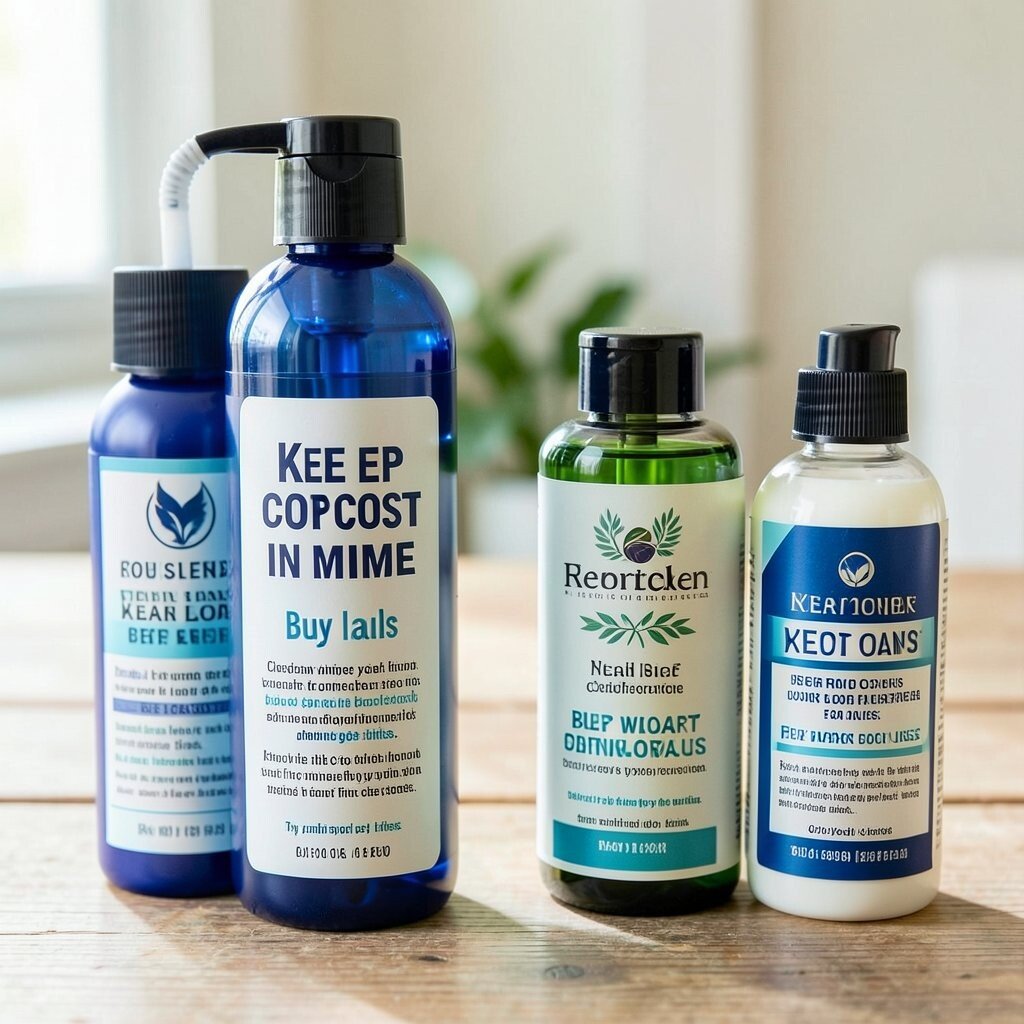
Conditioner bottles can cost a lot, so plan your buys. Check how many baths you can get from one bottle based on the label. Using the right amount helps your money go farther.
Bulk sizes can lower the cost per use, but only if you finish it before it expires. If you are not sure what your pet likes, try smaller sizes first. This keeps risk lower while you test different options.
16. Follow current grooming trends, but stay practical
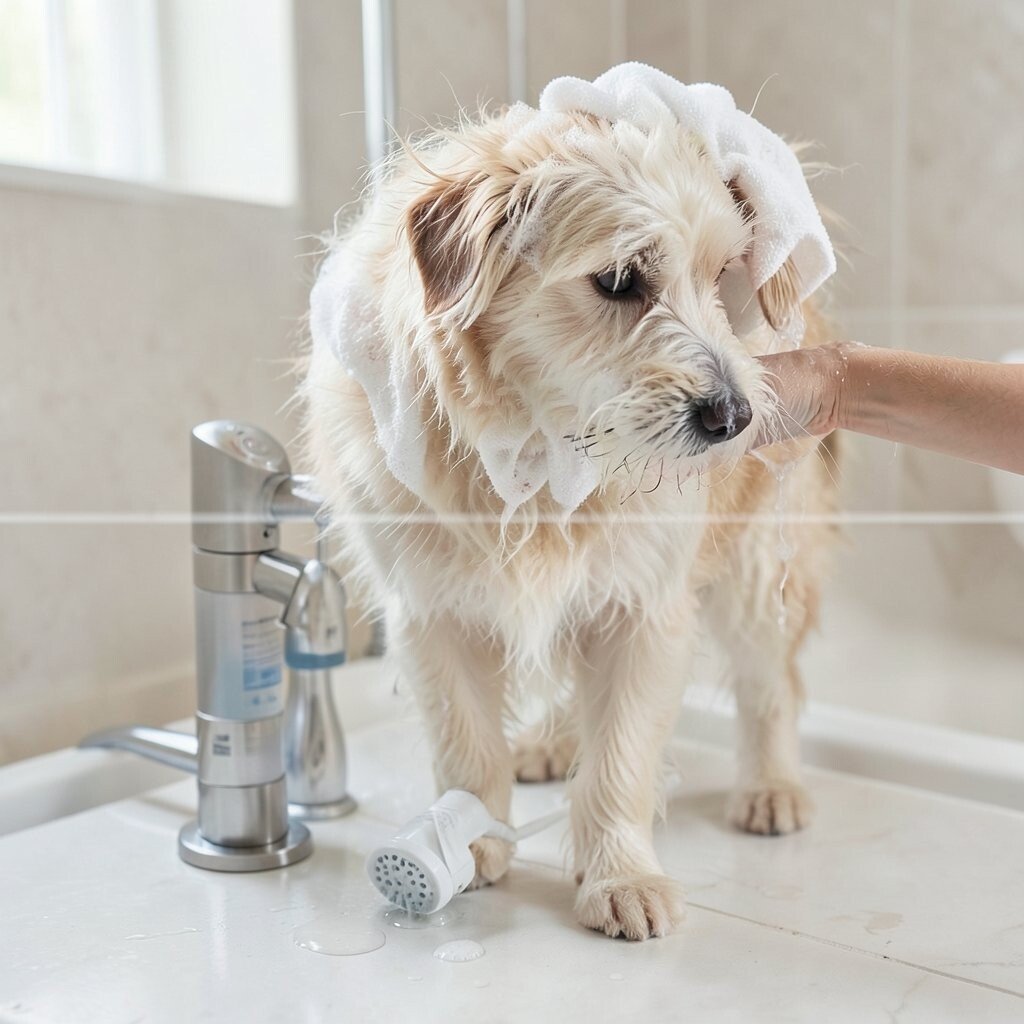
Some people are using water-filter shower heads, coat wipes, and gentle detangling tools. These trends can help in real life, like reducing hard water dryness or helping between baths. You can pick what fits your routine.
Try small changes one at a time so you can see results. A simple wipe after walks can cut down dirt in the coat. If you add filters or new tools, also keep your conditioner steps steady.