
Pet smells can build up fast, especially when pets spend time on beds, carpets, or floors. The right deodorizer can help your home feel clean and smell fresh without harsh steps.
1. Baking Soda Sprinkle on Rugs
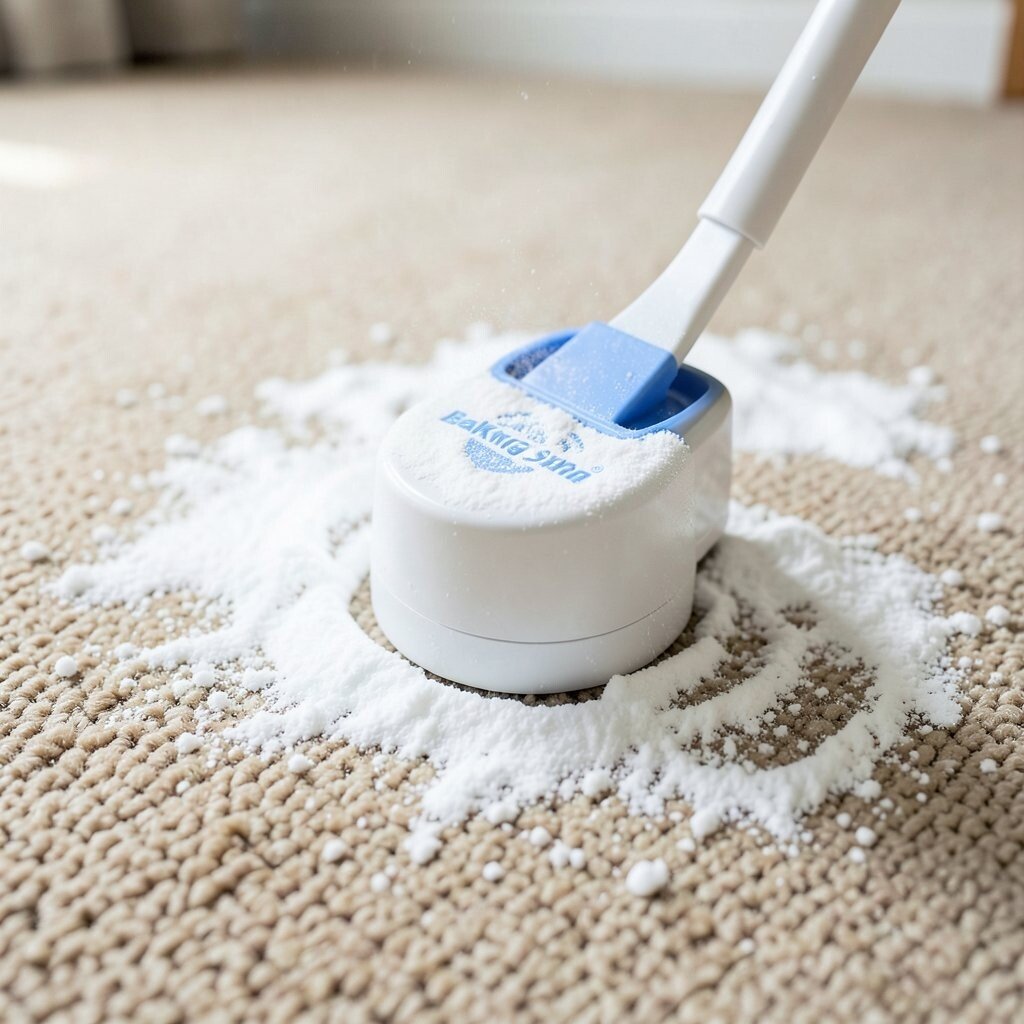
Sprinkle a thin layer of baking soda on dry carpet and rug spots. Let it sit for some time, then vacuum well. You may see a small dusting before you clean it up, which is normal.
This works by soaking up odor from pet oils and moisture. It is a low-cost option that many people use at home. For small areas, use a light touch so it is easy to vacuum.
2. Baking Soda in a Lidded Box for Rooms
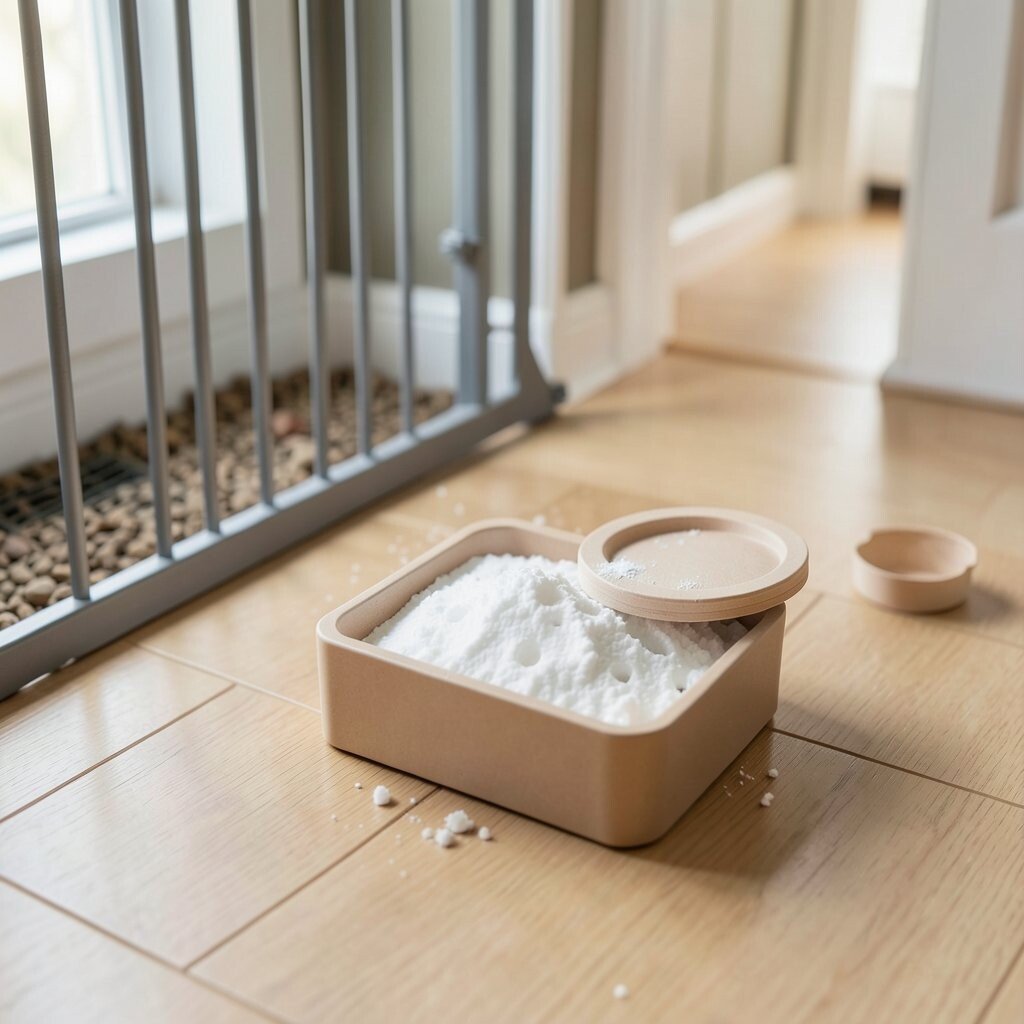
Place baking soda in a small shallow box with holes or a loose lid. Set it near a litter area, a pet gate, or a hallway where smells stay. You can make it look neat by using a cute container that matches your room.
This can help keep mild smells from coming back so fast. It is budget friendly, and you do not need strong chemicals. If you have pets that like to chew, keep it in a safe spot where they cannot reach it.
3. Enzyme Cleaner for Urine Odor
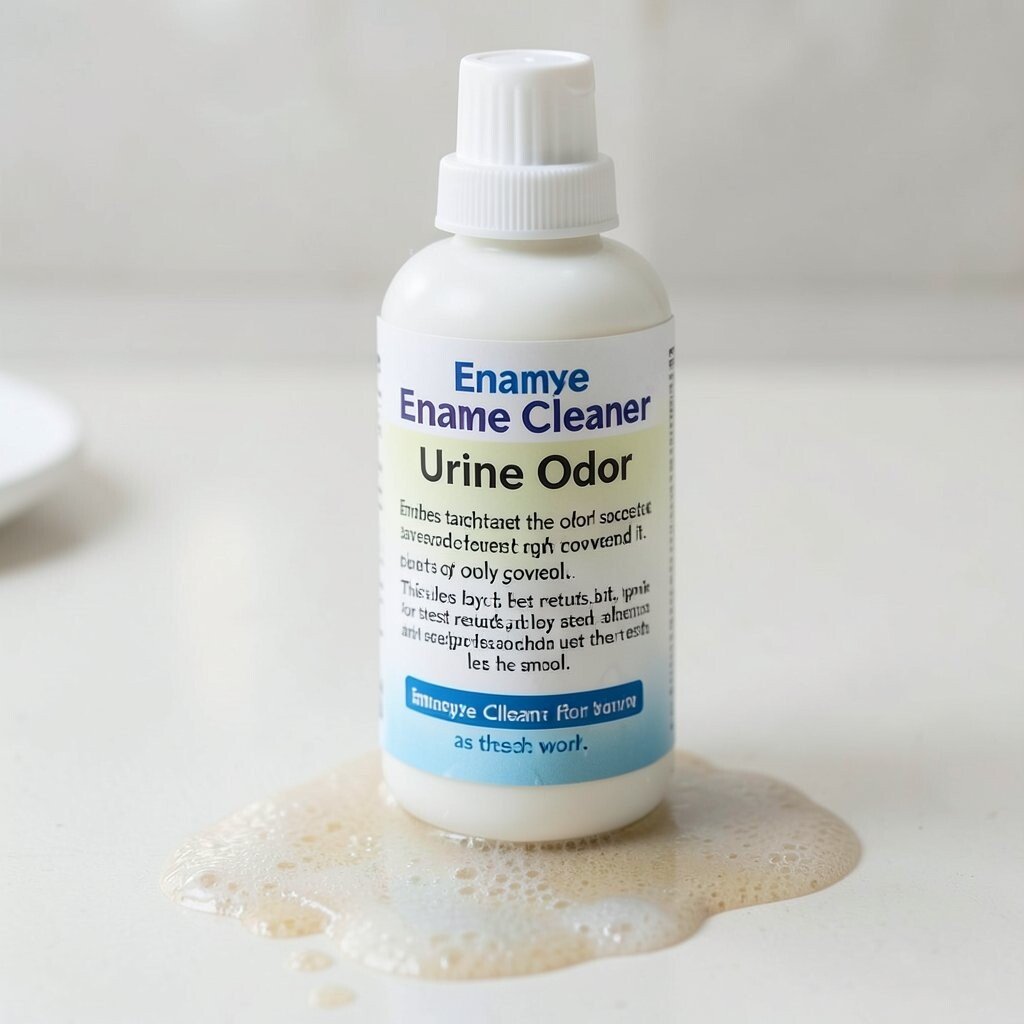
Use an enzyme cleaner made for pet messes if you have urine or old stains. Apply it to the area and let it work as the label says. The surface may look damp at first, then it should dry with less smell.
Enzymes target the odor source instead of only covering it. This helps stop repeat smells after accidents. For best results, blot first, then use the cleaner, and avoid soaking the area too much.
4. Activated Charcoal Bags in Airflow Spots
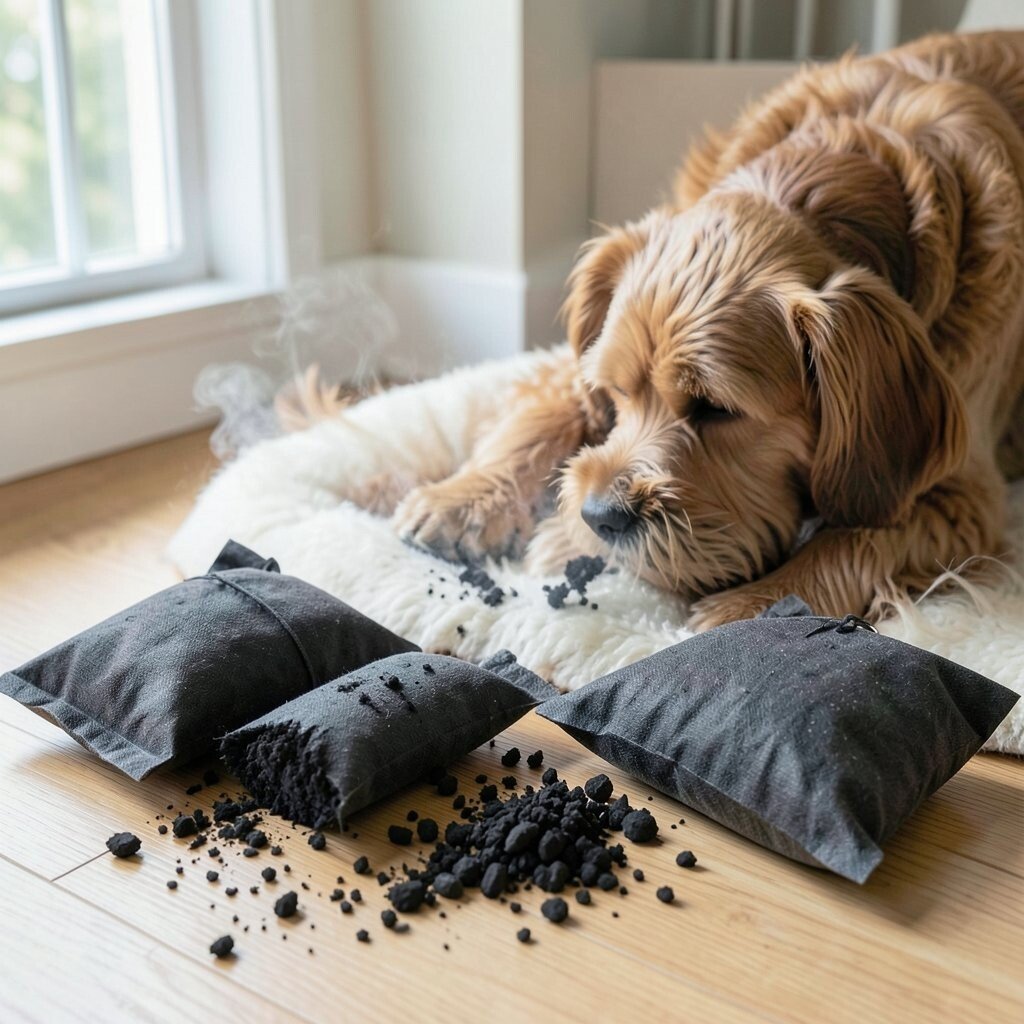
Put activated charcoal bags near your pet’s favorite resting spot or by the litter box. The black pieces can look messy, so choose bags that are made for home use. Place them where air can move a bit, not where everything is sealed off.
Charcoal helps absorb odors from the air. It is easy to swap out when it stops working well. This is a popular home trend because it is simple and does not rely on strong scent.
5. Pet-Safe Odor Sprays for Fabric
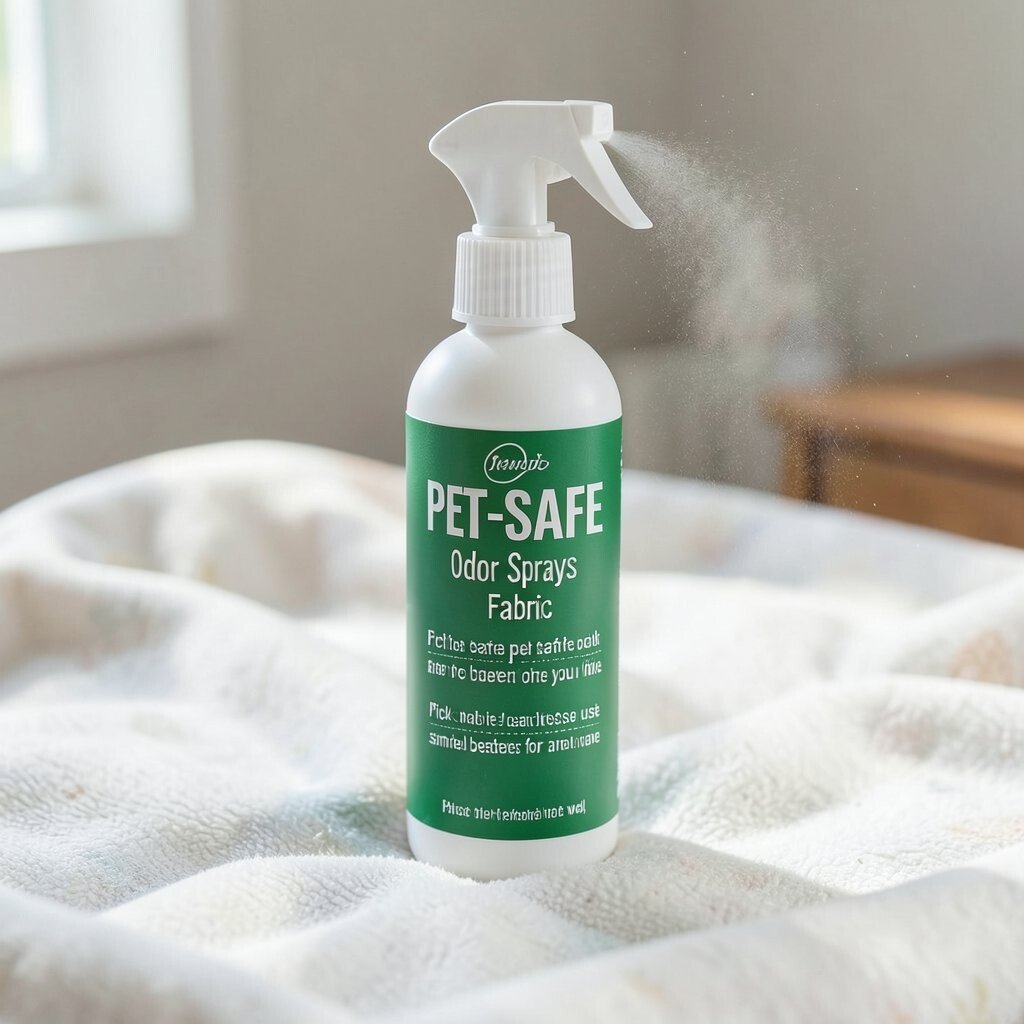
Choose a spray that is made for pet odor on fabric, like pet blankets or washable beds. Mist lightly and let it dry before your pet lies there. You can test a small spot first to make sure the fabric handles it well.
These sprays help with smells in a quick way when you cannot wash right away. It can also make clean laundry smell better for a while. Pick a product that lists pet-safe use for the items you have.
6. Washable Pet Bed Covers with Quick Rotation
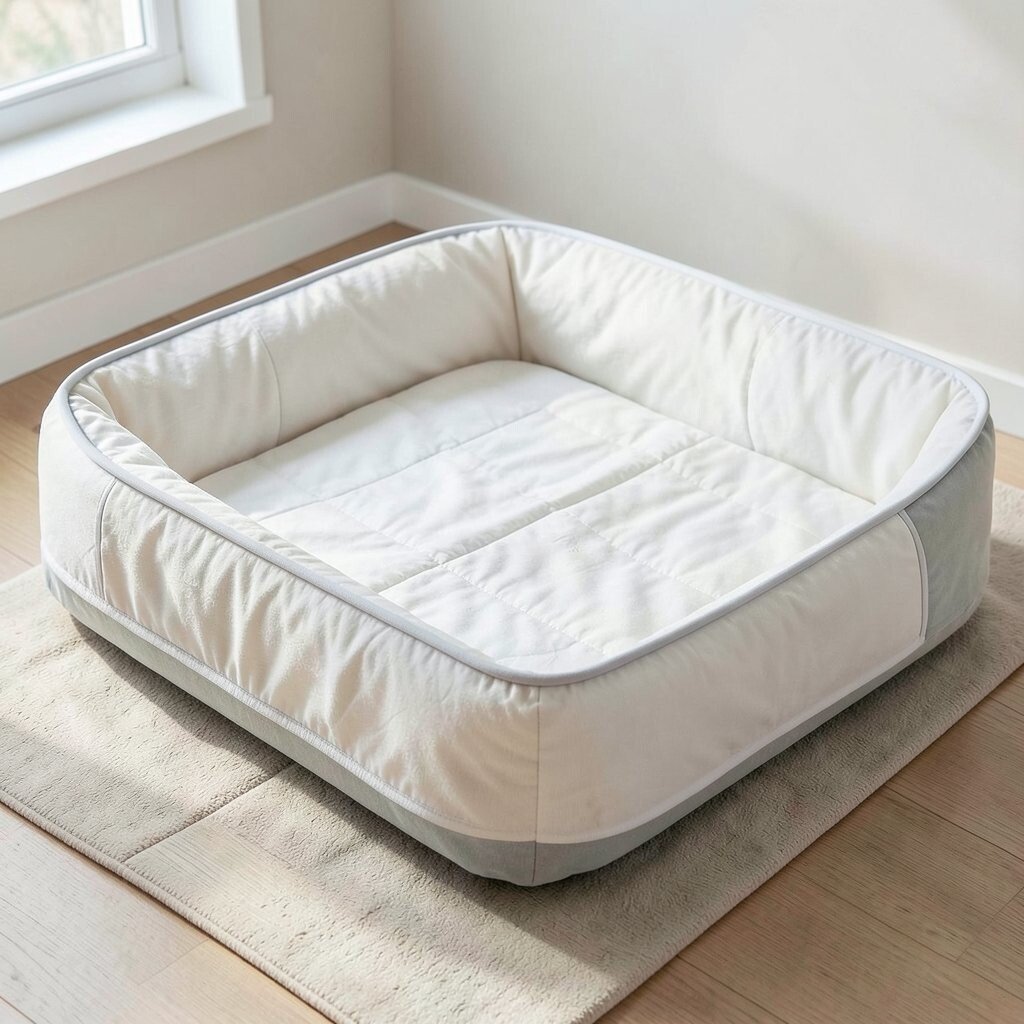
Use removable covers for pet beds so you can wash them more often. Keep extra covers on hand, and rotate them like you would for sheets. You can see the difference fast, because fresh fabric usually smells better.
Clean covers can cut down daily odor by a lot. This also helps with dander and tiny dust that sits in fabric. If you want to keep costs low, wash in smaller loads and air-dry when you can.
7. Fresh Air with a Simple Fan Plan
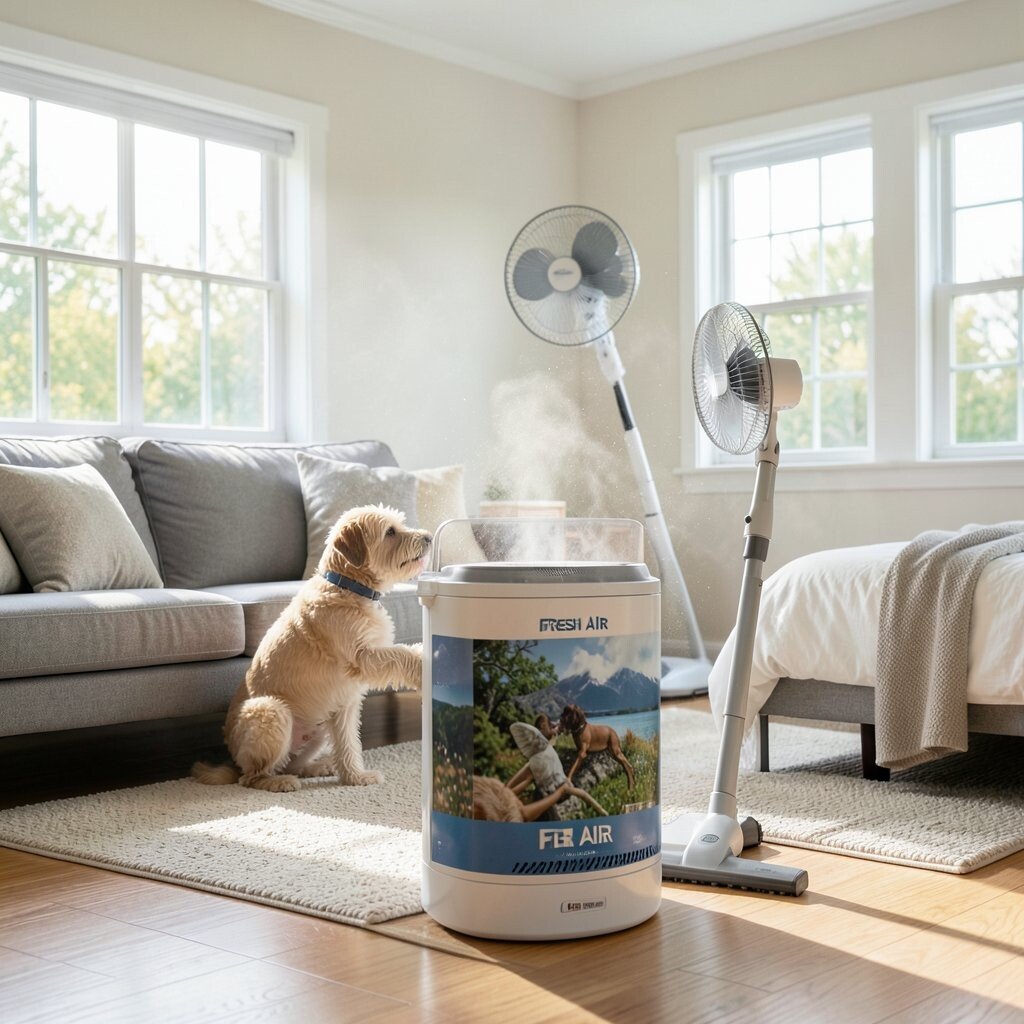
Open windows when the weather allows and run a fan to move air around. Focus on rooms where your pet spends time, like the living room or bedroom. Even a small change can make smells feel less heavy.
Fresh air does not just mask odor, it also helps remove it. This is a safe and low-cost step that fits many homes. Try it for a few hours after feeding, cleaning the litter box, or vacuuming.
8. Lemon or Citrus Peel Boil for Gentle Scent
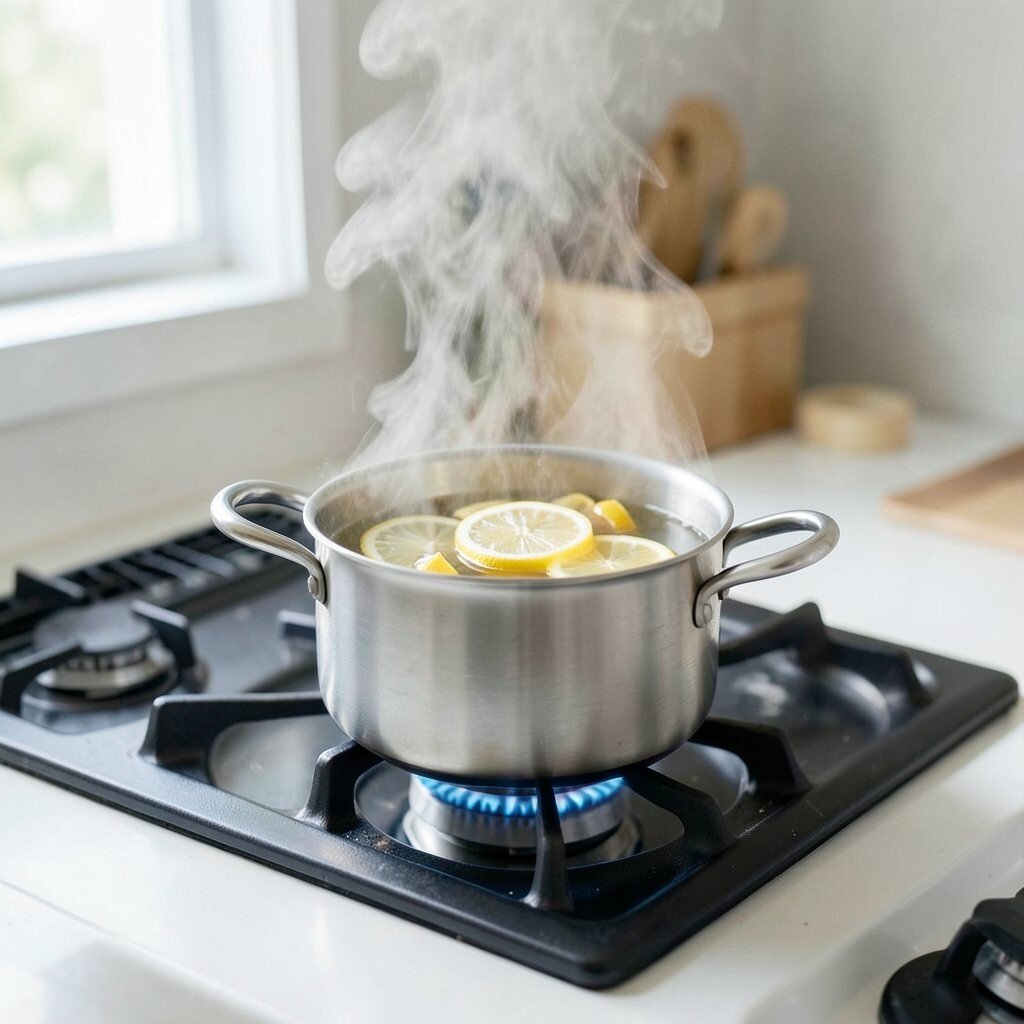
Simmer water with lemon or citrus peels on the stove for a short time. The kitchen may smell clean and bright while the steam fills the air. Use a small pot and keep the heat low so it does not get too strong.
This can add a mild scent that many people enjoy. It is not a deep deodorizer for hidden stains, but it helps with overall room smell. If you have pets that do not like strong smells, keep your pet in another room while it runs.
9. Vinegar Water Wipe for Floors and Tiles
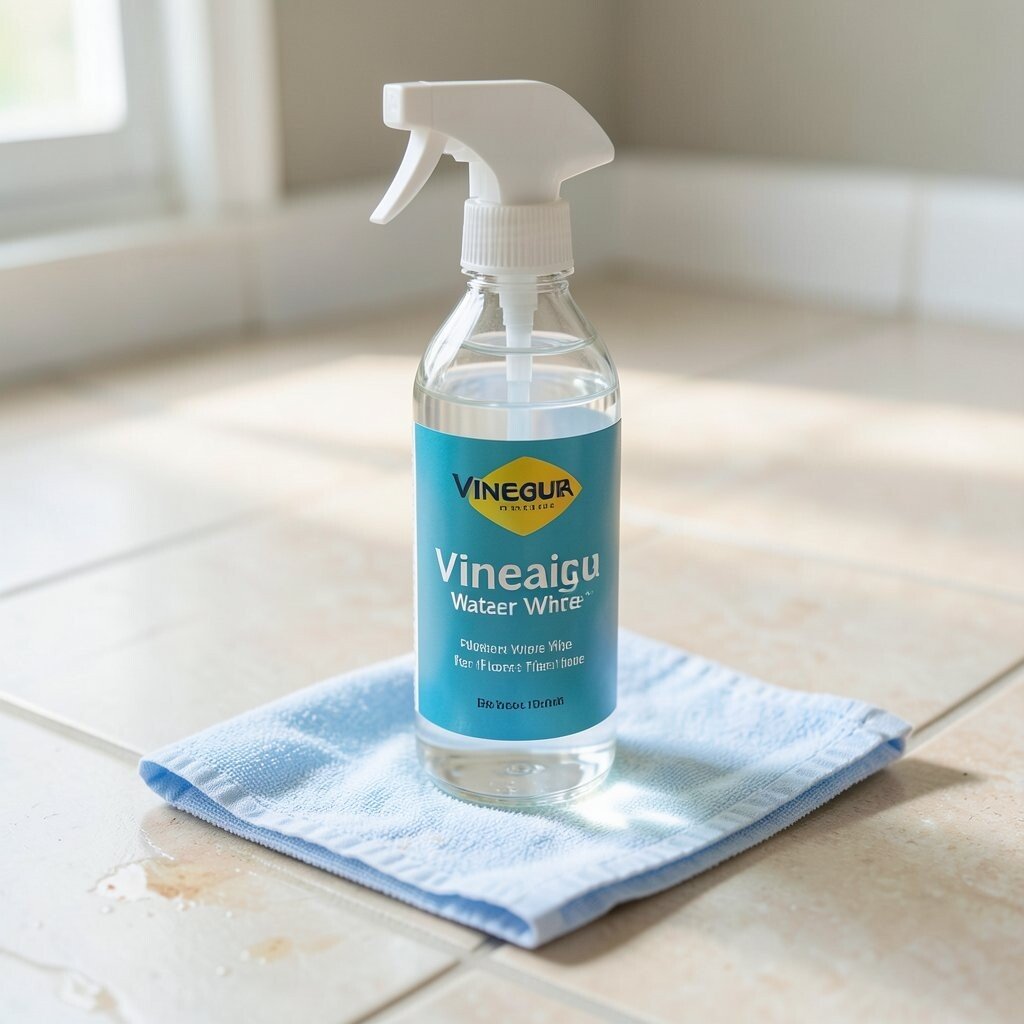
Mix plain vinegar with water and wipe hard floors, like tile or sealed wood. Use a clean cloth and change it if it gets dirty. The smell of vinegar fades as it dries, so it usually does not stay.
This method can help with light pet smells and sticky spots. It is easy to do and usually costs less than many sprays. For safety, do not use vinegar on unsealed wood or natural stone.
10. Carpet Shampoo with Odor Add-In
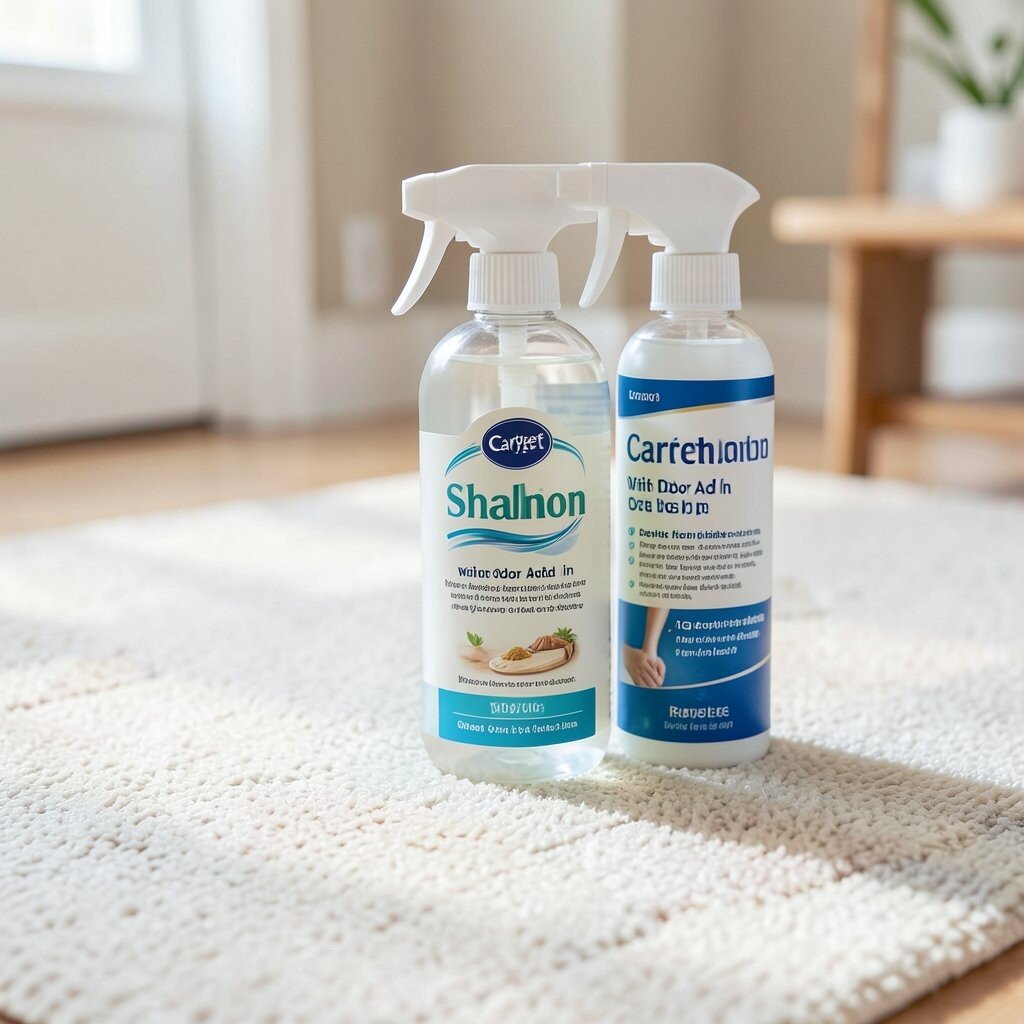
Use a carpet cleaner and add an odor product made for rugs. Follow the machine directions and avoid over-wetting. After cleaning, allow the carpet to dry fully so you do not trap new smells inside.
This is a stronger option when odors live deep in fibers. Regular cleaning helps keep a fresh look and feel. If your home is busy, set a simple schedule like every few months based on your pet’s needs.
11. Litter Box Add-Ons for Less Smell
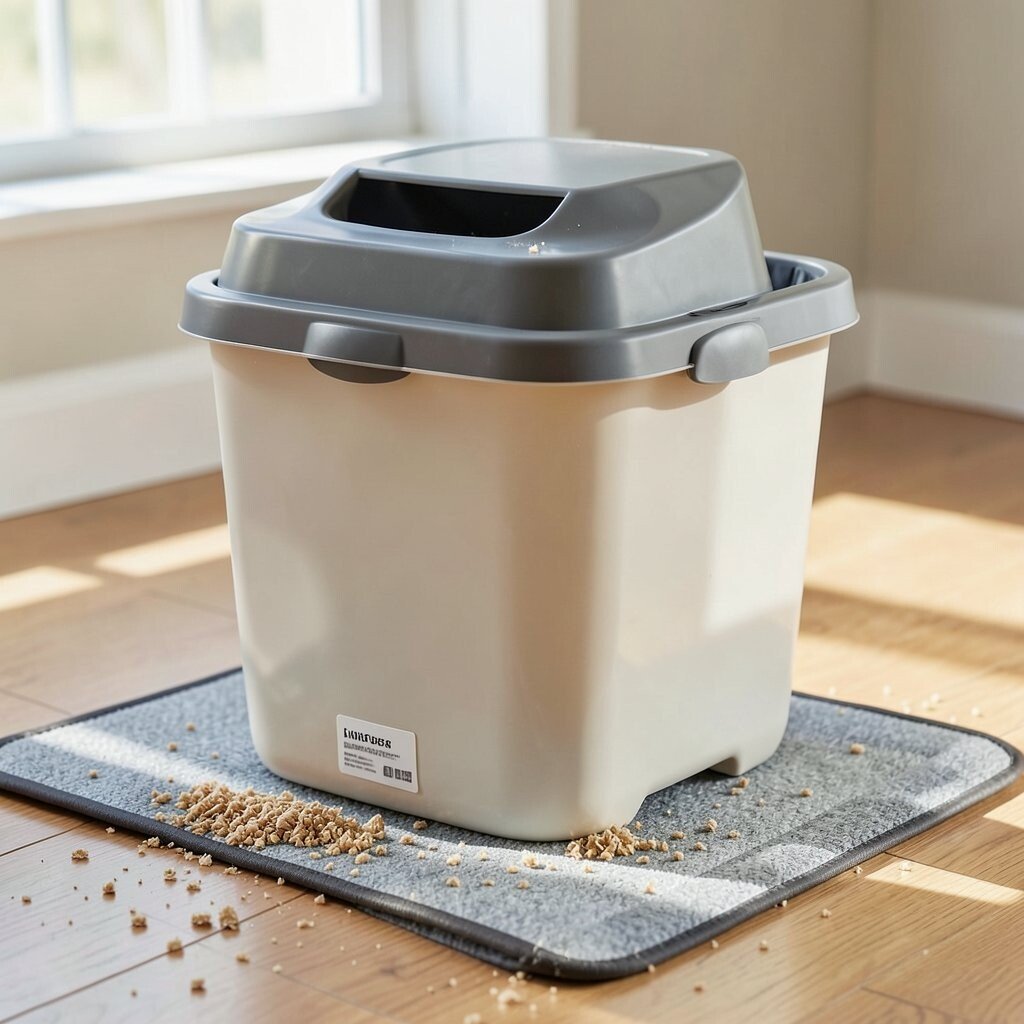
Try a litter deodorizer mat, a litter box liner, or a litter that controls odor. A mat can help catch extra litter so fewer bits sit on the floor. You may also notice less tracking around the house.
Better litter control can lower the main odor source. This can also make daily scooping easier if your litter stays drier. Choose add-ons that are safe for pets and do not make the box hard to clean.
12. Vacuum with a Fresh Filter Check
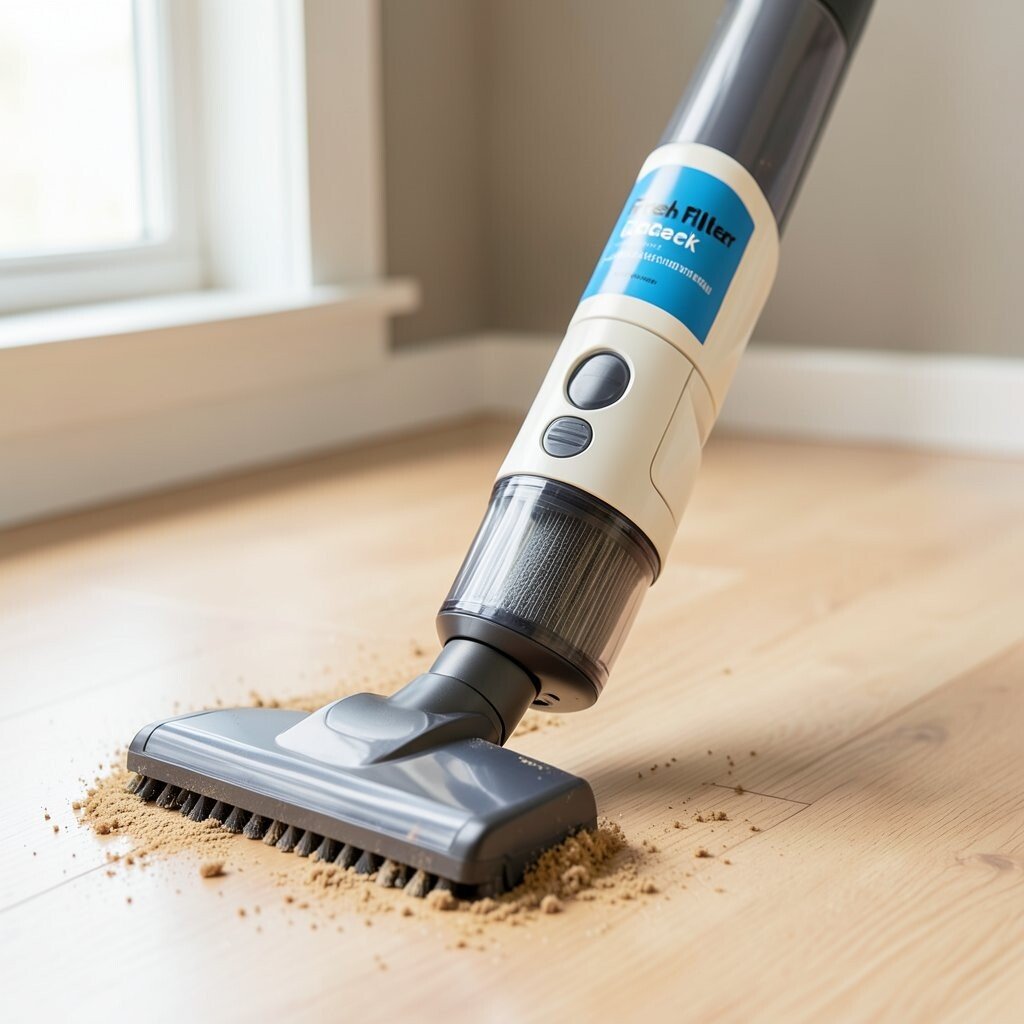
Vacuum often, but also check the vacuum filter and brush. A clogged filter can make suction weak, so smells stay behind. You may see dust build up around the pet’s path if you skip this step.
Vacuuming removes hair and dander that hold odor. It is a good habit and usually costs nothing after you own the vacuum. For best results, vacuum in the same spots each day and focus on corners where your pet likes to rest.
13. Cornstarch Absorbent for Pet Hair Areas
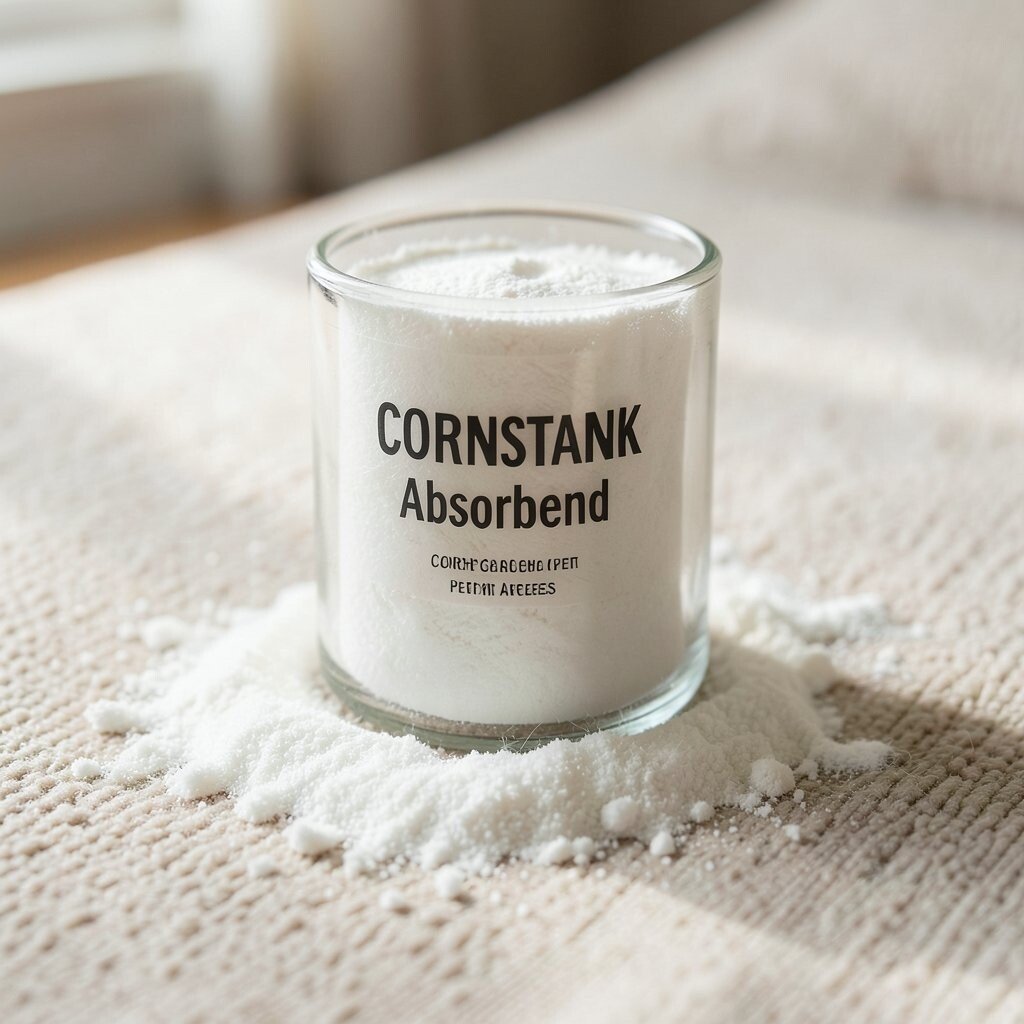
For small carpet or fabric areas, sprinkle cornstarch lightly where pet hair collects. Let it sit for a short time, then brush or vacuum. You might see a powder look at first, then it should lift away with the hair.
Cornstarch can help absorb some oils and smells from fabrics. This is a simple DIY idea that fits many homes. It is also easy to personalize by using a little more in stronger odor spots.
14. Pet-Only Laundry with Baking Soda Boost
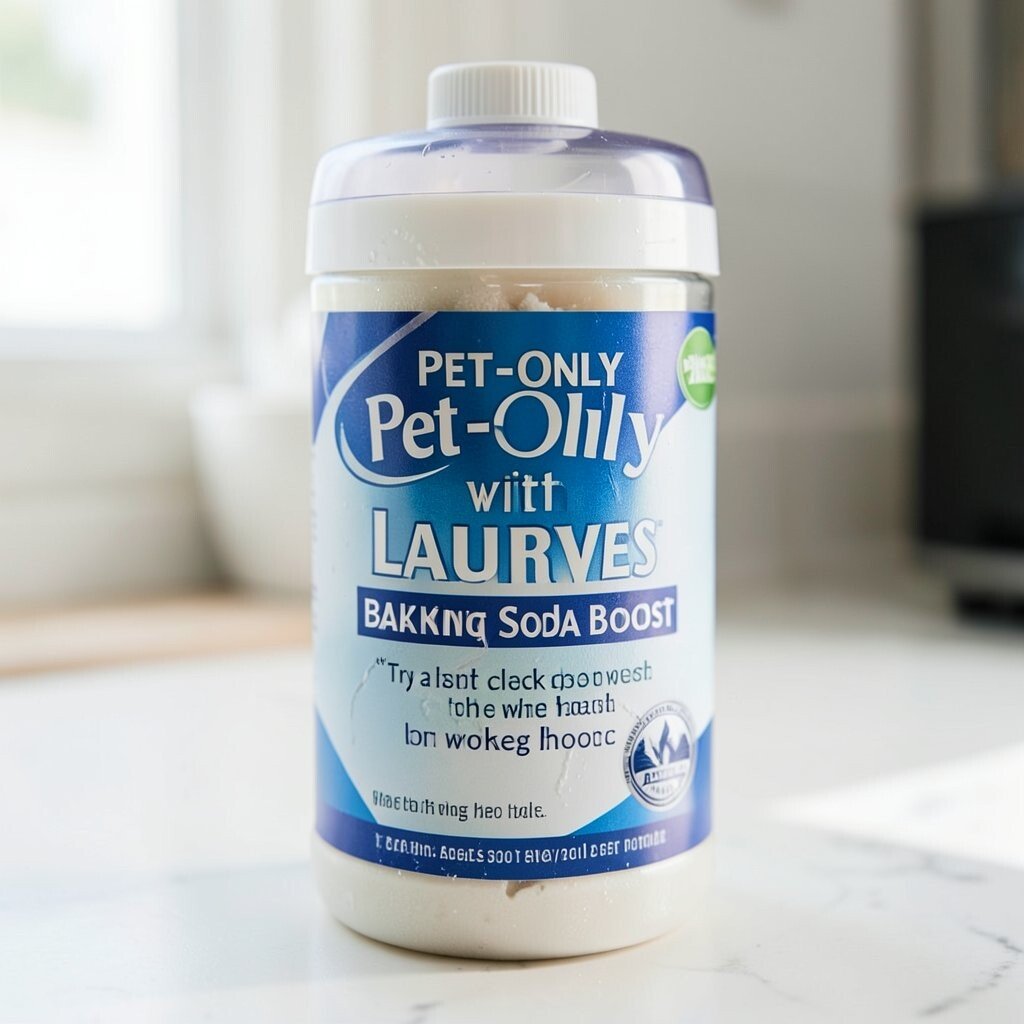
Wash pet blankets, towels, and beds separately from your other laundry if you can. Add a bit of baking soda to the wash to help with odor control. The clothes may come out softer and smell less like pet use.
Keeping pet items separate helps keep smells from moving through your home. It also helps you track what works for your home. Try a small change first, then adjust based on how strong the odor is.
15. Scented Sachets Near Pet Storage Areas
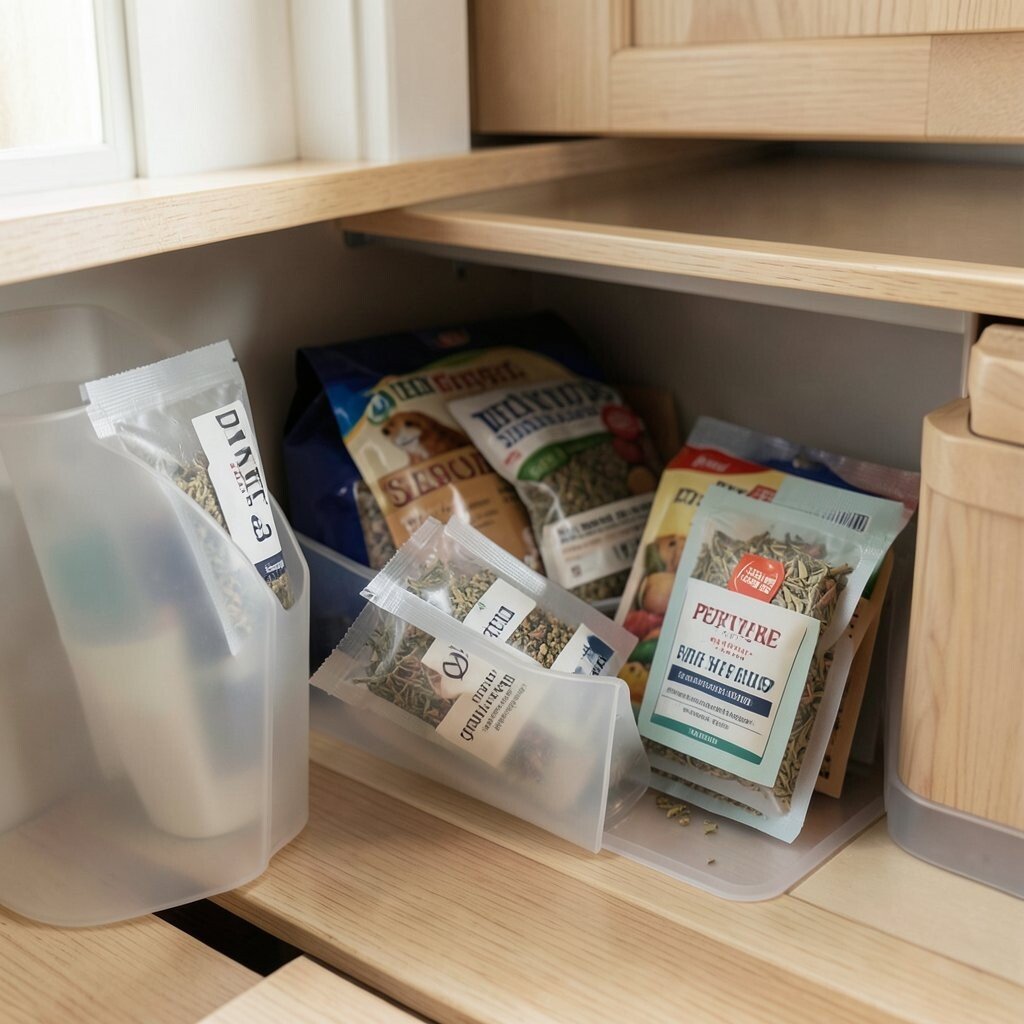
Use small sachets with dried herbs or pet-safe scent options near pet food, toys, or storage bins. Keep sachets away from direct pet reach and use sealed holders. The area may smell nice when you open the bin.
This is a way to personalize your home smell without spraying everything. It can also help with odor in closets and drawers. Choose mild scents and swap them out when the smell fades, so it stays pleasant instead of too strong.