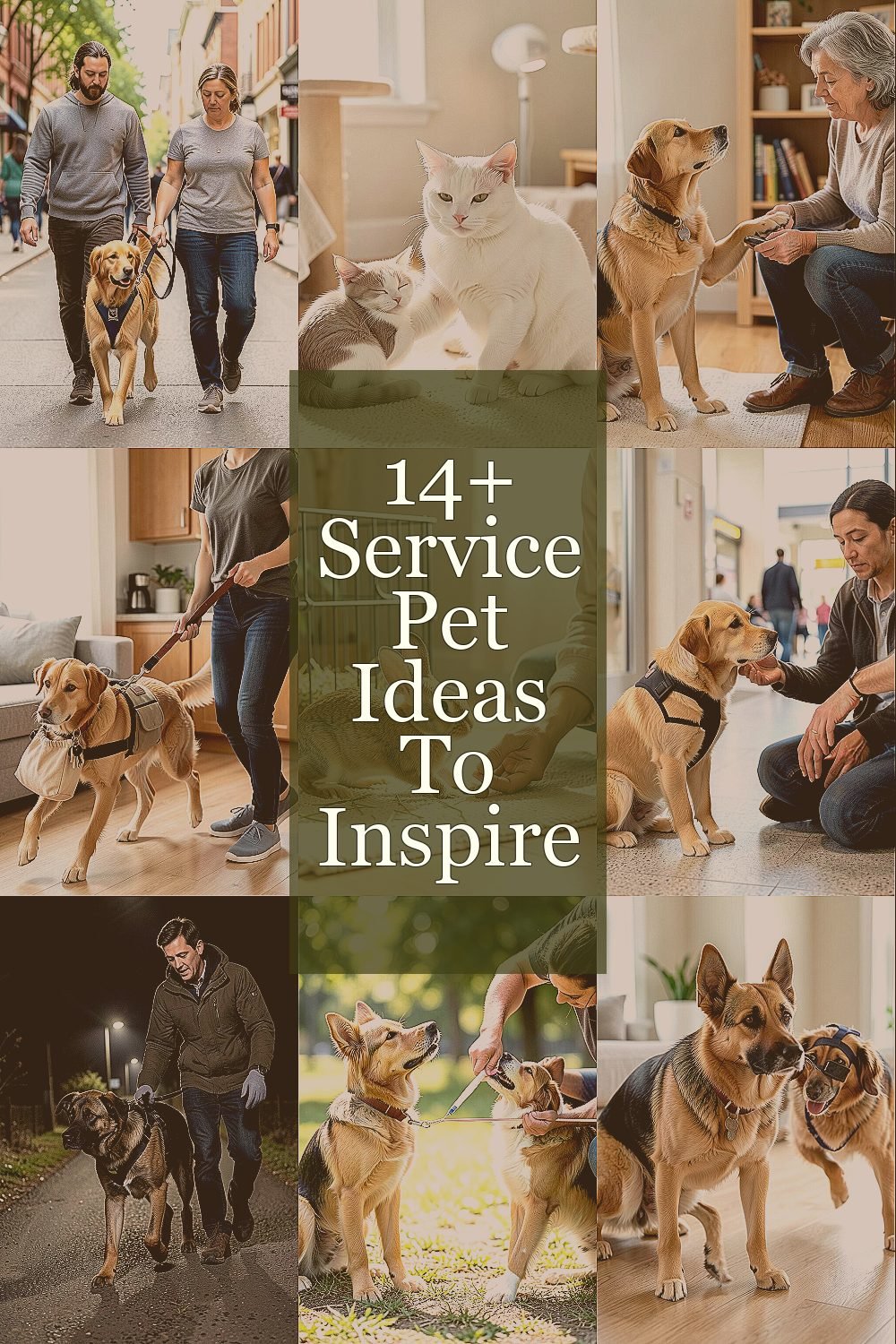
Service pets can help people feel steady and safe in daily life. These ideas share simple ways to train, care for, and use different pets for useful support.
1. Calm Guide Dog for Safe Walking
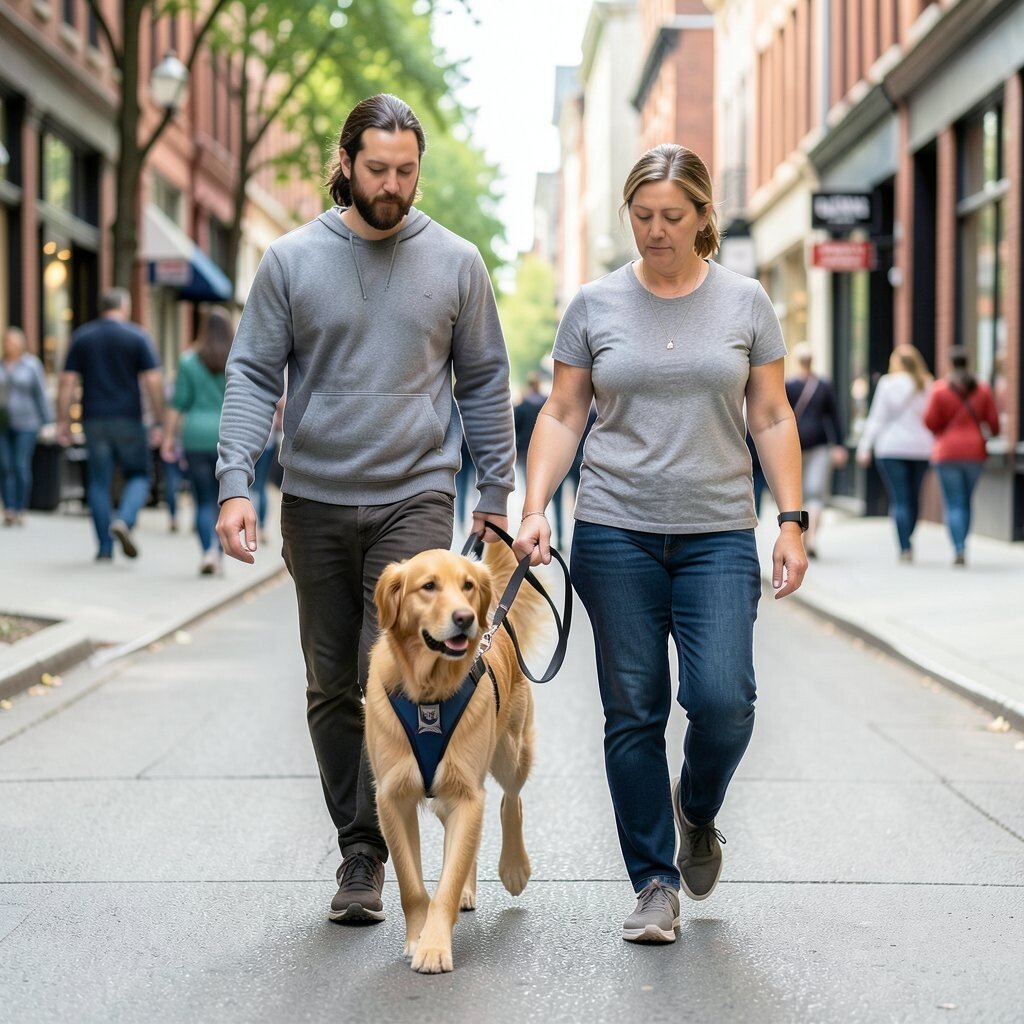
A calm dog can help someone walk in busy areas with less stress. Picture a small team: a handler who stays focused and a dog that moves slow and steady. Over time, the dog learns common routes and stays near the person’s side.
This kind of service work can help with focus and safer steps. It also gives a clear routine each day, like a set walk path and set break times. For cost, think about basic training, better leashes, and safe gear like a harness.
For a new start, use short practice sessions and reward calm behavior. Personalize the training by using the same route colors, store sounds, and sidewalk patterns. Some people also train in local parks first, then move to quieter street areas.
2. Therapy Cat for Gentle Comfort at Home
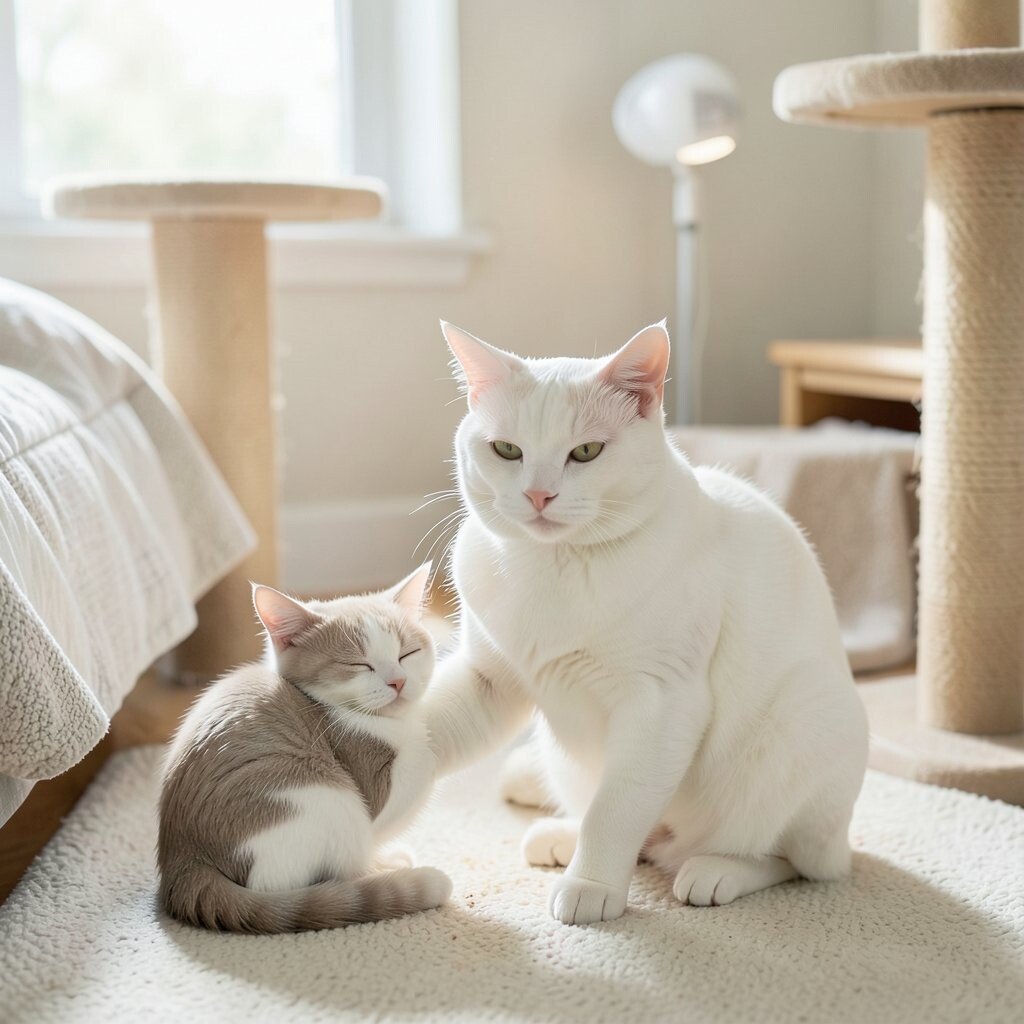
A calm cat can offer comfort with soft touch and steady closeness. Imagine a cat that sits by your feet, purrs, and stays calm during home routines. This can feel like a small safe spot that helps lower stress.
Many people enjoy a simple routine with a cat. It can also help with daily needs by giving a reason to rest and slow down. Costs are often lower than dogs, but you still need good food, litter, and regular vet visits.
To personalize, train the cat to use a set spot for petting and snuggling. Use treats for calm sitting and gentle staying. You can also set up a quiet room with a bed, a scratch post, and a light schedule.
3. Hearing Dog for Alerting to Sounds
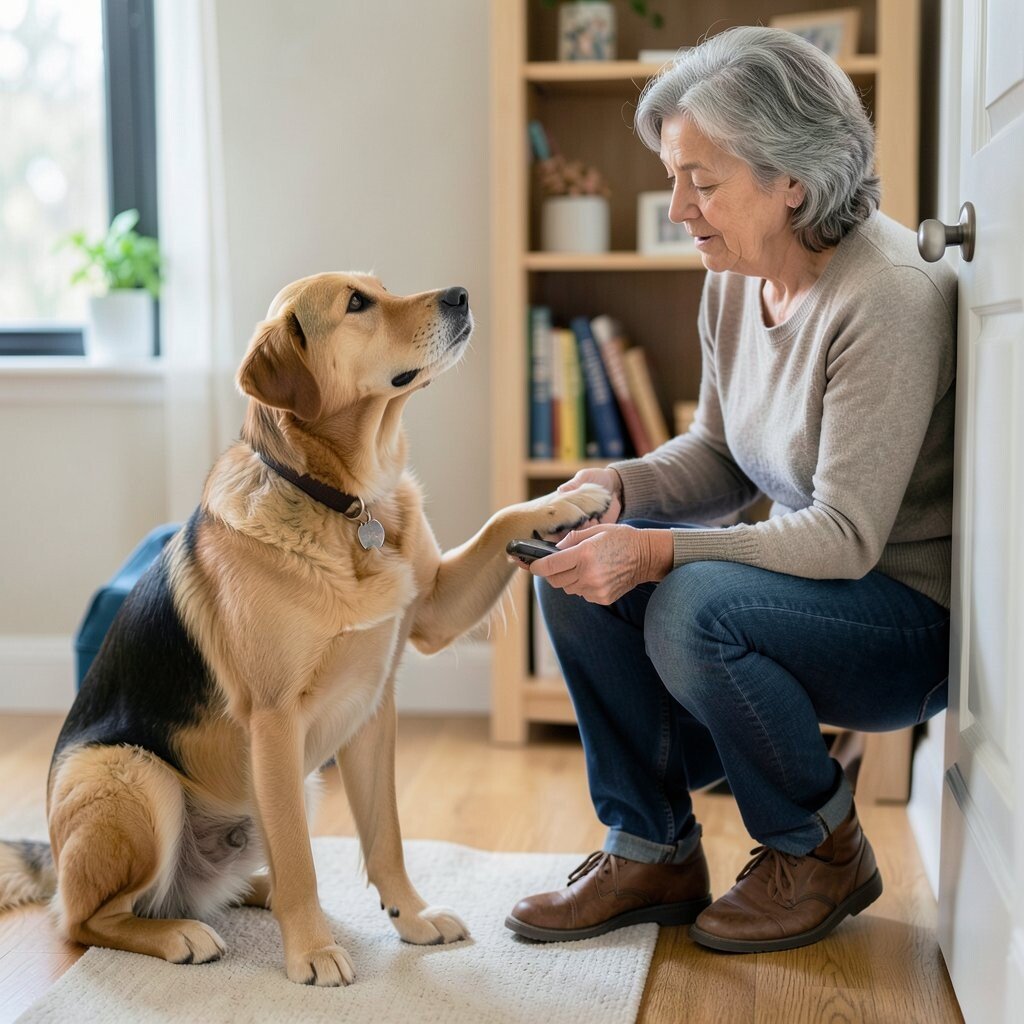
A trained dog can alert a person to sounds like door knocks, alarms, or phones. Visualize a dog that pauses, looks up, and then nudges the handler in a calm way. The handler can then check what the sound is.
This support can help reduce panic and help the person respond faster. It also adds a clear cue, like a specific nudge means “check now.” Training is not cheap, but costs can be spread out with group classes and at-home practice.
Try starting with one sound at a time and use a simple alert action. Many teams practice with a phone alarm at home and reward quick response. Personalize the sounds by listing what matters most in the person’s daily life.
4. Mobility Dog for Fetching and Carrying
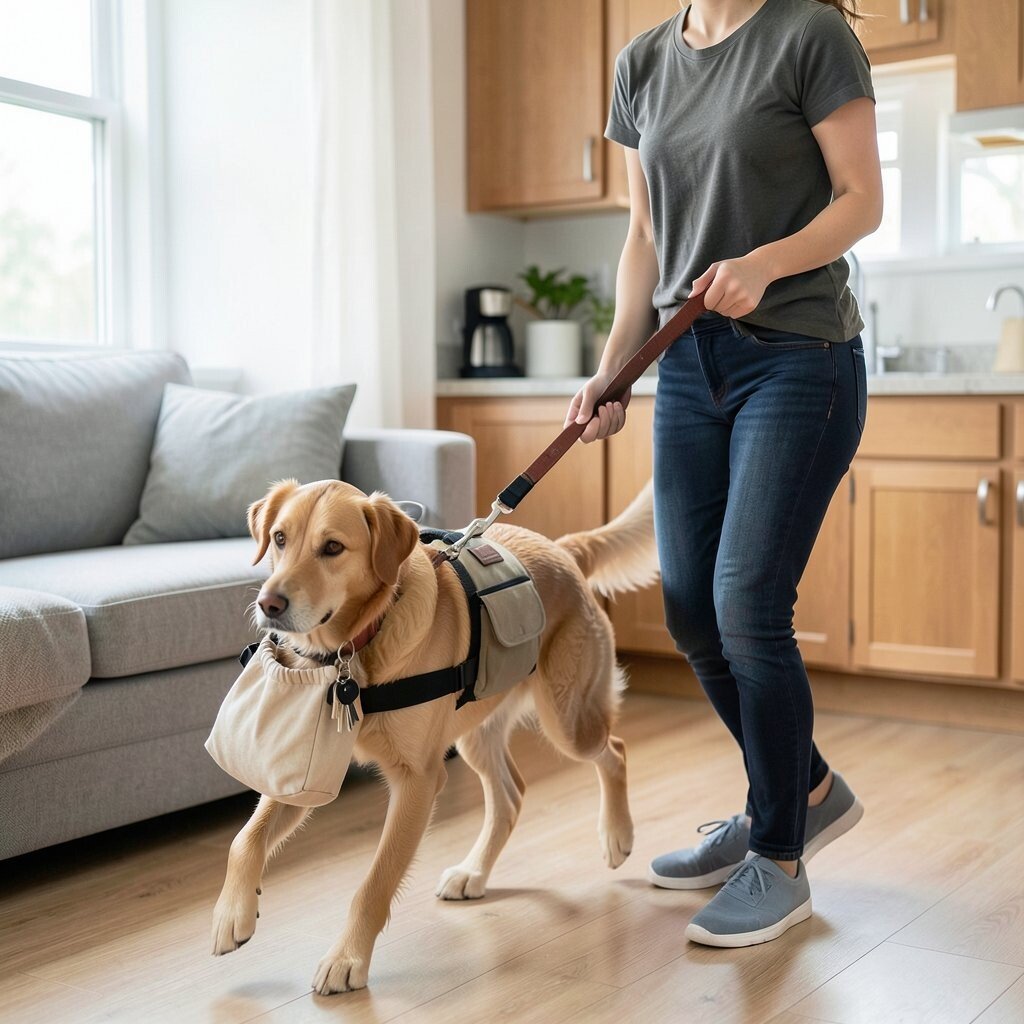
A helper dog can bring items and support simple mobility tasks. Picture a dog that trots back with a cloth bag, a light item, or a set of keys in a safe carry pouch. The handler stays more in control and does not have to bend as much.
This work can help with daily life tasks like getting water, picking up light items, or finding dropped things. It also helps the person keep energy for the day. Costs may include a training plan, a safe carry bag, and sturdy leashes.
For tips, teach “pick up” and “bring back” in a quiet room first. Then practice near common places like a couch and a kitchen counter. Personalize the list by choosing items the handler uses often.
5. Service Bunny for Structure in Quiet Time
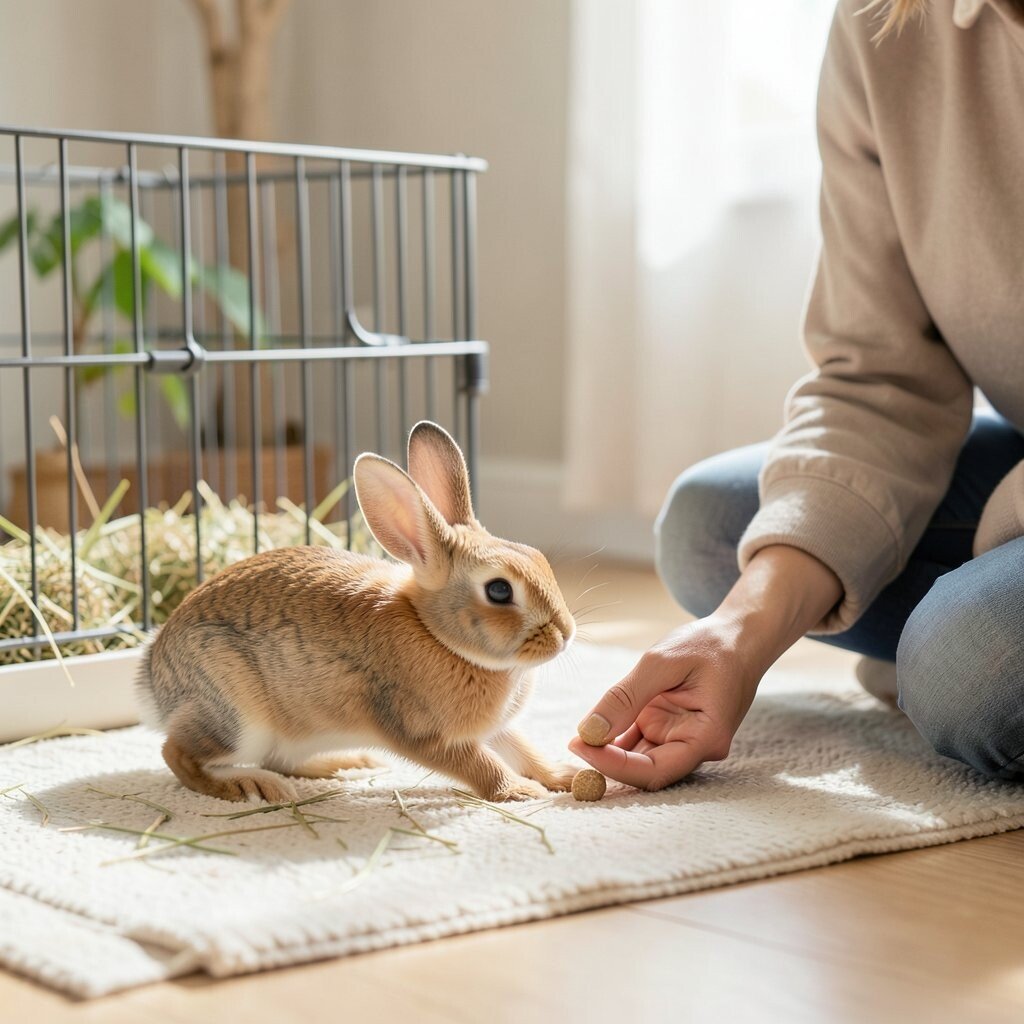
A small pet rabbit can support gentle daily structure with calm handling. Imagine a rabbit that hops to a set spot for treats and stays calm during short touch checks. This can help people enjoy quiet time and feel less rushed.
Using a rabbit in a service style can help with focus and routine. It can also help someone practice steady care tasks like feeding at set times. Costs are usually medium, mainly for a good cage, hay, and vet checks.
To personalize, set a calm schedule and use the same feeding sounds. Train with tiny steps, like letting the rabbit sniff your hand and then taking a treat. Make sure the setup is safe for the rabbit and easy for the person to manage.
6. Emotional Support Training for Safe Public Calm
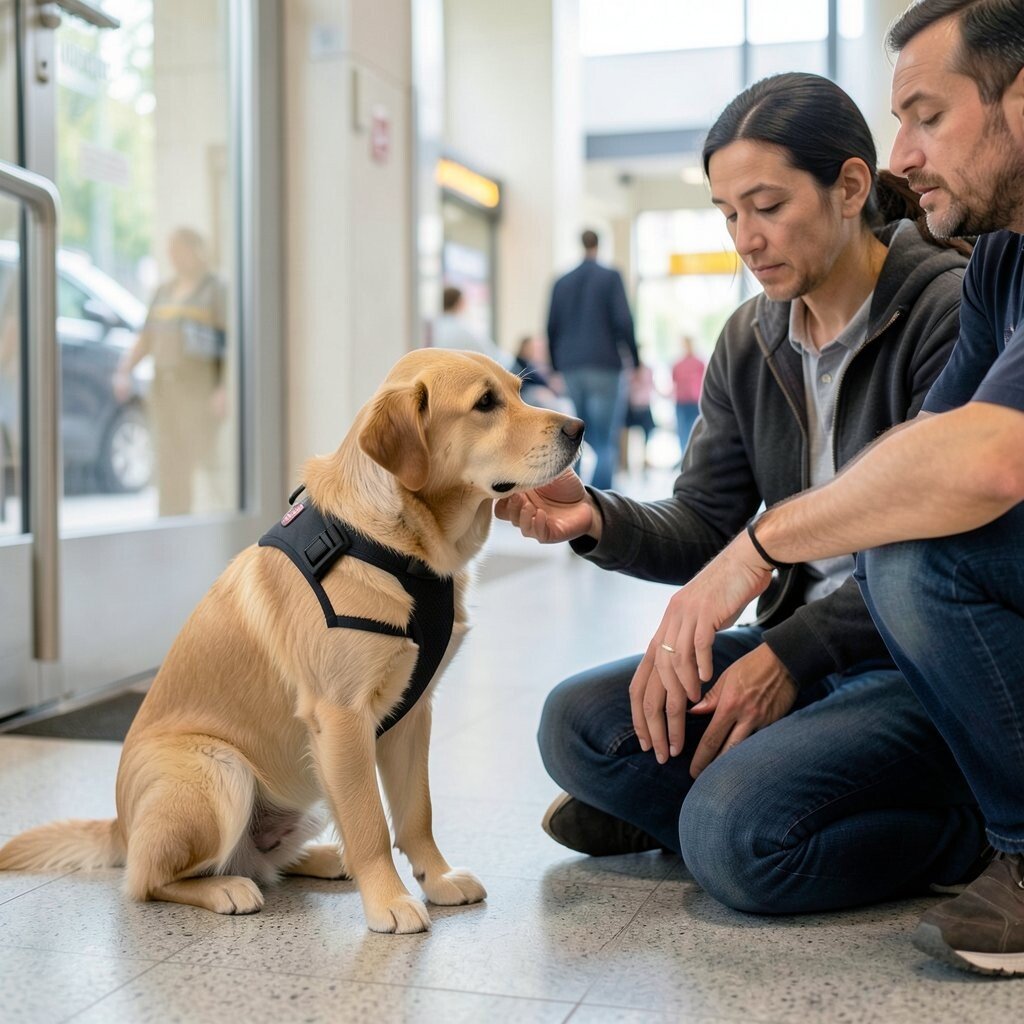
A trained pet can help a person stay calm during stress in public places. Picture a dog or cat that stays close, looks to the handler, and waits quietly. This can give a steady feeling in lines, waiting rooms, and busy stores.
This can help with breathing, focus, and coping skills. It also adds comfort during hard moments when the person feels overwhelmed. Costs depend on training time, gear like a vest, and regular health checks.
Try short “public calm” practice in small steps, like sitting near a door first. Reward the pet for calm body language, not for loud excitement. Personalize the plan by matching it to the places the person visits most.
7. Guide Dog for Night Safety and Low Light Routes
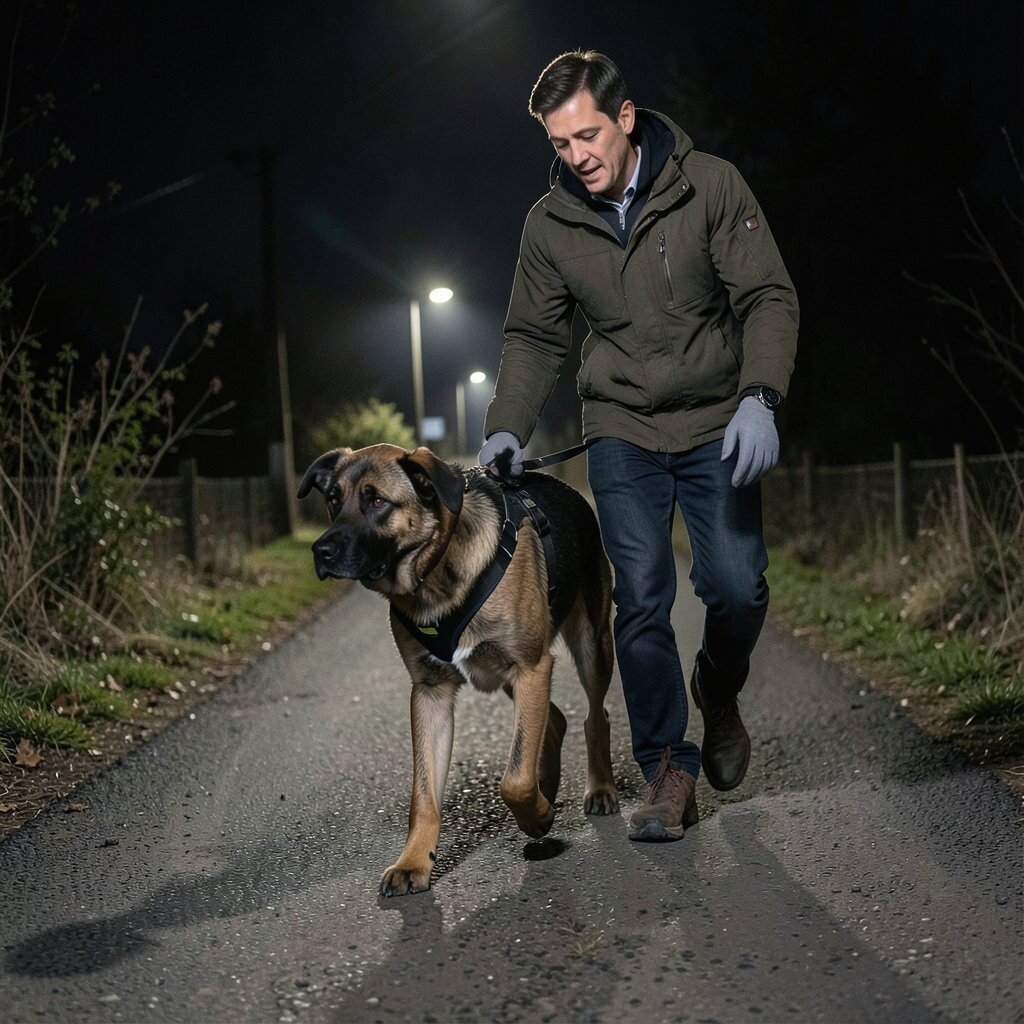
A service dog can help someone move safely when light is low. Imagine a dog that steps carefully, keeps pace, and pauses at known obstacles. The handler trusts the dog to signal “slow” and “watch.”
This support can help with safer trips to the car, short walks, or evening errands. It can also build trust through a clear routine. Costs include training, a good harness, and safe gear for night visibility.
For tips, practice in safe open spots with controlled light at first. Then move to areas with steady paths and known hazards. Personalize by using the same walking route times each week so the dog learns patterns.
8. Diabetic Alert Dog for Smarter Health Checks
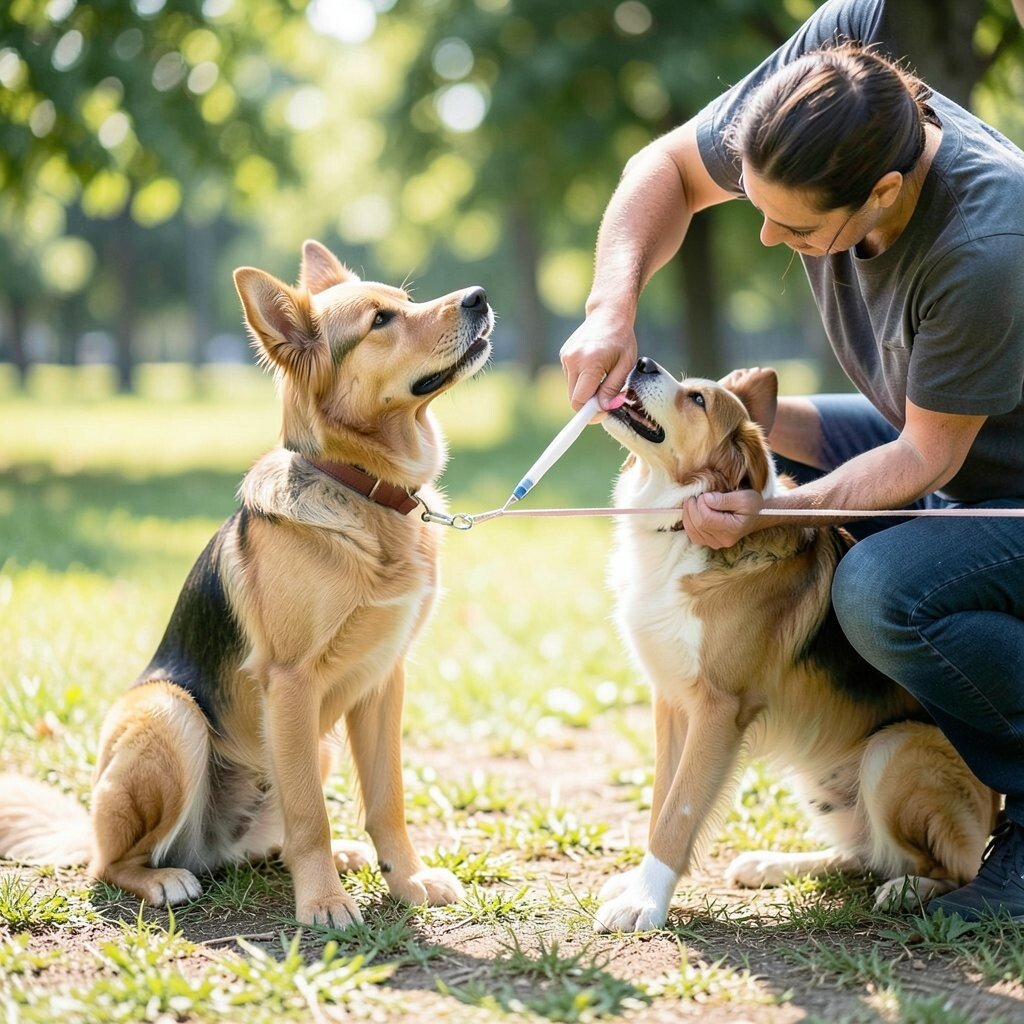
A well-trained dog can alert a handler to changes linked to low or high blood sugar. Picture a dog that suddenly shows a clear behavior cue and then waits for the handler to check. The cue stays calm and focused, not wild or loud.
This kind of alert can help the person act early and stay safer. It can also reduce fear because the handler gets a clear “check now” moment. Costs may include training, vet care, and the tools the handler uses to test blood sugar.
Try working with a qualified trainer and follow a clear testing routine. Personalize the signals by logging alert times and matching them to test results. Keep the plan simple and repeat the same steps every time.
9. Seizure Response Dog for Quick Help
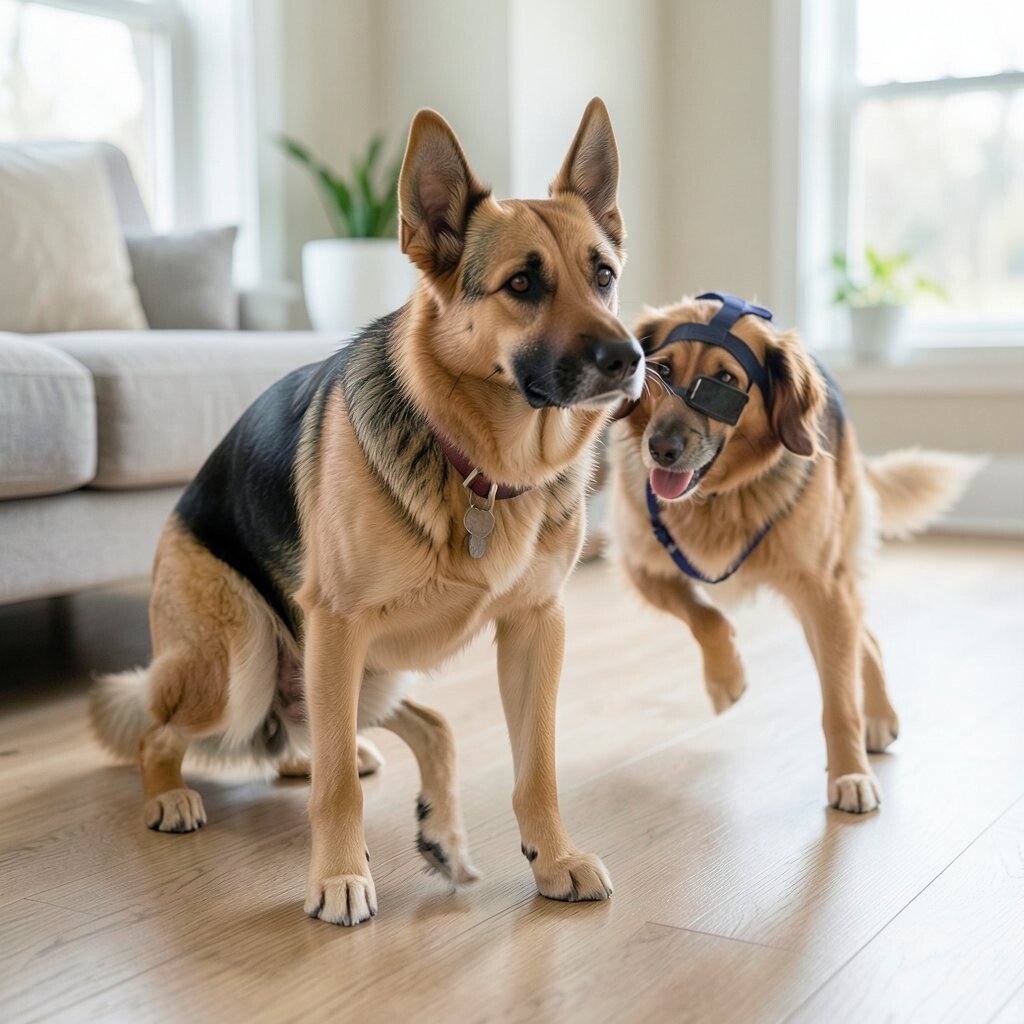
A service dog can help with seizure response by fetching help or bringing a phone when needed. Imagine a dog that stays attentive, then moves quickly and safely when a seizure starts. The dog may also help keep space clear by guiding others back.
This support can help a person feel less alone in a big health worry. It may also help with faster help from others in the home or nearby area. Costs can be higher because the training takes time, plus gear and vet checks.
For tips, set a clear plan with family or caregivers. Practice what to do before any real event, like calling a specific number and using a set phone pouch. Personalize by sharing the exact signs the dog should watch for and when to act.
10. Dog “Find It” Helper for Lost Items
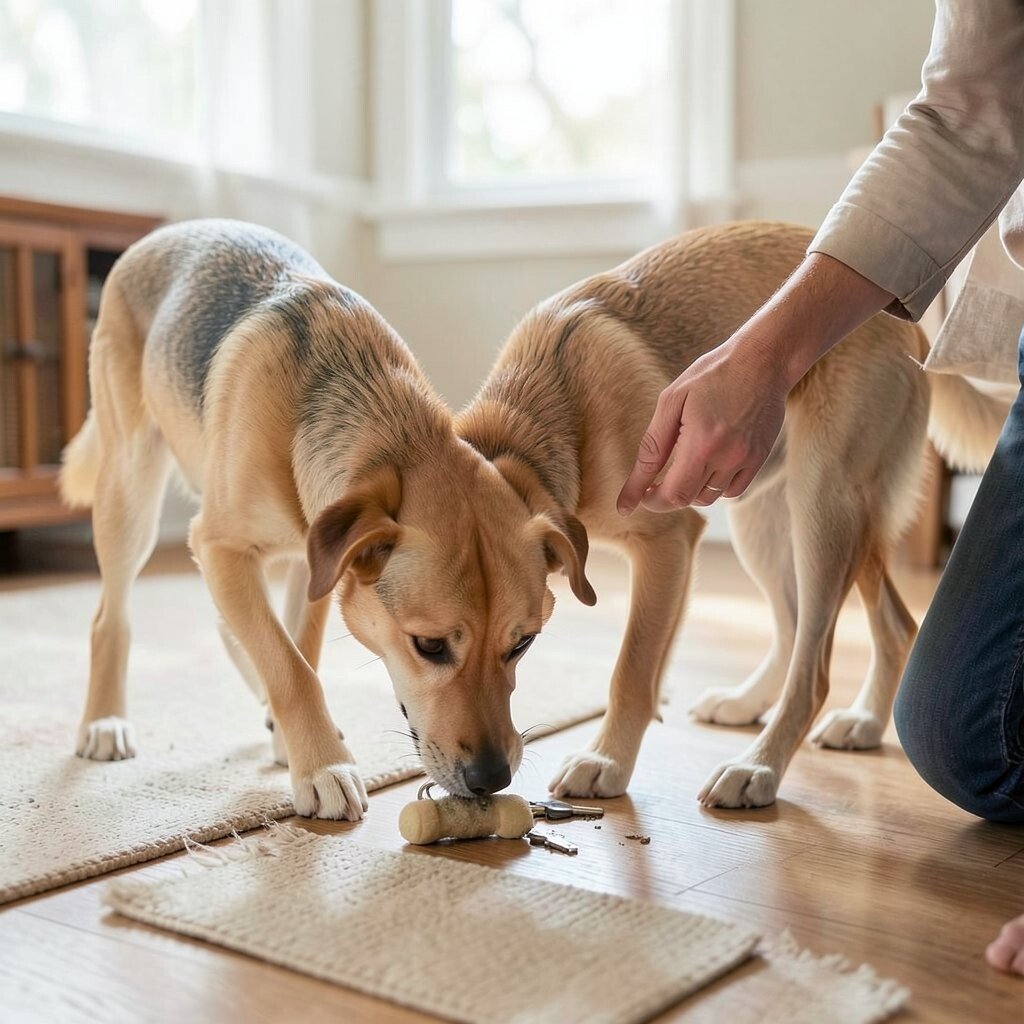
A search-and-find helper dog can help locate lost items around the house. Picture a dog that sniffs near the spot, then leads you to the missing object. The handler feels less stuck because the dog turns searching into a guided step.
This can help reduce stress and save time when something important is missing. It can also make daily tasks easier, like finding keys, a wallet, or a phone pouch. Costs can stay low if you focus on scent games and basic training at home.
Try personalization by teaching “find keys” or “find socks” based on the handler’s items. Use a simple step system: show the dog the item scent, hide it, then reward the correct find. Keep sessions short so the dog stays focused.
11. Mobility Goat or Small Animal for Routines in a Calm Space
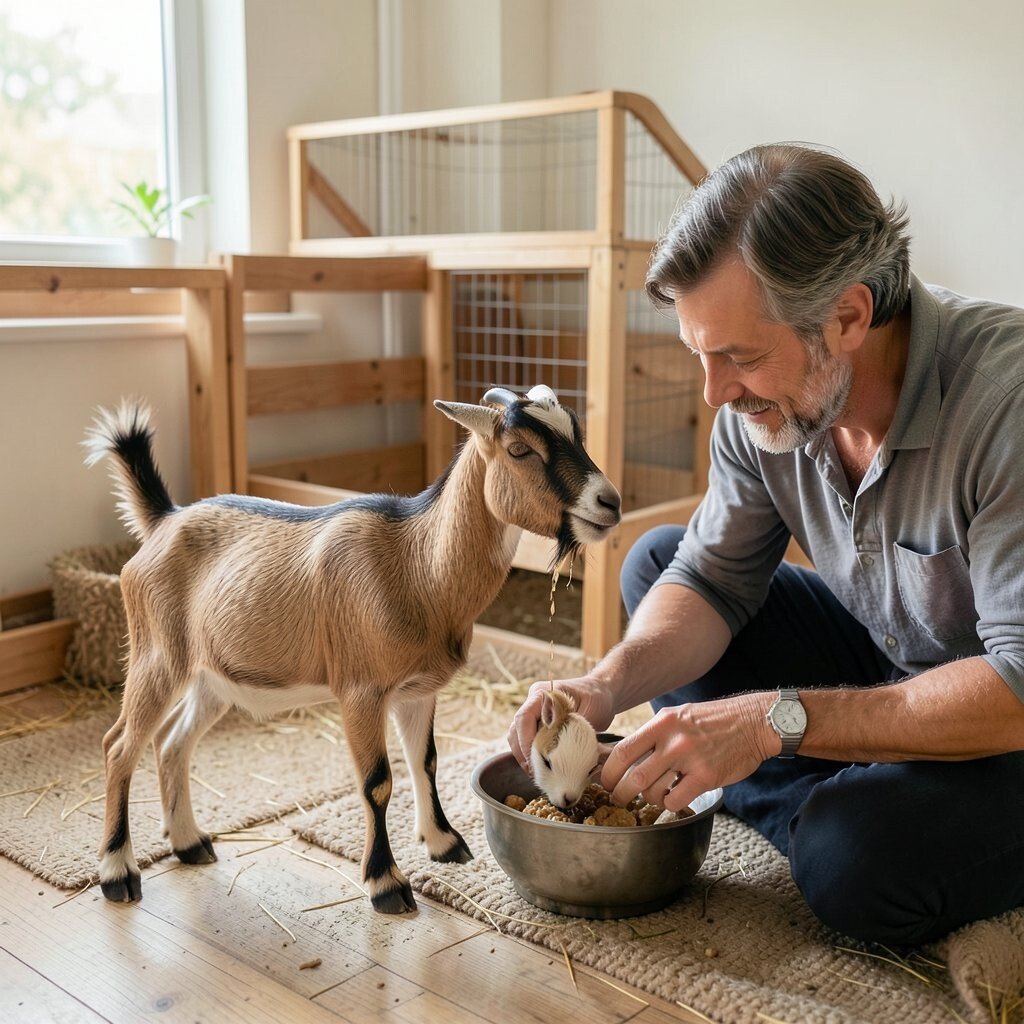
In some homes, a small goat or similar animal can support routine and calm care tasks. Imagine a quiet animal with a stable feeding time and a safe pen area. The handler learns patience and a steady schedule through simple care.
This kind of support can help people enjoy daily structure without heavy demands. It also teaches gentle responsibility, which can feel good. Costs may include fencing, bedding, and safe shelter, plus vet care.
Personalize the plan by keeping the animal area safe and simple to check. Use short handling sessions and reward calm behavior with food. If you go this route, learn local rules and plan carefully for safety.
12. Service Piglet for Weight Shifts in a Safe Setting
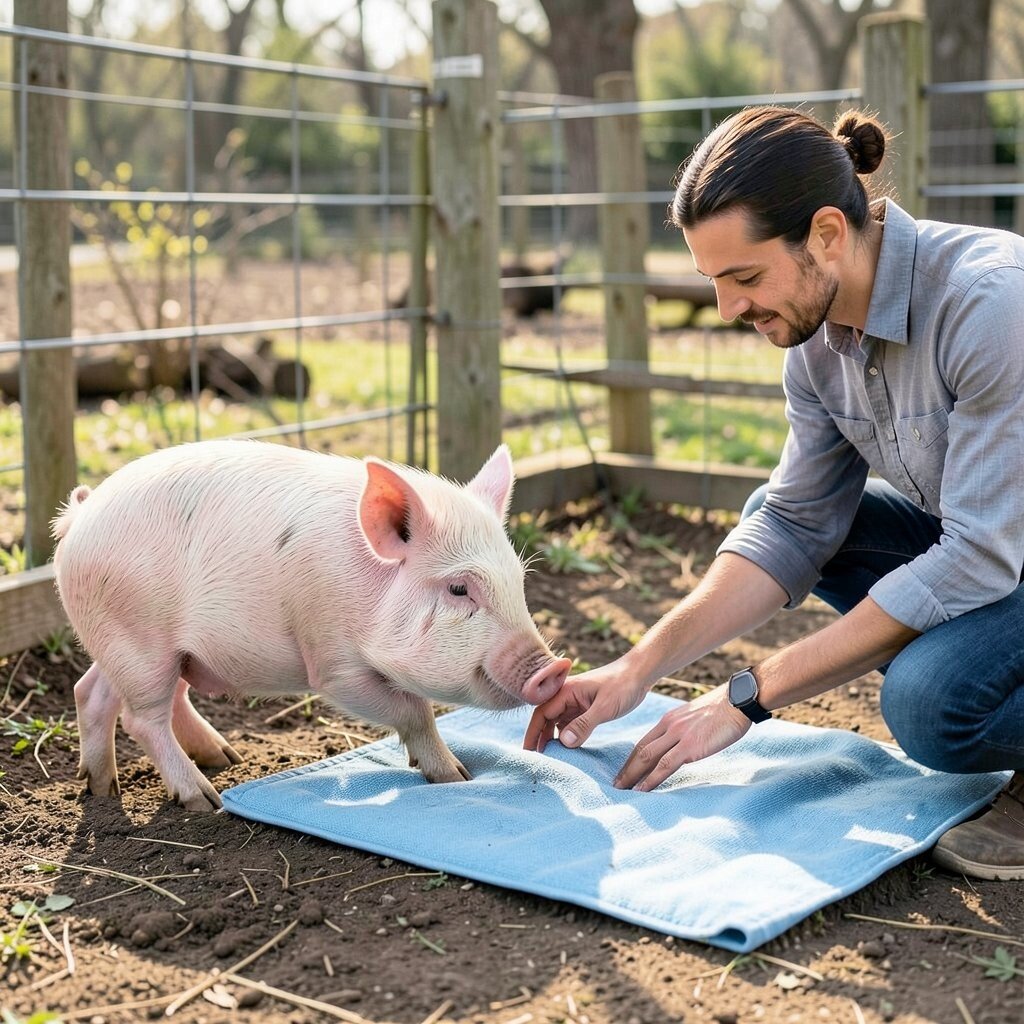
Some farms and special programs use mini pigs for comfort and calm touch work. Picture a pet that stays near a safe mat area and offers steady companionship. The handler can use this closeness as part of a daily calming routine.
This can help with stress support and routine, especially in calm home settings. It may also help people feel less tense when they need time to settle. Costs can be medium to high because pigs need good housing, safe fencing, and regular health care.
For tips, focus on calm ground behavior and safe handling rules. Personalize the setup by using one clear pen area and one clear “rest mat.” Train with consistent commands and avoid loud areas so the pig stays relaxed.
13. Seated Lap Dog for Anxiety Breaks With Clear Signals
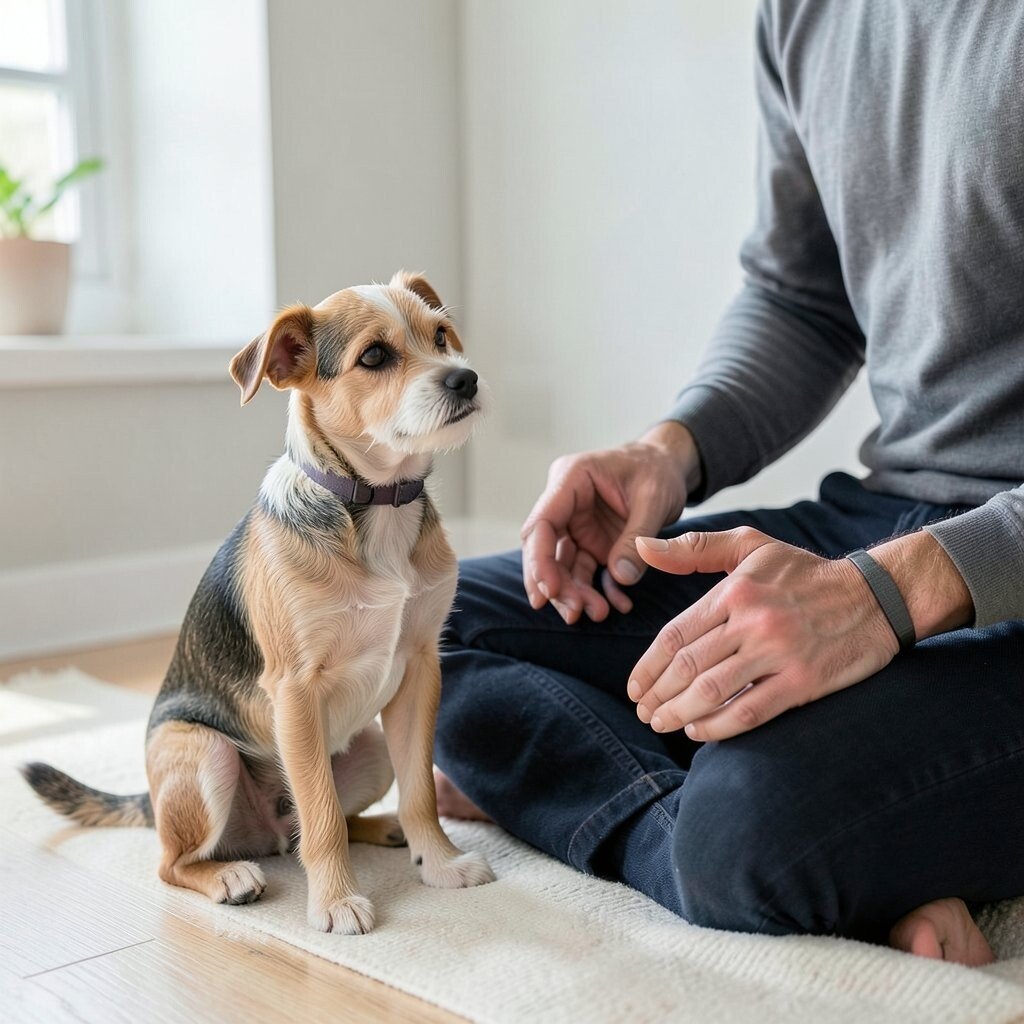
A small dog can be trained to give a clear “break” signal during anxiety. Imagine a dog that sits by the person, makes eye contact, and then waits for a calm task like breathing or drinking water. The handler learns to link that signal with a short coping plan.
This can help the person respond faster during stressful moments. It also makes coping feel more structured, not random. Costs include training treats, a comfy bed, and health care for a small dog.
Try personalization by choosing the exact coping steps the handler will do every time. Train the signal using short cues like a specific hand motion or a set word. Keep practice calm and repeat it often, so the dog stays reliable.
14. Service Dog for Crowd Reading With Safe Distance Skills
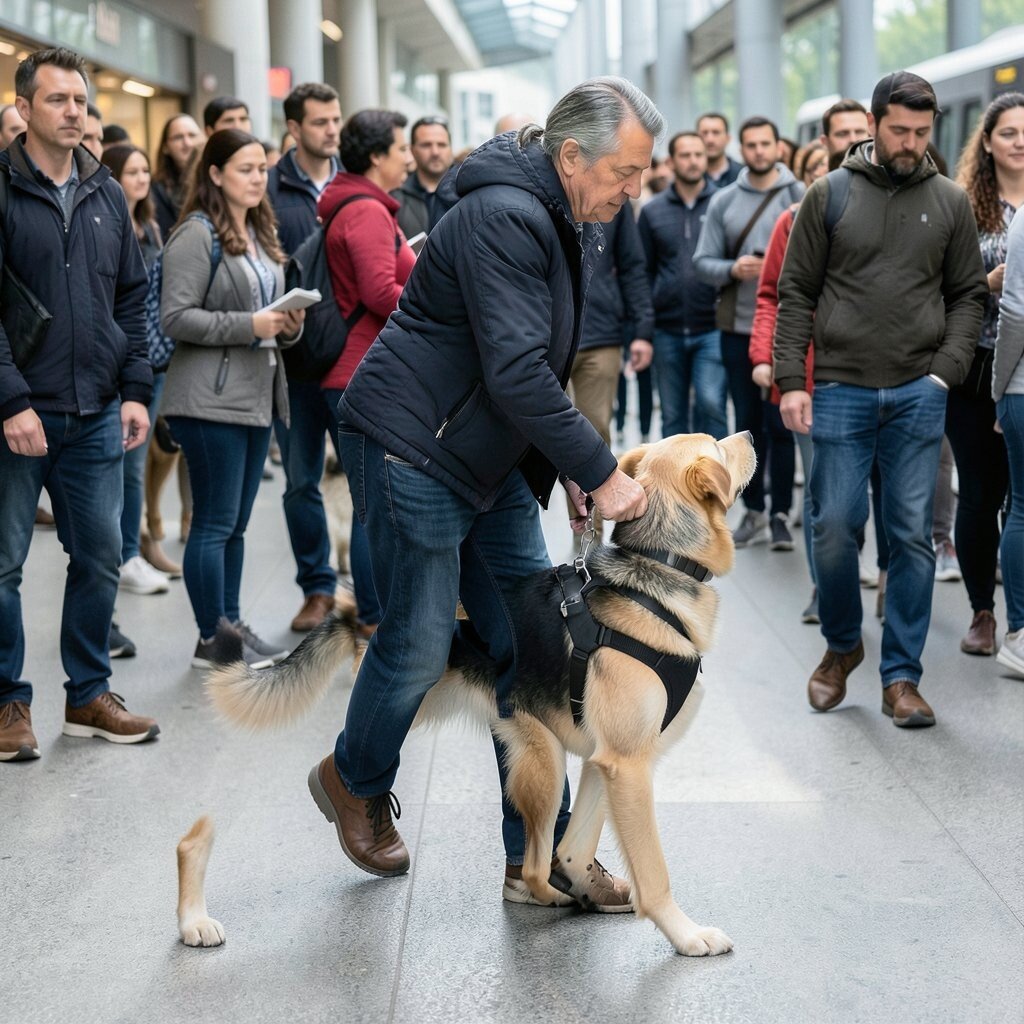
A trained dog can help a person handle crowds by teaching safe distance and calmer movement. Picture a dog that watches faces, stays close, and then steps back when people get too near. The handler uses the dog’s calm pace to avoid sudden panic.
This can help with safer choices in busy places like stores and transit areas. It may also reduce fear by adding a clear guide for when to move. Costs include training, a good vest or harness, and time to practice in steps.
For tips, practice in low-crowd times and use reward for staying relaxed. Personalize the route by picking places with similar layout, sounds, and crowds. Track what triggers stress and adjust the training plan with small changes.
15. Dog-Friendly Tech Companion for Health Logs and Reminders
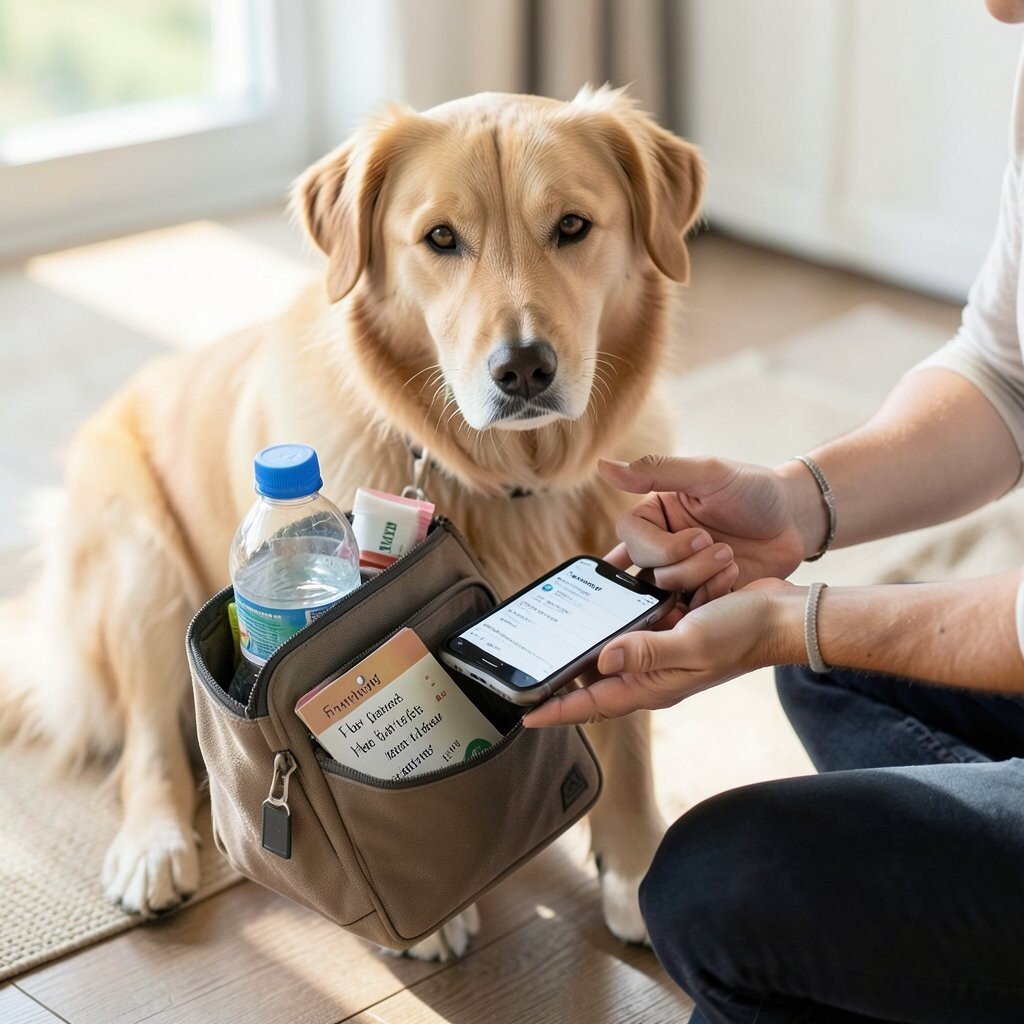
A service pet can help a person follow a daily health routine with simple support habits. Imagine a dog bringing a set bag that holds a phone, a water bottle, or a reminder card. The handler then checks a health log and takes the next step.
This can help people stay consistent with care plans. It also makes routines easier by turning “remembering” into a clear action. Costs can vary based on tech, but you can start with low-cost items like a tag bag and simple written notes.
Try personalization by matching the bag contents to the person’s real schedule. Add one step at a time, like “bring water” then “bring test kit,” so it stays simple. For trends, many people now use phone reminders, and the pet can help start the process at the right time.