Your furry friend needs a few key things to stay calm, safe, and comfy. When you set up daily basics, you help them feel well and act more like themselves.
1. A Comfortable Bed
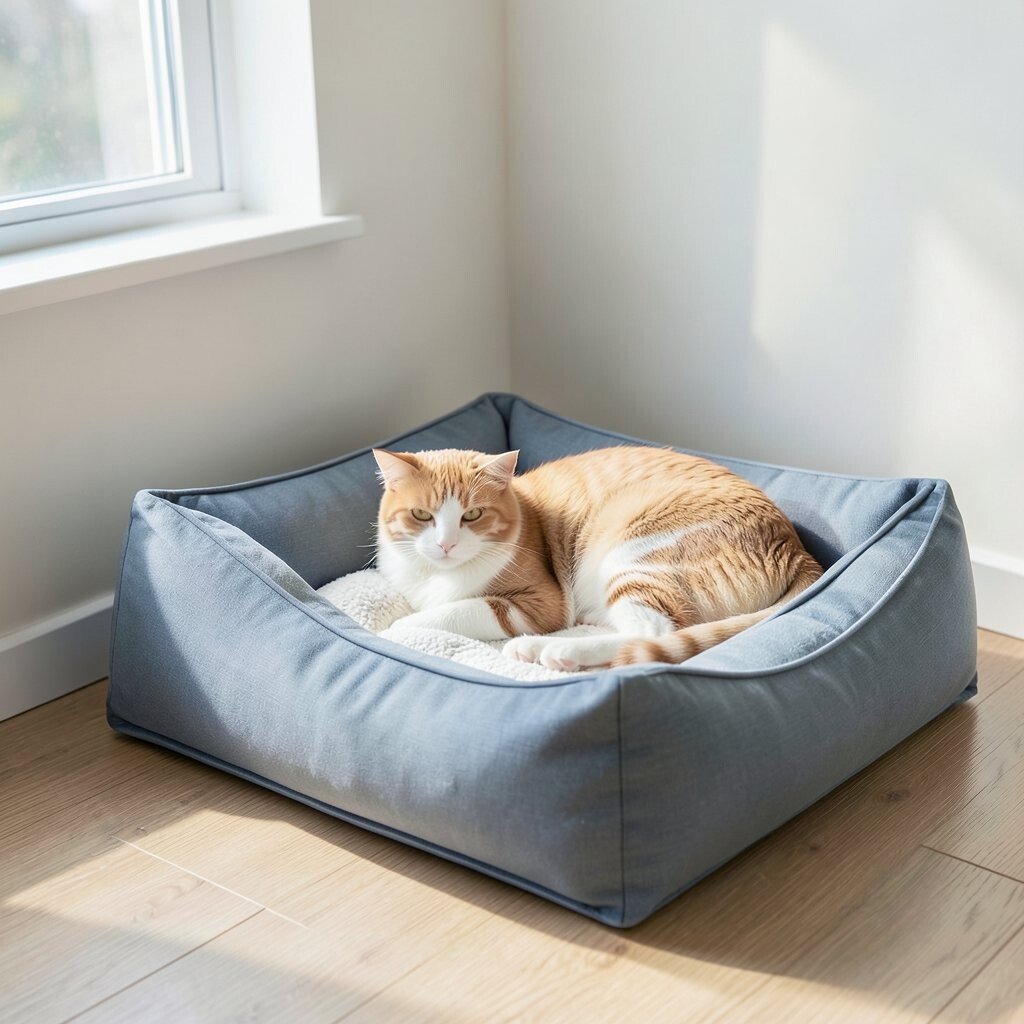
A good bed gives your pet a quiet place to rest. You can picture it as a soft spot in a corner, with clean fabric and a shape that holds up after naps. Pick a bed that fits your pet’s size so they can curl up or stretch out.
Beds can help with joint pain and keep your pet off cold floors. For tips, check that the cover is easy to wash and that the foam does not sink too much. If your pet likes to dig or scratch, choose thicker padding or a bed meant for that habit.
Cost can vary a lot, so set a simple budget and choose quality in one or two key spots. A trend right now is beds with cooling gel for warm rooms and thicker memory foam for older pets. You can also personalize by adding a familiar blanket that smells like home.
2. Food That Fits Their Needs
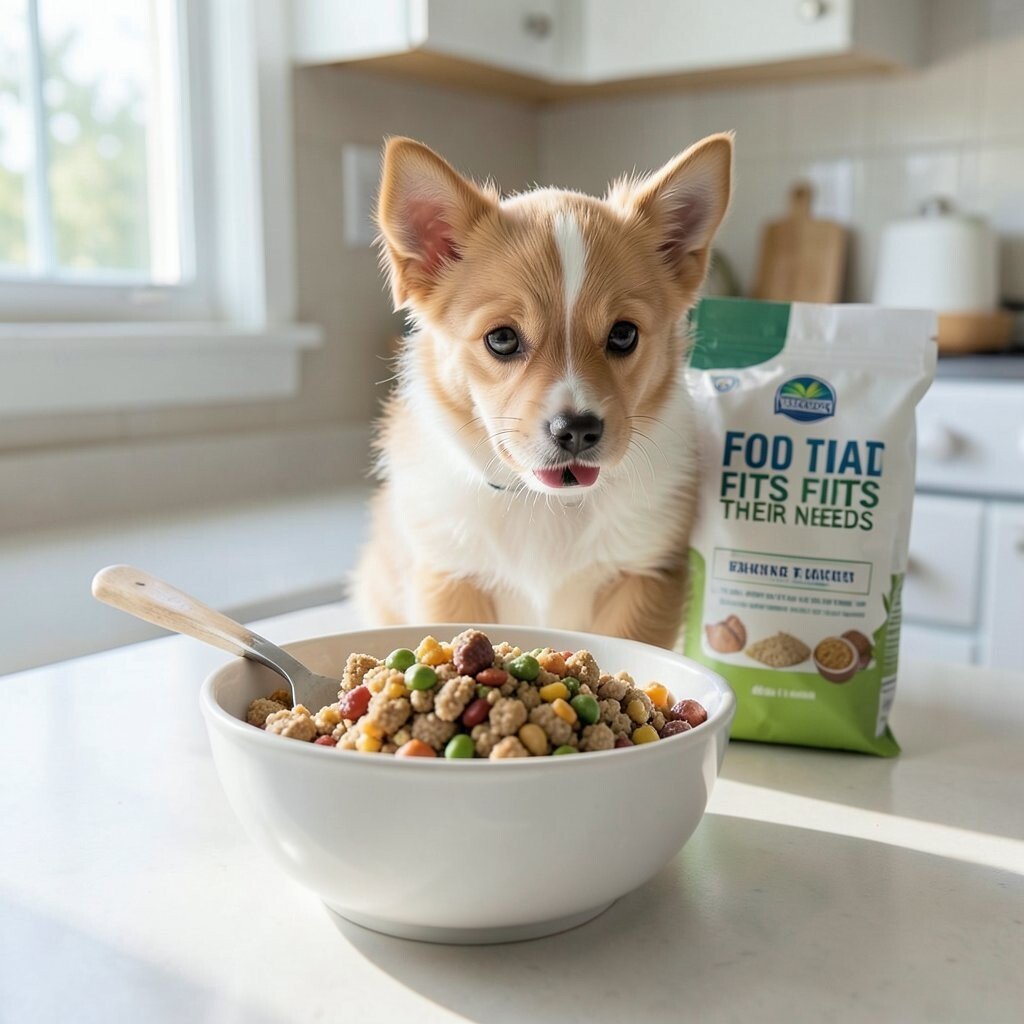
Food is one of the biggest daily needs, so it matters what you serve. Think of a bowl in the kitchen with the right scoop size for your pet’s body and age. Use food made for your pet’s life stage, like puppy, adult, or senior.
Good food helps support skin, coat, energy, and digestion. For tips, keep treats small and do not mix in random extras too fast. If you want to change food, switch over slowly across days so their stomach can adjust.
Unique needs are common, too, like allergies or a sensitive stomach. Talk to your vet if your pet gets itchiness, loose stool, or weight changes. Cost can fit most budgets if you buy the right size bag and avoid overdoing costly “mix-ins” every day.
3. Fresh Water Every Day
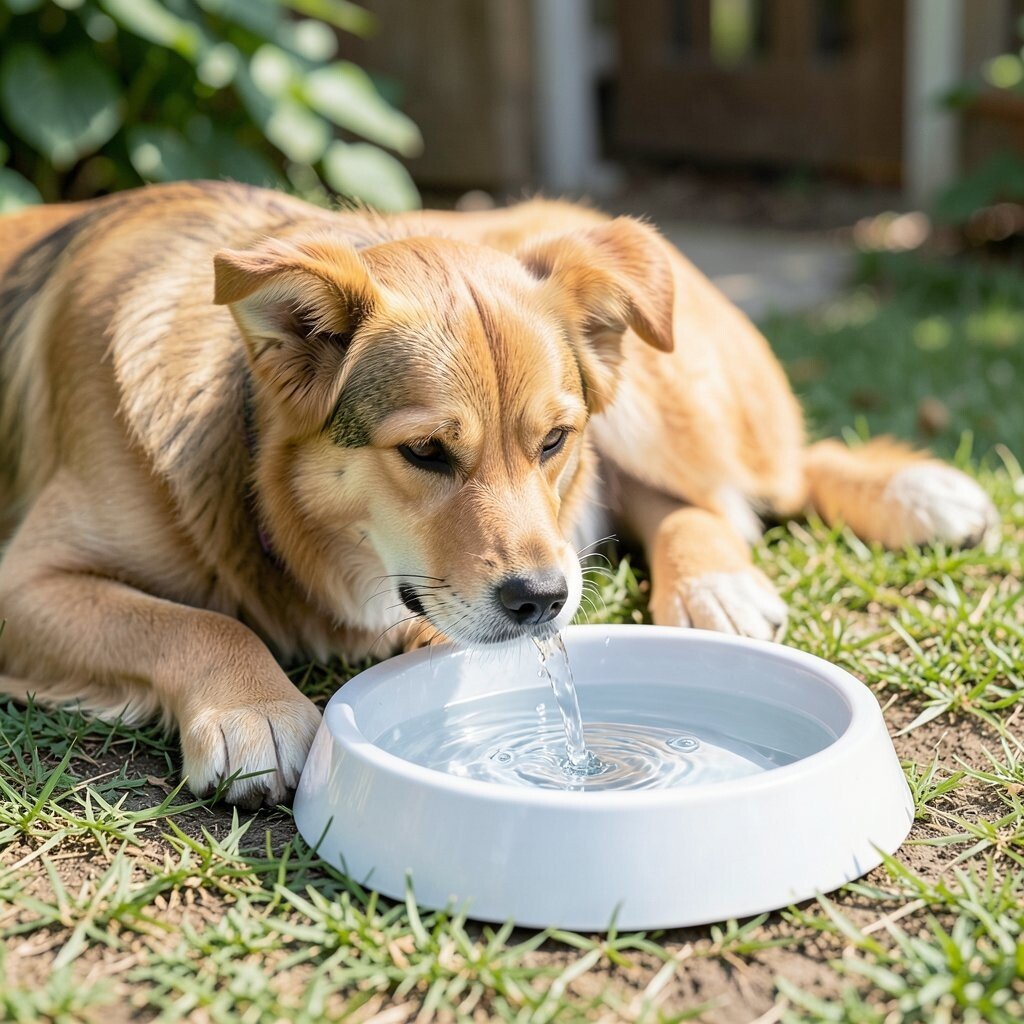
Water should be ready all day, not just during meals. You can picture a clean water bowl near where your pet rests, with a steady level that does not run low. Keep the bowl where your pet can reach it easily and not have to walk far in a busy area.
Fresh water helps prevent dehydration and supports healthy kidneys. For tips, wash the bowl with mild soap and rinse well, then refill with clean water. If you notice a film smell or cloudy water, clean it right away.
Some pets drink more when the water tastes fresh, so it helps to replace it more often in hot weather. A trend is pet fountains that keep water moving, which many pets seem to like. The cost is higher than a basic bowl, but you can choose one if your pet refuses still water.
4. A Safe Collar and ID Tag

A collar with an ID tag helps keep your pet safe if they ever slip out. Imagine a tag that catches the light as your pet walks, with clear contact info you update when needed. Choose a collar that fits snugly, so it is not too tight or loose.
The benefit is peace of mind, since a quick ID check can help your pet come home faster. For tips, use a tag that has your phone number and a backup number if you can. Check the fit often as your pet grows, especially for kittens, puppies, or weight changes.
If your pet is good at wiggling out, you may want a no-pull harness instead of only a collar. Some people also add a microchip, which is not the same as an ID tag but works as a strong backup. Costs can be low for tags, while microchips may require a visit to a clinic.
5. A Daily Walk or Play Time
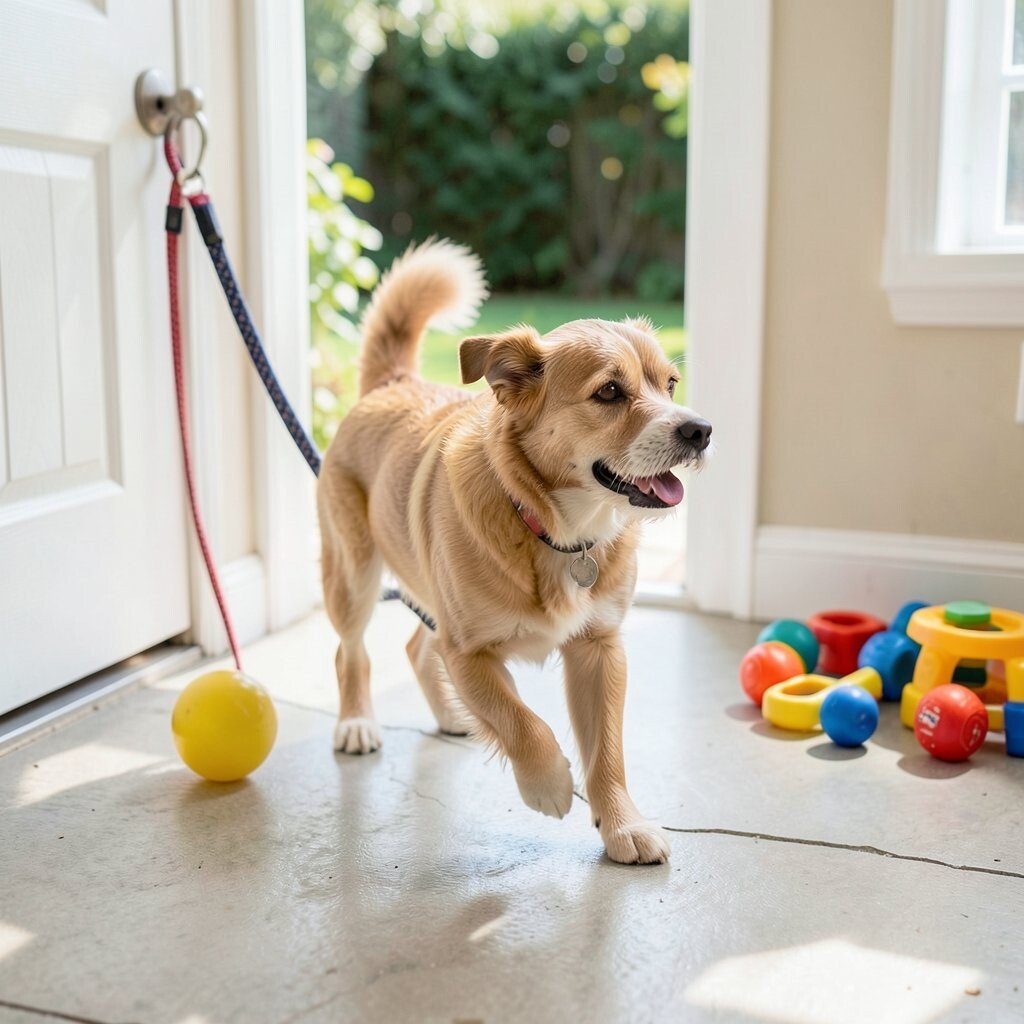
Most pets feel better with daily movement and time to use their energy. You can picture a leash on a hook by the door, or toys lined up near a play spot. Even if you cannot do a long outing, shorter times spread across the day can help.
Movement helps with weight, stress, and calm behavior at home. For tips, watch how your pet acts and match the pace to their needs. If your pet seems tired or sore, slow down and choose gentle play.
Many owners pick fun trends like puzzle feeders for cats or scent games for dogs. These ideas help your pet focus and feel busy in a good way. Personalize the plan by using your pet’s favorite toy, like a ball, wand toy, or chew stick, and rotate it so they do not get bored.
6. Training Tools and Simple Commands
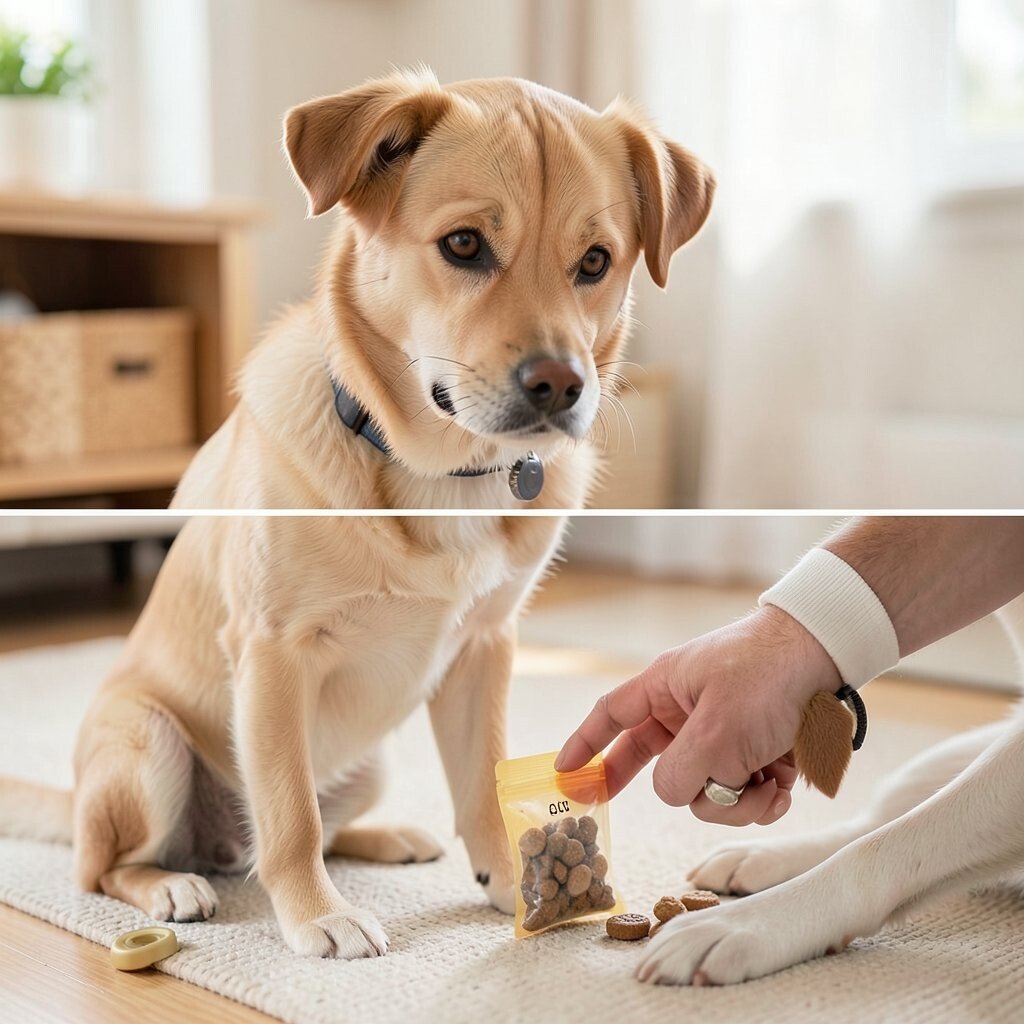
Training helps your furry friend know what to do and what to expect. Think of a small treat pouch and a soft clicker or a simple word cue in your pocket. Use clear, simple words like “sit,” “stay,” or “come,” and keep the steps steady.
When your pet learns basics, it can make daily life safer and easier. For tips, reward good actions right away, and keep sessions short so your pet does not get bored. If your pet makes a mistake, stay calm and guide them back without yelling.
Cost can stay low by using common items like a collar, treats, and a quiet space. A trend is short training videos and target training, where pets touch a hand or nose to a spot. You can personalize by training around your pet’s habits, such as teaching “leave it” for curious pets.
7. Grooming and Brushing Tools
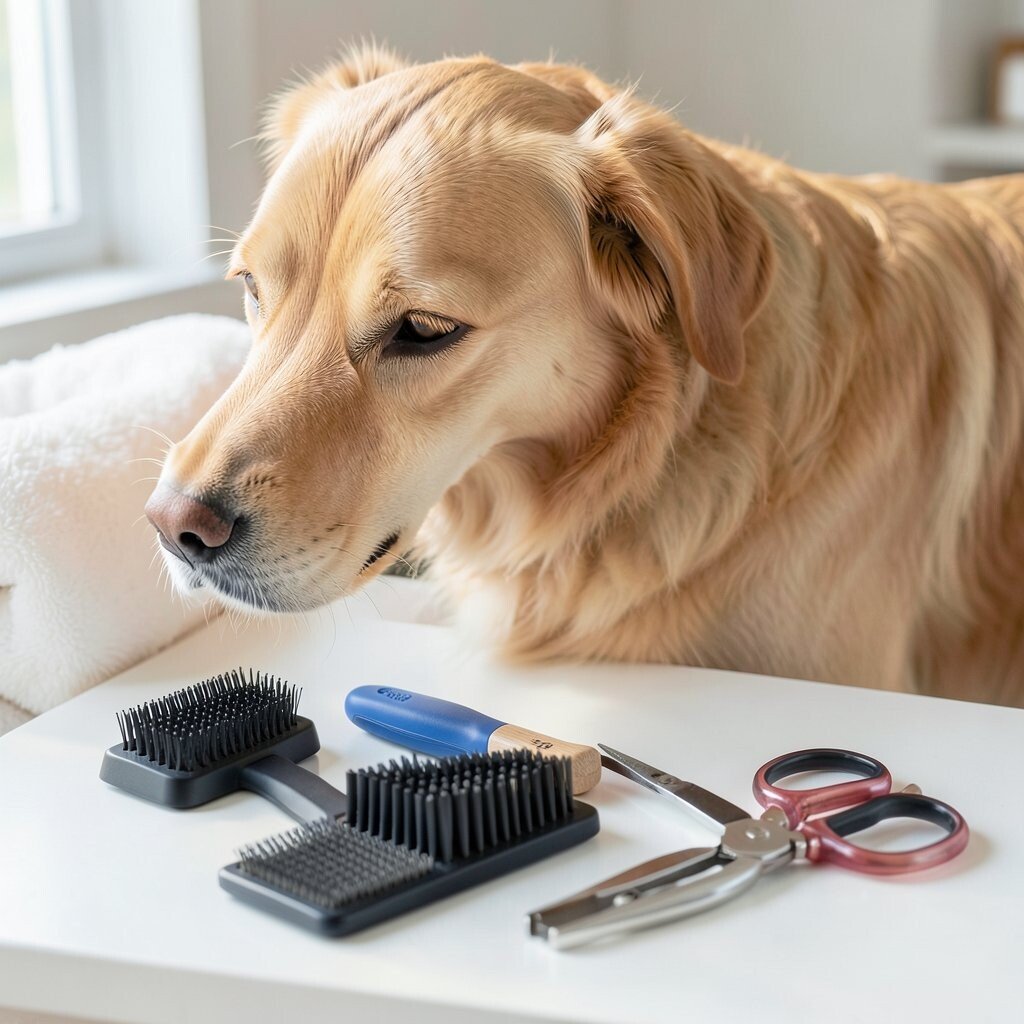
Grooming keeps your pet’s skin and coat in good shape. You can picture a brush that fits their fur type, with neat strokes and a calm pet leaning into the motion. Brush more often for long fur and less for short fur, but still check for tangles.
Regular brushing helps cut down shedding and can spot small issues early. For tips, brush gently and stop if your pet seems in pain. Use pet-safe shampoo if a bath is needed, and dry them well so they do not get chilled.
Some pets need nail trims and ear checks too, based on their habits. A unique setup is a grooming kit with a slicker brush, deshedding tool, and nail clippers that fit your hand. Costs can be managed by buying one quality brush and adding tools only when you need them.
8. Safe Toys for Play and Chewing
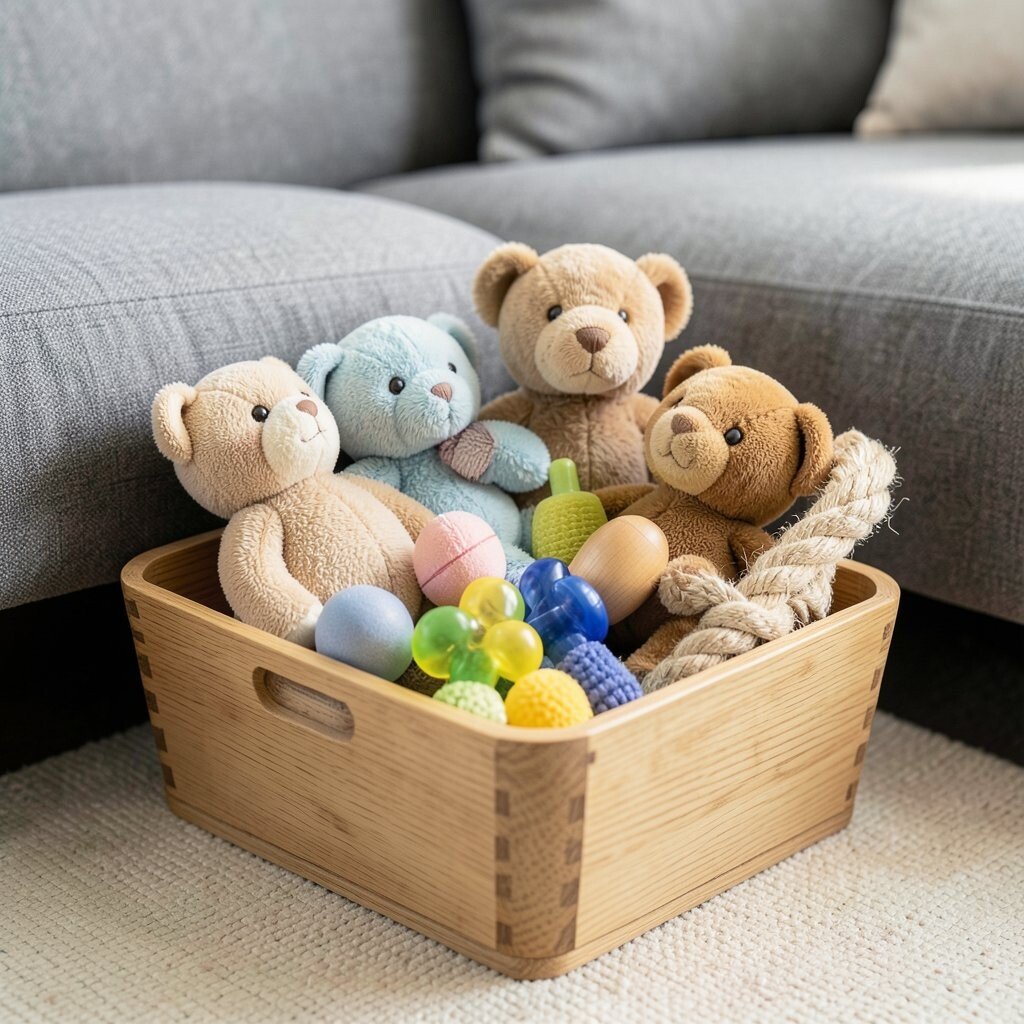
Toys help your pet stay busy and can reduce bad habits like chewing shoes. Imagine toys in a small bin by the couch, with a mix of soft toys, chew toys, and a few rope items. Pick toys that match your pet’s strength, age, and chewing style.
Good toys offer mental work and comfort, not just fun. For tips, check toys for small tears and replace them when they break down. Rotate toys every few days so your pet keeps interest without you buying a huge pile.
Trends include tough chew toys made for strong jaws and slow feeders for stress. You can personalize by choosing shapes and textures your pet likes, such as crunchy squeaks for some pets or flat plush for others. Cost can stay reasonable if you buy a few durable items and keep them clean.
9. Litter Box or Potty Setup
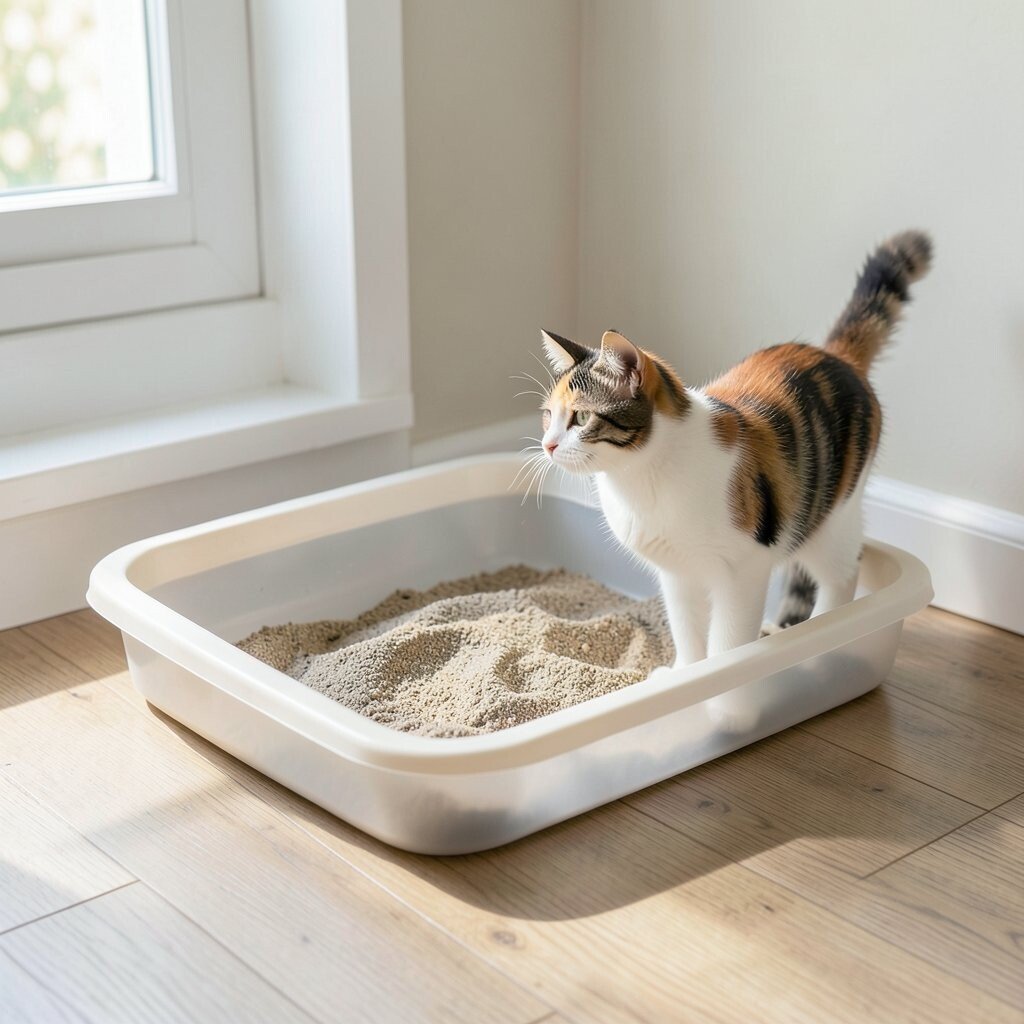
A clear potty plan helps your cat or small pet feel safe and avoid stress. You can picture a litter box in a calm spot, away from loud noise and strong smells. Choose a box size that lets your pet stand and turn easily.
The benefit is fewer accidents and better bathroom habits at home. For tips, scoop daily, change litter on a steady schedule, and use an unscented option if your pet is picky. Place the box where your pet already likes to hang out, then keep it there.
Some owners use liners, covered boxes, or different litter types, and those can help or hurt depending on your pet. A trend is low-tracking litter that keeps floors cleaner, but you should still watch how your pet reacts. Cost varies, but you can lower it by using the right litter amount and avoiding wasteful extras.
10. Health Check Supplies and Vet Visits
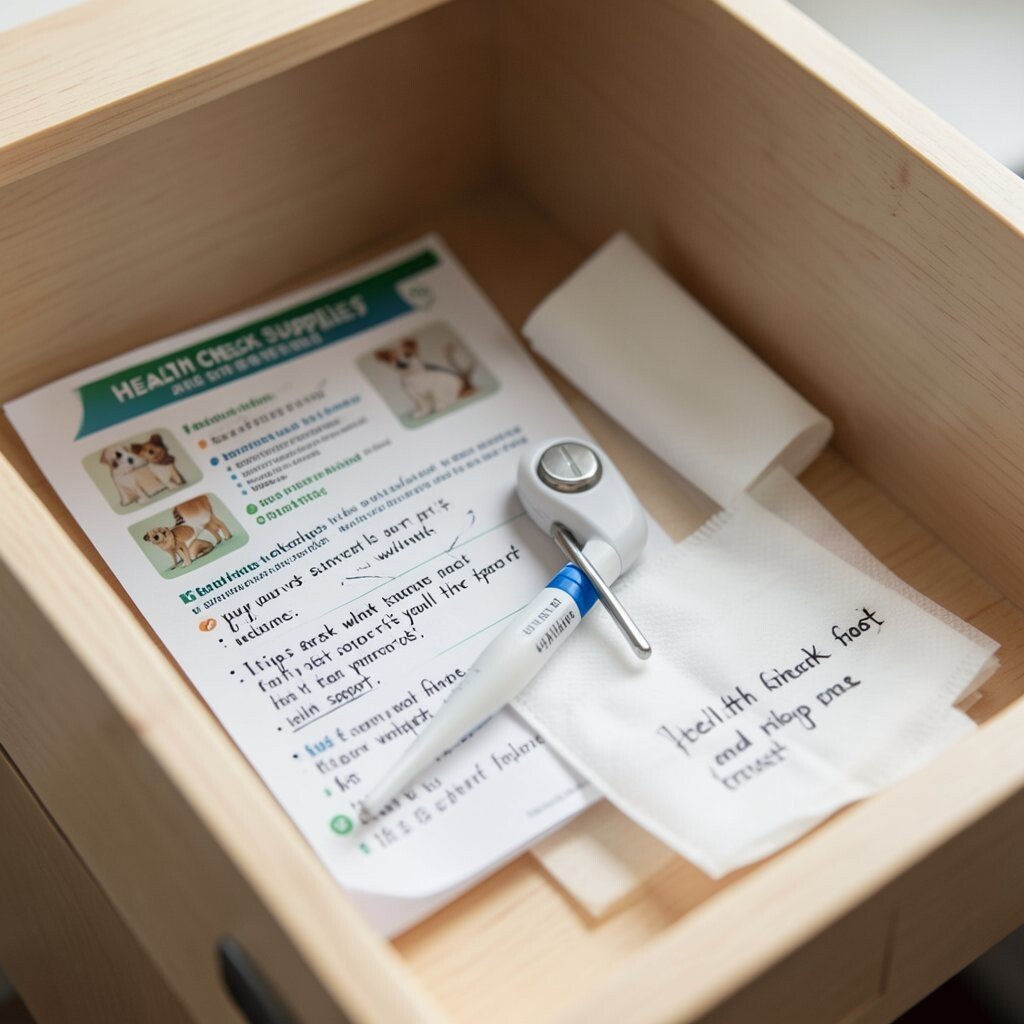
Health basics help you spot problems early and act before things get worse. Think of a small drawer with a pet first aid guide, a thermometer for pets, and clean gauze. Keep vet phone numbers written down so you can find help fast.
Regular checkups support vaccines, dental health, and overall wellbeing. For tips, ask your vet what schedule fits your pet’s age and needs, then keep records of vaccines and meds. If your pet has symptoms like itching, limping, or vomiting, call the vet instead of waiting.
Uniqueness matters, because some pets need ongoing care like skin therapy or joint support. Costs can add up, but planning helps, like setting aside a small monthly amount. Trends include pet insurance and wellness plans, which some owners find helpful for surprise visits.
11. A Calm Routine and Safe Home Setup
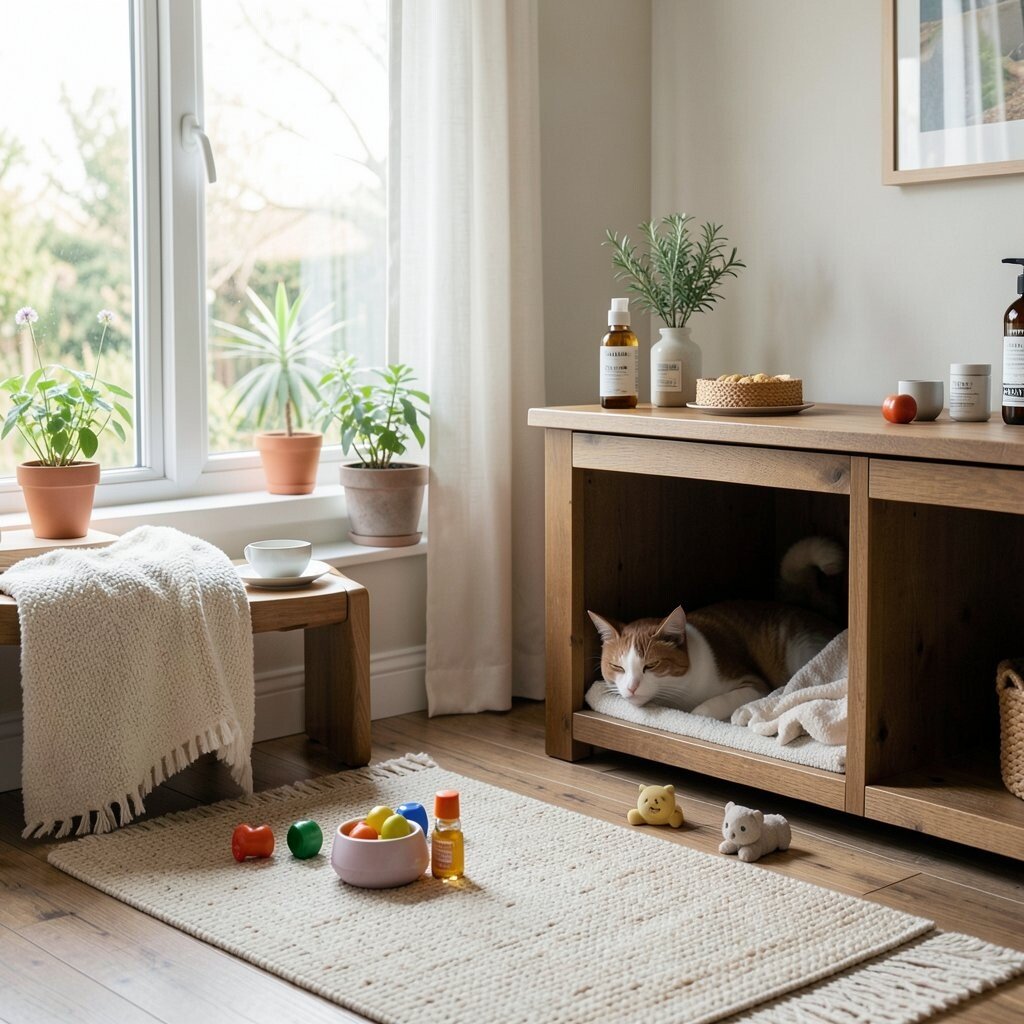
Pets do better when their day has a steady flow. You can picture meal times, play time, and quiet rest times that happen near the same hours each day. A calm home also means safe spaces where your pet can hide, nap, or watch without stress.
Routine helps with sleep, behavior, and trust between you and your pet. For tips, keep noise low during rest times and manage surprises like loud guests or vacuuming. If your pet gets scared, use a small safe room or a comfy crate setup with a blanket.
Personalize the home setup by thinking about your pet’s view, like where they like to sit by a window or under a table. Trends include calming products like pheromone sprays or calming treats, but use them only as your vet suggests. Cost can be controlled by focusing on space, routine, and safe items first.