Taking care of a pet is not hard, and small actions matter every day. Use this list to pick ideas that fit your pet and your home.
1. Set a daily cuddle time
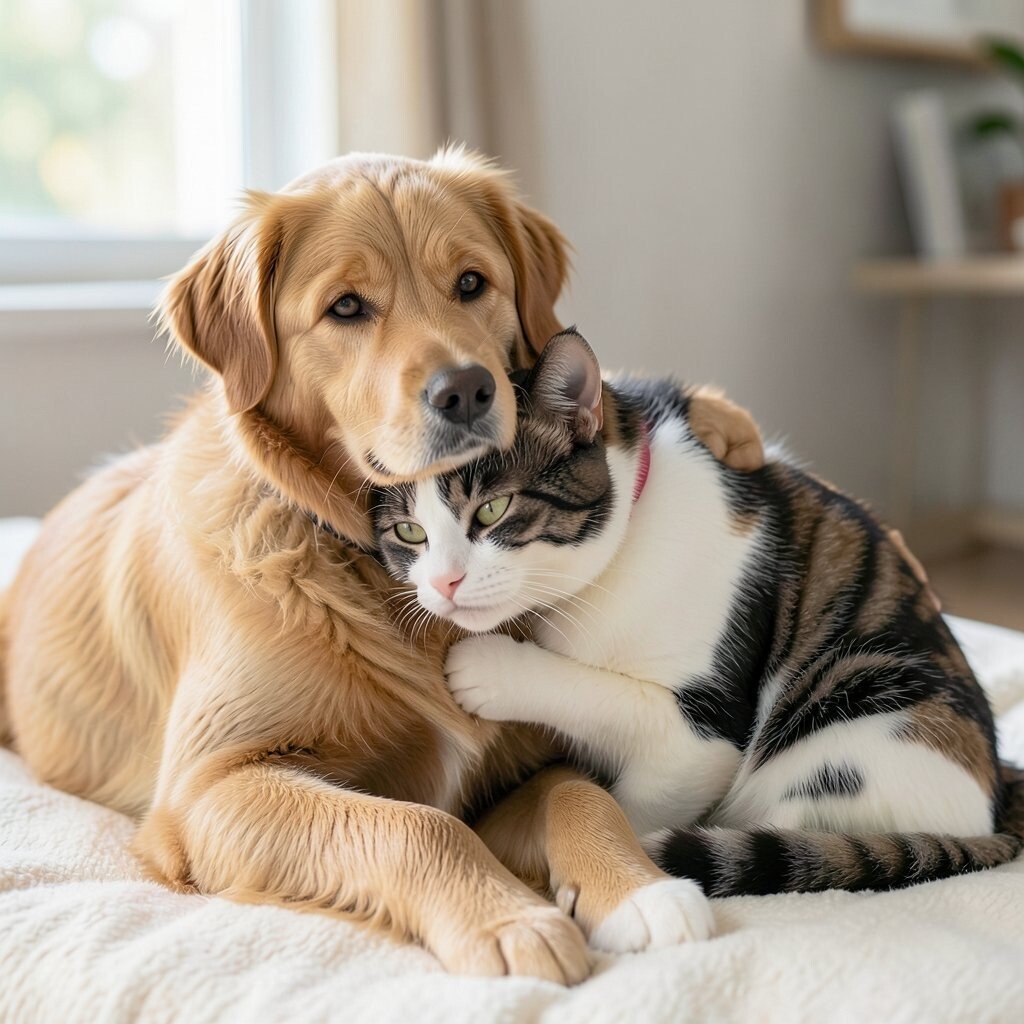
Pick a time each day when your pet is calm. Sit near them and let them come to you. Many pets like gentle touch on the chest, neck, or behind the ears.
This helps your pet feel safe and close to you. It can also lower stress after a busy day. Try to keep the time short at first, then add a little more if your pet enjoys it.
You can personalize it by matching your pet’s mood. If your dog likes attention, use a soft hug and talk in a calm voice. If your cat likes space, sit near them and offer slow blinks instead of picking them up.
2. Use a grooming routine you can stick with
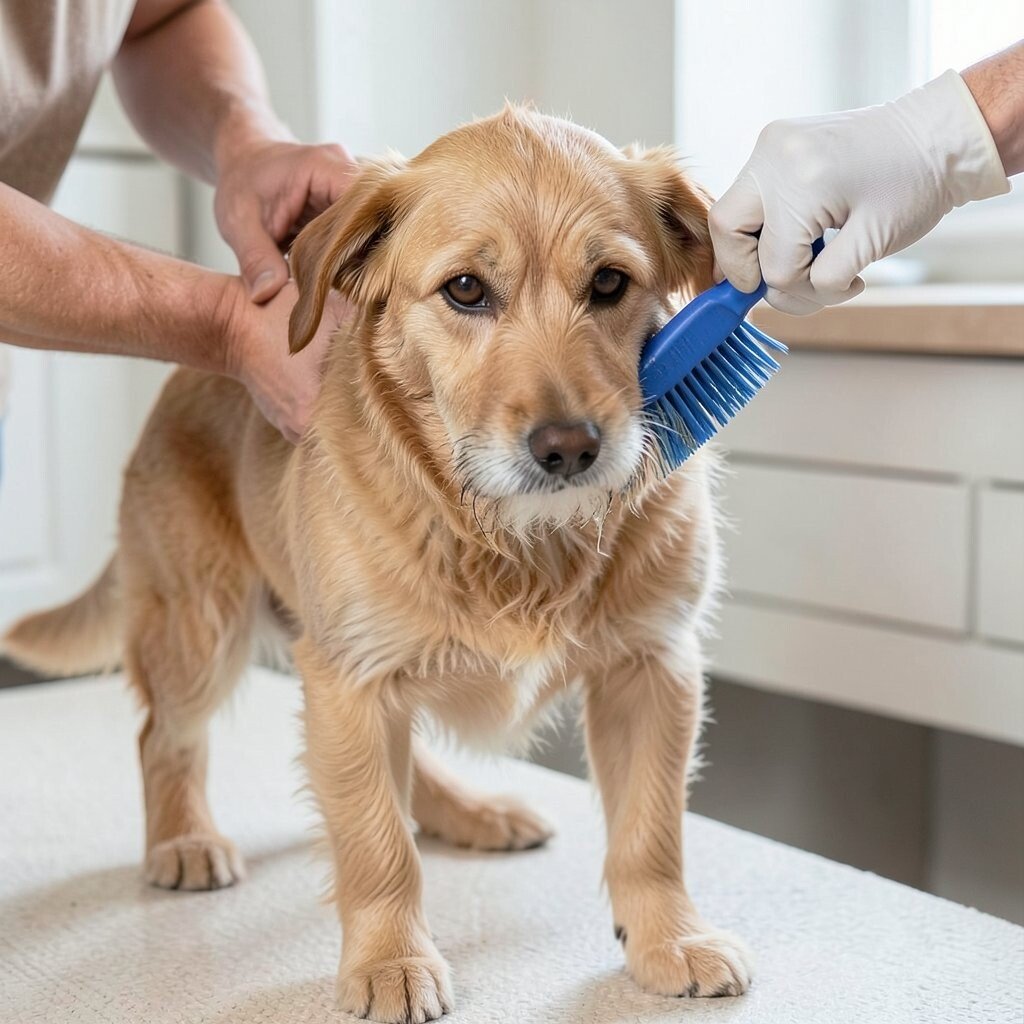
Brush your pet with a simple schedule you can manage. For many dogs, a short brush a few times a week helps with shed fur and tangles. For cats, gentle brushing can feel like comfort and routine.
Grooming helps you notice small issues early, like a new bump or a sore spot. It can also keep their coat cleaner and reduce smells. Start slow and use treats so your pet learns that grooming is a good thing.
For cost, start with one good brush for your pet’s fur type. Look for pet-safe tools at home stores or pet shops. A new trend is using grooming gloves, which feel easy and can work well for many pets.
3. Give a “sniff walk” instead of a fast walk
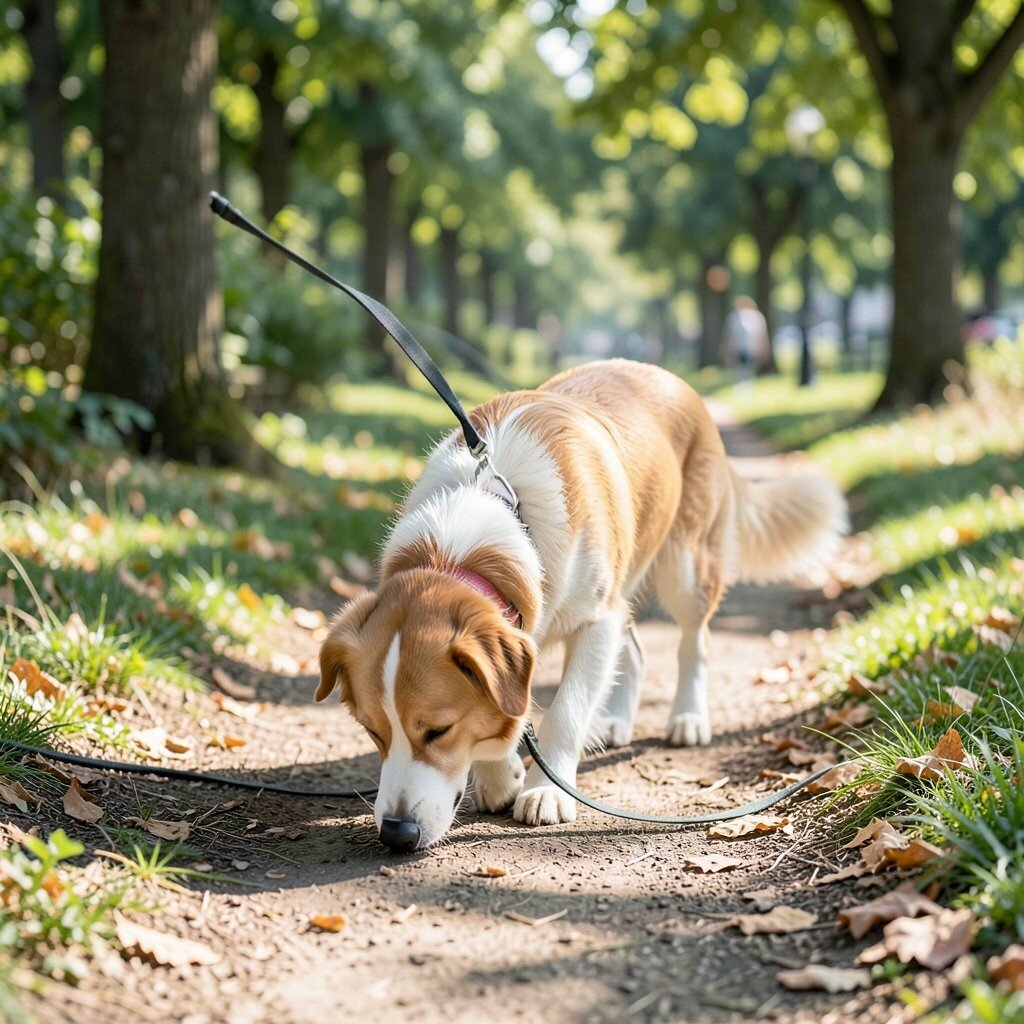
Take your dog for a walk, but slow down and let them smell more. Stop often and let your pet check the ground and objects. This can be more fun for them than rushing.
Sniffing helps pets use their senses and can make them calmer at home. It also gives mental work, not just physical work. If your pet gets too excited, use a short leash and pick quiet spots.
Personalize the walk by matching the route to your pet. A shy dog may do better in a less busy area. A curious dog might enjoy longer sniff stops in a park.
4. Make homemade enrichment toys
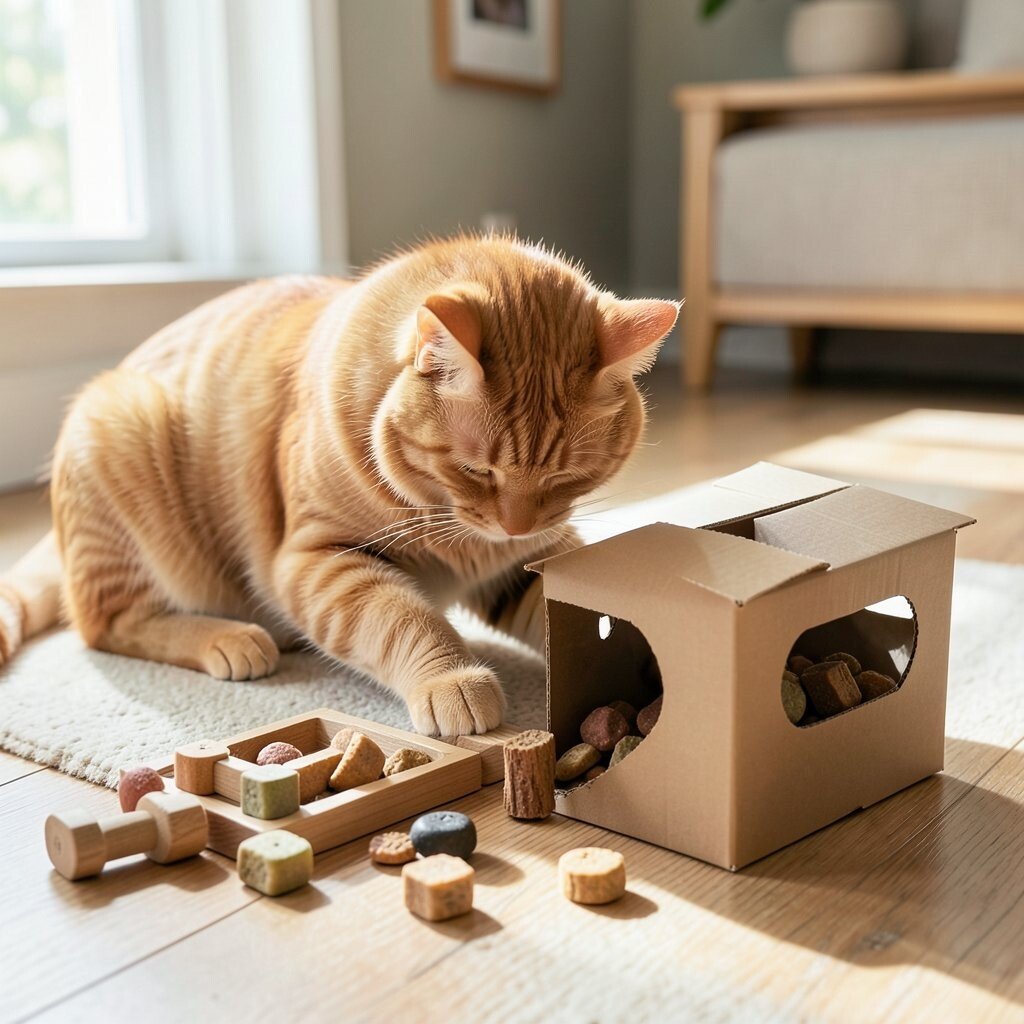
Use simple items to make a toy your pet can enjoy. You can place treats in a paper bag or use a clean cardboard box with holes. Then watch how your pet searches and works for the reward.
Enrichment toys help with boredom and can lower bad habits like chewing out of stress. They also make your pet use their brain. Keep it safe by using only pet-safe materials and removing small parts that can break.
This idea can be low cost, since many items are in your home already. A good tip is to rotate the toys so your pet does not get bored. Some pet owners also use treat puzzles as a trend, and you can start with DIY versions first.
5. Play a short training game each week
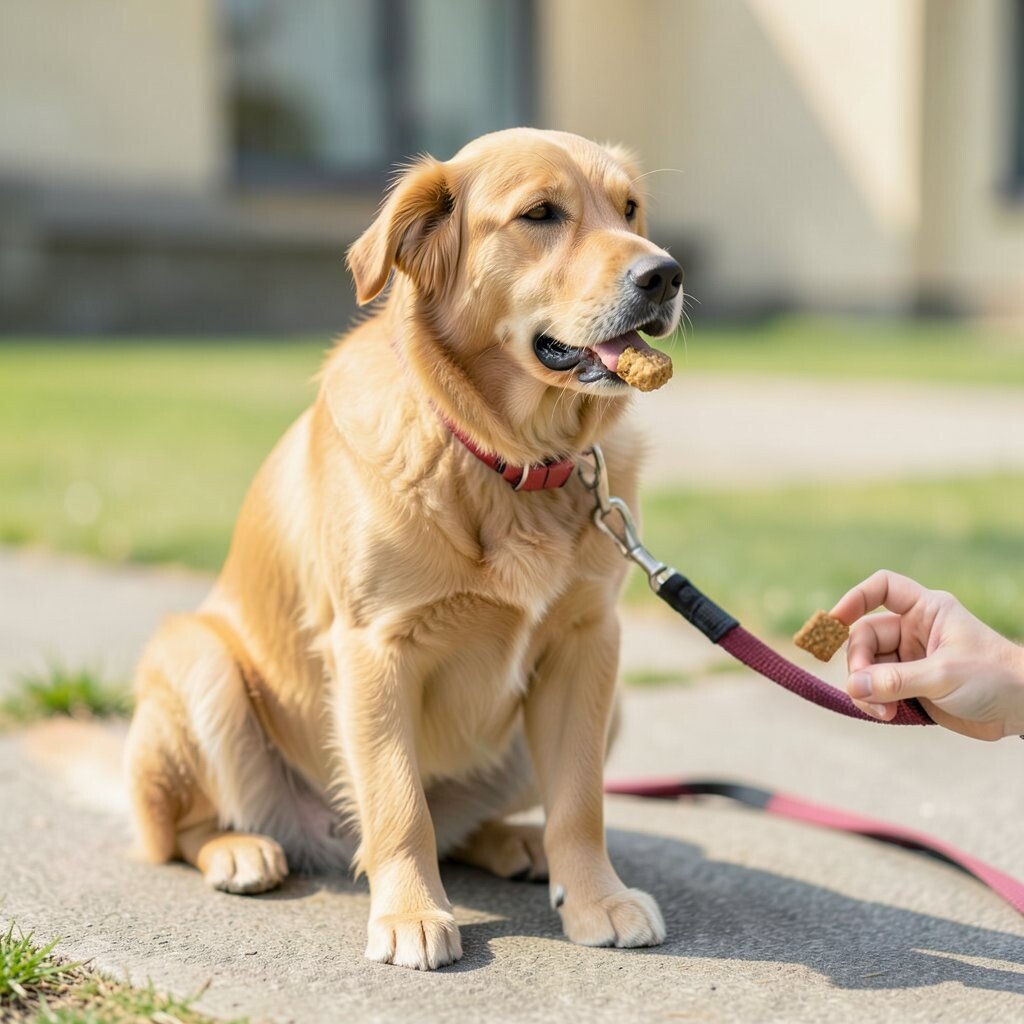
Choose one simple command or skill and practice for a few minutes. You can work on “sit,” “touch,” or “come” using small treats. Keep the sessions light and stop before your pet gets tired.
Training shows your pet that you will help them understand what you want. It also builds trust through calm repetition. If your pet struggles, make the task smaller and reward sooner.
Cost is usually low, since you mainly need treats and a leash if needed. Personalize by using cues that fit your pet. For example, a cat may enjoy “target” training with a hand cue.
6. Feed in a more interesting way
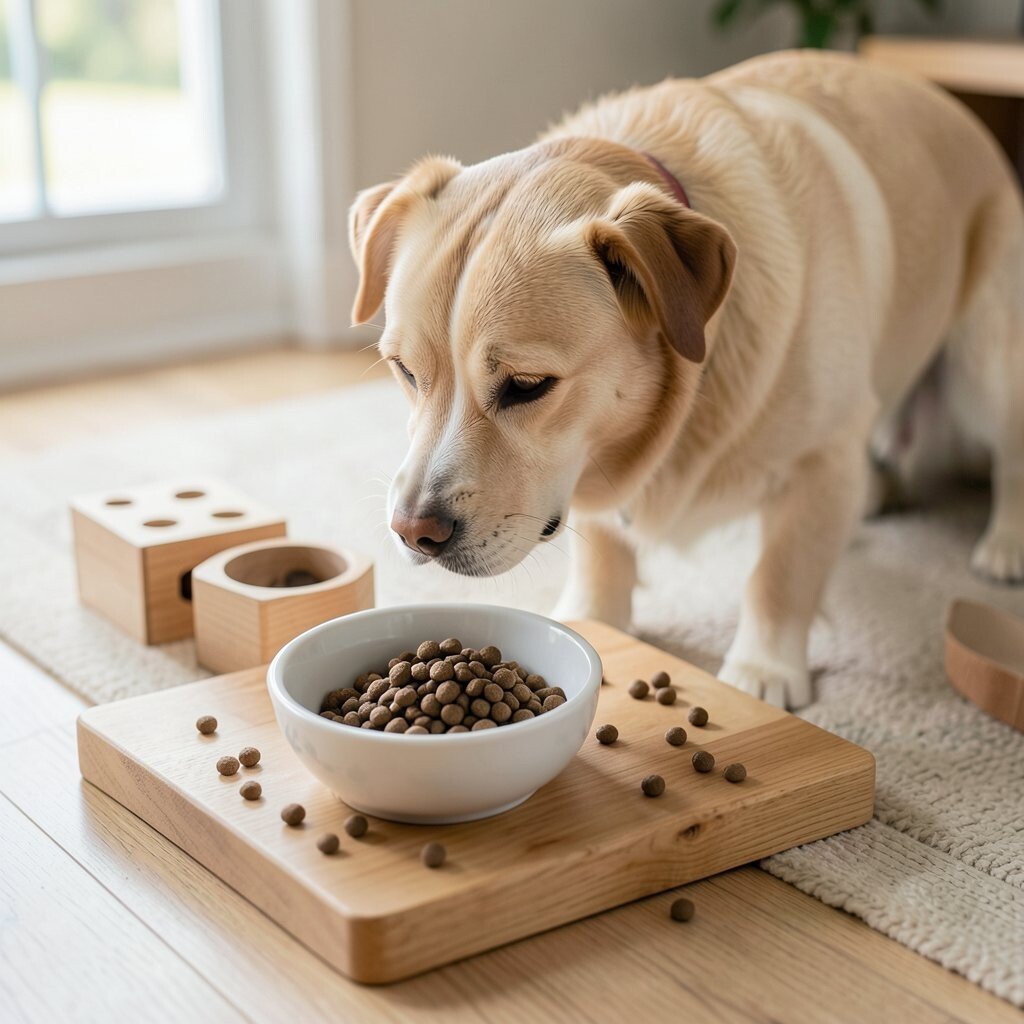
Change how you serve meals to keep your pet interested. Try a puzzle feeder, a slow bowl, or small portions spread out in safe areas. This can help pets eat with less rushing.
Feeding in a fun way can help with focus and reduce eating stress. It can also slow down dogs that gulp food too fast. Make sure the setup stays safe and that your pet cannot get stuck.
Cost varies based on what you buy, but you can start with low-cost tools like a simple slow platform. A trend you may see is meal games, where pets “search” for food in small spots. You can copy this by hiding kibble in a safe tray or box.
7. Keep a comfort blanket or spot
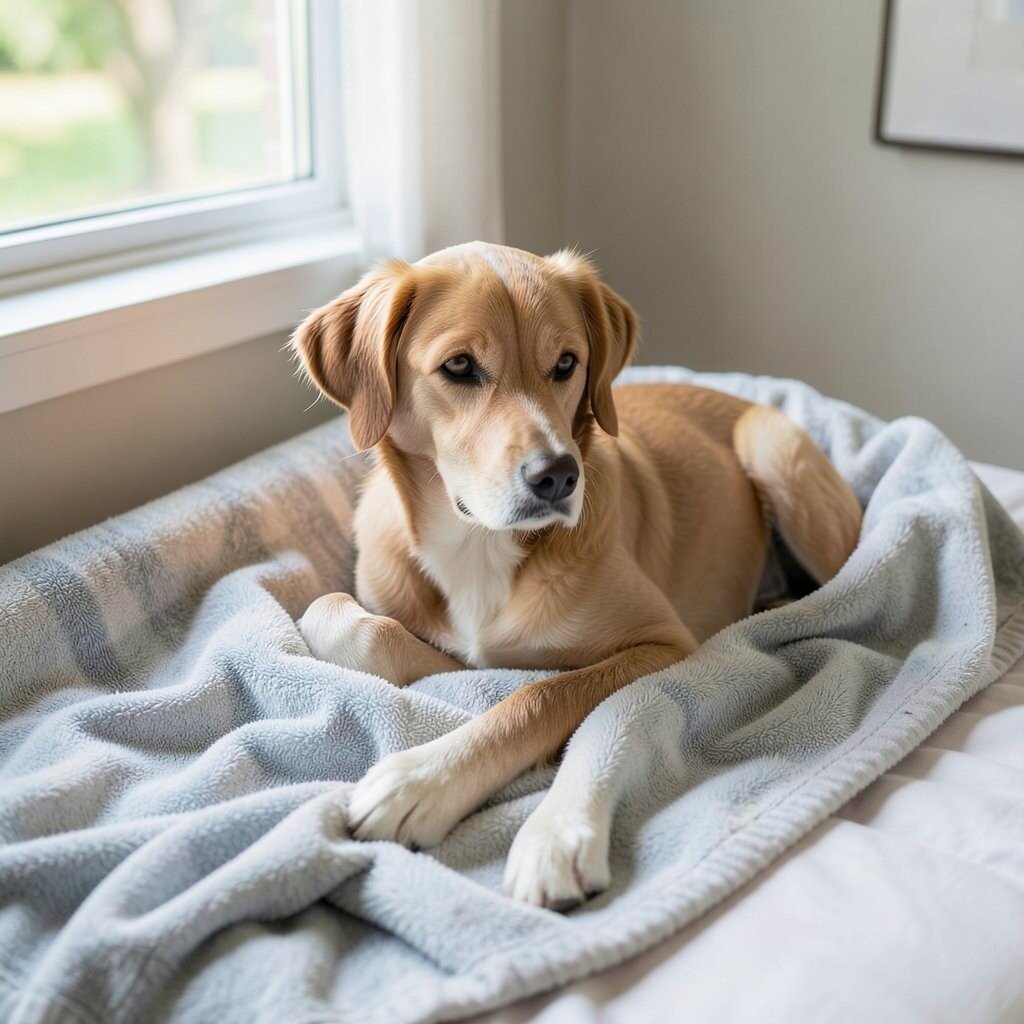
Give your pet a steady place to rest. Add a soft blanket to their bed or pick a calm corner in your home. Your pet will learn that spot means rest and quiet.
A comfort spot can help pets cope with loud sounds or busy days. It also gives them a place to go when they feel unsure. Wash the blanket when it smells or gets dirty, and check for loose threads.
Personalize the spot based on your pet. Some dogs like a covered bed, while many cats like a warm box or window perch. Low cost options include a clean old towel or a thrifted blanket that you keep only for your pet.
8. Use new treats in small ways
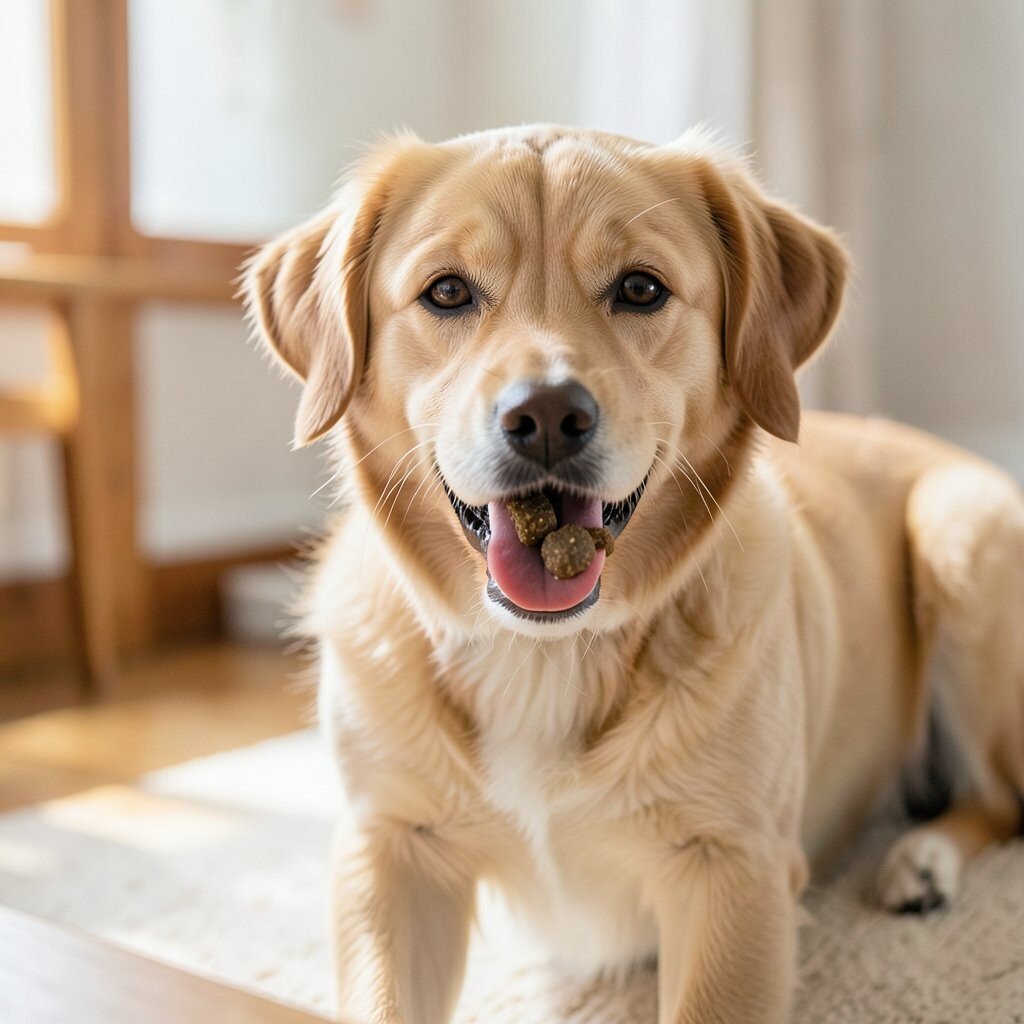
Try one new treat and see how your pet reacts. Keep it small so it does not upset their stomach. Choose treats that match your pet’s needs, like dental treats for dogs or soft treats for older pets.
New treats can make your pet feel good and can help with training. It also gives you a simple way to add variety without a big change at home. If your pet has allergies, ask your vet or choose limited ingredient options.
Cost can range from very low to higher, based on brand and quality. A helpful tip is to buy small bags first. Trends now include freeze-dried treats and limited ingredient snacks, which many pet owners like for training rewards.
9. Plan a safe playdate
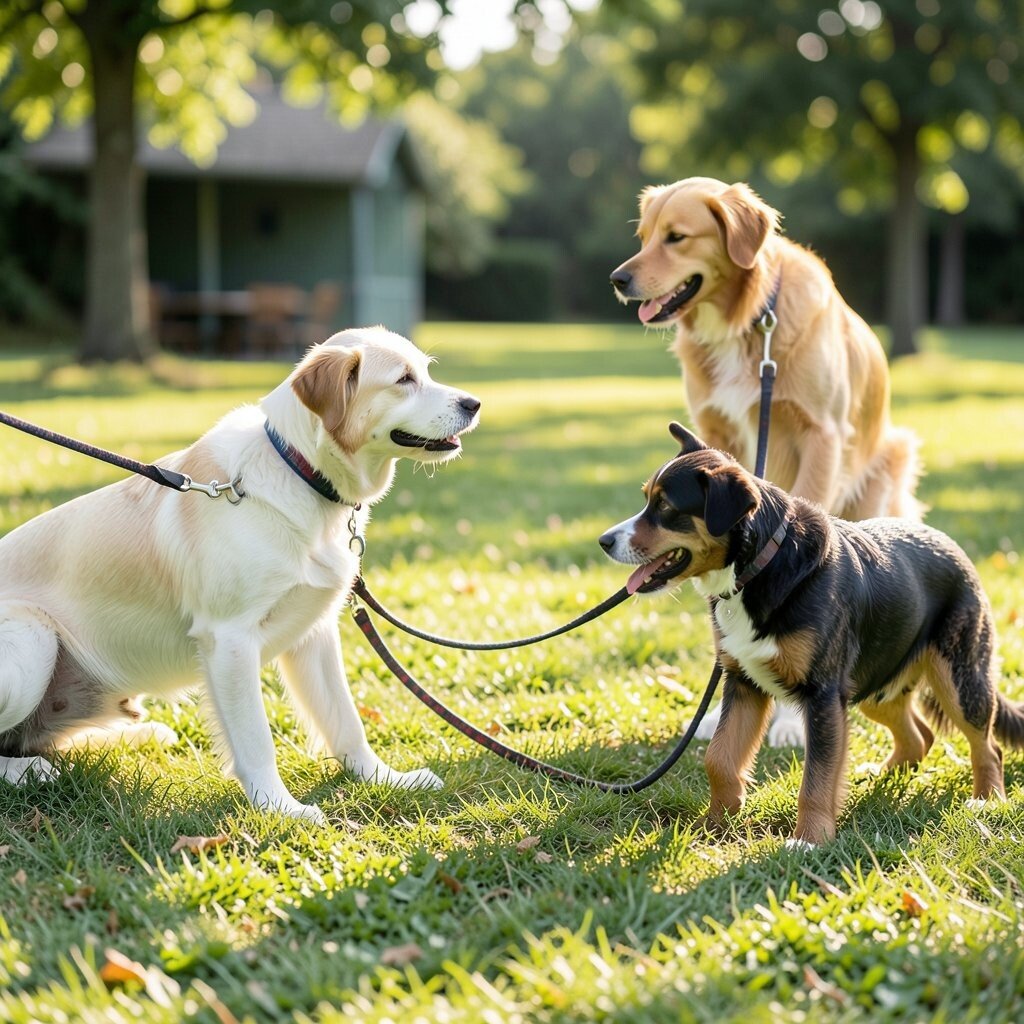
If your dog enjoys other dogs, set up a safe meeting. Start with a short meet in a calm area and watch body language closely. Use a leash and keep things slow.
Playdates can help social skills and can bring joy on boring days. They also let your pet burn energy in a healthy way. If your pet is nervous, skip the big group and try one friendly match.
Personalize by choosing a time of day that fits your pet. Morning can feel easier for many dogs. Cost is often low, since you mainly need a leash and a safe location. A tip is to ask other pet owners about vaccine dates and how their dog acts around new dogs.
10. Set up a water and food check
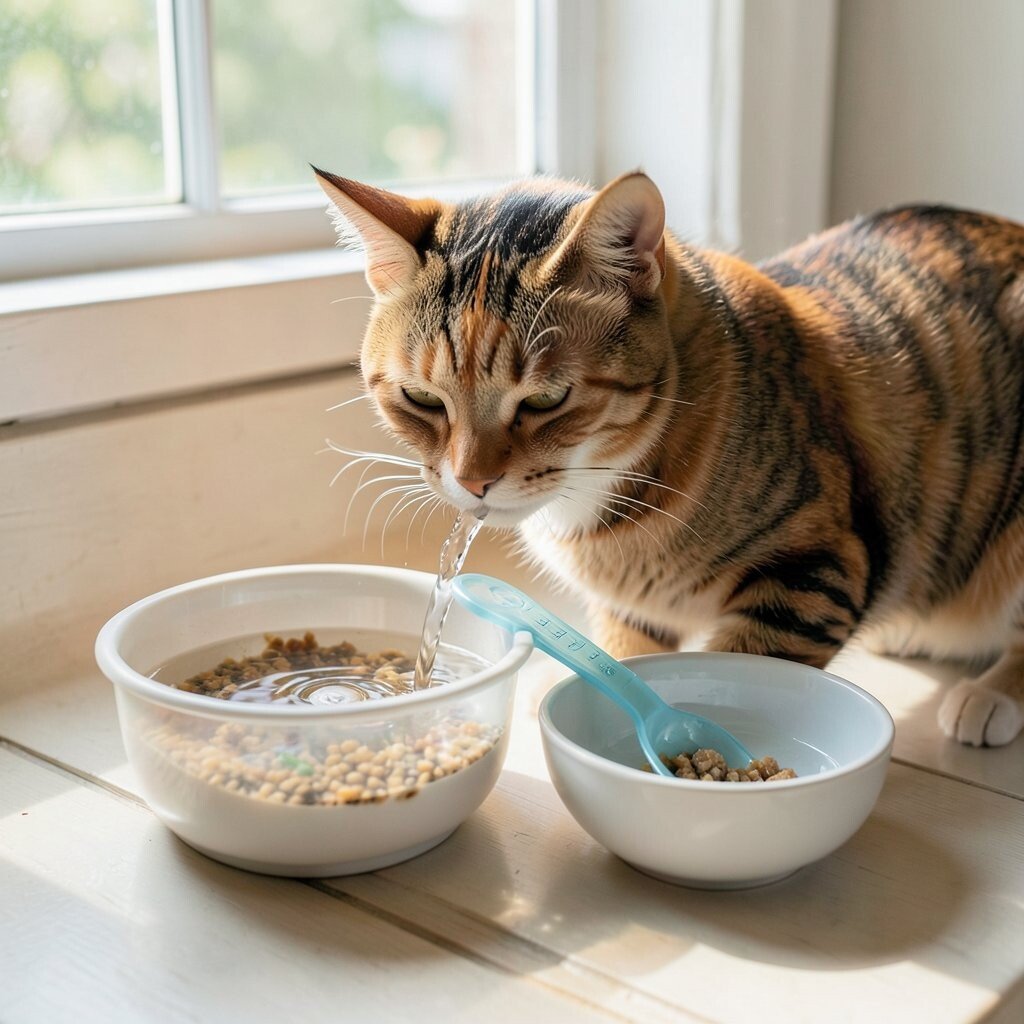
Check food and water the same times each day. Make sure the bowls are clean and the water looks fresh. For some pets, lukewarm water can feel better, especially in hot weather.
This small habit helps your pet stay healthy and can prevent stomach trouble. It also shows your pet that you are paying attention. If you see your pet drinking more or less than usual, note it and tell your vet if it keeps going.
Cost is low because you just add a simple routine. A useful tip is to use a measuring scoop so portions stay steady. Some owners also use pet water fountains as a trend, and many pets like the moving water, but you still need regular cleaning.
11. Write a “pet care note” for busy days
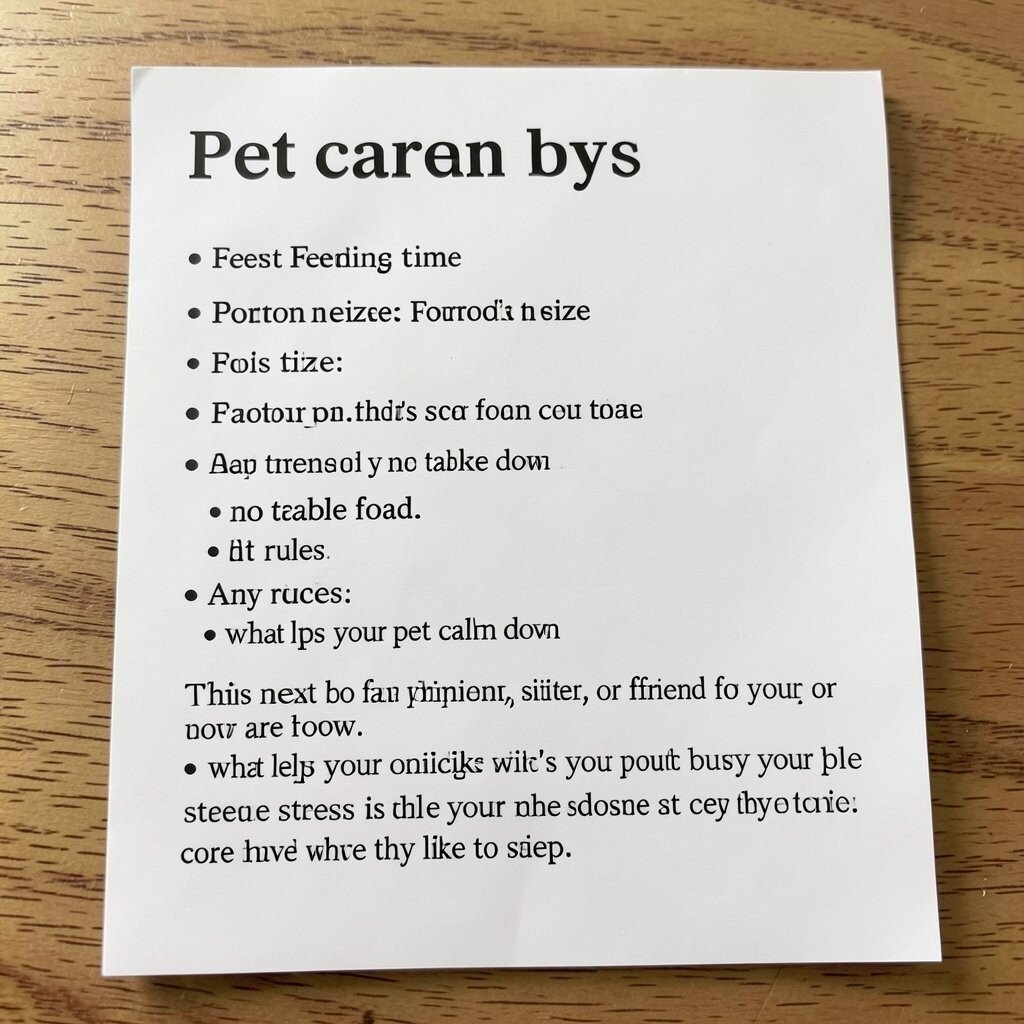
Make a quick note with your pet’s daily needs. Include feeding time, portion size, favorite treats, and any rules like “no table food.” Add a short list of what helps your pet calm down.
This can help a family member, sitter, or friend care for your pet when you are busy. It also reduces stress for your pet because care stays the same. Keep the note simple and easy to read.
Cost is next to nothing, since you can use paper or a phone note. Personalize it by adding your pet’s comfort details, like which toy they love or where they like to sleep. A trend is using shared phone checklists, especially for people who travel or have shared schedules.
12. Teach a “rest after play” habit
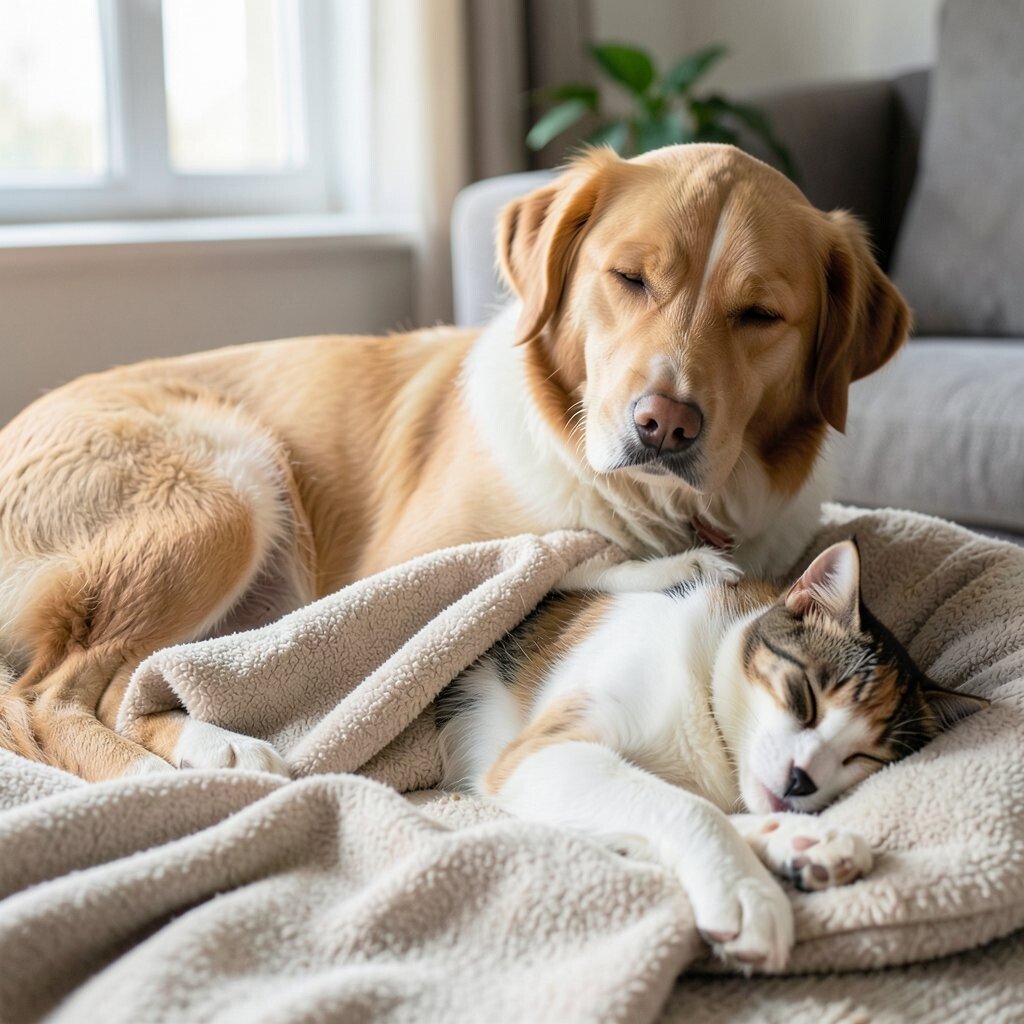
After play, guide your pet into a calm rest time. Use a soft voice and offer a blanket or bed right after fun. Then reward quiet behavior, like lying down or staying still.
This helps pets learn that play has an end and rest is normal. It can also reduce zooming that turns into rough behavior. If your pet gets too excited, shorten play and add more breaks.
Personalize the routine by watching what your pet needs most. Some dogs calm down with a chew, while some cats like a slow pet on the head. Cost is often low, since you may only need a bed and treats.
13. Track small health changes
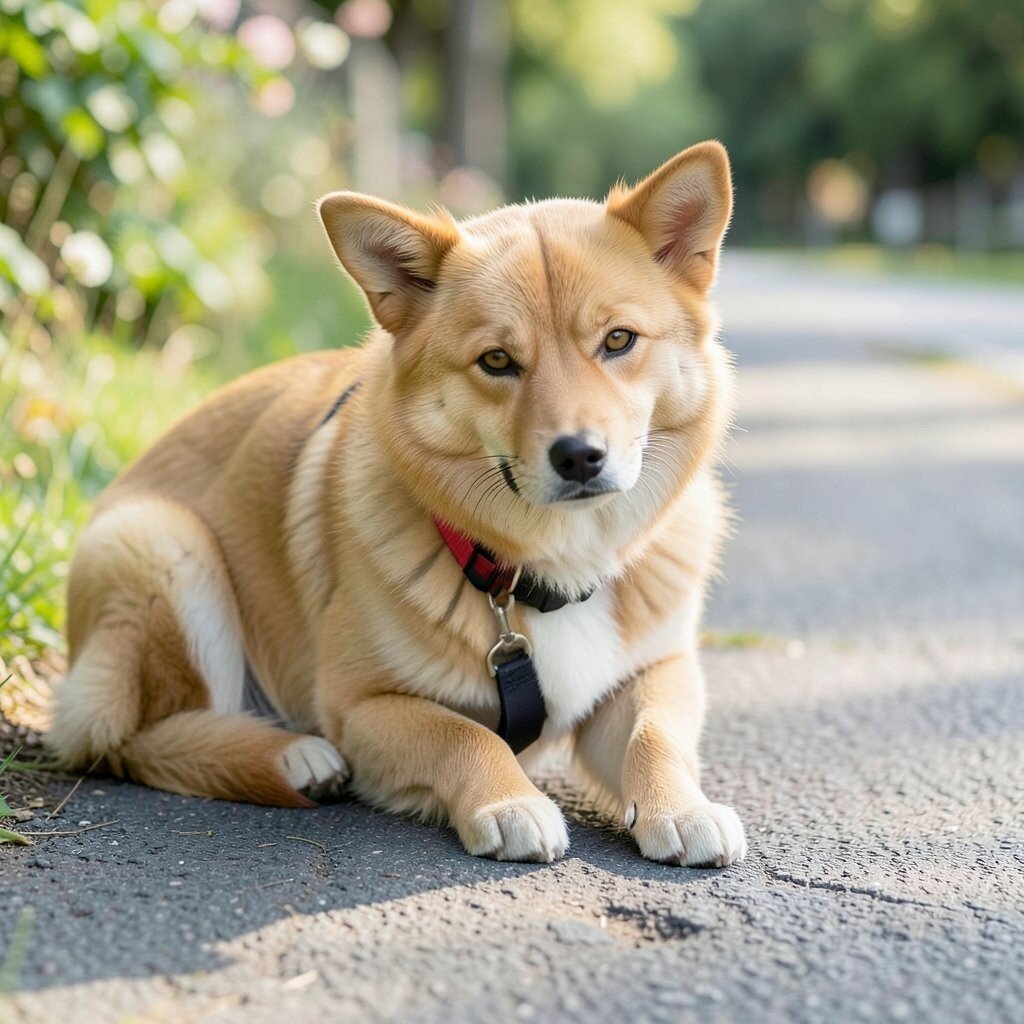
Keep an easy log of weight, appetite, and energy. Note any new habits, like less grooming, more hiding, or sudden limping. This does not need long details, just clear facts.
Tracking helps you spot changes early, which can make vet visits easier. It also helps your vet understand the timeline. If you notice something worrying, call a vet instead of waiting.
For cost, you can use a notebook or a phone app. A tip is to add photos once a month so you can see coat or body changes. A trend is using simple wearable tags or activity trackers, but even plain notes work well for most pets.
14. Make a “happy routine” around your pet’s favorite times
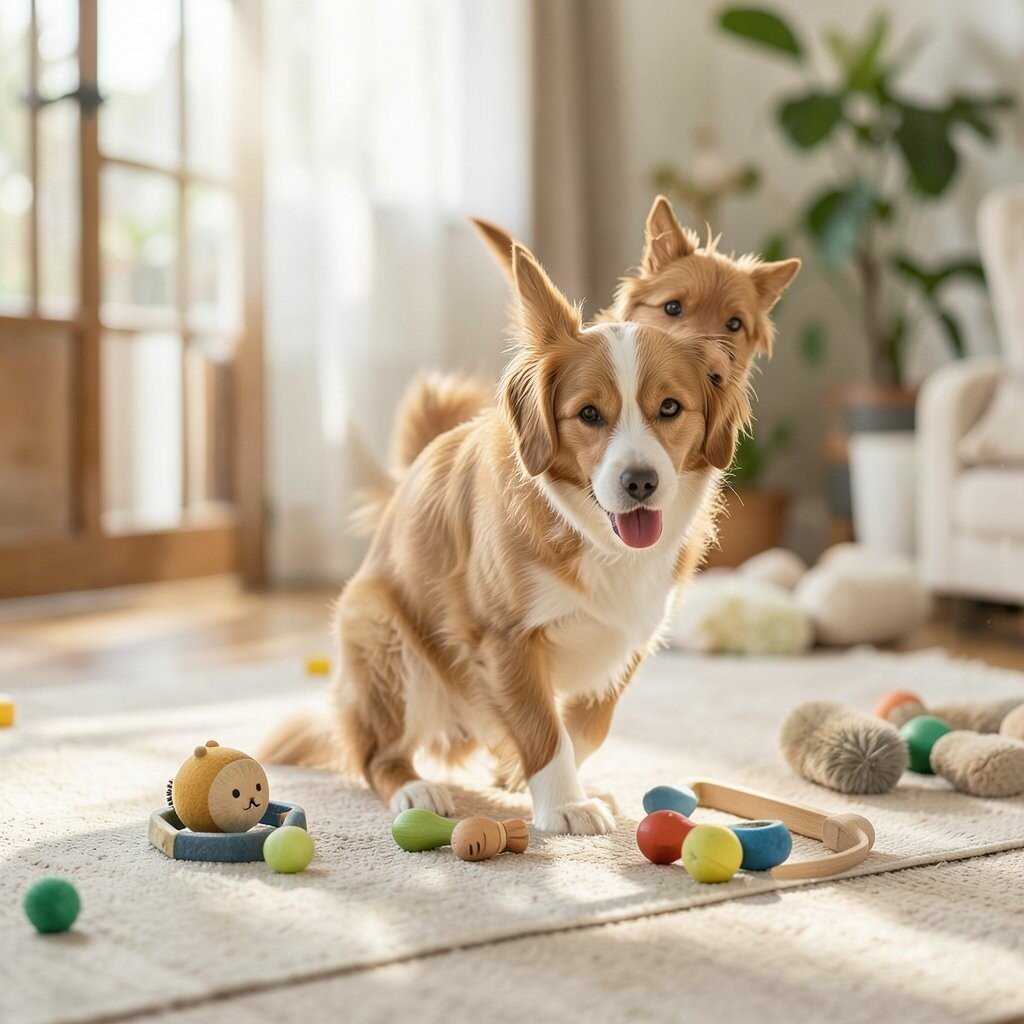
Find what your pet looks forward to and plan around it. Some pets love morning walks, while others like evening play or meal time. Keep those times steady when you can.
Routine helps pets feel secure and can reduce anxiety. It also makes your day easier because you know what will help your pet act calm. Try to add one small extra each week, like a new toy or a longer brush session.
Personalize this idea by watching for signs your pet gives. Tail wagging, purring, or waiting by the door can show you what they want. Cost can stay low by using home items and simple games. A trend is planning “theme days,” where pet owners match activities to the pet’s mood, like calm days with gentle play and active days with longer walks.