Sun protection helps you stay safe when the day is bright. You can use simple steps that fit your life and your budget.
1. Pick the right SPF
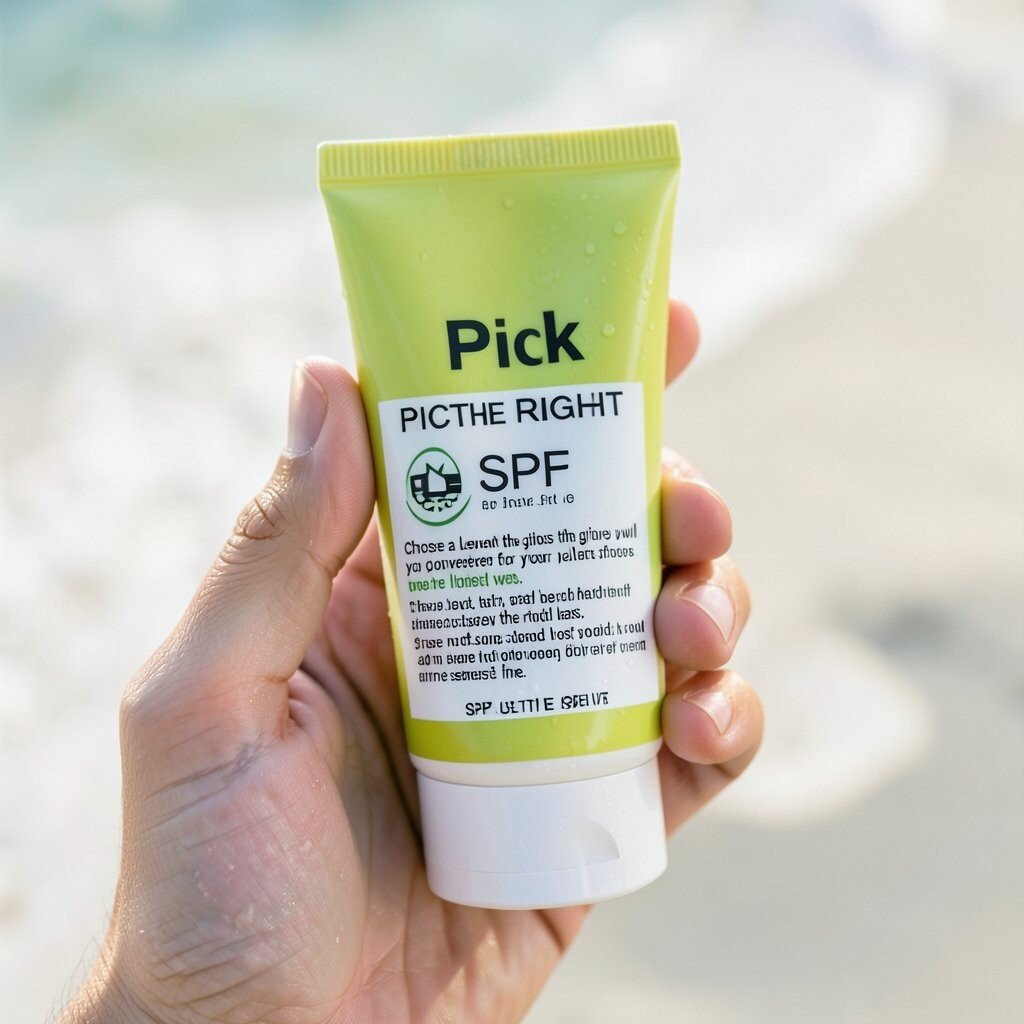
SPF tells you how well a sunscreen can help block UVB rays. Choose a level that gives you good coverage for your plans outside. If you are not sure, start with a product that clearly lists an SPF and use it the right way.
Look at the label and note how long it should last. If you swim or sweat a lot, you will need to add more even if the time seems fine. This choice saves you from guesswork and helps you feel more at ease.
2. Use enough sunscreen, not just a little
Many people put on too little. When you use a thin layer, you may not get the protection you expect. Try using a full, even layer on all skin that will see the sun.
For your face, use enough to cover the usual exposed spots like your cheeks, nose, and forehead. For your arms and legs, be sure to coat the top and sides, not only the front. This small habit gives better coverage and helps you enjoy your day longer.
If you are worried about being messy, use a pump bottle or a stick for quick touch ups. You can also apply before you head out so you do not rush. That is easier, especially with kids or when you are in a hurry.
3. Reapply on time, especially after water or sweat
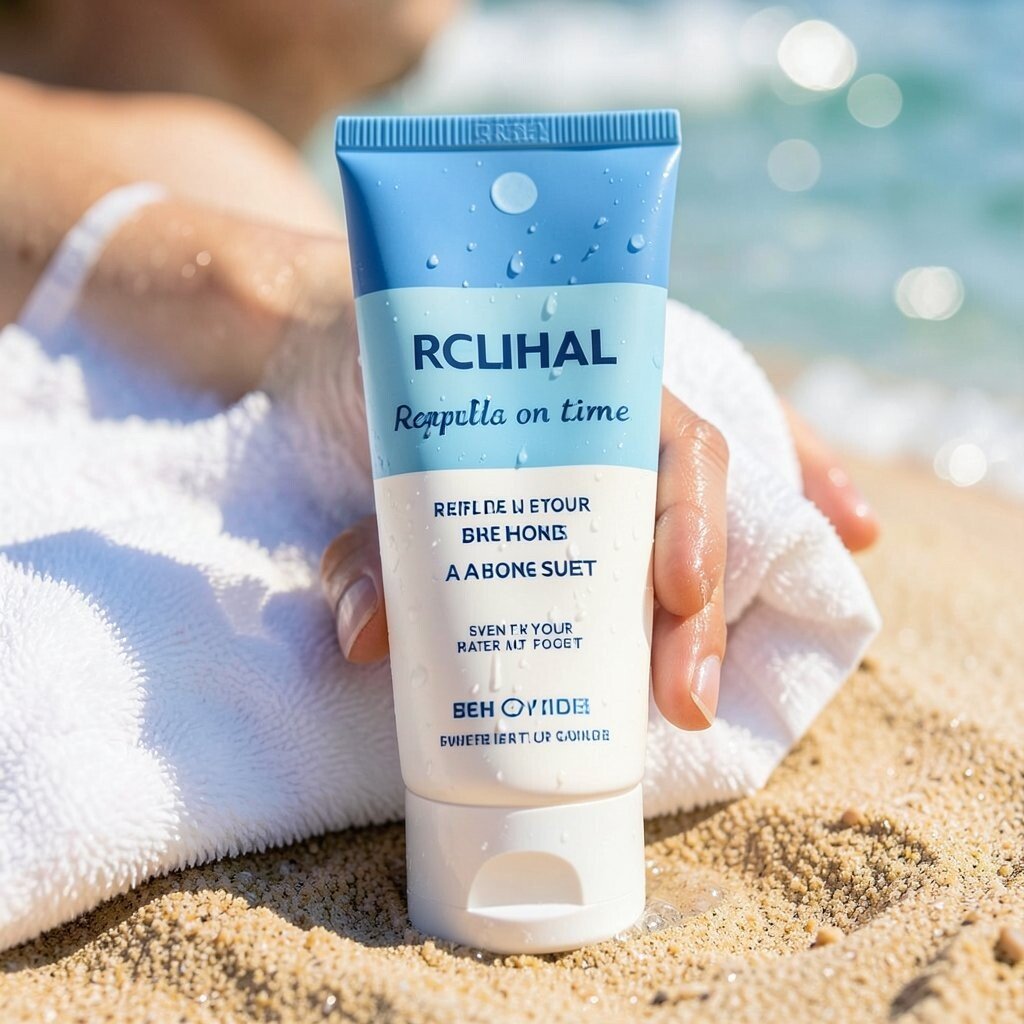
Sunscreen does not stay perfect all day. Sweat, towel drying, and time in the sun can lower how well it works. Set a simple plan for reapplying so you do not forget.
Check the time on the bottle and use that as a guide. Reapply after you swim, play hard, or work up a big sweat. This keeps your protection steady, even when the day gets hot.
If you hate doing it often, choose a sunscreen made for active use. Many products say they are water resistant for a set time. That can help you stay covered during sports and long walks.
4. Choose broad spectrum for more than one UV type
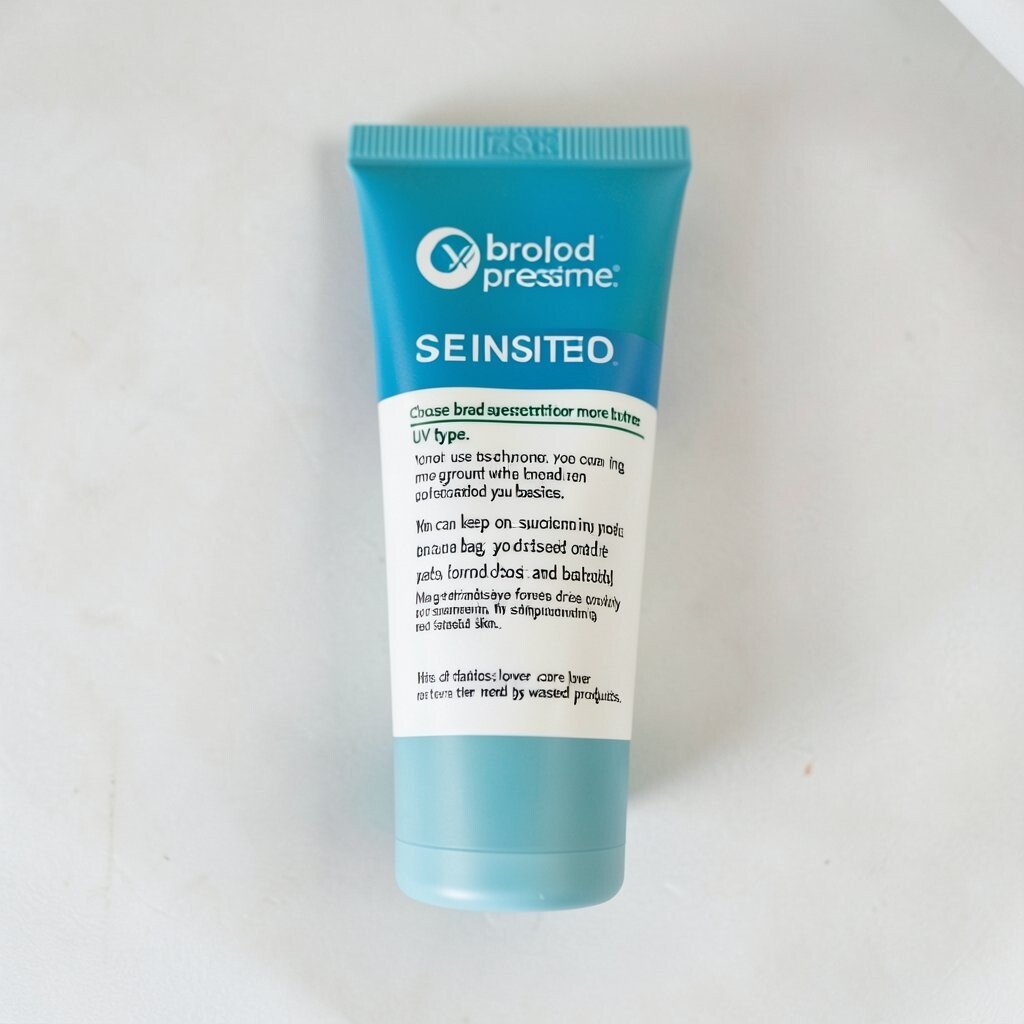
UV light is not just one kind, and broad spectrum helps cover more than UVB. It also helps protect against UVA, which can affect skin over time. So, picking a label that says broad spectrum is a smart step.
When you use broad spectrum, you are covering more ground with one product. That is helpful because it cuts down on extra buying. You can keep one sunscreen in your bag and feel confident about your basics.
Many brands also make versions for face, body, and sensitive skin. If you get dryness or irritation, try a face sunscreen with a simple ingredient list. This kind of choice can lower cost over time by reducing wasted products.
5. Use sun protective clothing when you can
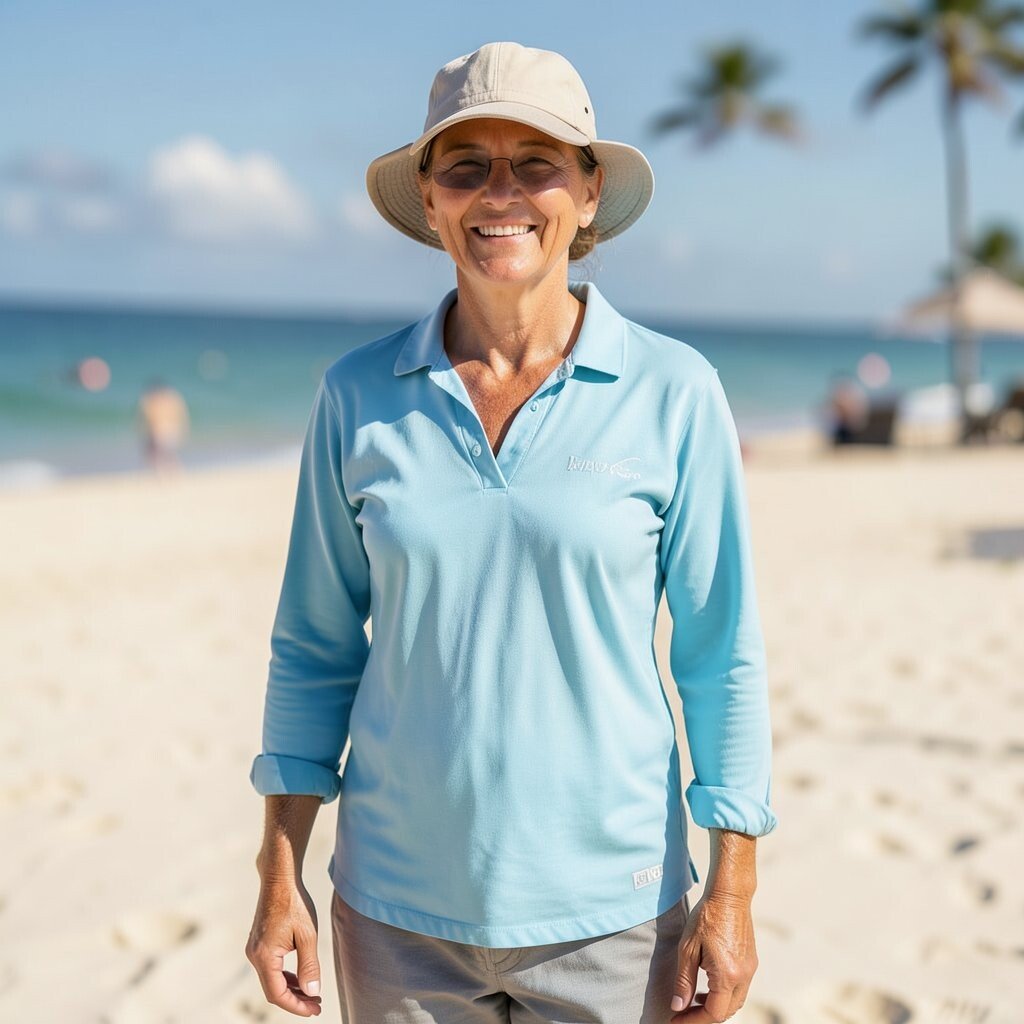
Clothes can do a lot of work when the sun is strong. A long sleeve shirt, a cap, and pants with a loose fit can block more light than skin alone. This is one way to protect yourself without always relying on thick layers of sunscreen.
Look for clothes labeled as sun protective, or choose tightly woven fabrics. Light colors can help you stay cooler, but you still need coverage. For beach or outdoor work, a good hat and shirt often feel easy and practical.
Many people like shirts with built in UPF ratings now. This trend makes it easier to shop for protection without reading long explanations. Even better, you can reuse the same shirt for trips, school events, or yard work.
6. Wear a hat and sunglasses that fit your day

A hat helps protect your face, ears, and the back of your neck. A wide brim hat works well, and a cap can help too when paired with sunscreen. Try to pick one that stays on your head when it is windy.
Sunglasses help protect your eyes and the skin around them. Look for sunglasses that block both UVA and UVB rays. When your eyes feel less strained, you may enjoy the bright day more.
This is also a place to personalize your setup. Some people like sporty hats for walking, while others prefer a classic brim for family days out. The cost can vary, but you can find good options at many stores.
7. Make shade part of your plan
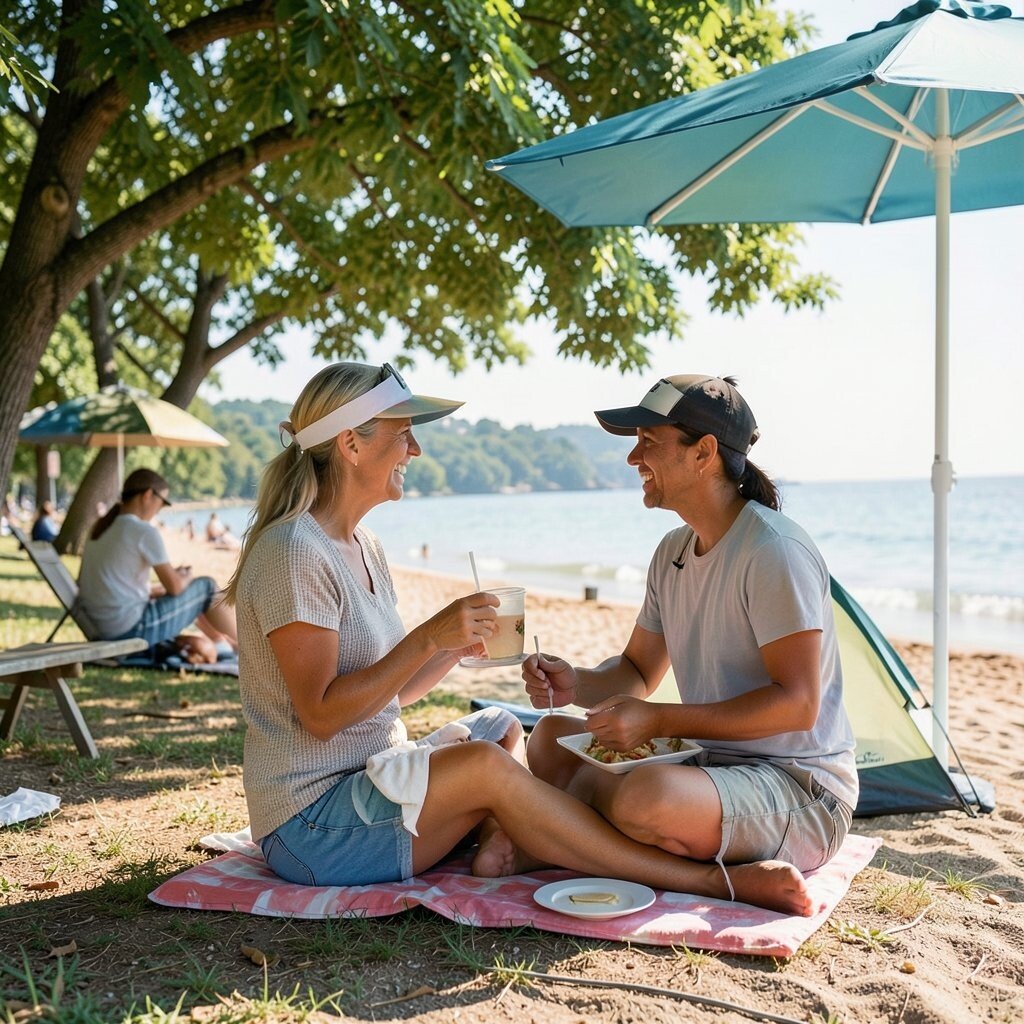
You can use shade to lower your sun exposure in a simple way. Parks, trees, umbrellas, and awnings can help. If you wait for the hottest hours, you can enjoy outdoor time with less direct sun.
Even small shade breaks can help. Try sitting under a tree during lunch or using a beach tent at the shore. This can also help your skin feel cooler, which many people like.
Shade does not mean zero sun, since light can still bounce off surfaces. So you still need sunscreen and clothing, but shade can reduce the load. It is a helpful step that does not cost much.
8. Watch for UV index days and strong sun hours
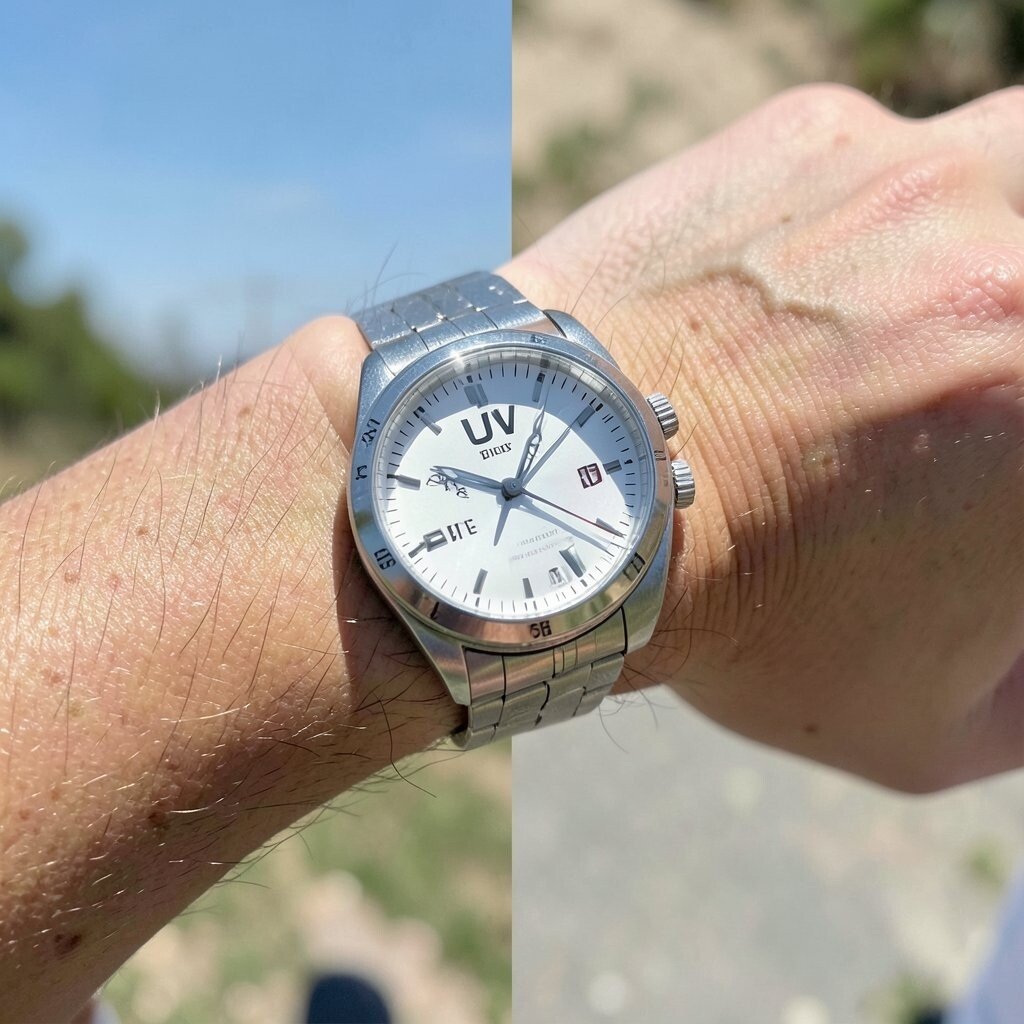
UV levels change through the day and by season. When the sun is high, UV exposure can be stronger and skin can burn faster. Checking the UV index at home can help you plan safer times to go out.
Many people can spot the pattern too. Midday often brings stronger sun, while mornings and late afternoons can feel less intense. You can plan walks, errands, and outdoor play around that.
Some phones and weather apps show UV info in an easy way. This trend helps people act fast when conditions change. You can also add this habit to your daily routine, like checking the forecast before you leave.
9. Protect the spots people miss: ears, neck, and scalp
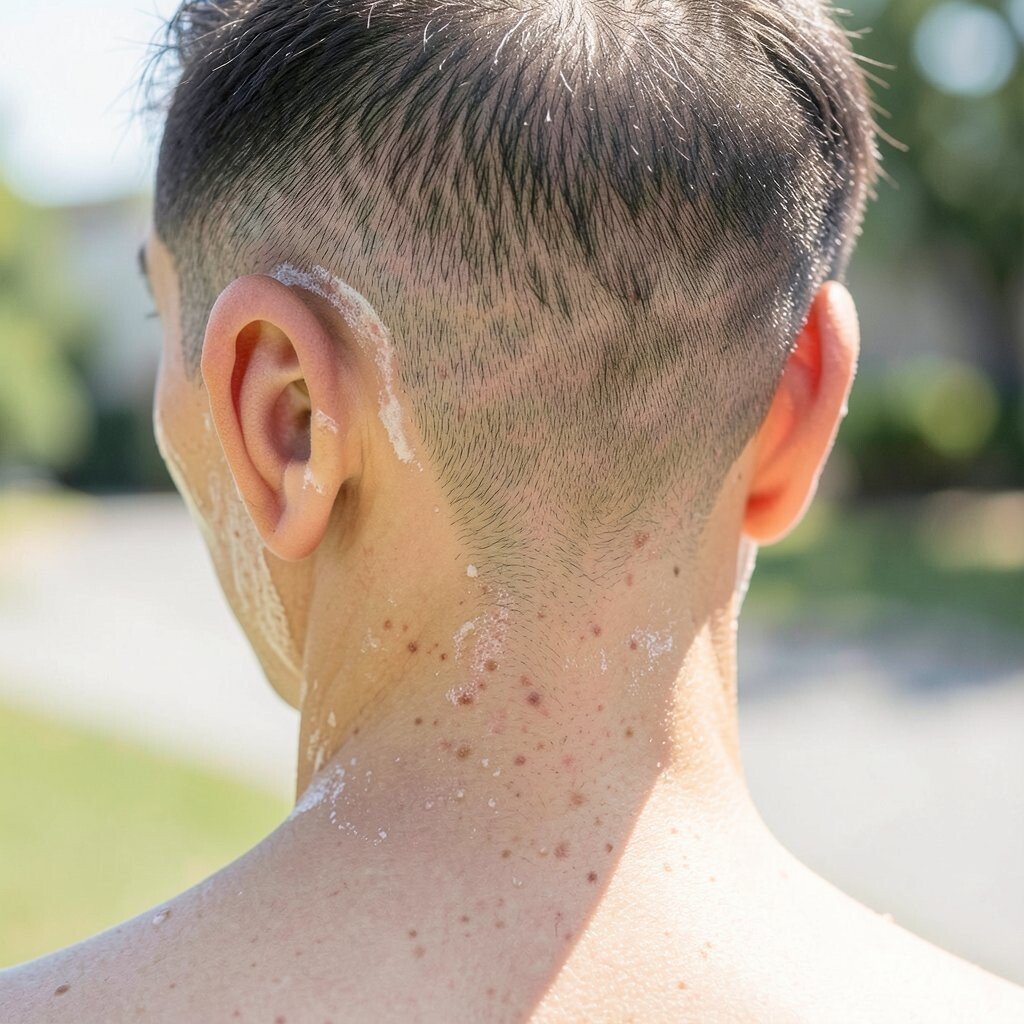
Ears and the back of the neck are common spots for missed coverage. The scalp can burn too, especially if you have thin hair or a part line. These areas need attention like any other exposed skin.
For ears, apply sunscreen around the edges and up to where the hairline starts. For the neck, cover the front and sides, not only the top. If you wear sunscreen on your face, bring it down toward your neck so you do not miss the border.
If your hair is thin, use a hat or a sunscreen made for the scalp. Some people use a spray style for quick coverage. It can feel faster, which helps you actually use it.
10. Do not forget kids and teens in your routine
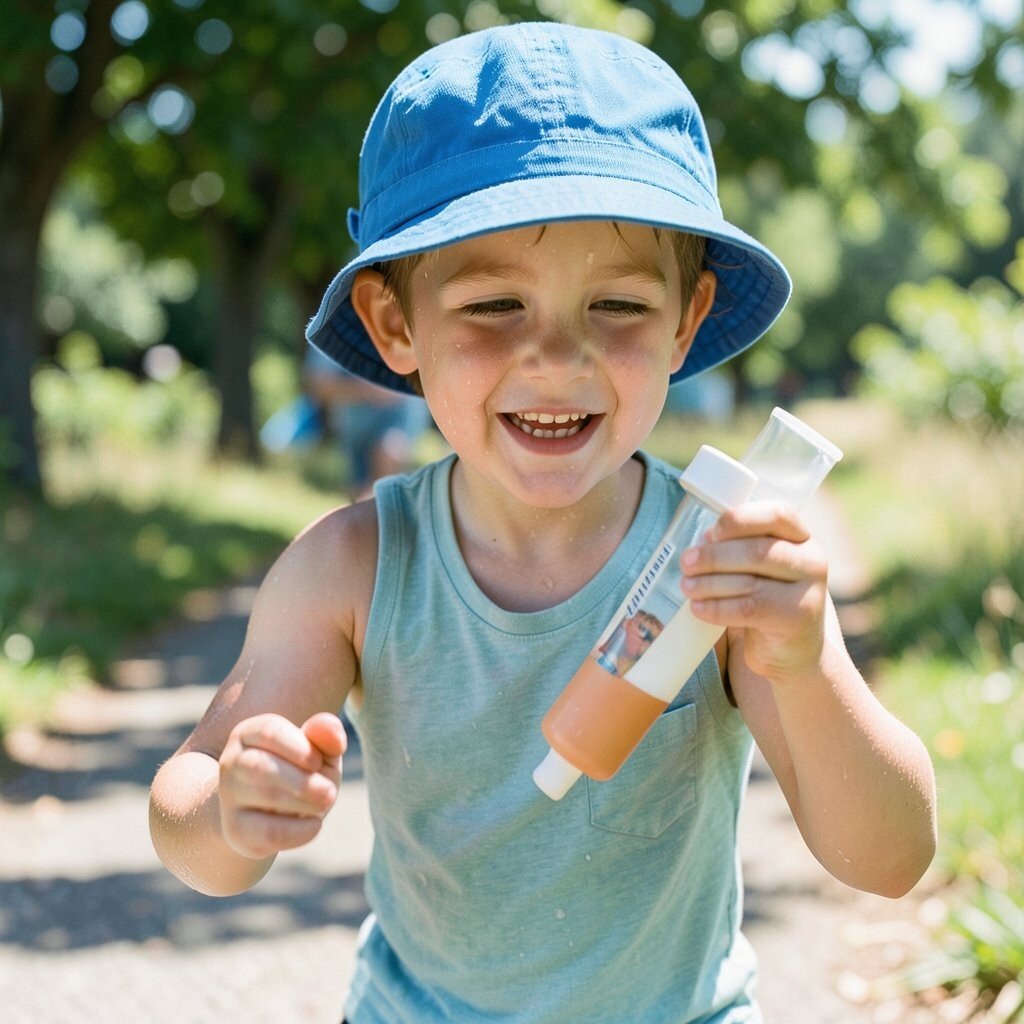
Kids often run, sweat, and play, so their skin can get sun fast. They also may not like the feel of sunscreen, so your plan should be simple. Apply early and help them stay covered during long outdoor time.
Pick a sunscreen that is easy to apply and not too harsh on skin. Many families choose a kid friendly formula with a lighter feel. You can also use protective hats and clothing so reapplying is easier.
If your child is active, set up a simple reapply plan before you go out. Bring a small sunscreen bottle or stick for quick touch ups. This helps reduce stress and keeps the day fun.
11. Try mineral sunscreens if you have sensitive skin
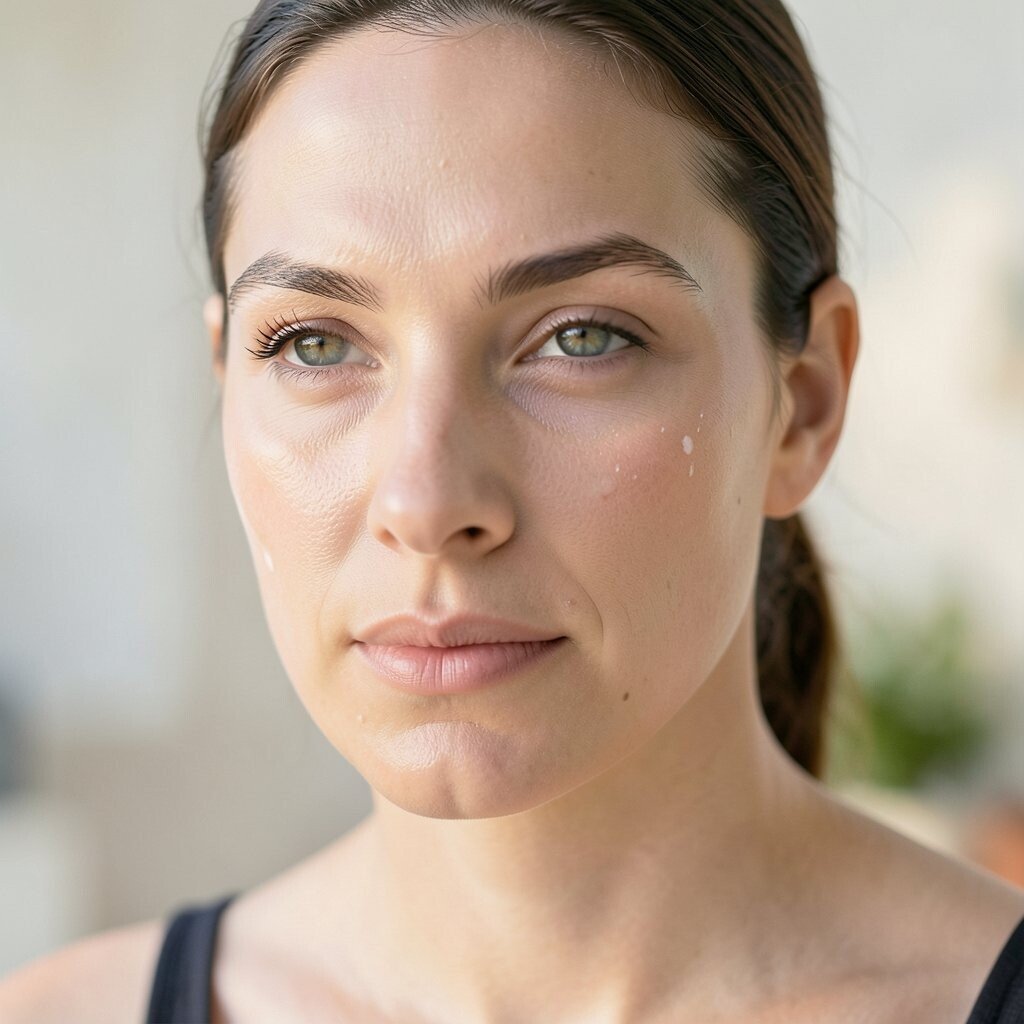
Some people find mineral sunscreens more gentle. They often use zinc oxide or titanium dioxide, and they can feel less irritating for some skin types. If you get redness or stinging with other formulas, mineral options may be worth trying.
Mineral sunscreens can also help with everyday use on the face. They may work well for people who want a simple routine. But the finish can be different from person to person, so test it on a small area first.
Cost can be higher than basic lotions, but you may use it less if it fits your needs. Many brands now make mineral face sunscreens that wear well under makeup. This trend makes it easier to find a good match.
12. Use sunscreen that fits your skin feel and daily habits
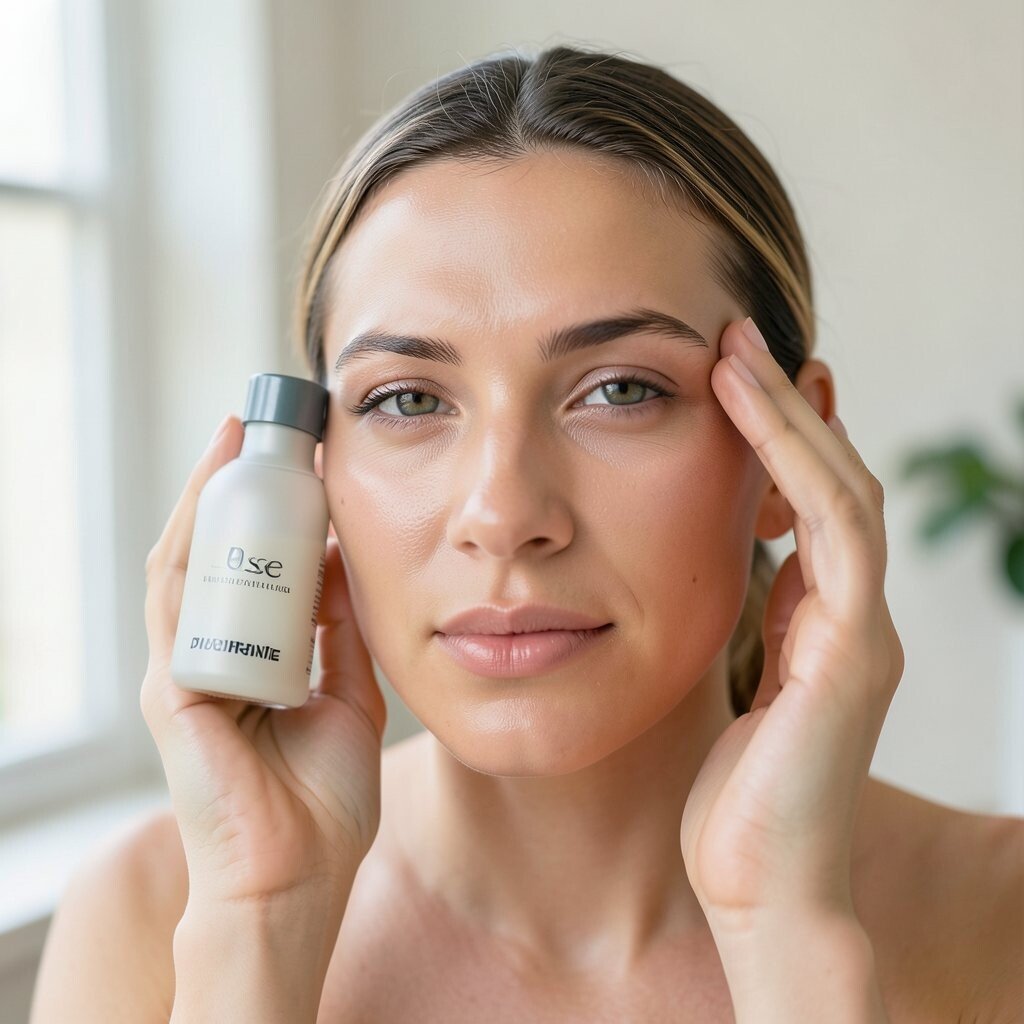
Not every sunscreen feels the same. Some are sticky, while others feel smooth and light. When you choose a texture you like, you are more likely to use it every day.
Many people pair sunscreen with a simple moisturizer so their routine feels normal. If you wear makeup, pick a face sunscreen that works well under it. If you hate shine, look for a matte or oil control style.
This is also a good place to personalize. Try different formats like lotion, gel, or stick to find your best match. Once you find one you like, it can lower waste and save money over time.
13. Build a low cost kit you will actually use
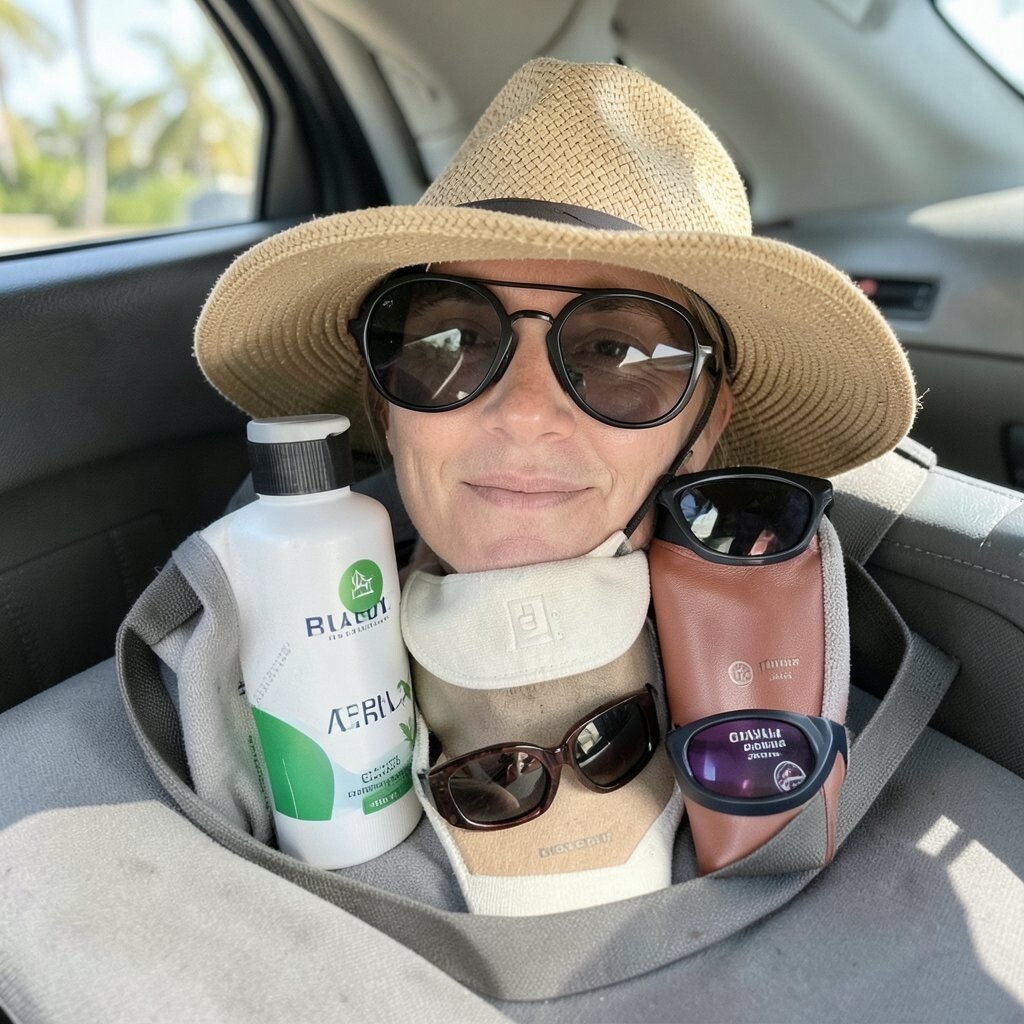
A small kit can make sun care easy. Keep sunscreen in your car, your bag, or near your door so you do not run out at the last minute. Add a hat and a pair of sunglasses so you have a ready set.
Pick a size that fits your plans, like a travel bottle for day trips. You can also buy one product for face and one for body, based on what feels best. This helps with cost control because you avoid buying many random items.
To keep it simple, set a reminder before weekends and beach days. When the kit is ready, you can spend less time thinking and more time doing what you enjoy. That is how sun protection becomes a habit instead of a chore.