Pet massage can help your pet feel calm and safe at home. With gentle touch and simple steps, you can support comfort in a way that fits your pet’s needs.
1. Start With Short Sessions
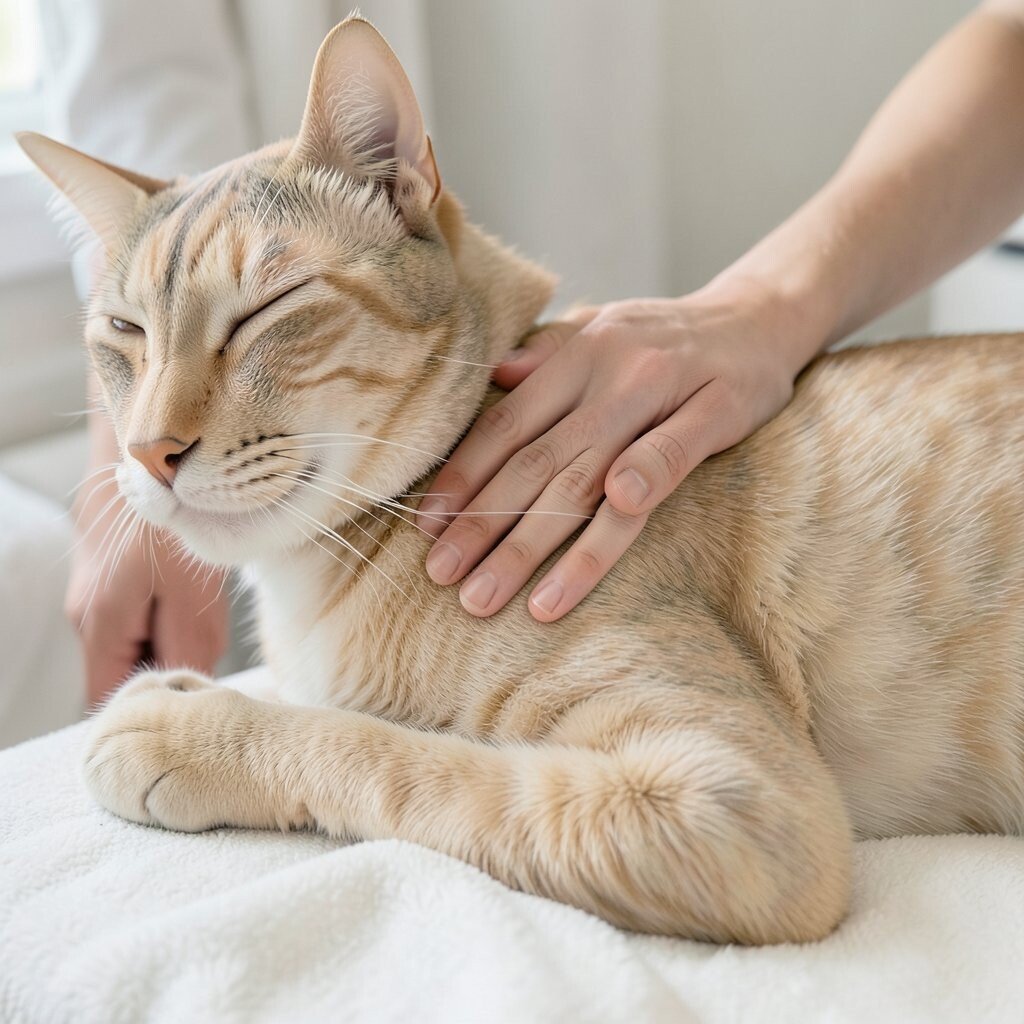
Keep the first try very short so your pet can learn that massage is not scary. Use a soft, slow pace and stop right away if your pet looks tense. Try one or two spots first, like the chest or the back of the neck.
Short sessions can help build trust. Your pet may relax more over time when the routine stays steady. This also helps you notice what your pet likes and what it does not like.
2. Use Calm Body Language
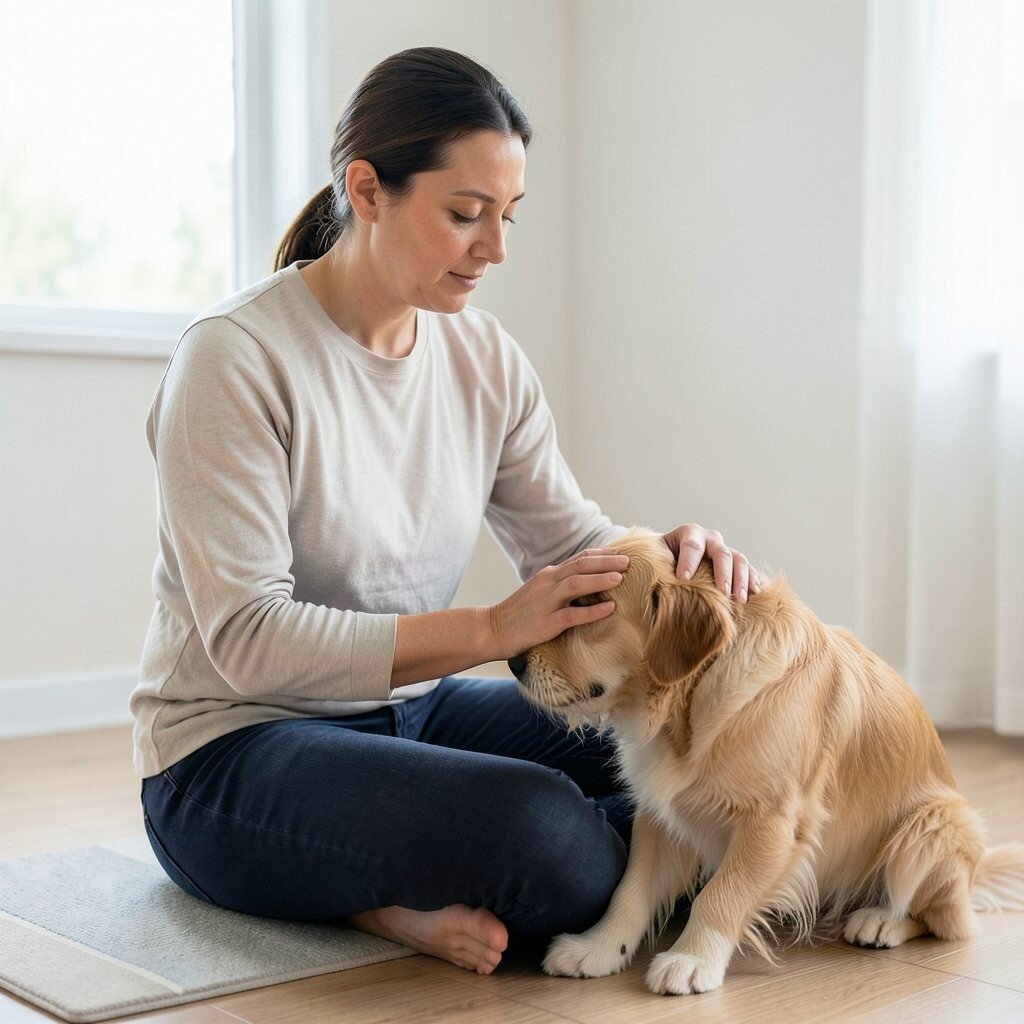
Move your hands gently and keep your own body still. Sit on the floor or on a low chair so your pet does not feel like it has to jump up. Speak in a low, normal voice and keep your face relaxed.
Pets watch your body a lot. When you look calm, your pet often stays calmer too. This can make the whole session feel easier for both of you.
3. Choose a Quiet, Safe Place
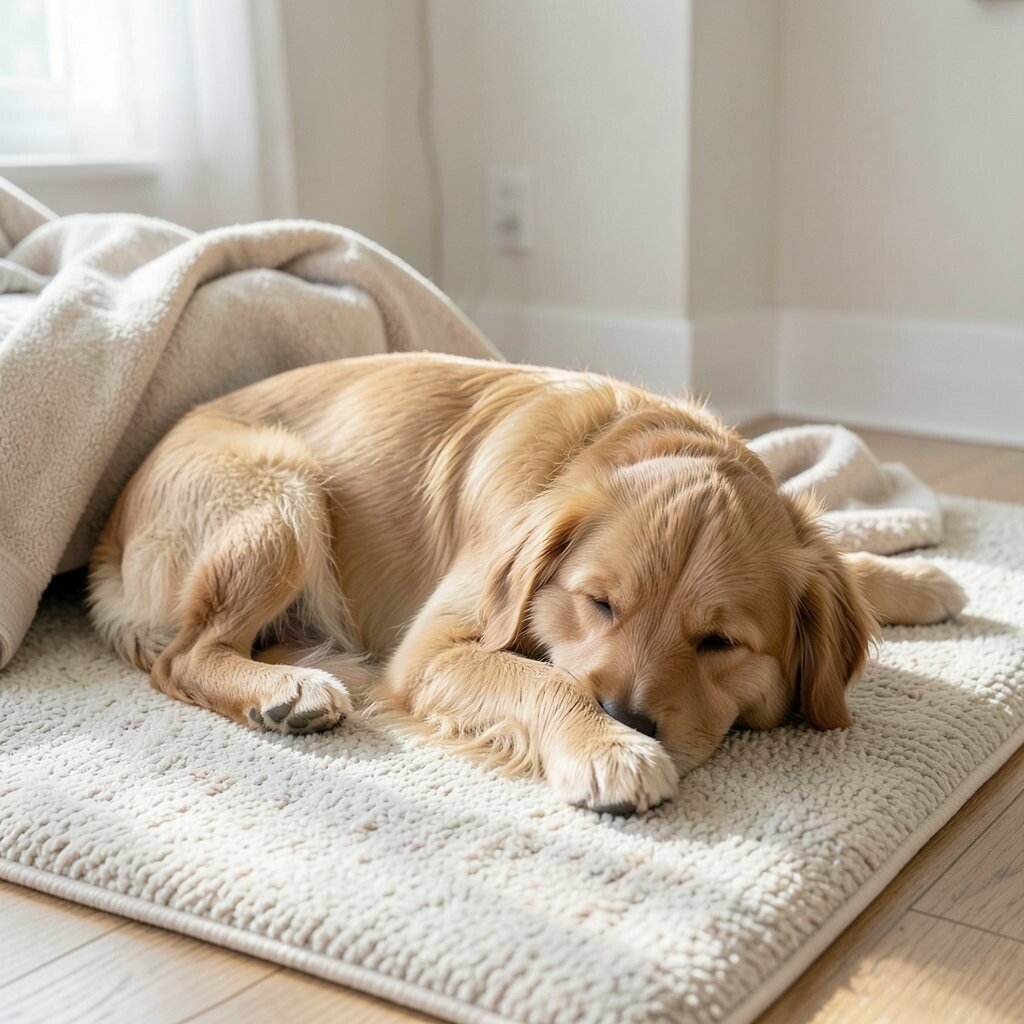
Pick a quiet spot with little noise and few distractions. A bed, a rug, or a soft blanket near you can work well. Make sure the floor is not too cold and not too hot.
A safe place helps your pet settle faster. If your pet likes a certain spot, use that spot again and again. This is also a good time to avoid stairs, crowds, or loud TV sounds.
4. Check Your Pet’s Comfort First
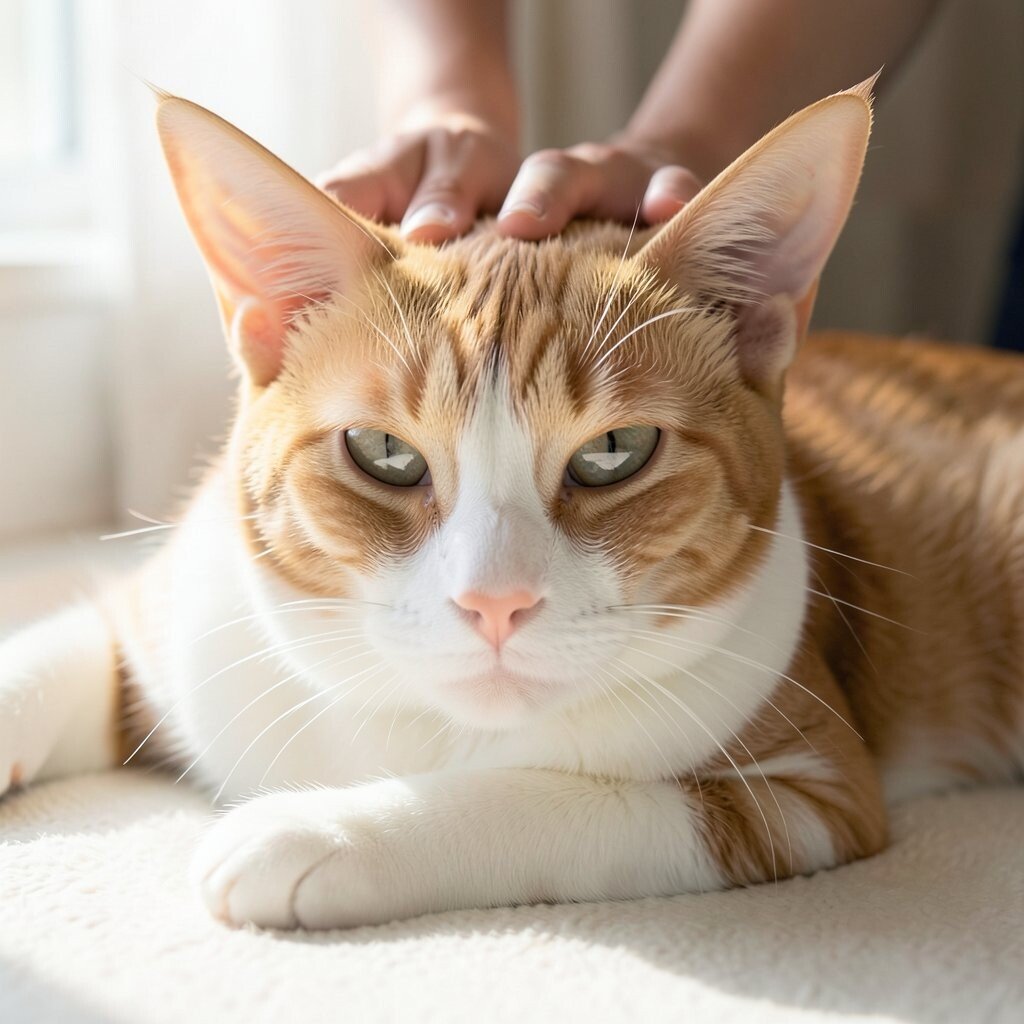
Before you touch, look for signs that your pet may not feel good. Watch the ears, tail, and eyes. If your pet pulls away, holds its body tight, or shows whale eye, stop and try later.
Checking comfort helps you keep massage kind. If your pet seems uncomfortable, you can use light petting instead of deep pressure. You can also ask your vet for advice if your pet has pain or stiffness.
5. Warm Up With Light Petting
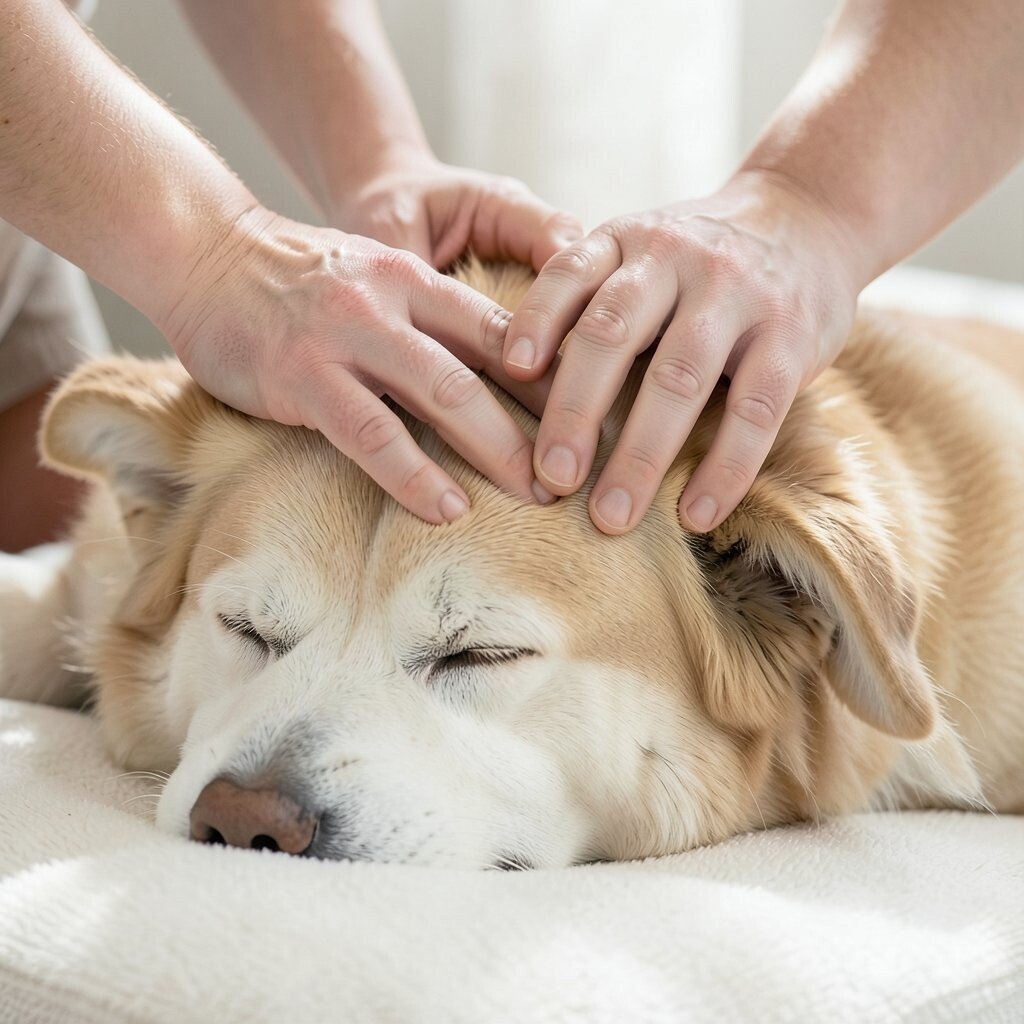
Use light strokes to help your pet get used to touch. Start with areas that your pet already enjoys, like behind the ears or along the back. Keep your hands soft and use slow, even movement.
Warm-up can make it easier to move to deeper work. When your pet feels safe, it may lean in or close its eyes. That quiet body often means it is ready for more gentle massage.
6. Massage in Small Circles
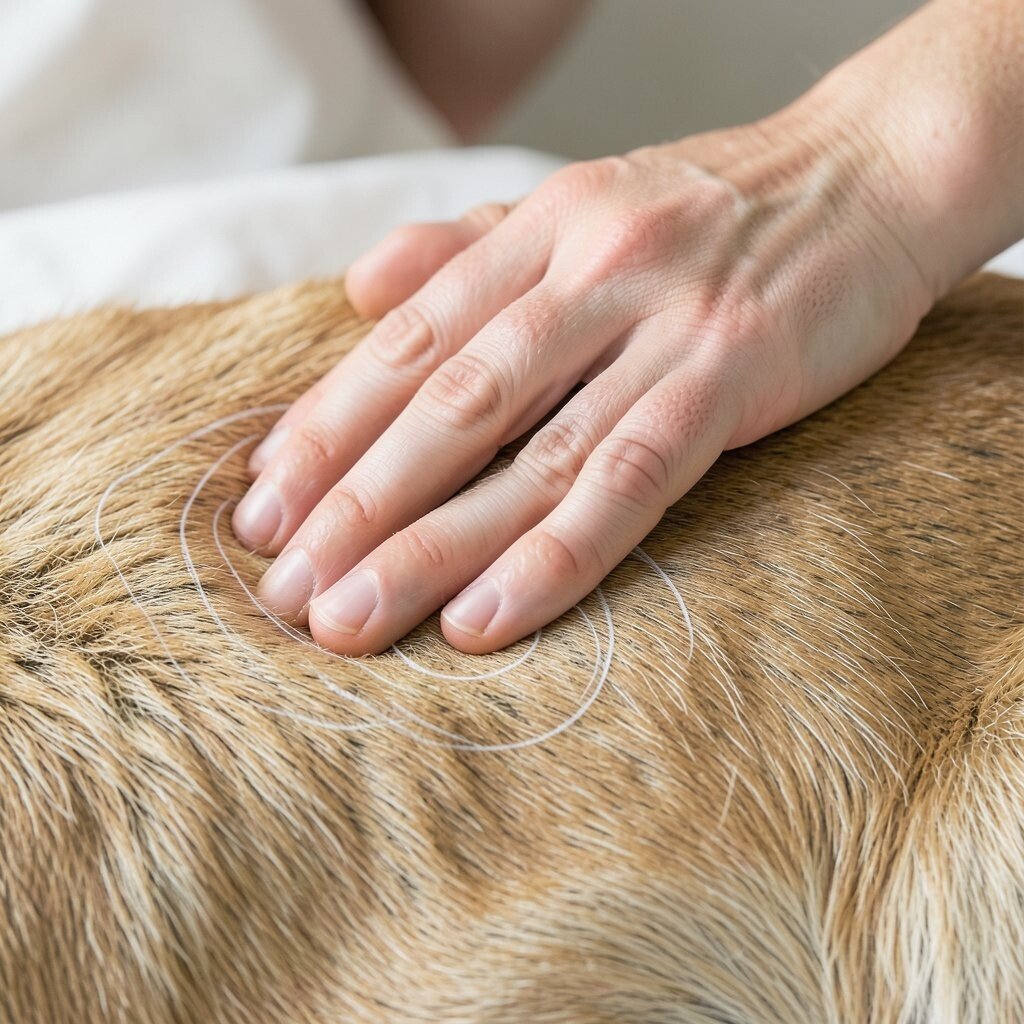
For many pets, small slow circles feel nice. Place your fingers on the skin and move in a tiny circle, not a hard push. Focus on one area for a short time, then move to another spot.
This style can help you avoid too much pressure. It can also feel steady and less sudden. You can picture your hand as drawing small rings on the fur and skin.
7. Pay Attention to Tension Spots
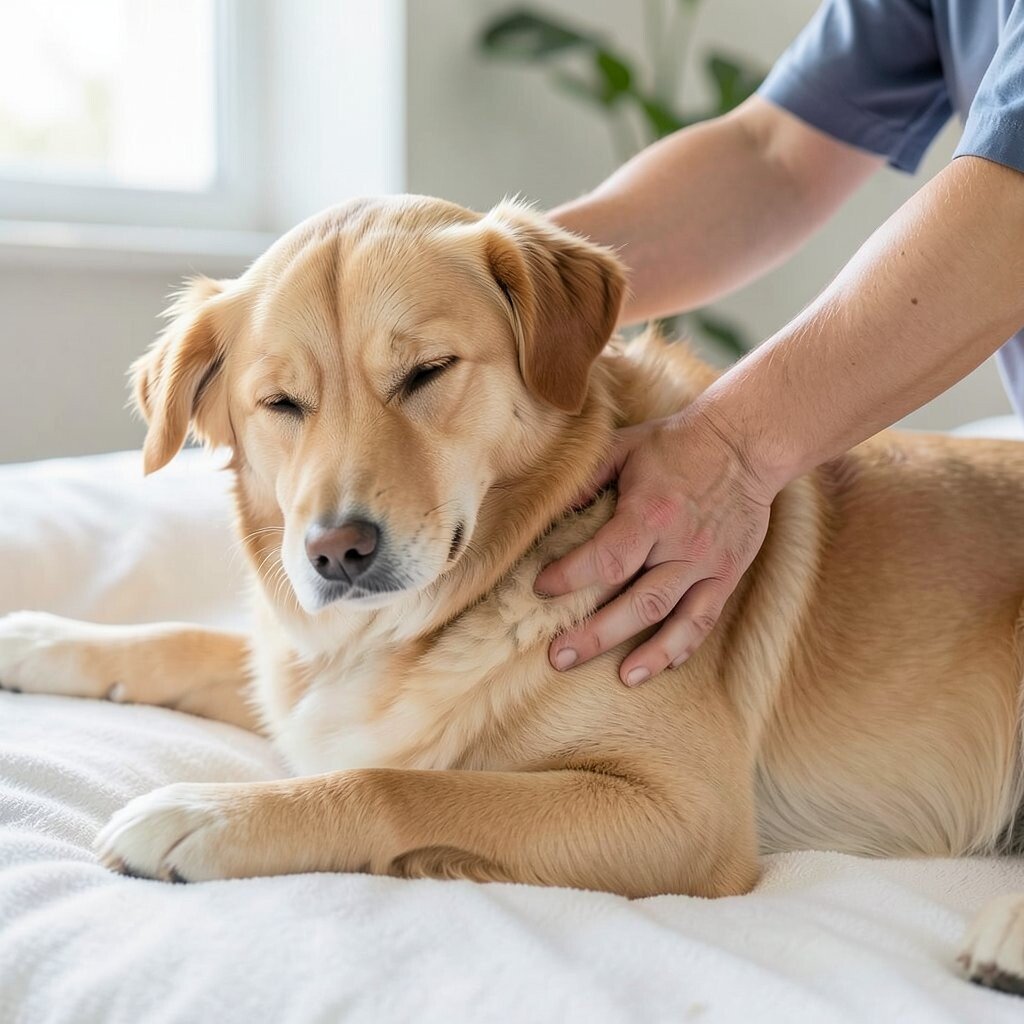
Many pets hold stress in the neck, shoulders, and hips. You may feel firm areas, or you may notice your pet flinches when you touch. Move slowly and use less pressure at first.
Finding tension spots helps you make the session useful. If your pet likes it, you can spend a bit more time there. If your pet does not like it, switch to a softer touch right away.
8. Use the Right Pressure for Your Pet
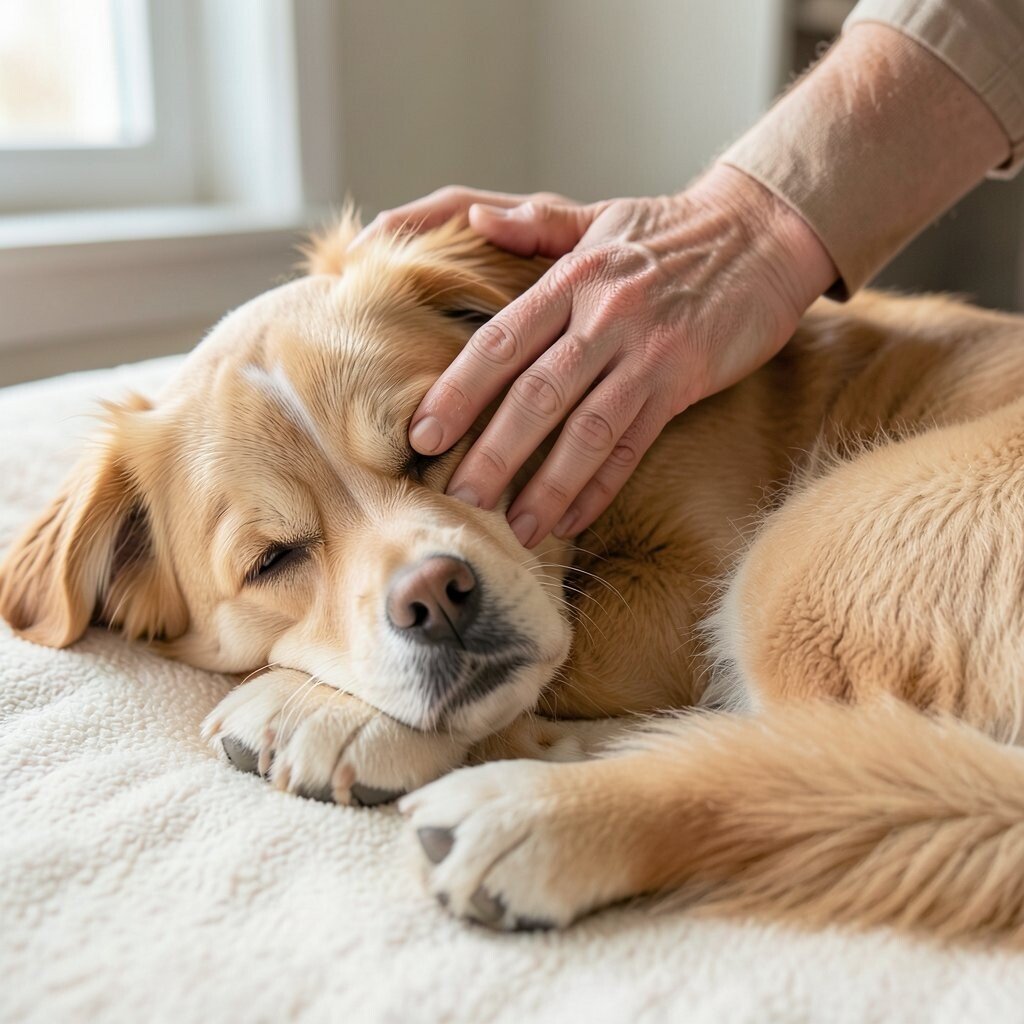
Pressure should feel like a gentle hug, not like you are pressing hard. Start with very light touch and slowly add a little more if your pet stays relaxed. If your pet tenses up, back off and go lighter.
Right pressure can help reduce stress without causing harm. Some pets like firmer touch, while others want only light strokes. Your pet’s reaction is your best guide.
9. Massage the Back, Not Just the Spot You Want
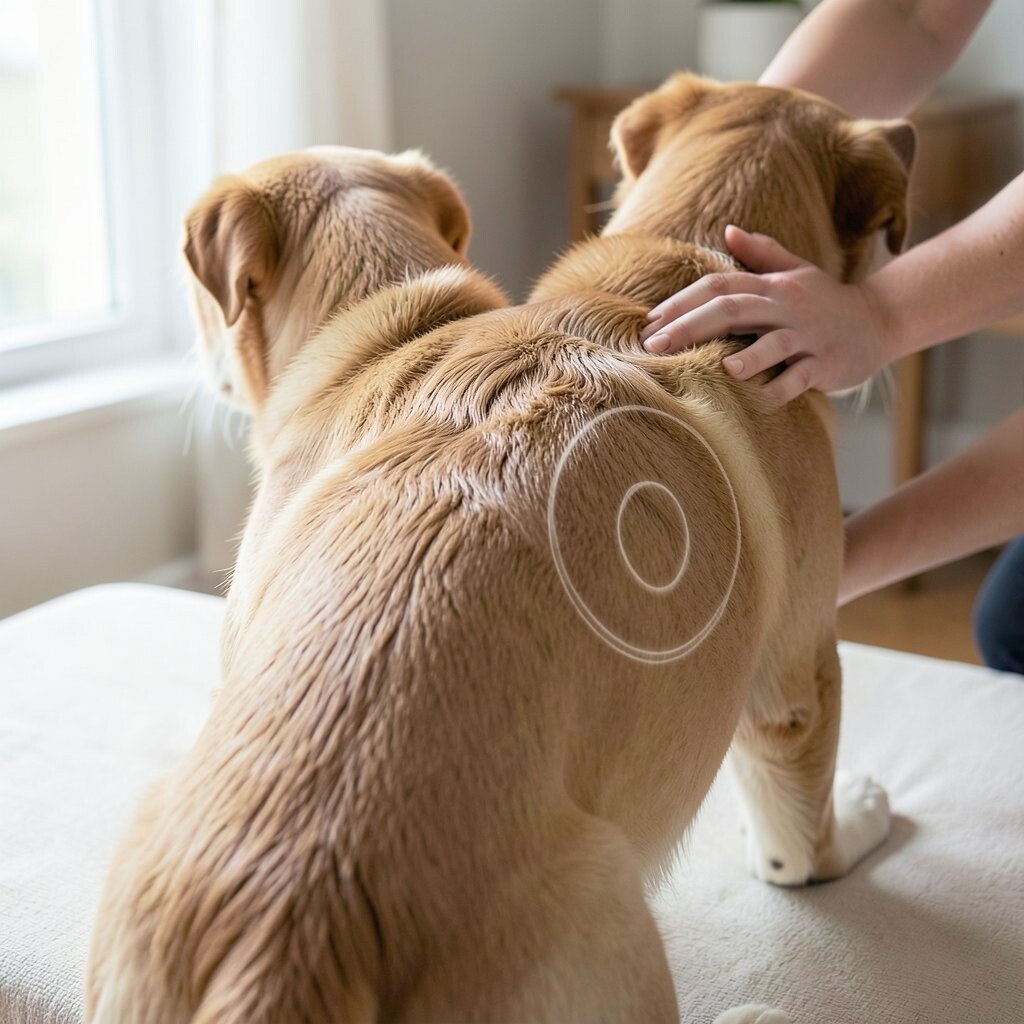
Do not only focus on one area. Try a simple path along the back, from the shoulders toward the hips. Use long strokes first, then add small circles on one side.
This can help your pet feel more balanced. A full back routine may also help your pet relax its whole body. If your pet has a favorite spot, keep it in the routine but still move around.
10. Work Around But Skip Sensitive Areas
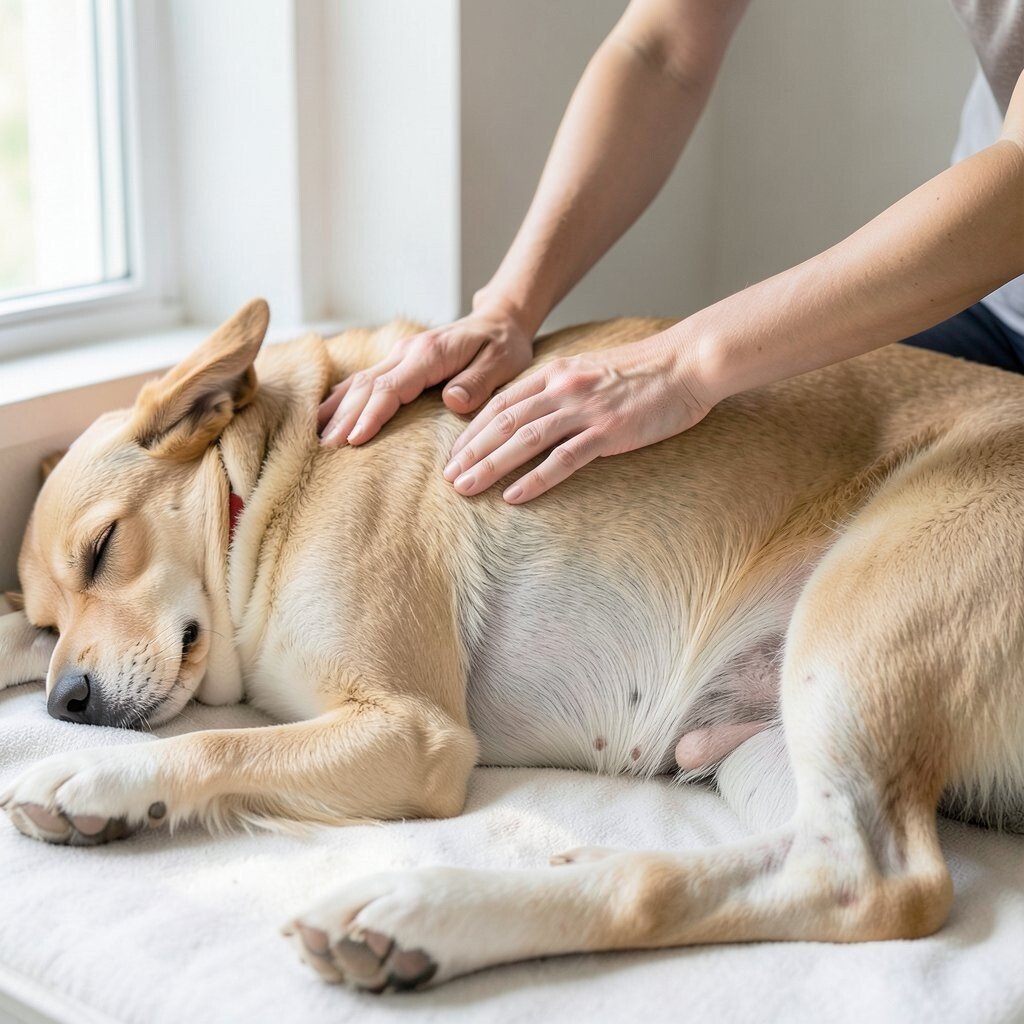
Be careful around the belly, groin, and other sensitive parts. Some pets like belly rubs, but many do not during a massage. If you are not sure, choose safer zones like the shoulders, back, and legs.
Skipping sensitive spots keeps massage comfortable. You can still help your pet by focusing on muscle groups that feel less touchy. Always stop if your pet shows fear, pain, or a strong pull away.
11. Keep Legs and Paws Gentle
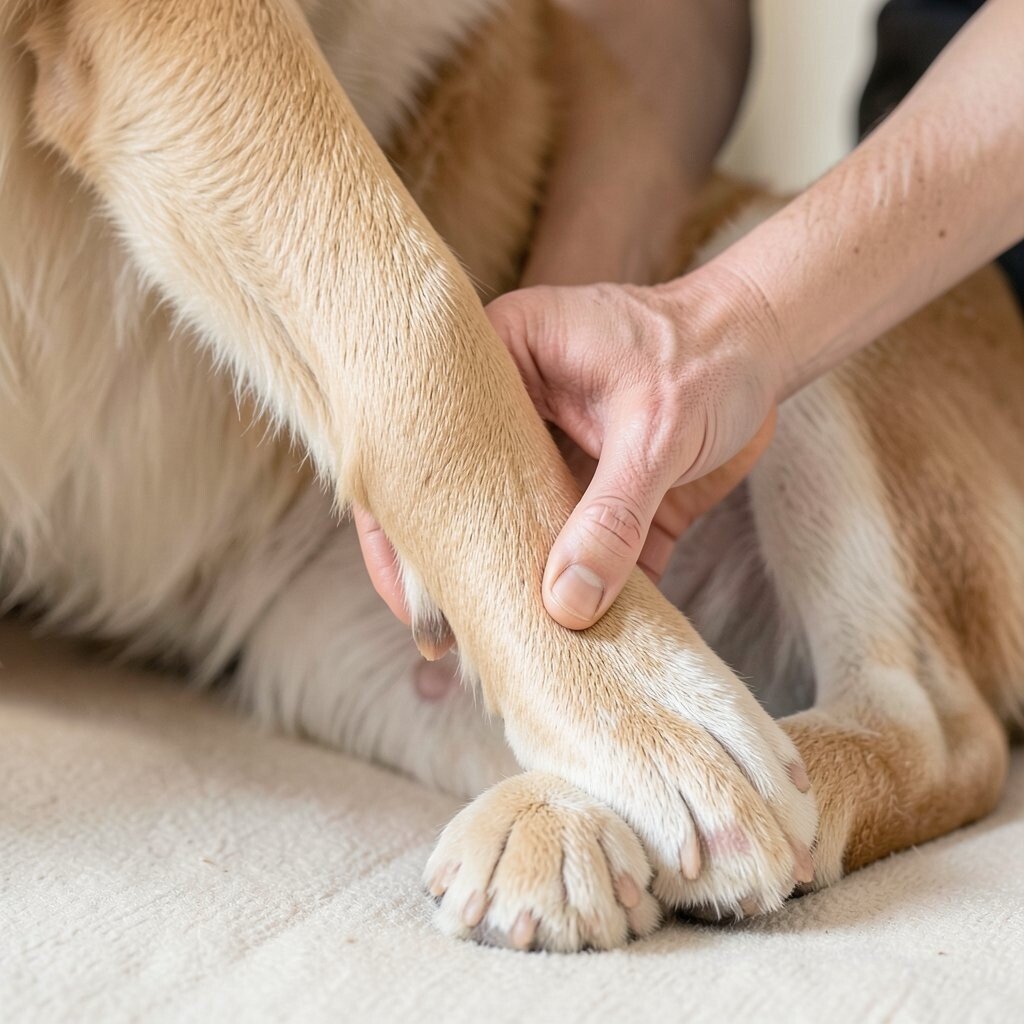
Use slow strokes on the legs and light touch on the paws. Try one leg at a time and pay attention to how your pet responds. If your pet likes it, you can massage the area above the paw with gentle circles.
Gentle work on legs can help pets feel more at ease. It can also help you notice swelling or changes over time. If you see redness, heat, or a limp, talk to your vet.
12. Try Tools Only If Your Pet Agrees
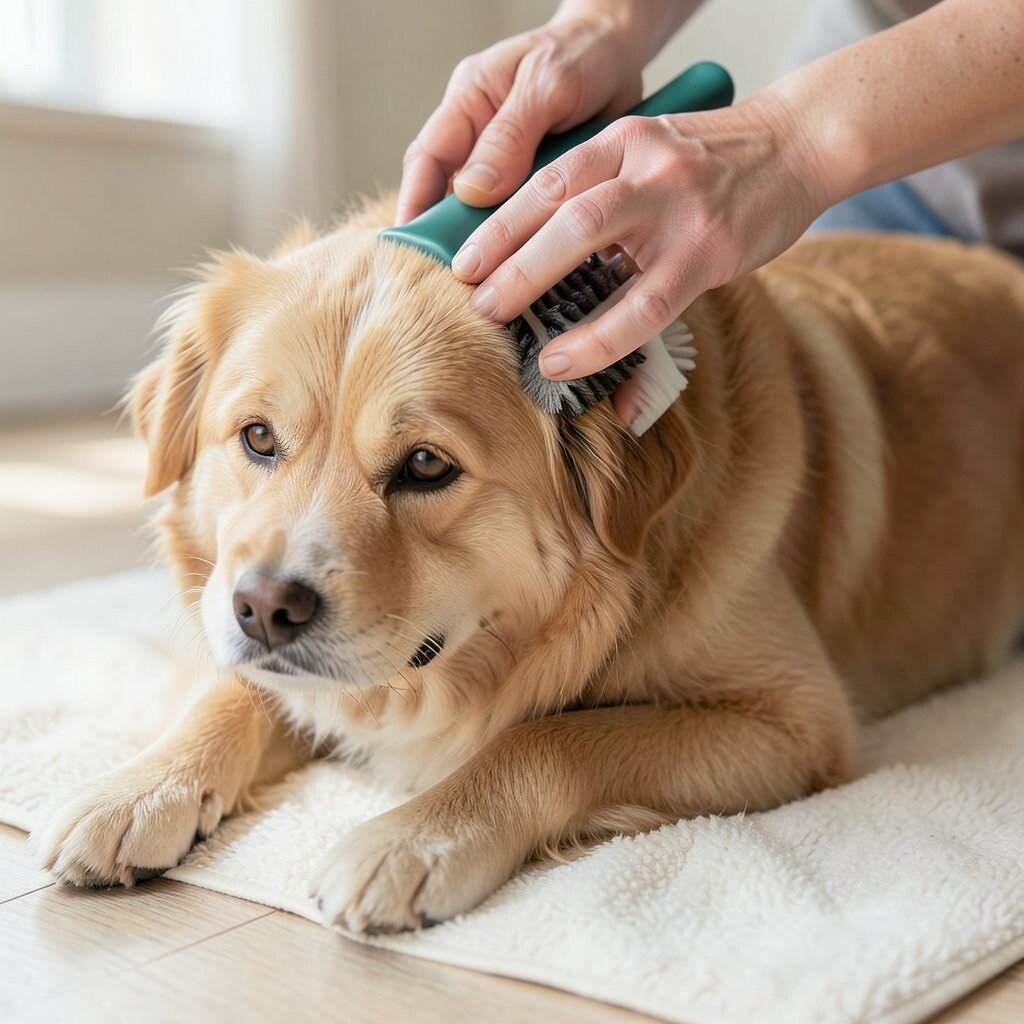
Some people use soft brushes or massage gloves. The tool should feel mild and not scratchy. If your pet startles or pulls away, switch back to using your hands.
Tools can be useful for comfort and easy daily care. The cost is often low for basic brushes, and many types are sold in pet stores. A good fit is one that your pet does not fear and that helps you keep a steady routine.
13. Make It Personal With Your Pet’s Routine
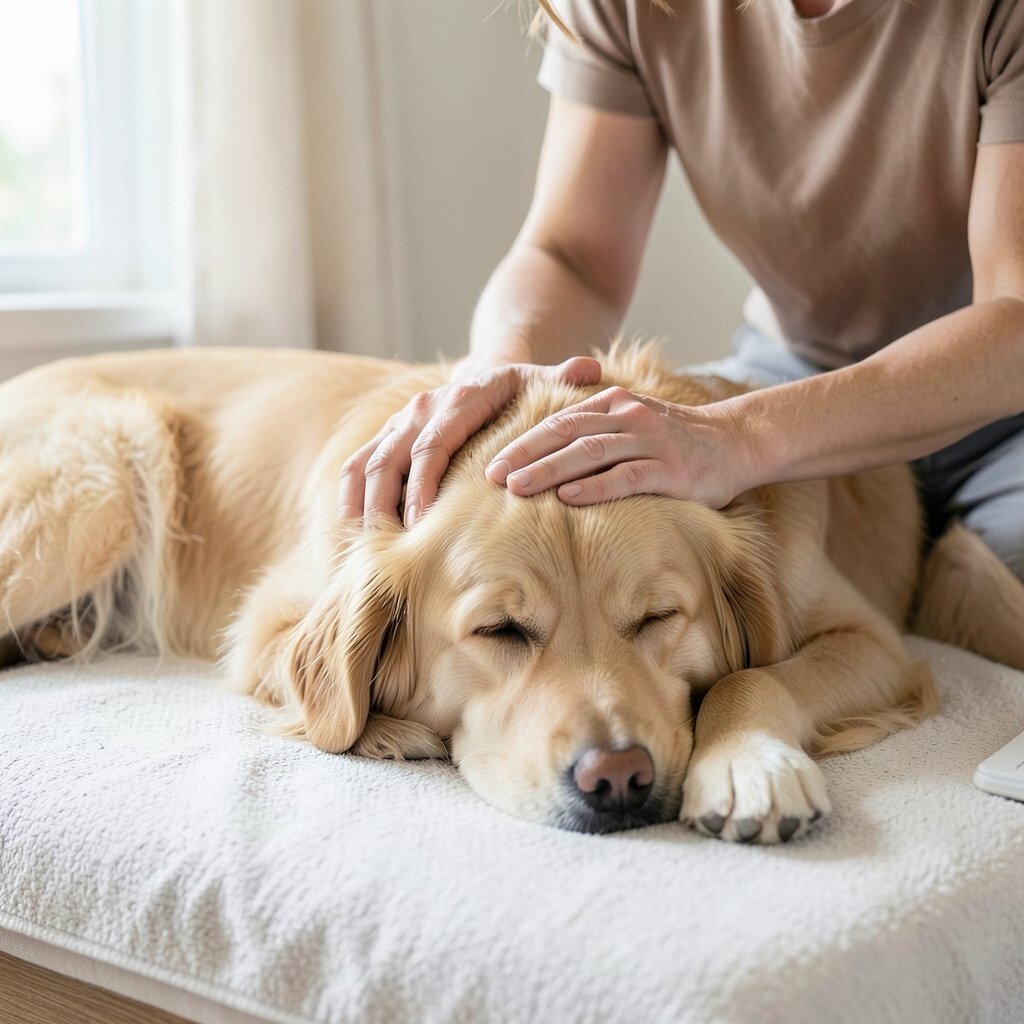
Use massage at a time your pet is already calm, like after a walk or when it rests. Match the style to your pet’s needs, such as light strokes for a shy pet or firmer work for a pet that enjoys it. You can also set a small plan, like massaging the same areas each time.
Personal routines can make massage feel normal. Many pet owners also like the trend of short “at home care” habits for comfort and bonding. With small changes, you can fit massage into your budget and your schedule without making it stressful.