Livestock guard animals help keep your herd safe from many kinds of trouble. The right plan works best, so you can enjoy your work and reduce stress.
1. Pick the Right Guard Animal
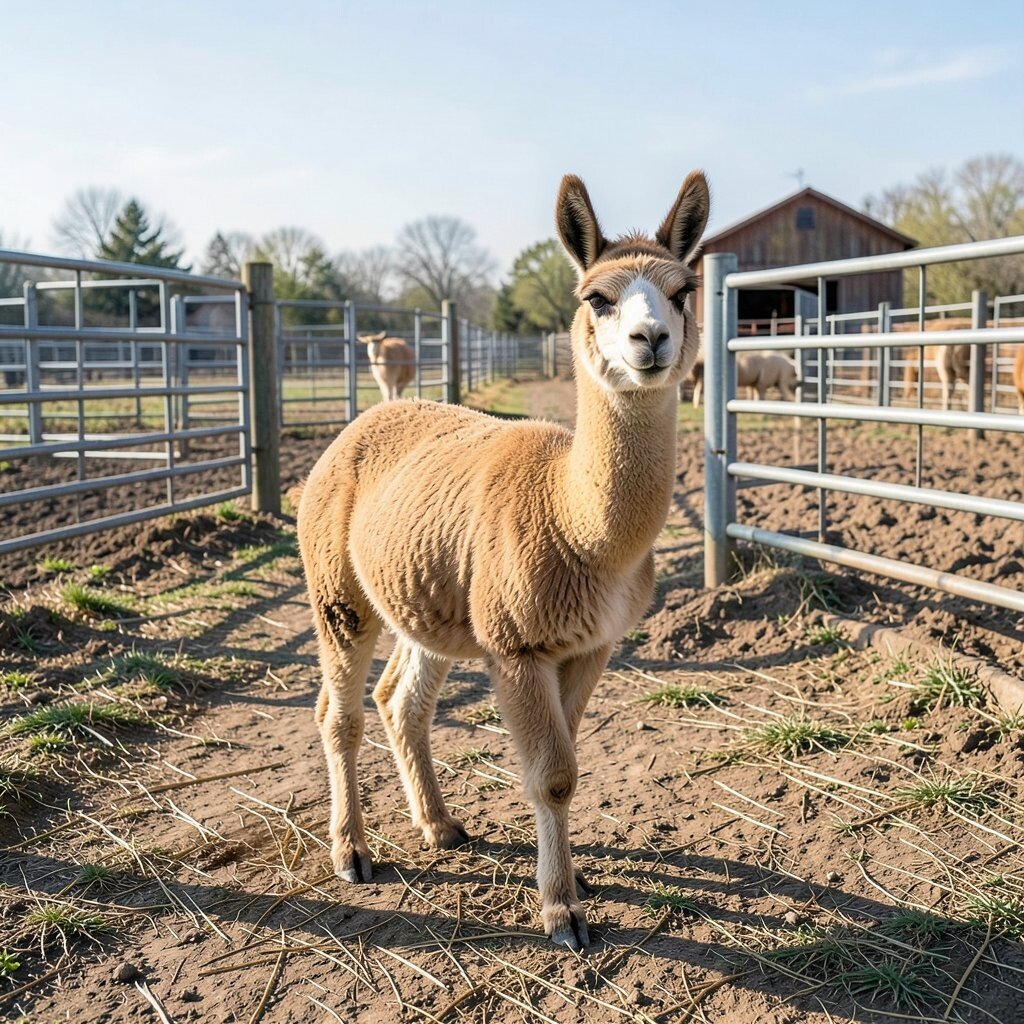
Start by choosing a guard animal that fits your farm and your weather. A big dog, a llama, or a different guard type may work well, but each one has its own needs. Look at your space, your land, and the kind of animals you worry about.
For a visual idea, picture your property with clear lanes, open pens, and safe spots to sleep. Then match that with the guard animal you want. This helps your choice feel more natural and more likely to work.
This tip is unique because it puts fit first, not hype. A good match can lower costs over time since you may not need to replace the animal. Trends also show more small farms are mixing guard types when predators and risks differ by area.
2. Use Proper Training From Day One
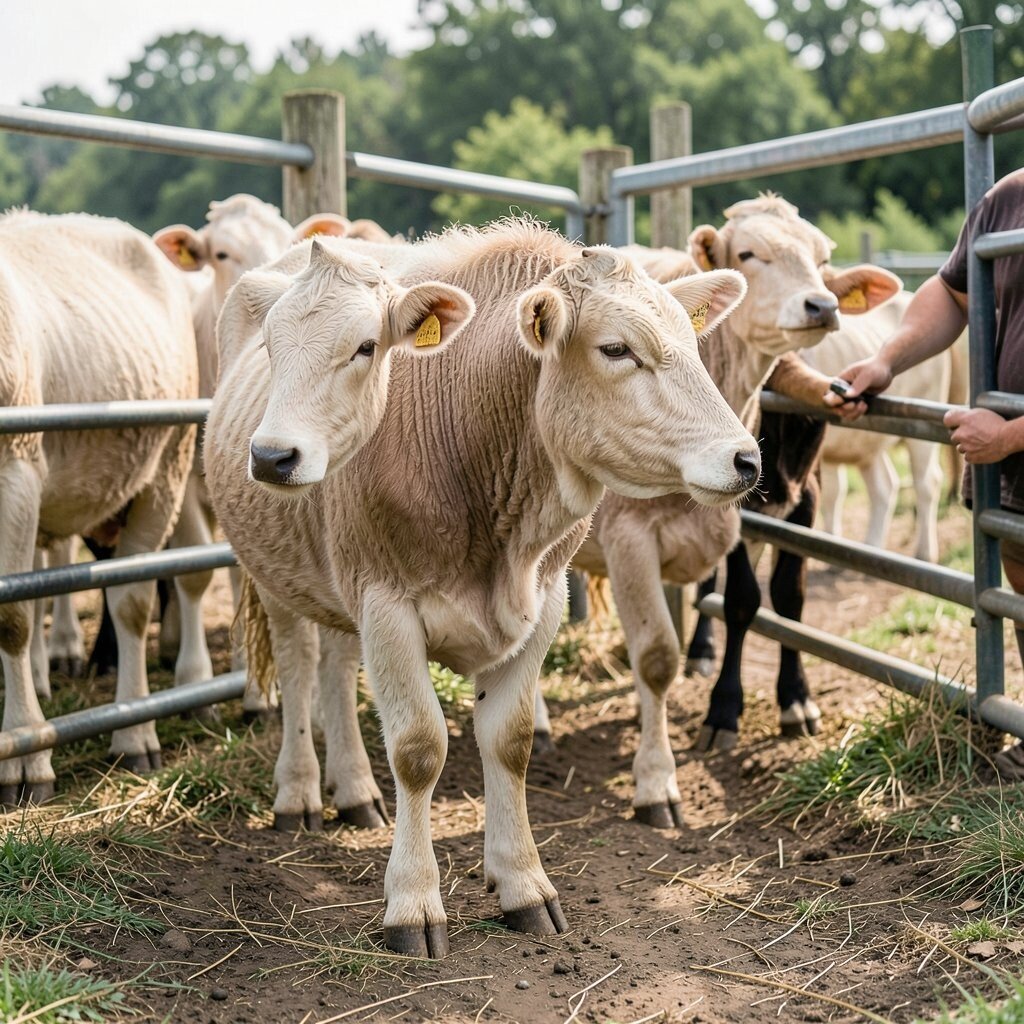
Even a calm animal needs clear rules. Give short practice sessions and keep them steady each day. Praise good actions and avoid harsh acts that can scare the animal.
Think about training like a slow road, not a quick race. You can start with time near the herd, then add handling near gates and fences. Over time, the animal learns what is normal and what feels off.
Training gives real benefits: fewer panic moments and better calm around stock. It also helps reduce mistakes that can cost money, like replacing a guard animal that never bonds. Personalizing training to your routine makes the whole system smoother.
3. Choose Safe Housing and Shelter
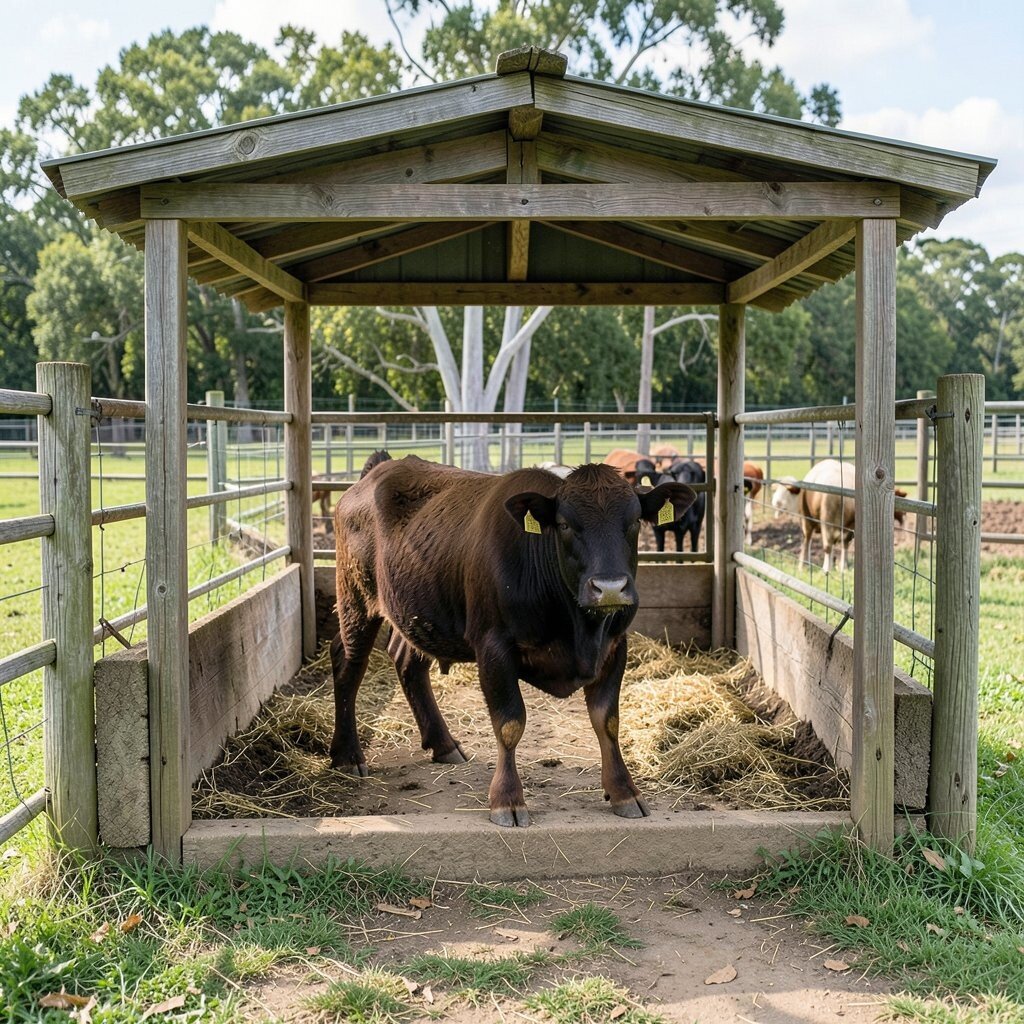
Your guard animal needs a safe place to rest and stay out of bad weather. Use sturdy fencing, a wind block, and shade in hot months. Add a dry bed area so the animal stays comfortable and focused.
Picture a small shelter with a solid floor and a clear view of the pens. That view helps the animal notice changes fast. The animal should also have a path to water that is easy to reach.
This helps guard work last longer, which is a cost saver. If the animal stays healthy and calm, it can watch the herd more often. A trend in many places is better shelter design, with more farms using raised beds and easy-clean areas.
4. Protect Fences and Watch Gate Lines
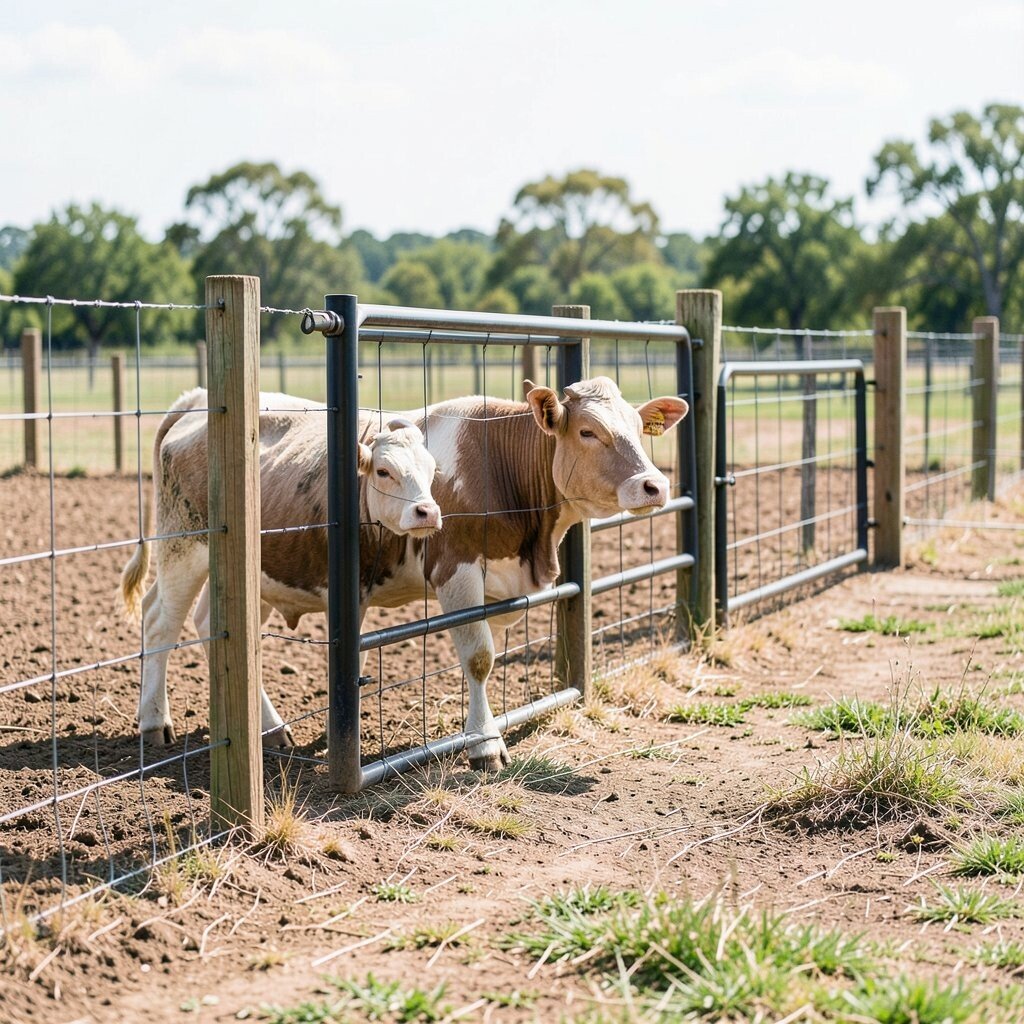
Guard animals work best when fences do their part too. Check fence lines often and fix weak spots right away. Look for gaps under gates, bent posts, or wire that has loosened.
Walk your perimeter at a slow pace and look in each direction. You may spot a small break that animals could use. Also check where trailers, feed trucks, or people move through.
Good fence care is a simple benefit that keeps your system strong. It can save money because you avoid repairs that come after damage. Many farms pair guard animals with fence upgrades to meet higher predator pressure seen in some areas.
5. Keep the Guard Animal With the Herd
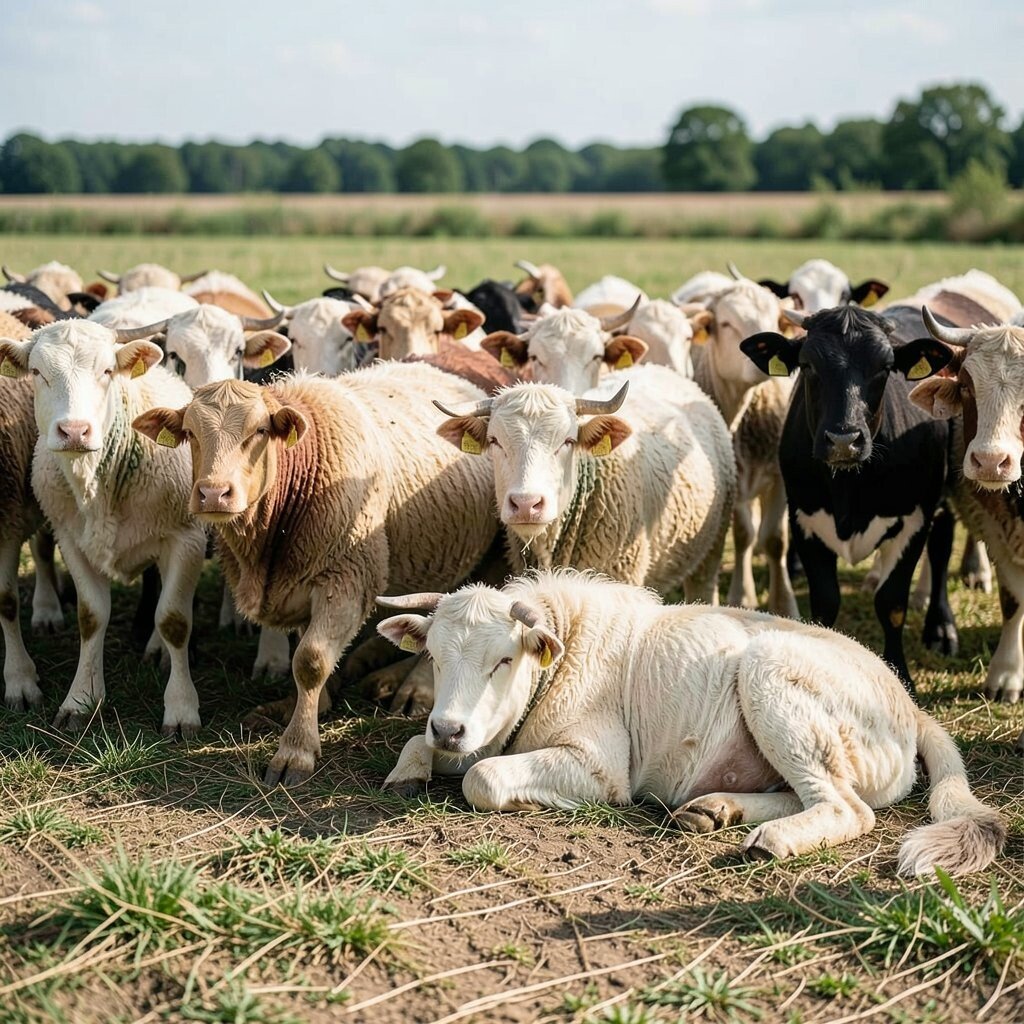
The guard animal must feel like it belongs with the animals it protects. When possible, keep it with the herd instead of far away. Even short separations can slow bonding and make the animal less steady.
For a clear visual, imagine the guard animal lying near the group, not alone at the edge of the farm. If the animal always stays close, it learns the herd sounds and patterns. That helps it notice when something changes.
Bonding gives better results and less confusion. This also lowers cost since you spend less on extra training. Personalizing the schedule, like matching your feeding times, can help the animal stay calm and alert.
6. Control Food and Water Access
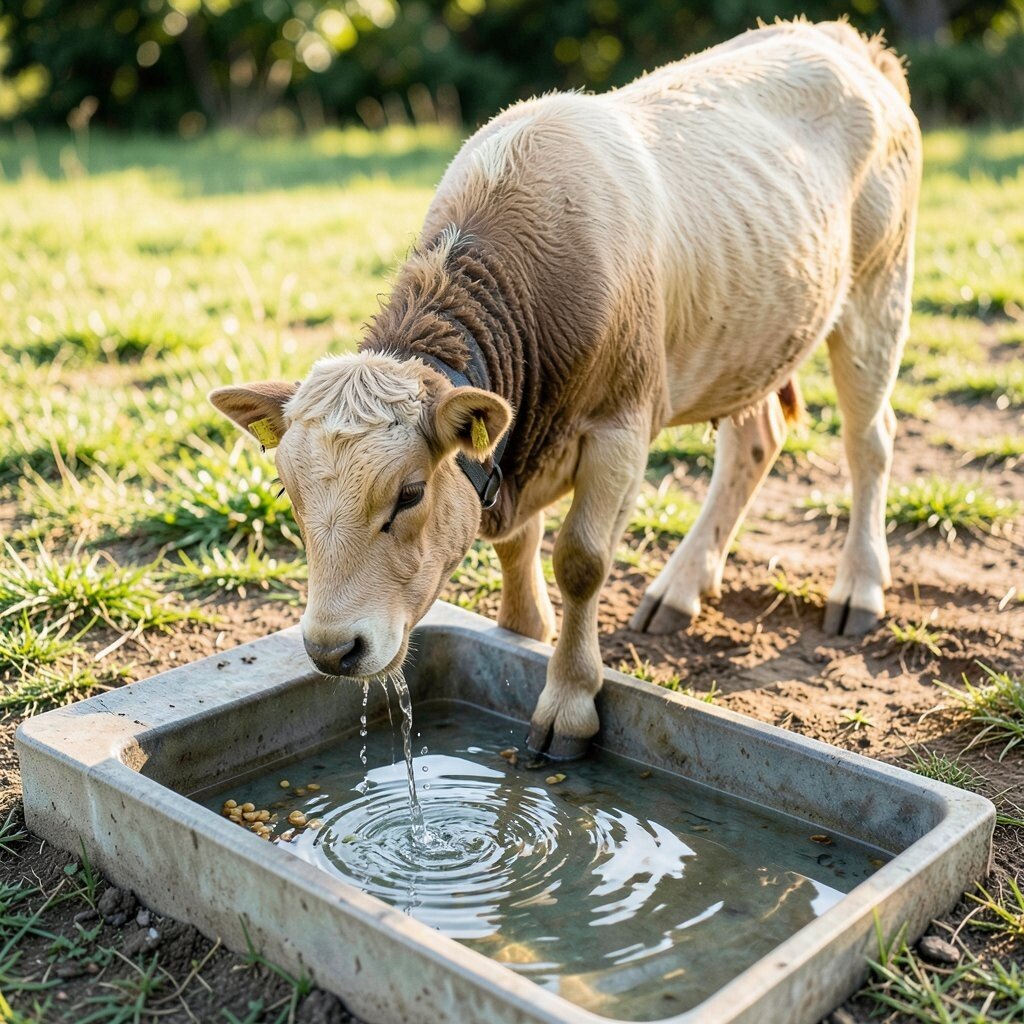
Make sure the guard animal has food and clean water that it can reach easily. Use a spot that is safe from trampling and fights. Avoid giving food in a way that makes the animal rush or guard its own bowl too hard.
See it as a clear routine: fill the water, check the feed area, and keep it tidy. If your guard animal must search for water, it may lose time or miss signs at the wrong moment.
This tip helps health and focus, which supports real protection. It can also lower costs by cutting waste and reducing feed spills. A growing trend is using measured feeding and simple feeding stations so each animal gets what it needs.
7. Reduce Stress Around Visitors
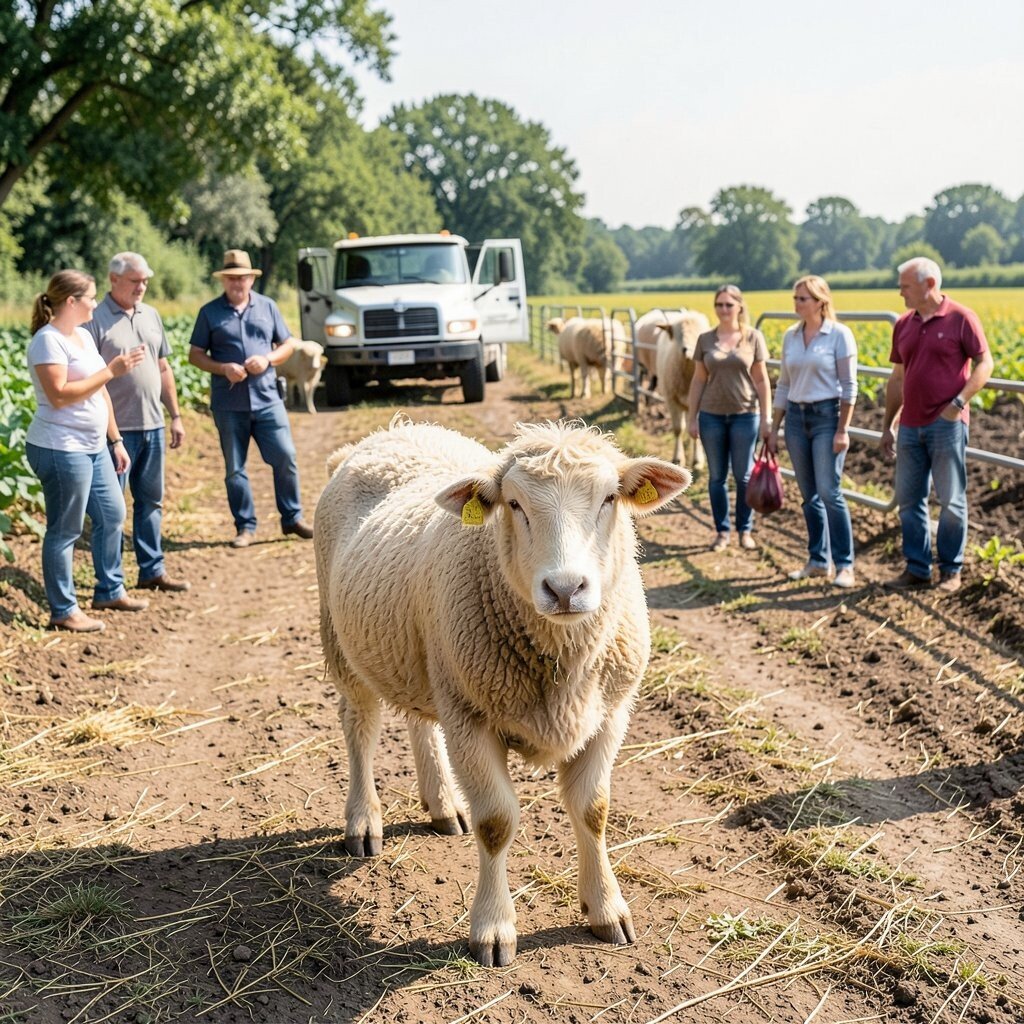
Visitors are part of farm life, but sudden noise can stress your guard animal. Give visitors clear rules and keep doors, trucks, and gates under control. When possible, plan routes so the guard animal is not pushed into panic.
Picture a busy day: a vehicle pulls in, people talk, and then the calm returns. Your goal is to keep the guard animal from feeling like it must react to everything. Calm days help it focus on real threats.
Less stress leads to better behavior and fewer issues. It also helps protect your costs, since calm animals need fewer behavior fixes. Some farms use gates or waiting pens to keep visitors at a set distance, which fits current farm safety trends.
8. Watch Health Needs and Parasite Control
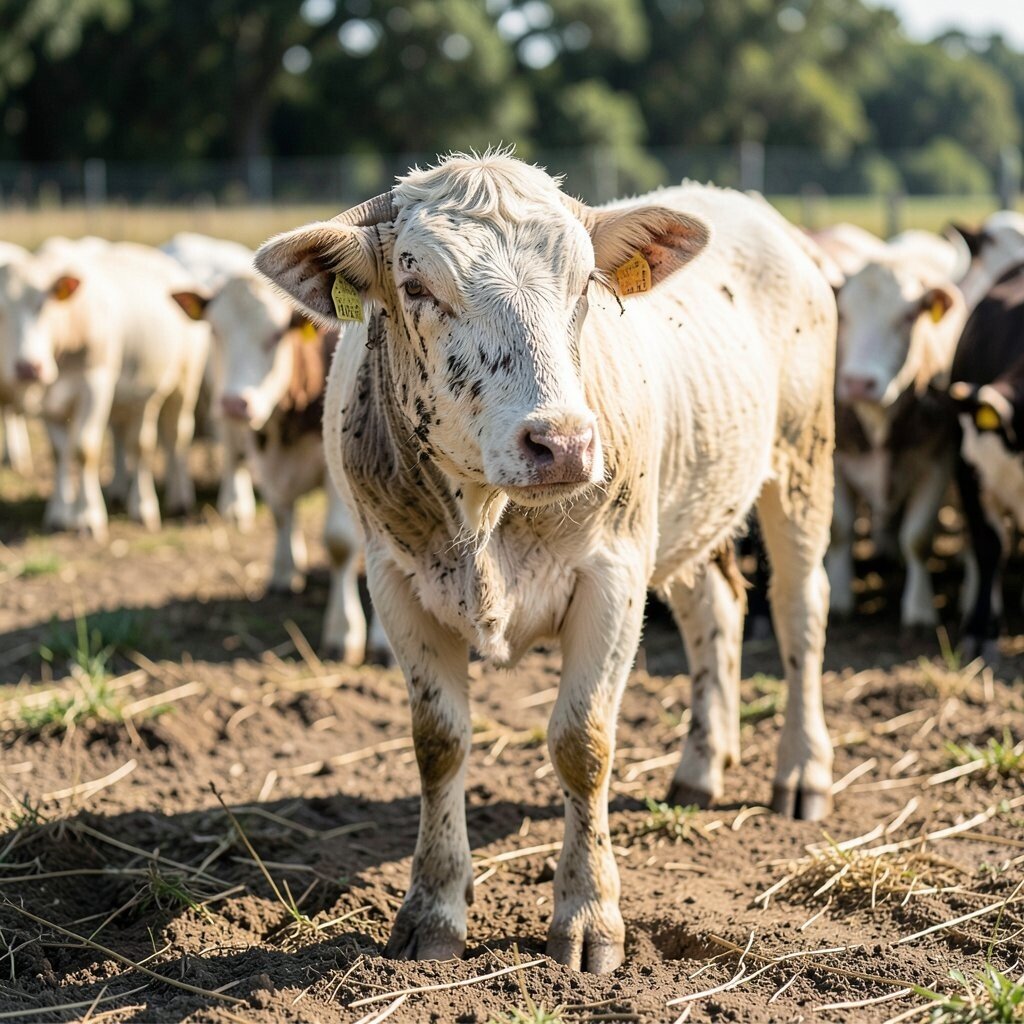
A sick guard animal cannot do its job well. Talk with a vet about vaccines, worm control, and basic checkups. Keep bedding clean and remove manure when you can.
Look at simple signs like skin issues, dull eyes, and low energy. If your guard animal seems off, check first before you blame predators. A quick health fix can prevent bigger problems later.
This is a key benefit: healthy animals stay steady and stay near the herd. It can also save money because early care is often cheaper than major treatment. Many farms now use more regular health logs and seasonal worm plans, which matches current best practice trends.
9. Match Patrol Areas to Your Land
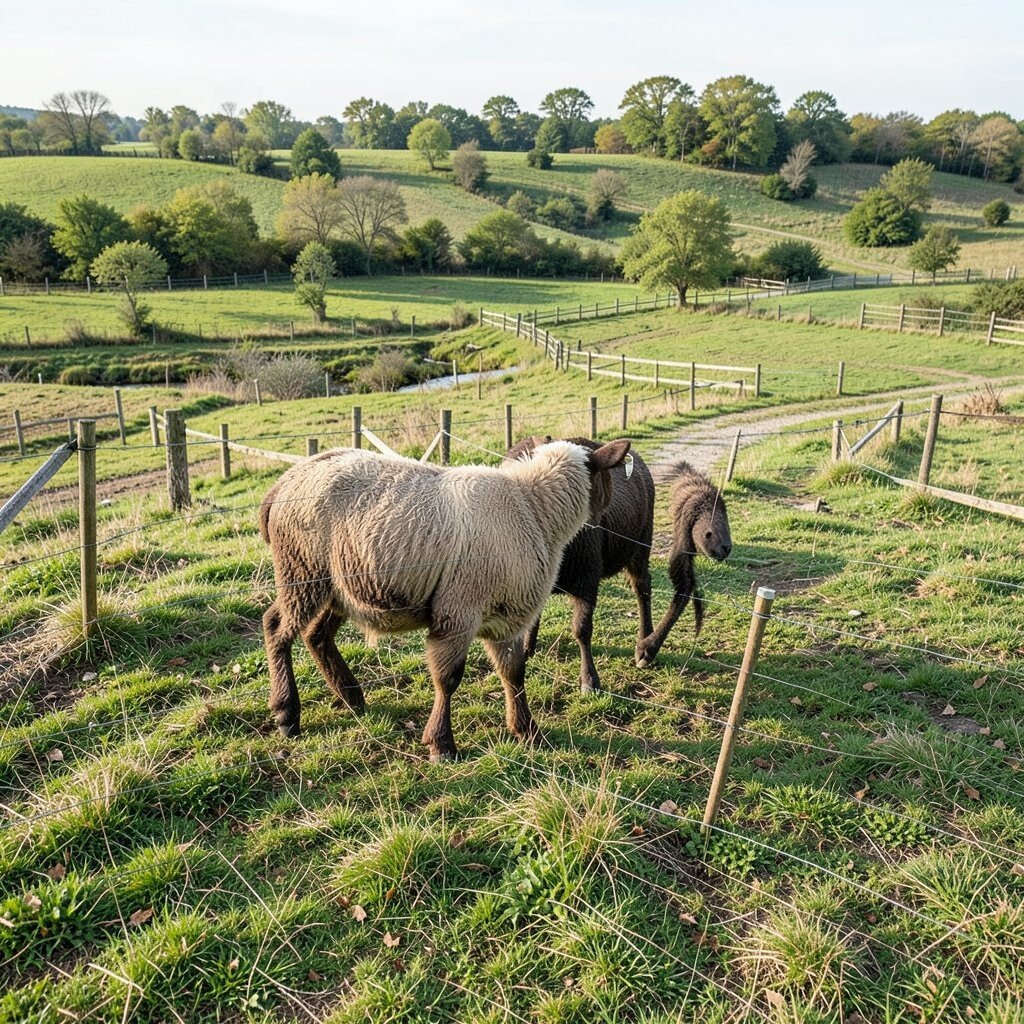
Every farm has different risks, so you should set up guard areas that fit. If predators come from one side, your guard animal should have access to that side too. Use pens, lanes, and safe exits to help the animal move where it matters.
Visualize your land like a map with risky edges. Maybe there is a creek line, a tree belt, or a road near a field. Set up routes so the guard animal can watch those spots without getting stuck.
Patrol planning is unique because it makes protection feel targeted. It can cut costs by reducing the need for extra guard animals. Personalizing the space, like adding a small extra yard during lambing season, helps match seasonal risk.
10. Build a Routine for Threat Checks
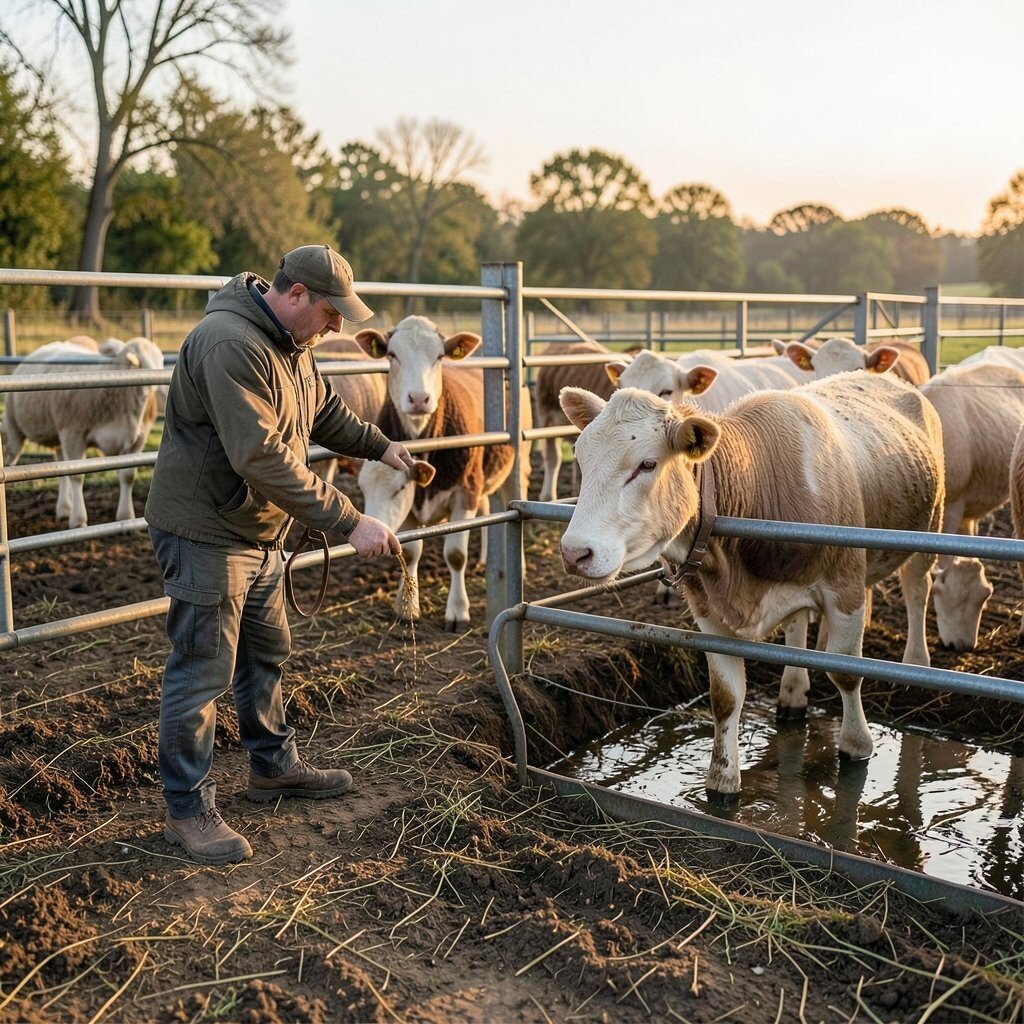
Guard animals help, but they still need your support. Do a daily look at the herd and the guard animal’s area. Check fences, water, bedding, and feed points for signs of trouble.
Try to keep the routine the same each day. For example, check early morning and late evening, when many threats are more common. If something looks odd, write it down so you can spot patterns.
This routine brings benefits like fast action and fewer surprises. It also helps reduce cost because small problems often stay small when you catch them early. Trends in farm management show more people using simple logs and phone notes for herd checks.
11. Plan for Costs, Budget Time, and Long-Term Care
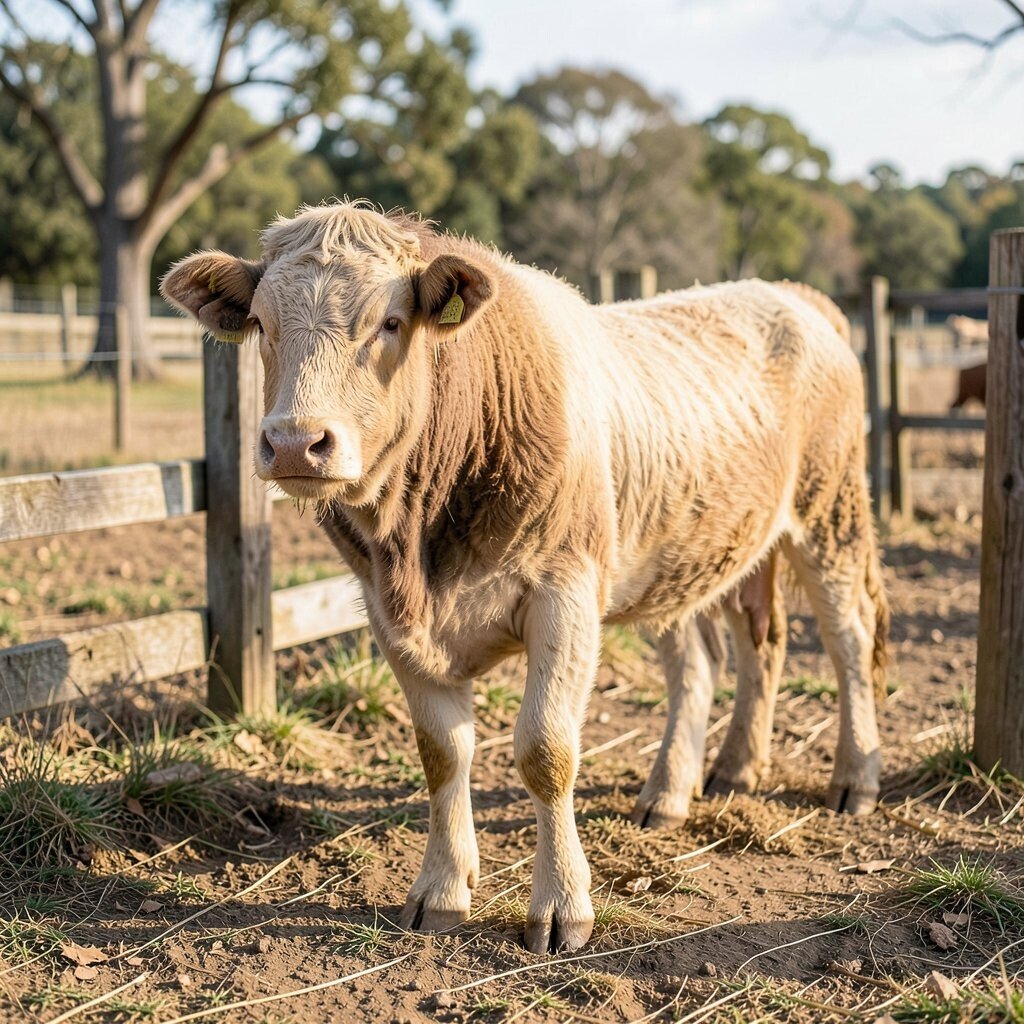
Guard animals are not just a one-time buy. Plan for food, vet care, bedding, fence checks, and training time. Also plan for aging, since an older animal may need a different setup.
Think about the cost like a steady list, not one big bill. You can use a simple budget sheet and update it each season. That can help you choose realistic feed amounts and shelter upgrades.
This tip is unique because it focuses on long-term care, not quick fixes. It helps you personalize your plan based on your goals and your farm size. A trend is more careful budgeting by small farms, including costs for supplies and time, so guard systems stay in place longer.