Your pet can leave smells even when you do not see much mess. With small changes and steady habits, you can keep your home smelling clean and calm.
1. Use a HEPA vacuum for pet areas
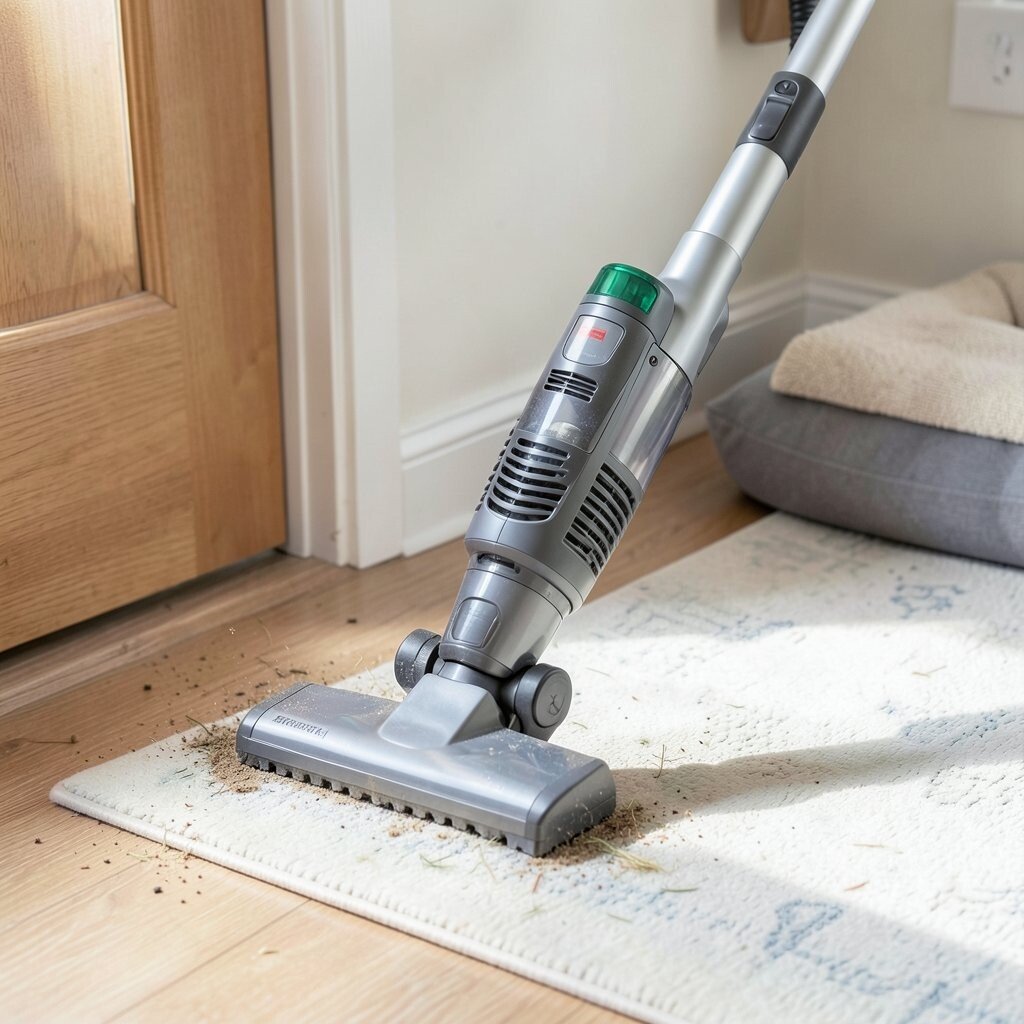
A HEPA vacuum can grab small bits that cause bad smells. Use it on rugs, baseboards, and the spots where your pet likes to rest. You may see hair and dust, but the smell can also drop after a few cleanings.
For best results, vacuum in the same pattern each time. Start near the door, then do corners, then under chairs, and end with pet beds. This helps you feel sure you did not miss key spots.
Cost can vary, but you can start with a good vacuum head and a filter you can replace later. This is a steady, “boring” fix that still works well. Many pet owners also like that it fits modern cleaning routines and is easy to keep up.
2. Wash pet bedding with hot water
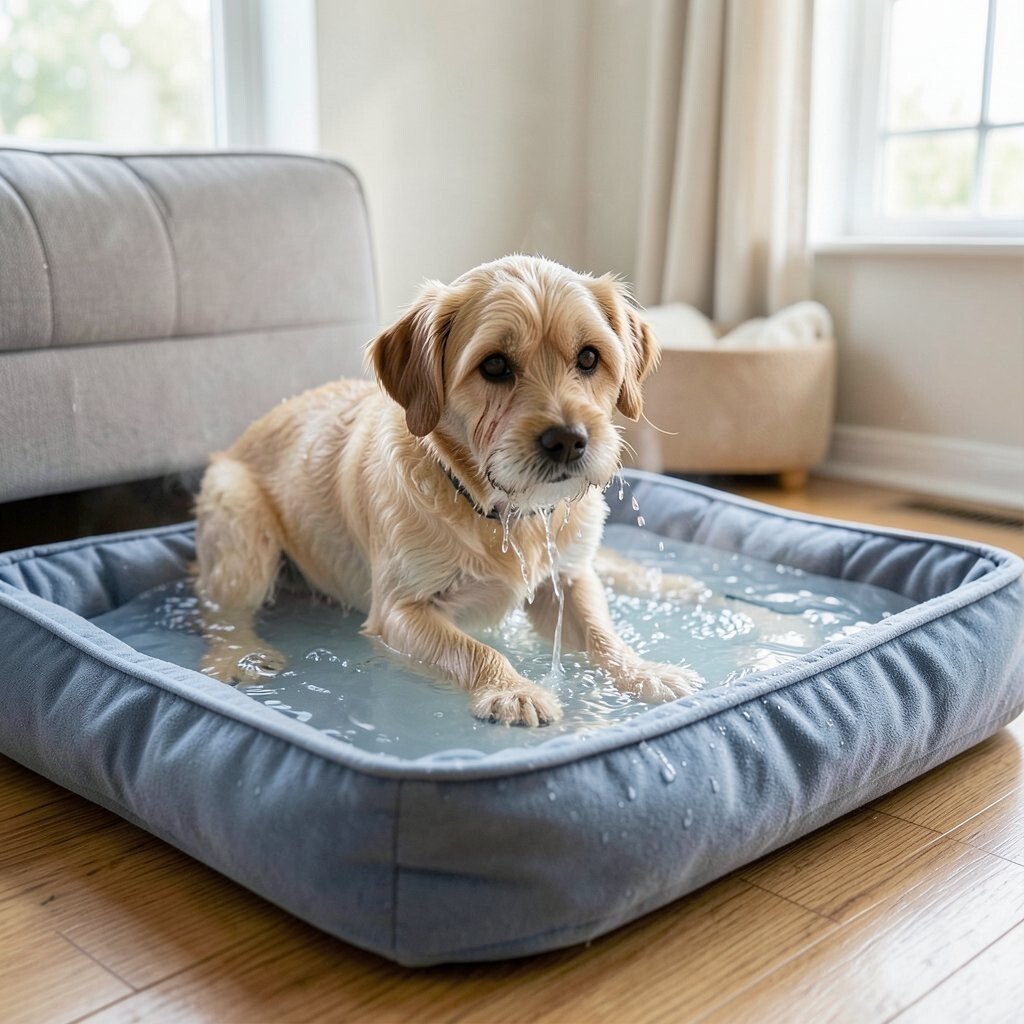
Pet blankets and beds hold body oils, saliva traces, and hidden dirt. Washing in hot water can help lift those things from fabric. After drying fully, the room often smells fresher right away.
Try using a simple, pet-safe laundry soap and skip heavy perfume. Strong scents can mix with pet smells and make them feel worse. If your pet has allergies, choose a gentle, fragrance-free option.
To personalize, set a routine based on your pet’s habits. If your dog naps on the couch daily, wash that cover more often. If you have a cat that uses a bed near a window, you can rotate items so one set is always clean.
3. Add baking soda to carpets before vacuuming
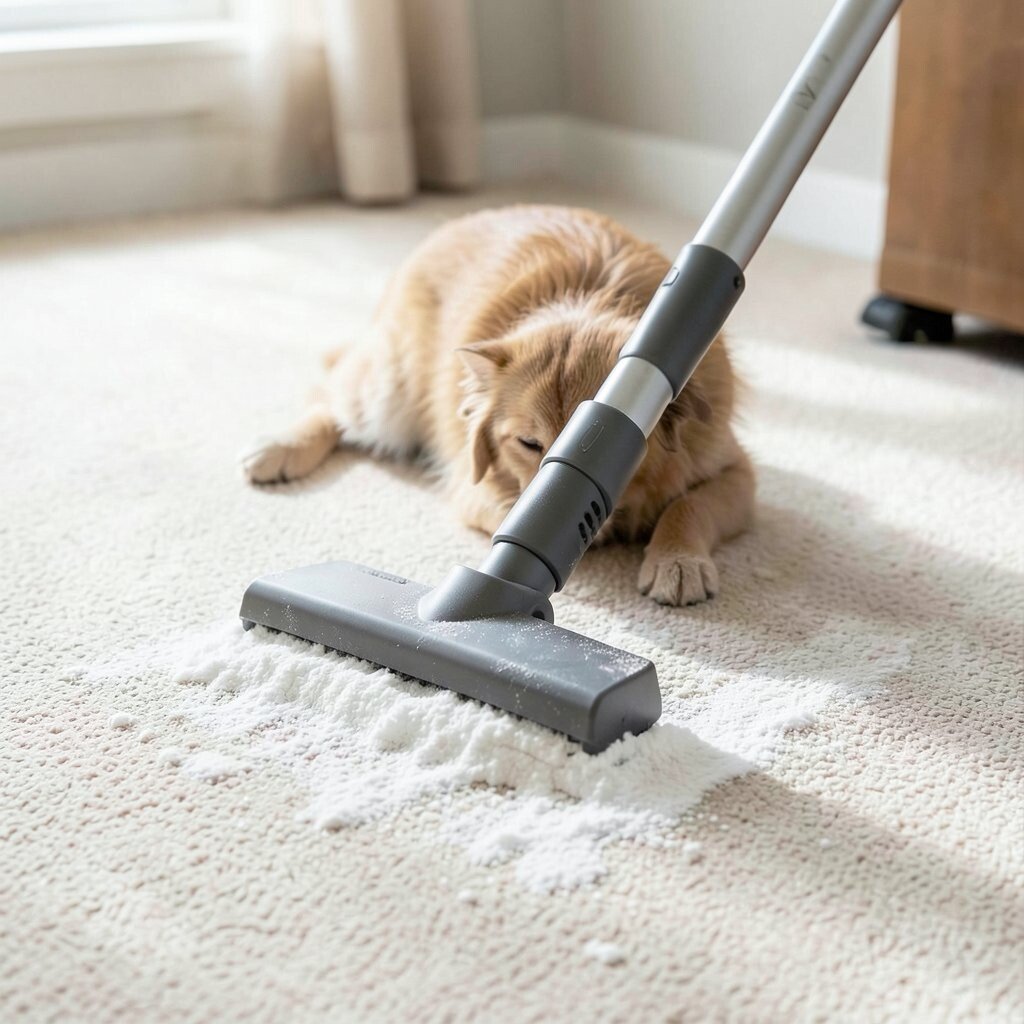
Baking soda is an easy home option for smell control. Sprinkle a thin layer on carpet and let it sit for a while, then vacuum it up. It can help with pet odors that sit deep in carpet fibers.
Keep it light, so you do not waste product or leave a white look. For homes with strong smells, you can do it more often but not too thick. Always vacuum well so the carpet stays smooth underfoot.
This method is low cost and popular with many families. It also lets you adjust based on the season. In dry months, you may need less, and in humid months you may need more.
4. Clean pet urine with an enzyme cleaner
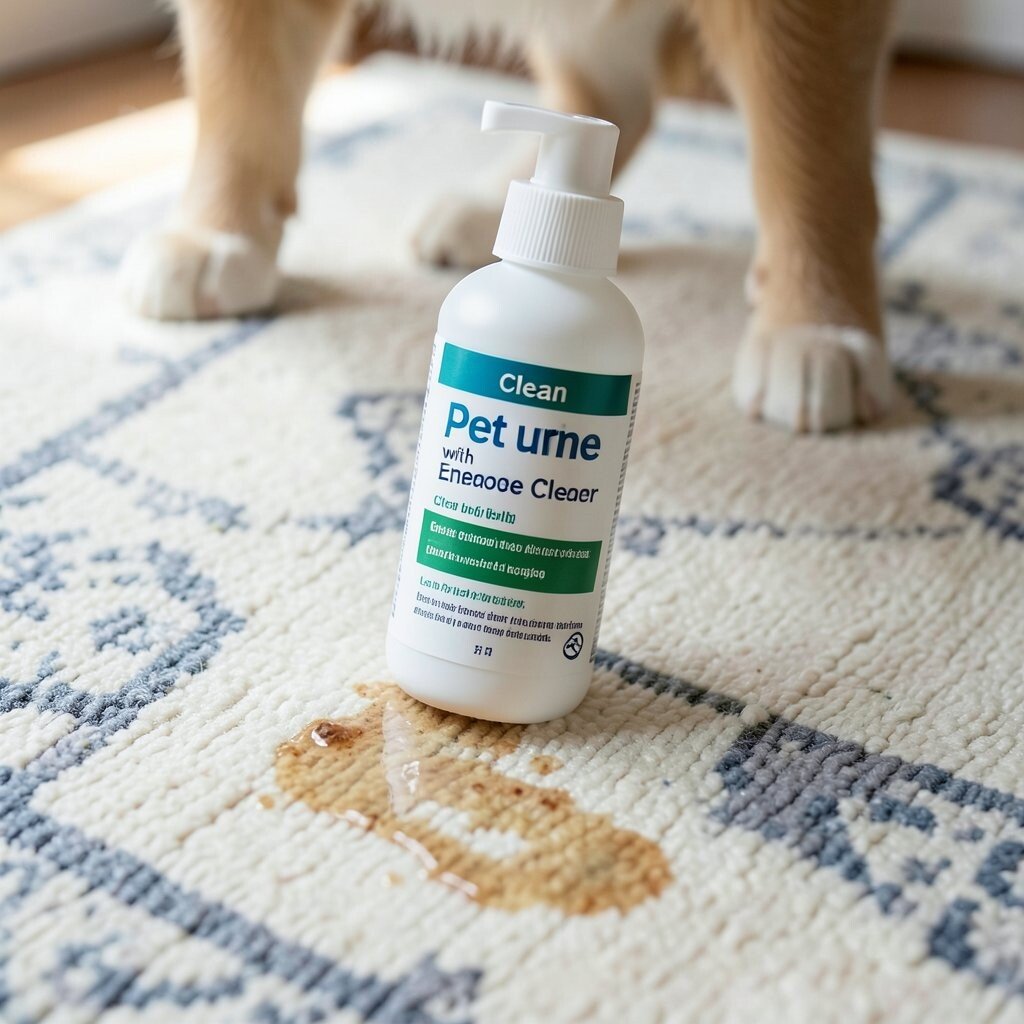
If you have any urine spots, plain soap may not be enough. Enzyme cleaners break down the odor source, not just the surface stain. This can help stop the smell from coming back after it dries.
Use the cleaner right after you find the spot when possible. Blot first, then apply the enzyme product and follow the label time. Let it dry fully before you let your pet walk there again.
Costs can be higher than basic cleaners, but the payoff can be big. It is a good choice for rugs, floors, and soft areas that hold smells. Many people say it is worth it because it can prevent repeat accidents.
5. Place odor-absorbing charcoal near pet zones
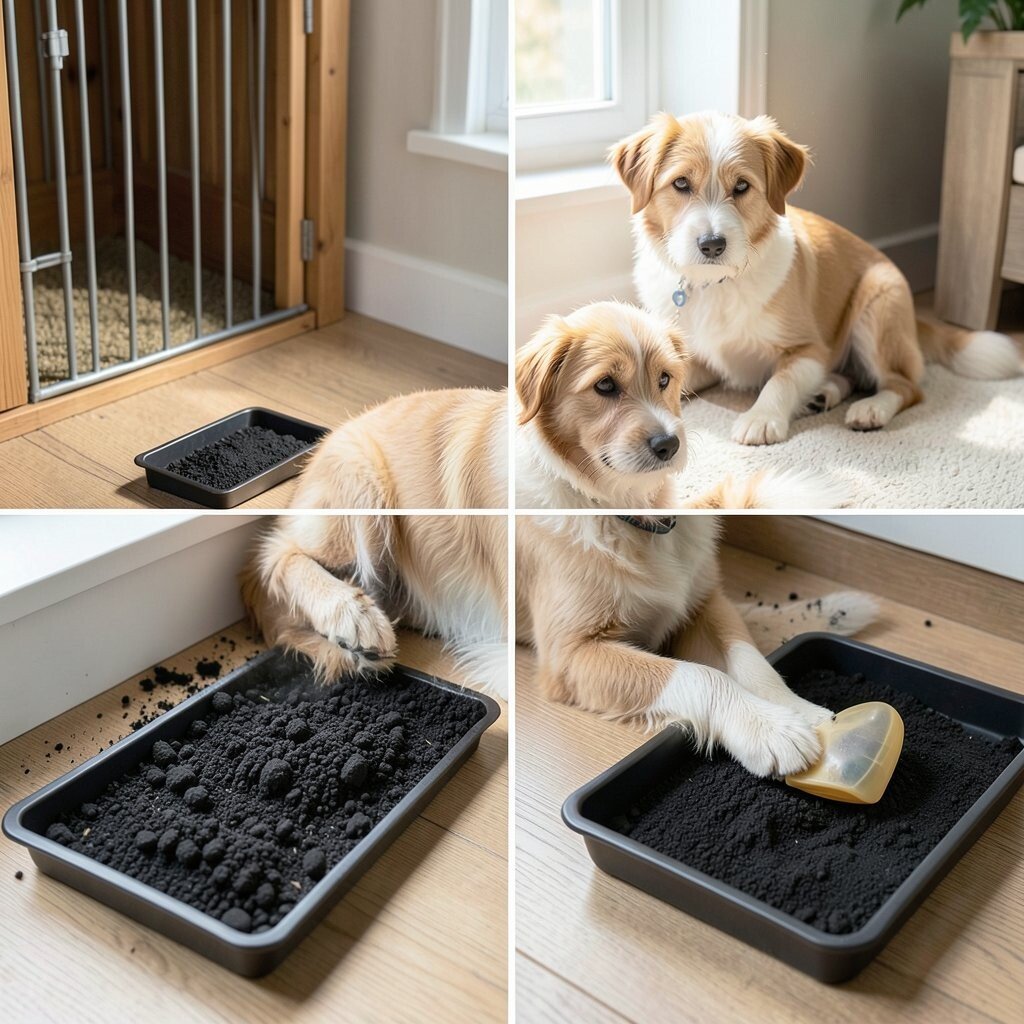
Charcoal can help pull in odors from the air. Put small charcoal trays in areas your pet uses often, like near a kennel or a litter corner. You can watch the smell fade over time as the house gets more air flow.
Choose plain, odor-absorbent products made for home use. Avoid mixing it with things that add strong scent. Also keep it away from places your pet could chew or knock over.
This idea is unique because it works even when you cannot fully see the mess. It fits current trends toward simple, no-fuss home care. You can personalize by placing trays in different spots and checking how each room feels.
6. Use washable covers on couches and chairs
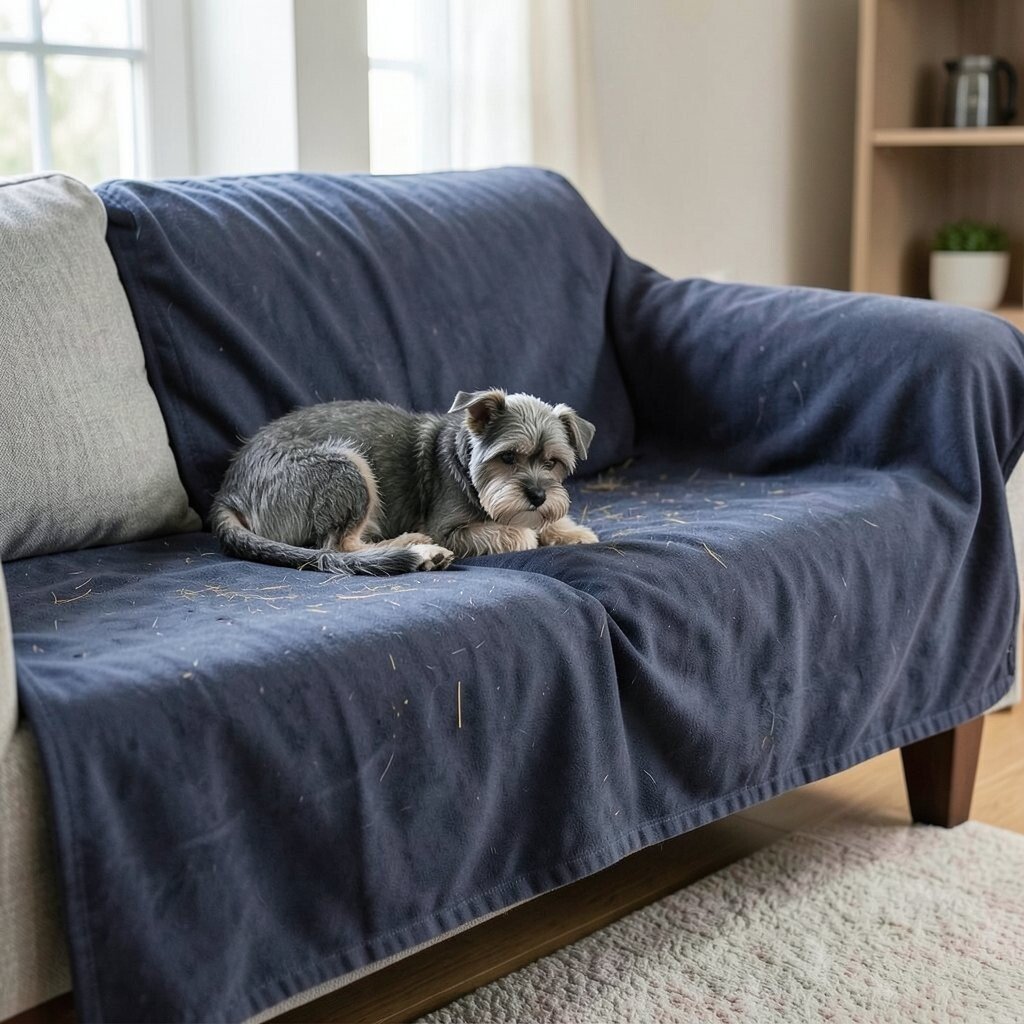
Pets can leave dander and hair on furniture even with regular brushing. A washable cover makes cleanup faster and reduces smell build-up. When you can remove the cover, you also reduce the time your pet odor stays in the fabric.
Pick a cover that fits well and does not slip. Look for thick fabric that stands up to claws and paws. If your home has light colors, you may want a darker shade to hide hair.
Cost depends on size, but it can be cheaper than replacing a couch. This is a smart, practical habit because you can wash it on a set schedule. Many owners find it helps their home look tidy, not just smell better.
7. Brush your pet more often to cut odor at the source
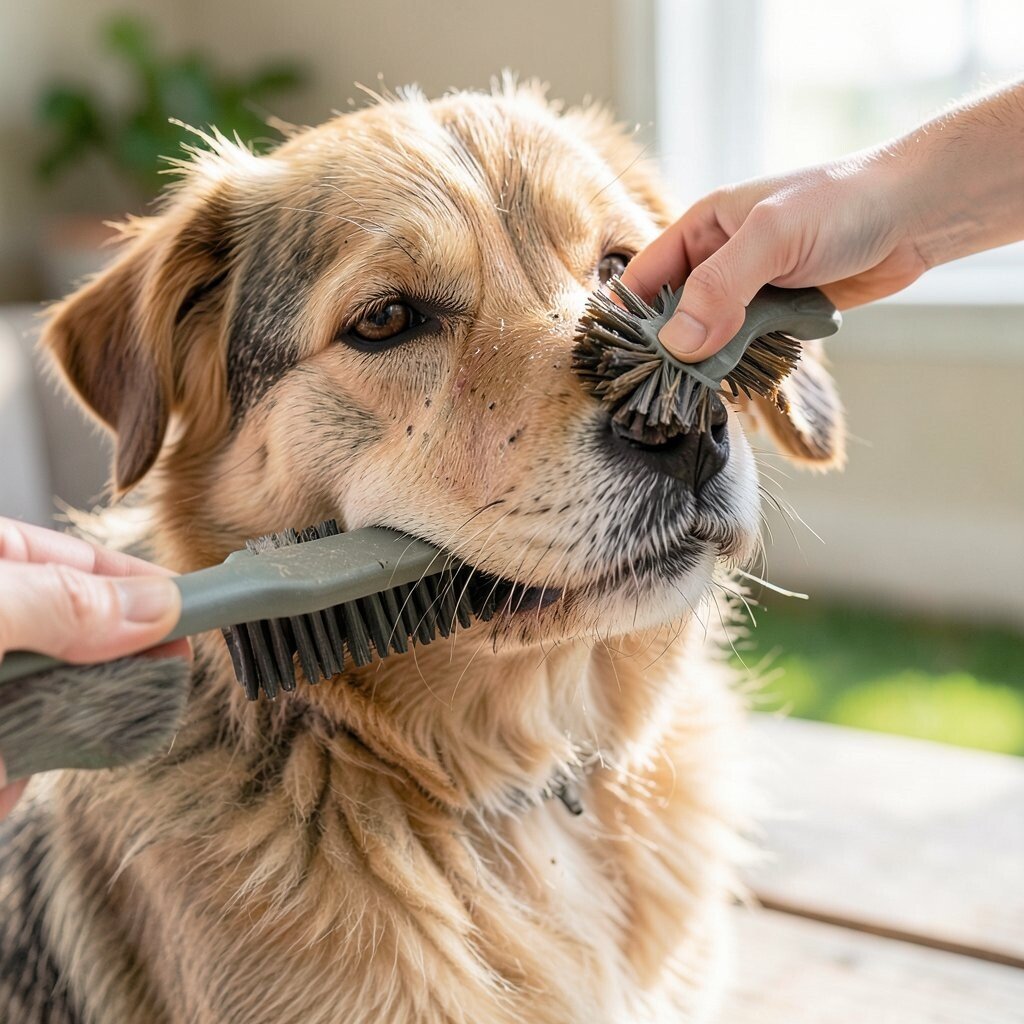
Brushing can remove loose hair and skin flakes before they spread around. When you brush outside of the home if you can, the smell can drop in your living space. Your pet may even seem cleaner when you brush regularly.
Use the right tool for your pet’s coat, like a slicker brush for some dogs or a grooming comb for many cats. Do gentle strokes and check your pet’s skin for redness. Stop if your pet seems upset.
This is a personalization tip that fits your pet’s needs. Short-haired pets may need less than long-haired pets, but all coats benefit. Cost is usually low since brushes last a long time.
8. Keep a small “paw wipe” station at the door
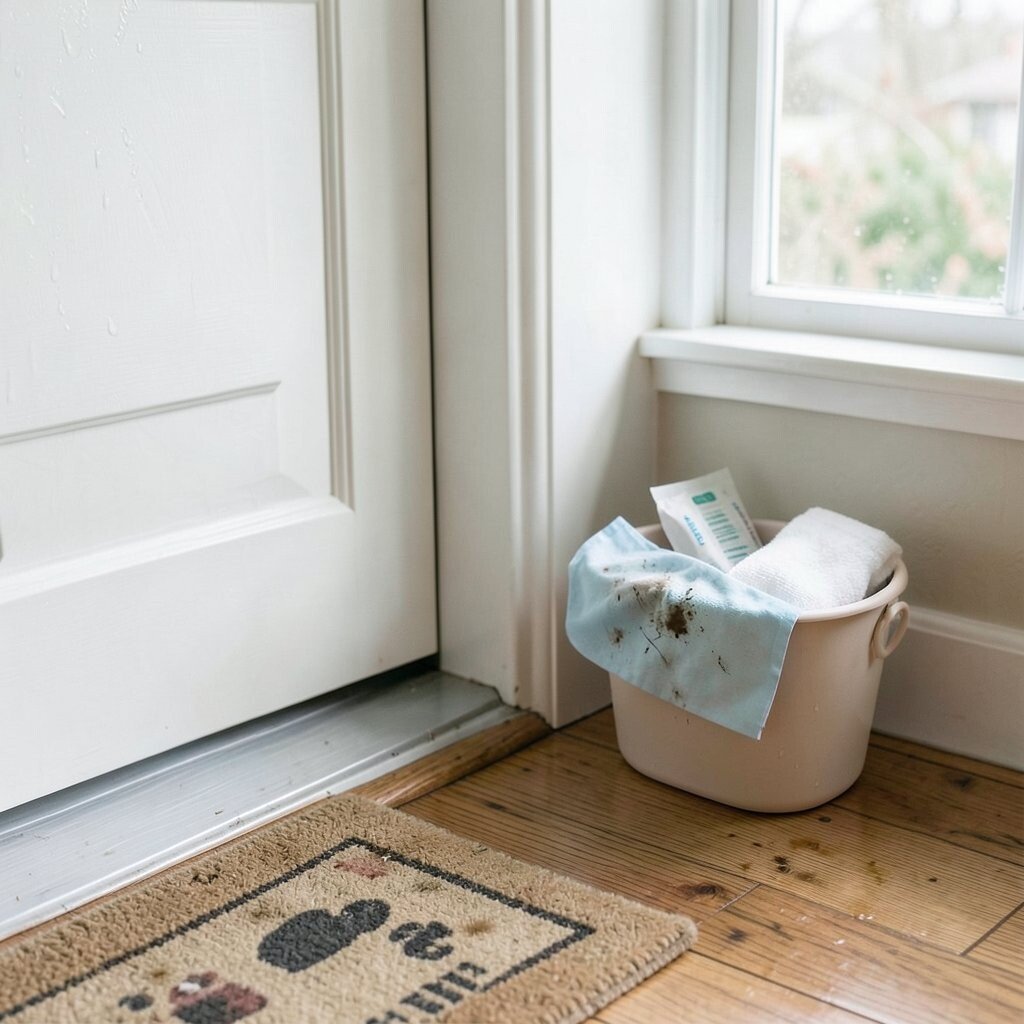
Dirty paws can bring in outside odors, like mud and grass smells. A paw wipe station helps you manage that fast after walks or outdoor time. It also keeps your floors from holding smells all week.
Use soft wipes or a damp cloth, and dry paws right after. If your home gets wet in the winter, you can add a small mat to catch extra water. A simple basket with wipes and a towel makes it easy for everyone.
This is a trend in tidy home routines because it makes cleaning feel small and normal. It is also a low cost change. You can personalize it with a bin color that matches your entryway.
9. Use a safe air purifier for pet rooms
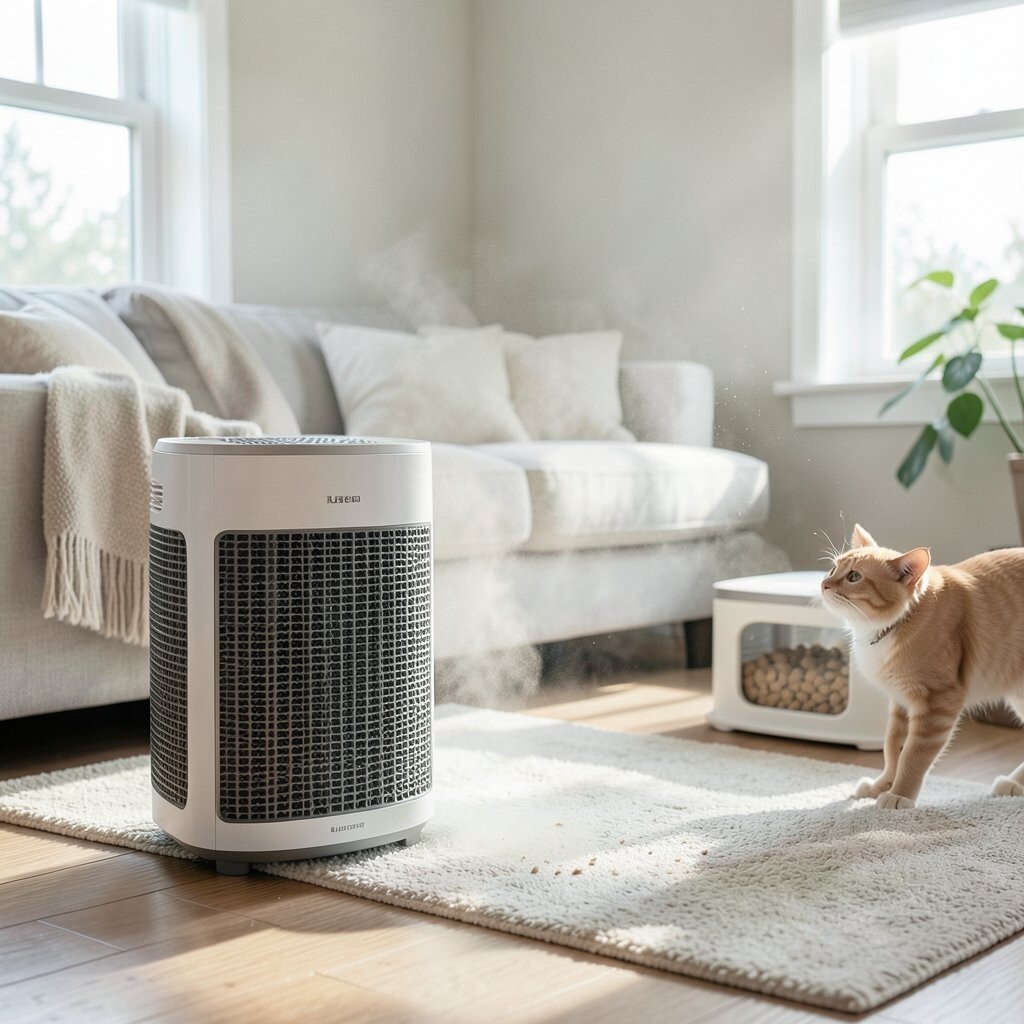
An air purifier can help with pet odor and dust in the air. Choose one that fits your room size and run it during the times your home smells most. Many pet owners place one in the living room or near the litter box.
Change filters on time since old filters can stop working well. Keep doors open a bit so air can move, but do not force airflow where your pet feels stressed. Clean the unit as the manual says, too.
Costs depend on the model, but it can be a one-time buy that helps for a long time. This idea is unique because it targets the air, not just the surfaces. It also feels modern since many people now care about indoor air quality.
10. Freshen the litter box area with regular scoop and clean
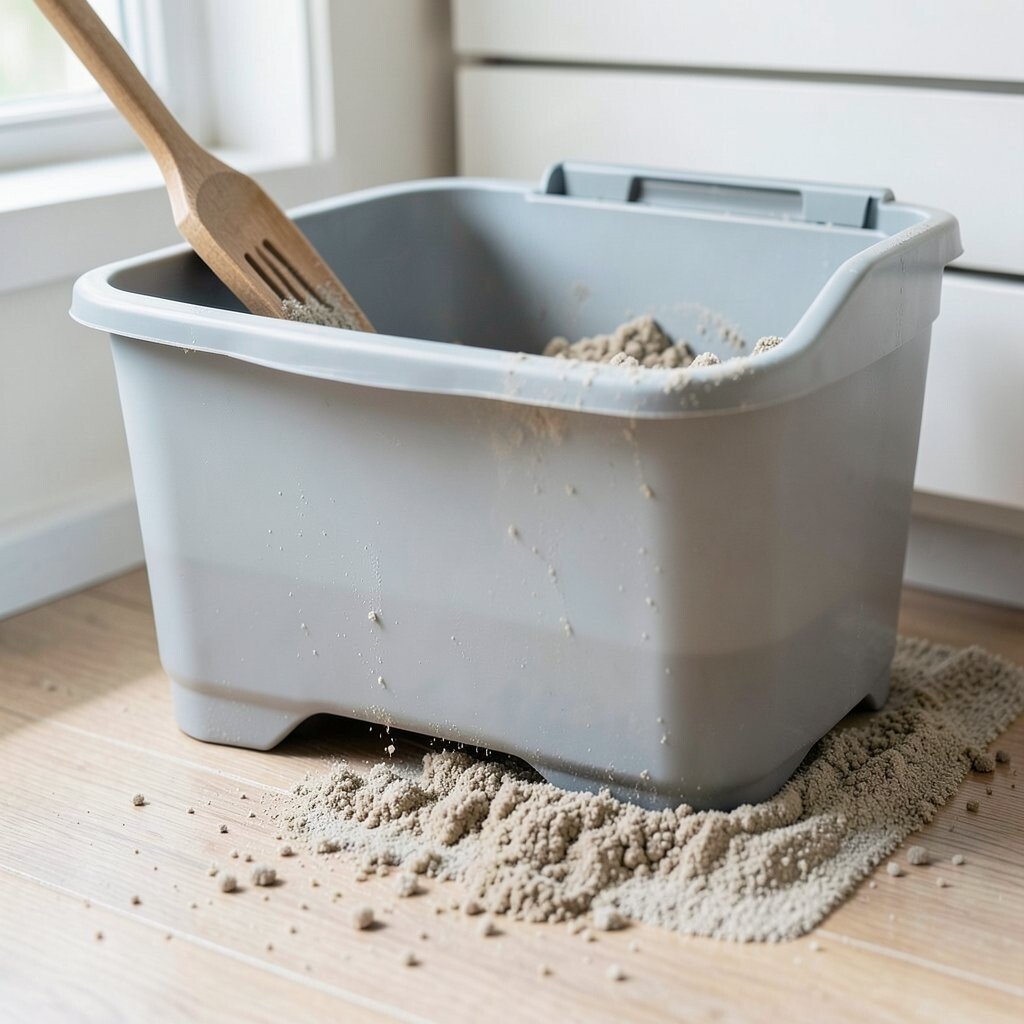
The litter box is a common odor spot, so a steady routine matters. Scoop waste often so smells do not build up. Wash the box on a schedule, not just when it looks dirty.
Use a mat that traps litter dust and keep it near the box. Empty trash often, and rinse the bin so odors do not mix with other smells. If you use litter liners, check that they are not trapping odors.
Personalize by trying different litters based on your cat’s comfort. Some cats like clumping litter, while others prefer a different feel. It is normal to test a couple types before you find the right one.
11. Sprinkle absorbent powder for couch and pet beds
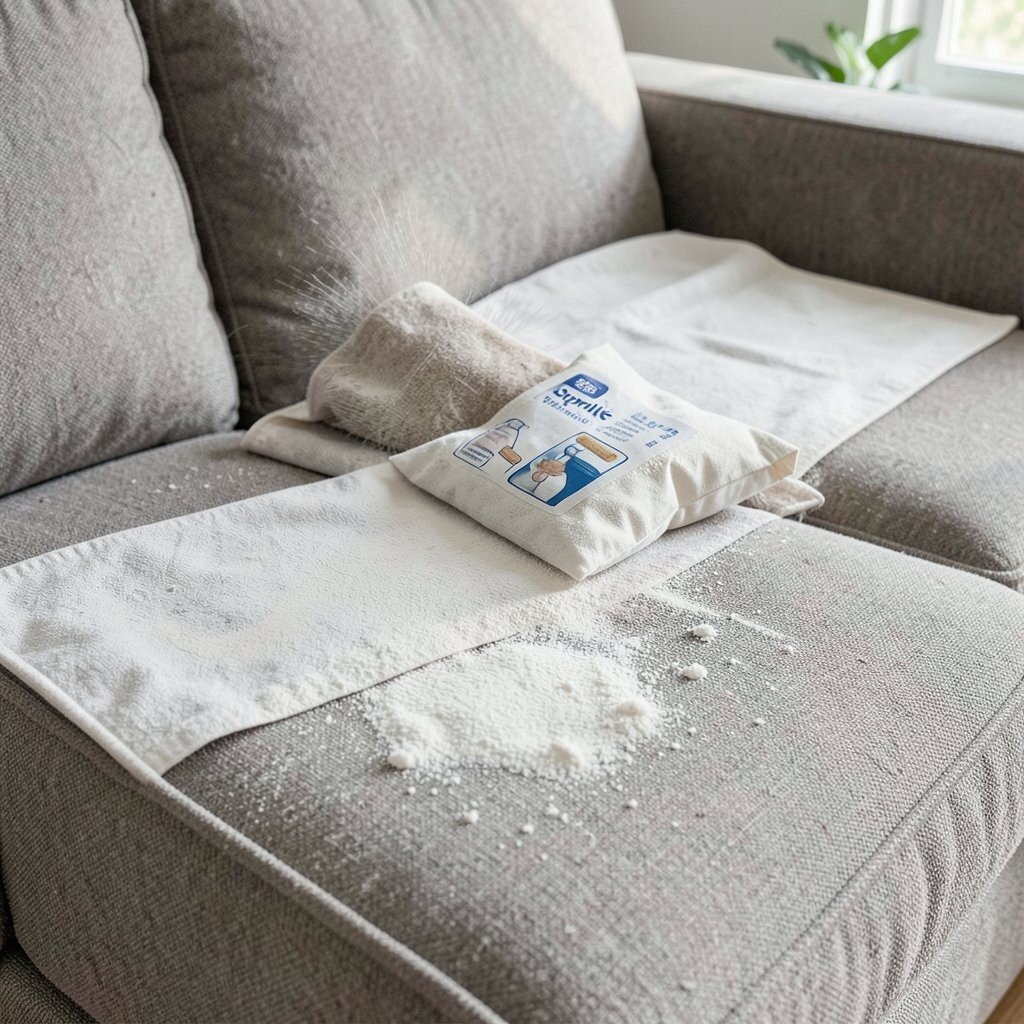
For extra help on fabric, you can use an absorbent powder made for homes. Apply a thin layer on the couch fabric or pet bed cover, then follow the waiting and vacuum steps on the label. This can lift odors that sit in fibers.
Always test a small spot first so fabric does not stain. Use light coats and avoid overloading the material. After it works, vacuum or brush off the powder so the fabric stays clean.
Cost depends on the product, but many options are not too pricey. This method is unique because it works on soft items without a full wash each time. You can also personalize by using it only on high-use days.
12. Air out your home with more fresh air
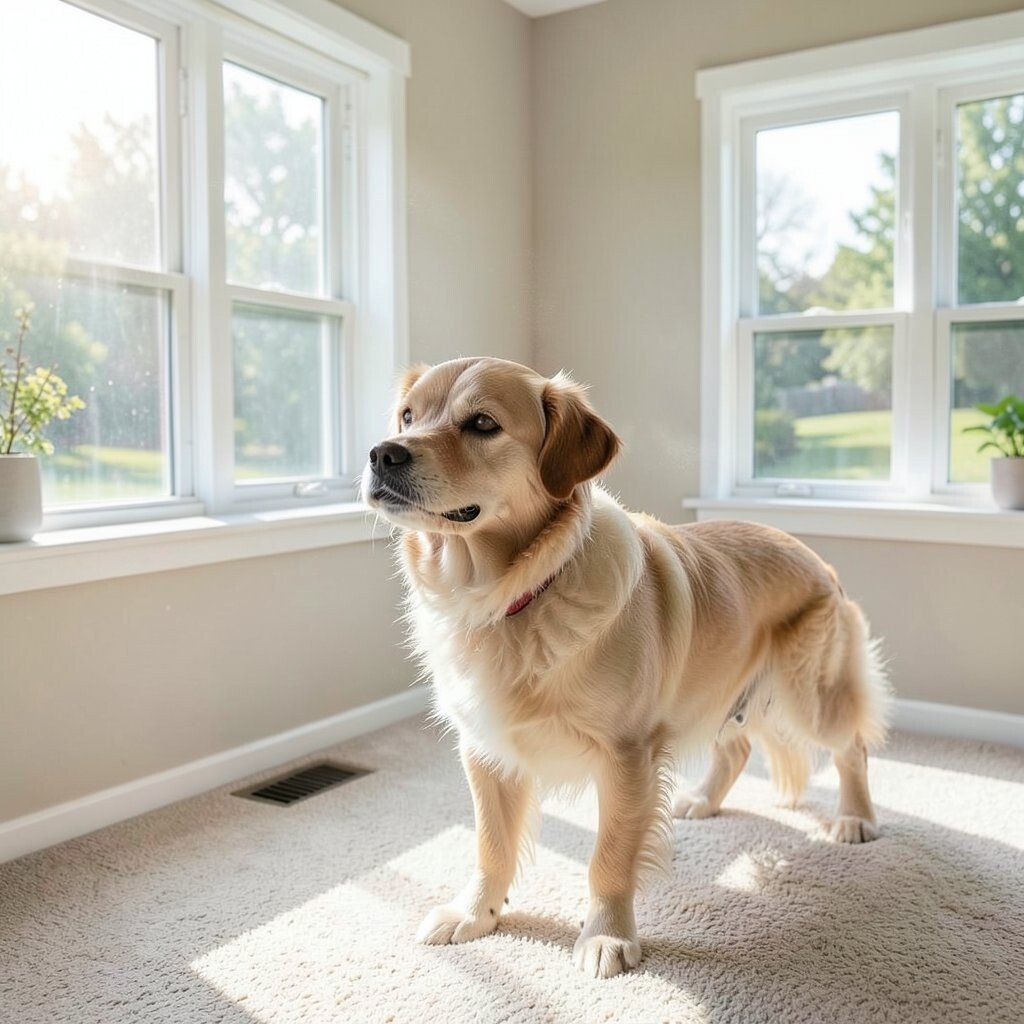
Fresh air can help pet smells move out faster. Open windows for a short time when weather allows, and use fans to pull air through rooms. Even a quick routine can make the home feel less heavy.
If you cannot open windows, run your HVAC system or use a fan to move air. Clean vents if needed, since dust in vents can add smell. Do not forget to check that fans are not blowing air from a dirty area.
This is a simple habit with near-zero cost. It also fits home trends like “open air” cleaning days. Personalize it by doing it after grooming, laundry, or pet bath time.
13. Try a pet-safe carpet deodorizing spray
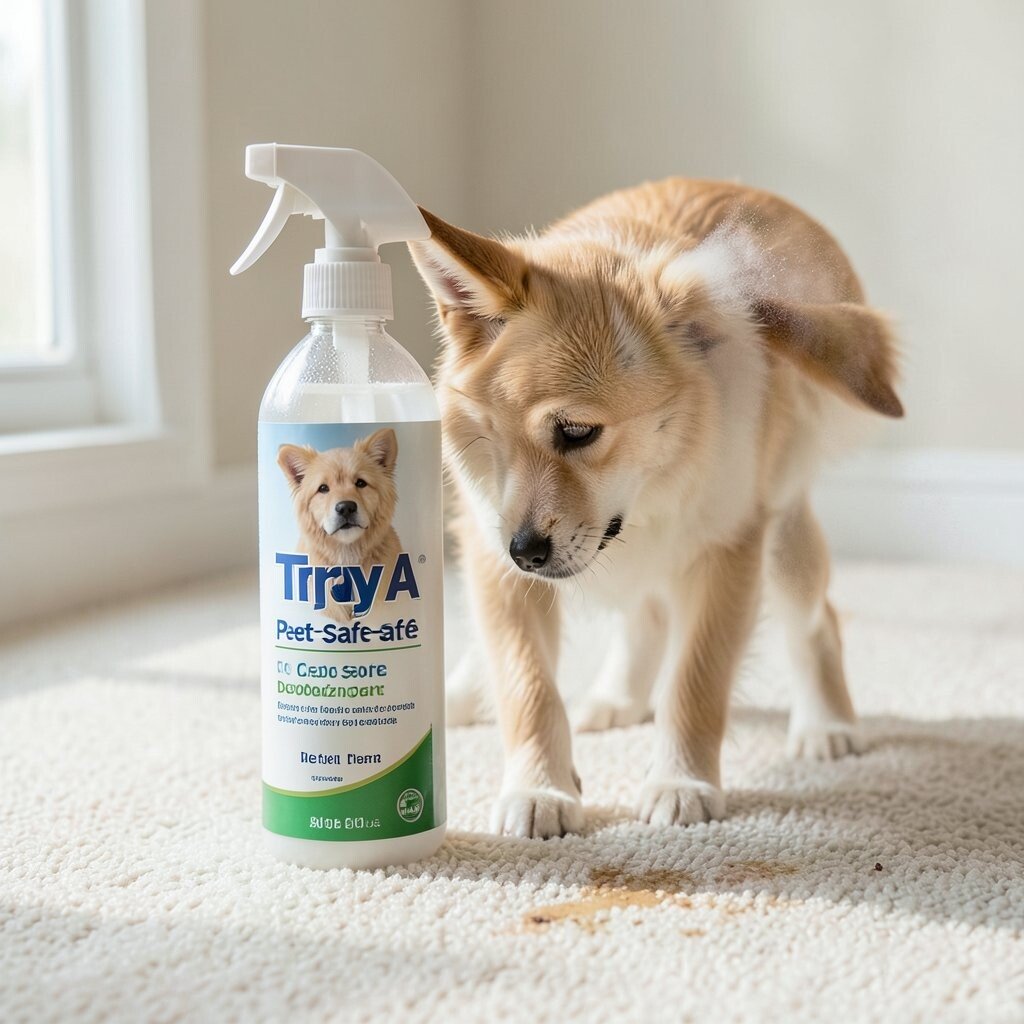
Carpet sprays can help after walks, shedding, or small accidents. Look for pet-safe options that say they are made for carpets and homes. Spray lightly, wait, and let it dry as the label says.
Do not soak the carpet, since too much liquid can cause deeper dirt to spread. If you have stains, treat them first with a stain cleaner, then use deodorizing spray after. This keeps the fix from mixing different products.
The cost is often medium, depending on brand size. This idea is unique because you can target just one room or one spot. It is also easy to personalize for busy weeks when washing everything is not practical.
14. Feed and water well to support a healthier smell profile
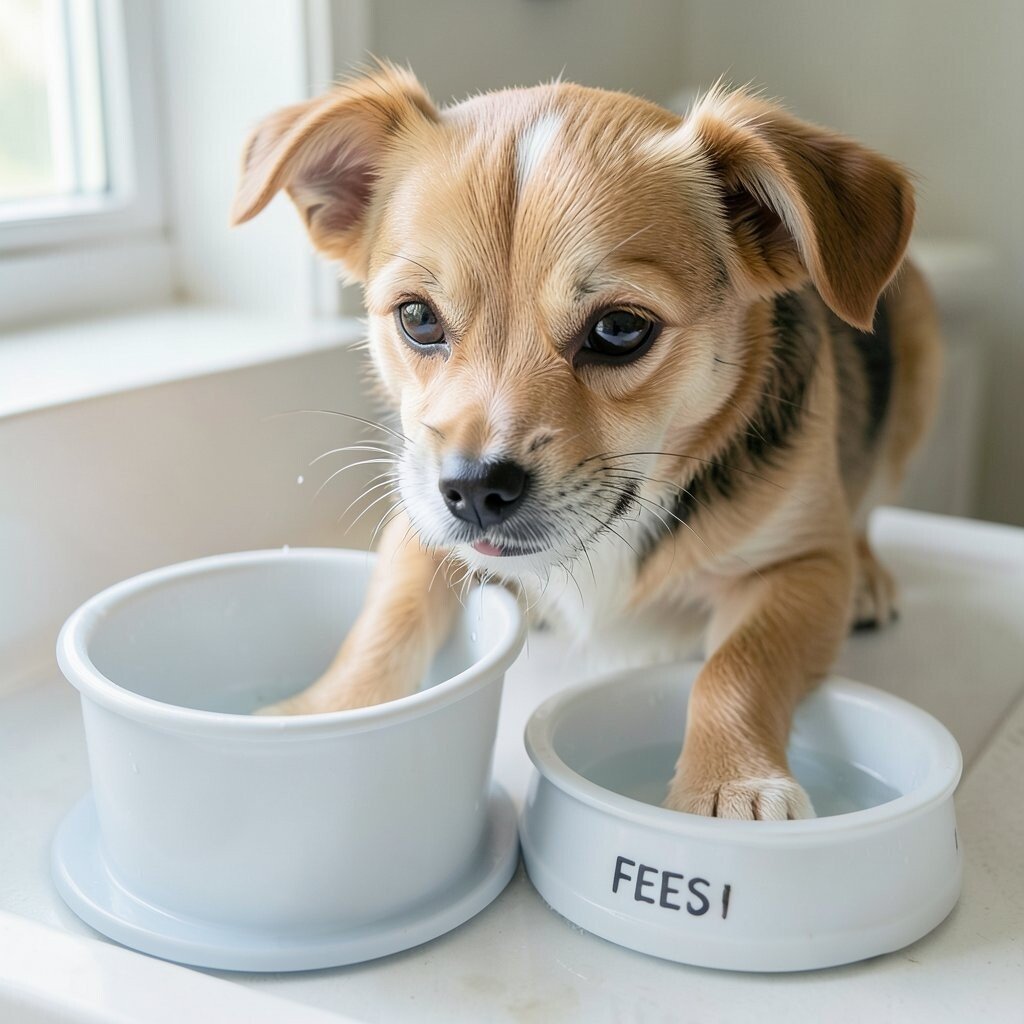
What your pet eats can change their body smell and breath. If your pet has strong gas or very smelly stool, talk with your vet. Better health can mean less odor in your home over time.
Give fresh water daily and clean bowls often. A dirty water bowl can cause a sour smell that spreads in the room. Wash bowls with soap and rinse well so no soap stays behind.
This tip may feel less direct, but it helps the root cause. Cost can be as low as better bowl cleaning and as high as a food change, so pick what fits your budget. Many owners find this is a steady upgrade, not a quick trick.
15. Set a “smell clean-up” day for quick reset
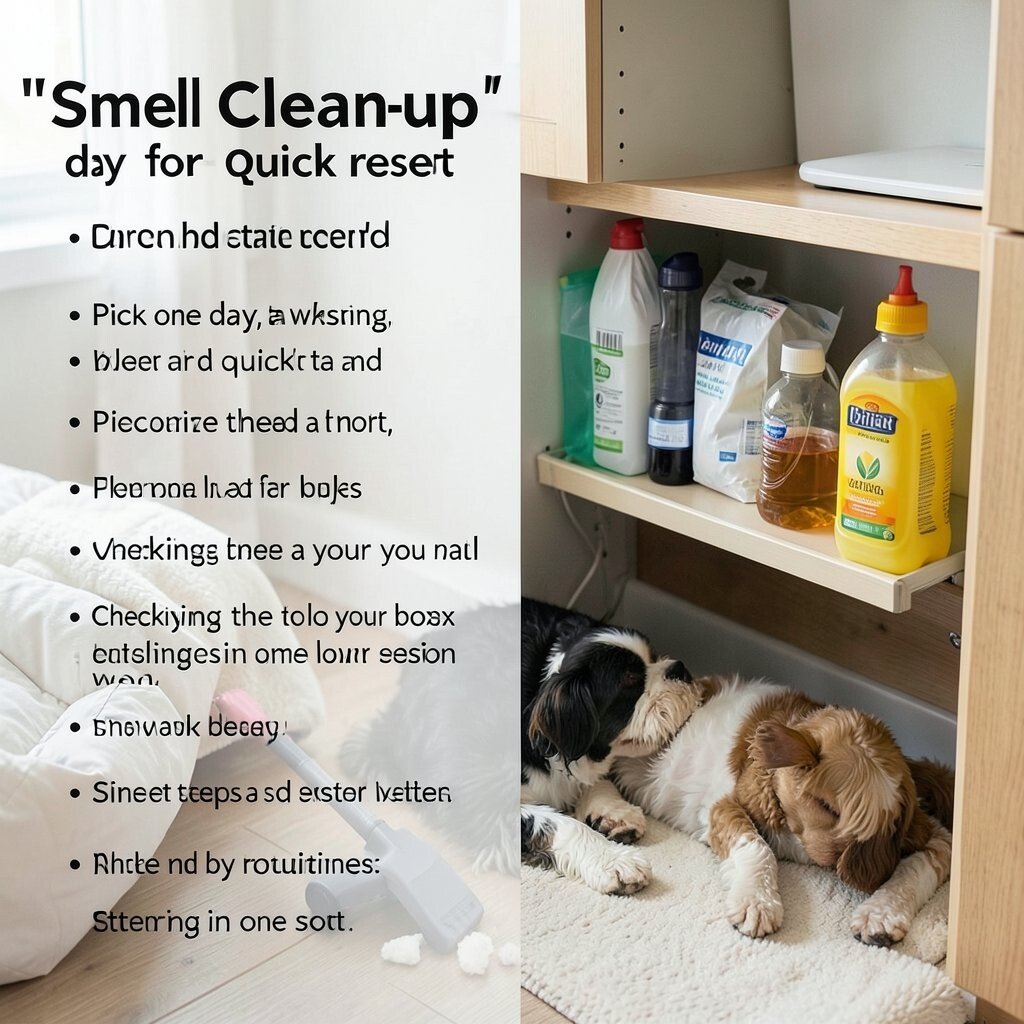
A planned reset can stop odor from building up week after week. Pick one day, then do quick tasks like washing bedding, vacuuming, and checking the litter box. You do not need to do everything in one long session.
Make it easy by using a simple list and keeping supplies in one spot. For example, store wipes, trash bags, and the enzyme cleaner in the same cabinet. This helps you follow the plan when you are busy.
Personalize the day based on your pet’s needs and your schedule. If your pet sheds a lot, add extra brushing and a second vacuum run. This idea is also a trend toward “small routines,” since steady steps often work better than big ones.