Road trips can make an ordinary weekend feel fresh and new. When you pick a good route and plan a few stops, you can see places that match your style and your time.
1. Drive a Coastal Route With Small Stops
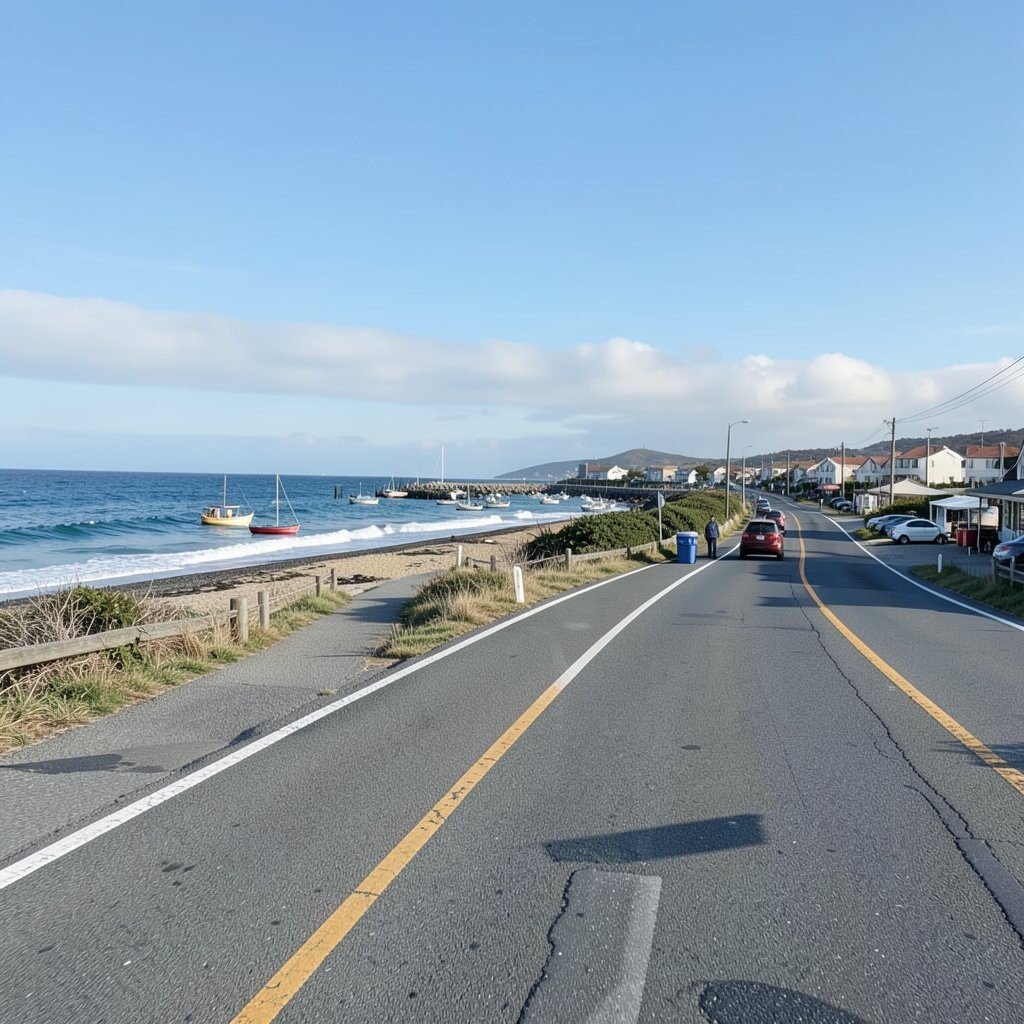
Pick a road that runs near the water. You will see wide skies, bright waves, and towns with simple boats in the harbor. Small beach lots and short walk paths make it easy to stop for photos and fresh air.
This kind of trip helps you slow down. You can take a break when you want, and you do not need to rush from one big site to the next. It is also a good way to plan meals, since many coastal spots have casual cafes and seafood stands.
Keep costs in mind by bringing a cooler and water. Pack a light jacket for windier hours, and use a map app to find free or low-cost parking. For a personal touch, choose a theme like “sunrise mornings” or “one new beach per day.”
2. Follow Old Town Main Streets and Local Markets
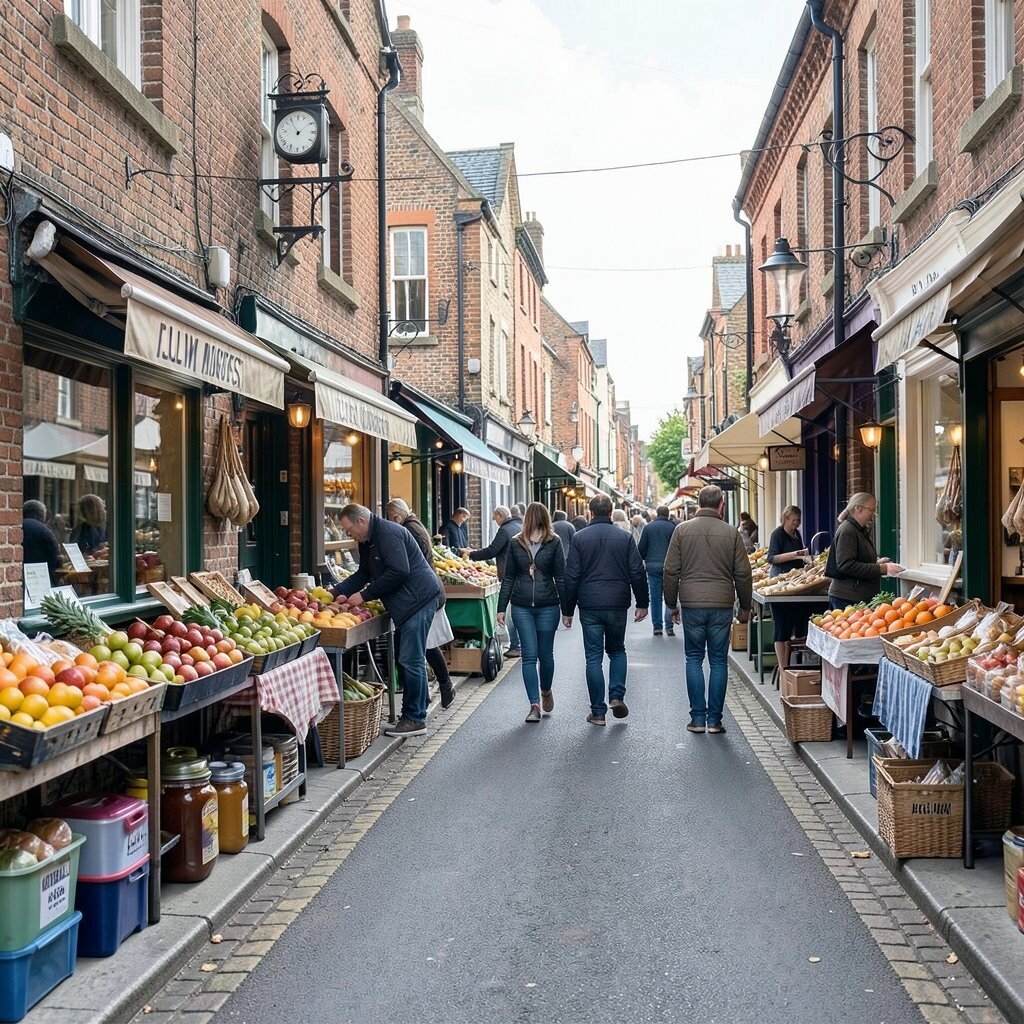
Choose a route that passes through older towns with historic buildings. You can walk past brick walls, old clocks, and small storefronts that still look like they did years ago. Local markets often have fresh fruit, handmade goods, and snack stands that feel lived in.
Walking these areas can be a great stress break. You get to move your body, and you can talk to vendors in a relaxed way. It also helps you learn how people live in that area, not just what tourists see.
To keep it budget friendly, set a small “snack and souvenir” limit. Go early to avoid crowds and to get more choices. Make it yours by picking one goal, like buying only local jams, spice blends, or crafts.
3. Take the High Road for Scenic Lookouts
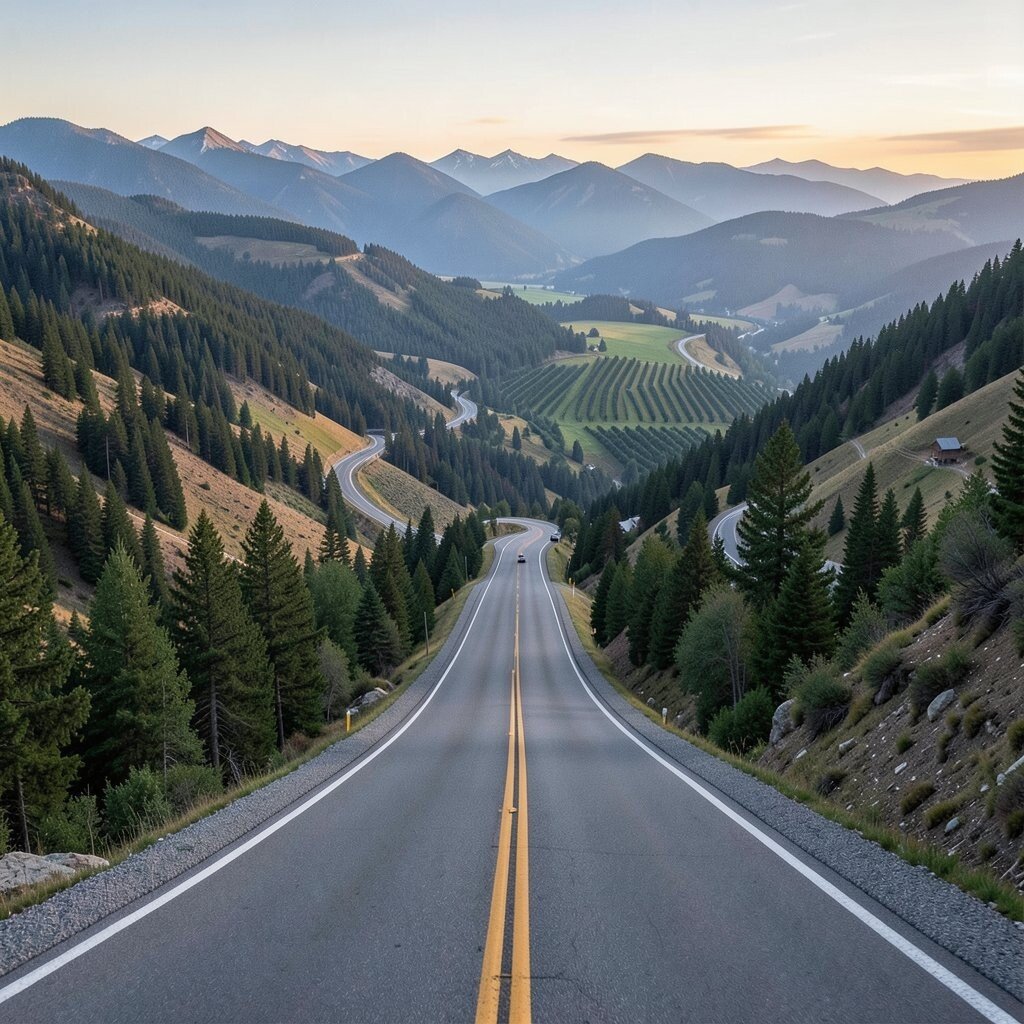
Look for roads that go through hills and mountains with viewpoints. The view may show long valleys, winding roads, and trees in neat rows. Even short stops can feel special when you stand above the road and see the whole area at once.
Scenic drives can help your mind rest. The steady change in the landscape gives your eyes something calm to focus on. You also get good photo chances, and you can pick spots that are safe and easy for cars.
For tips, drive slowly on curves and watch for wild animals near dawn and dusk. Pack a blanket for a quick picnic, and bring a small trash bag so you leave clean spaces. If you like data and maps, add a mini game where you count bridges, tunnels, or viewpoints as you pass.
4. Visit a Nearby National Park or State Park
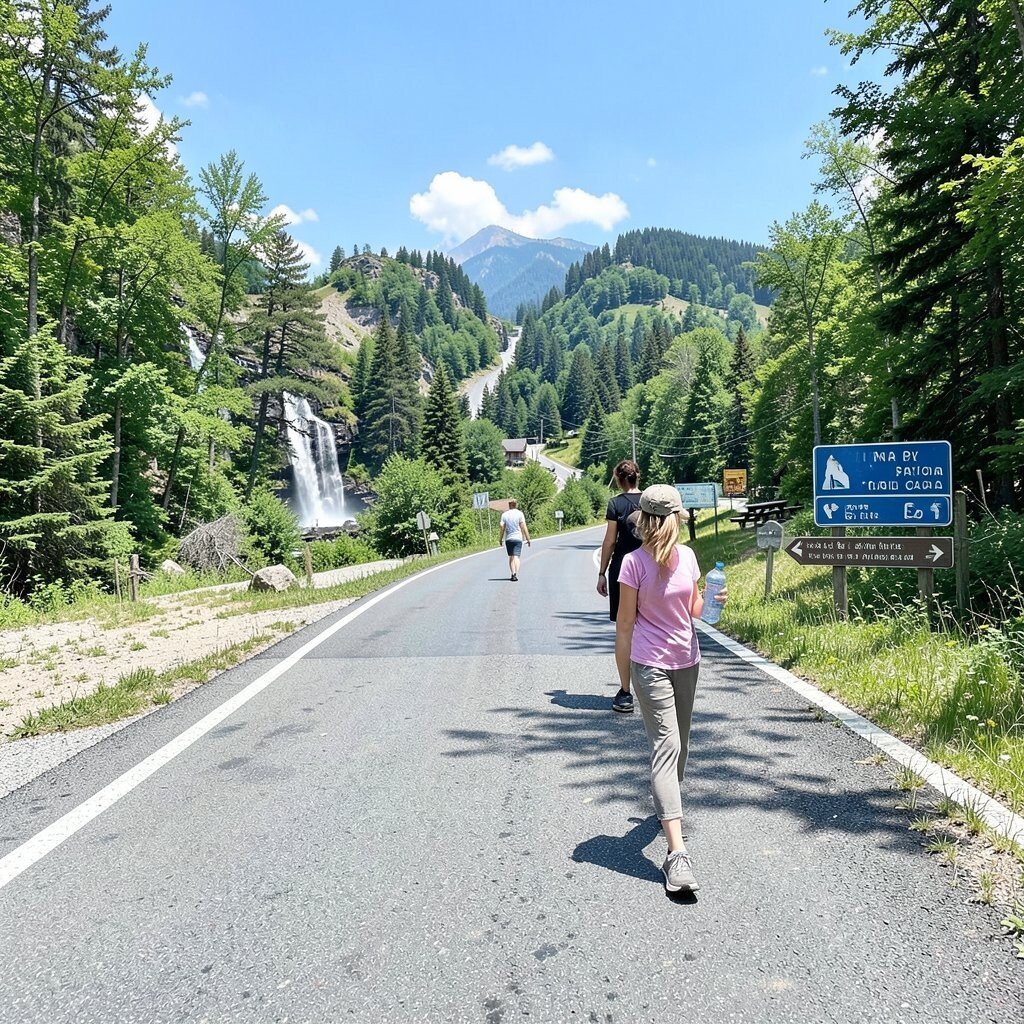
Pick a park that is within a day’s drive. You may see big trails, clear signs, and visitor centers with maps and simple guides. Many parks also have quiet picnic areas and short walks that do not need a long hike.
This plan is good for both families and solo trips. You can choose an easy path for low effort, or pick a longer trail if you feel ready. It also supports a steady day pace since you can plan a set time for walking, lunch, and rest.
For cost, check park fees before you go and see if there are free days. Bring snacks and refillable water bottles to lower spending. Personalize your trip by choosing a “trail goal,” like finding one waterfall, one viewpoint, and one wildlife sign.
5. Do a Food Route With One Local Specialty Per Stop
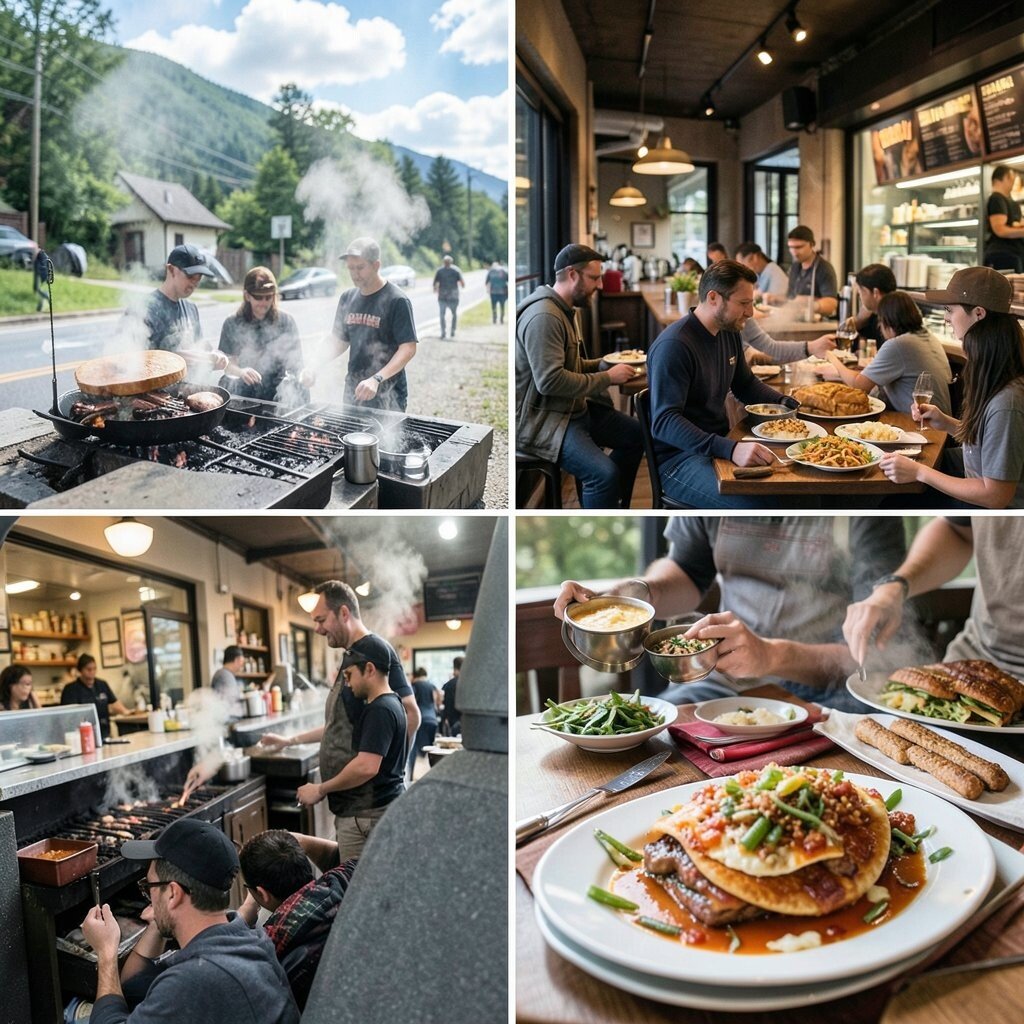
Pick a region known for certain foods, then plan stops around that. You might find a famous sandwich shop, a well-known bakery, or a diner with a local style. The sights can be as simple as busy counters, steam rising from grills, and colorful plates on tables.
This idea helps you enjoy the trip in a real way. Each stop has a clear reason, so you are not guessing what to do. It also gives you a fun way to track your day without turning every moment into a long tour.
To control cost, set a clear limit per meal and share items if portions are big. Use online reviews to check hours, but also keep a backup plan in case a place is closed. Make it personal by setting rules, like “no chain restaurants” or “try one dish with local sauce.”
6. Follow a Historic Road With Museums and Courthouse Squares
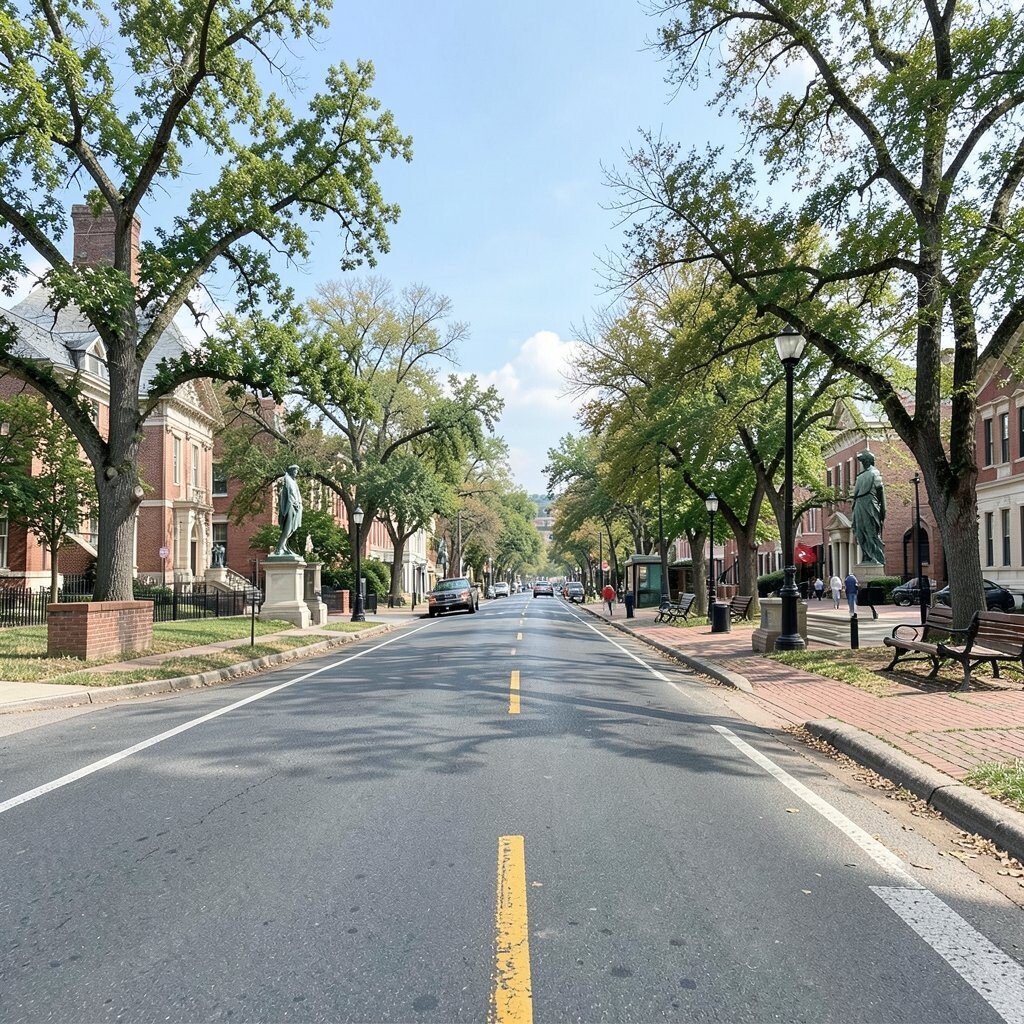
Search for routes tied to local history. You may pass old forts, town halls, and small museums with neat exhibits. Many places also have courthouse squares where you can see statues, old trees, and familiar brick paths.
Learning at a steady pace can help you remember more. You can pick one museum per day, then take time to rest and walk around outside. It also helps you understand why a town looks the way it does today.
To keep the budget steady, look for days with lower fees or free entry hours. Bring a notebook or notes app to track what you liked most. Personalize your stops by matching them to a theme, like “early farming,” “rail travel,” or “local art.”
7. Use Small Lakes and River Stops for Easy Outdoor Time
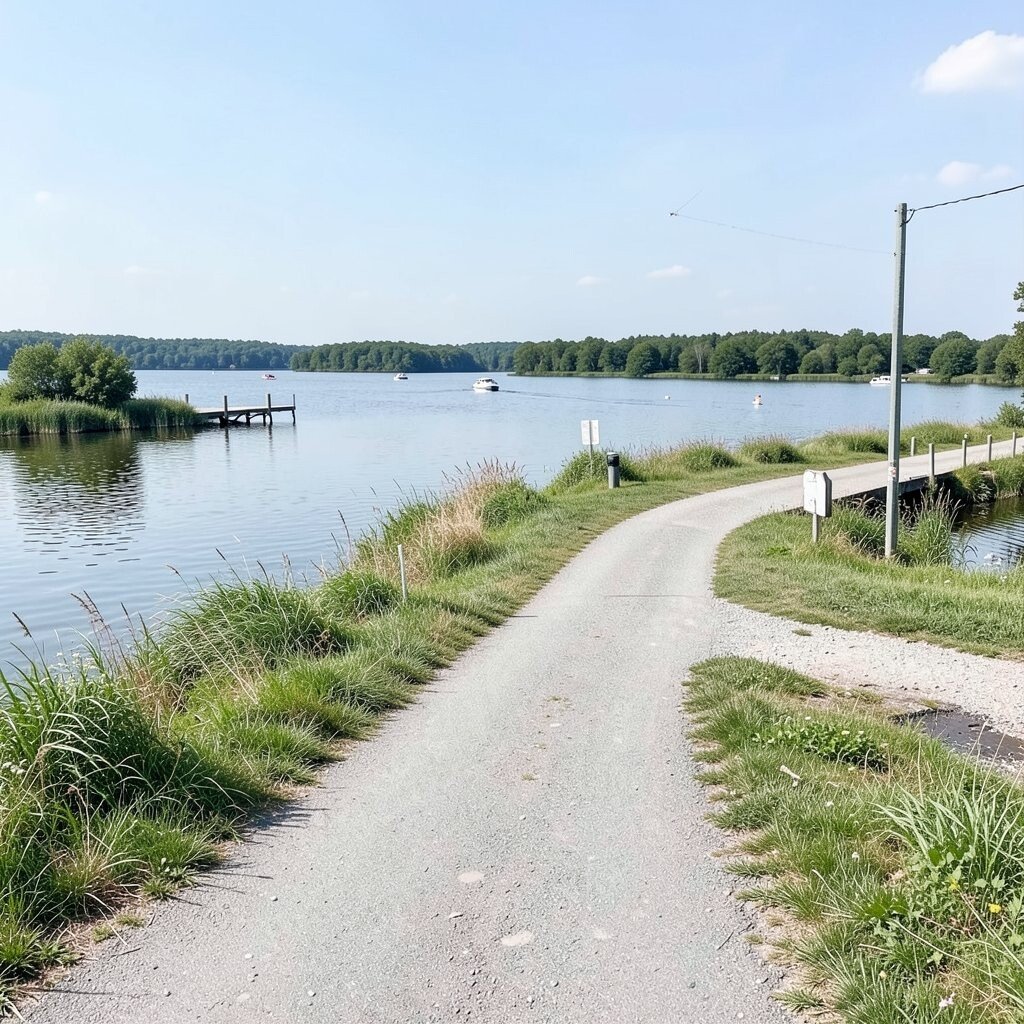
Choose a route with lakes, rivers, or slow moving streams nearby. You can see calm water, tall grasses, and paths along the shore. Some areas have simple docks, clear signs, and grassy spots for relaxing.
This plan is great if you want fresh air without big hiking days. You can swim if it is safe, fish if you have the right gear, or just sit and watch boats pass by. It also gives you a change from driving and helps you feel more open and calm.
Costs can stay low if you bring a picnic. Check local rules for fishing and swimming, since each place can be different. For personalization, add a “water time” schedule like an hour at each stop, plus one photo of the view.
8. Try an Art and Craft Trail in Towns Nearby
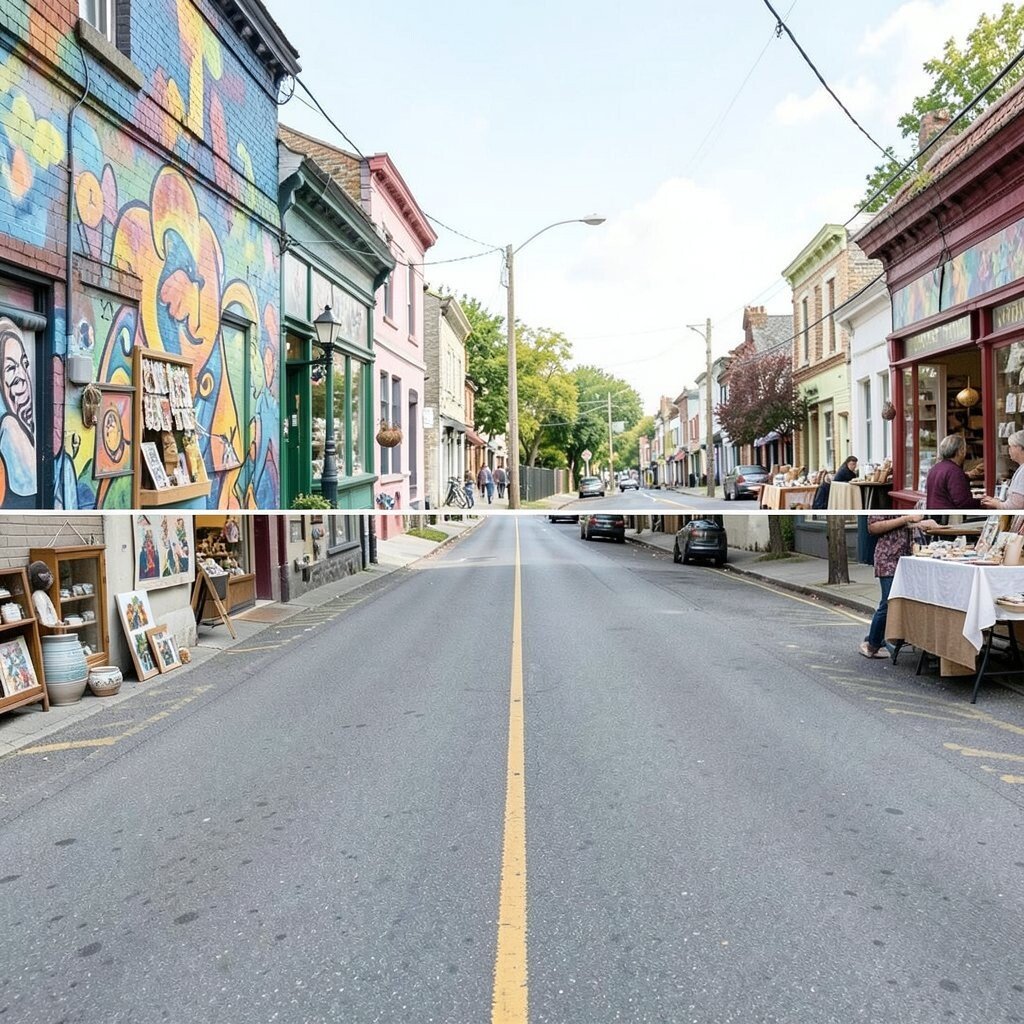
Look for art walks, craft fairs, and studio tours in small towns. You may see colorful murals, bright shop windows, and handmade items made on site. Some stops have galleries with local artists, and others have small workshops you can watch.
Art trips are fun because they fit many styles. You can enjoy quick stops or spend more time when you find something you like. It also helps you meet local makers and learn about the work behind each piece.
For cost, set a limit for what you will buy. Many towns have free art walks, and some offer low-cost prints or small items. Make it personal by choosing one art type, like pottery, woodwork, or prints, and only buying from that type.
9. Take a Sunset Drive Through Neighborhoods and Parks
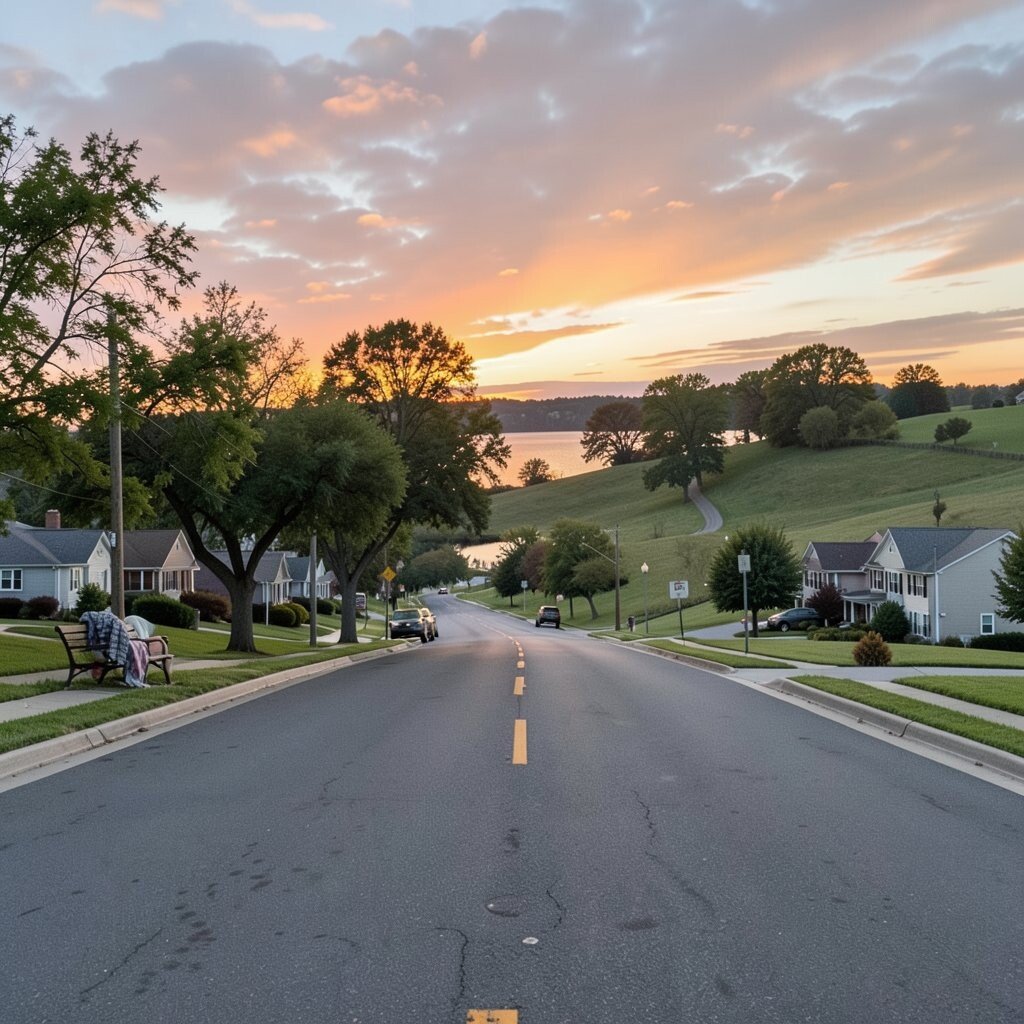
Pick a route that has safe streets and parks near home. You can plan to drive when the light is softer and skies look warm. Neighborhoods with trees and calm side roads can give you a simple “change of scene” without a long trip.
This idea helps you slow the day down. You can stop at a park bench, park near a view point, and watch the sky change. It also adds a routine that is easy to repeat, which can be a comfort if you are busy.
Keep it budget friendly by bringing snacks and a blanket. Turn off loud music and keep the car calm so the sunset feels like a real moment. For personalization, set a list of “watch points” and check them off, like a lake edge, a lookout hill, or a field path.
10. Plan a Small “Route Challenge” With Photo and Map Prompts
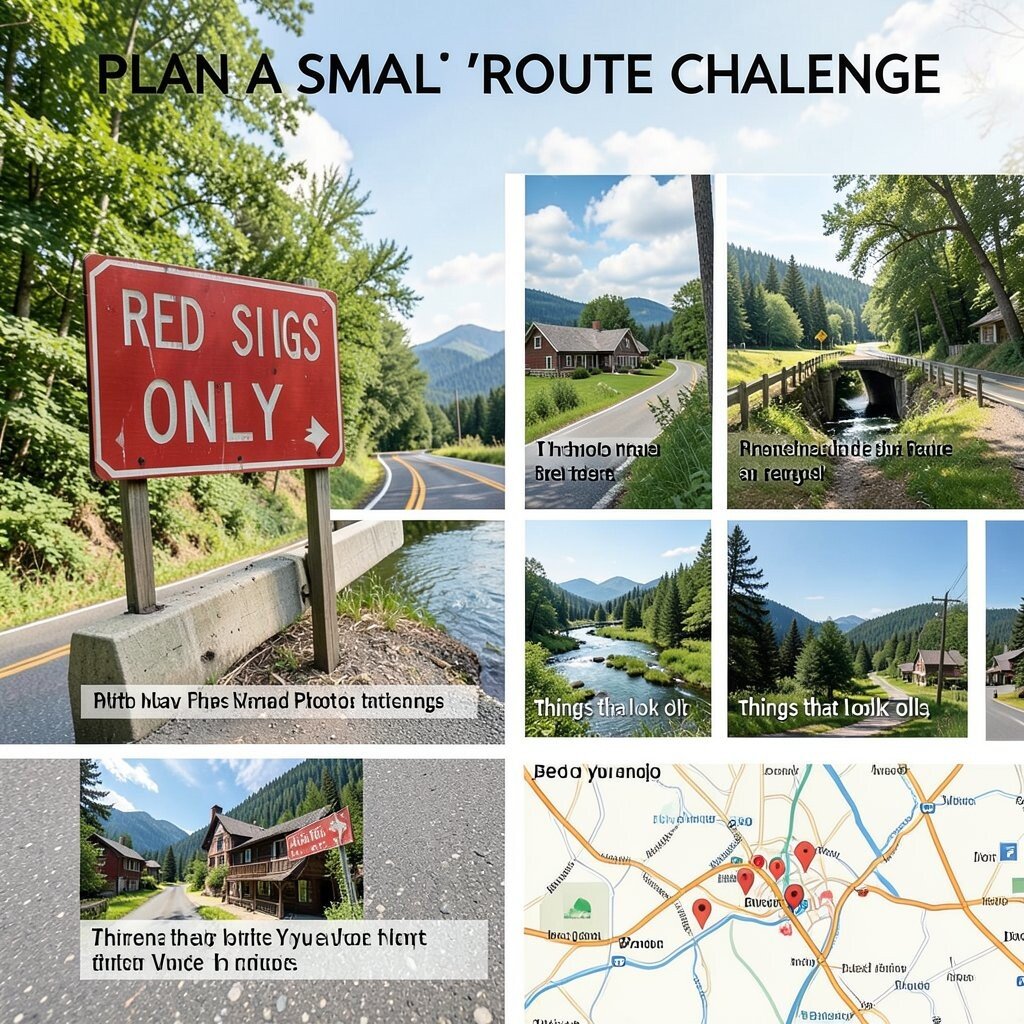
Choose a region and set a few simple challenges for your trip. For example, take a photo of a sign, a local building, and a natural view at each stop. You can also use map prompts like finding a bridge, a trailhead, or a town square.
This helps you stay engaged without turning the day into stress. You have a clear plan for what to look for, and you can move at a pace that feels right. It also makes your trip feel special because your results are unique to your own choices.
Costs can be low since photos are free and you can limit paid stops. Use a charged phone power bank and keep your camera settings simple. Personalize it by picking a theme like “red signs only” or “things that look old,” based on what you enjoy.
11. Try a Rail-Town to Countryside Mix With One Overnight
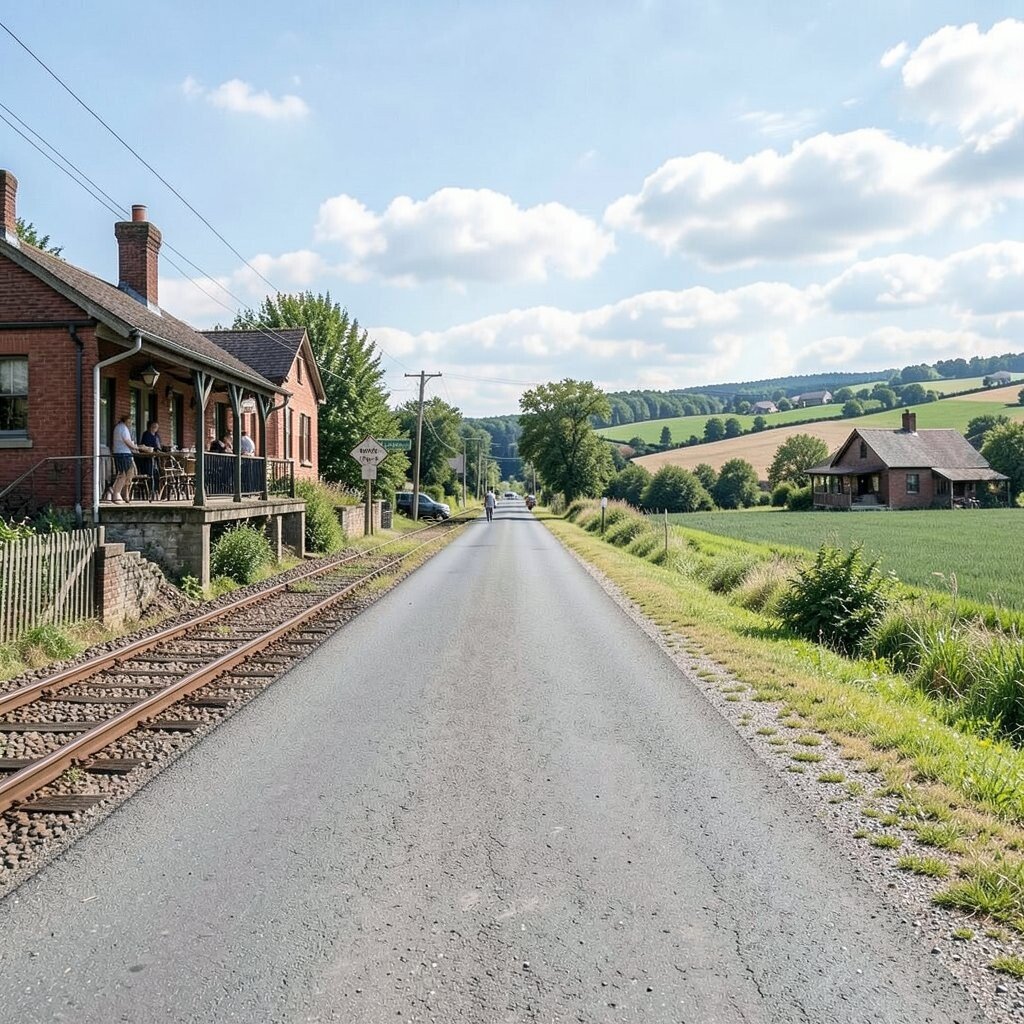
Pick one town tied to trains, then add countryside stops nearby. You might see station buildings, old tracks, and local shops near the platform. After that, head to small farms, quiet roads, and scenic fields for the calmer part of the trip.
A one-night plan helps you break the drive up. You can spend the first day arriving, walking around, and eating at a local spot. Then the next day you can take your time with countryside views and short stops without feeling rushed.
For cost, compare simple stays like small inns, budget hotels, or clean rooms with free parking. Look for a breakfast option to save time and money. Personalize your trip by picking one “farm table” meal, then choosing one roadside activity like a garden stop or a small roadside stand.