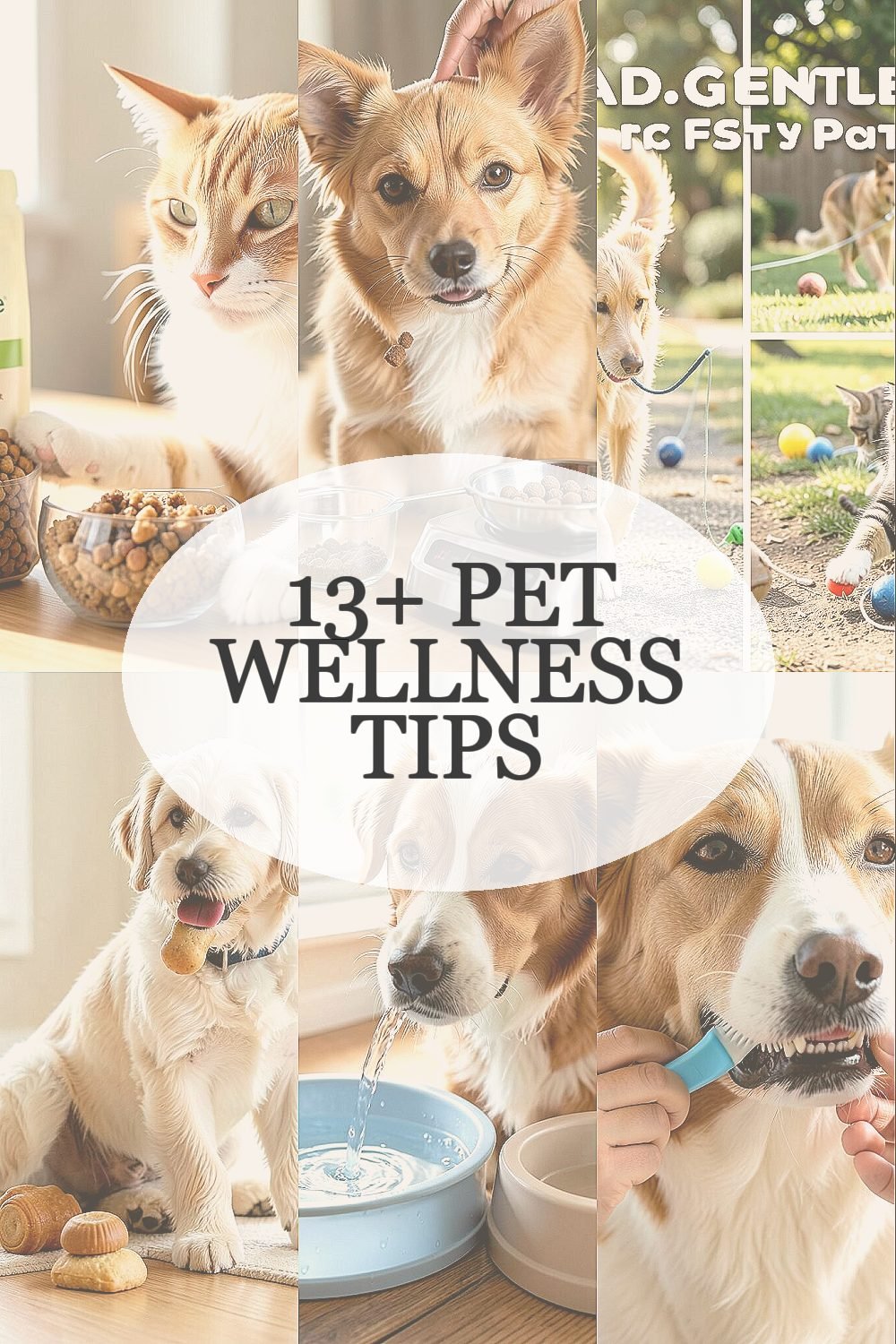
Good pet care is mostly small daily choices. When you mix good food, safe play, and quick checkups, your pet feels better and acts more calm.
1. Make Mealtime A Simple Routine
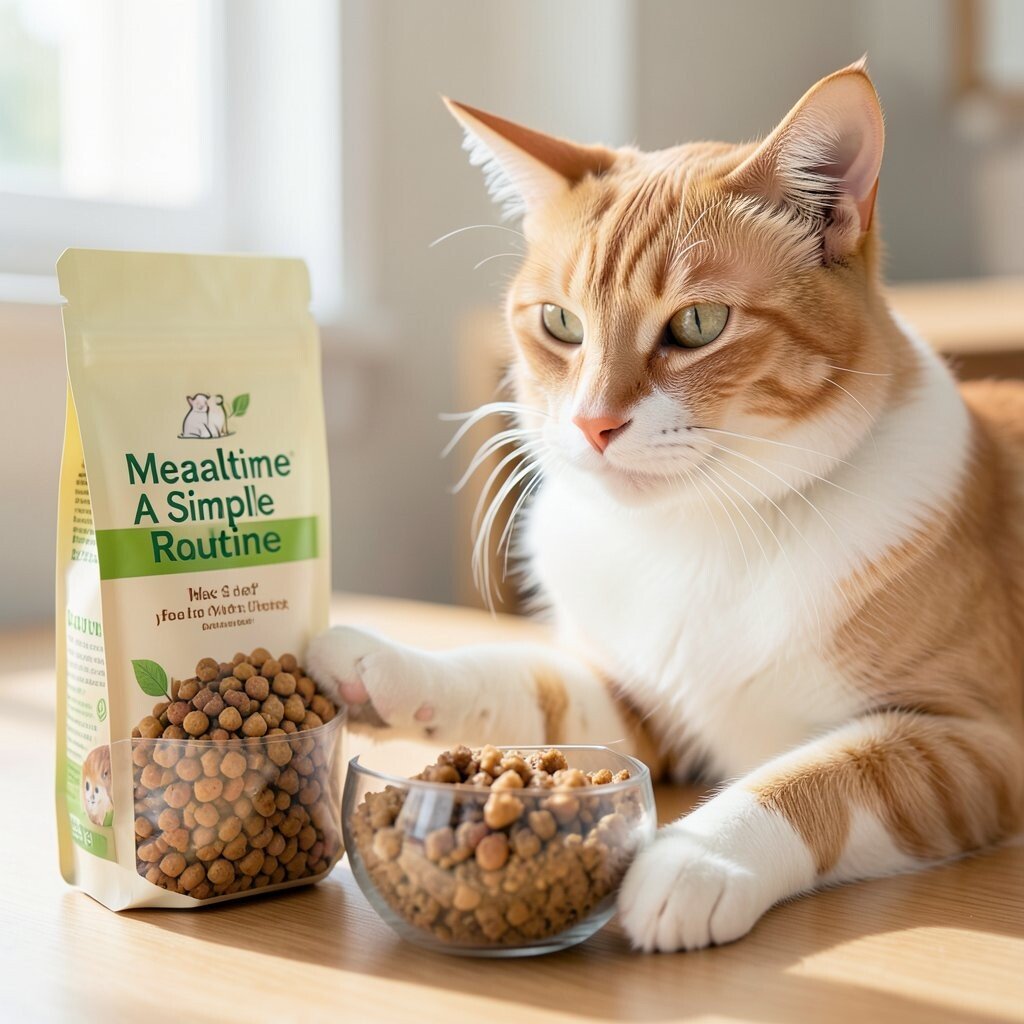
Feed your pet at the same times each day. Many pets do better when meals feel steady and not random. You can set a phone alarm so you do not miss a day.
Pick the right food for your pet’s age, size, and health. Look at the label and measure the food instead of guessing. This helps with weight control and better energy.
If you change food, do it slowly over about a week. Mix a little of the new food with the old food each day. This can help with tummy upset and loose stools.
2. Use Portion Control For Healthy Weight

It is easy to give extra food by mistake, especially with begging. Many pets act hungry even when they are full. Use a measuring cup or a food scale if you can.
Keep treats small and count them as part of daily food. For example, use a tiny piece for training and save bigger snacks for special days. This helps your pet keep a steady weight.
Ask your vet what weight goal fits your pet. You can also check body shape by looking and feeling gently. If you cannot feel ribs easily, your pet may be gaining too much.
3. Add Gentle Exercise That Fits Your Pet

Most pets need daily movement, even if it is short. A slow walk, play with a ball, or time on a safe cat perch can help. The goal is to match your pet’s energy level.
For dogs, try a mix of leash walks and play. Some pets like sniffing stops, where they can smell safe areas. This can feel fun without fast running.
For cats, use wand toys and short chase games. Keep sessions brief and end before your cat gets too tired. Rotate toys so they stay interesting and new.
4. Make Training A Calm Habit
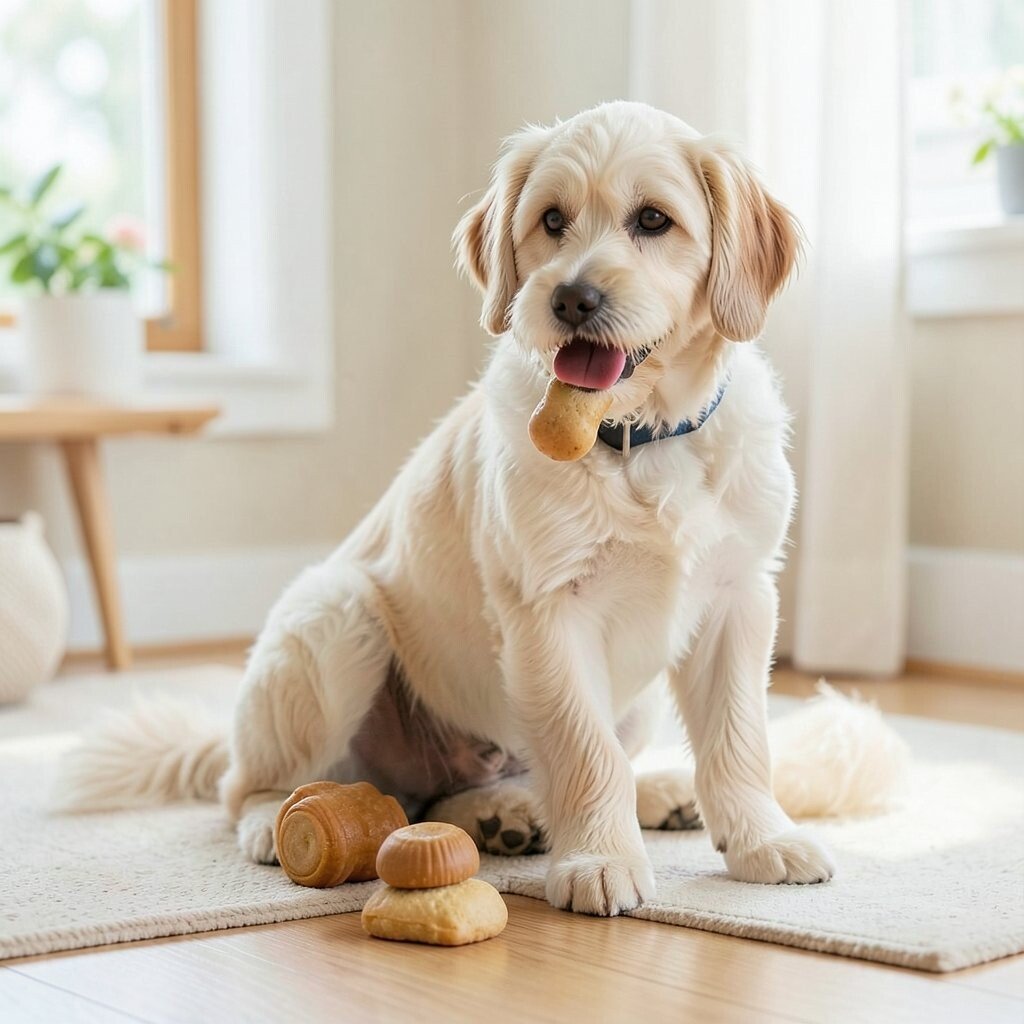
Training helps pets feel safe and gives them clear rules. Start with simple cues like “sit” or “come.” Use soft praise and small treats to teach the steps.
Choose one or two tasks at a time so your pet does not get mixed signals. Keep practice short, like a few minutes. This can help your pet stay focused.
Use positive methods and avoid harsh corrections. If your pet seems upset, pause and try again later. Personalize training by using foods and toys your pet likes most.
5. Keep Fresh Water Easy To Find
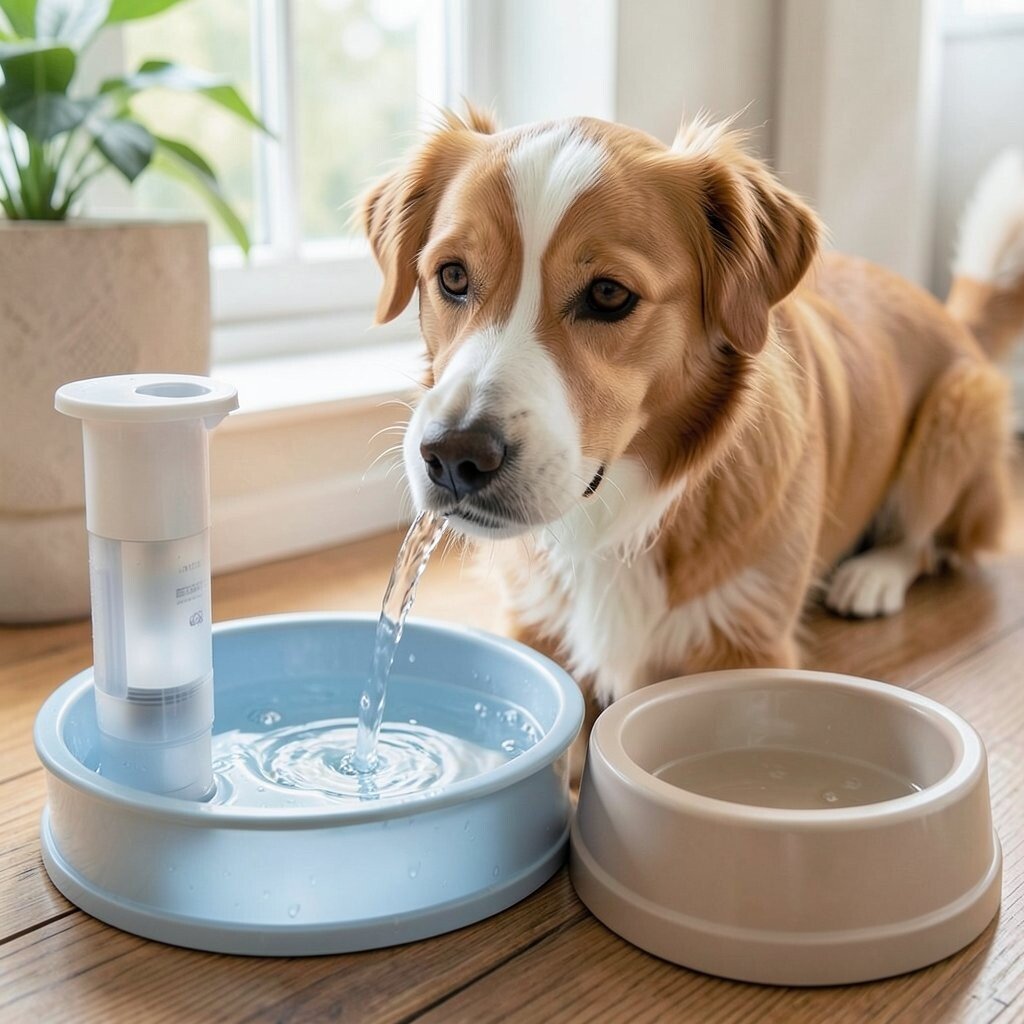
Water matters more than many people think. Your pet should have clean water all day. Place the bowl where your pet feels safe and can reach it easily.
Wash the bowl often so it does not hold old smells or film. Many pets drink more when the bowl stays clean and cool. If you have more than one pet, add extra bowls to avoid stress.
Some pets like running water. A simple pet water fountain can help, but watch for filters and cleaning. The cost is higher than a plain bowl, so choose what fits your budget.
6. Brush Teeth Often, Not Just At Vet Visits
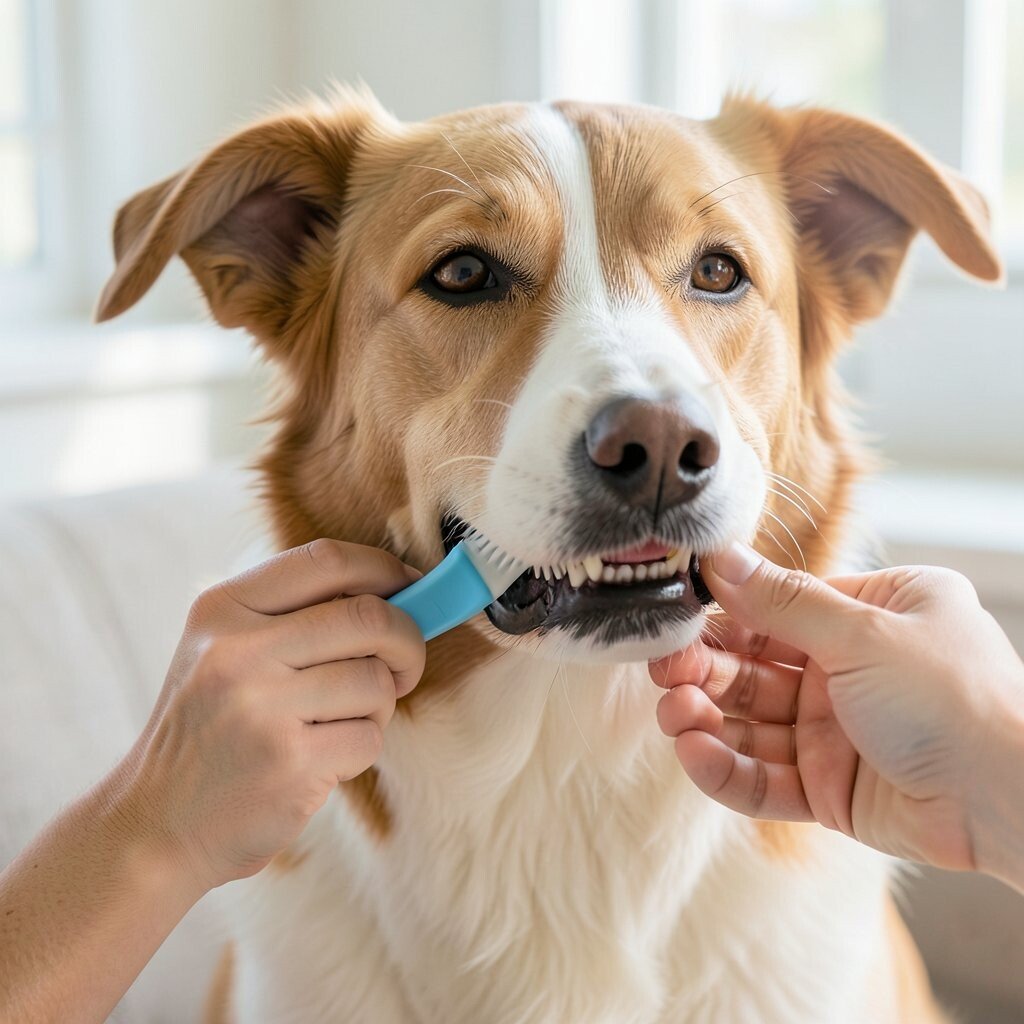
Dental care is a big part of pet wellness. Try to brush a few times a week if you can. Use pet-safe toothpaste and a soft brush made for animals.
If your pet resists at first, start slow. Let your pet sniff the brush, then give a treat after you touch the gums for a short time. Small wins help build trust.
Look for signs like bad breath, red gums, or yellow teeth. These can mean plaque is building up. Talk with your vet about dental cleanings and safe at-home steps.
7. Schedule Regular Vet Checks
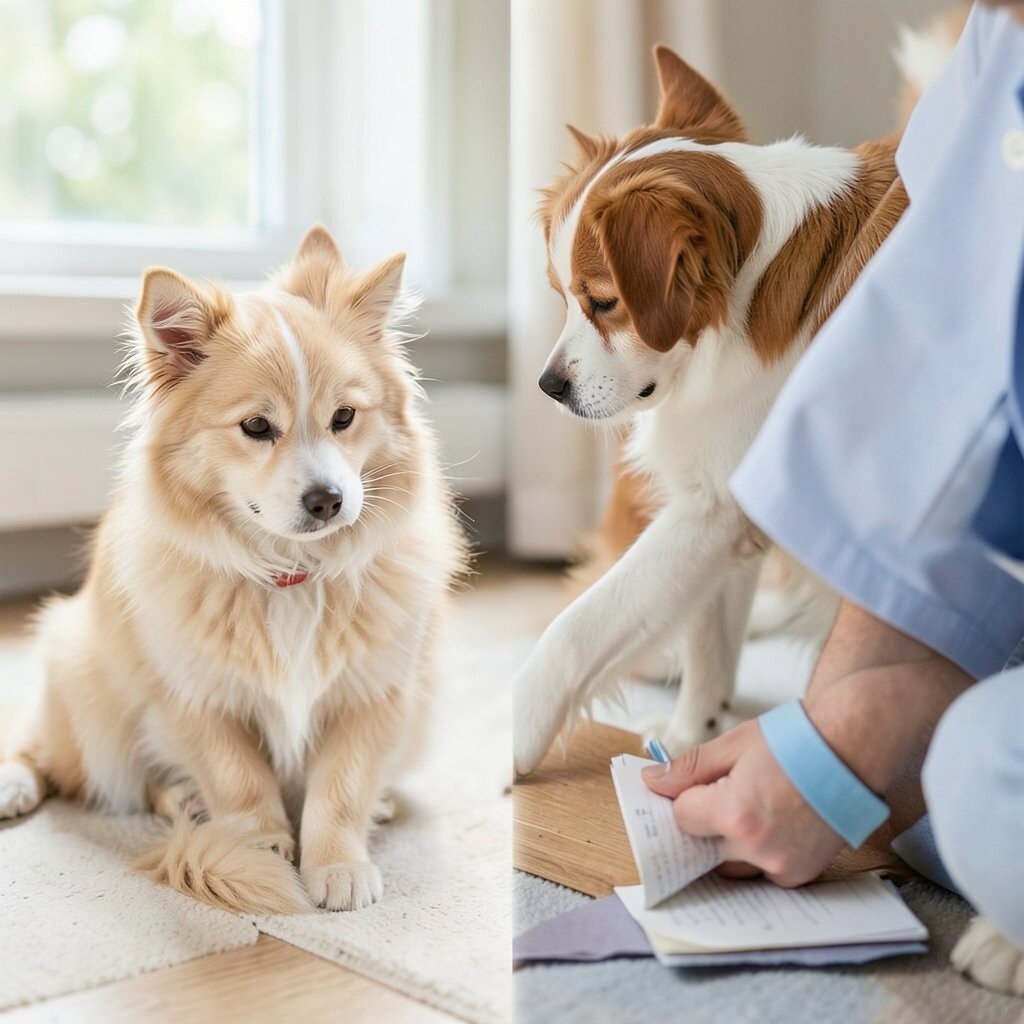
Regular visits help catch health problems early. Your vet can check weight, teeth, skin, and body condition. This can save time and money later.
Bring notes about changes you see at home. Write down changes in appetite, thirst, bathroom habits, or behavior. Clear details help your vet make better guesses.
Ask about a yearly plan for vaccines, heartworm, and flea control if your area needs it. Health needs vary by place and season. Personalize the plan based on your pet’s lifestyle.
8. Watch Skin And Coat For Early Clues
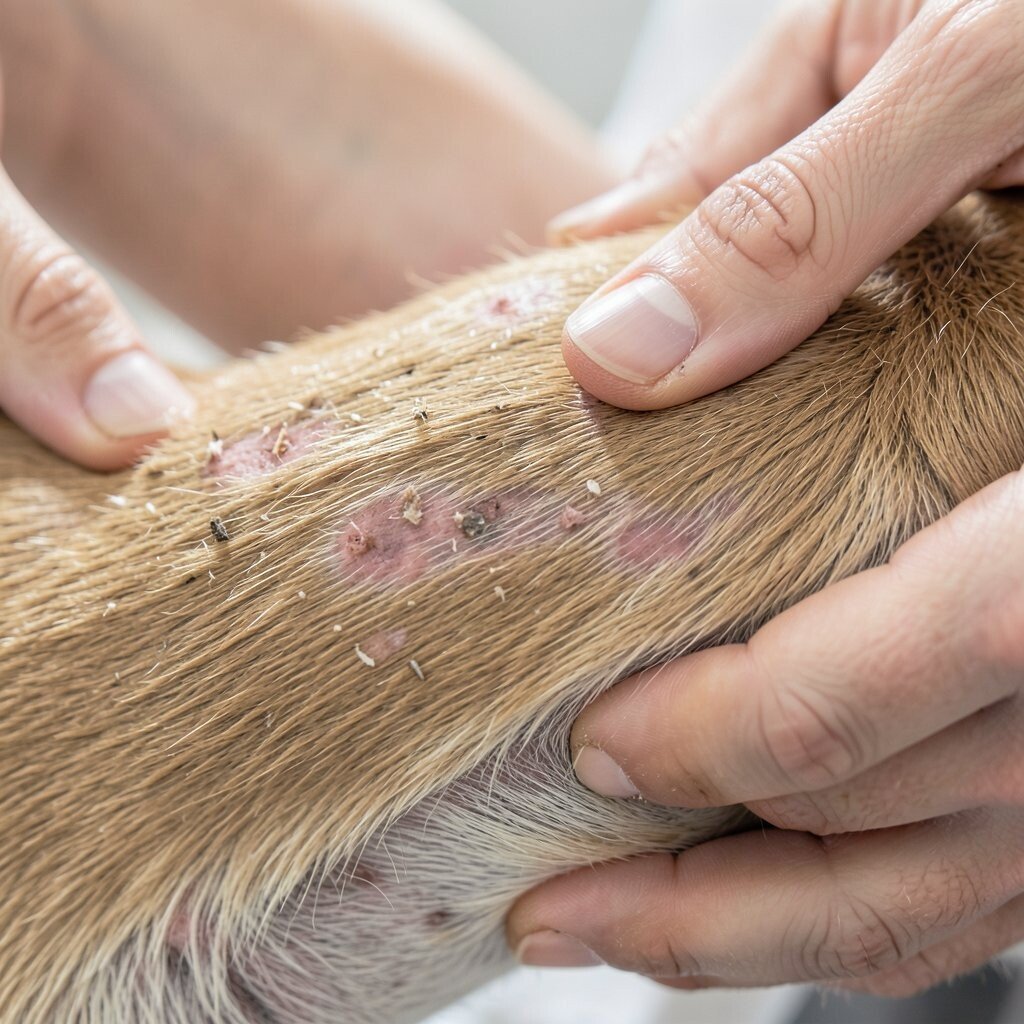
A pet’s skin can show early stress or illness. Look at the coat for dry patches, bald spots, or extra flakes. Use your hands to feel for lumps or hot spots gently.
Brush your pet to cut down loose hair and help the coat look smooth. This can also help you spot fleas or ticks early. The right brush depends on coat type.
If you notice strong itching or redness, do not wait too long. Allergies, parasites, or infections can need fast care. This is a good place to ask your vet for a clear next step.
9. Groom For Comfort And Cleanliness
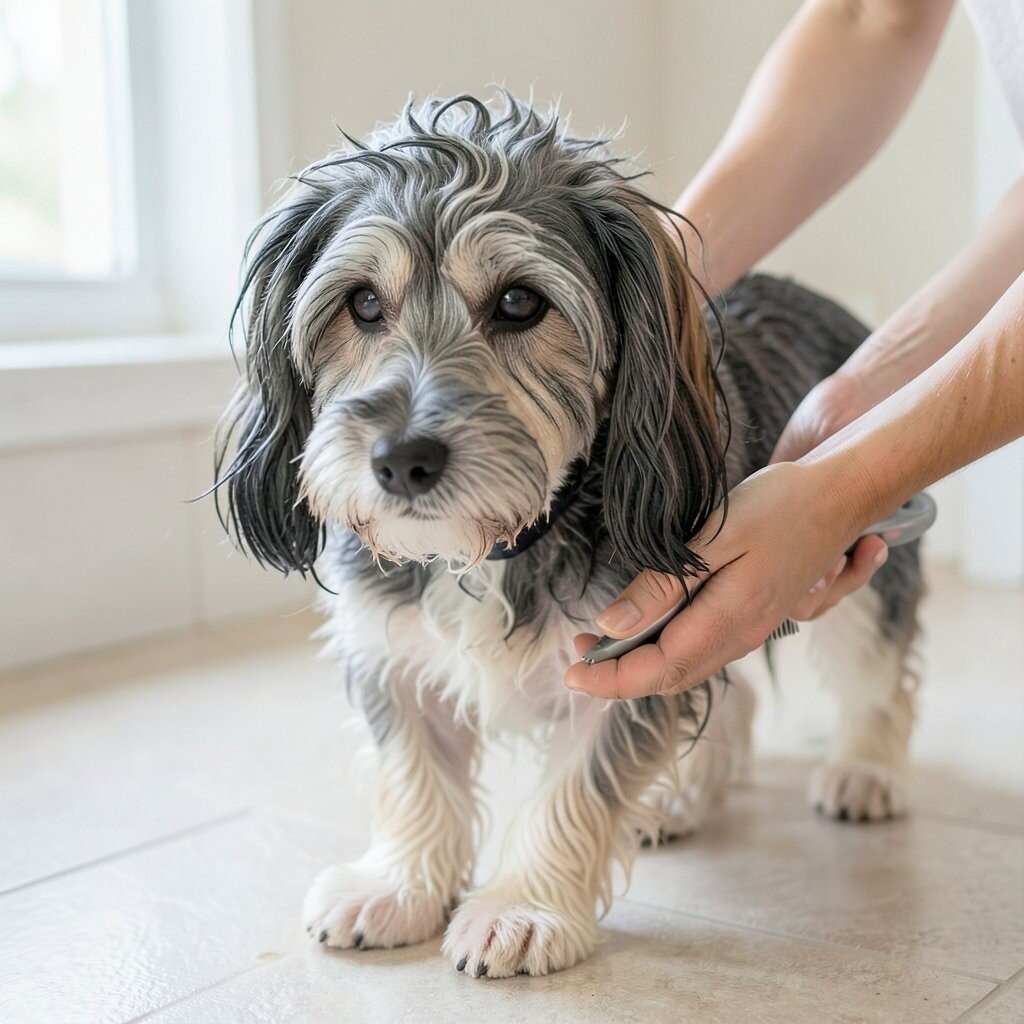
Grooming is not only about looks. It can help your pet feel more comfy and less itchy. A short bath, nail trim, and brushing can make a big difference.
Keep nails trimmed so pets do not scratch floors or get sore feet. Many pets do better with small nail trims on a set schedule. If you worry about cutting too far, ask a groomer.
For long-haired pets, regular combing can help prevent mats. Mats can pull skin and cause pain. You can start with small daily comb checks to make it easier.
10. Use Safer Toys And Replace Worn Items
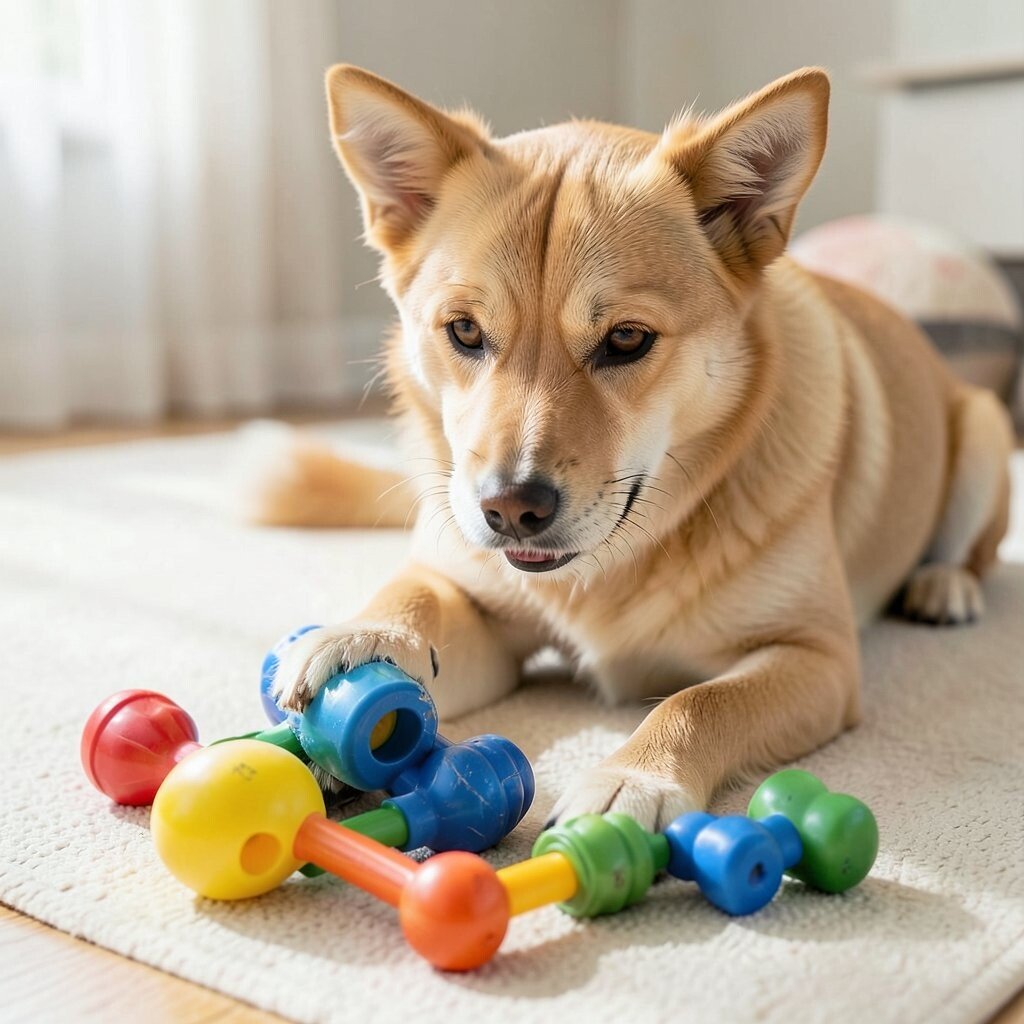
Toys can help your pet play, but they also wear out. Check toys for cracks, loose parts, and tears. If a toy looks damaged, swap it out.
Pick toys that match your pet’s habits. Some pets chew hard, while others like tugging or chasing. Choosing the right fit can keep teeth and gums safe.
Also think about size. A toy that is too small can be a choking risk. A toy that is too big may not hold interest, so try to match the fit.
11. Plan Safe Travel And Car Time
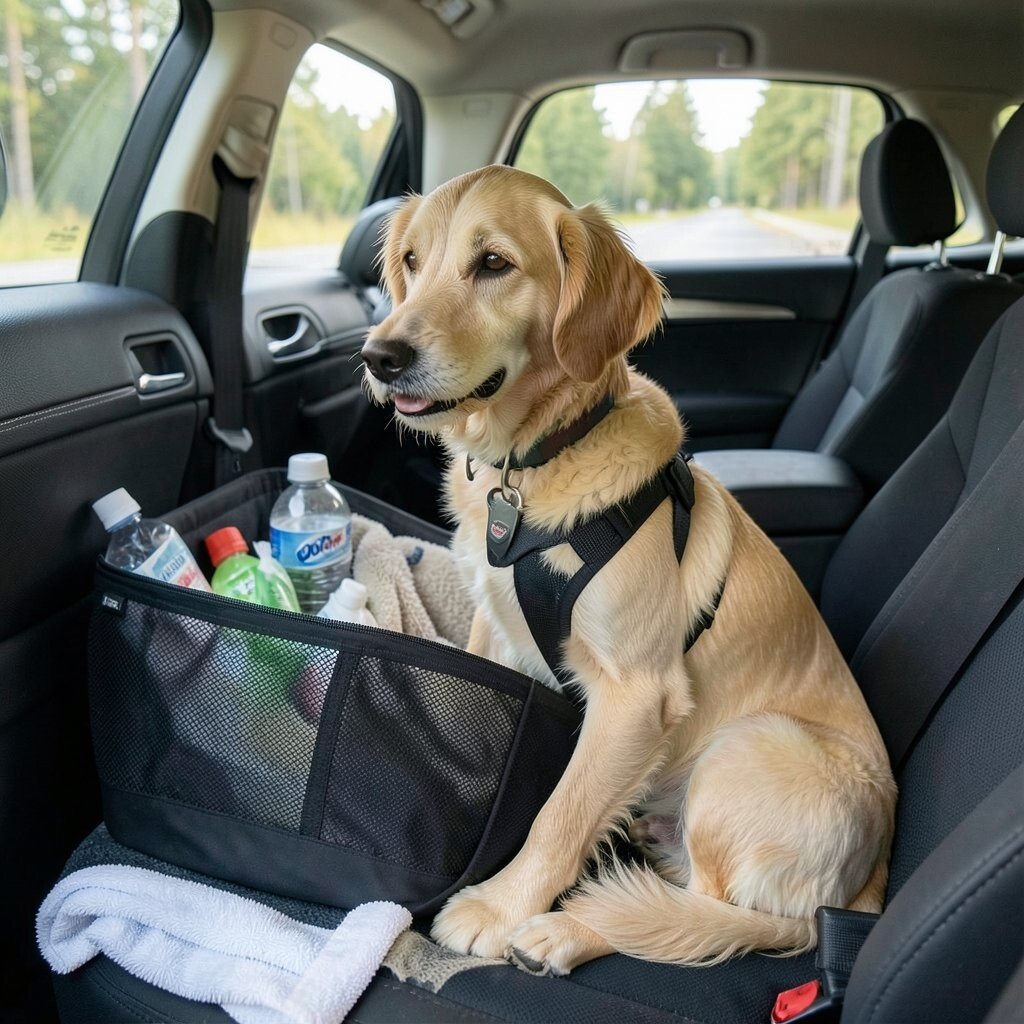
Many pets get stressed in cars or on trips. A calm plan can reduce panic and keep everyone safer. Use a carrier for cats and a safe harness for dogs.
Try short car rides at first so your pet learns that it is not scary. Bring a familiar blanket, and keep the trip cool and quiet. This can make the ride feel normal.
Pack simple items like water, wipes, and a small towel. Also bring poop bags if you are going outside. If you travel often, plan ahead for flea and tick control in that area.
12. Add Enrichment To Fight Boredom
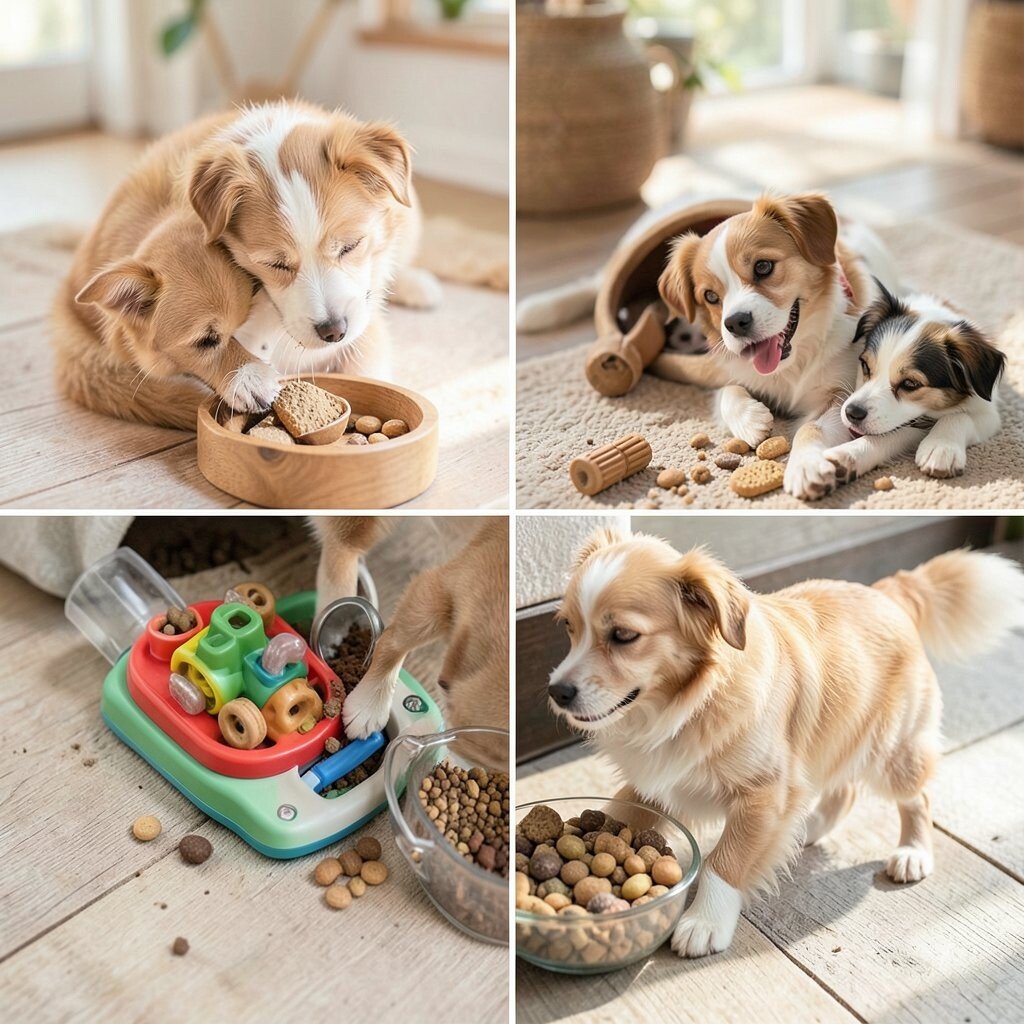
Enrichment helps pets use their minds, not just their bodies. A food puzzle, slow feeder, or treat scatter can give pets something to do. This can lower stress and reduce fast eating.
Rotate enrichment each week so it stays fresh. For example, one day use a puzzle toy, and another day use a new hide spot for treats. You can also add safe sniffing time on walks.
Look for what your pet likes most, then build around that. Some pets enjoy digging, others enjoy chasing. Personalize the plan using your pet’s favorite toys and scents.
13. Feed With Care Around Allergies And Sensitivities

Some pets react to certain foods. Signs can include itchy skin, upset stomach, or ear trouble. If you see these, keep track of meals and treat types.
Try small changes with your vet’s help rather than random swaps. A clear food plan can help spot the cause. Avoid too many new snacks at once.
Consider pet-safe options if you need to lower common triggers. Some owners try limited ingredient diets, while others focus on a fiber mix for digestion. The best choice depends on your pet and your budget.
14. Keep Up With Simple Trends, But Stay Practical
New pet products show up all the time, like smart collars, calming treats, and new toy styles. Some trends can help, but not every one fits your pet. Choose items with clear safety info and real value.
If you try a new item, test it for a short time and watch your pet’s body language. If your pet seems scared or upset, stop right away. This keeps care practical and safe.
Cost matters, so set a limit before you buy. You can also focus on low-cost basics like brushing, play, and measured meals. Small daily care is still one of the best ways to keep pets happy.