Pet playdates help pets feel safe with new smells and sounds. They also help owners plan fun time without rush.
1. Backyard Smell Walk
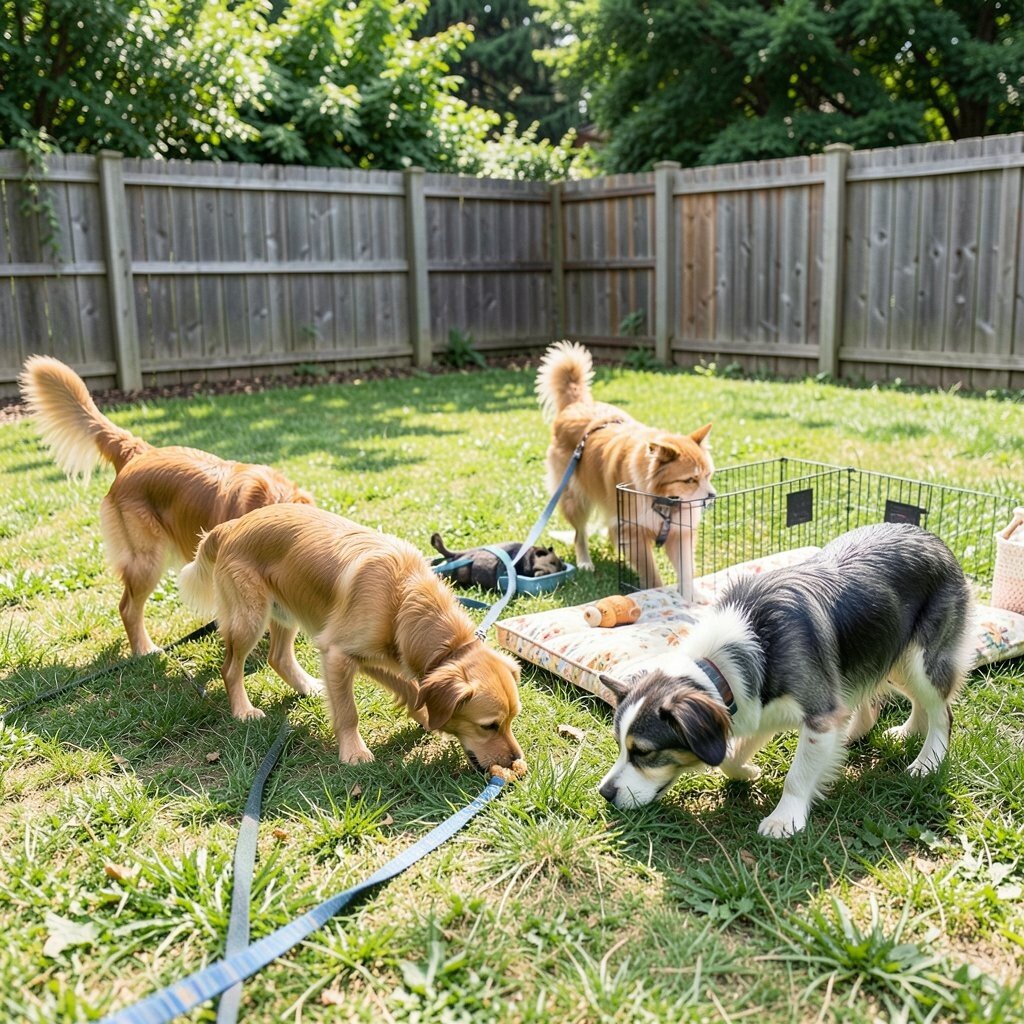
Pick a small area like a yard or a quiet park edge. Bring treats and let each dog or cat sniff at their own pace. Keep the first meeting calm, with short pauses for water.
For dogs, walk on loose leash and let them see each other from a distance. For cats, you can use a safe carrier area and open doors one at a time. This helps pets learn that the other pet is not a threat.
Try to choose a time when it is not too hot or too loud. Add a few familiar items like a bed or a toy from home. You can keep cost low by using places you already have.
2. Toy Swap With Safe Rules
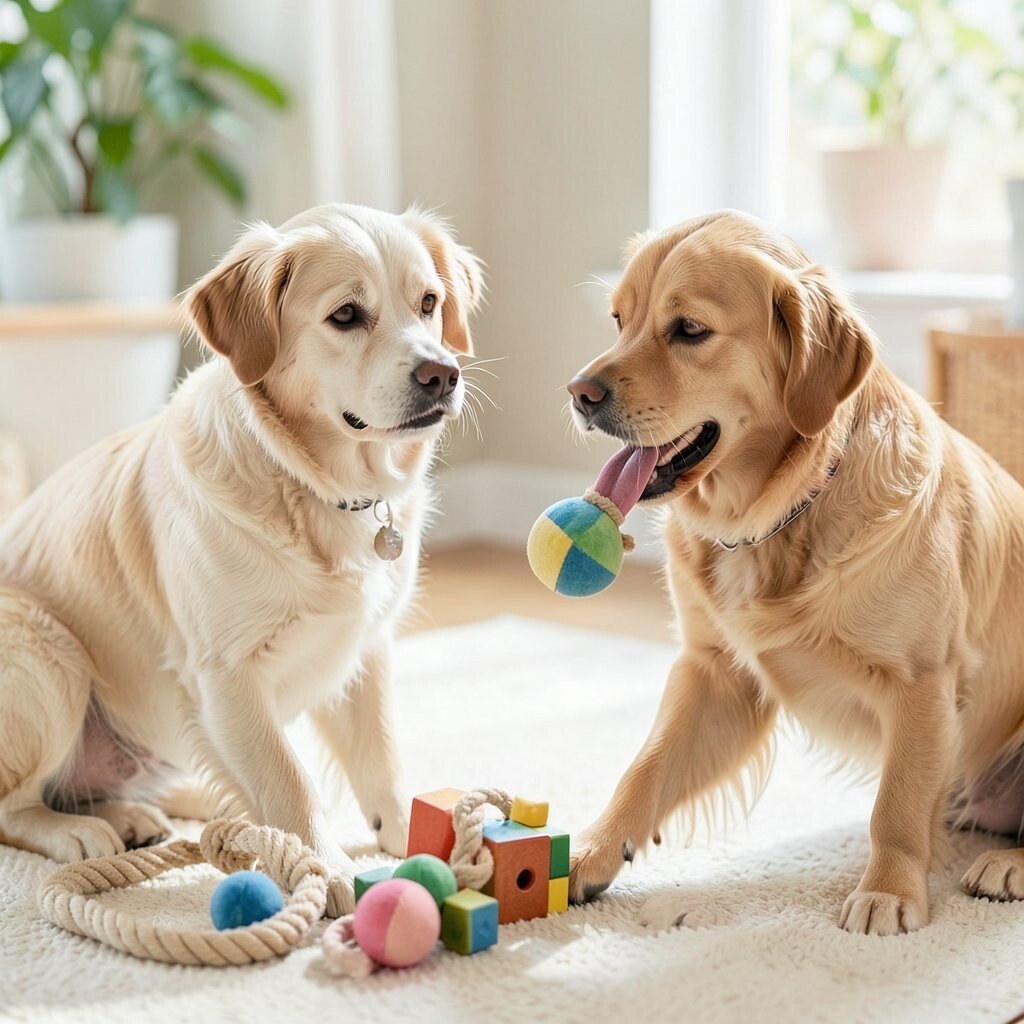
Choose a few toys that your pet already likes. Bring the same type from both sides, like a rope toy, a soft ball, or a crinkle toy. Trade toys after you check for any rough parts.
Set simple rules like “no jumping on the other pet” and “take turns.” Watch for signs of fear, like hiding or tense body. If it happens, end the swap and try again later.
This playdate is unique because it feels like shared fun, not a fight. You can personalize the toy list by picking what each pet enjoys most. Look for trends like puzzle toys, but choose ones with no sharp bits.
3. Bubble Play for Gentle Chasers
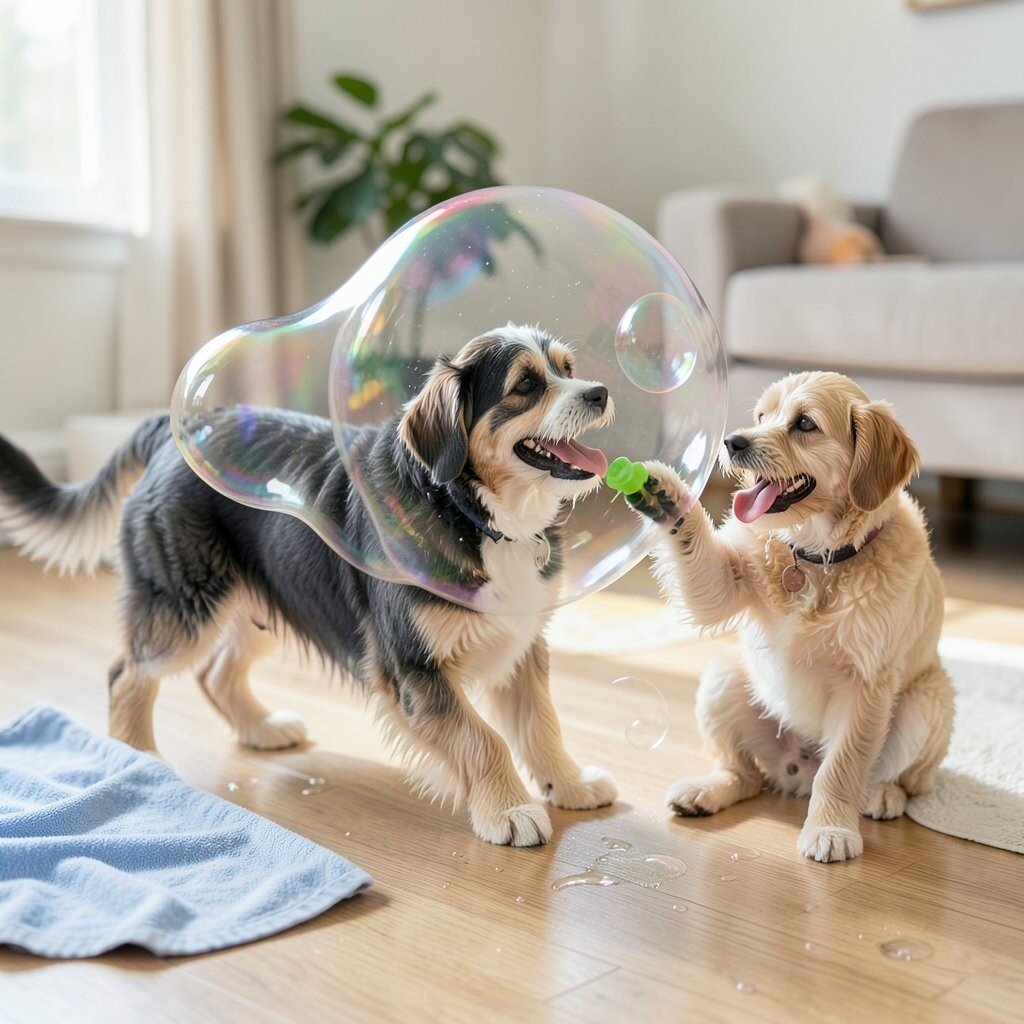
If your pet likes to chase, try safe pet bubbles. Start with a small batch so the first session stays short. Watch how they react and stop if your pet gets upset.
Bubbles can give an easy target for play. Many pets enjoy the sight and simple movement. It also helps burn a bit of energy without rough contact.
Buy pet-safe bubble fluid or use a product made for animals. You can also use hand-made bubbles, but test with one pet first. Keep a towel nearby since some bubbles drip on floors.
4. Treat Scavenger Hunt
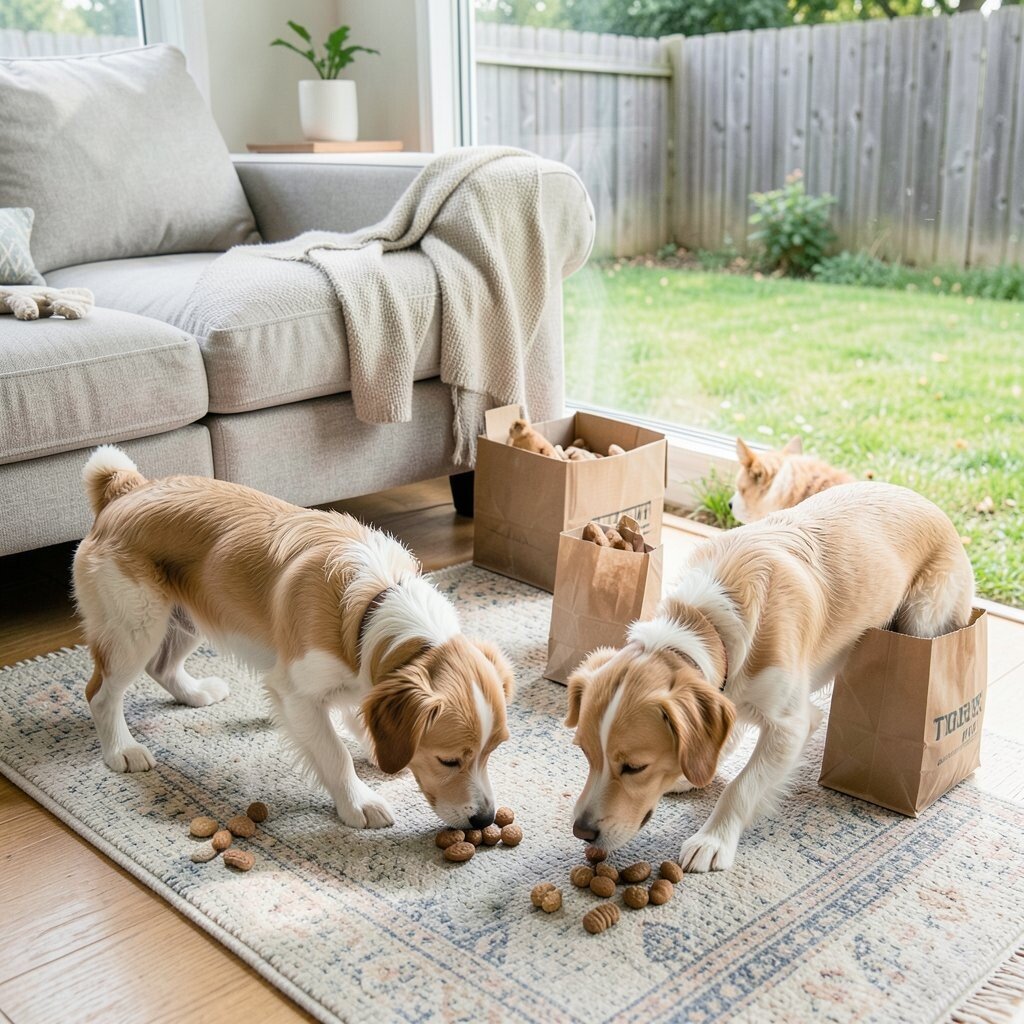
Make a simple hunt in a living room or fenced yard. Hide small treats in safe spots like under a chair or behind a mat. Let the pets sniff first, then guide them with a calm voice.
Do it in turns, especially if one pet is too pushy. This helps prevent crowding and keeps both pets calm. It also helps with focus because pets work for food.
Personalize the hunt by using treats your pet already knows. Keep cost low with common items like cardboard boxes or paper bags. This idea fits a trend of “slow brain games” that many owners enjoy.
5. Mini Agility Course at Home
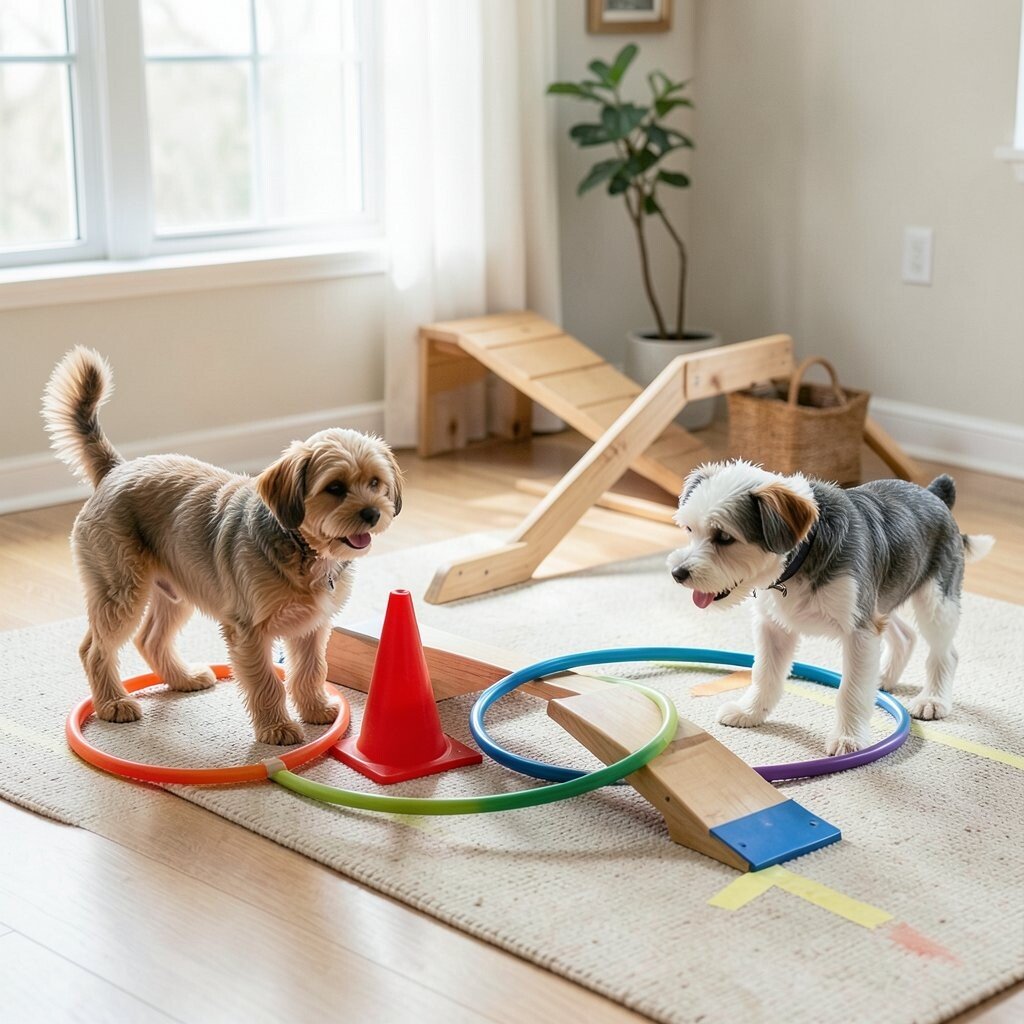
Set up a low course using safe home items. Use items like cones, a hula hoop on the floor, or a small step. Keep the jumps very low so no pet gets hurt.
Let each pet go one at a time while the other waits nearby. Give lots of praise for calm steps. This helps build confidence and good manners.
You can personalize by changing the path length and turns. For a budget option, use tape on the floor to mark simple routes. For trends, look at “at-home agility” videos, but keep your course safe and easy.
6. Park Bench Meet and Greet
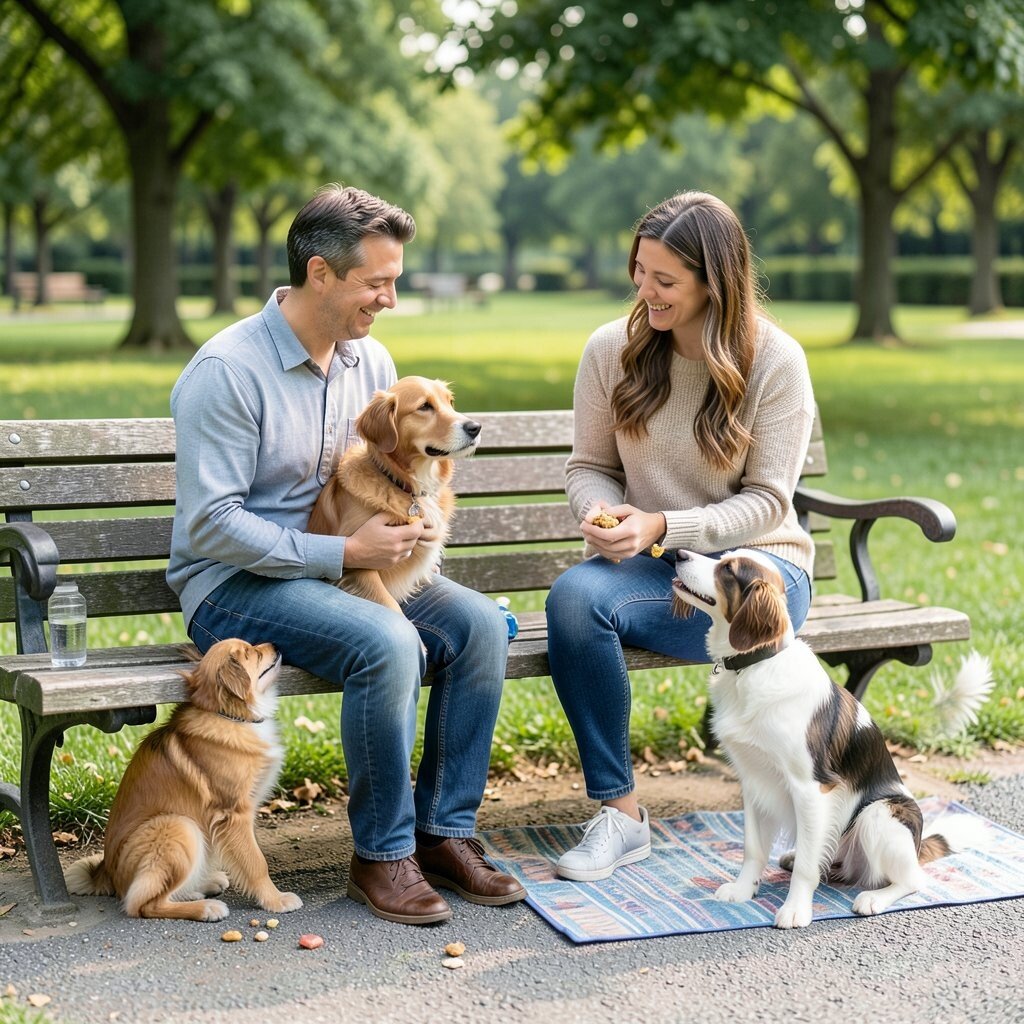
Pick a quiet bench area and sit with both pets at a good distance. Bring treats and reward calm behavior right away. Let them watch without pulling or rushing.
This idea works well for shy dogs or nervous cats. You can hold one pet in place, then slowly bring the other closer if it stays calm. It helps pets learn that a calm meeting is a normal part of life.
Bring water and a small mat so both owners can sit comfortably. Cost is low since you use your own supplies. Add personalization by matching treats to each pet’s needs and size.
7. Kindness “Check-In” Time With Licks or Nose Bumps
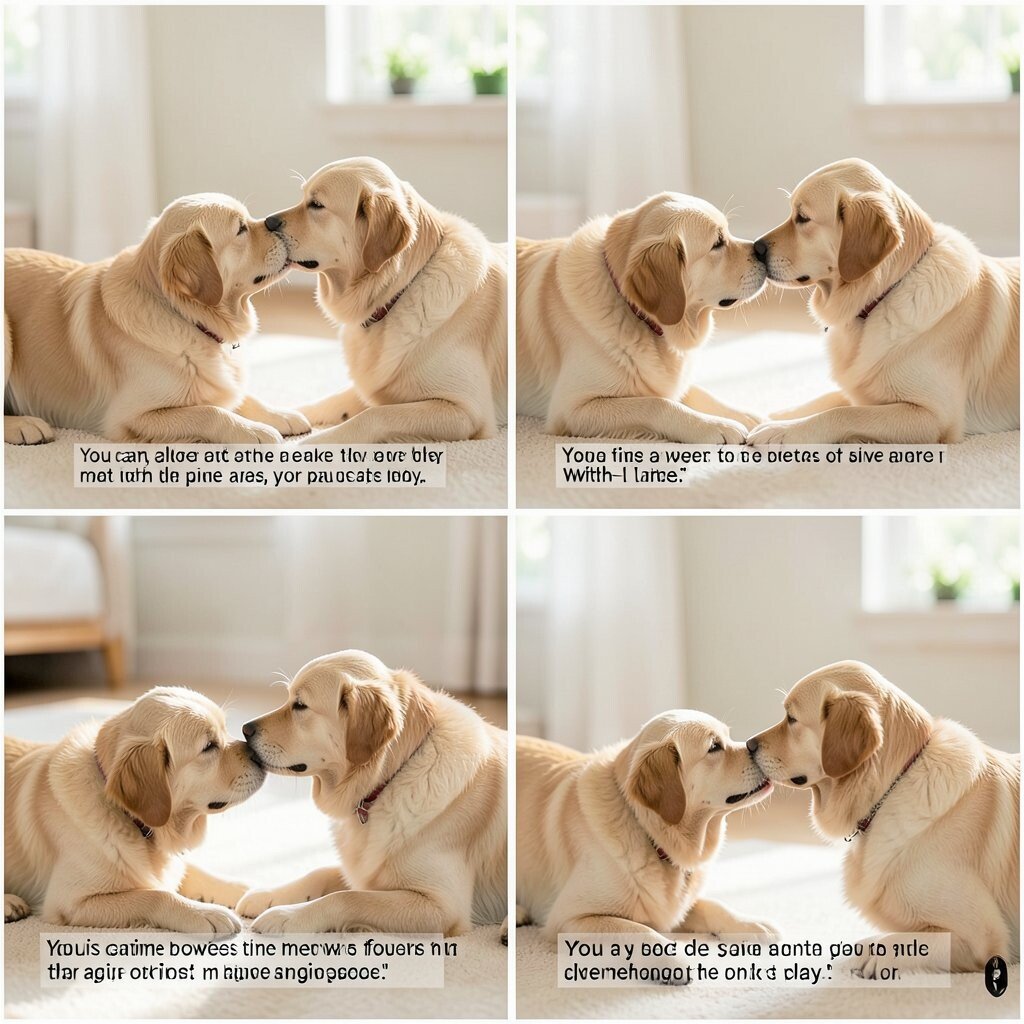
Plan short “check-in” rounds during the playdate. After a quiet moment, let the pets greet in a safe way like gentle nose bumps. Reward calm sniffing and keep it brief.
This small routine can reduce stress for many pets. It also gives owners a clear way to manage the meeting. If either pet stiffens or backs away, you pause and give space.
Make it personal by using a phrase you both owners can repeat. You can also time check-ins like every few minutes. This is unique because it focuses on calm behavior, not just play.
8. Shared Water and Cooling Break
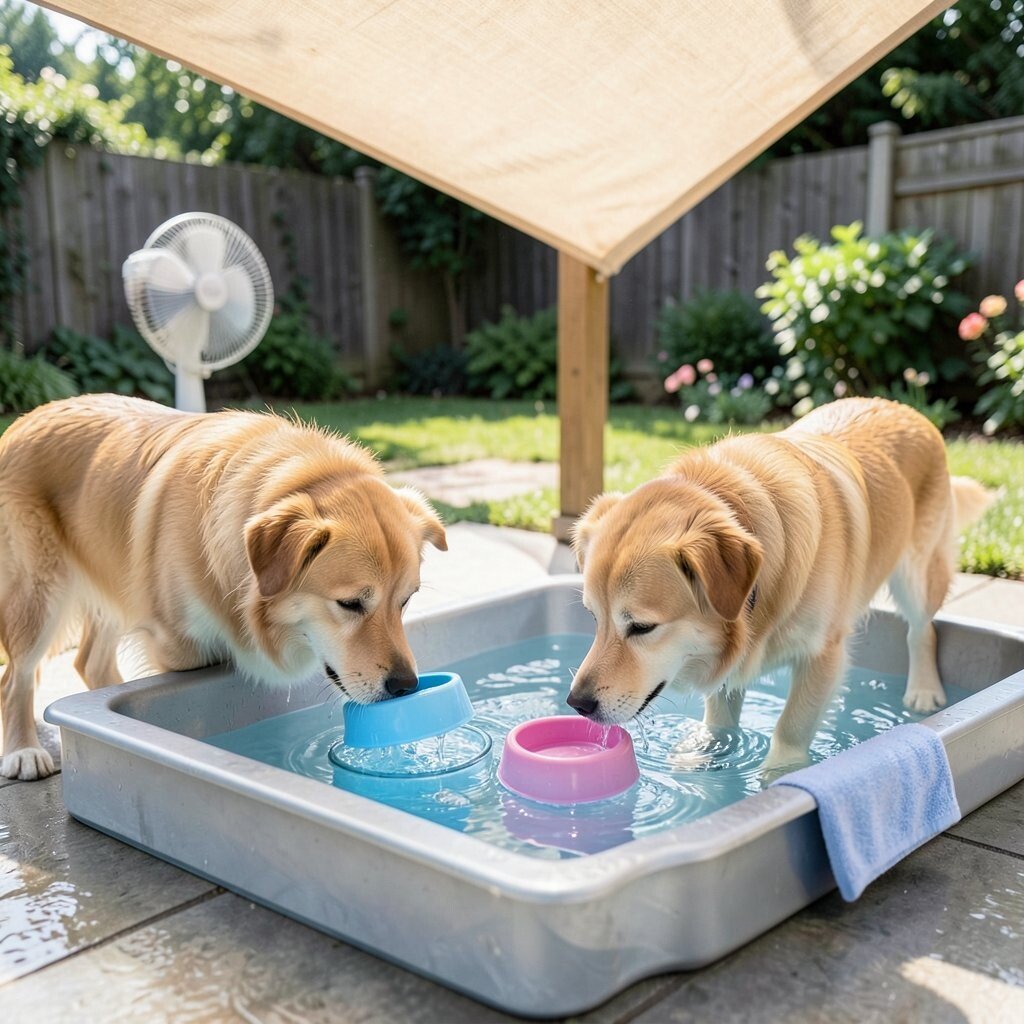
Set up a cooling break with fresh water and a shade spot. Let both pets take turns drinking, so no one feels pushed. If you have a small fan for the room or a cool towel, use it.
Cooling breaks can make playdates last longer in warm weather. It also lowers the chance of upset from heat or tiredness. Owners often forget this part, but it can help a lot.
Cost can stay low with basic supplies and a spare bowl. Personalize by using bowls that fit your pet’s size and drink style. This fits today’s trend of “safety breaks” during pet time outside.
9. Tug-of-War With Clear Turn Rules
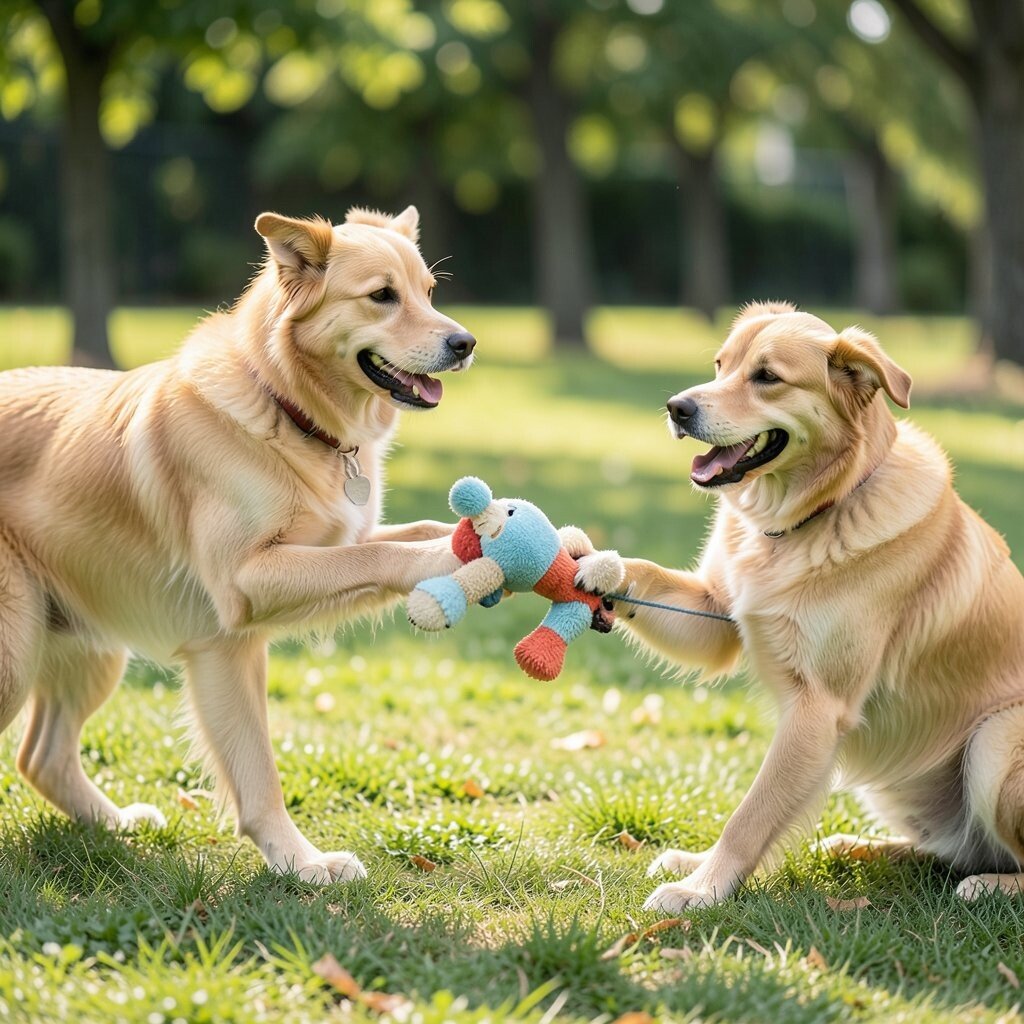
Some dogs enjoy tug-of-war, and it can be a fun group game with rules. Use one toy and take turns pulling. If your pet gets too intense, stop and switch to a soft toy instead.
Only play if both pets seem excited in a good way. Look for relaxed bodies and loose mouths. If one pet shows fear or pain, end the game right away.
Make it safer by using a toy with strong grip and no loose strings. Personalize by picking a toy shape that suits each pet’s bite style. Keep sessions short so the fun stays friendly.
10. Side-By-Side Training Challenge
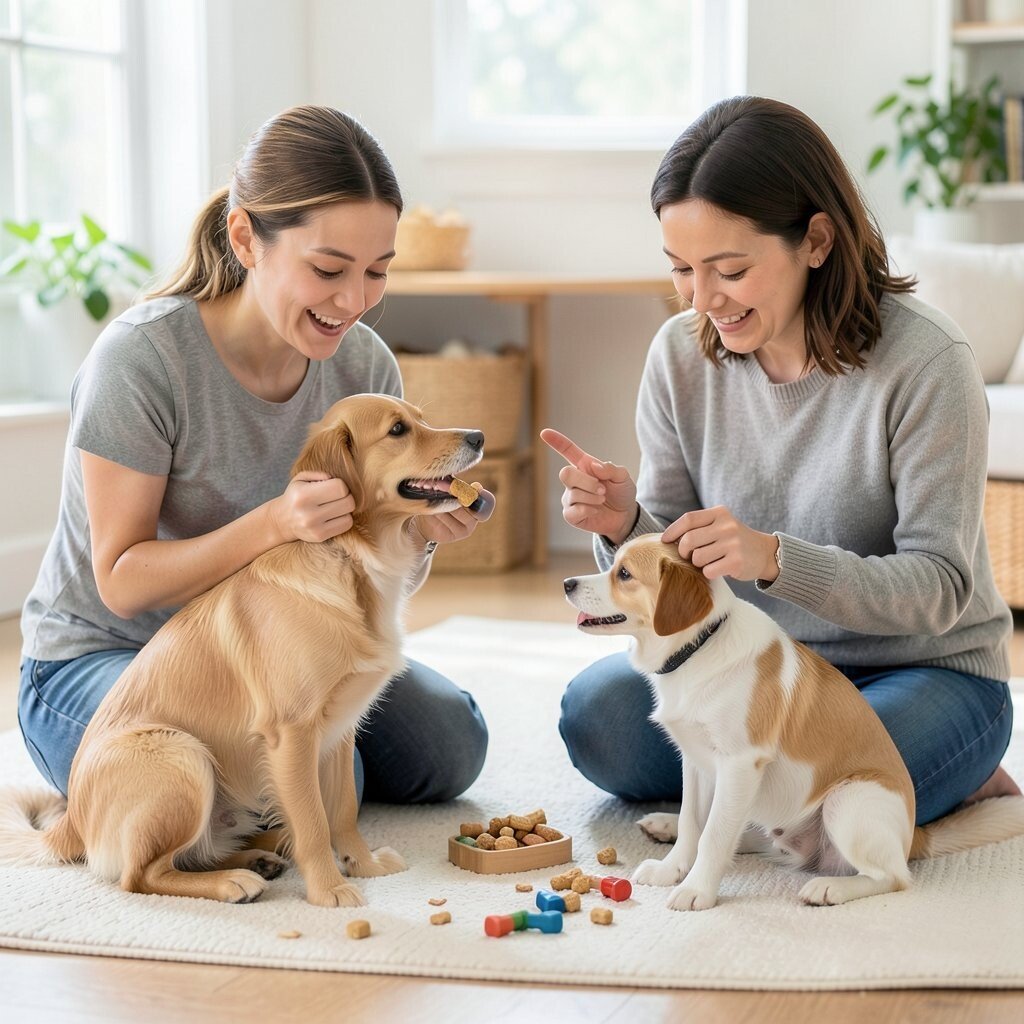
Train simple skills at the same time with both pets nearby. Try “sit,” “touch,” or “come” with small treats. Each owner uses their own signals and rewards at the right time.
Side-by-side training helps pets feel included without direct conflict. It also makes the playdate feel useful for daily life. Many owners like this because it brings calm structure into the day.
Personalize by using skills each pet already knows. For cost, use treats and a clicker if you already own one. This matches a trend in pet circles where training sessions are part of play.
11. Pool or Sprinkler Time for Water Lovers
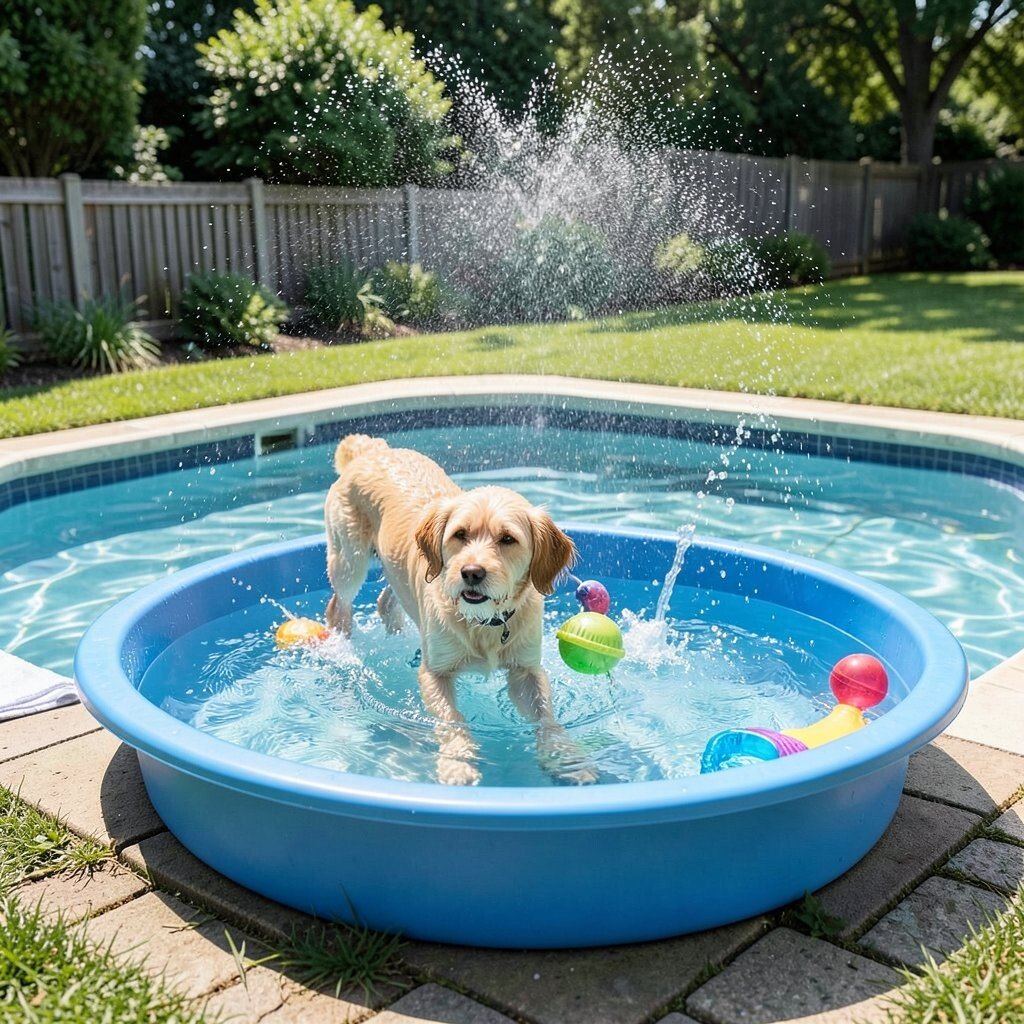
If your dog loves water, set up a safe pool or gentle sprinkler. Start with low water level so the area stays easy to move in. Always watch closely and keep the session short.
Water can be a fun way to cool down and burn energy. It can also help with play since water moves in a clear way. If a pet hates water, skip this and pick another idea.
Use a dog-safe pool or a shallow kiddie pool that you clean often. Personalize by using toys that float and a towel for drying. Trend-wise, many owners share “splash days,” but safety should come first.
12. Cardboard Box Chase and Hide
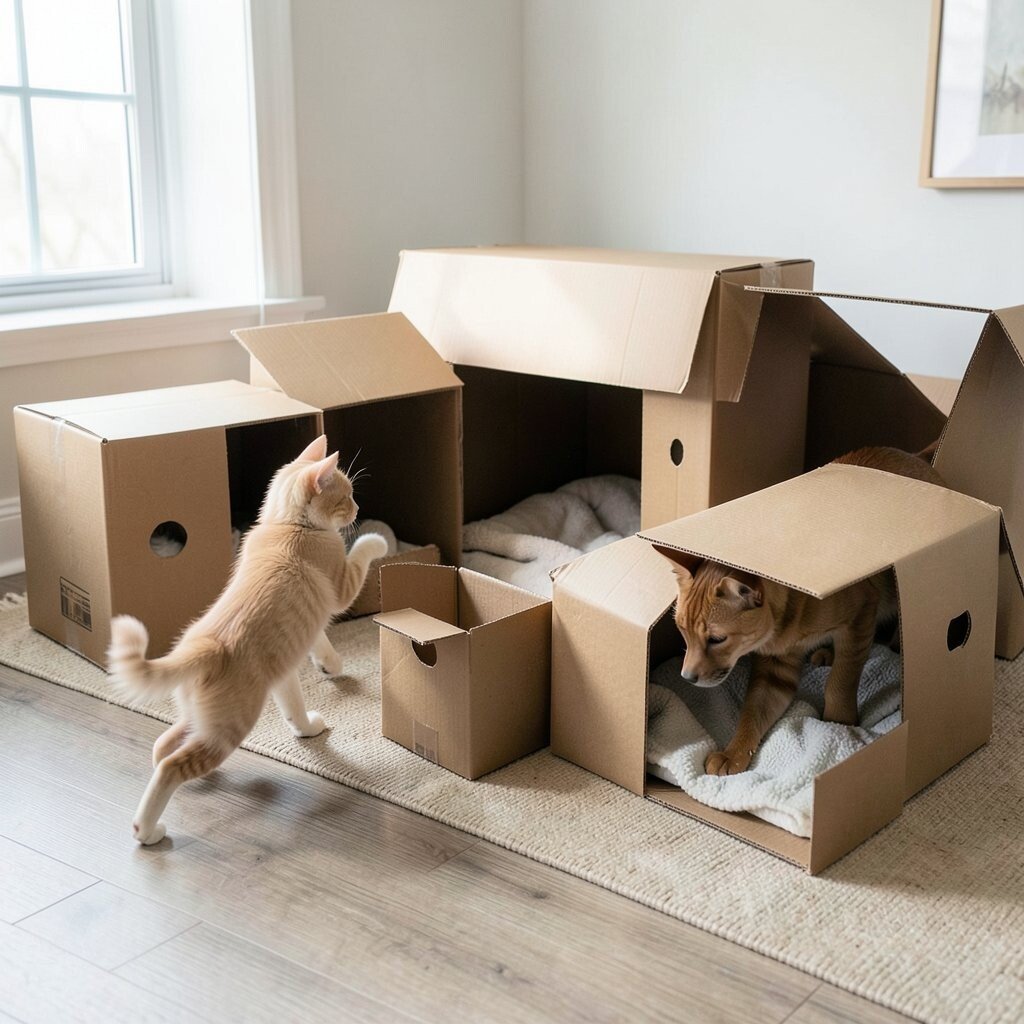
Bring cardboard boxes of different sizes and set them up as a small play zone. Cut or leave doors open so pets can go in and out. Add safe bedding or a soft blanket inside for comfort.
This game is unique because it mixes hiding with motion. Pets often sniff first, then run, then rest. You can keep it calm by guiding play and not forcing long chase.
Cost is usually low since boxes can be reused from deliveries. Personalize by using box sizes that fit each pet’s body. This also helps with enrichment, which is a popular topic in pet care.
13. Photo Walk With Treat Rewards
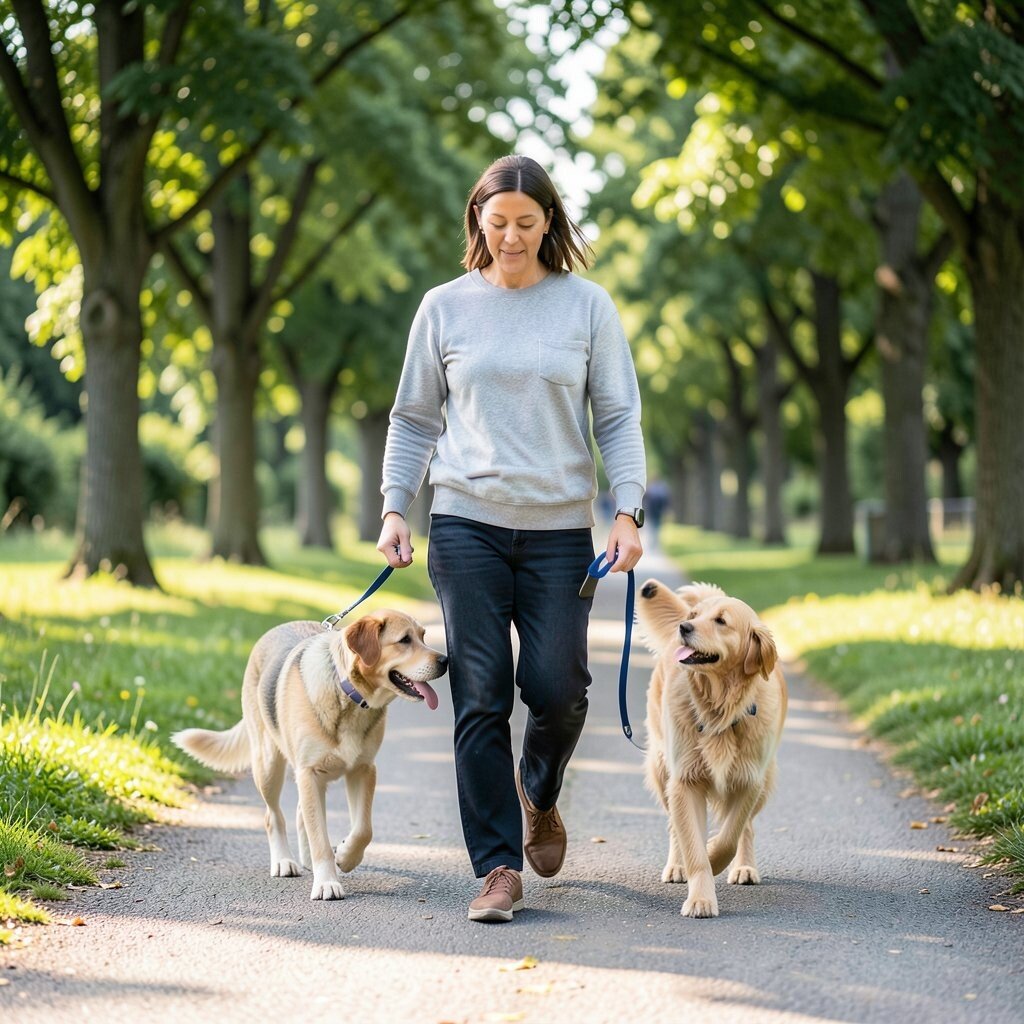
Do a slow walk where you stop for short breaks to take photos. Use treats to keep your pet near you and moving at a calm pace. Try one pet at a time if meeting face-to-face feels too much.
This idea helps owners notice small good moments. Pets often enjoy the quiet pace and the chance to sniff. It also gives you memories and a fun routine for later.
Personalize by picking a theme like “blue items” or “near trees.” Cost stays low since you use your phone. This fits a trend of “pet content walks,” but you can keep it simple and kind.
14. Cat Playdate With Wand Feather Turns
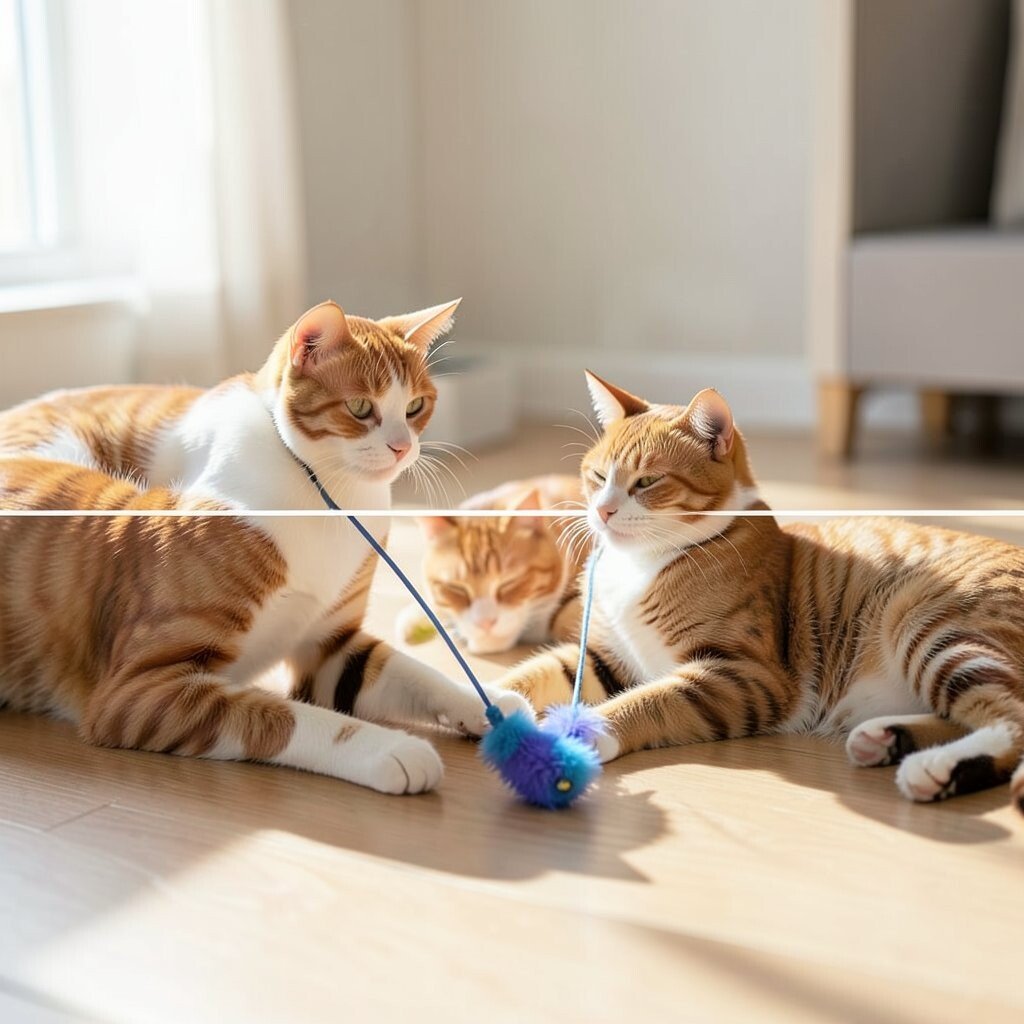
For cats, use a wand toy with a feather or soft lure. Play on the floor so it feels safe and easy for both cats. Let each cat take turns chasing and rest between rounds.
Turn-based play helps cats avoid crowding. It also lets you watch body language and switch fast if one cat gets scared. This is a gentle way to share space without direct contact.
Personalize by using the toy that matches each cat’s mood. Use a wand with a long handle so your hands stay safe. Cost can be low if you already own a wand, and many pet owners see this as a steady trend.
15. Slow Games With Treat-Like “Search” Objects
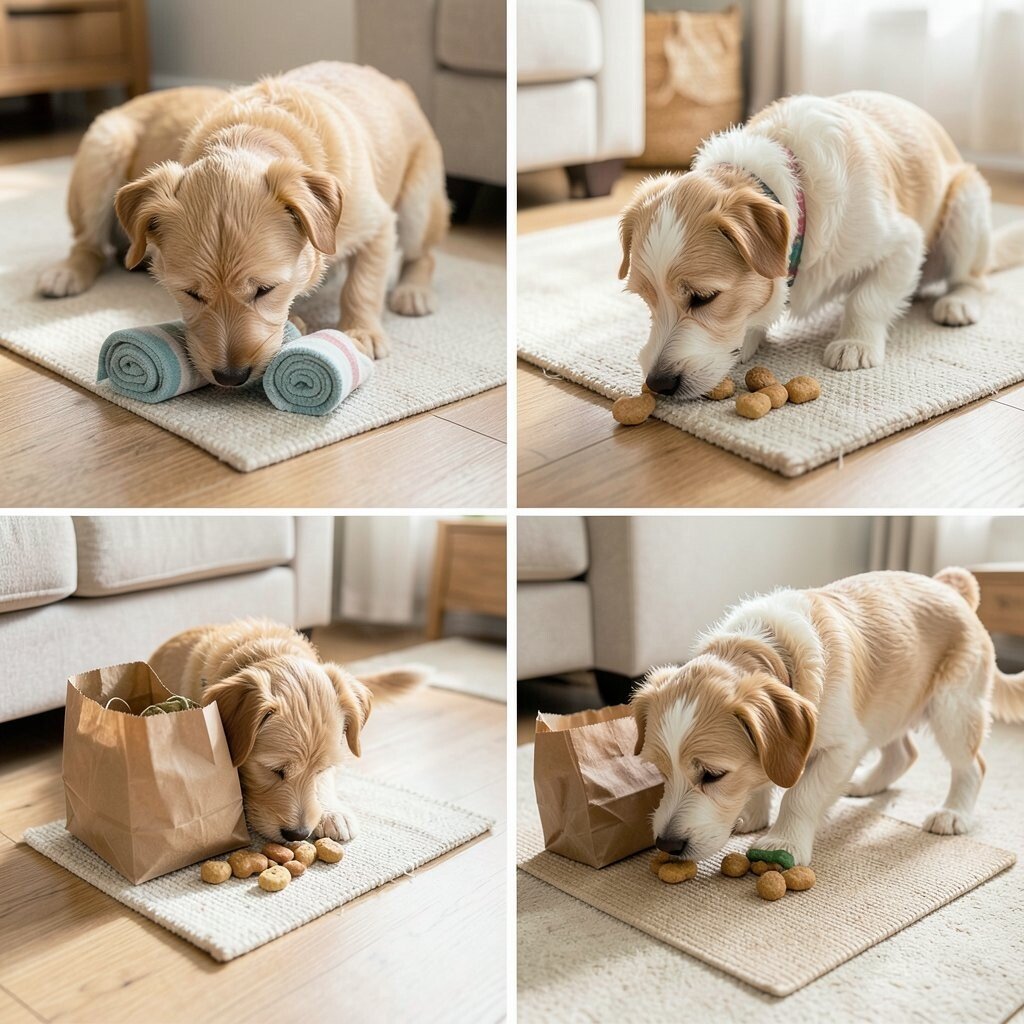
Make a few search spots with safe items like rolled socks, paper bags, or a small mat. Place a few treats inside or under each spot. Let pets sniff, then guide them to the next spot with calm cues.
This type of play helps pets use their nose and brain. It can be good for pets that do not like fast games. It also helps owners keep focus on safety and good manners.
Personalize by choosing objects that fit your home and your pet’s size. Keep it cheap by reusing safe household items. This idea follows a trend of “nose work” that many people enjoy because it feels calm and fun.