Puppies grow fast, so their food choice matters a lot. The right mix of protein, fat, and key vitamins can help them grow strong and stay in good shape.
1. Age-Specific Puppy Food
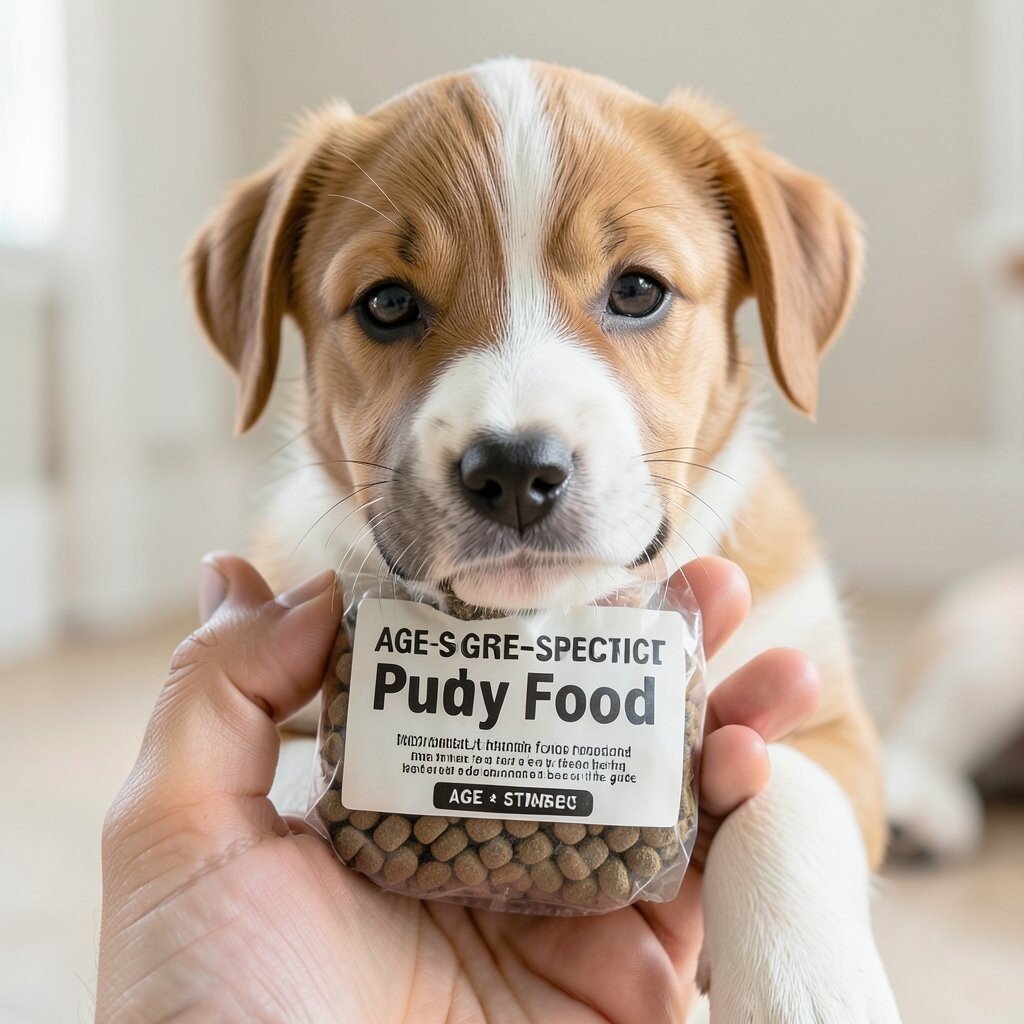
Start with food made for puppies, not adult dog food. Puppy formulas often have more protein and the right minerals for fast growth. Pick the label that matches your pup’s age stage.
You can picture the kibble size in your hand, usually small enough for a young mouth. This can make chewing easier and reduce stress at mealtime. It also helps you feed the right daily amount based on the guide.
2. Real Meat As The Main Protein
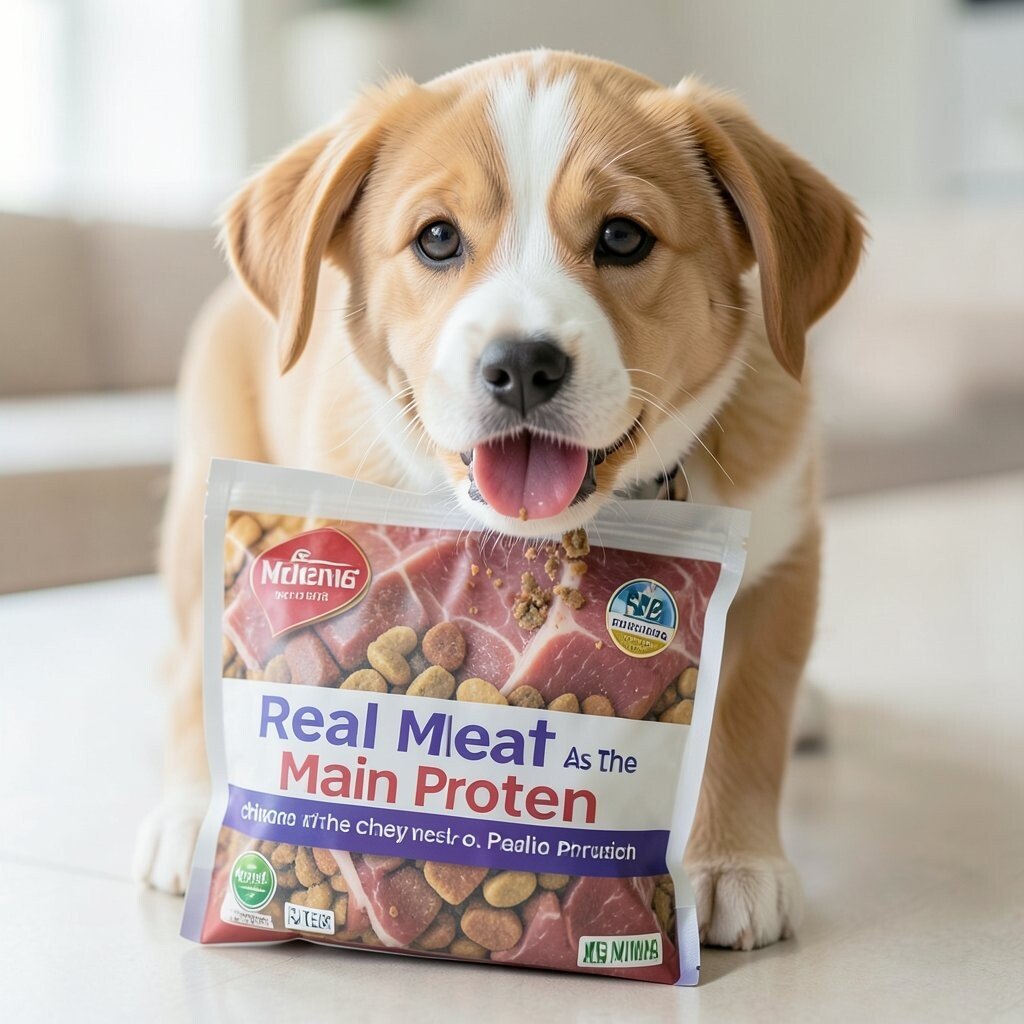
Look for a named meat as the first ingredient, like chicken, lamb, or salmon. Real meat can give puppies the amino acids they need to build muscle. It also helps them enjoy eating, which makes training and feeding easier.
Try to note the scent and texture when you open the bag. Many real-meat foods smell warm and feel firm, not chalky or dusty. If your pup seems less interested, you can compare brands while keeping the protein focus.
A good tip is to rotate within the same style, like chicken-to-chicken, if you change anything. Sudden changes can upset the belly. When in doubt, mix a small amount of the new food with the old one for a week.
3. Balanced Fat For Energy

Puppies need enough fat to fuel play and brain growth. You may see fats listed as chicken fat, fish oil, or similar sources. This part of the diet also helps skin and coat look healthy.
When the food is right, you may notice less dry skin and a shinier coat. You might also see steady energy during walks and play. Too little fat can lead to low power, while too much can cause weight gain.
For cost, compare the cost per pound, not only the price per bag. A higher-quality fat source can sometimes mean you need less volume for the same daily goal. Ask your vet if your puppy is gaining too fast or too slow.
4. Added Omega-3 And Omega-6

Some puppy foods add omega fatty acids for skin and eyes. Look for fish oil, salmon oil, or words like omega-3 on the label. Omega-6 often comes from plant or animal fat sources.
Visually, a coat that looks smooth and less itchy can be a good sign. Omega support may also help with dryness around the nose and paws. This can matter more for puppies that live in dry weather.
A simple tip is to watch for changes over a few weeks. If your pup gets itchy or has loose stool, stop the change and talk to a vet. Keep notes on food brand, date, and any stool or skin signs.
5. Fiber For A Steady Stomach

Puppies can have messy tummies as their bodies learn new foods. Fiber sources like pumpkin, beet pulp, or chicory root may help stool stay more even. This can make potty time easier for you too.
When fiber is a good fit, you may see firm but not hard poop. The stool should not be watery or too dry. If you see a big change, you can adjust the amount before changing the full food.
Try small steps when you add fiber-rich food. Mixing with the old formula can help your puppy settle. Also keep water close, since fiber needs water to work well.
6. Probiotics For Gut Support
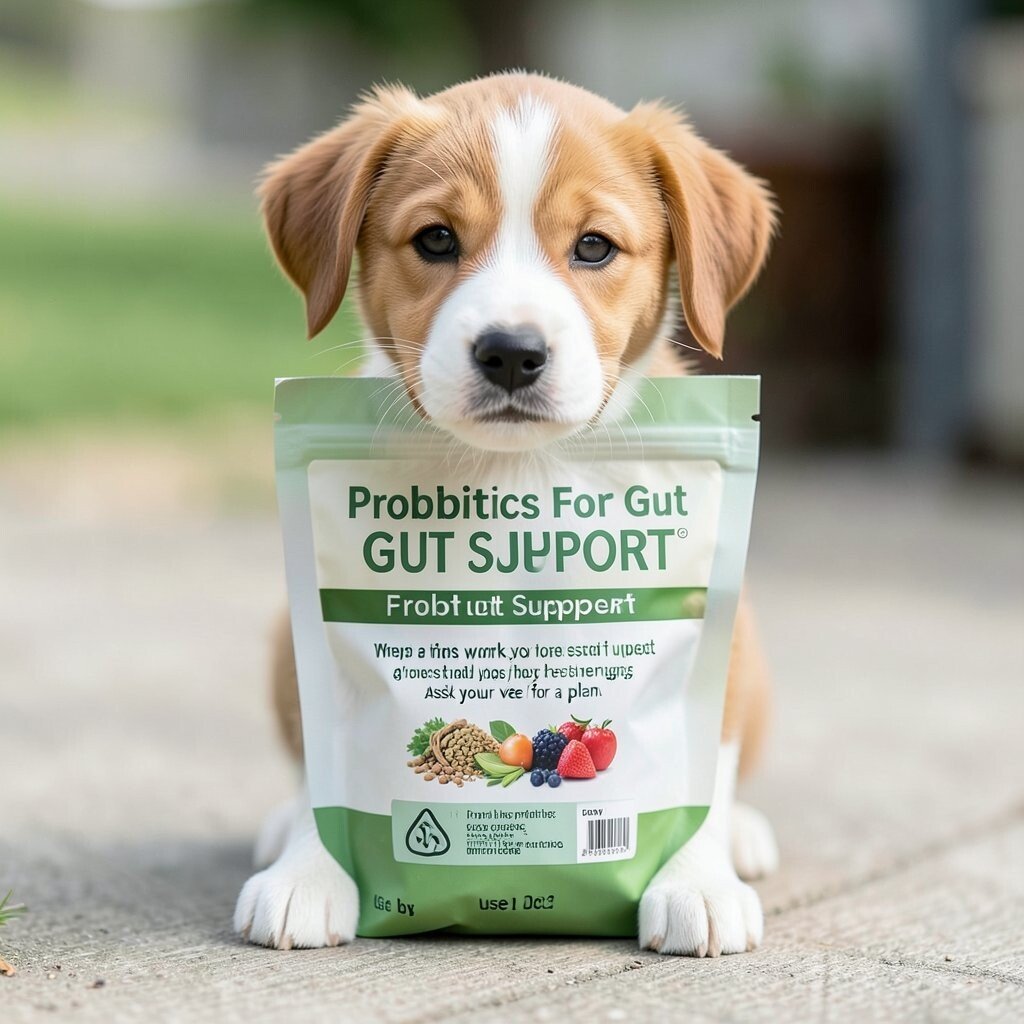
Probiotics are live good bacteria that may help a puppy’s gut. Some foods list probiotics as added cultures. These can support digestion, especially if your pup had stress from travel, new homes, or weaning.
You can think of this like a calm helper for the digestive system. When it works, your pup may have less stomach upset and a more regular poop pattern. It can also help during minor food changes.
Check the label for how probiotics are included and how long they keep their strength. Storage matters, so keep the bag sealed and follow the “use by” date. If your pup has ongoing tummy issues, ask your vet for a plan.
7. Prebiotic Fibers For Helpful Bacteria
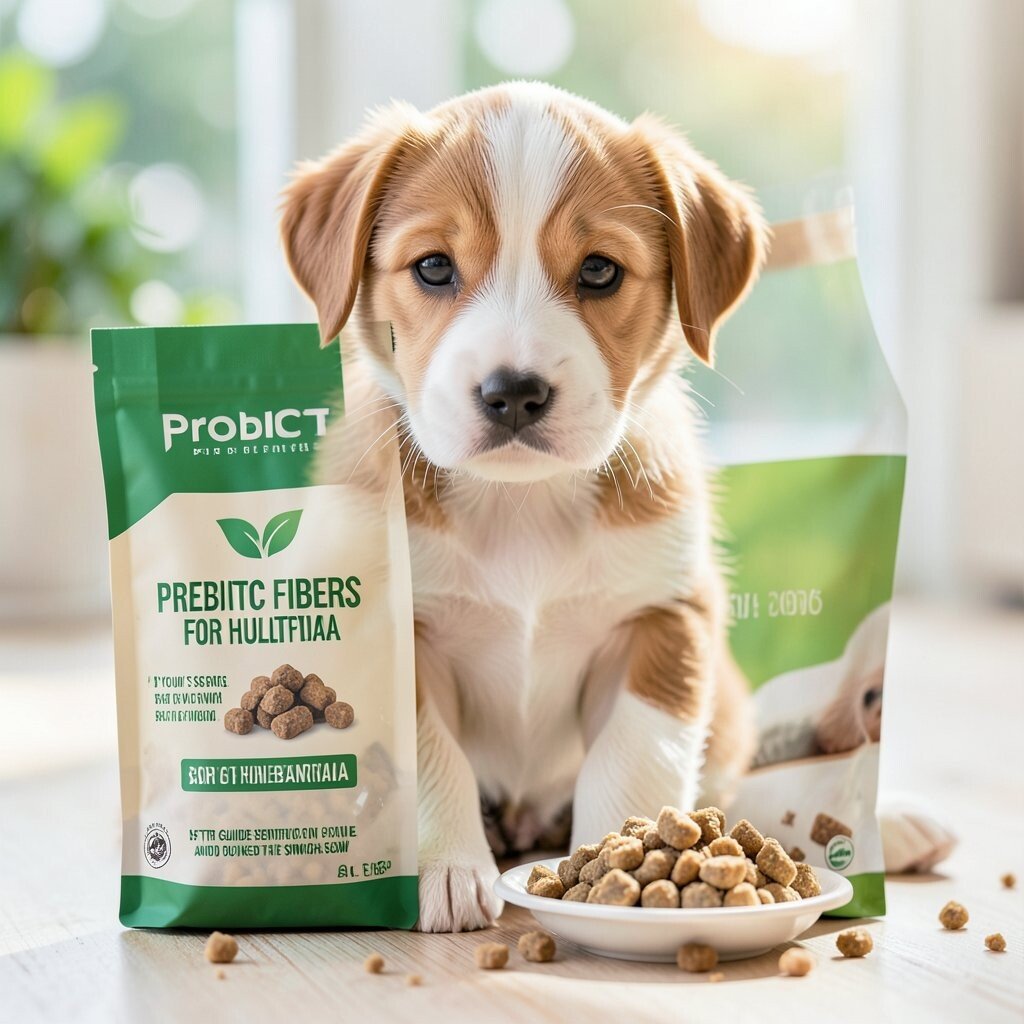
Prebiotics are food for the good bacteria in the gut. Ingredients like inulin or MOS can act as prebiotics in some diets. This can be a nice match with probiotics if both are present.
In a visual way, you might notice less gas and more comfort after meals. A calmer belly often means more play and less whining. Every puppy is different, but steady digestion is a common goal.
If your pup is sensitive, start with a gentle formula and keep the switch slow. Use the guide portion on the bag and do not overfeed. Extra treats can also affect the gut, so keep treats small.
8. Calcium And Phosphorus In The Right Range

Growth needs calcium and phosphorus in the right balance. Too much or too little can affect bones and joints. Puppy foods usually aim for the right ratio, which is safer than guessing.
You may notice how your puppy moves and how their joints feel over time. Proper mineral levels support strong growth, which matters for larger breeds. If you have a breed that grows big, ask your vet about strict bone support.
A key tip is to avoid adding extra supplements unless a vet says to. Many pups already get what they need from a complete puppy diet. If you add things, it can throw off the balance.
9. DHA For Brain And Eye Development

DHA is a type of omega-3 linked to brain and eye health. Some puppy foods include DHA, often from fish oil or algae oil. This can support learning as your puppy grows.
While you can’t see DHA working day to day, you may notice a pup that seems more alert. Good brain support can also help with early training. It can be a helpful choice if your puppy is very curious and active.
Check the label for DHA terms instead of only “omega-3.” If two foods have similar omega-3, the DHA amount can still differ. For personalization, choose based on your pup’s needs and what your vet recommends.
10. Antioxidants Like Vitamin E And C

Antioxidants can help support the body’s cell health. Many puppy foods include vitamin E, vitamin C, or similar plant sources. This can help your pup handle normal daily stress from growth.
You may see this as general “steady health” over time. A puppy that stays active and recovers well after small bumps can be a sign things are going right. It also helps when pups are in new homes and meet new people.
For a simple budget plan, compare the full nutrient panel and not only the front words. Some “premium” foods cost more without clear benefits. Focus on the ingredients and the nutrient goals for puppies.
11. Grain-Inclusive Or Grain-Free—Choose What Fits

Some puppy foods include grains like rice or oats, while others are grain-free. Both can be okay if the food is complete and well made. The best choice often depends on how your puppy digests food.
Visual signs of fit can include steady stool and normal energy. If your pup has itchiness, stomach upset, or frequent loose poop, you may need to try a different style. Keep changes slow so you can see the cause.
Cost can vary a lot here. Grain-inclusive foods are often cheaper, while grain-free foods can cost more. For trends, grain-free diets are common in pet stores, but your puppy still needs balanced nutrients more than a buzzword.
12. Limited Ingredient Recipes For Sensitive Pups
If your puppy has allergies or food sensitivity, limited ingredient recipes can help. These diets usually list fewer main ingredients and fewer possible triggers. This can make it easier to spot what works and what does not.
Picture a simple label with fewer named items, not a long list of odd parts. Many sensitive pups do better with a calm formula that avoids common food clashes. It can also help during switching if your pup has a history of tummy trouble.
Try a slow transition and watch closely for stool changes and skin signs. A vet can help you choose if allergy is likely. This is a good form of personalization when you need a more careful diet plan.
13. Wet Food Or Mixed Feeding For Easier Chewing
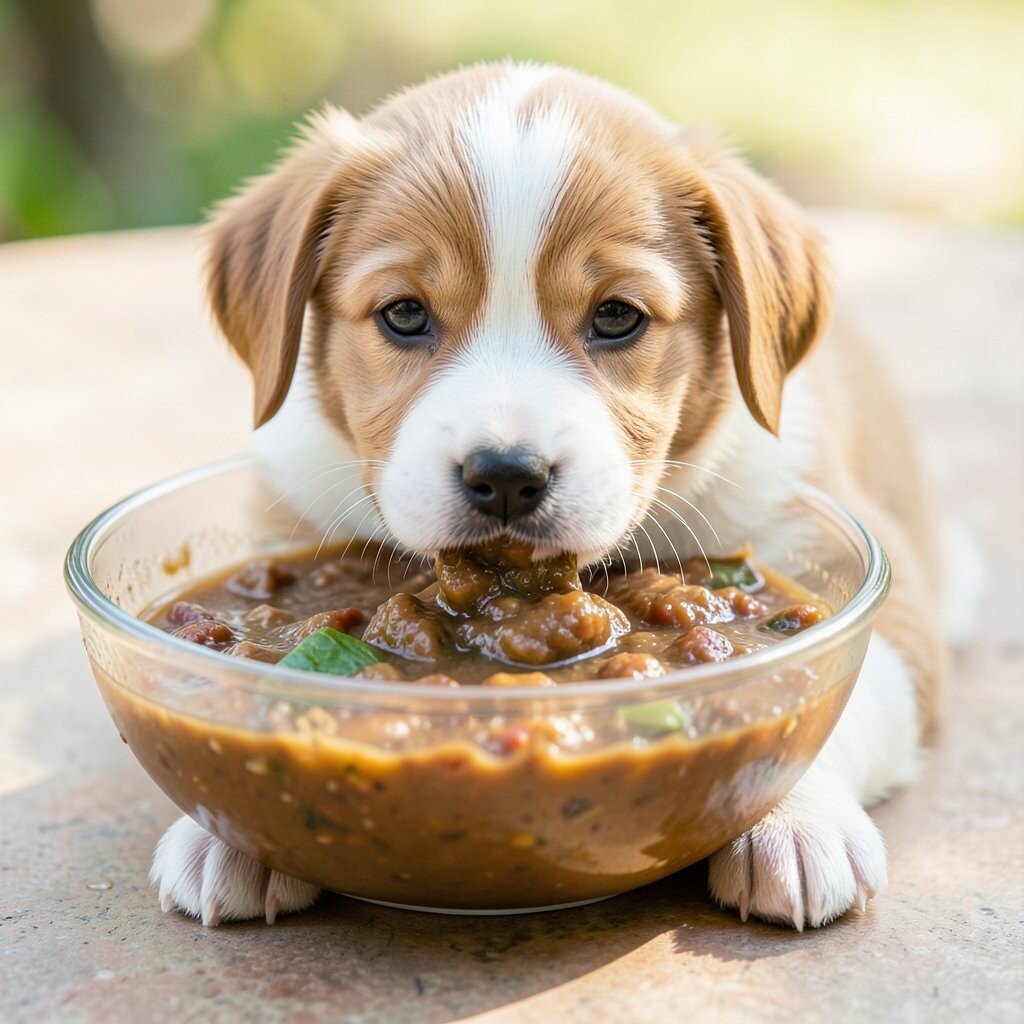
Wet puppy food can be helpful for pups that struggle with dry kibble. The soft texture can also help during teething or if teeth are sore. Some people mix wet and dry to get the best of both.
You can see how wet food looks, like a thick stew that smells strong. Many pups eat it with more interest, which can help if they are picky. If you mix foods, keep the total daily calories in mind.
Cost matters because wet food often costs more per serving. A way to save money is to use wet food as a topper, not as the full meal. Store wet food safely and do not leave it out too long.
14. Homemade Puppy Meals With Careful Planning

Some owners want to cook at home, but it needs careful planning. Homemade meals can be good for control, but puppies need exact nutrients. If you cook, work with a vet or a pet nutritionist to balance the recipe.
Visually, homemade food can look fresh and soft, with clear colors from meat and veggies. Many pups enjoy the smell and taste, especially when you add warm water to soften it. Still, even “healthy” foods can be risky if the balance is off.
For cost, homemade can be cheaper if you buy simple proteins in bulk. It can also cost more if you use special supplements for the right minerals. A smart tip is to batch cook, portion it, and label it so you do not guess later.