
Raw food can be simple and helpful for daily meals. With small steps and safe habits, you can make a raw diet that fits your life.
1. Start With Safe Food Handling
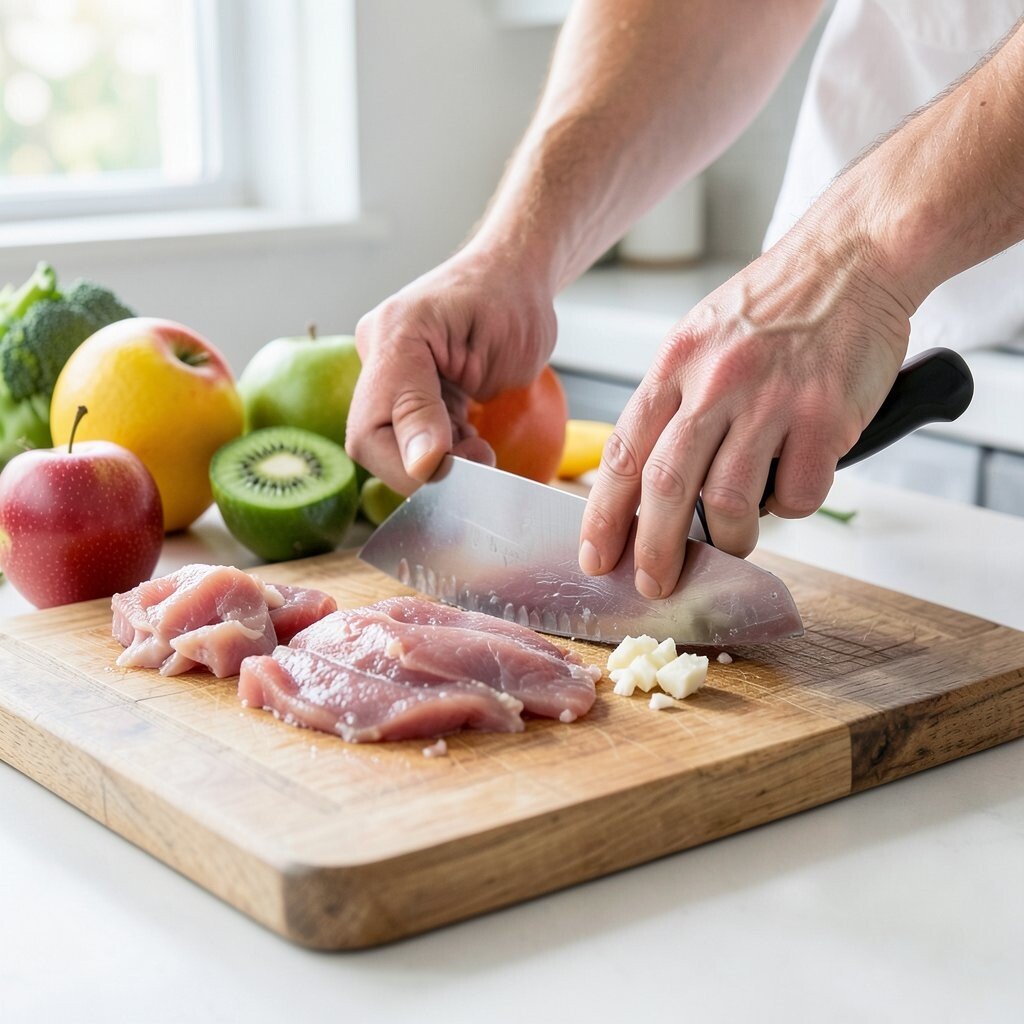
Raw food needs careful care. Wash your hands well before you touch food, and keep raw items away from cooked foods. Use clean cutting boards and knives every time you switch foods.
Think about how the food looks and smells. Fresh fruits should look bright and feel firm, not soft or slimy. If you see mold or a bad smell, throw it away.
For safety, use cold storage and keep items in the fridge. This helps slow down germs that can grow fast. It can also save money because you waste less food.
2. Learn Which Foods Are Best Raw
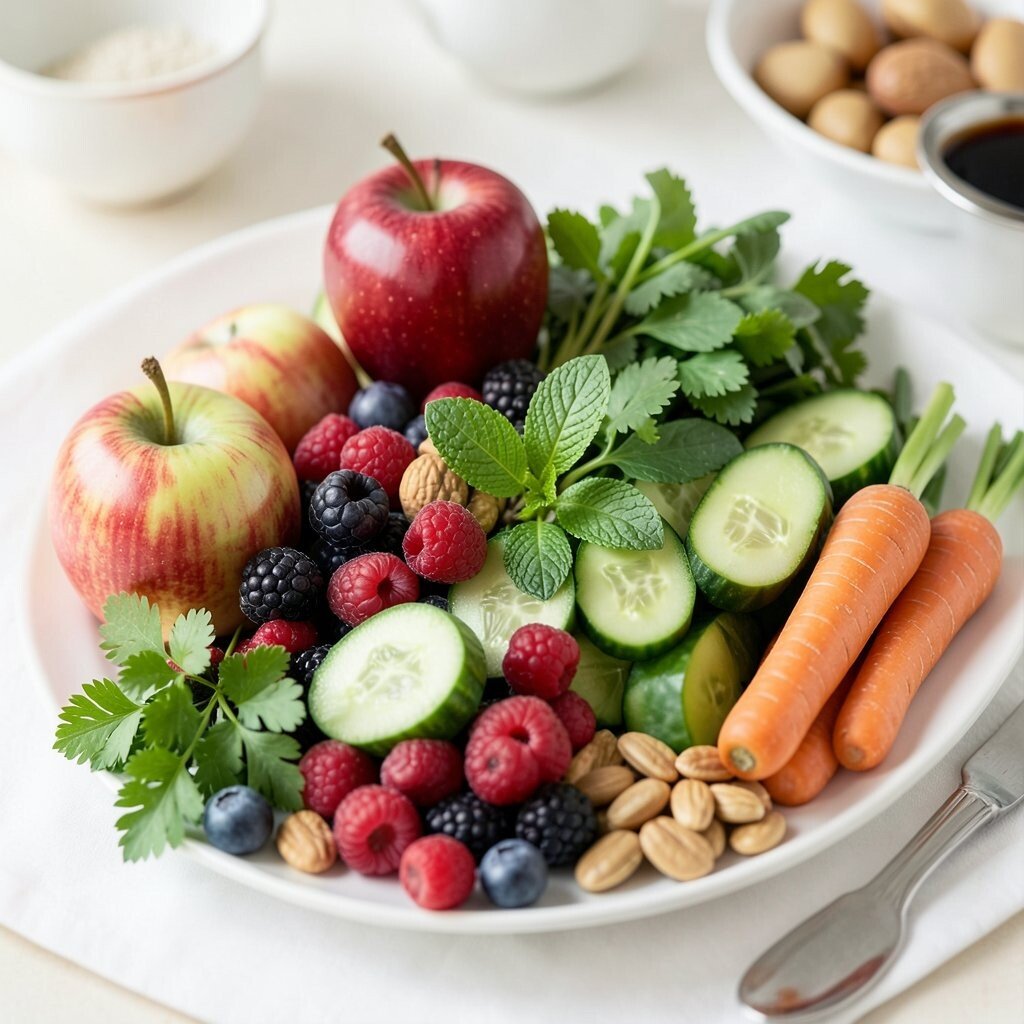
Not all foods work the same way raw. Many people do well with fruits, leafy greens, nuts, and seeds. Some foods like potatoes and beans need cooking for safety, so they should not be raw.
Start by making a short list of foods you already like. Add more foods slowly instead of changing everything at once. This helps you stick to the plan without stress.
For example, try apples, berries, cucumbers, carrots, and spinach. Each one brings a clear look and a simple taste. You can also use herbs like parsley and mint for quick flavor.
3. Use Variety In Color And Texture
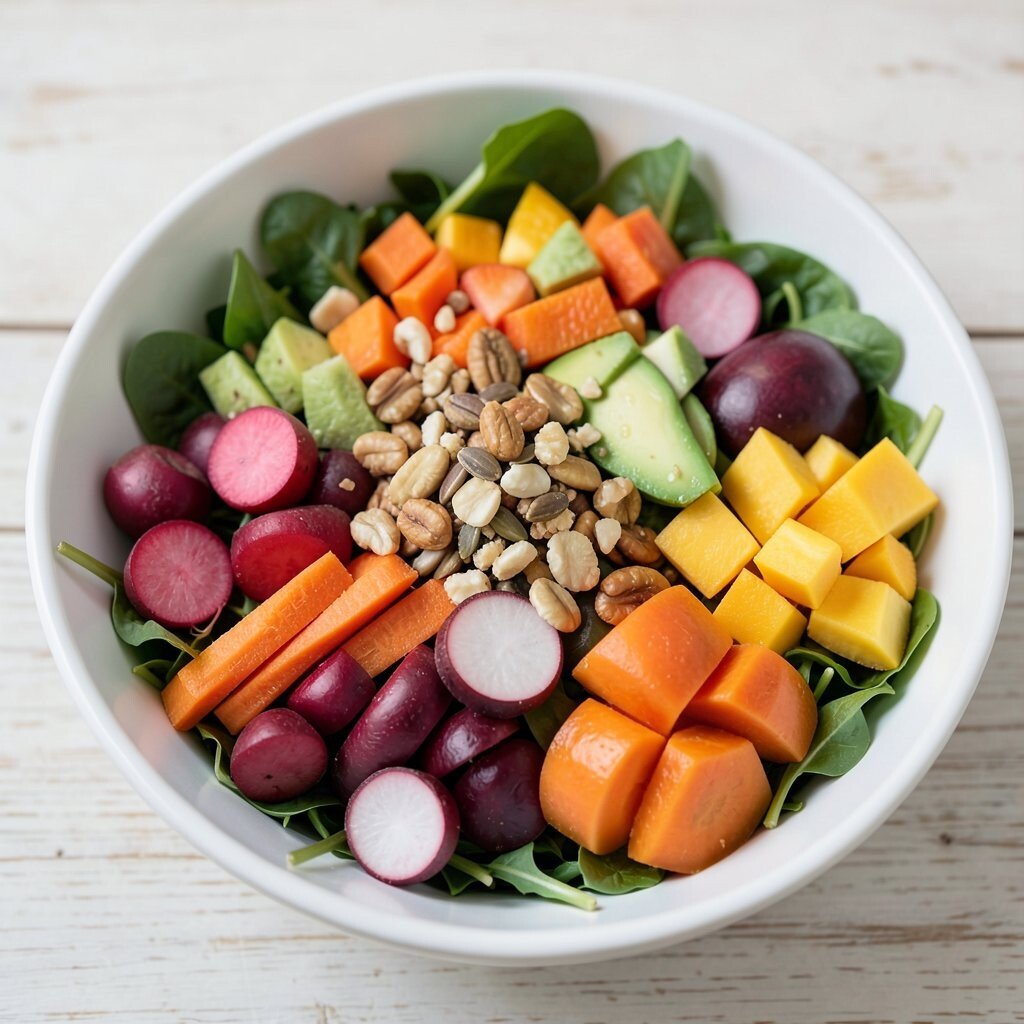
A raw diet can look colorful on your plate. Try to mix greens, reds, oranges, and purples in the same meal. This gives you different nutrients and makes meals more fun.
Texture matters too. Crunchy foods like carrots and radishes can help you feel full longer. Soft foods like ripe mango or avocado can help you enjoy the meal more.
Keep it easy by building meals around a base. Use a big bowl of greens, then add chopped fruits and raw veggies. Add nuts or seeds on top for extra crunch.
4. Add Enough Protein Sources
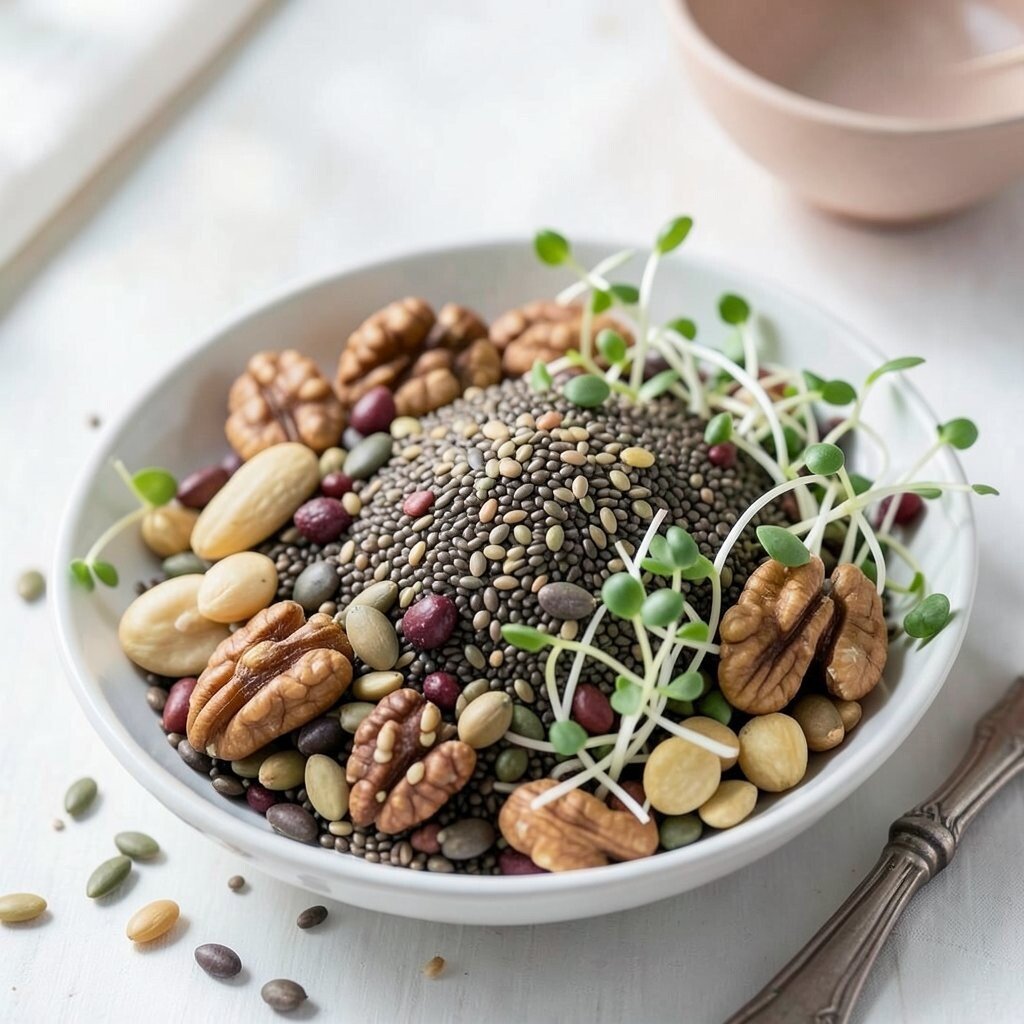
Many people worry about protein on a raw plan. You can get protein from nuts, seeds, and some sprouted foods. Chia seeds, hemp seeds, and walnuts are common picks.
Sprouts can be helpful, but they need safe handling. Buy sprouts from a trusted source or grow them with clean tools. Always store them cold and check them often.
For personalization, choose what fits your budget. Chia and hemp can cost more, so use mixed seeds or rotate items each week. This can keep your meals varied without high costs.
5. Use Healthy Fats In Small Amounts
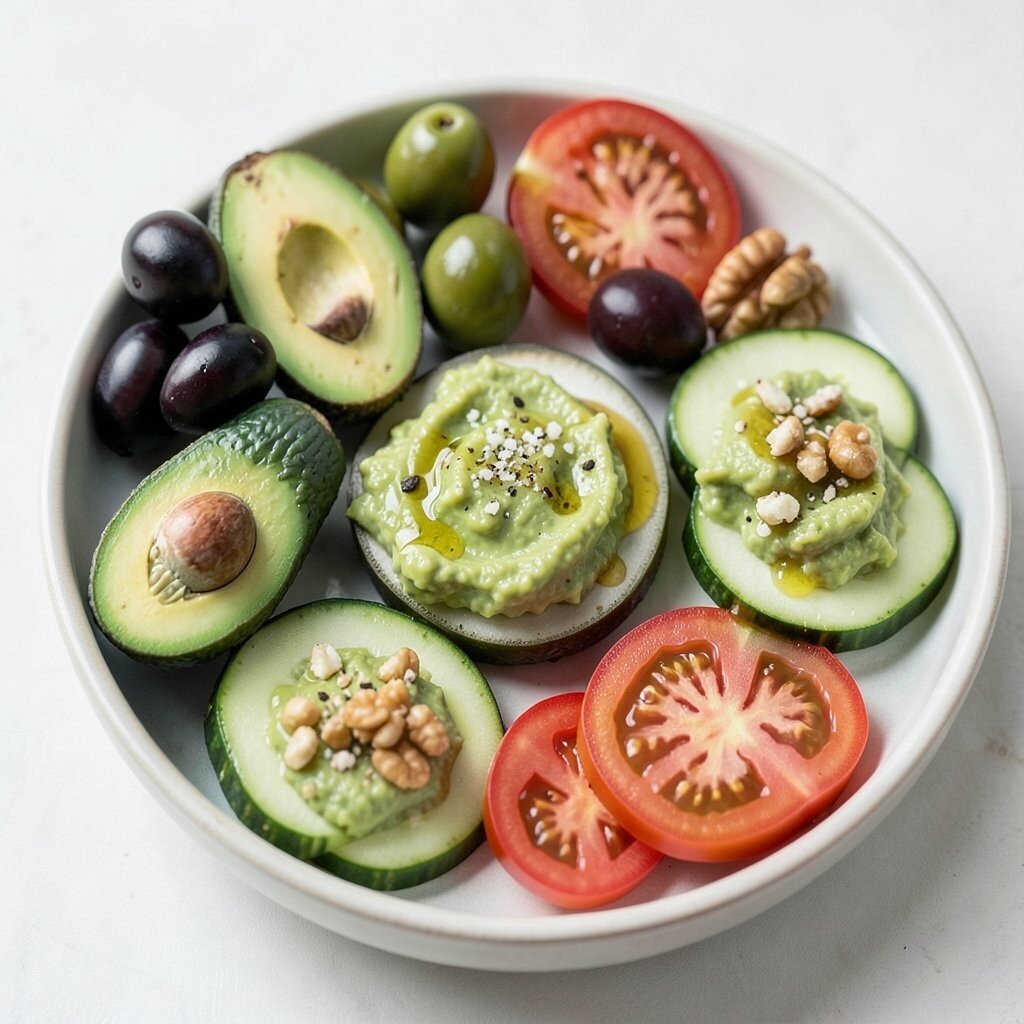
Raw foods can give you healthy fats, and that can support steady energy. Avocado, olives, walnuts, and olive oil are common options. A little goes a long way.
Try adding fats to meals that feel too plain. For example, mash avocado with lemon juice and a pinch of salt. Then spread it over sliced cucumbers or tomatoes.
Watch portion sizes so you do not eat too many calories. If you feel heavy after a meal, reduce nuts or seeds a bit next time. This helps you find a balance that feels good.
6. Use Soaking And Sprouting When Needed
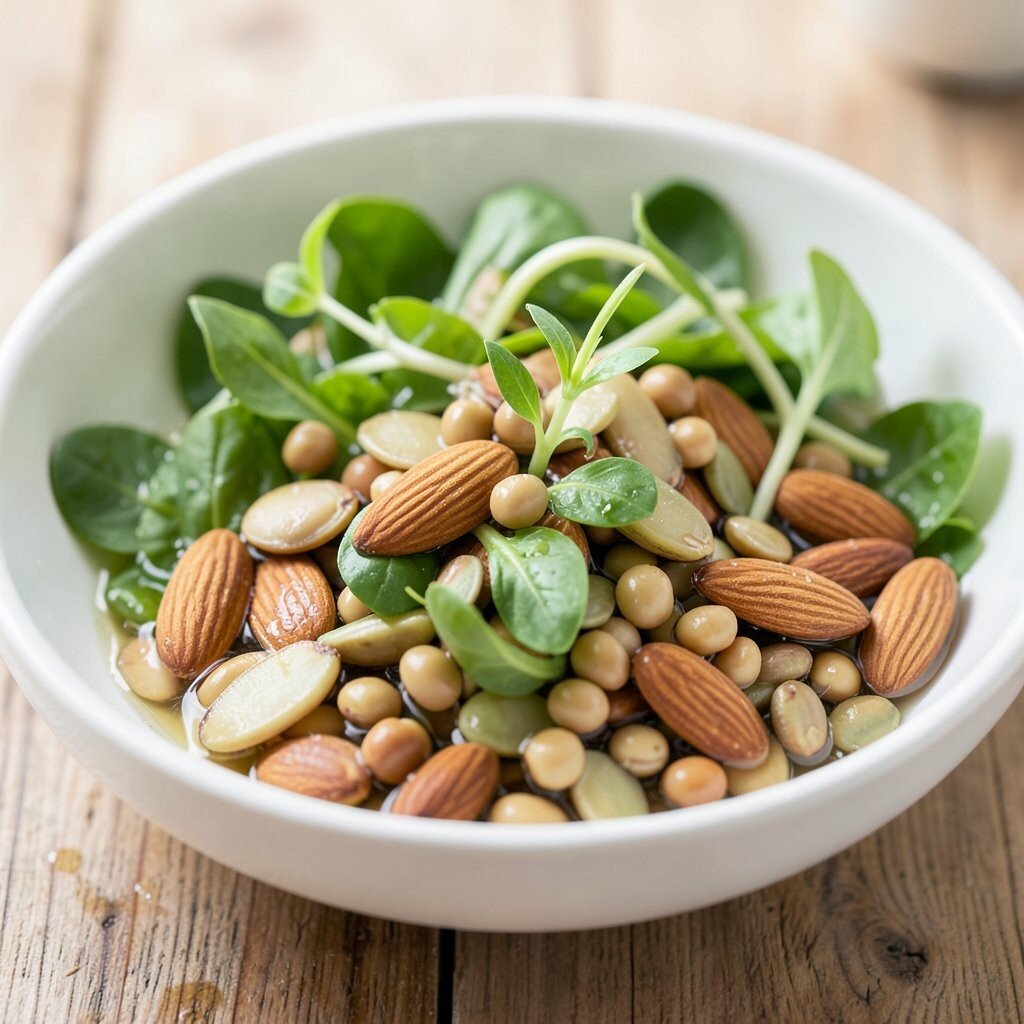
Some raw foods get easier to eat after soaking. Nuts and seeds can soften, and you may digest them better. Many people soak almonds or sunflower seeds before eating.
Soaking can also improve taste. If you soak and then rinse, the flavor can feel cleaner. You also get a fresher bite in salads.
Sprouting is another step that some people like. It can make legumes and grains easier for many stomachs. If you want this, start with one simple sprout and learn your process.
7. Plan Simple Meals That You Can Repeat
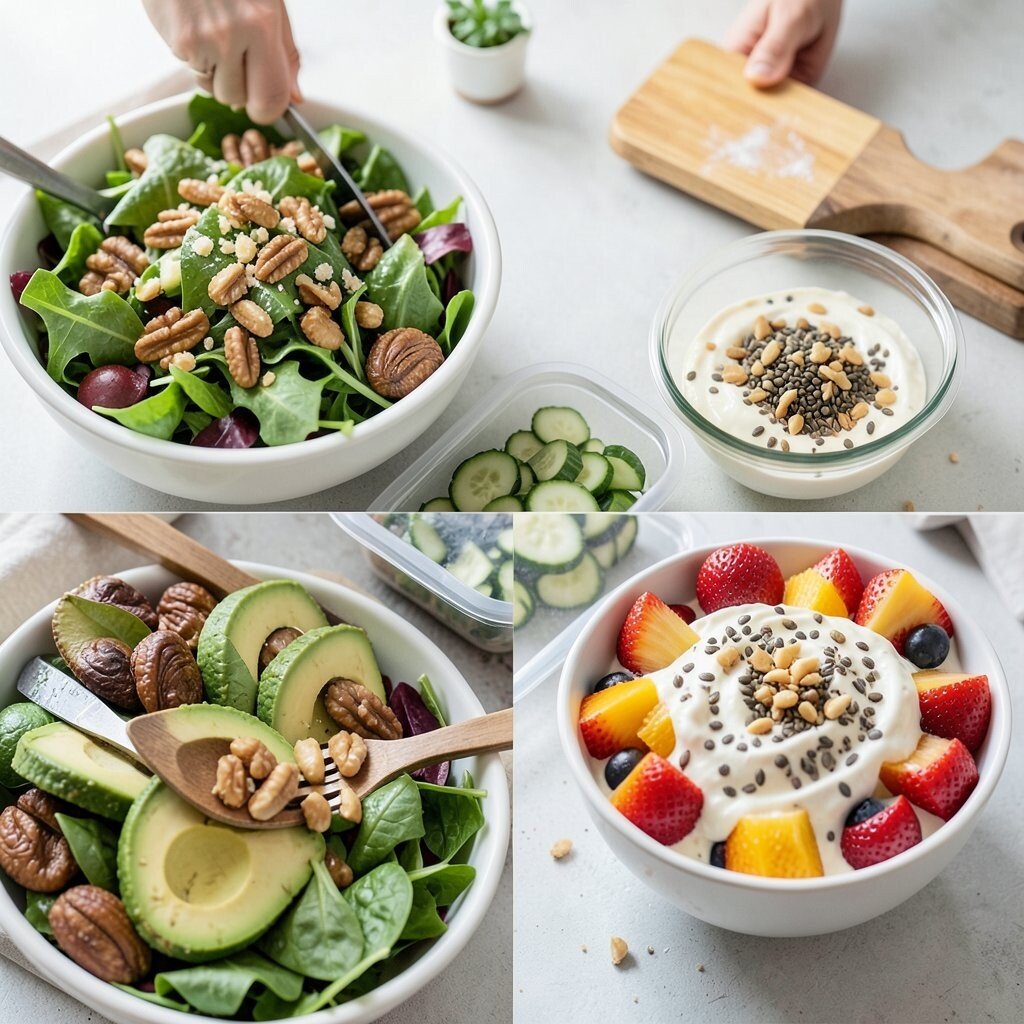
Raw eating gets easier when you plan a few go-to meals. Build repeat meals you enjoy, like a green salad with avocado and nuts. Another option is a fruit bowl with seeds and yogurt-style cashew mix.
Set aside time for chopping, and keep pre-cut veggies in safe containers. This can cut down on daily stress. It also helps you avoid quick trips to buy food outside.
For cost control, use what is on sale. Seasonal produce is often cheaper and tastes better. You can also buy larger packs of greens and freeze nothing, but you can use them fast.
8. Add Fermented Foods For Gut Support
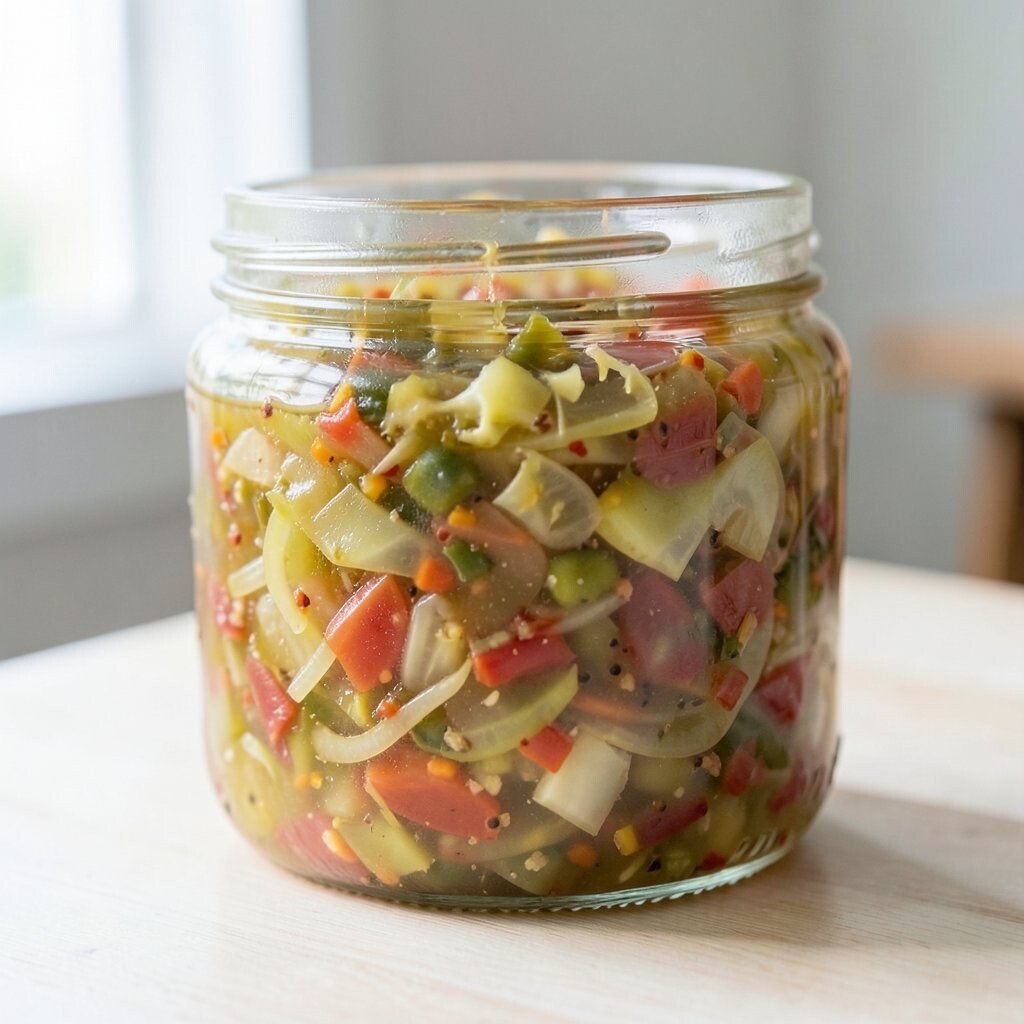
Some raw diet fans add fermented foods for gut support. Examples include sauerkraut, kimchi, and unsweetened coconut yogurt. These foods often have a tangy smell and a strong crunch.
Start with small amounts, since fermented foods can be intense. If you feel discomfort, reduce the portion and see how your body reacts. Keep them in the fridge and check the seal and date.
Fermented foods can be cost-friendly if you make them at home. A jar and simple tools can last for a long time. If you buy them, choose a trusted brand and try one at a time.
9. Drink Enough Water And Eat Hydrating Foods

Raw meals can help you eat more water-rich foods. Cucumbers, oranges, berries, and melons can support hydration. You may notice you feel less thirsty if you plan meals well.
Water still matters most. Sip water through the day instead of waiting until you feel tired or dizzy. This is a basic habit that supports all diets.
For a simple check, look at your urine color. If it is very dark, you likely need more water. If it is pale, you may be doing well, but still listen to your body.
10. Watch Iron, B12, And Other Key Nutrients
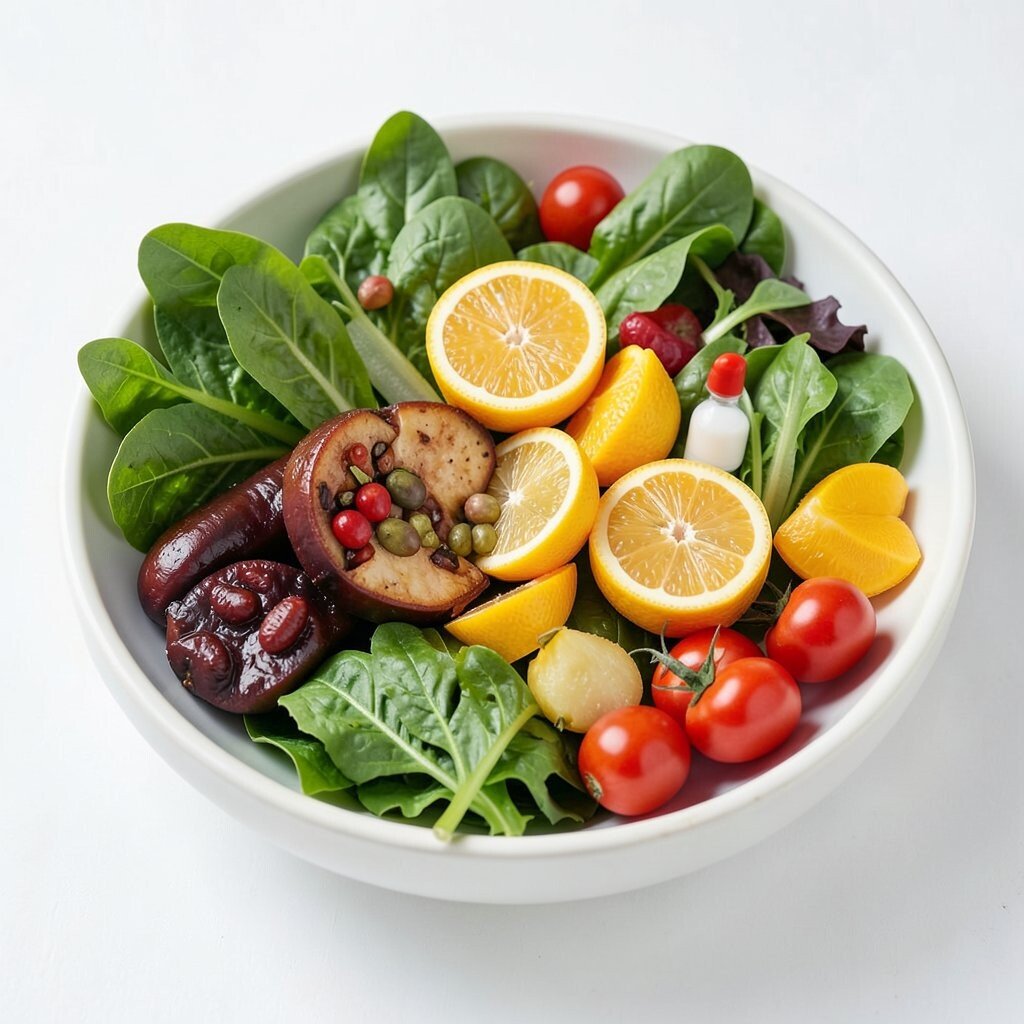
Some nutrients can be harder to get on a raw plan. Iron is one, and B12 is another. These needs depend on your body, your food choices, and your health history.
Leafy greens can help with iron, but absorption can vary. Pair greens with vitamin C foods like citrus fruits or tomatoes. This small step can help you use iron better.
B12 is a special case. Many raw eaters use supplements or fortified foods. It is smart to ask a doctor for guidance before you change your diet.
11. Customize For Your Energy Needs And Schedule
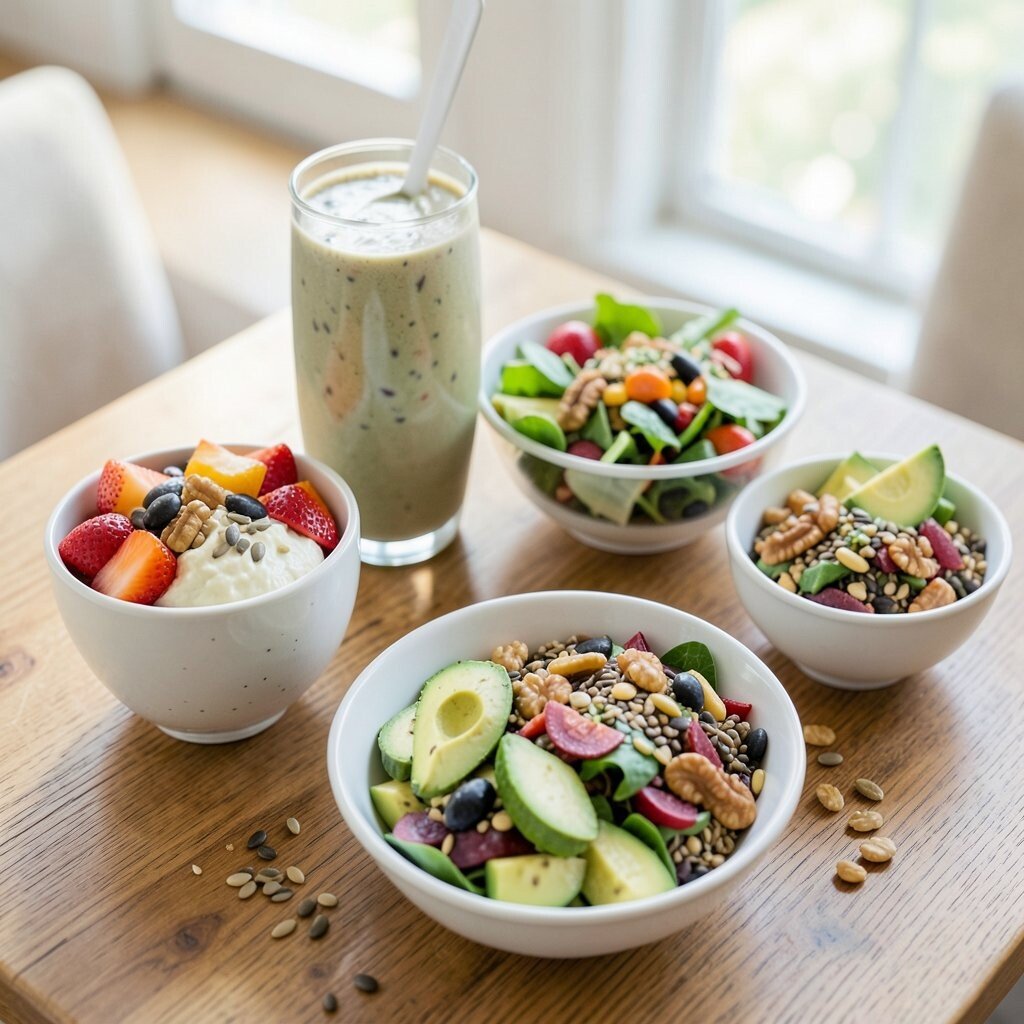
Your work and daily routine can guide what you eat. If you have a busy morning, choose easy foods you can eat fast. A smoothie, fruit bowl, or simple salad can fit well.
If you work out, think about timing. Some people feel best with a meal that has fruit and seeds before a workout. Others prefer a heavier raw meal later in the day.
Personalization also means tracking how you feel. If you feel weak or cold often, add more calories from nuts, avocado, and seed mixes. If you feel too full, make meals smaller and spread them out.
12. Balance Sweet Fruits With Less Sweet Foods
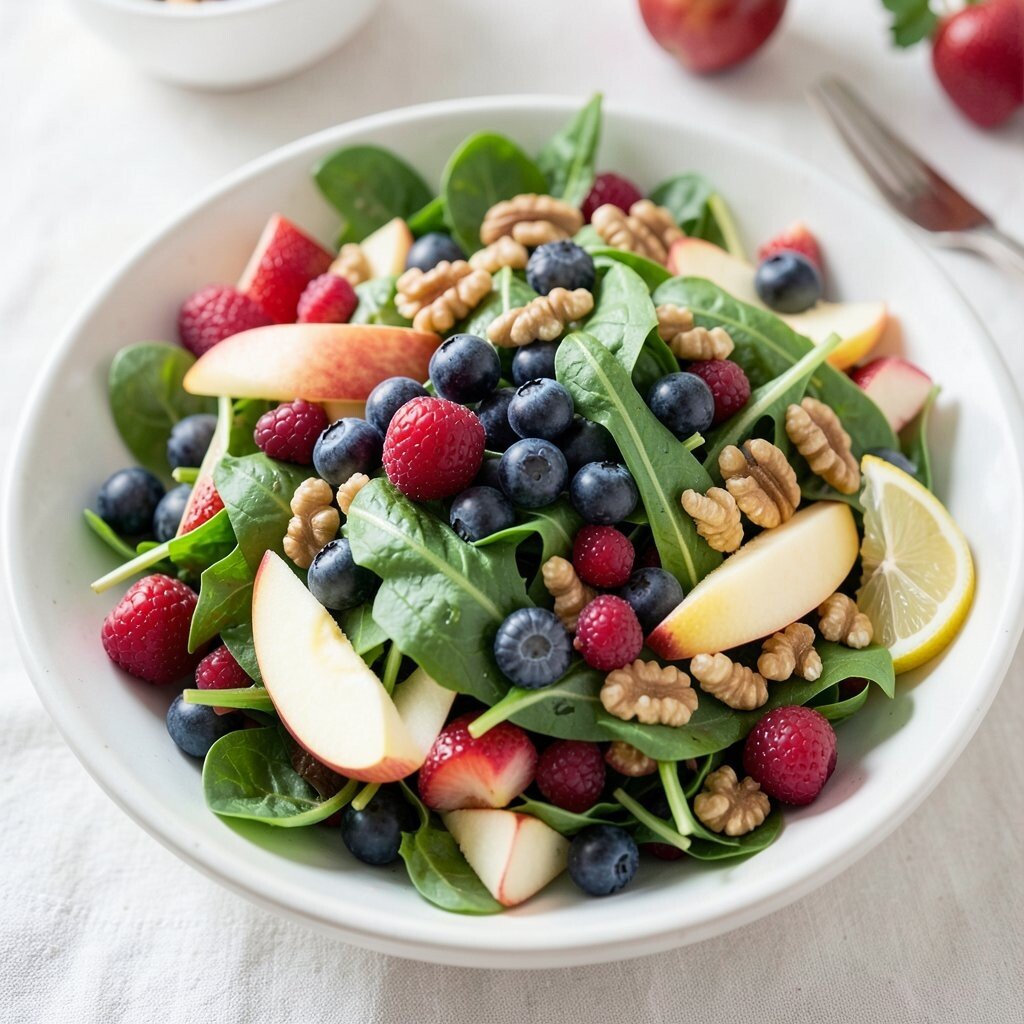
Fruit can taste great, but too much sweet fruit can throw off your hunger signals. You can enjoy fruit and still keep balance. Add it with leafy greens and crunchy veggies.
Try mixing berries with greens in a salad. You can also add apple slices to a salad with nuts and lemon. This gives a mix of sweet and fresh flavors.
For a steadier feel, choose whole fruits more often than fruit juice. Whole fruit has more fiber, which can help you feel full. This can also support better digestion.
13. Keep Cost Down With Smart Shopping
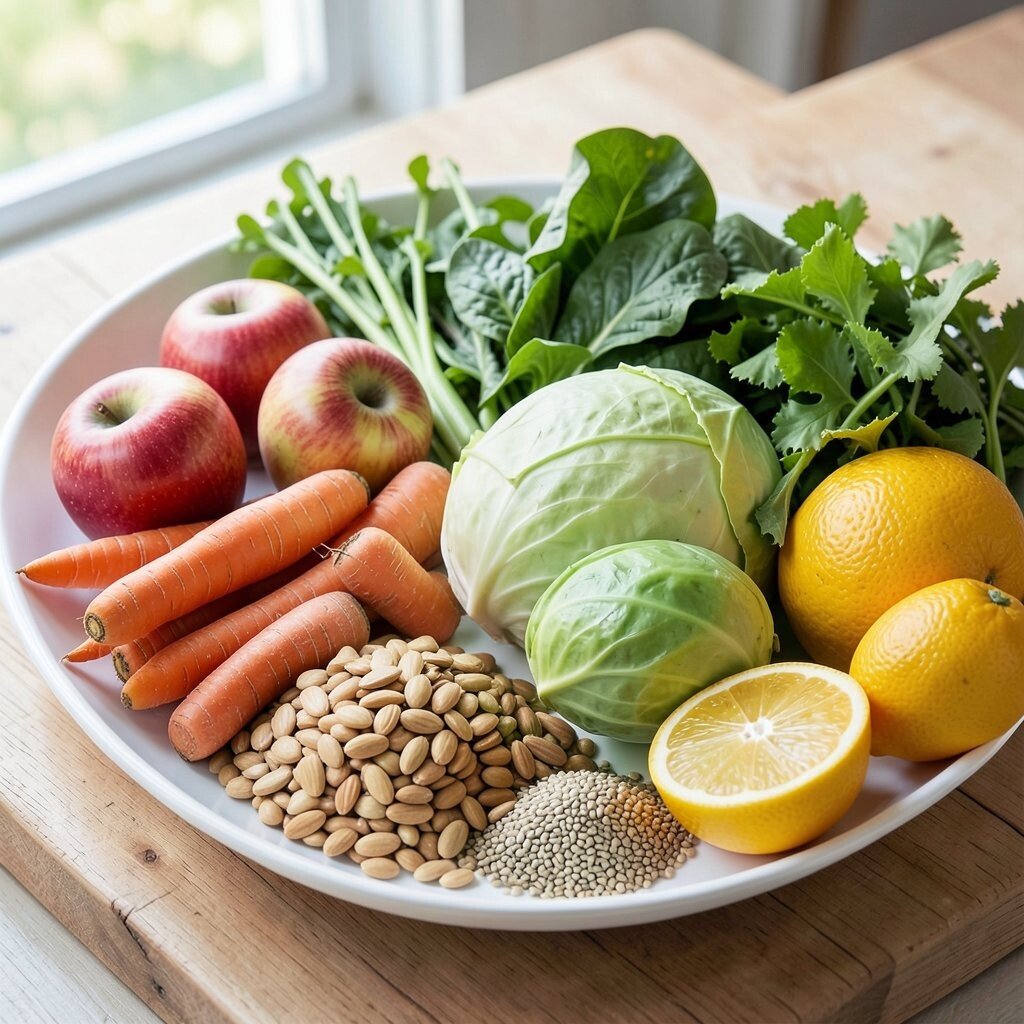
Raw eating can cost more if you buy everything fresh all the time. A smart way to lower cost is to plan around sales and seasonal produce. Farmers markets can be good too, depending on your area.
Choose items that last longer. Apples, carrots, cabbage, and citrus can store well in the fridge. Leafy greens spoil fast, so buy what you will use soon.
For nuts and seeds, compare prices and buy larger packs when it fits your budget. Store them in sealed containers to keep them fresh. This can help you spend less while still eating well.
14. Follow Trends, But Keep What Works For You
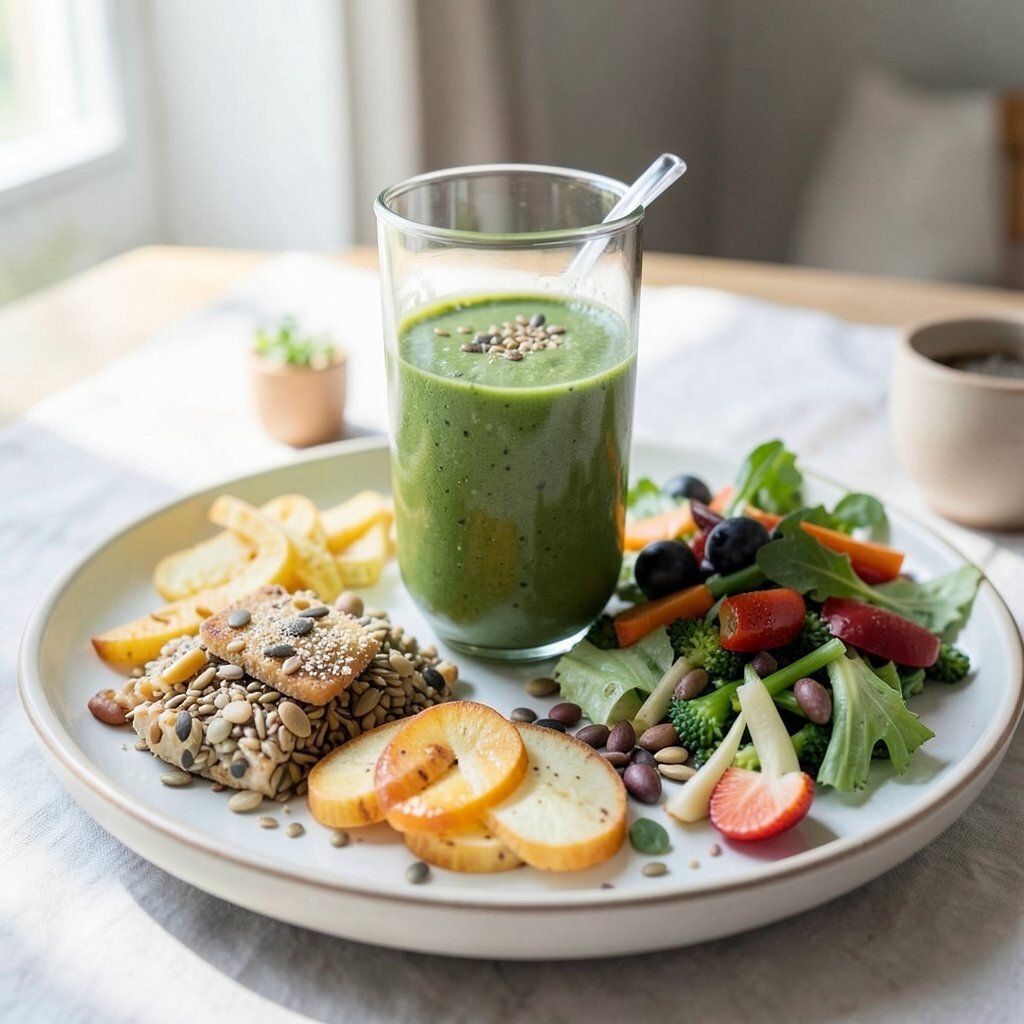
Raw food trends show up often online, like new smoothie styles or seed mixes. It can be fun to try new ideas, but you should keep what fits your life. If a trend feels hard, switch back to a simple meal you know.
Watch for changes in your body after you try something new. If your digestion feels off, adjust the food type or portion size. If you feel better, keep that habit in your routine.
Try one new thing at a time. This helps you see what helped and what did not. It is also a good way to avoid wasting money on foods you do not enjoy.