
Worms can sometimes cause stomach trouble, and the gut can feel off when that happens. The steps below focus on care you can use to support a healthy gut.
1. Check Your Symptoms First

Start by noticing what you feel. Track things like belly pain, bloating, itching near the bottom, loose stool, or sudden changes in how you eat. This helps you know what to ask your doctor for.
If you can, write down when symptoms began and how often they show up. A clear note can help a clinician pick the right test. It also helps you avoid guesswork and wrong plans.
2. Talk With a Clinician About Testing

Ask for stool tests if worms are a concern. Testing can show what is there and help guide the right treatment. It also helps you avoid using the wrong medicine.
Bring your symptom notes to the visit. Ask simple questions like what the test looks for and how long results take. This can make the whole process feel more clear.
3. Use the Medicine Your Doctor Recommends
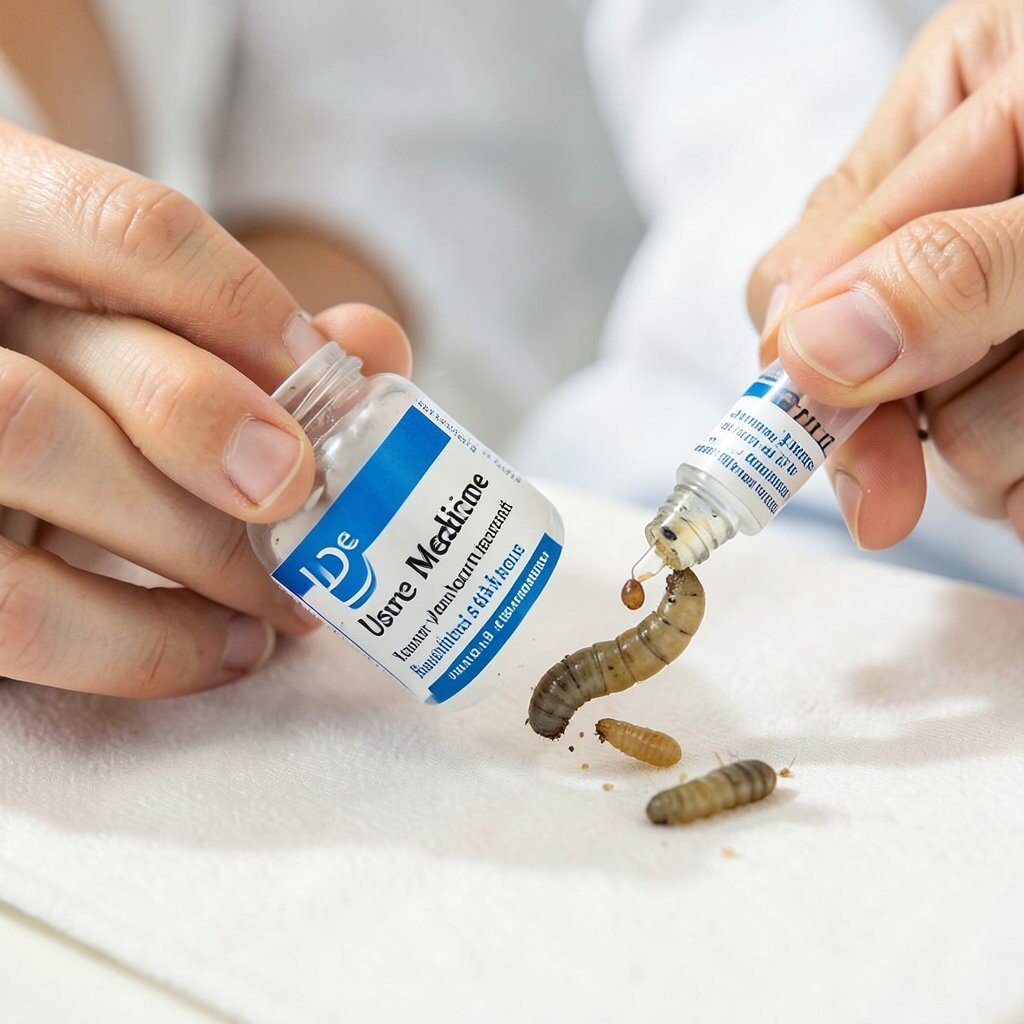
When a clinician says medicine is needed, use it exactly as told. Common worm medicines work by affecting the worm body in a way that helps clear it. Follow the dose and schedule closely.
Ask if you need a repeat dose. Some worm types are harder to fully remove at once. Your doctor can also tell you if close contacts need checks or treatment too.
4. Take Care With Food and Kitchen Cleanliness
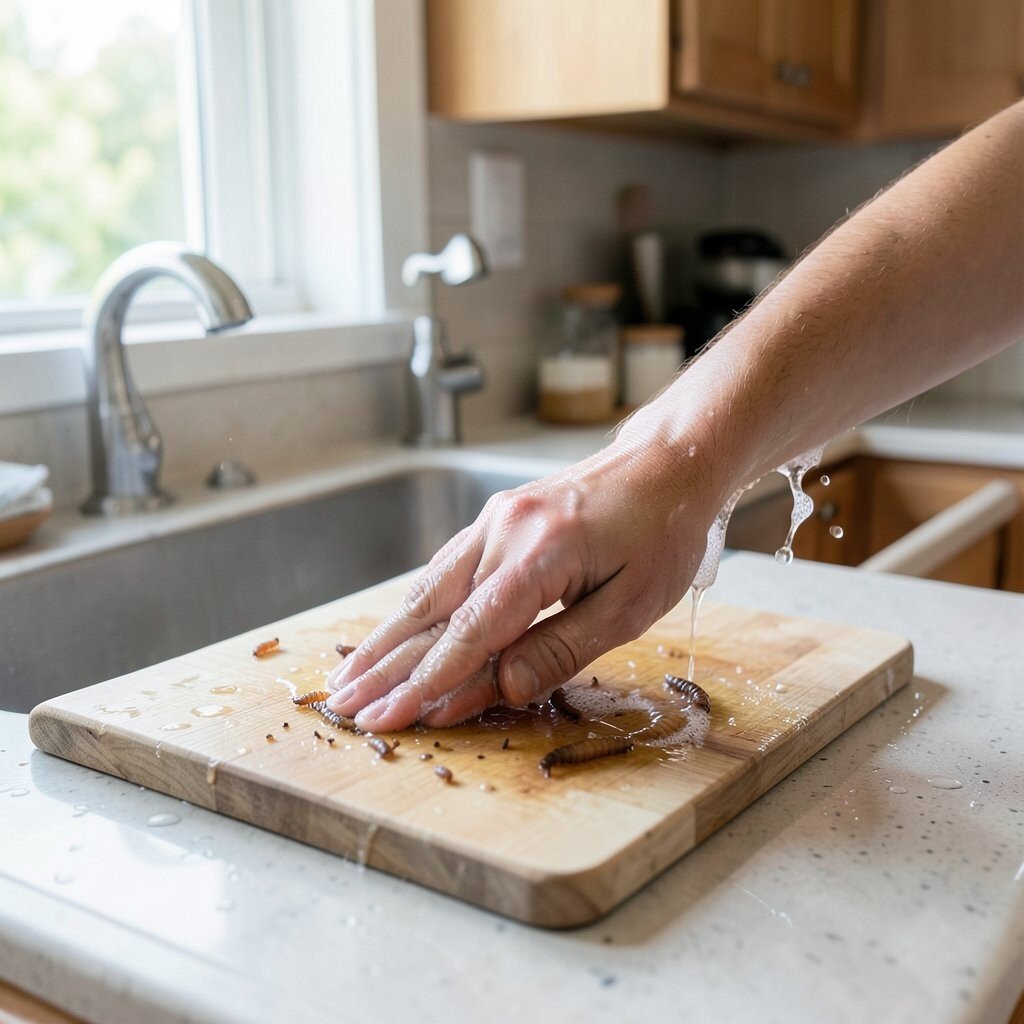
Worms can spread through tiny germs in food or on surfaces. Keep cutting boards, counters, and sinks clean. Wash hands with soap after using the bathroom and before cooking.
Use warm water and a steady scrub on high-touch areas. If you share a home, wipe shared items often. This is a simple step that can lower reinfection risk.
5. Wash Bedding and Clothes Often

If itching or worm-related symptoms are in the picture, wash linens more than usual. Hot water and dry heat can help reduce germs that may cling to fabric. This is a practical move when symptoms keep coming back.
Try to avoid shaking dirty laundry in the air. Put clothes straight into the wash when you can. It helps keep the area cleaner for everyone.
6. Add More Fiber From Food
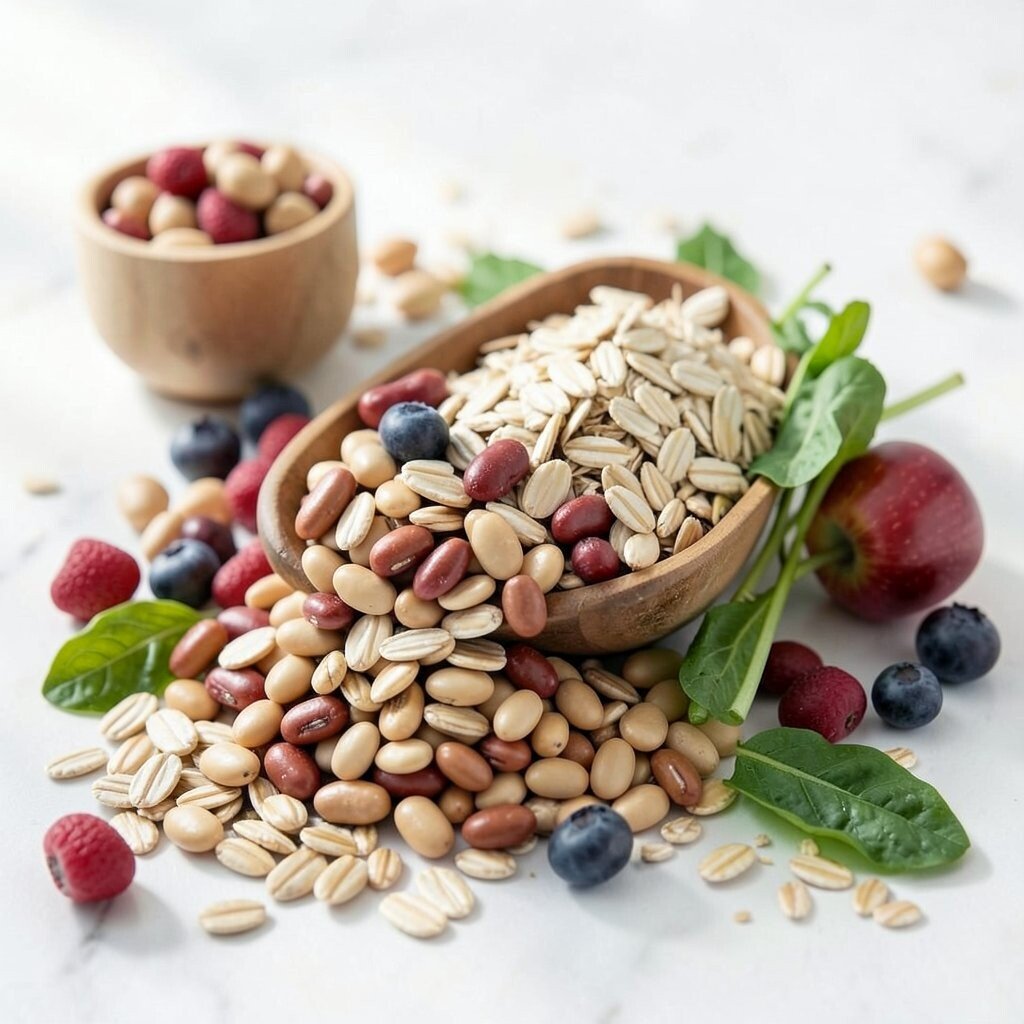
Fiber helps your gut work in a steady way. You can add beans, lentils, oats, berries, apples, and leafy greens. These foods support regular stool and can make your gut feel calmer.
Start with small changes so your belly can adjust. Too much fiber too fast can cause gas. Aim for slow and steady, and drink water along with it.
7. Use Fermented Foods in Small Amounts

Fermented foods can add helpful microbes to the gut. Try plain yogurt, kefir, sauerkraut, or kimchi if you tolerate them well. A small daily portion is a common starting point.
Choose options with simple ingredients. If you are watching sugar or salt, check labels. This can be a low-cost way to support gut comfort.
8. Try a Probiotic After Treatment

Some people feel better when they add a probiotic after worm treatment. Probiotics may help support the gut after illness or after medicine. Look for a product with clear strain info and directions on the label.
Start with one product and one dose for a few weeks. If you get more gas or belly pain, stop and check with a clinician. Personal response can vary, so pay attention to your body.
9. Keep Hydration Up Every Day

Loose stool or stomach upset can make you lose water fast. Drink water and add foods with water like soups and fruit. Staying hydrated helps the gut keep moving in a normal way.
If you get diarrhea, consider an oral rehydration drink if needed. These help replace salt and sugar your body loses. For kids or older adults, ask a clinician for the right option.
10. Support Gut-Friendly Meals With Simple Patterns

Build meals that are easy on the stomach. Try rice, oatmeal, eggs, yogurt, bananas, and cooked vegetables at first. These can feel gentle while your gut heals.
Keep meals plain when your symptoms flare. Later, you can slowly add more spices and fiber. This “step by step” approach can help you feel in control.
11. Add Garlic and Onions If You Tolerate Them

Garlic and onions are common foods that many people use for gut support. They contain compounds that can feed helpful gut microbes. Try adding small amounts to soups, roasted veggies, or stir-fry.
If you notice heartburn or strong gas, cut back. Everyone’s stomach reacts differently. You can still support your gut with other foods, too.
12. Practice Good Hand Hygiene All Day
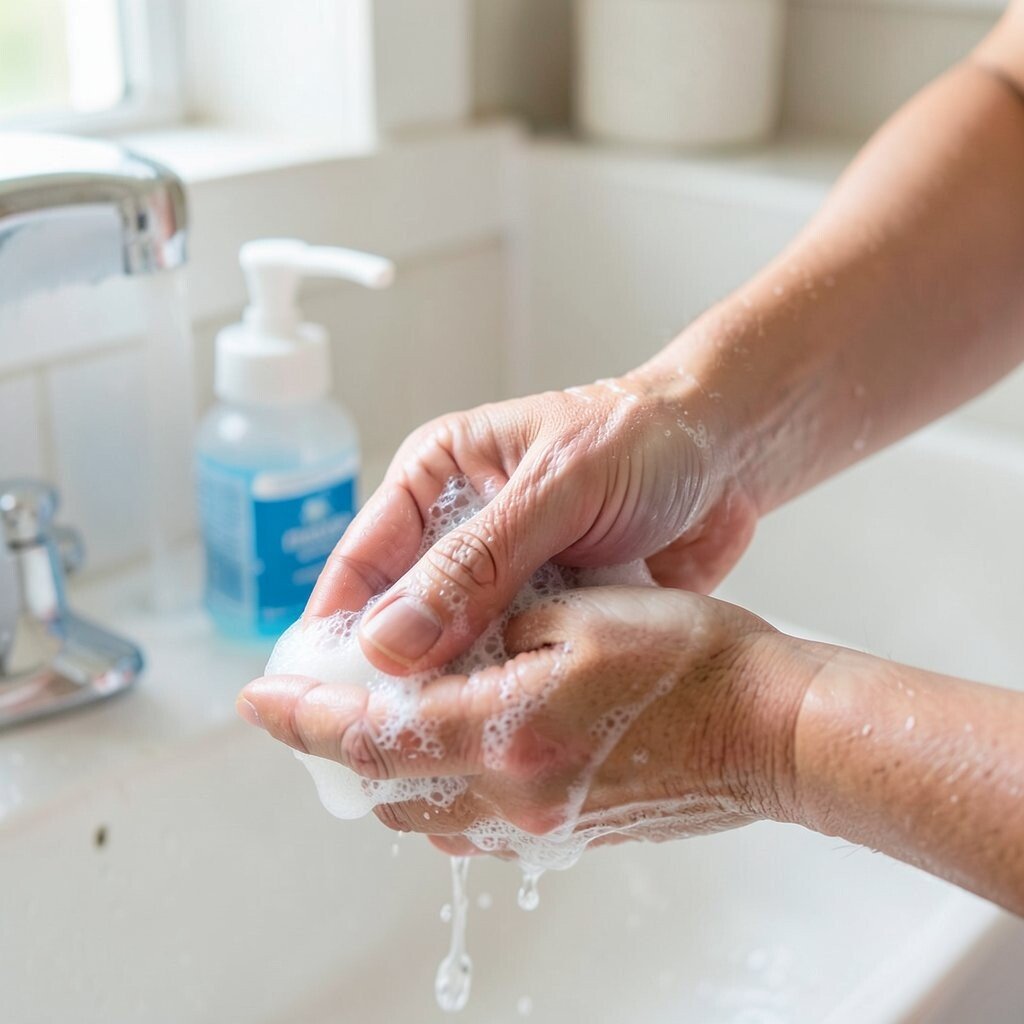
Hand washing is one of the most useful habits for gut health. Wash after using the bathroom, changing diapers, and before you eat. Use soap and scrub well, then rinse and dry.
If soap and water are not near, use a hand sanitizer. Still, wash with soap when you can. This helps stop germs from moving around your home.
13. Keep Nails Short and Clean
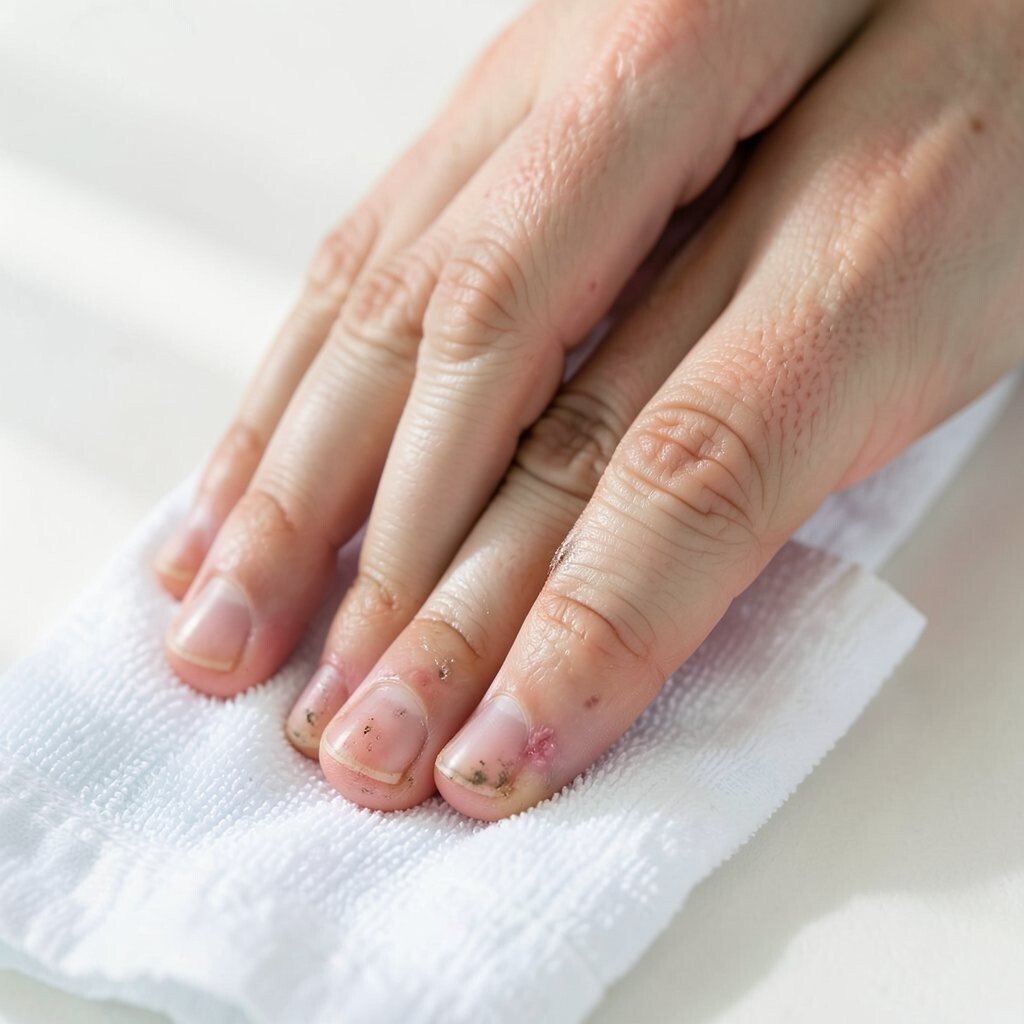
Small habits can matter, especially with itching around the bottom. Keep nails short so dirt does not get trapped under them. This lowers the chance of germs moving from hands to mouth.
Use a gentle routine for nail care and skin cleaning. If you scratch, try to redirect to a cooler cloth or ask a clinician about safe options. Less scratching can also help break a cycle of reinfection.
14. Watch for Reinfection in Household Members

Worms can spread between people who live close together. Pay attention to symptoms in kids, partners, or roommates. If one person is treated, others may need checks too.
Ask the clinician what to do for close contacts. Sometimes treatment is planned for the whole group. This can help stop repeat rounds of symptoms.
15. Track Progress With Simple Notes and Cost Checks
After you start any plan, watch how you feel over time. Write down stool changes, belly pain, and itching, and note the days you took medicine. This gives you a clear picture of what is working.
Also track cost so the plan fits your budget. Compare prices for fiber foods, yogurt or kefir, and probiotics. If the cost feels too high, swap to cheaper options like oats, beans, and plain yogurt.