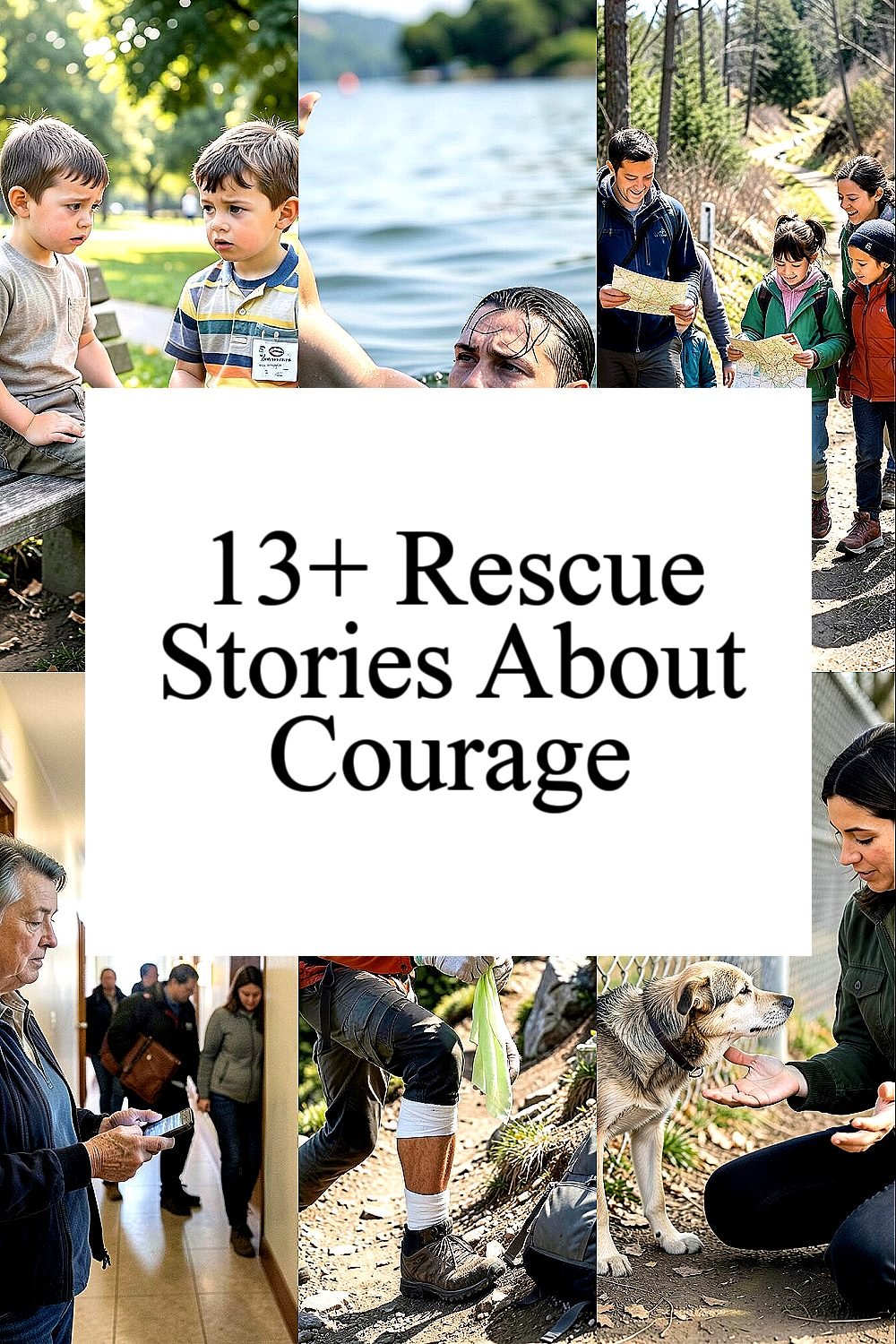
Rescues can happen in many places and in many ways. These true style stories show how people keep calm and still find hope.
1. The Boy Who Stayed Put Until Help Came
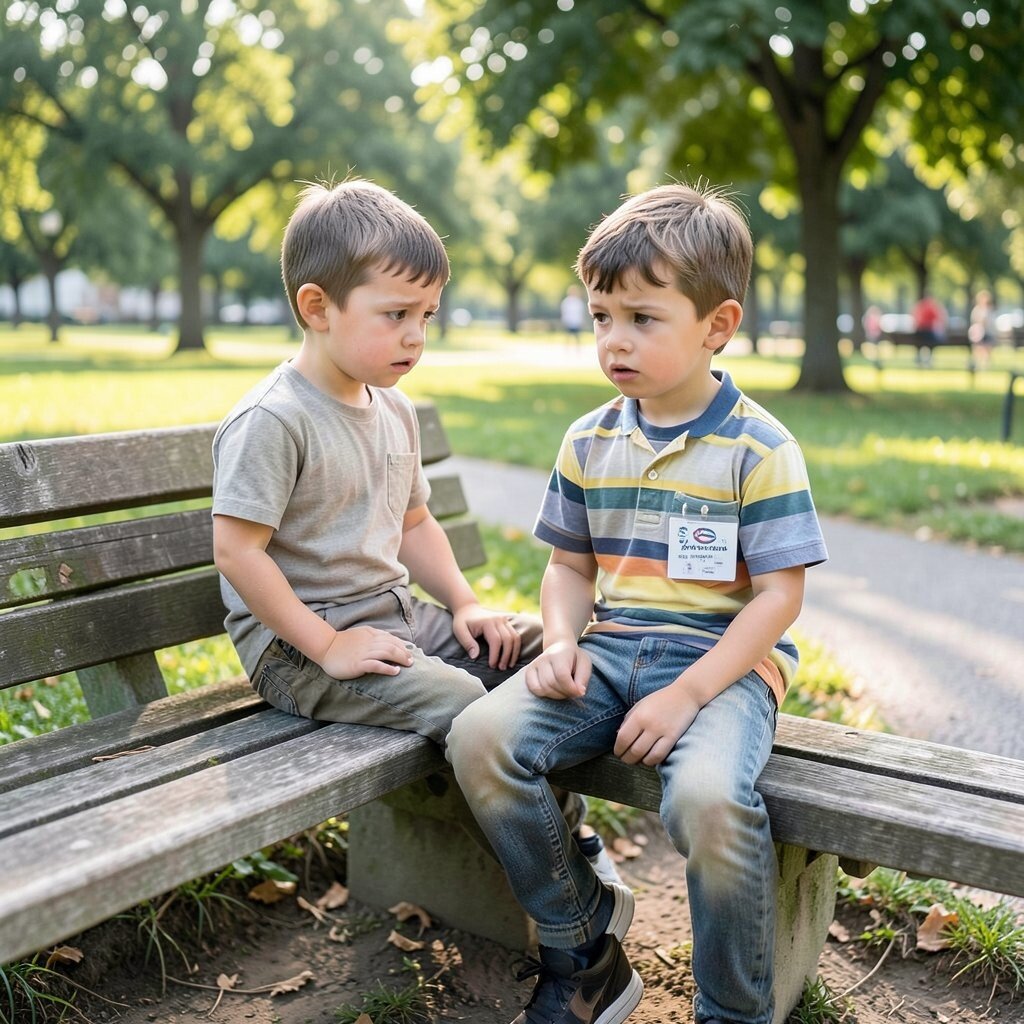
A young boy got turned around near a small park after a family outing. He sat on a bench near the path and watched for someone to notice him. His face looked scared at first, but he kept still and used his phone only when he had signal.
His best choice was staying where he was instead of walking fast in the wrong direction. When a parent finally searched the area, the boy was easy to spot because he did not move far. This made the rescue faster and safer, and it gave the family a way to breathe again.
If you want to copy this lesson, make a simple plan for kids before you go out. Teach them to stop, stay in one spot, and call for help if they can. It also helps to keep a small card with a phone number in a pocket.
2. The Swimmer Who Used a Simple Signal
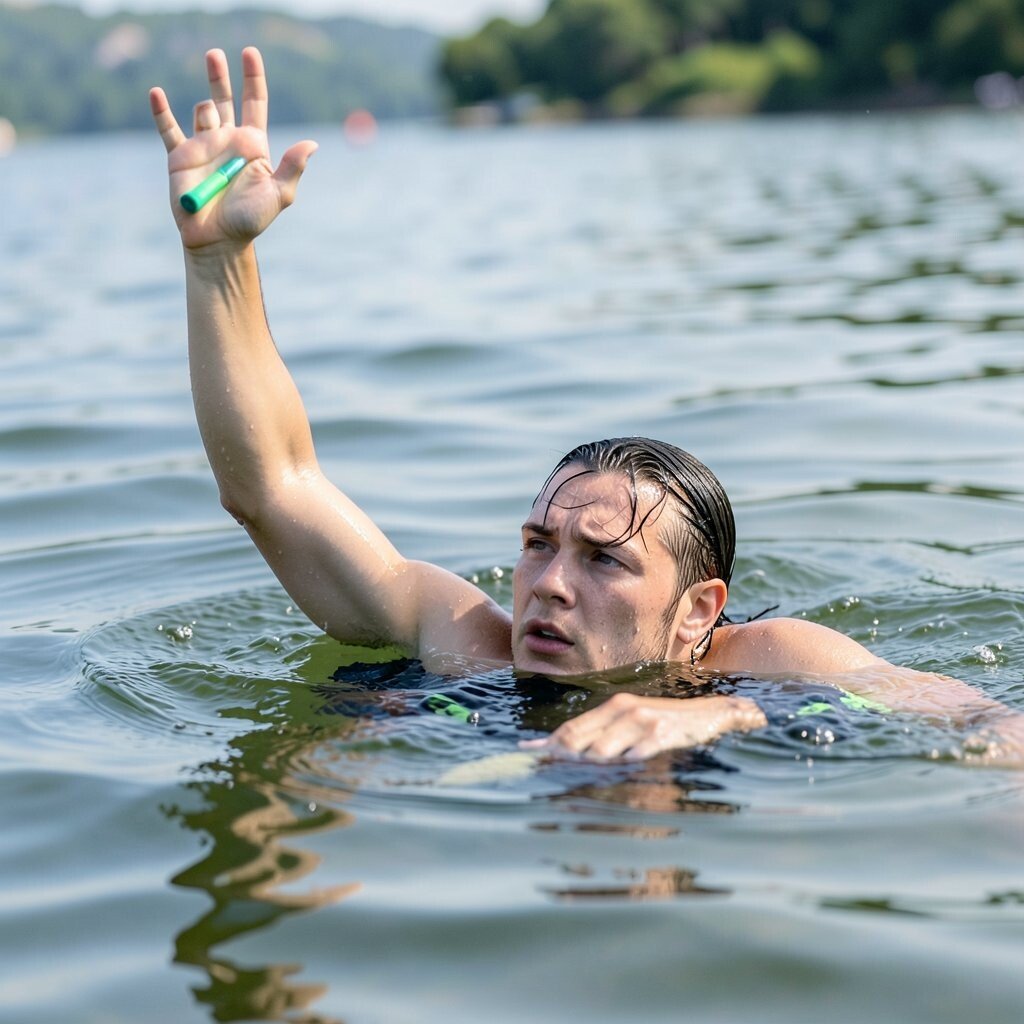
A swimmer got tired in open water and started to lose control of their breath. The person could not swim fast, so they kept calm and raised one arm to show they needed help. You could see them floating closer to the surface, with wet hair stuck to their face and eyes focused.
That clear arm signal helped rescuers spot them from far away. It also helped safety teams work smarter instead of guessing where to look. The benefit was quick attention, and that can make a big difference when someone is weak.
A useful tip is to pick one easy signal for your family, like one raised arm or waving at a steady pace. Keep a whistle or a bright band on a bag so you can be seen. If you take a class, ask instructors about safe signals and how to use them.
3. The Family Who Found Their Way Back With Basic Clues
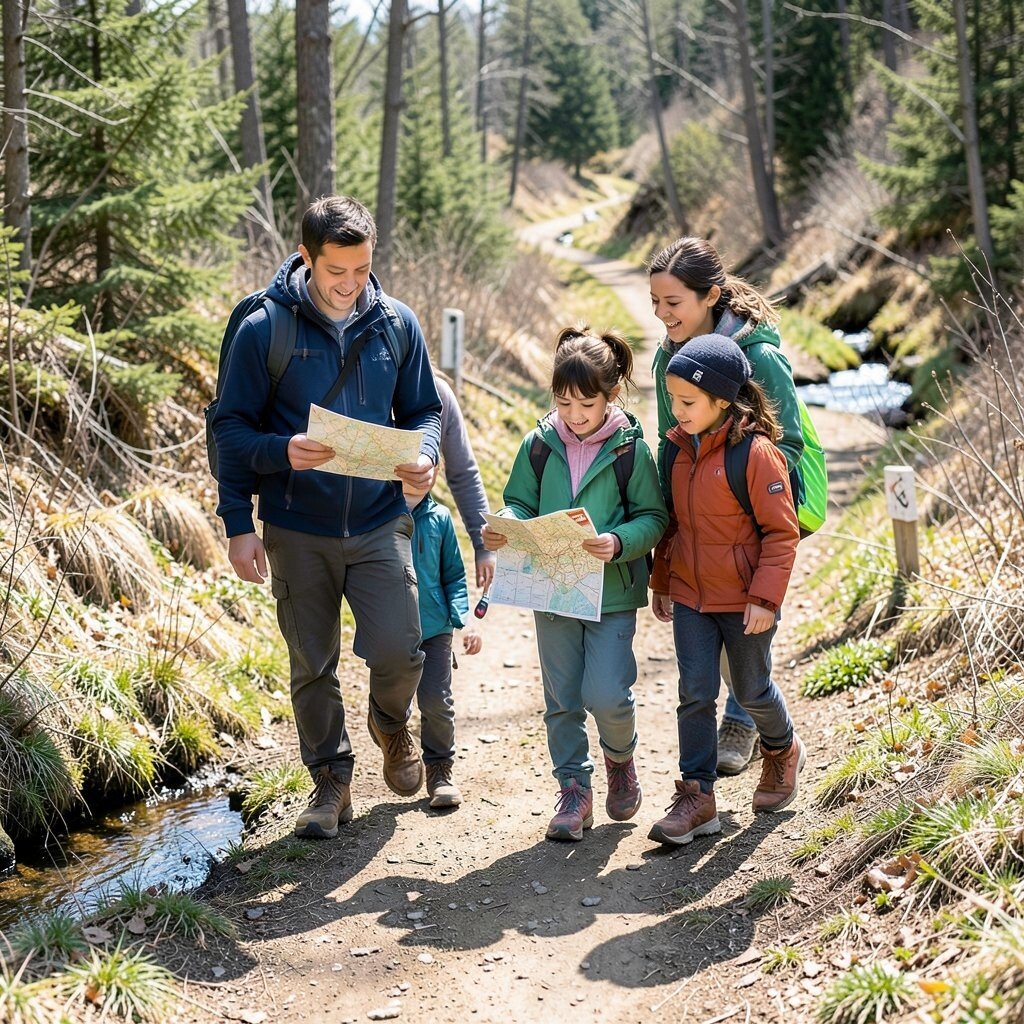
A family lost their route on a quiet trail during daylight. They did not panic and instead used small clues like a stream sound, a bend in the path, and a marker they could still see. In the photo-like scene, you could spot a bright jacket near the edge of the trail while the rest of the group took careful steps.
They used slow walking and checked their map only at safe spots. That saved energy and made it easier to find the right turn. The rescue ended up feeling steady, not rushed, and it helped everyone stay kind to each other.
You can make this plan at home by saving offline maps on your phone. Use a paper map too, just in case. For cost, it can be as low as printing a map and adding a small whistle or a light snack.
4. The Neighbor Who Calmly Called for Fire Help
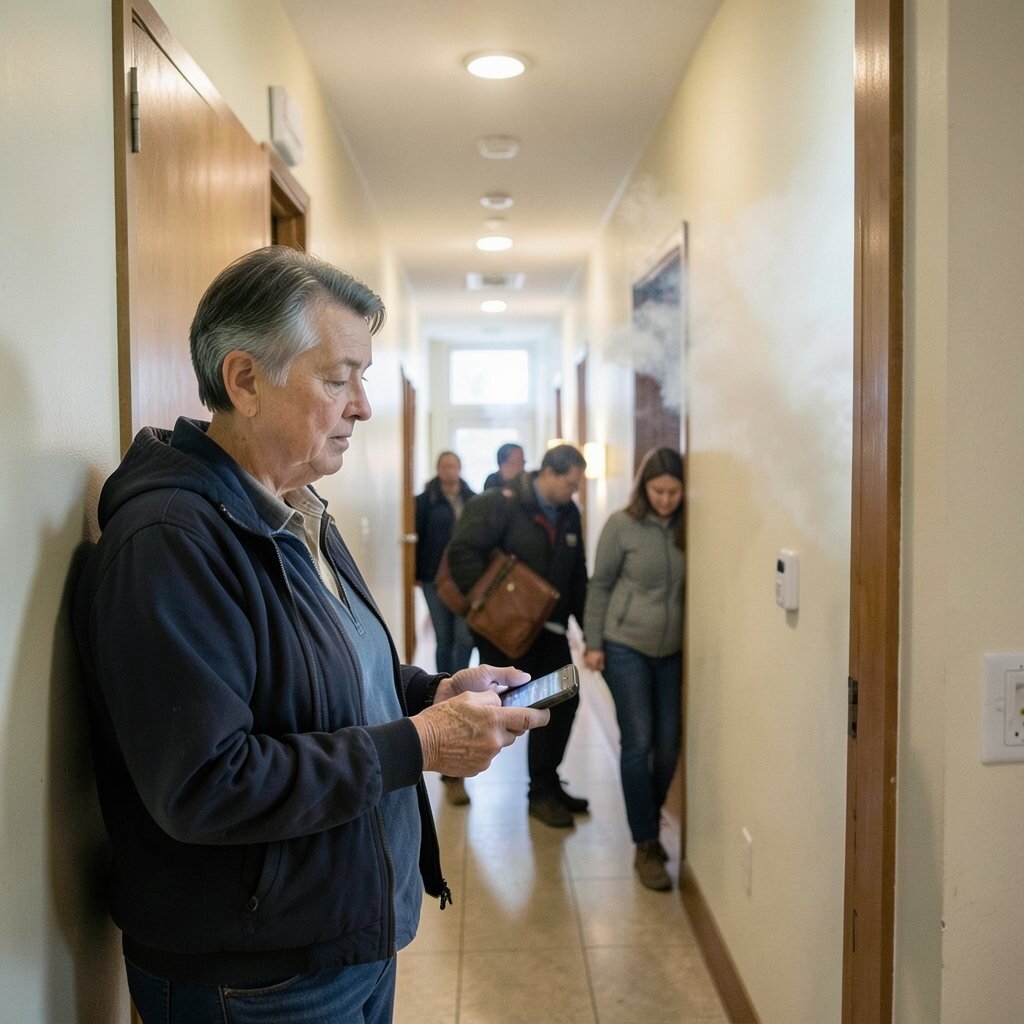
A neighbor saw smoke near an apartment hallway and acted right away. Instead of running inside, they stayed by the door and called the fire line with clear details. You might picture the hallway lights flickering, and the neighbor’s hands holding a phone while they watched people move to safety.
Calling early helped the team arrive faster and keep the fire from growing. It also gave people time to grab key items and leave. This kind of calm action can protect lives and lower fear for everyone nearby.
For a practical tip, write down your address in big print where you can reach it fast. Practice a short script with your home, like “I see smoke near ___.” You can also add a small smoke alarm and check batteries each season.
5. The Mountain Hiker Who Managed Pain and Still Moved
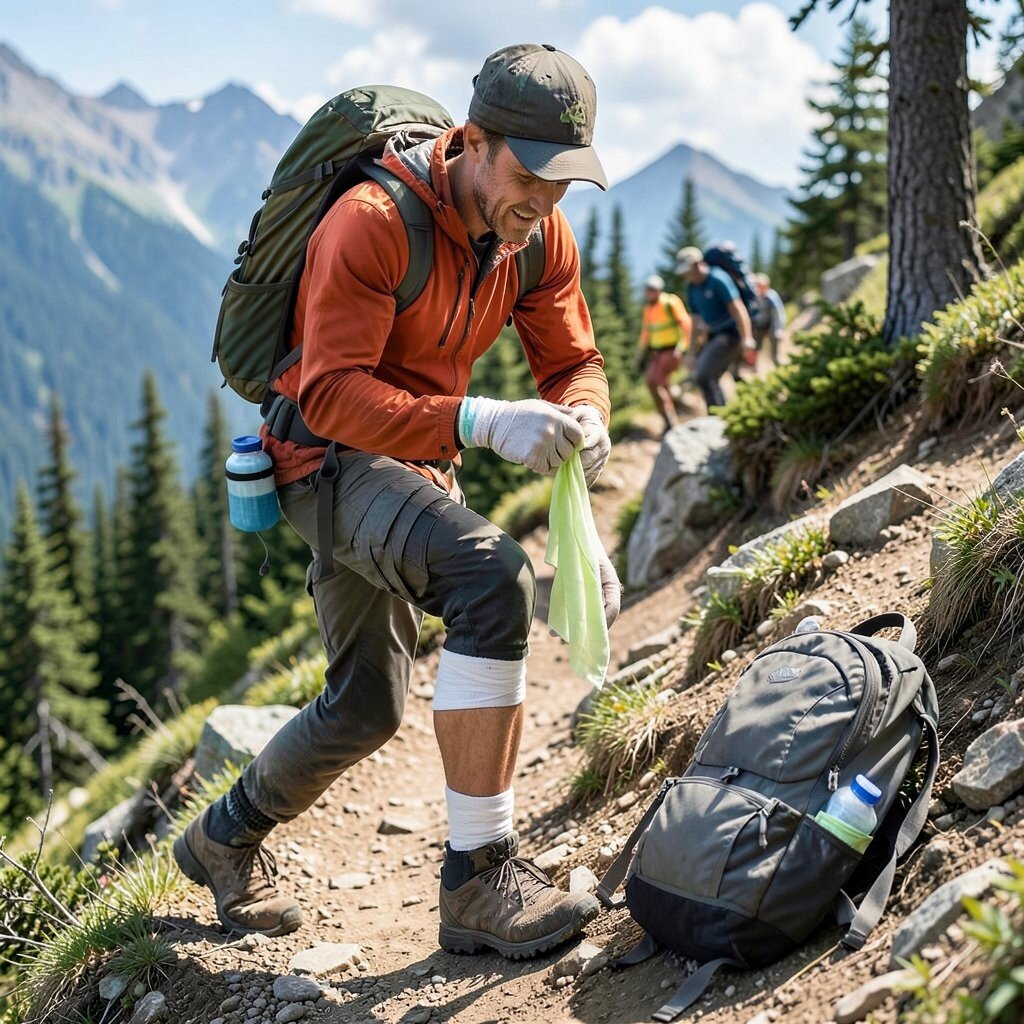
A hiker hurt a knee on a steep slope and felt stuck. They used slow steps, took short breaks, and wrapped the knee with a clean cloth. The scene looked quiet, with a bright scarf tied around the leg and a backpack set down for balance.
Because they managed pain and stayed aware of where they were, they could reach a safer spot. A rescue team later found them near a visible trail edge. The benefit was clear: they avoided worsening the injury and made it easier to locate them.
To personalize this, keep a small first aid kit in your pack. Add a wrap, pain medicine if safe for you, and extra water. Trends in outdoor gear often focus on small, light kits, so you can build one without high cost.
6. The Dog Rescuer Who Used a Quiet Voice
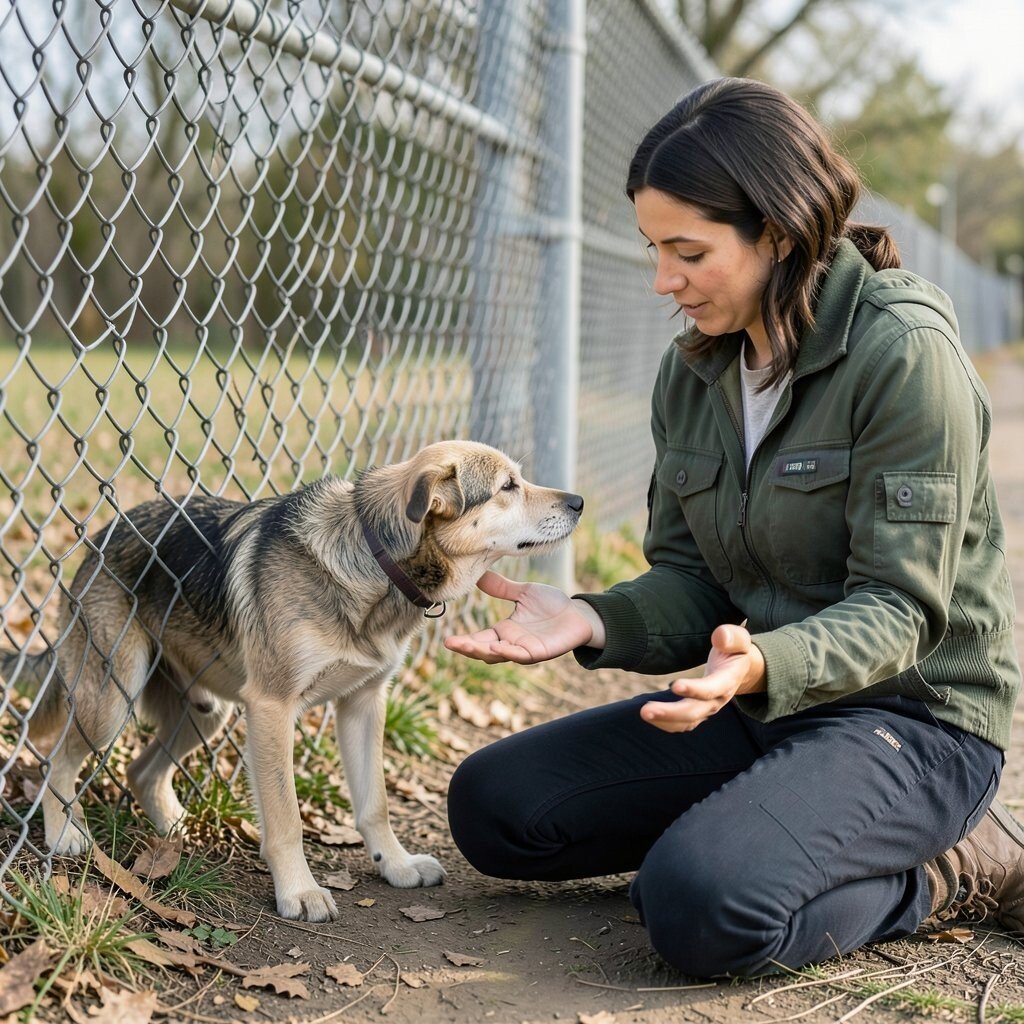
A stray dog was trapped behind a fence and kept backing away. A rescuer used a calm, low voice and sat down so they looked less scary. The dog’s ears were flat and tense, but the rescuer kept hands open and moved slowly.
This gentle approach helped the dog feel safe enough to come closer. It also reduced the risk of biting while people worked near the fence. The rescue became smoother because trust grew over minutes, not because of force.
Try this if you meet a scared animal. Use soft sounds, avoid sudden grabs, and let the animal see your hands. Keeping distance first can be free, and it often leads to a better result.
7. The Builder Team That Saved a Trapped Worker
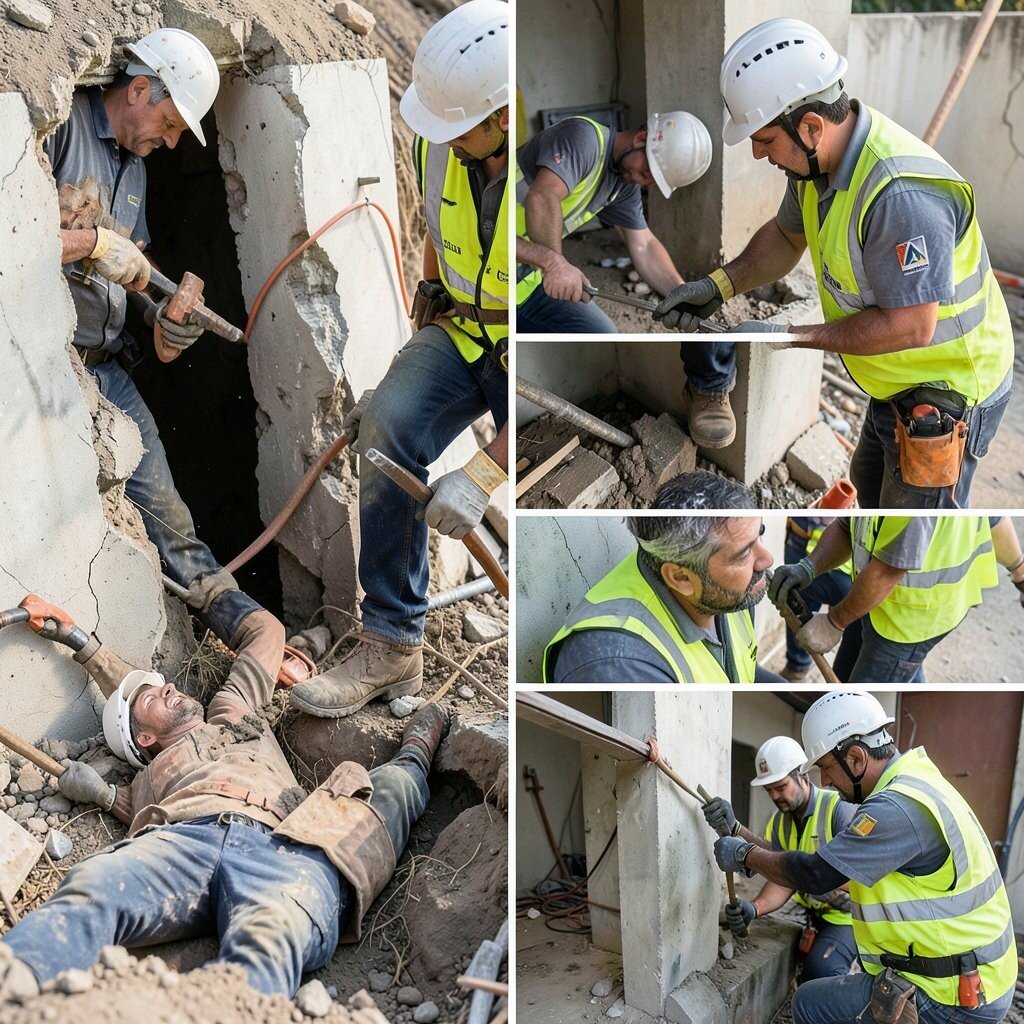
A worker got trapped in a damaged space after debris shifted. The team stayed focused on safe steps, checked for strong supports, and worked with careful tools. In the scene, you could see hard hats, bright vests, and a careful pause before any big move.
Good safety checks helped them avoid more collapse while freeing the person. When rescue workers plan the next move, it can lower risk for both the trapped person and the rescuers. The benefit was trust in the process and a faster path to getting medical help.
For tips, make sure your work site has clear steps for trapped workers. Train people to mark danger areas and use communication tools. Cost can vary, but small safety gear like gloves, lights, and basic communication checks can matter a lot.
8. The Cyclist Who Stayed Visible at Night

A cyclist fell on a road at night and could not move far. They turned on their bike light and tried to keep it pointed so it would show up for passing cars. The ground was dark, and you could spot the bright beam on the pavement and the cyclist’s helmet close by.
Being visible helped cars slow down and helped a nearby person call for help. Rescue teams could find them faster because the light showed a clear spot. This kind of visibility can make the rescue feel less scary for the injured person.
A helpful tip is to use lights that last and keep spare batteries in a small pouch. Add reflective bands to your jacket and bag so you can be seen from different angles. It is a trend to choose bright, simple lights, and you can often find good deals online.
9. The Office Worker Who Used a Clear Plan for a Flood
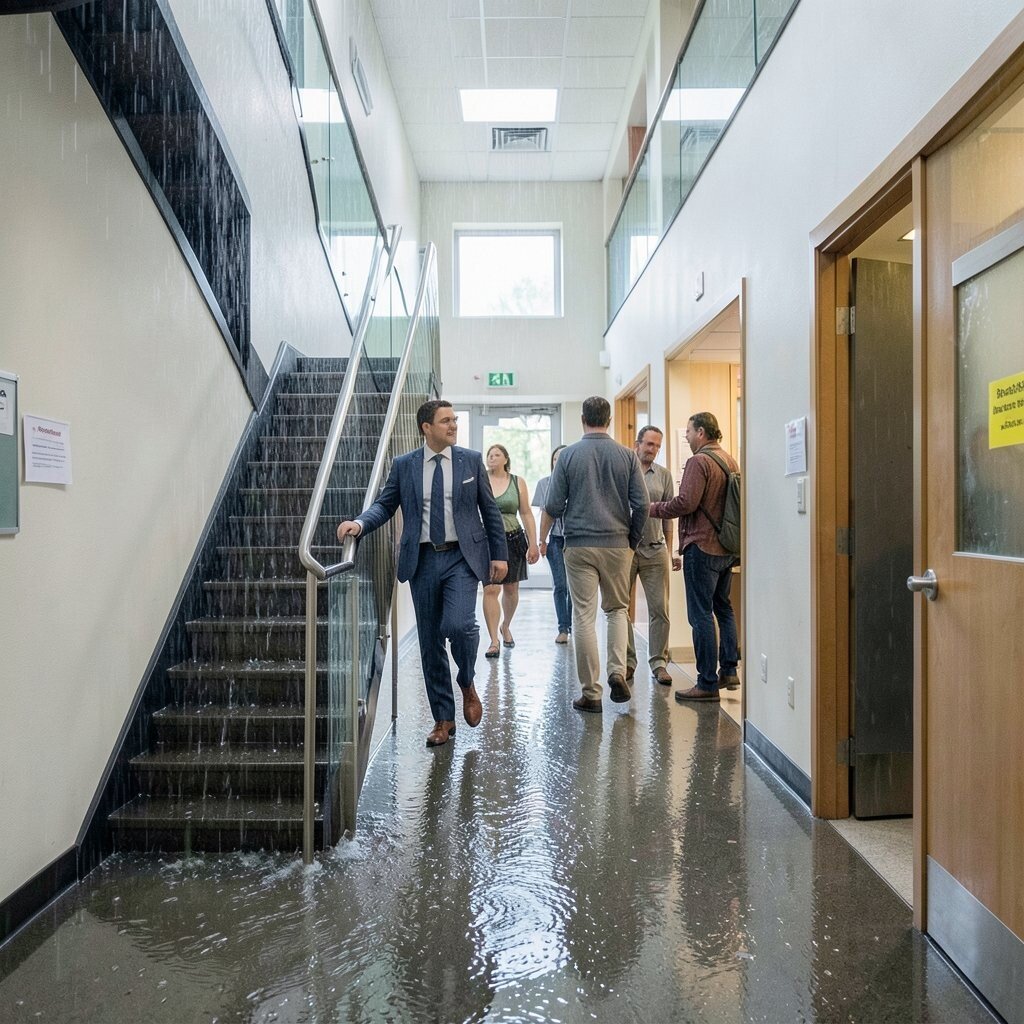
During heavy rain, an office had water rising near the stairwell. A worker noticed early signs, warned others, and guided them to higher floors. In a simple visual scene, the office hallway had wet floors, and people followed the worker toward a safer door.
Clear steps helped everyone leave in an orderly way. That can lower injuries and keep people from getting trapped by fast water. The benefit is that you protect time and reduce panic during a stressful event.
To personalize this, set a meeting point on an upper floor and mark the best exit routes. Keep a small list of who needs help and who has keys. For cost, you can use printed signs and basic phone chargers for important calls.
10. The Parent Who Helped a Child With Choking Safety
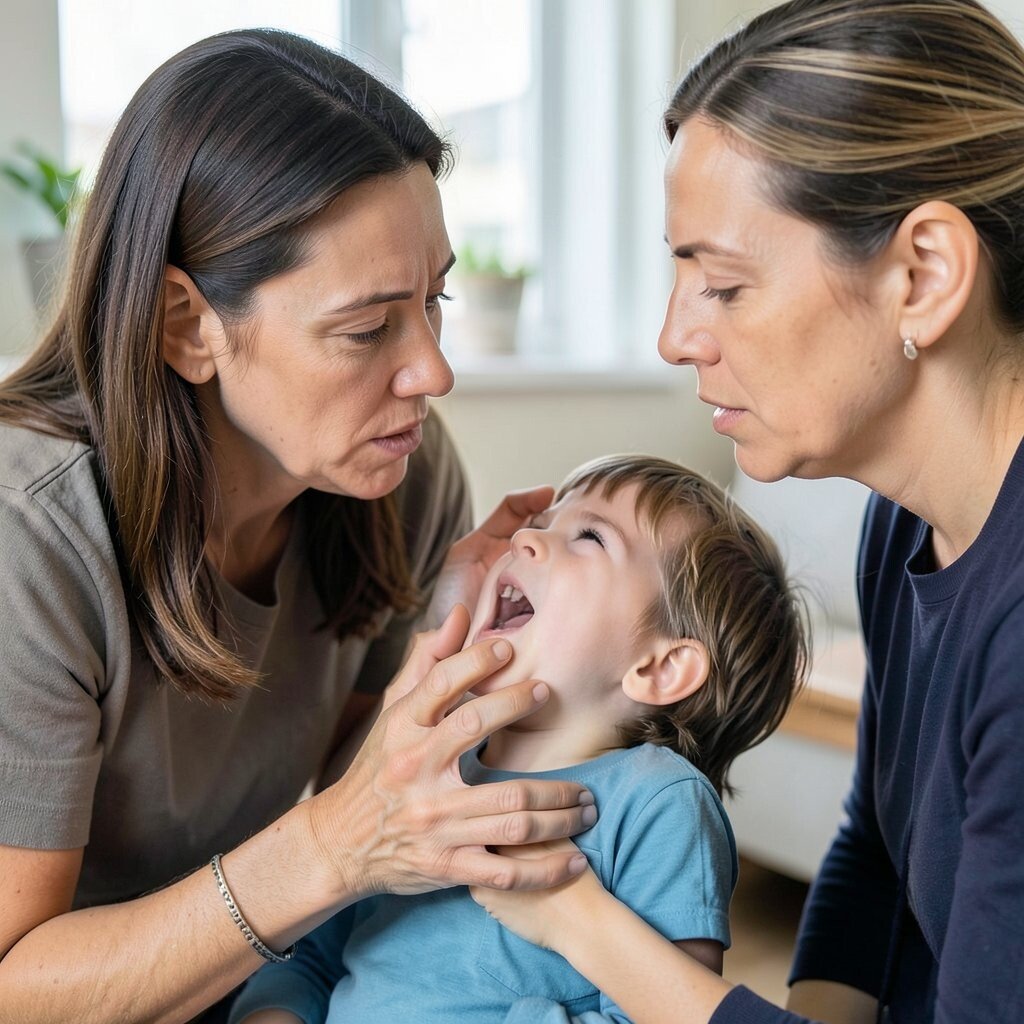
A child began to choke and could not speak well. A parent stayed calm, checked the child’s breathing, and asked for help right away. You could imagine the parent’s face close to the child, eyes focused, while a second adult called emergency services.
Fast action helped clear the airway and led to quick medical follow-up. This kind of rescue matters because time is important in choking cases. It also shows that training can help people act with less fear.
For tips, take a first aid and choking class and practice in a safe setting. Keep emergency numbers saved on your phone and write them on paper too. Many local groups offer classes, and some are low cost.
11. The Teen Who Used a Phone Map to Call From a Shelter
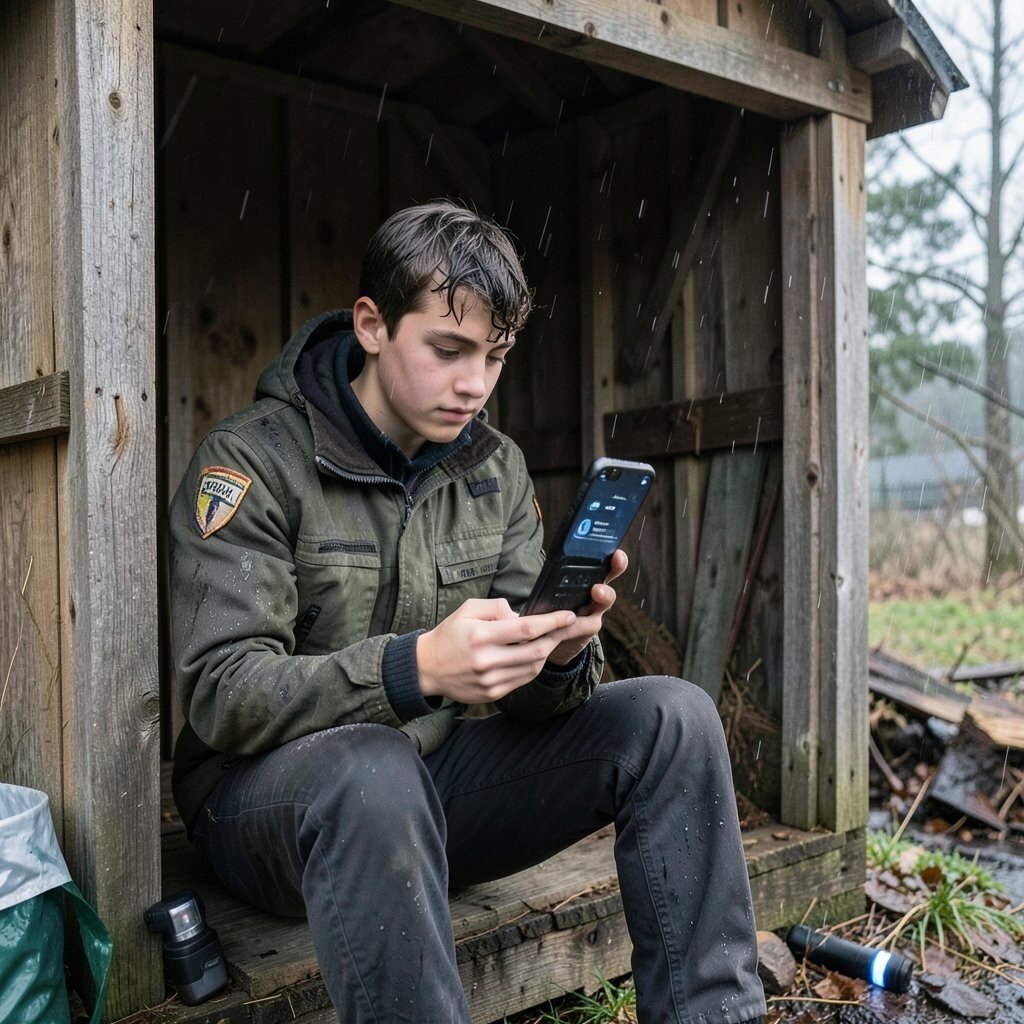
A teen got stuck after a storm blocked a path. They found a solid shelter spot, stayed dry, and used a phone app to share their location. The picture would show a small porch or cover, with the teen sitting and holding the phone steady.
Using location data helped rescuers find the exact area without long searches. That means less time in bad weather for the teen. It also helps responders plan routes that fit the ground and the storm damage.
Try personalization by saving your “safe spots” in a notes app. Keep a backup power bank and a simple flashlight. This trend of location sharing is common now, and it can be a smart add for safety.
12. The Swamp Team Who Followed Tracks Instead of Guessing
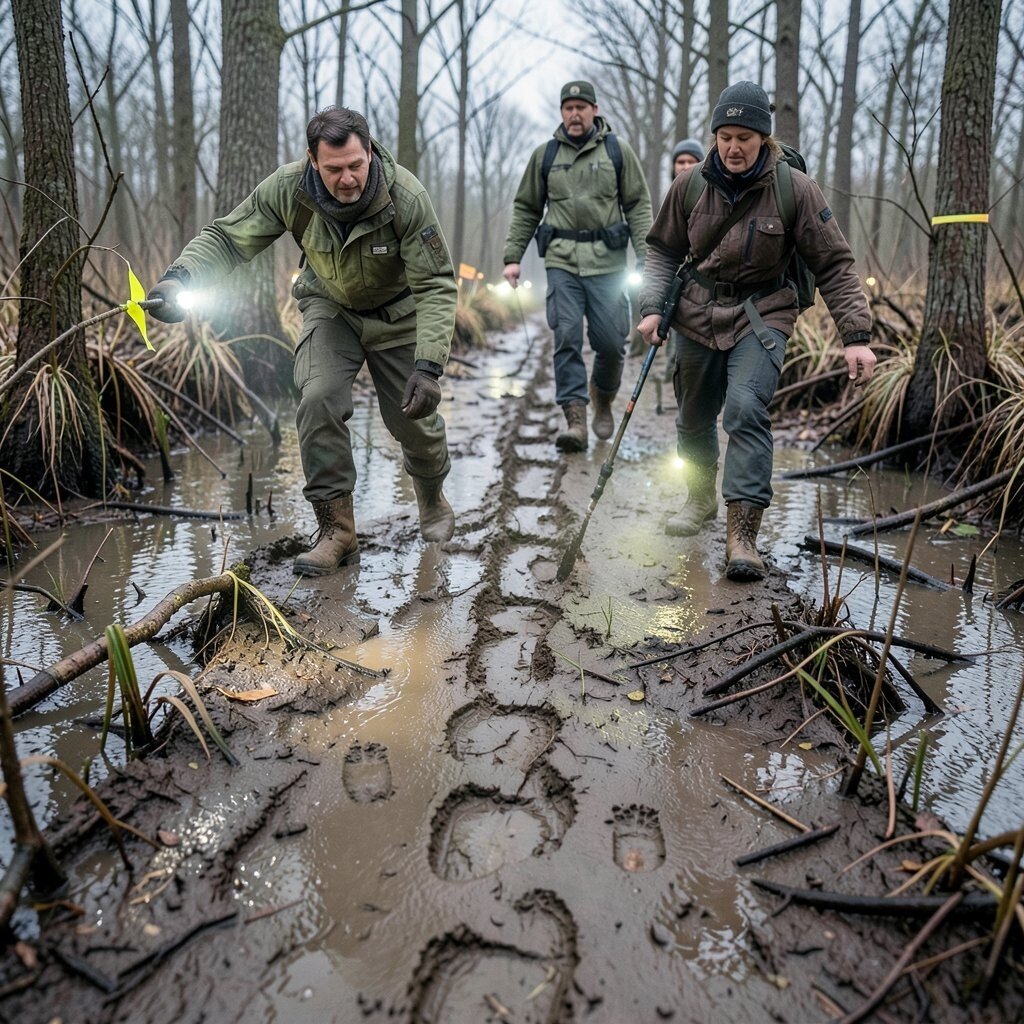
A group got lost near a wet, swampy area. The rescue team followed clear tracks, looked for signs like shoe prints, and used the wind direction to guide search lines. You could picture muddy ground, careful boots, and flashlights moving in steady paths.
Tracking helped them avoid random walking that wastes time. It also improved safety because teams stayed on paths that were easier to cross. The benefit was more control, which helps people stay patient while waiting.
For tips, leave small markers if you can, like a bright strip tied to a safe branch. Learn basic reading of footprints and signs in a simple class if you can. Cost for training can be low if you find community guides, and the skill is useful for many trips.
13. The Teacher Who Helped Students During a Power Outage
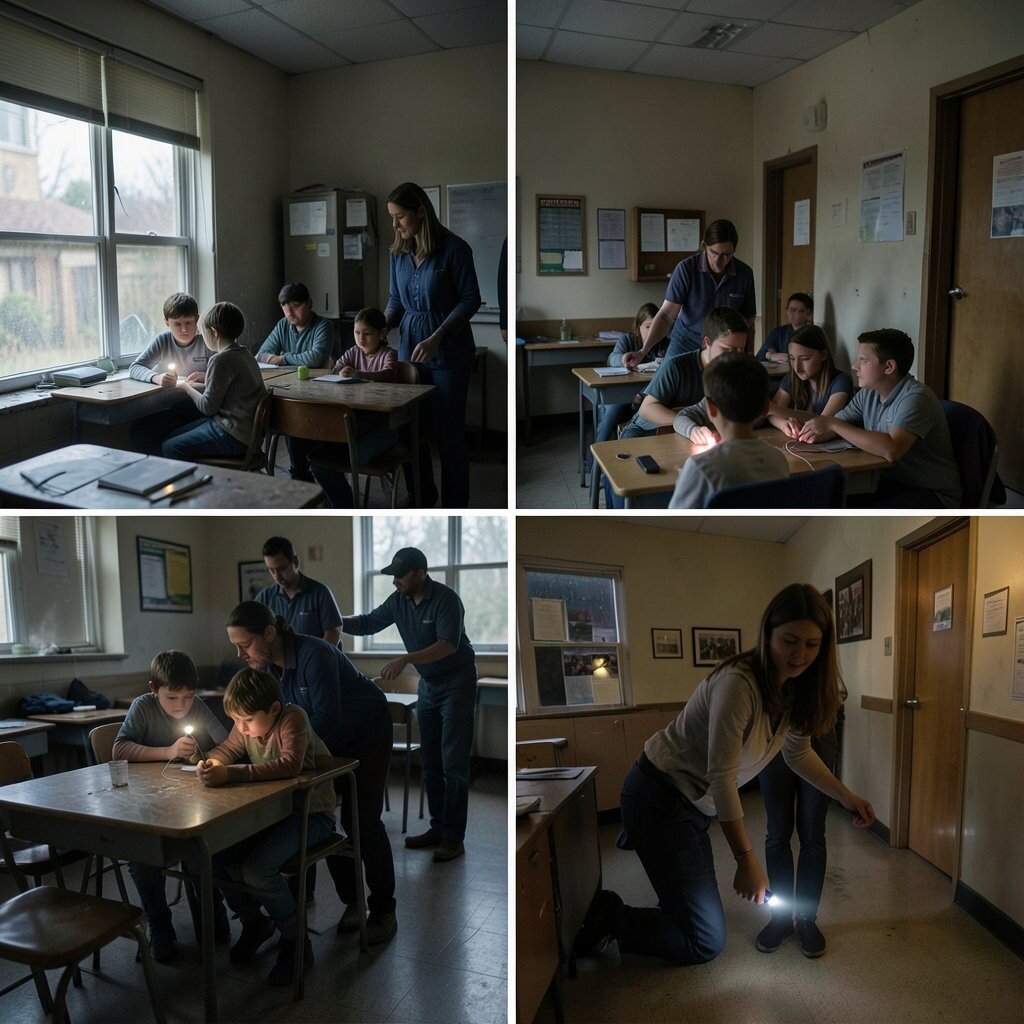
At a school, a sudden outage left a room dark and noisy. A teacher kept students calm, checked for anyone who felt sick, and guided the group to a safer area. You might see desks pushed back, flashlights in hands, and faces lit up by small lights.
The teacher’s simple steps helped prevent slips and confusion. It also made it easier for staff to call for help and wait for repairs. The benefit is that calm can protect kids until the problem is fixed.
To personalize, plan a “quiet line” for leaving the room when lights go out. Keep a flashlight at each classroom door and check batteries. Many schools now use small backup lights, and they are not too expensive.
14. The Volunteer Team That Built a Quick Water Stop
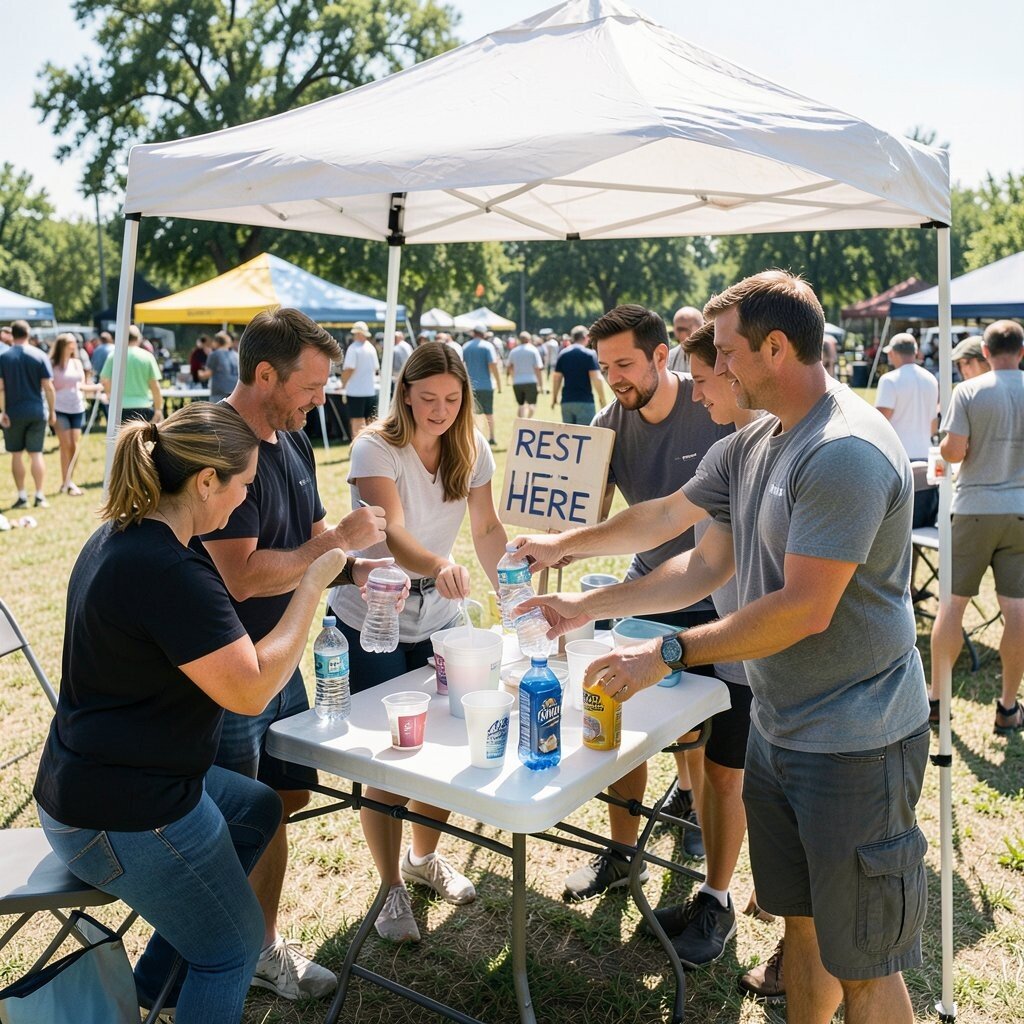
After a long event in heat, some people felt weak and needed water. Volunteers set up a simple water stop with cups, shade, and a clear place to sit. The scene looked like folding tables in the sun, with volunteers handing out water while checking faces and asking if anyone needed more rest.
This rescue was about care, not drama. Quick water and a cool place helped people feel better and safe enough to leave. The benefit was that they avoided bigger health issues by acting early.
For tips, bring extra water and add salt-free snacks if it fits the situation. Set a sign that says “rest here” so people find the spot fast. Cost can be managed by sharing supplies with groups nearby, and current trends often focus on small hydration points at events.