
Snail tanks can look calm and neat when you plan them well. Small changes in plants, rocks, and water flow can help your snails feel safe.
1. Clear Glass With a Simple Layout

A clear glass tank helps you see the snails move and rest. Use a plain background and keep the setup tidy so the tank looks clean. This setup can make it easier to spot food spots and waste.
Choose a small mix of items, like a couple of flat rocks and one main plant. Keep hiding places, but do not crowd them. Snails like a soft place to crawl, and they also need room to move.
For cost control, skip fancy décor and use simple live plant cuttings. You can also add a cheap leaf or safe plant food for extra foraging. A clear layout is also great for learning how your snails behave.
2. Leaf-Litter Bottom for Natural Behavior
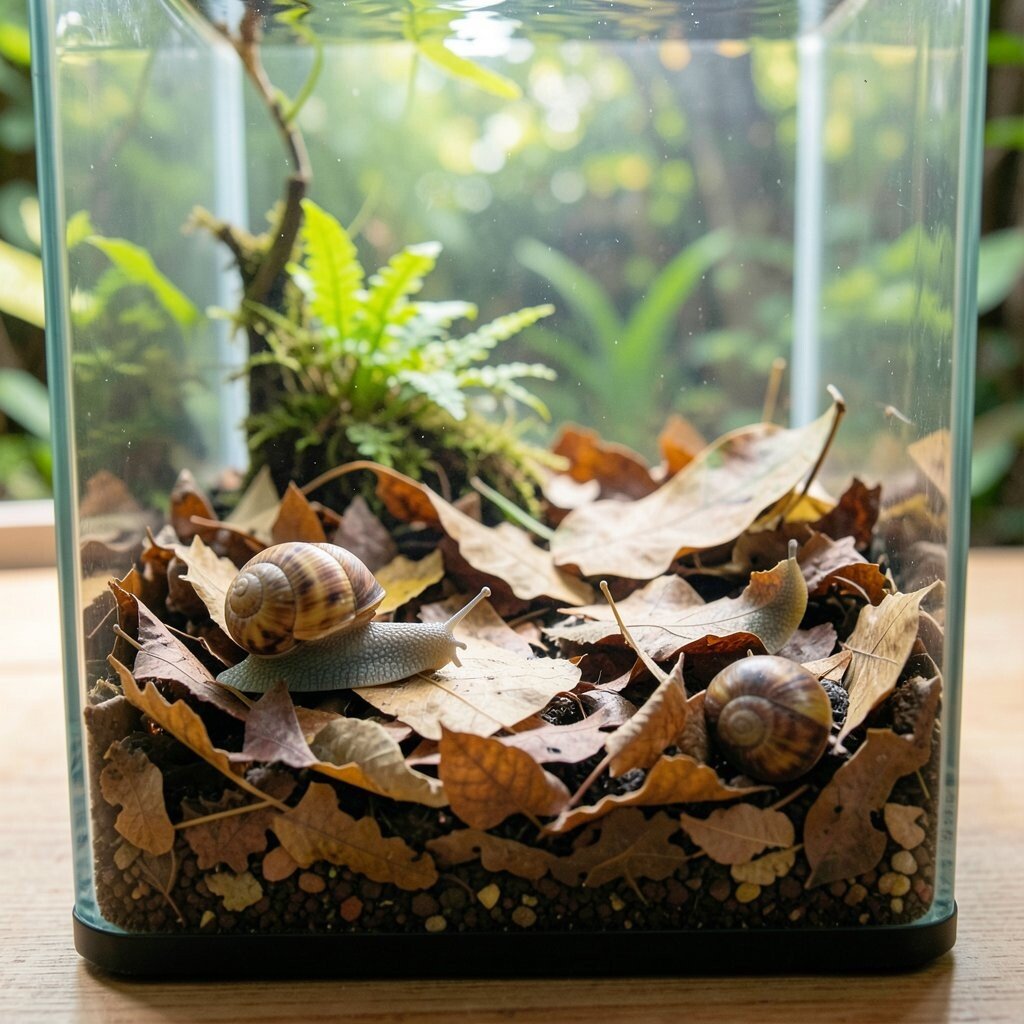
Leaf litter on the bottom can make the tank feel more like a slow stream. Use leaves that are safe for aquariums, then let them break down over time. You will often see snails graze on the edges.
This idea can also help water feel steady because the leaves slowly change in the tank. Waste breaks down faster when the tank has proper bacteria. That can lower stress for both snails and small tank life.
To keep things clean, start with a small amount of leaves and watch how fast they soften. If the tank smells bad or turns very cloudy, reduce the leaf amount. You can personalize it by mixing one leaf type with a few pieces of another safe leaf.
3. Moss Wall With Soft Hiding Spots
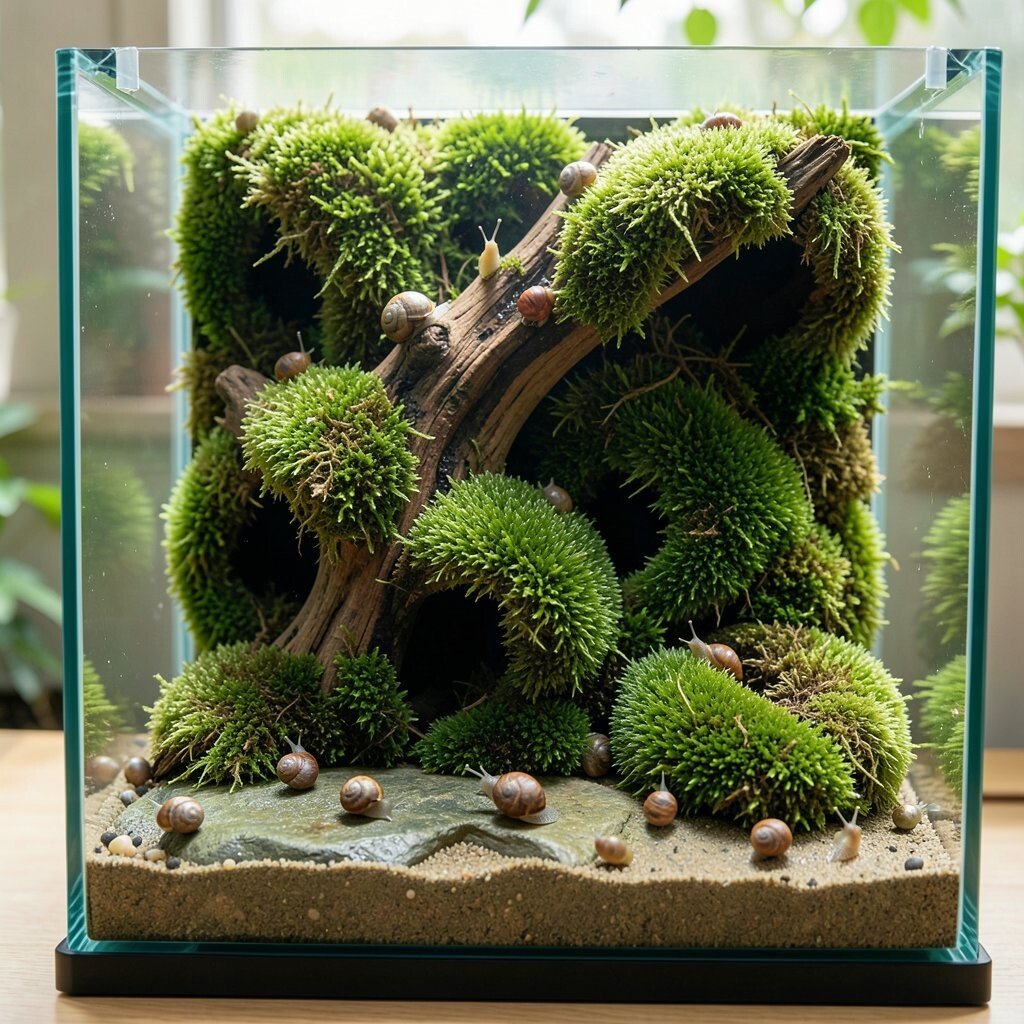
A moss wall gives snails a safe place to rest and graze. You can place moss on driftwood or attach it to a flat rock. The tank will look green and fresh, and the snails will use it like a yard.
Moss often grows well in many tanks with good light. It also keeps algae in check in a gentle way for some people. Your snails may show more daily activity when they have a soft surface to feel.
This can be a trend item because many hobbyists now use more moss and less plastic décor. It can cost less if you start with a small piece and let it spread. For tips, keep moss damp during setup and rinse it well before adding it to the tank.
4. Driftwood Branches for Climbing Paths
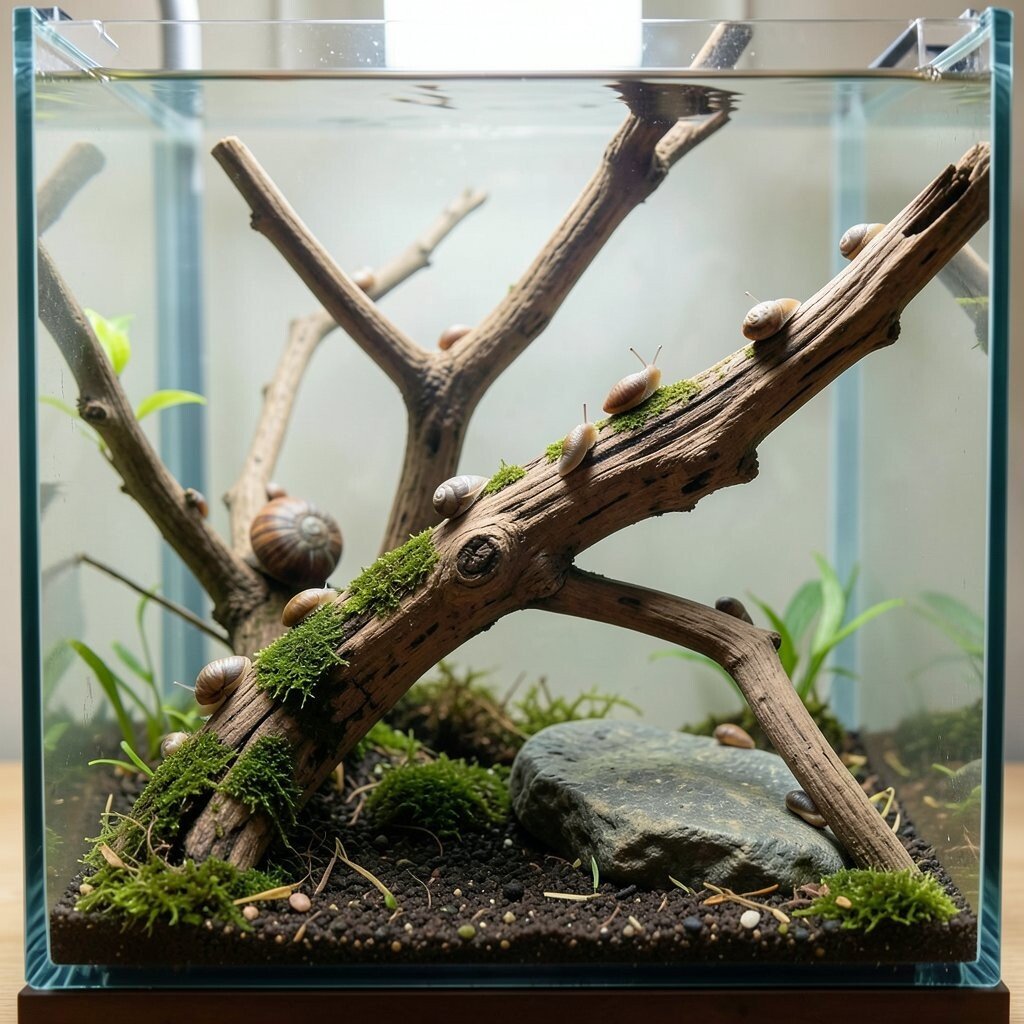
Driftwood branches give snails more routes to explore in the tank. The wood can hold algae and biofilm, which many snails like to graze. You may also see snails climb up, then rest on the shaded parts.
This setup can look detailed because the wood adds natural shapes. It also helps create different zones, like bright areas and darker corners. Snails often choose a spot that matches their comfort level.
For cost, you can look for safe driftwood from trusted sources. Always rinse and soak it if needed, so it does not throw off the water. Personalize the look by angling one branch and placing a flat rock under it as a base.
5. Sand Bed With Smooth Raking Lines
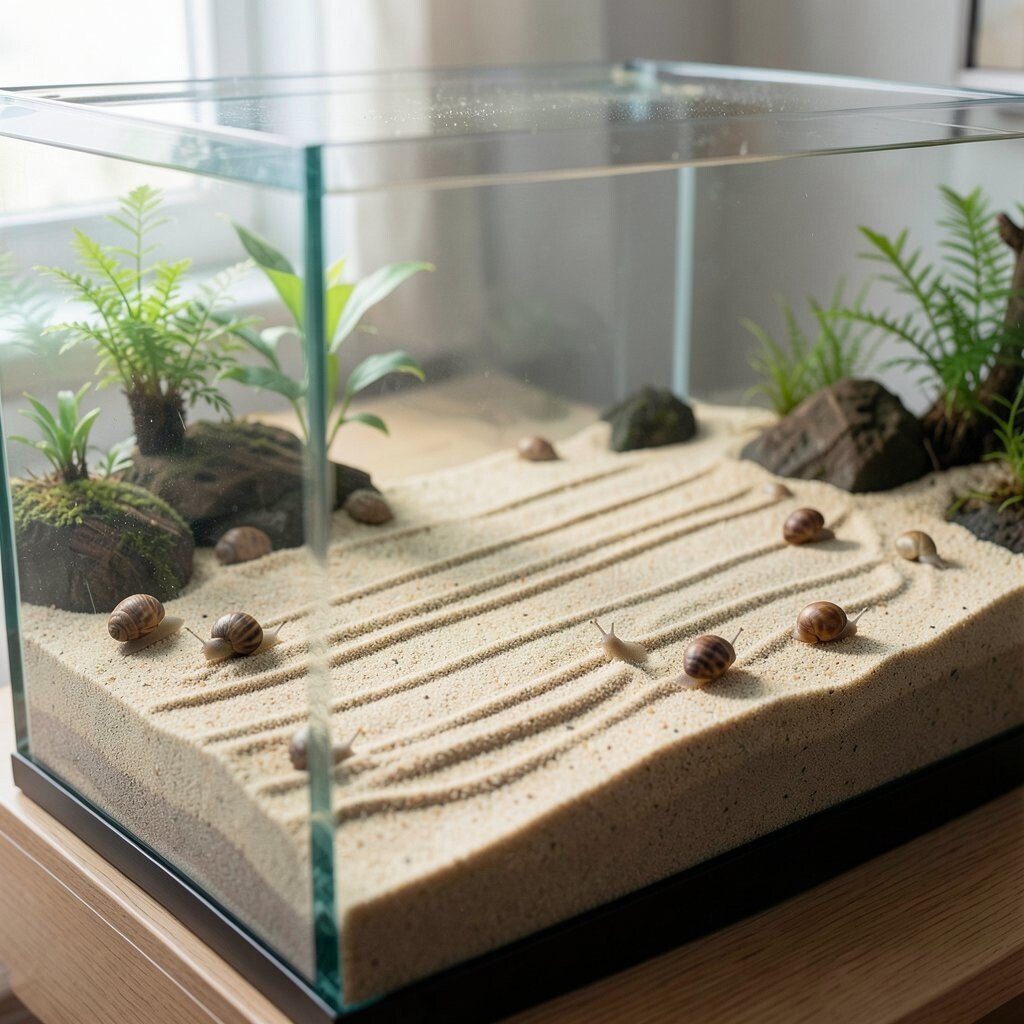
A sand bed can help snails move without scraping on rough edges. Use smooth sand that is meant for aquariums, then level it gently. Over time, you may see faint raking lines as snails travel back and forth.
This kind of bottom is also good for keeping things calm under the tank. Many snails prefer a softer floor, especially when they are small. A sand bed can also make the tank feel natural and calm to look at.
Cost can be kept low by using a budget aquarium sand option. Add a thin layer first, then test the look and how your snails behave. Tip: avoid very deep sand if you are new, since you want easy maintenance.
6. Terracotta Pots for Easy Shade and Caves
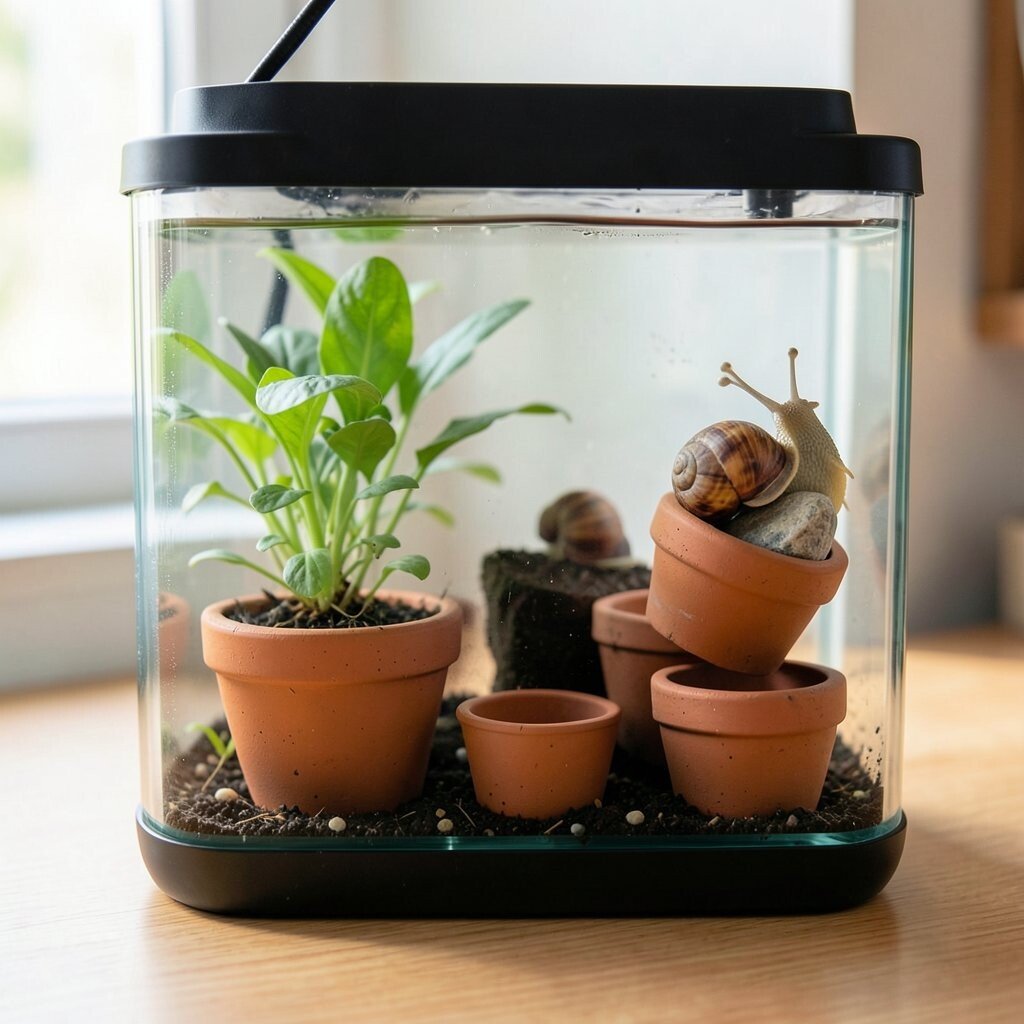
Terracotta pots can make simple caves for snails. Use small pots or cut pieces that you can place on the bottom. The inside shade gives snails a place to hide when they feel too bright.
This idea is unique because the texture creates tiny spots for snails to grip. Pots also look earthy, so the tank can match a home shelf or desk. You can arrange pots like stepping blocks so snails have more than one path.
For cost, terracotta is often cheaper than many décor pieces. Rinse the pots, and avoid glazes that are not meant for aquariums. Personalize it by stacking one pot on its side and adding a small rock to hold it steady.
7. Live Plants With a Low-Care Mix
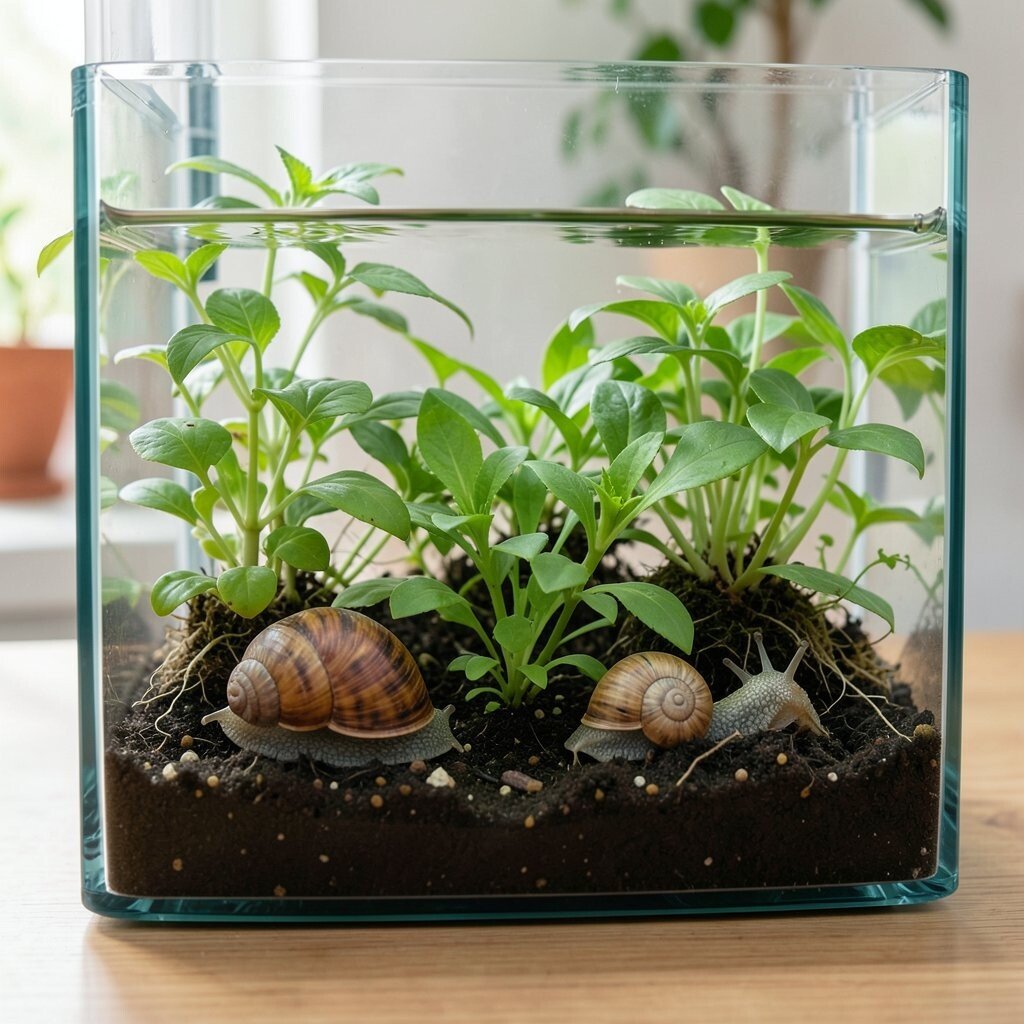
Live plants can help your snail tank look full and green. Choose plants that fit your light and care level, like hardy stem plants or slow-growing plants. Snails can graze on plant bits, and the leaves give cover.
Plants also help use extra nutrients in the water. That can help the tank feel more stable between water changes. If you add plants slowly, the tank can adjust without big jumps.
Cost depends on how many plants you buy, so start with a few and grow them out. A trend right now is using a simple plant group instead of a lot of décor. Tip: keep plant roots covered with substrate so they grow strong.
8. Spineless “Garden” With Floaters at the Top
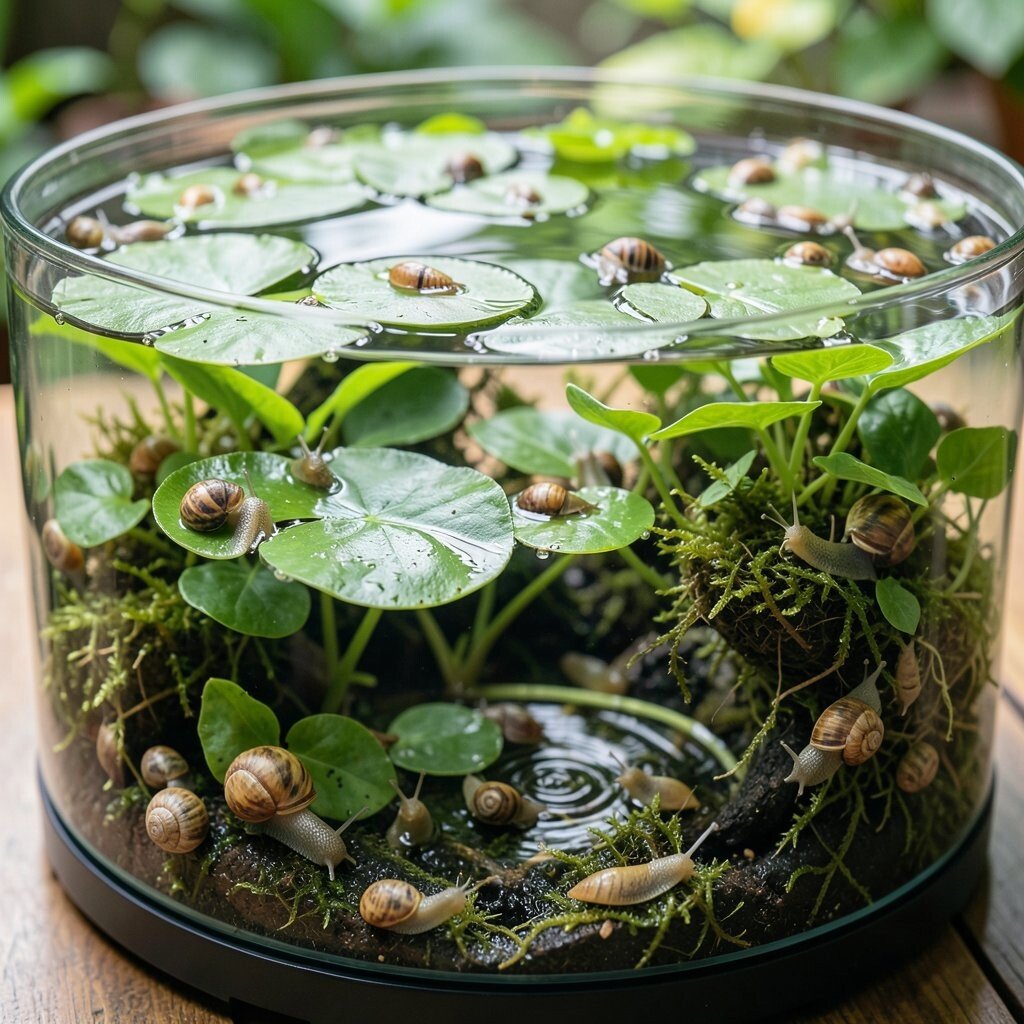
Floaters can make the water surface look soft and calm. They also block harsh light, which can help snails feel safe. Many snails stay more active when they have shade and steady cover.
Floaters also give small life a place to grow, which can support a fuller tank feel. Some snails may graze on biofilm that forms around the roots. You can also watch little swirls as tank currents move gently under the leaves.
This can be a good personalization option because you can pick floaters by size and look. Some floaters spread fast, so keep an eye on how thick they get. For tips, trim them when they cover too much surface.
9. Food Station With a Clear Feeding Spot
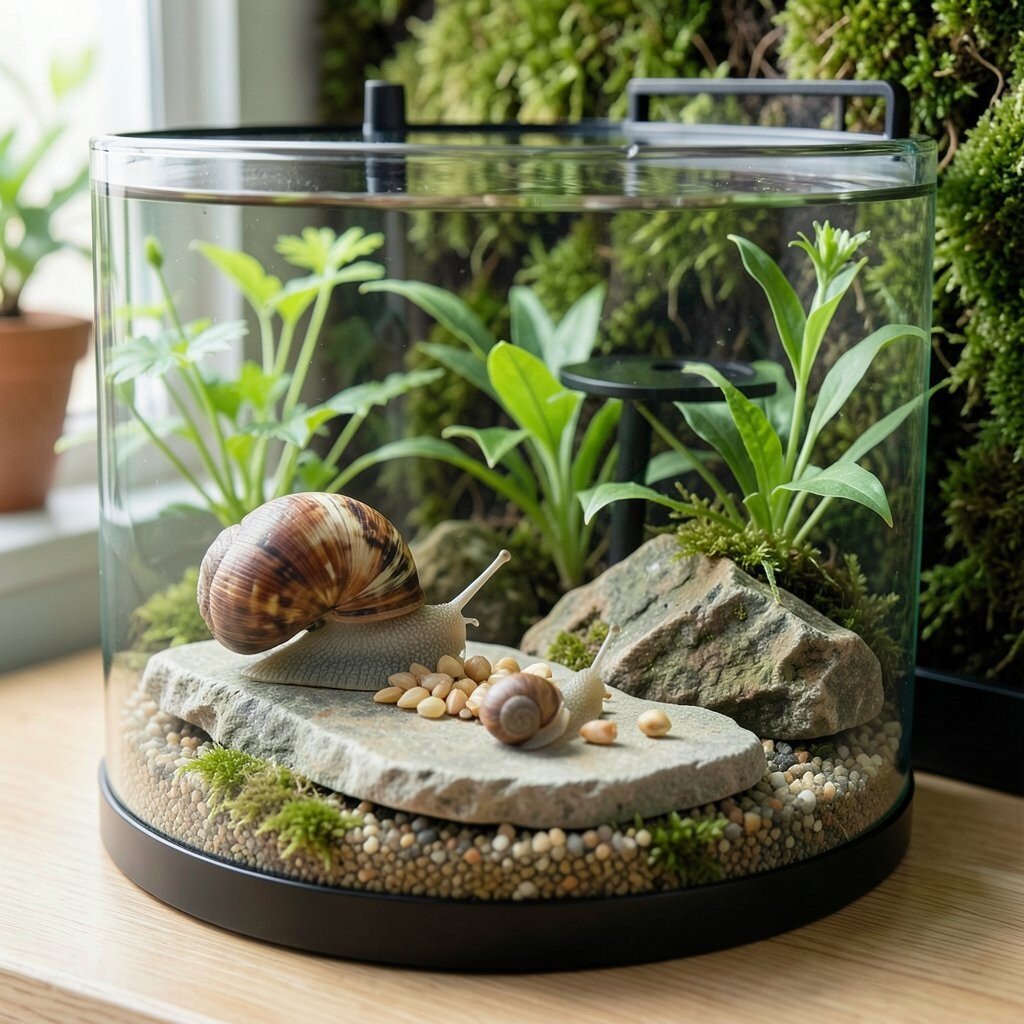
Making a set feeding spot can help your tank stay neat. Place food near a rock or flat dish so you can see if snails find it. This helps you adjust the amount and prevents extra food from sinking all over.
The benefit is better control of waste. When you feed in one spot, you can also watch which snails eat most. You can spot changes in behavior faster, like a snail that stops moving.
Cost is low since you can use a simple dish or a small flat stone. Personalize it by placing the feeding spot near a plant patch or moss wall. Tip: remove leftover food after a short time so water stays clear.
10. Shallow Rock Piles for Multiple Safe Levels

Rock piles can create layers in a snail tank. Use smooth rocks and stack them in a stable way so nothing falls. Snails like to hide under edges, and they also like to rest on warm-looking surfaces.
This setup can look strong and natural because rocks add structure and depth. Different spaces can make it easier for snails to find the right spot for comfort. You can also use rocks to shape a clear path across the bottom.
For cost, you can use safe rocks from aquarium stores or cleaned natural sources. Keep the stack low and avoid sharp edges. Personalize it by adding one larger “front rock” and filling in the back with smaller stones.
11. Black Background With Bright Green Contrast

A black background can make the tank look clean and modern. When you use bright green plants or moss, the contrast looks sharp and easy to enjoy. Snails will still look natural, but the tank may look more tidy from the start.
This idea can also make it easier to see snail trails. Clear trails show when snails move through the plant shade. It can help you learn their patterns without guessing.
Cost is usually low because background sheets are cheap. Personalize it by choosing a matte or glossy look based on your room lights. Tip: avoid strong glare by testing the tank placement near windows.
12. Gentle Water Flow With a Side Intake Setup
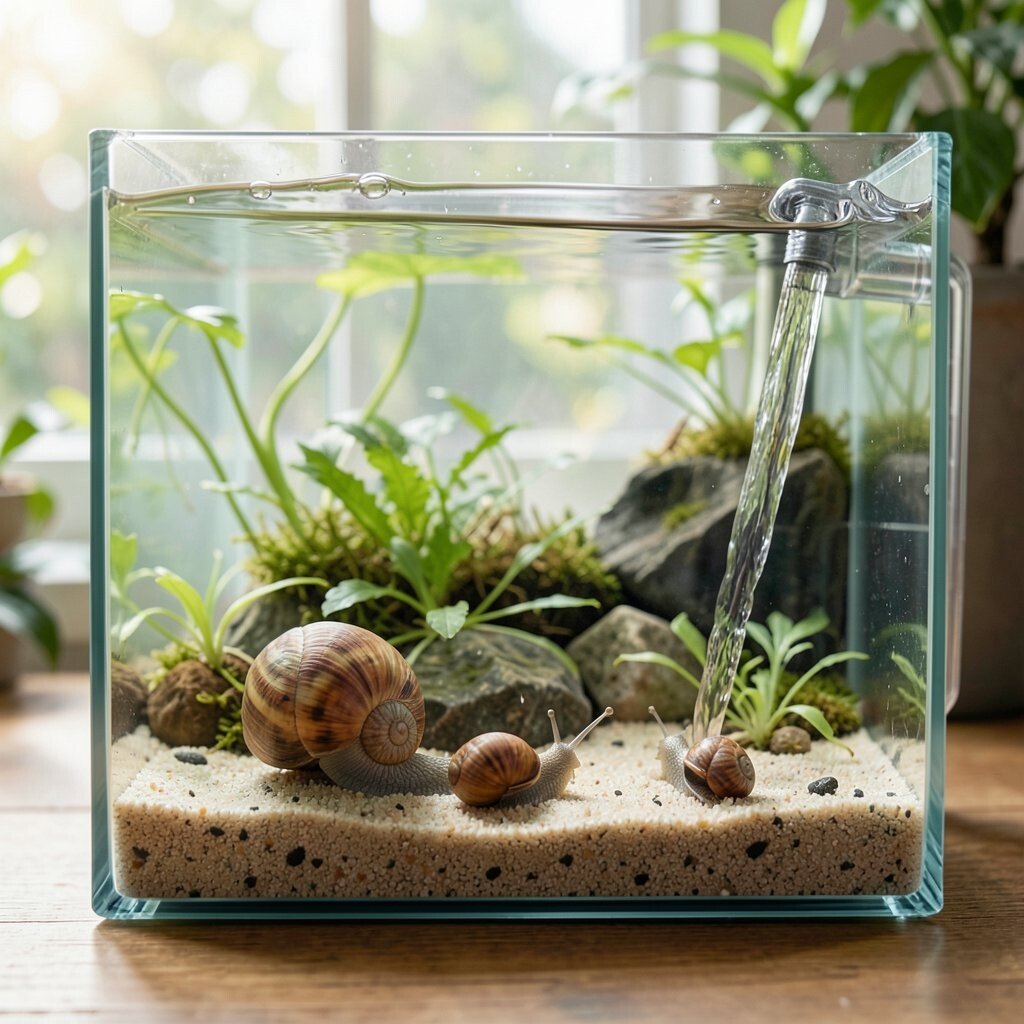
Snails usually do well with gentle water movement. A side intake or a soft flow helps keep the tank from feeling rough. When flow is calm, snails can graze and rest without being pushed around.
The benefit is more stable water mixing, which can help keep temperature and oxygen steady. Good flow can also help plants move nutrients around. It can reduce dead spots where waste builds up.
For trends, many hobbyists now focus on quiet and soft filtration. You can personalize the look by hiding the filter behind plants or rocks. Tip: aim the flow toward the glass, not at the substrate, so the sand does not get stirred up.
13. Small “Biofilm Town” With Calm Surfaces
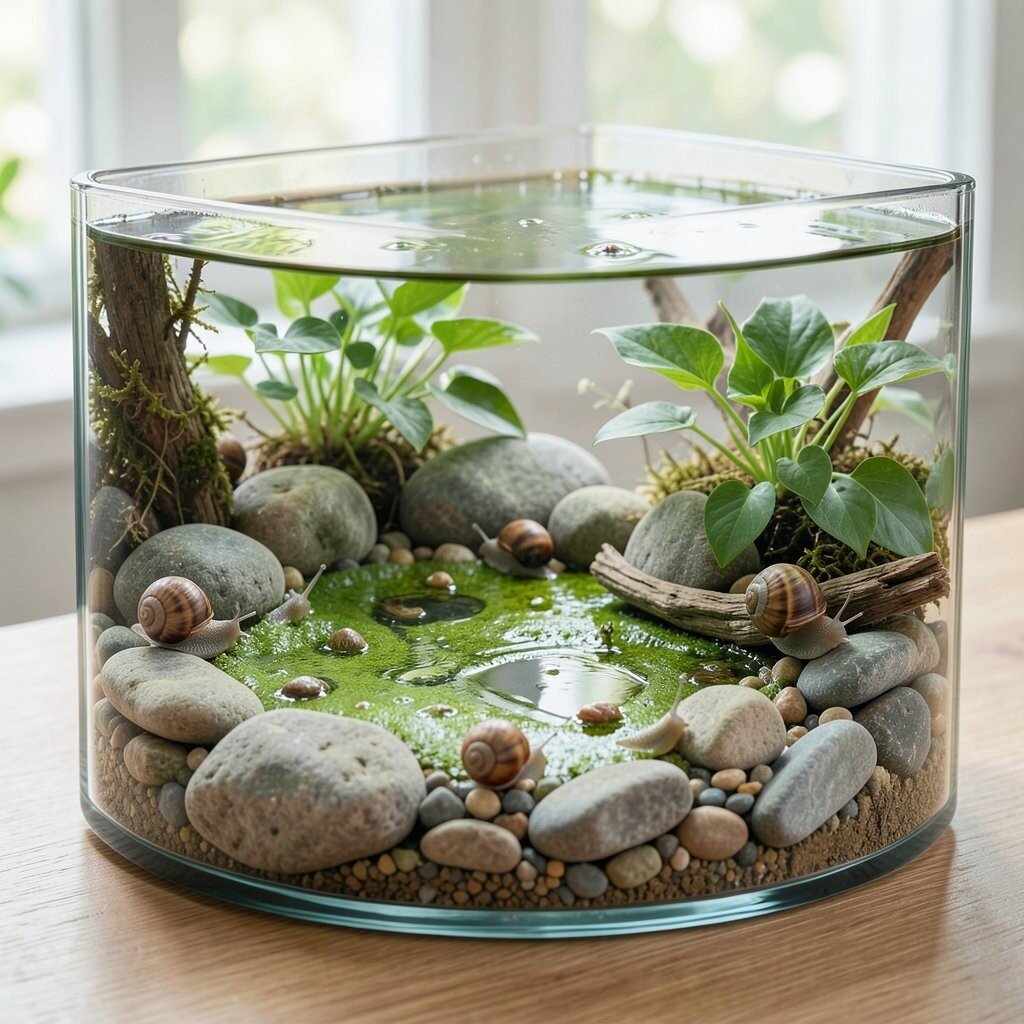
A biofilm town idea means you plan for food that grows naturally. You can add smooth rocks, driftwood, and plant leaves so a thin layer forms over time. Snails often graze on this layer, and it can feel like a steady snack.
This is unique because the tank food is not only what you drop in. The tank can build a background layer that snails can use daily. Over time, you may see snails spend more time on the same favorite spots.
Cost can be low since you mainly use safe surfaces you already have. Personalize it by choosing where you want the “street” areas, like placing one rock in the front and one in the back. Tip: be patient, since biofilm takes time to build and you should not clean everything at once.