Keeping your tank clean helps it work better and last longer. Small steps you can do often make a big difference in how it looks and how it runs.
1. Quick Rinse With Warm Water
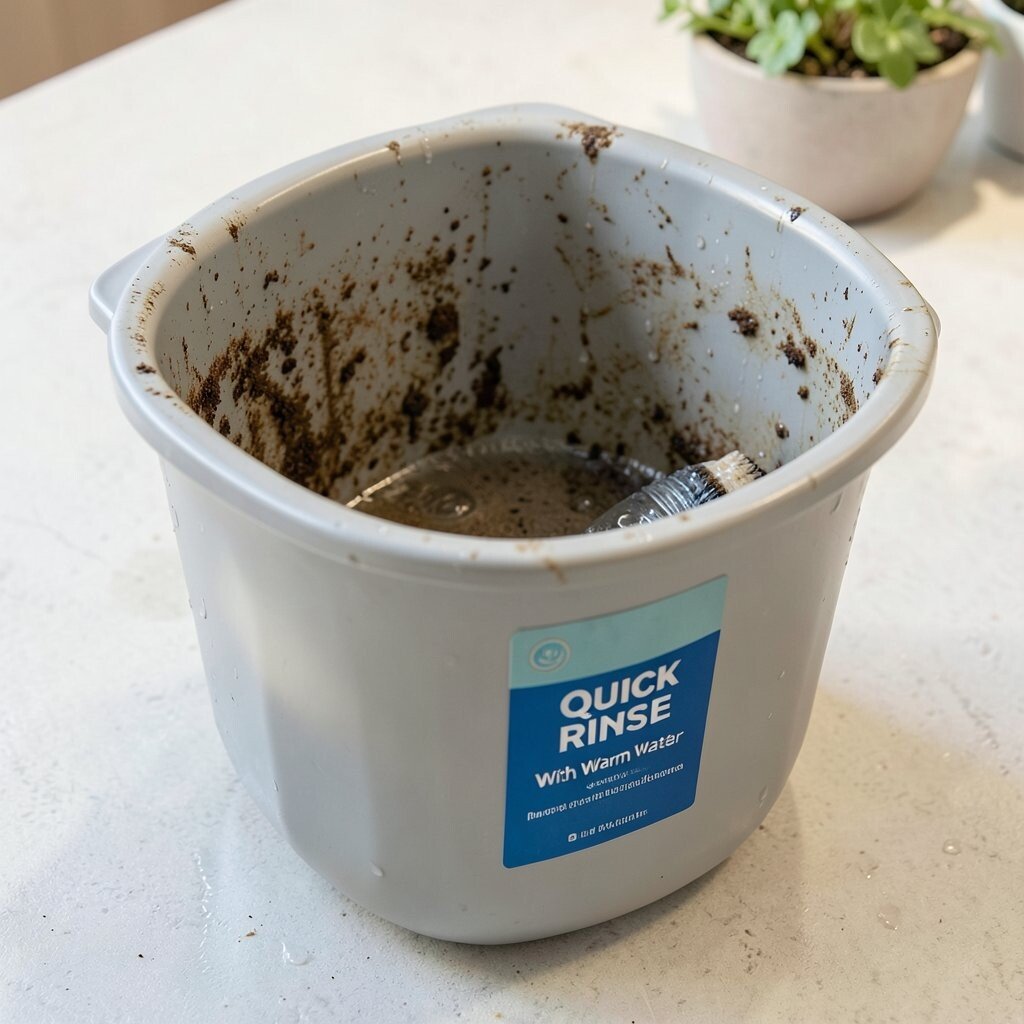
After you use your tank, give it a quick rinse with warm water. You can see dirt and film come off faster than with cold water. This helps stop smells from building up.
Warm water also helps some cleaners work better. Use a clean cloth or soft brush to wipe the inside walls. Be sure to drain it fully so no water sits and causes rust.
2. Vinegar Soak for Light Film
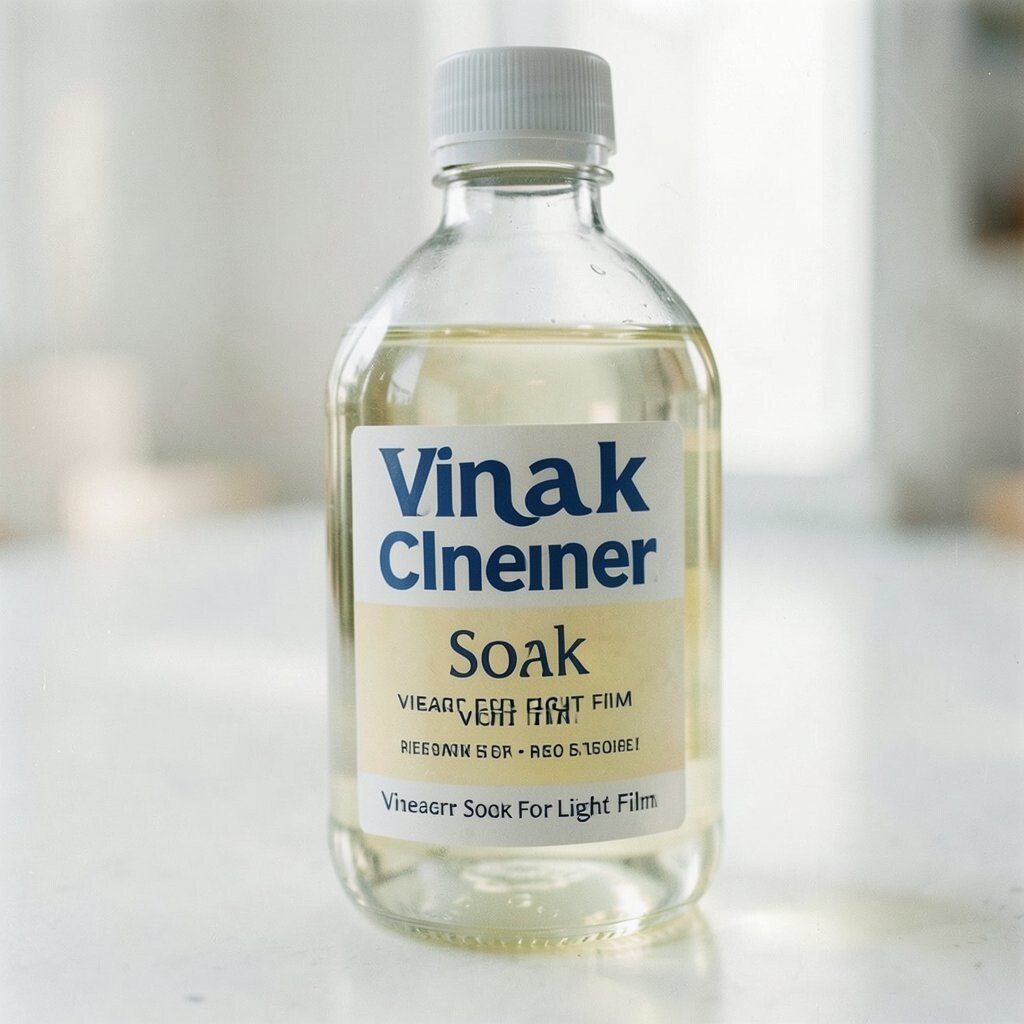
For light scale or cloudy film, a vinegar soak can help. You can fill the tank with a mix of water and white vinegar, then let it sit for a while. When you drain it, the inside can look clearer.
This option is often easy on the budget. Vinegar is easy to find at most stores. After the soak, rinse well and let the tank dry to avoid a strong vinegar smell.
3. Baking Soda Scrub for Stubborn Spots

Baking soda is good for tough spots that do not come off right away. Make a thick paste with water and spread it on the stained area. Then scrub gently with a soft sponge.
You can often see the stain fade as you clean. This method is also good when you want a simple tool that many homes already have. Rinse the tank until the paste is fully gone.
4. Use a Tank-Safe Brush With Soft Bristles
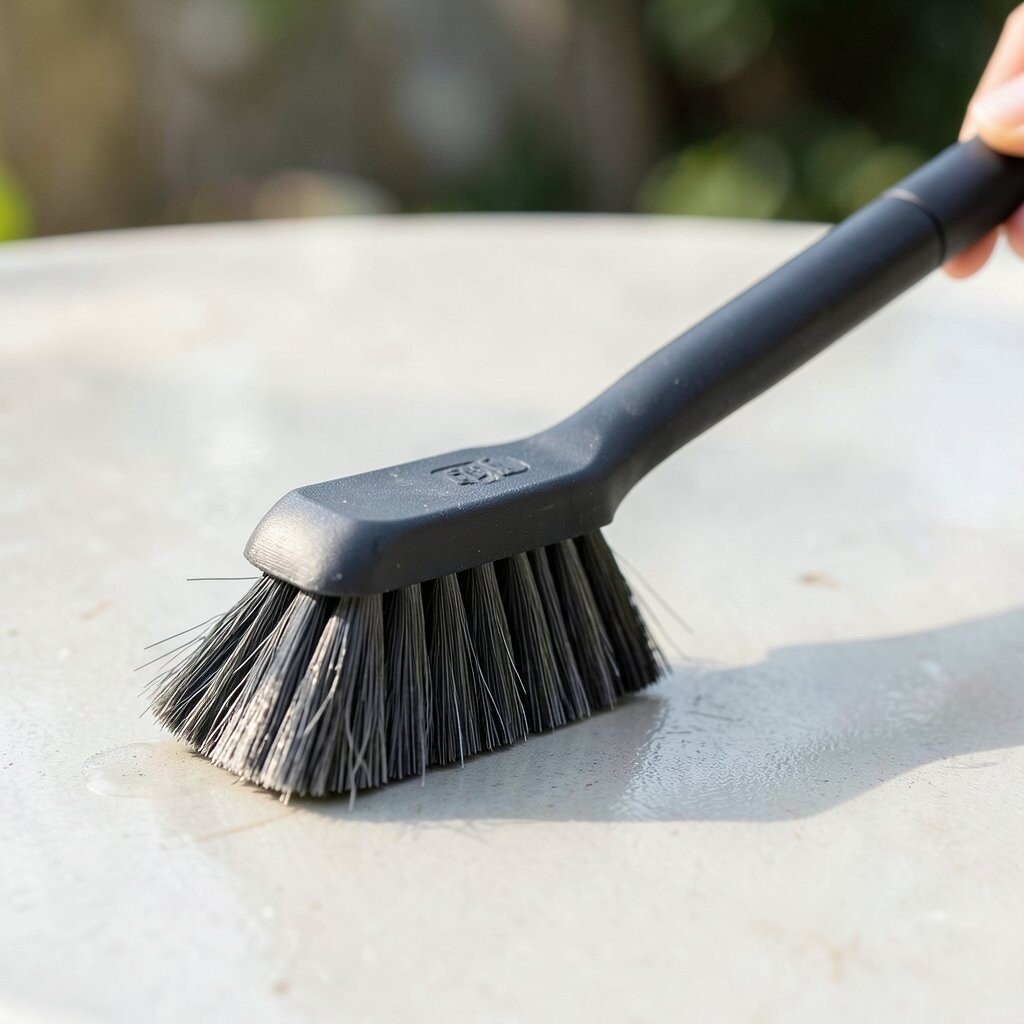
A brush made for tank cleaning can help you reach corners and edges. Soft bristles are safer for most tank surfaces. You will be able to scrub without leaving deep marks.
This is a small purchase that can save time each month. Look for a brush with a long handle so you do not have to bend. After using it, rinse the brush and hang it to dry.
5. Foam Cleaner for Even Coverage
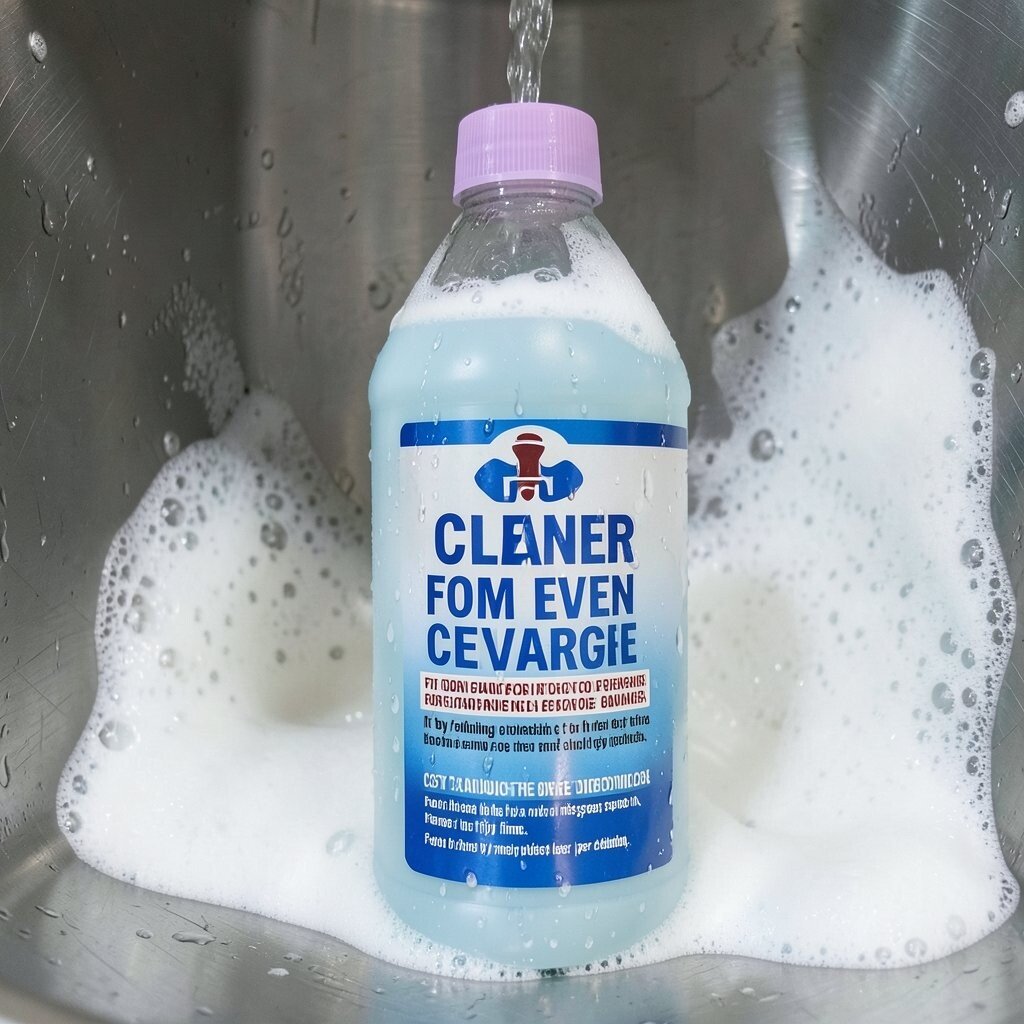
Foam cleaners stay on the surface longer than liquid sprays. That means the cleaner can work where it needs to, even on vertical walls. You can see the foam line up and spread across the inside.
Use it by following the label directions for the right time. Foam can help you avoid missing spots in a big tank. Cost can be mid range, but you may need less product per cleaning.
6. Enzyme Cleaner for Organic Smells
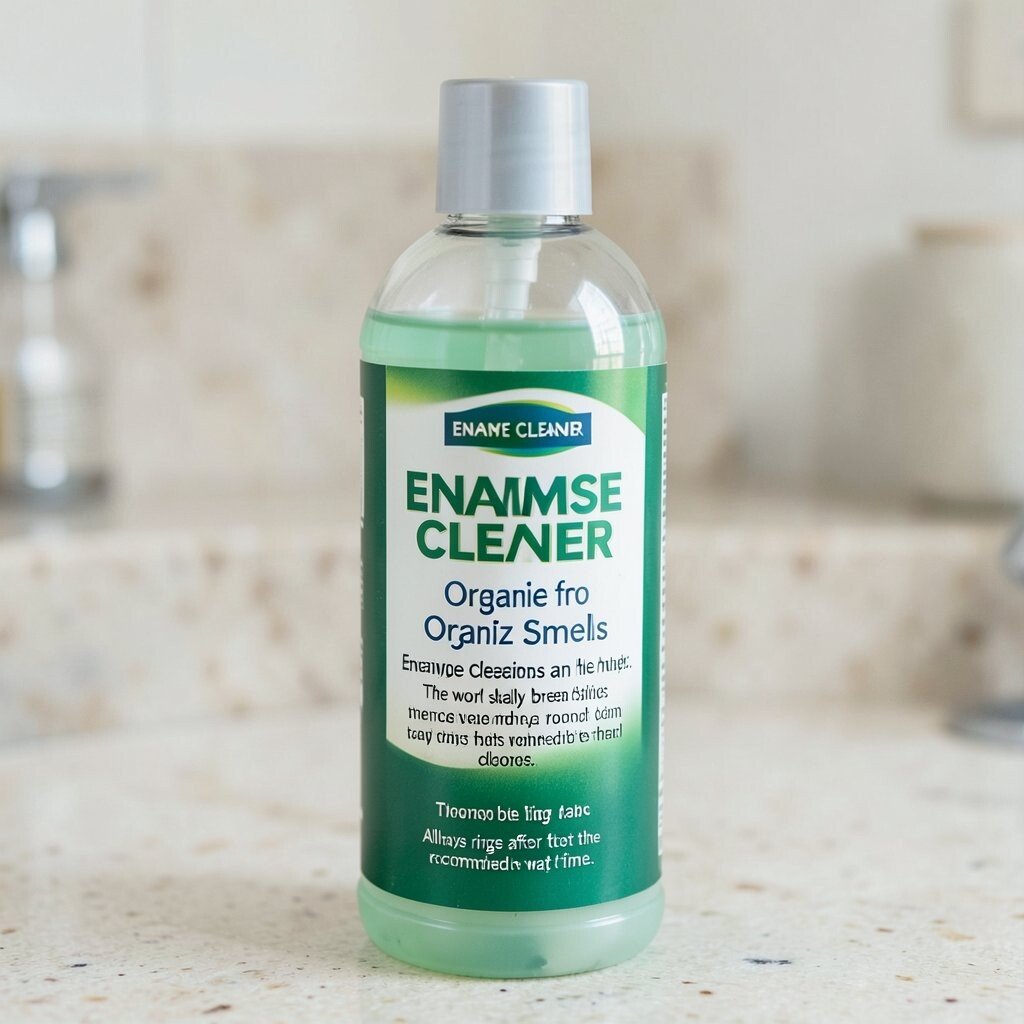
If your tank has a smell linked to food or other organic matter, enzyme cleaners can help. They work slowly and break down small bits that cause odors. Over time, the smell can fade and feel less strong.
Enzyme products can be a good choice when you want less harsh cleaning. You can use them during routine clean days, not only for big messes. Always rinse after the recommended wait time.
7. Deodorizing Rinse With Citric Acid
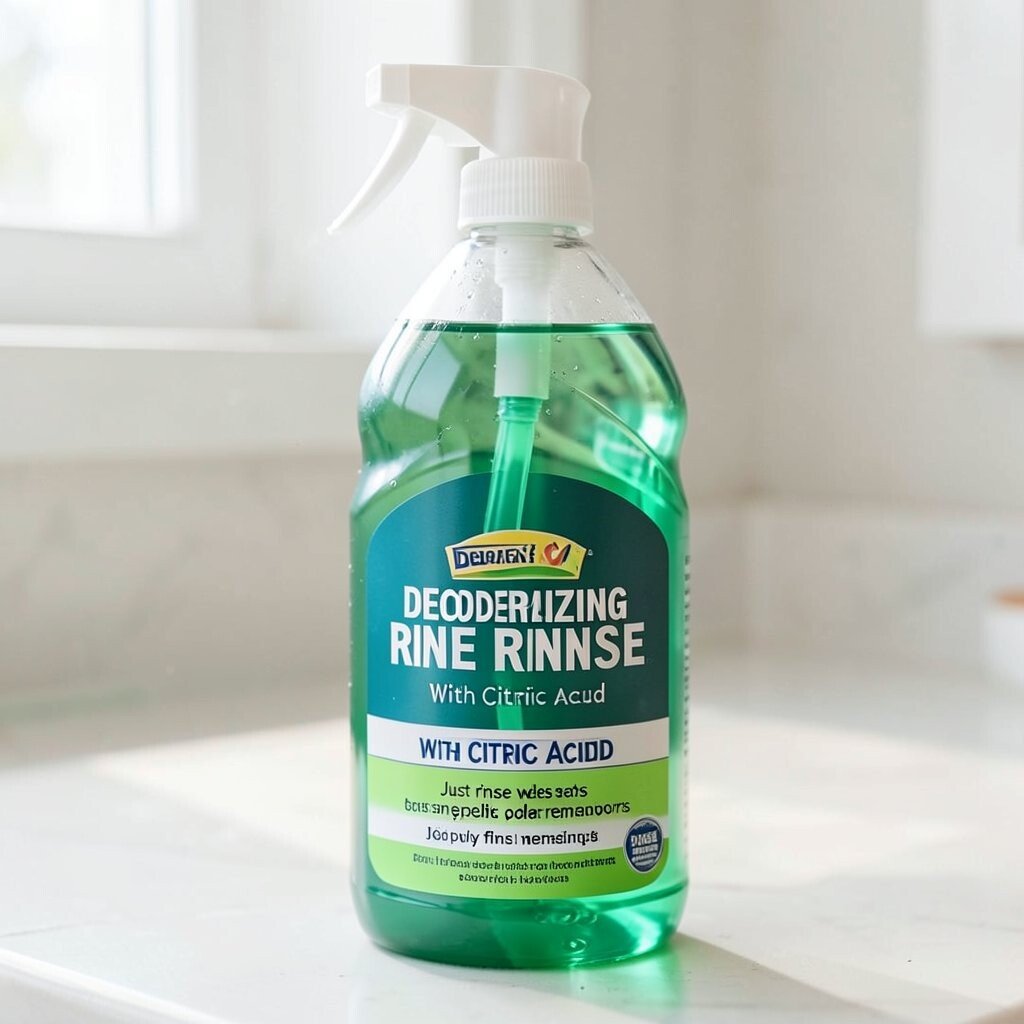
Citric acid can help with bad odors and mild scale. You can mix it with warm water and use it as a rinse. The inside may look more even after you wipe it.
This option can fit many cleaning routines. It often costs less than some specialty odor removers. Just rinse well so no powdery film remains.
8. Hot Water Flush for Grease Build-Up
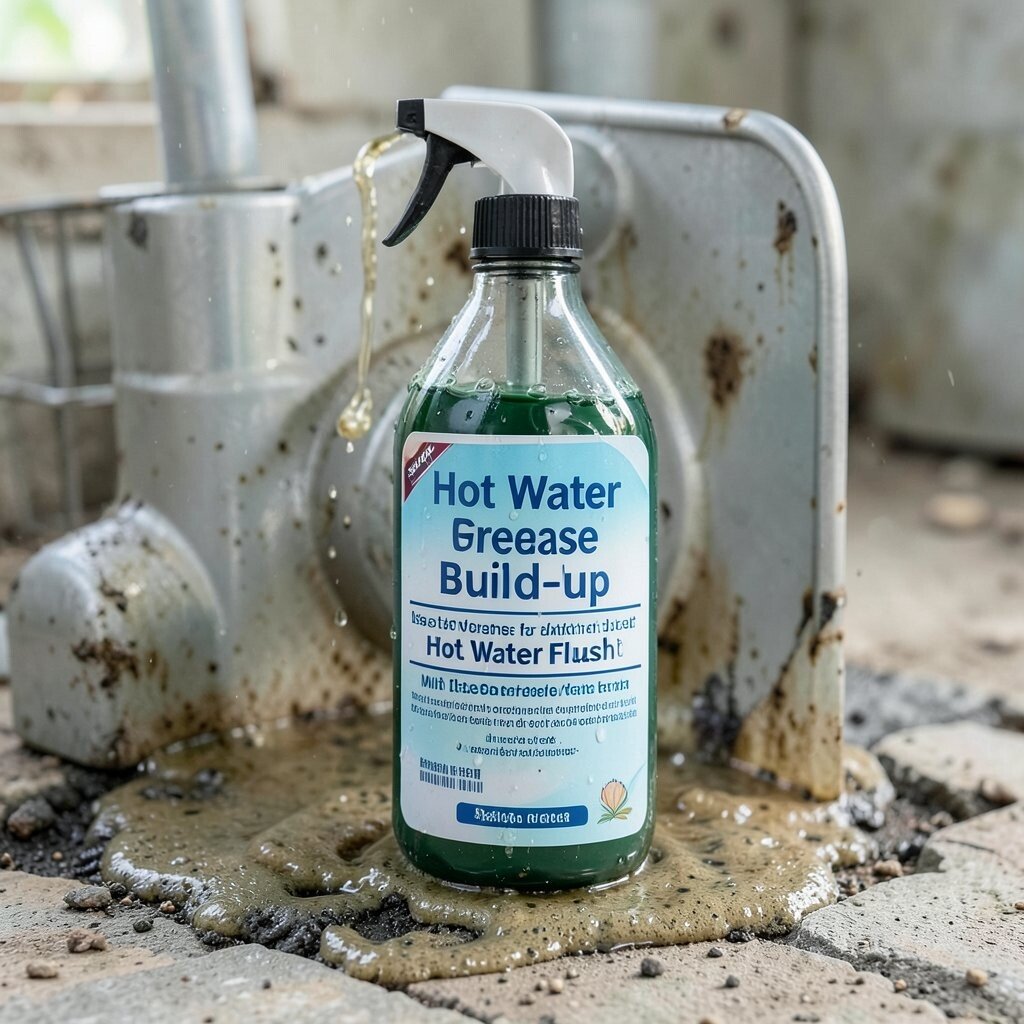
If your tank has greasy buildup, a hot water flush can help loosen it. Use hot water, not boiling, and let it move through the tank for a short time. You may see thick residue soften and slide out.
This method is simple and quick to set up. You can pair it with a mild cleaner for better results. Make sure you drain fully afterward to avoid leftover moisture.
9. Add a Small Cleaning Schedule Sticker

A cleaning schedule helps you stay consistent. You can add a sticker to a wall near the tank area and write a simple reminder. When you see it, you tend to do the task sooner.
Consistency helps keep big messes from forming. This idea is low cost and easy to personalize. You can pick the days that fit your home life, like weekends or after busy weeks.
10. Protect the Tank With a Regular Filter Check
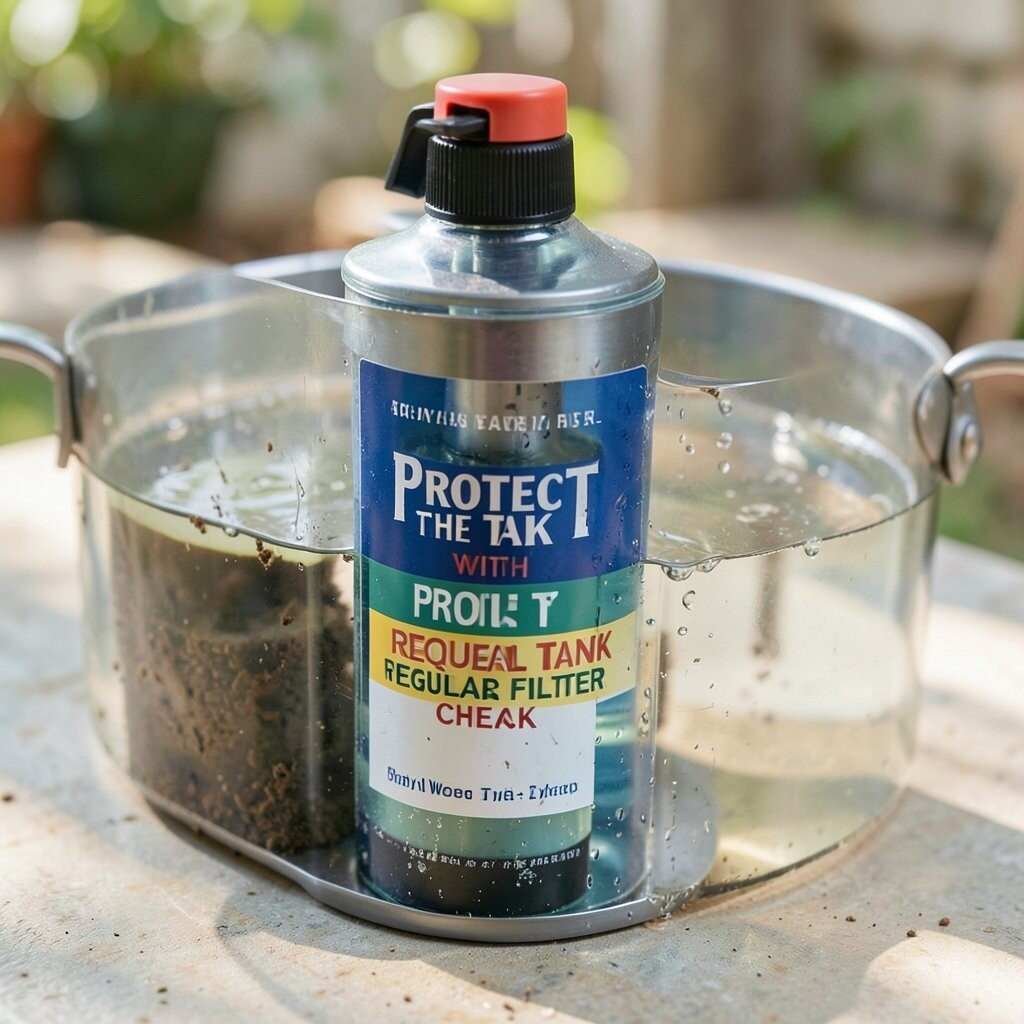
Sometimes the tank gets dirty because the filter is not working well. Checking the filter can stop extra dirt from moving through the tank. You can notice cleaner flow and less film on the inside.
This is a smart way to prevent mess, not just clean it later. Replace worn parts based on your filter type and how often you use the tank. It may cost a little, but it can help you avoid deeper clean jobs.
11. Use Gloves and Safe Steps for Better Results
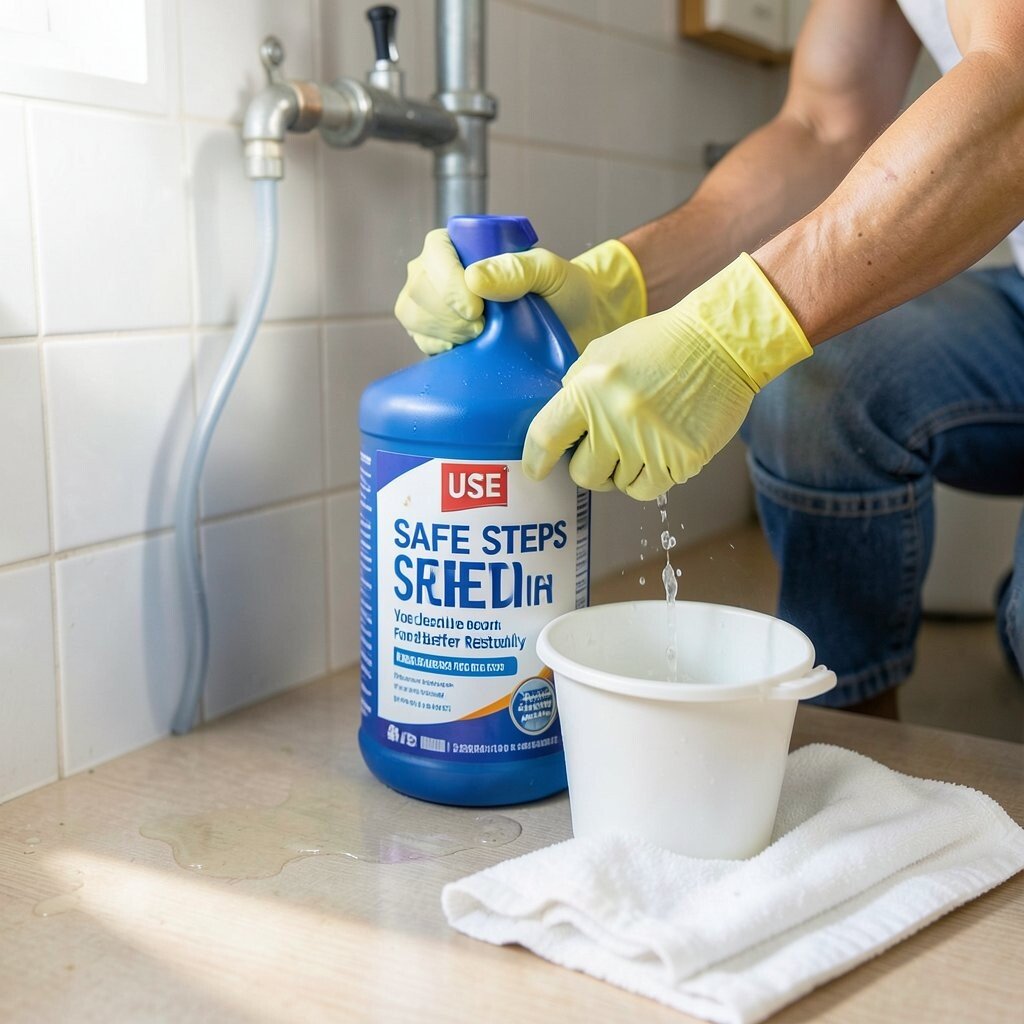
Safety matters when you clean a tank. Wear gloves, keep a small bucket for rinsing, and work in a well-ventilated spot. This helps you avoid skin contact with cleaner and reduces strong fumes.
When you feel safe, you clean more carefully. You can also protect tools and surfaces from splash. Set a towel nearby so spills are easy to wipe up fast.
12. Try a Steam Method for Some Tank Types
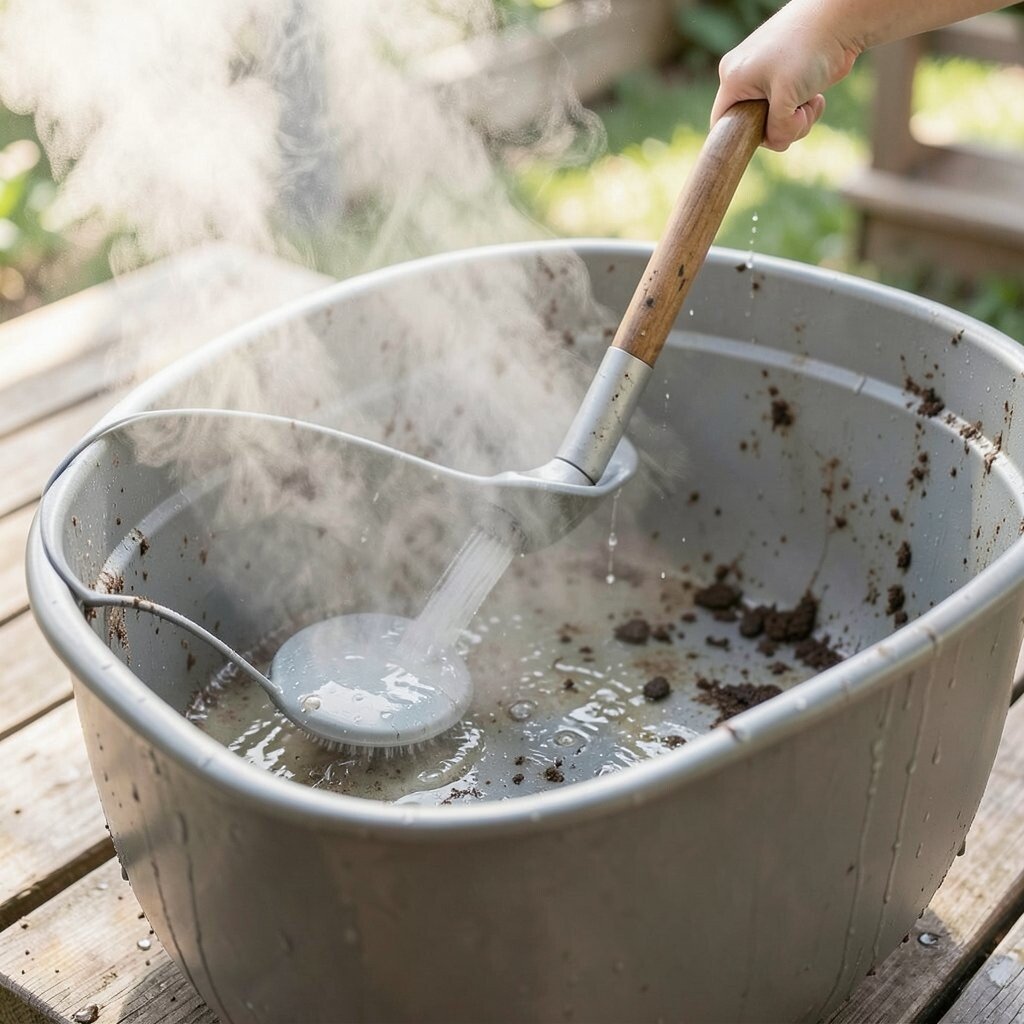
Steam can lift grime without soaking the tank in harsh chemicals. If your tank type allows steam, you can use a steamer on the inside surfaces. You may see water droplets carry dirt out during wiping.
This can be a helpful trend in home cleaning. It also can cut down on chemical smell. Still, check what your tank maker says and be careful with heat and seals.
13. Keep a Dedicated Cleaning Kit in One Place
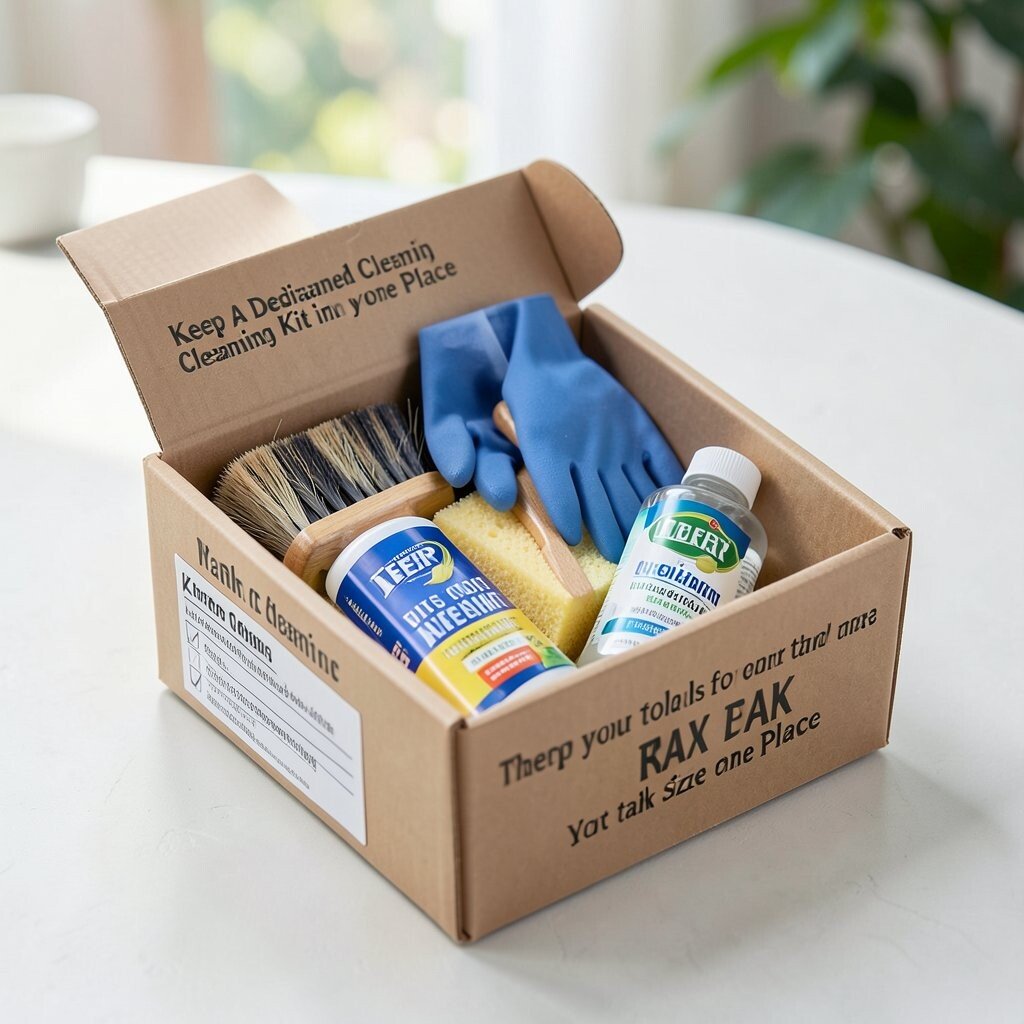
A dedicated kit keeps your tools ready when you need them. You can keep a brush, gloves, sponge, and a small bottle of cleaner in one box. When you grab it fast, you are more likely to clean on time.
This idea is easy to personalize for your tank size and mess type. You can label the box and add a small checklist. It may cost a bit at first, but it saves time and effort later.
14. Personalize With Color-Coded Sponges and Labels

Color-coded tools can help you track what each sponge is for. For example, one color can be for rinse steps and another for scrubbing. You can also label bottles so you use the right mix each time.
This small system makes cleaning feel more neat and simple. It can lower mix-ups and help you avoid using the wrong cleaner. Over time, it can also make your routine faster and easier to follow.