
Therapy dogs can help people feel safe and calm. Small kindness acts with a calm dog can brighten many days.
1. Read Aloud Time With a Calm Dog
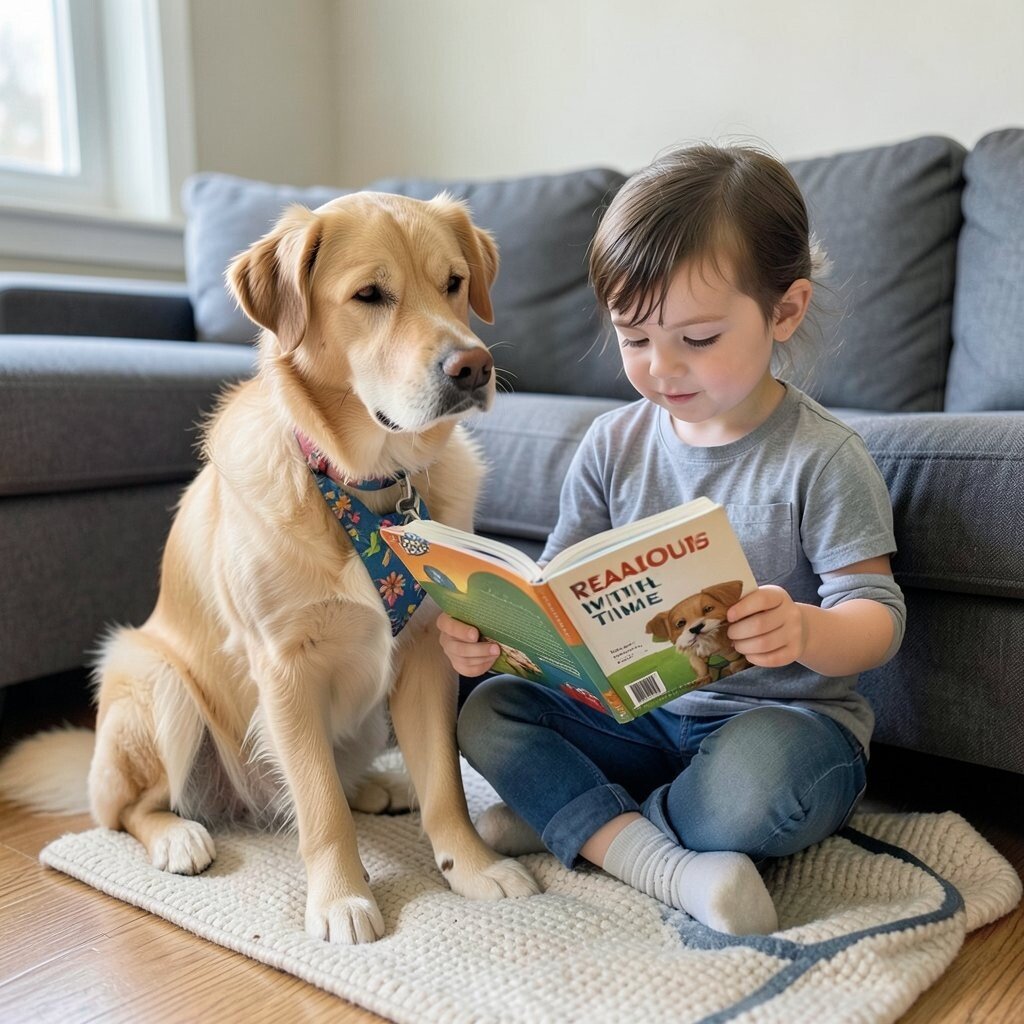
Many kids like quiet reading time, and a therapy dog can make that easier. Picture a child holding a book while the dog sits close and stays still. The dog’s calm look can help a child focus and feel less worried.
Try starting with short reading blocks, like a few minutes at a time. You can pick books with easy words and let the child choose the story. This can help kids practice speaking and get more confident.
To personalize it, let the child pick a favorite spot for the dog, like a small blanket near a couch. Costs are usually low, since you mainly need books and a comfy leash setup. A small trend right now is pairing therapy dogs with literacy events at libraries and schools, so you may see more chances to join in.
2. “Hello Day” Greetings at a Busy Place
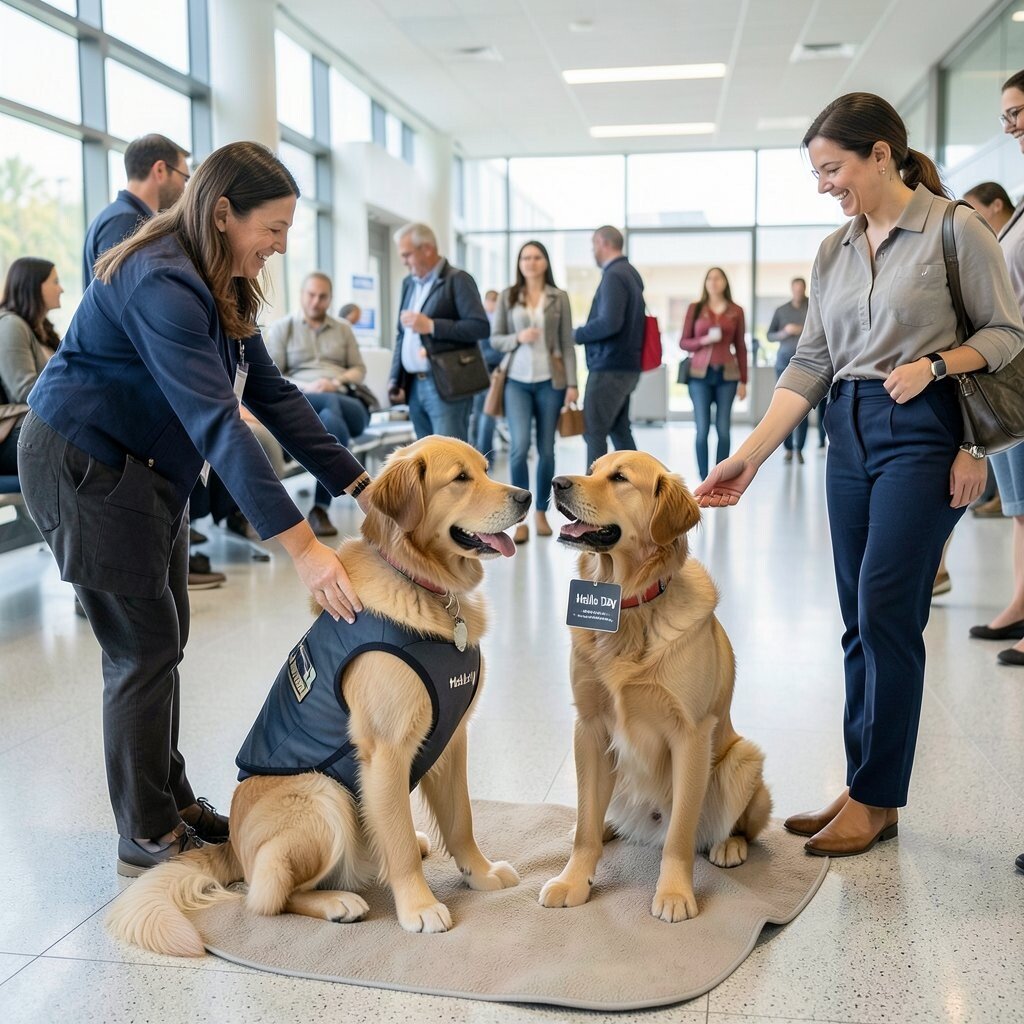
In some waiting areas, people feel tense, like they are stuck. A therapy dog can be part of a friendly “hello day” where people get to smile and breathe. Visualize the dog in a neat vest, sitting calmly as staff guide visitors to greet it in a calm way.
This can benefit people who feel nervous, like patients or families waiting for services. When a person sees a gentle dog, it can help lower stress in the moment. It also can make the whole place feel more welcoming.
Keep it simple with a clear plan for visits, and set limits on who can greet the dog. Personalize the experience by using a small sign with the dog’s name and a short note about safe petting. Costs are mostly for the vest, washable mats, and basic supplies, and the current trend is more “human-first” kindness stations in public spaces.
3. Comfort Visits After a Hard Day
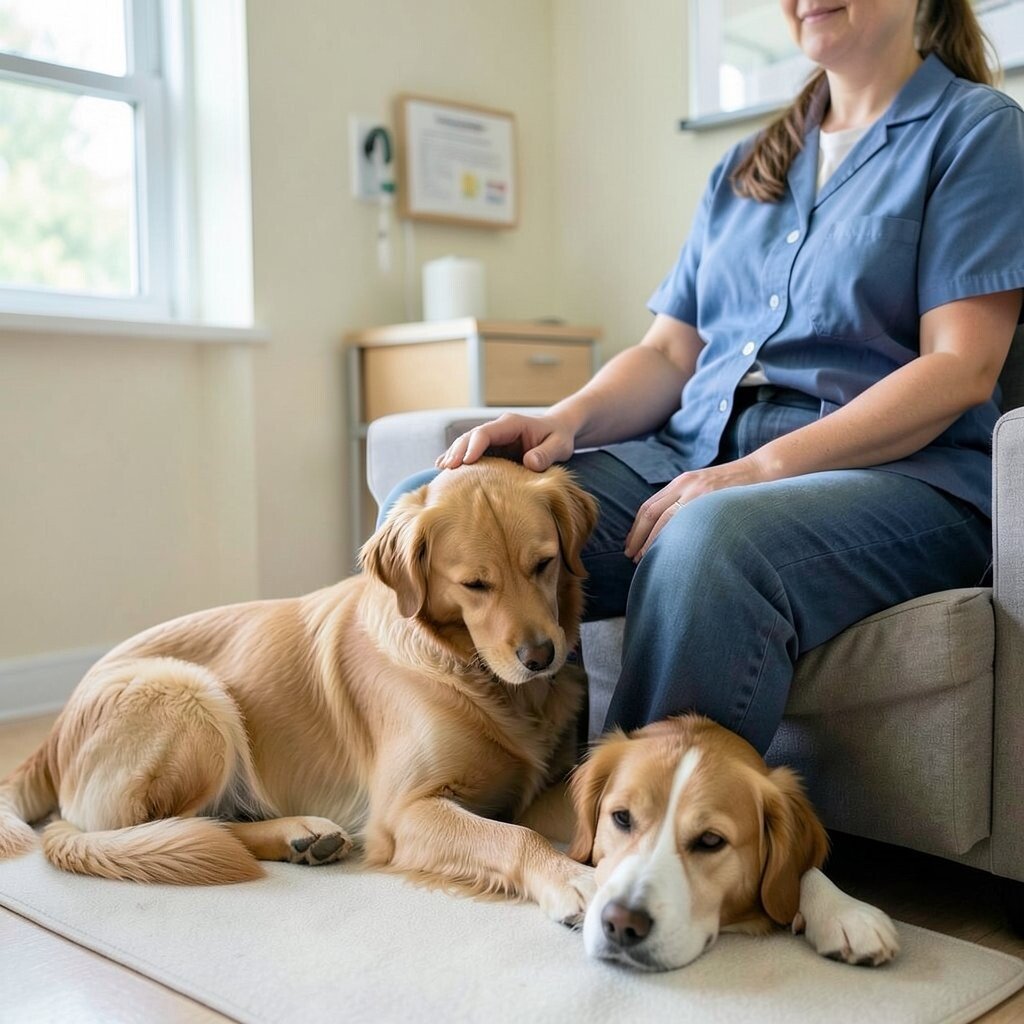
Some people need a soft moment after bad news or a long clinic visit. A therapy dog can visit at set times to offer comfort without asking for much. Imagine a patient sitting back while the dog rests nearby, breathing slow and steady.
This can help with mood and calm body tension. The dog can also give people something gentle to focus on, instead of only worried thoughts. Many people feel seen when someone brings a kind presence.
To personalize, ask the person what they like, like quiet time or light petting. Always follow staff rules and keep the dog safe and clean. Costs can be low if you use standard gear, but you may need extra time for travel and cleaning. A trend is more comfort dog programs in health settings, with careful safety checks.
4. Simple Therapy Dog Tips for Staff and Families
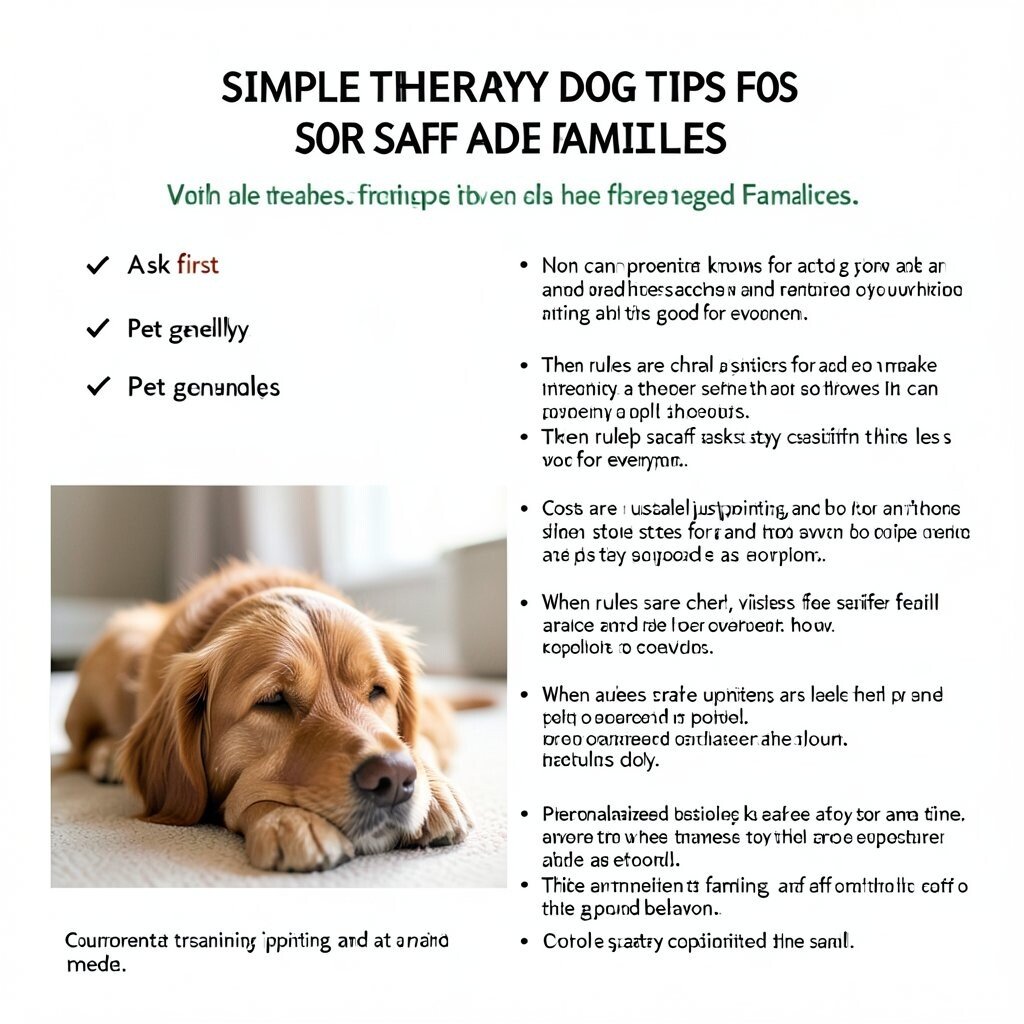
Not everyone knows how to act around a therapy dog. You can help by sharing simple tips, like how to ask before petting and how to keep hands calm. Picture a short one-page guide with clear steps next to a calm dog resting in place.
This can prevent stress for the dog and make interactions smoother for people. When rules are clear, visitors feel safer and less unsure. It can also help staff stay consistent, which is good for everyone.
Personalize the tips by using plain words that fit your group, like “Ask first” and “Pet gently.” Costs are usually just printing, and you can update the pages as needed. A current trend is training families and staff at the same time, so the whole space supports kind behavior.
5. “Breathing Breaks” With the Dog Nearby
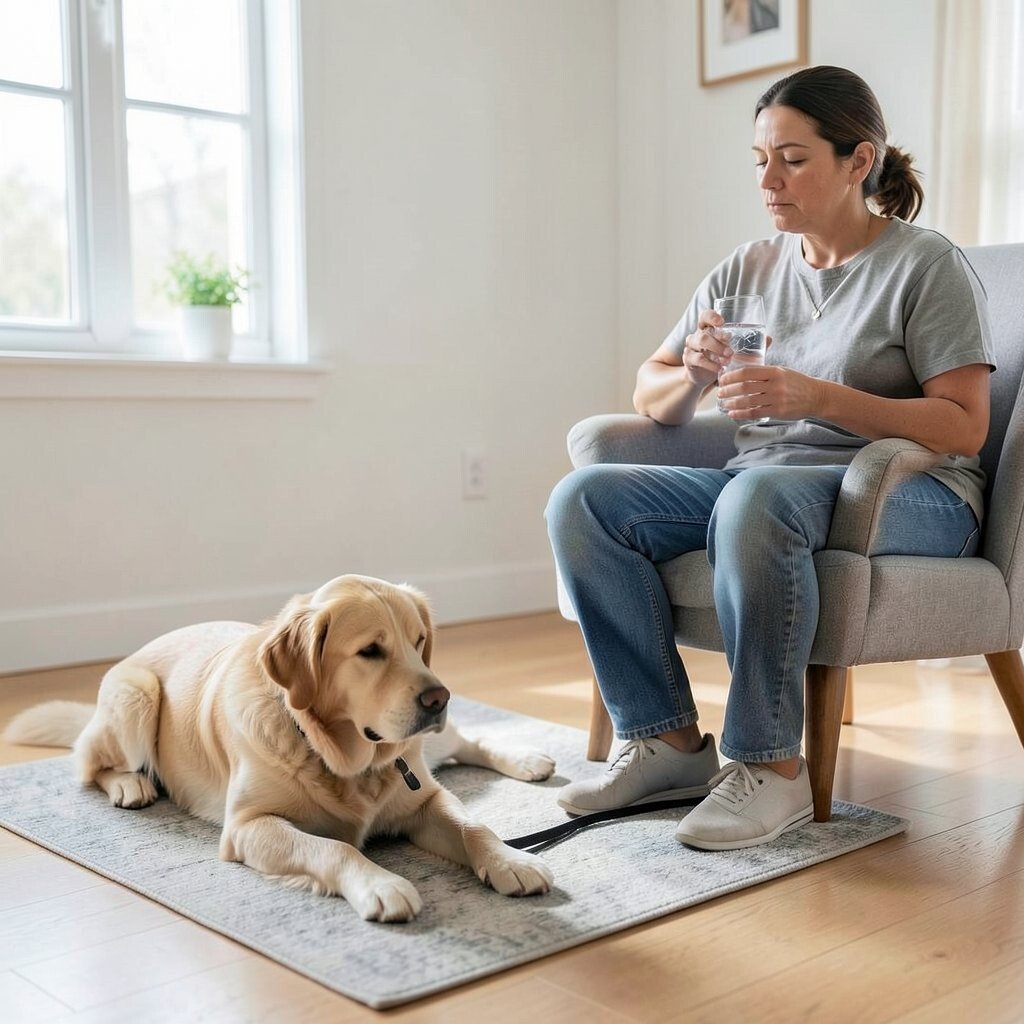
Many people feel rushed, and their body shows it. A therapy dog can help set a calm pace during “breathing breaks” at home or at work. Visualize a dog lying down on a mat while a person sits in a chair and takes slow breaths.
This can help people feel steadier, like their thoughts have room to slow down. Even a short pause can lower stress and help someone feel more in control. The dog’s steady presence can give a gentle reason to slow down.
Try a simple routine: sit, look at the dog, breathe in, breathe out, then drink water. Personalize by using a quiet cue like a soft hand signal that the person can repeat. Costs are low since it uses a leash, mat, and a safe space.
6. Spelling and Word Practice With Treat-Based Games
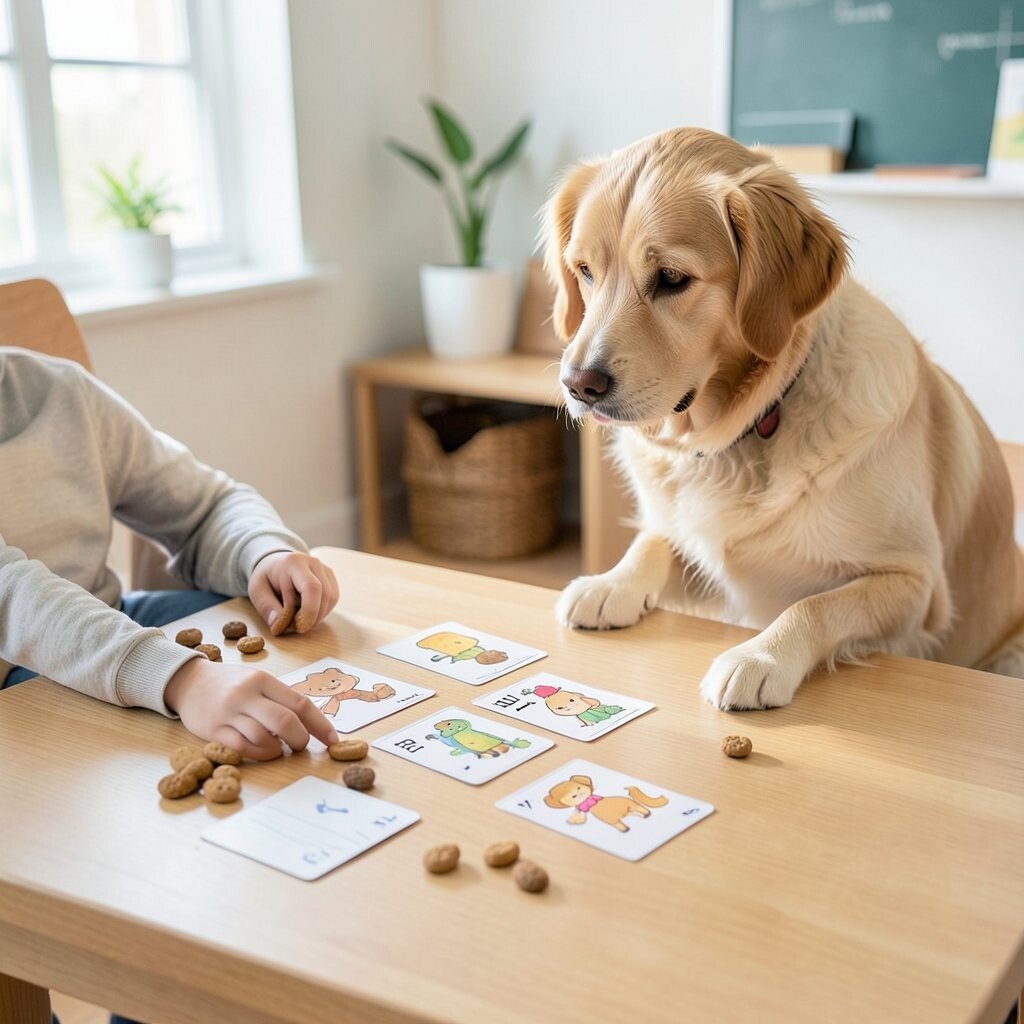
Learning can feel tough when a person feels judged. A therapy dog can make practice feel lighter with small, safe games. Imagine a teacher or tutor placing picture cards on a table while the dog watches calmly for a reward.
This can support speech and learning goals in a friendly way. You can turn tasks into short rounds, so the person stays engaged. The dog also can add a fun “wait for your turn” feeling.
Use cost-aware options by choosing low-cost treats and simple flash cards. Personalize by matching the words to the student’s current class topics. A trend is using positive rewards in learning sessions, and therapy dogs are a good fit when done with clear rules.
7. Kind Note Delivery With the Dog as a Friendly Helper
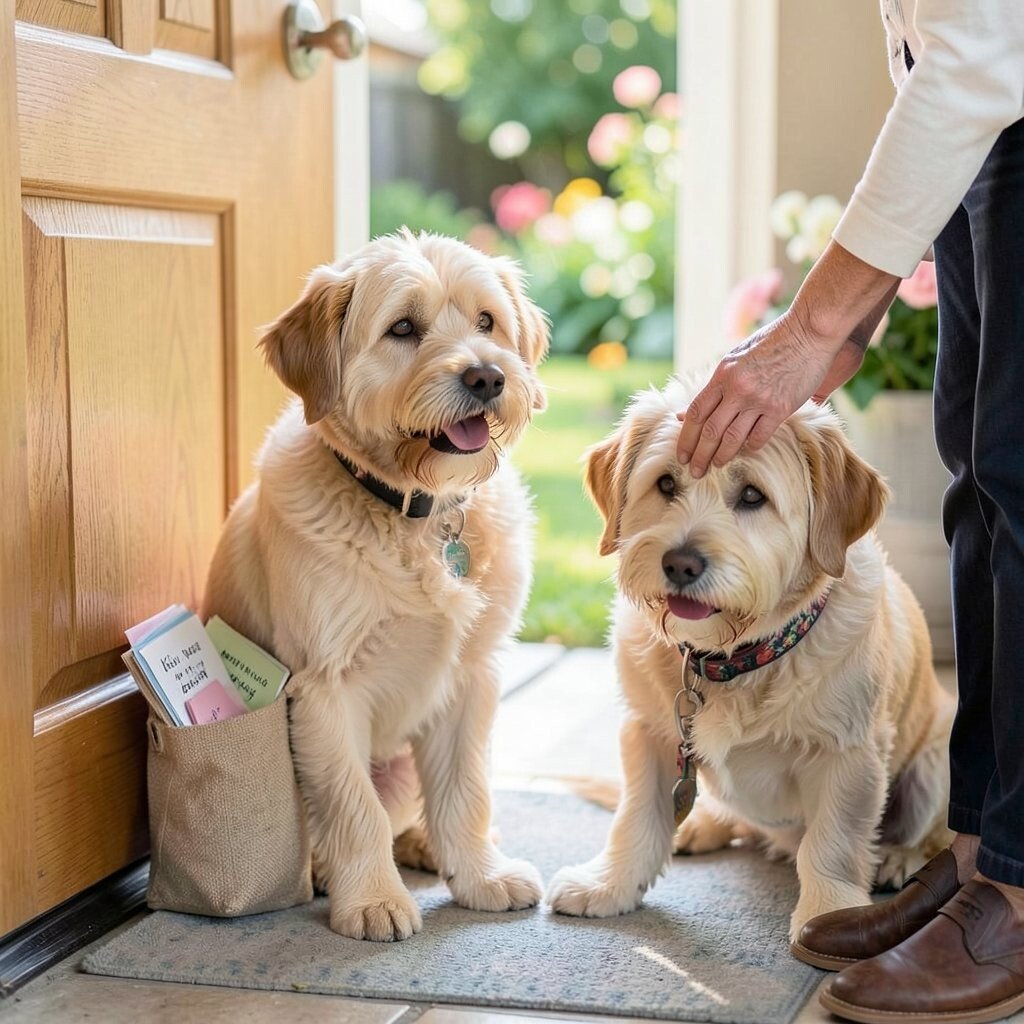
Writing and sharing can help people feel more connected. A therapy dog can help deliver kind notes to neighbors, teachers, or older adults. Picture a small bag of cards where the dog sits quietly beside a person at the door.
This can brighten someone’s day and help you stay focused on good thoughts. It also can give the writer a clear goal, like finish one note and share it. People often smile more when they see a gentle dog involved.
Personalize the notes with small details, like “I hope you rest today” or “Thanks for your help.” Costs are low because you mainly need paper and stamps. A trend is “small gift, big meaning” kindness, and therapy dog note drives fit that well.
8. Comfort at Animal-Assisted Learning Events
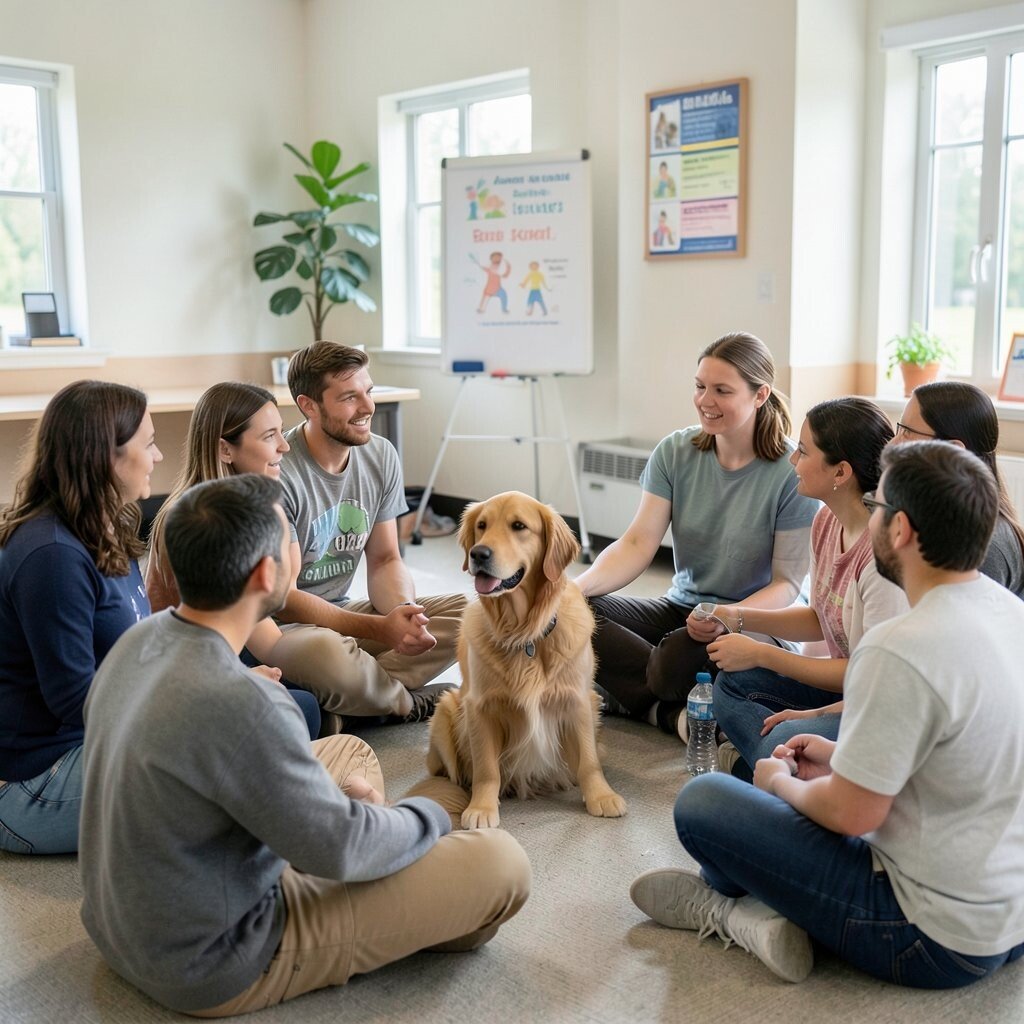
Some programs teach people skills with help from gentle animals. A therapy dog can join learning events where people practice calm talking and listening. Visualize a group sitting in a circle while the dog stays near the guide and watches.
This can help people build trust and feel calmer in a group setting. It can also support social skills by giving a safe topic to share, like talking about the dog’s name and routine. Many participants enjoy learning around a friendly pet.
Try setting clear rules, like “one person speaks at a time.” Personalize by using group roles, such as “dog helper” who helps pass out water. Costs depend on event fees, but you can keep it low with a shared space and simple supplies. A current trend is more animal-assisted learning in community centers and after-school programs.
9. “Dog-Centered” Stress Relief for Teens
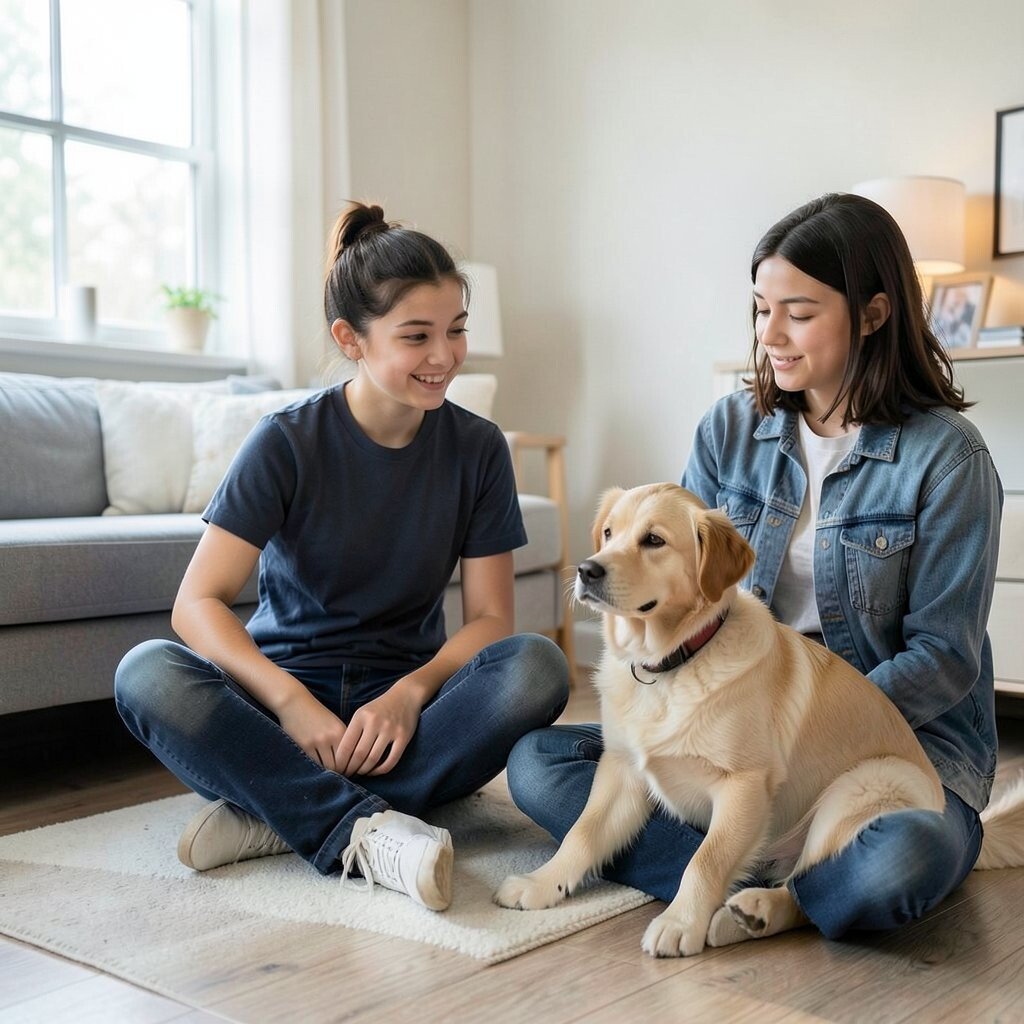
Teens may feel alone or stressed, even if they do not say it. A therapy dog can be part of a safe hangout where people can sit near a calm animal. Picture a teen sitting on the floor with a therapy dog nearby while the room stays quiet and kind.
This can help people feel less on edge and more comfortable being themselves. The dog can also be a non-judging partner for calm talk. When youth feel safe, they may open up more over time.
Personalize the session with teen-friendly choices, like a music playlist at a low volume or a “quiet corner” with soft lights. Costs can be moderate if you rent a room, but basic meetings can be free. A trend is more mental health support groups that include animal visits with clear safety plans.
10. Bedtime Routine Support for Families
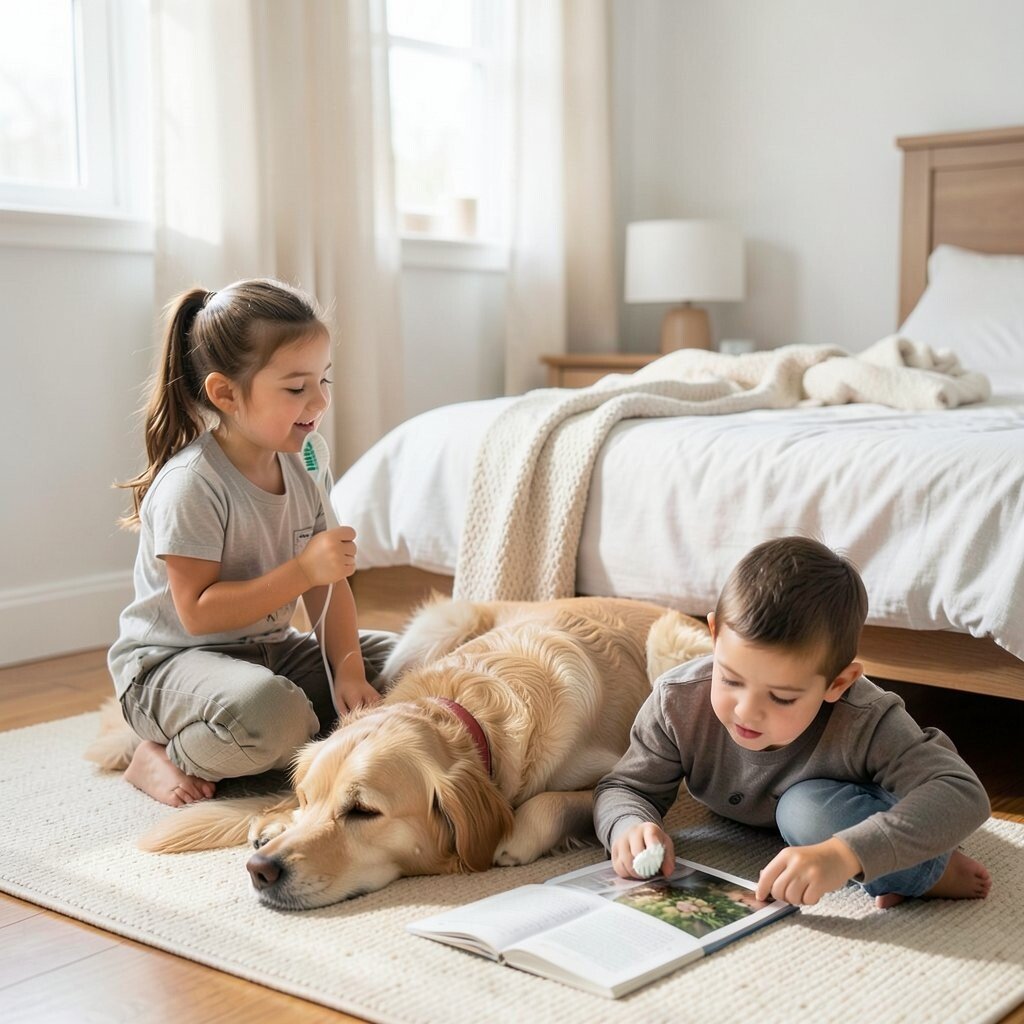
Hard nights can feel like a cycle, especially for kids who struggle to settle down. A therapy dog can join a bedtime routine to bring a calm, steady mood. Imagine a child brushing teeth while the dog waits quietly, then lying down on a mat near the bed.
This can help families shift from stress to calm. A gentle dog can give a soothing focus, and that can reduce yelling and fast pacing. It also may help a child feel secure as bedtime starts.
Try adding a simple “good night” routine, like a short cuddle time on the blanket and a calm story. Personalize by using a child’s favorite bedtime phrase for the dog, like “rest time.” Costs are low if you already have a mat and clean supplies. A trend is more family wellness routines using pet therapy, especially for bedtime challenges.
11. Dog-Friendly Activity Clubs for Older Adults
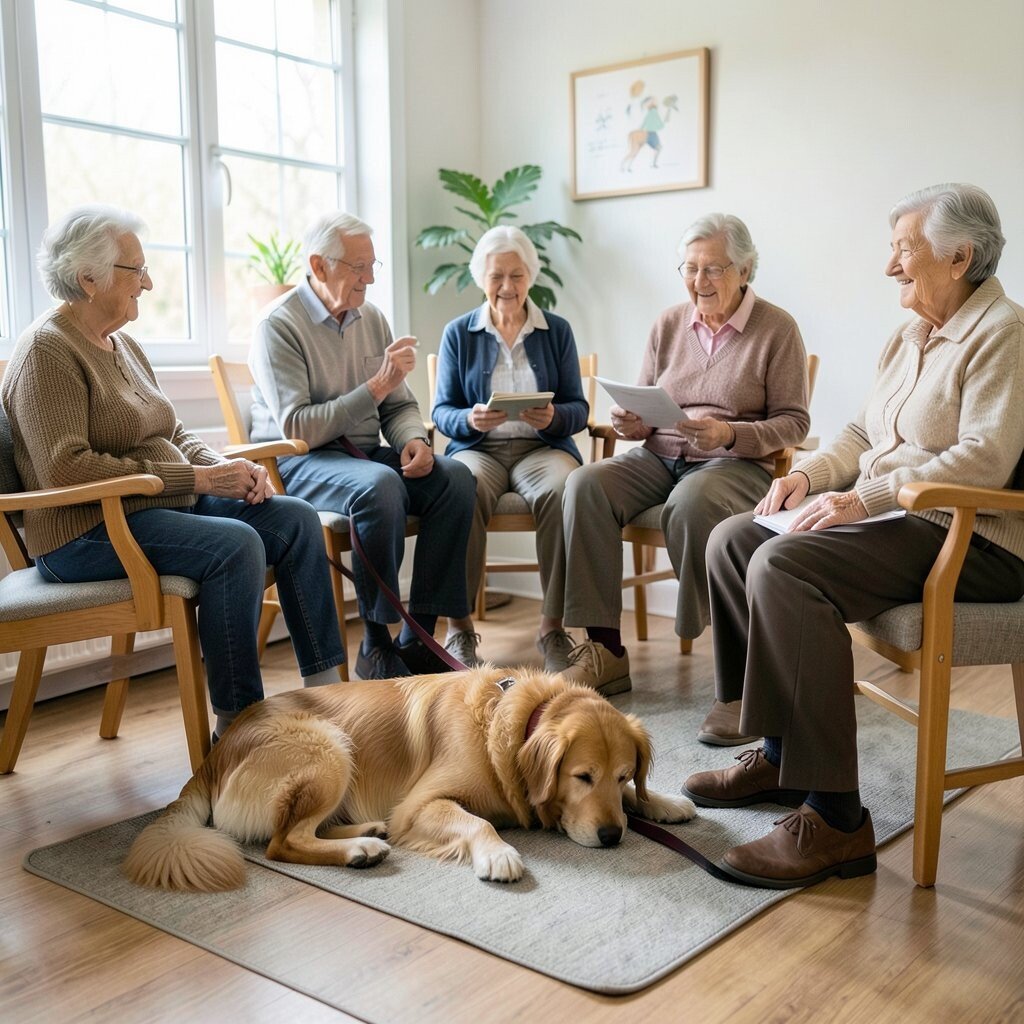
Lonely days can be hard, and older adults often need safe connection. A therapy dog can be part of a club where people do gentle activities. Visualize a small room with chairs set in a half circle, and the dog resting while people share stories.
This can help reduce loneliness and bring a sense of comfort. People may talk more when there is a shared, safe topic like caring for the dog. The dog’s calm nature can also help older adults feel less rushed.
Personalize the club with choices, like simple music, photo sharing, or light movement while staying seated. Costs are usually small because the main needs are a leash, clean mat, and club supplies. A trend is more pet-friendly senior events, with careful rules for safety and hygiene.
12. Community “Thank You” Events With Local Businesses

Local businesses want to show care, but it can be hard to pick the right way. A therapy dog can help run a “thank you” event that brings smiles without big effort. Picture a small vendor area where the dog sits in a shaded spot while people get a card and a kind message.
This can support community ties and help people feel valued. It also can help staff feel proud, since they are part of a kind moment. When people talk with others, it can lead to more positive connections.
Try making it simple: each business gives one thank-you note, and the dog helps draw a calm crowd. Personalize by using messages tied to each business, like “Thank you for good service.” Costs depend on how many partners join, but printing and simple signs are usually enough. A trend is more community events that mix small actions with friendly animals.
13. Making a “Kindness Kit” for People Who Need It
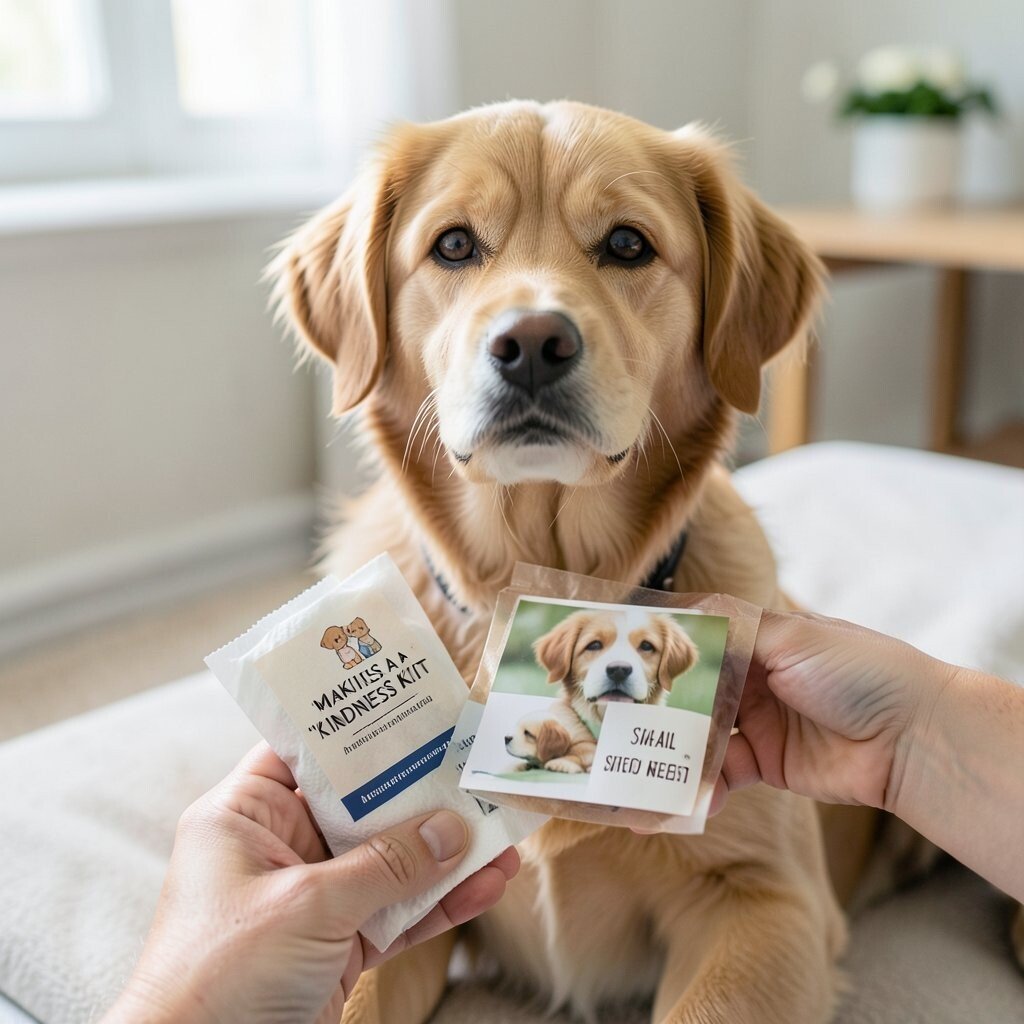
Some people need help that fits their day, like a small comfort item. A therapy dog can be part of a “kindness kit” project where you give simple items and a warm note. Picture a kit with a hand wipe, a soft snack, a small card, and a dog picture on top.
This can help someone feel cared for and not alone. The dog’s presence can make the handoff feel gentle and personal. It also can create a positive memory that supports hope.
Personalize the kit based on who you are helping, like a kit for hospital visitors or a kit for a neighbor after a tough week. Costs vary, but you can set a budget and choose low-cost items. A trend is more “small support” deliveries, and therapy dog projects often fit well because they add a calm, safe touch.