Safe trips help you feel calm and in control. These tips are easy to use and fit many travel plans.
1. Plan Your Route Before You Go
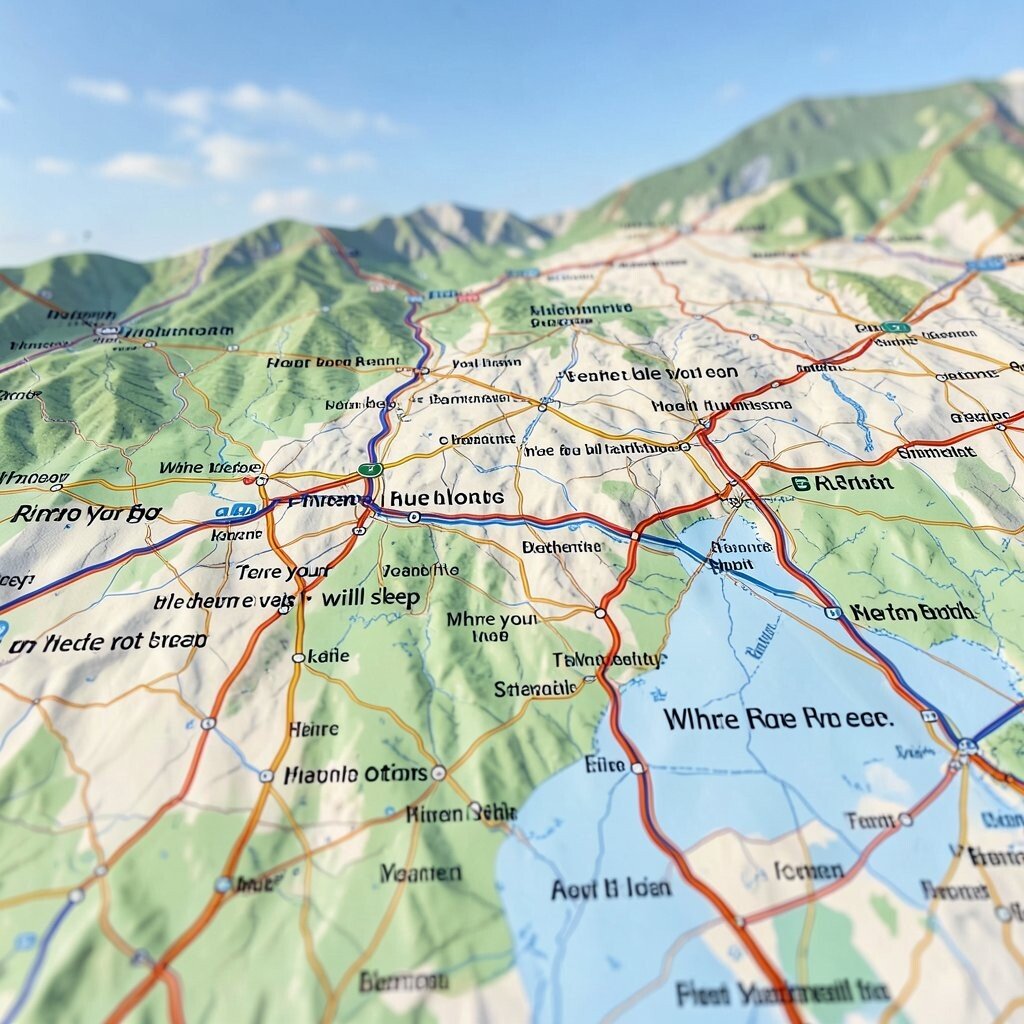
Check your main route on a map before you leave. Write down the places you must see and where you will sleep. This cuts down on last-minute stress when you are tired.
Choose a few backup options too. If a road is closed or a train is late, you will still have a plan. This helps you keep your day moving.
2. Share Your Schedule With One Trusted Person
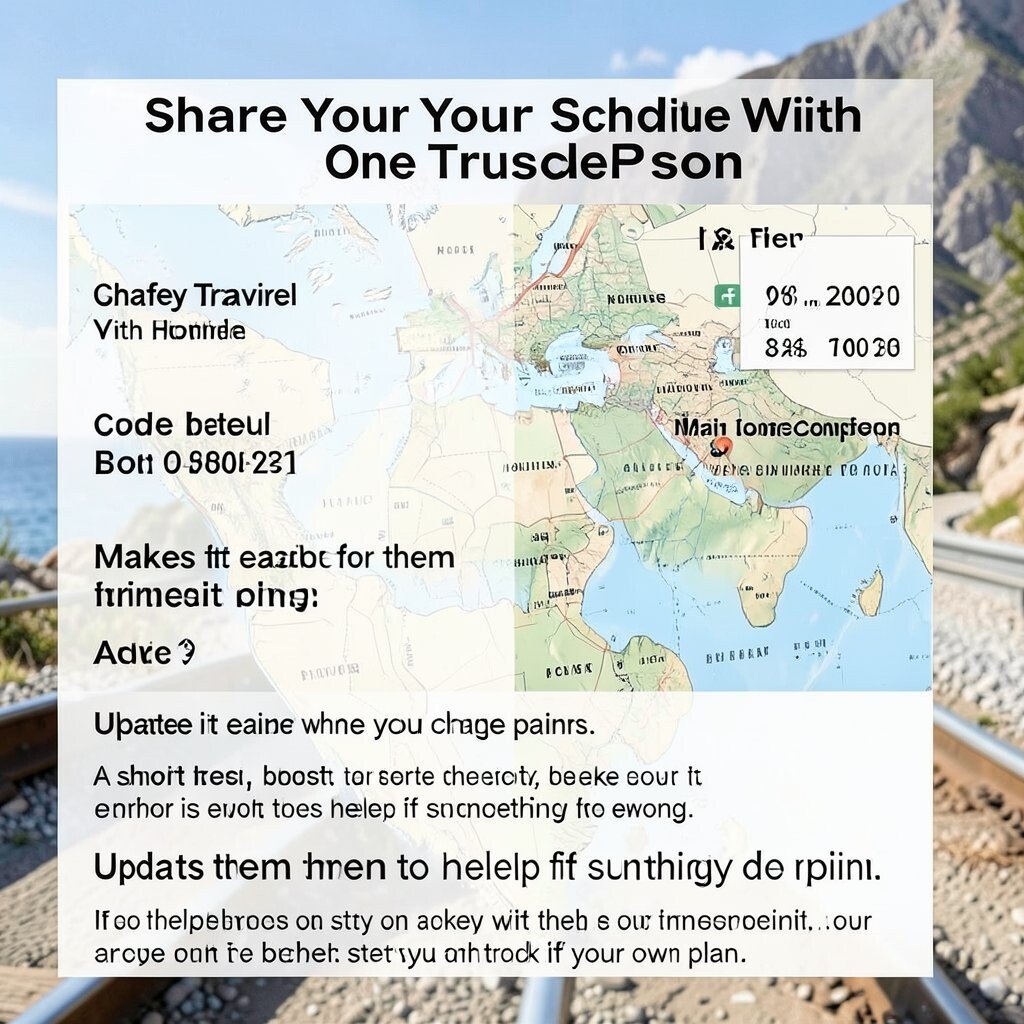
Send your travel plan to a friend or family member. Add key details like your hotel name and a main contact number. This makes it easier for them to help if something goes wrong.
Update them when you change plans. A short message is enough. It also helps you stay on track with your own plan.
3. Keep Copies of Important Papers
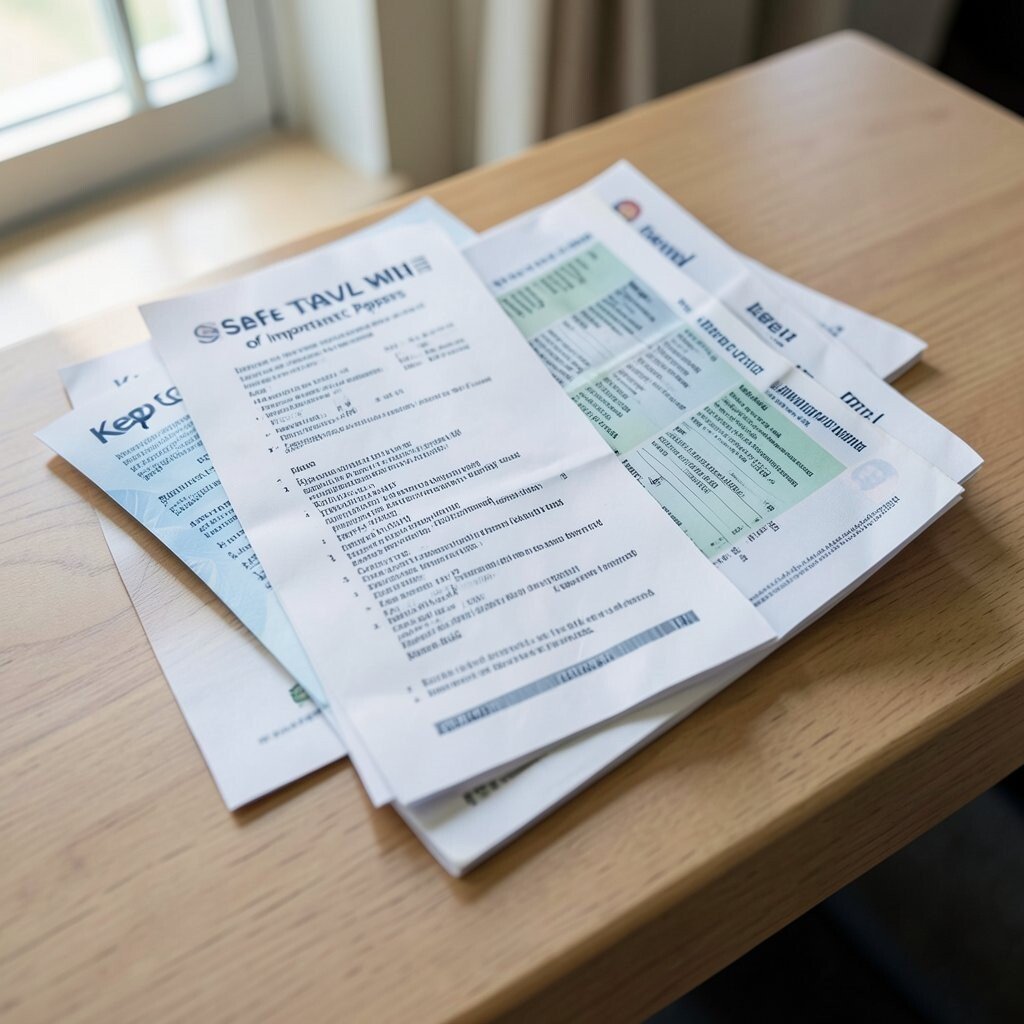
Make paper copies of your ID and key travel documents. Store them in a safe place, not in just one pocket. You can also keep digital copies on your phone.
When you make backups, you save time at the airport or hotel. If you lose something, having a copy helps you get help faster. It also lowers worry during the trip.
4. Use a Simple Luggage System
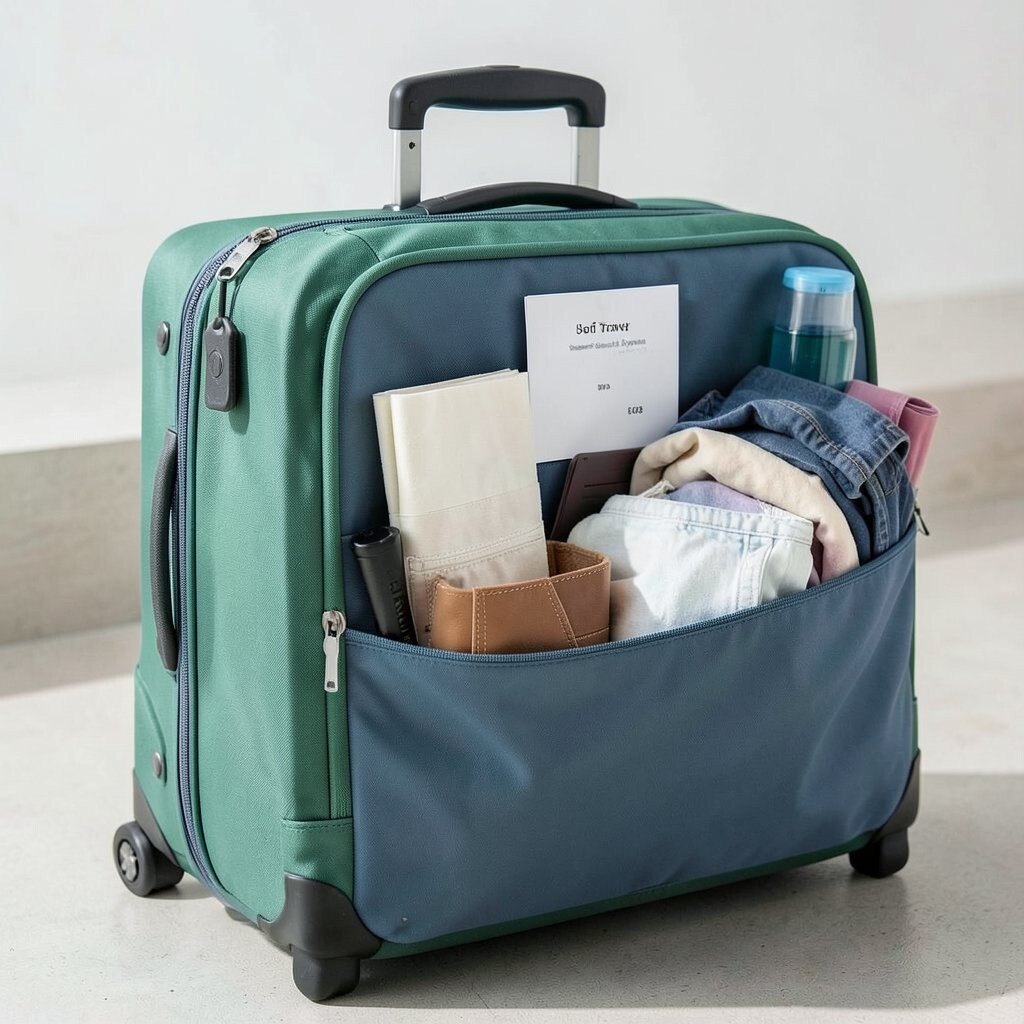
Pick a clear color or tag for each bag. Keep a small card inside with your name and a number. When you can spot your bag fast, you avoid mix-ups.
Pack in a way that makes sense to you. For example, keep daily items together and keep dirty clothes in one spot. This helps you find things quickly without dumping your whole bag.
5. Keep Your Money and Cards Organized
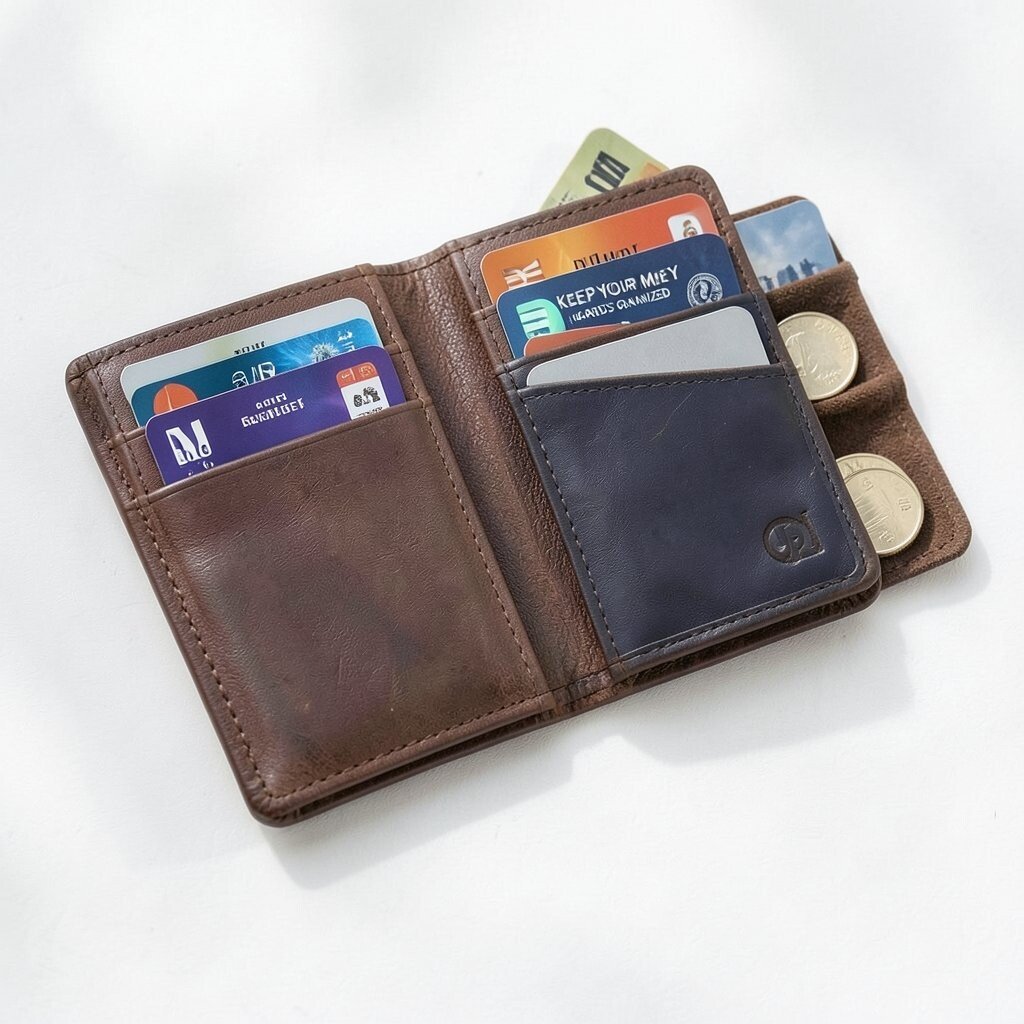
Use one main wallet and keep your cards in a set order. Bring a backup card in a different spot. You also can use a small pouch for coins and small items.
Try to avoid carrying all your cards at once. If your wallet is lost, you still have a way to pay. This can also help you watch your spending more closely.
6. Choose Safe Lodging Areas
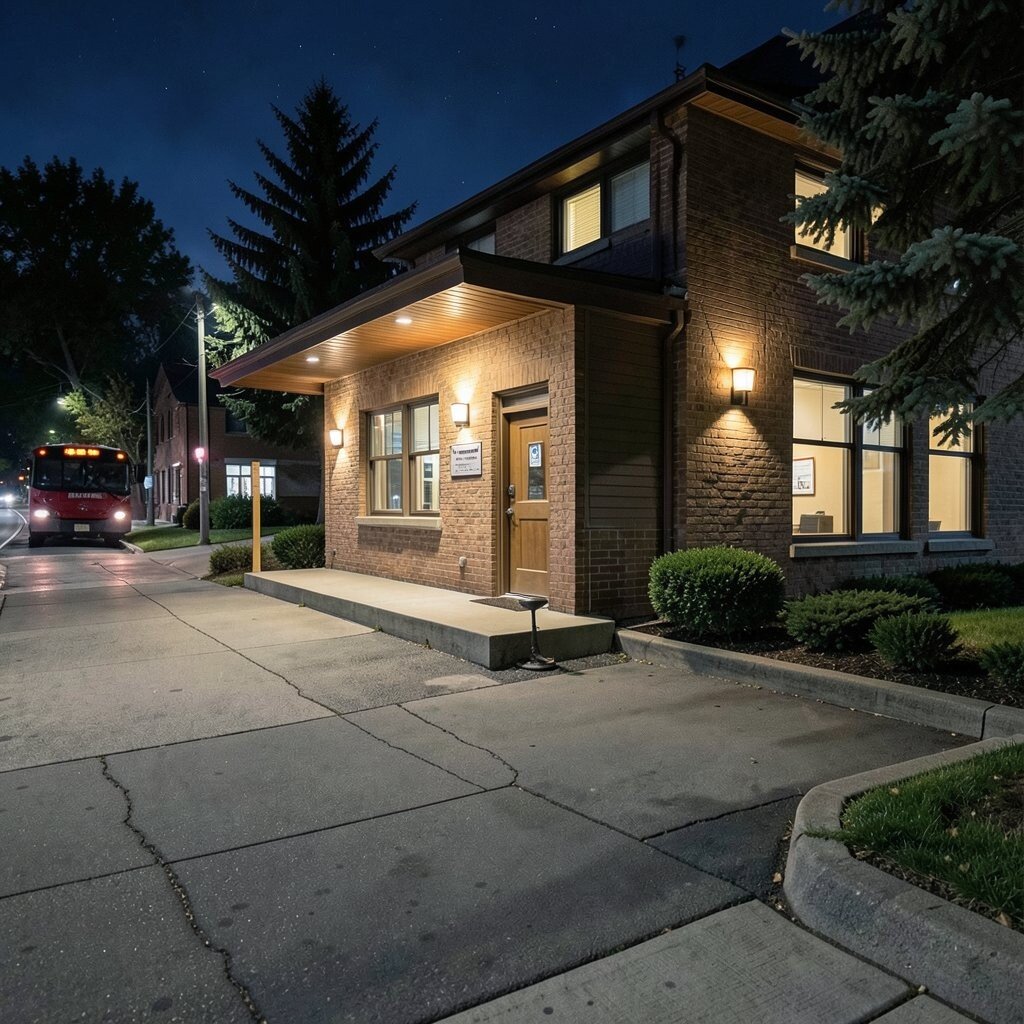
Before you book, check the area around the place you want to stay. Look for good lighting, easy bus or train access, and clear entry rules. A safe area often feels calm at night.
Read recent reviews that mention safety and quiet hours. Look for signs of strong building rules, like secure doors. This kind of check helps you pick a stay that fits your comfort level.
7. Know How to Get Help in Each City
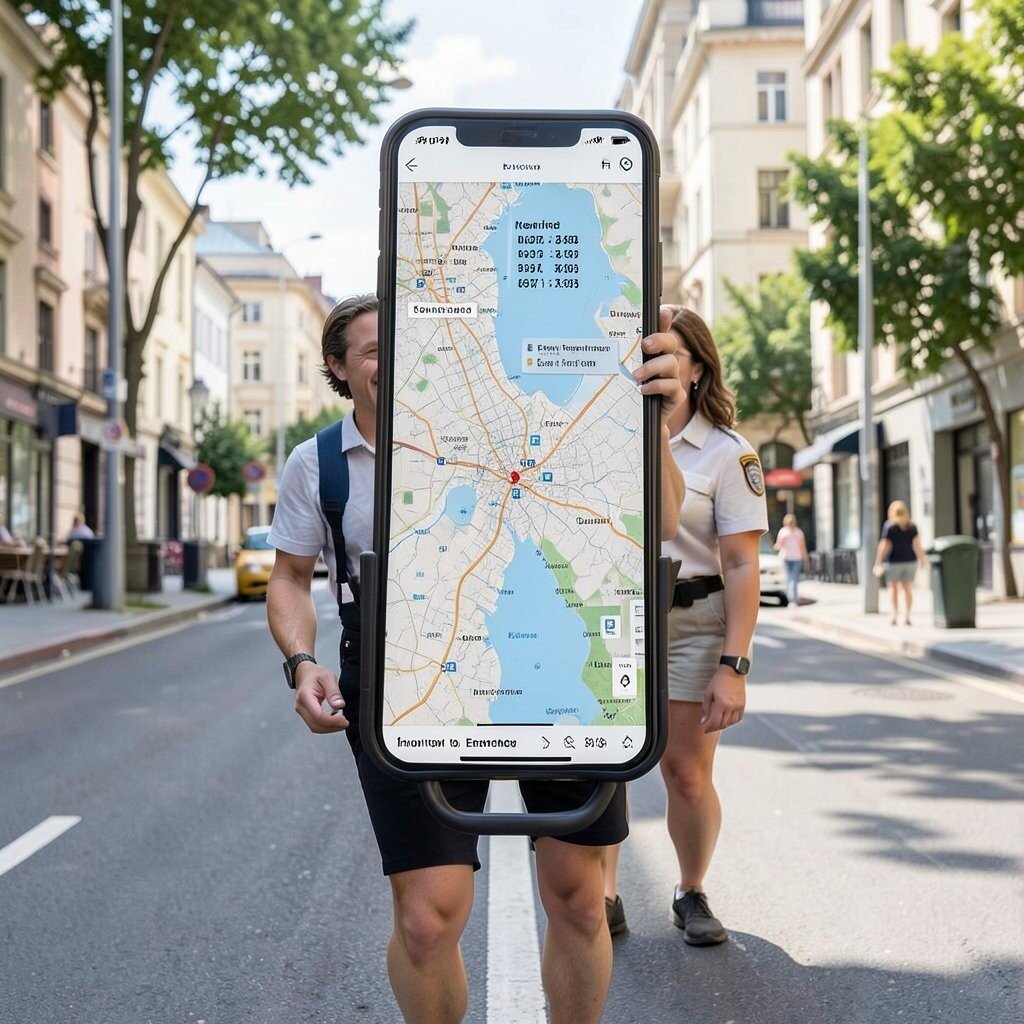
Save important phone numbers for your trip. This can include the local emergency number, your hotel front desk, and a trusted contact. Keep these numbers easy to find on your phone.
Also learn the location of the nearest place that can help, like a clinic or police station. You can spot it on a map before you arrive. This is a smart habit when you travel for work or fun.
8. Watch Your Stuff in Crowds
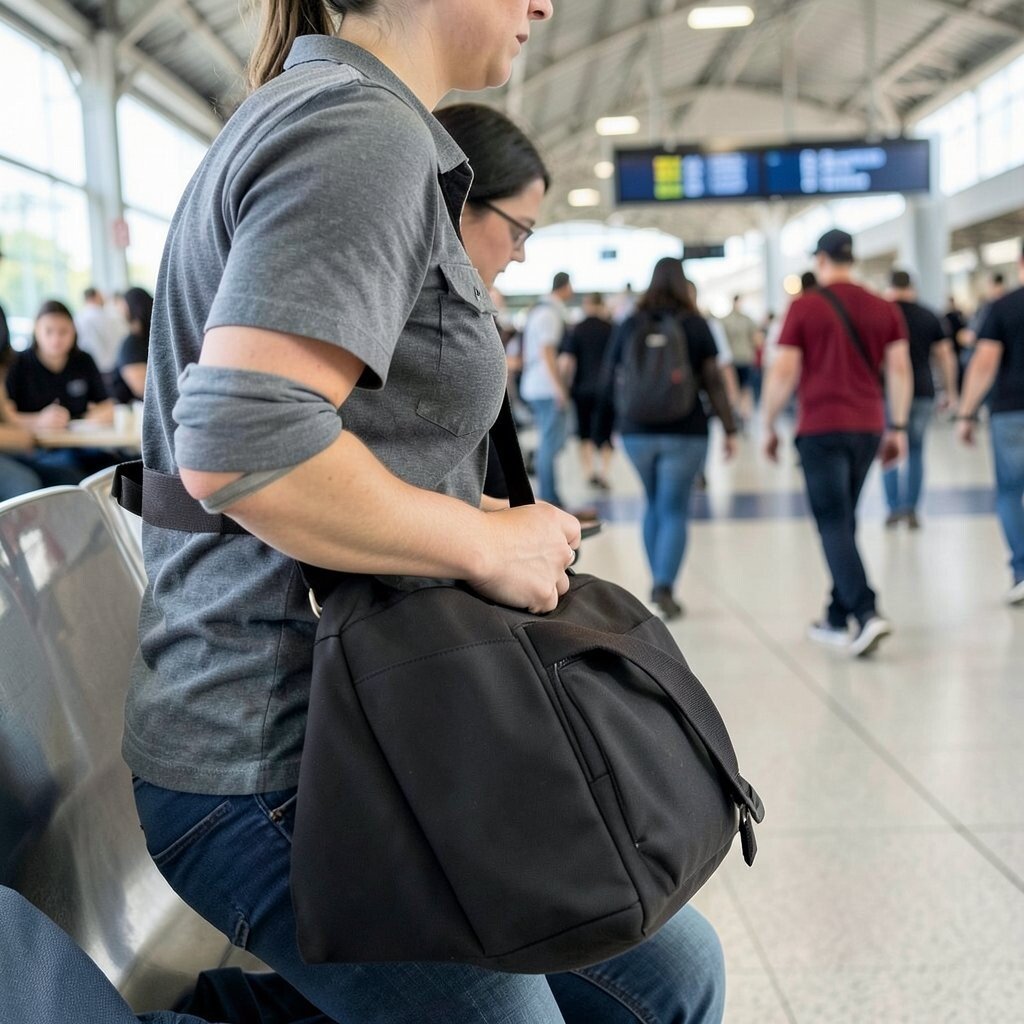
In busy places, keep your bag close and your hands on the strap. If you sit, place your bag where you can see it. This small habit helps you notice trouble early.
Be careful at busy gates, lines, and platforms. Avoid setting your phone on a table or leaving it in an outer pocket. A calm, steady grip can prevent a lot of stress.
9. Use Secure Ways to Store Phones and Keys
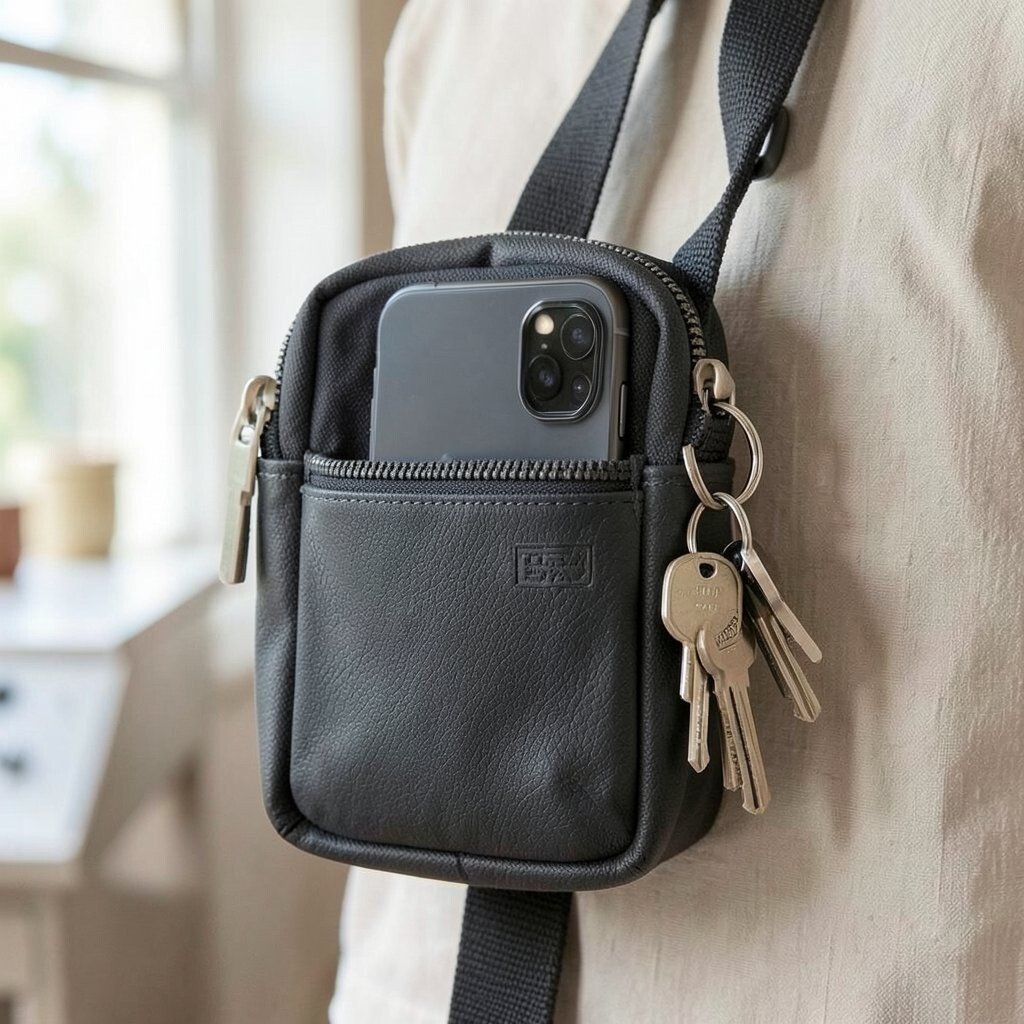
Use a small crossbody bag or a pocket that zips. Keep your phone in the inside space, not on top. For keys, use a key ring so you can count them fast.
If you rent a place, learn where the safe storage is. Some hotels have safe boxes, and some apartments have locked storage. Use what is there, even if it feels simple.
10. Keep Small Snacks and Water Handy
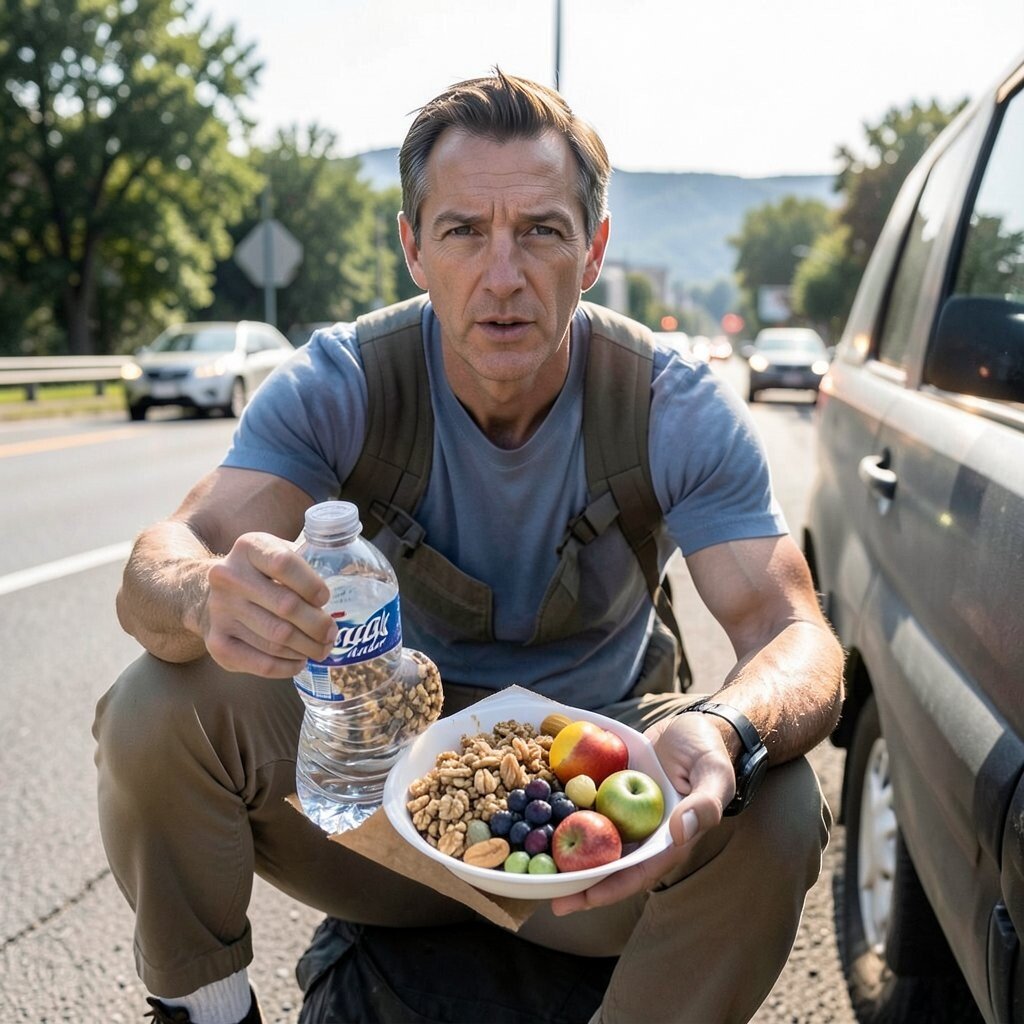
Carry water and a small snack for long days out. It can be a granola bar, nuts, or fruit. When you eat on time, you feel better and think clearer.
This also helps in places where food is far apart. If you get stuck in traffic or lines, you will not feel worn out. It can also save money when you plan ahead.
11. Wear Shoes That Work With Your Plans
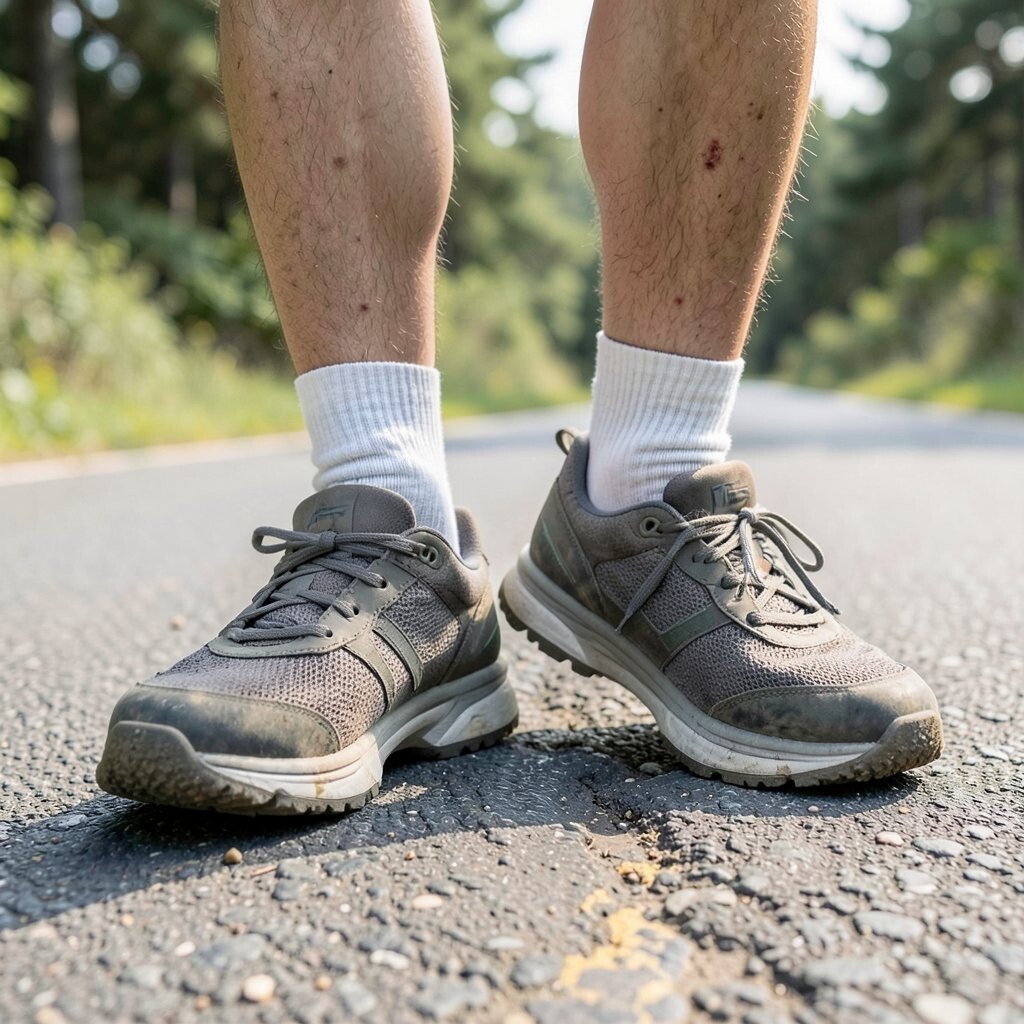
Pick shoes that fit well and feel steady. If you plan to walk, choose a pair with good support. On travel days, blisters can slow you down fast.
Bring simple socks you trust and a small pack of bandages. If you see a small sore, treat it early. This keeps you ready for the next stop.
12. Use Sun and Weather Care Every Day
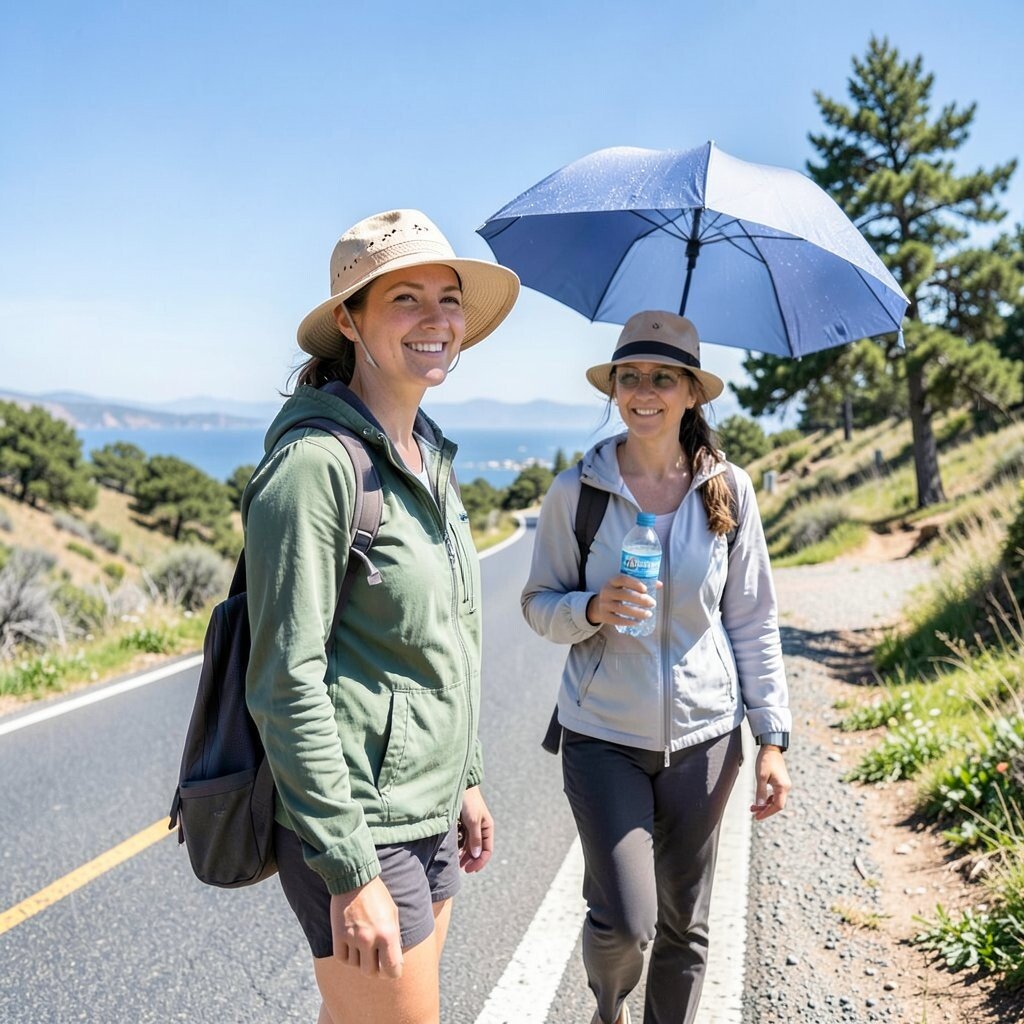
Check the weather before you head out each day. Use sunscreen and a hat when it is sunny. If it may rain, bring a light jacket or small umbrella.
Hot and cold weather can hit quickly when you are not ready. Drink water often and take a break when you need it. This helps you avoid feeling sick during your trip.
13. Keep a Good Sleep Plan

Try to keep a steady sleep time. Turn off bright light and lower screen time before bed. A good rest helps you stay alert in busy areas.
Pack earplugs if you are a light sleeper. Some places are noisy even in safe areas. If you can sleep well, you make safer choices the next day.
14. Use Maps and Signage, Not Guessing
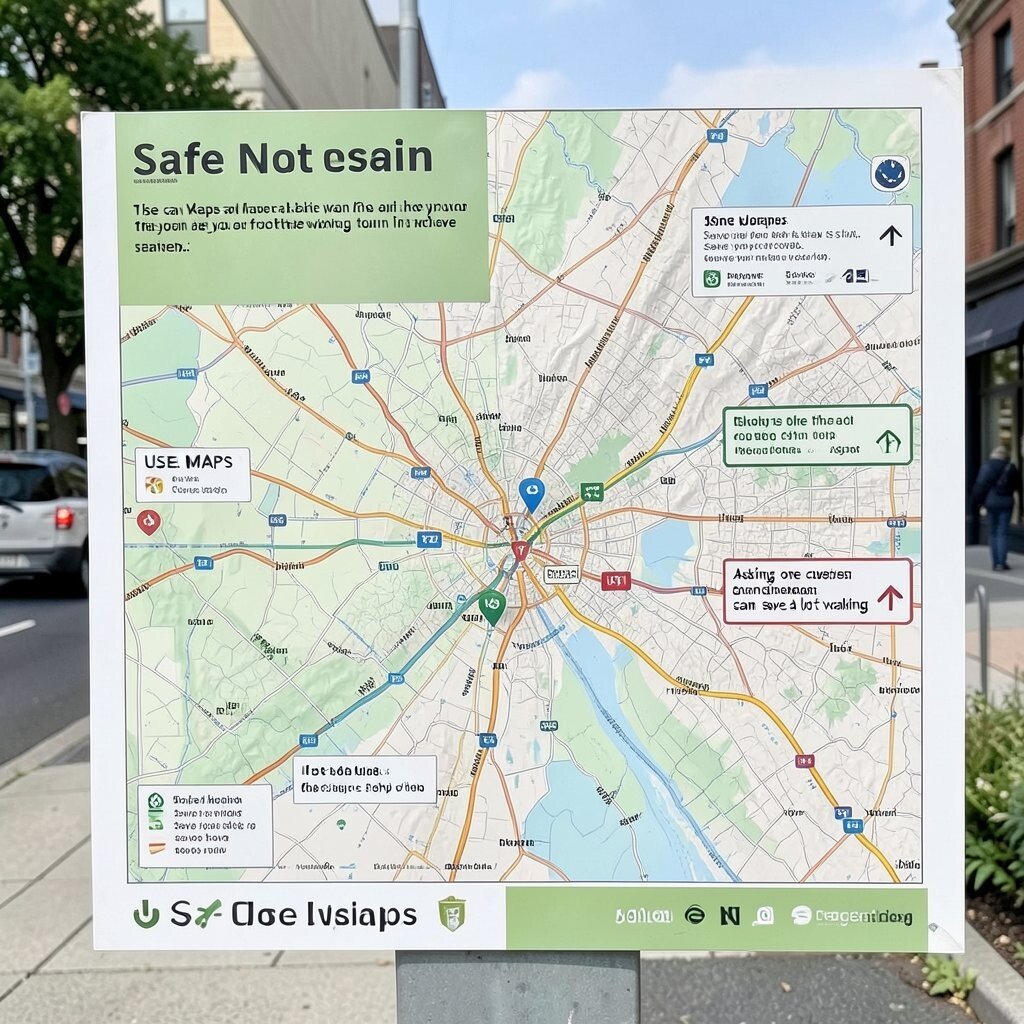
Look at your map before you walk into a new area. When you reach a junction, check the signs and directions again. This can keep you from taking the wrong turn in a strange area.
If your phone battery is low, save your best map page. You can also ask staff at your hotel or shop for help. Asking one clear question can save a lot of walking.
15. Follow Basic Flight and Train Safety Habits
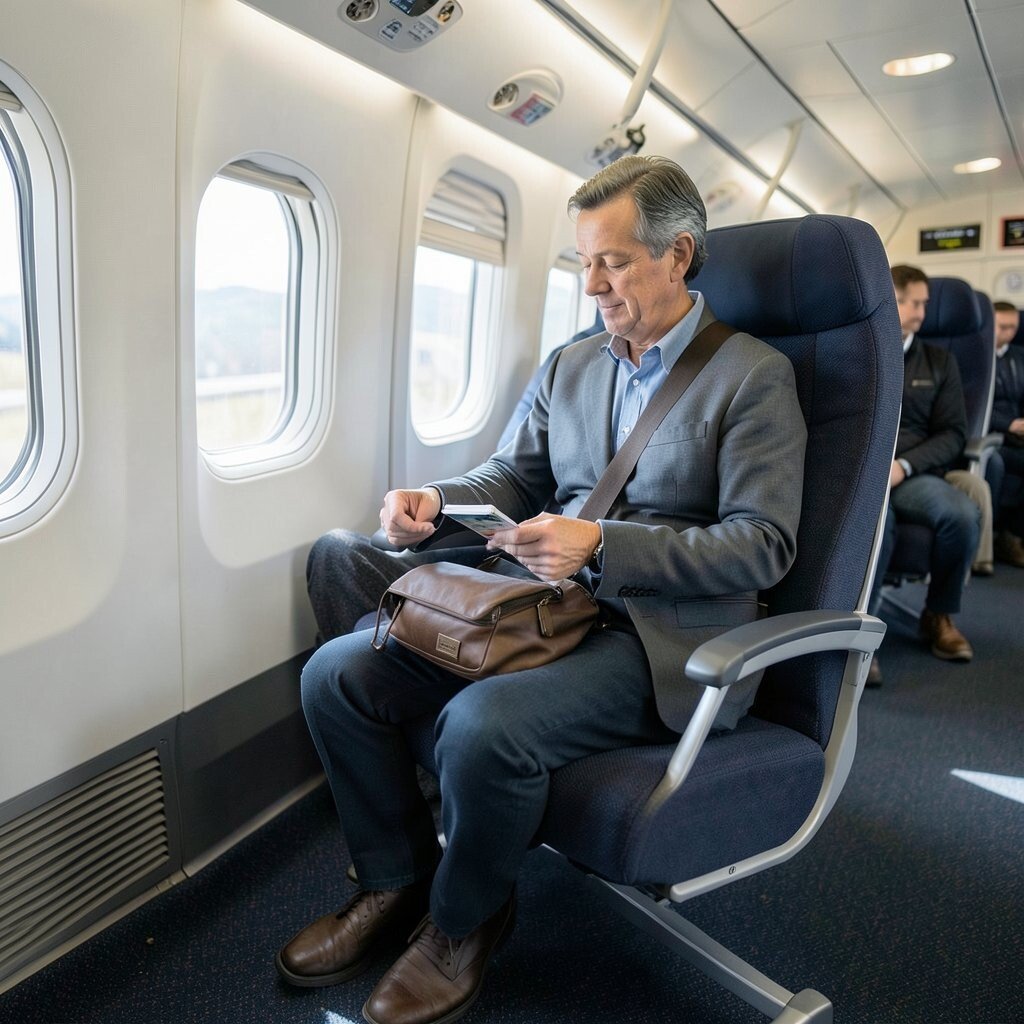
Arrive with extra time so you are not rushed. Keep your seat, gate, and ticket details easy to find. When you move calmly, you reduce wrong turns and missed steps.
On planes or trains, keep your bag secure and in line with the rules. Keep your ID and essentials in an easy spot. This helps when you need them fast at security or during travel.
16. Choose Travel Activities That Match Your Comfort
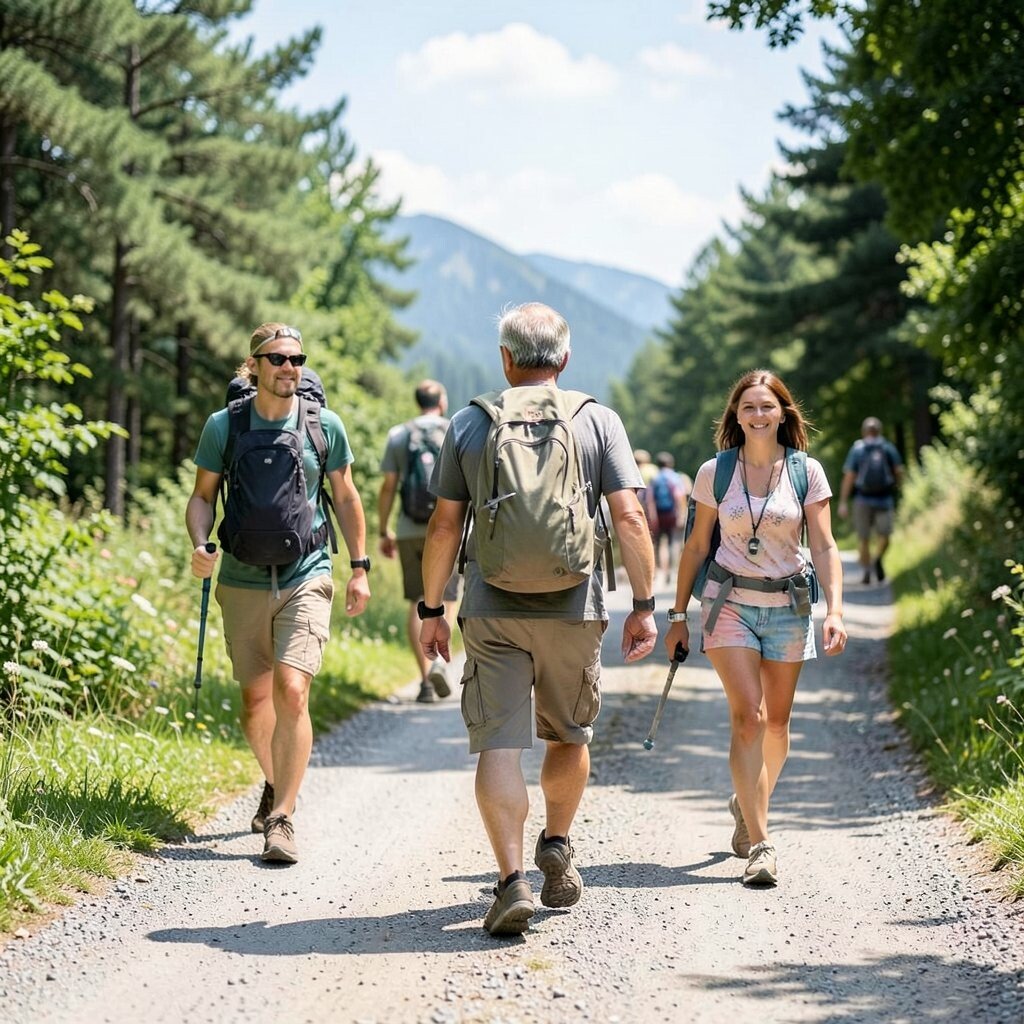
Pick things that feel safe for your body and skill level. If you do a walking tour, check the route and distance. If an activity looks too hard, choose a quieter option instead.
Mix in rest time so you can enjoy the day without pushing too much. This also helps your budget since you may avoid extra costs from stress choices. Keep your plan simple and fit it to your needs.