Clicker training uses a small sound to mark the exact moment your dog does the right thing. It can help you teach faster, stay calm, and avoid mixed signals.
1. Start With a Clear Goal
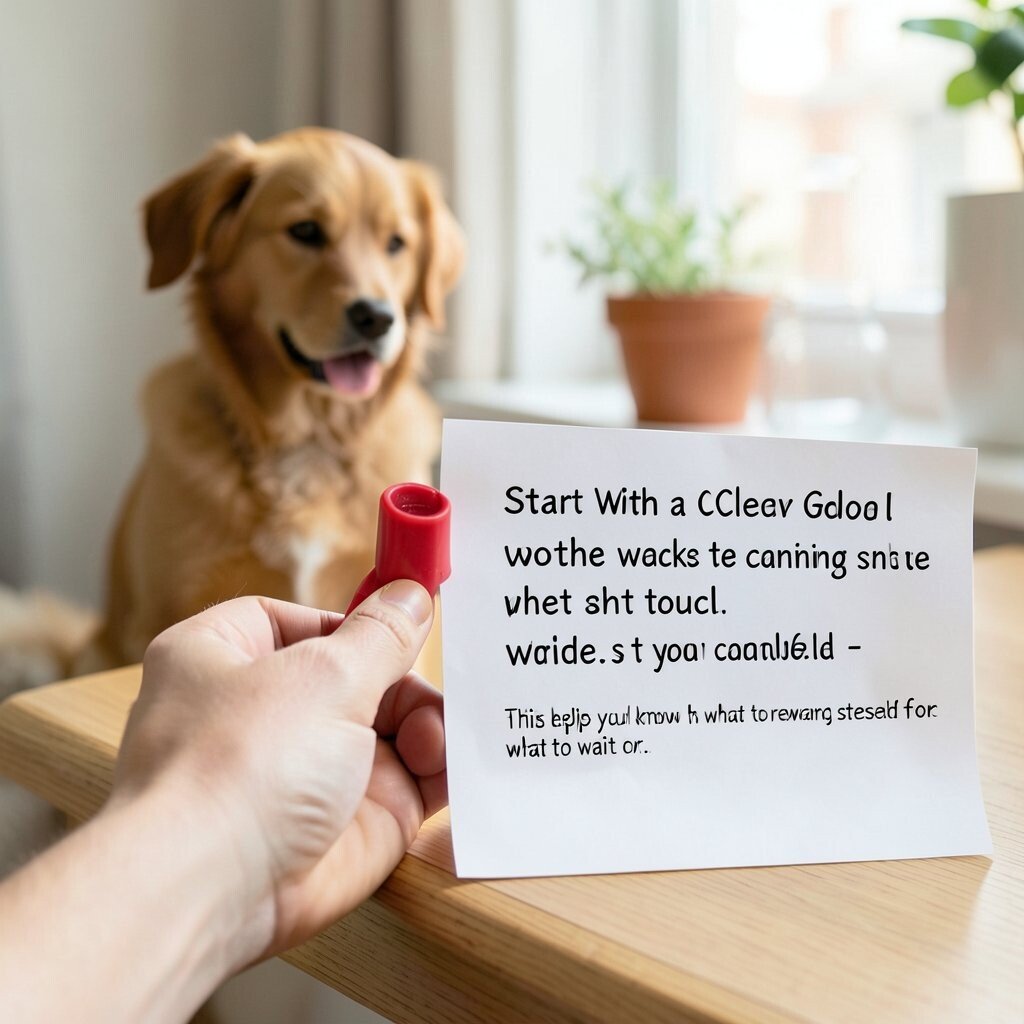
Pick one simple skill to work on first. Examples are sit, touch, or coming when called. This helps you know what to reward and what to wait for.
Write the goal down where you can see it. When you stay focused, you spend less time guessing. It also makes training feel less stressful for you and your dog.
2. Use the Click as a Fast Marker
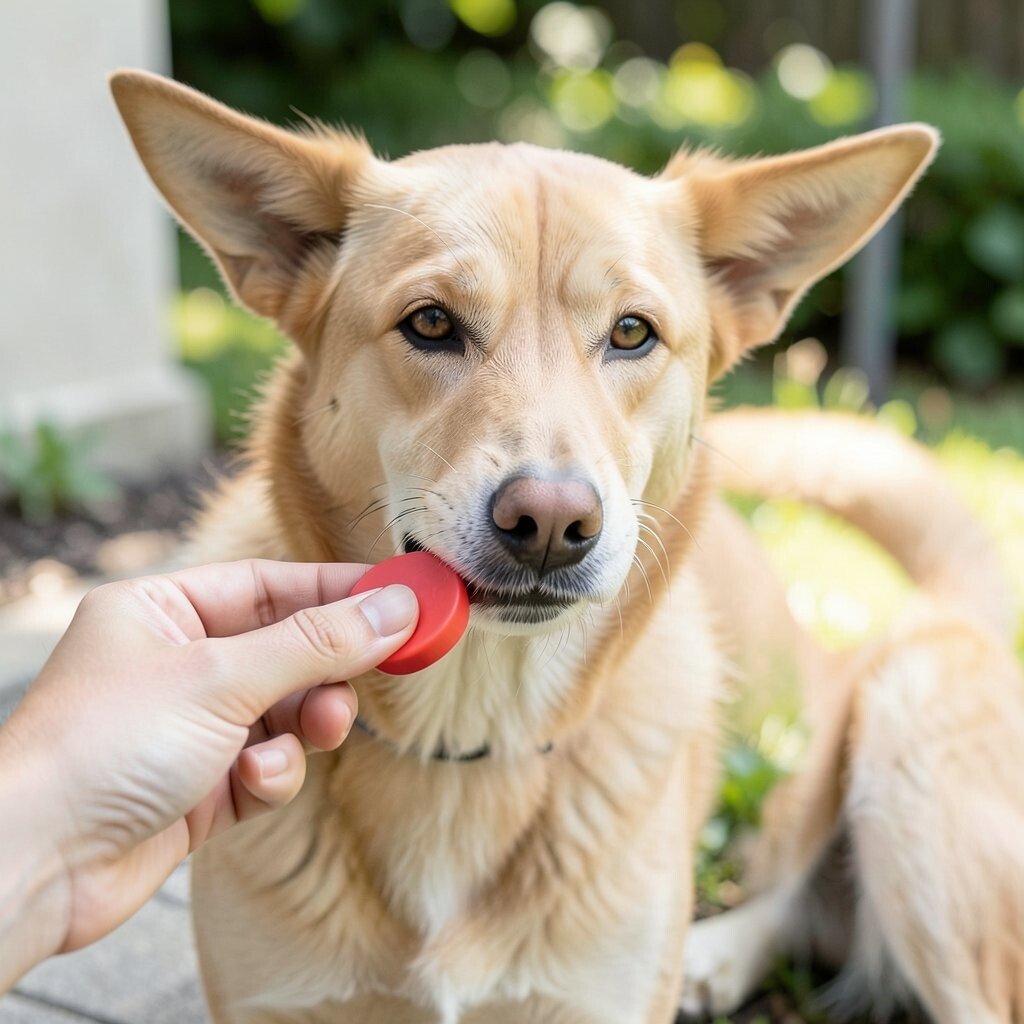
The click is a quick “yes” that tells your dog the moment was right. It should happen the instant the behavior starts. If you click too late, your dog may learn the wrong thing.
Think of the click like a photo. The sound marks the exact frame you want. Keep it short, clear, and consistent so the message stays the same.
3. Pair the Click With a Treat Early
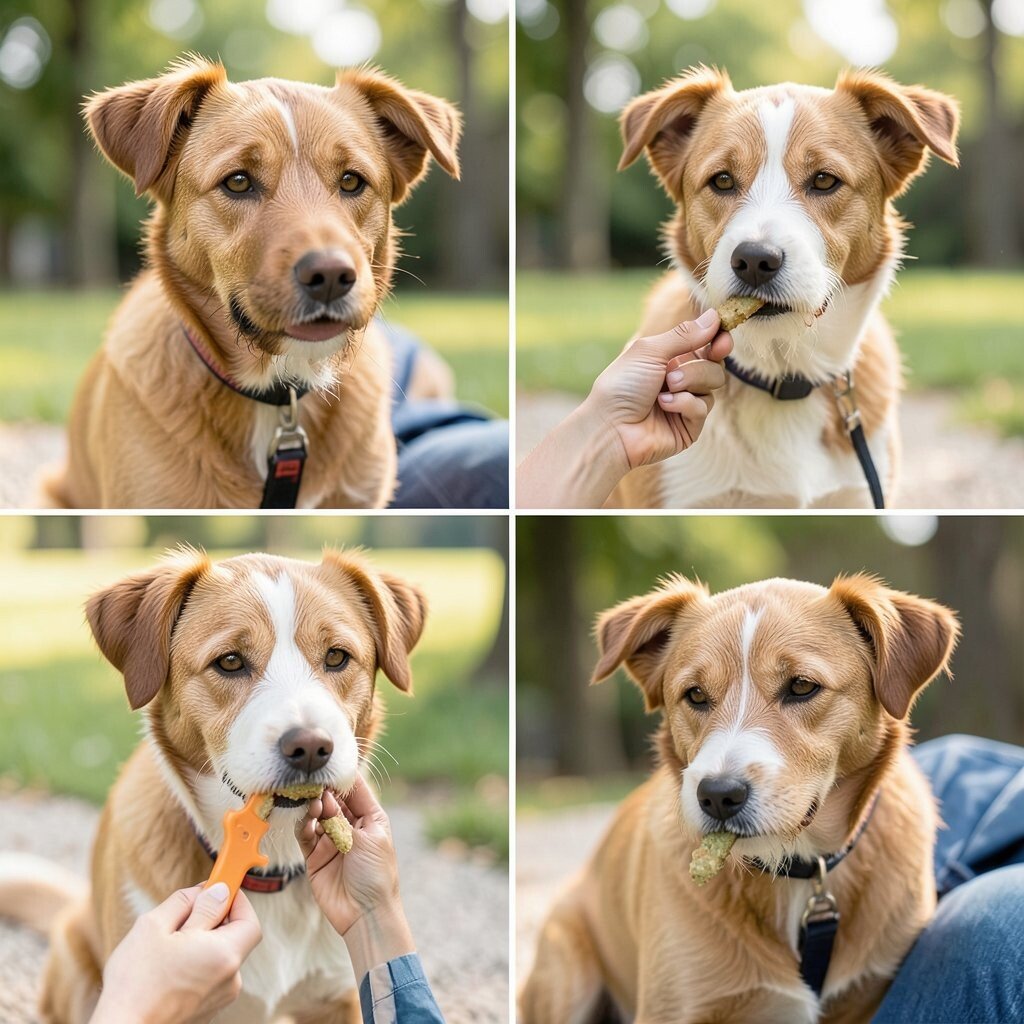
Before you ask for any skill, do a quick pairing step. Click once, then give a treat right away. Do this for a few short rounds.
Your dog should start to look for the treat after hearing the click. This is a key base step. It can also help your dog stay focused during new tasks.
4. Keep Sessions Short and Friendly
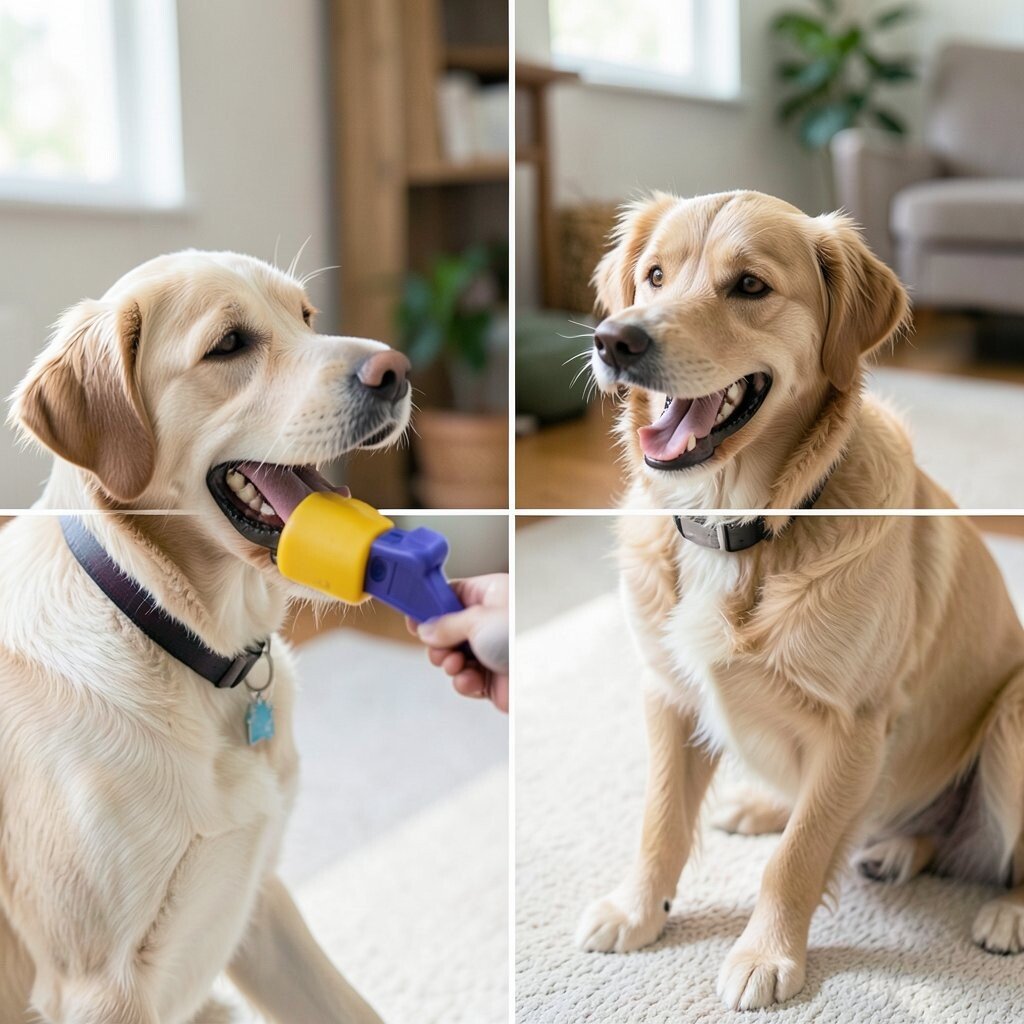
Training should feel like a small game, not a long test. Aim for brief sessions that end while your dog still wants to play. If you push too long, your dog may get tired or bored.
End on an easy win. That way your dog learns that training is safe and fun. Short sessions also fit busy days better and cost less time.
5. Pick the Right Rewards for Your Dog
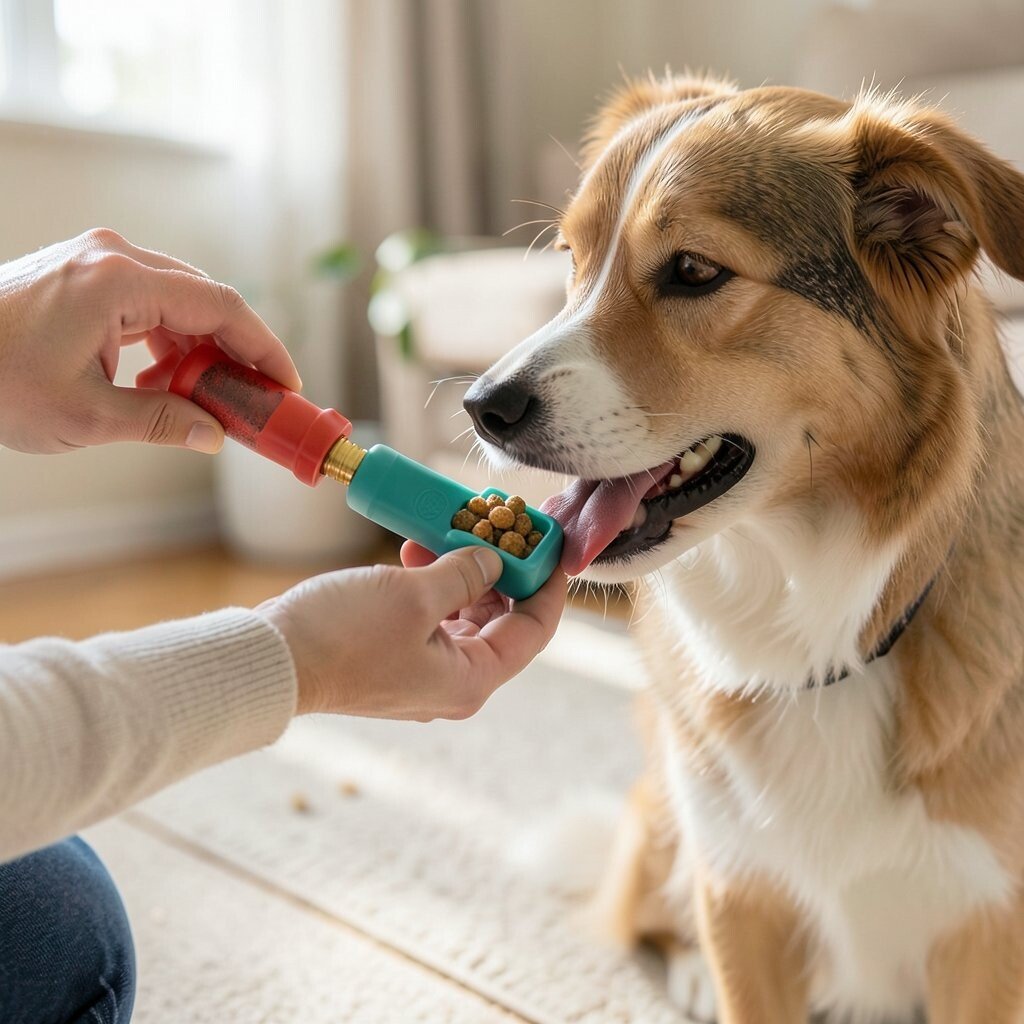
Use treats your dog really wants. Some dogs like tiny crunchy bits, while others prefer soft pieces. You can also use a favorite toy if treats do not work.
Try a few options and watch what gets fast attention. You can make a simple list of good rewards at home. This helps you personalize training to your dog’s taste and needs.
6. Reward the Right Part of the Behavior
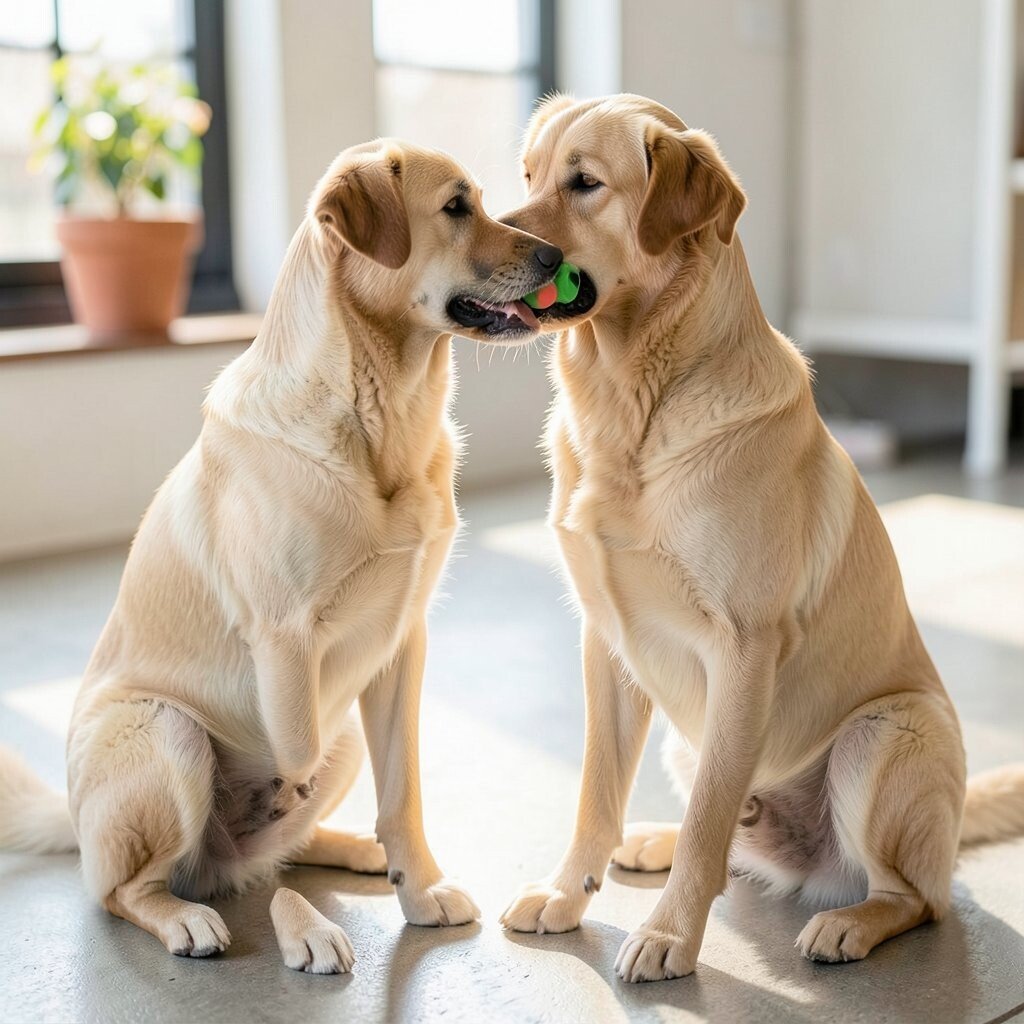
When teaching a new skill, reward small steps first. For sit, you might start by clicking when your dog lowers the back legs even a little. Then you wait for more full sitting.
This step-by-step method helps your dog learn in a clear way. It also prevents you from getting upset when the skill is not perfect yet. Over time, your dog will do more of what you want.
7. Match Timing With Your Dog’s Body
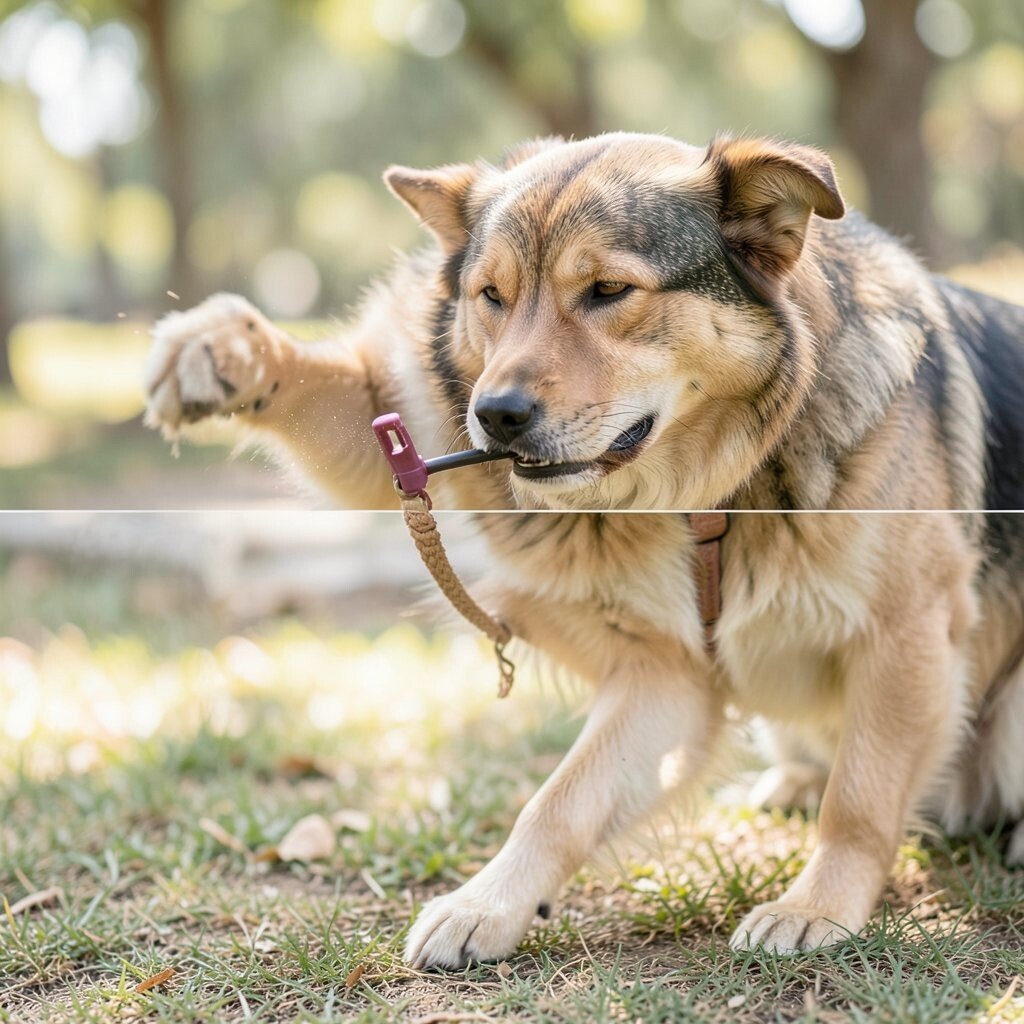
Timing matters more than people think. Watch your dog’s body closely, like where the head is and how the paws move. Click at the best instant, then reward right away.
If your timing is off, you can slow down. Take a breath and move less fast. Better timing is a simple way to boost results without extra cost.
8. Use a Simple Setup With Fewer Distractions
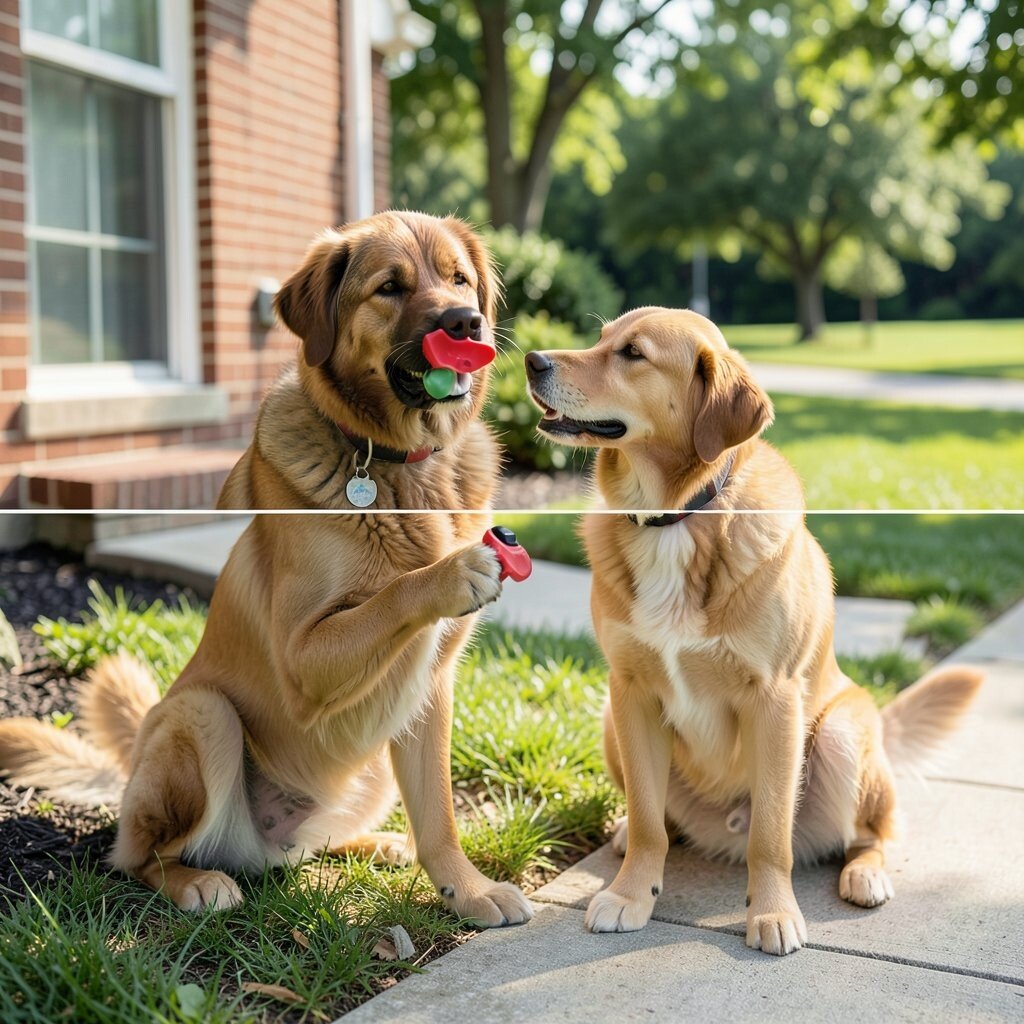
Start in a quiet room or a calm yard. Fewer sounds help your dog focus on you and the click. When your dog learns the skill, you can add small distractions later.
Try moving in steps, not all at once. For example, first train near your home, then later train near a driveway or sidewalk. This can help your dog handle real life without confusion.
9. Train More Than One Location
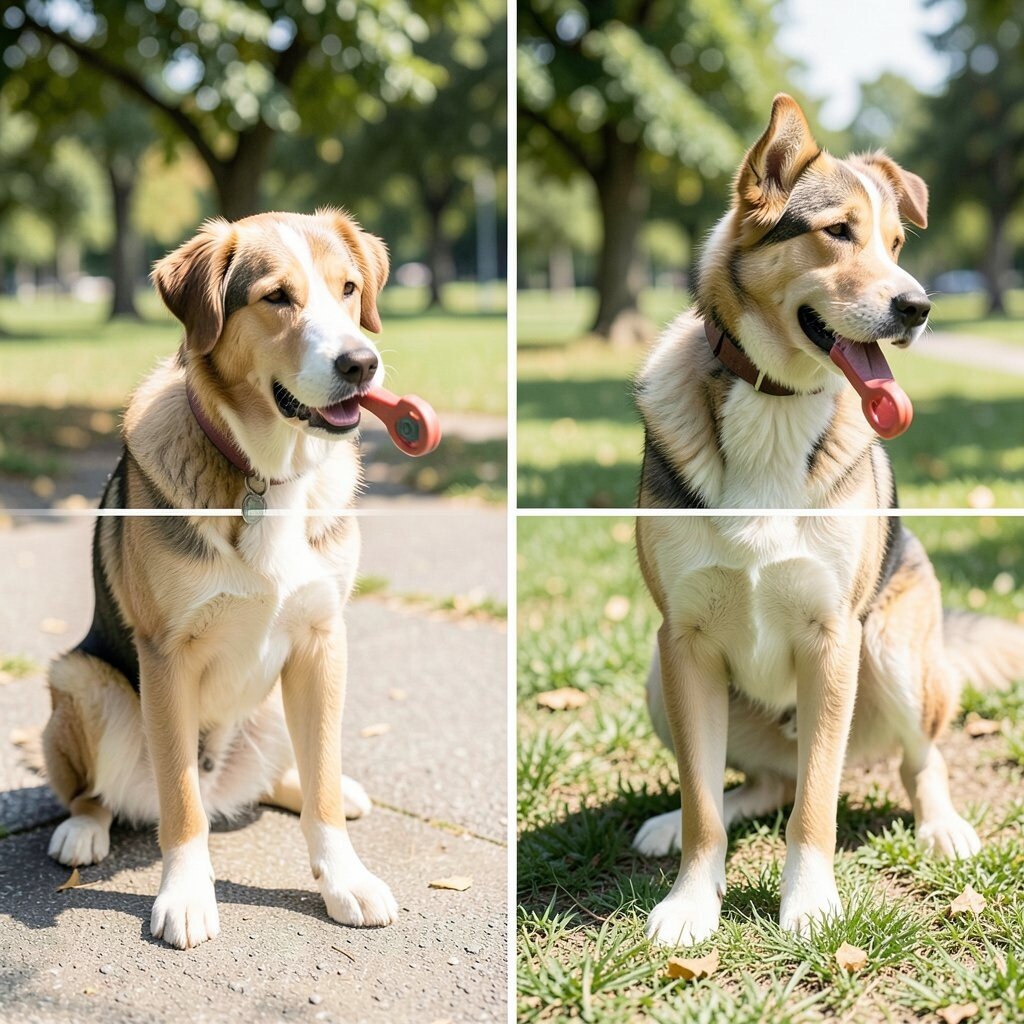
Your dog should not think the skill only works in one spot. Practice in two or three places so the rule feels general. This is a key part of real training success.
Keep the first sessions easy in each new place. Once your dog gets it, you can ask for the skill with more calm confidence. This makes your dog’s learning more useful day to day.
10. Stay Consistent With Your Cue Words
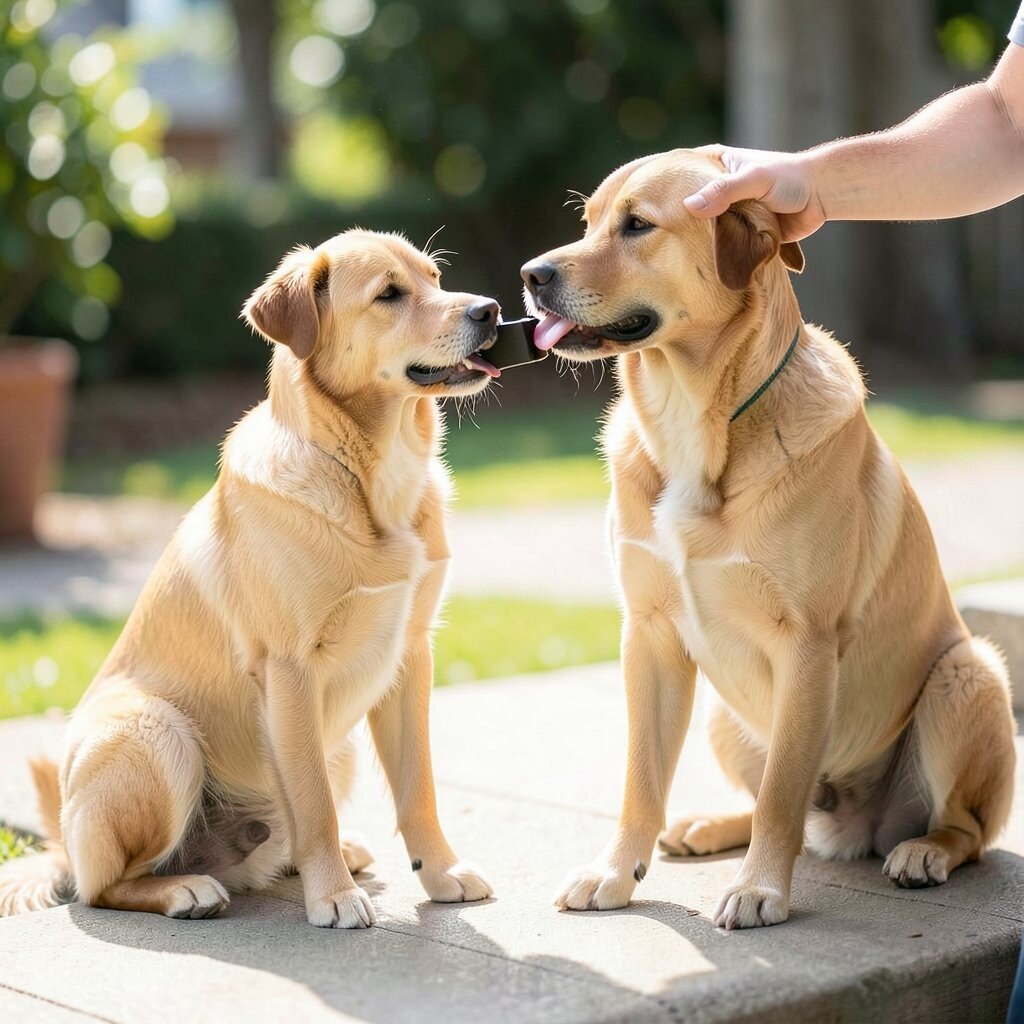
Use the same cue for the same action. If you say “sit” one day and “park it” the next, your dog may not know what you mean. Consistency helps your dog map the cue to the outcome.
Keep cues short and say them once. Then wait a beat and use the click for the behavior you want. This can make your training feel smoother for both of you.
11. Avoid Accidental Training and Unwanted Habits
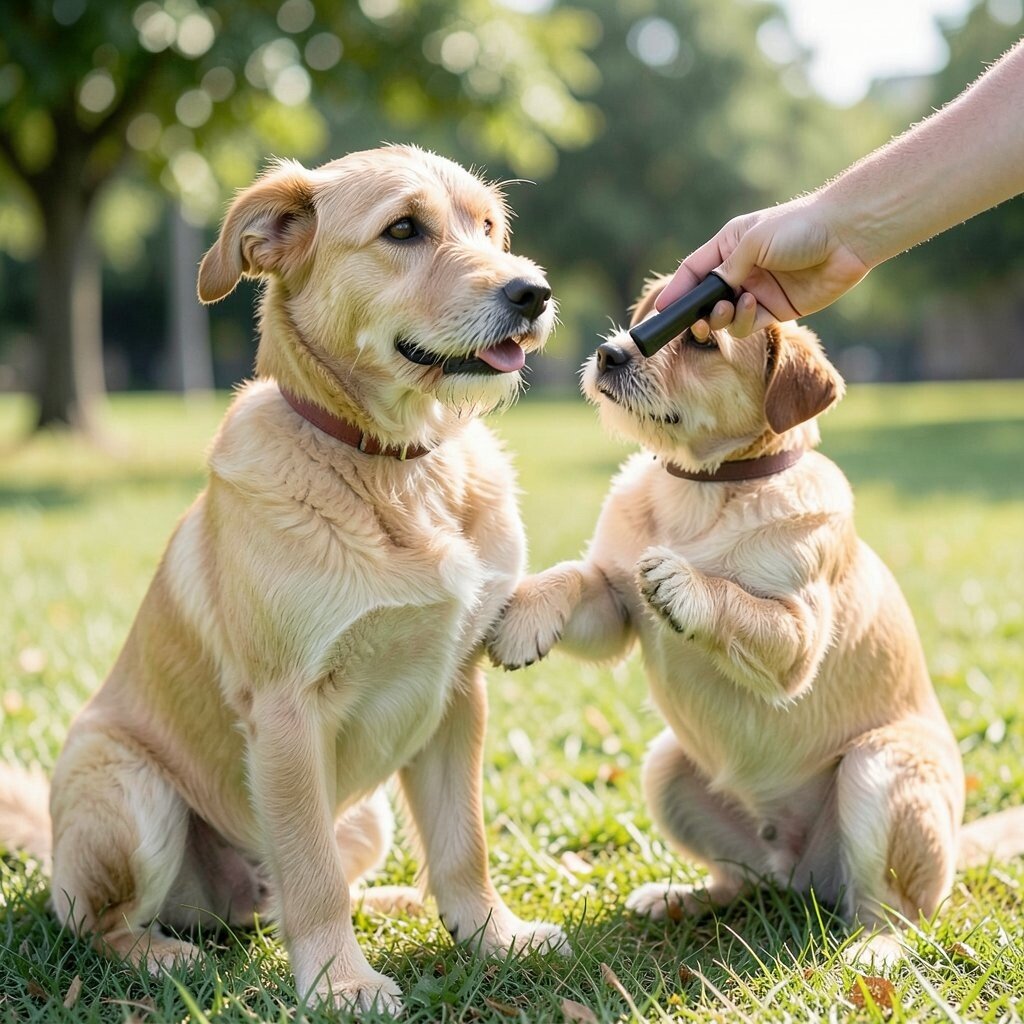
Clicker training can also make you notice what you reward by mistake. If you click when your dog jumps up, you may teach jumping. Pay attention to what happens right before the click.
Use good timing and reward what you want. If your dog does an unwanted behavior, do not click it. You can also wait and let your dog calm down before trying again.
12. Read Body Signs and Adjust Your Plan
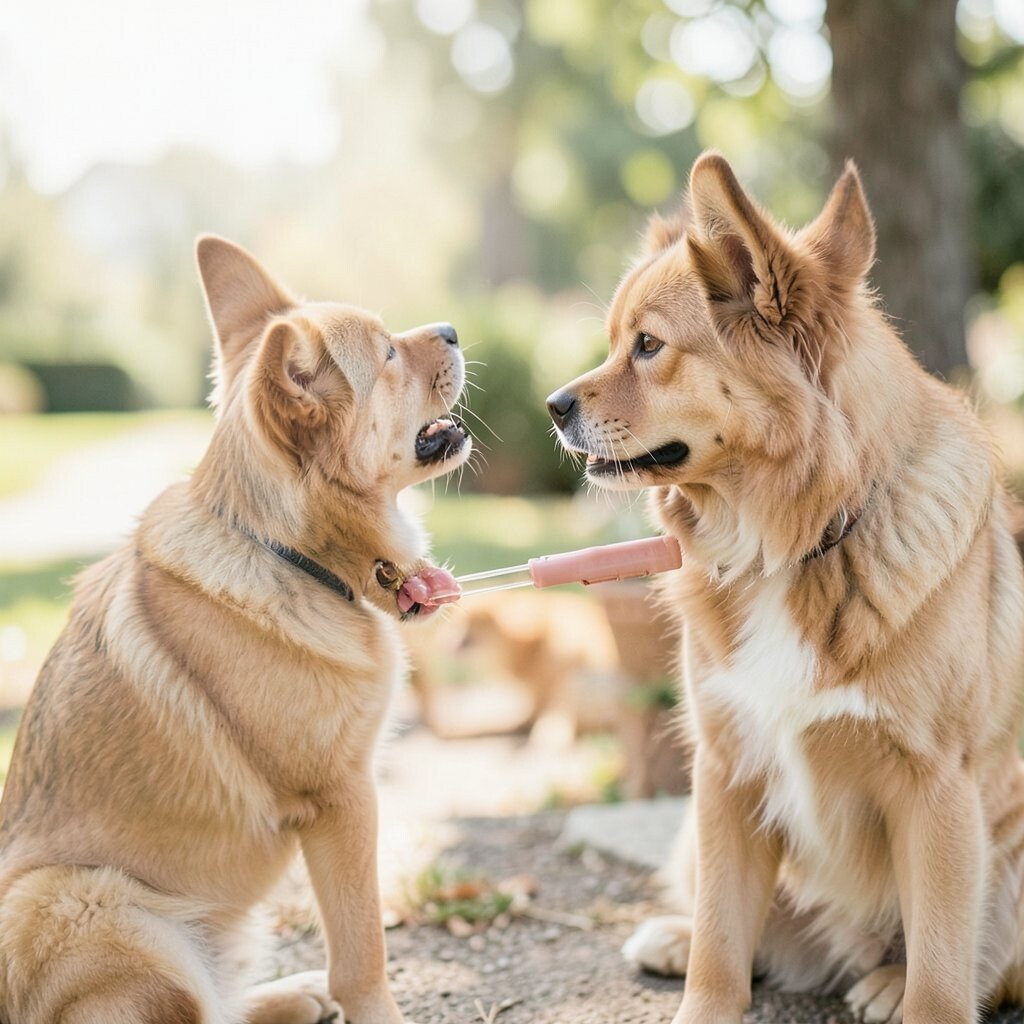
Look at your dog’s face and posture while you train. If ears go back, body stiffens, or the dog looks away, training may be too hard right now. You can lower the challenge and go back one step.
If your dog seems excited and moves closer, you can keep going. This is a simple form of personalization. It helps you avoid stress and makes success more likely.
13. Make It Personal With Hand Signals and Targets
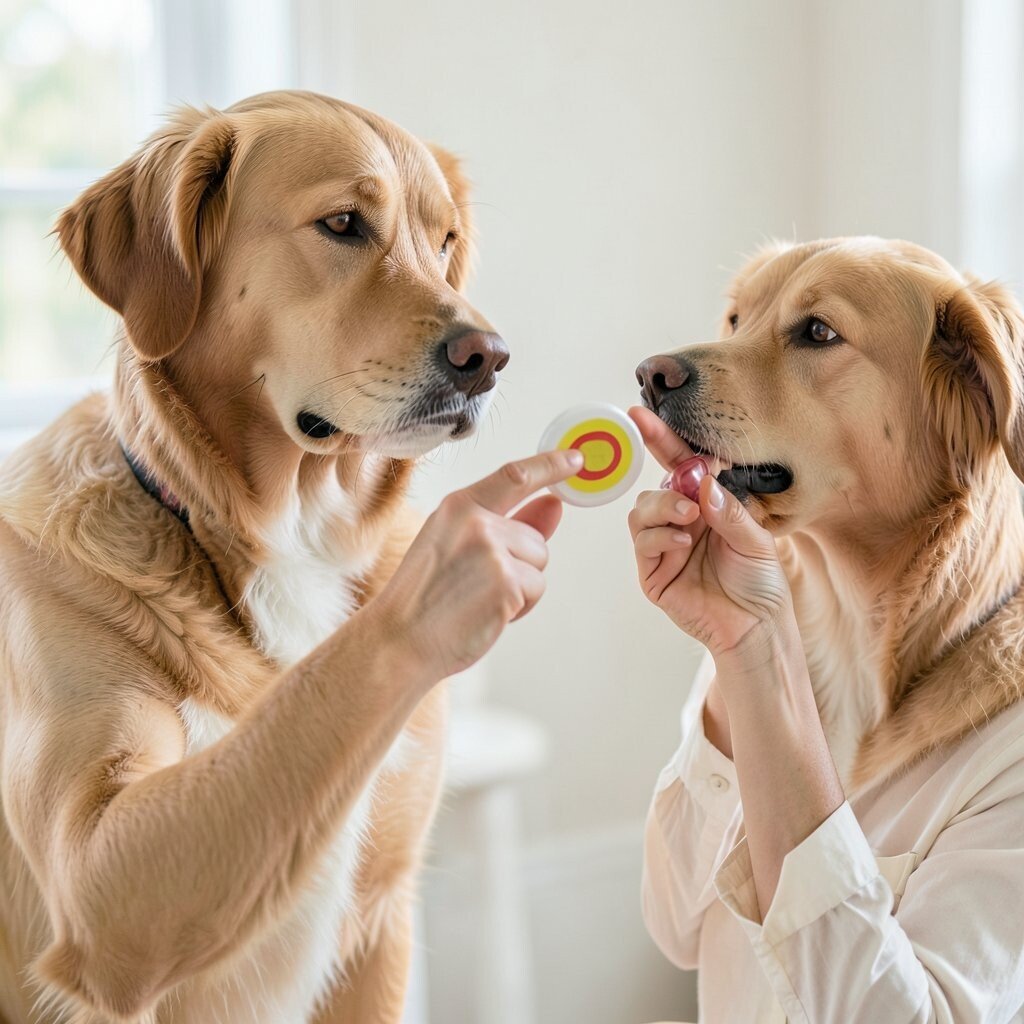
Many people use hand signs with a clicker. You can also use a target, like touching a hand or a small sticky note on a board. This gives your dog a clear target to aim for.
Over time, you can shift from the target to the real task. This method can help you teach steady habits. It also helps different dogs learn in different ways based on what feels natural to them.
14. Keep Up With Training Trends and Use What Fits
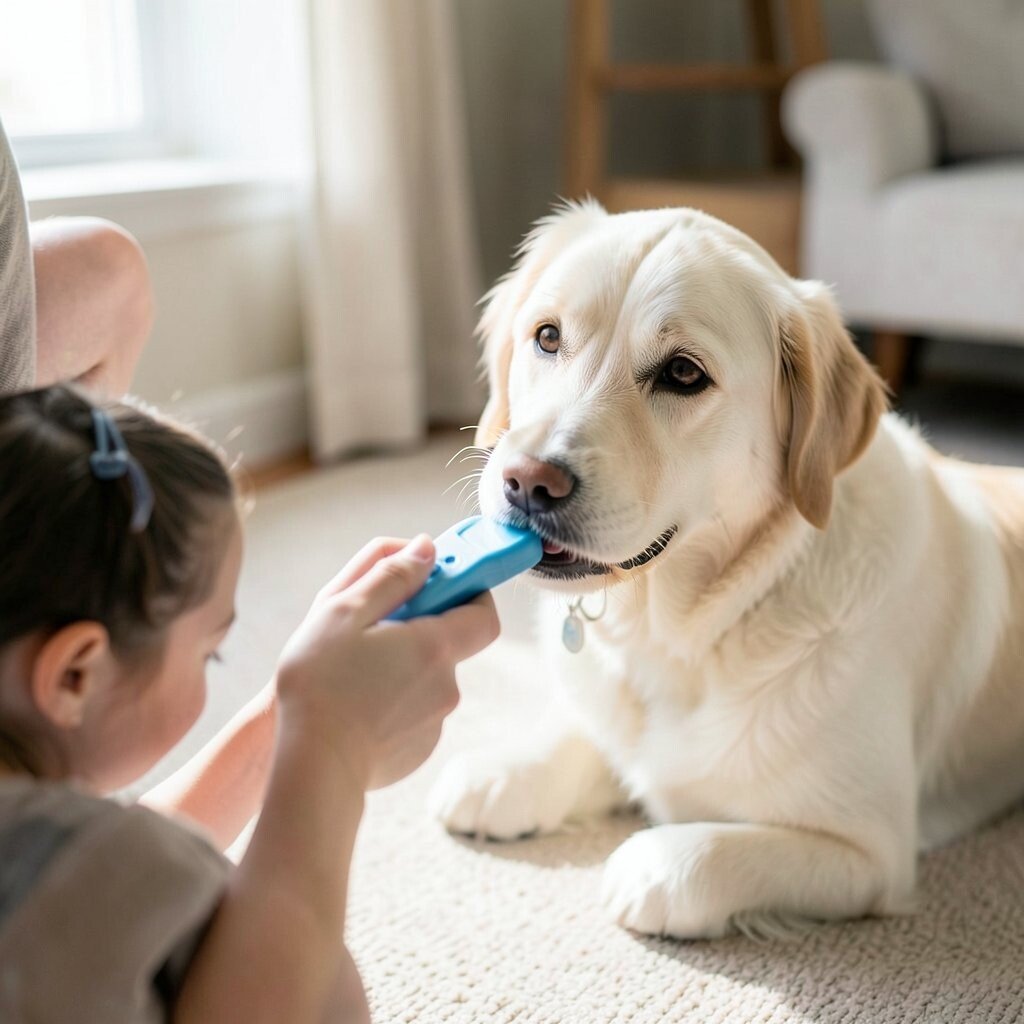
There are new training ideas online, and some can be helpful. The trend of short video lessons, kind handling, and reward focus is easy to see in many places. You can borrow good ideas but still keep your own plan simple.
Try one new tip at a time and watch results. If something adds cost or stress, skip it. The best plan is the one you can repeat and enjoy with your dog.