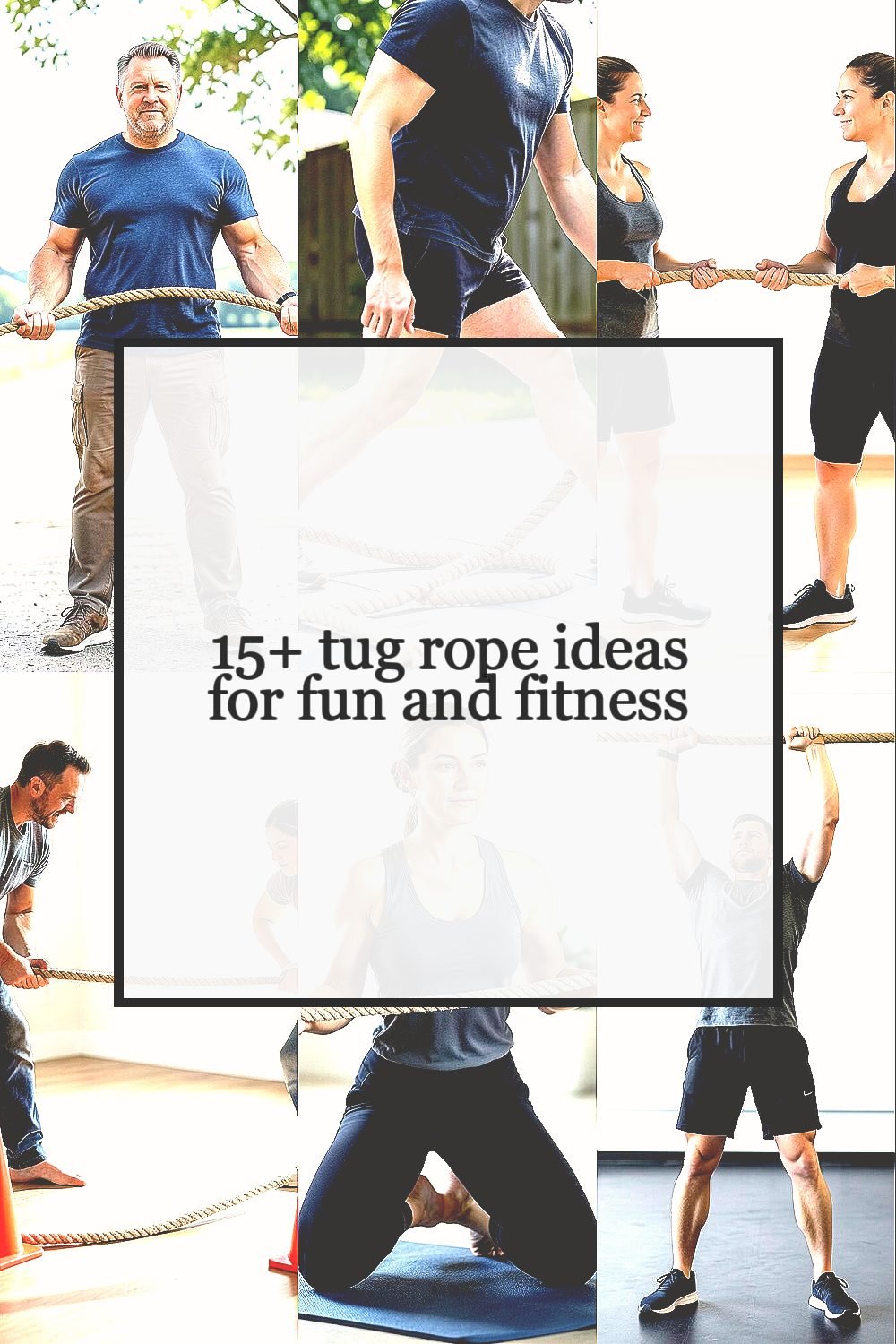
Grab a tug rope and use it for simple team play and steady workouts. You can train your grip, build leg strength, and have fun with moves that fit your space and time.
1. Warm-Up Tug Holds
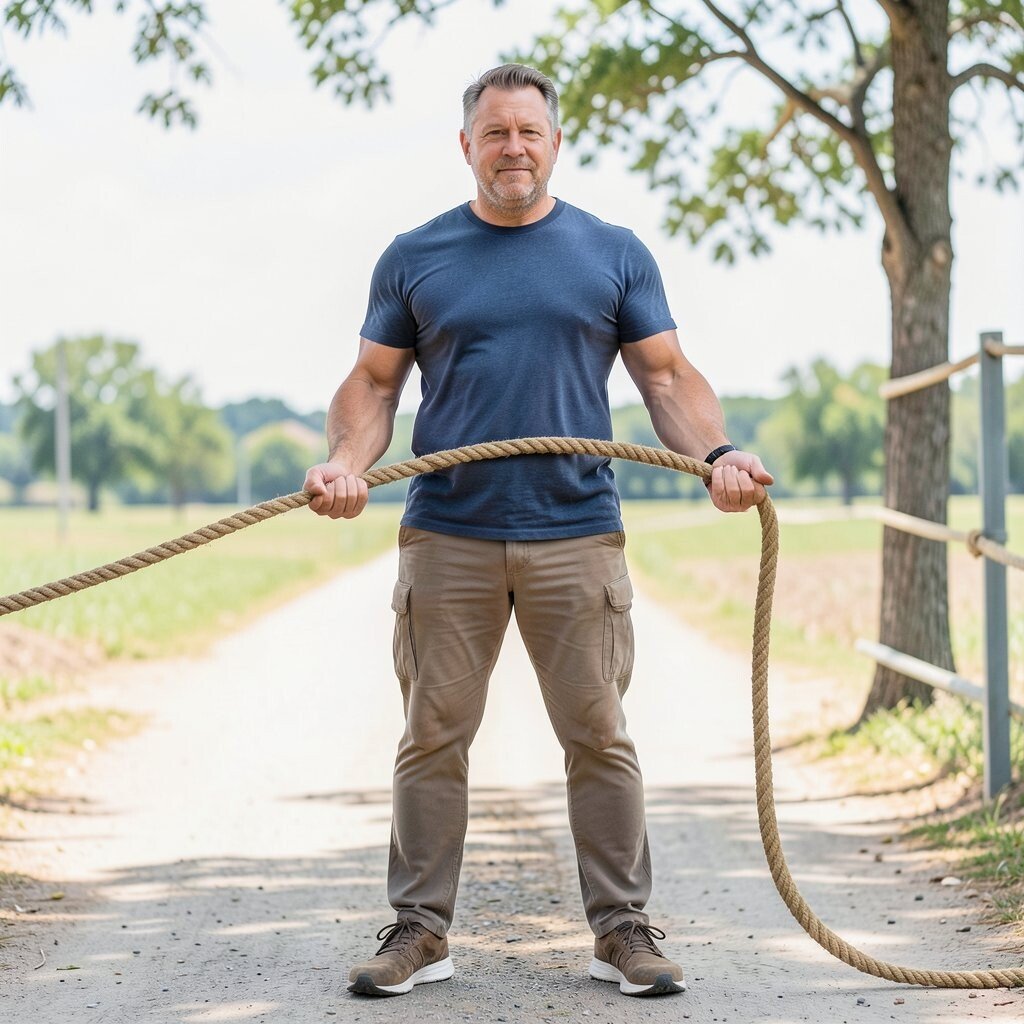
Stand with your feet about shoulder-width apart and hold the rope with both hands. Pull gently for a few seconds, then relax and let the rope rest. Do this several times to get your muscles ready.
Try to keep your back straight and your shoulders relaxed. You will feel more ready for harder pulls. This also helps you learn the rope tension so you do not jerk too fast.
Keep it cheap by using a basic rope and simple rules. If you want more variety, switch hand positions every few rounds. Many people share short warm-up clips on social media, and this one is easy to film.
2. Side-To-Side Footwork Tugs
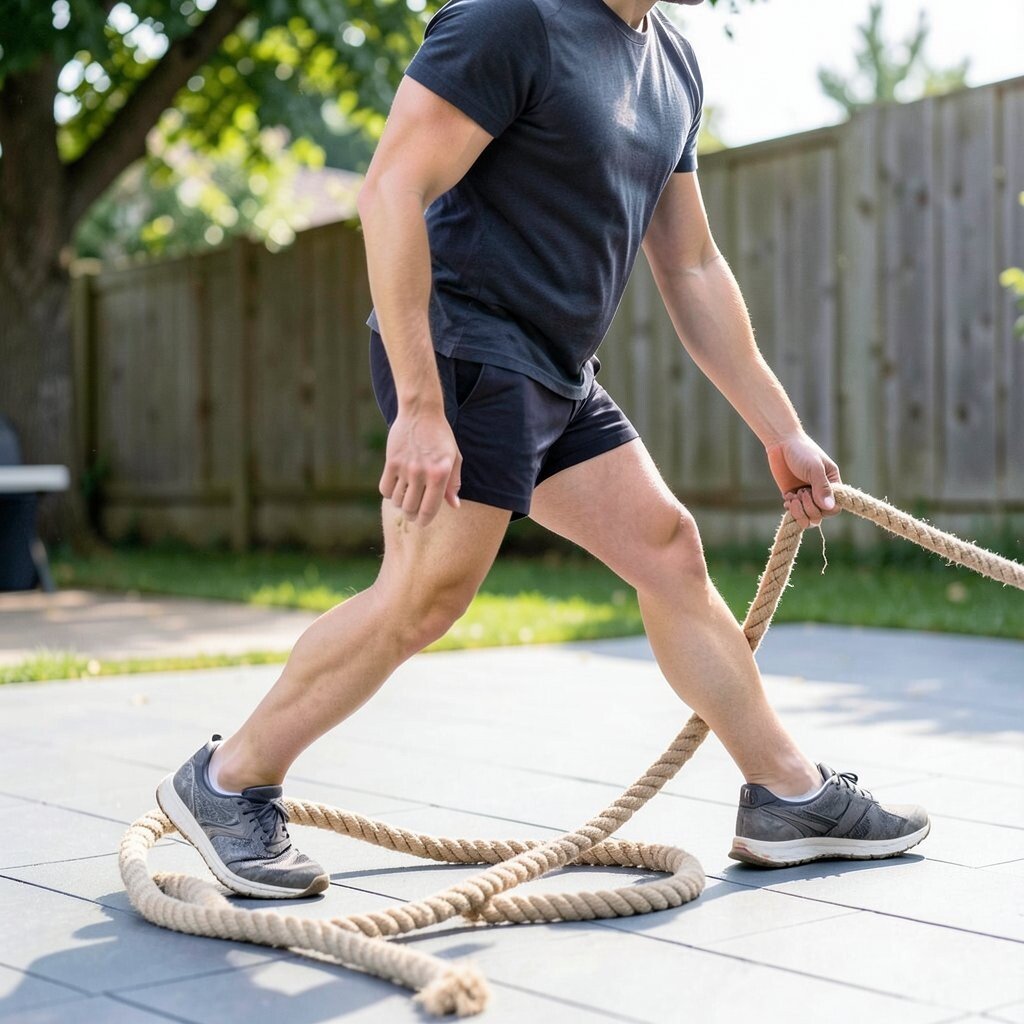
Start with the rope on the floor in front of you. Move your feet left and right while you keep your arms ready to pull. On each step, take a small tug to match your rhythm.
This helps with balance and quick leg work. It also trains your core because your body must stay steady during the pull. Keep your knees soft so you can move without stress.
For personalization, choose your own pace and time. If you have a longer rope, you can add more room for steps. This style fits home workouts and small yards, which is a common trend lately.
3. Partner Straight Pull With Counted Sets
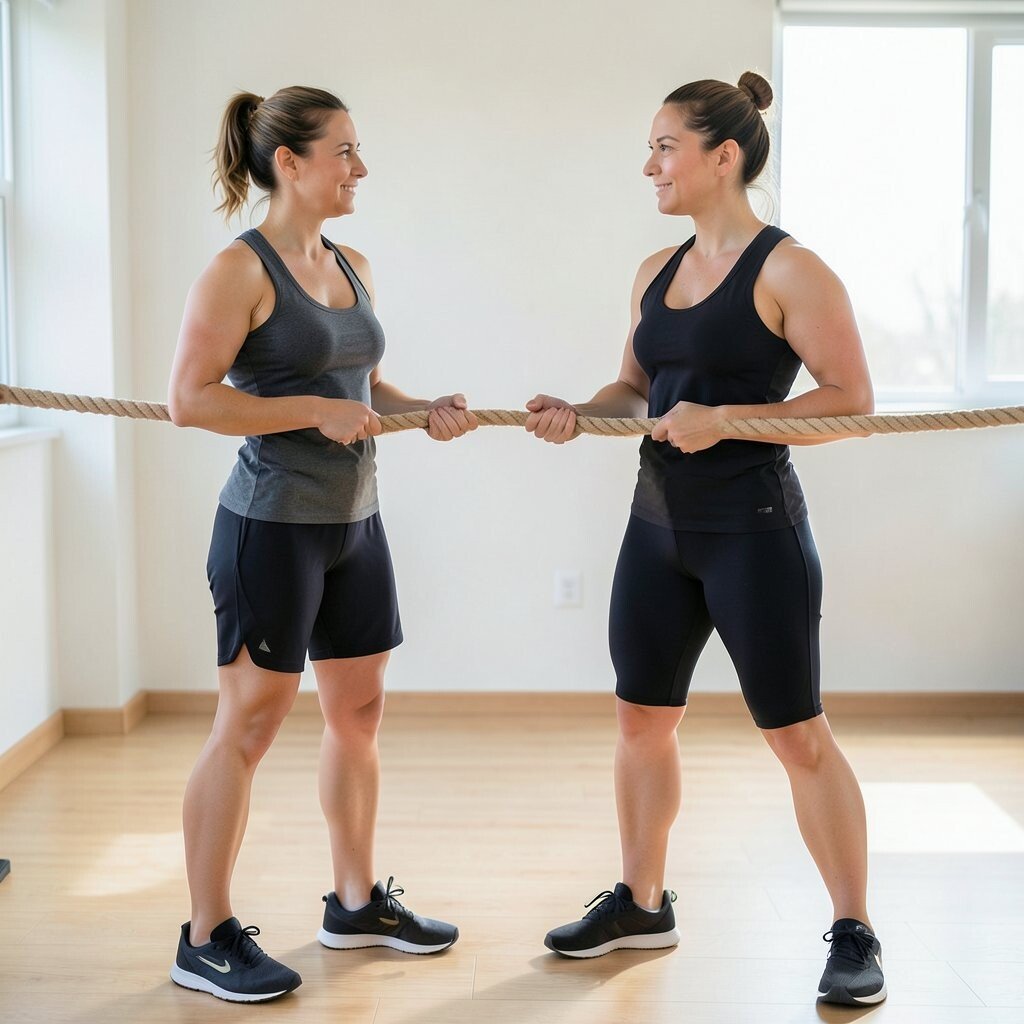
Have a partner stand facing you with the rope between you. Both of you pull straight back at the same time and agree on a count. Start with short pulls, then rest, then repeat.
This is good for grip strength and full-body tension. It also teaches good teamwork because you both need the same effort. Keep your moves smooth so you do not lose form.
To make it safer, set a clear stop word and stop right away if someone feels pain. You can lower cost by using a simple rope and using a towel wrap for comfort. Many fitness groups like this because it is easy to track.
4. “Cone Line” Tug Race
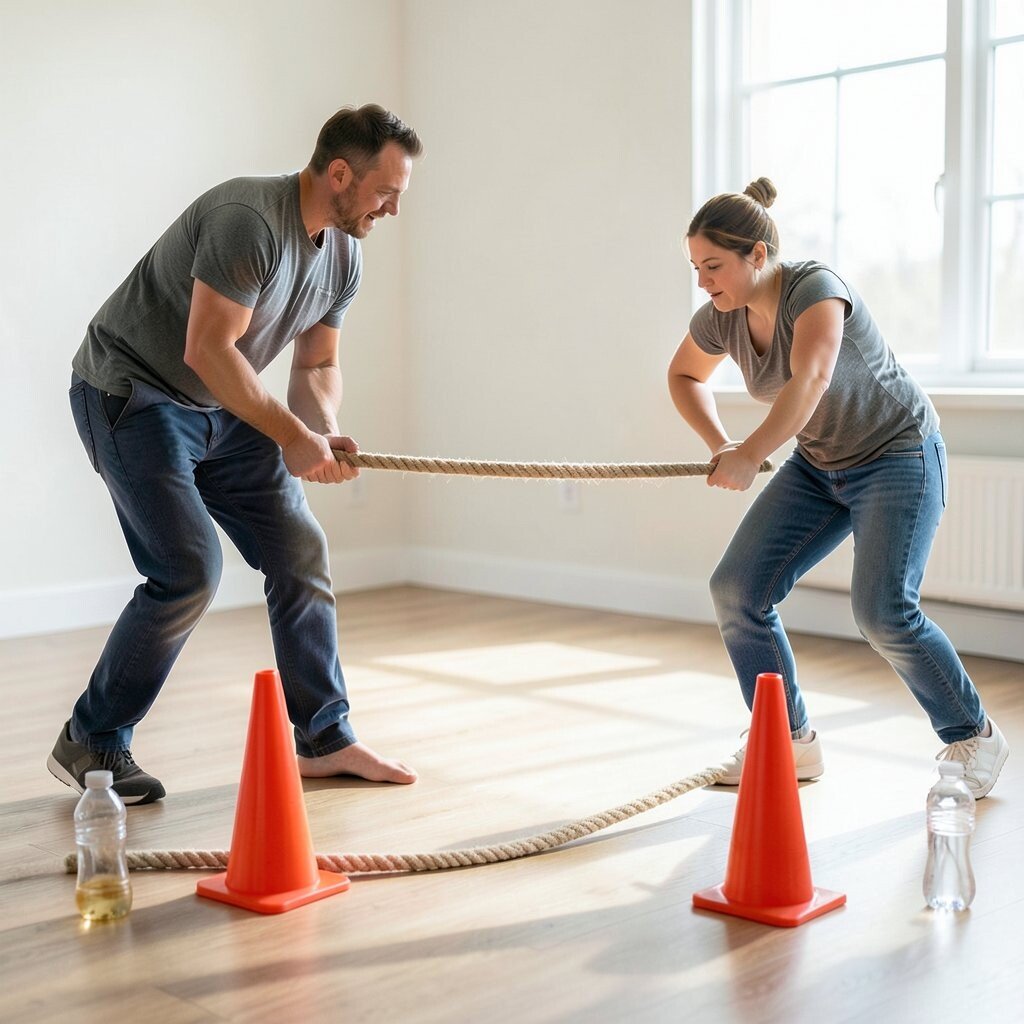
Place two cones or two bottles on the floor and set the rope between them. Take turns pulling to move the other person or the rope toward the finish line. Keep the race simple and focus on control, not big jerks.
It builds leg drive and shoulder strength while also training focus. You will learn how to pull in a clean line instead of twisting. This helps your body learn safer tug mechanics.
Personalize the difficulty by changing the distance between cones. You can also change the rope length to fit your room. Rope games with clear markers are popular because they make training feel like a real game.
5. Kneeling Tug for Lower-Body Control
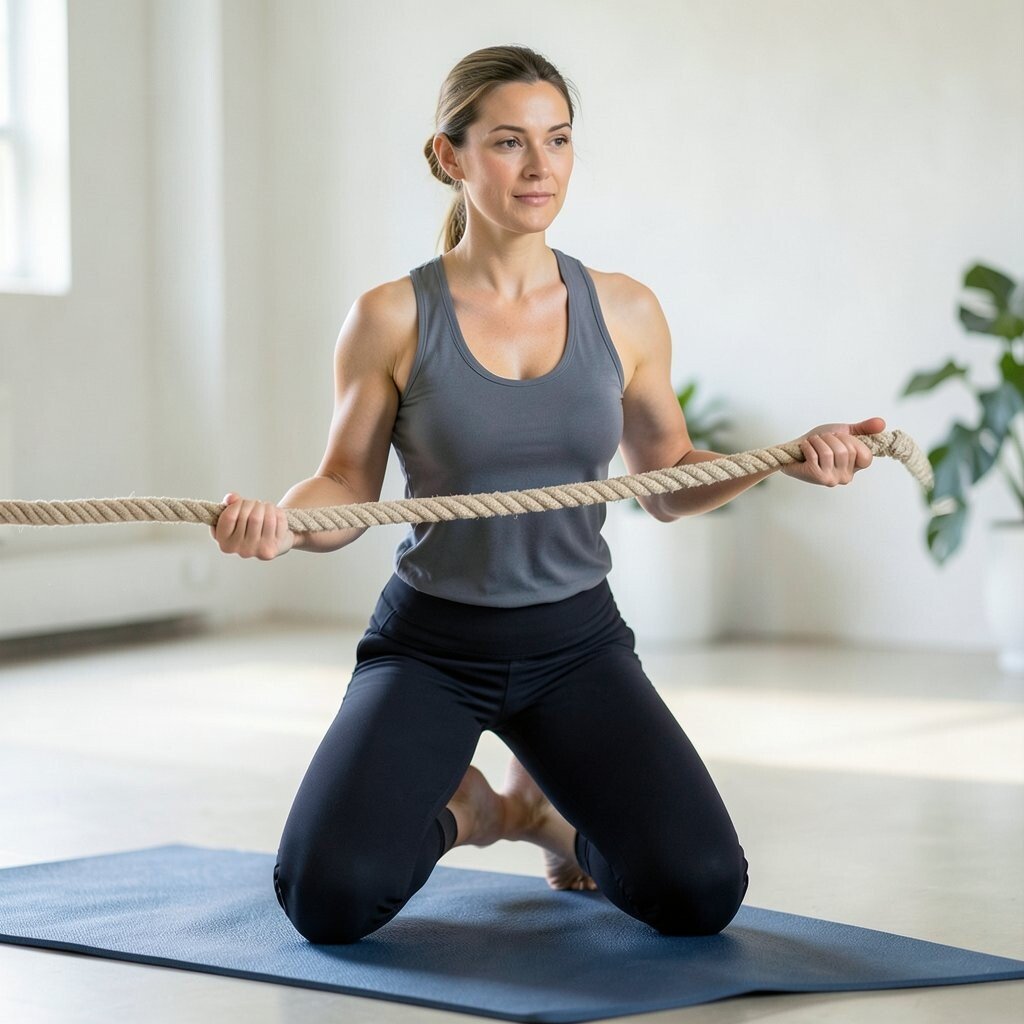
Get into a kneeling stance and grip the rope with both hands. Pull back slowly, then hold, then relax. Keep your hips stable so you feel the work in your legs and core.
This move can help you build control without pushing your back too hard. It is also easier on people who do not like heavy standing pulls. If your knees feel sore, place a mat under them.
Try adding a slow count for the pull and a longer hold for more burn. For cost, use a basic rope and a towel grip. Many trainers like kneeling work because it supports better body position.
6. Overhead Tug for Shoulder and Core Work
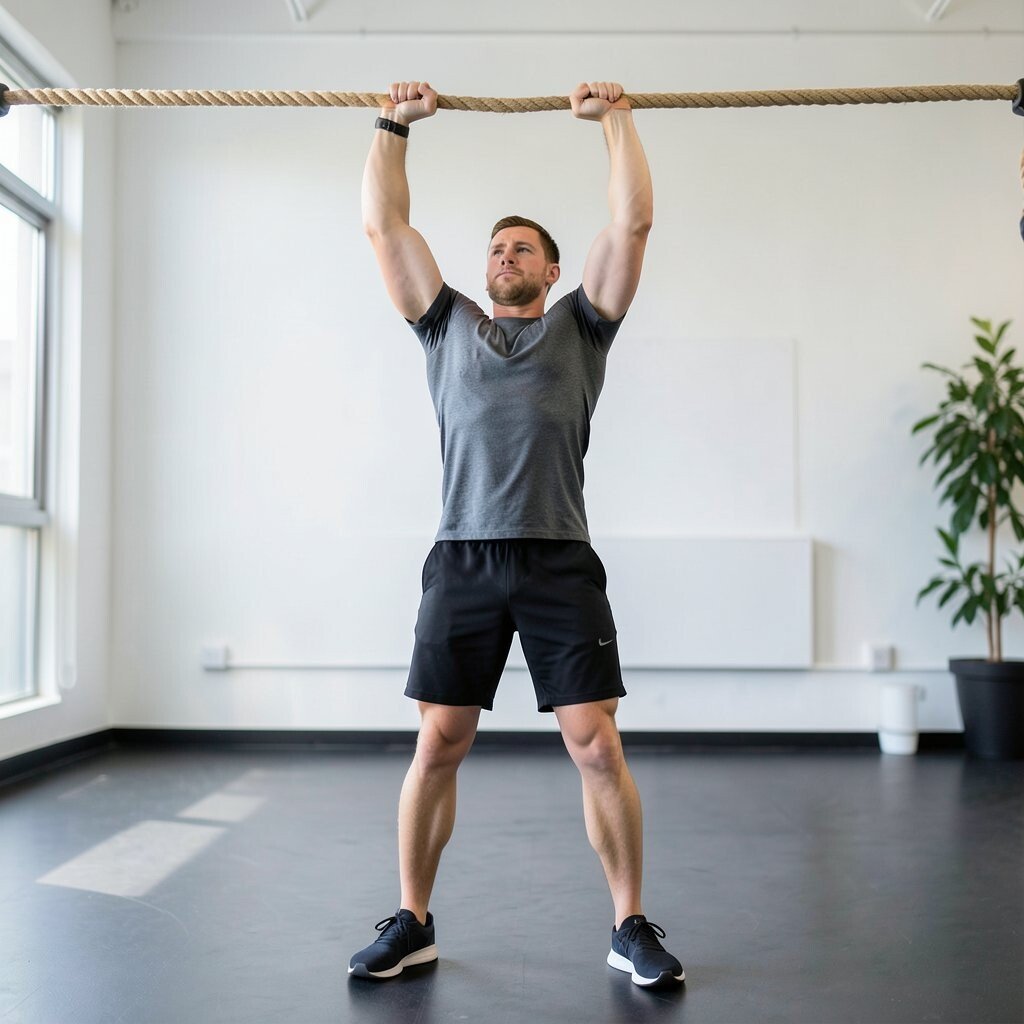
Stand tall and raise the rope overhead with both hands. Lean slightly back and pull the rope down or toward your body while you keep your feet planted. This should feel like a controlled pull, not a slam.
This targets your shoulders and upper back while your core helps you stay balanced. It also improves how you coordinate your arms with your body. Use a light pull at first and keep your ribs from flaring.
To personalize, keep elbows bent or try straighter arms if you feel strong. A thicker rope can feel safer overhead. This overhead tug style shows up more lately in short workout videos because it looks clear on camera.
7. Rope Drag With Slow Push Steps
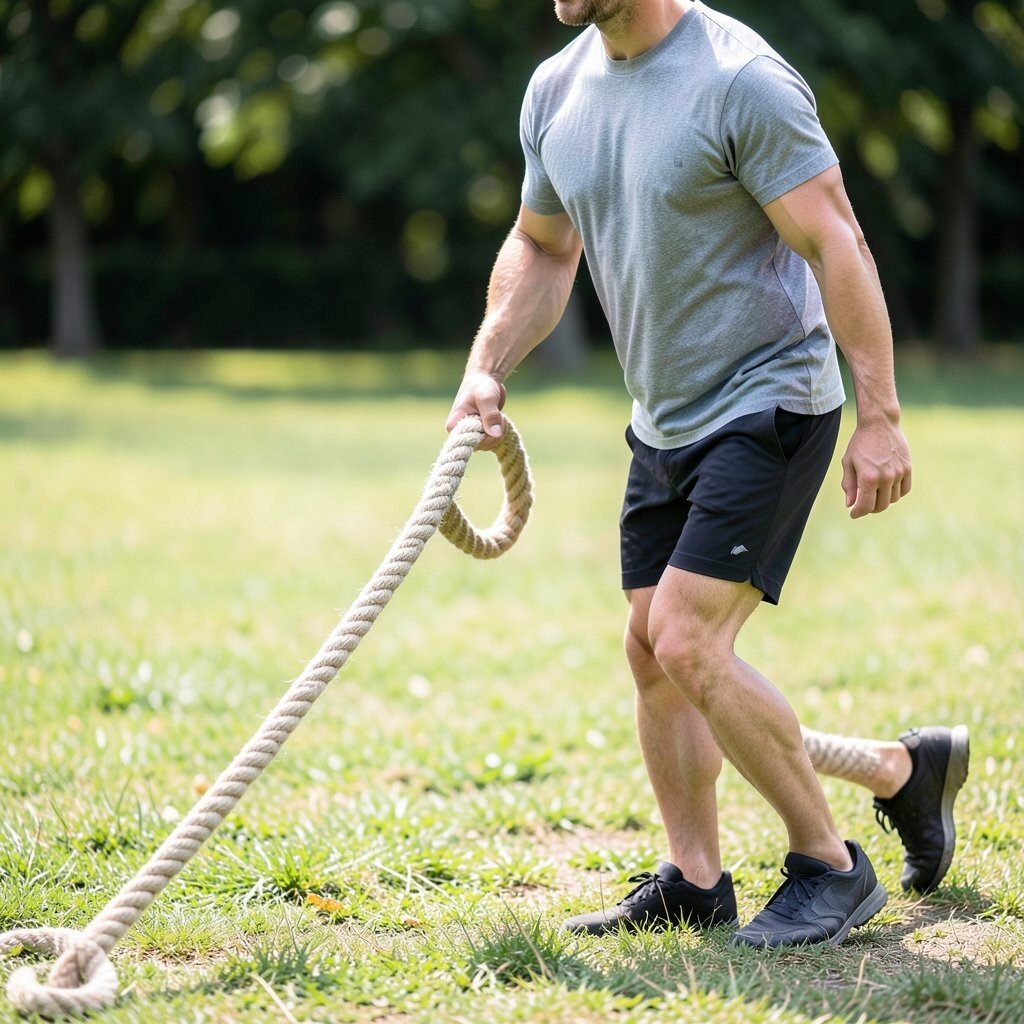
Stand with the rope in front of you and pull it toward your body while you take slow push steps. Keep your arms firm and your steps steady. Do not rush; aim for smooth movement.
This builds leg strength and helps with stamina. The rope drag can also help with posture because you must keep your chest up. It trains your body to keep a steady rhythm.
For personalization, adjust the rope angle so the drag feels different. If you have a soft surface like grass, it can be more comfortable. People enjoy this because it feels like real work without needing a lot of gear.
8. Single-Arm Tug With Rotation Control
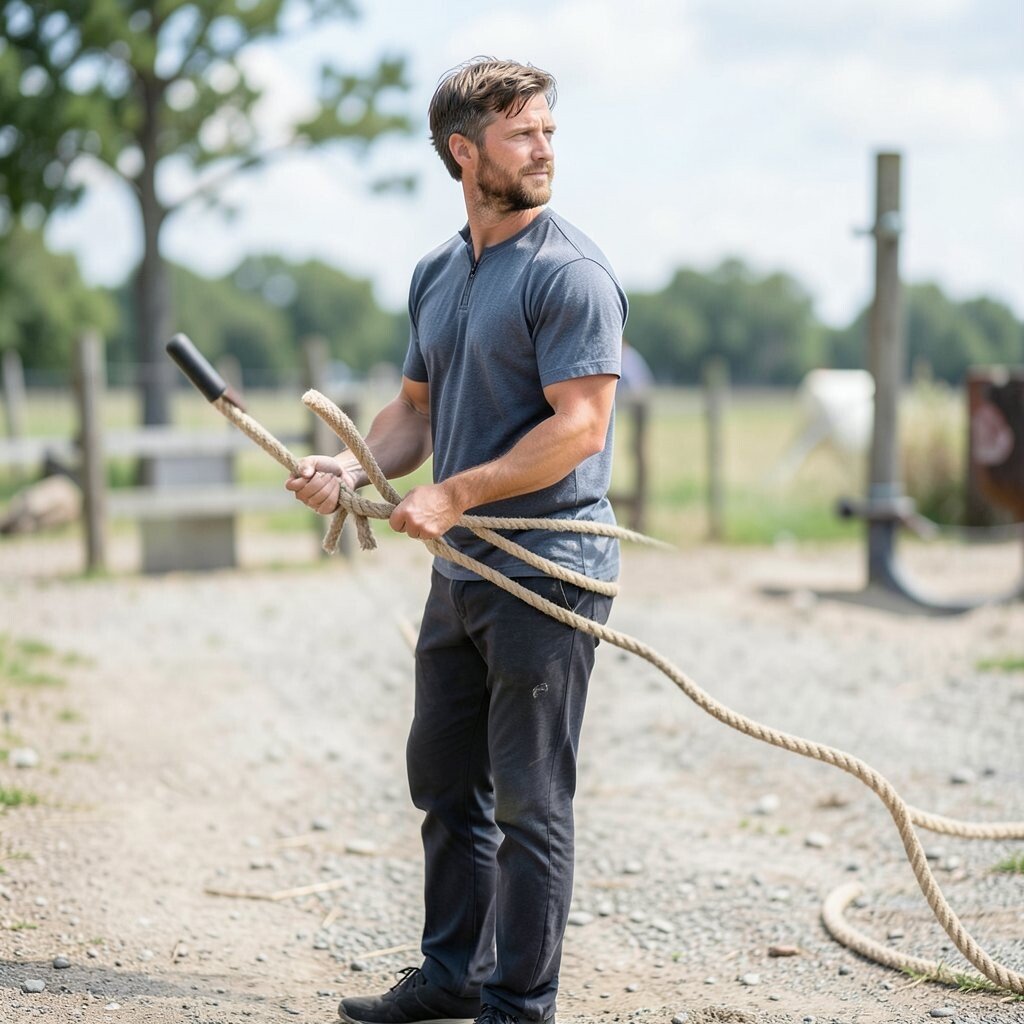
Hold the rope with one hand and stand sideways to your partner or to an anchor point. Pull back while you keep your shoulders from turning too far. Use slow steps to stay balanced.
This helps train one-sided strength and better body control. It also builds core stability because your body must resist twist. Keep your wrist neutral to avoid strain.
To personalize, switch hands and track how long you can keep good form. A rope with a comfortable handle or a towel wrap can lower cost and improve comfort. One-arm training is a common trend because it helps with uneven strength.
9. Floor Anchor Tug With Hip Hinge
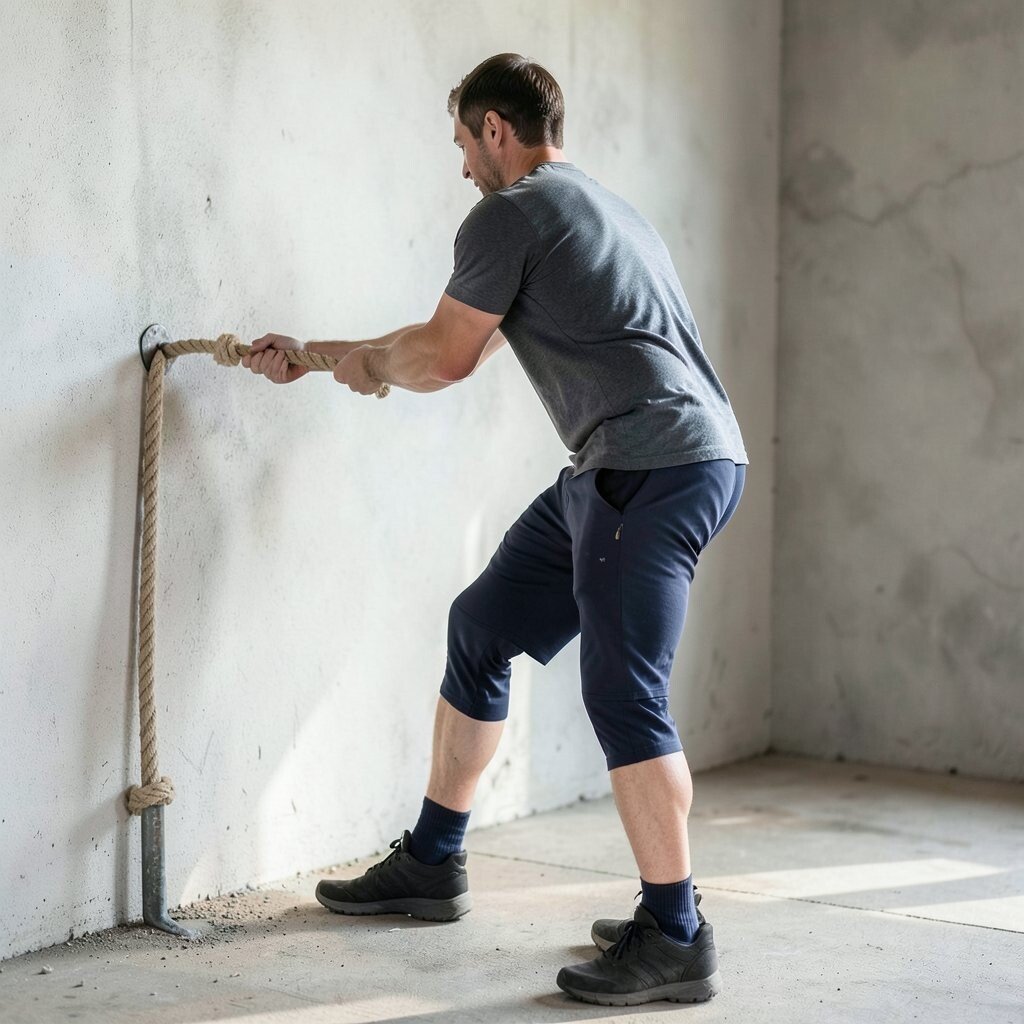
Attach one end of the rope to a sturdy anchor or hold it against a wall safely. Stand facing away and grab the rope with both hands. Use a hip hinge, pull the rope toward you, and keep your spine long.
This style can help your back and legs work together. It also teaches good bending form because you hinge at the hips instead of rounding your back. You will feel it in your glutes and hamstrings.
Be careful with anchors and check that they are solid each time. Use a rope with a strong knot point and good length. Many people like hinge-based pulls because they feel more like normal strength work.
10. Triangle Tug With Three-Point Team Play
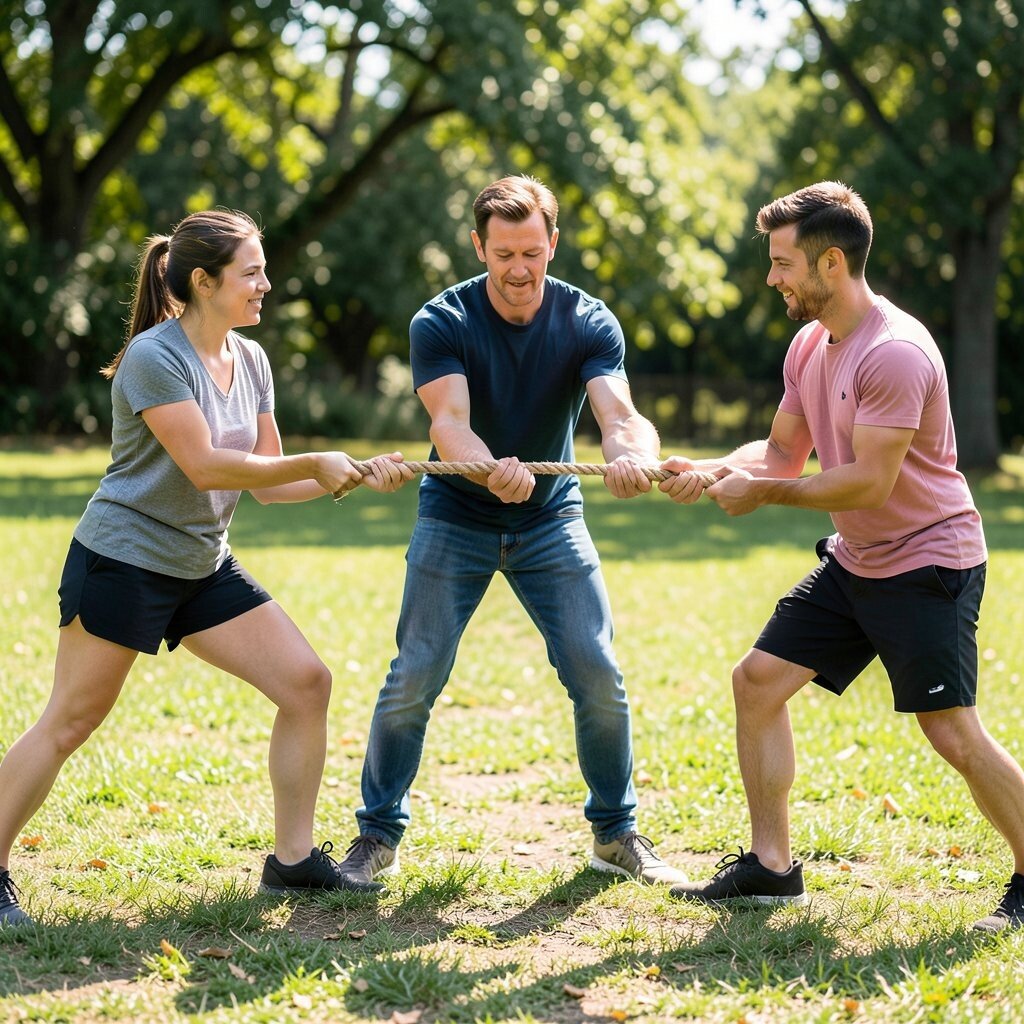
Use three people and set up a triangle with the rope shared among you. Each person grips the rope in their own spot. On a signal, everyone pulls in their direction at the same time.
This trains coordination and helps you learn how teamwork affects the pull. It also builds grip strength and shared effort. You can also practice staying calm when the rope shifts.
Personalize by changing who holds which side. You can also use different speeds for each person. This team style feels fresh because most rope games are usually only two people.
11. Tug-of-War With Zones and Rules
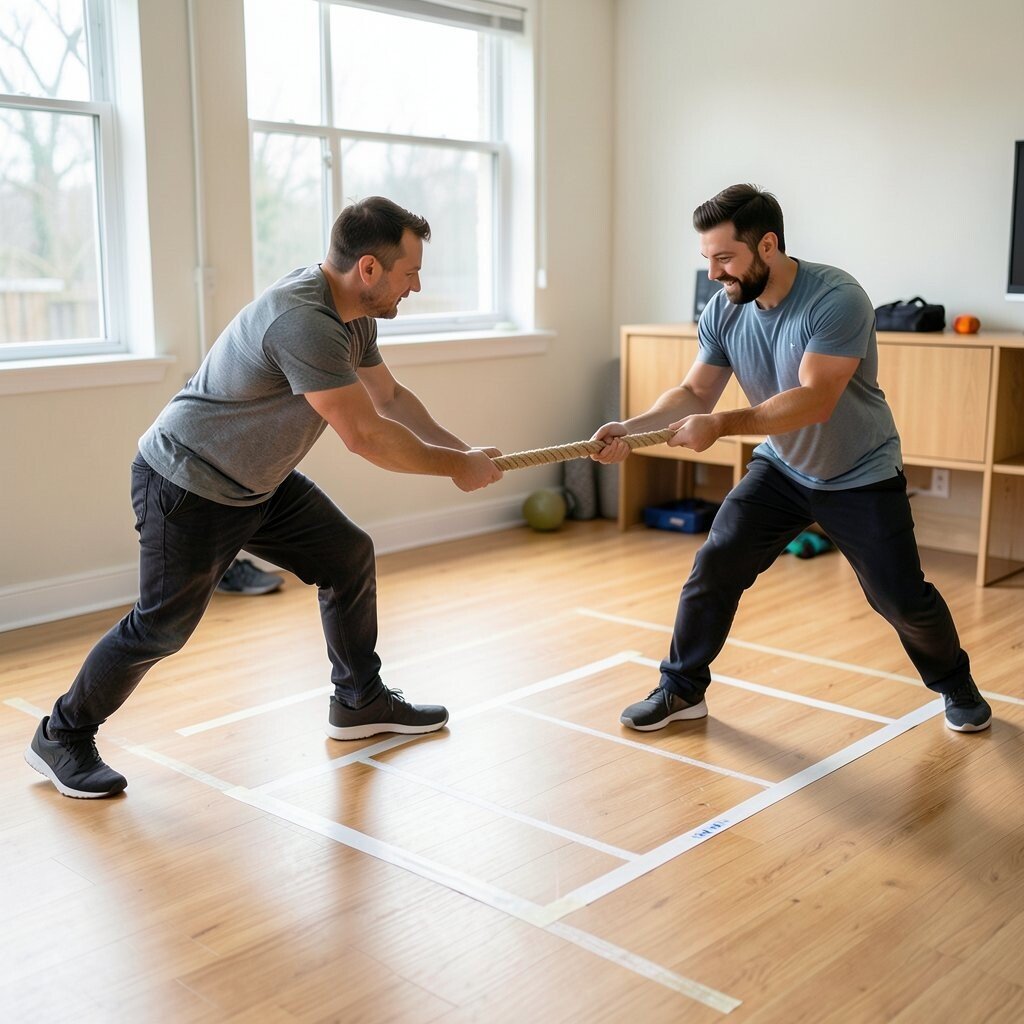
Draw or mark zones on the floor like a small square or line. You and your partner pull and try to move each other out of the zone, but only using full-body pulls. Agree on safe rules before you start.
This helps fitness and also teaches sports rules like control and respect. It can build power and stamina because you keep trying to hold your ground. Staying in a set space also makes it safer at home.
For personalization, make the zone bigger for beginners and smaller for advanced players. Use tape or chalk to keep cost low. Games with zones are popular because they add clear goals without fancy equipment.
12. Laddered Tug With Short Rest Times
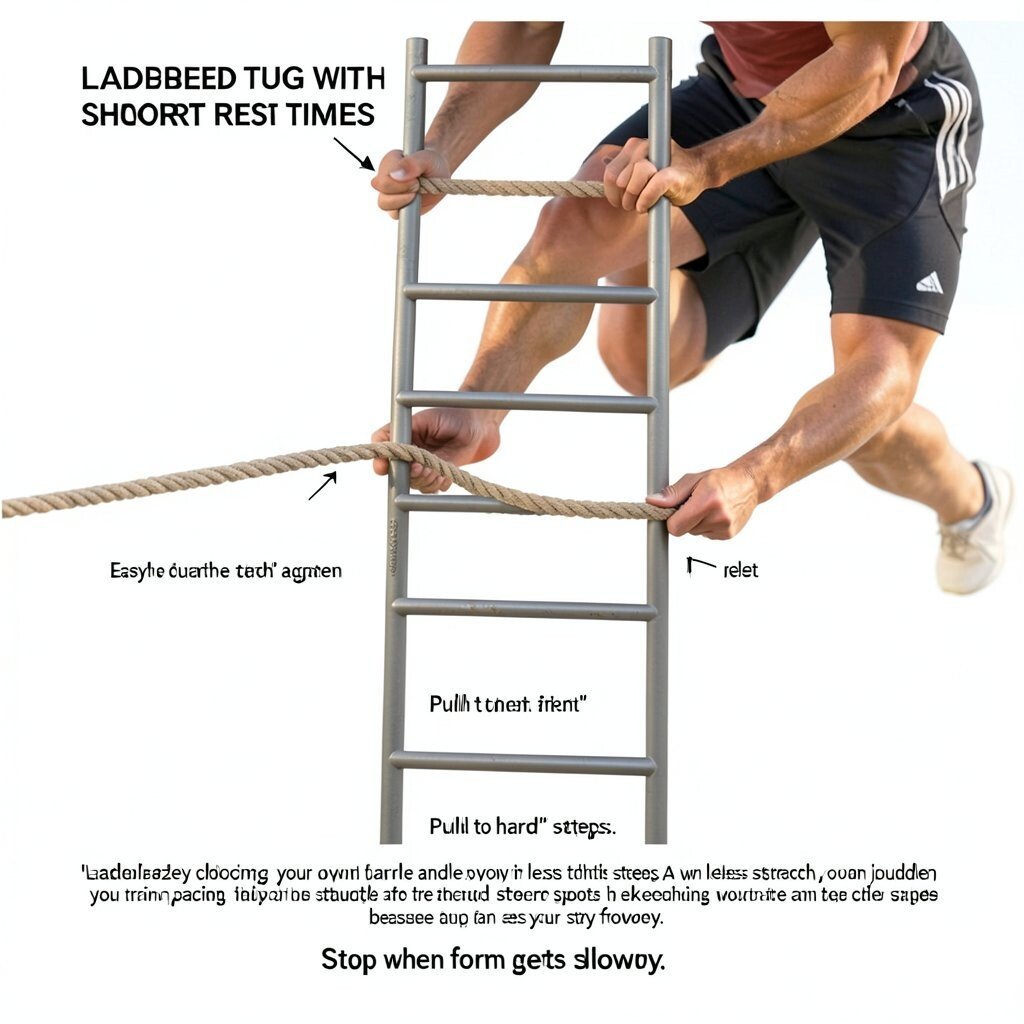
Create a simple ladder plan with a series of pulls that get a little longer. Pull, rest, pull again, and keep your effort steady each time. Stop when form gets sloppy.
This method helps build endurance in your arms and legs. It also trains pacing, which is useful for other sports. Keeping the same rhythm helps you stay focused.
Personalize by choosing your own “easy to hard” steps. A rope with less stretch can help you judge your strength better. Ladder-style workout ideas are trending because they are clear and easy to follow.
13. Rope Toss and Catch With Tug Follow-Up
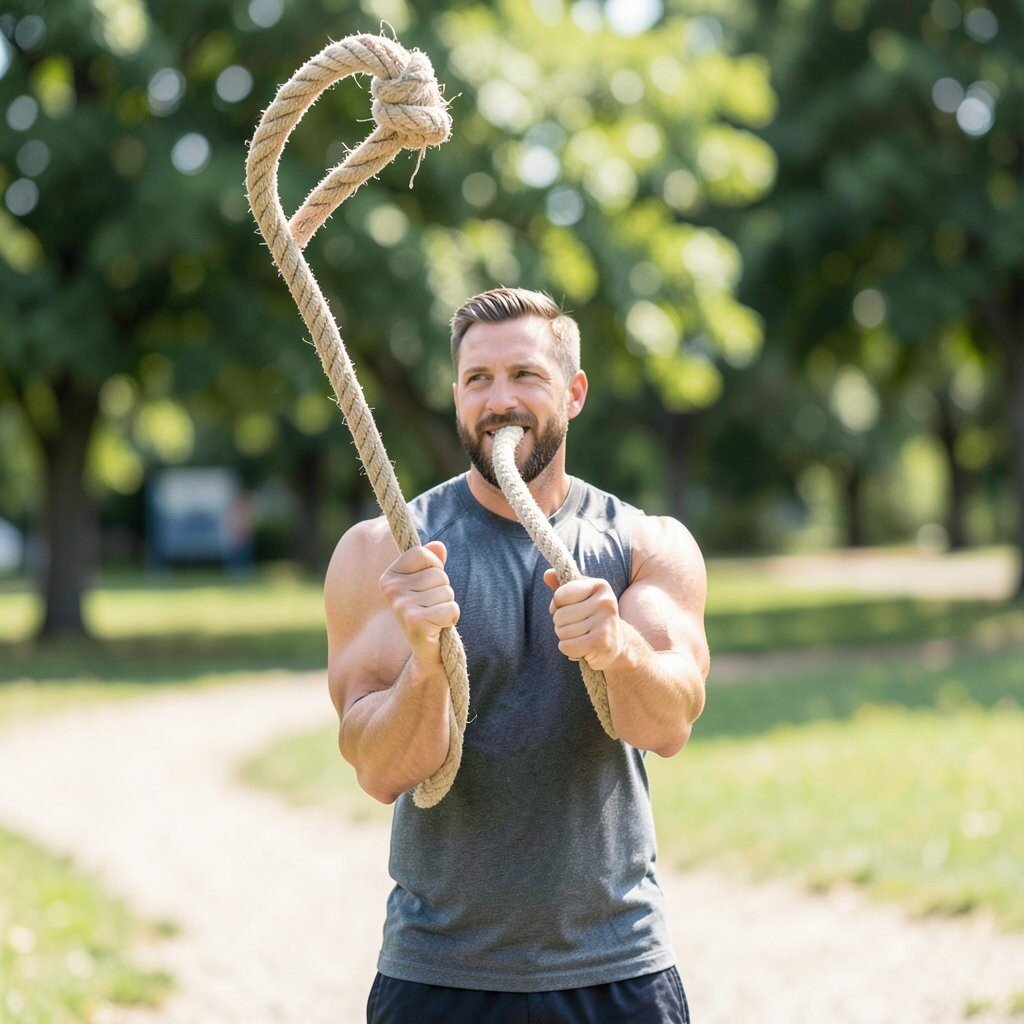
Stand with a rope that is not too heavy and toss a part of it upward. Catch it with both hands and then pull into a tug hold right after. Keep the toss small so you stay safe.
This adds coordination to grip work and helps with hand timing. The tug follow-up then turns the move into real strength training. You also get a quick cardio boost if you repeat it often.
For personalization, try different grip widths to find what feels best. If a rope toss feels risky, skip the toss and just do a quick grip switch. Skill-focused rope moves are getting more attention because they feel like sports, not only exercise.
14. Wide Stance Pull for Strong Legs
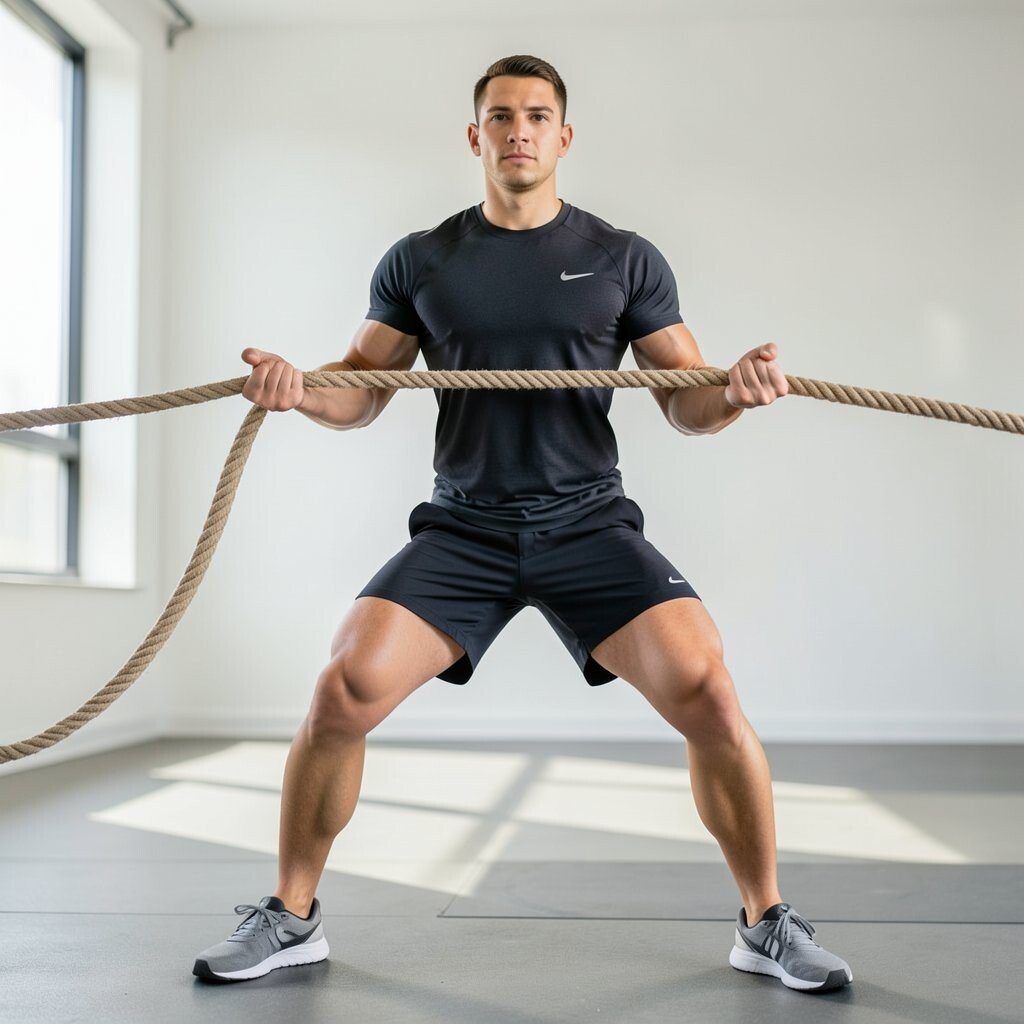
Stand in a wide stance and hold the rope with both hands. Pull the rope toward your hips while you keep knees tracking over your toes. Keep your chest up and your head facing forward.
This helps build leg strength and can support your hips during pulling. It also makes your upper body work in a steady way. You may feel more effort in your inner thighs and glutes.
To personalize, adjust stance width and stop if you feel knee pain. A thicker rope grip can lower hand fatigue. Wide-stance strength moves are common in current training because they target different muscles than narrow pulls.
15. Rope Pull “Pause and Press” Tempo
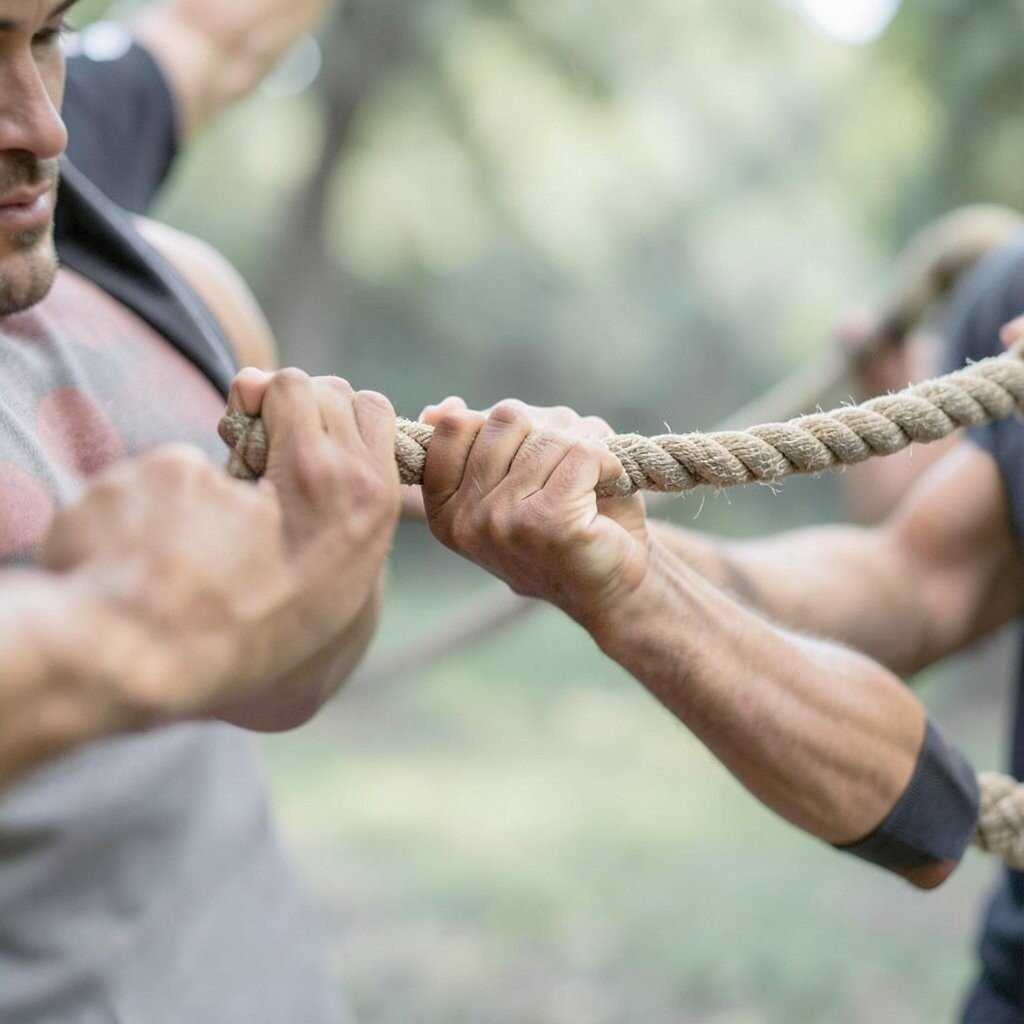
Hold the rope and pull back to a set point. Pause for a short moment with tension in your arms, then press back or pull through slowly. Repeat with the same tempo each time.
This trains control and helps your muscles work under tension. It can also improve your timing and reduce sloppy movement. If you rush, the pause helps you reset and stay steady.
Personalize by changing the pause time and the tempo you like. A rope with less slip in the handle can make the move feel more stable. Tempo training is popular because it is simple and works well for people at different fitness levels.
16. Tug Rope Circuit With Simple Switching
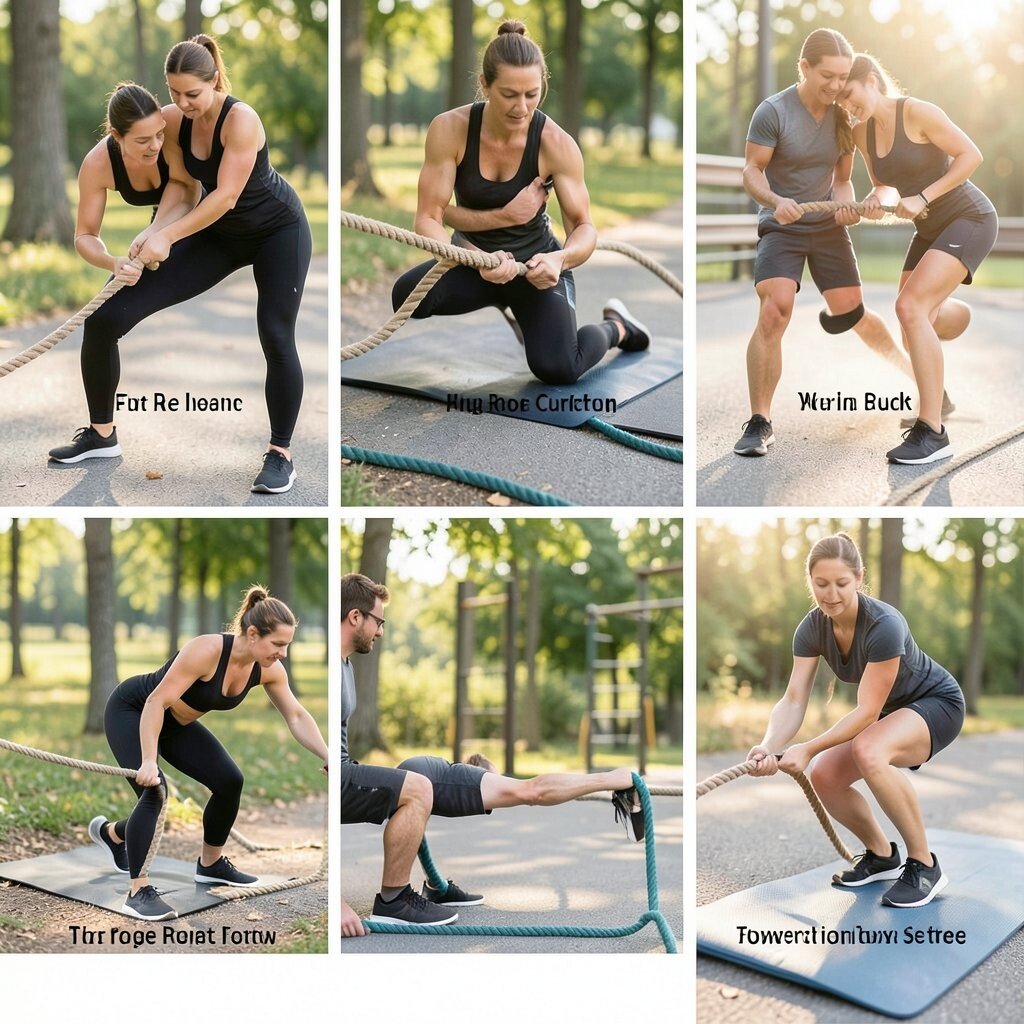
Pick a few rope ideas from this list and link them into a circuit. For example, do a warm-up tug hold, then a footwork tug, then a partner straight pull. Switch moves after each short work period and keep good form.
This builds full-body fitness in a fun way. It also keeps your routine from feeling boring because you change the goal often. Circuits can also help your heart rate rise without needing extra equipment.
To personalize, choose moves based on your space and your partner. Keep cost low by using one rope and one mat if you need knee support. Circuit training with rope games is a current trend because it feels like play while still building fitness.