
Volunteering at a pet shelter can make a big difference for animals in need. You can help in many small ways, and you will also feel good about your time.
1. Walk a Dog on a Simple Route

You can take a dog on a slow walk around the shelter yard or a nearby loop. Watch the dog’s body language and keep the pace calm. A steady walk helps the dog feel less tense and more safe.
Bring your own water bottle for breaks, and ask staff about leash rules. Try a simple route with some shade and fewer loud spots. You can also note what the dog likes, like a longer sniff time or a quiet corner.
This idea is unique because it is easy to start even if you are new. It can also cut down on stress for the dog and for other staff. It costs little, since you may only need a leash, collar, or harness that the shelter approves.
2. Do One-On-One Playtime With Toys

Many cats and small dogs need time to play, even when they are indoors. Use safe toys like soft balls, wand toys, or puzzle feeders if staff allows them. Short play sessions help pets move their bodies and use up energy.
Playtime also helps you learn the pet’s personality. Some pets like chasing, while others like gentle batting. You can personalize your approach by keeping the toy type the pet responds to most.
Ask staff which toys are safe for each animal, and follow cleaning rules. This is a low-cost job because you can often use simple toys or ask the shelter for a list of approved items. It also matches a current trend of enrichment play, since many shelters now focus on mental and body care.
3. Clean Kennels and Create a Fresh Space
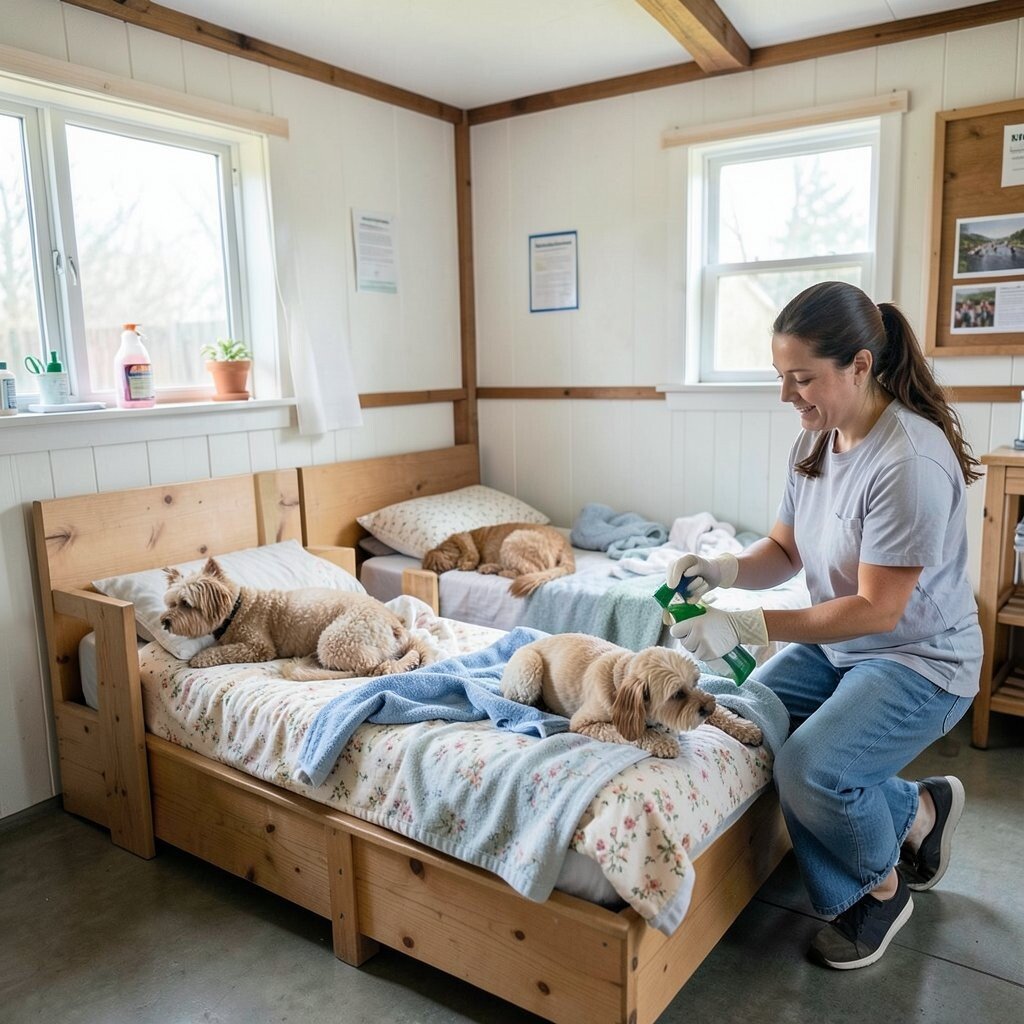
Cleaning might not sound fun, but it helps pets feel better fast. Use gloves if needed and follow the shelter plan for safe disinfecting. A clean area can help reduce bad smells and can lower the chance of illness spreading.
You can also add a personal touch by making the bed area neat and comfy. After cleaning, check that the pet has fresh bedding or a clean towel. Staff can show you how to do this safely for each animal.
This task is practical and always needed. It can save staff time, which is a real benefit when shelters are busy. The cost is usually covered by the shelter, since cleaning tools and supplies are often provided.
4. Help With Cat Social Time
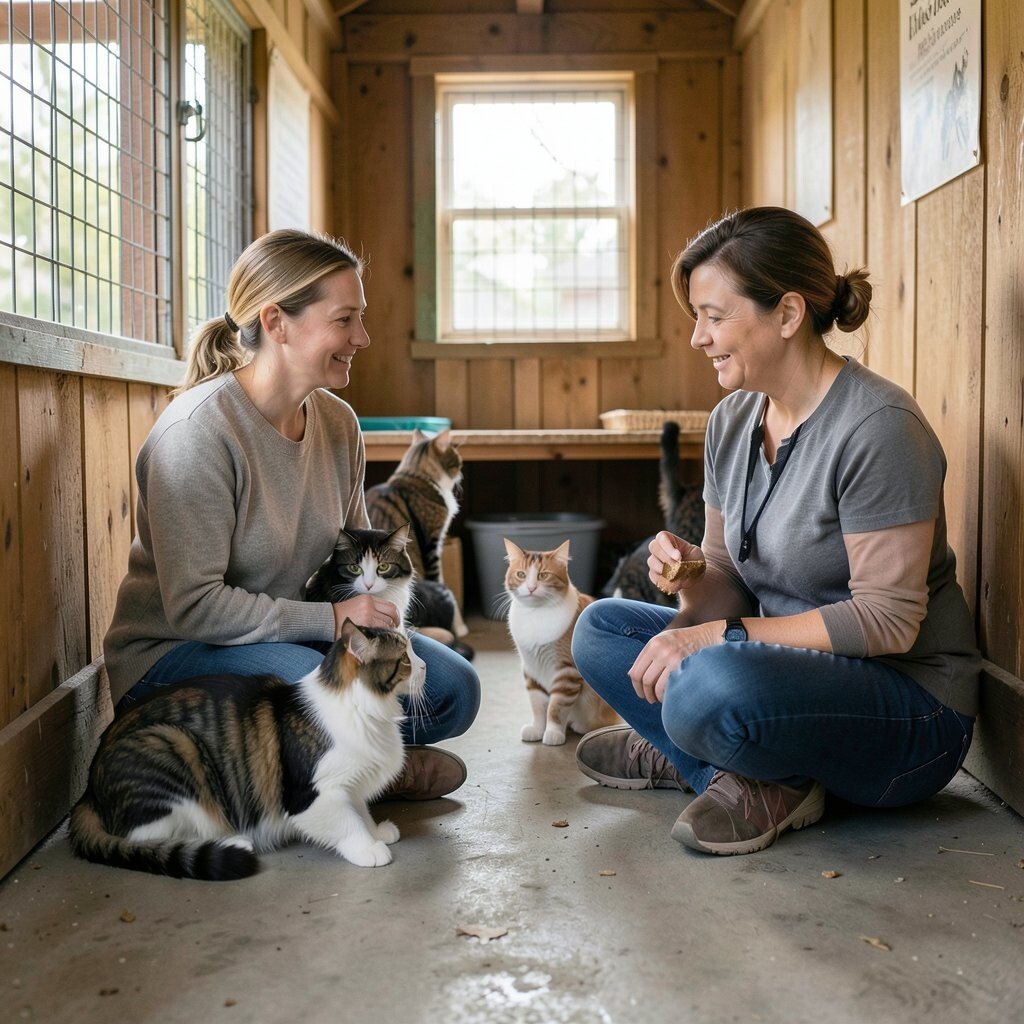
Some cats do best with calm, planned social time. You can sit quietly near a cat’s space and talk in a soft voice if the shelter allows it. Let the cat come to you instead of forcing contact.
Use slow movements and give treats only if staff says it is okay. Over time, you may learn which cats like head rubs and which prefer a little space. Personalization matters here, because each cat has its own pace.
This idea is unique because it focuses on trust, not just handling. It can lower fear and make future adoptions more likely. Many shelters also use this kind of slow meeting as part of care trends that focus on stress reduction.
5. Foster a Pet for Short-Term Needs

Fostering can be a big help when shelters need a break from crowded spaces. You take a pet home for a set time and follow shelter rules. The pet gets more quiet time and more one-on-one care.
Set up a simple home area with a safe bed, a litter box, and a few safe toys. Ask what food the pet should eat and how to handle any health needs. You can personalize the space by choosing a quiet spot where the pet can rest.
This is a strong volunteer path because it moves a pet toward the next step in care. It can be cost-light if the shelter provides food and supplies, but you may still want basic items. Ask early about reimbursement or supply lists to avoid surprises.
6. Assist With Adoption Events and Meet-and-Greets
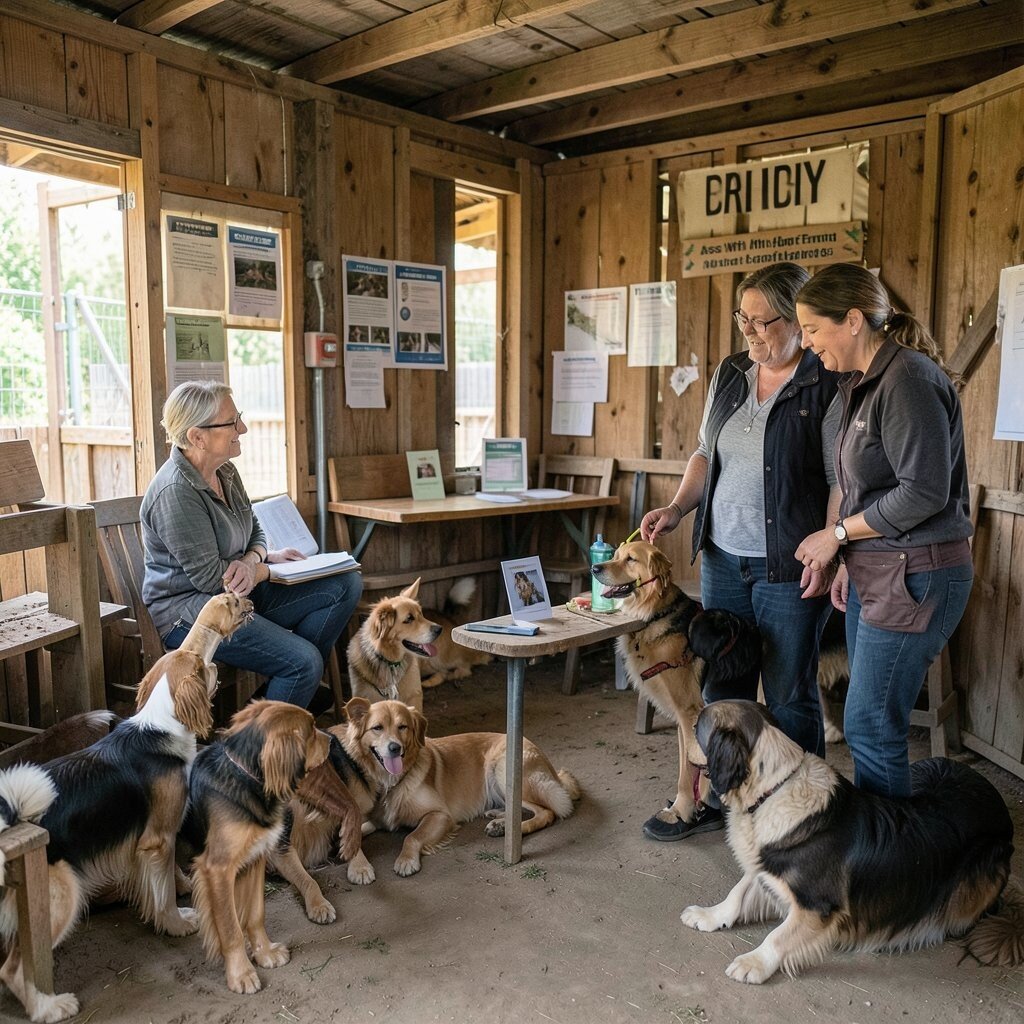
Adoption events help people meet pets in a friendly way. You can help set up a small area with info cards and a safe viewing space. You may also guide visitors to the right pets based on their questions.
Practice simple facts you can share, like age range, daily routine, and known likes. Stay calm and let staff handle medical details. Tips like using a gentle voice and keeping noise down help visitors and pets feel more at ease.
This idea is unique because it connects shelter staff, pets, and the public at the same time. The benefit is clear: more good matches and faster adoptions. The cost can be low since many shelters provide tables, signs, and supplies.
7. Make Enrichment Food With Puzzle Basics
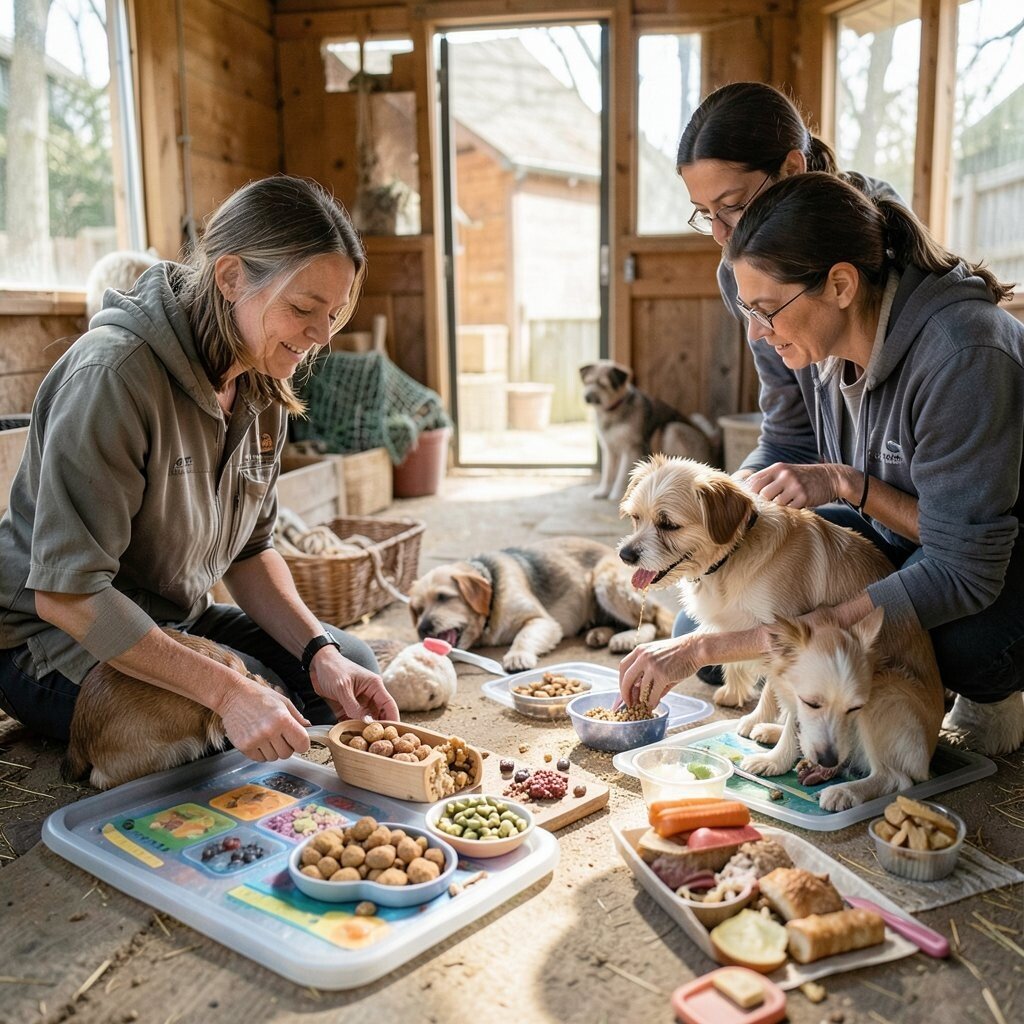
Food games can make pets feel busy and calm at the same time. Staff may allow puzzle feeders, frozen lick mats, or simple food puzzles. These help pets practice using their minds, not only their mouths.
You can add personalization by using the pet’s favorite safe foods, as long as staff approves. For shy pets, use small amounts and make the game short. For active pets, use a longer game with more steps.
This idea is unique because it adds mental play without lots of physical work. It can also help pets settle in after noisy times. Costs vary, but many shelters can share approved recipes, and some tools are reusable.
8. Help Take Photos for Adoption Profiles

Good photos make it easier for people to choose a pet. You can take photos in a quiet space with good light and a clean background. Aim for clear eyes and show the full body when possible.
Try tips like using a simple backdrop, keeping the pet calm, and using a gentle lure if allowed. Personalize by capturing what makes the pet special, like a unique coat pattern or a favorite toy. If the shelter keeps a photo style, follow their plan for consistency.
This idea is unique because it supports adoption in a way many people do not think about. It can also help the shelter’s online presence. Costs can be low since a phone camera works well, and props can be simple.
9. Write Simple Pet Bio Notes and Updates

Many shelters need clear, honest notes for each pet. You can write short updates about routines, likes, and any behavior staff has seen. Keep the tone simple and use facts, not big claims.
You can personalize bios by using small details, like “likes a slow brush” or “calms down after a short walk.” Ask staff questions so your notes match what they know. This is a benefit because better notes help adopters feel sure.
This idea is unique because it turns daily care into useful info. It also supports trends toward more honest, plain adoption profiles. The cost is mostly your time, with any paper or printing tools often handled by the shelter.
10. Organize Supplies and Sort Donations
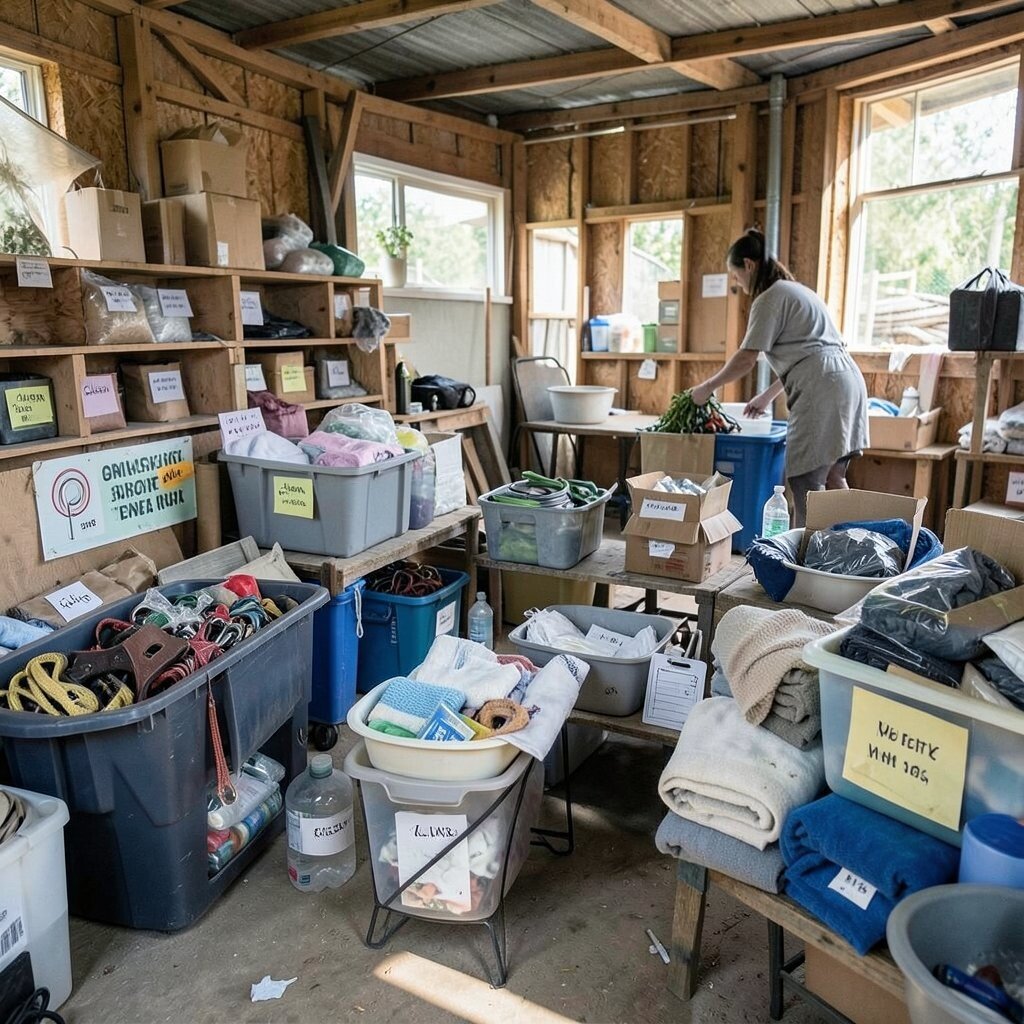
Shelters often receive donations that need sorting right away. You can help group items by type, size, and condition, like leashes, bowls, towels, and blankets. Keeping supplies in order helps staff find what they need fast.
Use basic labels and a simple storage plan, such as “clean towels,” “leashes,” and “cleaning items.” Ask staff where items should go so you do not waste time. You can also personalize the plan by adding a quick checklist for busy days.
This task is unique because it supports every other job. The benefits show up quickly when staff can work without delays. Costs are low since you mainly use bins and labels, and many shelters already have them.
11. Provide Gentle Brushing and Basic Grooming
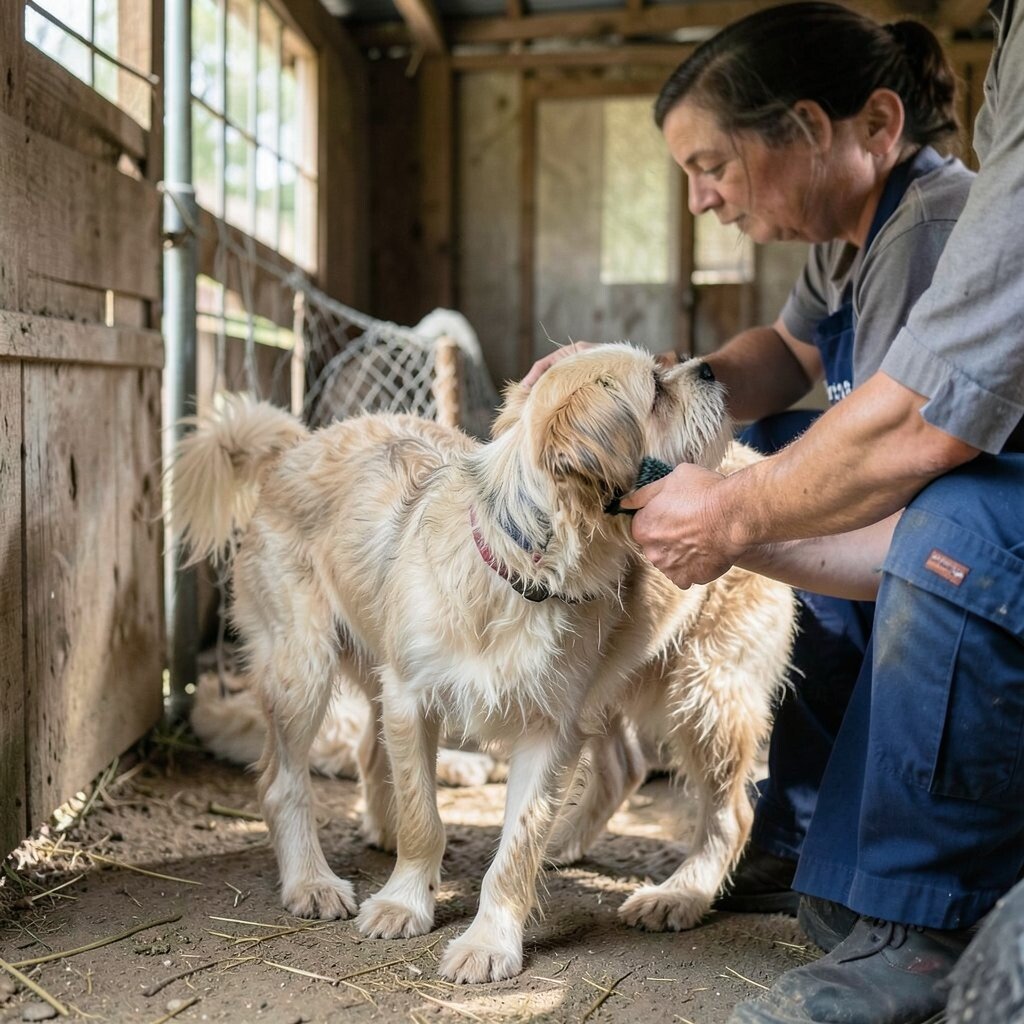
Some pets need help with brushing, especially if they shed a lot. Ask which brushes are safe and where to avoid, like near sensitive skin. Gentle grooming can help pets feel calm and can also reduce loose fur.
You can personalize care by using a brush type that fits the coat length and by watching how the pet reacts. If a pet seems tense, pause and give breaks. Always stop if the pet shows signs of pain or strong fear.
This idea is unique because it is both comfort and care. It can also help staff notice skin issues early. Costs can be low if the shelter provides brushes, and you can donate simple tools if staff approves.
12. Run a Quiet Study or Reading Buddy Session
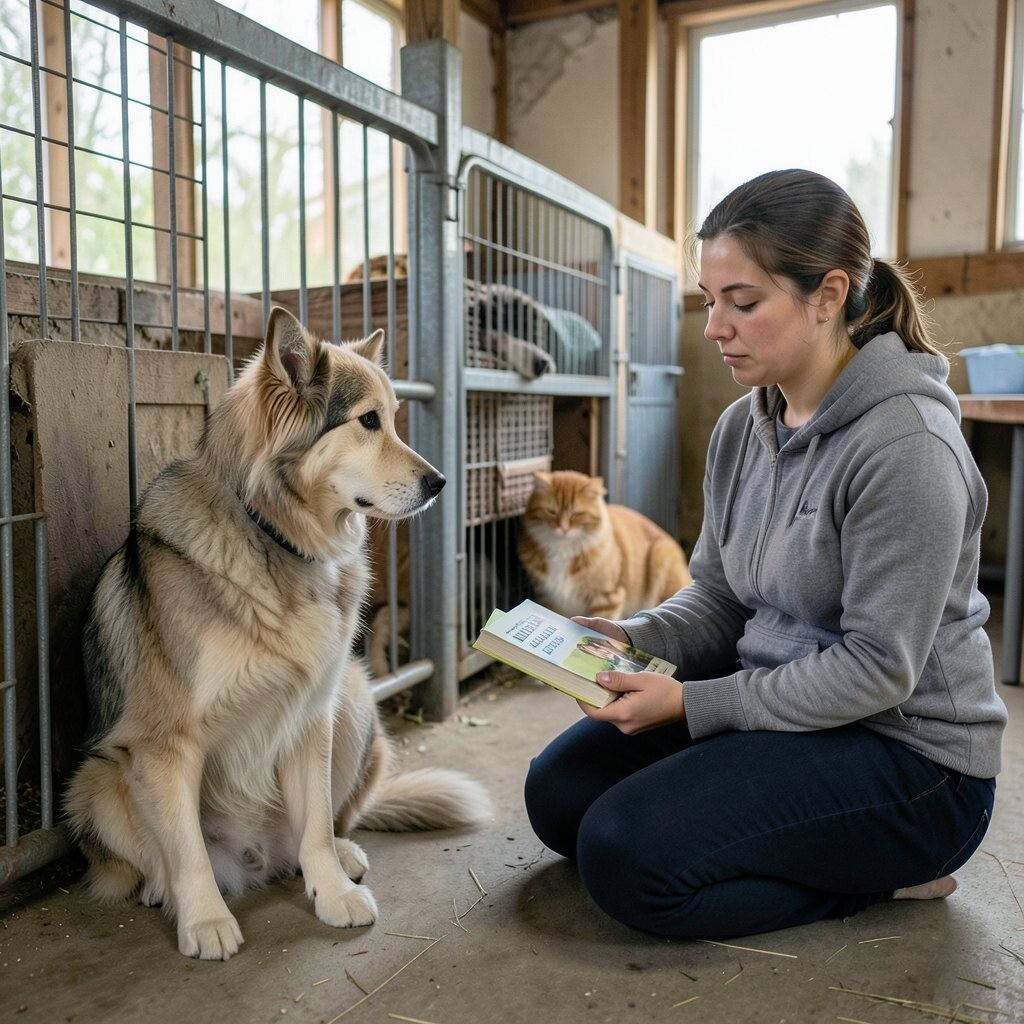
Reading time is a calm way to help pets, especially those that feel nervous. You can sit near a kennel or cat space with a book and keep your voice low. Pets can get used to a steady routine without much sudden movement.
Use tips like turning down your phone sound and using slow breathing to stay relaxed. Personalize by choosing a book type the shelter allows, like short chapters. This can also help you notice which pets are most comfortable in low-noise settings.
This is unique because it changes the shelter vibe in a gentle way. The benefit is stress relief, which can help pets handle handling and staff routines better. The cost is mostly a book, which you may already own.
13. Help With Training Basics Using Positive Methods

Simple training can help many dogs learn what to do in a shelter. Staff may teach a volunteer how to use positive methods like treats for calm behavior. Focus on small goals like “sit,” “stay for a moment,” or “come when called.”
You can personalize training by choosing rewards that match each dog’s taste and interest. For shy dogs, use very small treats and short steps. For more active dogs, add a short training break after play so the dog stays focused.
This idea is unique because it helps pets build trust with people. It can also speed up their comfort in a new home, which is a real benefit for adoptions. Costs are low, since treats can be shared or provided, and training tools can be simple.
14. Create a Simple Health and Comfort Check Routine

Volunteers can help observe and report what they see, if the shelter allows it. You can check comfort basics like whether the pet uses the bed, drinks water, and seems alert. Write down any changes and share them with staff right away.
Use tips like using a quiet tone and keeping handling to what the shelter asks. Personalize your notes by tracking what is normal for each pet, like how they act at feeding time. This helps staff make better care choices.
This idea is unique because it supports medical and comfort care without trying to replace staff. The benefit is early notice, which can help prevent bigger issues. Costs are usually minimal because you only need a notebook or a phone for notes, and the shelter often has forms.