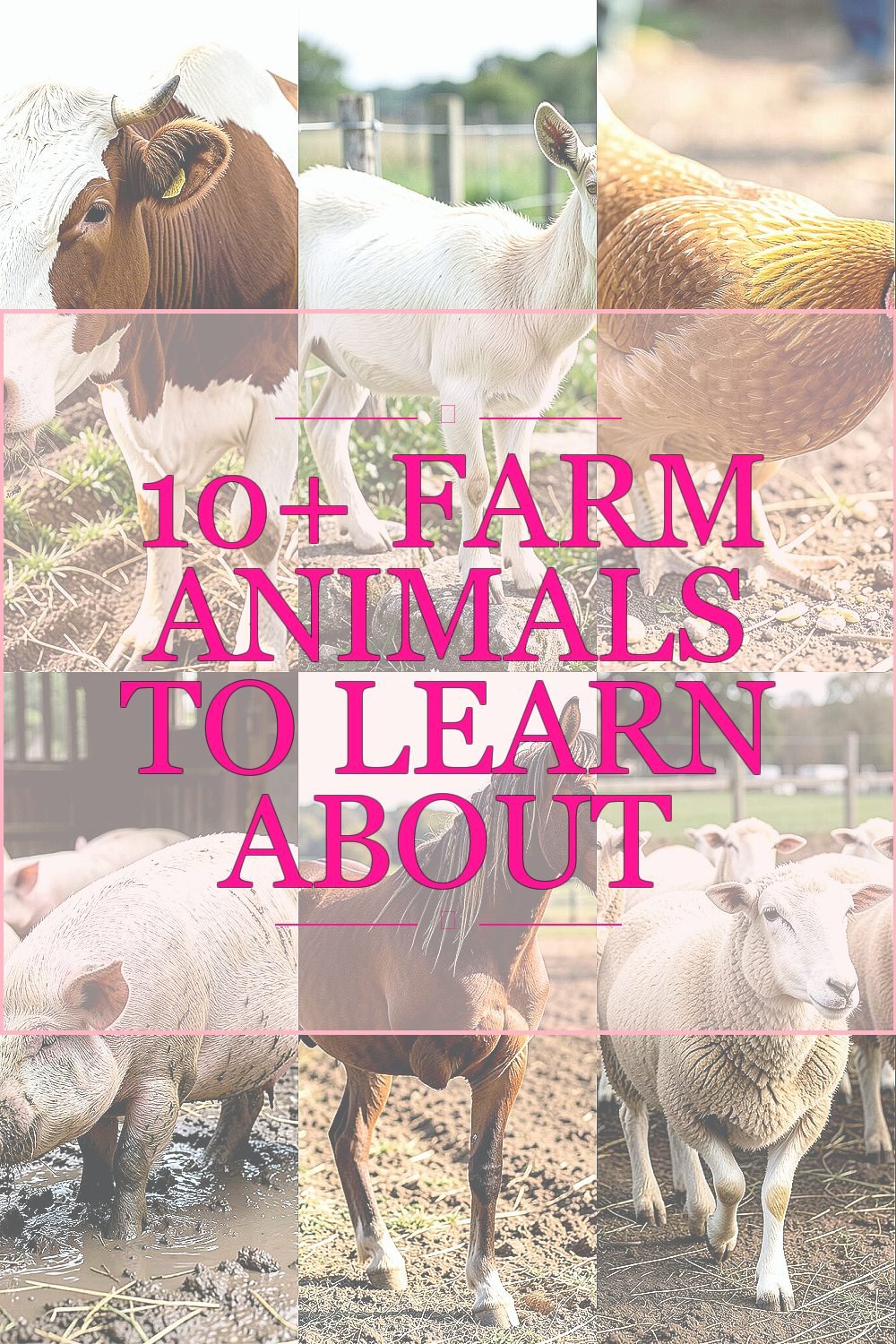
Farm animals can be a fun way to learn how food and fiber are made on real land. You can see how they live, what they need, and why they matter to people and farms.
1. Cow

A cow has a big body, a calm face, and a coat that can be white, brown, or a mix of colors. When you watch from a safe spot, you may see it chew its food again and again, which helps it digest well.
Cows give milk and also help make meat, and many farms use manure to help garden soil. A fun benefit is that you can learn routines, like feeding times and water checks, by simply watching the day go by.
To get more from a visit, use a basic notebook and write what you see, such as color, size, and behavior. If you want a hands-on start at home, try a simple yard observation plan with a friend, and focus on one animal for a full hour.
2. Goat
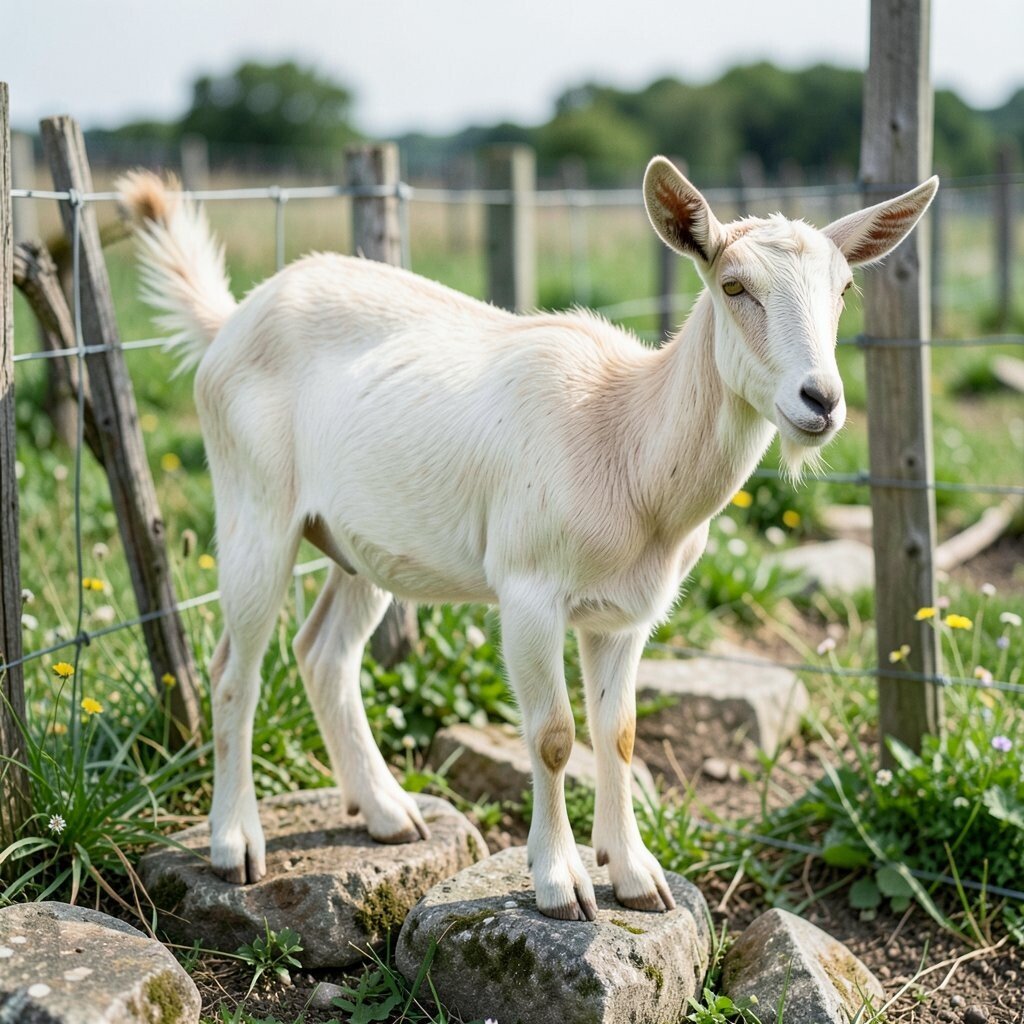
A goat often has a slim body, long ears, and a curious look. You may notice it stands on small rocks or fences, because it likes to climb and move around.
Goats can help manage weeds and brush, so they are useful for land that needs care. They also give milk and cheese in some areas, and their wool can be a fiber source on certain farms.
For safety and comfort, stay behind a fence and avoid sudden noise. If you want to learn more without much cost, try keeping a short list of goat traits like tail position, sound, and eating habits during a farm tour.
3. Chicken

A chicken has a small head, a pecking beak, and feathers that can look smooth and bright. When it walks, it often picks at the ground, looking for seeds, bugs, and bits of food.
Chickens help provide eggs, and they also help farms by eating pests and leftovers. A key benefit is that you can learn a lot about daily care, like clean water and dry bedding, because chickens need steady routine.
If you want to personalize your learning, choose a color of eggs to ask about, and compare it with the hen types you see. For cost, keep it simple: bring a notebook, wear closed-toe shoes, and ask a farmer what feed costs are like in your region.
4. Pig

A pig has a round belly, strong legs, and a snout that it uses to search. Many pigs love to wallow in mud, and that can look messy, but it helps cool their skin.
Pigs can provide meat, and they are also known for being smart in how they find food. Watching a pig can teach you how barns need good space, clean floors, and fresh bedding for comfort and health.
Tip: ask how the farm keeps pigs cool and safe, especially in hot weather. If you want to plan a low-cost visit, aim for a weekday farm day when the animals are fed on a calmer schedule.
5. Horse
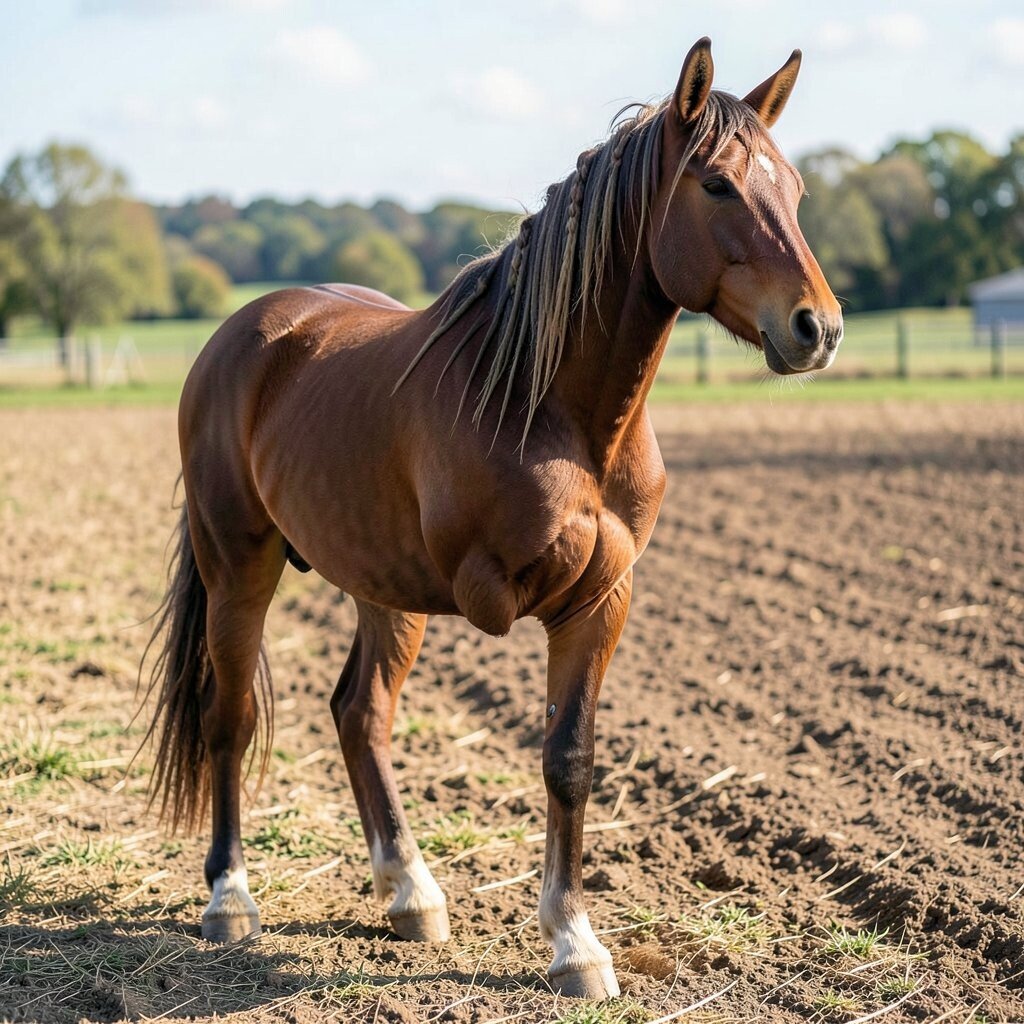
A horse is tall, with a strong chest and long mane that can be braided or left loose. When it moves, you may see it shift weight slowly, and its ears often point toward sounds.
Horses help people with farm work, like pulling carts or moving tools, and they can also be used for riding and care jobs. A benefit of watching horses is that you can learn how calm handling matters, since they respond well to gentle routines.
For a better learning goal, watch how the horse reacts to touch near the shoulder or how it stands when being brushed. If you want to learn the basics, consider visiting a local stable and asking what a beginner class includes, plus the usual cost for a short session.
6. Sheep
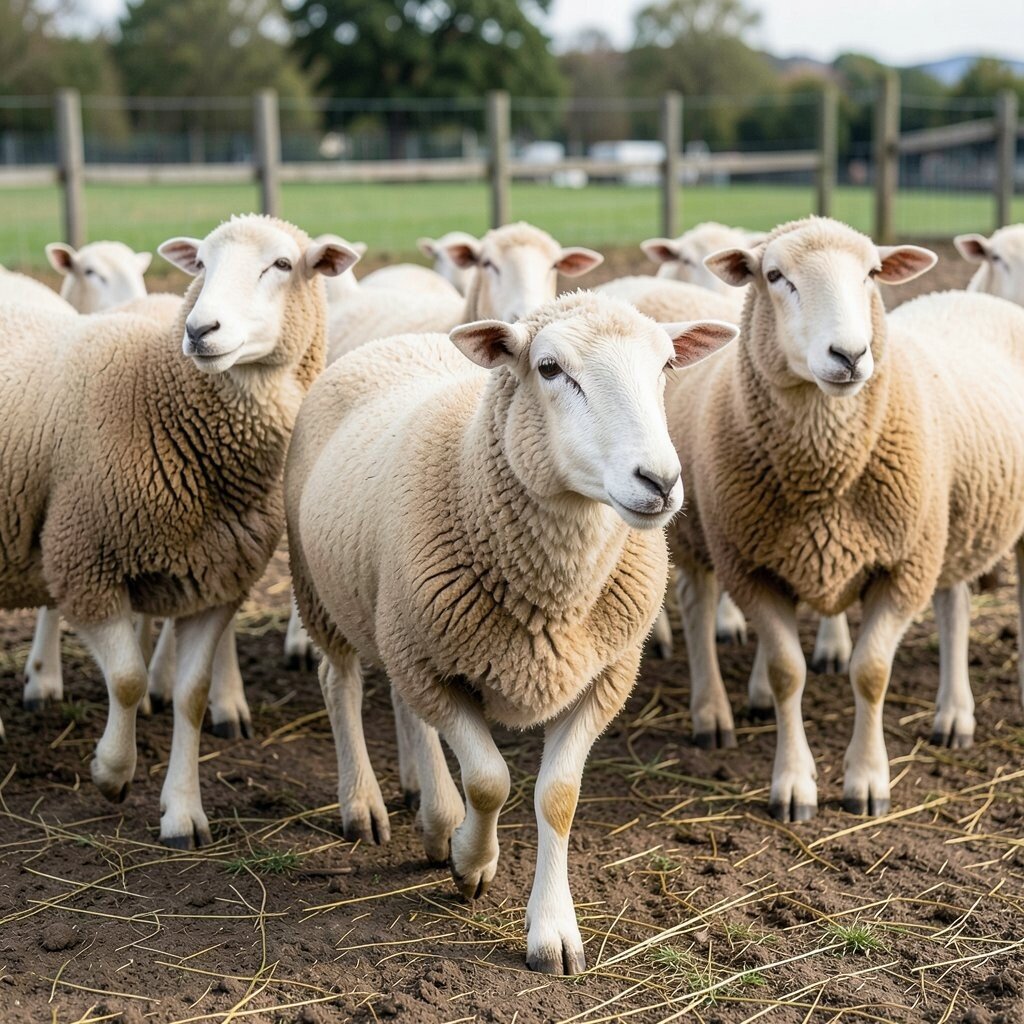
A sheep looks fluffy, with a thick coat that can be white, tan, or brown. Its face is usually soft and kind, and you might notice it walking in a steady group.
Sheep can provide wool, and they can also be used for meat in many places. Many farms shear sheep each year, and this is a good chance to learn how people care for animal comfort and reduce heat stress.
If you want to add a personal focus, ask about wool types, like fine or coarse, and feel how different fibers feel in a safe area. To keep costs low, bring a simple camera or phone for notes, and ask before taking any photos near pens.
7. Duck

A duck has a flat bill, a smooth body, and legs set a bit back for good swimming. When it goes near water, you may see it dabble in the shallows and move with quick, steady steps.
Ducks can help control small pests, and their eggs are eaten in some homes and farms. A big benefit is that ducks show how water access affects daily life, from bathing to cleaning feathers.
Tip: ask what kind of water they use, like a pond or a tub, and how often the farm cleans it. For trends, you may hear more people keep ducks for small garden help, so you can ask how that has changed in the last few years.
8. Turkey
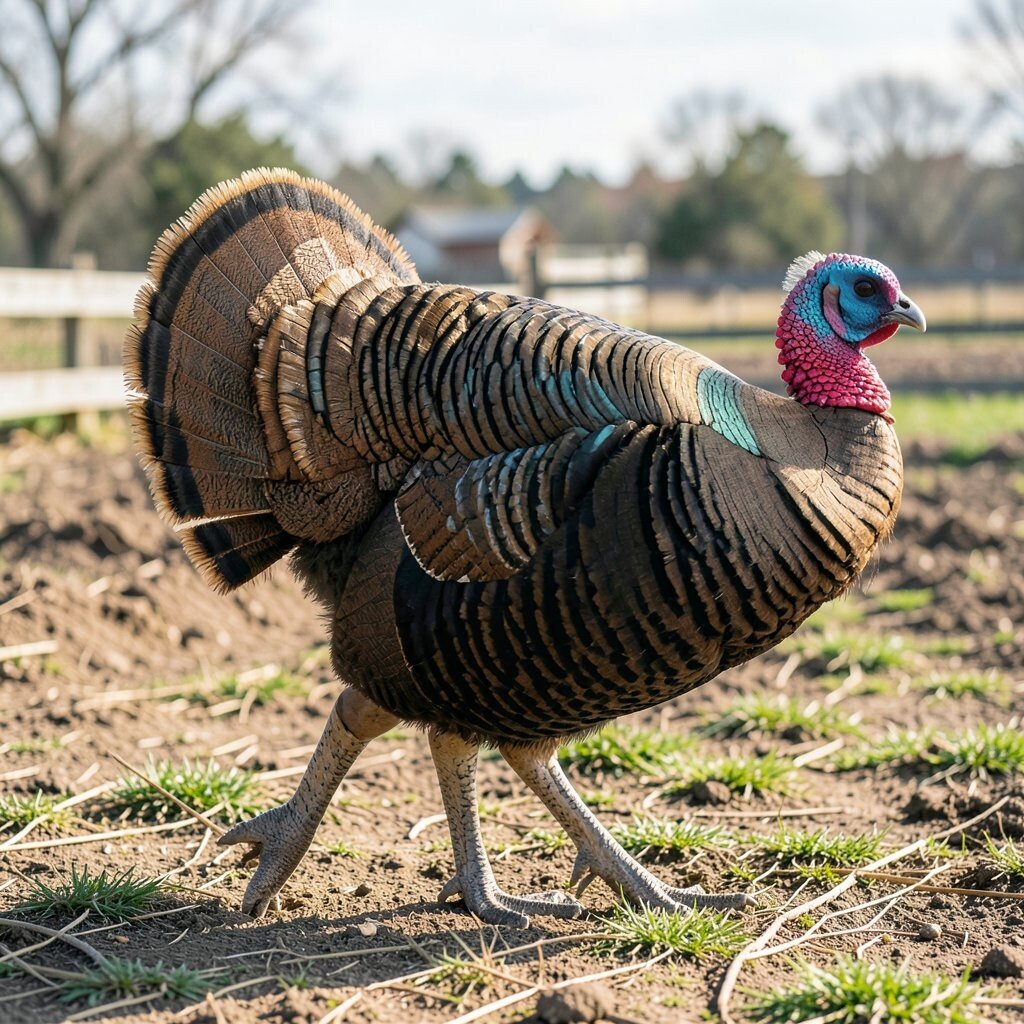
A turkey has a larger body than many other birds, with a fan-shaped tail that can spread when it feels safe. You may see it walk with a steady pace and make soft sounds as it looks for food.
Turkeys are raised for meat, and they can also help farms when they forage for insects and seeds. A benefit of watching turkeys is that you learn about bird groups, how they settle at night, and why safe shelter matters.
If you want to make it personal, observe how turkeys act in a group compared to when one bird is alone. For cost, plan a short stop at a farm shop, where you can ask about feed and basic care items without buying anything right away.
9. Rabbit
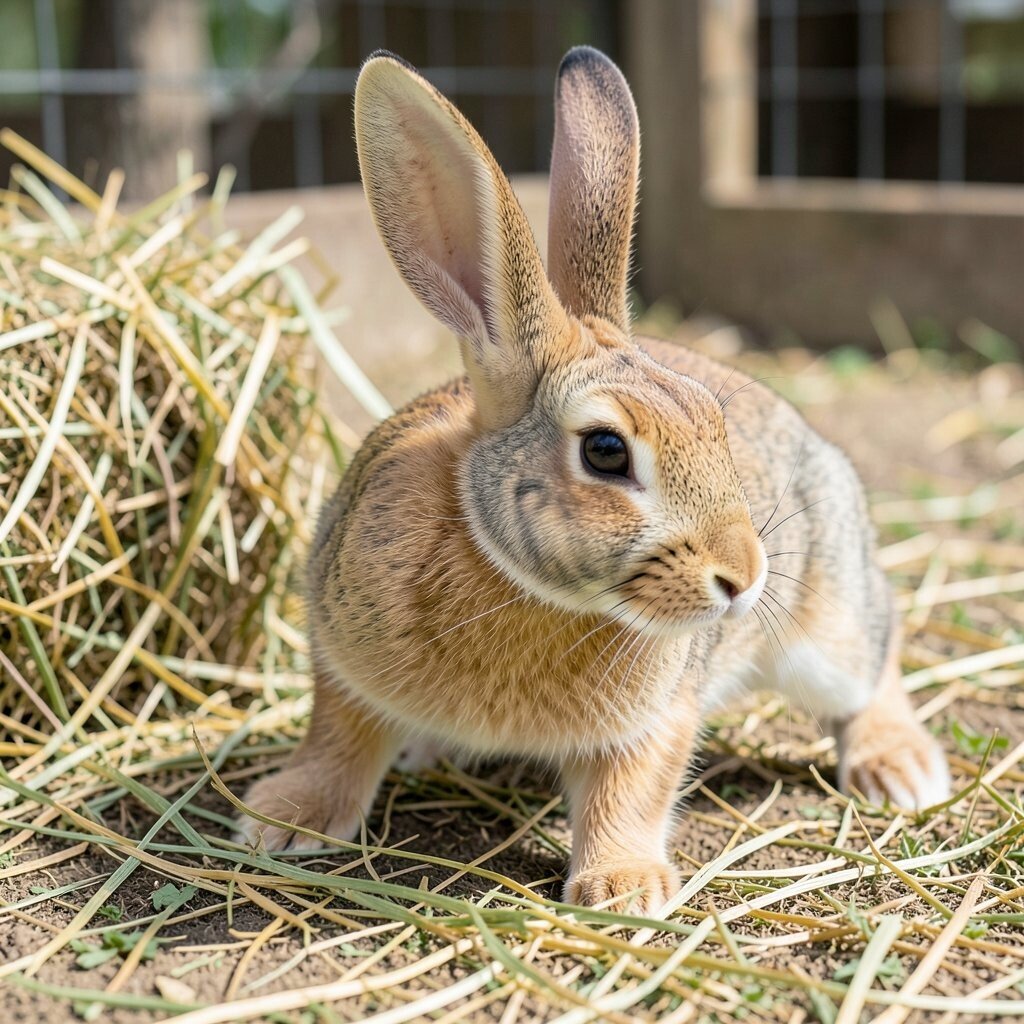
A rabbit has long ears, a small nose, and a body that feels light and quick. When you watch, you may see it hop, then pause, and then hop again like it is checking its area.
Rabbits can be raised for meat and also for fur in some areas, and they can be kept as pets with care. A key benefit of learning about rabbits is that you can study food needs, since they need proper hay and fresh greens to stay healthy.
To stay safe, do not reach into a hutch unless a handler says it is okay. If you want a low-cost learning plan, ask what hay type the farm uses and write it down, then compare it with pet store options later.
10. Hen and Rooster
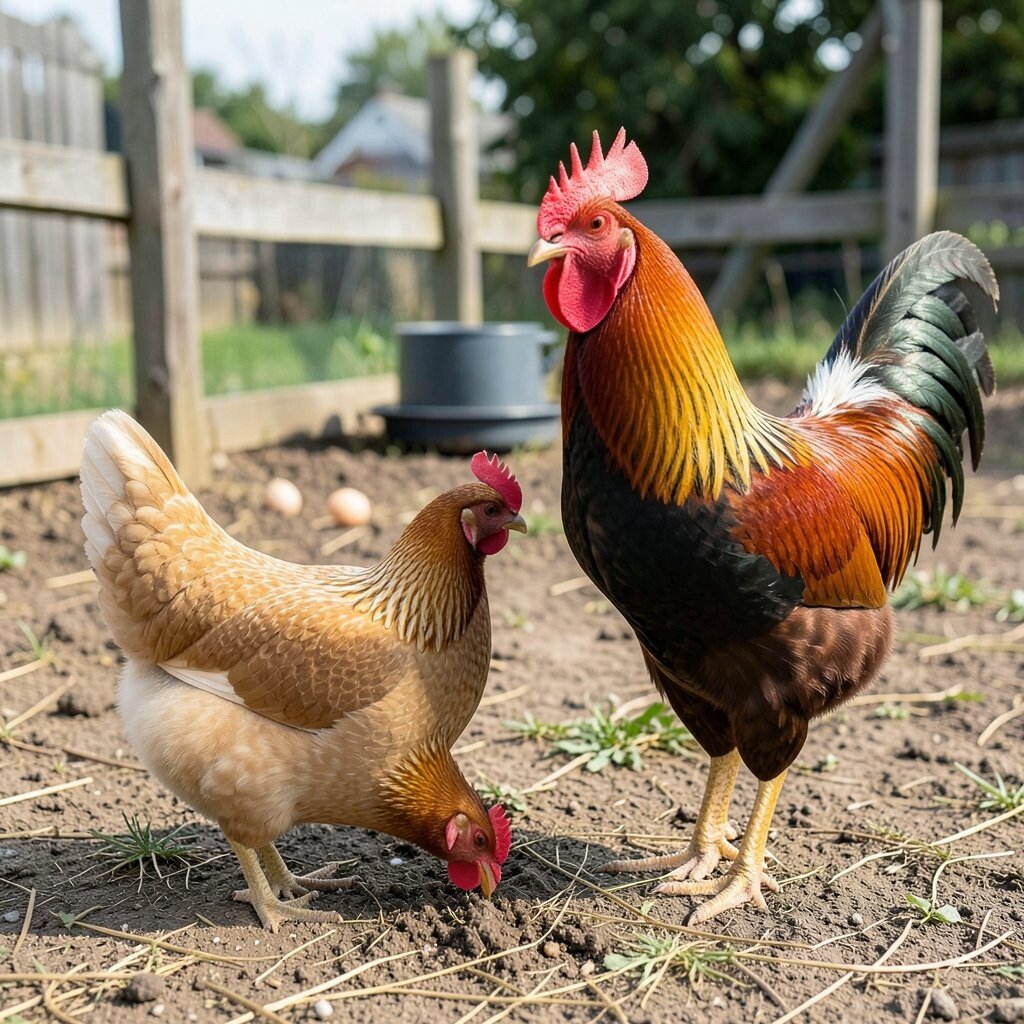
A hen is usually smaller and may look rounder, while a rooster often has a taller body and a bright comb on its head. If you watch closely, you can see hens peck at the ground, and roosters may stand tall and watch the area.
This pair helps many farms with egg production and farm flock safety. A benefit is that you can learn about how different birds act in the same space, which helps you understand teamwork in farming.
For personalization, pick one behavior to track, like how often hens peck or when roosters call. If you want to plan your cost, ask what basic care items are needed for backyard setups, such as feeders, waterers, and bedding, and write the prices down if the farm shares them.
11. Bumblebees and Farm-Friendly Insects (with guidance)

Farm animals may get most of the attention, but farm-friendly insects are also part of farm life. You might see bees near flowers or near edges of fields, and you can learn how they help plants grow.
These insects support pollination, and that can help crops that farmers grow for both people and animal feed. A benefit of learning about them is that you can connect farms to the wider land, like meadows, gardens, and hedges that keep a farm healthier.
For tips, wear light colors, move slowly, and avoid swatting insects, since many are not out to harm people. For trends, many farms are adding more pollinator plants near barns, so you can ask how that has changed and what simple flower mixes work well where you live.