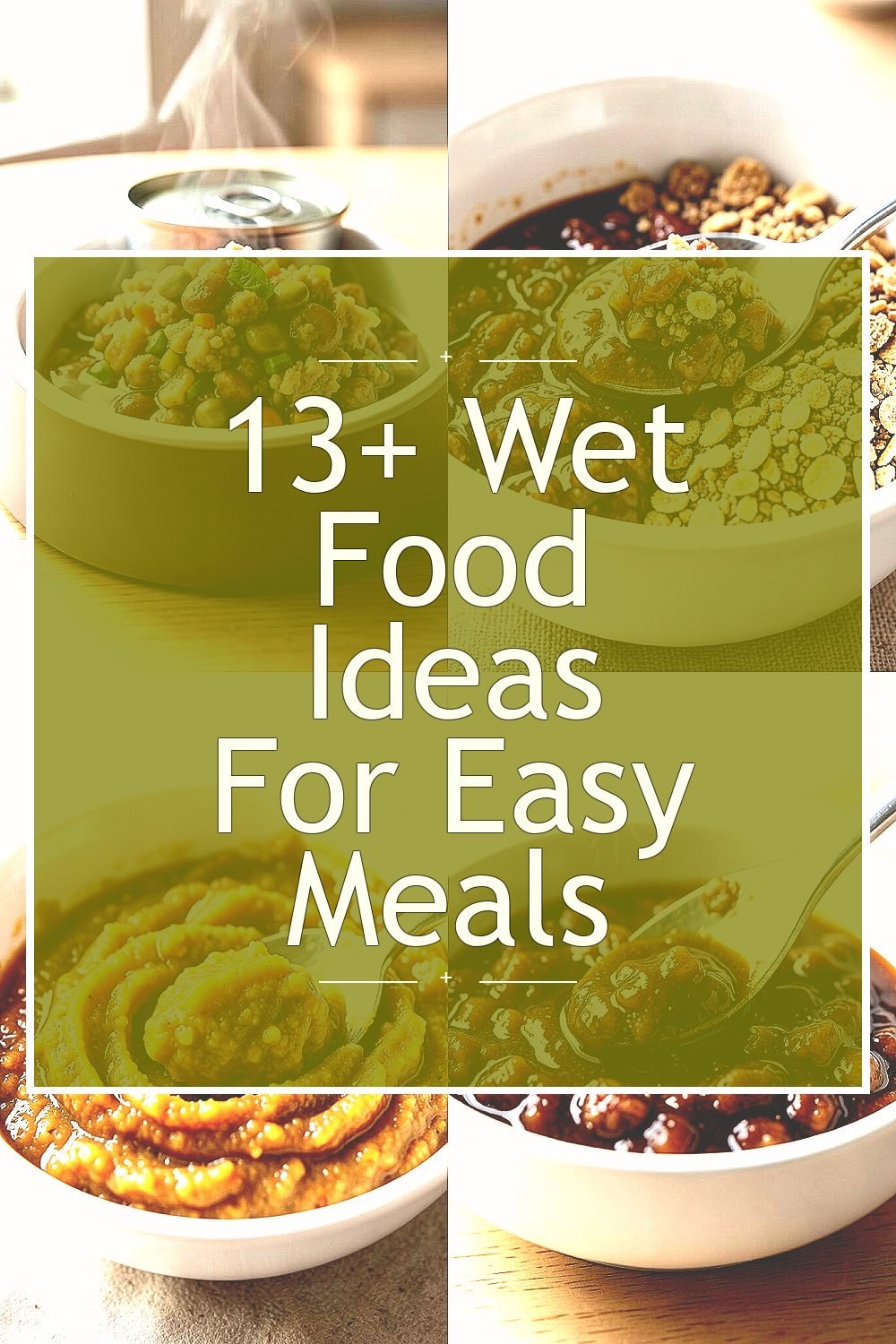
Wet food can make mealtime feel calm and simple. With the right ideas, you can cut prep time and still give good meals.
1. Warm Wet Food Bowl
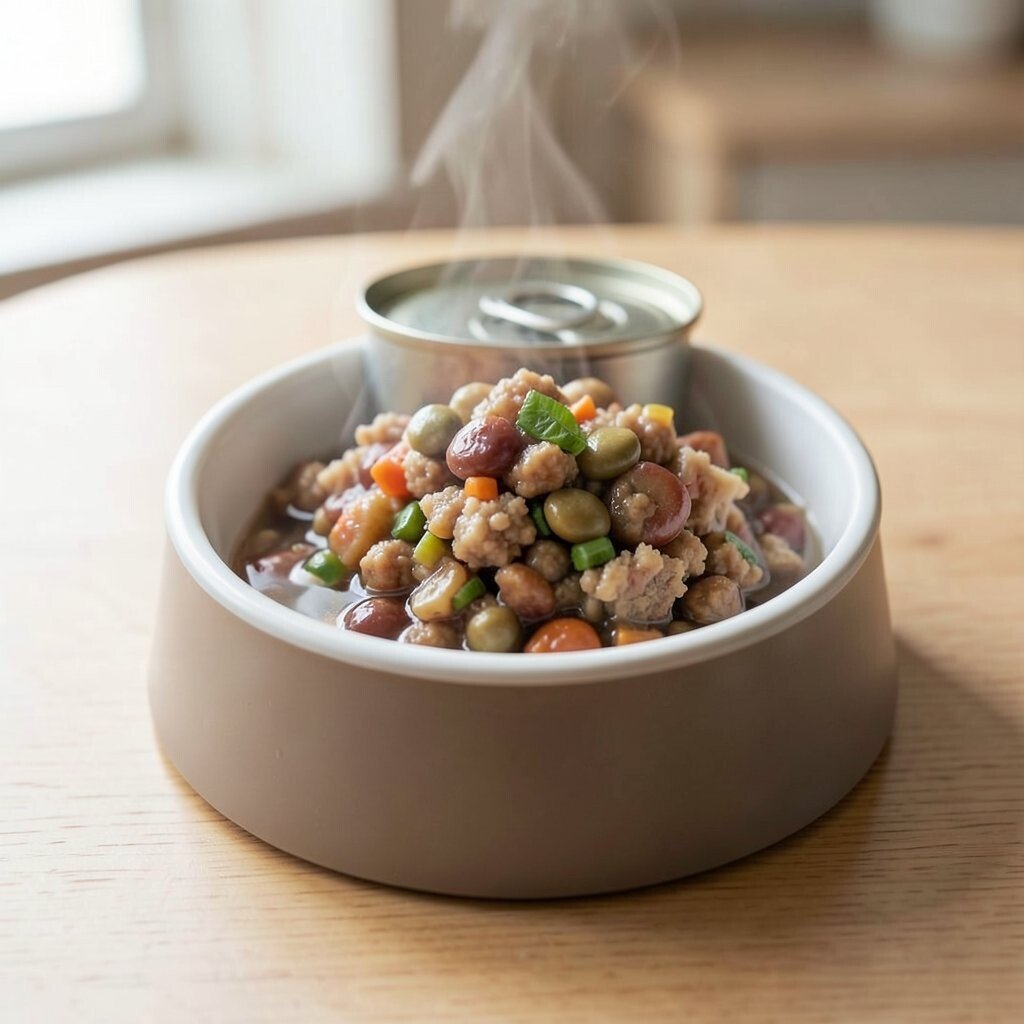
Warm wet food can smell nice and feel softer. Many pets like it because it tastes fresh. You can put the can in a bowl and add warm (not hot) water for a minute.
Start with a small amount and check the temp. Then serve it in a clean bowl right away. This can help picky eaters and can make meals more fun for you too.
For cost, use the same meal plan as you do now and just add the warm water trick. It also fits new trends like “better smell, less fuss” meals at home. Keep it simple and adjust the texture based on how your pet chews.
2. Mix Wet Food With Dry Crunch
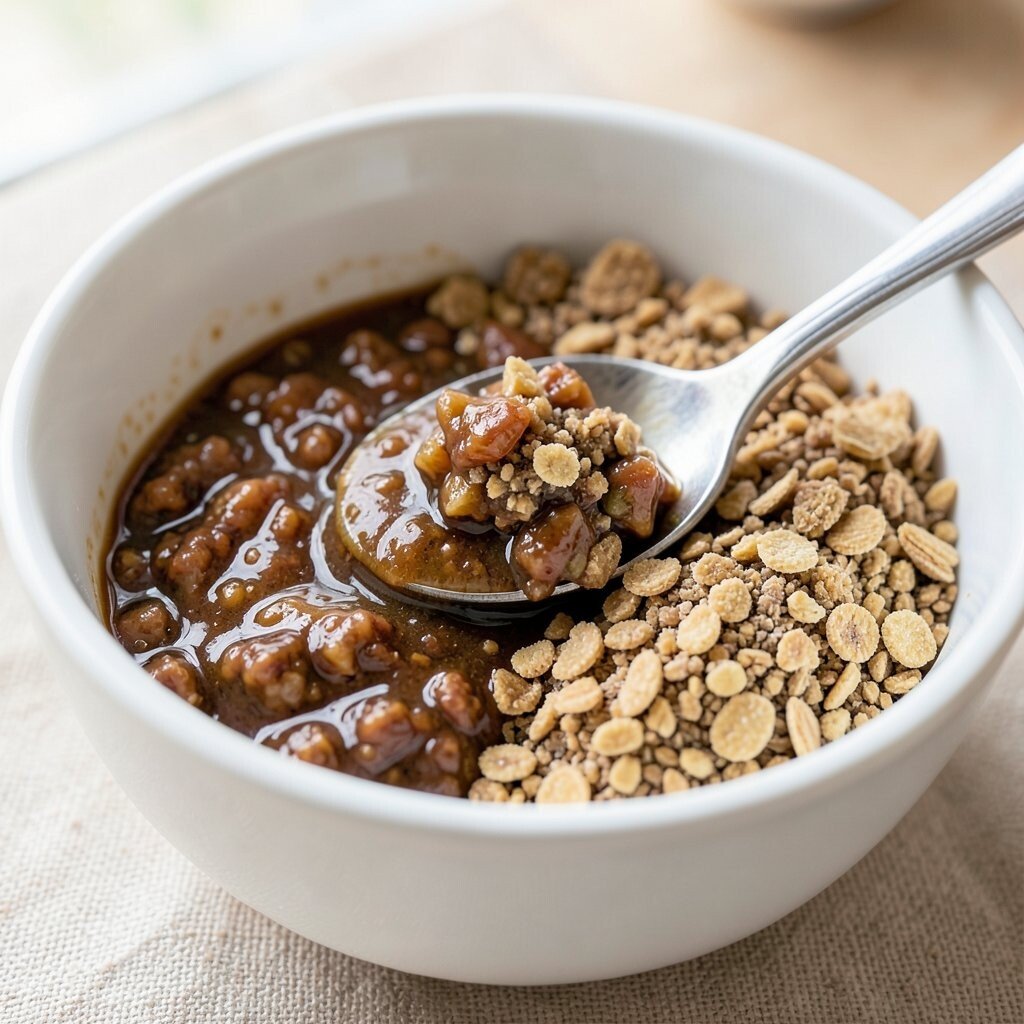
Mix wet food with a little dry food for two textures in one bowl. The wet part adds flavor, and the dry part adds bite. You can use a spoon to stir until it looks even.
Try a small mix first so you can see how your pet reacts. If your pet eats fast, use more dry food. If your pet takes time, add a bit more wet food.
This idea feels unique because it uses what you already have in the pantry. It can also help with dental routines since dry food brings some chewing. Pick a dry food that fits your pet’s age and stomach needs.
3. Wet Food With Pumpkin Purée
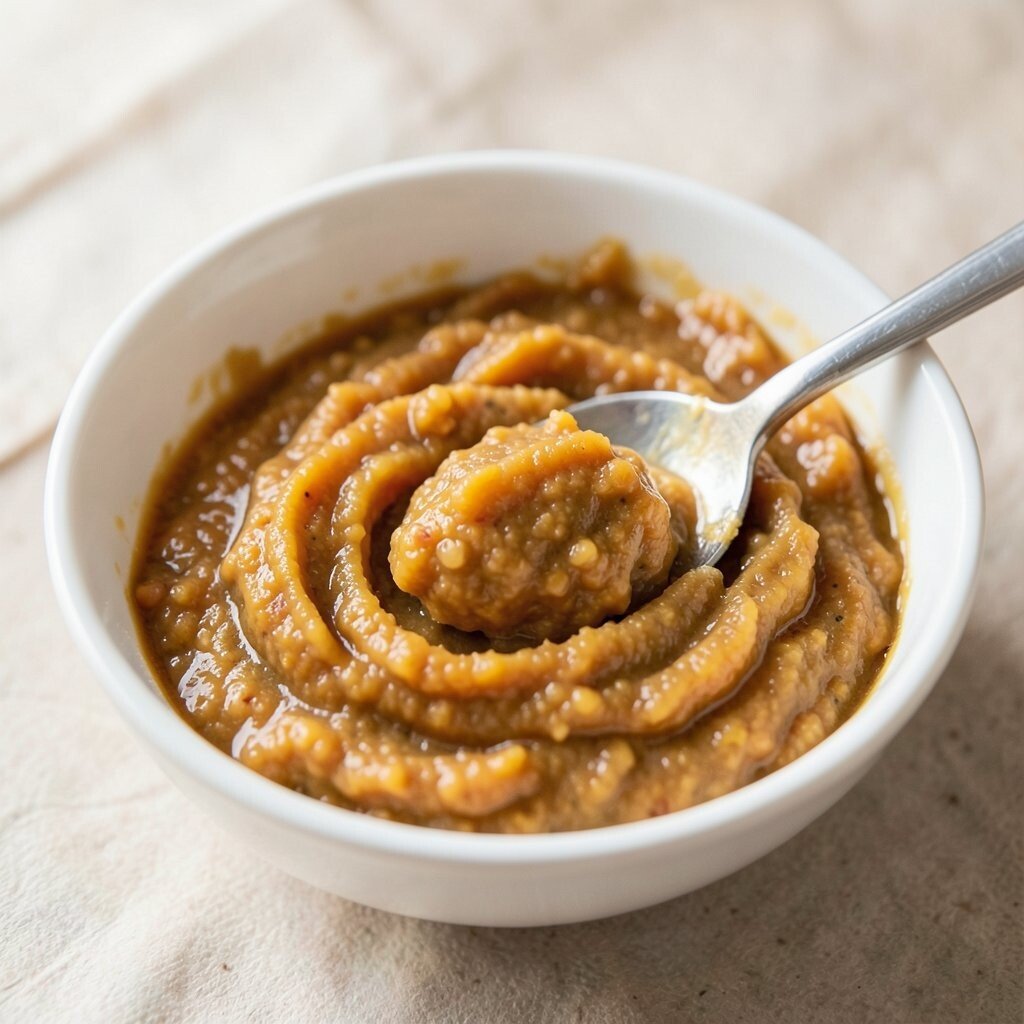
Pumpkin purée can make wet food feel thicker and easier to scoop. Many pets do well with it when they have mild tummy issues. Choose plain pumpkin, not pie filling.
Add a small spoon of pumpkin to the wet food and stir well. Watch stool changes over a day or two. If your pet seems off, stop and talk to your vet.
For personalization, you can use more or less pumpkin based on your pet’s needs. This is also a common trend in home feeding because people like simple, gentle add-ins. It can be cost wise since pumpkin is often cheaper than many “special” foods.
4. Wet Food With Water and Gravy-Style Texture
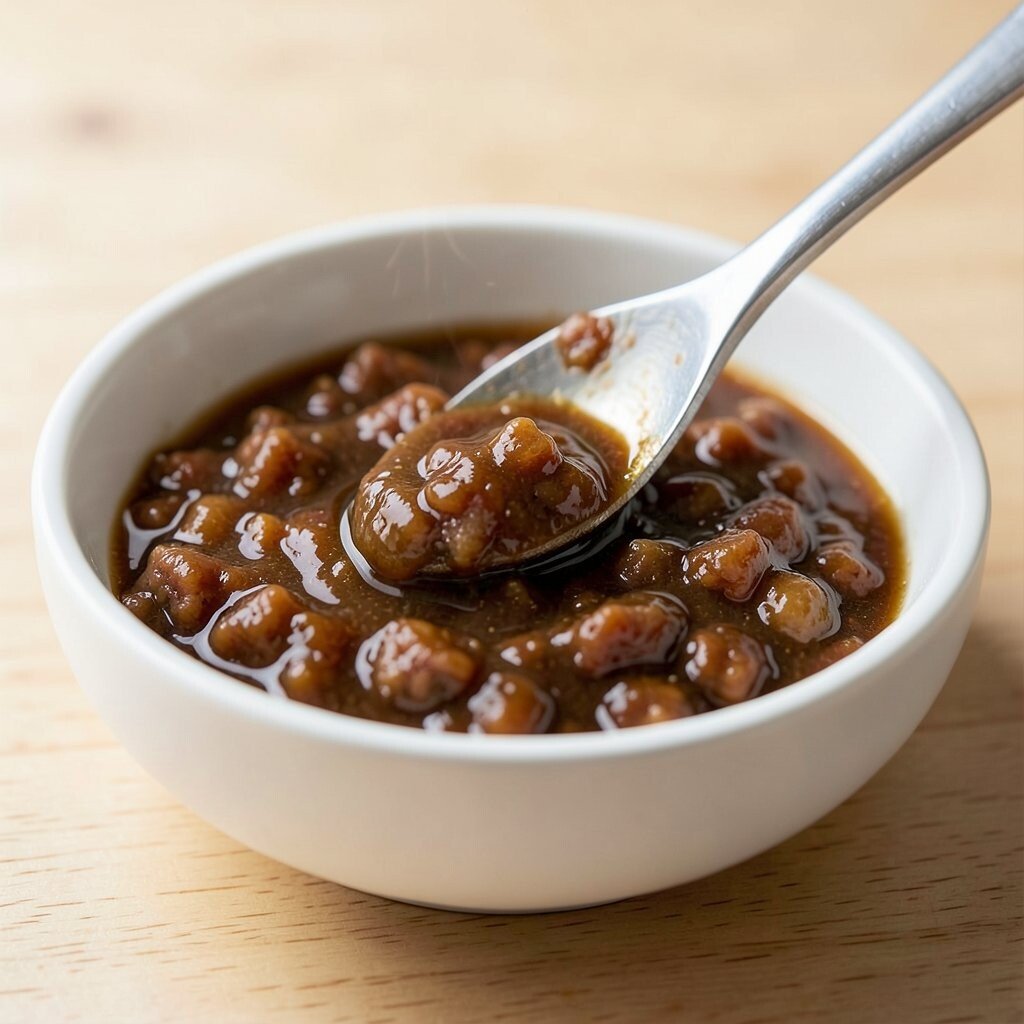
Add warm water to wet food to make a gravy-style meal. This can help if your pet drinks less or prefers softer bites. Stir slowly until the texture looks smooth.
Use a little water first and add more only if you need it. Make sure it is not too thin. You can also warm the bowl for a minute to boost smell.
This option is great for older pets that may chew less. It also helps with easy cleanup because it stays in one bowl. Keep portions the same so you do not accidentally add extra calories.
5. “Topper” Bowls With Wet Food and Simple Veggies
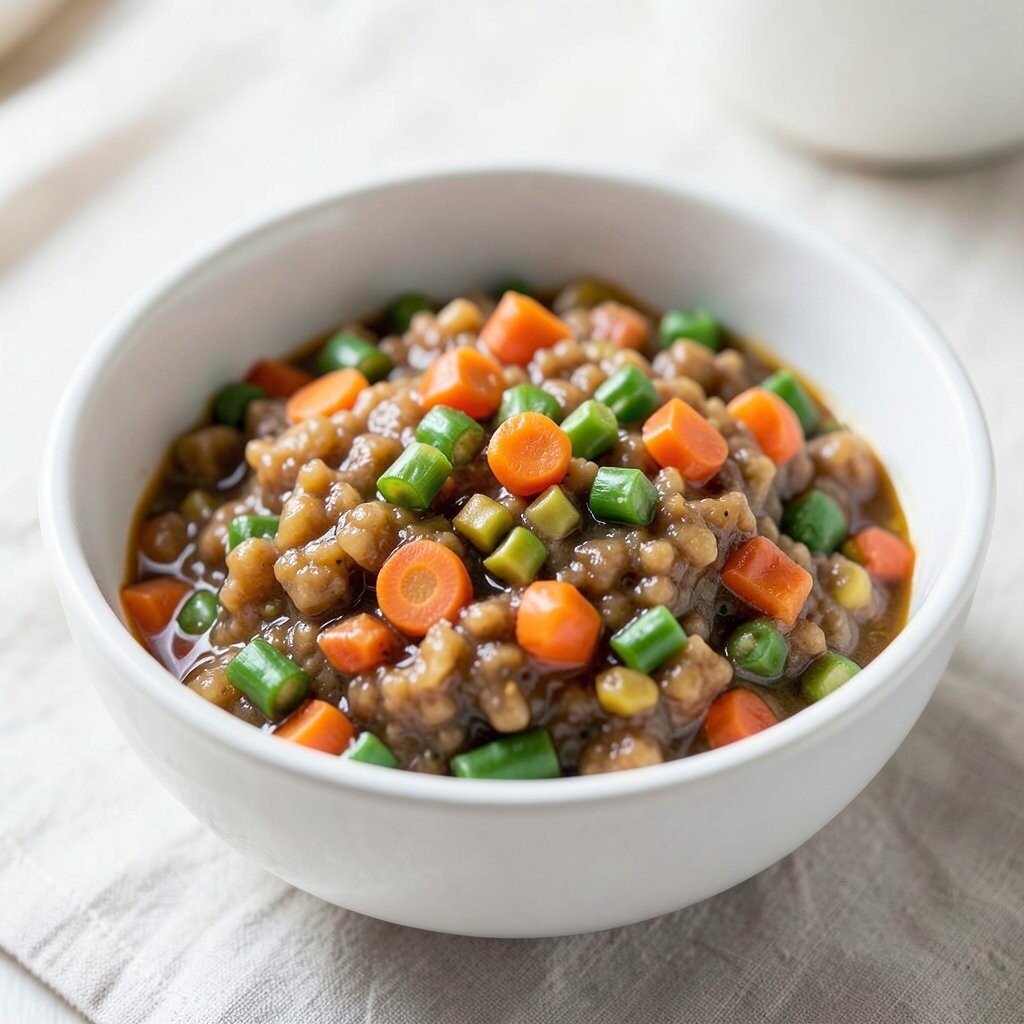
You can use wet food as a base and add small amounts of safe veggies. Think of steamed carrots or green beans cut into tiny bits. The bowl looks colorful and feels fresh.
Keep veggie pieces small so they mix well and do not get wasted. Add a small amount at first and see if your pet likes it. If your pet has allergies, pick one veggie at a time.
This is unique because you can see the bits in the bowl. It helps with personalization because you choose what your pet is used to. For cost, use frozen veggies that are already cooked and portion them out.
6. Wet Food “Sandwich” for Treat Time
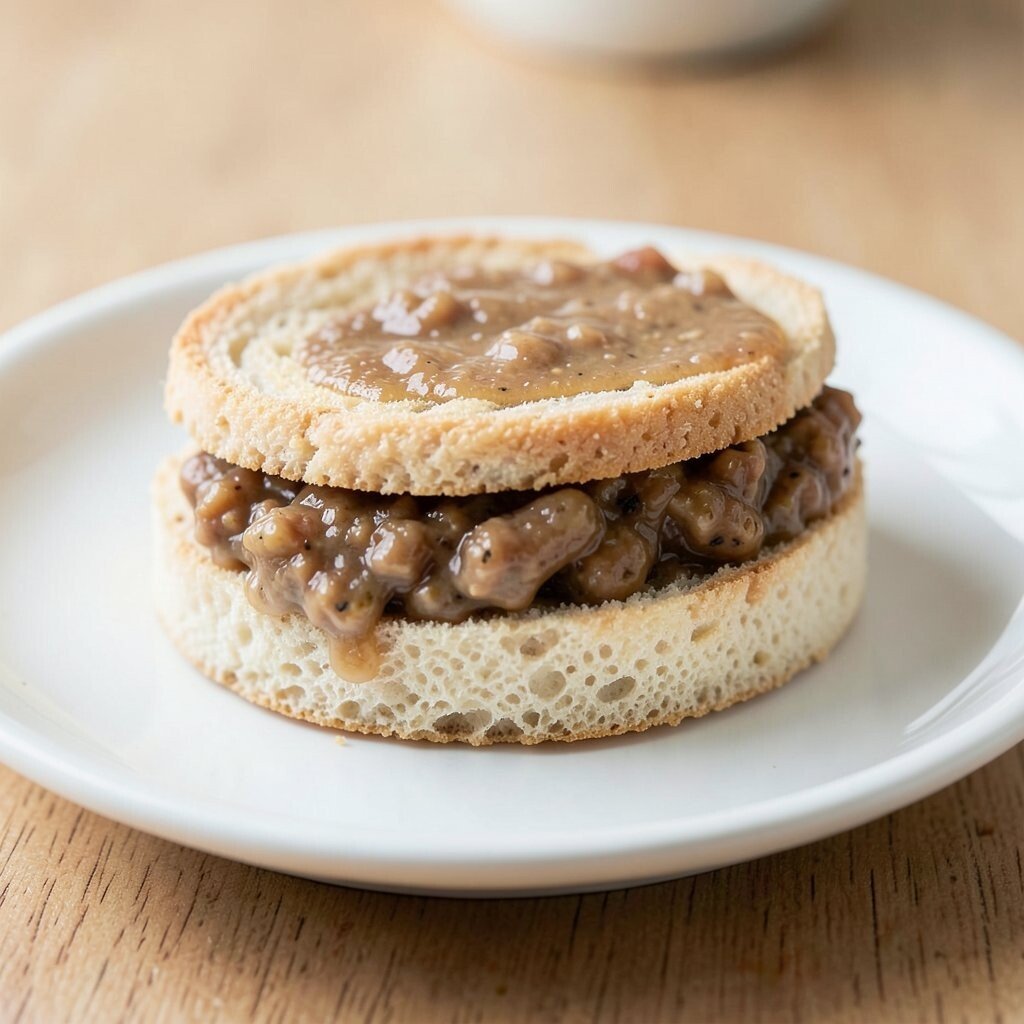
Make a small sandwich with wet food and a soft base. You can use plain soft bread, a small dog-safe cracker, or a pet treat base. Spread a thin layer so your pet can eat it easily.
Keep it small and use it as a quick treat meal. Do not make it too messy. This works well for training because the smell helps your pet stay focused.
For a visual cue, the bowl or plate can show a clear “top” layer of wet food. This is a fun twist that still uses normal ingredients. It can also help with cost since you can use a little wet food instead of a full can.
7. Wet Food and Rice or Oatmeal Mix
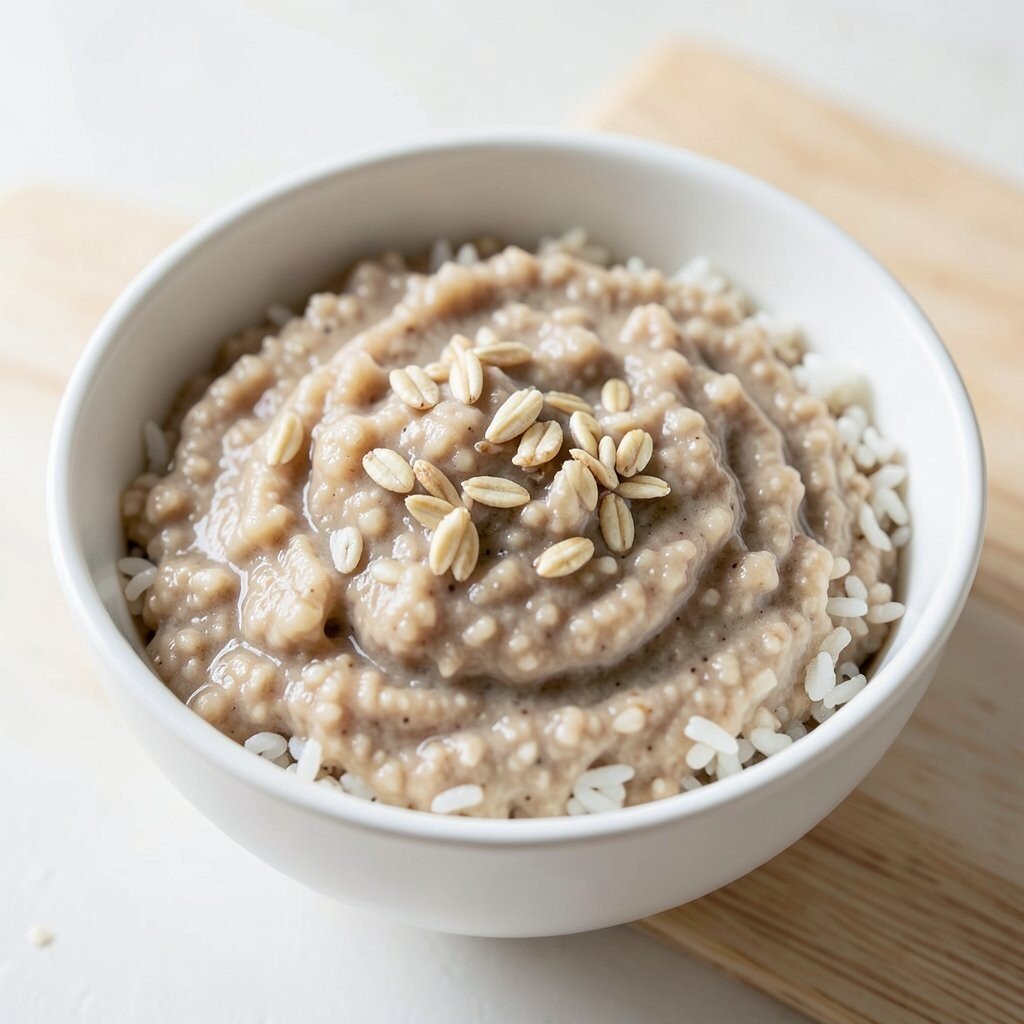
Mix wet food with plain cooked rice or plain oatmeal for a soft, filling bowl. The meal looks thick and smooth, like a warm mash. Make sure the grains are fully cooked and cooled a bit.
Start with a small portion of rice or oats and see how your pet handles it. Stir until the texture is even. This can help when your pet needs an easy-to-eat meal.
For personalization, you can swap rice for oats if your pet does better with one. This can also fit older feeding habits since many homes use simple carbs. Cost is usually low, but portion control matters to avoid extra calories.
8. Wet Food in a Slow Feeder Shape
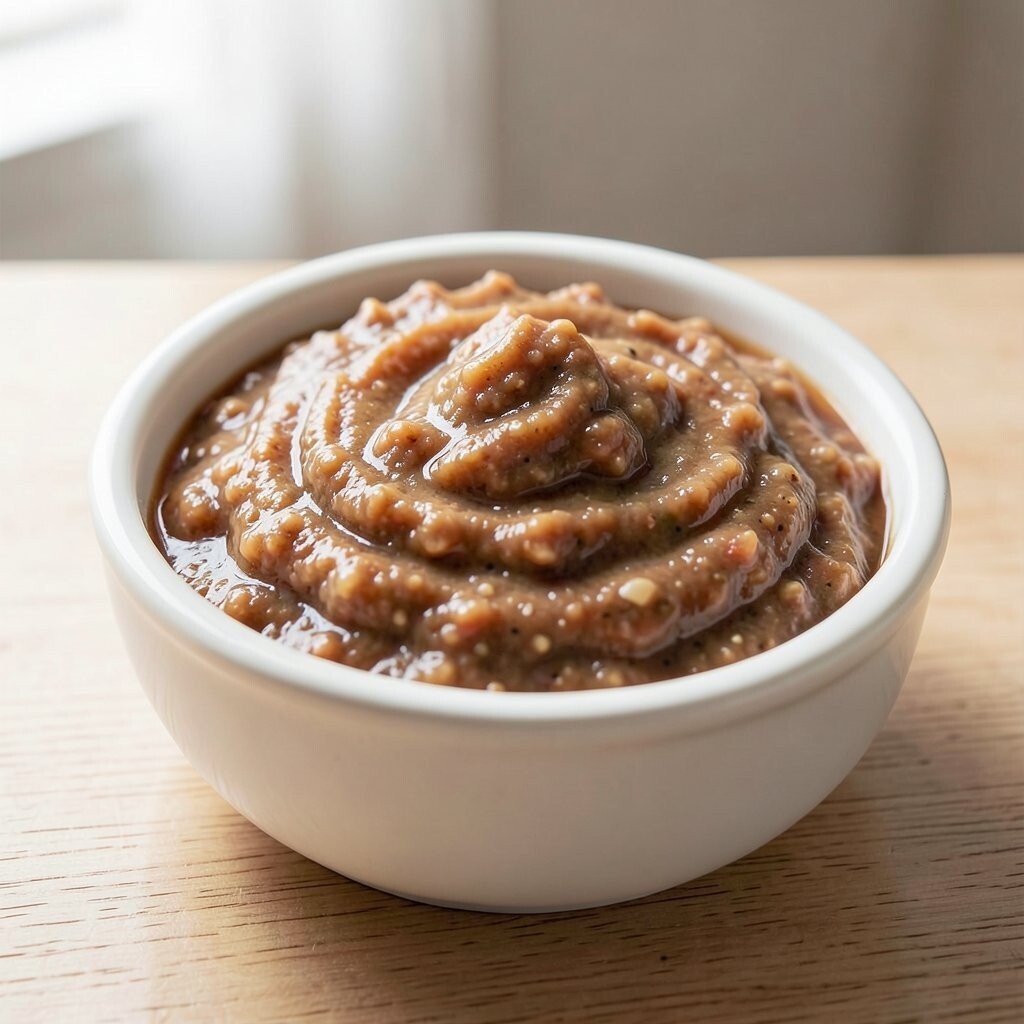
Use a slow feeder bowl for wet food to make meals last longer. Many slow feeders have raised paths that guide your pet. It gives your pet something to work for.
For wet textures, keep portions a bit thicker so it does not slip too fast. You can add less water or serve it slightly warmer for better sticking. Wash the bowl right after so food does not dry hard.
This idea is unique because it changes how the meal feels without changing the food. It can also help with trends like “calm eating routines.” If your pet has joint pain, choose a low-height slow feeder.
9. Wet Food and Egg for a Simple Protein Boost
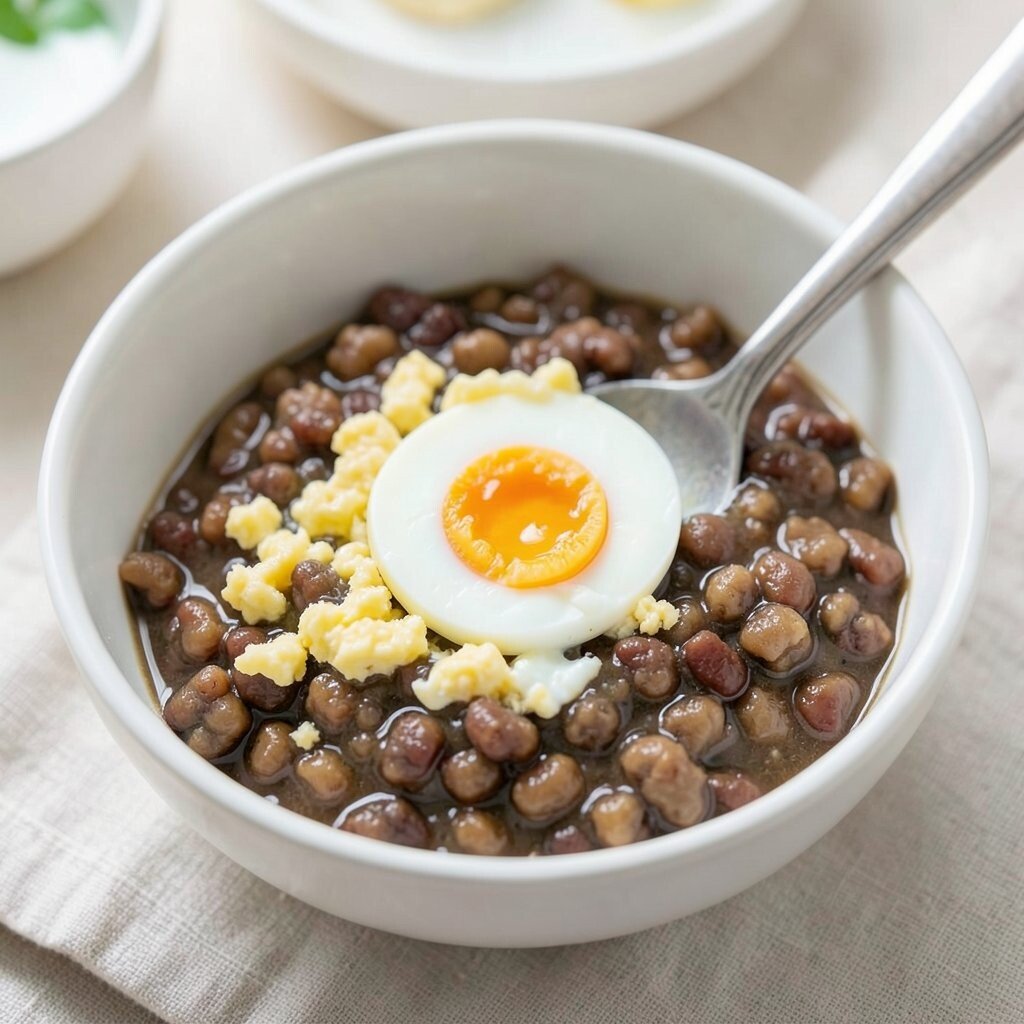
Plain cooked egg can be mixed with wet food for a protein boost. Scramble the egg with no salt and no butter. Then let it cool and break it into small pieces.
Add a small amount to the wet food and stir. Many pets enjoy the added smell and soft texture. Keep the egg portion small so the meal stays balanced.
Personalization is easy here since you can adjust how much egg you add. This idea can feel special for weekends, but it is still simple. Cost can be low if you buy eggs in bulk, and you can stretch the meal with less wet food.
10. Wet Food Popsicles for Hot Days
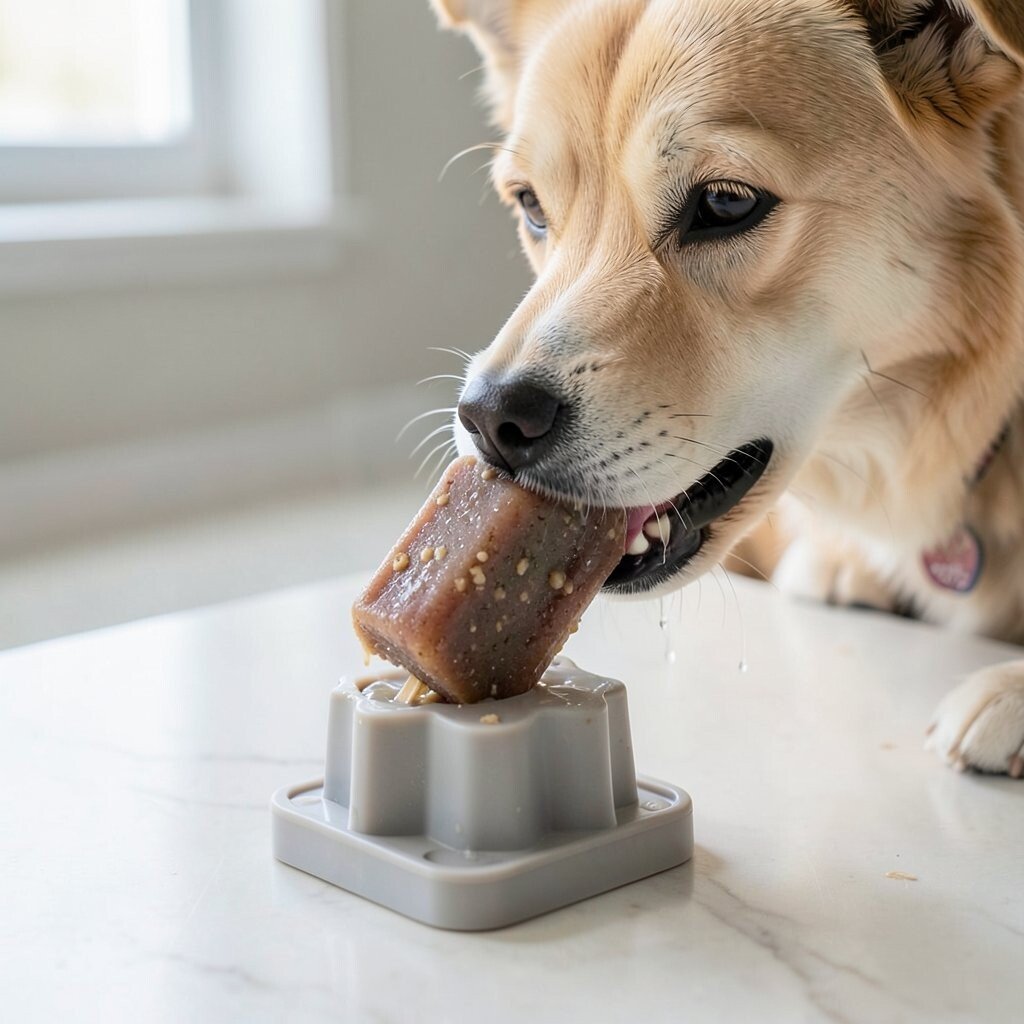
Make a wet food popsicle by mixing wet food with a bit of water and freezing it in a safe mold. The result looks like a soft frozen log that your pet can lick. It helps on hot days when chewing feels less fun.
Use small molds and keep an eye on your pet while they eat it. Licking can slow the meal down, which may help with stomach comfort. If your pet swallows fast, choose smaller sizes.
This is unique because it turns one meal into a cool snack. It also fits a common trend in home feeding for summer comfort. For cost, you can use leftover portions instead of tossing them.
11. Wet Food With Low-Salt Broth for Better Smell
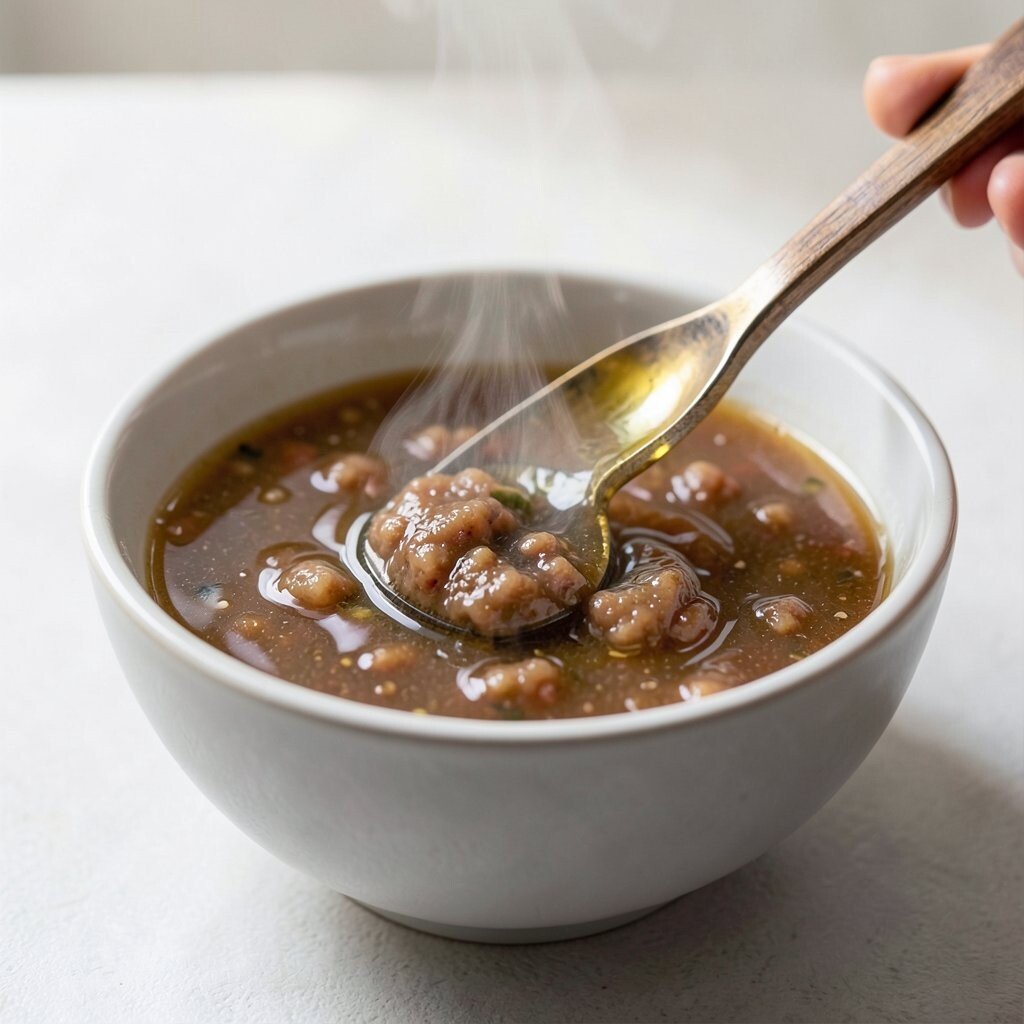
Use low-salt broth to loosen wet food and add a gentle smell. Choose a pet-safe broth, or use a broth with no onion and no garlic. The bowl can look glossy and smells strong without being too harsh.
Pour a little broth, then stir well. Add more only if the texture is too thick. Serve right away for the best taste.
This helps personalization because you can pick a broth flavor your pet likes. It can also be helpful for pets that do not eat much. Cost can vary, so check store brands and measure how much you use each meal.
12. Wet Food “Meal Prep” Cups in the Fridge
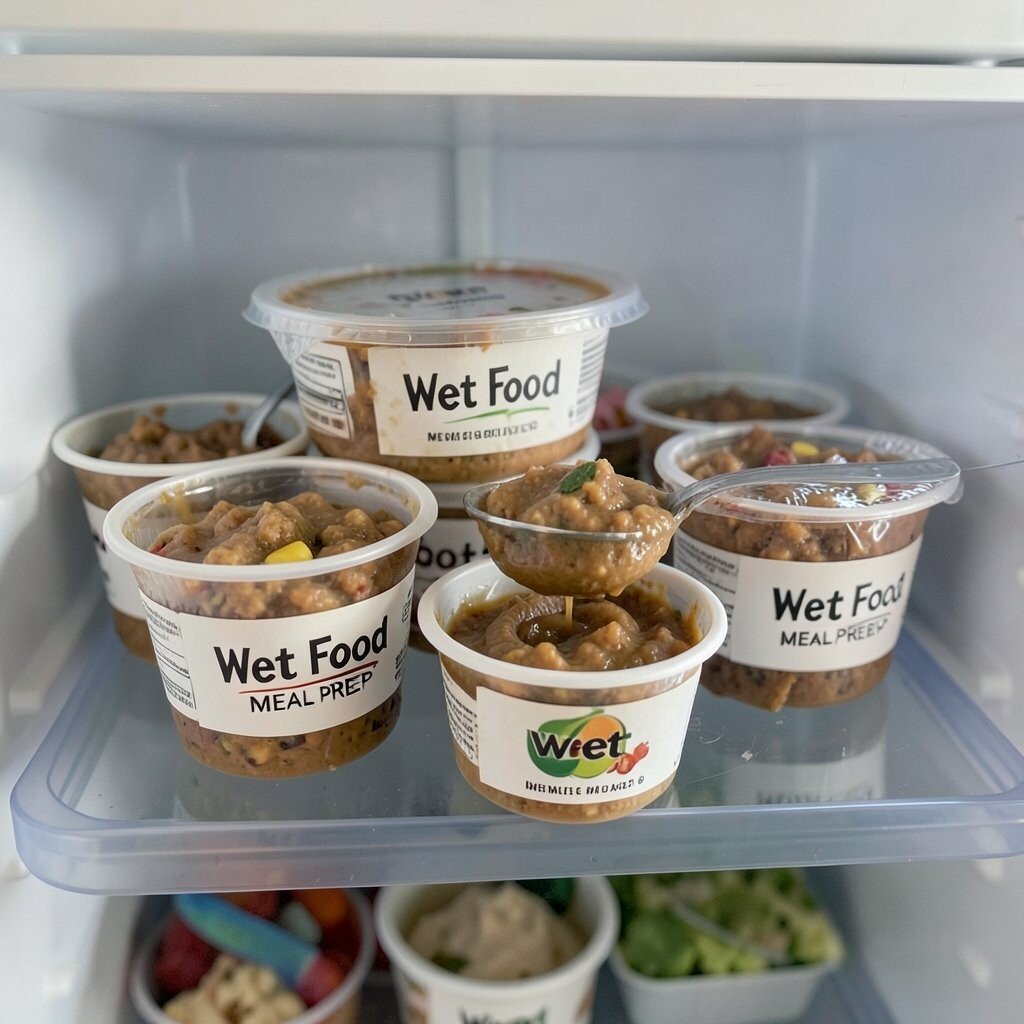
Portion wet food into small fridge cups so you can grab meals fast. You can spoon each portion into a clean container and cover it. The cups make your kitchen look neat and help you move quickly.
Label each cup with the day so you do not mix up meals. Heat gently if you want it warm, then serve. This can help on busy weekdays.
This idea is unique because it changes your routine, not just the food. It also supports a trend toward easy home systems. For cost, portioning helps you use what you buy and reduce waste from leftover meals.
13. Wet Food With Plain Yogurt as a Small Add-On
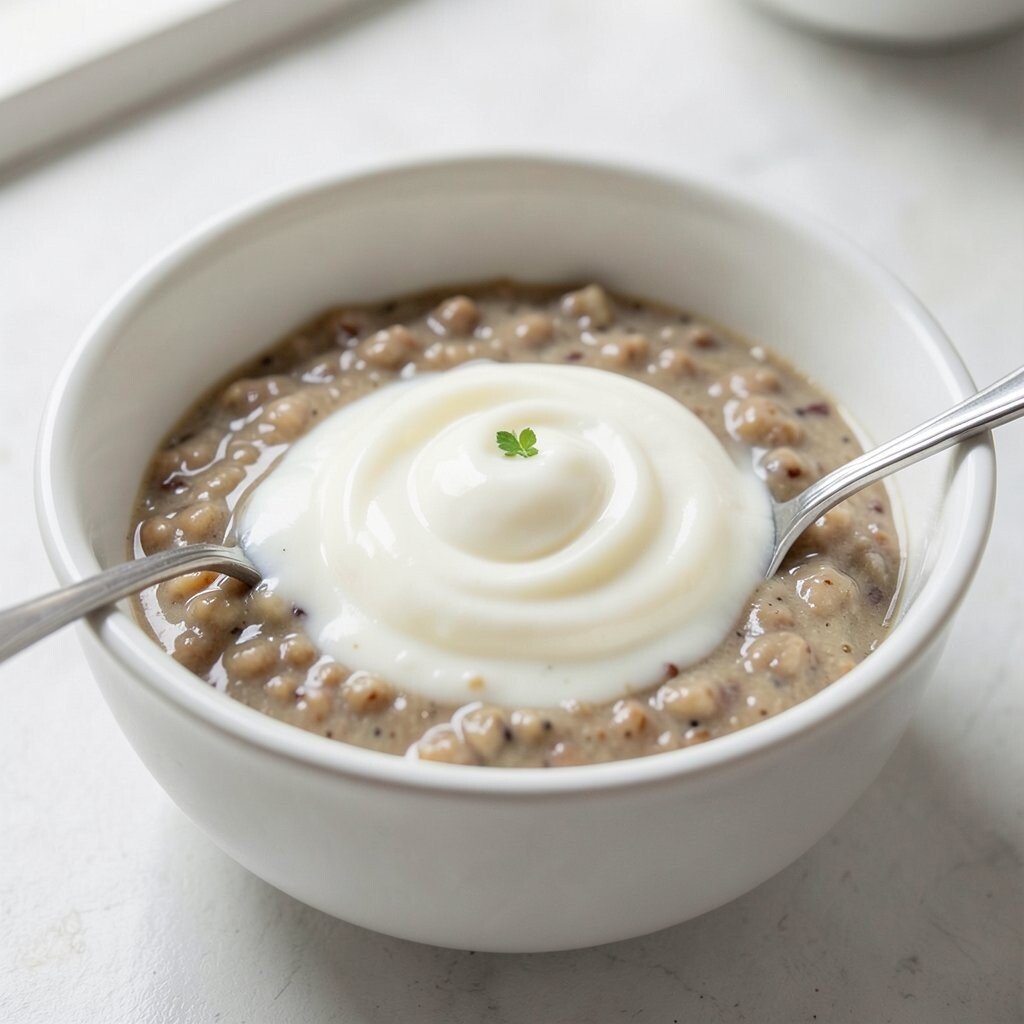
Plain yogurt can be a small add-on to wet food if your pet tolerates it. Use plain, unsweetened yogurt with no added fruit. The bowl can look creamy and smooth.
Add a tiny spoon first and see how your pet’s tummy responds. If your pet has dairy issues, skip this step. Always use fresh yogurt and keep the portion small.
Personalization comes from adjusting the tiny amount each time. This is also a common trend because people like easy, gentle toppings at home. Cost is usually low, but check labels and choose simple yogurt with fewer extras.
14. Wet Food With Canned Pumpkin and Cinnamon-Free Option
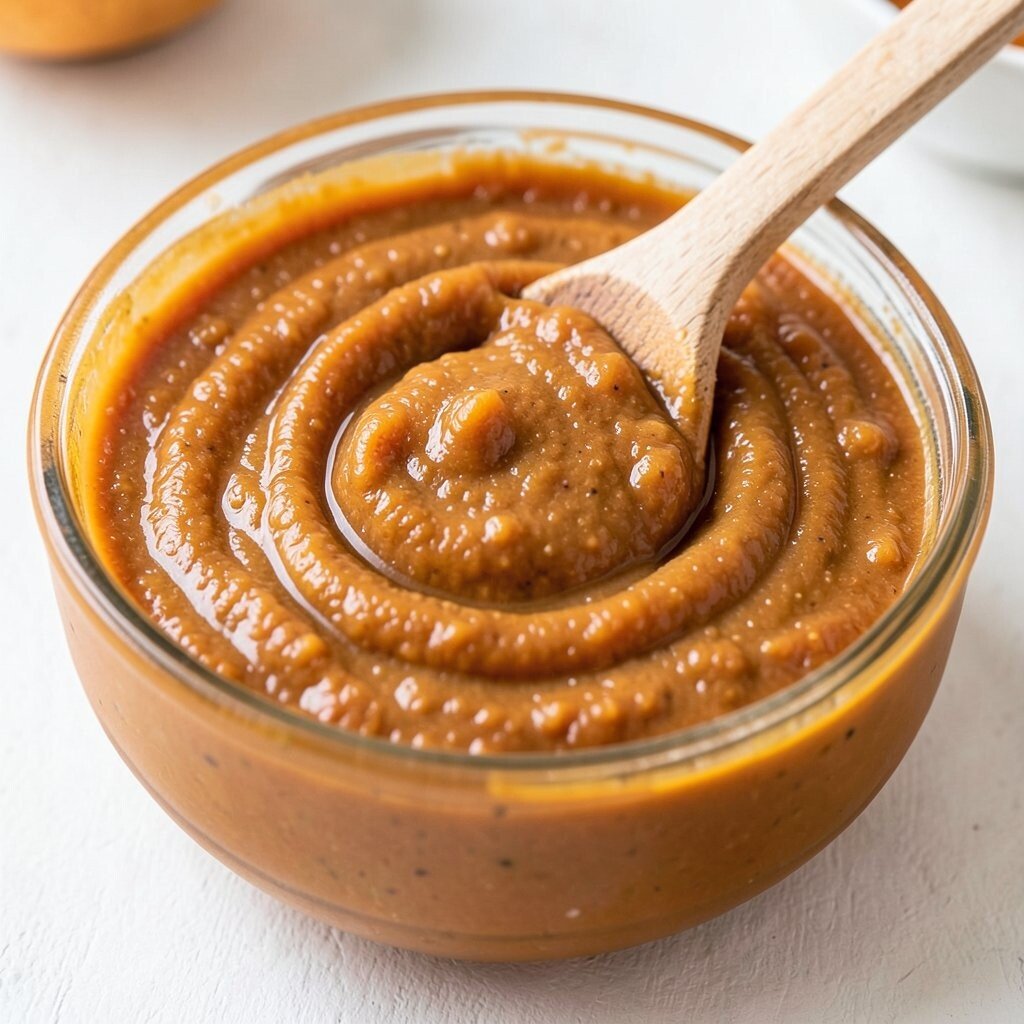
Mix wet food with canned pumpkin for a warm, thick meal. The mix looks orange-brown and feels smooth when stirred well. Keep it plain pumpkin with no spices added.
Use a small scoop and stir until the color is even. This can help if your pet needs a softer meal that still feels filling. Watch for any tummy changes and adjust as needed.
This idea is unique because it uses a pantry item that many homes already have. It helps personalization since you can vary how thick you like it. For cost, pumpkin is often cheaper than many specialty foods, and it can reduce how much wet food you need per serving.