Working dogs help people in many ways, and they can also protect homes and jobs. With simple ideas and smart care, you can make life safer and easier for both people and dogs.
1. Pick a Calm Training Routine
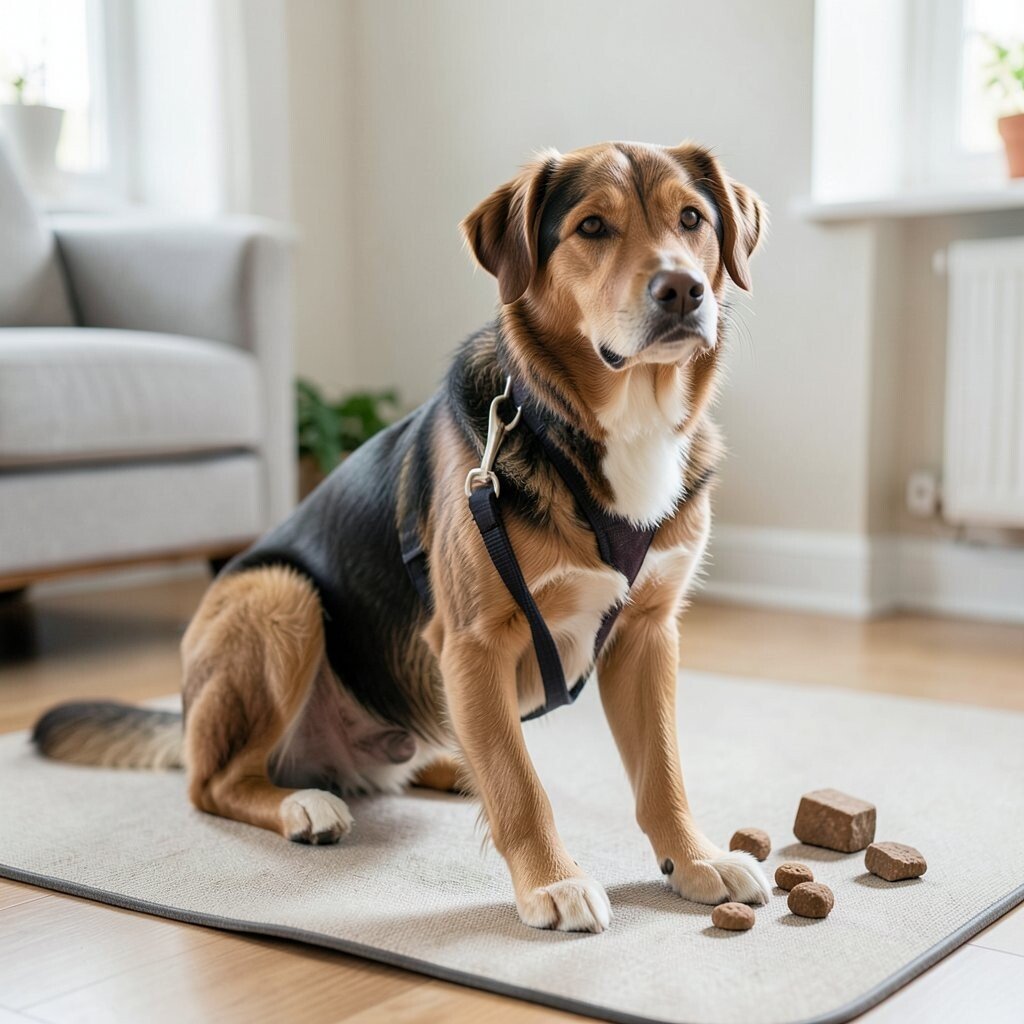
A calm routine helps a working dog stay focused. You can set the same wake time, meal time, and training time each day. Visualize your home as a quiet base where the dog can rest, then work for a short time.
Try short training blocks and end while the dog still does well. This builds trust and lowers stress. A steady routine also helps you spot problems early, like fear or too much energy.
For cost, you can use basic items like a leash, a few treats, and a flat mat. Trends right now focus on simple behavior training and clear rules. You can personalize the routine to match your dog’s age, breed, and daily needs.
2. Use High-Value Treats for Hard Moments
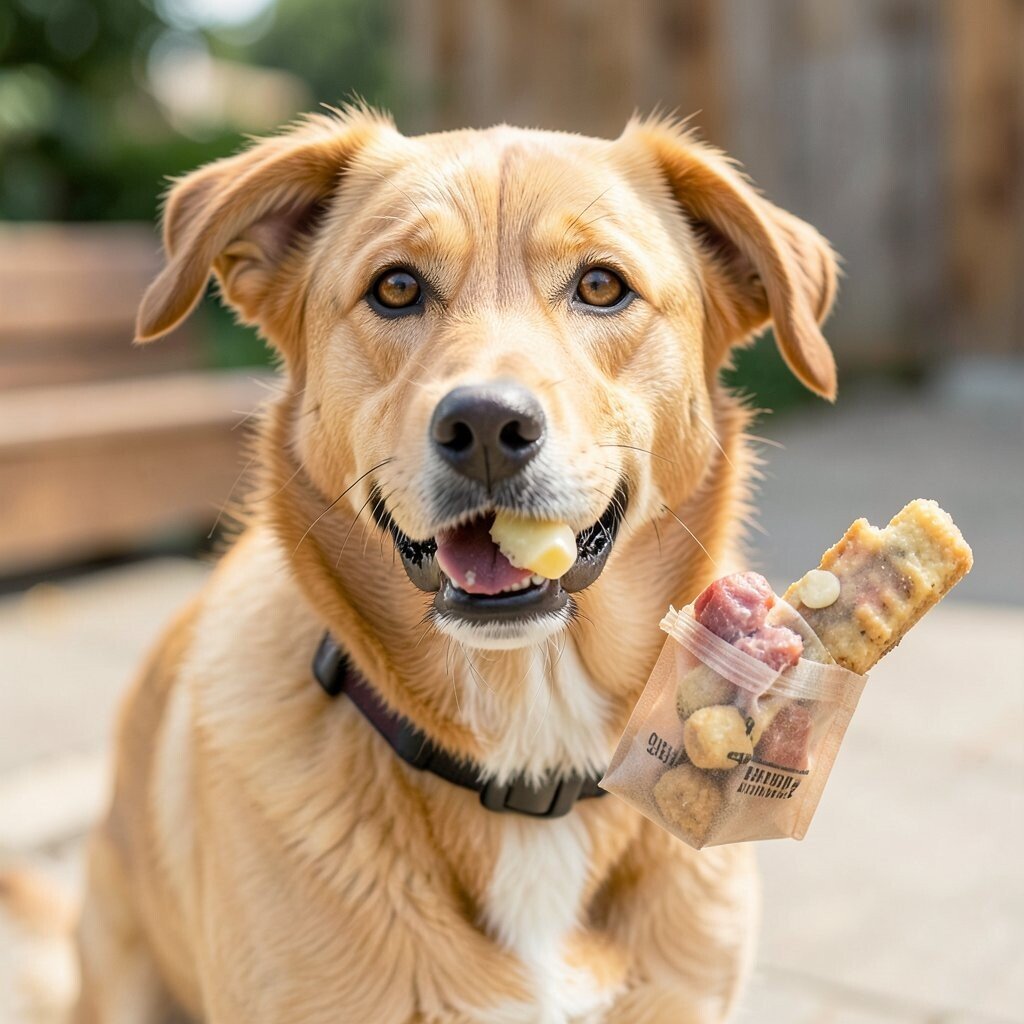
When a dog meets a scary sound or new place, normal treats may not work well. Use higher value treats for those tough moments, like small bits of cooked meat or cheese. Picture your dog’s face turning toward you when the treat appears.
This helps the dog listen even when things feel busy. You get better focus, and your dog can do the job with less stress. It also helps protect people by keeping the dog under control.
Keep a small treat pouch so you can grab fast. The cost can be low if you pick safe foods you already buy. Personalize by testing a few treats and keeping only the ones your dog works for.
3. Add a Simple Gear Check List
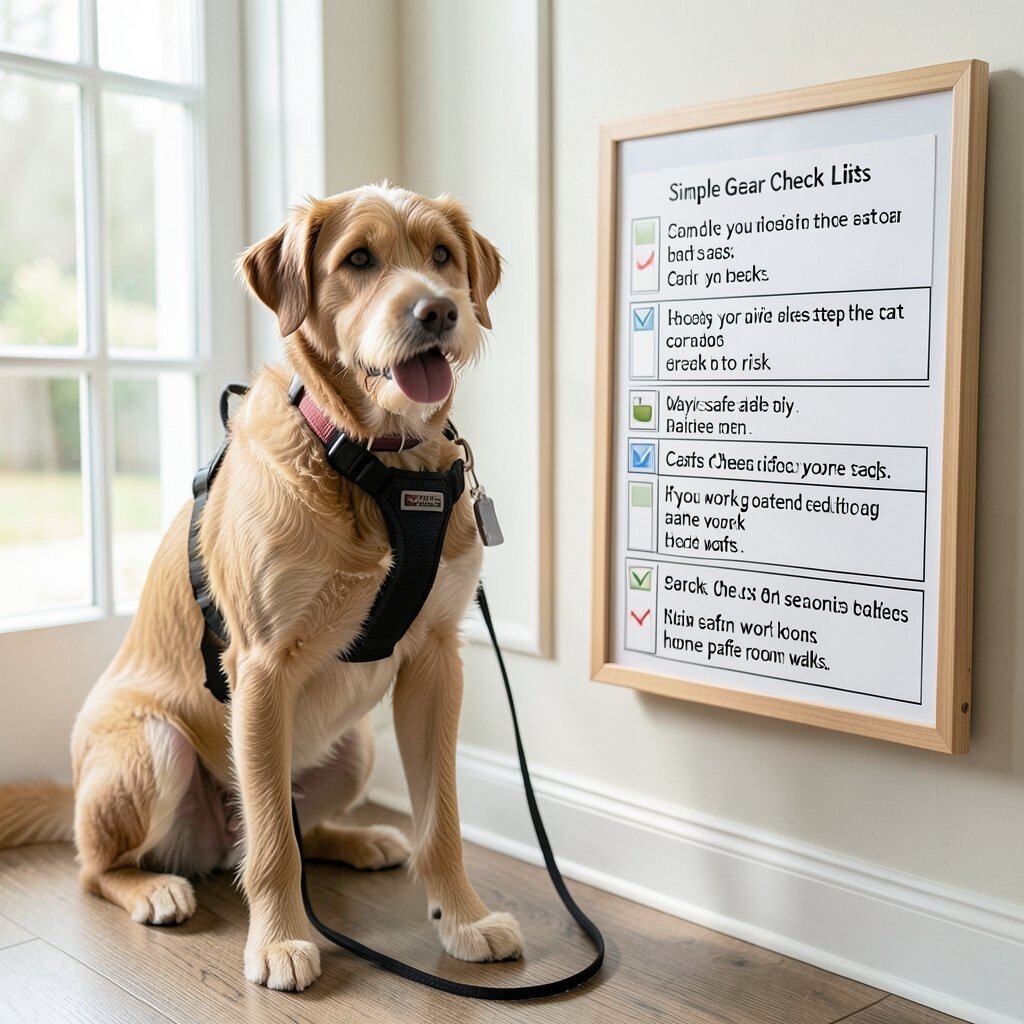
Before a walk or a job, check your gear like a quick daily task. Use a list for the collar or harness, tags, leash, waste bags, and any safe gear you use. Visualize a simple board near the door with boxes you can mark.
This idea helps you avoid missed steps that can lead to risk. It also keeps the dog more safe if you work near roads, crowds, or water. A gear check can protect both the dog and the people around you.
Costs stay small because you mostly need a harness, a leash, and a few basic items. A growing trend is using clear labels and simple tracking for gear. You can personalize the list for your dog’s tasks, like search work or home patrol walks.
4. Build Safe Visual Boundaries at Home
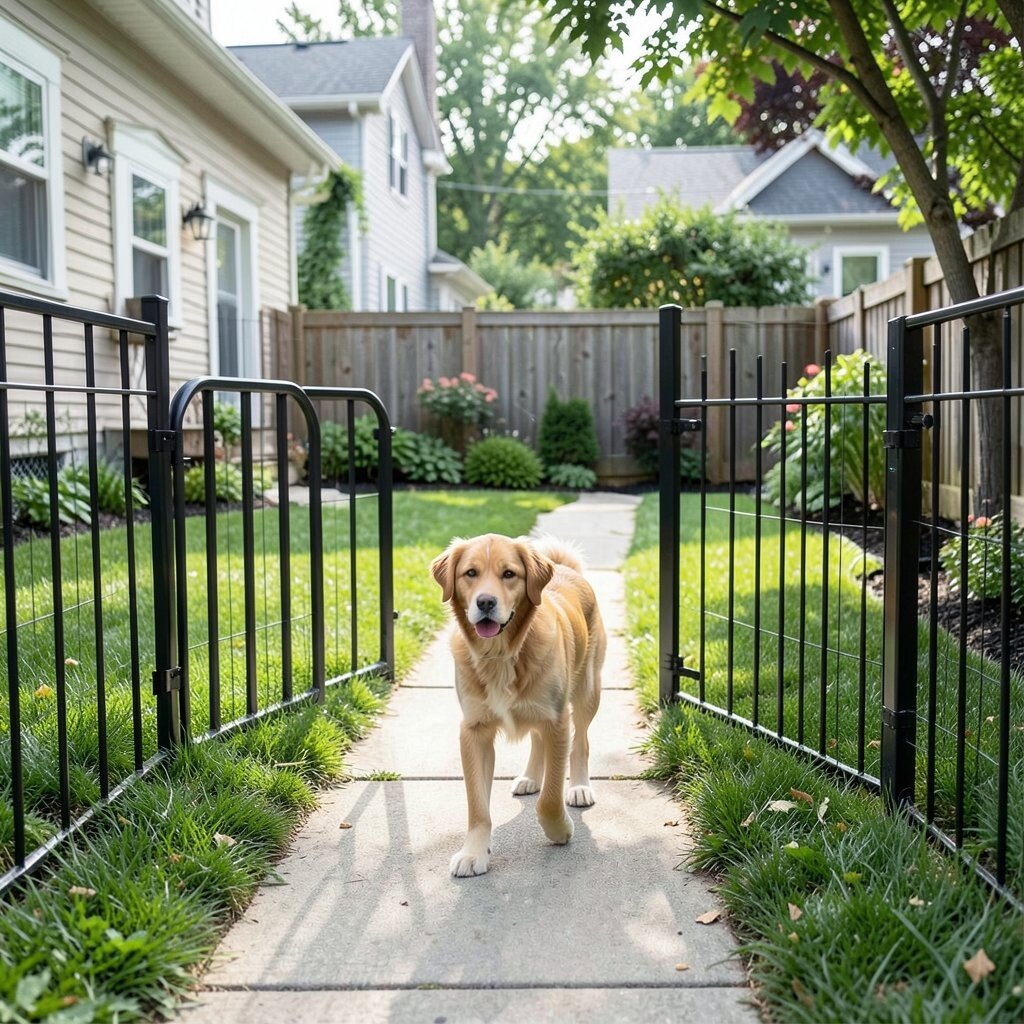
Dogs need clear limits so they do not wander into danger. You can add gates, safe fences, or play yards to keep the dog in a safe area. Picture a tidy path where the dog can see the yard and also stay away from busy streets.
These boundaries help protect your home and keep the dog from getting hurt. They also lower stress because the dog knows what is allowed. When the dog can rest safely, it is easier for the dog to work when needed.
This can fit many budgets, since you can start with a strong baby gate or a basic pen. Trends show more people using home setup for behavior and safety. Personalize the layout based on your rooms, exits, and where visitors enter.
5. Train for “Quiet Stay” in Many Places
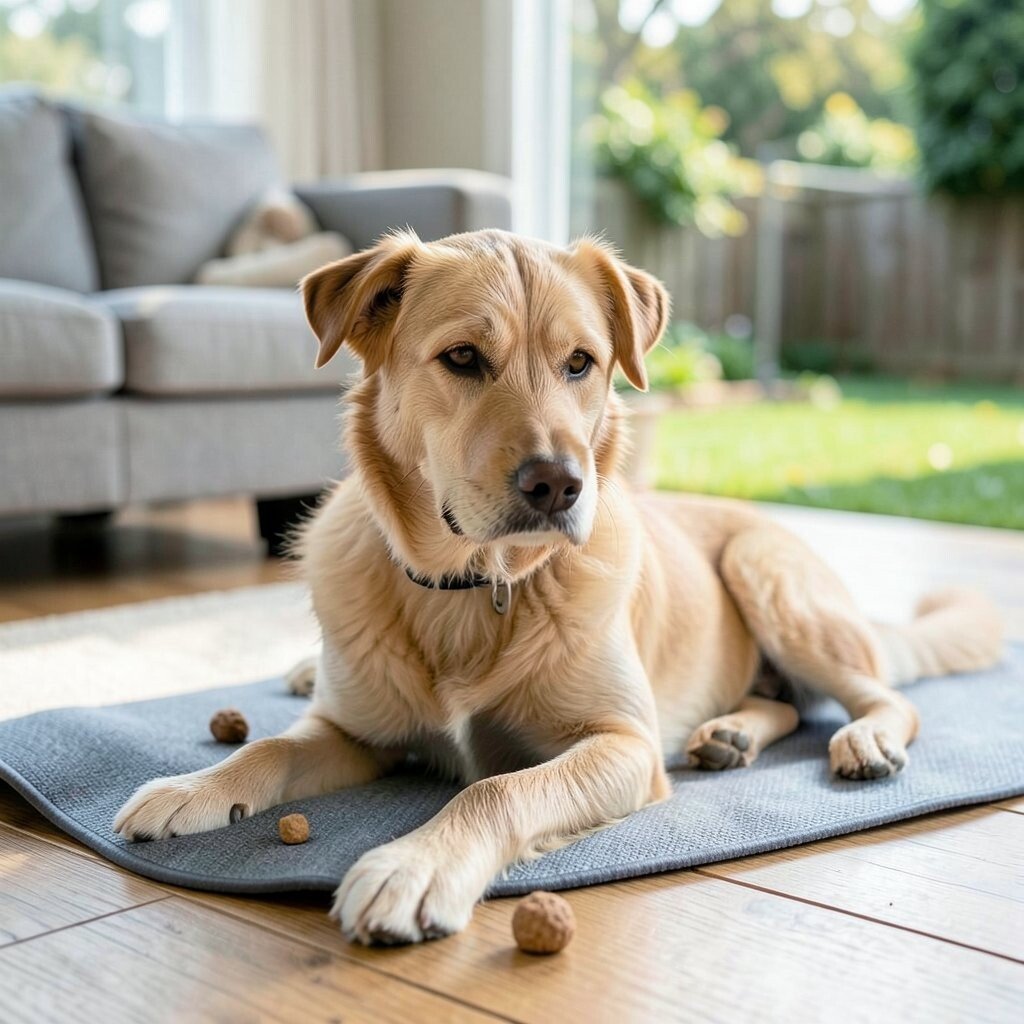
A quiet stay helps a working dog stay calm when people come and go. Teach the dog to lie down or sit and wait while you move around. You can practice in your living room first, then try the yard, then try near a safe area outside.
This supports protection because a dog that stays put is easier to manage. It also helps with focus during tasks like guarding, finding, or guiding. You get fewer jumps, fewer pull moments, and a calmer space.
Use a timer and short goals, like one calm minute at a time. The cost is low since you only need a mat and treats. Personalize by matching the stay level to your dog’s age and size.
6. Teach a Clear “Go Find Home Base” Signal
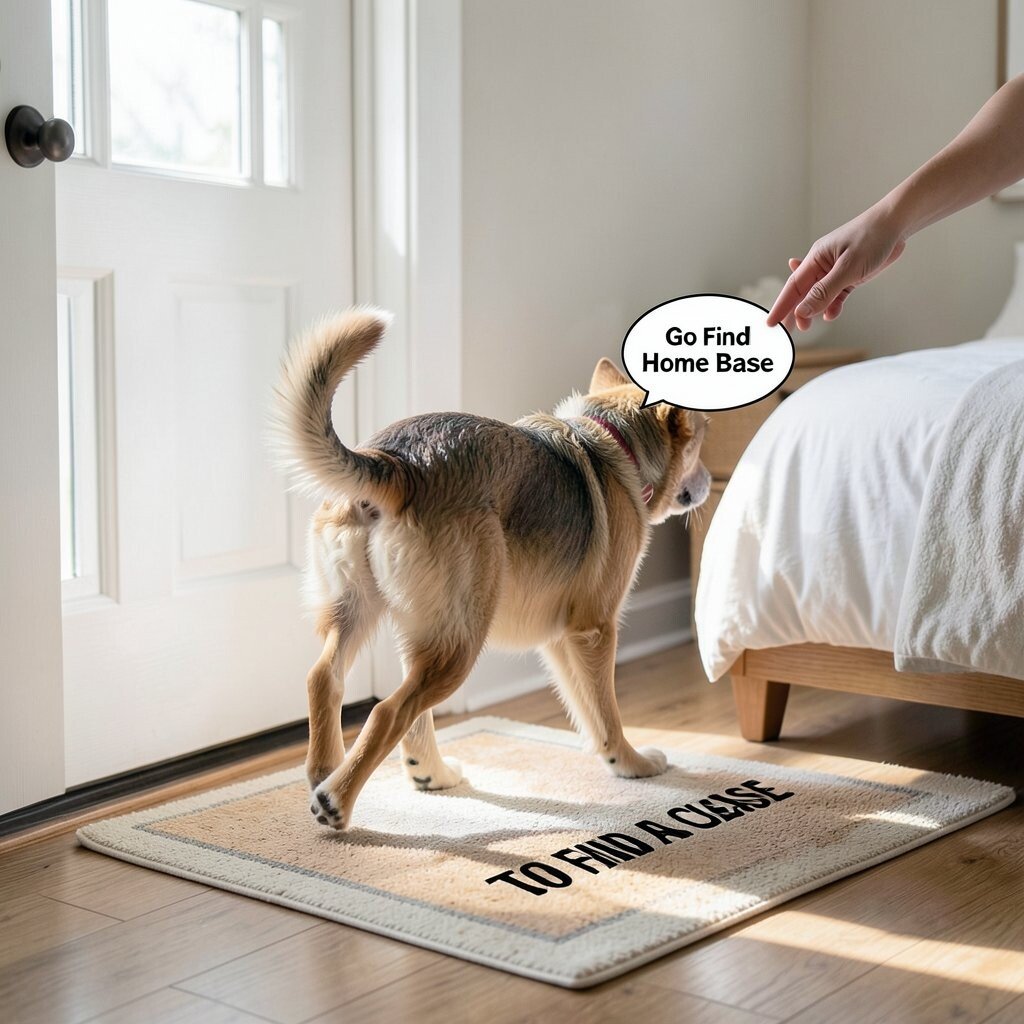
A “go find home base” signal gives the dog a clear place to return to. Pick a spot like a mat in a room or a bed near the front door. Imagine the dog running back to that spot when the door opens or when you call.
This can help protect people because the dog is not roaming around. It also helps with safety during storms or loud events. When the dog knows the rule, you spend less time chasing or grabbing.
You can use a hand signal plus a word so it stays clear. Costs are mostly for the mat or bed and maybe a labeled spot. Trends are showing more people using simple return cues for calm control.
7. Use Scent Games for Focus and Search Skills
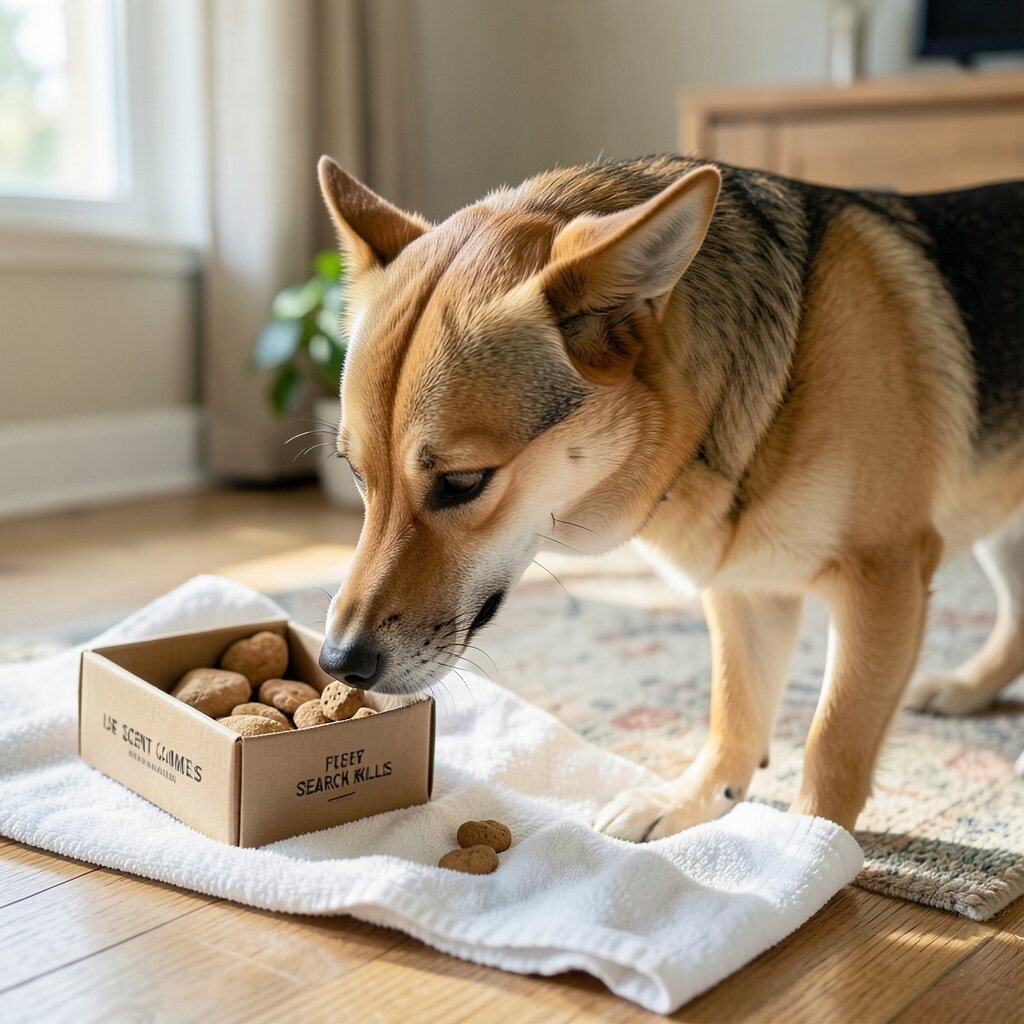
Scent games build a dog’s natural drive in a safe way. You can hide a treat in a closed box or under a towel, then let the dog sniff and find it. Visualize the dog’s nose moving fast, slow, and steady as it searches.
This helps with real search work because the dog learns to follow smells with patience. It also gives the dog a safe job at home. A focused dog is less likely to act out from boredom.
Start simple with treats and common home items, then add harder steps later. This is often low cost and easy to do. Personalize the game by using scents your dog likes and by changing the hiding spots to match your space.
8. Plan for Safe Social Time With Limits
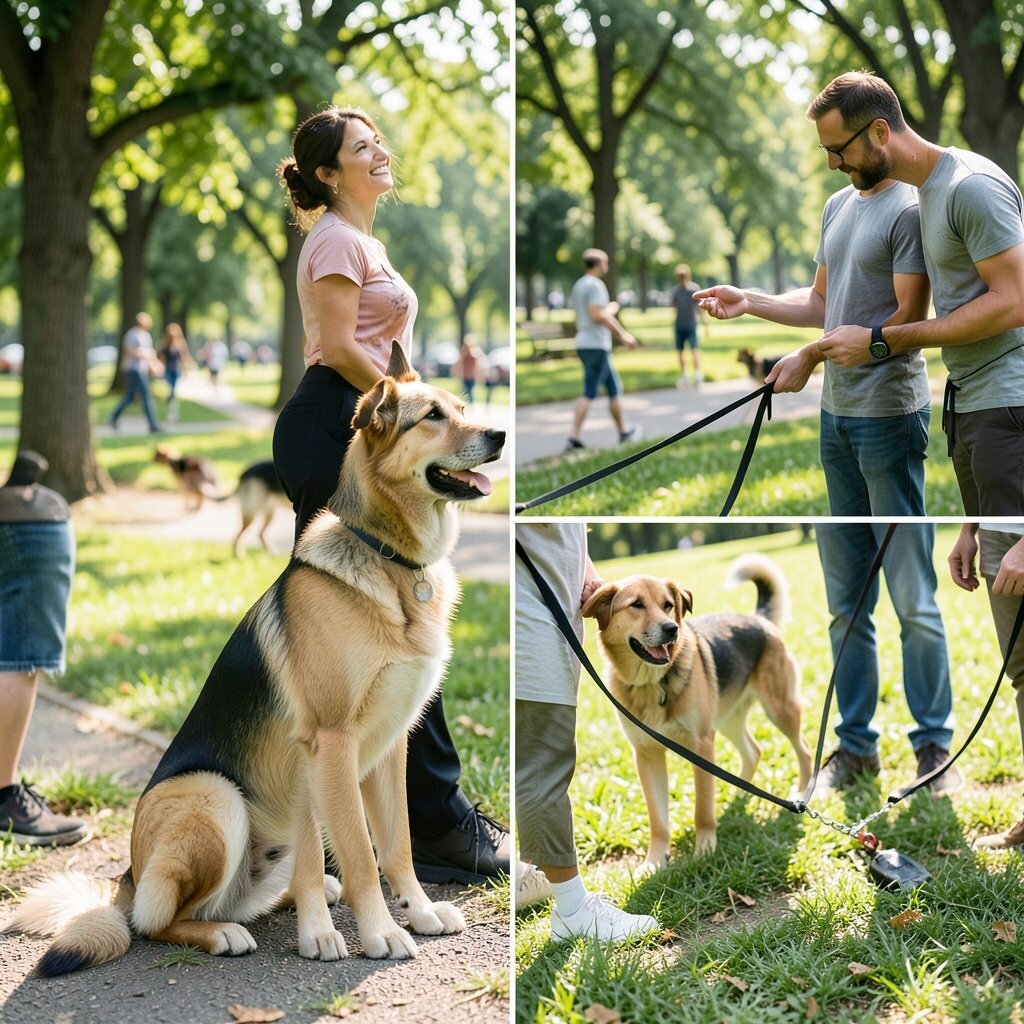
Working dogs still need social time, but it should have clear limits. Meet people in quiet spots, then slowly add more busy areas. Picture a dog that stays near you, looks at new people, then returns to calm behavior.
Good social time can help protect people because the dog is less likely to react in close spaces. It also helps the dog feel safe in public and less likely to panic. You can reduce risk by controlling distance and pace.
You can use a long line for safe control and keep sessions short. This can cost little if you pick local parks and friends. Trends in dog training focus on calm, planned meetings rather than rushed contact.
9. Use a Simple Work Log for Health and Progress
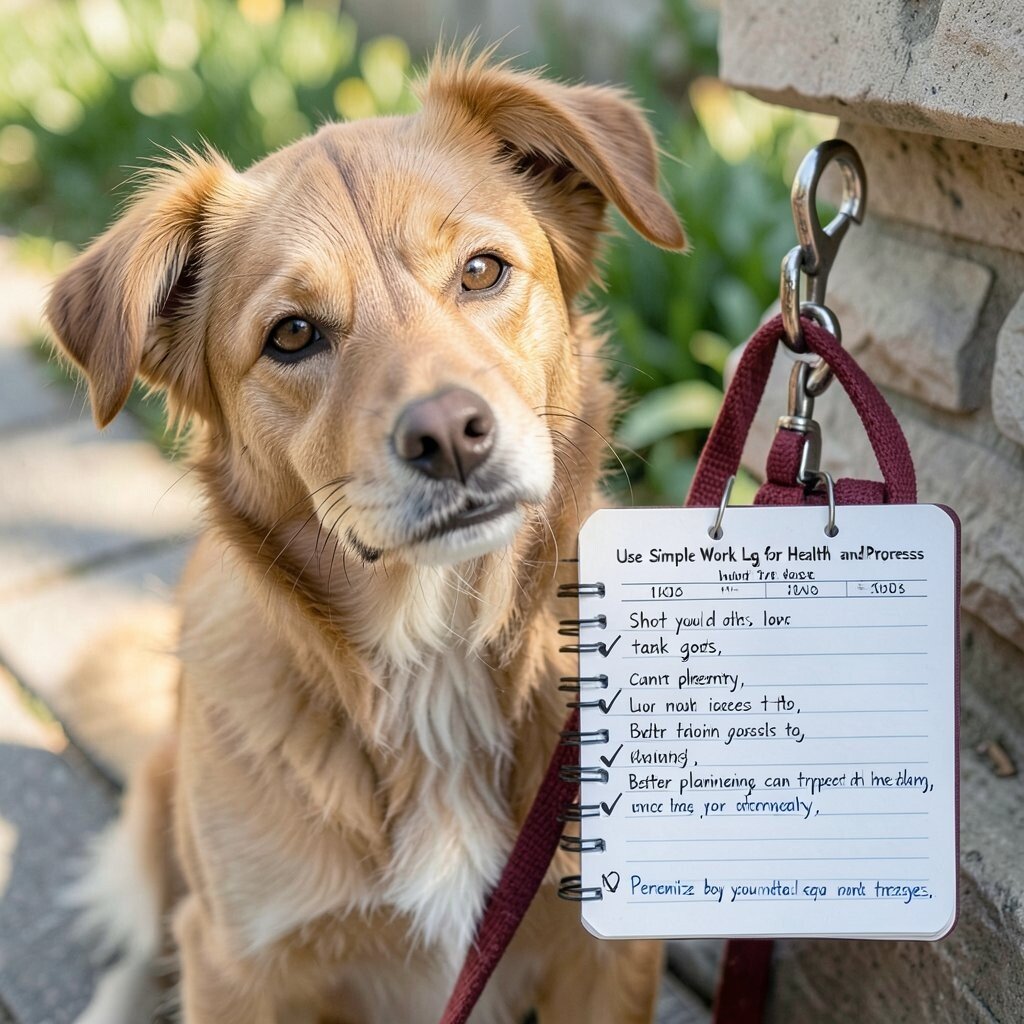
A work log is a simple note page where you write what you did each day. Include time, short task goals, and how the dog acted. Visualize a small notebook by the leash hook with quick check marks.
This helps you see patterns, like when the dog gets tired early or when training goes well. You can spot health issues too, like low energy, limping, or too much panting. Better planning can protect the dog from overwork.
Costs can be near zero since you can use paper or a notes app. A trend is using basic tracking to keep routines steady. Personalize by adding notes about weather, surfaces, and any triggers you notice.
10. Upgrade to an ID Plan and Safe Transport
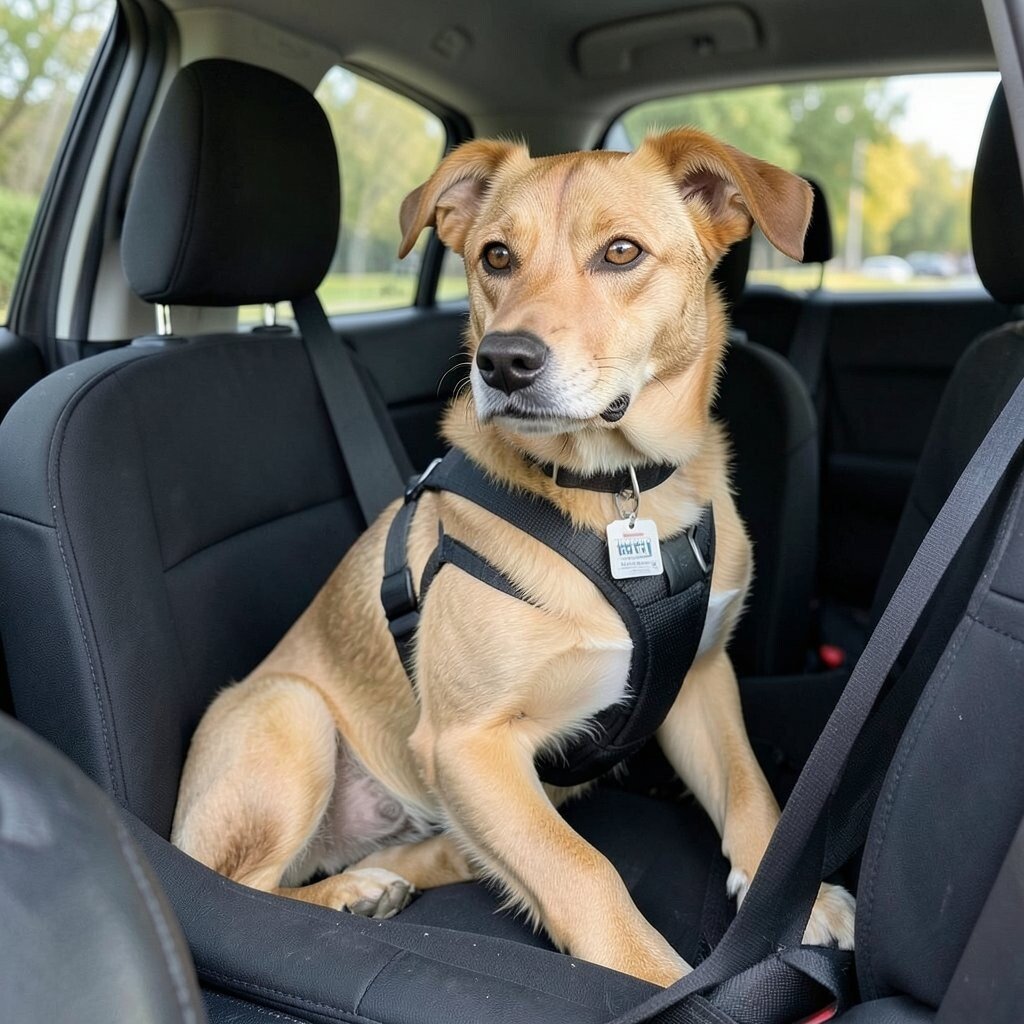
Protection starts with identification and safe travel. Make sure the dog has tags, a collar or harness that fits right, and a plan for vet care. Picture the dog riding safely in a secure seat or crate with a calm, steady posture.
Clear ID helps if the dog ever gets loose, which protects both the dog and the people who may find it. Safe transport also reduces panic and injury during car rides. When the dog stays calm, tasks and visits go smoother.
You can control costs by keeping tags up to date and using a basic travel crate that fits your car. Trends include more people using microchips plus visible tags. Personalize your plan by picking a crate size, seat belt setup, and vet info that match your routine.
11. Match Exercise to the Job, Not Just the Breed
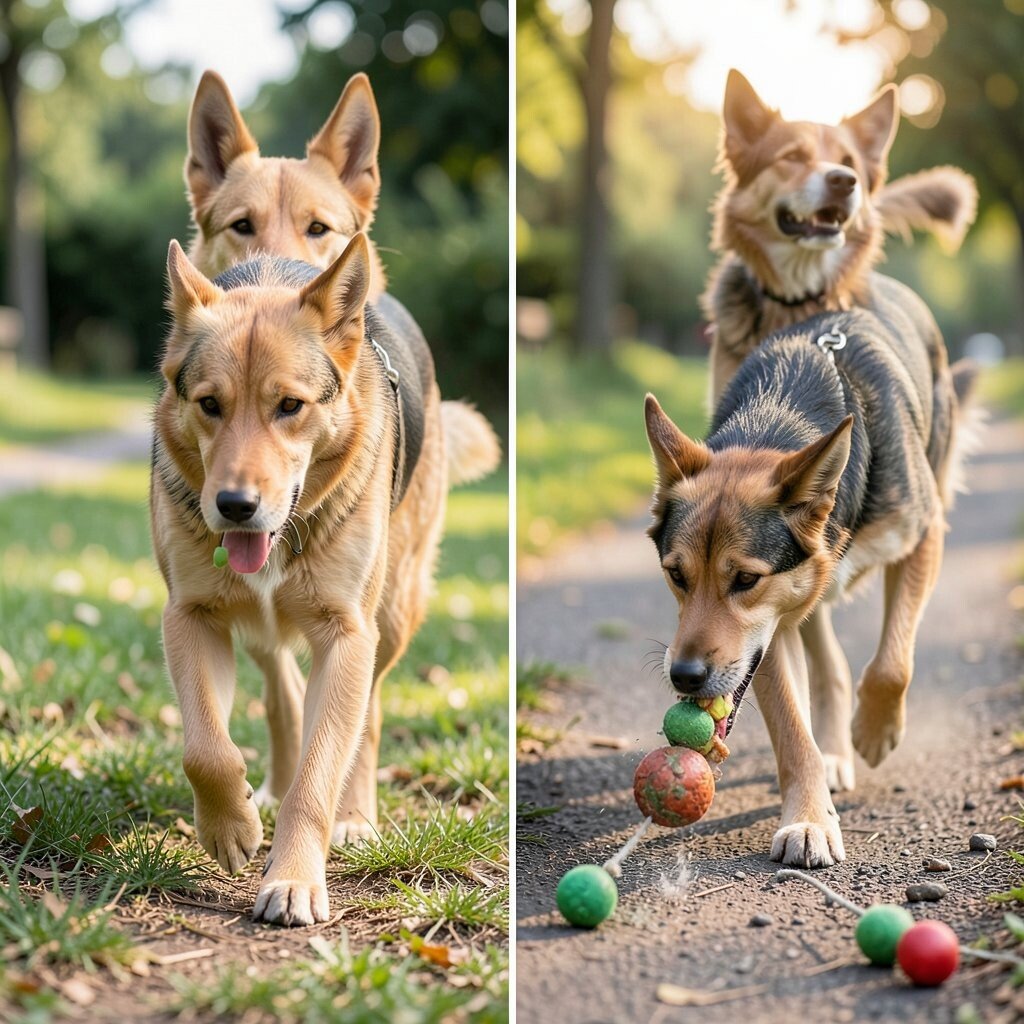
Exercise should fit the real job you want the dog to do. Some dogs need calm walking, while others need more active play or scent work. Visualize your plan as two parts: one for body movement and one for mental work.
This helps protect the dog from stress and helps the dog stay ready for tasks. It also helps you manage energy levels during work times. When exercise matches the goal, training sticks better.
Costs depend on what you choose, but you can often use free outdoor space and simple toys. Trends are leaning toward mix plans that add short walks plus brain games. Personalize the amount by watching how the dog rests after each session.
12. Teach a Safe Response to Threat Signals
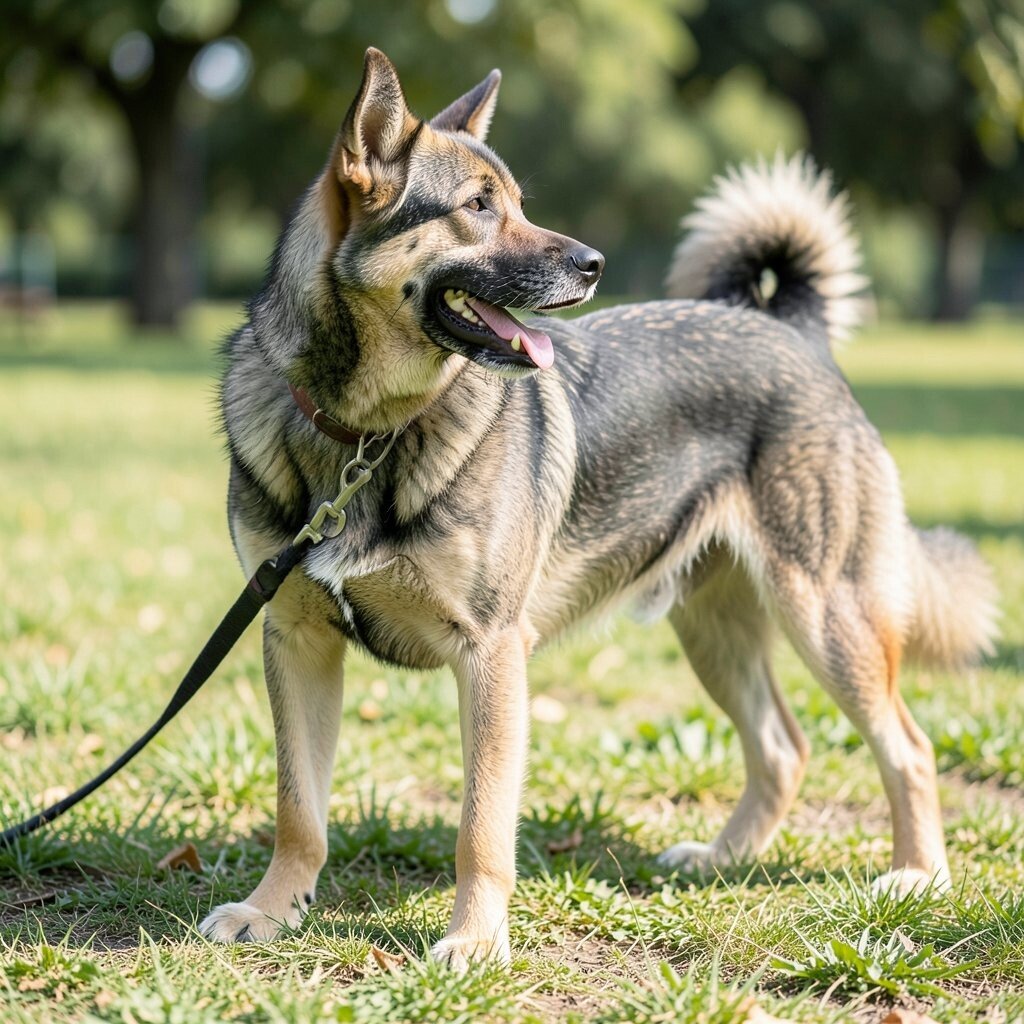
Dogs often react to strange sounds or people, so training a safe response is key. Teach the dog to alert in a clear way, then look to you for the next step. Picture your dog standing alert, then turning its head toward you instead of rushing forward.
This helps protect people by reducing sudden lunges and keeping the dog under control. It also gives you a clear way to handle problems without chaos. A trained dog can warn, then wait for direction.
You can build this with controlled practice using distance from triggers. Costs are low if you use treats, a leash, and calm practice spaces. Personalize by choosing the exact alert behavior you want, like barking once, then going to a stay spot.