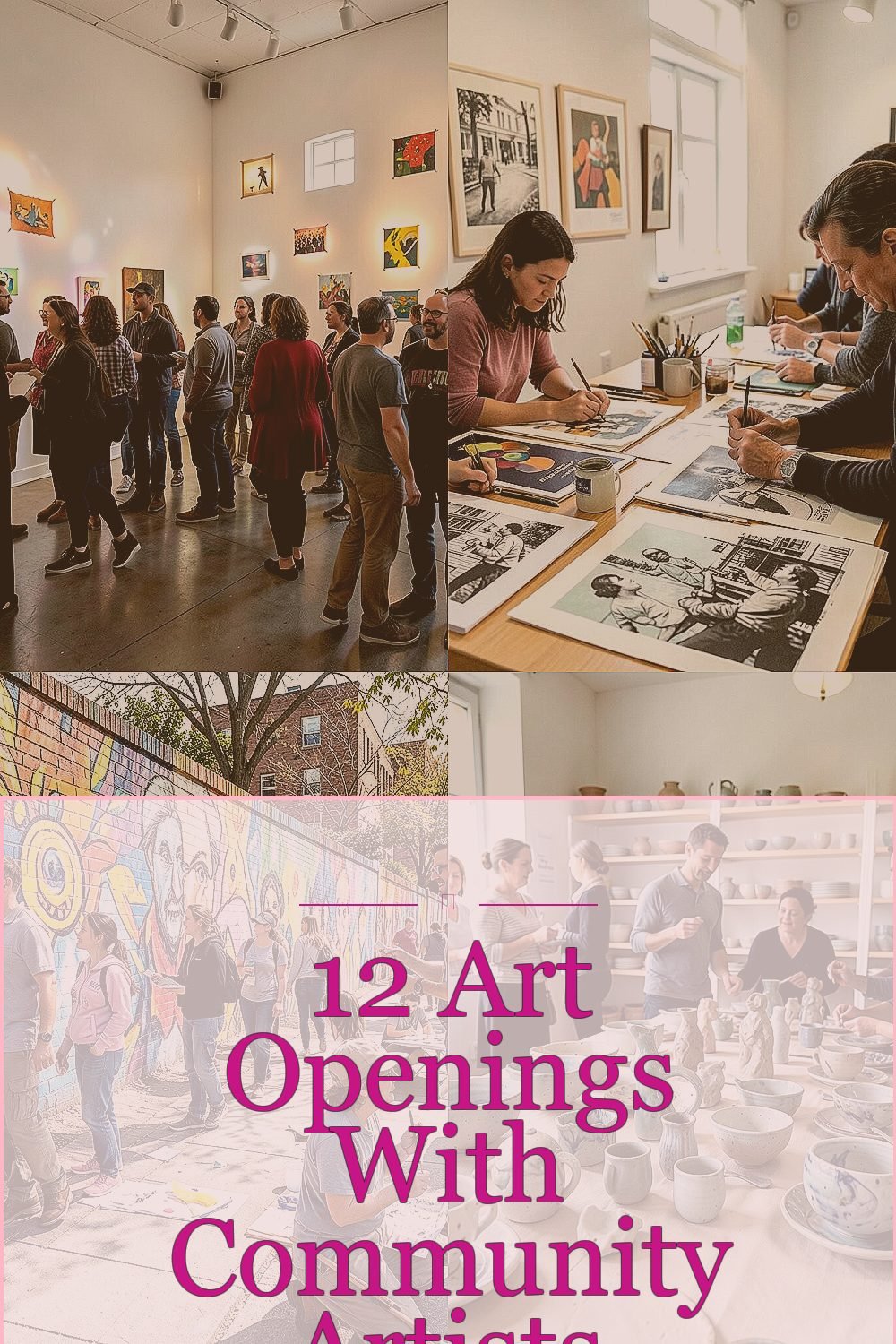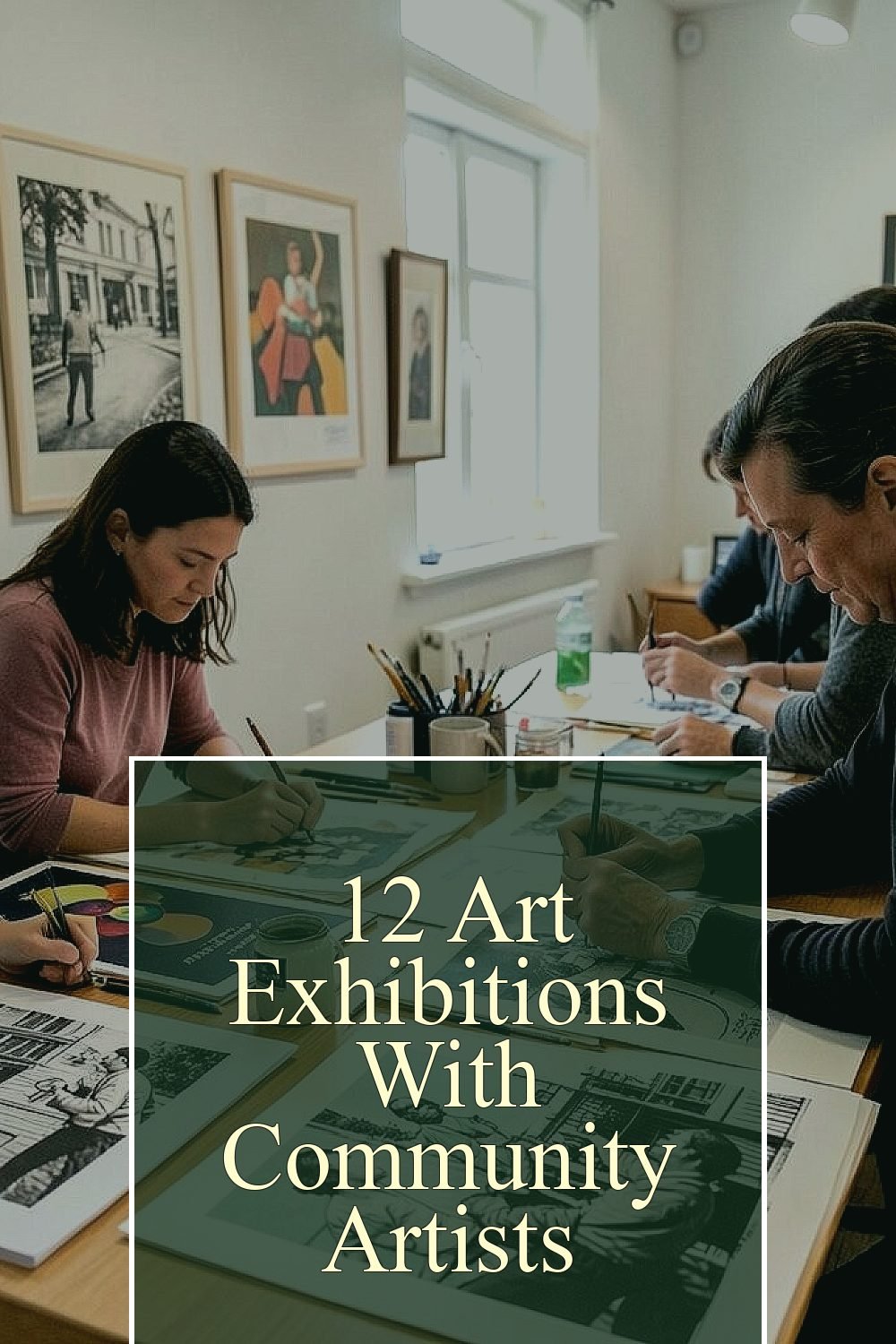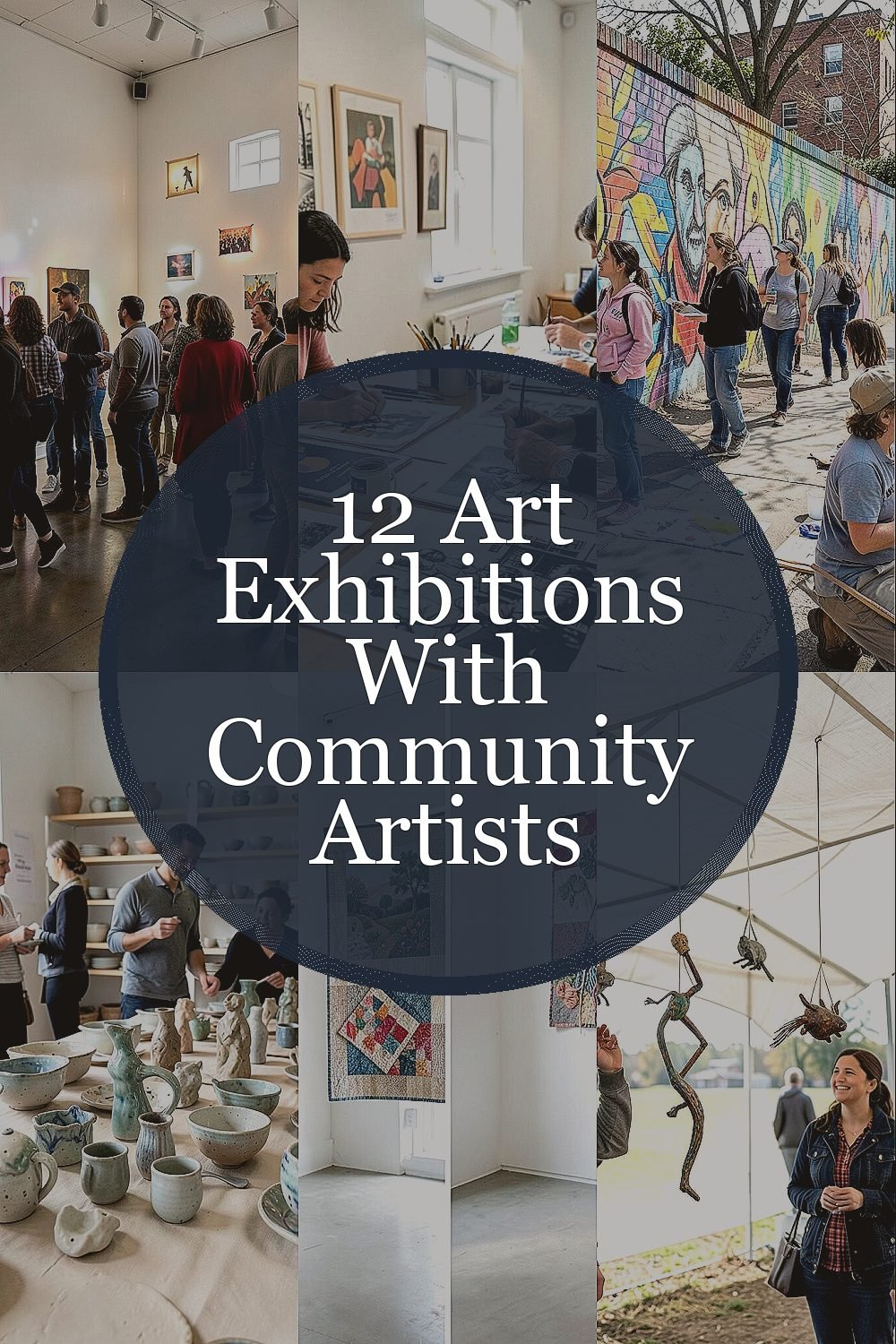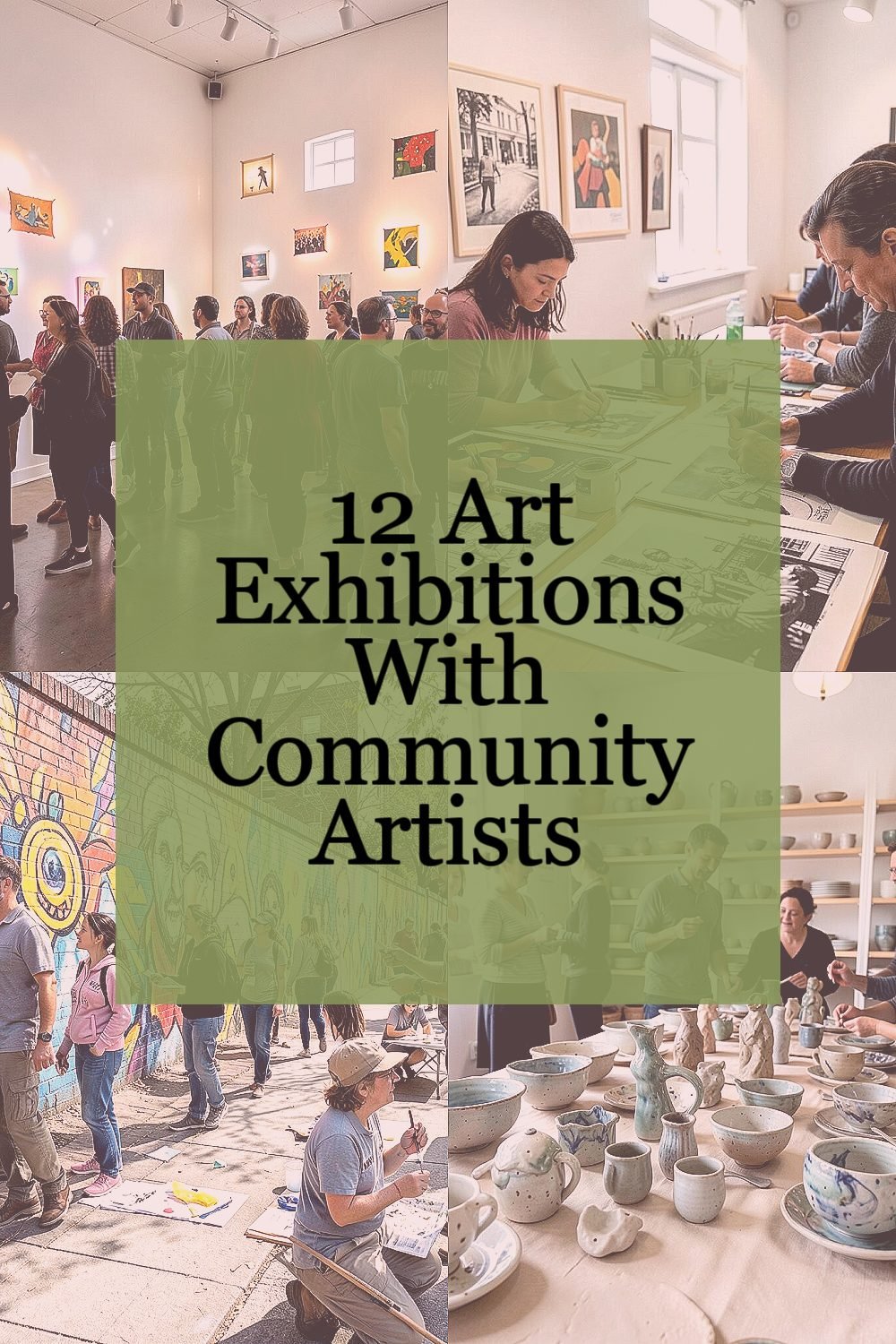
The gallery lights glow, and your city starts talking in color. Step inside, and you’ll meet artists who make their neighborhoods feel louder and kinder.
These openings pair big feelings with small details, so you can show up, look closely, and leave with fresh favorites.
1. Neighborhood Lightworks at the Corner Arts Hall

You’ll walk into a room where the walls feel stitched with glow and shadow. Bright panels and hand-cut shapes hang like tiny windows, and the crowd moves gently as if sound matters.
For community artists, this show is a friendly stage, and that makes conversations easier right away. If you want a personal route, pick one piece to watch for ten minutes, then ask the creator what inspired the color choice and how long it took. Bring a small notebook and jot down one detail you can’t stop thinking about, because it will help later if you want a print or a commission.
2. Printmaker Night: Small Editions, Big Stories

The opening smells faintly like ink and paper, and it’s full of crisp lines that look even sharper up close. You’ll see block prints, risograph textures, and layered images that shift when someone steps past the light.
Watching artists work through the process is one of the best parts, because you learn why a rough edge can feel powerful. If you’re budget-minded, small editions are often priced lower than large paintings, and you can still own something truly handmade. Ask how limited each run is and whether the artist signs on the front or back, since those details help you choose what fits your space.
Many makers share how they choose subjects from local events, school stories, and everyday street scenes. To personalize your purchase, look for prints that match your home colors, or choose a piece that reminds you of a place you visit often. If the artist offers framing guidance, take it, because the right mat can make the colors pop without overspending.
3. Riverfront Mural Walk & Meet the Painters

Outside, the first thing you notice is scale, with bright figures stretching along the brick like a friendly procession. Close up, brush marks and layered paint show the rhythm of each painter’s hand.
You’ll hear stories as you walk, and you’ll learn how the community shaped the plan through suggestions and sketches. Getting there early helps because the artists can explain what symbols mean before the crowd thickens. If you’re thinking about cost, some openings include free viewing plus optional donation opportunities, which is a nice way to support without buying anything.
For personalization, bring a phone photo of a wall color at home and compare it with the mural tones. That trick makes it easier to choose a related print, postcard set, or future commission if the artist offers them. Current trends in public art lean into accessible themes and participatory making, and this show feels exactly that way.
When you talk to painters, ask about protective sealants and how they plan for weather, because that shows how seriously they think about longevity.
4. Ceramic Tableaux: Hands-On Clay at Studio 9

You step inside and see shelves of bowls, cups, and small sculptures arranged like a dinner party waiting to happen. The glaze looks like weather on the surface, with speckles, swirls, and smooth edges that catch light at odd angles.
Since these are community artists, you’ll often hear practical teaching stories while people mingle. It’s great for benefits like learning what to look for in glaze thickness, firing results, and surface finish. If you want to take something home, ask whether pieces are food-safe or display-only, and check for any hairline cracks that could matter later.
5. Fiber & Fabric Fair: Quilts, Knits, and Patchwork Hearts

Textile pieces hang like moving gardens, with yarn fibers and stitched patterns creating tiny landscapes. You can spot different textures from across the room, but up close you’ll see careful handwork that feels intimate.
These openings are powerful because they turn shared memories into wearable or wall-ready art. A lot of artists welcome questions, so you can ask why certain stitches were chosen and how long a quilt panel took. For practical planning, bring measurements of the spot you want to fill at home so you can match scale without guessing.
In terms of cost, smaller items like scarves and mug cozies can be easier to start with, while full quilts may come with higher price tags. To personalize, choose colors tied to your everyday outfits or a meaningful fabric from a family story if the artist offers custom work. Current trends lean toward slow craft and handmade comfort, so this show fits right in with that warmth.
6. Sculpture Under Strings at the Pop-Up Canopy

Under a temporary canopy, you’ll see sculptures suspended from strings, and each breeze makes them sway like living ornaments. The shapes can be delicate or bold, but they always feel playful against the open air.
This kind of exhibition is unique because it encourages you to watch the artwork behave, not just look at it. For benefits, the movement helps you notice balance, weight, and negative space in a way a flat piece can’t. If you visit with a friend, you can assign each person one sculpture to study, then compare what you notice first.
For practical tips, dress for the weather and bring a light layer if the evening cools down, since you’ll likely stay longer than planned. If you’re considering buying, ask whether a piece is wall-mountable, tabletop-safe, or meant only for display under protected cover. Personalization works well here too, because some artists offer themed versions based on your favorite colors, symbols, or local landmarks.
7. Photography in the Alley: Candid Views From Block to Block

You’ll arrive to clusters of photos printed in different sizes, and the alley’s shadowy feel makes everything look cinematic. Street corners, storefront signs, and people captured mid-laugh bring a vivid honesty.
Photography openings with community artists are especially rewarding because the subjects are usually close to home, so you recognize details you’d normally ignore. A practical benefit is learning what makes a photo strong, since many photographers talk about lighting choices and camera settings in simple terms. If you want a smart purchase, ask about print types and whether the image is archival, because it affects how long colors last.
To personalize your pick, choose an image that matches a memory you want to revisit, like a walk you take when the day slows down. Cost considerations vary, but many artists offer smaller prints that fit tighter budgets and still look great. Current trends keep pointing toward local documentary styles and lived-in color, and this show leans into both.
For a fun moment, ask the photographer to point out the one detail they hope you notice first.
8. Digital Dreams at the Library Light Lab

In the library’s new room, screens glow softly, and digital art moves like music you can see. You’ll notice animations, pattern-based designs, and interactive pieces that respond when someone steps closer.
Community artists shine here because they often share how they learned the software through clubs, classes, and trial-and-error projects. That makes the show feel hopeful, and you’ll get practical lessons just from listening to their stories. If you’re cost-conscious, you may find artist-led classes or small sticker and print bundles that let you support without a big purchase.
To personalize, bring questions about how the artist builds their color palettes, then pick a piece whose mood fits your own space. Some creators also take requests for custom themes, like names, favorite fonts, or local street scenes, which can be a great gift. A current trend in digital art is blending hand-drawn textures with clean tech effects, and you’ll see that mix throughout the room.
When you meet the artist, ask what tools they used and whether they plan to offer future open sessions for beginners.
9. Watercolor on the Move: Live Painting by Local Faces
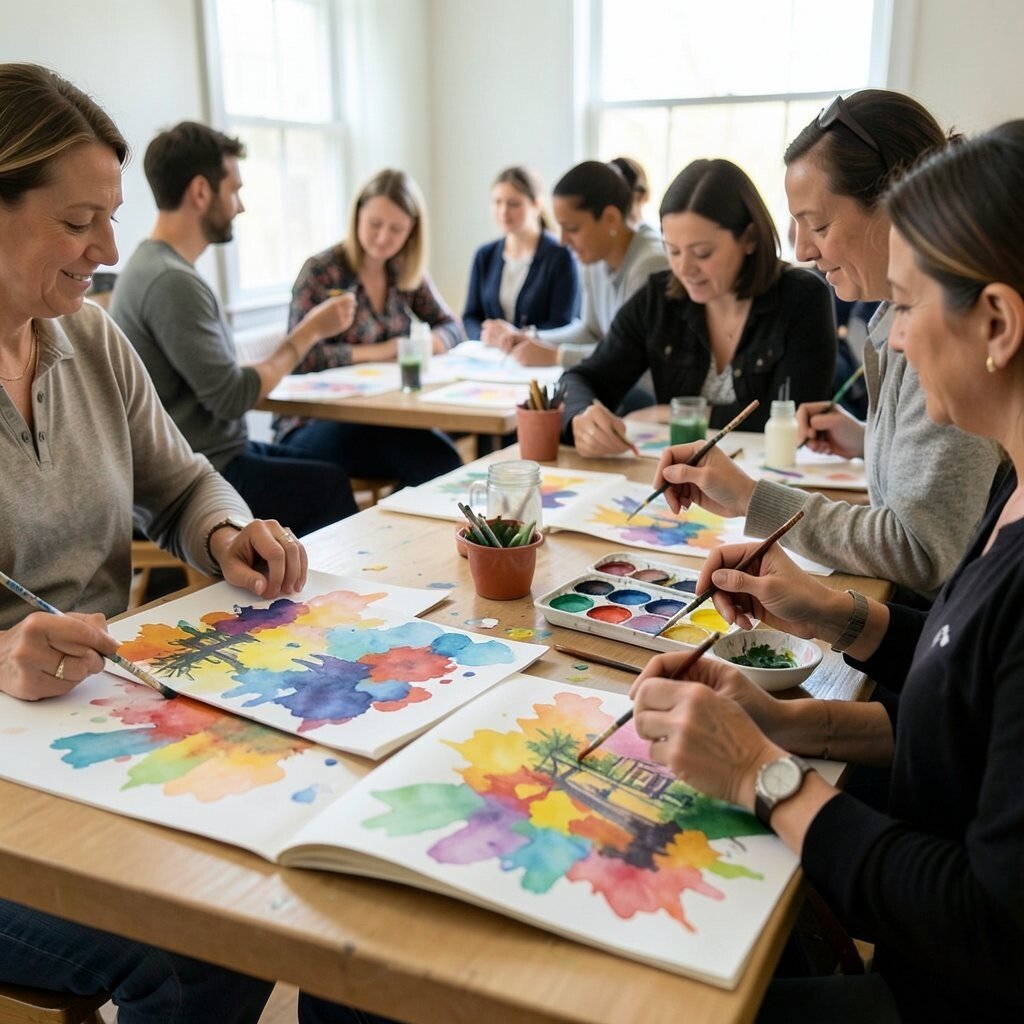
Tables line the room, and you watch watercolor blooms form right in front of you. The paint looks soft but not fragile, and the paper edges curl slightly as artists tilt boards.
This opening is unique because the artwork is happening while people gather, so you can witness the choices in real time. One practical benefit is that you can learn how to handle wet-on-wet techniques by watching brush angles and how artists lift color from the page. Ask what palette they’re using and why, since it helps you understand how they keep values balanced.
For personalization, take a quiet moment to choose a subject that means something to you, like a favorite street, a pet, or a family heirloom. Many artists accept quick commissions for small portraits or scene sketches, which can be surprisingly affordable. Cost considerations often depend on size, so go with a smaller option if you want to stay comfortable. Current trends in watercolor keep leaning into bright color and loose texture, and these pieces feel lively rather than fussy.
10. Collage & Cut-Paper: Neighborhood Memories Made Physical

You’ll see layers stacked like stories, with torn paper edges, scanned textures, and hand-drawn lines stitched together. The artwork feels rich and tactile, even when it hangs flat.
These shows are a great way to get benefits like learning visual storytelling, because every collage invites you to decode the choices. Artists often talk about how they collect scraps from local places, old flyers, and packaging, which makes the work grounded in daily life. For practical tips, bring a tote bag for any small purchases, and ask whether the artist offers flat-packed shipping for larger pieces.
To personalize, choose work that includes symbols you love, like a music venue sign, a street name, or a favorite flower. Cost can be friendly here because many collage artists sell affordable prints and smaller originals. This opening also matches current trends that celebrate upcycling and reuse, turning waste into meaning without a lecture.
When you ask questions, focus on how the artist handles spacing and contrast, because that’s where the magic usually lives.
11. Mixed-Media Portraits: Community Characters With Extra Soul

The portraits look bold and slightly surprising, with paint, ink, and texture layered like a personal diary. You might spot fabric scraps, painted patterns, or photo fragments that create a clear sense of presence.
What makes this opening stand out is how it treats personality as a set of visual clues, not just a realistic face. The benefits include better ways to look at details in your own photos, since artists explain how they interpret expression and posture. If you’re planning to buy, ask about the materials used and how the surface is protected, especially if you want to display it near sunlight.
For cost considerations, many artists offer different sizes, and the smaller ones can be perfect if you want a statement without a huge spend. Personalization is easy here because you can commission a portrait from a meaningful photo and request extra symbols, like an instrument, a favorite book, or a local landmark. Current trends keep leaning toward expressive realism and textured surfaces, and these portraits feel like they belong to that moment.
12. Live Poetry Meets Visual Art: Spoken Words at Dusk

As the room dims, artists project visuals while poets read lines that match the colors. You’ll hear voices echo softly, and the artwork shifts in your mind as new phrases land.
This pairing is unique because it turns the opening into a shared experience rather than a silent viewing. A practical benefit is that it gives you plenty to talk about, since you can connect a visual choice to a poem moment without feeling awkward. If you want to personalize your visit, bring one memory you like to describe in a sentence, then listen for visuals that might match your own story.
Cost considerations can be flexible, since some events focus on donations and others bundle small prints after the readings. Ask whether the artist offers a poster tied to the performance, because those tend to be affordable and easy to frame. Current trends in community art often blend mediums like this, and the result feels fresh, not forced.
When you meet creators afterward, ask how they timed their visuals with pacing, because that’s where the collaboration becomes real.
13. Art Market Opening: Local Makers, Fresh Frames, and Friendly Deals

You step into a lively hall where tables glow with finished pieces, prints, and small handmade goods. It’s easy to browse, and the mix of styles keeps you curious from one corner to the next.
This type of opening is especially beneficial when you want practical next steps, like figuring out what you actually love and how to buy it. Many artists talk openly about care, framing options, and how to choose sizes that fit a wall without making it feel cramped. If you’re keeping costs in check, set a spending range before you arrive, then focus on one category like prints, cards, or small originals.
For personalization, look for sets that can build a collection, like a matching trio of postcards or a series with related themes. You can also ask whether an artist can adjust a palette for future work, which is a fun way to make something feel like it belongs to your home. Current trends in markets highlight accessibility and direct connections, so you often get more context than you would at a standard gallery.
Finally, take a photo of your favorite booth layout and label the file names in your phone, so you can remember who made what after the evening passes.