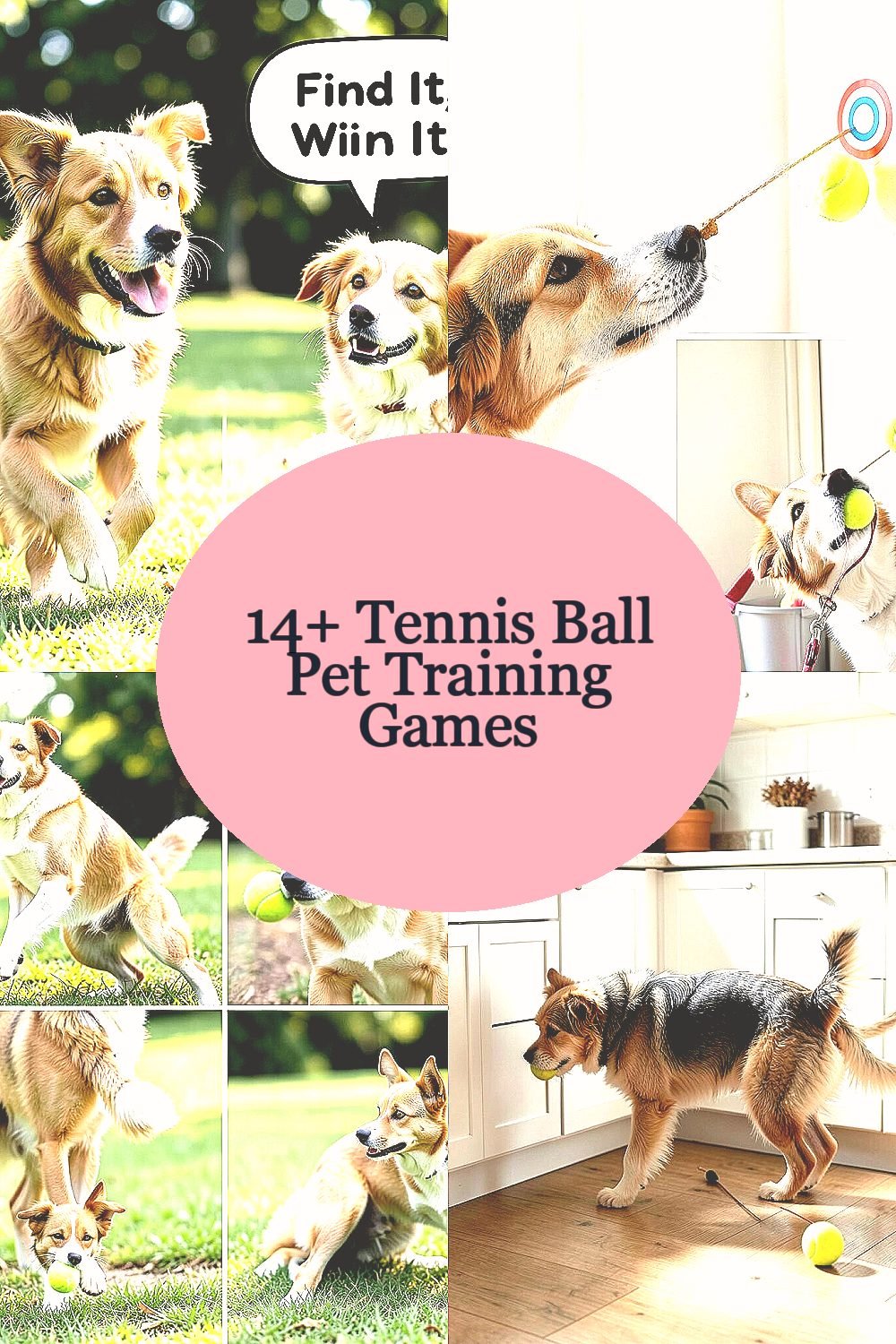
Small fuzzies learn fast when games feel fun. Tennis balls make training look like play and sound like laughter.
From recall drills to calm routines, you can shape behavior with simple tosses, soft cues, and quick rewards.
1. The “Find It, Win It” Toss
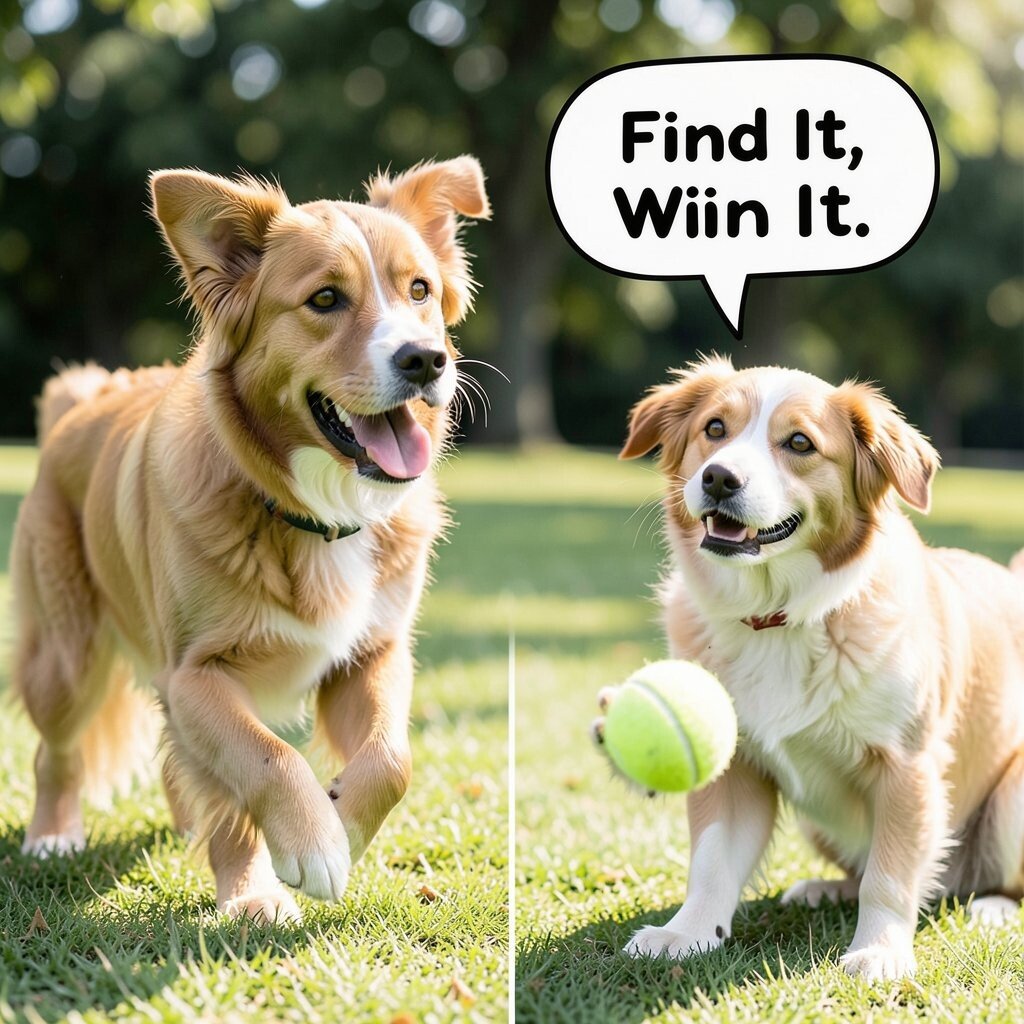
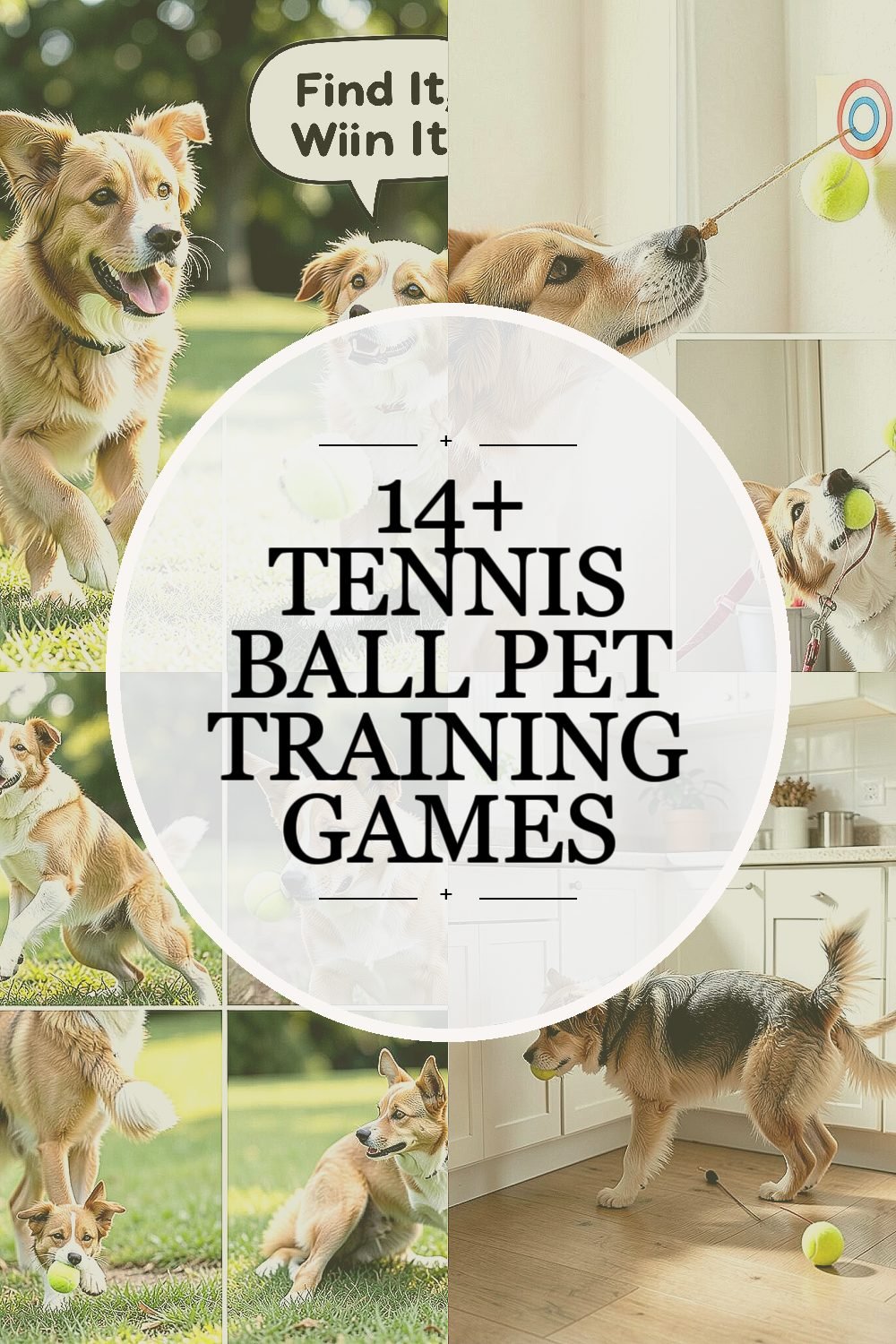
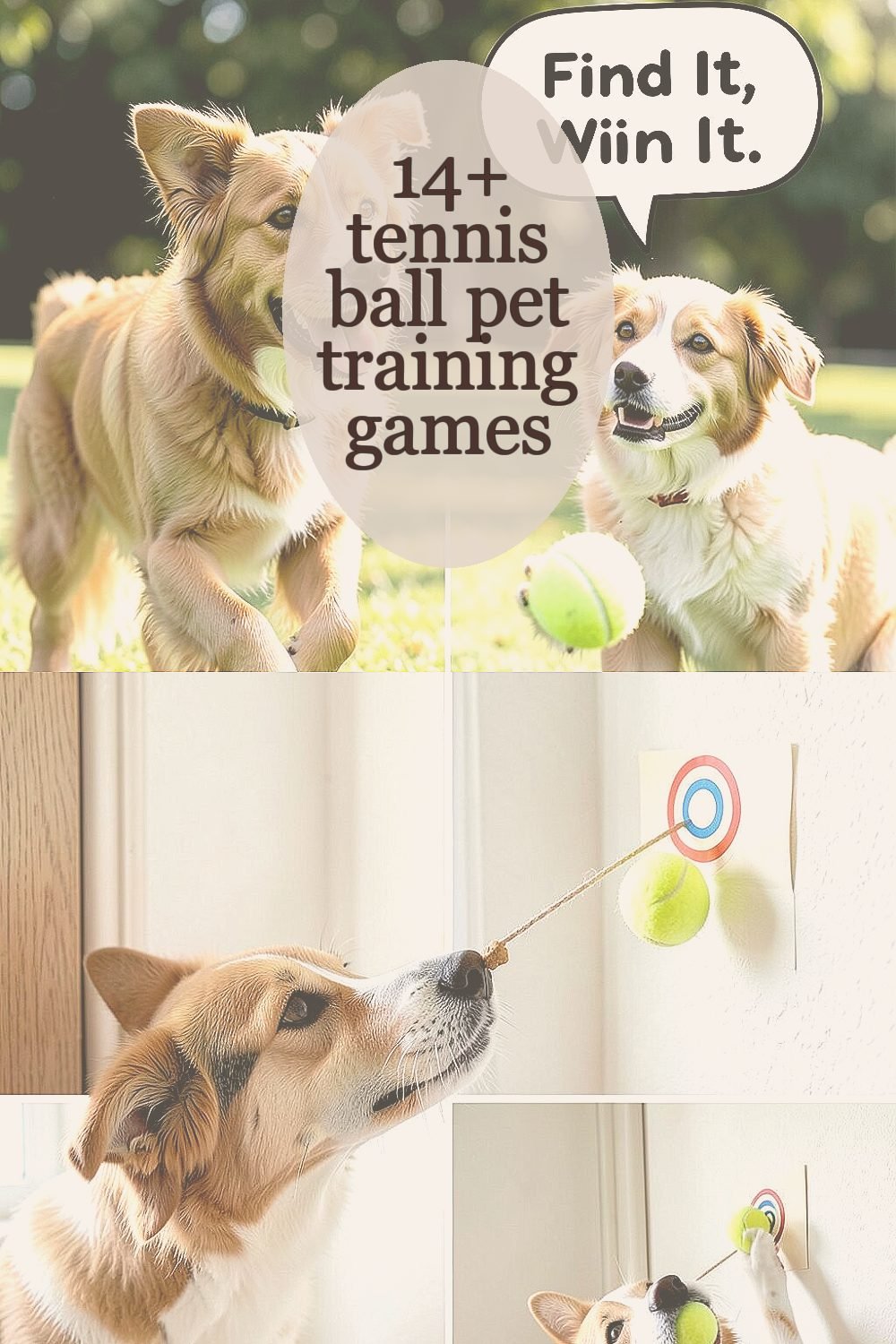
Start with one tennis ball and toss it a short distance while your pet watches. Say the cue in a steady voice, then encourage them to fetch it back.
When they grab the ball, reward the moment they return to you, not just the chase. This builds focus, listening skills, and a happy habit of coming back. For a visual cue, watch how their nose tracks the arc of the ball through the air, then how their eyes brighten when they see you ready with praise.
2. Target Touch With a Wall Marker

Pick a wall or sturdy door and place a small sticky note or tape circle at nose height. Hold a tennis ball near your pet’s face and guide them to touch the marker with their nose.
Reward right away, and then move the marker slightly higher, lower, or to the side. The slow shifts help your pet understand where to aim, and it also supports safer leash handling by training precise attention. A practical way to personalize this is to use different marker colors for different behaviors, like touch, sit, or spin, and keep the tennis ball as the consistent reward trigger.
If your pet is food-motivated, add a tiny treat as the ball is offered, because that keeps the training fast and reduces how long you spend fetching. Tennis balls are cheap, but if you buy a pack, store them in a clean bin so the fur-friendly texture stays fresh.
3. Drop the Ball, Get the Prize
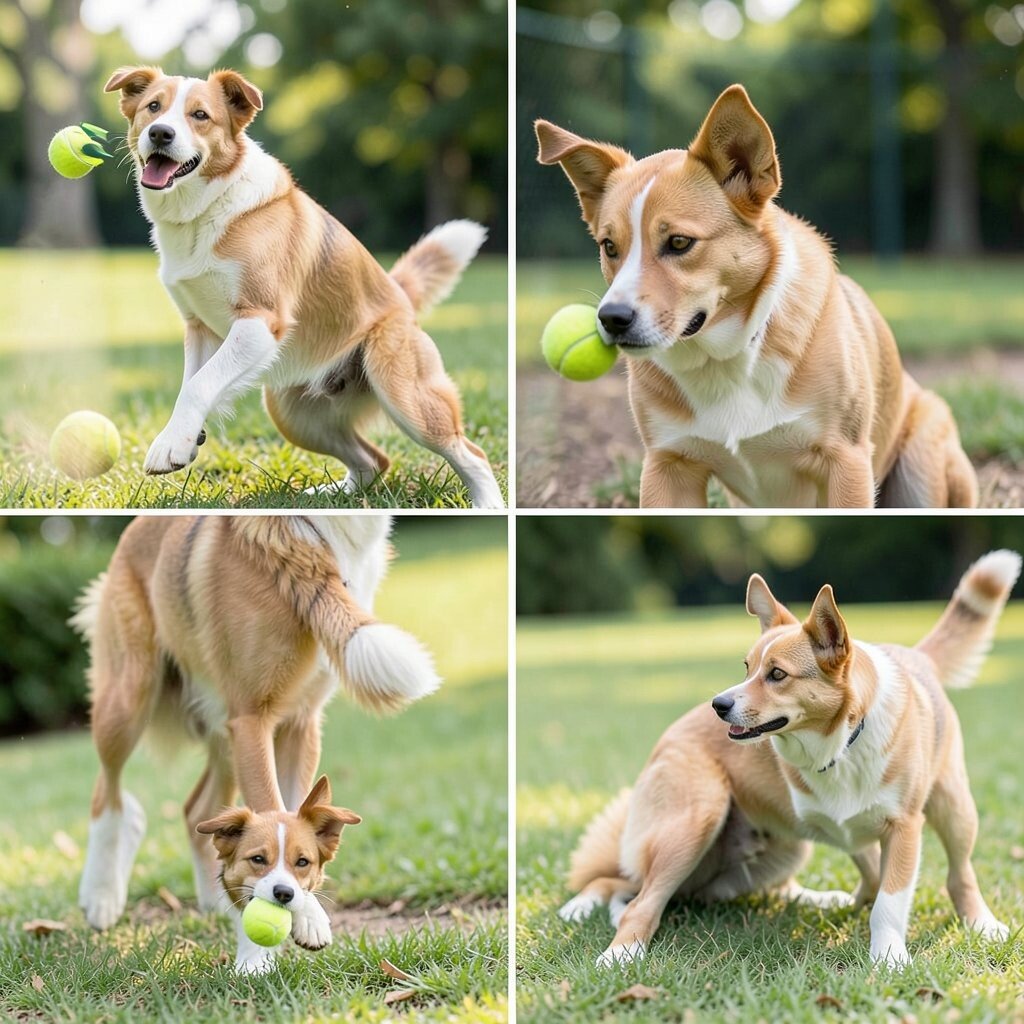
Play a gentle mini-fetch and pause when your pet has the tennis ball. Wait for them to look at you or loosen their grip, then immediately celebrate and reward.
Use a consistent release cue like a soft word or hand signal, and keep your timing quick. This teaches the important “out” moment and helps prevent resource guarding. You’ll see the training work when their body leans back toward you, ears perked, and the ball drops more willingly each round.
To personalize, try different release cues for different contexts, like at the door versus during play inside. If your pet struggles, shorten the distance and keep sessions brief so they can win often. Cost stays low because you only need one ball, and the time spent is mostly your attention and your practice.
4. Spin and Catch in the Kitchen Corner
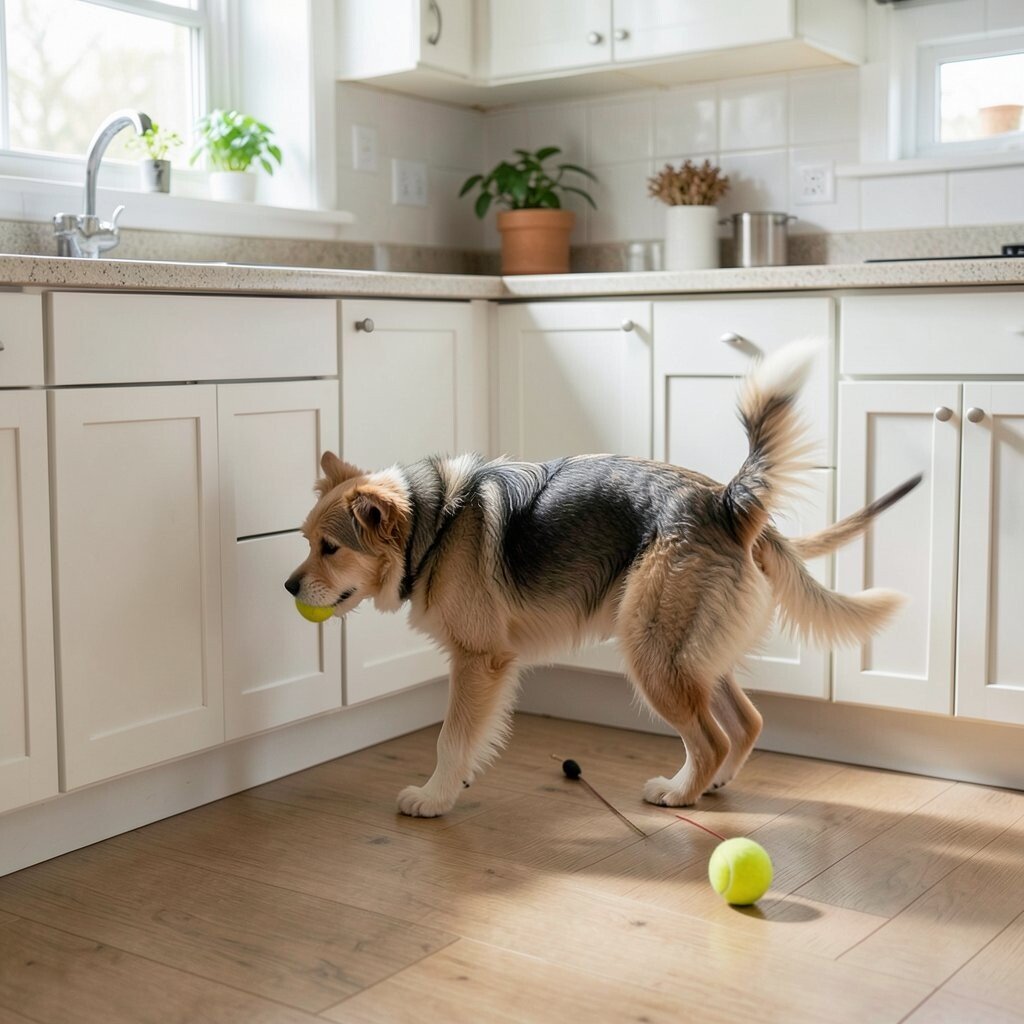
Choose a safe corner with enough space for a small spin turn. Roll a tennis ball a short distance and encourage your pet to rotate toward the rolling ball, then reward the catch or quick pickup.
Once they get the idea, add a cue and celebrate the exact moment their body completes the turn. This supports agility, coordination, and confidence because it turns awkward body movement into a fun game. For a visual, notice the way their feet pivot in a clean arc before they reach for the ball.
5. The Quiet Ball Carry Challenge
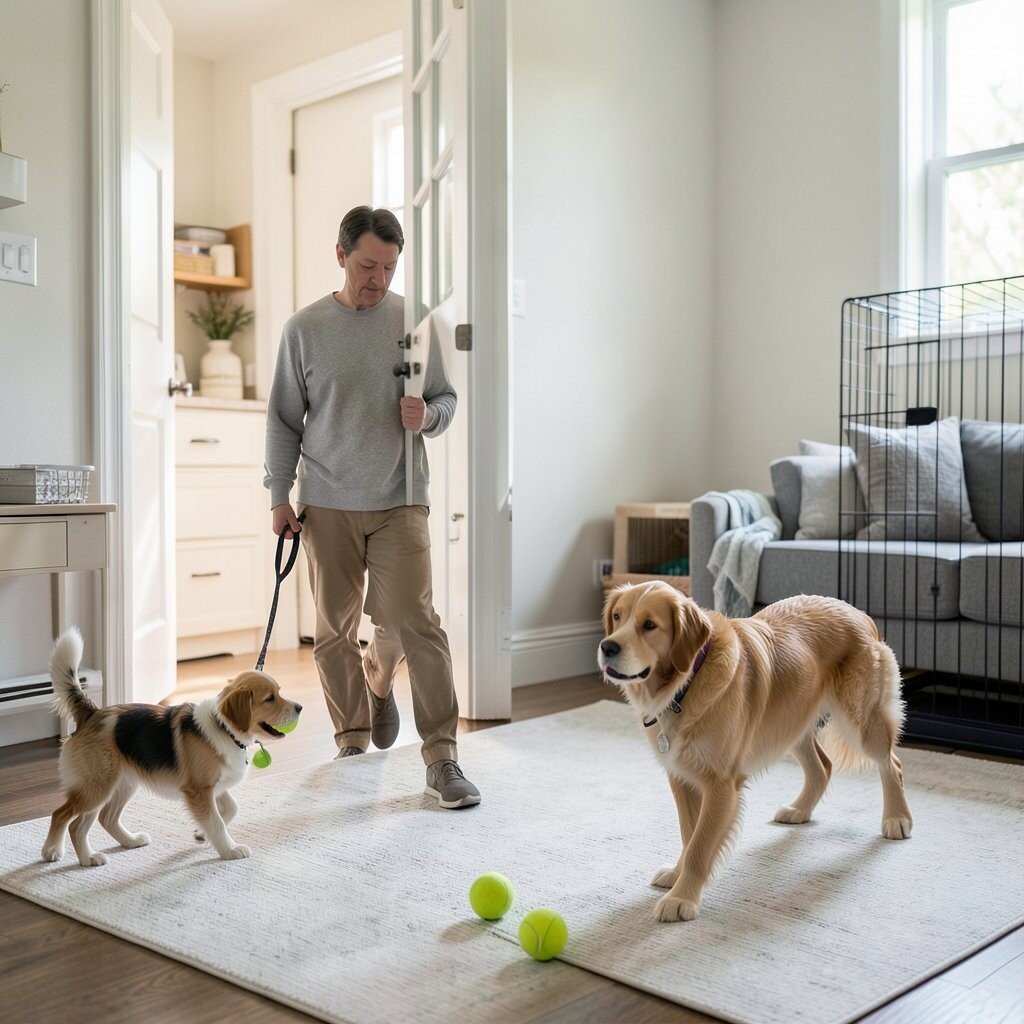
Offer your pet a tennis ball and ask them to carry it to you. Keep your voice calm and reward them for moving slowly and staying near.
Gradually increase the distance, such as moving from one room doorway to the next. This creates a gentle behavior for visitors and helps with focus on you instead of constant grabbing. Personalize by pairing the carry with a specific route your pet already knows, like from couch to crate or from bed to mat.
If your pet gets too excited, use fewer reps and lower the difficulty so they can succeed. Tennis balls are affordable, but if they become heavily chewed, swap them out for fresher ones to avoid slippery bits or worn fabric.
6. Name Game With a Rolling Target
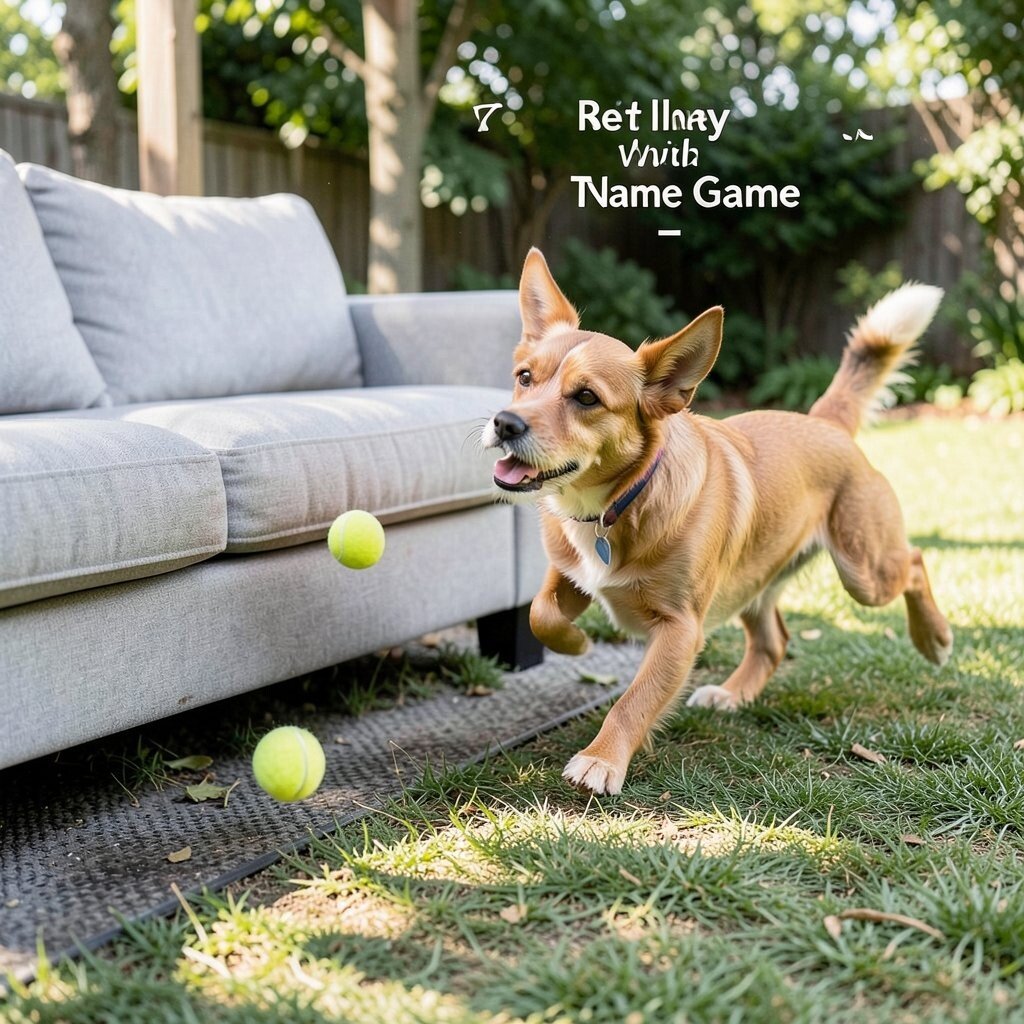
Roll a tennis ball away while your pet is distracted, then call their name right when it starts moving. The moment they turn toward you, stop the roll and reward instantly.
This trains reliable attention and recall using a clear cause-and-effect. Watch for the “whiplash” head turn followed by a quick sprint to you, because that fast switch is the behavior you want. To personalize, make the ball roll in your pet’s favorite pattern, like slightly toward the couch first, then away toward the yard.
7. Obstacle Weave Using Household Posts
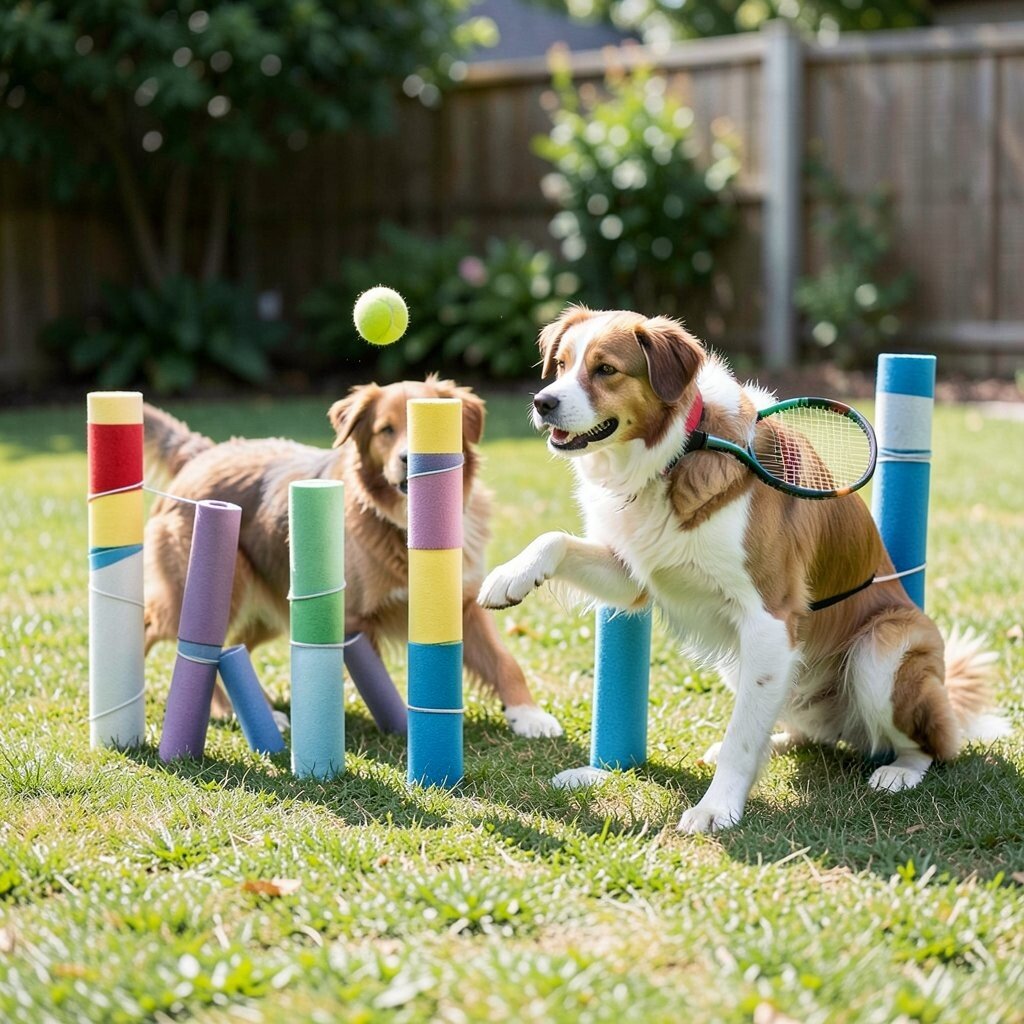
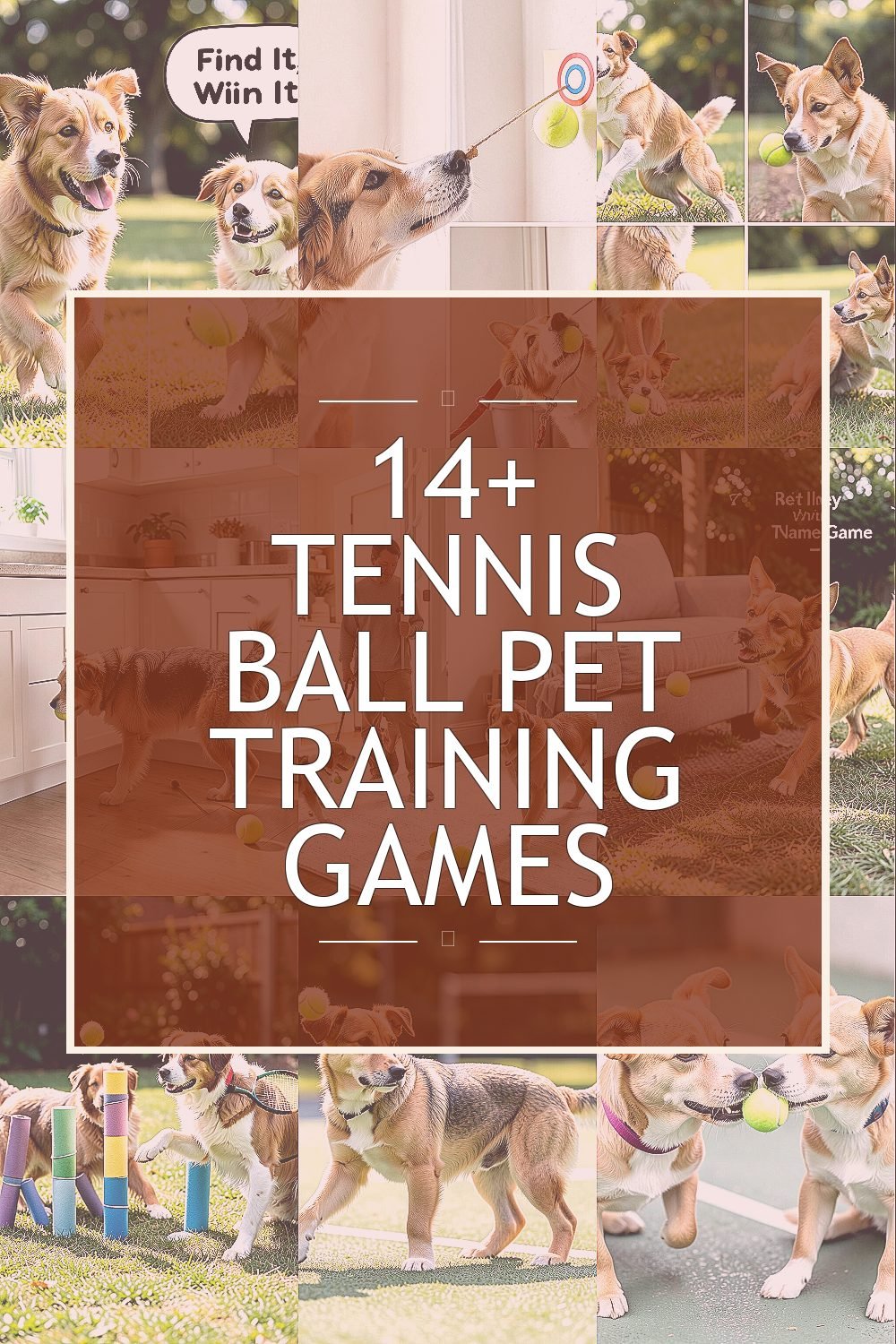
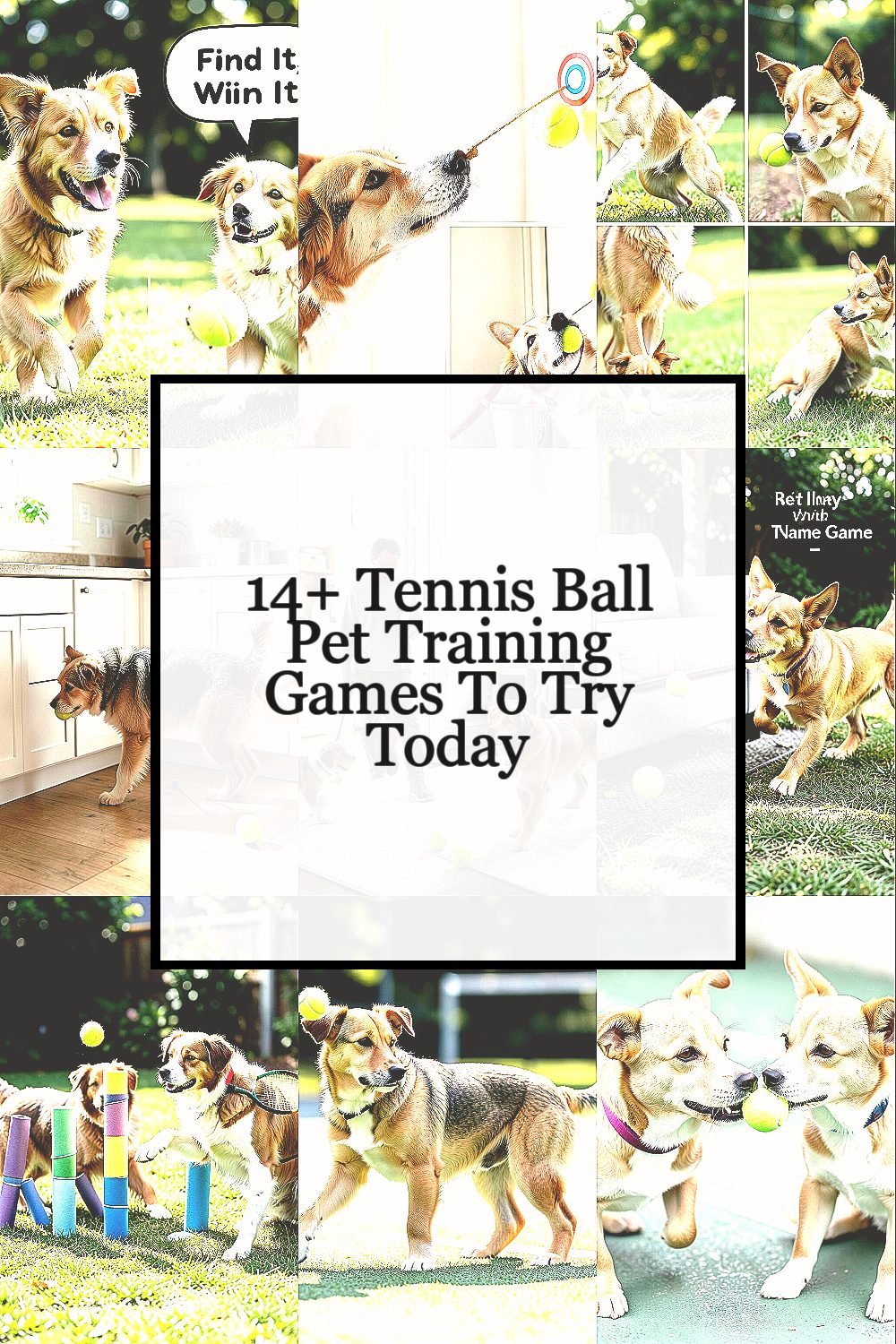
Set up two to four small posts using safe items, such as folded pool noodles in sturdy stands or chair legs wrapped for grip. Toss a tennis ball beyond the posts and encourage your pet to weave through to reach it.
Weaving builds body awareness and improves impulse control, because they must wait for the “go” moment to move through. You can make it easier by widening the space, and harder by bringing posts closer together over time. A fun uniqueness twist is to let your pet choose the direction first, then you reward whichever way they decide as long as they weave correctly.
8. Backward Step Retrieval

Hold a tennis ball and crouch slightly behind your pet’s line of sight. Encourage them to back a step toward you, then toss the ball a small distance once they move correctly.
This is a playful way to train controlled movement and helps with leash pressure by teaching body awareness. When they step back smoothly, their posture often changes from stiff excitement to a more balanced, ready stance. Personalize by using your pet’s natural preferences, like rewarding backward steps only when they look calm, not when they’re bouncing.
9. The “Switch” Game With Two Balls

Have two tennis balls ready, and start by tossing one for your pet to pick up. When they mouth the ball, present the second ball near their face and encourage them to swap.
This helps prevent ball fixation and teaches a clean exchange instead of chasing your hand. You’ll know it’s working when they carry the first ball for a second, then quickly redirect attention to the second ball. For practical tips, keep the second ball visible and offer it close enough that they can make the switch without jumping wildly.
Cost considerations are simple since you only need two balls, and you can rotate them so the texture stays similar. If you’ve seen recent trend-style “swap training” on social feeds, this game is one of the most common because it’s easy to repeat and easy to measure.
10. Basket Toss for Soft Landing
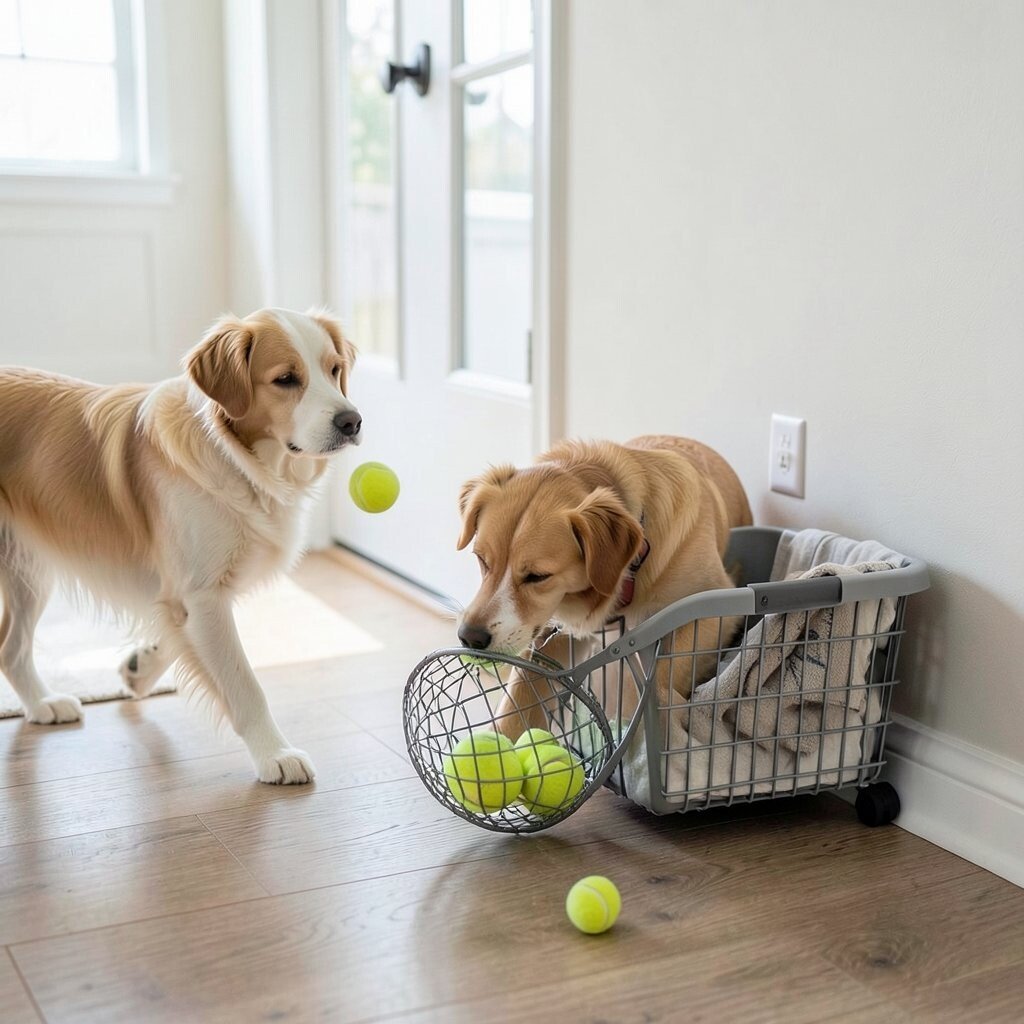
Place a laundry basket, small bin, or open dog crate a few steps away. Toss a tennis ball toward it and reward your pet when they push the ball in with their nose or paw.
This trains targeting, controlled movement, and patience because they learn to aim rather than grab instantly. Visually, you’ll see the ball arc and then roll inside the basket, which gives a satisfying end point to the game. Personalize the basket position to match your space, such as along a hallway wall for indoor sessions.
11. Fetch to a Mat With a Doorway Cue
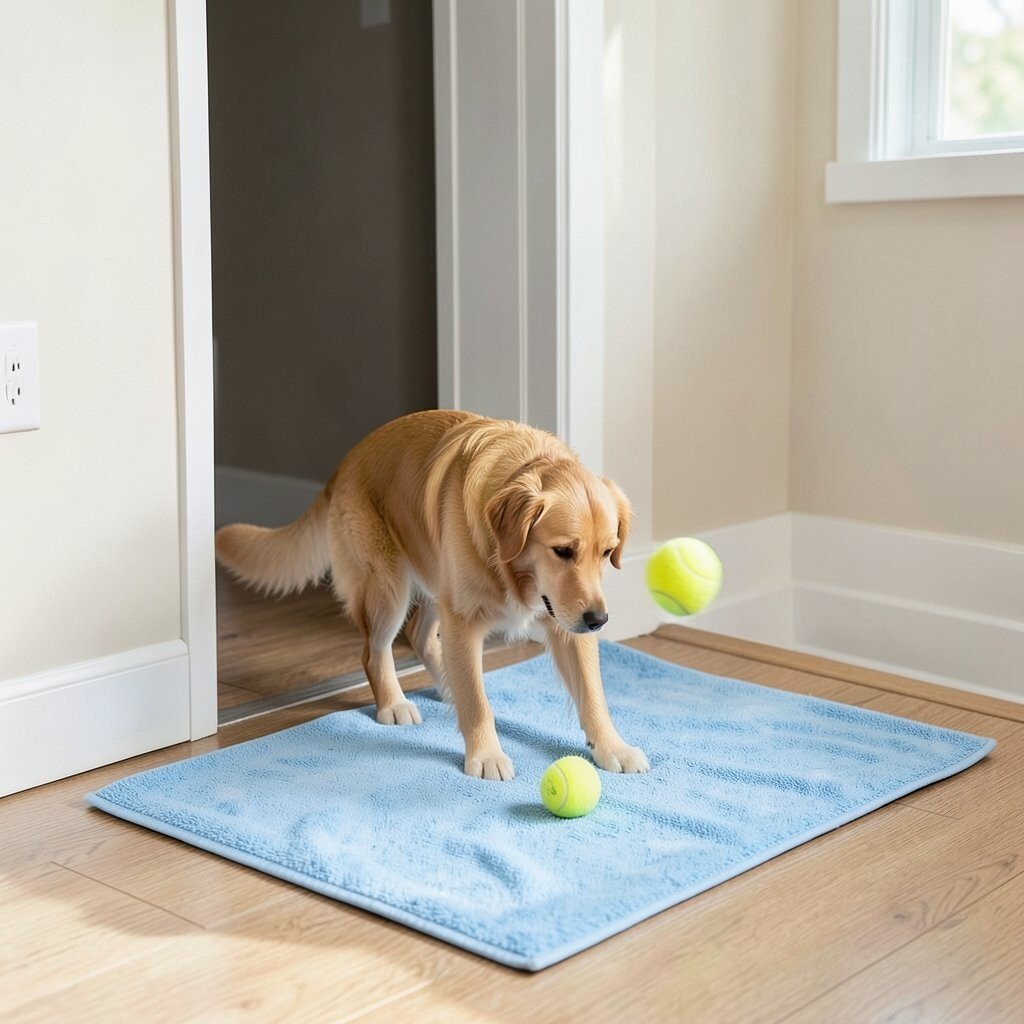
Choose a mat or towel in a consistent spot and keep it slightly away from the main doorway. Toss the tennis ball, and guide your pet to return to the mat before you reward.
This builds a helpful routine for polite greetings and helps reduce door-dashing behavior. The moment they step onto the mat, reward with praise and maybe a second ball for short follow-up play. For personalization, use a mat color that matches a calming routine your household already follows, like blue for quiet evenings and yellow for afternoons.
12. The “Build a Nest” Quiet Reset

Scatter a few tennis balls near your pet’s bed or blanket, then toss one gently into the resting area. Reward calm sniffing and relaxed body language, not frantic chasing.
This game supports downtime skills and helps your pet transition from energetic mode to relaxed mode. You can see progress when their breathing slows and they settle with the ball close by. If your pet gets too hyped, use fewer balls and reward smaller steps, like stepping onto the bed first, then lying down.
13. Crate Exit to Ball Reward

Start with your pet in a crate or on a mat behind a barrier if needed. Open the space and cue a calm exit, then toss a tennis ball right after they move out nicely.
This teaches that leaving the crate can be calm and controlled, and it also builds trust because the first thing they experience is a positive reward. Look for the improvement when they step out, pause, and then go for the ball instead of sprinting past you. For personalization, match the ball toss height to your pet’s comfort, like rolling it for shy pets or gently underhand tossing for confident fetchers.
On cost, tennis balls are budget-friendly, but make sure you choose ones that are sturdy for your pet’s chewing strength. Some pets shred softer balls quickly, so you may want to replace them sooner to keep training safe and clean.
14. Gentle Paw Tap to Earn a Roll

Hold a tennis ball in your hand, and wait for your pet to offer a paw tap. When they touch your hand gently, roll the tennis ball a short distance as the reward.
This builds polite interaction and helps reduce grabbing, because your pet learns that soft contact earns play. You’ll notice their paw movements become more deliberate and their body shifts toward you in a calmer stance. Personalize by choosing whether you want left paw, right paw, or any paw, and keep the pattern consistent so your pet isn’t confused.
15. The Weather-Ready Outdoor Sniff Route
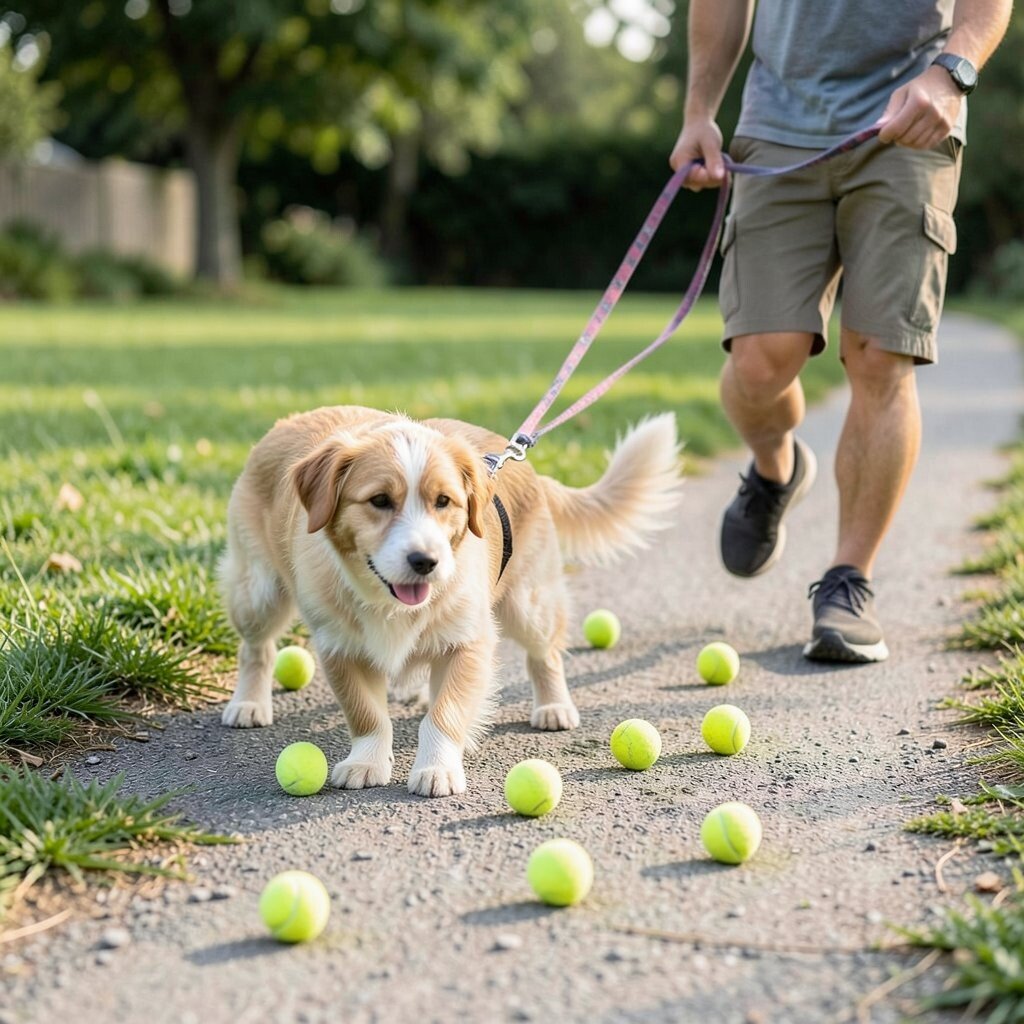
Even when you’re short on time, you can use tennis balls to guide an outdoor sniff route. Drop a few balls near safe walking spots and let your pet find them, one at a time, while you keep the leash loose.
This supports natural foraging instincts and turns an ordinary walk into a focused training session. The uniqueness here is that the balls act like gentle “breadcrumbs,” so your pet works for calm attention instead of rushing. For practical tips, adjust the number of balls to the weather and your pet’s stamina, and keep sessions shorter on hot days or during high wind.
Current trends in pet enrichment often focus on scent work and low-stress motivation, and this game fits right into that style because it feels like a scavenger hunt. Cost is minimal since tennis balls are inexpensive, and you can reuse them across days as long as they stay clean and not too chewed up.