Paintings can feel like a secret language for your classroom. When students connect new ideas to familiar moments, creativity starts moving on its own.
1. Weather Stories
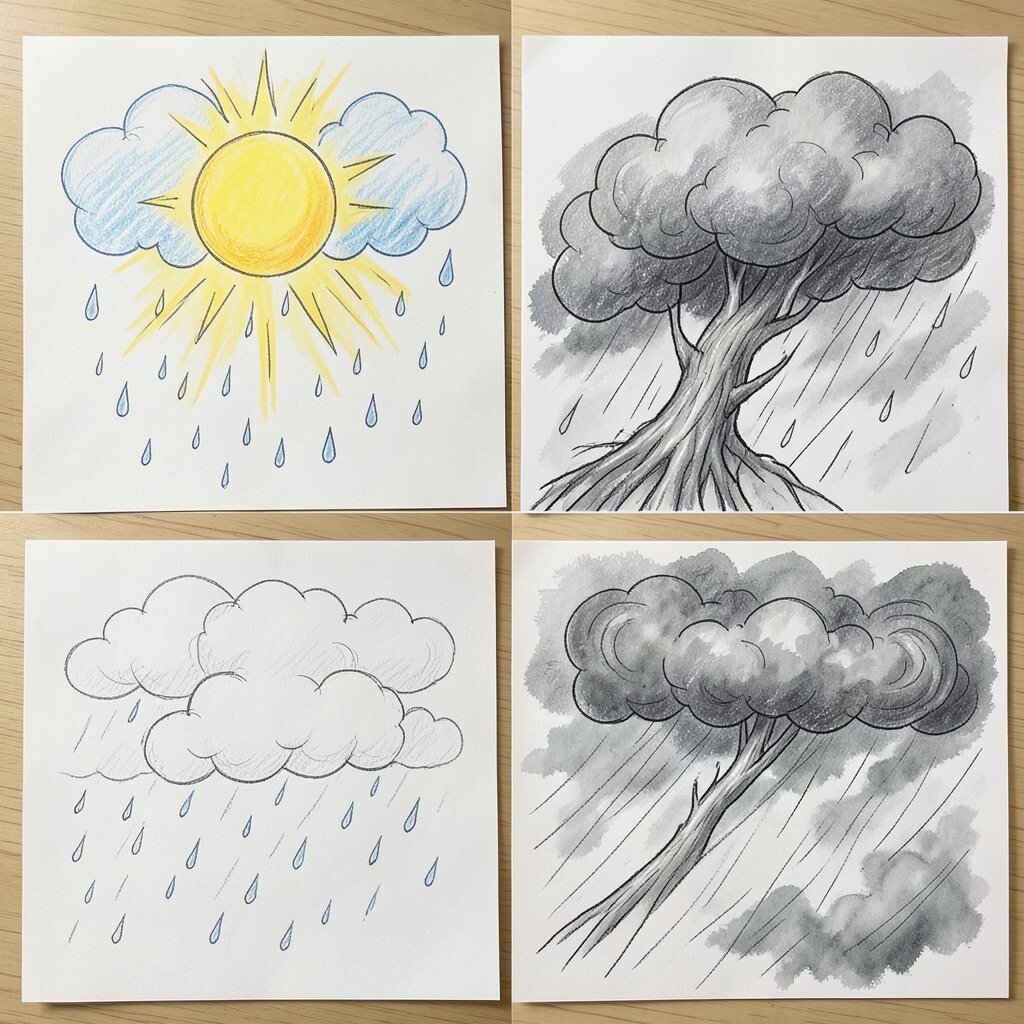
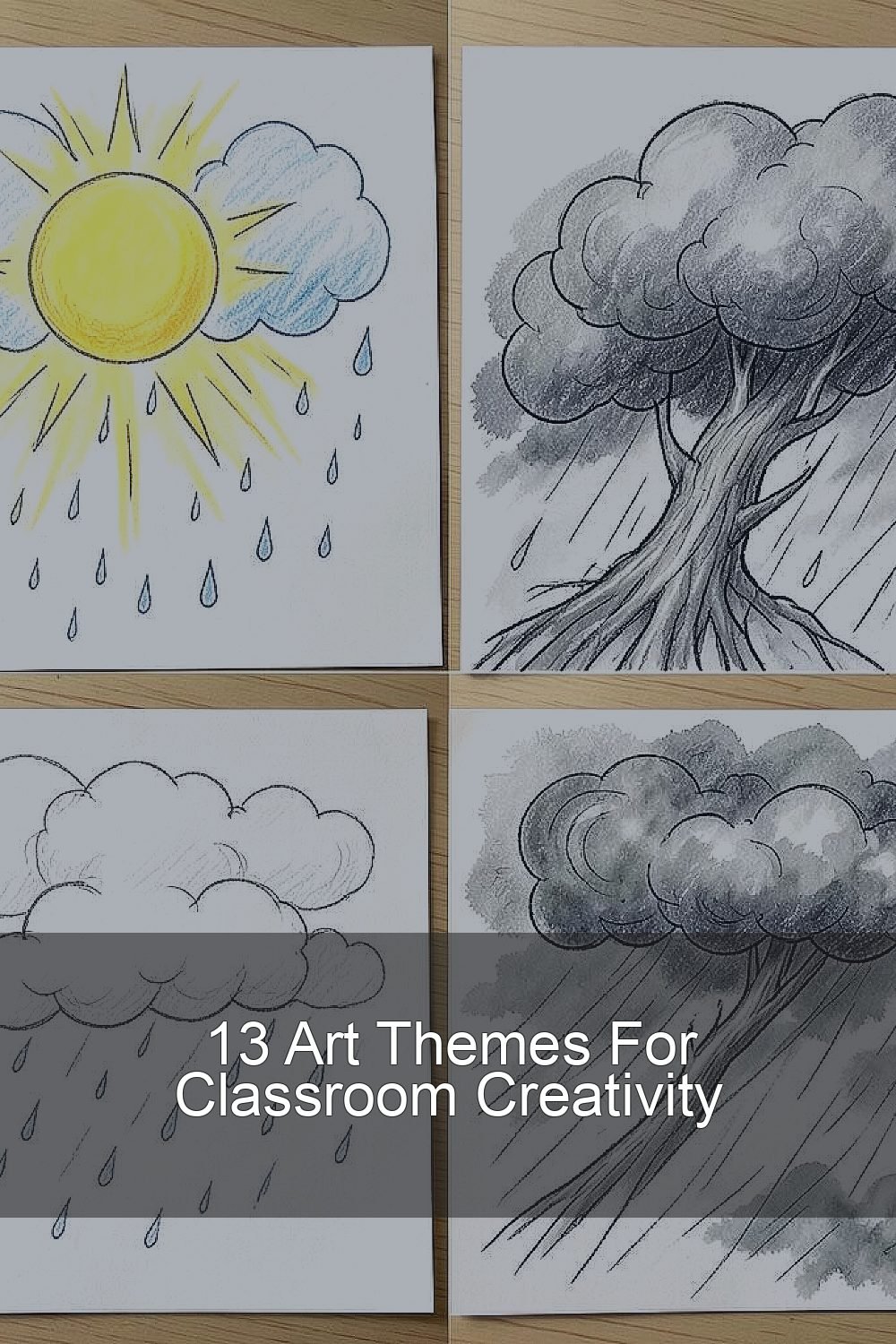
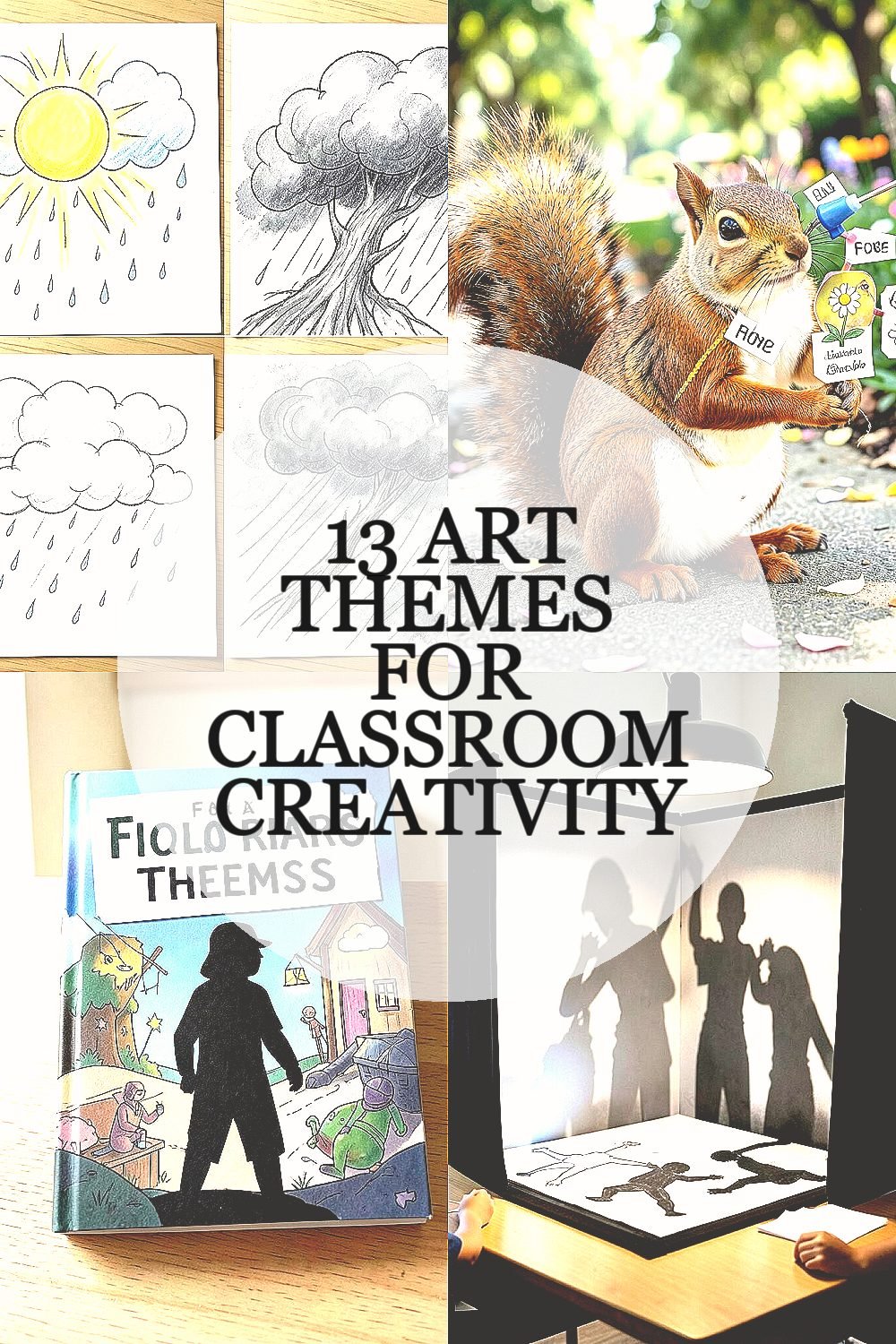
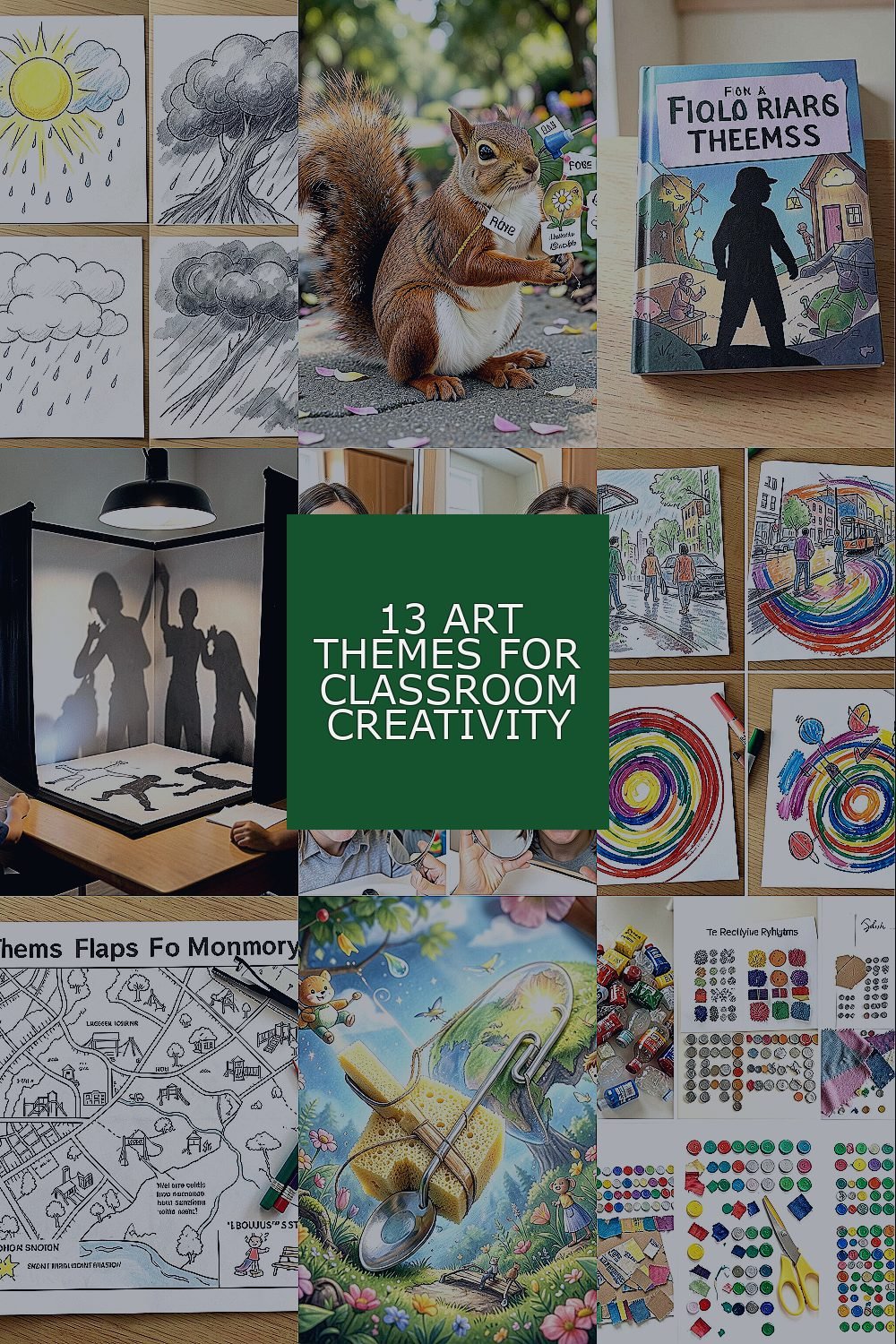
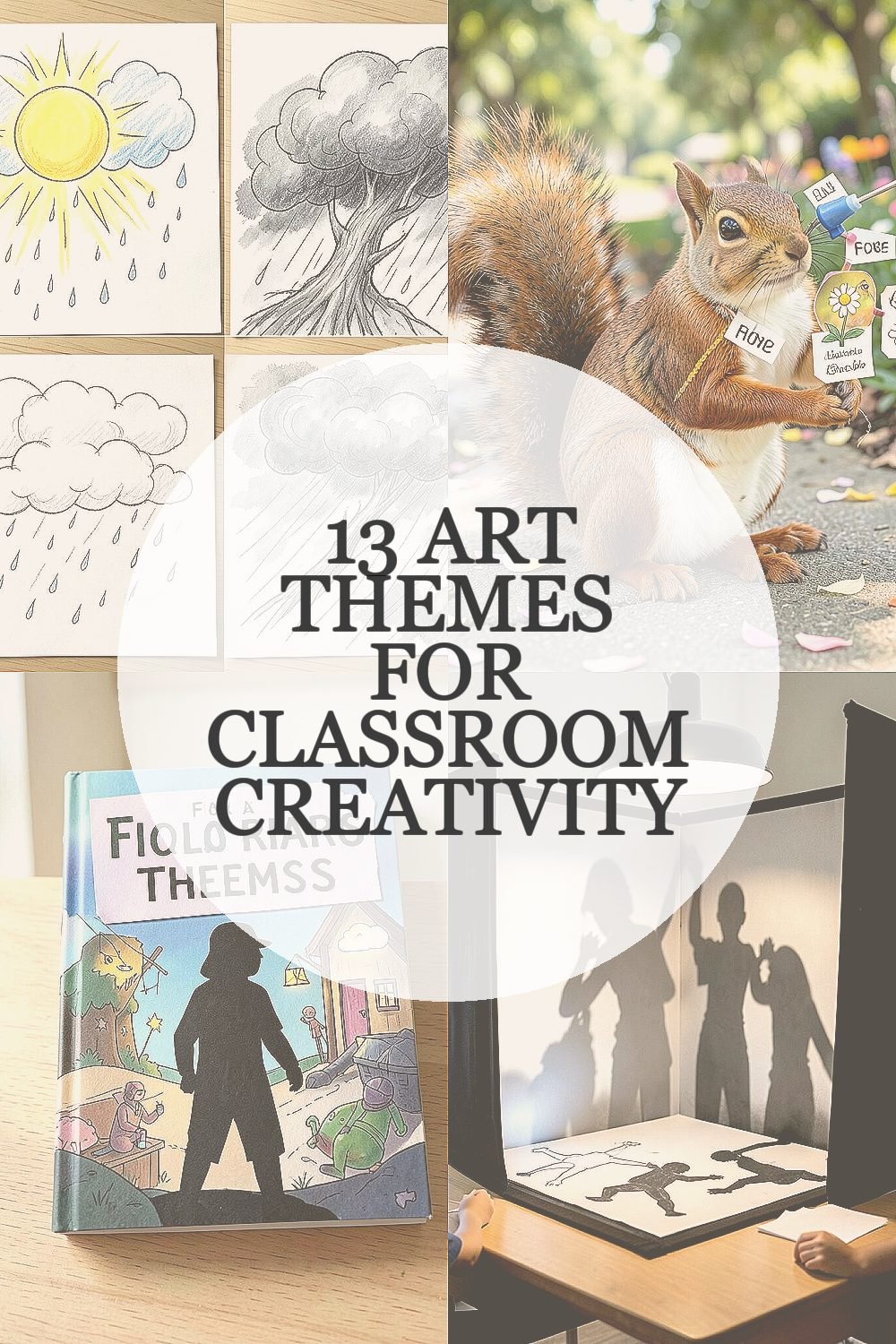
Have students imagine the sky outside their window as a character with mood swings. A sunny day can look bright and warm, while a storm can explode with sharp lines and swirling clouds.
Use paper, crayons, or watercolor to create a “day in art” series. Students can sketch clouds first, then add raindrops, wind streaks, or foggy smudges. This theme benefits beginners because it uses everyday observations and simple shapes, so everyone can join in quickly.
2. Friendly Neighborhood Creatures
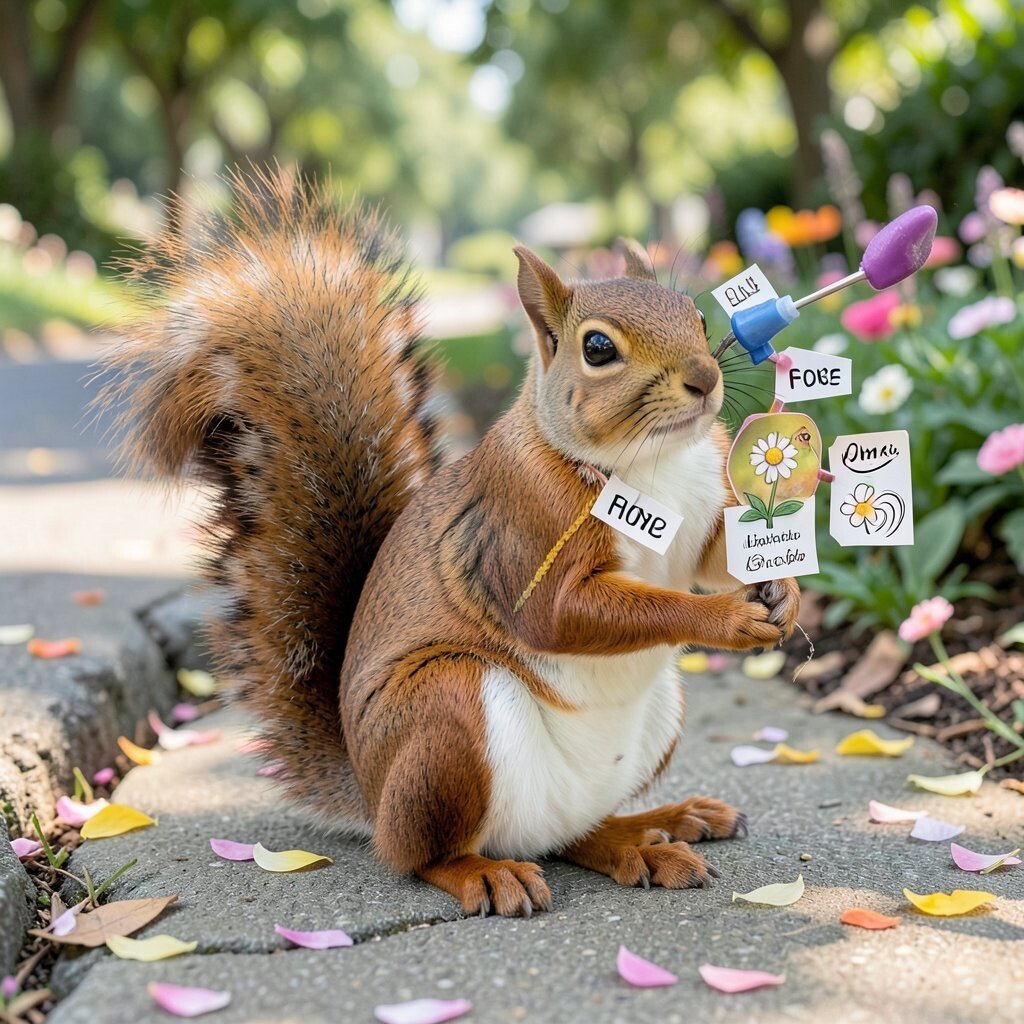
Invite students to design animals they might actually spot on a walk. A squirrel could have a patterned tail, and a bird could carry tiny messages in its wings.
Look at how each creature’s habitat appears in the background, such as sidewalk cracks, tree bark, or flower petals. Students can add labels using pictures instead of words, like a little flower for food or a swirl for movement.
To keep it practical, offer inexpensive materials like old magazines for collage parts and washable glue. Personalization can be as simple as letting students choose one special feature, such as a favorite color band or a unique tool-like accessory on the creature.
3. Imaginary Book Covers

Ask students to design a cover for a story that could exist in their classroom world. Color the title area like a mood board, then build a scene using cut paper shapes and drawings.
Make the cover feel real by adding a “main character” silhouette and a background that shows the setting. Students benefit from learning visual hierarchy, because the biggest shape should grab attention first, then details can support the idea.
Keep costs low by using scrap paper, cardboard pieces, and printing old textures from classroom books. Students can personalize covers by choosing a genre vibe, like cozy mystery or sci-fi adventure, and matching it with colors and symbols.
4. Shadow Theater
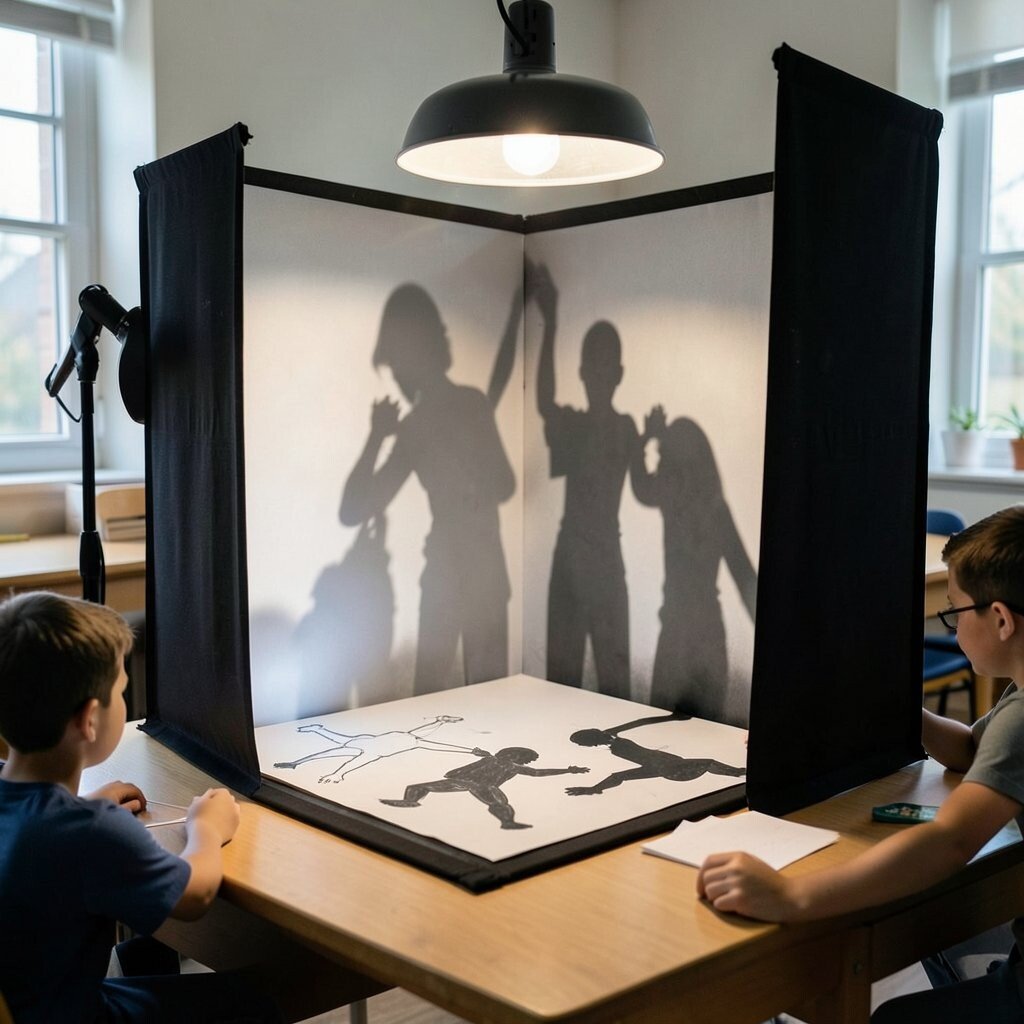
Turn lighting into a drawing tool by having students create scenes from shadows. A lamp, flashlight, or overhead projector can cast silhouettes on paper, and students can trace the shapes.
They can then cut extra layers to build a tiny “shadow theater” stage. The benefit is that students see how light direction changes form, which strengthens spatial thinking and confidence.
5. Mirror Moment Self-Portraits

Have students make self-portraits by studying reflections in a bathroom mirror, shiny laptop covers, or small hand mirrors. They can exaggerate one facial feature, like big eyes or a wide smile, to make the portrait feel expressive.
Use charcoal, pencil, or colored pastels to show gradients in skin tones and hair texture. This theme supports creativity because students can blend realistic observation with personal style.
For practical setup, rotate mirrors in pairs and allow a “two-minute gesture sketch” first, then a final portrait. Personalization ideas include adding one meaningful object in the background, such as a toy, a sport symbol, or a favorite pattern.
6. City Sounds as Color
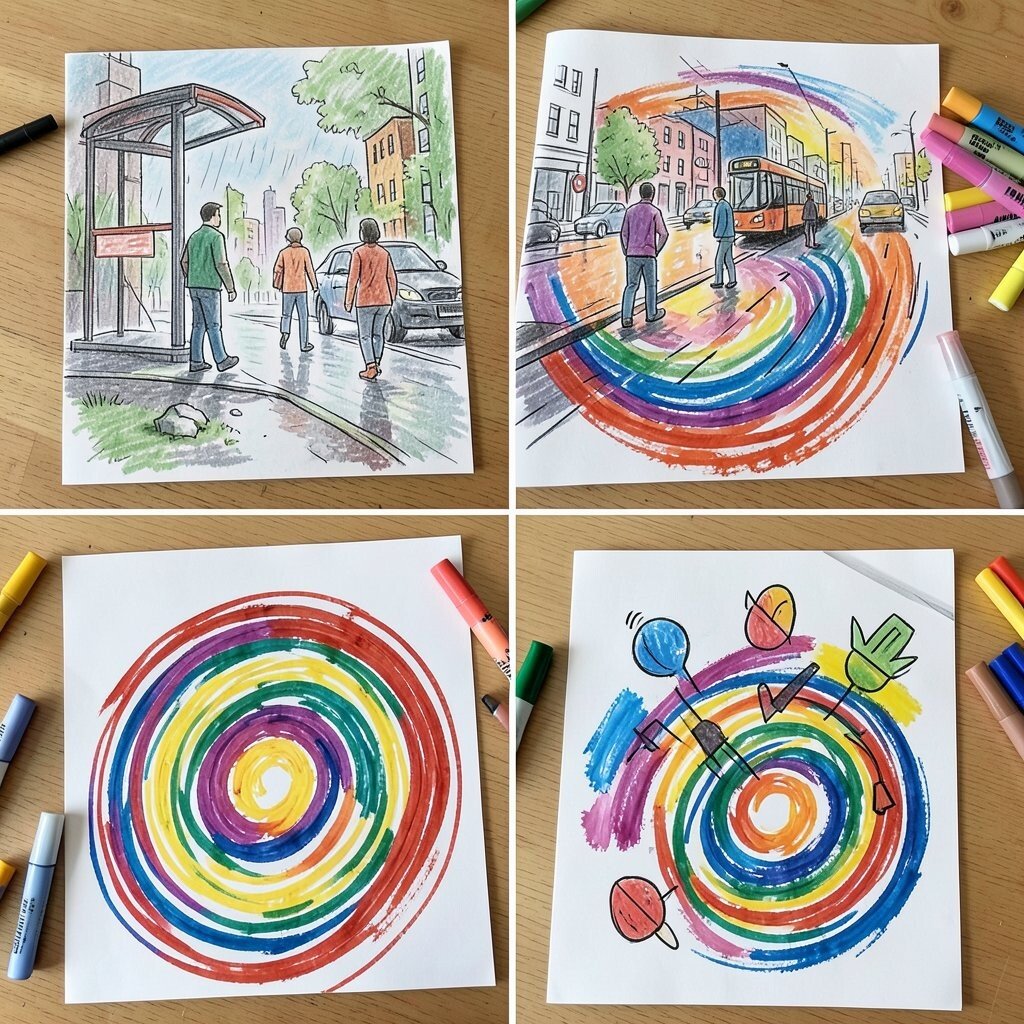
Play short audio clips of everyday city sounds, like footsteps, rain on a bus shelter, or distant traffic. Students respond by drawing with color swirls that match the rhythm and volume they hear.
Then have them add shapes that suggest motion, such as thick lines for loud beats and thin lines for quiet sounds. The uniqueness here is that the artwork comes from listening, so even students who struggle with drawing can start confidently.
To keep materials simple, use markers or tempera paint with a limited palette. A current classroom-friendly trend is audio-reactive creativity, where students use multiple senses for expression, making the activity feel fresh and modern.
7. Maps From Memory
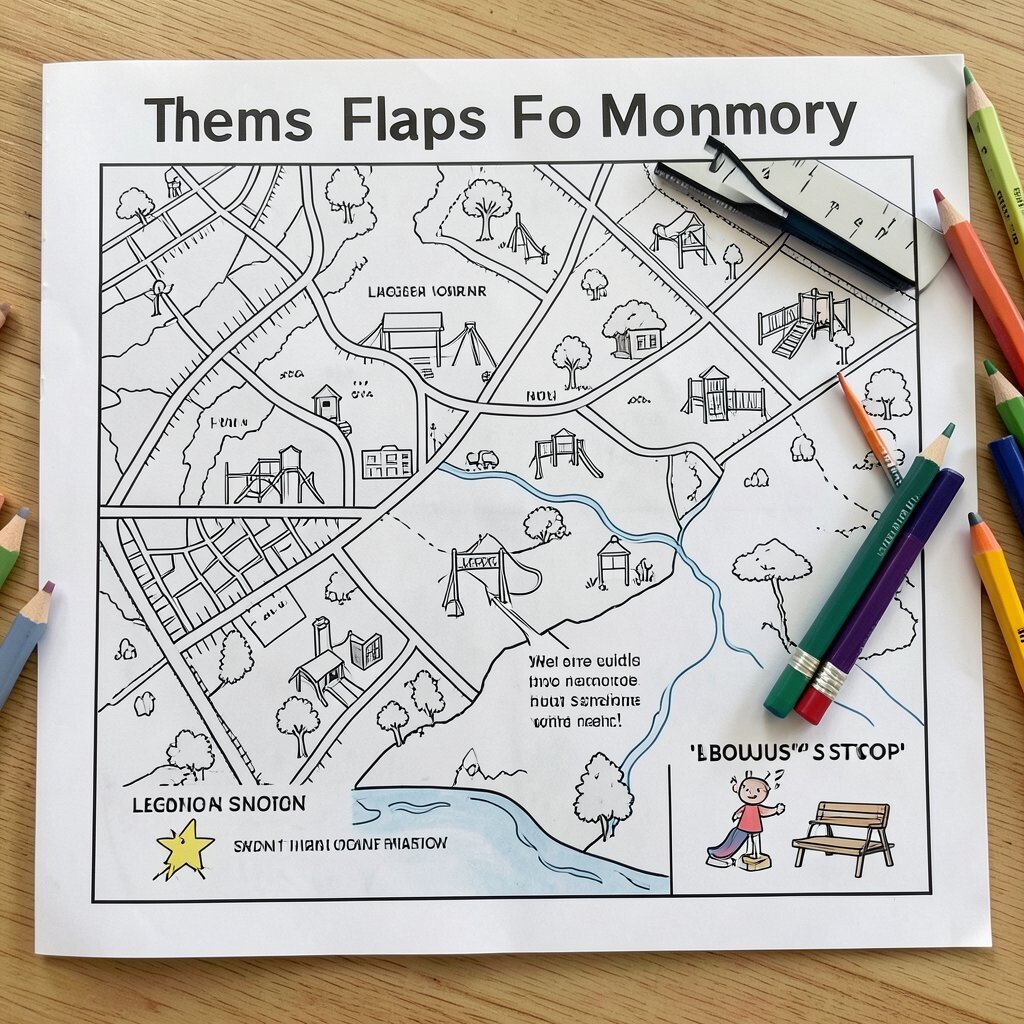
Ask students to draw a map of a familiar place, such as a playground, library corner, or route from home to school. They can include landmarks they remember, even if they are not perfectly placed.
Encourage them to design a “legend” using pictures, like a star for a favorite bench or a wavy line for a stream. This theme builds benefits for organization and storytelling, because the map becomes a narrative of routes and feelings.
For cost considerations, provide simple paper, rulers, and colored pencils instead of expensive software. Students can personalize by adding a secret “bonus stop” on the map where they imagine a fun surprise waiting.
8. Everyday Objects, Superpowers
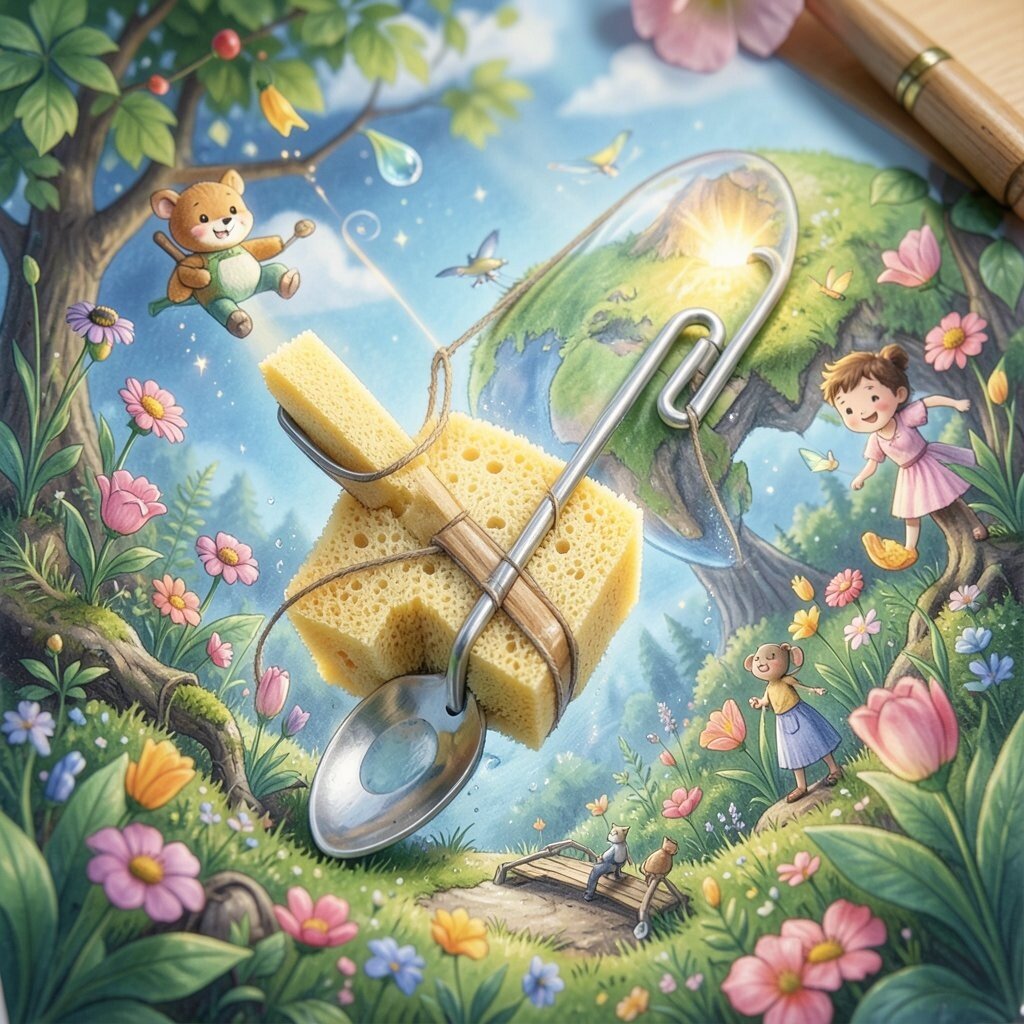
Have students pick an everyday item, like a spoon, sponge, or paperclip, and imagine it has a special role. A spoon can become a “sun scoop,” and a paperclip can become a “tiny bridge” holding worlds together.
Students can draw the object in an unusual setting, like floating in space or hiding inside a giant garden. The benefit is that art becomes playful and approachable, because the subject is already familiar and safe to start.
9. Recycling Rhythms
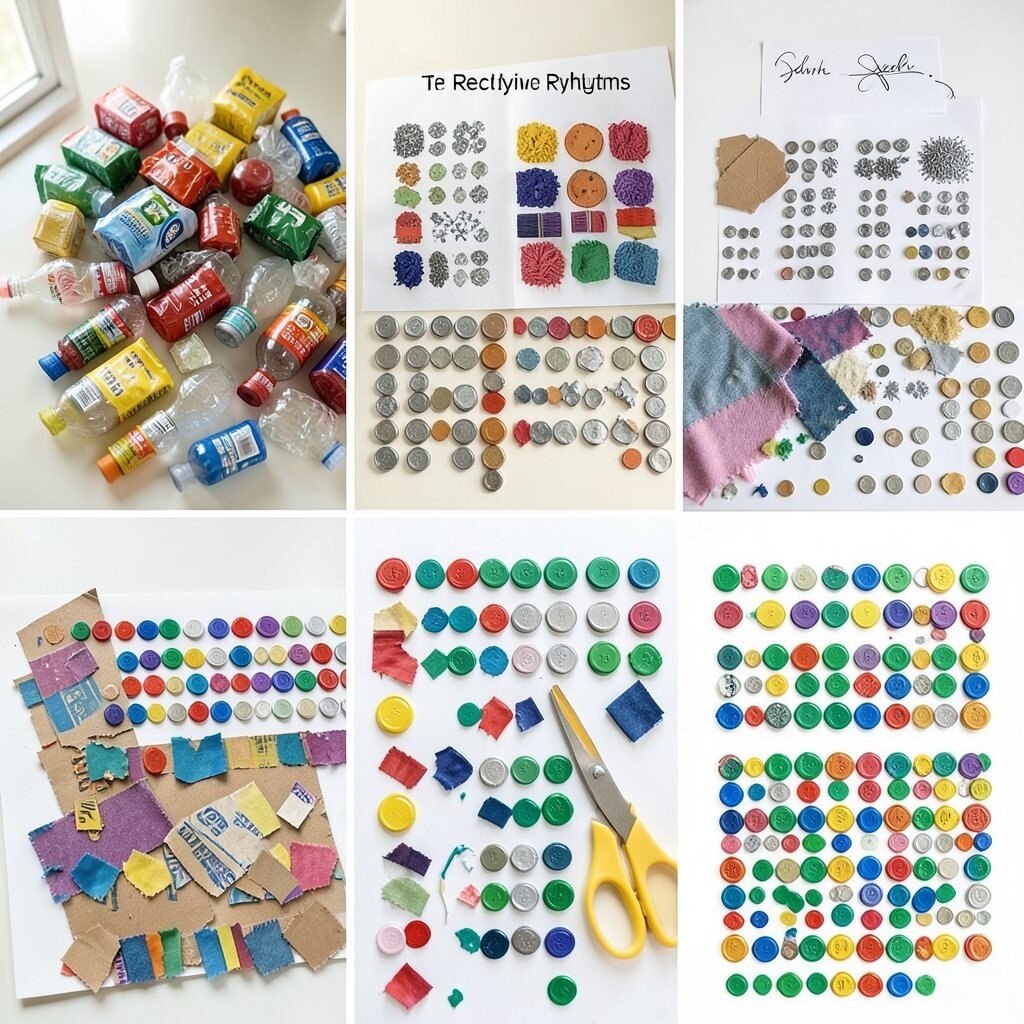
Make art out of packaging and scraps to show how materials can get new lives. Students can create repeating patterns using bottle caps, cardboard strips, and fabric scraps.
They can also design a rhythm series, like repeating three shapes that feel like a beat. This theme supports uniqueness because every class will create different pattern combinations based on what scraps they collect.
To keep it affordable, ask families for clean, dry recyclables and provide basic glue sticks and safety scissors. Personalization can happen when students add a “signature pattern,” using their favorite shape or color to mark their work.
10. Folklore Masks and Symbols
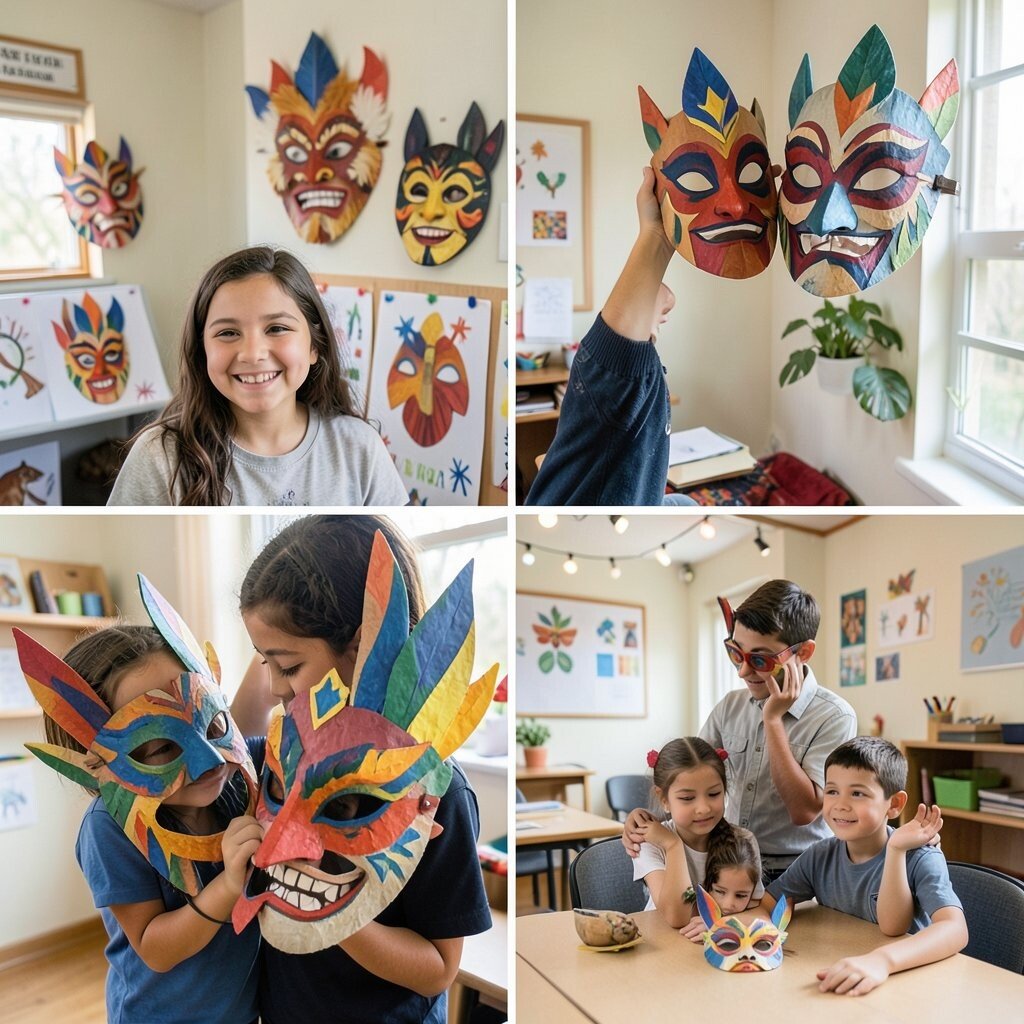
Introduce students to the idea that different cultures use symbols to share stories and beliefs. Then ask them to design a mask that represents something important to them, like bravery, kindness, or curiosity.
They can use bold shapes, textured paper, and paint to make the mask feel alive. The benefits show up quickly, because students practice symbolism and design choices while building pride in their own identity.
11. Color Mood Diaries
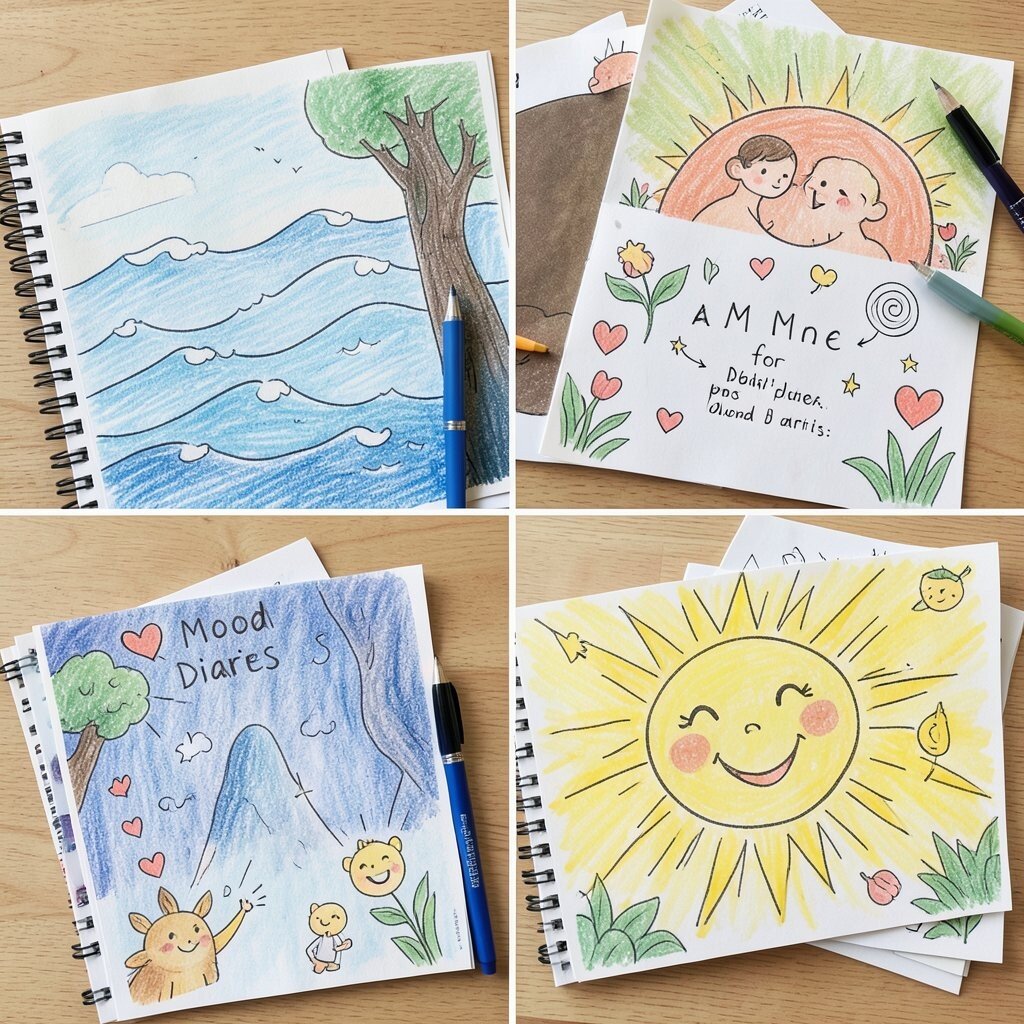
Create a weekly routine where students pick a color that matches their mood and then draw a scene around it. A blue day might include cool waves, while a bright yellow day could include sun bursts and happy faces.
Help them show mood through background choices like light, darkness, and texture. This theme is unique because it treats feelings as visual tools instead of something students must hide.
For practical tips, use small sheets so students can add entries often without getting overwhelmed. Students can personalize by adding tiny symbols, like a heart for friendship or a spiral for calm breathing, making each page feel truly theirs.
12. Ocean Worlds With Found Textures
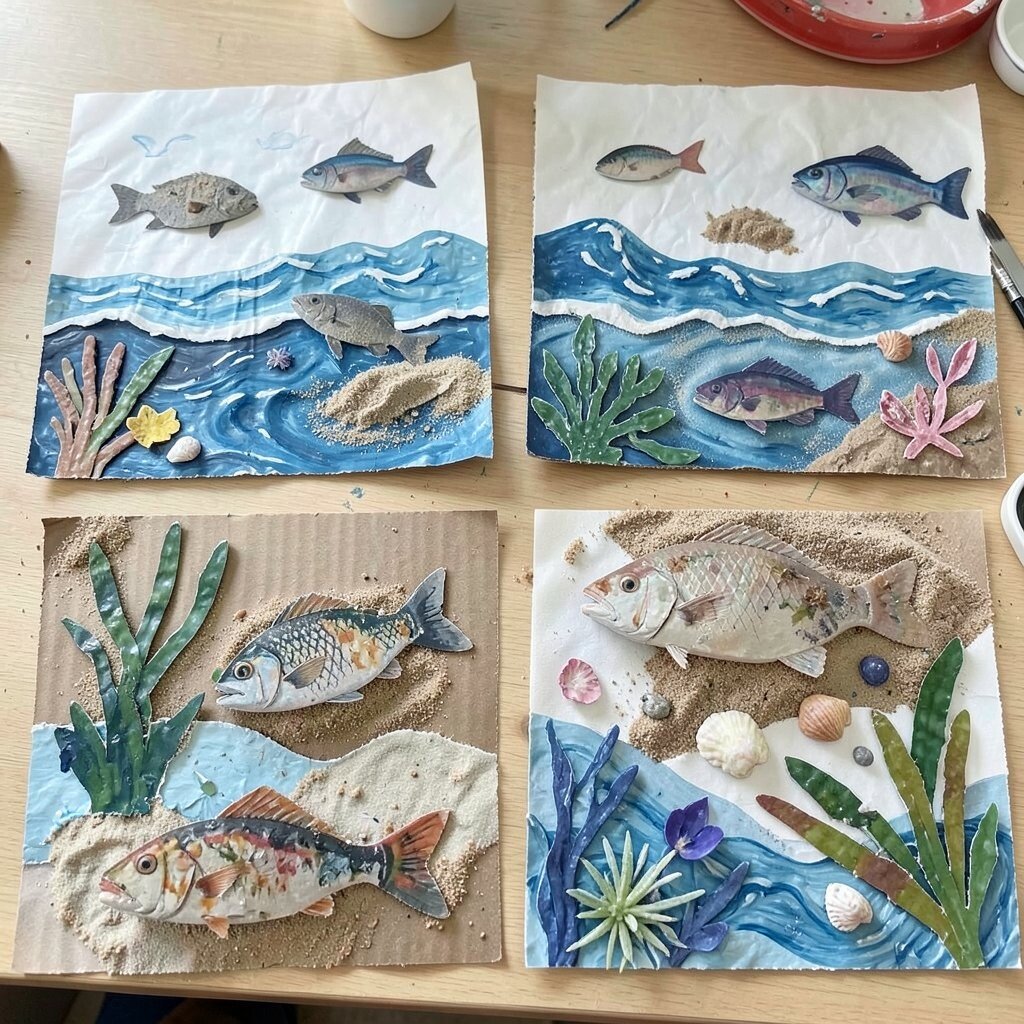
Invite students to create seascapes using materials that already feel ocean-like. Pieces of tissue paper can become waves, and sand textures can be made with crushed paper or safe craft sand.
Students can add fish, shells, and sea plants using collage and paint together for layered depth. The benefit is that tactile art supports different learning styles, especially for students who learn best through hands-on work.
Keep cost low by using cardboard, torn paper, and leftover wrapping materials. A current trend in classrooms is mixed-media art, where students combine techniques to create richer surfaces without needing expensive supplies.
13. Motion Studies From Everyday Steps
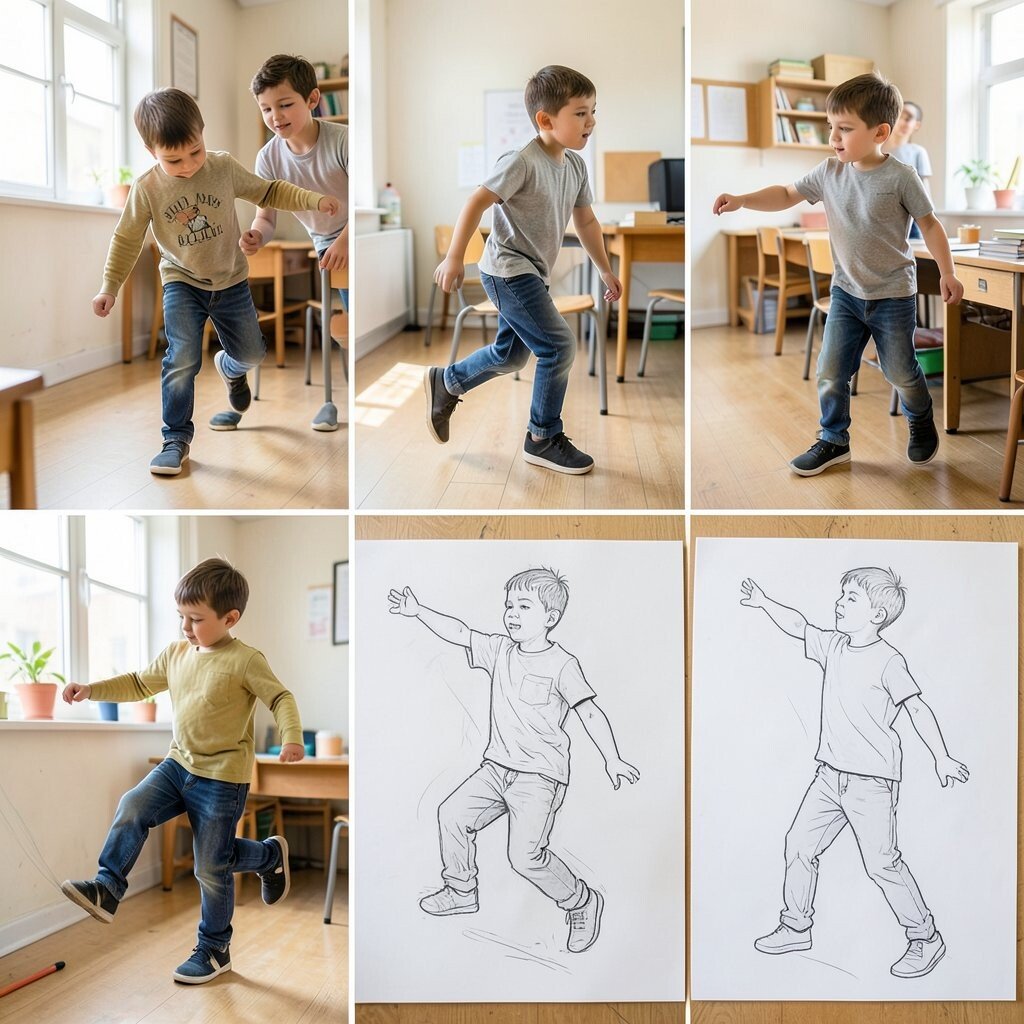
Have students practice drawing movement using their own bodies. They can take a few steps, then freeze in a pose and trace or sketch the pose quickly, like capturing a snapshot of motion.
They can repeat this with different actions, such as jumping, turning, or reaching, and then arrange the sketches into a sequence. This theme improves benefits like observation skills and understanding shape changes over time.
14. Time Capsule Collages
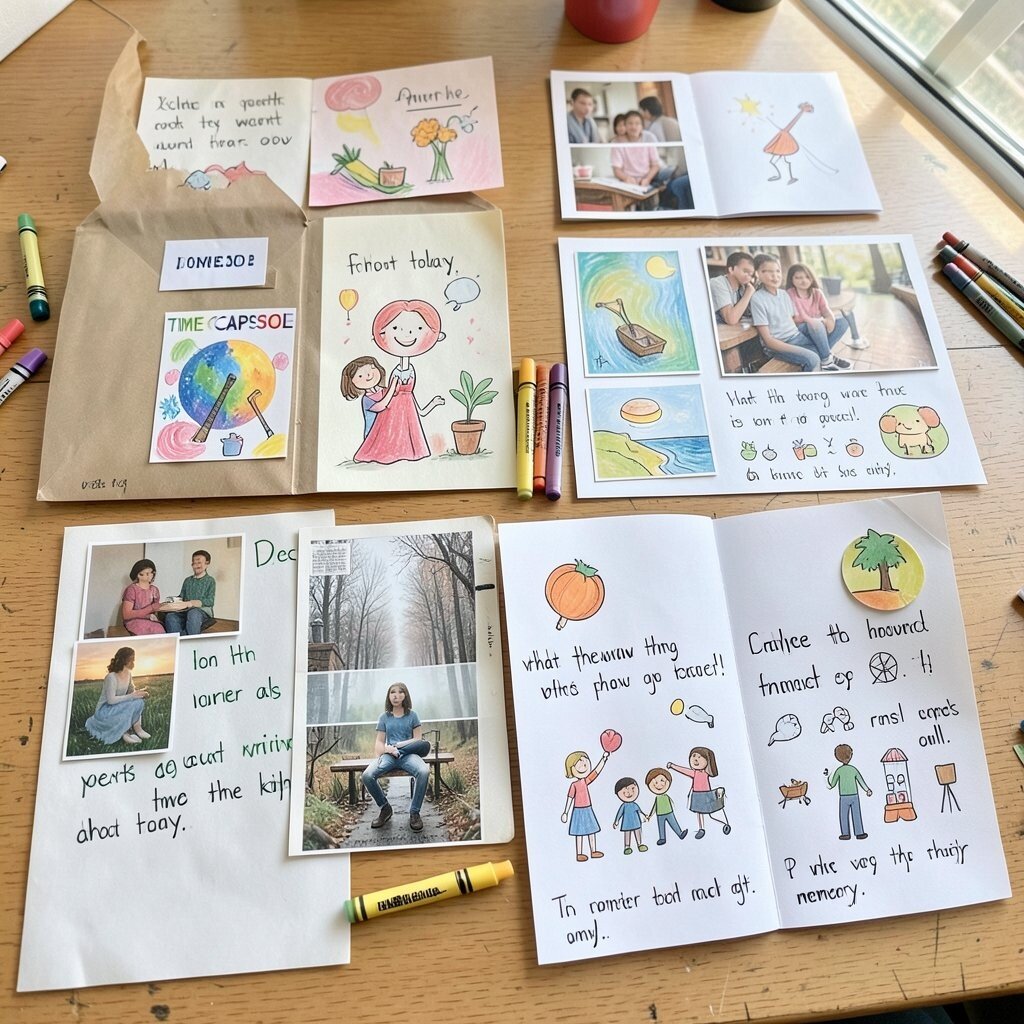
Ask students to create a collage that answers what they want the future to know about today. They can include drawings, favorite colors, and small cutouts from magazines to build a personal snapshot.
Make the project feel special by having them choose a “promise piece,” such as a tiny symbol that stands for a goal. The uniqueness comes from each student’s voice showing through the materials they pick and the way they arrange them.
For cost considerations, keep supplies simple with paper scraps, glue, crayons, and envelopes for storing finished work. Students can personalize by writing a short message using pictures only, then adding a date sticker so their collage becomes a real time capsule memory.